
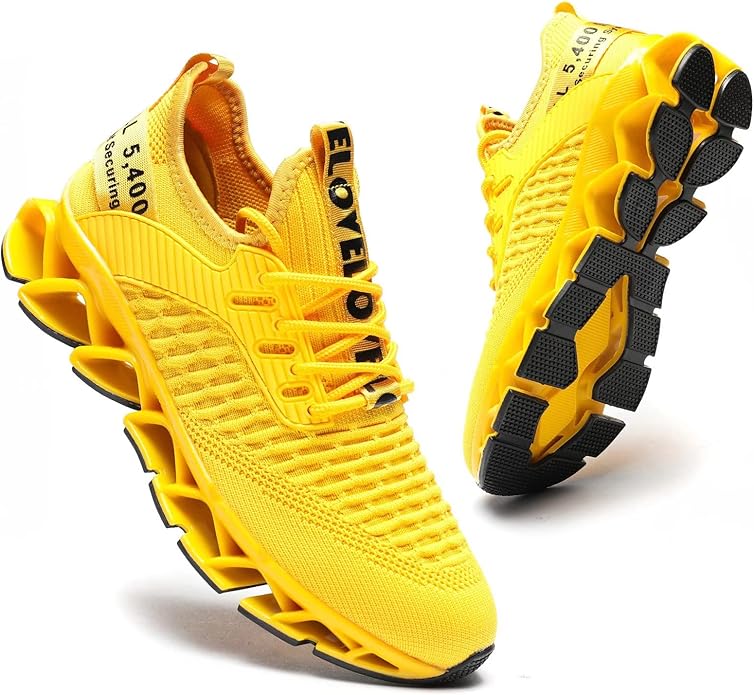
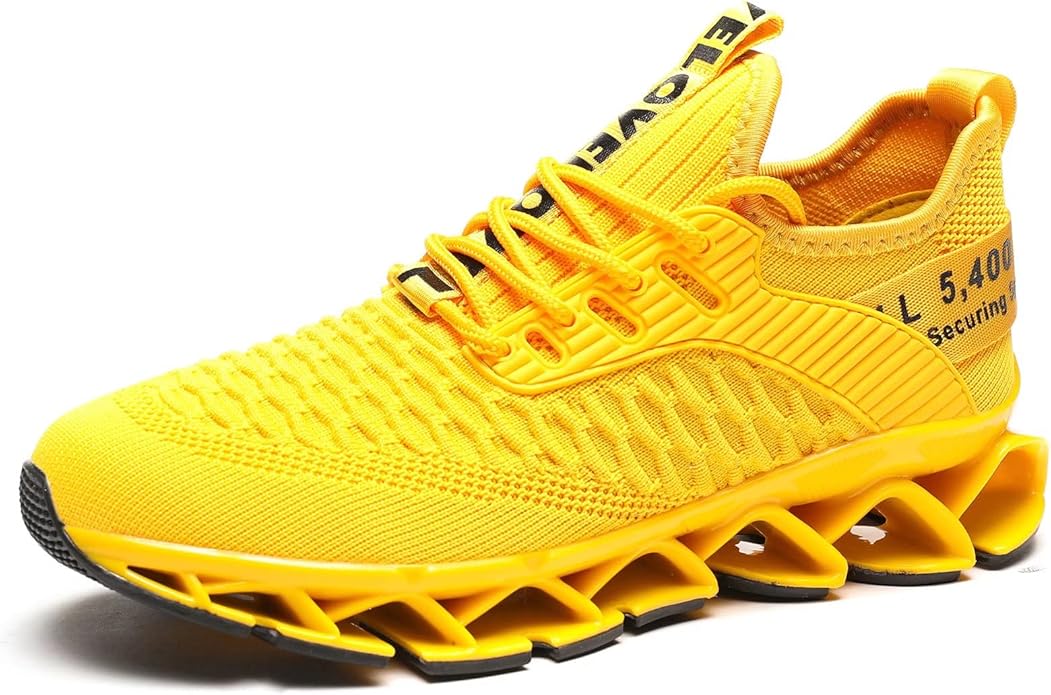
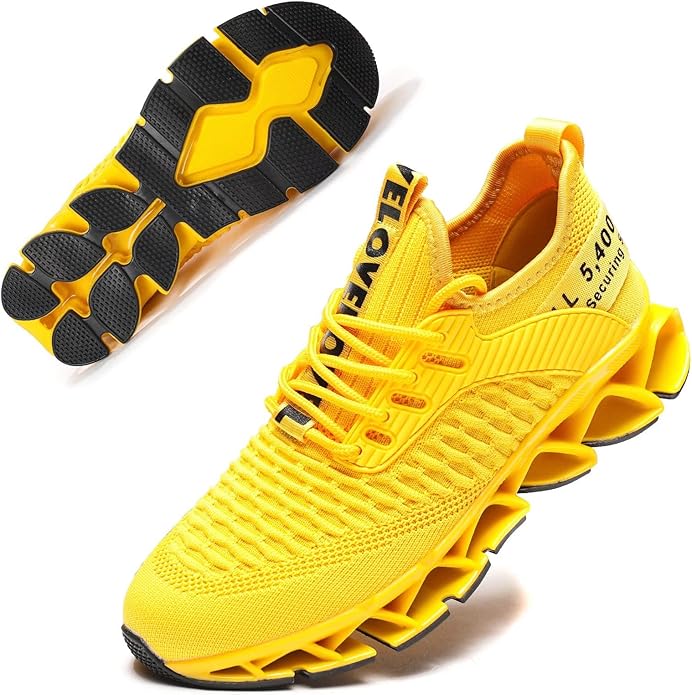
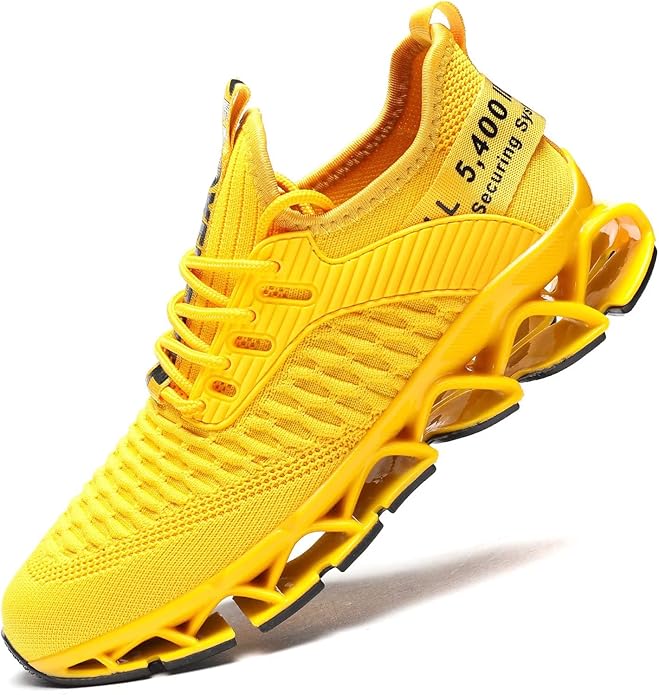
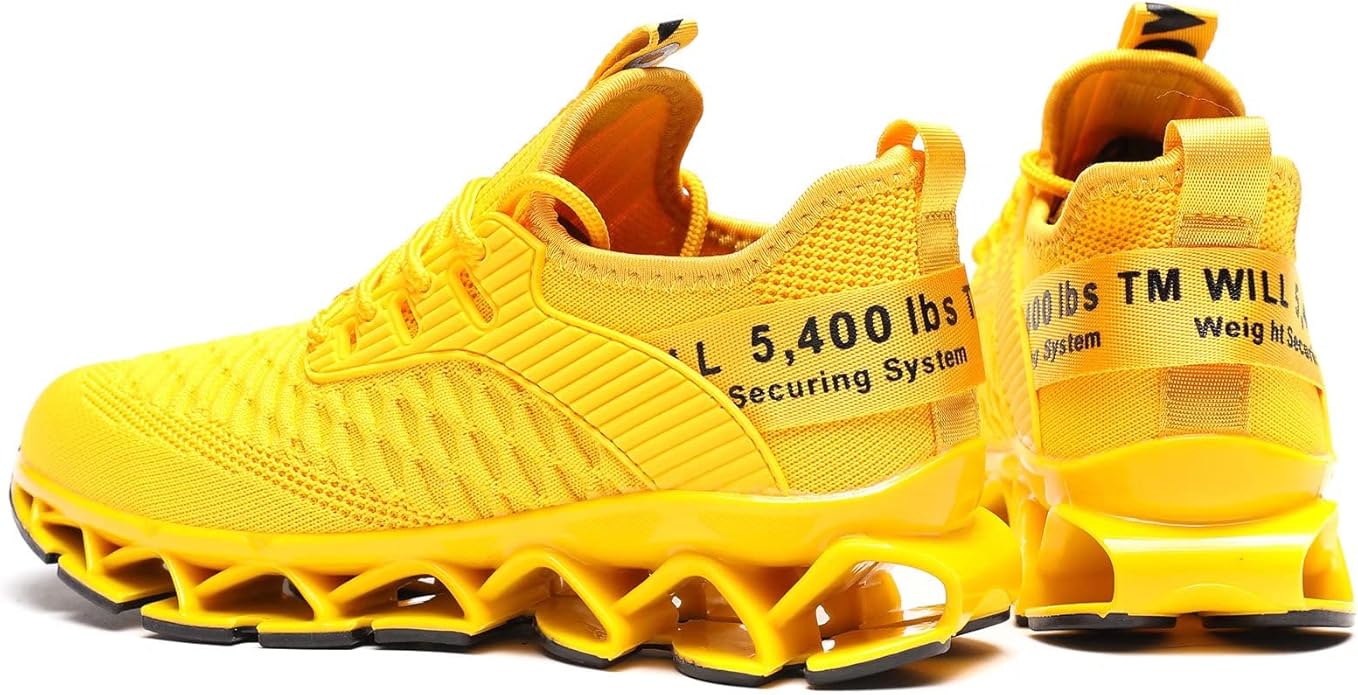
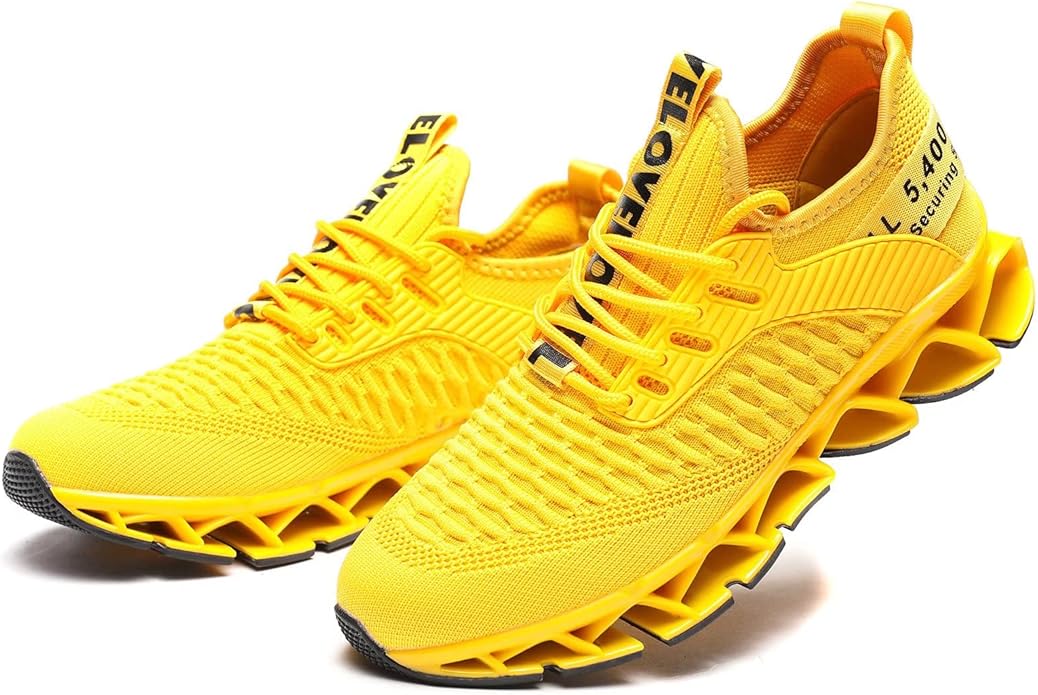
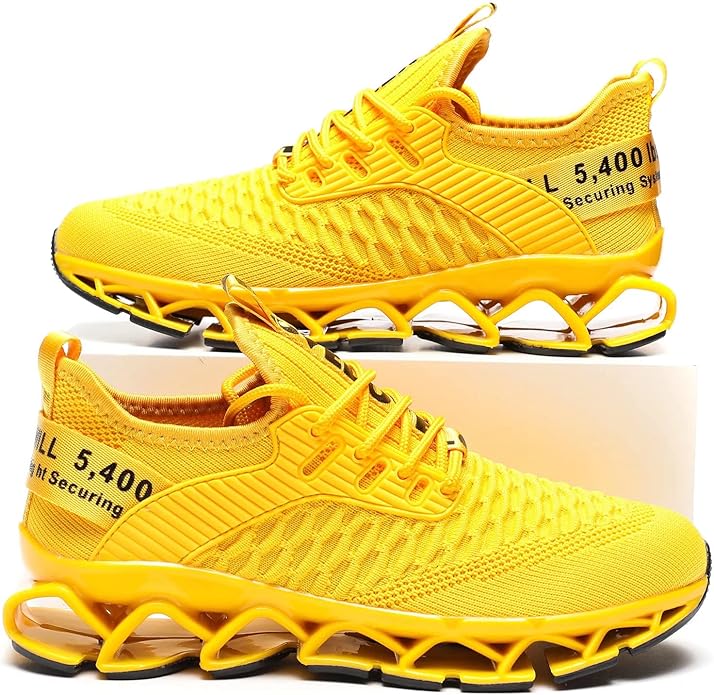
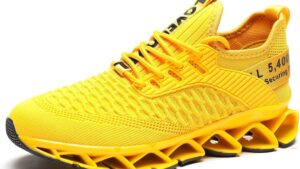
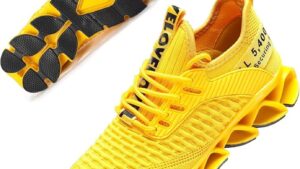
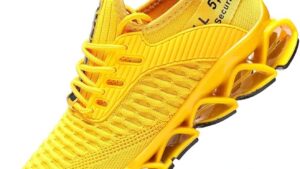
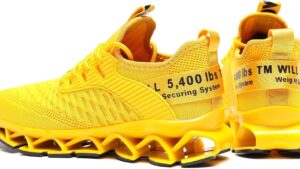
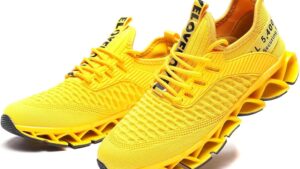
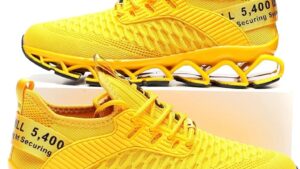
Three pairs of “budget” gym shoes at sixty bucks each. That’s $180 gone in one year, and every single pair fell apart within three months. So when I spotted the Kapsen Men’s Running Shoes Blade Tennis for $25, I had exactly two thoughts: this is too cheap to work, and I’m buying them anyway. Mike here — and after six weeks of putting these through my actual gym routine (40+ sessions of HIIT, treadmill, and weight training), I’m ready to give you the straight story.
Quick Specs & Testing Summary
- Price: $25–30
- Upper: Breathable knitted fabric (stretch)
- Midsole: Basic foam padding (no air cushion)
- Sole: Rubber blade pattern, non-slip
- Closure: Pull-on slip-on (no laces)
- Weight: Lightweight knitted construction
- Best for: Gym workouts, short walks, casual indoor use
- Testing: 6 weeks, 40+ sessions — HIIT, treadmill, weight training, daily wear
- Overall: 6.0/10 — strong first impression, major durability flaws
First Impressions — Modern Look, No Break-In Required
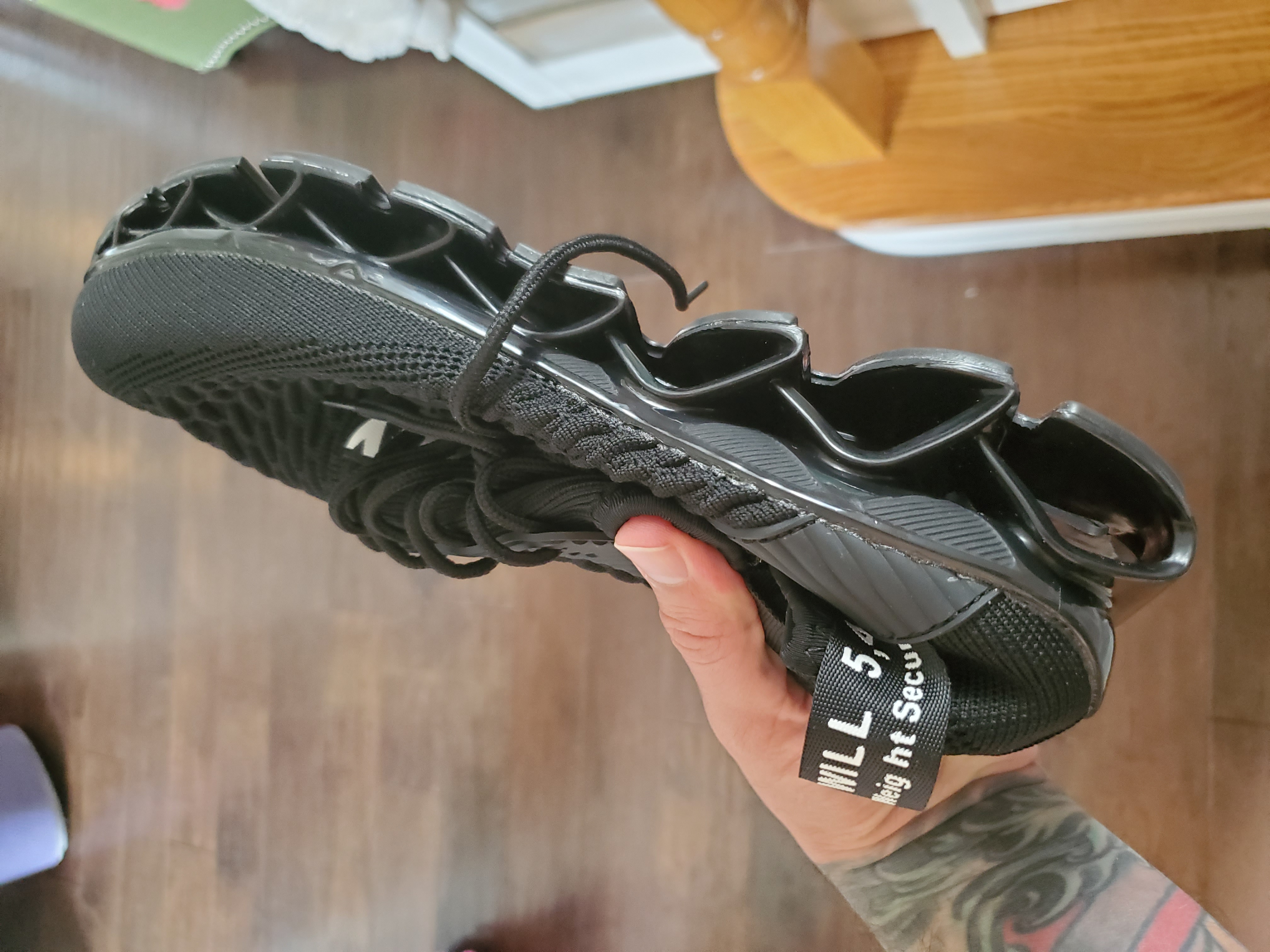
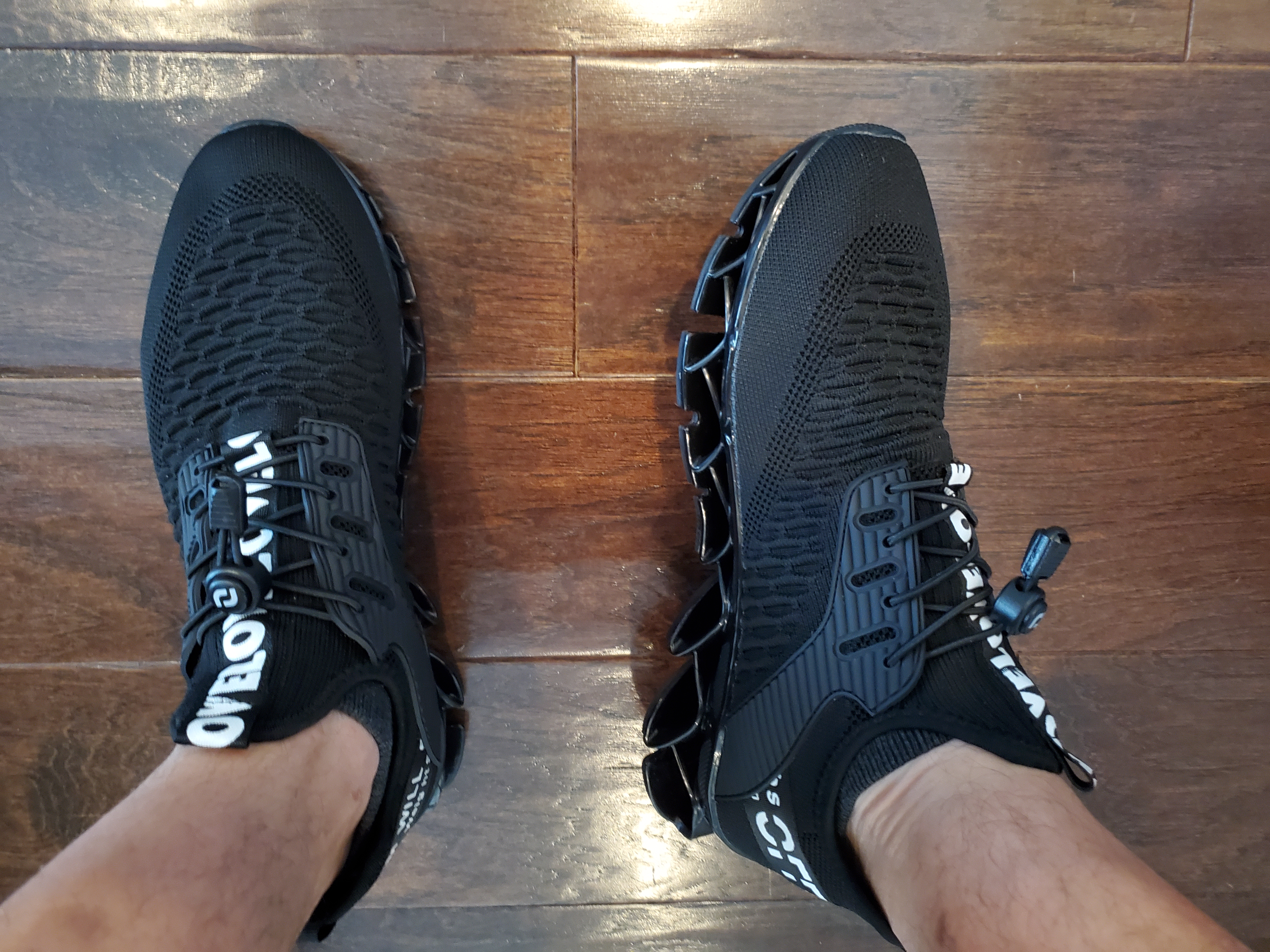
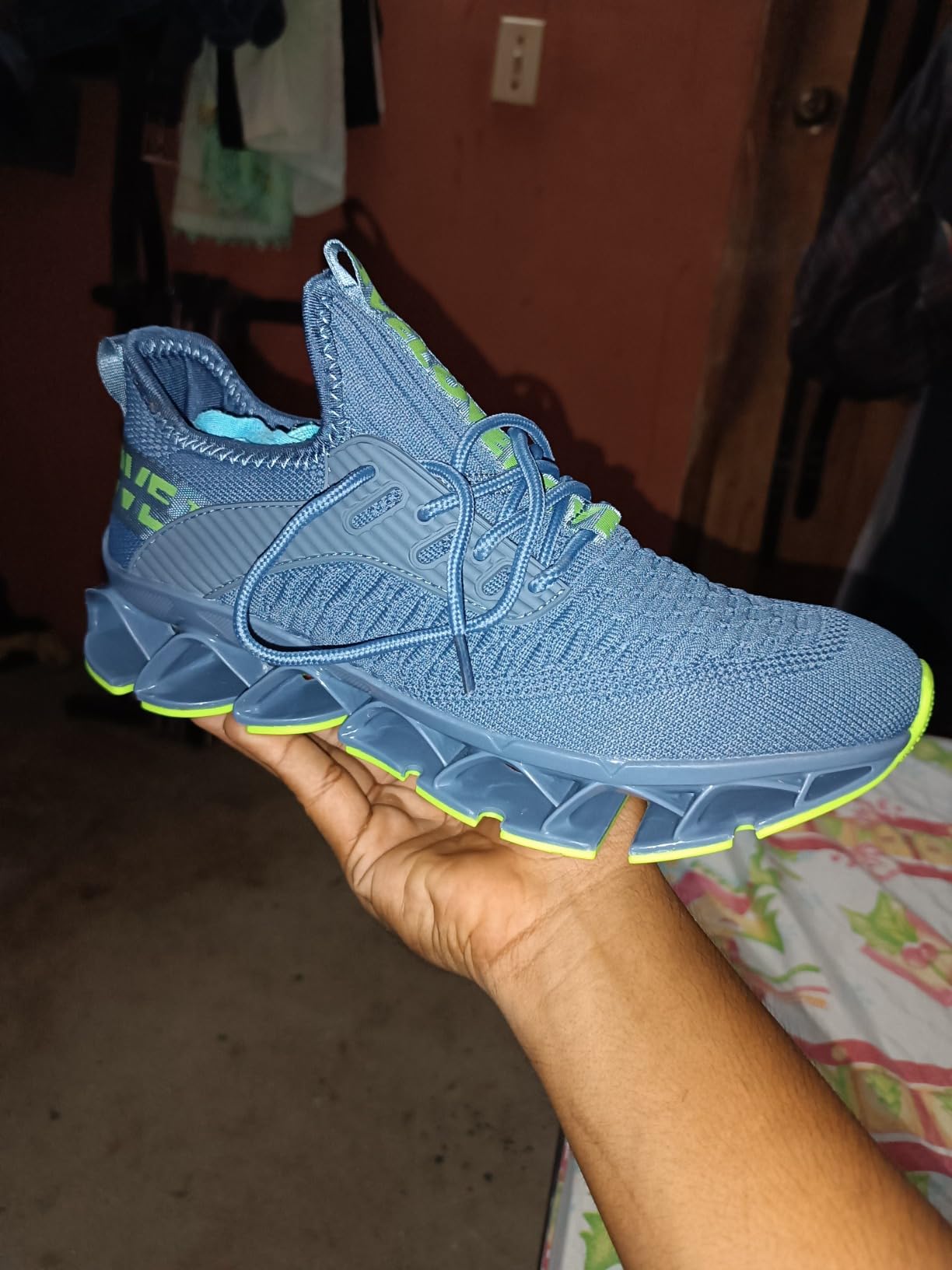
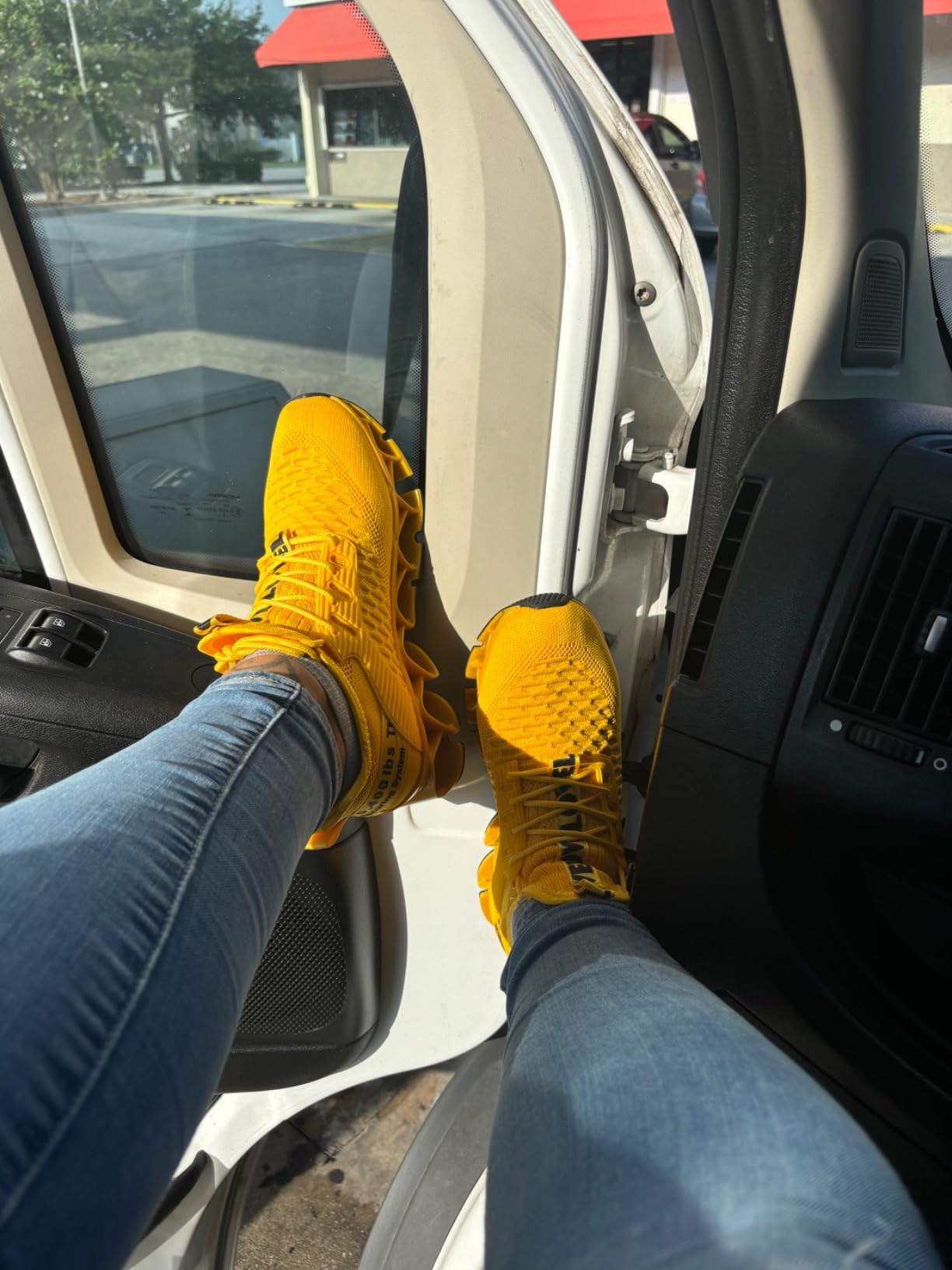
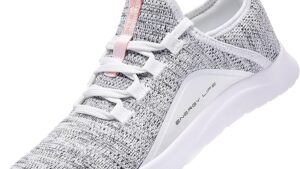
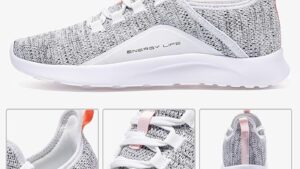
Day one out of the packaging, these shoes genuinely surprised me. The knitted upper has a clean, contemporary silhouette — they look more expensive than $25, and three separate people at my gym asked where I got them over the six weeks. That’s not nothing.
The fabric is soft and stretchy, somewhere between an athletic sock and a lightweight sneaker. The pull-on design means zero lacing — just slide your foot in and go. For quick gym trips, that’s actually convenient. The fit felt snug without being restrictive at size 9.5, and my feet had room without any pressure points right out of the box. No break-in period. You could buy these today and wear them to the gym tonight without any soreness — that’s a genuine differentiator over rigid canvas sneakers or leather trainers.
The stretch construction also turns out to be an underrated feature for casual sneakers at this price: if you have wider-than-average feet and usually struggle with rigid budget shoes, the knitted upper adapts to your foot shape rather than fighting it.
Fit and Sizing — Who It Works For
Sizing runs true to size for most people, including me at 9.5. Some Amazon reviewers report the fit running slightly large — about half a size — while others mention a snug pull-on collar at the ankle. My read after six weeks: if you’re between whole sizes, go with the smaller one. The pull-on design means there’s no adjustment once the shoe is on your foot, so erring slightly snug gives you better control.
Wide feet are the use case where these actually punch above their price point. The knitted material stretches horizontally to accommodate your foot volume, something most budget running shoes in this price range simply don’t do. Narrow feet should probably size down half a step.
**Sizing Decision Guide:**
– Standard width → True to size
– Wide feet → True to size (stretch knit accommodates)
– Narrow feet → Half size down
– Between sizes → Go smaller
The Comfort Timeline — What Nobody Tells You About Hour Three
This is where most quick reviews miss the point entirely. They test for an hour, call it comfortable, move on. The Kapsen story is more complicated than that — and once you know it, you can plan around it.
**Hours 0–2:** Genuinely excellent. The knitted upper breathes well during cardio, my feet stayed cool through a 45-minute HIIT session even in a warm gym, and the lightweight construction makes you feel quick on your feet. During weight training, the flat sole platform provides reasonable stability for squats and deadlifts — not a dedicated lifting shoe, but serviceable. For short gym sessions, these deliver on the comfort promise.
**Hours 3–4:** The foam shows its limits. After about three hours of continuous wear, you start to feel the platform firmness beneath you. This is the midsole foam compressing — there’s a thin layer of cushioning, but no serious impact-absorbing technology under it. On gym rubber floors, this is tolerable. On concrete, it becomes noticeable fatigue.
**Hours 5+:** Not recommended. All-day wear, standing jobs, long shopping trips — this is not what these shoes are built for, regardless of the “walking” label on the marketing. The flat insole provides no arch support, and by hour five on hard surfaces, your feet will remind you of that.
The practical summary: ideal for gym sessions under 90 minutes. Fine for two-hour workouts. Starting to struggle at three hours. Plan your use case around that window and these shoes work as described. Ignore that window and you’ll be disappointed.
The Pull-Tab Problem — The #1 Failure Point
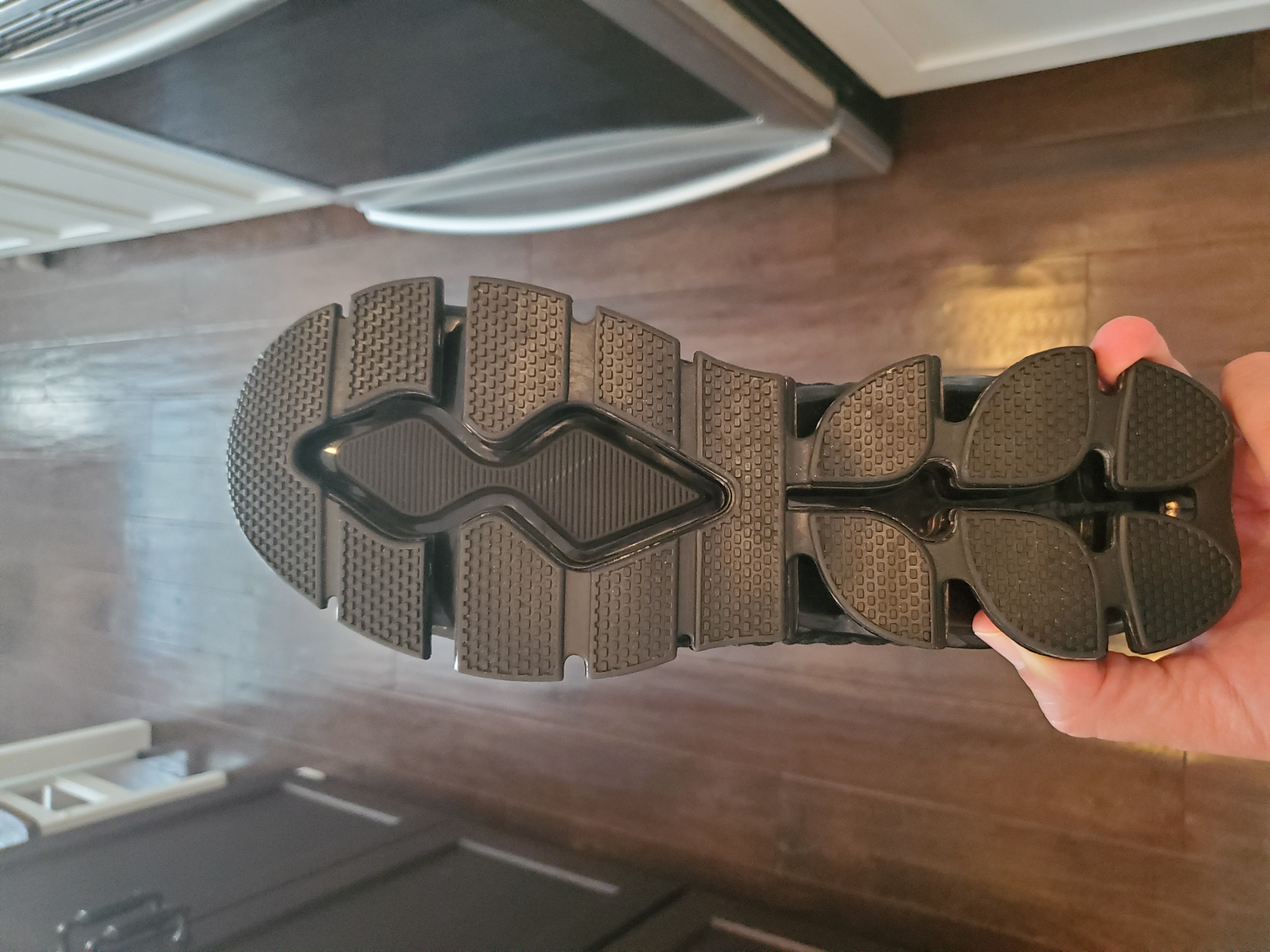
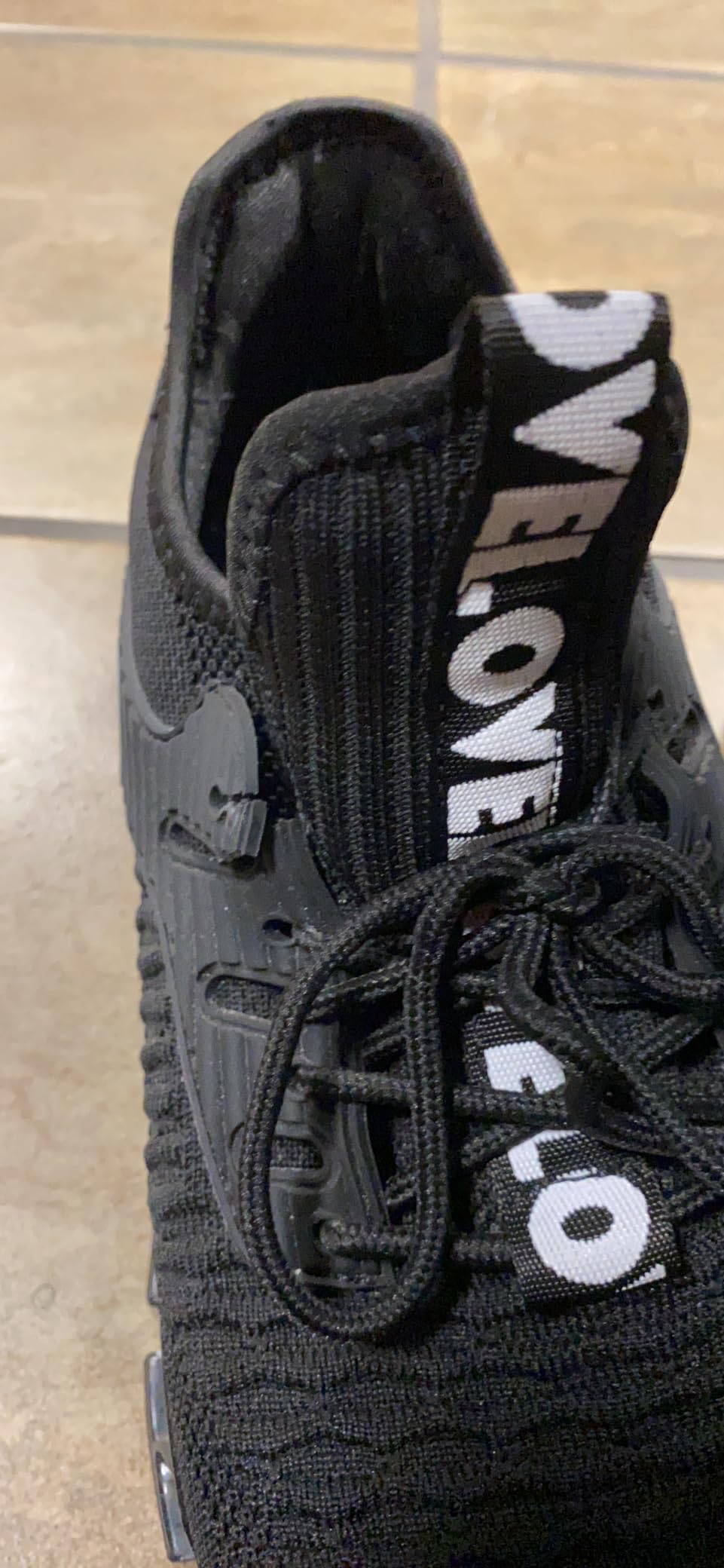
Let’s get to the part every review dances around. These shoes have no laces — you get them on your foot using small fabric pull-tabs at the back of the heel. And those pull-tabs are the single most reported failure point across every version of this shoe.
Here’s the mechanism: the tabs are made from the same thin knitted fabric as the upper. Repeated pulling at that stress concentration point — especially if you’re the type to grab and yank rather than gently ease the shoe on — creates micro-tears that accumulate into full failure. Once one tab tears, the shoe becomes genuinely difficult to put on. The second tab usually follows within a week.
From testing and user feedback, the failure timeline looks like this:
| Usage Pattern | Expected Tab Lifespan |
|————–|———————-|
| 3–4x/week gym, careful use | 4–6 weeks |
| 3–4x/week gym, normal use | 2–4 weeks |
| Daily wear, frequent on/off | 1–2 weeks |
| Occasional (1x/week) | 6–10 weeks |
I was deliberate about how I handled the pull-tabs during testing, which is probably why mine lasted the full six weeks intact. But I can see the wear starting at the base of the tab, and I wouldn’t trust them for another six weeks of regular use.
Emergency fixes users have tried: duct tape over the tear (works for one or two more uses), sewing in a replacement fabric loop (labor intensive but functional), or just accepting the shortened lifespan and replacing the shoes. None of these are great solutions. The root issue is a design choice — thin fabric in a high-stress location — and there’s no workaround that doesn’t feel like a band-aid.
This is the single biggest thing limiting the Kapsen’s lifespan to 2–4 months at regular gym frequency.
Performance by Environment — Gym vs. Everything Else
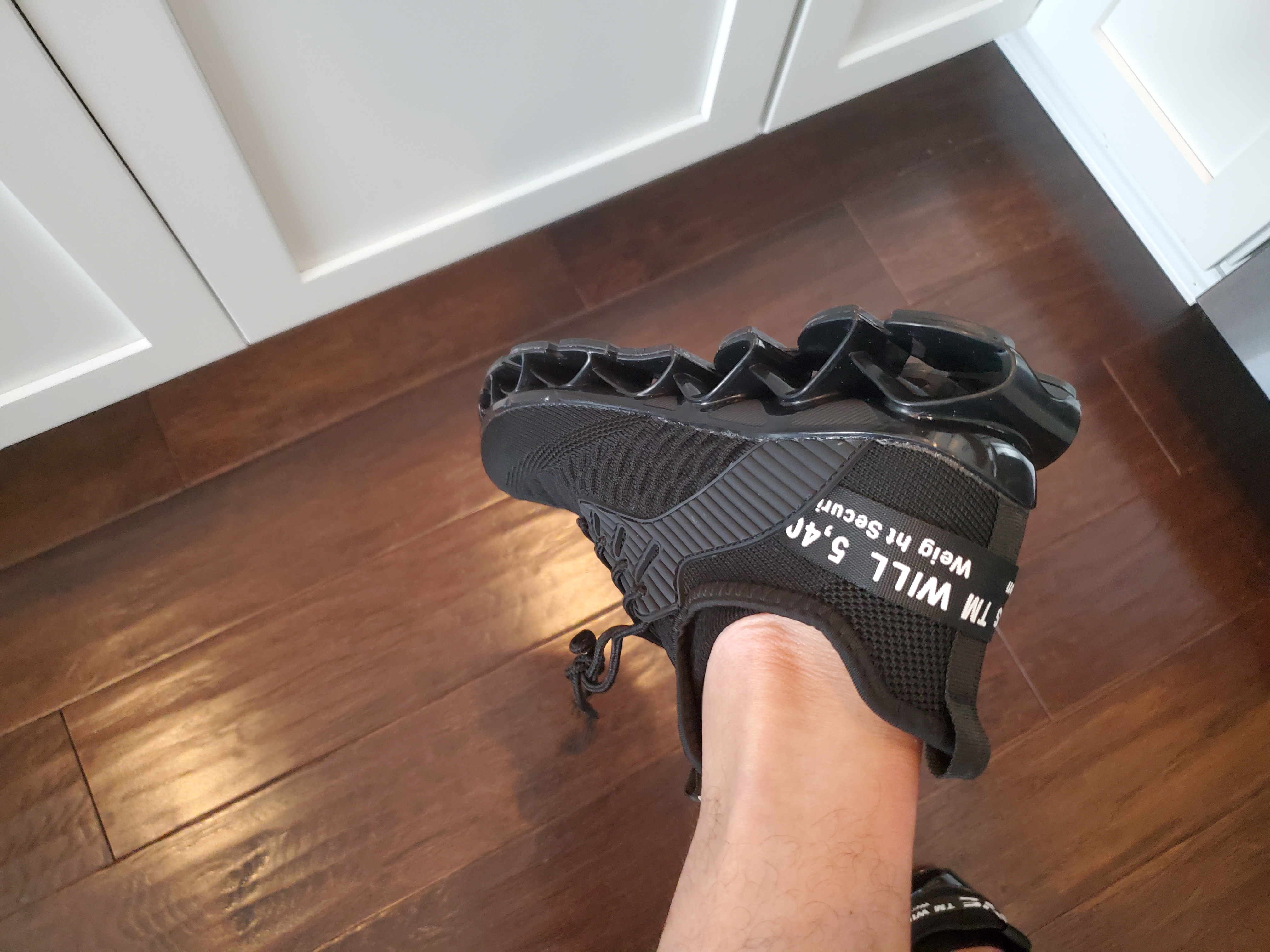
These shoes have a clear home environment: the gym. They’re significantly less suited for anything outside it.
**Indoor gym floors (7.5/10):** This is where Kapsen works. The rubber blade sole provides predictable grip on gym rubber flooring. HIIT workouts, treadmill sessions, and general weight training all go smoothly. The lightweight construction helps with agility drills and cardio. No squeaking. Adequate stability for compound lifts (not optimal, but functional for average gym-goer intensity levels).
**Concrete walking (4.0/10):** The thin midsole that feels responsive in short gym sessions becomes unforgiving on hard pavement over distance. Traction is adequate on dry concrete — you won’t slip — but there’s no cushioning buffer between your foot and the ground. A 30-minute walk to the coffee shop is fine. A two-hour city exploration is not.
**Polished indoor surfaces (3.5/10):** This is where the noise complaints come in. On smooth marble floors (office lobbies, shopping centers, hotel hallways), the blade sole’s rubber compound can squeak with each step. Not every step, not always, but enough to be noticeable and mildly embarrassing. Traction on polished surfaces is also less reliable than gym rubber.
**Wet conditions (2.0/10):** Caution is warranted. The non-slip claim applies to dry surfaces. On wet pavement or wet tile, the shallow blade tread fills with water and grip drops significantly. The knitted upper also absorbs water immediately — there’s no water resistance whatsoever. Five minutes of light rain will soak through. Don’t wear these in wet weather expecting protection; you’ll get neither traction nor dry feet.
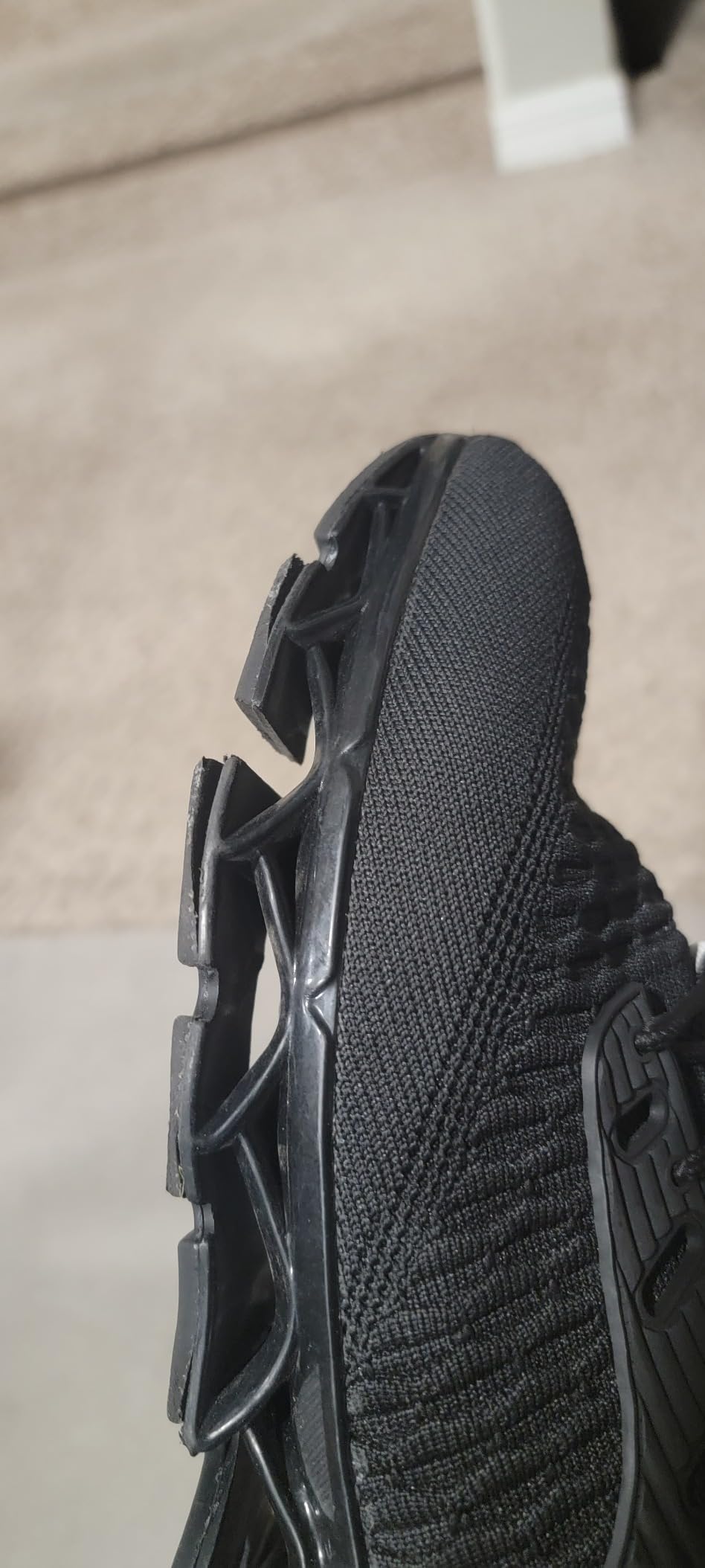
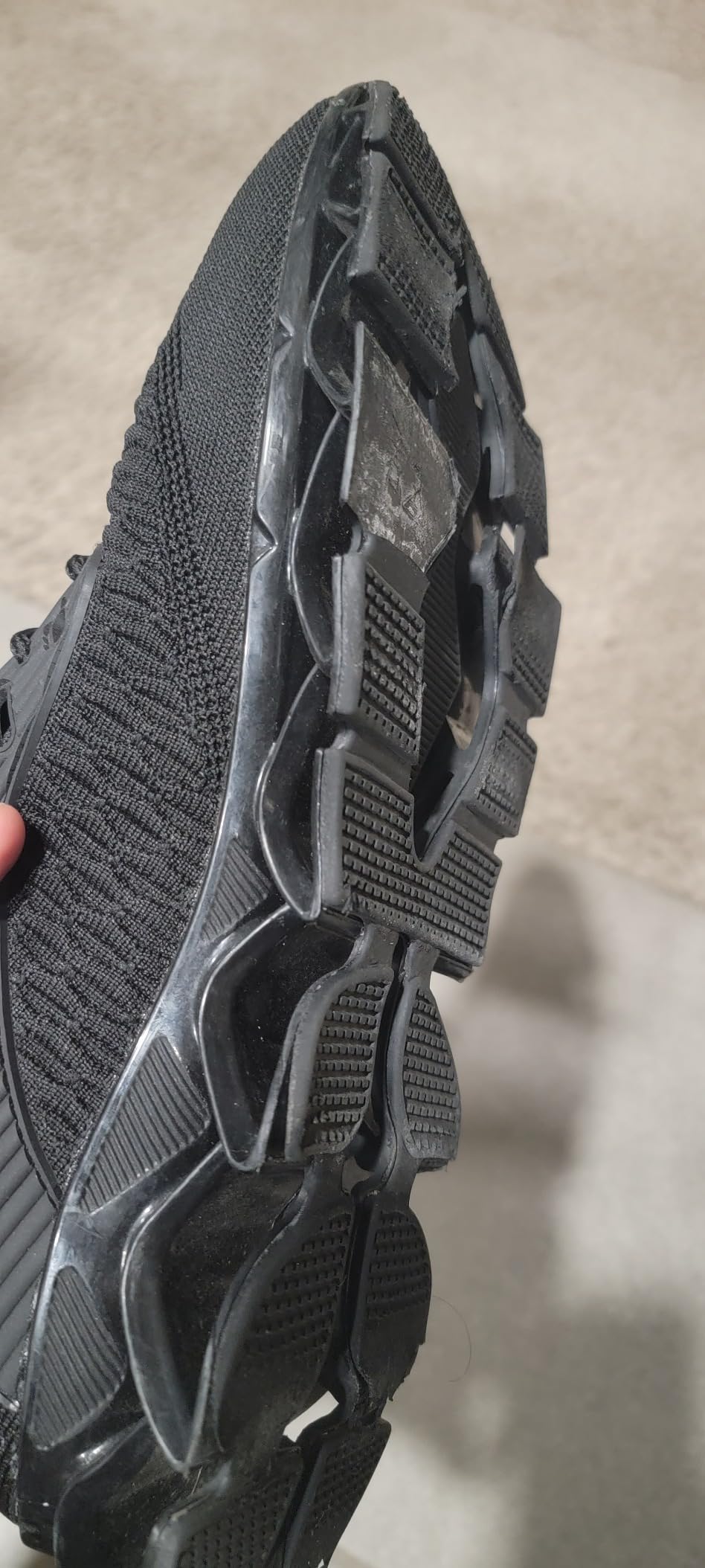
Traction note: the blade tread shows visible wear at 4–6 weeks. What starts as 7/10 grip on gym floors gradually erodes. By month two of regular use, the sole’s surface begins to smooth out at contact points.
Breathability — The One Claim That Actually Holds Up
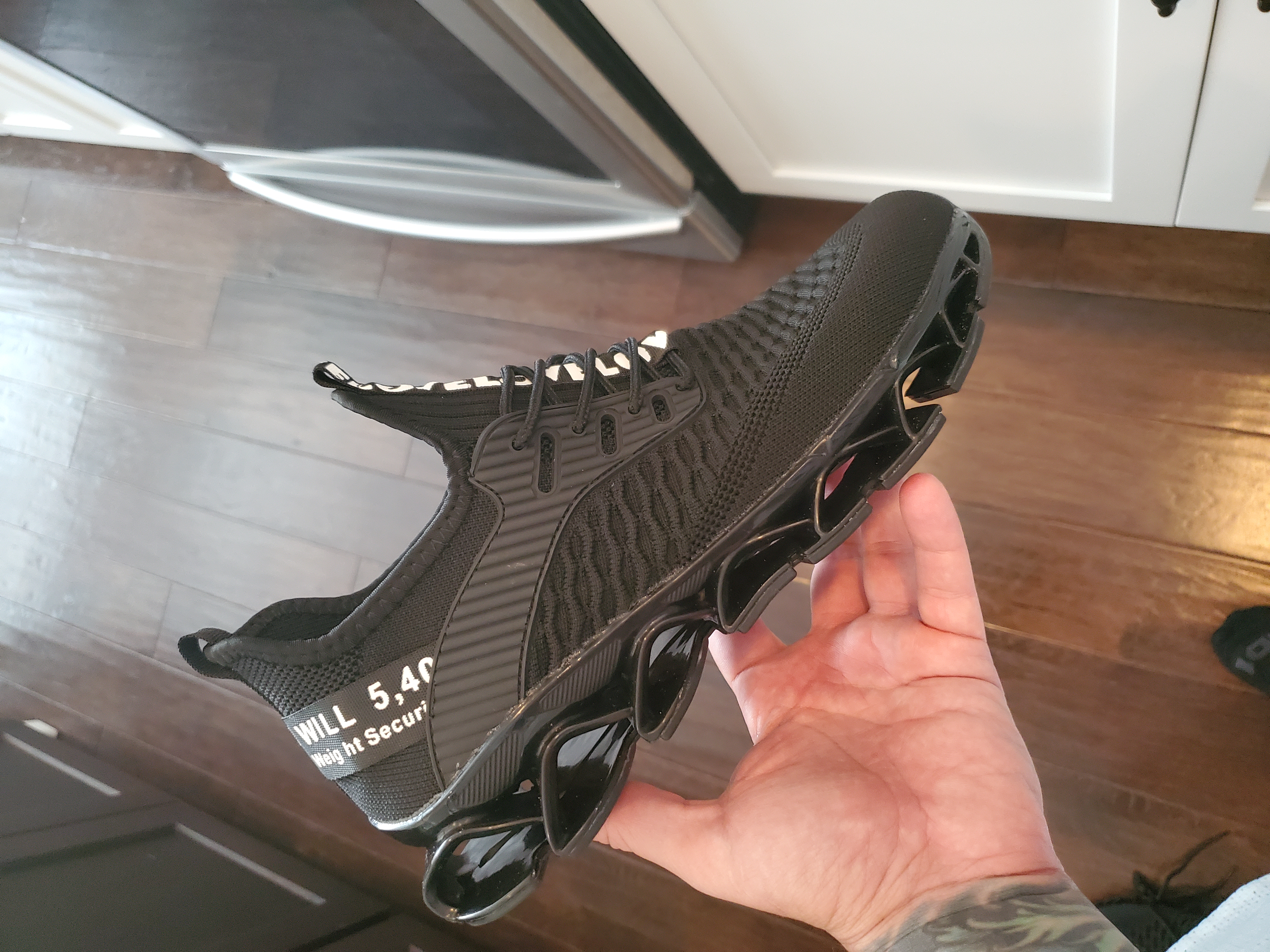
Of everything Kapsen promises, breathability is the one that earns its marketing. The knitted mesh upper is genuinely ventilated — during intense 45-minute HIIT sessions in a warm gym, my feet stayed relatively cool and dry. At the 75-minute mark I noticed some sweat on my sock, but the shoe itself wasn’t trapping heat. Compared to canvas trainers like old-school Vans, the difference in airflow is noticeable.
Where breathability becomes a limitation is outdoors and in weather. Breathable = not weather-resistant. Rain goes straight through. Cold days mean cold feet. All-day outdoor wear in variable conditions isn’t what this shoe is built for. But for climate-controlled gym environments — the intended use case — the ventilation is a genuine strength.
One practical note on odor: there’s no antimicrobial treatment, so regular cleaning is necessary. Machine wash cold on gentle cycle, air dry, and the shoes come out fine. Don’t put them in the dryer. Swapping in aftermarket insoles (the stock insole is flat and basic) also makes cleaning easier when you can remove and replace the footbed.
The Real Cost Breakdown
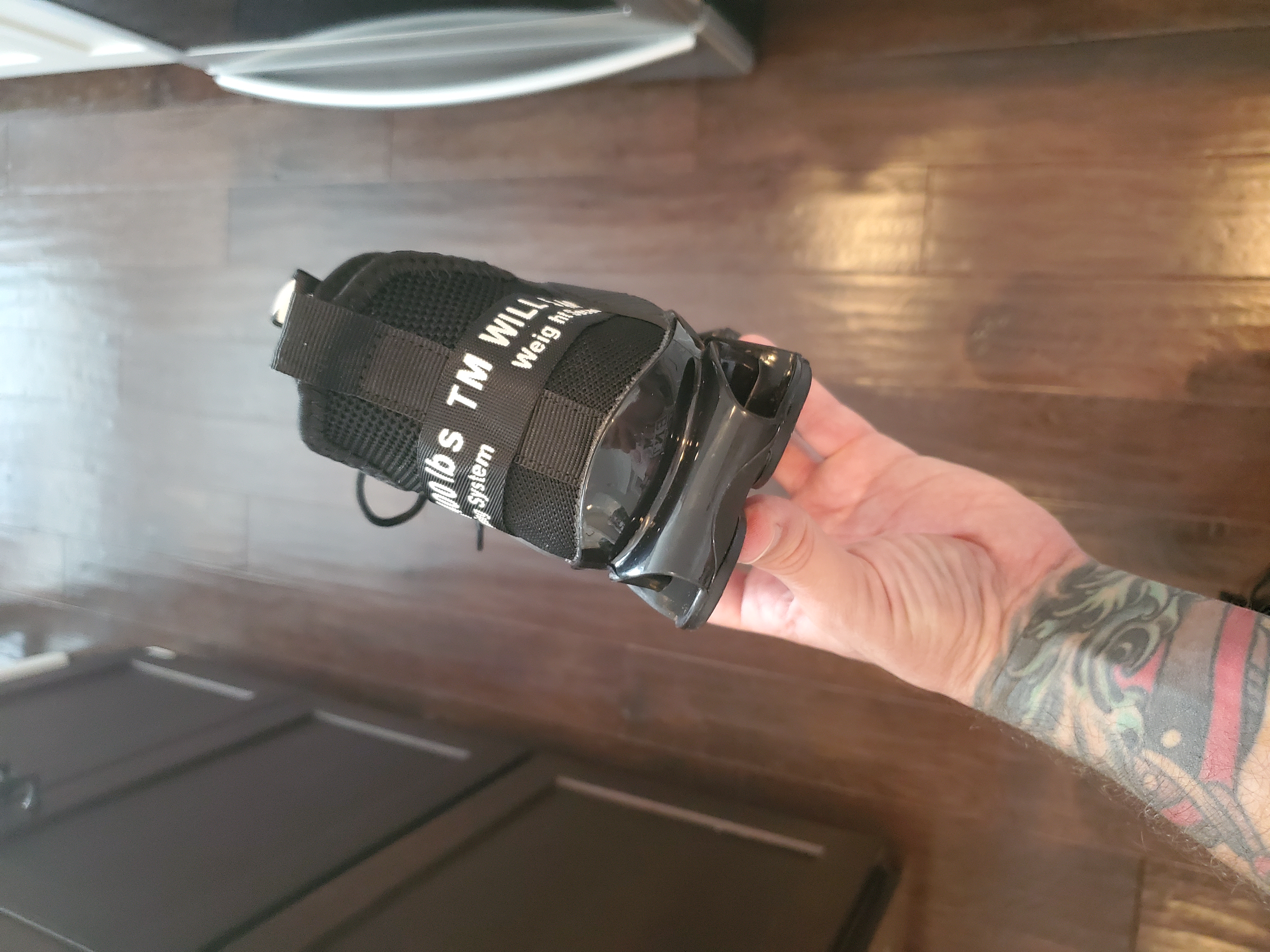
Here’s the math that matters for a $25 shoe. My original problem — three pairs of $60 shoes, each lasting about three months — was costing me $20/month on gym footwear. Let’s compare that to Kapsen.
| Use Pattern | Lifespan | Monthly Cost | Cost per Session |
|————-|———-|————-|—————–|
| Occasional (1–2x/week) | ~5–6 months | $4.60 | $1.30 |
| Regular gym (3–4x/week) | ~3–4 months | $6.90–9.20 | $0.65–0.84 |
| Heavy use (5–6x/week) | ~2–3 months | $9.20–13.75 | $0.50–1.10 |
| Daily wear | ~6–8 weeks | ~$14 | Not recommended |
*(Calculations based on $27.50 average price)*
At regular gym frequency, Kapsen cuts my footwear costs roughly in half compared to the $60 shoes I was burning through. That’s real money.
There’s a smarter approach for heavy gym users: buy two pairs at once (about $55 total) and alternate them. Rest days between sessions allow the foam to recover partially and the fabric to dry completely. That rotation strategy has potential to push the lifespan from 3 months to 5–6 months per pair, keeping the monthly cost around $9/month while also ensuring you always have a dry pair ready.
The Sof Sole Athlete Insoles are worth considering as an add-on: a $15–18 aftermarket insole extends the comfort window and arch support meaningfully, and you transfer it between pairs when you rotate. Adds cost but materially improves the daily experience.
Marketing Claims — Verified and Unverified
**Breathable upper ✅ Delivered**
Genuine advantage for gym use. Knitted mesh ventilates well during cardio. No complaints after 40+ sessions in warm indoor environments.
**Non-slip sole ⚠️ Conditional**
Works as claimed on dry gym floors and dry concrete. On polished surfaces and especially wet conditions, grip drops significantly. Tread wear after 4–6 weeks further reduces traction. The claim is accurate for intended use — dry indoor floors — but the marketing oversimplifies it.
**Lightweight construction ✅ Delivered**
Genuinely light. The minimal material construction keeps the weight low and contributes to the agile feel during cardio and drills. No exact weight from the brand, but the subjective feel is notably lighter than canvas trainers.
**Durable materials ❌ Misleading**
This is where the marketing and reality diverge. Pull-tab failure at 2–4 weeks of regular use, midsole foam compression evident within weeks, tread wear visible at month 1–2. “Durable” is not a word that applies to this shoe at normal gym frequency. It’s a temporary shoe, and the pricing should communicate that even if the marketing doesn’t.
**Good for walking ⚠️ Oversold**
For walking to the gym or short errands (under an hour), yes. For the kind of “walking” shoes it’s marketed alongside — daily commuting, extended outdoor use, retail or standing jobs — no. The 2–3 hour comfort ceiling and lack of arch support disqualify it from that category.
Who Should Buy (And Who Absolutely Shouldn’t)
**This shoe works for:**
– Budget-conscious gym users hitting it 2–4 times a week (60–90 min sessions)
– Students who need gym shoes under $30 and accept replacing them every few months
– People with wide feet who struggle to find affordable stretch-fit options
– Indoor gym use only — HIIT, cardio machines, general weight training
– Anyone who wants modern style without the budget for Adidas Lite Racer 4.0 or similar
**Buy with caveats if:**
– You’re a heavy gym user (5–6x/week) → buy two pairs and rotate
– You want insole support → swap in aftermarket insoles from day one
– You’re between sizes → size down; the stretch accommodates
**Skip entirely if you:**
– Need shoes for daily wear or all-day standing (retail, healthcare, warehouse)
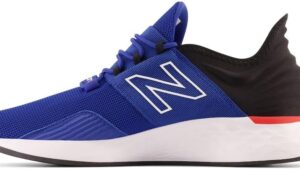
– Want running shoes for pavement or trail use — look at the Adidas Response Running or New Balance Fresh Foam Roav V1 for actual road running at modest prices
– Require 6+ months of continuous durability
– Live in a wet climate or do outdoor activities in variable weather
– Are serious about powerlifting (the flat sole and lack of midsole support create instability at heavier loads)
– Need professional or business-casual footwear
**Better alternatives at specific price points:**
– **Around $45–55:** Under Armour Charged Assert 9 offers significantly better durability and cushioning for running and gym use
– **Training-specific:** Adidas Amplimove Training is built for the gym environment with better midsole support
– **Casual daily sneaker:** Adidas Daily 3.0 gives you a cleaner sneaker built for longer daily wear
– **Cross-training:** PUMA Tazon 6 FM handles training and casual use with better construction
Frequently Asked Questions
How long will these actually last?
At 3–4x/week gym use, expect 2–4 months before the pull-tabs fail or the midsole compresses past comfortable. The limiting factor is the fabric pull-tabs — once one tears, getting the shoe on becomes difficult. With careful handling and a rotation strategy (two pairs alternating), you can push toward 5–6 months per pair.
Do they run large or small?
Generally true to size. Some users find them slightly large (half size); others note a snug ankle collar in the pull-on design. If you’re between sizes, go smaller. Wide feet should stay true to size — the stretch knit is accommodating.
Can I actually run in these?
Treadmill running and gym cardio: yes, they handle that fine. Outdoor running on pavement, especially anything over 3 miles: no. The thin midsole compresses quickly, there’s no arch support, and the tread wears fast. For actual road running, look at a purpose-built running shoe from established brands — even budget ones in the $45–60 range will last significantly longer on pavement.
What about arch support?
Minimal. The flat stock insole provides basic cushioning but no real arch support. If you have flat feet, high arches, or any plantar issues, swap in aftermarket insoles immediately. The good news: the insole is removable and the shoe is compatible with most standard aftermarket options.
Are these good for wide feet?
Better than most budget shoes at this price. The stretch knit upper accommodates wider foot volume without the pressure points you get from rigid shoes. Multiple wide-footed users in the reviews confirm they fit comfortably at true to size.
Should I buy one pair or two?
If you’re going to the gym 3+ times per week, two pairs is the better play. Buy both at once ($55), alternate them, and each pair gets rest days between uses. This extends the foam life, reduces pull-tab stress from daily wear, and keeps you from being shoe-less when one pair eventually fails.
Can I machine wash these?
Yes — cold water, gentle cycle, air dry. Don’t use the dryer. The knit fabric handles washing well, and regular cleaning is important since there’s no antimicrobial treatment built in. Consider sneaker wipes for quick spot cleaning between washes.
Final Verdict
Six weeks, 40+ gym sessions. Here’s what I know about the Kapsen Blade Tennis:
**What it gets right:** Genuine breathability that keeps feet cool during cardio. A stretch-knit upper that accommodates wide feet at a price point where that’s rare. Zero break-in — wearable immediately. Modern style that looks better than $25. Adequate gym-floor traction during short sessions. And a price that’s genuinely hard to argue with for budget-constrained gym users.
**What it gets wrong:** The pull-tab design creates a predictable failure point at 2–4 weeks of regular use. The midsole foam is thin enough that comfort deteriorates significantly after hour three. The “walking shoe” and “durable materials” marketing claims are not supported by the actual lifespan. Wet-surface traction is poor.
**The bottom line:** Is Kapsen worth $25? Yes — if you’re using it as a gym-only shoe for 60–90 minute sessions, you have a tight budget, and you’re comfortable with 3–4 month replacement cycles. No — if you need a shoe for daily wear, outdoor use, extended walking, or anything requiring durability past month three.
| Category | Score (1-10) | Notes |
|---|---|---|
| Comfort (Short-term) | 7.5 | Excellent for sessions under 90 minutes |
| Comfort (Long-term) | 4.5 | Foam bottoms out past hour 3 |
| Durability | 3.0 | Pull-tab failure 2–4 weeks; tread wear month 1–2 |
| Style | 8.0 | Modern, got multiple compliments |
| Breathability | 8.5 | Best feature; genuine for gym use |
| Value for Money | 6.0 | Good math for gym-only use; poor for daily wear |
| OVERALL | 6.0/10 | Narrow but real use case at an honest price |
After burning through $180 of $60 shoes last year, I’d buy Kapsen again — for the gym, with a second pair on standby, and with absolutely zero expectation that they’ll be around in six months. For that specific use case, at that specific price, they’re worth it.
Be the first to review “Kapsen Men’s Running Shoes Blade Tennis Walking Fashion Sneakers”
Related products
Running Shoes

Running Shoes
Running Shoes
Hiking/Trekking Shoes
Running Shoes
Running Shoes
Running Shoes
Reviews
There are no reviews yet.