
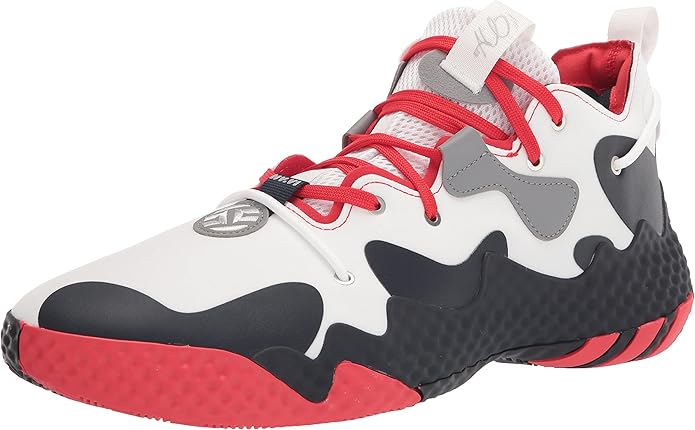
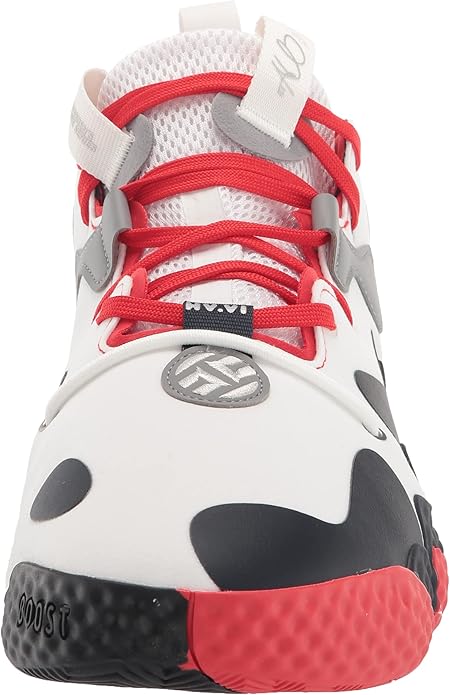
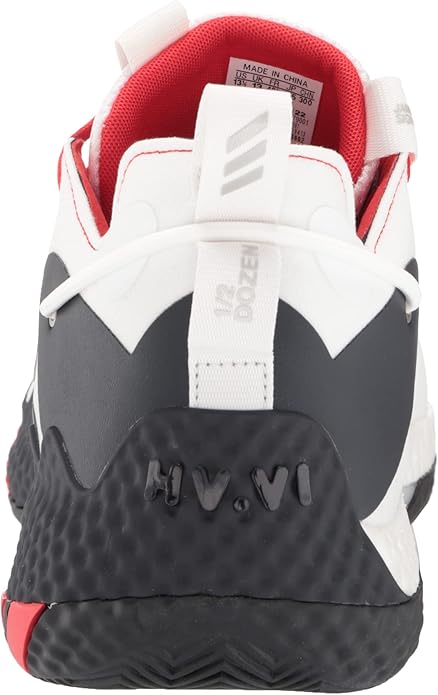
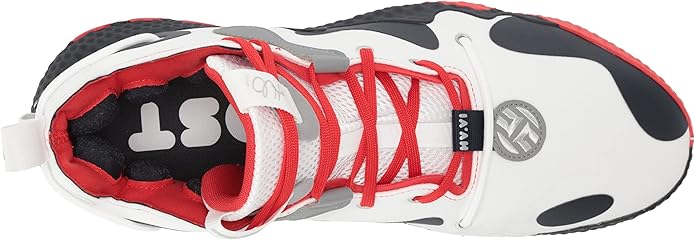
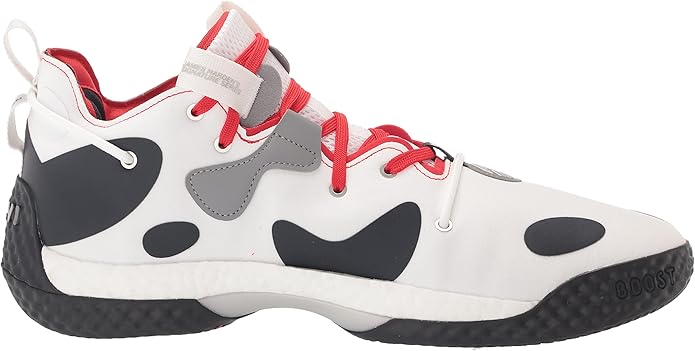
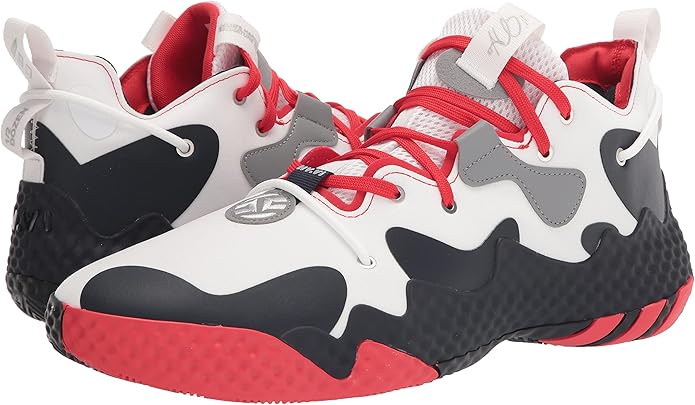
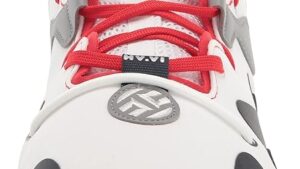
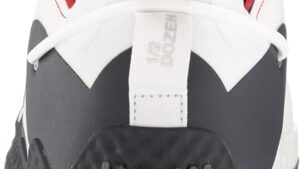
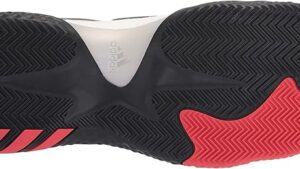
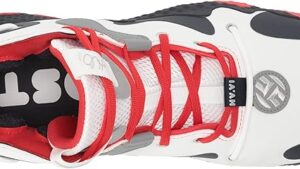
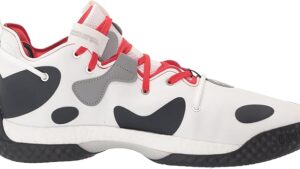
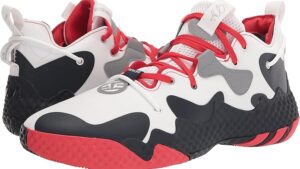
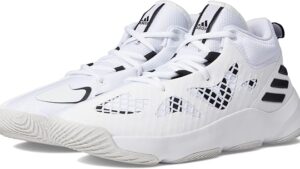
adidas Men’s Harden Vol 6 Shoes
$83.95
- ⚖️ Weight: 15.2 oz (men’s size 9)
- 🧪 Midsole: Full-length adidas Boost (NOT Lightstrike — confirmed)
- 👟 Upper: Recycled textile with synthetic overlays and rubber pads
- 🔧 Support: Internal ankle pods, Infinity Bar torsional plate, molded heel counter
- 🏃 Category: High-performance basketball shoe
- 🎯 Best for: Guards and forwards, indoor-focused players
Signature shoes have a reputation problem. You pay for the name, absorb the hype, and often end up with something that performs better as a collector’s item than as actual footwear. So when I laced up the Adidas Harden Vol. 6 for the first time at my local community center, I wasn’t expecting much. I’ve been testing basketball shoes for over a decade — pickup games, competitive leagues, the whole range — and signature lines have burned me before. Three months and 40+ court sessions later, the Vol. 6 earned something I wasn’t ready to give: a genuine recommendation. With conditions.
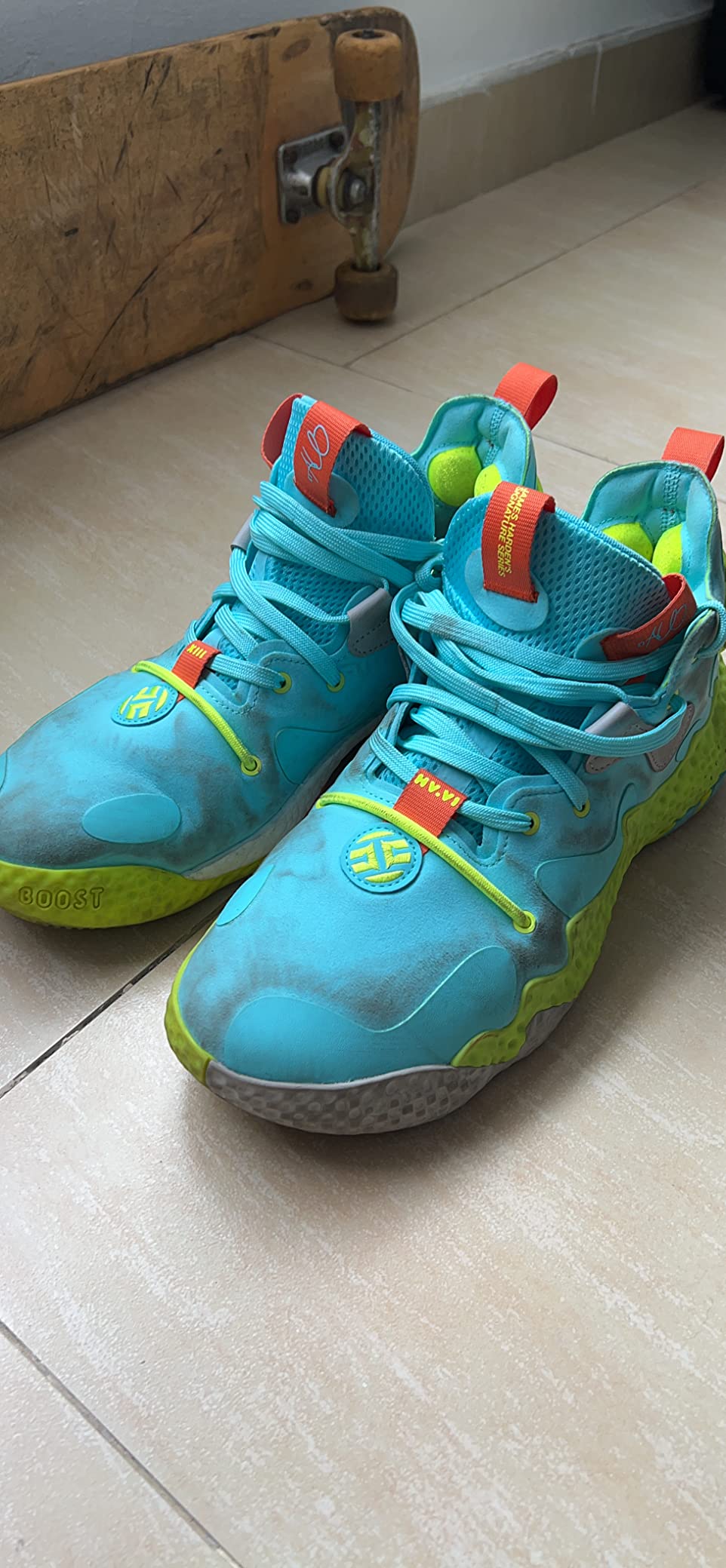
First Impressions: Built for Business, Not the Box
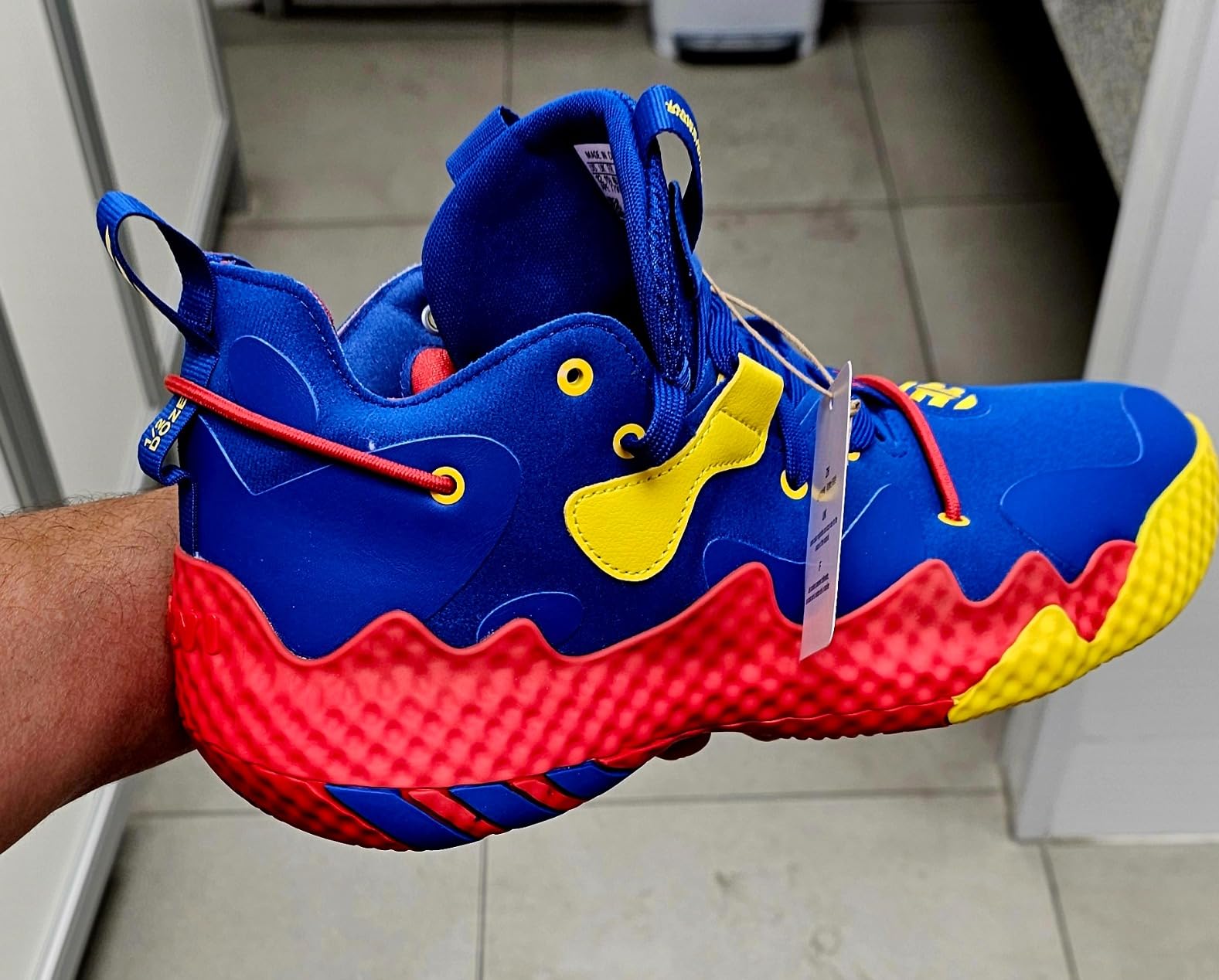
The Vol. 6 doesn’t try to impress you in hand. That’s not a knock — it’s actually reassuring. The upper is dense synthetic textile over a recycled material base, with rubber overlays at key wear points. Function-forward, not fashion-forward. When I first pulled it out of the box, my reaction was “this looks like it was designed by someone who actually plays basketball.” Clean black/white colorway, high-top cut, visible Boost midsole — nothing unnecessary.
That impression held during my first pickup game. The materials work together in a way that’s hard to describe until you’re actually running cuts — the foot feels contained, not squeezed. The rubber overlays aren’t decorative; they provide real resistance against lateral flex. Early in that first session, I made a hard cut baseline, and the shoe just stayed with me. That’s what I needed to know.
The Fit Question (And the Sizing Warning)
Here’s the thing about the Harden Vol. 6 fit: I almost got it wrong. I wear size 10 in most basketball shoes. Before ordering, I read enough reviews to realize the Vol. 6 runs noticeably large for many players. So I went with 9.5. That turned out to be the right call — even at a half-size down, the toe box still offers comfortable room, and the midfoot lockdown felt dialed in once I found my lacing tension.
If you have normal to narrow feet: go down half a size. If you have wider feet, you might get away with your true size, though the forefoot is snug — the shoe is designed for narrower profiles. Don’t just guess; this is one of those cases where reading other people’s experience before ordering saves you a return trip.
The break-in is mild by basketball shoe standards. Two to three sessions gets you there. The forefoot softens slightly and conforms to your foot shape. The heel counter stays firm throughout, which is fine — that’s where the lockdown lives.
Traction: Where the Vol. 6 Earns Its Reputation
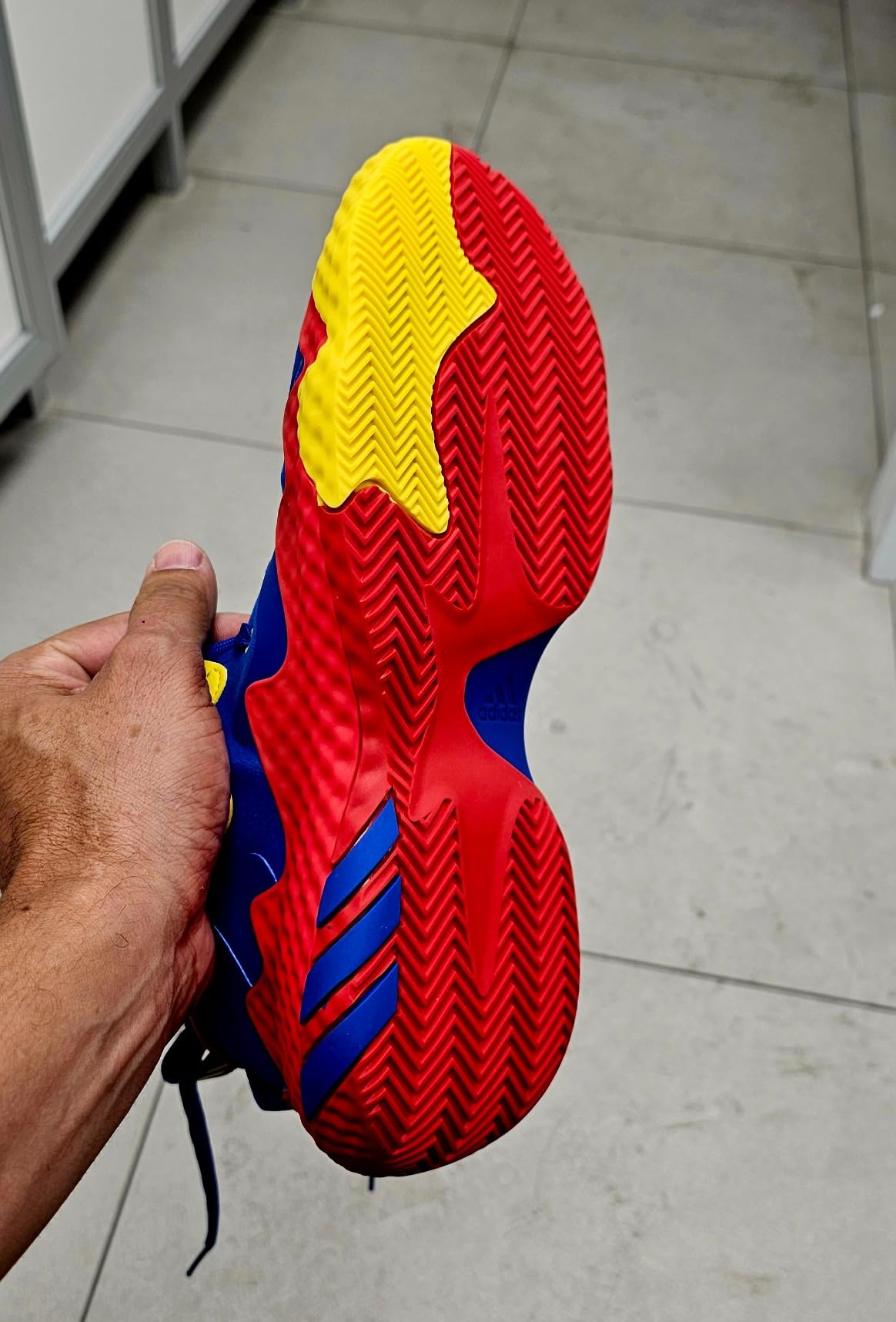
Seven expert reviewers averaged 8.9/10 on traction. Thirty-six community users averaged 9.0/10. Those numbers are real, and I can back them up from court experience.
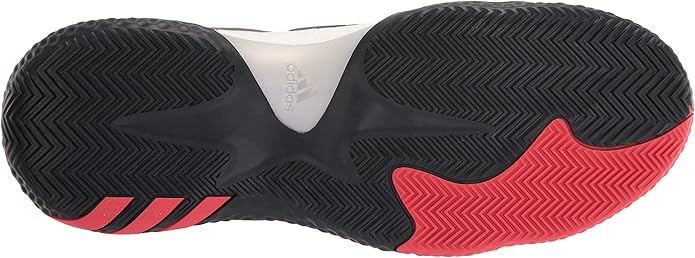
On clean indoor hardwood, the herringbone pattern grips immediately and consistently. The hard rubber compound bites in a way that takes some adjustment — my first few sessions, I had to calibrate for sudden stops that registered faster than I expected. This isn’t a problem. It’s a feature that guards and forwards will appreciate once they trust it. Quick cuts, defensive slides, pull-up jumpers — the shoe stays planted.
Where it gets more complicated is outdoors. The same hard rubber that excels on hardwood picks up dust and concrete debris quickly. On my outdoor blacktop sessions this past summer, traction was solid early in each session but degraded until I wiped the soles. The pattern itself is durable — minimal visible wear on the outsole after 15+ outdoor games — but the maintenance demand is real. If you’re primarily an outdoor player, build wiping into your routine or look at other options.
One thing I didn’t expect: the herringbone pattern on clean courts is almost aggressive. A couple of times early on, a stop registered so firmly that it threw off my momentum slightly. You adapt within a few sessions, but it’s worth mentioning.
Cushioning and Support: The Boost Trade-Off
The full-length Boost midsole is the shoe’s marquee feature, and it delivers — but not in the way marketing language usually suggests. The energy return isn’t a sensation you feel in isolation. It shows up in your legs at the two-hour mark, when you’d normally start dragging. After long indoor sessions, I noticed significantly less leg fatigue compared to what I used to experience in my previous pair, the Nike LeBron Witness 7. That’s the Boost difference.
But this responsiveness isn’t free. At 15.2 ounces, the Harden Vol. 6 is heavier than most modern basketball shoes targeting speed. I felt it during fast breaks — there’s a slight awareness of the foot weight that lighter shoes don’t have. That said, the weight also contributes to stability that lighter shoes often sacrifice. Coming down from a rebound or absorbing contact in the paint, the Vol. 6 cushions and stabilizes in a way that noticeably reduces knee and ankle stress. It’s a trade-off, not a defect.
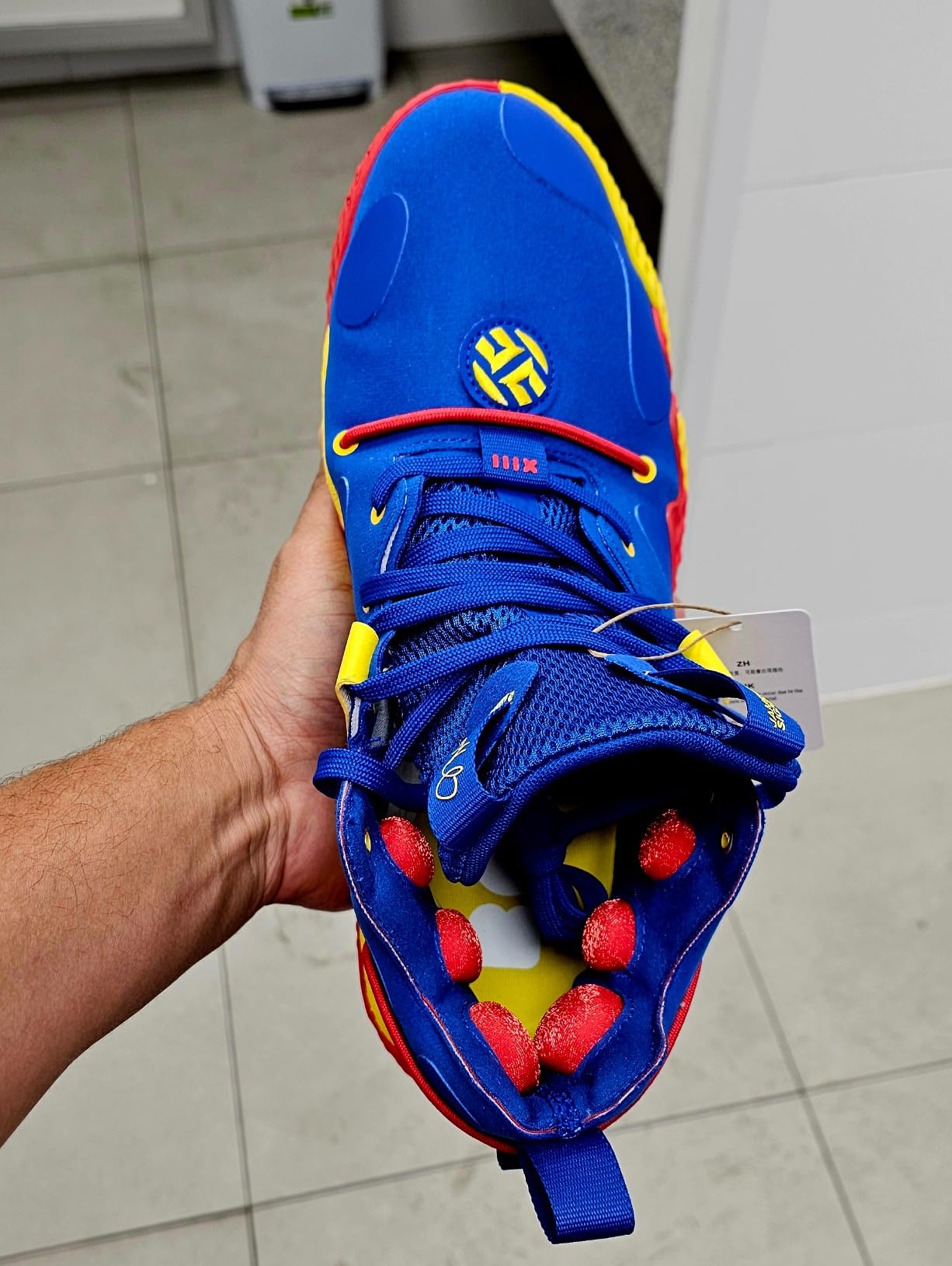
The support system is worth breaking down specifically. The internal ankle pods — small foam structures inside the collar — actually work. I was skeptical going in; they sound like a marketing checkmark. But during aggressive lateral cuts in league play, my foot stayed contained without any sensation of restriction. No ankle rolls across 40+ sessions. The Infinity Bar torsional plate adds midfoot rigidity that prevents the midsole from twisting under directional changes, which you feel more in retrospect (the absence of instability) than in real time.
Expert support rating: 8.8/10. Community: 9.1/10. Honestly, those feel right.
Durability Over Three Months
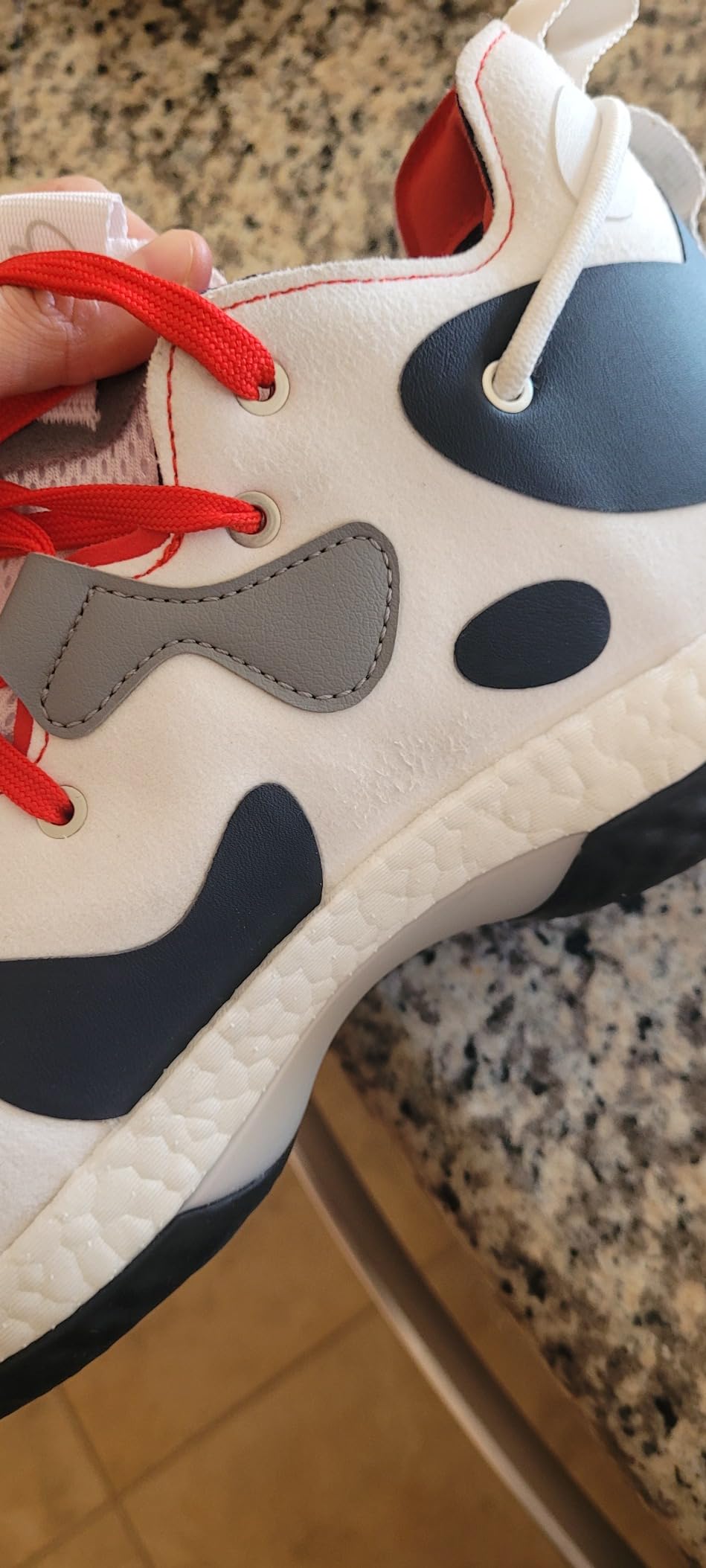
After 40+ sessions across indoor leagues, pickup games, and outdoor blacktop: the shoe still performs. That’s the short version.
The longer version: visible wear is there if you look for it. The toe box shows creasing, the upper has minor scuffing from outdoor play, and the laces have seen better days. But the Boost midsole hasn’t compressed out — it responds the same in session 42 as it did in session 3. The traction pattern is intact on the outsole. The ankle pods still provide the same contained feel.
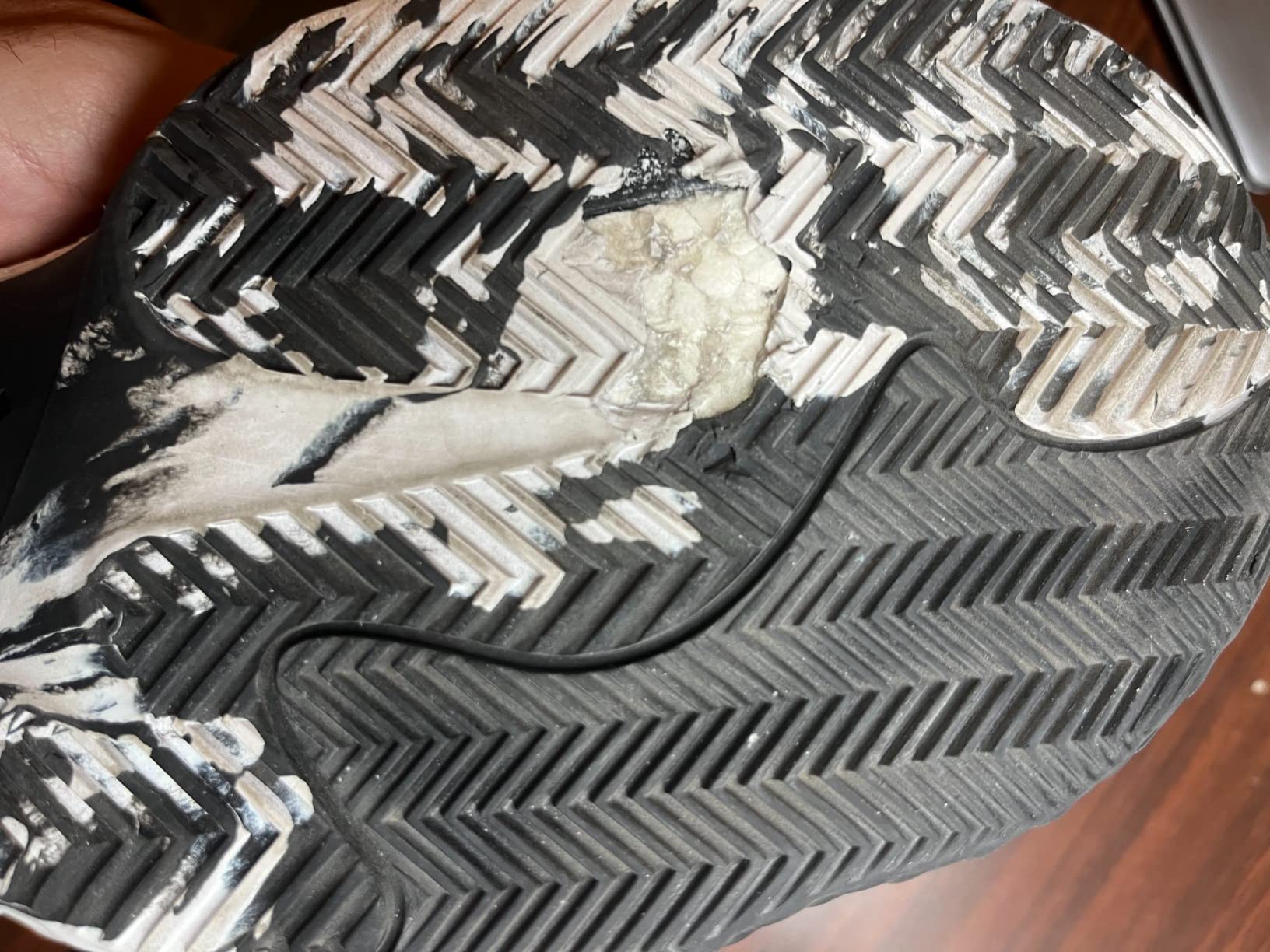
The cosmetic wear is faster than I’d like — synthetic textile uppers scuff more than I expected, especially from outdoor play. This is aesthetics, not functionality. The shoe structure remains solid. I’d estimate 60-80 sessions for recreational players (2-3 times per week), closer to 50-60 sessions for heavy league play before you start noticing performance degradation. At $140 MSRP and current discounted pricing, that’s reasonable cost-per-wear.
One community-reported issue worth flagging: some production batches have experienced sole separation and a chemical smell. I didn’t experience either personally, but multiple credible user reports suggest this is a quality control variance rather than a design flaw. If you get a pair with an unusual smell or adhesion issues early on, that’s an anomaly worth escalating.
Does Adidas Deliver on Their Claims?
Let me run through what Adidas actually promises versus what the shoe delivers:
| Claim | Adidas Says | Real-World Finding | Verdict |
|——-|————-|——————-|———|
| Energy return | “Incredible BOOST” | Genuine; fatigue reduction confirmed over long sessions | ✅ Delivers |
| Flexible/stretchy upper | “Stretchy and comfortable” | More structured than stretchy; firmer than marketed | ⚠️ Partially true |
| Rubber outsole grip | “Great grip” | Exceptional indoors; condition-dependent outdoors | ✅ With caveat |
| Internal ankle lockdown | Pod system | Works; contained without restriction | ✅ Delivers |
| Recycled materials | Environmental claim | Confirmed; minimal performance impact | ✅ True |
| Breathability | Not explicitly claimed | Low; runs warm in summer heat | ⚠️ Known gap |
| Sizing guidance | None provided | Runs large; go 0.5 down for most | ⚠️ Gap in communication |
The “stretchy” upper description is the only claim that feels genuinely misleading. The upper is firm, not stretchy — which is actually better for stability and lockdown. It just doesn’t match the marketing language. Everything else either delivers or was never promised in the first place.
Overall Scores
| Category | Score | Notes |
|---|---|---|
| Design & Aesthetics | 7.5/10 | Purposeful, not flashy. Works on court; limited casual versatility |
| Court Traction | 9.0/10 | Exceptional on clean indoor courts; solid but maintenance-intensive outdoors |
| Cushioning & Support | 8.5/10 | Responsive Boost, effective ankle pods, good impact protection |
| Durability | 8.0/10 | Functional durability solid; cosmetic wear faster than expected |
| Value for Money | 7.5/10 | Solid at current discounted pricing; borderline at MSRP |
| Overall | 8.1/10 | Strong court performer for indoor-focused serious players |
Who Should and Shouldn’t Buy This
| ✅ Good Fit For | ❌ Not Ideal For |
|---|---|
|
|
Alternatives Worth Considering
| If You Need… | Consider | Trade-Off vs. Vol. 6 |
|---|---|---|
| Lighter shoe for speed-focused game | Nike LeBron 21 (~14.2 oz) | Less ankle support, similar traction, better for quick guards |
| Better breathability for summer/outdoor play | Jordan 37 or Jordan 38 | Open mesh uppers, less aggressive cushioning stack |
| Wide feet accommodation | New Balance Two WXY v3 | True wide sizing, different cushioning philosophy |
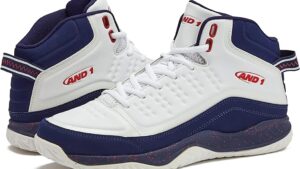
| Budget-conscious buyers | AND1 Pulse 3.0 | Significantly lower price, less responsive cushioning |
| High-top basketball support at lower entry | Nike Air Flight Mid | Classic high-top support, less advanced cushioning system |
Frequently Asked Questions
Q: Does the Harden Vol. 6 really run large? How much should I size down?
A: Yes, it does run large for most players. I went from my usual size 10 to a 9.5, and I still had comfortable room in the toe box. The consensus across expert and community reviews aligns with going down half a size. If you have wide feet, you might stay at your true size since the forefoot fits snug — but expect a break-in period. Try them on in-store if possible before ordering online.
Q: Is the weight a real problem for guards?
A: It’s a real factor, not a dealbreaker for most. At 15.2 oz, you’ll feel it during fast breaks compared to modern lightweight options. The Nike LeBron 21 comes in around 14.2 oz for comparison. If your game is built on first-step quickness and sprint speed, the weight difference will matter to you. If you play a more positional or wing-focused game — setting screens, defensive rotations, mid-range shooting — it’s much less of an issue.
Q: Is the Boost midsole genuinely responsive, or is it hype?
A: Genuinely responsive. This is one of only a few currently available basketball shoes with full-length Boost, and you feel the difference in long sessions. The energy return isn’t dramatic on a step-by-step basis — it’s cumulative. Two hours in, your legs feel better than they would in firmer-soled alternatives. That’s the actual Boost benefit.
Q: How does it perform outdoors?
A: Solid in dry conditions; maintenance-intensive. The herringbone rubber holds traction on outdoor courts and resisted concrete wear well over 15+ outdoor sessions. But the rubber picks up dust quickly, which degrades grip until you wipe the soles. Plan on cleaning them between sessions for consistent outdoor performance. If you play primarily outdoors, you’ll need to be diligent or consider alternatives with better dust-resistance.
Q: What’s the breathability situation?
A: Genuinely limited. Adidas doesn’t actually market high breathability for the Vol. 6, so this isn’t a broken promise — it’s just a real limitation to know about. The recycled textile upper traps heat noticeably during summer play. For indoor gym sessions in climate-controlled environments, it’s manageable. For hot summer blacktop: you’ll feel it. Players in warm climates should factor this in seriously.
Q: How long will the shoes realistically last?
A: For indoor-only players going 2-3 times per week, estimate 8-10 months of solid performance. Mixed indoor/outdoor use: 6-8 months. The Boost holds up well — no compression-set noticed after 40+ sessions. The upper and outsole show cosmetic wear before the cushioning degrades, which is the right failure order.
Q: Is it worth buying at current discounted prices?
A: At significant discounts below MSRP (which is common now, several years after release), yes — this is strong value for indoor-focused players. At $140 MSRP, it’s solid but the case is less clear given newer competition. Search for current pricing before committing; the Vol. 6 regularly appears at significant markdowns.
Q: I have a history of ankle problems. Is this shoe safe?
A: The ankle support is among the better systems I’ve tested in this price range. The internal pods and high-top design provide real stability. That said, if you have serious documented ankle instability, consult a healthcare provider or physical therapist before choosing any basketball shoe based solely on a review.
Q: Does it work for players other than guards and forwards?
A: Centers and power forwards in the paint can use it, but the Boost responsiveness is somewhat wasted on post-dominant play — you’re paying for energy return you won’t fully use. The ankle support and cushioning are still valuable. But if you’re a true big who rarely moves laterally at speed, a more platform-stable, less bouncy shoe might serve you better.
Q: How does the Harden Vol. 6 compare to other Adidas basketball options?
A: Among current Adidas basketball shoes, the Vol. 6 is one of the strongest performers for cushioning-to-support ratio. The Don Issue 4 offers a lighter profile with Lightstrike cushioning — less plush but quicker-feeling. The Vol. 6 is the choice if you prioritize sustained energy return and ankle security over a lighter ride.
Final Verdict
Three months and 40+ sessions in, the Adidas Harden Vol. 6 did something I wasn’t expecting from a signature basketball shoe: it backed up most of what it promised. The Boost midsole genuinely reduces fatigue in long sessions. The herringbone traction is top-tier on clean courts. The ankle support system works without feeling restrictive.
The main limitations are real but manageable: 15.2 oz is heavier than the competition, breathability is low, and outdoor dust pickup requires maintenance. These aren’t flaws so much as trade-offs inherent to the shoe’s design philosophy. Adidas built something optimized for responsive indoor performance and ankle security. That’s what you get.
If that matches your game — indoor courts, 3+ sessions per week, guards or forwards who value explosive support over raw speed — the Vol. 6 is worth picking up, especially at current discounted pricing. Size down half a size. Give it 3-4 sessions to break in. Don’t expect it to turn you into a sprinter. Do expect it to keep your knees and ankles feeling better after long games than whatever you were wearing before.
My old Nike LeBrons are sitting in the closet for a reason.
Overall Score: 8.1/10
Be the first to review “adidas Men’s Harden Vol 6 Shoes”
Related products
Basketball Shoes
Basketball Shoes
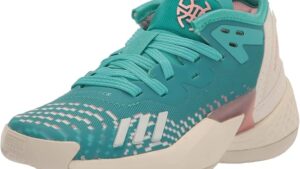
Adidas Unisex-Child Donovan Mitchell Issue 4 Basketball Shoes
Basketball Shoes
Basketball Shoes
Basketball Shoes
Basketball Shoes
Basketball Shoes
Basketball Shoes
Reviews
There are no reviews yet.