
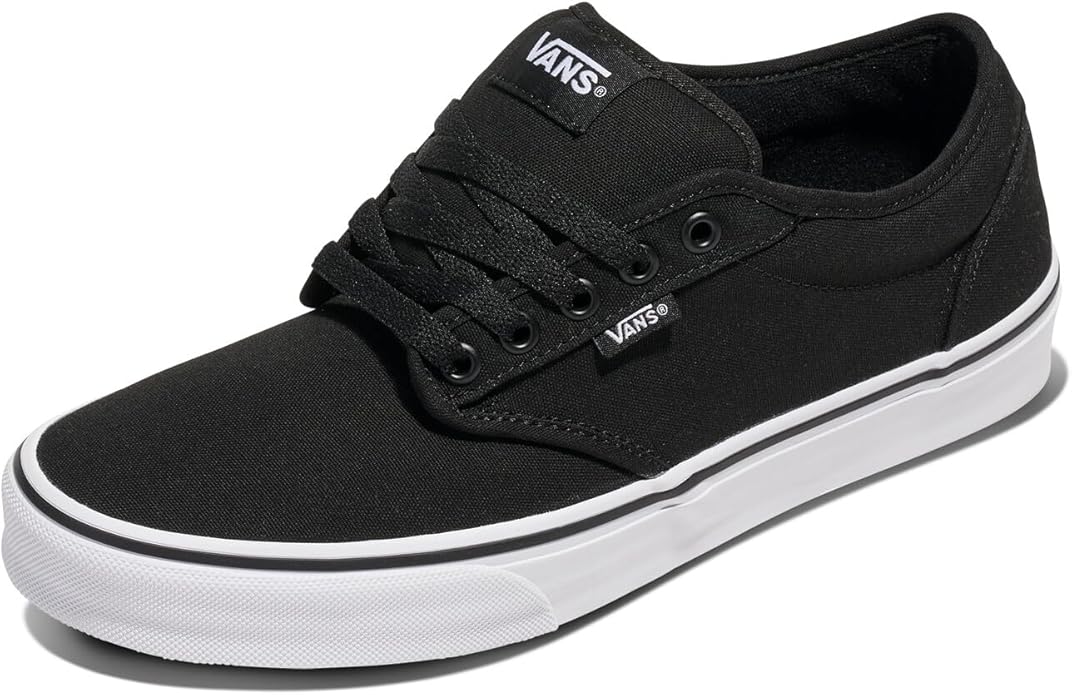
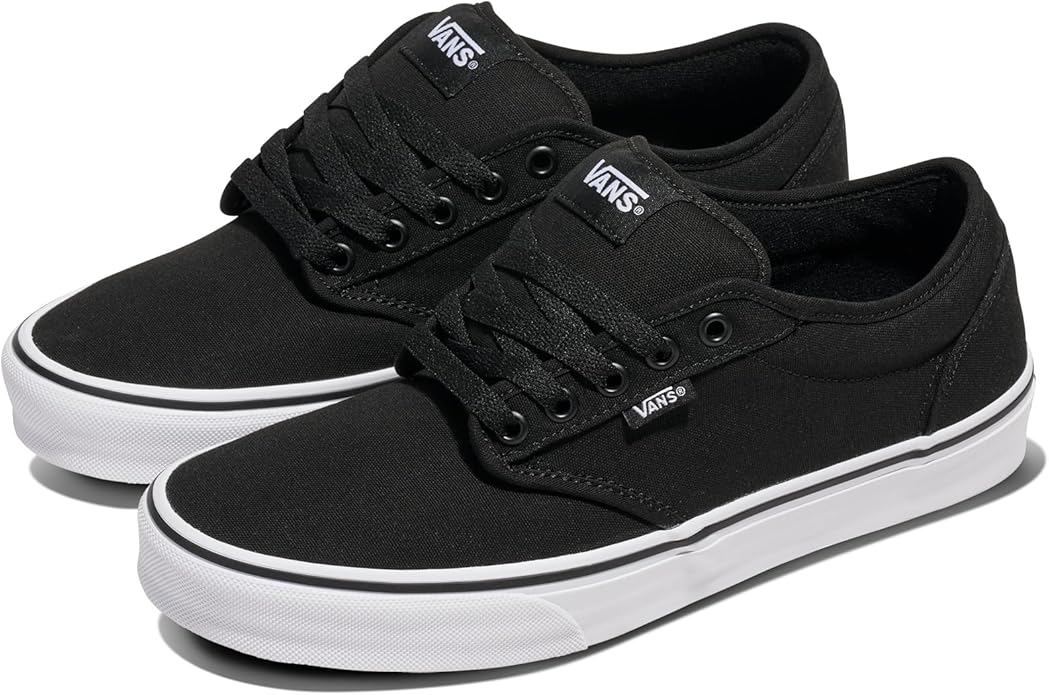
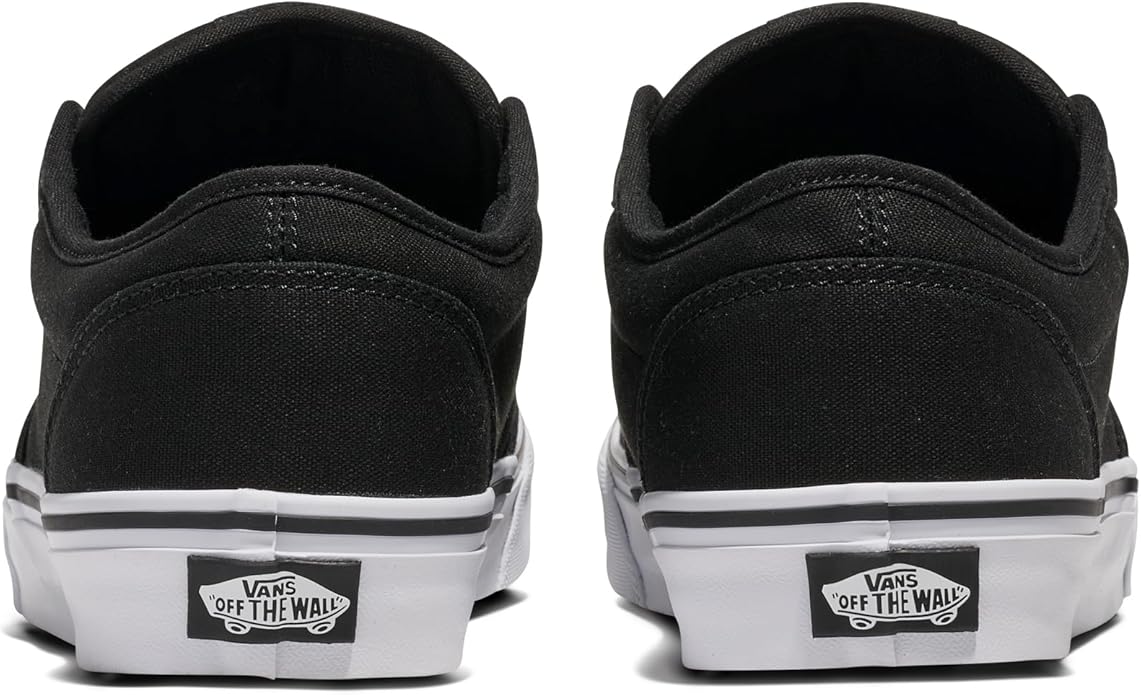
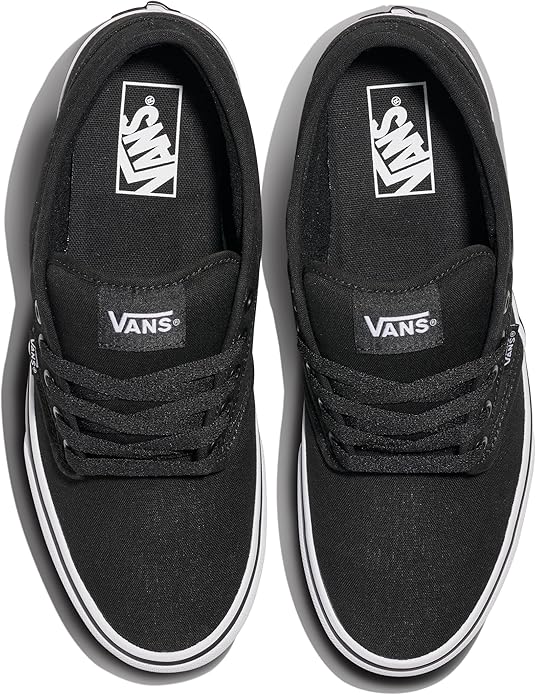
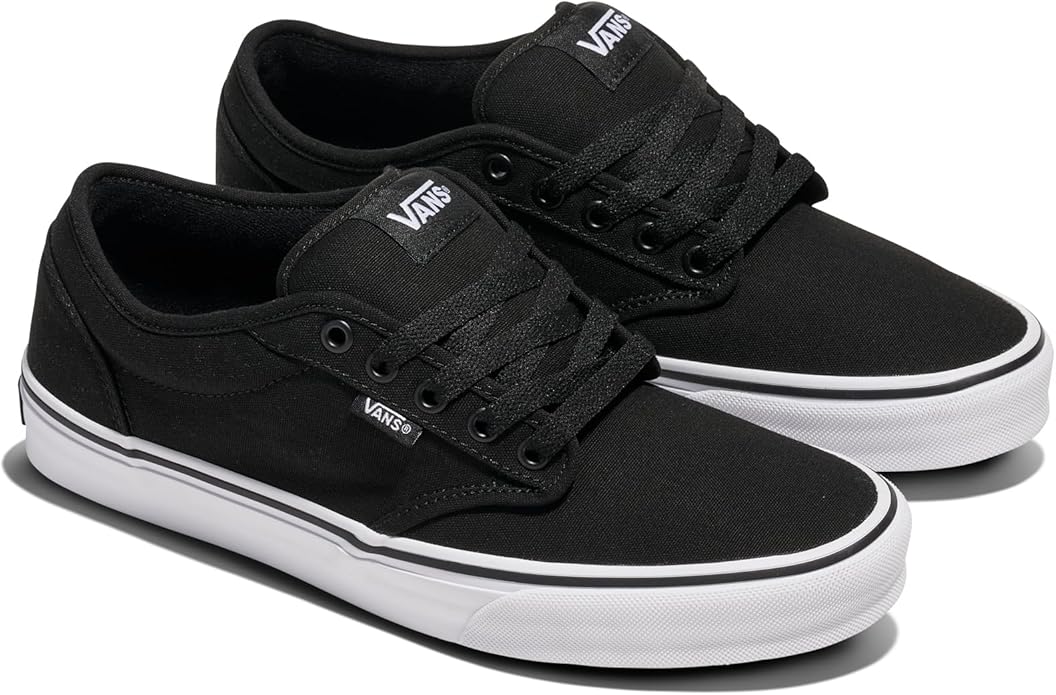
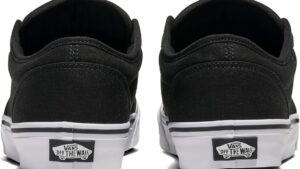
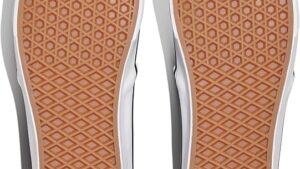
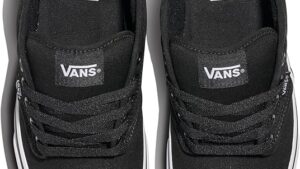
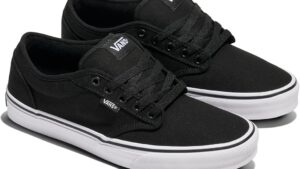
Eight months is a long time to commit to a single pair of shoes. Long enough to see past the initial honeymoon period, long enough to watch the marketing promises either hold or crumble, long enough for a shoe to reveal its honest character. I’m Mike, and I’ve been stress-testing footwear for over a decade — which means when I say I put the Vans Men’s Atwood through its paces, I mean real paces: trade show floors, Chicago summer streets, Miami August humidity, and an impromptu 6-mile urban hike through San Francisco that these shoes were absolutely not designed for. Here’s what 200+ wear days actually taught me.
Quick Verdict
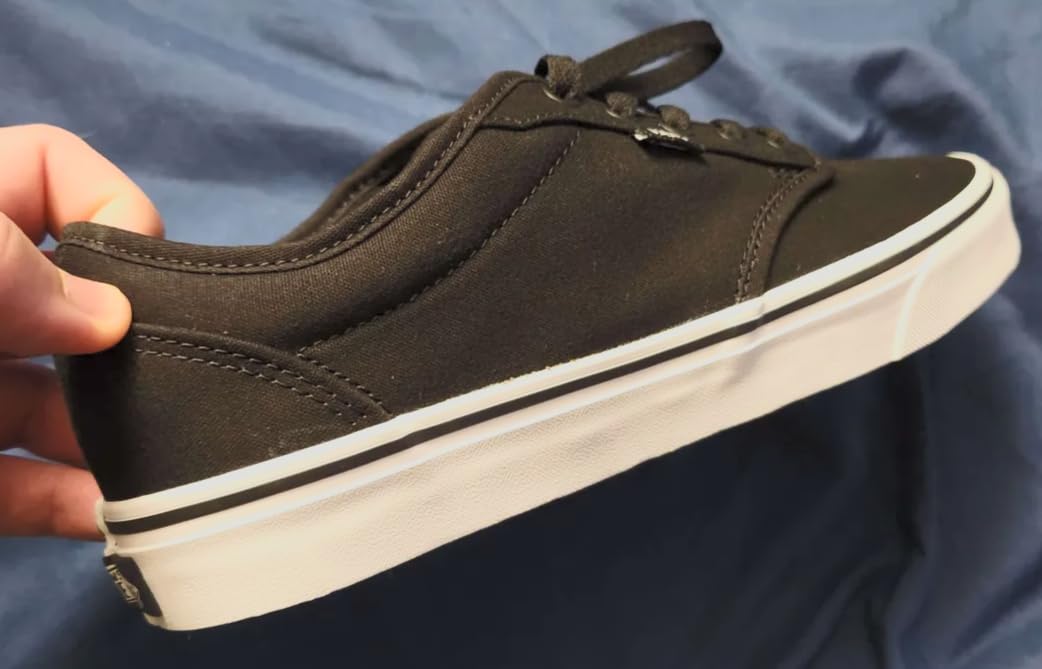
The Atwood is a casual sneaker that earns its place in your rotation by doing most things competently rather than any one thing brilliantly. At $60-65, it sits in a price range where “good enough” usually means “mediocre,” but Vans manages to deliver genuine breathability, real versatility, and a clean aesthetic that holds up longer than the shoe’s reputation for durability might suggest. It’s a 7.8/10 shoe — solid, not spectacular, and honest about what it is.
Specifications:
- Price: $60-65 retail ($40-50 on sale)
- Weight: ~12 oz (men’s size 9)
- Upper: Canvas textile
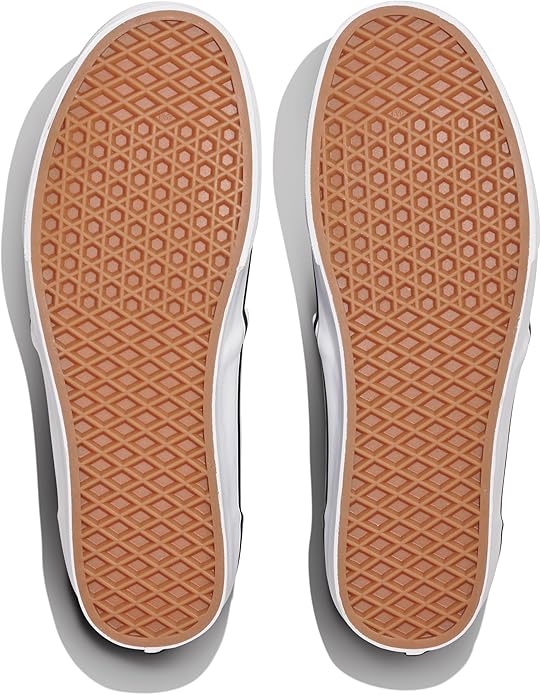
- Sole: Vulcanized rubber, waffle pattern outsole
- Sizing: True to size (wide options available)
- Testing period: 8 months, 200+ wear days, multiple cities
First Impressions: Unpacking the Promise
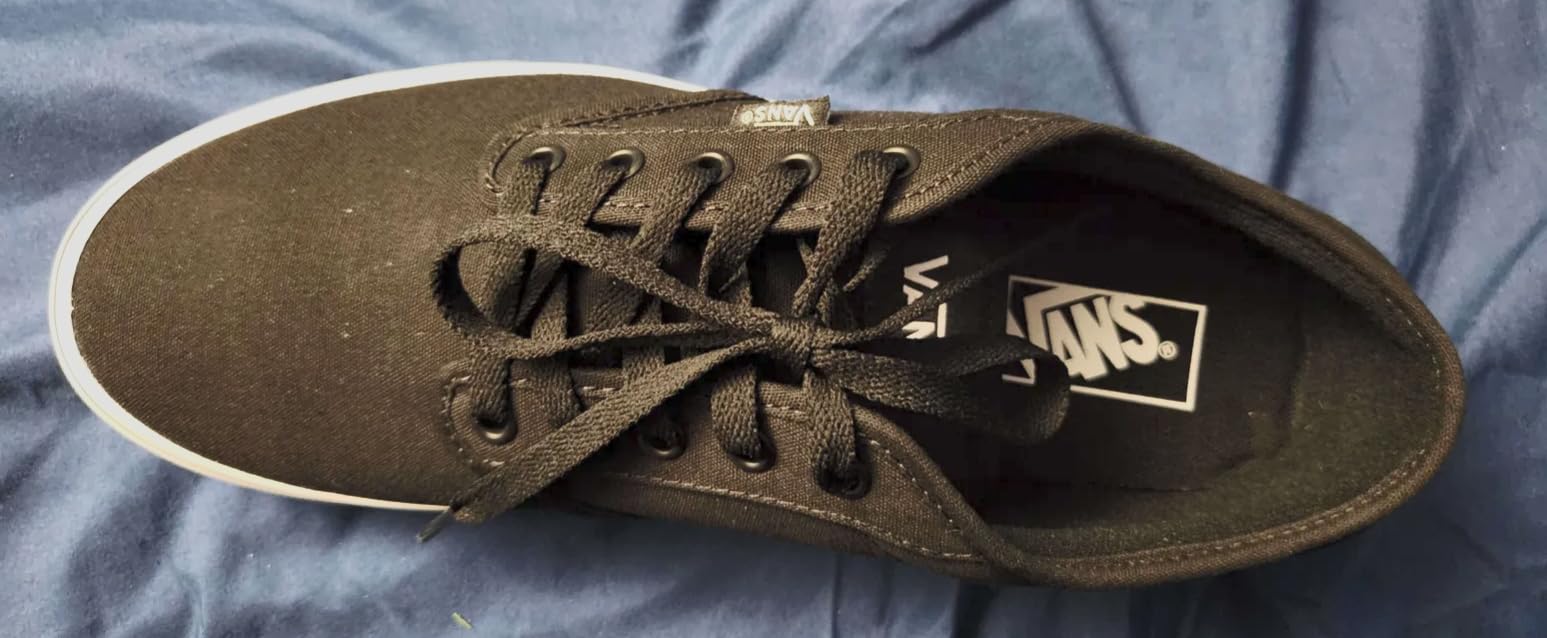
My first reaction pulling the Atwood out of the box was something between recognition and mild skepticism. Vans has been making essentially this same silhouette since before most of us were buying our own shoes, which cuts both ways. On one hand, you’re getting a design that’s had decades of refinement. On the other, you wonder if the formula is resting on its laurels.
The canvas feels substantial in hand — not thick enough to feel heavy, but with enough body that you trust it won’t give up after three months. The vulcanized sole has that distinctive slightly-stiff flex you only get with this construction method, nothing like the pillowy EVA you find in modern athletic shoes. Picking them up, they clock in at around 12 oz per shoe — light enough to forget you’re wearing them during a normal day.
What struck me in those first minutes was the toe box. I wear a 10.5 D-width, and the Atwood felt accommodating without being sloppy. The canvas didn’t pinch, didn’t bind, just… worked. That first impression held.
The break-in period, if you can even call it that, takes about 3-4 days. The canvas stiffness loosens quickly. By day 7, they felt like old friends. That’s one of canvas’s advantages over leather — it softens into your foot shape without fighting you.
The Walking Test: Urban Performance Over Hours, Not Minutes
My first real trial was a full Chicago weekday — five client meetings spread across different neighborhoods, mostly on foot between them. The Atwoods pulled double duty as office-appropriate footwear and then as walking shoes covering probably 4-5 miles in 90°F summer heat.
The breathability surprised me. Canvas gets unfairly maligned sometimes, but when the alternative is synthetic uppers baking in summer heat, canvas wins decisively. My feet didn’t get that sweaty, overheated feeling I’d expect from a lighter synthetic shoe. They stayed reasonably cool and aired out between walks. That’s not a minor point in Chicago August.
The toe box remained comfortable through the full day. No cramping, no pressure points building over hours. The minimal padding on the tongue and collar wasn’t the most luxurious feeling, but it didn’t dig in or create hotspots either — it just got out of the way.
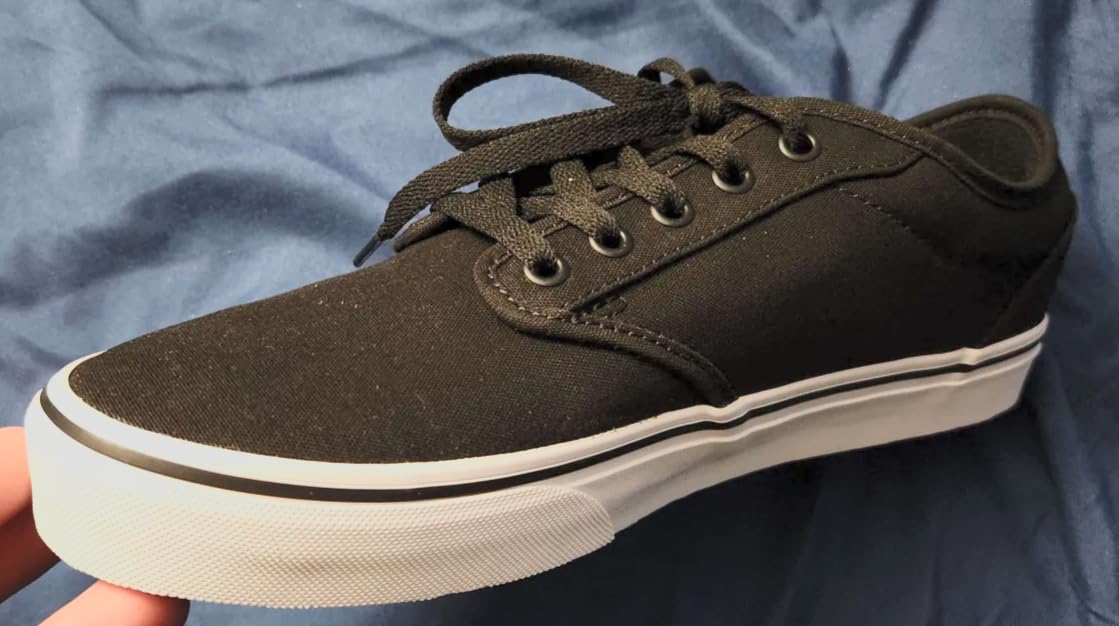
The rubber waffle outsole provided solid grip on city sidewalks, some construction grates, and polished office lobby floors. Not once did I feel like I was skating around on a flat-soled shoe. The traction is genuinely adequate for urban use, though I’d describe it as confident rather than grippy — there’s a difference. On a wet tile lobby floor after rain, I’d still be mindful.
The flexibility of the vulcanized sole stands out most after about two hours on foot. Where stiff-soled dress shoes start fighting your natural gait, the Atwood just bends with you. That makes cumulative distance less taxing than you’d expect from something that looks so minimal.
The Endurance Test: Trade Shows, Festivals, and Real Limits
This is where the Atwood gets honest about what it is.
I wore these through an 8-hour outdoor festival and through a 10+ hour trade show. The festival tested environmental variety — uneven grass, pavement, food court concrete, all while standing and occasionally walking. The trade show was primarily standing on conventional center hard floor, the kind that destroys feet if you’re not wearing the right shoe.
Both experiences revealed the same thing: by hour 6 of continuous standing, you feel it. Not painfully, but unmistakably. The minimal cushioning doesn’t absorb sustained standing stress the way a structured training shoe would. Your feet communicate their fatigue, and you start appreciating chairs.
This isn’t a flaw, exactly — it’s just honesty. The Atwood isn’t designed for standing jobs, and Vans doesn’t claim it is. For walking, the vulcanized flex makes it tolerable in ways that stiffer casual shoes aren’t. But the cushioning reality becomes apparent when movement stops.
The arch support sits at neutral — not assisting your arch, not fighting it. For my normal arches across 8 months of varied use, that worked fine. But if you have flat feet or high arches requiring real support, these shoes will not compensate. That’s where aftermarket insoles become relevant.
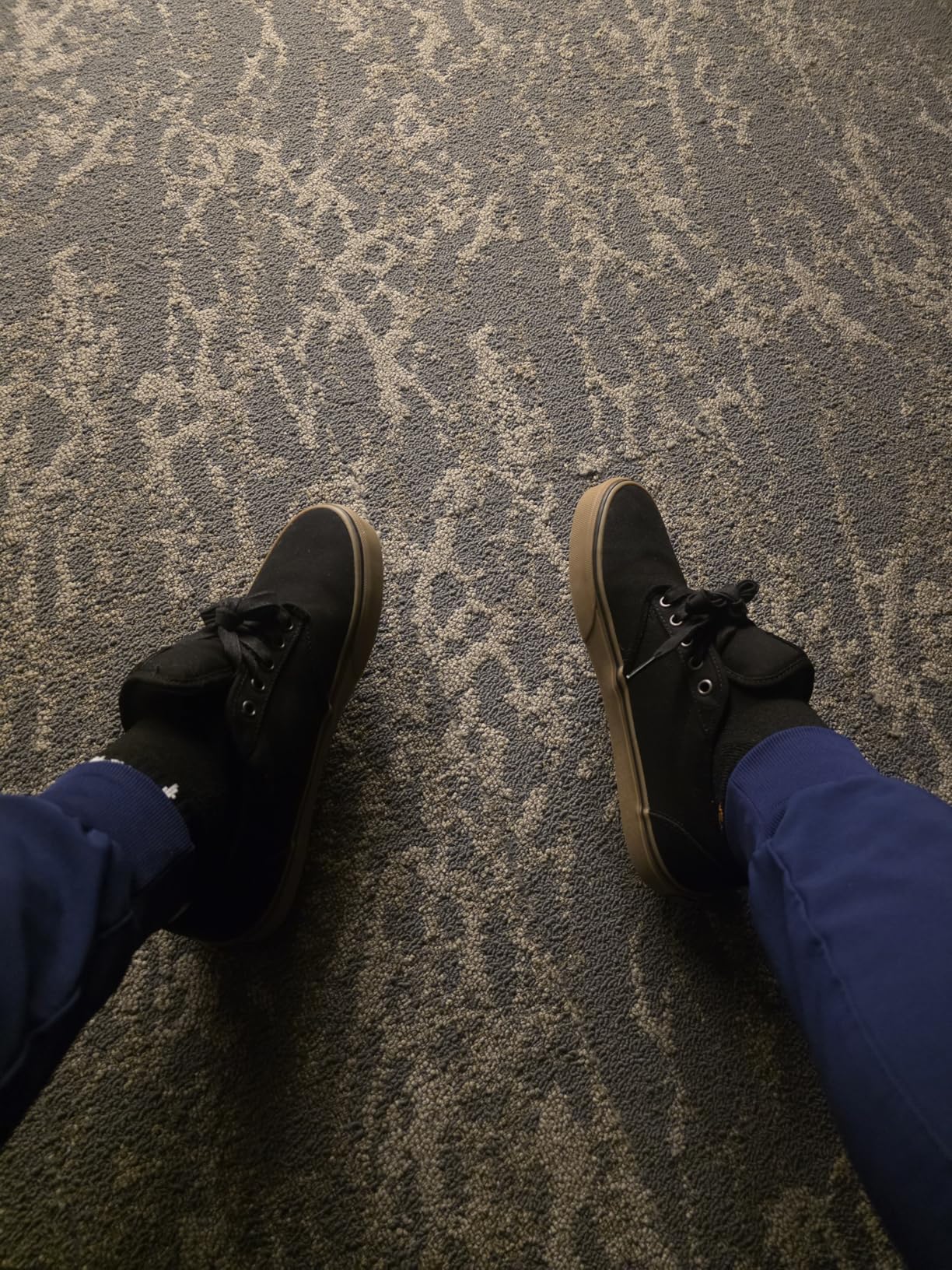
One unexpected positive from the endurance testing: the shoe maintained its shape well after repeated full-day use. Canvas shoes sometimes sag and distort over time, losing their form. After 8 months, the Atwood still looks recognizably like a Vans Atwood rather than a worn-out canvas bag with a sole attached.
Environmental Extremes: What Canvas Can and Cannot Handle
Testing in Miami during August is a specific kind of foot health trial. Humidity north of 80%, heat in the high 80s, and the kind of saturated air that makes synthetic shoes feel like plastic bags. The Atwood’s canvas construction was the right choice for this environment. Airflow through the fabric kept things from getting miserable, and the shoe dried quickly when I came inside from sweating through the day.
Compare that to the rainy condition reality check. These are canvas shoes. When it rains properly, your feet will get wet — not gradually damp, wet. A quick sprint from a cab to a doorway in light drizzle? Fine. Getting caught in a genuine Chicago downpour while walking four blocks? Soaked through within minutes. The shoes dried out overnight without issue, no structural damage, no warping — but the wet canvas experience isn’t pleasant.
I adapted by checking weather forecasts more carefully and keeping a spare pair of socks in my bag on uncertain weather days. That shouldn’t be a surprise to anyone buying canvas shoes; Vans never promised waterproofing. But it’s worth stating plainly: this is a warm-weather, dry-condition shoe that tolerates occasional moisture rather than handles it.
Cold weather performance is fine for moderate temperatures. Below 40°F in Chicago, I started reaching for different shoes — not because the Atwood failed, but because the thin canvas construction doesn’t insulate, and canvas stiffens slightly in cold. Not a problem shoe per se, but a fair-weather shoe with seasonal limits.
Versatility: From Office to Weekend Without Changing
The Atwood’s strongest actual selling point might be its outfit range. I wore these to client meetings in dark jeans and a blazer where they read as intentionally minimal rather than underdressed. I wore them to neighborhood coffee shops in shorts. I wore them to an evening dinner at a mid-range restaurant where the dress code was “smart casual,” and nobody looked twice.
That versatility is real, not just marketing. The clean, minimal Vans aesthetic — side stripe, canvas, gum or white sole — sits in a design language that reads as intentional rather than cheap across a wide range of contexts. It won’t take you to a formal dinner or a job interview, but it covers a surprising amount of daily life.
Where it earns the word “versatile” concretely: I never changed shoes during a day that went from office to happy hour to dinner. That’s the practical test of versatility, and the Atwood passed it consistently.
The Durability Question: What 8 Months Actually Shows
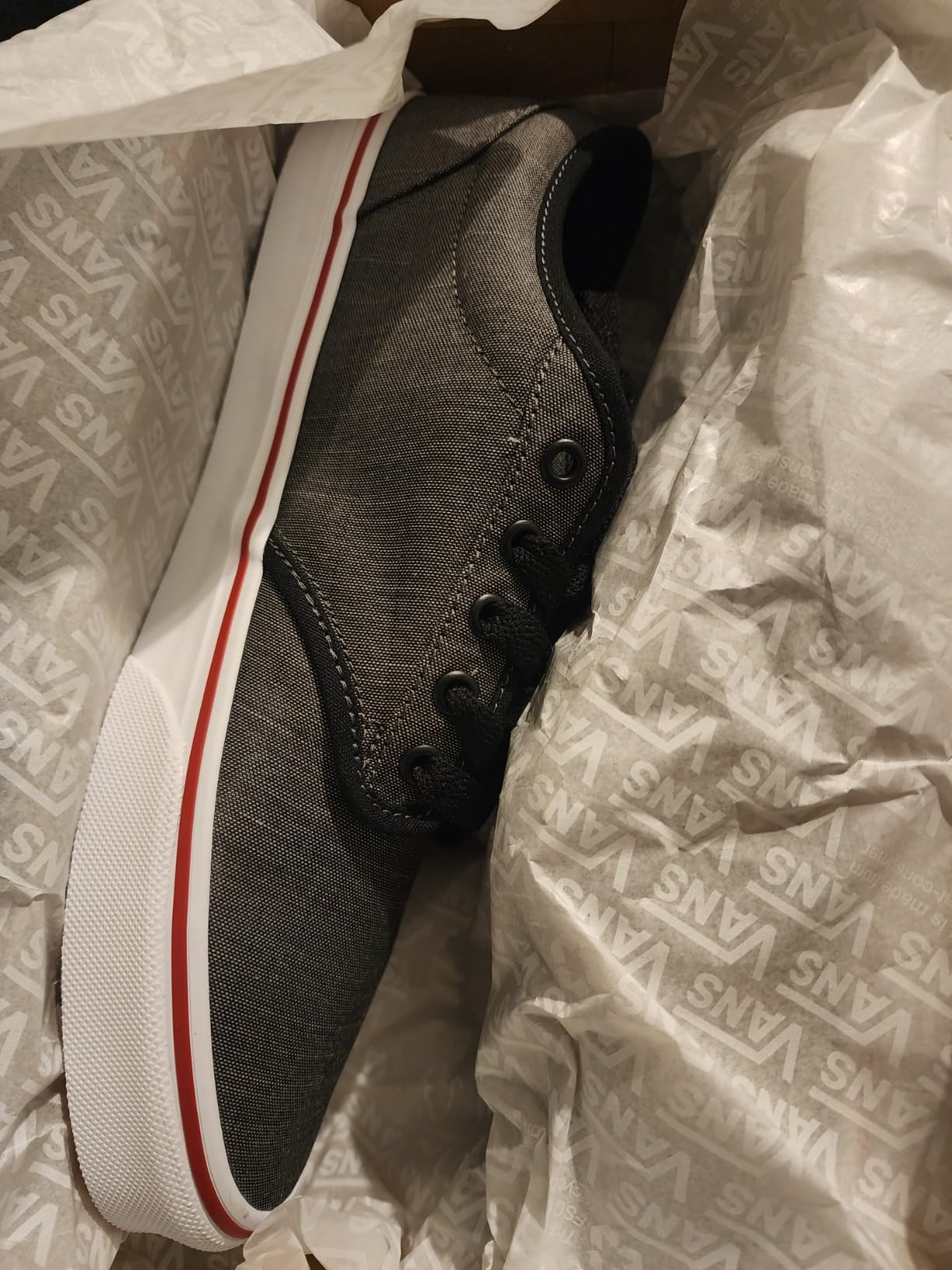
Sole separation is the Atwood’s most-discussed durability concern, and it’s a real thing — not internet exaggeration. Community reports consistently document it happening, particularly with heavy daily use or in conditions where the shoe cycles repeatedly between wet and dry. After 8 months of moderately heavy casual use, my pair shows no separation. But I’ve been deliberate about not wearing them in heavy rain and letting them fully dry when they do get wet.
What I can see: canvas scuffing on the toe box, expected in any canvas shoe. Minor color lightening in the highest-flex areas. Some sole wear on the ball of foot area and heel, patterns that correspond to my gait. All of this is normal wear, not structural concern.
The honest assessment: built well enough for the price, not built to the standard of premium footwear. If you’re rough on shoes, wear them in every condition regardless of weather, and expect 18 months of heavy daily use — you may be disappointed. If you’re a casual wearer who rotates shoes and avoids saturating them with water, they hold up well.
Metal eyelets deserve mention: still solid, zero deformation or wear after 8 months. The lace grommets outlast the rest of the shoe in my experience.
The Value Proposition: What $65 Actually Gets You
At $65 retail divided by a conservative 500-day lifespan for a casual user, you’re looking at about $0.13 per wear. For a heavy daily user who gets 12 months, that math is closer to $0.22. Either way, it’s defensible.
Compared to Adidas Daily 3.0 in the same price bracket: similar casual positioning, slightly more structured support, slightly less breathability. The Atwood wins on breathability, the Daily wins on cushioning.
Compared to Converse Chuck Taylors at $45-60: the Atwood is more comfortable, has a more accommodating toe box, and holds up comparably on durability. The Chuck costs slightly less but gives up noticeable comfort ground.
Compared to Adidas Grand Court Alpha or Reebok Club C 85 Vintage in the $65-80 range: those offer more structure, more cushioning, better weather resistance in leather versions. The Atwood trades all of that for superior breathability and a more flexible feel.
Where the value breaks down: if you need more arch support or cushioning. The Atwood requires aftermarket insoles to bridge that gap, adding $20-30 to the effective cost. At that point, shoes like Dr. Scholl’s Time Off might deliver similar casual aesthetics with built-in comfort engineering at a comparable total spend.
Where the value holds strong: catching these on sale at $40-50. At that price point, the value equation shifts decisively in the Atwood’s favor for anyone with moderate use patterns.
Who Should (and Shouldn’t) Buy the Vans Atwood
✅ Buy it if:
- You need one versatile shoe that moves between business casual and weekend use
- Your climate is warm and dry, making breathability the priority
- You have normal arches and don’t require medical-grade foot support
- Your shoe budget sits in the $50-80 range and you prioritize aesthetics alongside comfort
- Wide-foot guys who struggle with narrow athletic shoes — the Atwood’s toe box is genuinely accommodating
- You found them on sale for $40-50 (buy two)
⚠️ Buy carefully if:
- You’ll wear them in a rainy or cold climate year-round (canvas has seasonal limits)
- Your job involves extended standing — budget for aftermarket insoles
- You expect 2+ years of heavy daily use from a single pair
❌ Look elsewhere if:
- You need serious arch support or have medically relevant foot issues
- You want running shoes or athletic performance features — these are lifestyle shoes that look the part, not performance gear
- You need hiking capability — the Atwood tolerates light trail walks but isn’t designed for serious outdoor use
- Waterproofing is non-negotiable for your daily conditions
Comparing Your Options: Where the Atwood Sits
If you’re comparing the Atwood to the broader canvas sneaker landscape, it holds a specific position: more comfortable than Converse, less structured than court-heritage shoes like the Adidas Swift Run 1.0, more breathable than leather options. It wins on its core canvas-and-vulcanized-sole formula while accepting the limits that come with that formula.
The Vans Old Skool, at $70-80, adds suede overlays and a chunkier profile for more durability. If sole longevity is your primary concern and you’re willing to pay more, that’s the upgrade path within the Vans lineup. Within Vans’ own catalog, the Atwood sits as the accessible starting point rather than the pinnacle.
Keeping Them Alive: Maintenance That Actually Matters
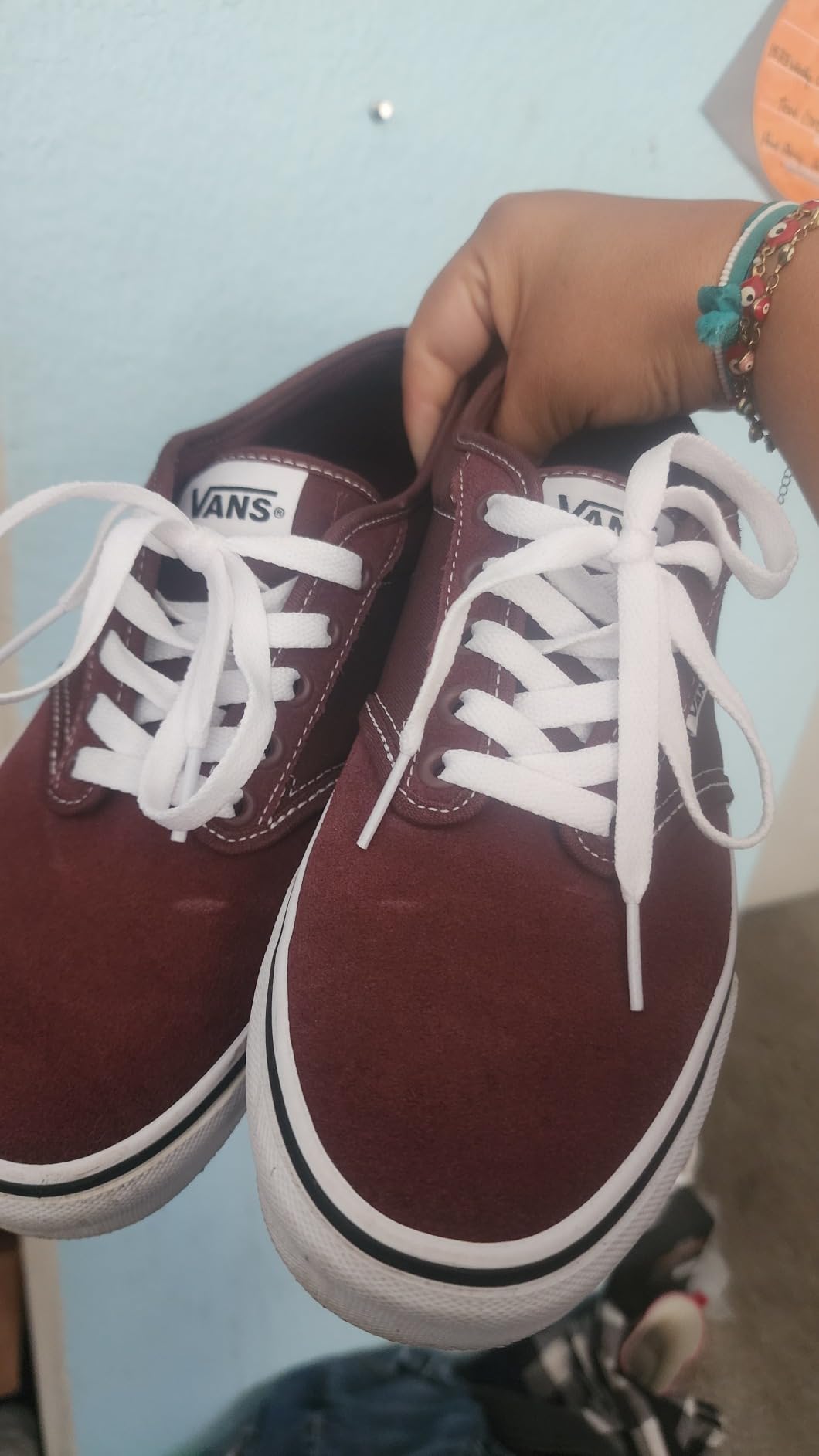
Canvas maintenance is straightforward but matters more than people realize. A few things that made a difference over 8 months:
Canvas cleaning: Spot-clean with mild soap and a soft brush for regular dirt. The Atwood is technically machine-washable on gentle cycle, but I found hand-brushing to be less traumatic for the canvas structure over multiple cleaning cycles.
Moisture management: The single most important thing is letting them fully dry between wears when they’ve gotten wet. Repeated wet-dry cycling accelerates the glue breakdown that leads to sole separation. Stuffing with newspaper while drying helps maintain shape.
Rotation strategy: Wearing these every single day is harder on them than alternating with another pair every two or three days. The shoes need time to breathe and recover from compression. If you own one pair of casual shoes, consider adding a second to extend the Atwood’s life.
Insole replacement: Around the 6-month mark of daily wear, the stock insole starts losing its minimal padding. A basic aftermarket insole adds comfort back and extends comfortable wearability. Worth the $15-20 investment.
For odor management between wears, Sneaker Balls tucked inside work well — canvas breathes but also absorbs smells with heavy use.
Frequently Asked Questions
How do the Atwoods fit compared to other brands?
True to size for most wearers. They run slightly more generous in the toe box than Converse Chuck Taylors, which makes them more comfortable for wider feet. If you wear size 10 in Nike or Adidas, size 10 is where to start with the Atwood. Consider half-size up only if you strongly prefer toe room or have particularly wide feet in the forefoot area.
What’s the break-in period like?
Three to four days of real wear, then notably softer. By two weeks, fully broken in. Canvas accommodates foot shape faster than leather — you’re not fighting through a stiff-soled break-in the way you would with a leather dress shoe or a premium leather sneaker.
Can I wear these for an extended day of hiking?
Light urban trail walking, yes — the SF 6-mile test proved they can handle it, though your feet will know by the end. Actual hiking on uneven terrain, elevation, or rough trail surfaces: no. The sole isn’t lugged for grip on loose rock and dirt, and the canvas offers zero ankle support. The Atwood is a city shoe that can handle light adventure, not a trail shoe in casual clothing.
How do they hold up in wet weather?
Light drizzle, intermittent rain: manageable with a quick-dry strategy. Real rain: your feet will get wet within a few minutes. Canvas doesn’t resist water — it absorbs it. The upside is the canvas dries out within a couple of hours once you’re out of the rain, and the shoe doesn’t warp or lose its shape from occasional wetting. But if you’re walking in sustained rain, these aren’t the shoes for that day.
What’s the realistic daily lifespan?
Based on 8 months of moderately heavy casual use: the shoe remains structurally solid with normal wear patterns. For average daily casual use, expect 12-18 months before the upper or sole shows meaningful degradation. Light/weekend use: 2+ years isn’t unreasonable. Heavy daily use with exposure to wet conditions regularly: 6-12 months, and watch the sole carefully. If you see any separation starting at the toe or heel seams, address it immediately with shoe adhesive — early intervention prevents total failure.
Does the Atwood work for guys with wide feet?
Better than many casual sneakers. The D-width feels genuinely accommodating in the toe box — my size 10.5 D feet had no pressure or cramping issues through 8 months. That said, for truly wide feet (EE or wider), seek out the wide-width versions available through select retailers. Standard sizing has a roomier-than-typical toe box, but it isn’t actually wide-width.
Should I wait for a sale?
At $60-65, it’s fair value. At $40-50 on sale, it’s excellent value. These go on sale regularly through Amazon and Zappos, particularly at seasonal transitions. If you can find them at $45 or below and you like the colorway, buy two pairs. The price-to-quality ratio at sale price is hard to beat in this category.
Is the sole separation issue something I should worry about?
Treat it as a real but manageable risk rather than an inevitability. After 8 months, my pair shows no separation. But the reports from heavy daily wearers are documented enough to take seriously. Reduce risk by: avoiding repeated wet-dry cycling, rotating with another pair, and doing periodic visual checks of the sole seam. If separation starts, shoe adhesive applied early is effective. It’s not a reason to avoid the shoe — it’s a reason to wear it with some care.
Final Assessment
| ✅ What Works | ⚠️ What to Know |
|---|---|
|
|
Scoring Summary
| Category | Score | Notes |
|---|---|---|
| Design & Aesthetics | 8.5/10 | Timeless, versatile, works across outfit contexts |
| Comfort | 7.5/10 | Good for walking and casual wear; limited for extended standing |
| Durability | 7.0/10 | Holds up for casual use; sole separation risk with heavy daily wear |
| Versatility | 9.0/10 | Genuinely transitions across casual lifestyle contexts |
| Value for Money | 8.0/10 | Fair at retail; excellent on sale |
| Overall | 7.8/10 | Reliable casual shoe that delivers on its core promise |
The Vans Atwood earns its place as a reliable casual shoe for anyone whose life moves between office and weekend without demanding athletic performance or serious weather protection. It’s not trying to be everything, and for what it is — a well-made, breathable, aesthetically versatile canvas sneaker at an accessible price — it succeeds more than it fails.
My advice: buy them during a sale, add decent insoles after six months, keep them out of extended rain, and you’ll have a shoe that genuinely earns its room in your rotation.
Questions about sizing, fit, or how these compare to a specific shoe? Drop a comment below — I read and respond to all of them.
Be the first to review “Vans Men’s Atwood Sneaker”
Related products

Sneaker

Sneaker
Running Shoes
Sneaker
Reviews
There are no reviews yet.