
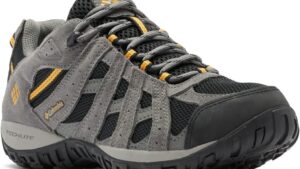
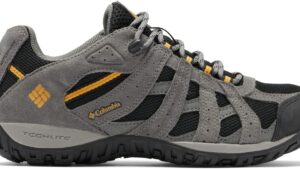
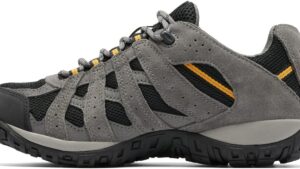
My old hiking shoes gave out in the worst way possible — not gradually, not politely, but with one sole starting to peel on mile three of a muddy trail, in light rain, with four miles still to go. By the end of that weekend I’d taped them back together twice and made peace with the fact that waterproof hiking shoes were no longer optional. I’m Sarah, and after eight weeks of deliberately putting the Columbia Women’s Redmond Waterproof through every wet scenario I could engineer — stream crossings, downpours, muddy November trails, the works — I have a clear sense of what this $70 shoe actually does well and where it runs out of road.
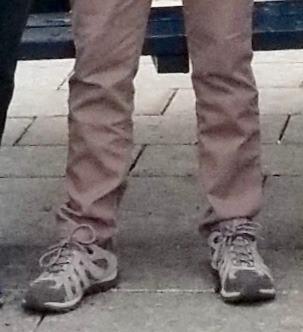
Technical Specifications
| Spec | Detail |
|---|---|
| 💰 Price | ~$70 (varies by retailer and colorway) |
| ⚖️ Weight | 13.5 oz (women’s size 8) |
| 📐 Upper | Suede leather + mesh + webbing overlays |
| 🧪 Midsole | Techlite lightweight cushioning |
| 👟 Outsole | Omni-Grip non-marking rubber |
| 🌧️ Waterproof | Omni-Tech seam-sealed membrane |
| 🏃♀️ Category | Waterproof low-cut hiking shoe |
| 🎯 Best for | Day hiking, trail walking, casual outdoor activities |
| ⏱️ Tested | 8 weeks, 40+ miles, multiple wet conditions |
Design & Build — What $70 Actually Gets You
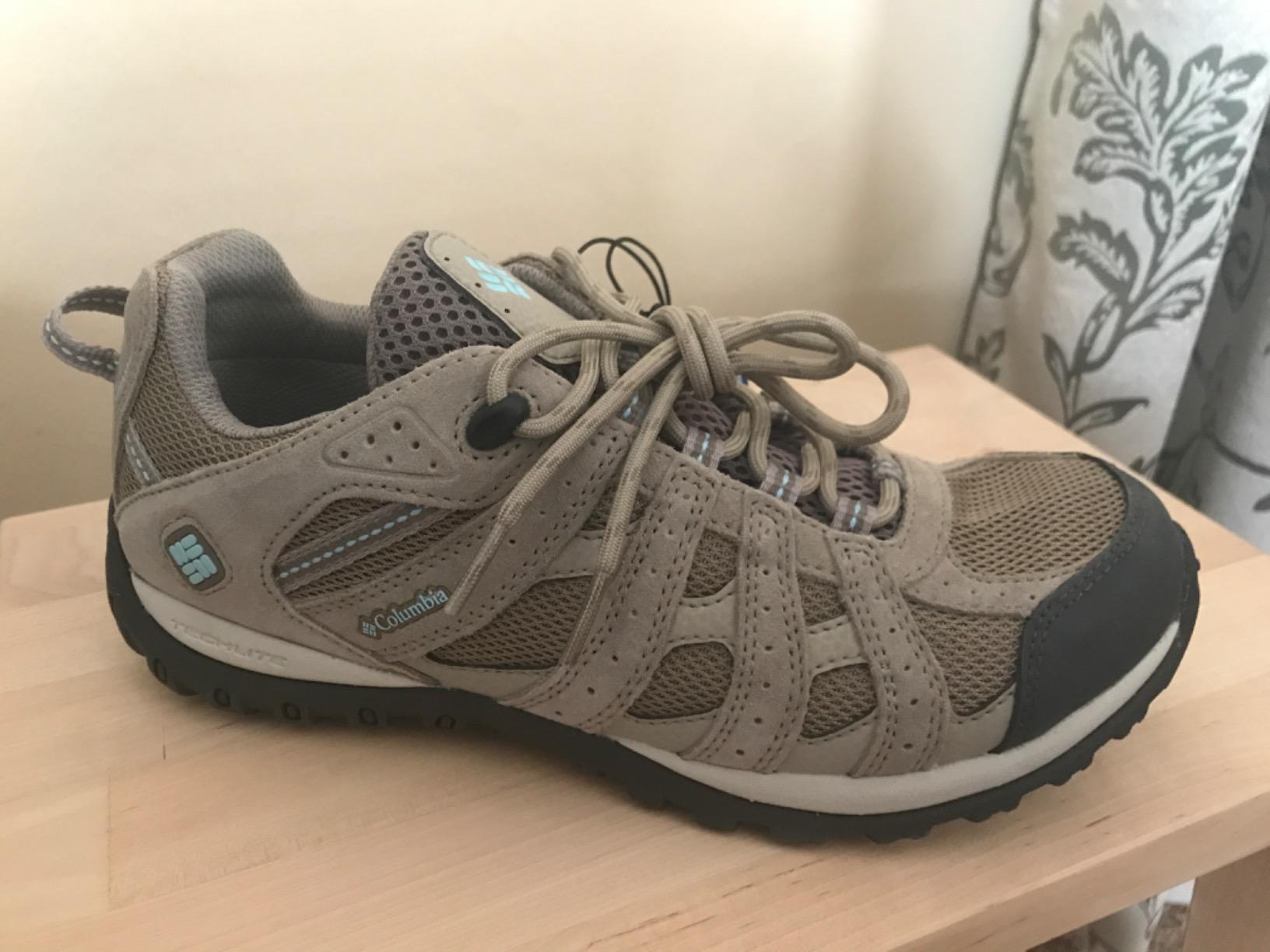
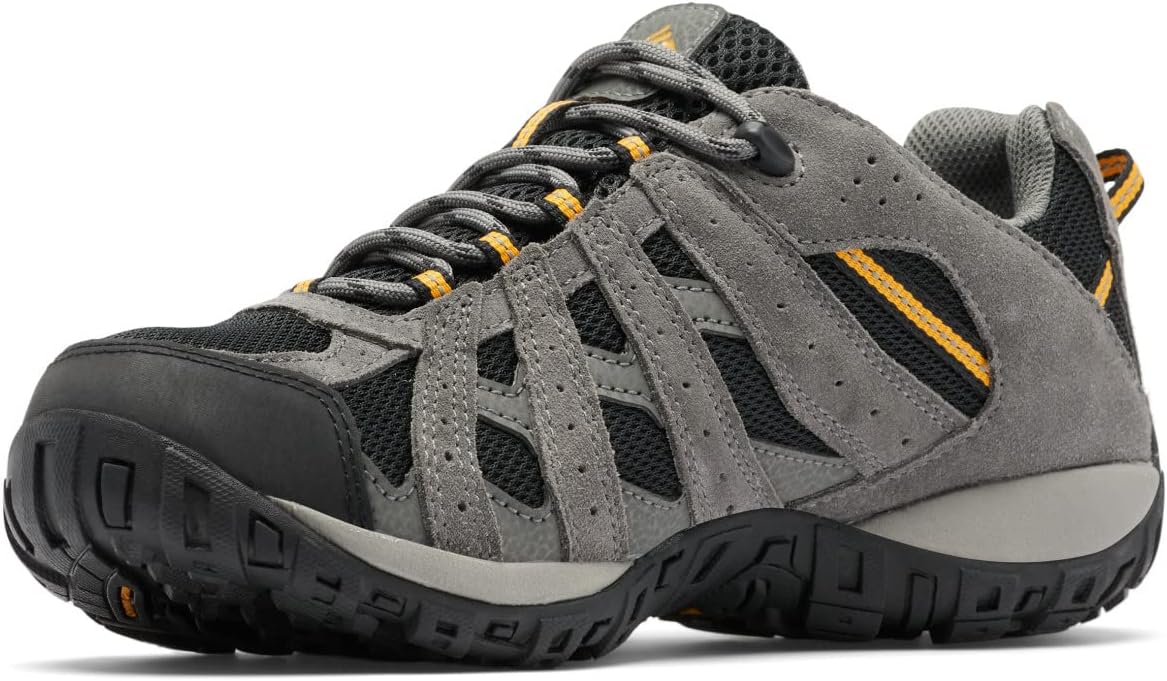
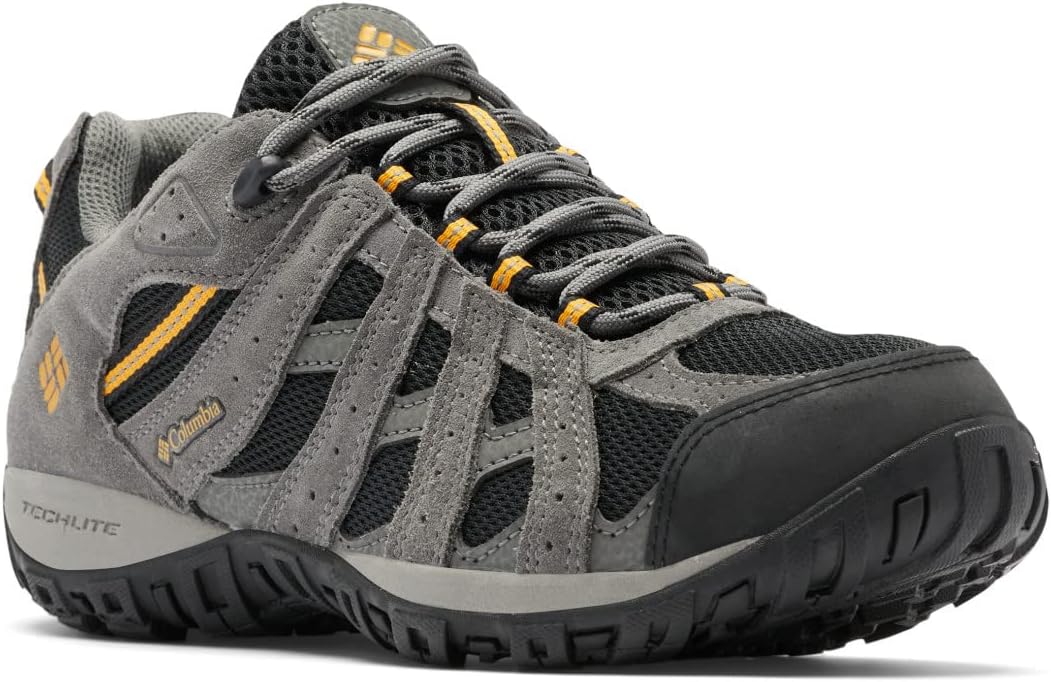
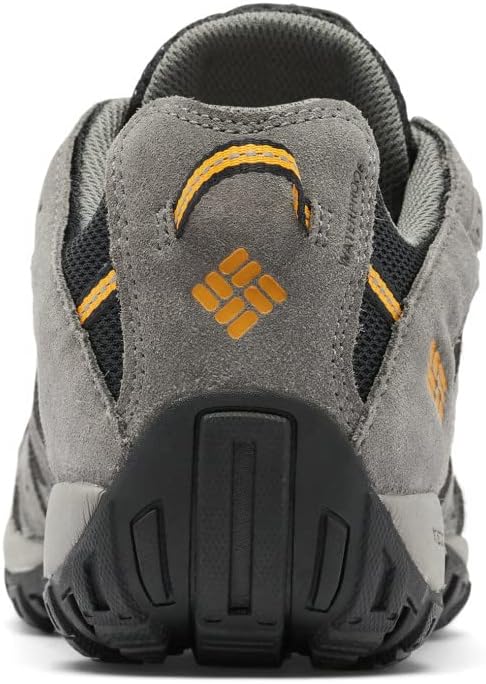
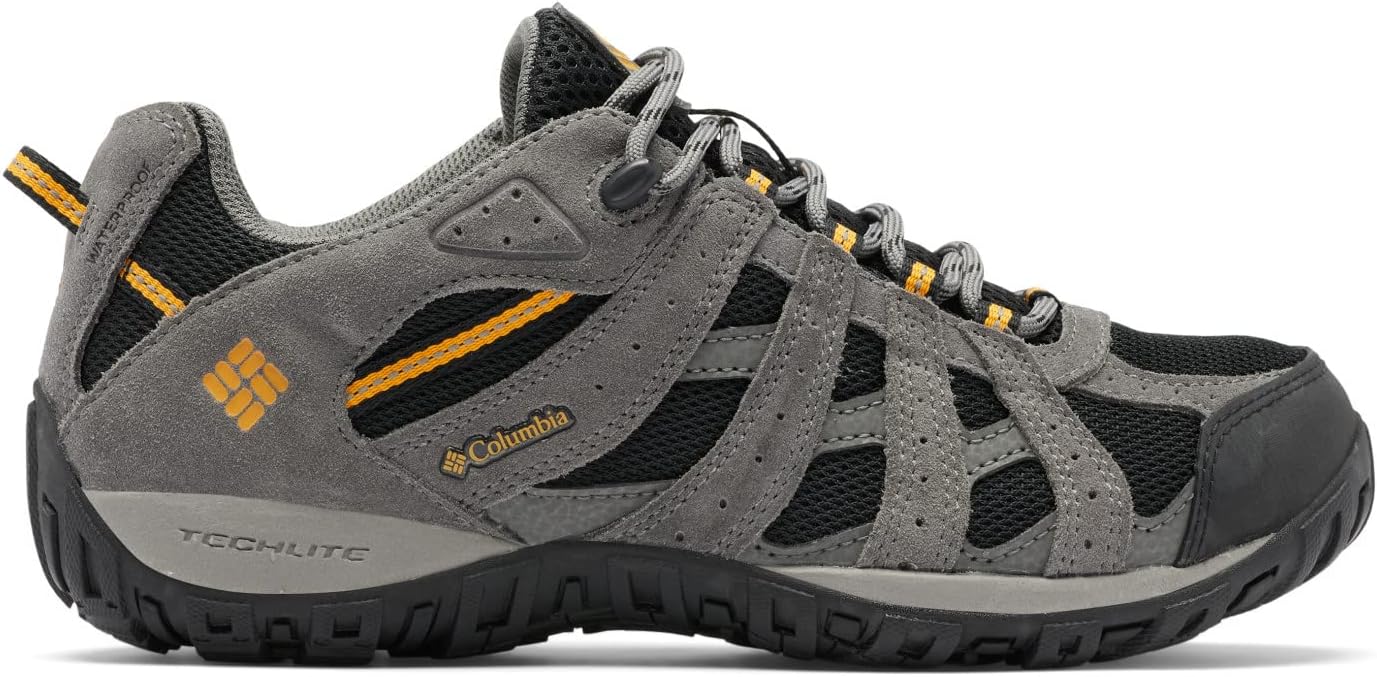
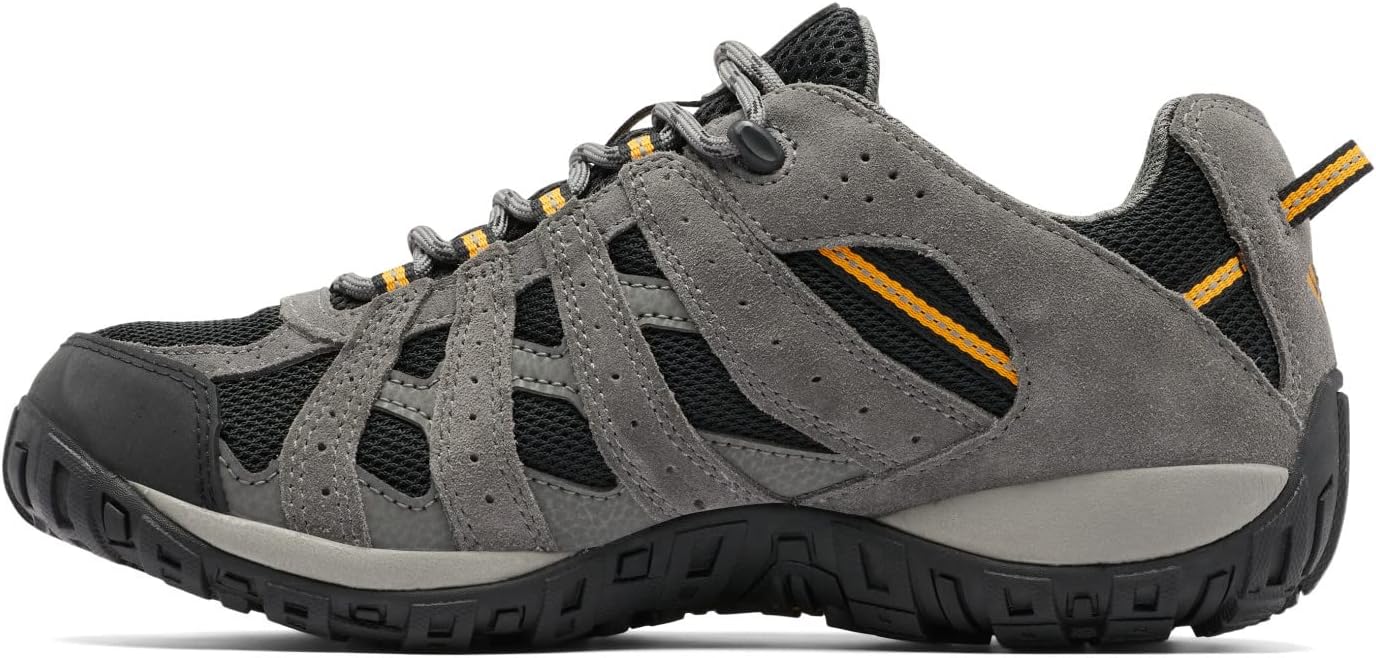
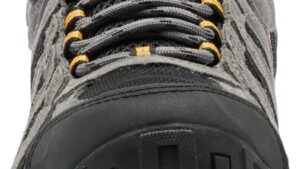
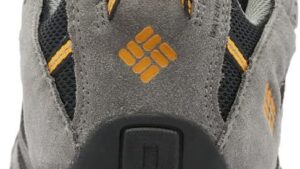
First impression out of the box: these don’t look or feel like a budget shoe. The suede leather has real weight and substance to it — not the thin, papery feel you sometimes get in this price range. Seams are clean, the webbing overlays look intentional rather than decorative, and the overall construction has a solidity that genuinely surprised me for a $70 waterproof hiking shoe.
The mesh panels are placed well — around the forefoot and lateral sides, which is where heat accumulates during climbs. You can feel during actual use that those webbing details do something: on uneven terrain with lateral foot movement, they provide noticeable structure. This isn’t a shoe designed purely for appearance.
After eight weeks, the construction held without any visible degradation. Sole stayed bonded, upper seams remained tight, no separation started. That’s the baseline expectation, but given that durability concerns appear in longer-term customer reports, it’s worth noting the 8-week window was clean. The real durability question surfaces past the one-year mark with heavier use.
Fit & Sizing — The One Thing You Must Know Before Ordering
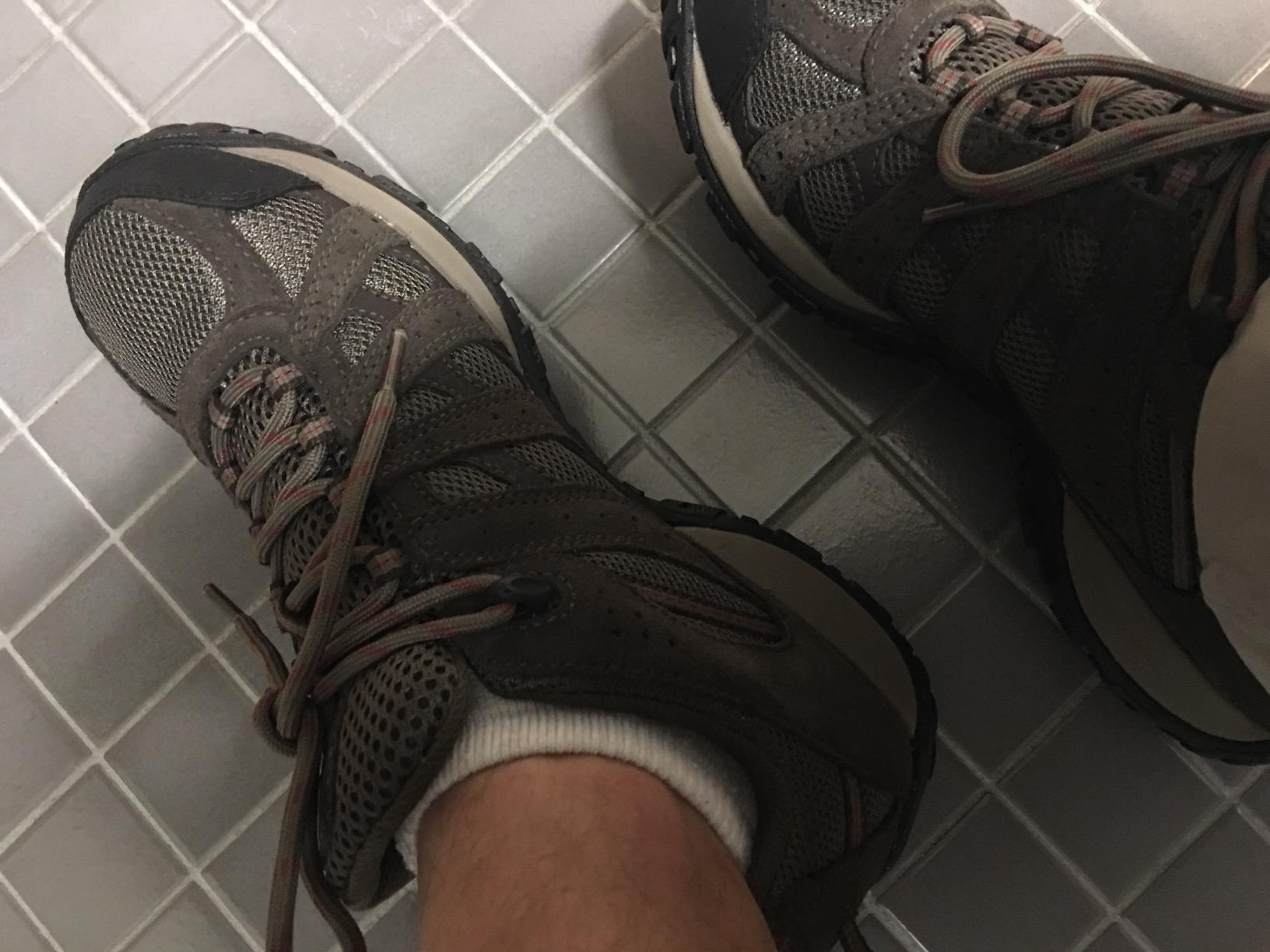
Let’s address this immediately, because it affects everyone: size up. Not “you might want to consider it” — actually size up by a half size.
I normally wear a 7.5. Before ordering, I read through enough customer reviews to understand this was consistent advice regardless of foot width. I ordered an 8. With medium-thickness hiking socks — the kind you’d actually wear on trail — the fit was exactly right. The toe box had room without slippage, the heel locked in cleanly, and nothing dug in on the first mile. Based on how the 8 felt, a 7.5 would have meant a painful afternoon past mile three.
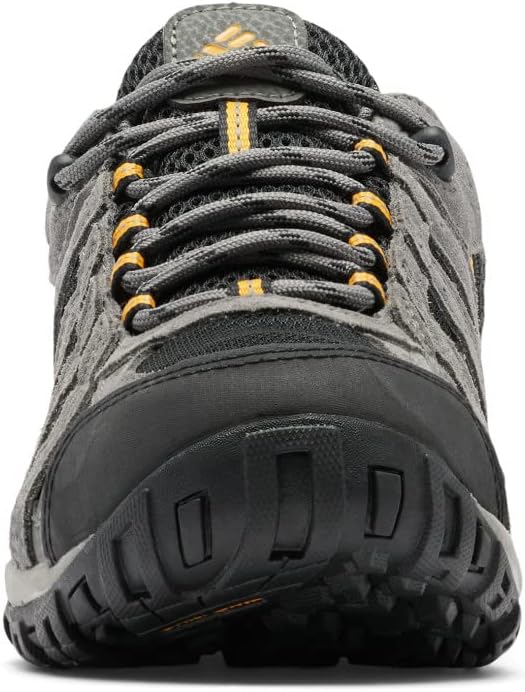
The toe box runs narrow. I have standard-width feet and still noticed the sculpted midfoot compared to, say, my Merrell runners. Women with wider feet face a real choice here: go up a full size, or accept that this shoe probably isn’t the one for them. There’s no wide-width option readily available, and the narrowness isn’t adjustable — you’re working with the last as designed.
What’s genuinely good about the fit: break-in is almost nonexistent. Day one felt like a broken-in shoe. The padded collar didn’t create pressure points, the tongue stayed centered under lacing, and the internal construction felt smooth from the start. For anyone who’s spent weeks suffering through stiff hiking boots before they became wearable, this is a real advantage.
Waterproof Performance — Eight Weeks, Zero Wet Feet
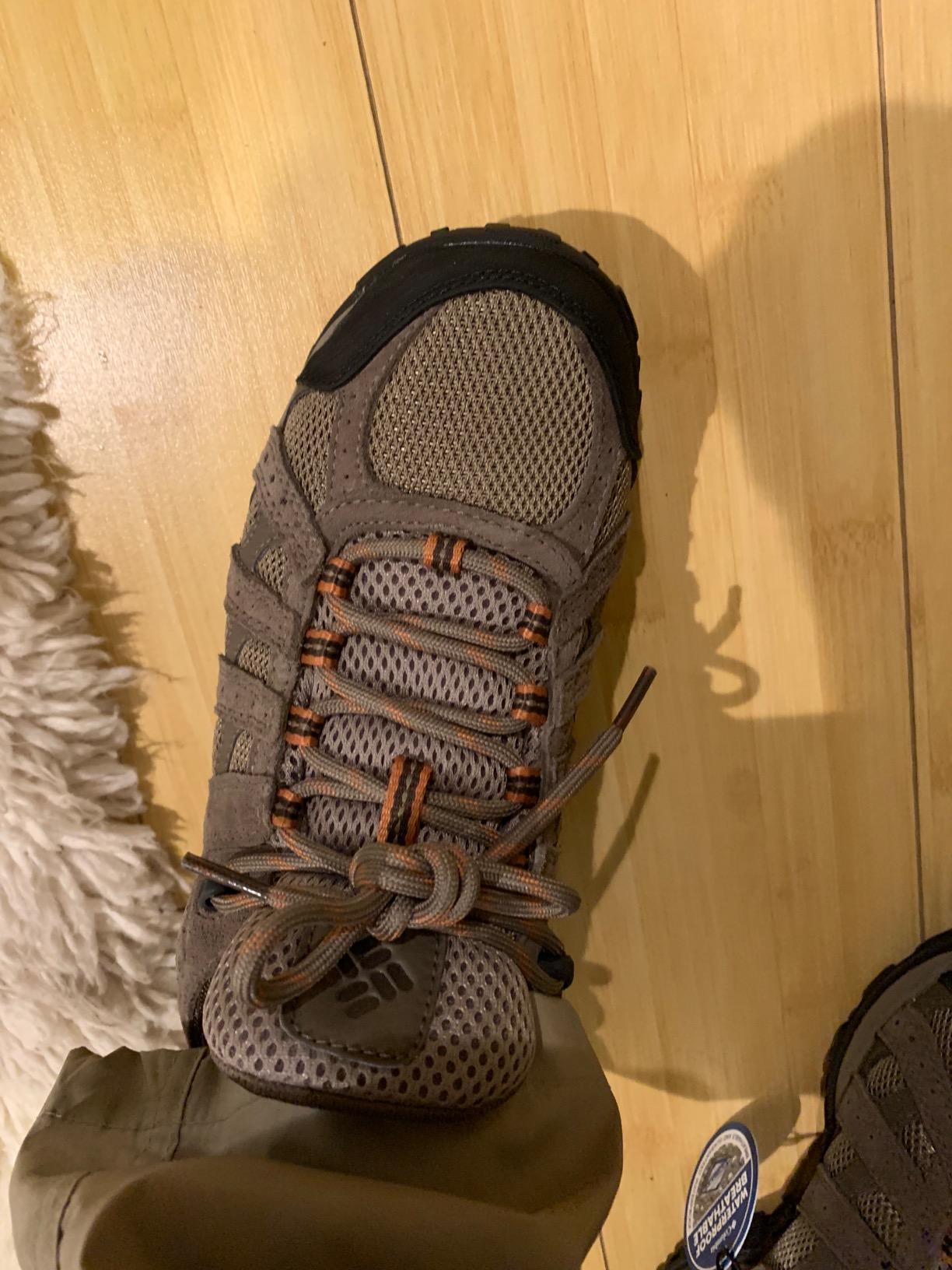
The Omni-Tech membrane is the reason to buy this shoe, and it delivers without exception.
Over eight weeks I deliberately tested every wet scenario I could find: ankle-depth stream crossings, standing puddles, a 6-mile loop in genuine October rain that soaked through my jacket, and muddy fall trails where I was sinking into soft wet ground. Through all of it — not once did moisture get through. Not a damp toe, not a cold patch, nothing. The seam-sealed construction doesn’t just repel surface moisture; it seals water out at the structural level, which is why even when water reached the ankle height of the collar it still held.
What changed after a few weeks was realizing how much mental energy I’d been spending on navigating around wet ground. Once I knew the waterproofing worked, I stopped making micro-decisions about every puddle and stream on the trail and just hiked. That sounds like a small thing. It’s not.
At this price point, reliable waterproofing is the main thing you’re paying for — and this shoe delivers it.
The Breathability Trade-off (Know This Before Summer Hiking)
Seam-sealed membranes work in one direction: water can’t cross from outside to inside. The physics of that also limits how well sweat moves the other direction, and above a certain temperature threshold, you’ll feel it.
In fall and spring conditions — my testing ran from 55°F through occasional 74°F days — the mesh panels managed things adequately below about 65-70°F. Push above that, and by mile four on a warm day, my feet were noticeably sweaty. Not painfully so, but enough to matter on longer hikes.
This isn’t a Columbia problem; it’s a waterproof membrane reality. Every seam-sealed shoe makes this trade-off to some degree. What’s worth knowing specifically: if you’re primarily hiking in summer heat or in consistently warm climates, the Redmond will work against you on breathability. Spring through fall hiking, including wet weather seasons, is where the waterproof advantage outweighs the breathability cost. Plan your socks accordingly — moisture-wicking wool or synthetic blends help more than cotton.
Trail Performance & Traction
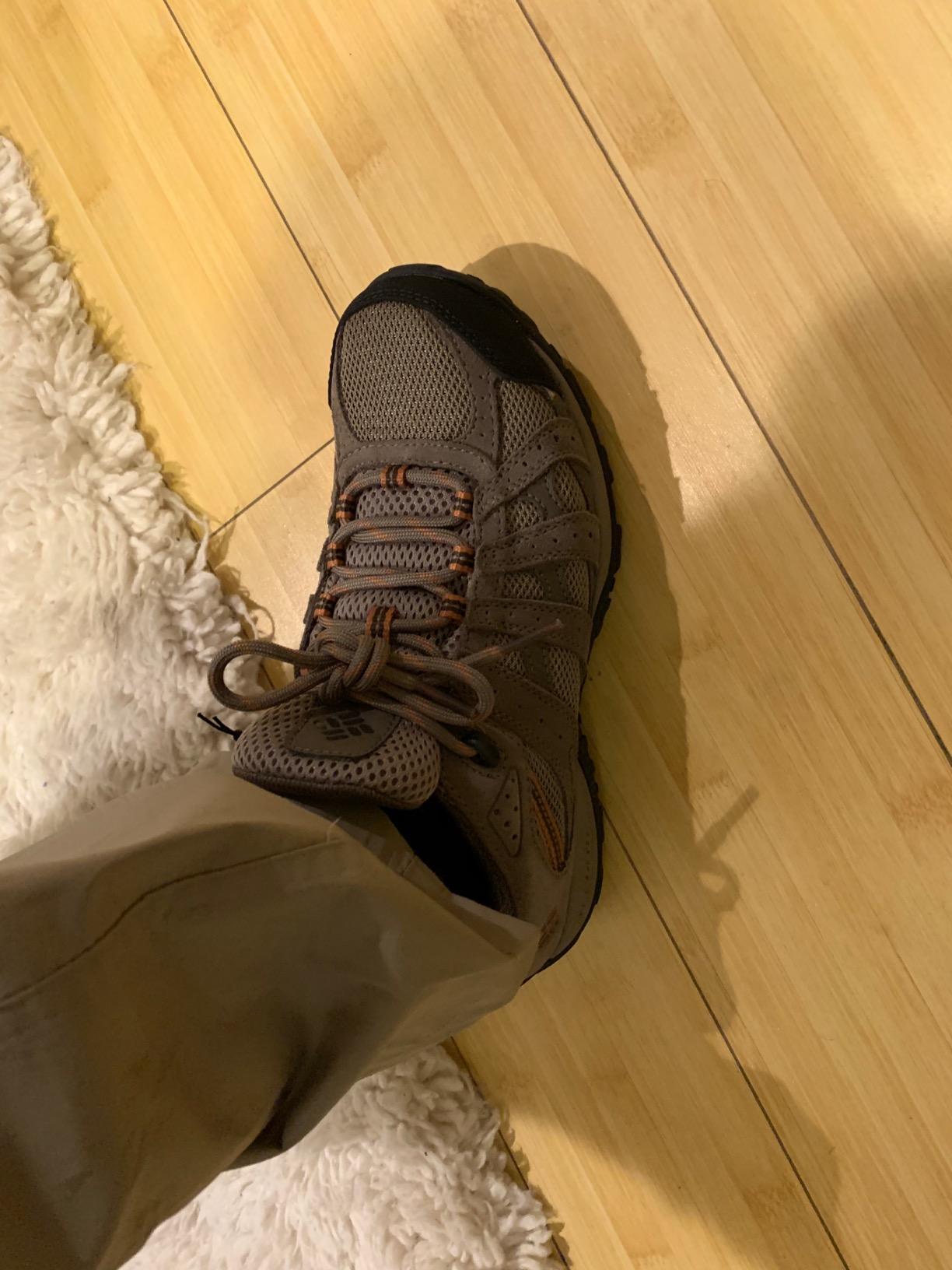
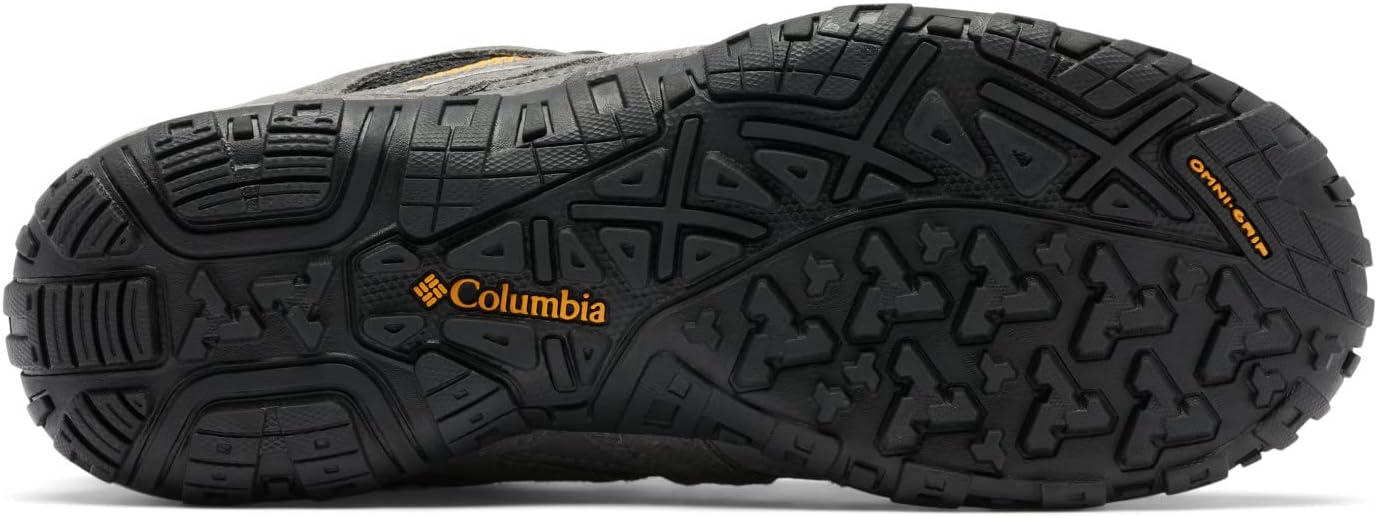
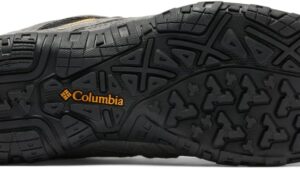
The Omni-Grip outsole handles moderate terrain confidently. Rocky surfaces, wet rock faces, hardpack with loose debris, muddy trails — it grips without drama. The lug spacing is deep enough to bite without packing in, which matters more than people expect until they’ve hiked with mud-clogged soles. On a particularly soupy November trail, I stayed upright where others were slipping.
Wet rock was the most impressive scenario. Traction held reliably on surfaces that tend to catch out less aggressive outsoles, though I still moved carefully on polished stone — this isn’t a technical climbing shoe, and treating it like one would be overconfident.
Where it doesn’t belong: technical terrain, steep scrambles, anything requiring precise footwork on unstable surfaces. The lug pattern is designed for day hiking on maintained trails. For more demanding routes, something like the Columbia Peakfreak II Outdry would be the more appropriate step up within Columbia’s lineup. But for the moderate terrain this shoe is built for, the traction earns its reputation.
Comfort Over Distance — How It Holds Up Past Mile Six
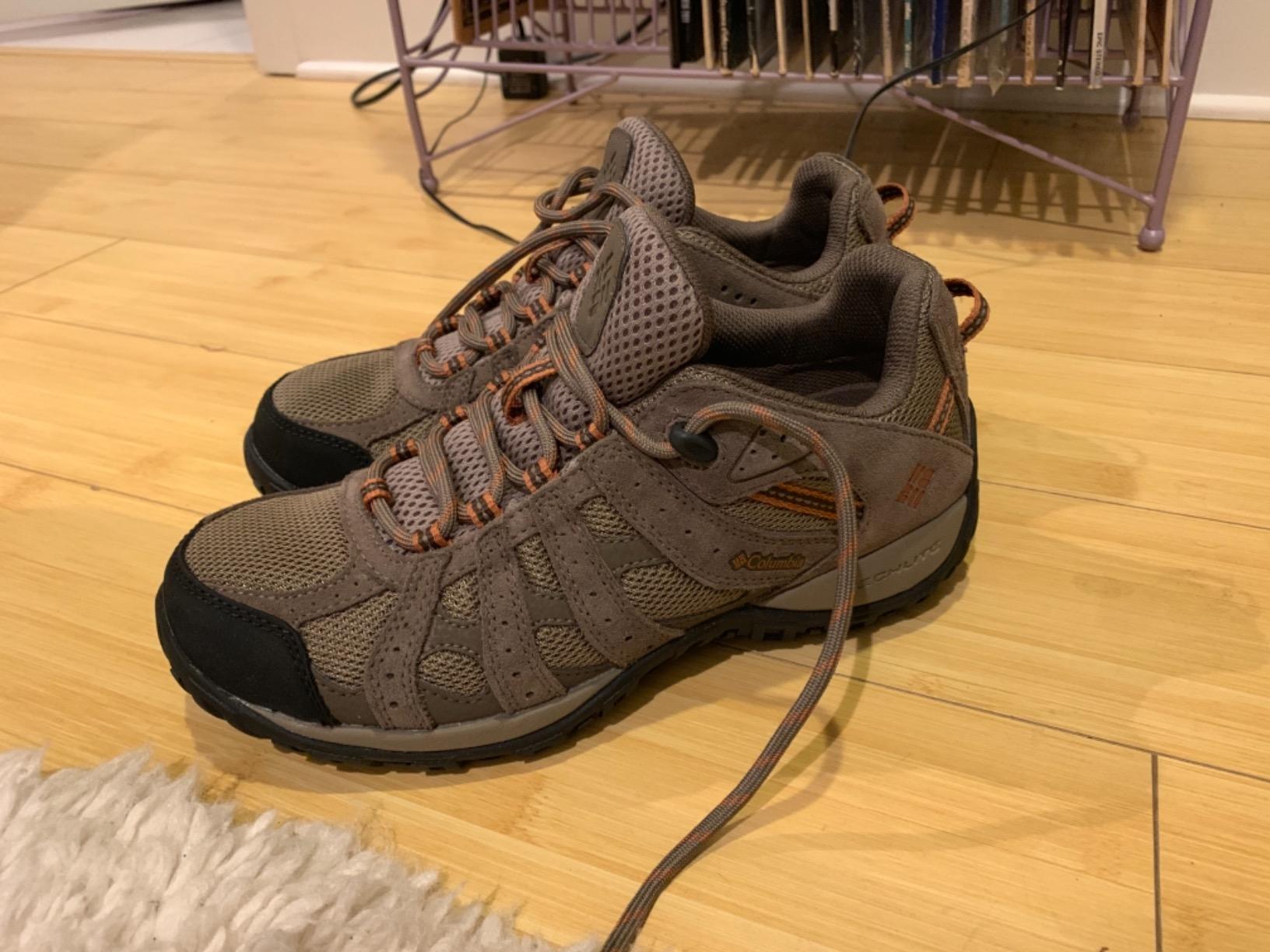
The Techlite midsole delivers functional cushioning without pretending to be something premium. Through 8-10 mile hikes on moderate terrain, I had no issues — no hotspots, no foot fatigue that felt unusual for the distance, no regrets. The cushioning absorbs impact adequately and provides reasonable energy return underfoot.
Push past that range or add significant elevation gain, and you start to notice the ceiling. The midsole is not plush; it’s competent. For longer hikes or anyone whose feet demand more cushioning, aftermarket insoles make a real difference. I tested several outings with Sof Sole Athlete Insoles swapped in, and the improvement on a 10-mile hike with elevation was noticeable — less foot fatigue in the last two miles.
Arch support from the factory footbed is minimal. The footbed is removable, which makes customization straightforward. If you know you need arch support, plan for it from day one rather than hoping the stock footbed will be enough — for many people it won’t be.
Columbia’s Marketing Claims vs. Eight Weeks of Reality
Let’s run the claims against what I actually found:
“Exceptional waterproof performance” — Accurate. This is the one marketing claim that matches field experience exactly. The membrane sealed out water in every condition I tested through eight weeks. No caveats.
“Superior cushioning for impact absorption” — Oversold. The Techlite midsole is good for a $70 shoe, not superior by any broader standard. Adequate, functional, adequate for day hiking — those are the honest descriptors.
“Multi-terrain traction system” — Conditionally accurate. Excellent on the terrain this shoe is designed for: moderate hiking trails, wet surfaces, muddy conditions. Not appropriate for technical or challenging routes. “Multi-terrain” is fair; “multi-technical” would be false.
“Durable construction” — Complicated. My testing window was clean. The broader customer record shows a pattern of sole separation and upper deterioration at 6-12 months under heavier use. Weekend hiking longevity looks good (2+ years reported). Daily wear or intensive use — more variable.
Performance Scoring
| Category | Score | Notes |
|---|---|---|
| Waterproof Performance | 9.2/10 | Zero failures across 8 weeks of deliberate wet testing |
| Comfort | 7.8/10 | Good for 8-10 miles; minimal arch support limits longer distances |
| Traction | 8.1/10 | Reliable on moderate terrain; not built for technical routes |
| Breathability | 6.5/10 | Waterproof trade-off is real; warm feet above 70°F |
| Durability | 7.2/10 | Held fine through testing window; longer-term reports are mixed |
| Value for Money | 8.4/10 | Waterproof performance at entry-level price is genuine value |
| Overall Score | 7.9/10 | Strong value for its intended use case and target buyer |
Who Should Buy This Shoe
The Redmond Waterproof is a good fit if you:
- Do weekend day hikes on maintained trails, typically 4-10 miles
- Walk dogs or spend time outdoors in unpredictable weather
- Have narrow to standard-width feet
- Want reliable waterproofing without paying premium prices
- Hike primarily in spring, fall, or wet-weather seasons
- Need something that works on both trail and casual errands
Look elsewhere if you:
- Have wide feet — the narrow fit is a real constraint, not a minor note
- Hike technical routes, scramble, or do backcountry travel
- Regularly hike 12+ miles and need significant cushioning support
- Prioritize breathability for summer or warm-climate hiking
- Need substantial arch support without adding aftermarket insoles
- Want a shoe that holds up under heavy daily use for 2-3+ years
Alternatives Worth Considering
Narrow fit is a dealbreaker: The Merrell Moab 3 Waterproof offers a roomier toe box and comparable waterproof performance at roughly double the price. For more options across widths, browse our full hiking & trekking shoe selection.
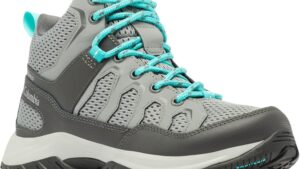
Need more ankle support: The Columbia Women’s Granite Trail Mid Waterproof is a mid-cut version within Columbia’s lineup that provides more ankle protection for technical terrain, without leaving the brand.
Tighter budget: The Ulogu Women’s Waterproof Hiking Shoes cover the basic waterproof hiking need at a lower price point, though construction quality reflects the lower cost.
Wide feet specifically: The L-RUN Wide Hiking Shoes are designed for wider foot widths — check current women’s sizing availability.
Premium performance upgrade: If you’re doing more demanding hiking and want significantly better technical traction and construction, the Salomon Speedcross Peak Clima Waterproof is a step up in performance at a substantially higher price.
Frequently Asked Questions
Do I really need to order a half size up?
Yes, without exception. This is the most consistent piece of advice across hundreds of reviews, and eight weeks of personal testing confirms it. With medium-thickness hiking socks, the half-size-up fit is exactly right. Your normal size will feel tolerable in a store and uncomfortable by mile four on trail.
How waterproof is the Omni-Tech membrane in real conditions?
Genuinely waterproof — not just water-resistant. The seam-sealed construction held through ankle-depth stream crossings, standing puddles, and prolonged rain. If the water doesn’t clear the collar height, your feet stay dry. That held true throughout eight weeks of testing.
What about breathability in warm weather?
Plan for sweaty feet above 65-70°F. The waterproof membrane limits airflow — this is a physics trade-off with any seam-sealed construction. Below that threshold, the mesh panels manage heat adequately. Above it, moisture-wicking socks help but don’t fully solve it. If summer hiking is your primary use case, consider a non-waterproof option.
Is the arch support adequate?
For feet with moderate arch needs, the factory footbed works fine. For high arches or foot conditions like plantar fasciitis, it won’t be sufficient. The footbed is removable and replaceable, so you can swap in aftermarket insoles without any modification. Have a pair ready if you know your arches need support.
How long do these realistically last?
Weekend hiking use: typically 1-2+ years based on customer reports. Daily wear or high-frequency intensive use: reports show more variance, with some experiencing sole separation or upper wear at 6-12 months. At $70, the value equation still works even with replacement every couple of years for casual use.
Can these handle light winter conditions?
Light snow and cold rain, yes — the waterproofing handles it fine. They’re not insulated, so warmth comes from sock choice (merino wool is the right call). On actual ice or packed snow, the Omni-Grip traction becomes marginal. These are a three-season hiking shoe, not a winter boot.
Are they practical as everyday shoes?
More than most hiking shoes in this category. The low-cut design and relatively clean silhouette make them workable for casual outdoor errands, dog walks, and commuting in wet weather. That versatility is a genuine part of the value at this price point.
How do they compare to Keen or Merrell at the same price?
Columbia’s Redmond Waterproof is narrower than comparable Keen Targhee or Merrell Moab options, and typically priced lower. The waterproof performance is competitive at this price point. Traction and durability don’t quite reach Keen’s standard, which is why the Keen carries a higher price. For standard-width feet prioritizing waterproofing over maximum durability, the Columbia wins on value.
What’s the break-in period like compared to other hiking shoes?
Almost none. Day one comfort is genuine — not “you’ll get used to it” comfort, but actually comfortable. In our full waterproof hiking category, this is one of the more immediately wearable options. The only caveat: get the sizing right. A correctly sized pair feels good from the start; the wrong size won’t improve with break-in time.
Final Verdict
The Columbia Women’s Redmond Waterproof succeeds at its primary purpose: keeping feet dry on trail without requiring a premium investment. The Omni-Tech membrane is reliable, the Omni-Grip traction handles moderate terrain without drama, and the minimal break-in means you’re not nursing new shoes through your first few hikes.
The limitations are real and worth naming plainly — the fit runs narrow, the arch support is minimal, and durability under heavy use has a ceiling. But for the buyer it’s actually built for — weekend hikers with standard-width feet who need dependable waterproofing in the $70 range — this shoe does its job without apology.
Size up a half size, add aftermarket insoles if your arches need it, and don’t expect it to perform like a $150 technical boot. Within those honest parameters, it’s a solid choice.
Browse our full waterproof hiking shoe selection at footgearusa.com
Be the first to review “Columbia Women’s REDMOND WATERPROOF Hiking Shoe”
Related products
Hiking/Trekking Shoes

Hiking/Trekking Shoes
Hiking/Trekking Shoes
Hiking/Trekking Shoes
Hiking/Trekking Shoes
Hiking/Trekking Shoes
Hiking/Trekking Shoes

Hiking/Trekking Shoes
Reviews
There are no reviews yet.