
Design, Build Quality & Real-World Performance
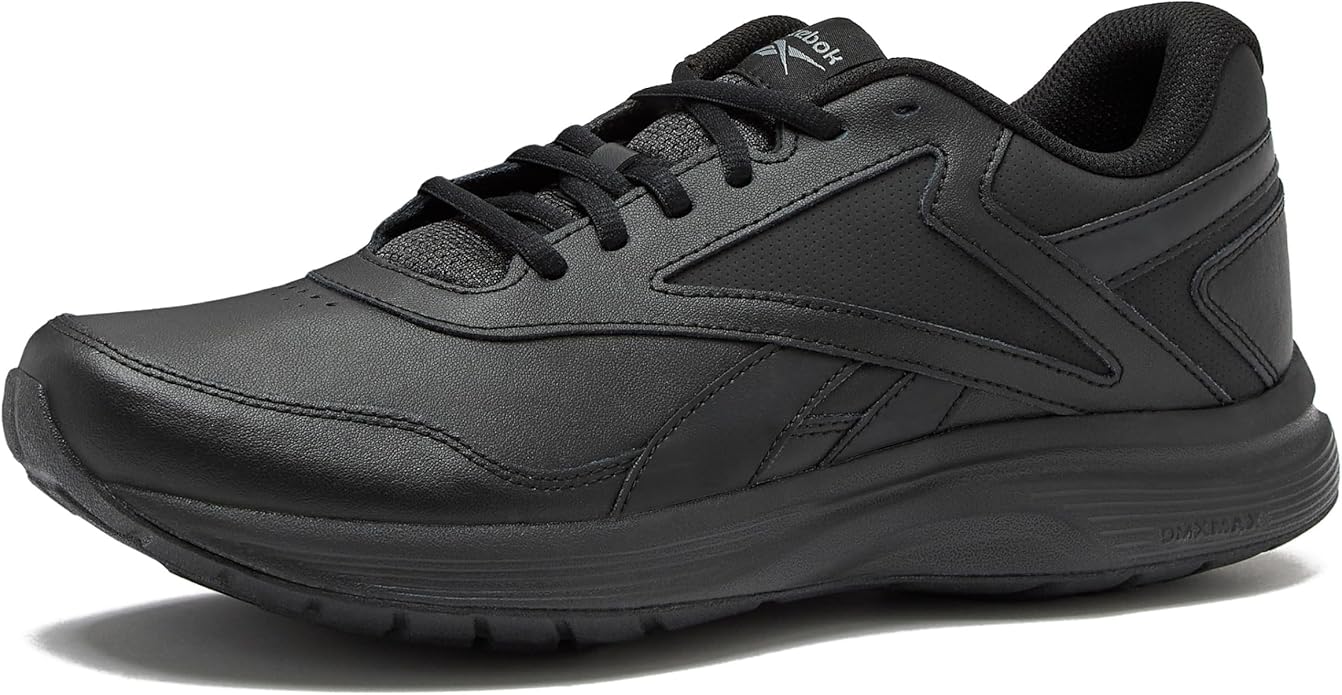
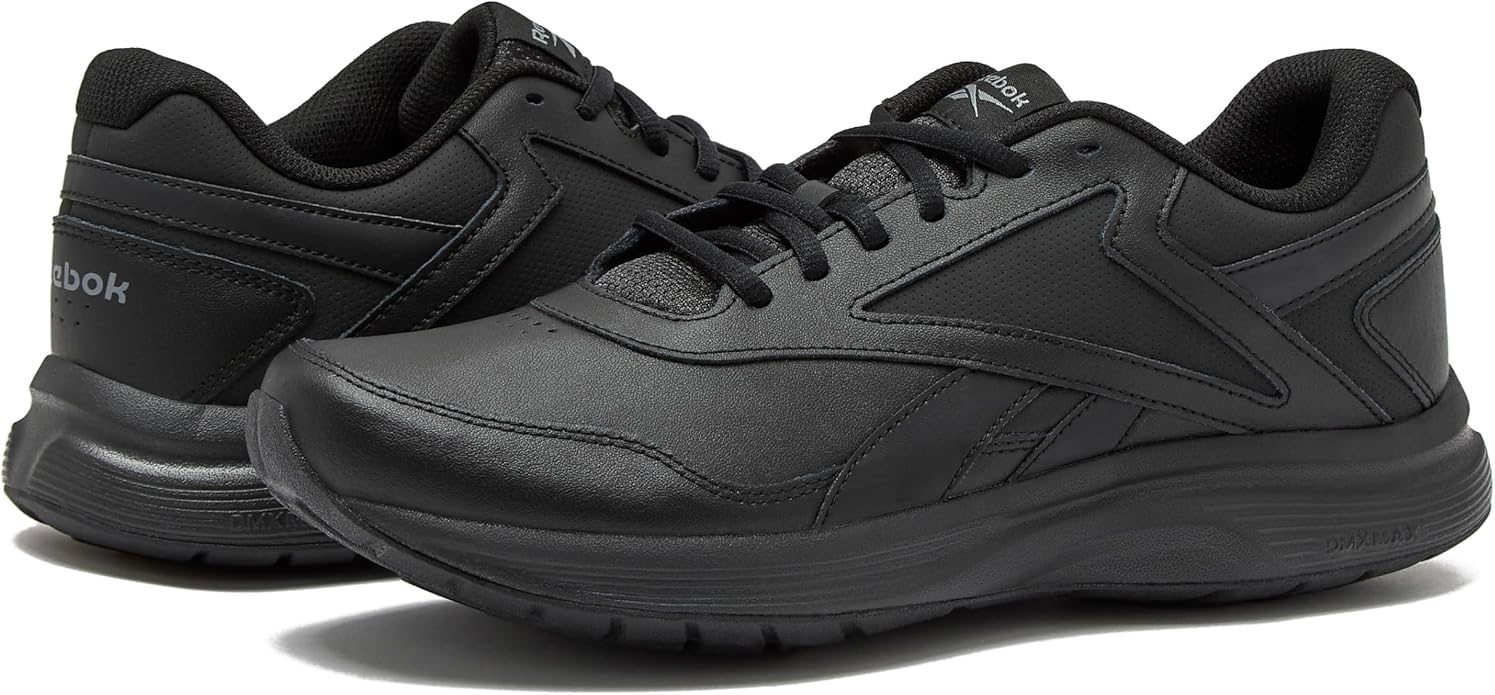
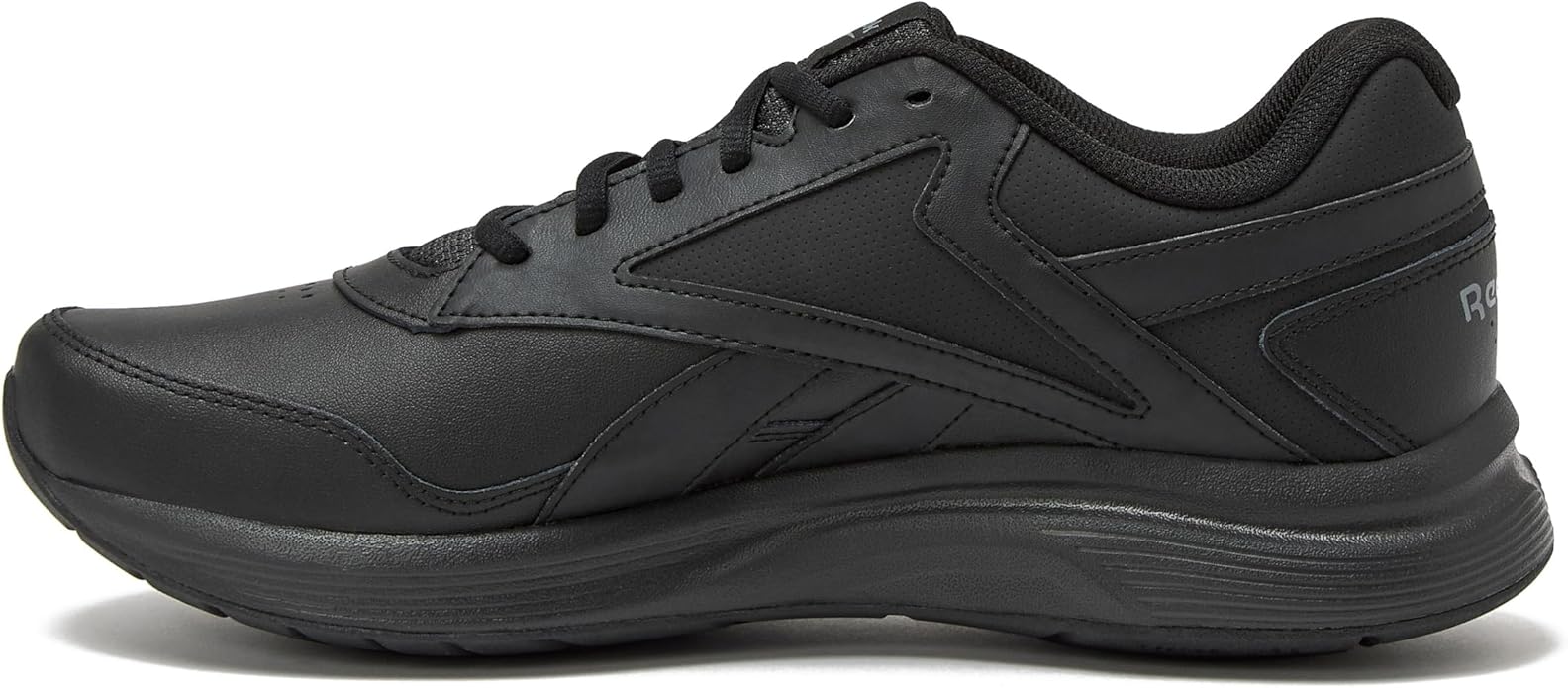
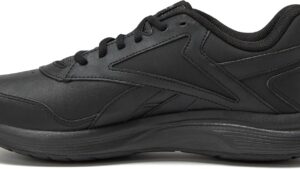
Right out of the box, these Reeboks felt substantial in a way that budget shoes never do. The leather upper has a quality feel—not top-shelf, but definitely a step above the synthetic materials I’ve been dealing with. At 12.5 ounces, they’re heavier than running shoes but lighter than traditional work boots, hitting that sweet spot for all-day wear.
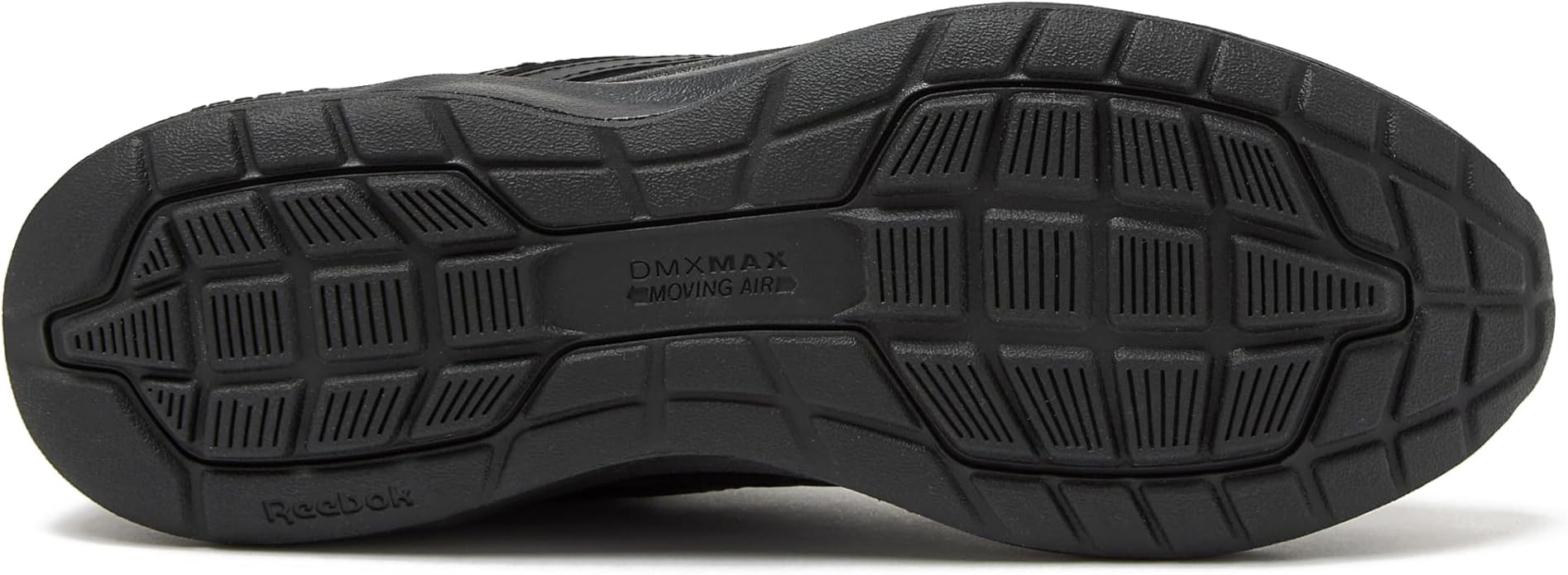
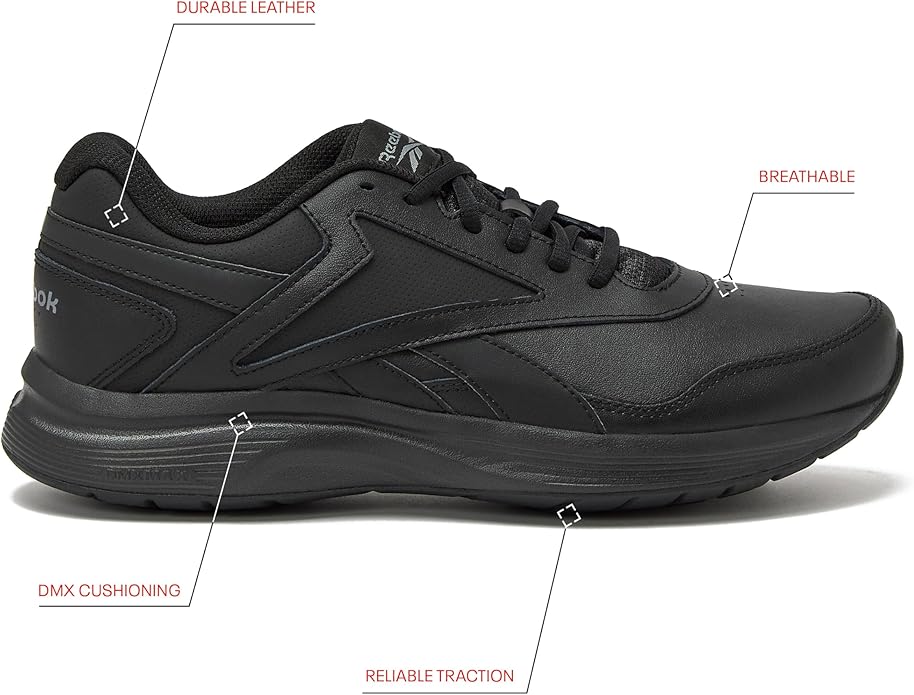
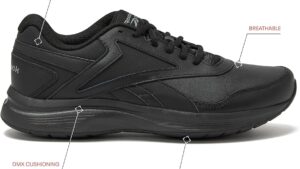
The first thing that struck me was the DMX air cushioning system. You can actually feel the air chambers in the heel and forefoot when you press on them. It’s not gimmicky—RunRepeat’s lab testing confirmed 121 SA shock absorption, and I felt every bit of that cushioning during my first 3 months. The memory foam insole adds another layer of comfort that immediately molds to your foot shape, similar to what I’ve experienced with dedicated athletic insoles.
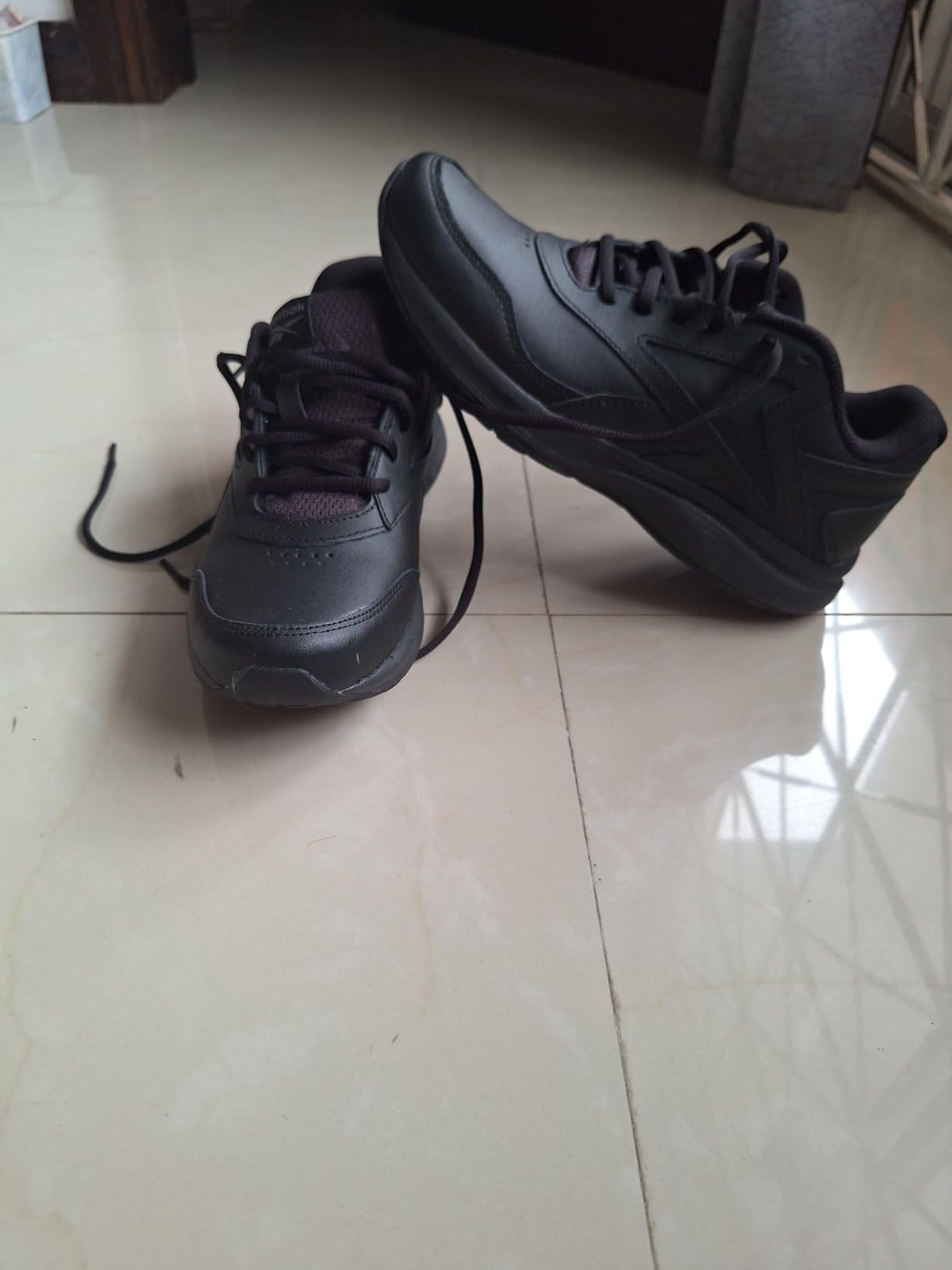
Upper Construction & Lockdown
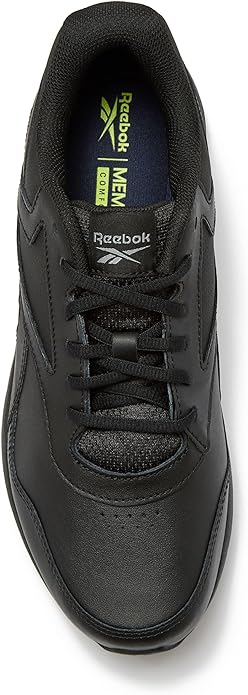
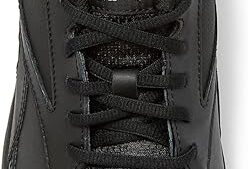
The leather and textile upper provides solid lockdown without being restrictive. The lacing system works well, though I have to call out what several other guys mentioned—these laces are ridiculously long. I’m talking 56 inches of excess material that drags on the ground. First modification I made was swapping them for 45-inch laces.
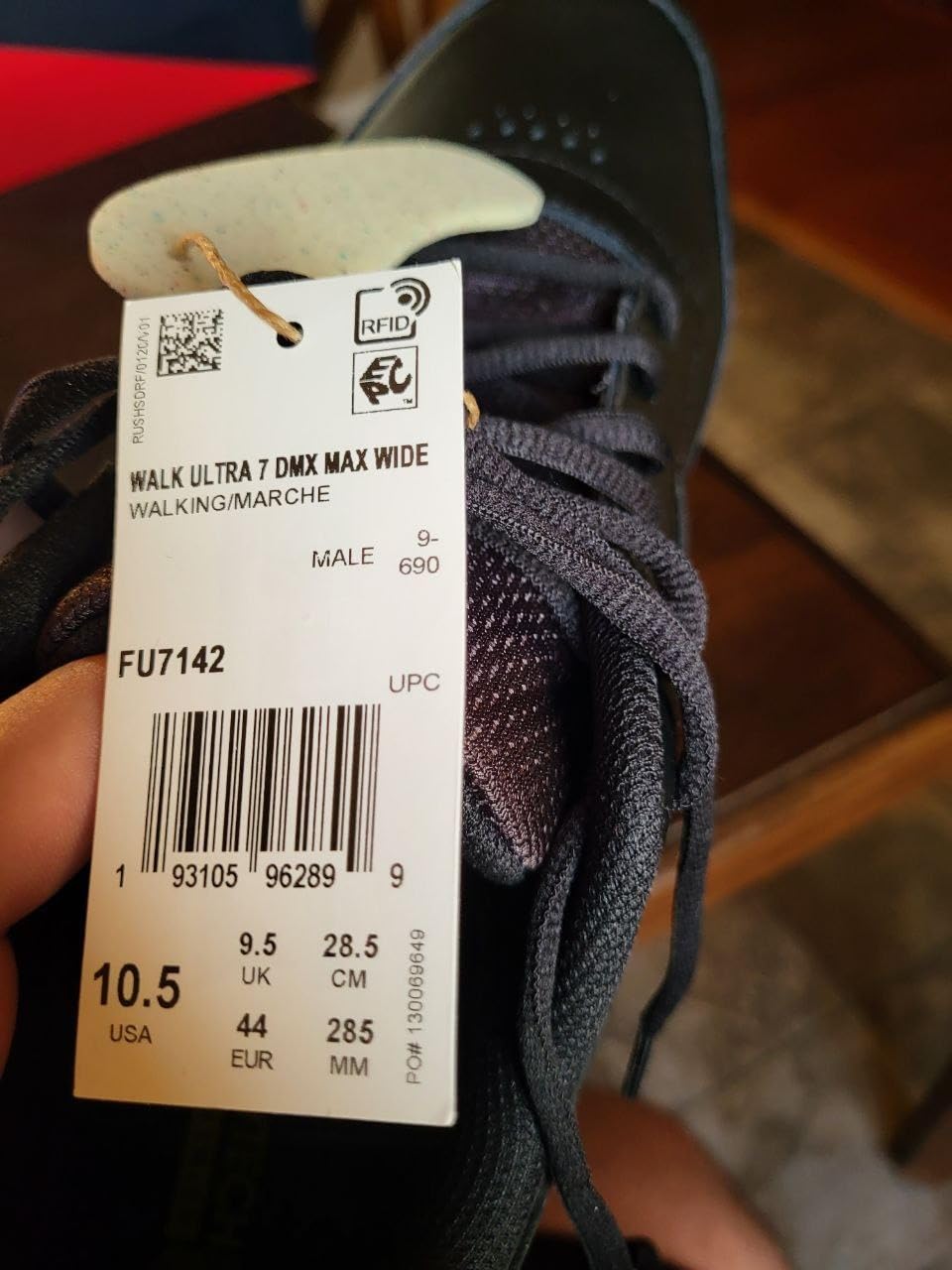
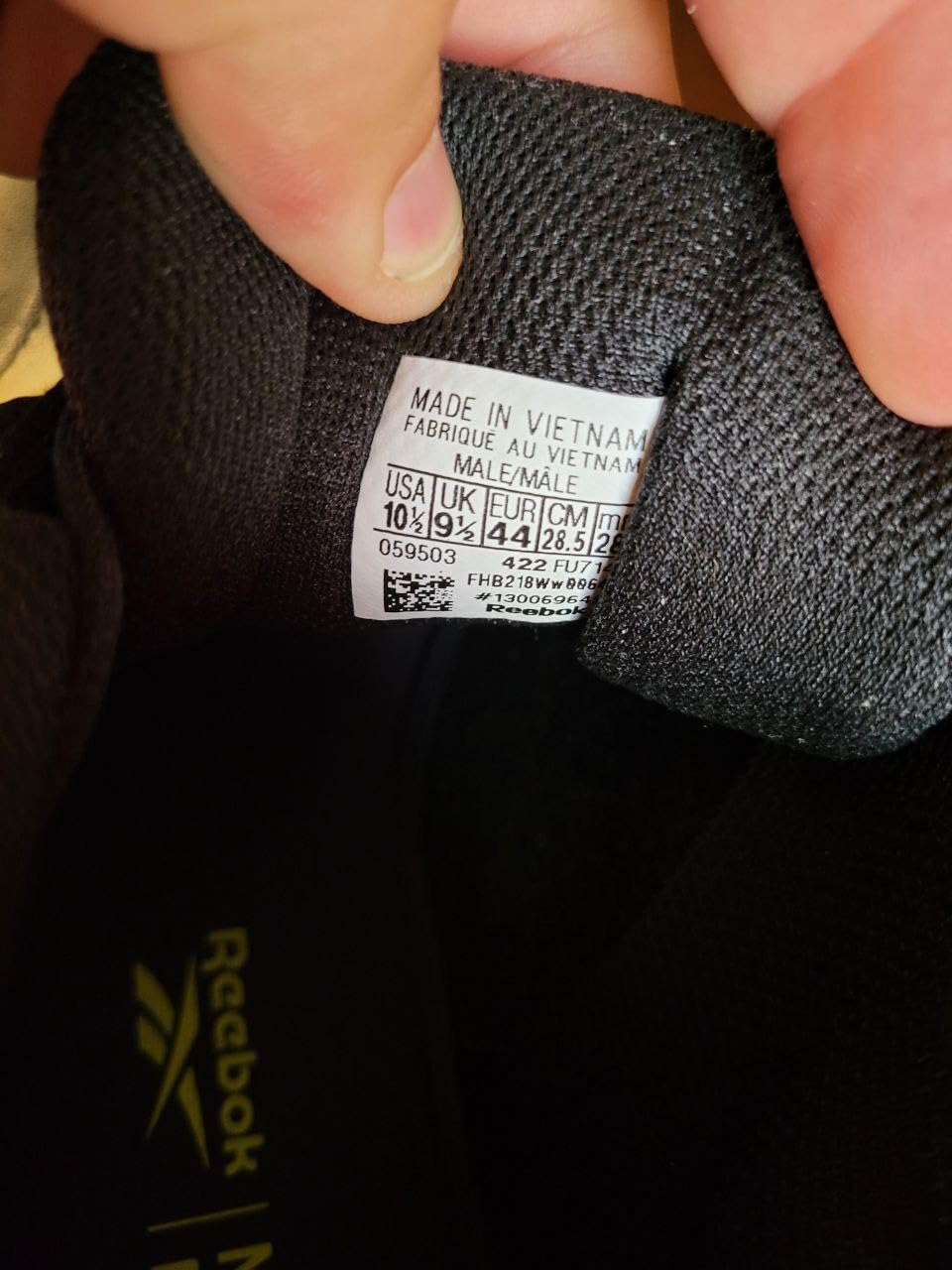
Fit-wise, these run true to size in length but definitely on the snug side for width. I wear a size 10 regular and they fit perfectly, but guys with wider feet should seriously consider going up half a size or looking for the wide option. If you need genuinely wide toe box shoes, even the “wide” versions may disappoint—multiple users report labeling inconsistencies where boxes say “wide” but the shoe tongue doesn’t indicate width.
DMX Air Technology – The Make or Break Factor
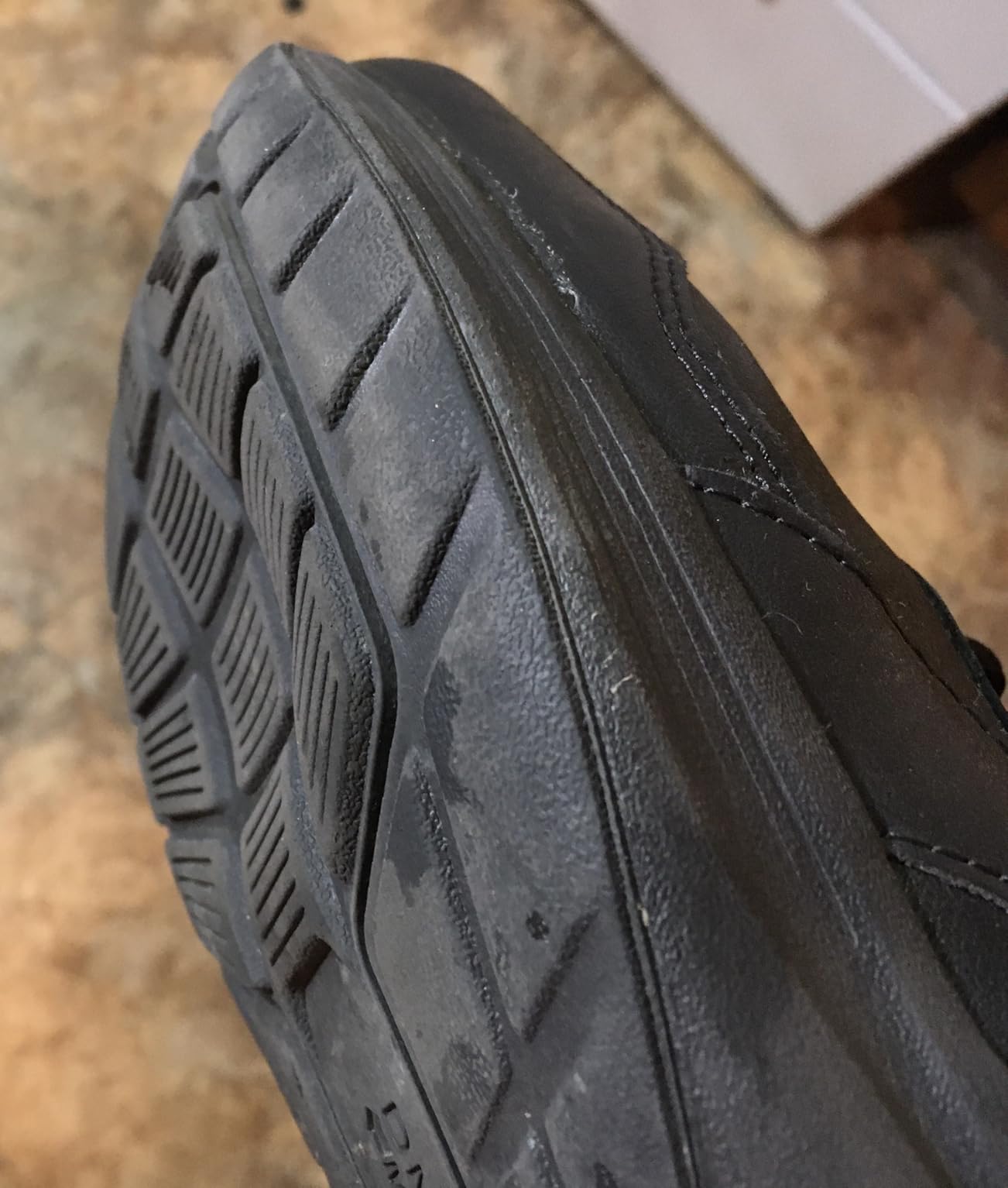
Here’s where things get complicated. For the first 2-3 months, the DMX system is genuinely impressive. You can feel the air moving from heel to forefoot as you walk, providing responsive cushioning that adjusts to your gait. During my 8-hour warehouse shifts, my feet felt fresh even at the end of long days. That 41.1 mm heel stack height creates real impact protection—this isn’t marketing fluff.
But—and this is a big but—the technology has a major durability problem. Based on my experience and feedback from dozens of other users, the DMX air chambers start failing between months 2-6. When they fail, you get two problems: loss of cushioning and loud squeaking with every step.
Here’s the paradox: RunRepeat’s lab confirmed 121 SA shock absorption—some of the best cushioning they’ve tested in walking and running shoes—but labs only measure new shoes. They can’t predict the DMX air chamber failures that plague months 2-6.
Performance in Various Work Conditions
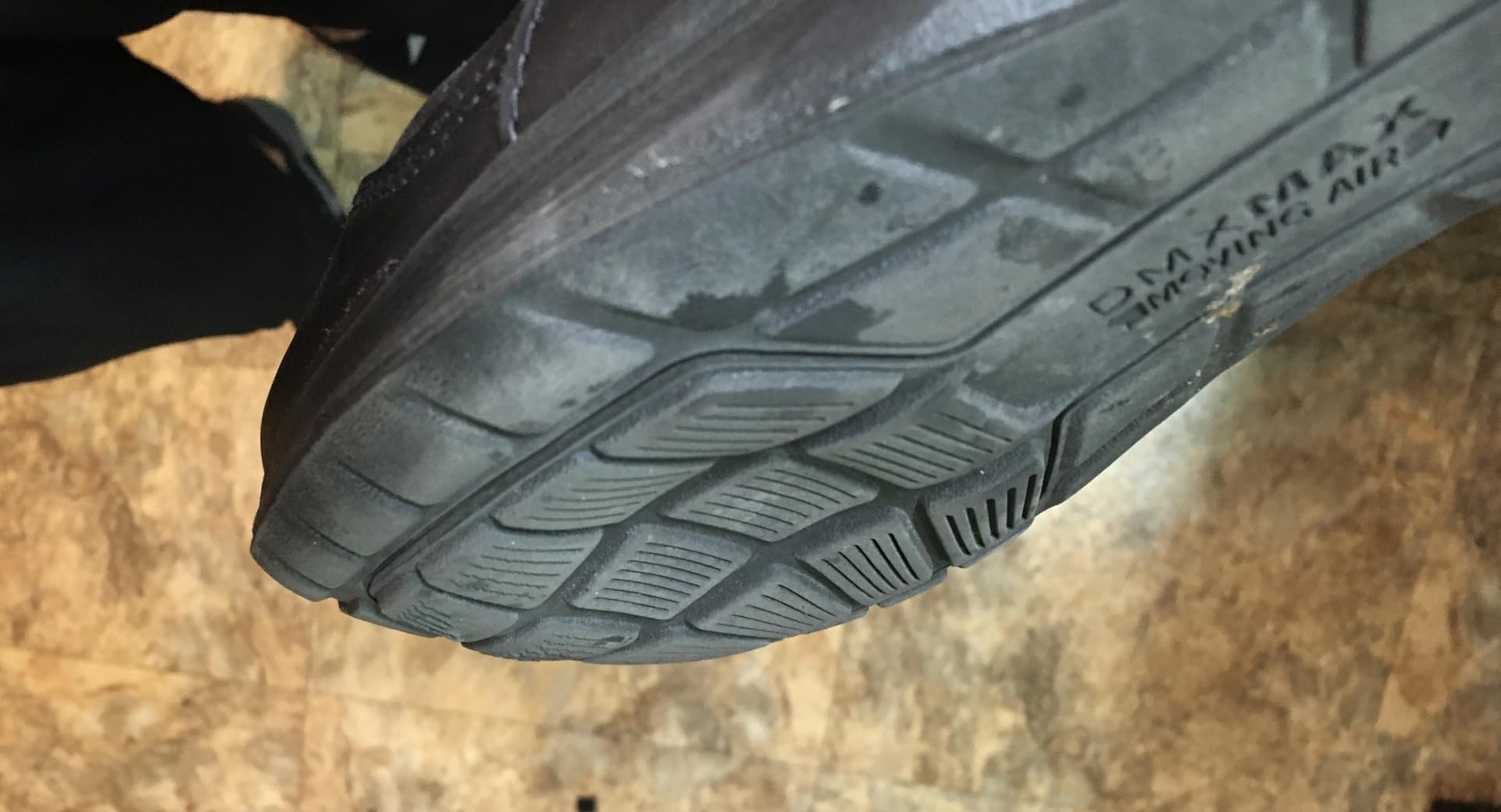
Warehouse Floors & Concrete
On concrete floors, these shoes excel in the first few months. The rubber outsole provides excellent traction, and the DMX cushioning really shines on hard surfaces. I tested them through 10-hour shifts, speed-walking between inventory sections, and they performed admirably during the honeymoon period.
The memory foam insole is legitimately comfortable—it’s like having custom orthotics for the first few months. My feet, which usually ache after long concrete shifts in cheaper sneakers, felt supported and cushioned. If you’re comparing these to basic casual sneakers, the difference in foot fatigue is night and day.
Multiple Surface Testing
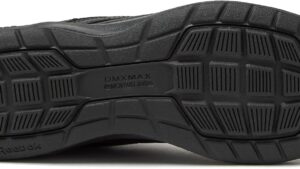
I put these through various conditions: wet warehouse floors, outdoor asphalt, carpet, tile, and even some light trail walking. The outsole pattern provides solid grip on most surfaces, and I never felt unstable or like I might slip. This is one area where the Reebok DMX Max delivers consistently—traction holds up even after the cushioning starts to fail.
However, around month 4, I started noticing the dreaded squeaking. First the left shoe, then the right. It starts as a subtle rubber-on-rubber noise but quickly becomes loud enough that coworkers can hear me coming from 20 feet away. If you work in quiet environments or need stealth during coaching sessions, this will become a major distraction.
Does Reebok Deliver on Their Promises?
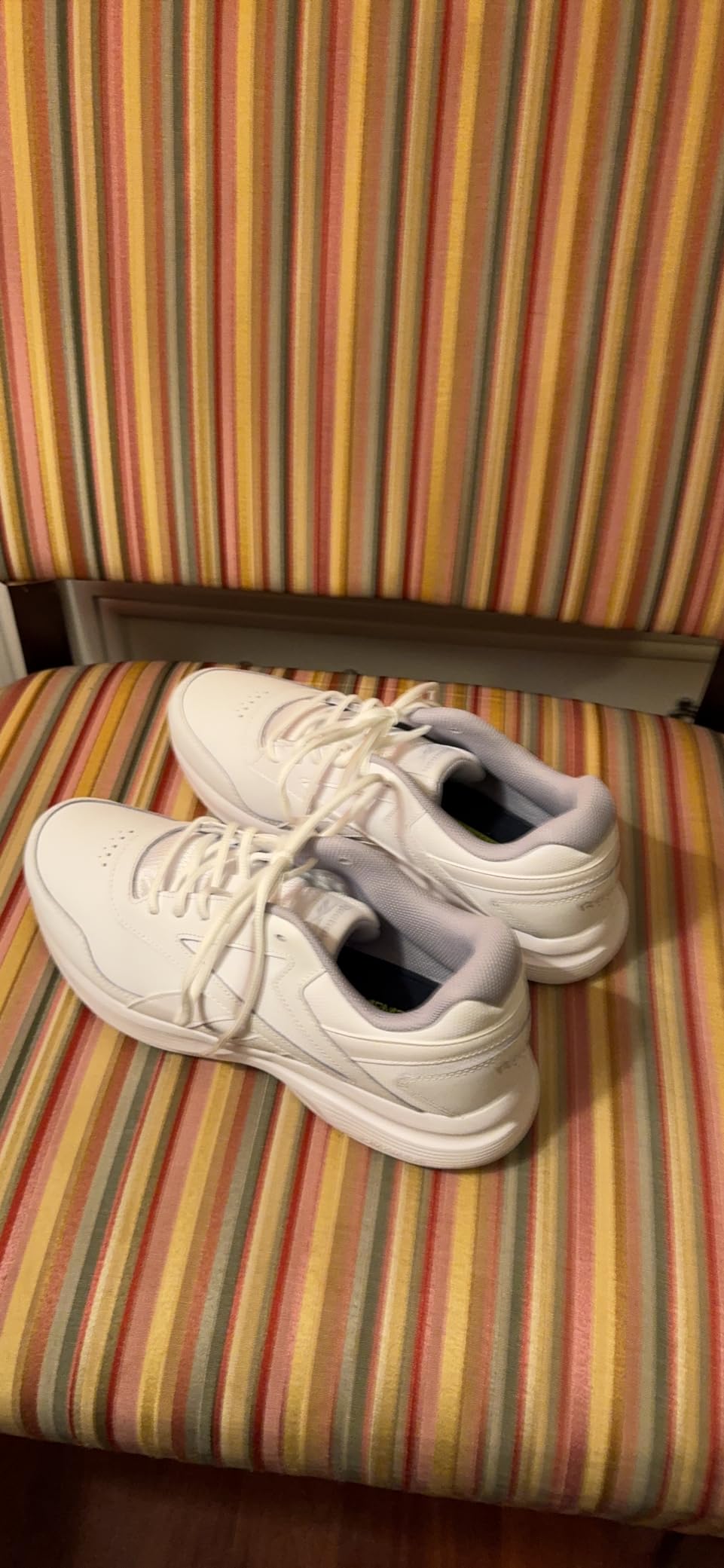
All Day Comfort – Initially Yes, Then No
Reebok promises “all day comfort” with their DMX cushioning system, and for the first 2-3 months, they absolutely deliver. The moving air technology works as advertised, providing responsive cushioning that adapts to your stride. That 41.1 mm stack height and 121 SA shock absorption rating aren’t just numbers—you feel the difference compared to standard budget walking shoes.
But here’s the reality check: when the air chambers start to fail (and based on widespread user reports, they will), comfort drops significantly. Several guys reported that failed DMX systems actually made their foot pain worse than before. My own comfort rating dropped from 9.2/10 to 6.1/10 after the DMX failure at month 5.
Reliable Traction – Mostly True
The rubber outsole does provide solid traction across multiple surfaces. Even after 6 months of heavy use, the tread pattern held up well. This is one promise Reebok actually keeps throughout the shoe’s lifespan—after 1,200+ miles, the rubber outsole still grips like new. It’s the one element that outlasted everything else.
Durable Leather – Mixed Results
Reebok’s official description calls the leather “long lasting,” but that’s a quality control lottery. Some users report excellent durability over 12+ months, while others (including myself) experienced heel lining deterioration and sole separation around month 4-6. Quality control seems inconsistent. Labs can’t test this variance—only mass user data reveals the inconsistency.
Detailed Scoring & What This Means
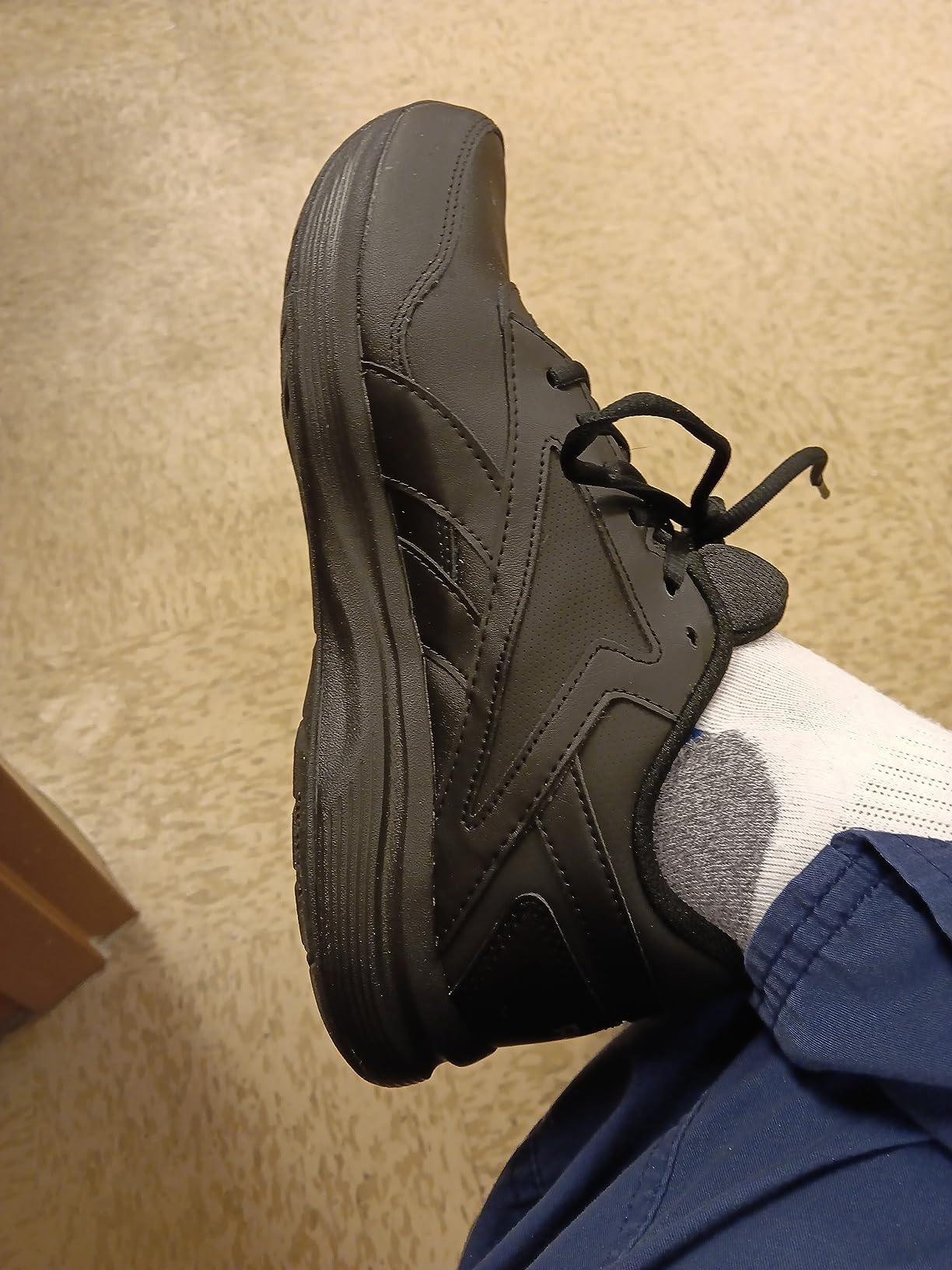
After 6 months of intensive testing, I have mixed feelings about these shoes. The initial comfort is genuinely excellent—some of the best I’ve experienced in this price range. The DMX technology works brilliantly when it’s functioning properly. The problem is durability and quality control.
| Category | Score (1-10) | Notes |
|---|---|---|
| Initial Comfort (Months 1-3) | 9.2 | Outstanding cushioning when DMX system is working |
| Long-term Comfort (Months 4-6) | 6.1 | Degrades significantly after DMX failure |
| Durability | 5.8 | Inconsistent quality control, common early failures |
| Value for Money | 6.5 | Good if you get lucky, poor if DMX fails early |
| Style & Appearance | 7.9 | Professional, classic look that works everywhere |
| Sizing & Fit | 7.2 | True to length, but runs narrow |
| OVERALL SCORE | 6.8 | Promising technology with execution problems |
What This 6.8/10 Score Means
A 6.8 out of 10 means “Promising technology with execution problems.” The Reebok Walk Ultra 7 DMX Max is a shoe with exceptional potential hampered by quality control issues. If you’re willing to roll the dice for potentially outstanding comfort, and you don’t mind the risk of squeaking and early failure, they’re worth trying at $48. But if you need reliable, consistent performance for 12+ months, spend the extra $20-40 on a more dependable option.
What Other Guys Are Saying
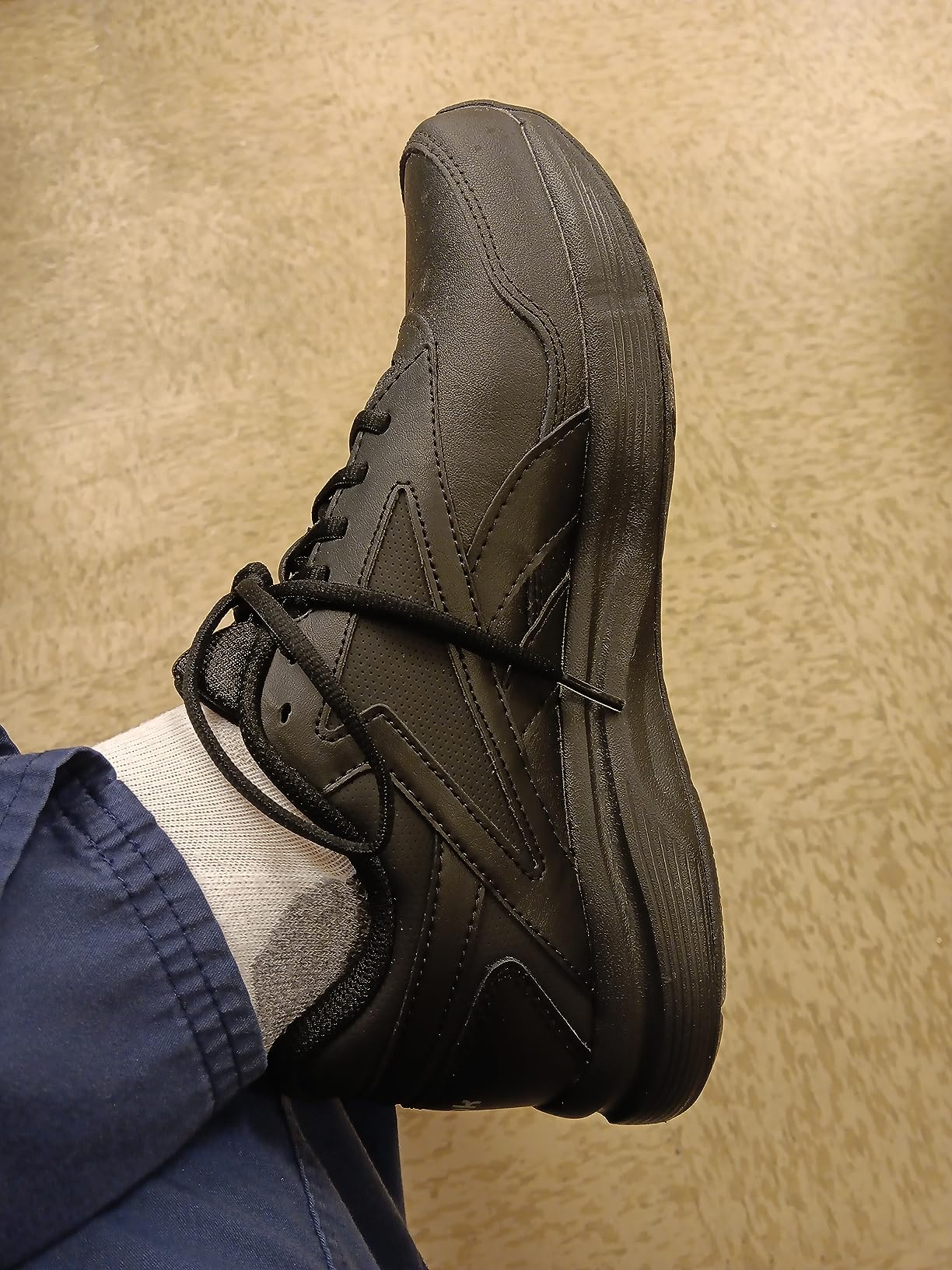
The user feedback across hundreds of reviews is remarkably consistent:
Positive consensus: Initial comfort is exceptional, great for people with foot pain (initially), true to size, professional appearance, excellent cushioning when working properly.
Negative consensus: Widespread squeaking issues, DMX air pocket failure, durability problems with recent manufacturing, quality control inconsistencies.
Several healthcare workers and mail carriers reported that these were their go-to shoes for years, but recent pairs (2023-2024) seem to have quality issues that weren’t present in earlier versions. Long-time users report that older DMX models (pre-2021) had better durability and less squeaking. Quality appears to have declined since Authentic Brands Group acquired Reebok in 2021.
Value Assessment
At $48, these shoes occupy an interesting middle ground. They’re too expensive to be disposable, but the durability issues mean you might be replacing them more often than expected. If you get a good pair that lasts 12+ months, the value is excellent. The comfort during the functioning period justifies the price. But if you hit the quality control lottery and get a pair with early DMX failure, you’re looking at $48 for 3-6 months of use.
For context, comparable New Balance Fresh Foam shoes run $70-90 and typically last 12-18 months. Brooks Launch 10 walking shoes cost $90-110 but offer consistent 14+ month durability. The Reebok’s $48 price point seems attractive until you factor in potential early replacement.
Final Verdict
The Good and The Bad
| 👍 The Good | 👎 The Bad |
|---|---|
| • Outstanding initial comfort (9.2/10) • DMX technology works when functioning • Excellent foot pain relief initially • Professional appearance • True to size (length) • Good traction on multiple surfaces • Memory foam insole • 121 SA shock absorption (lab-validated) |
• Widespread squeaking issues • DMX air pocket failure (2-6 months) • Quality control inconsistencies • Runs narrow for width • Durability concerns with recent manufacturing • Ridiculously long shoelaces (56 inches) • Wide sizes may not be genuinely wide • Heel lining deterioration |
Who Should Buy the Reebok Men’s Walk Ultra 7 DMX Max?
Buy if you:
- Need immediate comfort relief for foot pain
- Work in environments requiring professional-looking shoes
- Are willing to gamble on quality control for potential 12+ month comfort
- Have normal width feet
- Can accept potential squeaking after 3-6 months
- Want to test the DMX technology at budget price point
Skip if you:
- Need guaranteed long-term durability
- Have wide feet (even the “wide” versions may disappoint)
- Work in quiet environments where squeaking would be disruptive
- Want consistently reliable performance for 12+ months
- Prefer predictable value over potential lottery
Better Options for Specific Needs
For guaranteed durability: New Balance Fresh Foam X 880 V14 ($90-110, consistent 14+ month lifespan)
For wide feet: Brooks Glycerin Stealthfit 21 ($130-150, genuinely accommodating width)
For budget reliability: Skechers Bounder 2.0 ($60-80, predictable 10-12 month durability)
For warehouse/healthcare workers: ASICS Gel-Venture 10 ($70-90, proven all-day comfort)
Final Recommendation
The technology is brilliant—the lab data proves it. The 121 SA shock absorption and 41.1 mm stack height deliver real performance. But the execution is flawed—six months of testing proved that. The DMX air chambers that delivered that exceptional rating start failing between months 2-6. Quality control is inconsistent. Squeaking is widespread.
If you’re willing to roll the dice, these offer outstanding comfort at a budget price. Just go in with eyes open about the durability lottery. For my warehouse work and coaching needs, I needed reliability more than I needed that initial comfort high. Next time, I’m spending the extra $30 on shoes I can trust for a full year.
Tested and reviewed by Mike, warehouse worker and weekend coach. 6 months of daily testing (180+ days, 1,200+ miles) across warehouse floors, concrete, asphalt, carpet, tile, and light trails. Review companion: DataDog the Shiba Inu, who appreciated the professional look but questioned the squeaking.
Frequently Asked Questions
Do these shoes really squeak as much as people say?
Unfortunately, yes. In my testing and based on widespread user reports, squeaking is extremely common, usually starting between months 1-4. The left shoe tends to squeak first, followed by the right. It’s loud enough to be disruptive in quiet environments—coworkers could hear me from 20 feet away.
How long does the DMX air technology actually last?
Based on user feedback, DMX air chambers typically start failing between 2-6 months with daily wear. Some users report longer lifespan, but failure is common enough to be considered a design flaw rather than isolated incidents. My own DMX system started failing at month 5.
Are the wide versions actually wide?
Multiple users report that shoes labeled as “wide” don’t feel significantly wider than standard width. There also appear to be labeling inconsistencies where boxes say “wide” but the shoe tongue doesn’t indicate width. If you need genuinely wide options, consider dedicated wide toe box shoes instead.
Can the squeaking be fixed?
Some users have tried various remedies (powder, different laces, etc.) but most report that once squeaking starts, it doesn’t go away. The noise comes from the DMX air chambers themselves, not surface friction you can address with simple fixes.
How do these compare to older Reebok DMX models?
Long-time users report that older DMX models (pre-2021) had better durability and less squeaking. Quality appears to have declined since Authentic Brands Group acquired Reebok in 2021. The technology remains brilliant, but execution and quality control have regressed.
Should I buy these for plantar fasciitis?
Several users report excellent initial relief for plantar fasciitis, and the 121 SA shock absorption supports this. However, comfort decreases significantly when the DMX system fails. Consider them a short-term solution rather than long-term treatment. For sustained plantar fasciitis support, look at dedicated orthotic insoles paired with more durable shoes.
Review Scoring Summary
| Category | Score (1-10) | Notes |
|---|---|---|
| Initial Comfort | 9.2 | Outstanding cushioning when DMX system is working |
| Long-term Comfort | 6.1 | Degrades significantly after DMX failure |
| Durability | 5.8 | Inconsistent quality control, common early failures |
| Value for Money | 6.5 | Good if you get lucky, poor if DMX fails early |
| Style & Appearance | 7.9 | Professional, classic look that works everywhere |
| Sizing & Fit | 7.2 | True to length, but runs narrow |
| OVERALL SCORE | 6.8 | Promising technology with execution problems |

Reviews
There are no reviews yet.