
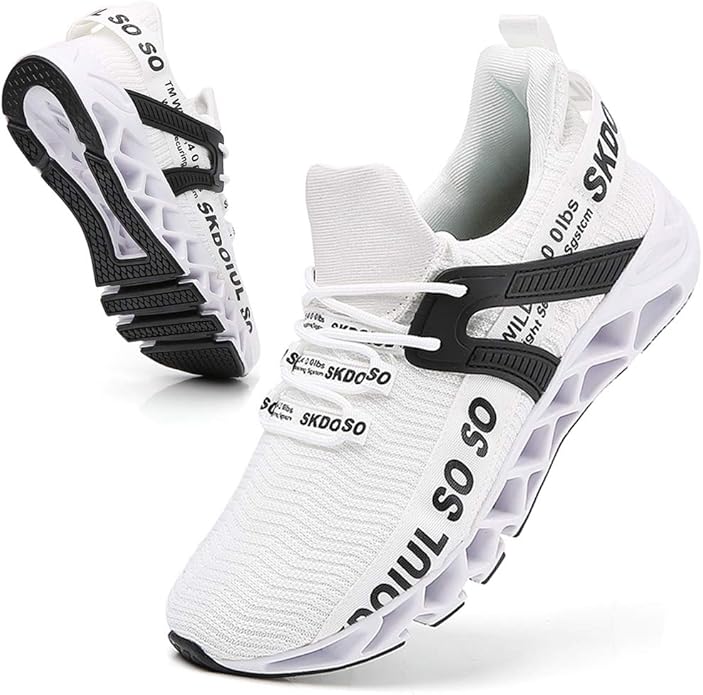
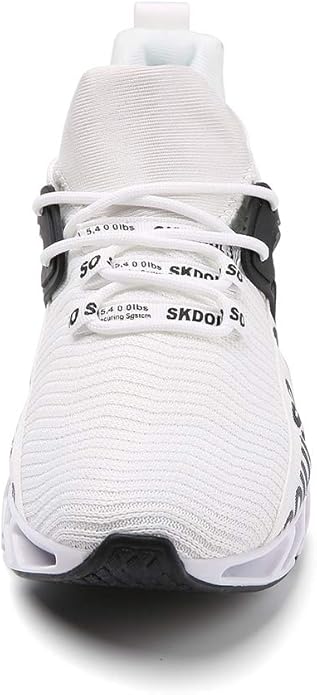
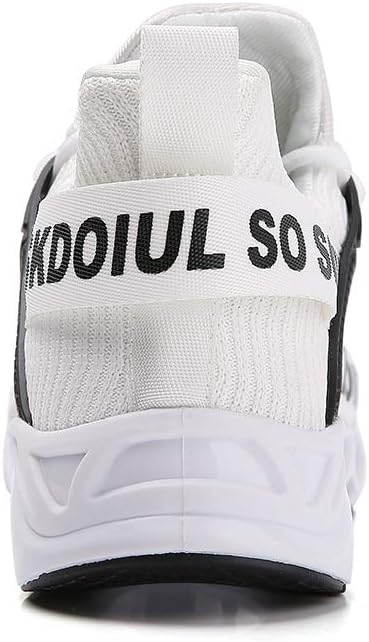
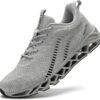
After watching my sixth pair of budget running shoes fall apart this year, I’d pretty much accepted the “you get what you pay for” reality. Mike here, and when these SKDOIUL Men Sport Running Shoes crossed my radar advertising breathable mesh and multi-sport versatility for just $40, my skepticism was running high. But curiosity got the better of me, and 6 weeks of testing through everything from neighborhood pavement to gym floors later, I’ve got some honest findings to share. Bottom line upfront? These are decent lifestyle sneakers that look better than their price tag suggests, but the durability concerns are real enough that you need to know exactly what you’re buying into before pulling the trigger.
First Impressions & Build Quality
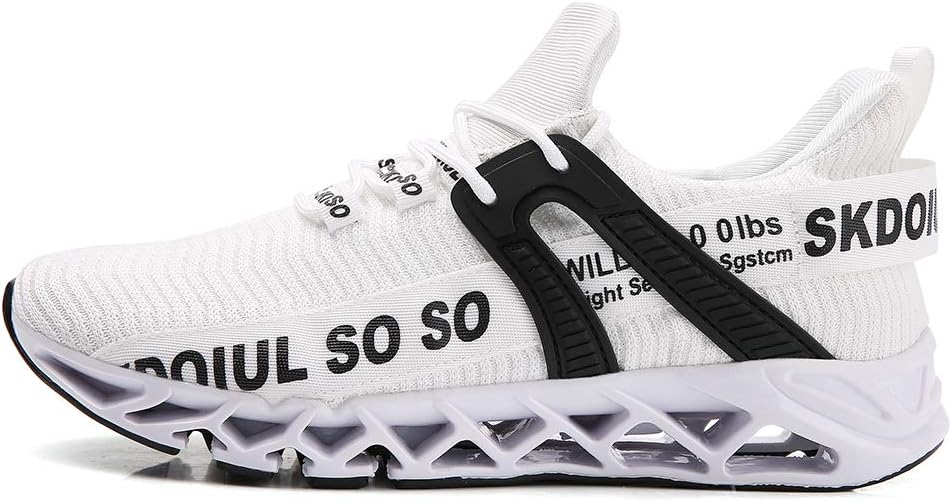
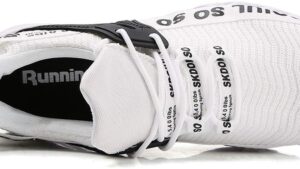
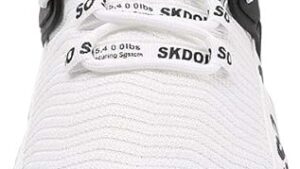
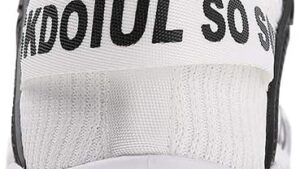
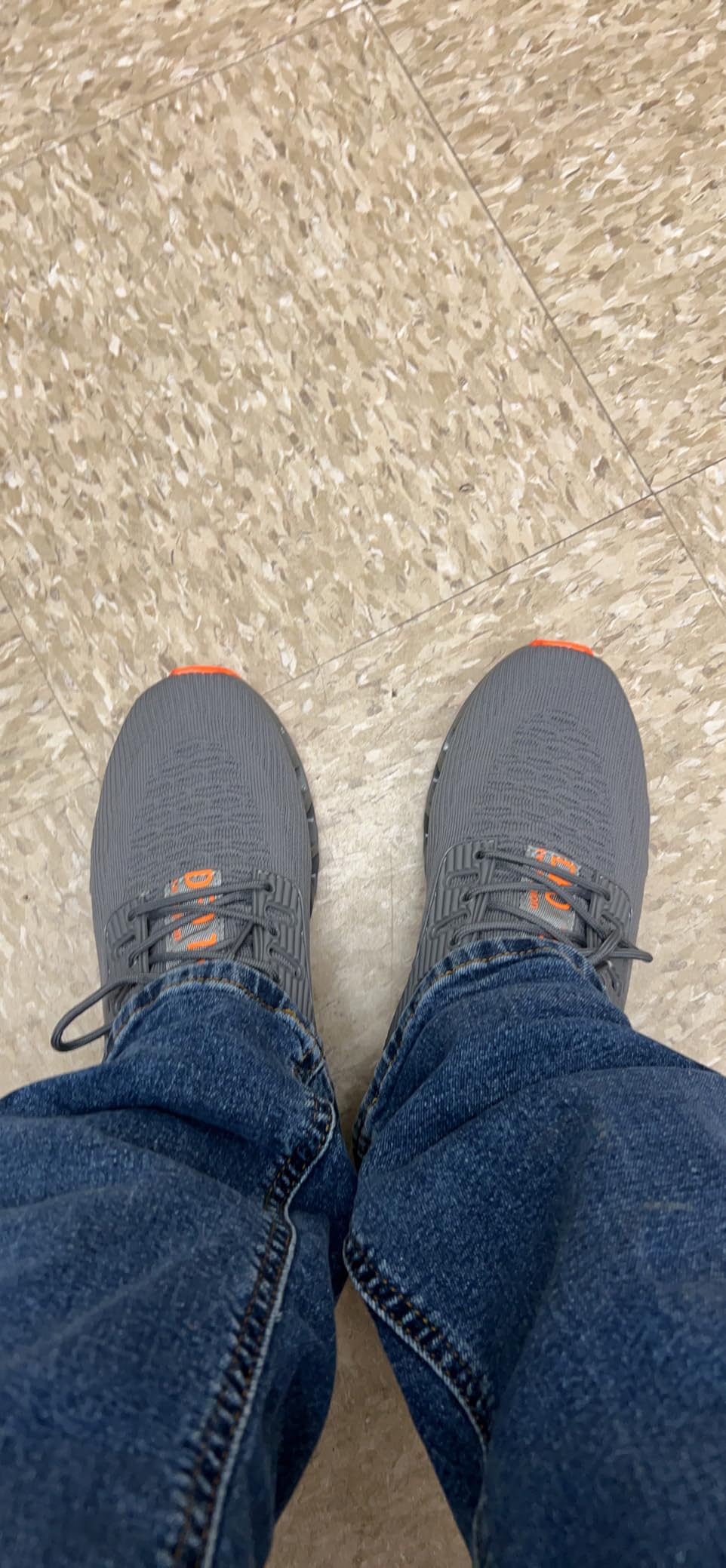
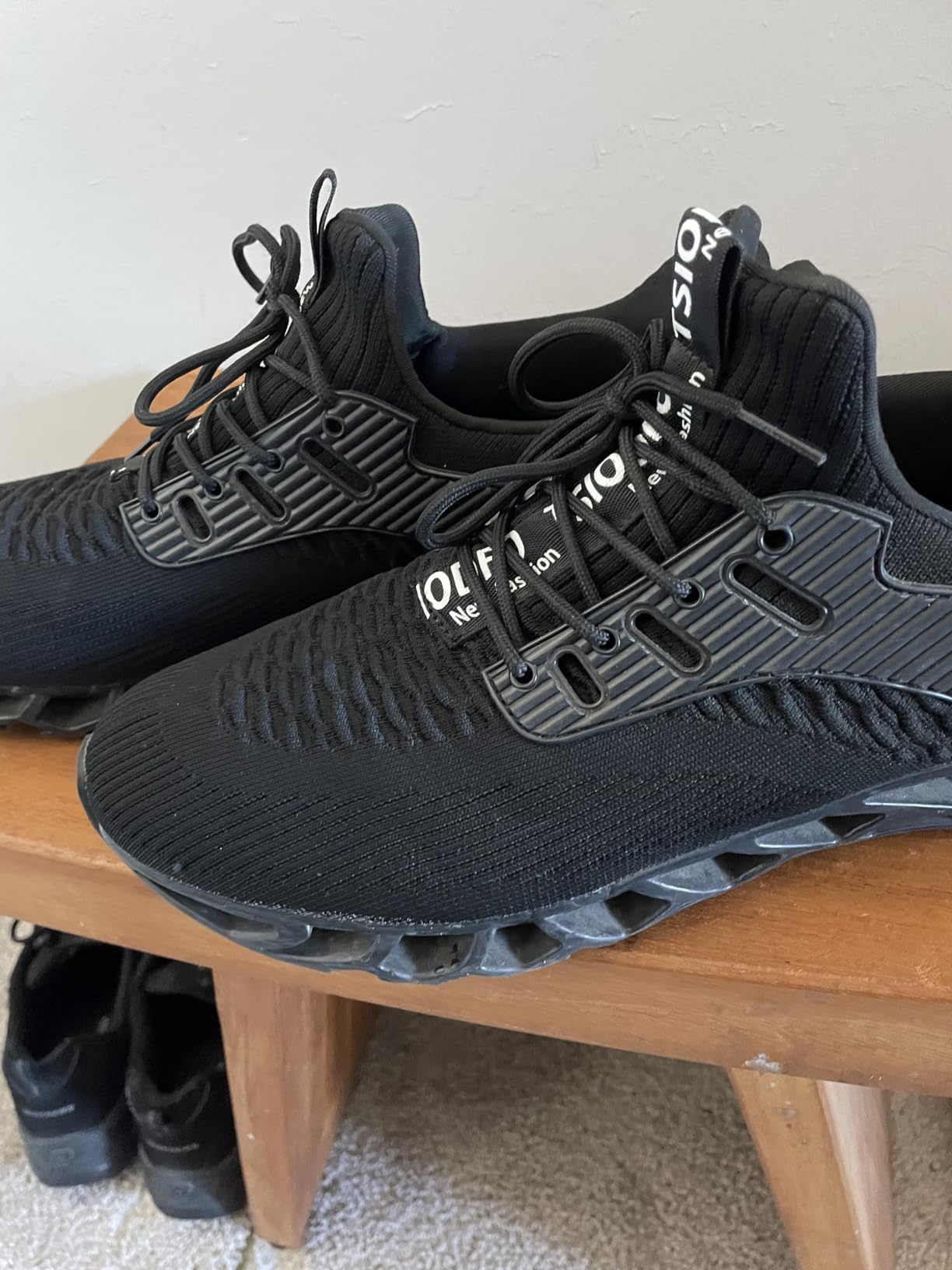
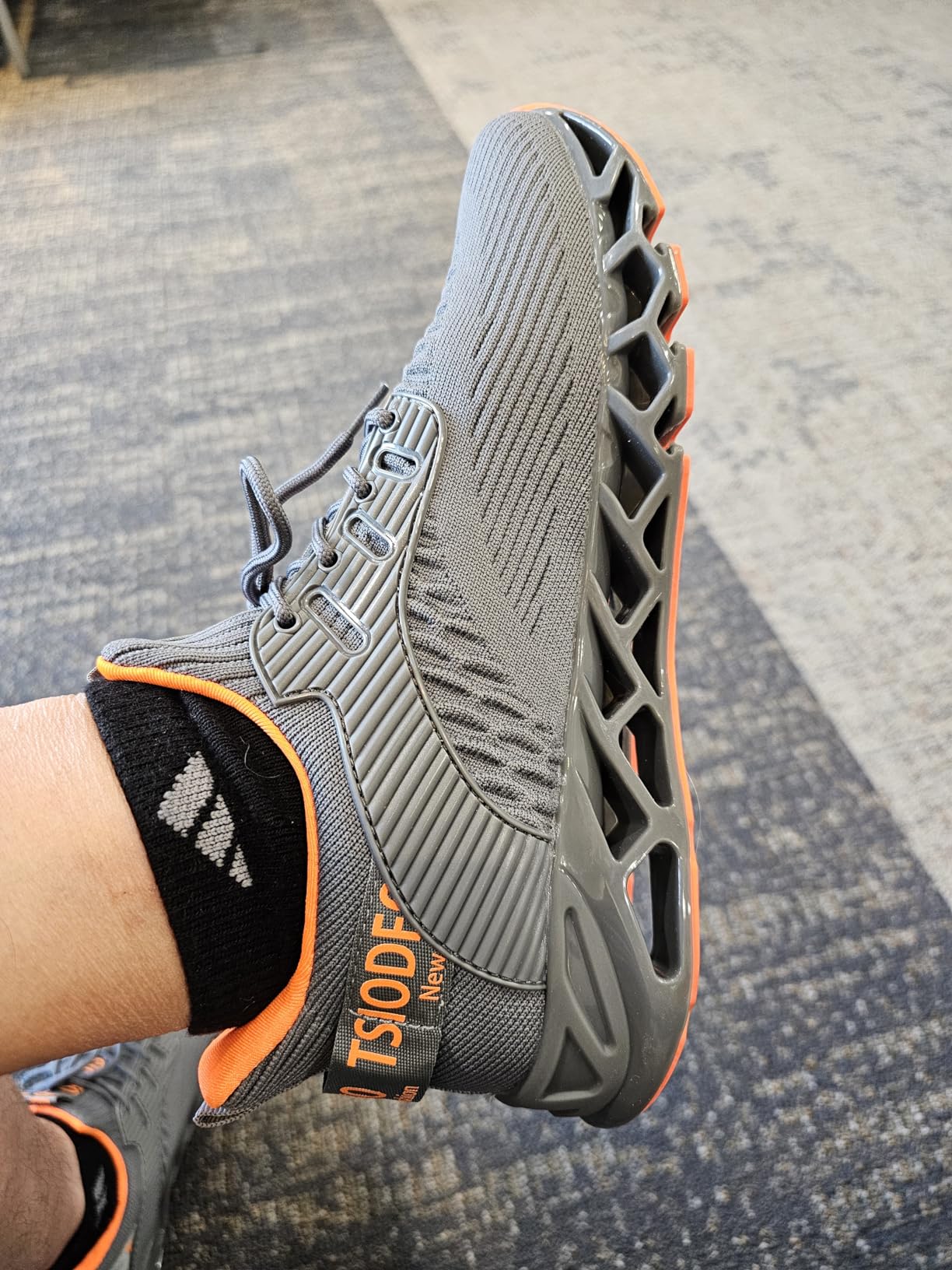
Right out of the box, these SKDOIUL runners hit a surprisingly solid aesthetic note for $40. The light grey colorway I tested has this clean, modern look that wouldn’t seem out of place paired with athletic gear or casual streetwear. The mesh upper feels substantial enough – not premium by any stretch, but definitely a cut above the tissue-thin material I’ve dealt with on some budget options that failed within weeks.
At my usual size 10.5, the fit is pretty straightforward lengthwise. True to size there. But here’s where things get specific – they’re definitely on the narrow side. If you’ve got wider feet, I’d seriously think about sizing up a half size minimum, or honestly looking elsewhere entirely. The toe box gives adequate room for normal-width feet like mine, but I can see how anyone with a wider foot profile is going to feel squeezed from the start.
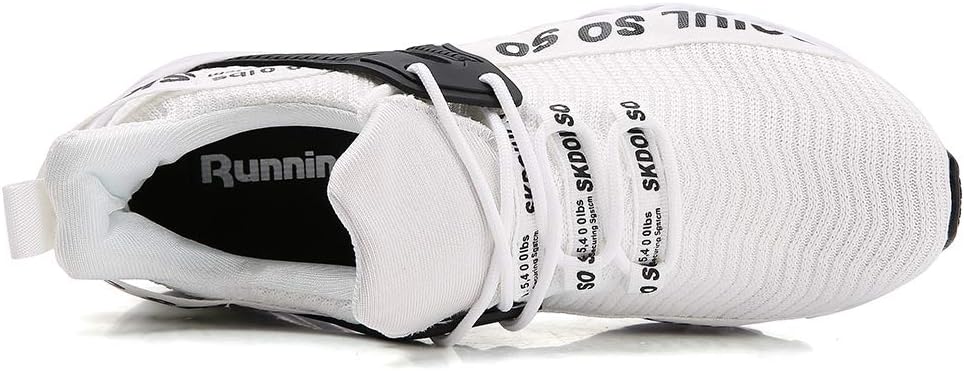
The mesh itself has this honeycomb interior design that’s supposed to help with sweat management. During my first few wears – neighborhood walks, casual errands – the initial comfort level was legitimately better than expected. No hotspots, no break-in pain, just a soft enough feel that made them easy to throw on and go.
Materials & Construction Reality
The midsole is basic EVA foam – nothing fancy here. Initially, it provides decent cushioning for light activities. Walking around, running quick errands, even some light jogging during the first couple weeks felt surprisingly comfortable. But at 175 lbs, I started noticing the foam compressing noticeably by week three. It’s not catastrophic for casual use, but if you’re planning serious mileage or spending 8+ hours on your feet daily, you’re going to hit the limitations of budget EVA pretty quickly.
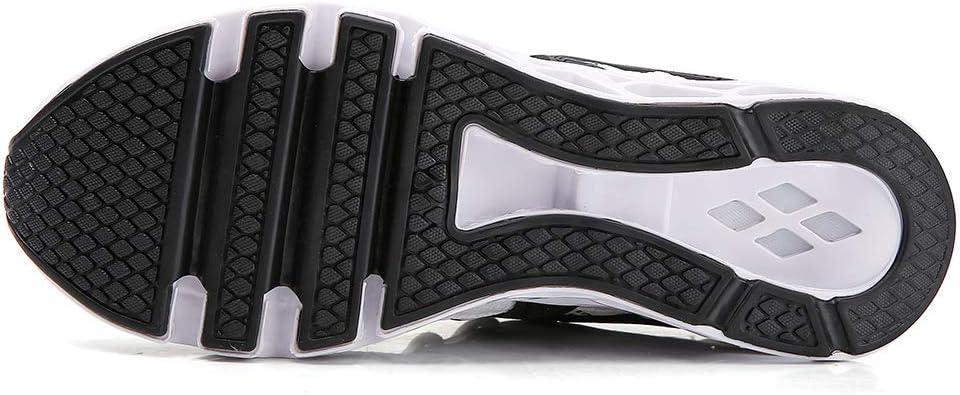
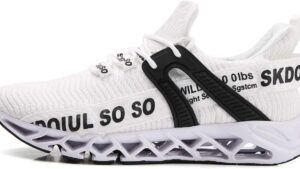
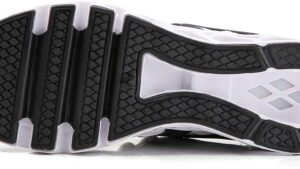
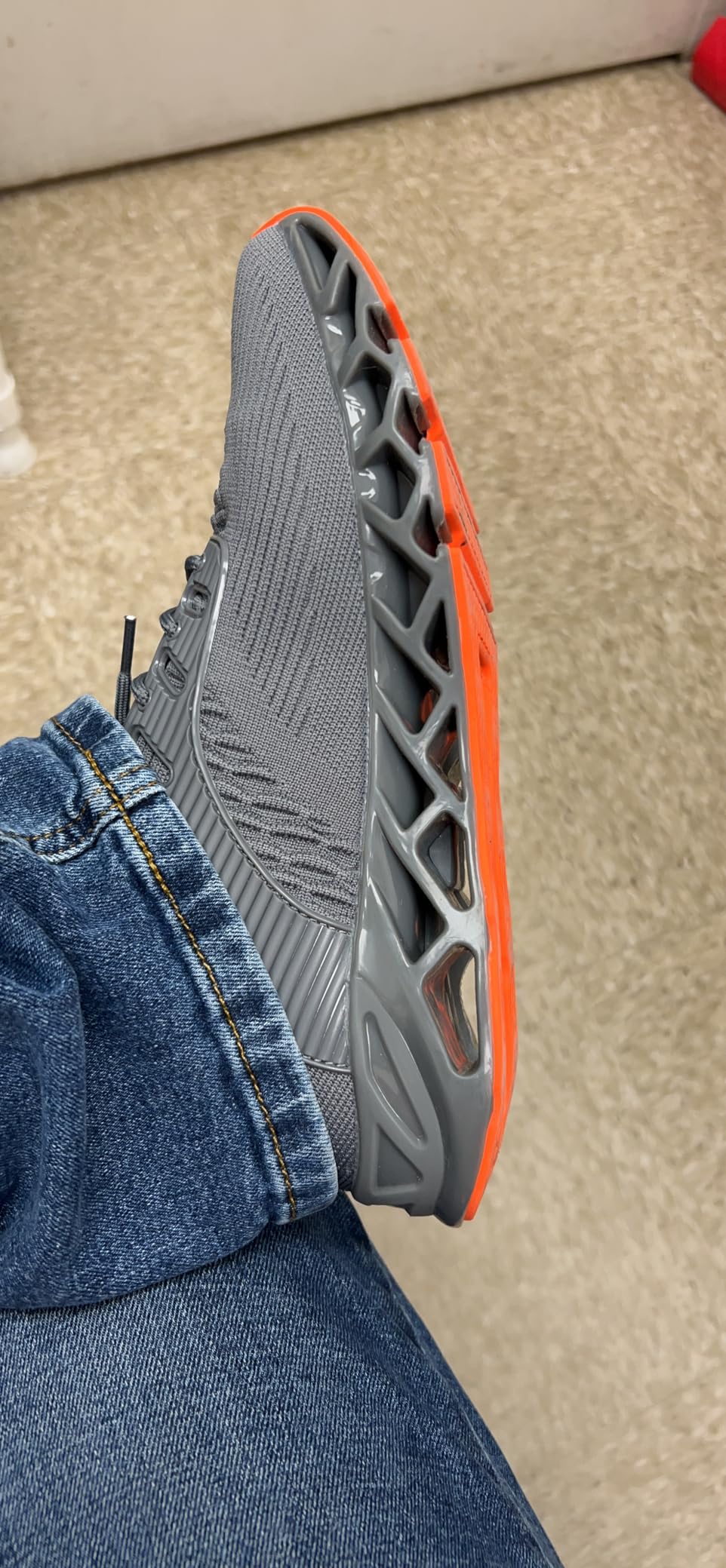
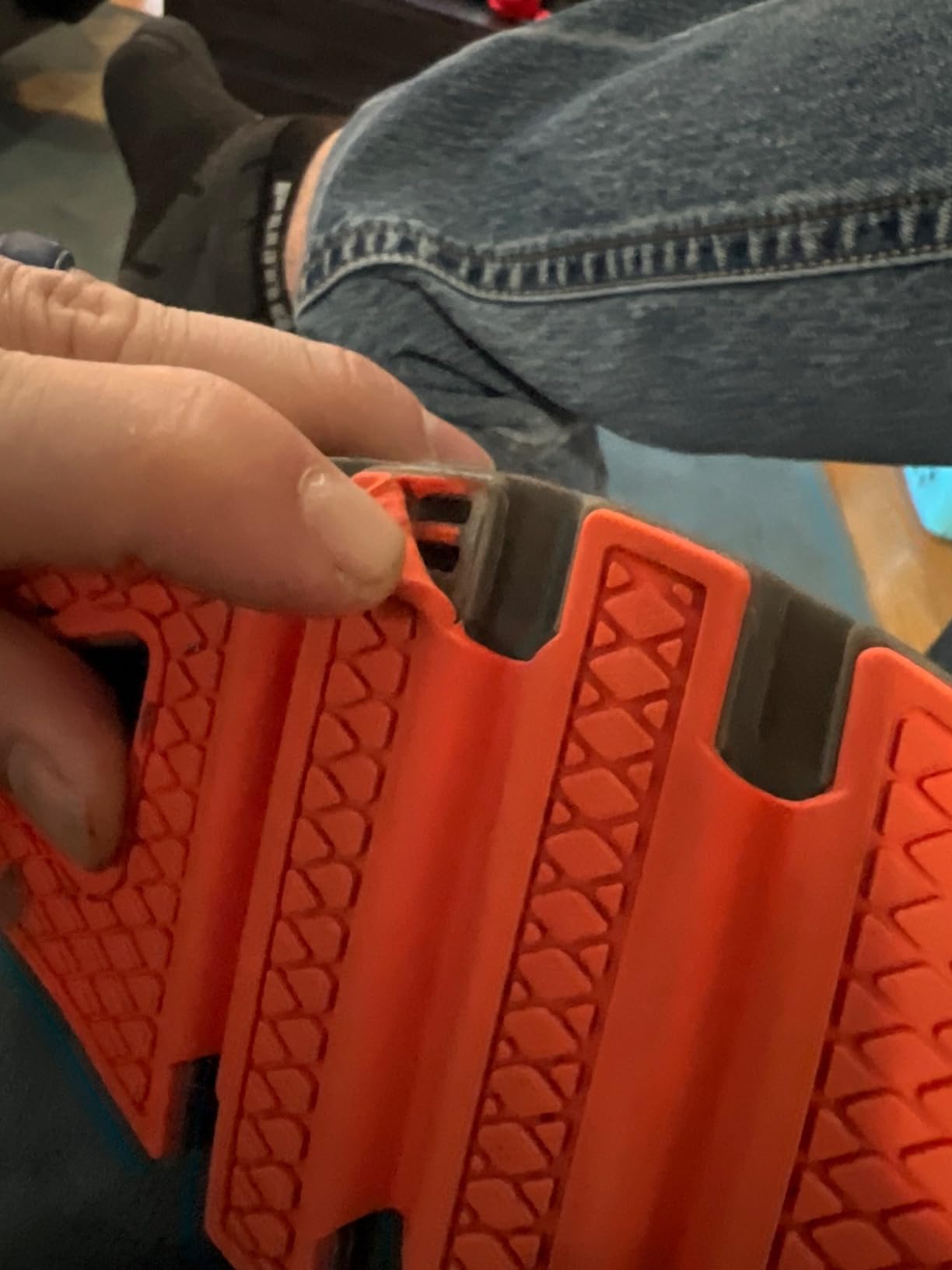
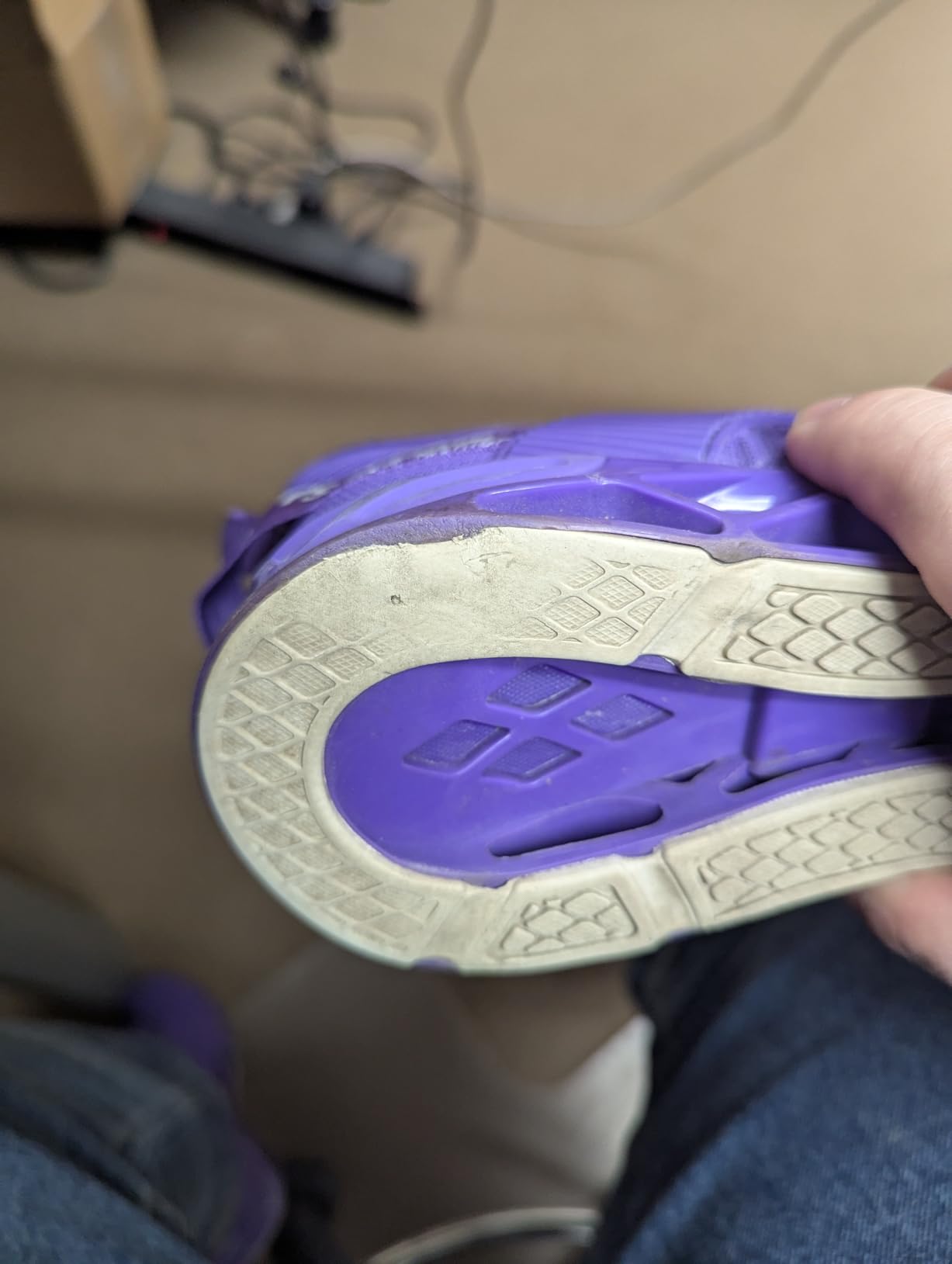
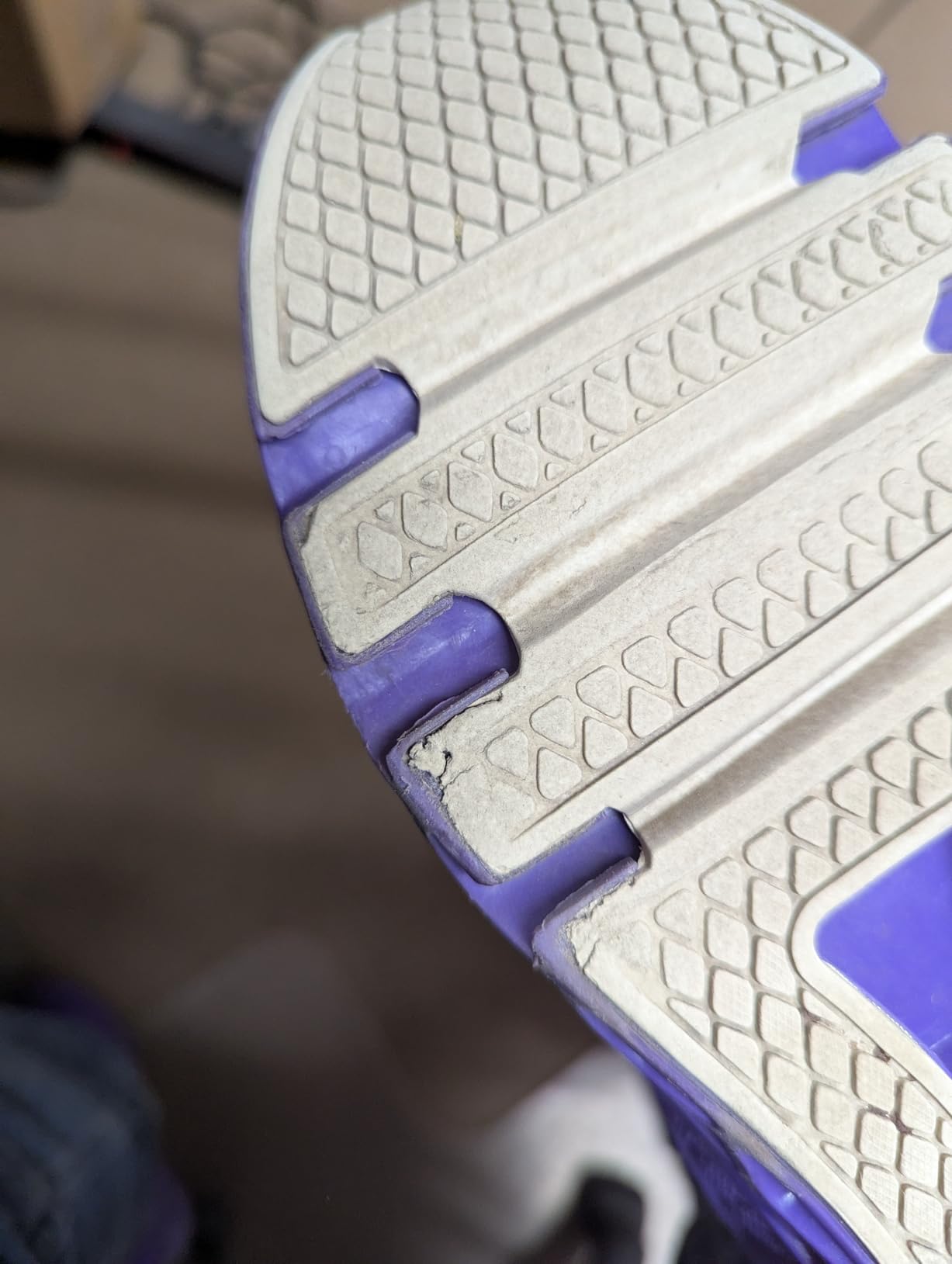
What’s interesting about the sole is the segmented TPU (thermoplastic polyurethane) outsole design. It looks more sophisticated than you’d expect at this price point – almost like there’s actual thought behind the engineering. Reality check though? The sole feels hard underfoot. There’s this clicking sensation when walking on hard surfaces – gym floors, concrete – that’s distinctive enough that I noticed it consistently. Some reviews mention this clicking sound, and yeah, it’s legit. The hard platform actually undermines the EVA cushioning benefit somewhat. Instead of soft landings, you get a firmer feel that starts tiring feet faster during extended sessions.
Arch support is minimal. I’m talking basically non-existent. If you need meaningful arch support, plan on adding your own insoles from day one.
The stitching and overall construction looked solid enough when I first inspected them. The plastic eyelets though? That’s where I’m seeing early warning signs. After 6 weeks of normal lacing – and I’m careful with my gear – I can see stress marks developing around the eyelets. Given the number of user reviews mentioning eyelet failure, this doesn’t fill me with confidence about long-term durability.
Comfort Assessment: The Timeline Matters
Here’s where the story gets more nuanced. During the first two weeks, these genuinely felt comfortable. Short walks, casual wear, even 30-45 minute gym sessions – the comfort held up fine. The mesh kept airflow moving, feet stayed dry, and the initial EVA softness made them easy to wear.
But by week four, I started noticing a distinct drop-off. Specifically, around the 4-hour mark of continuous wear, the cushioning started feeling flatter. At 175 lbs, I could feel the foam compressing under my weight, and that firmness transferred more impact to my feet. After a full day of walking and standing – probably 6-7 hours total – I definitely felt more foot fatigue compared to my usual running shoes.
Activity-specific comfort breakdown looked like this: For casual neighborhood wear and light walking, they stayed comfortable throughout my testing period. For gym cardio sessions under an hour, perfectly adequate. But for anything beyond a casual 2-mile jog or extended standing, the comfort degraded noticeably. During a 3-mile test run on pavement, I managed it without major discomfort, but I definitely felt more fatigue in my feet compared to proper training shoes.
The toe box comfort stayed consistent – never cramped, adequate room. But that narrow fit I mentioned? It became more apparent during longer sessions when feet naturally swell a bit. Nothing painful, but enough that I noticed it.
Performance Across Different Activities
I put these through their paces on various surfaces and activities to see where they actually deliver versus where the marketing oversells.
Casual Walking & Daily Wear
For leisurely neighborhood walks and general errands, these performed solidly. The lightweight design – specs vary between sources claiming 8.2 oz to 11.2 oz, but subjectively they feel closer to average weight – makes them easy to move in without feeling clunky. Traction on dry pavement was adequate. The breathability genuinely shined here – even during warmer days, feet stayed dry and comfortable thanks to the mesh upper’s airflow.
Running Performance
Here’s where expectations need calibration. For short, casual runs on good surfaces – think 2-3 miles on clean pavement or treadmill – they’re adequate. I managed several runs in that range without major issues. But the cushioning limitations became apparent pretty quickly. Compared to my usual running setup, I felt more impact, more foot fatigue, and the hard sole didn’t do any favors for shock absorption.
The weight – whatever it actually is – becomes noticeable during runs. Not prohibitively heavy, but enough that it impacts pace sustainability during longer efforts. For serious runners or anyone planning regular mileage, these aren’t going to cut it.
Gym & Indoor Activities
In the gym, they worked decently for general cardio work. Treadmill, elliptical, basic movement – fine. For weightlifting though, the minimal support is problematic. During squats or deadlifts, the lack of lateral stability and the hard sole’s poor shock absorption became apparent. For light weights or casual gym-goers, probably acceptable. For anyone doing serious strength training, look elsewhere.
The clicking sound from the hard sole was most noticeable on gym floors. It’s not embarrassingly loud, but it’s definitely audible enough that I was aware of it.
Weather & Surface Conditions
On dry surfaces – pavement, indoor floors, light trails – traction was serviceable. Nothing spectacular, but adequate for normal activities. But wet surfaces? That’s where I hit real concerns. During a light rain, I noticed genuine slipperiness on wet pavement that made me cautious. Other reviews specifically warn about wet traction, and based on my experience, that warning is justified.
The mesh upper’s excellent breathability comes with a predictable trade-off: zero water resistance. A puddle or unexpected shower soaks through immediately, and they take a solid while to dry out completely. These are strictly dry-weather or indoor shoes.
Durability: The Honest Assessment
This is where I need to keep it real, because this is probably the biggest decision factor for budget shoe buyers. After 6 weeks of moderate use, I’m seeing some concerning wear patterns that align closely with what many user reviews report.
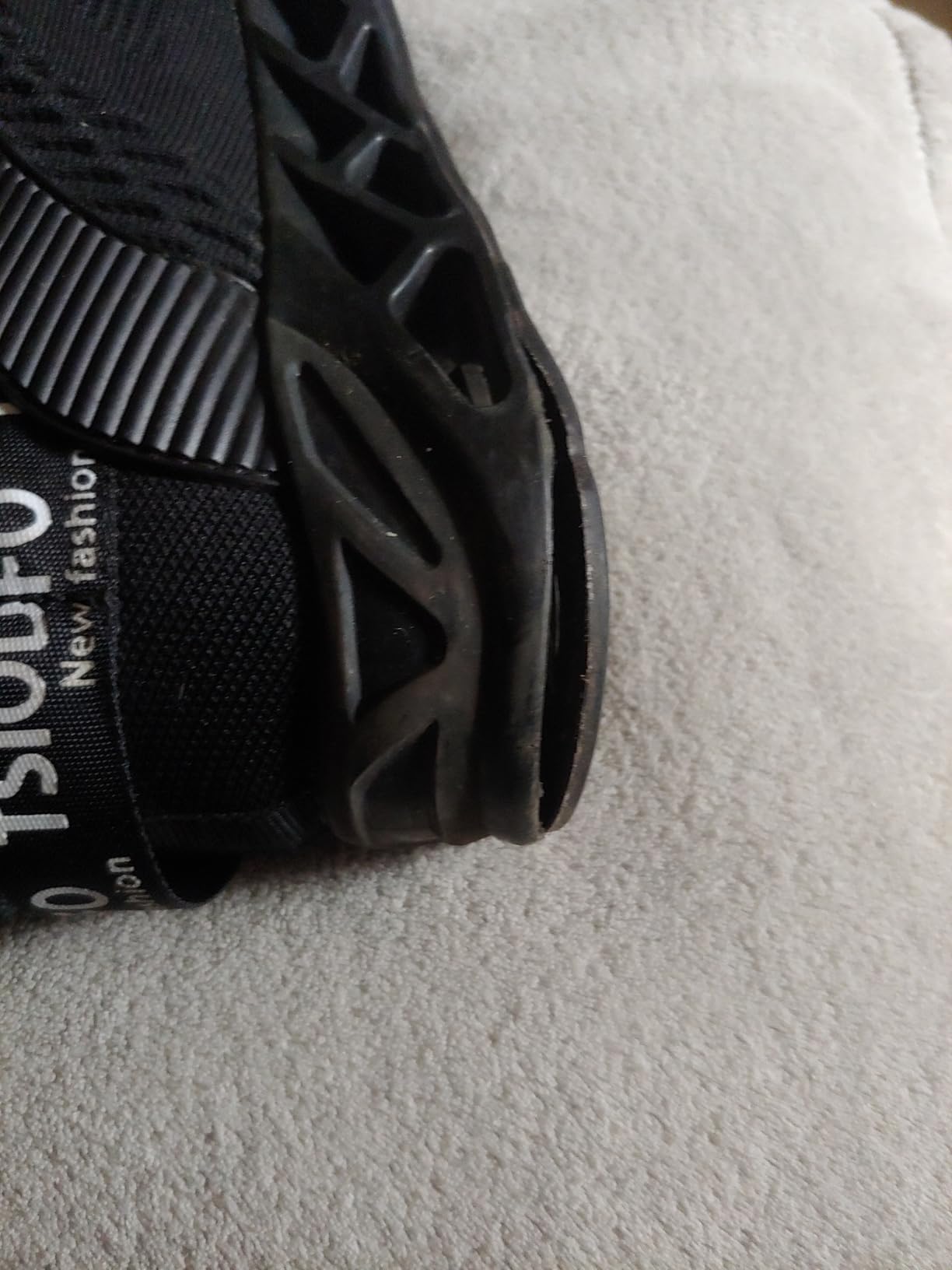
The plastic eyelets are showing stress marks from normal lacing. Given that some reviews mention eyelet failure within 1-4 months, and I’m already seeing early signs at 6 weeks, this doesn’t inspire confidence. The sole adhesion seems solid on my pair so far – no separation yet – but the number of reviews mentioning sole separation within weeks to months is too consistent to ignore.
User feedback shows a massive durability variance: some people report pairs lasting 2+ years with light use, while others experience sole separation or eyelet failure within 2-6 weeks. This quality control lottery is concerning. You’re essentially gambling on whether you get a well-made pair or a dud.
Based on my 6-week observation window plus aggregated community feedback, here’s my honest estimate: For light casual wear (a few hours, 2-3 times per week), you might hit 8-12 months. For moderate daily use (daily wear, mixed activities), expect 4-8 months. For intensive daily use (work shoes, daily exercise), you’re likely looking at 2-4 months before failures emerge.
The midsole compression I experienced suggests the EVA foam degrades faster than premium alternatives. By week 6, the cushioning was noticeably firmer than day one – not collapsed, but clearly compressing under regular use.
Marketing Claims vs. Testing Reality
SKDOIUL markets these as suitable for “running, training, indoor, sports, outdoor, travel, workout and so on.” That’s an ambitious list for a $40 shoe. Let me break down how they actually perform against these claims based on my testing:
**Running**: Adequate for casual, short-distance runs (2-3 miles) on good surfaces. Not recommended for serious runners or longer distances. The cushioning and support just aren’t there for sustained impact.
**Training**: Limited effectiveness. The minimal lateral support and cushioning degradation under stress make them poor choices for serious training. For light gym cardio, acceptable. For actual athletic training? Pass.
**Indoor/Gym**: This is probably their strongest use case. For general gym activities, walking, casual indoor sports, they perform decently. The hard sole and breathability actually work better indoors than out.
**Outdoor/Trail**: Light trail work only – think groomed park paths, not technical terrain. Traction on dry trails is serviceable, but anything wet or challenging is beyond their capabilities.
**Travel**: Surprisingly good here. Lightweight, easy to pack, comfortable enough for tourist walking. The aesthetics don’t scream “budget shoe,” which helps.
The “breathable” claim is genuinely accurate – this is one area where they deliver as advertised. The mesh provides excellent airflow, and feet stayed dry during all my testing activities (in dry weather). The implied “durable” messaging through TPU sole marketing? That’s where reality diverges significantly from marketing. The material might be durable, but the construction quality and adhesion are the weak points.
Value for Money: The Budget Calculation
At $40, these occupy a tricky space in the budget shoe market. The initial comfort and surprisingly solid aesthetics deliver value upfront. You’re not paying premium prices, and you’re getting a shoe that doesn’t look or feel obviously cheap during the first few weeks.
But the durability concerns complicate the value equation significantly. If you get a pair that lasts 8-12 months with light use, that’s reasonable value – roughly $3-5 per month of wear. If you hit the quality control lottery badly and experience sole separation at 2-3 months, you’re looking at significantly worse value, even at the low entry price.
Compared to other budget alternatives in the $35-50 range, SKDOIUL sits middle-of-the-pack. Better aesthetics than many competitors, similar comfort levels, but potentially worse durability patterns based on community feedback.
For buyers who understand they’re essentially renting shoes for 4-8 months and are okay with that replacement cycle, the value works. For anyone hoping to find a hidden gem that delivers $100 performance for $40, you’ll be disappointed. You’re paying budget prices for budget longevity.
The cost-per-wear calculation depends entirely on your use case. Light casual wear (10-15 wears per month) might stretch these to acceptable value. Daily intensive use (25-30 wears per month) will likely hit failures faster and tank the value proposition.
Who Should Buy These (And Who Shouldn’t)
Good Candidates:
– Casual walkers needing an inexpensive, breathable option for light use
– People wanting a backup pair for gym or occasional activities
– Budget-conscious buyers who understand the durability limitations upfront
– Travelers needing packable, presentable shoes for tourist walking
– Anyone needing a temporary solution while shopping for better options
– Gym-goers prioritizing appearance over performance for light cardio
Poor Candidates:
– Serious runners planning regular mileage
– People with wider feet (the narrow fit will be problematic)
– Anyone needing shoes for demanding work environments requiring all-day standing
– Buyers expecting long-term durability (12+ months with daily use)
– Users requiring significant arch support for hiking or extended wear
– Athletes needing actual performance footwear for training
Better Alternatives Worth Considering
If you’re willing to spend a bit more, previous-generation models from established brands offer significantly better durability. Check out last season’s New Balance Fresh Foam Roav v1 or Adidas Lite Racer 4.0 in the $60-80 range when on sale – you’ll get better build quality and actual brand support.
For serious runners on a budget, looking at entry-level models from ASICS or Saucony typically offers better long-term value despite higher upfront costs. The durability difference often means you replace them less frequently, improving cost-per-wear economics.
If you specifically need training shoes with better support, the Under Armour Charged Assert 9 frequently drops to the $50-65 range and offers superior cushioning and durability.
For wider feet specifically, budget options like the Skechers work shoe line offer better width accommodation, though styling skews more utilitarian.
Final Verdict
The SKDOIUL Men Sport Running Shoes deliver decent value for very specific use cases, but come with significant limitations that buyers need to understand clearly before purchase. At $40, they provide reasonable initial comfort and better aesthetics than many budget competitors, but the durability concerns – particularly sole separation and eyelet failure – make them a risky choice for anyone needing reliable footwear beyond a 4-8 month timeline.
Based on my 6-week testing across multiple activities, these are lifestyle sneakers with athletic styling, not true performance shoes. The marketing claims about versatility across running, training, and outdoor use are overstated. They perform adequately for casual wear, light gym activities, and short-distance walking/jogging, but fall short for serious athletic use or demanding daily wear.
The breathability genuinely delivers – mesh upper keeps feet dry and comfortable in warm conditions. The narrow fit is real and problematic for wider feet. The comfort degrades noticeably after the first few weeks as the EVA foam compresses under use.
**My recommendation**: If you need something cheap and temporary for light activities, understand the quality control lottery you’re entering, and are comfortable potentially replacing them within 6-8 months, they might work for your situation. But if you’re looking for shoes you can depend on for regular exercise, daily work wear, or any demanding use, save up another $20-40 and invest in something with better build quality and more consistent durability. The upfront savings often disappear when you factor in the replacement cycle.
Frequently Asked Questions
Are these shoes true to size?
Length-wise, yes – they run true to size in my experience at size 10.5. But they’re narrower than most Nike or Adidas models in the same size. If you usually wear a medium width in major brands, you’ll likely feel the narrow fit. I’d recommend ordering your usual size if you have normal to narrow feet, but seriously consider sizing up a half size if you have wider feet. Some reviews suggest sizing up works, though you’ll trade length accuracy for width accommodation.
How long do they typically last?
Based on user reviews and my testing observations, expect 3-12 months depending heavily on usage intensity and which batch you receive (quality control varies). Light casual wear (a few times per week) might get you closer to 8-12 months. Daily use or regular exercise could see failures within 2-6 months. The most common failure modes are sole separation from the upper and plastic eyelet cracking. This massive variance is concerning and suggests inconsistent manufacturing quality.
Are they good for actual running?
For short, casual runs (2-3 miles) on good surfaces like treadmill or clean pavement, they’re adequate. But I wouldn’t recommend them for serious runners or longer distances. The cushioning is too basic, the support too minimal, and the durability too questionable for regular running mileage. The hard sole and rapid EVA compression mean you’ll feel more impact and fatigue compared to proper running shoes. If running is your primary activity, spend more on actual running-specific shoes.
Do they work for wide feet?
Honestly, no. Multiple reviewers with wide feet report discomfort, and the narrow fit is consistent across reports. You could try sizing up a full size, but you’d be compromising length accuracy for width, and there’s no guarantee it solves the problem. If you have genuinely wide feet, I’d recommend looking at brands that specifically offer wide width options rather than trying to make these work.
How’s the breathability really?
This is actually one of their genuine strengths. The mesh upper provides excellent airflow, and my feet stayed dry during gym sessions, warm-weather walks, and all my testing activities. The honeycomb interior design does seem to help with moisture management. If breathability is a priority – think warm climates, sweaty feet, gym cardio – they deliver on this claim well. Just remember that excellent breathability means zero water resistance.
Will the sole separate?
It’s a legitimate risk based on community feedback patterns. I haven’t experienced it yet at 6 weeks, but enough reviews mention sole separation within 2-12 months that it’s clearly a common failure mode. The adhesion between the TPU outsole and the upper appears to be a weak point in the construction. Some pairs hold up fine; others fail quickly. You’re gambling on quality control to some extent. If sole separation occurs, there’s typically no warranty support given the budget brand nature.
Can I use them for basketball or court sports?
I wouldn’t recommend it for competitive play. The minimal lateral support makes them poor choices for activities involving quick side-to-side movement. The hard sole doesn’t provide adequate shock absorption for jumping and landing. For casual pickup games or recreational court activities where performance isn’t critical, you could get away with them, but you’d be compromising safety and performance. If basketball is your sport, invest in actual court shoes with proper ankle support and cushioning.
Are they worth $40?
It depends entirely on your use case and expectations. For casual wear, light gym activities, and temporary use where you understand the durability limitations upfront, they provide reasonable value at $40. You’re getting decent aesthetics, good breathability, and acceptable initial comfort. If you expect them to last 12+ months with daily use or handle serious athletic activities, you’ll likely be disappointed and the value proposition breaks down. Consider the potential replacement cycle – if you end up replacing them every 4-6 months, you might spend more long-term than investing in better shoes upfront.
What about the clicking sound people mention?
It’s real – the segmented TPU sole design creates an audible clicking when walking on hard surfaces like gym floors or concrete. It’s not embarrassingly loud, but it’s definitely noticeable. The sound comes from the hard plastic segments of the outsole compressing and releasing against hard surfaces. Some people don’t mind it; others find it annoying. I noticed it consistently on gym floors and indoor hard surfaces, less so on pavement outdoors. If you’re sensitive to shoe sounds, it might bother you.
How do they compare to other budget running shoes?
In the $35-50 budget category, they’re middle-of-the-pack. Better aesthetics than many generic Amazon brands, similar comfort levels, but potentially worse durability than competitors. Brands like Under Armour’s budget line or Adidas’ entry-level models on sale often provide better construction quality for $10-20 more. The SKDOIUL aesthetic appeal is a genuine advantage, but function-wise they don’t outperform established budget options significantly.
Technical Specifications Summary
| Specification | Details |
|---|---|
| Price | $40 USD (varies slightly by retailer/colorway) |
| Weight | Conflicting specs (8.2-11.2 oz reported); feels average weight subjectively |
| Upper Material | Mesh (polyester/spandex blend) with honeycomb interior design |
| Midsole | Basic EVA foam |
| Outsole | TPU (Thermoplastic Polyurethane), segmented design |
| Fit | True to size (length); Narrow width |
| Arch Support | Minimal (essentially none) |
| Breathability | Excellent (confirmed through testing) |
| Water Resistance | None |
| Available Sizes | Men’s 7-13 (varies by colorway) |
| Colorways | 10+ options including Fluorescent Green, Orange, Black, Red, Light Grey |
| Expected Durability | 3-12 months (highly variable based on use and QC) |
| Best Use Cases | Casual wear, light gym, short walks, travel |
| Not Recommended For | Serious running, wide feet, daily intensive use, wet conditions |
Overall Rating: 6.4/10
| Category | Score | Notes |
|---|---|---|
| Initial Comfort | 7.5/10 | Surprisingly comfortable out of the box for first 2 weeks |
| Long-term Comfort | 5.5/10 | Degrades noticeably after week 3-4, especially 4+ hour sessions |
| Durability | 4.0/10 | Major concerns based on community reports and early wear signs |
| Performance | 6.0/10 | Adequate for casual use, limited for serious athletic activities |
| Breathability | 8.0/10 | Genuine strength – mesh upper delivers excellent airflow |
| Style/Appearance | 7.5/10 | Clean, modern look that exceeds price point expectations |
| Value for Money | 6.5/10 | Good if durability holds; poor if you hit QC lottery badly |
Be the first to review “SKDOIUL Sport Running Shoes for Mens”
Related products


Hiking/Trekking Shoes
Hiking/Trekking Shoes
Running Shoes
Running Shoes
Running Shoes
Running Shoes
Running Shoes
Reviews
There are no reviews yet.