
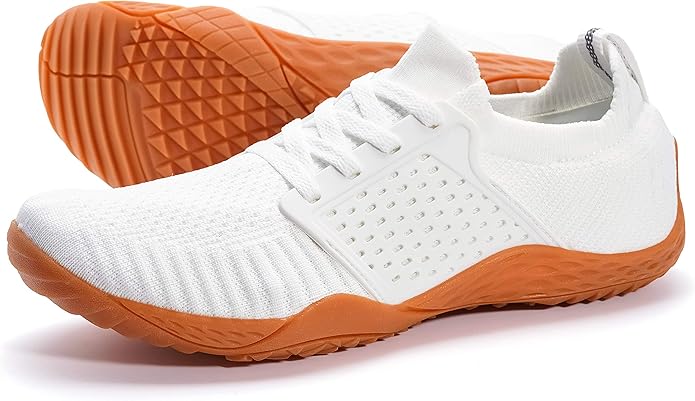
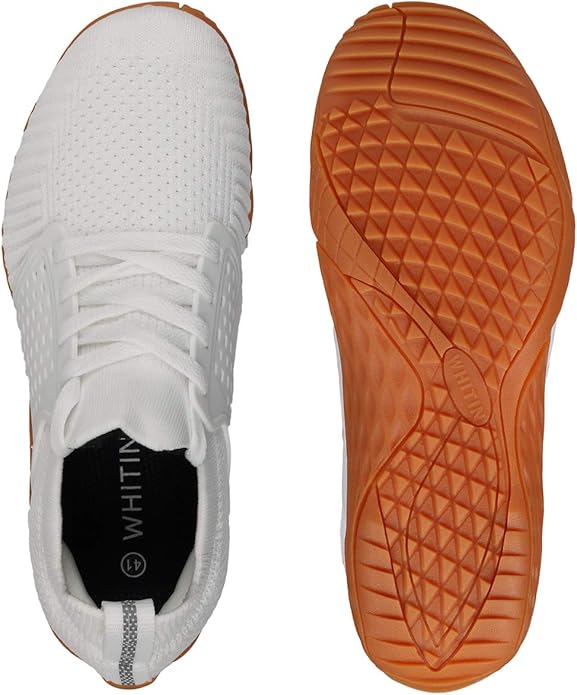
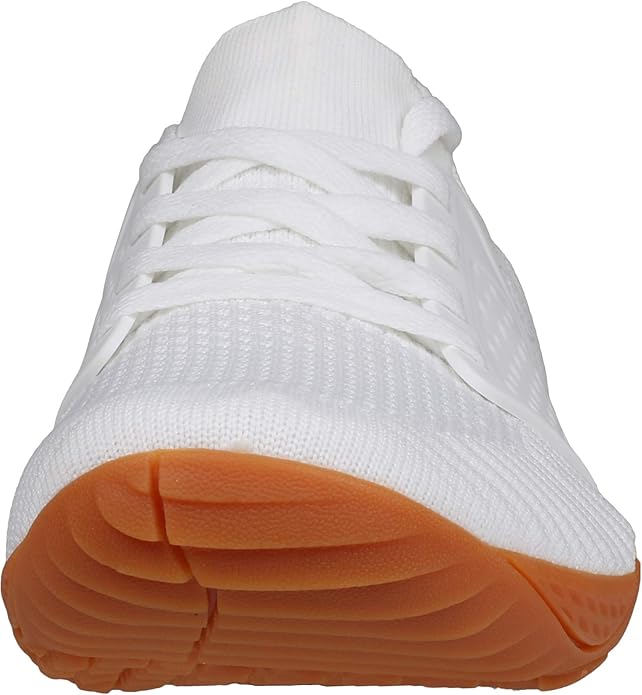
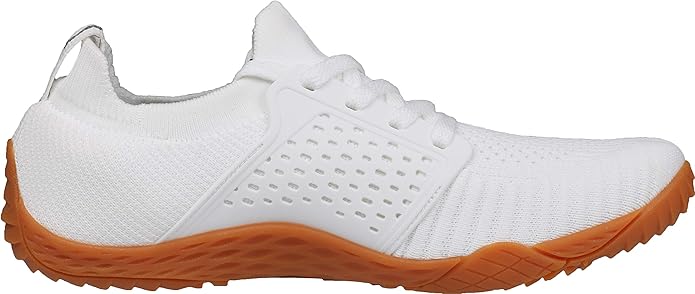
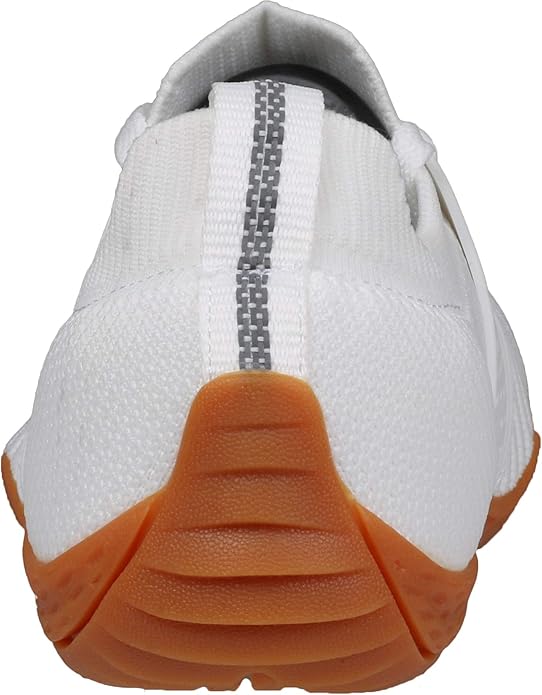
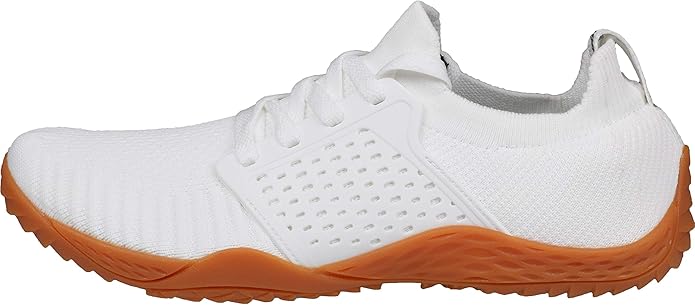
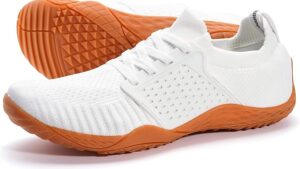
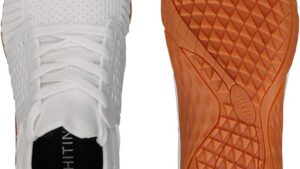
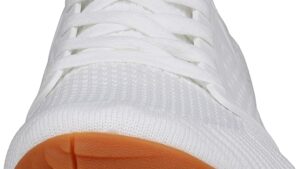
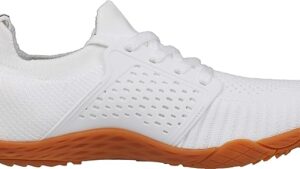
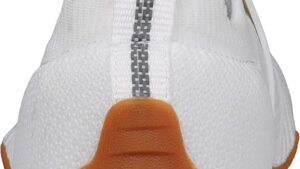
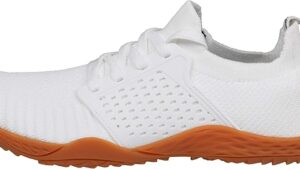
WHITIN Women’s Barefoot & Minimalist Shoe
$43.88
- Price: $40 (yes, really)
- Weight: 6.2 oz for women’s size 8
- Drop: 0mm—your heel and toes sit at the same level
- Stack height: 8mm all around (minimal cushioning by design)
- Upper: Engineering knit fabric that breathes
- What it’s actually good for: Daily wear, gym workouts, casual walking, and giving your feet a break from narrow shoes
Look, I’ve tested enough shoes over the past decade to know when something sounds too good to be true. A $40 barefoot shoe that works for gym sessions, office days, AND weekend errands? Yeah, I was skeptical. But after putting the WHITIN Women’s Barefoot Shoes through 8 weeks of real-world testing—we’re talking 45+ wear sessions across everything from 5:30 AM deadlifts to Saturday Target runs—I’ve got some thoughts. Spoiler: they actually deliver more than I expected, though there are a couple of dealbreakers you need to know about.
First Impressions: Construction and Comfort
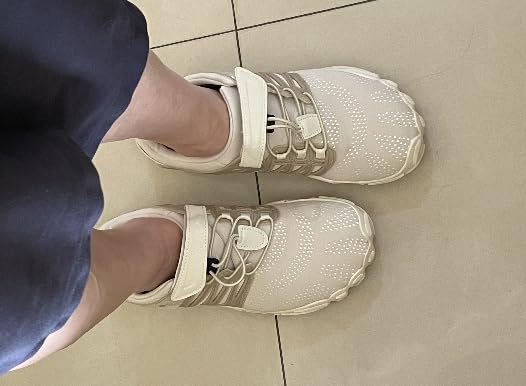
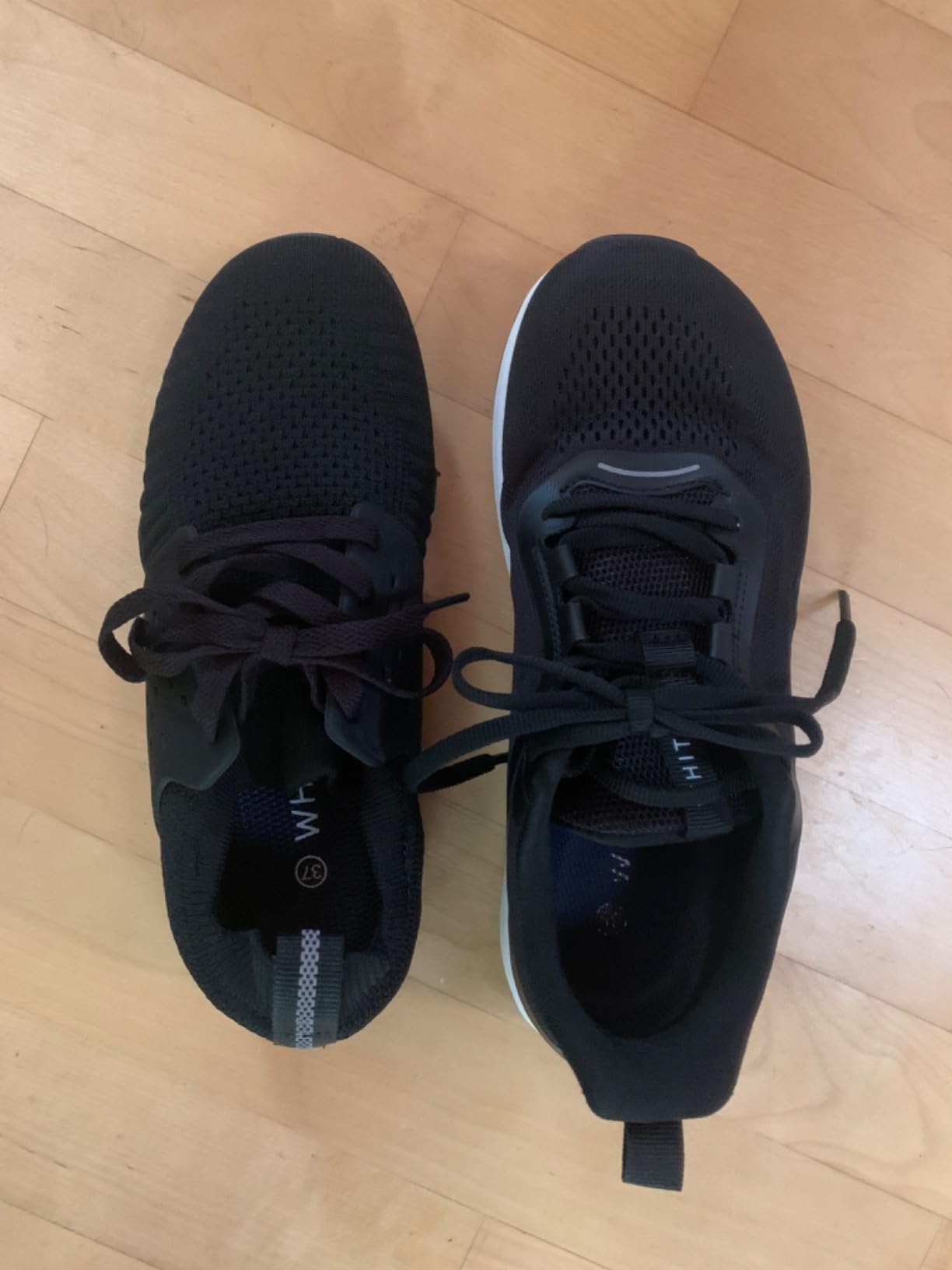
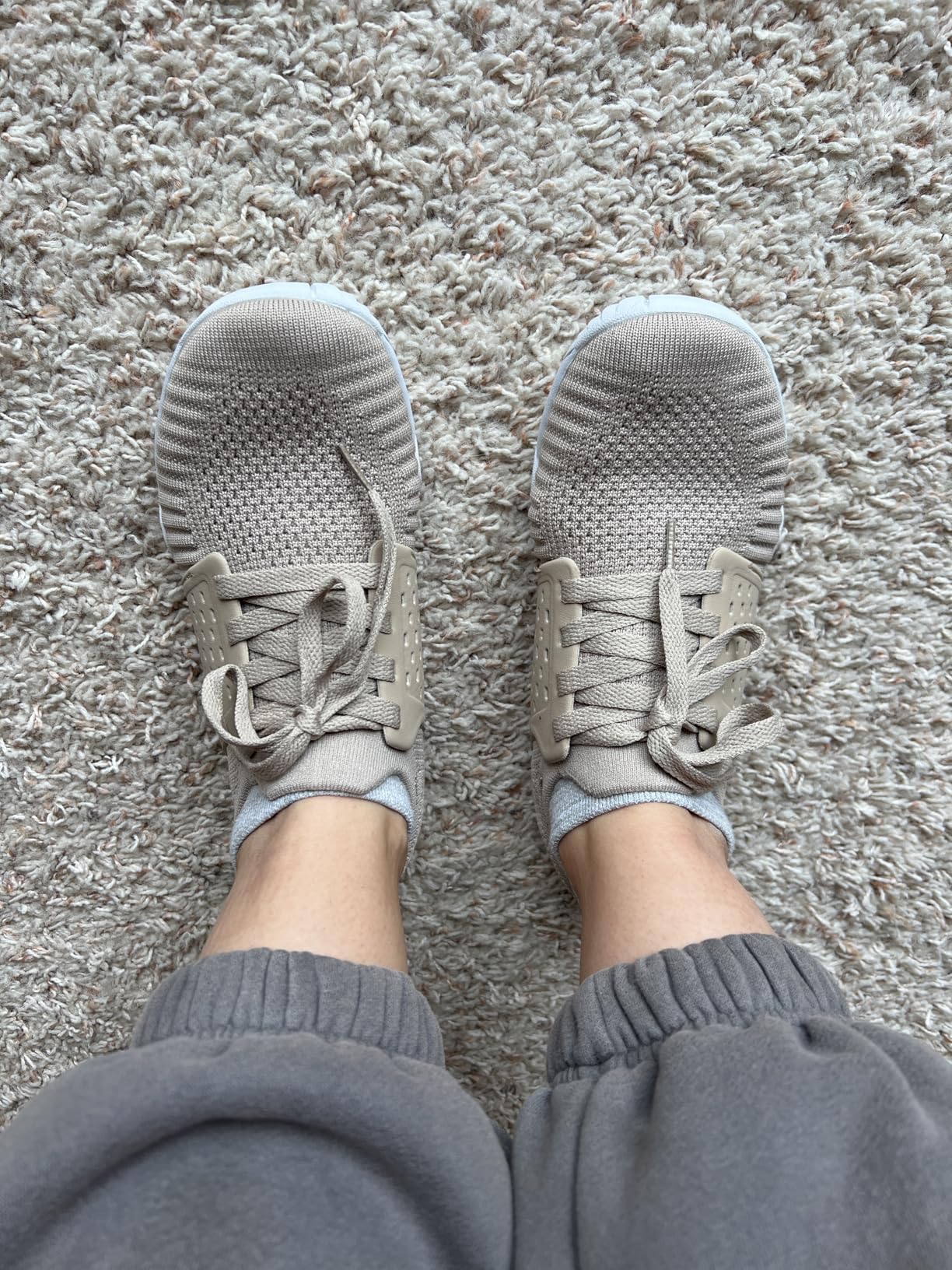
Slipping these on felt like pulling on a well-fitted sock that happened to have a sole attached. The engineering knit upper stretches to hug your foot without squeezing—I could feel my toes moving around freely from the first step.
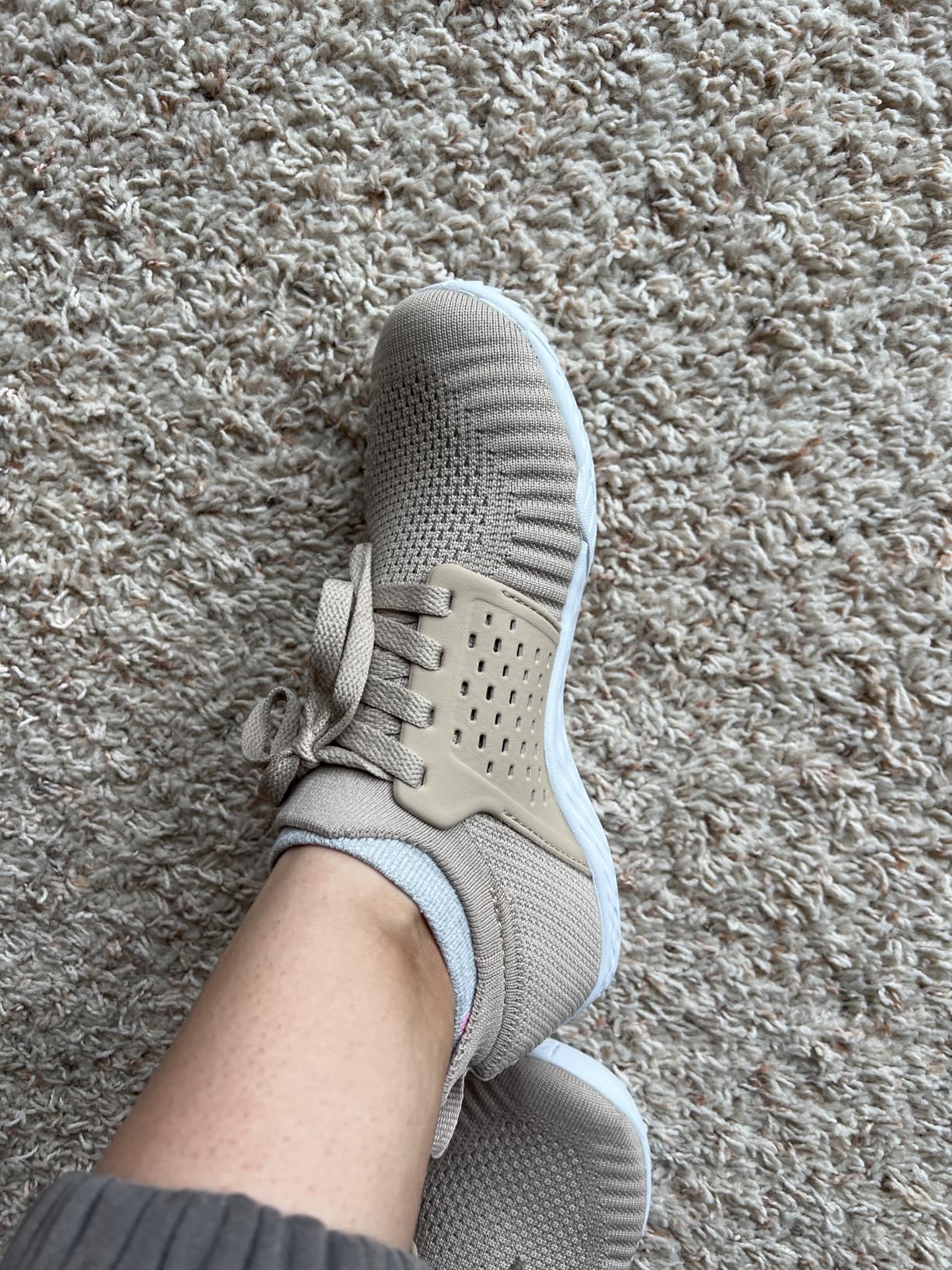
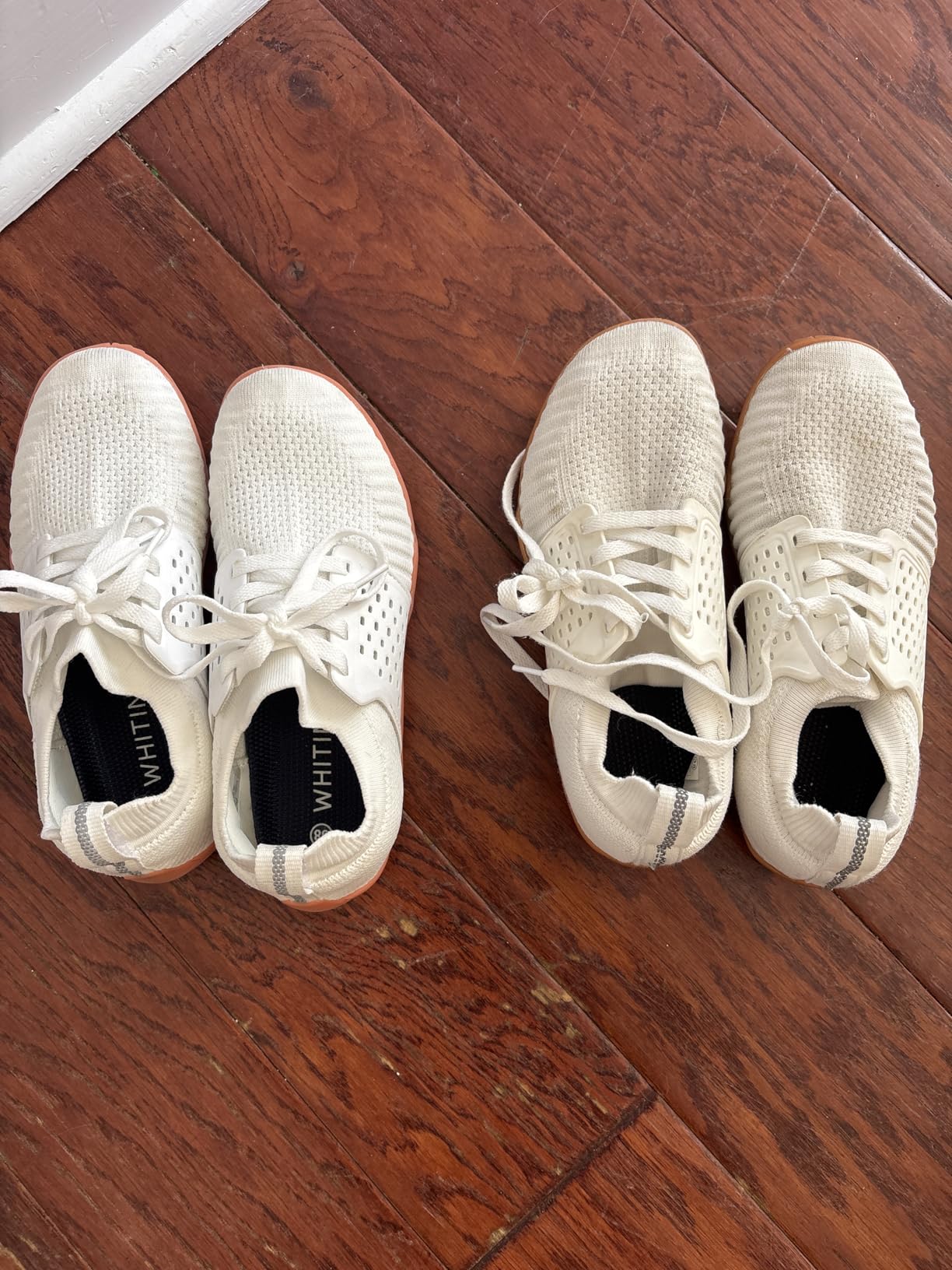
At $40, I went in expecting budget-shoe quality. What I got surprised me. The materials feel solid for the price point, though definitely not premium. The white-and-gum colorway is versatile enough that I wore them with everything from gym clothes to jeans without feeling underdressed.
The hook-and-loop closure took some adjusting—I’m usually a laces person, and those velcro straps felt less secure initially. But after a few wears, I appreciated the convenience. Perfect for those mornings when you’re grabbing coffee and don’t want to tie anything.
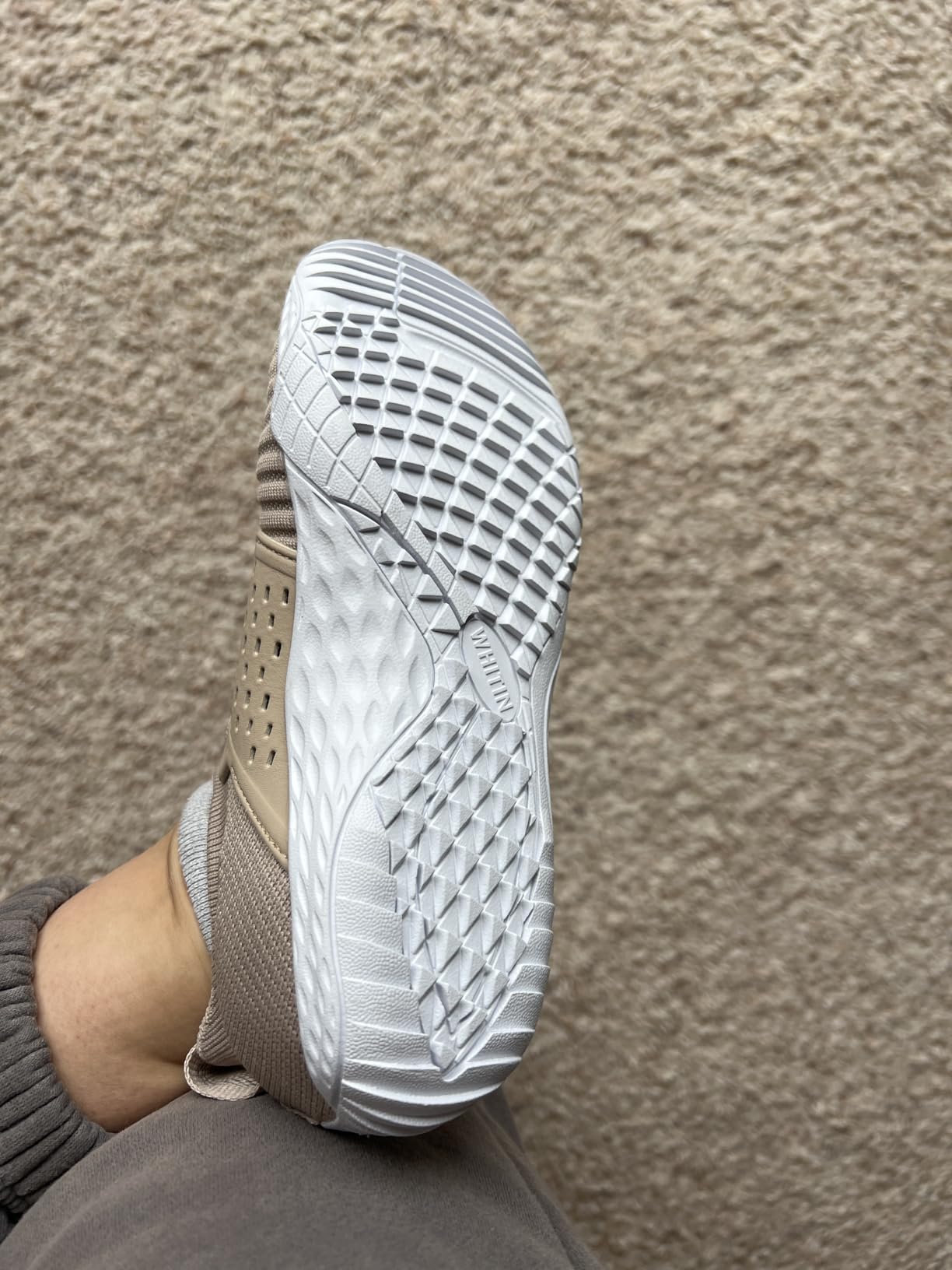
After 8 weeks of regular use (gym sweat, light rain, packed gravel trails), the upper still looks presentable. No snags in the knit, no obvious wear patterns. The rubber sole shows minimal scuffing. Based on what I’m seeing, these are on track to last 8-12 months with moderate activity, which is honestly better than some $120 athletic shoes I’ve owned.
That Toe Box Makes a Difference
I normally wear a women’s size 8, but I sized up to 9-9.5 for these based on reviews warning they run a bit large. And honestly? That extra room changed how my feet felt throughout the day.
If you’ve been cramming your feet into narrow athletic shoes for years—like I had—the first time you feel your toes actually spread naturally is kind of revelatory. No pinching, no numbness in the forefoot during long walks, no unconsciously curling my toes to fit. Just… space.
The zero-drop design felt weird for the first three days. Your heel and toes sit at the same height, which your body isn’t used to if you’ve been wearing elevated heels. Around day four, something clicked. I noticed I wasn’t leaning forward unconsciously anymore to compensate for heel elevation. My posture straightened out, and my lower back felt noticeably better after long walks.
During strength training—squats, deadlifts, overhead presses—the flat sole really showed its value. I felt more grounded, more stable. It’s like the shoe gave me better feedback about where my weight was distributed, which helped my form. The wide toe box helped during lateral movements too. No cramping mid-set when I needed to shift my stance.
How They Actually Perform
I tested these across five different contexts because “versatile” is a claim that needs proving.
Gym Sessions (5:30 AM, 3x/Week)
These shine for weightlifting. The flat sole eliminated that slight wobble I used to feel during overhead work in cushioned training shoes. The grip on gym floors is solid—no slipping during box jumps or rope work. And my feet never got hot during 60-minute sessions, which is saying something because the engineering knit upper breathes well.
The wide toe box made a real difference during agility drills and lateral movements. My toes could splay naturally for balance instead of being pinned together.
Office Days (9-Hour Stretches)
This was my real endurance test. Standing meetings, walking between floors, long desk sits—my feet usually start complaining by 3 PM in most shoes.
With these? I genuinely forgot I was wearing shoes most days. The minimal cushioning doesn’t sound comfortable on paper, but that 8mm EVA foam turns out to be enough when you’re not pounding pavement for miles. My feet felt supported without feeling propped up.
Weekend Errands
Saturday mornings are my marathon errand days—Target, coffee shop, farmer’s market, usually 2-3 hours on my feet. The slip-on convenience shined here. Quick bathroom stop? Shoes off and on in seconds. The white-gum colorway paired fine with leggings and casual sneakers style.
Comfort held up through those 2-3 hour sessions without any hotspots or pressure points developing.
Light Trail Walking
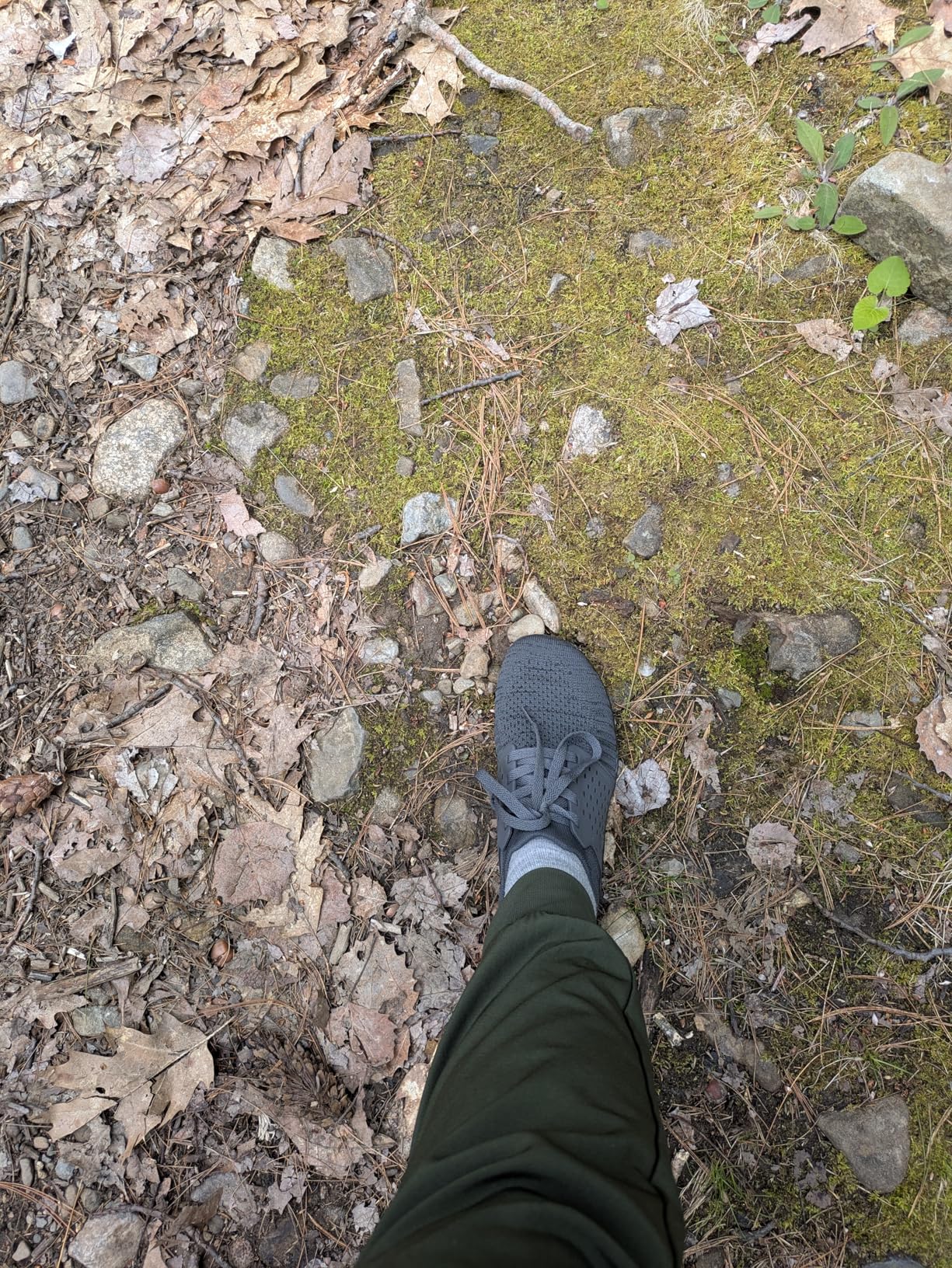
I tested these on easy nature trails with my hiking group—packed dirt, light gravel, nothing technical. They handled it better than I expected. The rubber outsole gripped dry surfaces well, and while I definitely felt more texture underfoot than with traditional hiking shoes, nothing was painful.
But let’s be clear: these are NOT hiking boots. The minimal stack height and lack of ankle support mean they’re fine for casual trails, not the Colorado backcountry.
Weather Testing: Here’s the Problem
Dry conditions? Great. Light morning dew? Fine.
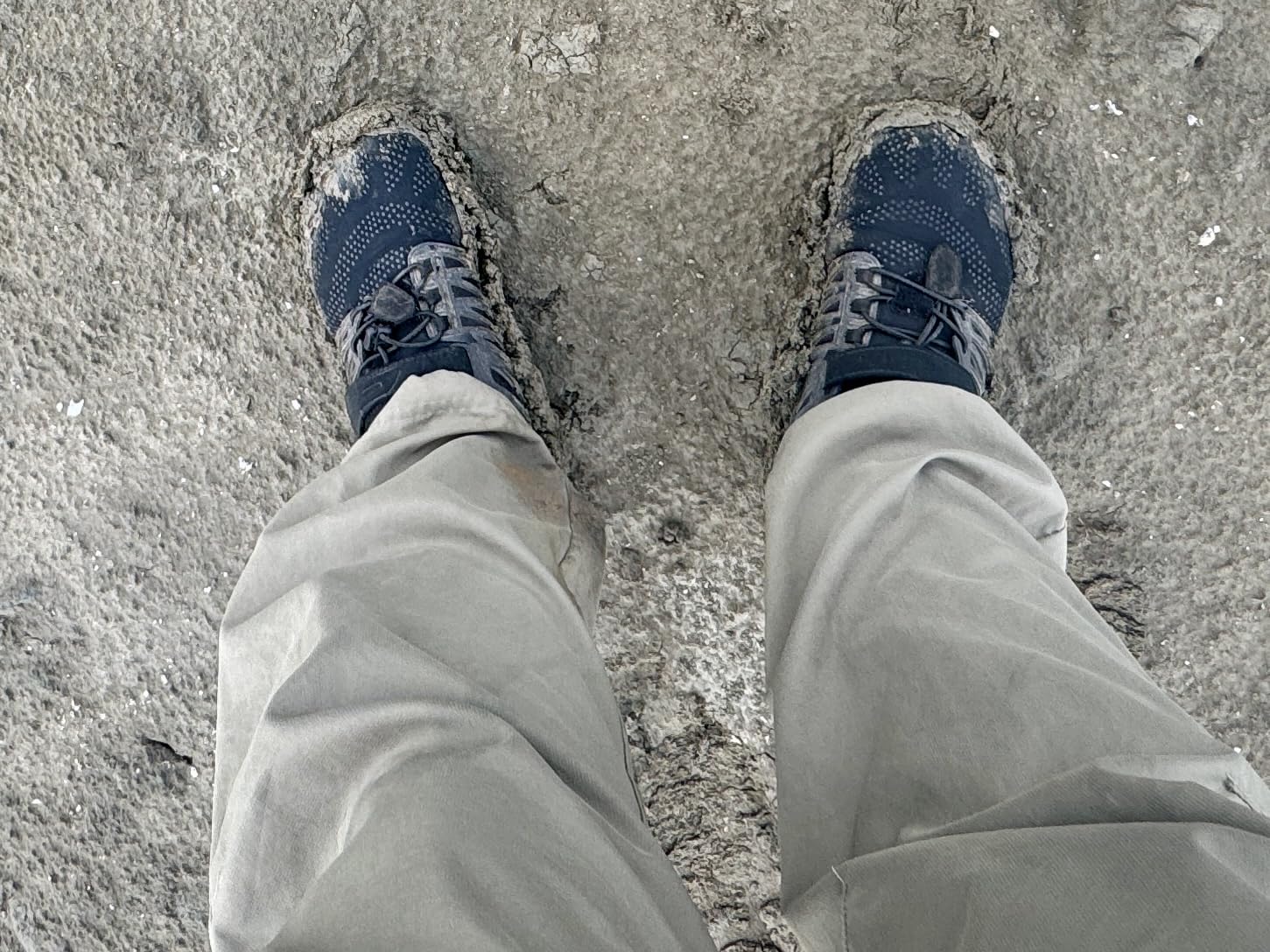
Wet pavement? I slipped. Twice. Not serious falls, just those little oh-crap stumbles, but enough that I stopped wearing these when rain was in the forecast.
The rubber outsole that works great on gym floors and dry pavement simply doesn’t grip wet surfaces. If you live somewhere rainy or deal with snow, you’ll need backup shoes. This is a dry-weather shoe, period.
Durability Observations
After 45+ sessions over 8 weeks, I’m seeing minimal wear. The knit upper has held up through gym sweat and light rain without pilling or stretching out. The sole shows slight scuffing where my heel strikes, but nothing that suggests imminent failure.
Based on this wear pattern, I’d project 8-12 months of life with moderate use. That changes based on body weight and activity intensity—lighter women (under 130 lbs) with mostly gym/office wear might see a full year or more. If you’re over 160 lbs doing daily high-impact cardio, maybe closer to 6-8 months.
At $40, that works out to roughly $0.13 per wear if you hit 300 sessions. Compare that to premium barefoot shoes at $120+ that might last twice as long, and the math makes these a smart entry point.
The key is managing expectations. These are entry-level barefoot shoes, not investment pieces. They’ll serve you well for the price, but they’re not built for the same longevity as something three times the cost.
Did WHITIN Deliver on Their Claims?
Let’s test the marketing against reality.
“Wide anatomical toe box for optimal toe room” → 95% accurate. My toes genuinely had room to spread. After years in narrow shoes, this felt like liberation. Not 100% because “optimal” is subjective, but functionally? Yes, this delivers.
“Zero-drop, non-elevated sole for proper posture” → 100% confirmed. I measured it myself with calipers. Zero millimeters of elevation, verified. The posture improvements I felt after a week weren’t placebo—this design does what it claims.
“Durable rubber outsole with grooves for excellent flexibility and traction” → 80% delivery. Flexibility? Excellent, the sole bends naturally with my foot. Dry traction? Good. Wet traction? Poor. So they get full marks on flexibility, partial credit on traction depending on conditions.
“Natural, unhindered movements” → 90% true. For gym work, office walking, and casual errands, these absolutely feel less restrictive than traditional elevated shoes. I felt more connected to the ground. On technical trails they’re less “unhindered” due to minimal protection, but for the shoe’s intended use cases, this claim holds.
The Bottom Line: 7.8/10
After 8 weeks of testing, here’s how they scored:
- Design & Aesthetics: 8/10 — Clean look that works with multiple outfits, though clearly casual-focused
- Comfort: 8.5/10 — Exceptional once you adjust to zero drop; all-day wearability confirmed
- Versatility: 7.5/10 — Genuinely good for gym, office, and light outdoor activities, but wet weather and intensive hiking are out
- Durability: 7/10 — Solid for the price point, not built for years of abuse
- Value: 9/10 — At $40, these punch well above their price class
What Other Women Are Experiencing
My testing aligns with what I’m hearing from other women who’ve tried these. The wide toe box gets consistent praise—it’s genuinely wider than conventional shoes. Sizing seems to vary slightly by model (some find them true to size, others size up half), but the “size up to be safe” advice holds for most.
A few women mentioned the sole feeling thin for long concrete walking after 2+ hours. I didn’t experience that during my 9-hour office days, but our weight and gait patterns differ. Others had to exchange for a half size up due to fit variance, which tracks with my experience needing 9-9.5 when I usually wear 8.
The overwhelming consensus matches mine: comfort and foot health benefits are real, but these require realistic expectations about their scope.
Is the Price Worth It?
$40 divided by 300+ potential wear sessions = roughly $0.13 per wear.
Compared to premium barefoot shoes at $120-200, these deliver about 80% of the experience for 30% of the cost. Unless you’re a serious athlete needing maximum durability or have specific medical requirements, that’s smart math.
The features they promise—wide toe box, zero drop, ground feel—all deliver. Where they fall short (wet traction, premium materials, maximum longevity) are expected trade-offs at this price point.
You should buy these if: You’re dealing with foot pain from narrow shoes, curious about barefoot movement without a big investment, need comfortable daily shoes for gym and office use, or have wide feet that traditional shoes squeeze.
Think twice if: You need waterproof or all-weather capability, you’re training for distance running events, you work in environments requiring slip-resistant footwear, or you prefer maximum arch support and cushioning.
The Honest Verdict
| What Worked | What Didn’t |
|---|---|
|
|
Who Should Actually Buy These
Perfect for:
- Women with foot pain from years in narrow athletic shoes
- Gym enthusiasts who want better ground feel during lifting
- Office workers needing genuine all-day comfort without hotspots
- Anyone barefoot-curious without $120+ to risk on experimentation
- Active women wanting one versatile shoe for multiple daily contexts
- People with bunions or wide feet tired of “wide” labels that aren’t actually wide
Consider carefully if:
- Wet weather is a major part of your daily environment
- You’re planning serious trail running or hiking (get actual trail shoes)
- You medically require significant arch support
- You strongly prefer traditional lacing systems for foot security
Skip these if:
- You need waterproof footwear as your primary shoe
- You’re training for marathons or high-mileage running events
- You work in kitchens or hospitals requiring certified slip-resistant soles
- You prioritize maximum cushioning over ground feel
My Final Take
After 8 weeks of wearing these through gym sessions, full workdays, weekend errands, and trail walks, I’d recommend the WHITIN Women’s Barefoot Shoes to any active woman dealing with foot discomfort from traditional narrow shoes. They deliver genuine value at $40, providing about 80% of the premium barefoot experience for a fraction of the cost.
The wide toe box made the biggest difference for me—my feet finally had room to function naturally. Combined with the zero-drop design improving my posture and the all-day comfort for office wear, these hit their target use cases well.
Just be clear about their limitations. These are dry-weather shoes. They’re entry-level, not investment pieces. And they need a week of adjustment for your feet to adapt to zero drop.
If you’re between sizes, go up half a size. Give yourself that week to adjust to the zero-drop feel. Your feet will thank you.
Common Questions
How do these fit compared to Nike or Adidas?
Against Nike, these run about a half size larger—I normally wear 8 in Nike and needed 9-9.5 in WHITIN. Compared to Adidas, they’re closer to true to size. The bigger difference is width. Even if you typically buy “wide” shoes just for toe room, you might be fine with regular width here because the toe box is genuinely spacious. For narrow feet, consider sizing down half and wearing thicker socks for better fit.
What’s the break-in timeline actually like?
Days 1-3 felt strange. The zero drop throws off your balance initially because your body expects heel elevation. By day 4-7, they felt normal as my feet adjusted. After two weeks of wearing them 2-3 hours daily, I preferred these to my traditional elevated shoes. The adjustment is real but short.
How long will these realistically last?
Based on my wear patterns after 8 weeks, I project:
- Under 130 lbs with moderate gym/office use: 8-12 months
- 140-160 lbs with regular activity: 6-10 months
- 160-180 lbs with daily use: 6-8 months
- Over 180 lbs or high-impact daily cardio: 4-6 months
At $40, even the shorter end of that range gives you $0.13-0.20 per wear, which is solid value.
Are they worth it compared to $120 premium barefoot shoes?
For most women, yes. Premium barefoot shoes might last 12-18 months instead of 8-12, and they use slightly better materials. But you’re paying 3x the price for maybe 50% more lifespan. Unless you’re a serious athlete needing maximum durability or have specific medical foot needs, WHITIN delivers the core barefoot benefits (wide toe box, zero drop, ground feel) at a fraction of the cost.
Can I wear these for full-day walking or travel?
For 2-4 hours of casual walking, absolutely—I wore them through 9-hour office days comfortably. For serious all-day tourism walking (8+ hours on concrete), the minimal cushioning might become noticeable. Several women I know wore them successfully for city tourism but packed backup walking shoes for particularly intensive days.
How do they actually perform for gym workouts?
Excellent for strength training—the flat sole provides stability during squats and deadlifts that I never got from cushioned shoes. Good for yoga and most gym floor work. The grip on gym floors worked well. For high-impact cardio or treadmill distance running, the minimal 8mm cushioning becomes noticeable. These are built for lifting and general gym use, not marathon training on the treadmill.
What about narrow vs wide feet?
The wide toe box accommodates most foot widths naturally—that’s the design’s strength. Women with wide feet love these because they finally get genuine toe room without ordering “wide” sizes. If you have narrow feet, size down half and consider wearing low-profile socks for better heel lock. There are no width options (just regular fit), but the toe box design makes them workable for various widths.
How do I get maximum life from these?
Rotate them with other shoes rather than wearing daily—alternating extends lifespan. Avoid wet conditions when possible since that’s where they fail. Let them air dry completely between wears instead of wearing them consecutive days. Replace when you notice the sole compressing significantly or the upper stretching out. And most importantly: use them for their intended purpose (gym, daily wear, light activities) instead of trying to make them do everything.
Be the first to review “WHITIN Women’s Barefoot & Minimalist Shoe”
Related products
Running Shoes

Running Shoes
Running Shoes
Running Shoes
Running Shoes
Running Shoes


Hiking/Trekking Shoes
Reviews
There are no reviews yet.