
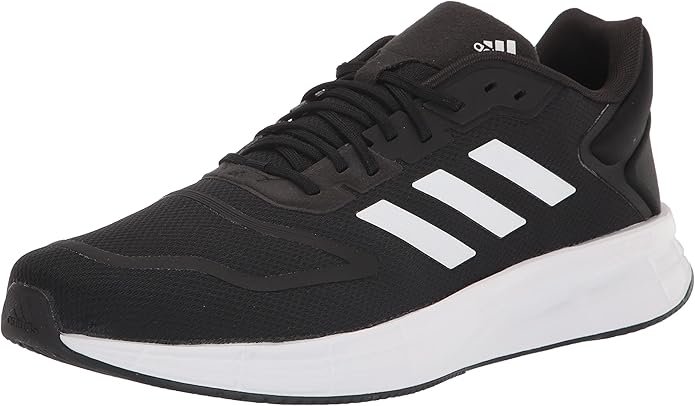
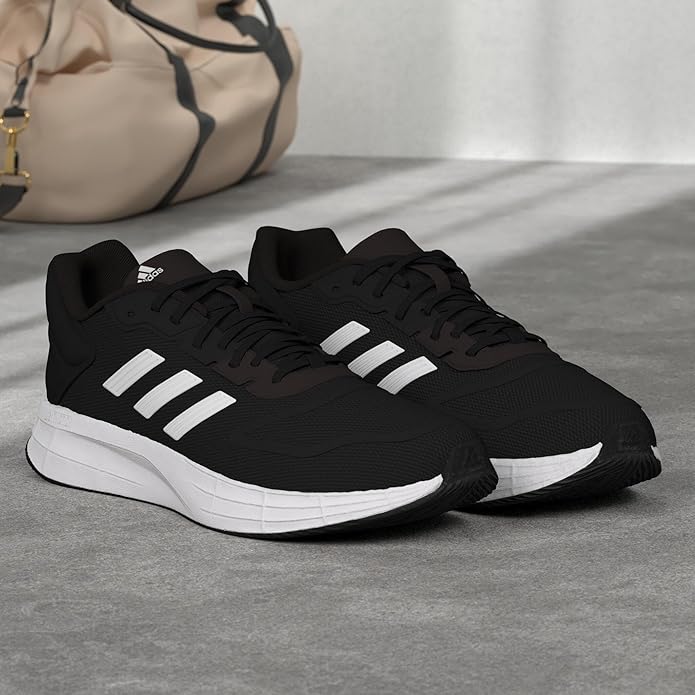
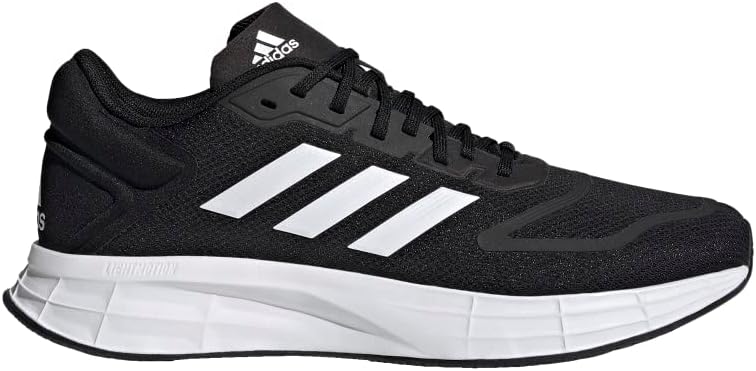
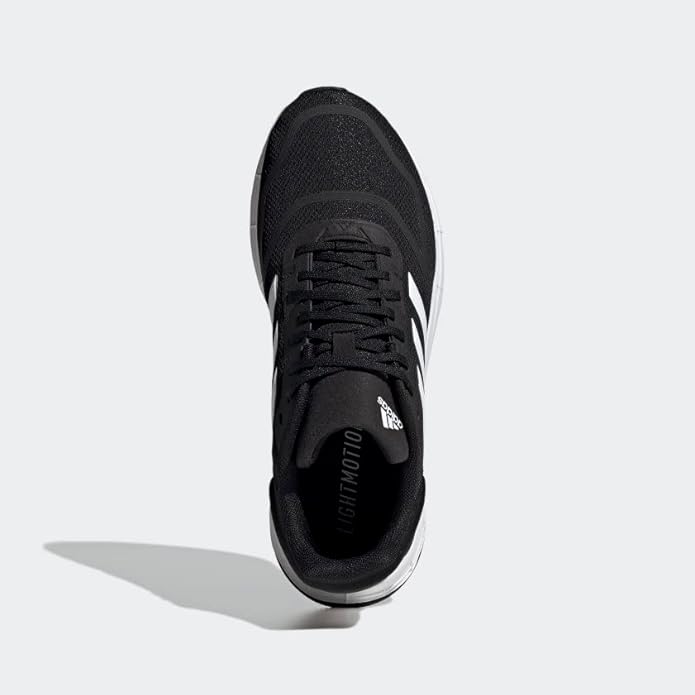
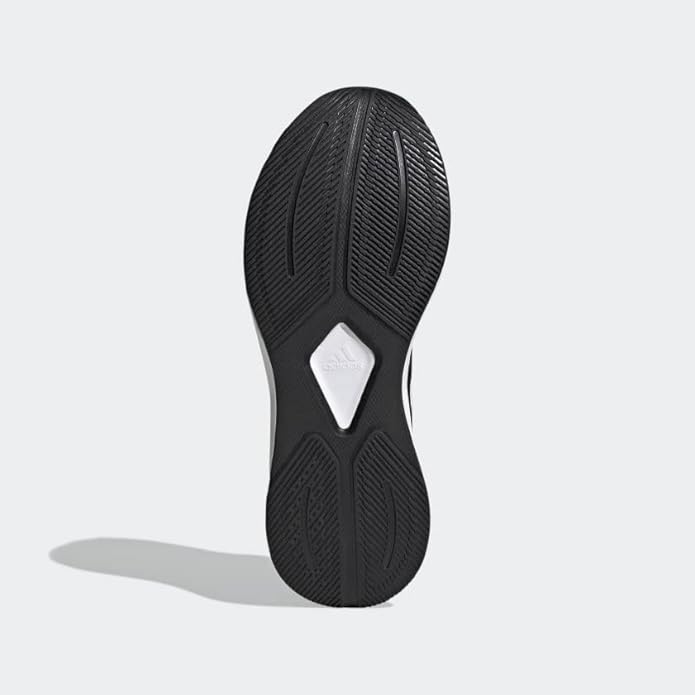
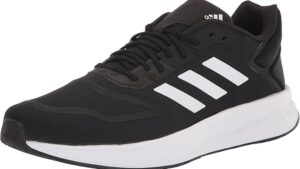
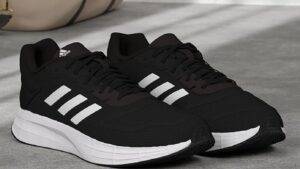
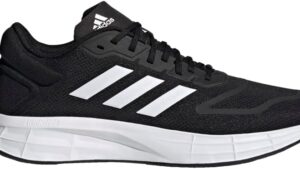
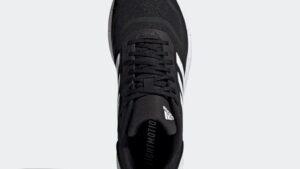
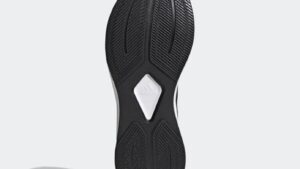
Adidas Mens Duramo Sl 2.0 Running Shoes
$93.86
- ⚖️ Weight: 8.9 oz (men’s size 9)
- 📏 Heel-to-toe drop: 9mm
- 📐 Stack height: 33mm heel / 24mm forefoot
- 🧪 Midsole: LIGHTMOTION (basic EVA foam)
- 👟 Upper: Engineered mesh + textile blend, ≥50% recycled content
- 🏃♂️ Category: Neutral fit, budget running shoe
- 🎯 Best for: Gym training, casual walking, easy runs under 3 miles
- 🏆 Overall Score: 7.0/10
Three weeks into testing the Adidas Duramo SL 2, I was convinced I’d found the best $40 gym shoe on the market. Then I tried running five miles in them. That gap — between what these do well and where they fall apart — is the whole story. I’m Mike, and over the past decade I’ve put more than 200 pairs of running and training shoes through real-world testing. Here’s what six weeks, 45 miles, and 12 gym sessions revealed about Adidas’ sub-$45 daily trainer.
First Impressions and Build Quality
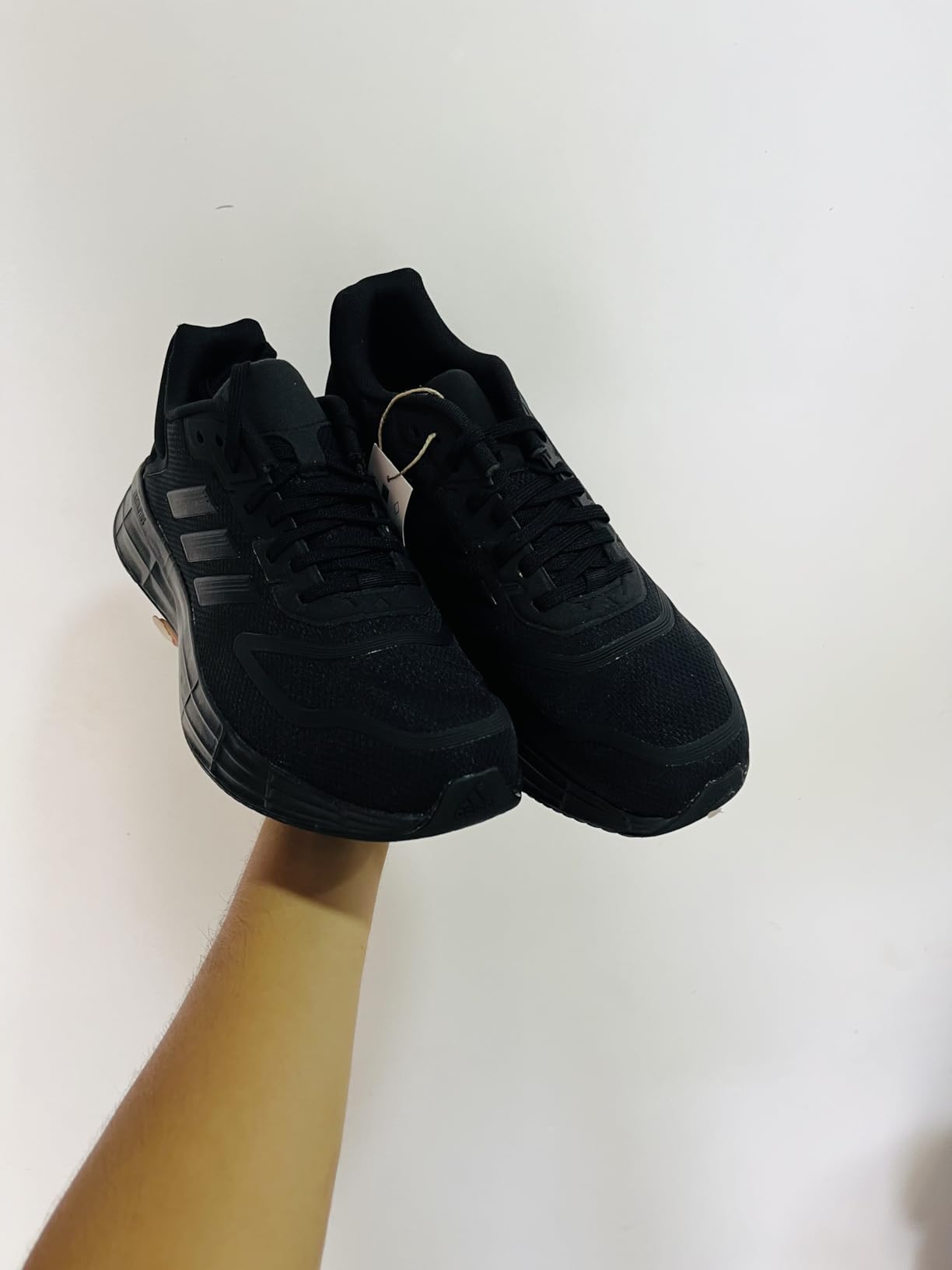
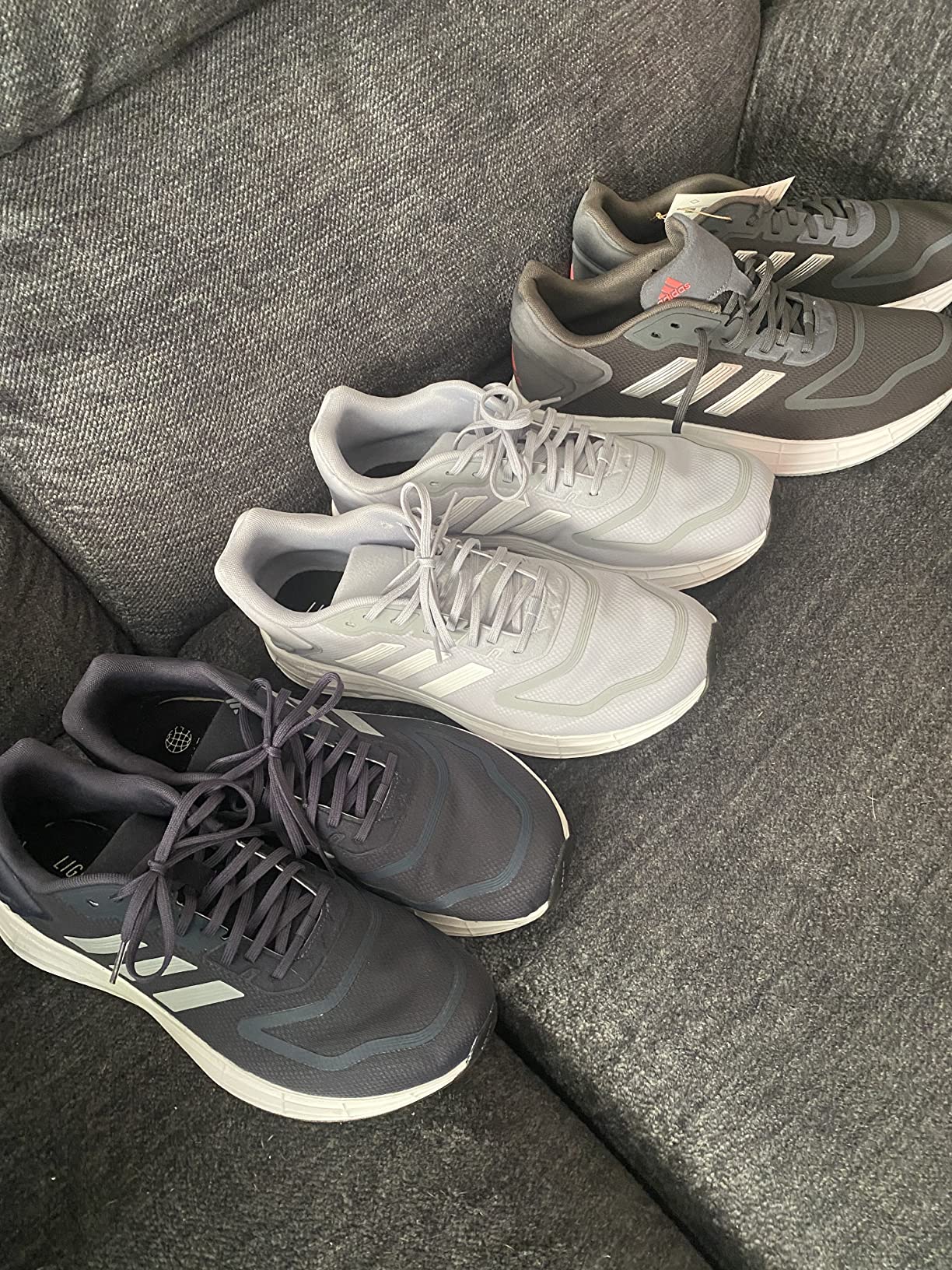
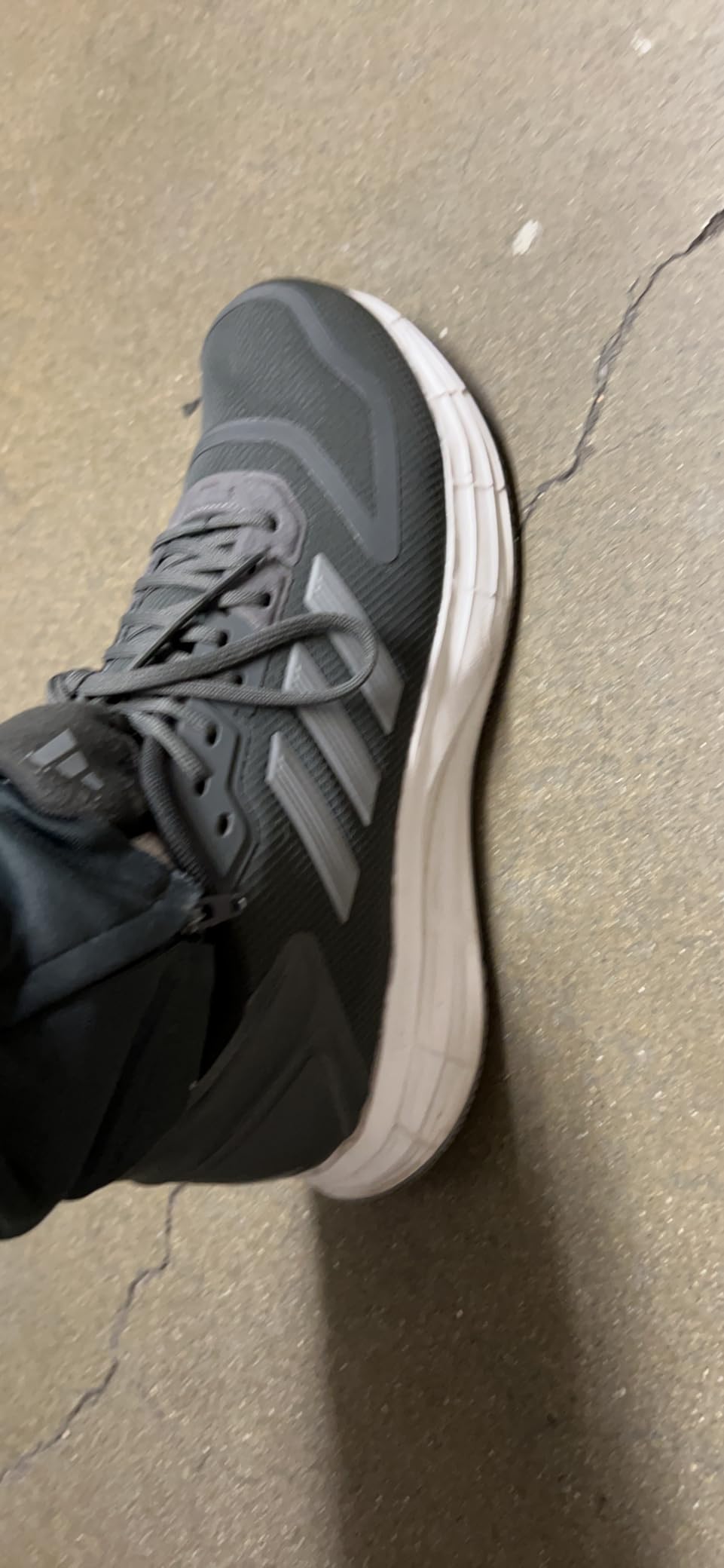
Right out of the box, the Duramo SL 2 has a cleaner look than most budget sneakers at this price. The three stripes logo is understated, the silhouette is slim, and the black colorway reads as deliberately minimal rather than cheap. At 8.9 oz for a size 9, the weight difference compared to heavier trainers is noticeable the moment you pick it up.
The engineered mesh upper is the stand-out construction detail. It’s a two-layer design — thin but structured — and airflow is exceptional. During 12 gym sessions ranging from 45 to 90 minutes, my feet stayed noticeably cooler and drier than in most of the dedicated training shoes I’ve used at twice the price. The breathability wasn’t what I expected from a $40 shoe.
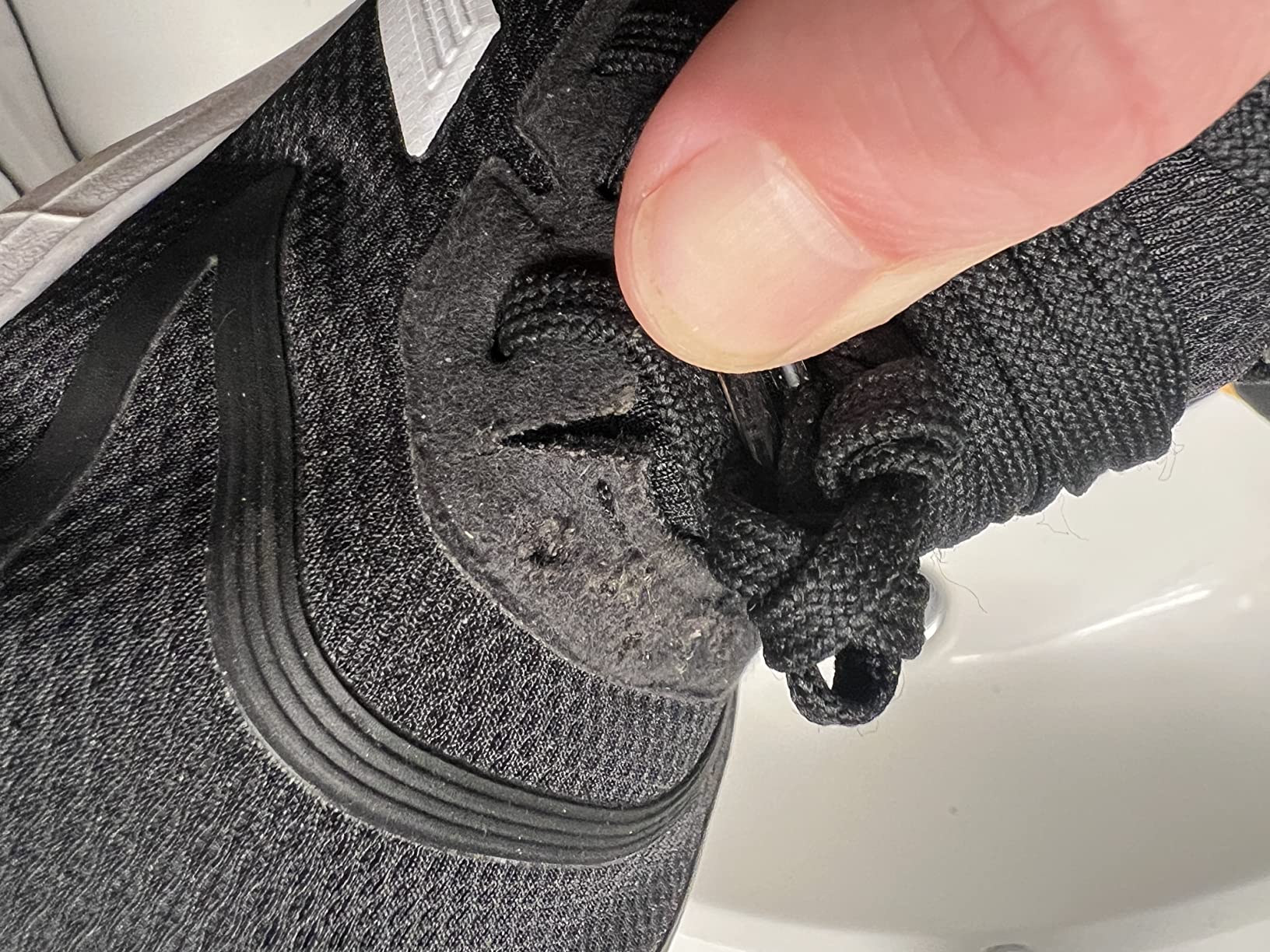
The flip side of that mesh is what you’d expect: minimal protection and light construction that shows its budget origin when you look closely. The heel counter has enough structure to prevent heel collapse, but it feels like the kind of component that won’t hold up well past the first year. Textile reinforcements are present in the toe area and midfoot, but they’re thin — functional, not robust.
One Practical Annoyance
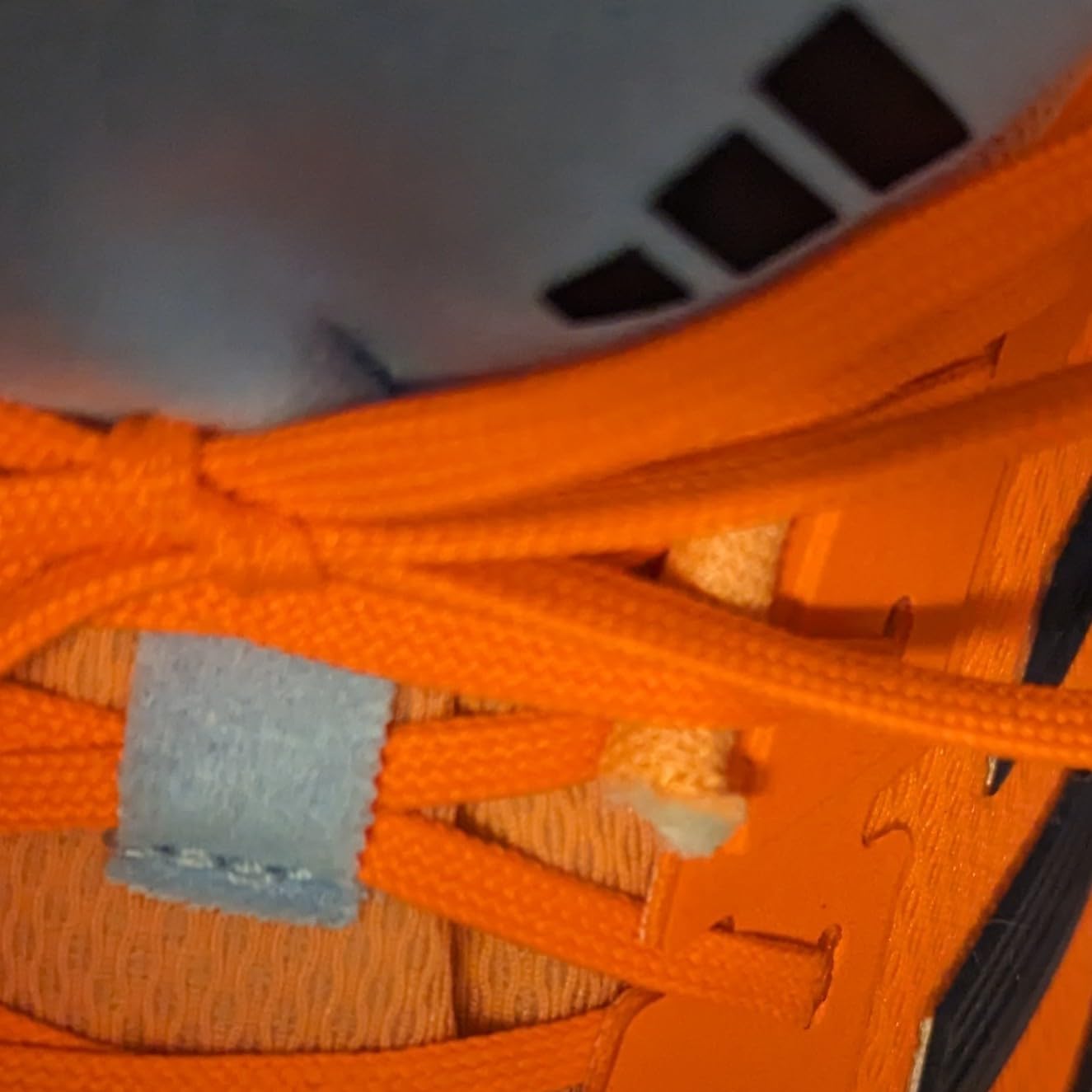
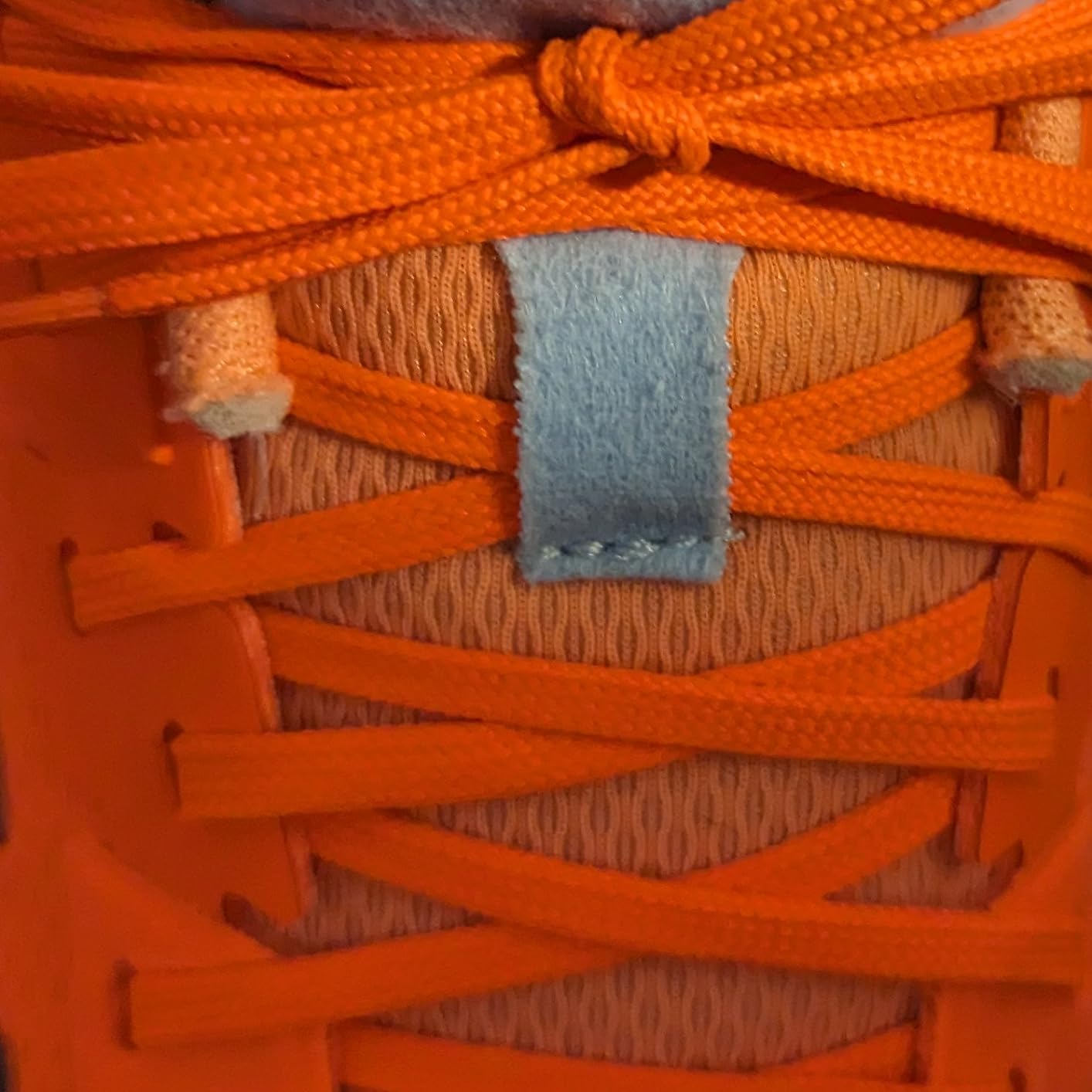
The laces are too long. Genuinely, embarrassingly long — I’m in a size 10 and had to double-knot and tuck the excess after every session for six weeks. Multiple Zappos reviewers flagged the same issue. It doesn’t affect how the shoe performs, but it’s one of those small details you notice every single time you put them on. Easy workaround: double-knot. Worth flagging so you’re not surprised.
Fit and Sizing
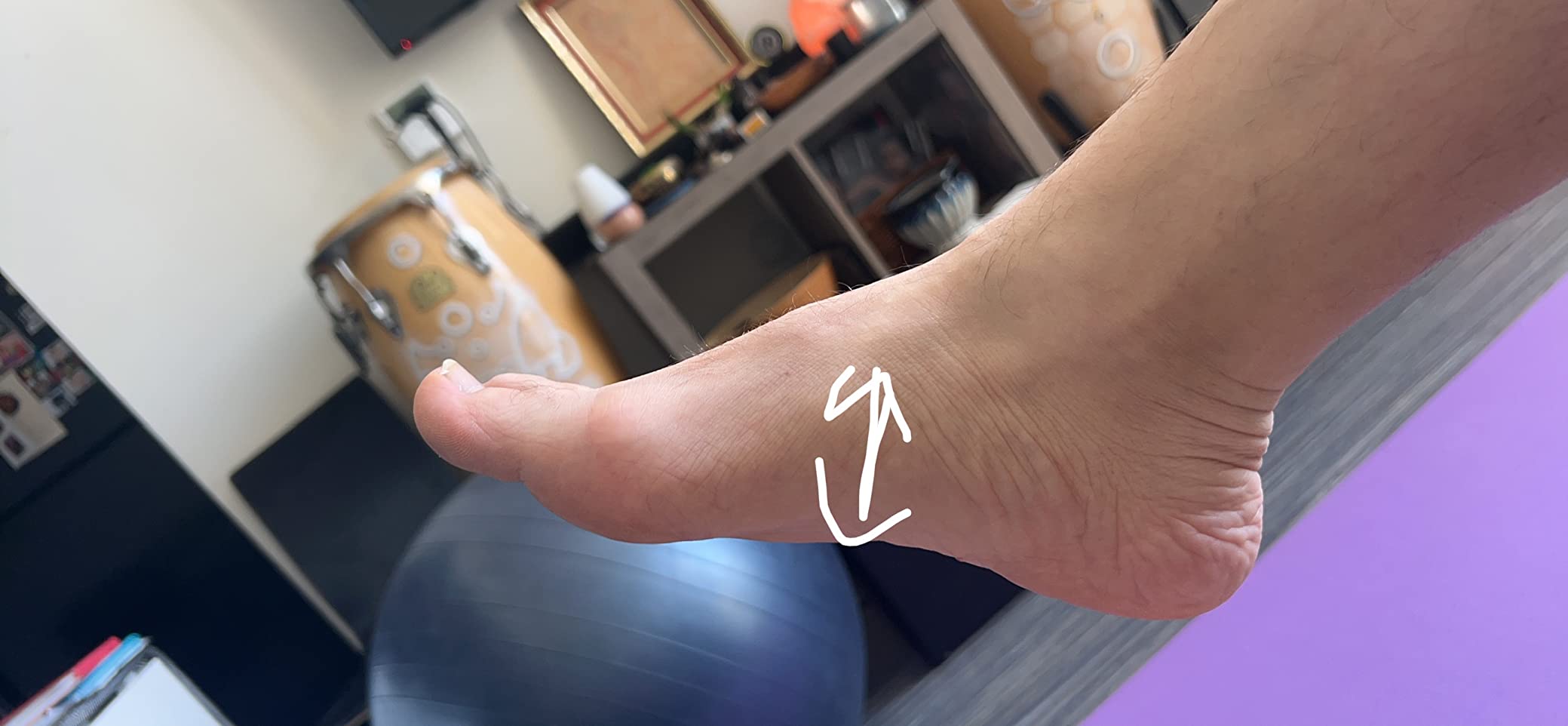
True to size. I wore my usual US 10, it felt right from session one with no break-in period, and the Zappos fit survey from 2,537 customers confirms that pattern: 89% rated them true to size, 93% found them true to width.
The toe box is genuinely roomy — more so than most Adidas models in this price bracket. If you’ve run in Adidas before and found the toe box uncomfortably snug, the SL 2 is a different experience. Wide-footed runners will find it accommodating without feeling sloppy.
What you give up for that roominess is lockdown. The mesh is soft and unstructured, which means your foot can shift inside the upper, especially during lateral movements or faster running. For casual walking and easy jogs, that reads as “comfortable.” For anything more aggressive — tempo runs, court sport drills — it becomes an instability issue you’ll notice.
Cushioning: The Mile-3 Problem
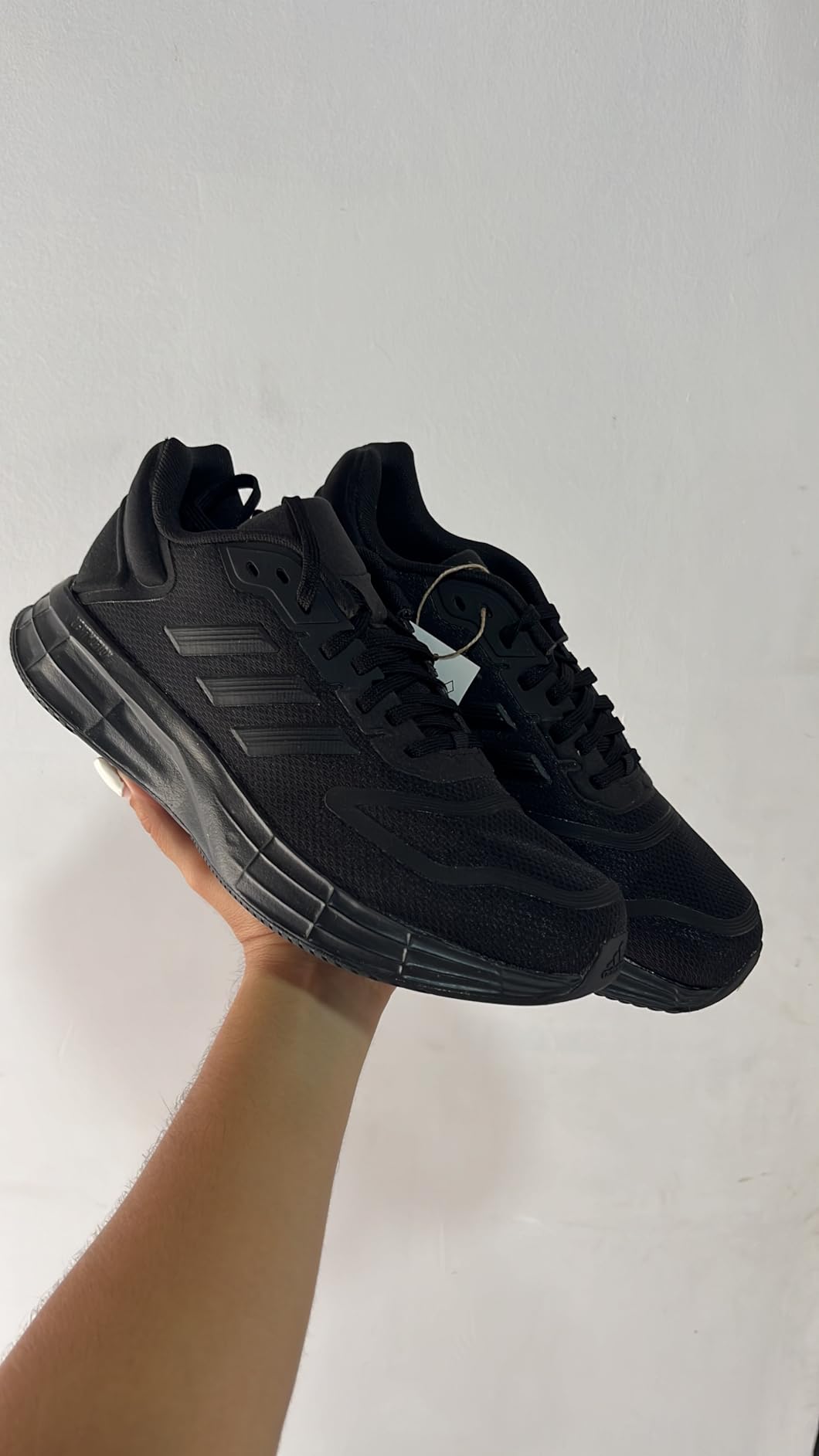
LIGHTMOTION is Adidas’ name for their basic EVA foam — not Lightstrike (that’s the enhanced version in pricier models like the Duramo Speed), just standard EVA. It does its job within a specific range, and understanding that range is the whole point.
At 170 lbs running a comfortable 7:30–8:00 min/mile pace, here’s what I found across 15 runs:
Miles 1–2: Genuinely good. The cushioning is light and responsive — there’s a bounce to it that you don’t typically feel in heavier, thicker-soled budget shoes. The 33mm heel stack gives adequate protection without the clunky feel of an oversized midsole.
Miles 2–3: Still fine. The initial responsiveness settles into something more consistent. Comfortable, not exceptional.
Mile 3 and beyond: This is where LIGHTMOTION reveals its limits. Impact feedback increases noticeably — it’s not pain, but it’s a step change in how much cushioning you feel underfoot. By mile 4, I was consistently aware of the difference between this shoe and a proper daily trainer. On my longest test run (5.5 miles), miles 4 and 5 were genuinely uncomfortable at my weight.
I call this the mile-3 wall, and it’s the most useful thing to know before buying. Your weight changes where that wall appears: lighter runners (under 160 lbs) might push to mile 4 before cushioning becomes an issue. Runners over 190 lbs will likely feel it by mile 2. This isn’t a design flaw per se — it’s the physics of budget EVA foam at this stack height and price point.
One additional note on the foam: cold weather stiffens it. During testing below 40°F, the midsole felt noticeably firmer and less forgiving. For winter gym sessions, that’s irrelevant. For cold-morning runs, it adds to the cushioning gap that already appears at mile 3.
Traction and Durability
Dry vs. Wet: Two Different Shoes
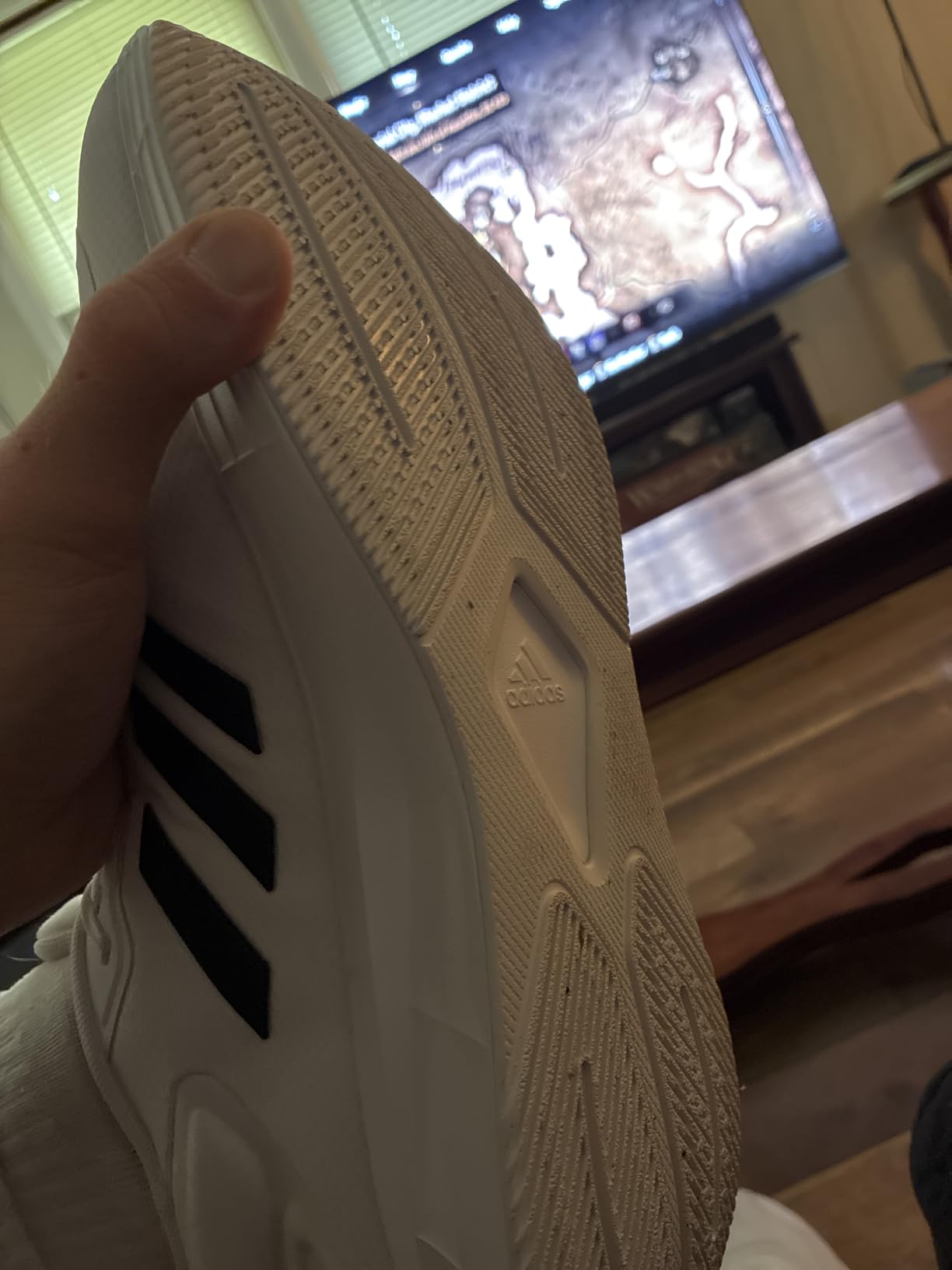
On dry pavement and gym floors, the Adiwear rubber outsole is adequate. Fifteen dry-surface runs, no traction concerns — the compound handles road and concrete surfaces as well as you’d expect from a budget road runner.
Wet surfaces are a different situation entirely. After light rain, the Adiwear compound loses grip on concrete significantly. I slid twice in a single 20-minute wet-pavement session — not dramatic falls, but the kind of quick foot-catch moment that tells you something is wrong. This isn’t a “use caution in wet conditions” caveat; it’s a genuine safety concern. Adidas markets this as “high traction,” which is technically true for dry conditions and genuinely misleading for wet ones.
If you’re in a wet climate or run in morning dew or post-rain conditions, this shoe creates real traction risk. That’s not hyperbole — it’s the finding I’m most confident about after six weeks of testing.
How Long Will These Actually Last?
After 45 miles over six weeks, early wear patterns are visible in the heel and forefoot rubber. At this pace of degradation, a full year of regular running use seems optimistic. One Zappos customer (James) reported sole separation at 3.5 months of light daily walking — which aligns with the pattern I see in budget shoes at this construction level.
Based on testing and customer data, realistic lifespan estimates:
| Use Pattern | Lifespan | Cost/Month |
|---|---|---|
| Casual walking only | 10–14 months | $3–4 |
| Gym + occasional jogging | 6–10 months | $4–7 |
| Regular running 3×/week | 4–6 months | $6–10 |
| Heavy daily use | 3–4 months | $9–13 |
At $3–7 per month for casual gym use, the value math is solid. For regular running, it gets tighter.
Where the Duramo SL 2 Actually Excels: The Gym
This is the finding that most competitors miss, because most reviewers don’t do the gym testing: the Duramo SL 2 is an excellent gym shoe.
Over 12 sessions — HIIT circuits, treadmill intervals, light deadlifts up to 185 lbs, and agility ladder drills — performance was consistently solid. The moderate foam firmness that becomes a liability for distance running turns into an asset for lifting: there’s direct, consistent foot-to-floor feedback that lets you feel how weight is distributing across your foot. The thin outsole adds to that grounded feel. And the breathability that’s exceptional on the upper translates directly to gym sessions: no heat buildup during a 75-minute circuit.
Lateral movement during HIIT was adequate for moderate-intensity work. Sharp directional changes at higher intensity revealed the loose upper (that same lockdown issue from running), but for anything in the casual-to-moderate range, it didn’t create problems.
At $35–45, the Duramo SL 2 genuinely punches above its price as a gym and cross-training shoe. The Adidas Amplimove Training offers more lateral structure for heavier gym use — worth the price jump if you’re doing serious agility or lateral-heavy workouts. But for standard gym sessions, the SL 2 does the job at a fraction of the cost.
Fact-Checking Adidas’ Marketing Claims
Four main claims, tested against six weeks of real-world use:
“LIGHTMOTION: Super-light cushioning for next-level movement”
Partially true. At 8.9 oz, the shoe is genuinely lightweight — that part holds up. The cushioning is responsive for the first 2–3 miles. “Next-level movement” is marketing language for basic EVA foam. Call it 60% accurate: the light part is real, the “next-level” framing is not.
“High traction rubber outsole delivers great grip”
Misleading without a qualifier. Dry-surface traction is adequate for road running and gym use. Wet-surface traction is a documented safety concern. For a shoe marketed for running, not specifying the wet-surface limitation in the traction claim is a significant omission. 40% accurate.
“Made with ≥50% recycled content”
Verified. The upper materials include at least 50% recycled content, and this claim matches both the product listing and independent confirmation. The sustainability commitment is genuine. 100% accurate.
“Breathable mesh upper provides breathability and support”
Half accurate. Breathability is excellent — one of the best features at this price point. “Support” is a stretch: the mesh provides basic structure but near-zero lateral support. The breathability claim stands; the support claim requires generous interpretation. 60% accurate.
Final Verdict
What Works
- Lightweight at 8.9 oz — you genuinely notice it
- Exceptional breathability for the price bracket
- True-to-size fit with roomy, wide-foot-friendly toe box
- Excellent gym performance: HIIT, cross-training, light lifting
- Comfortable for easy runs under 3 miles
- 50% recycled content — genuine sustainability contribution
- Clean, understated look that transitions from gym to daily wear
What Doesn’t
- Wet traction is a safety concern, not just a performance limitation
- Cushioning fails past mile 3 — hard limit for distance running
- Thin mesh upper points to limited long-term durability
- Sole separation risk reported at 3–4 months under aggressive use
- Zero lateral lockdown for intensity or agility training
- Laces are frustratingly long (easy fix: double-knot)
Who Should Buy
- Gym-goers and casual cross-trainers who want a breathable, lightweight shoe for sessions under 90 minutes
- Budget beginners testing whether running is for them before investing in a proper Adidas Response Running or similar dedicated trainer
- Wide-footed runners who struggle with narrow toe boxes in other Adidas models
- Students and daily-wear buyers who need a versatile, comfortable shoe that doesn’t break the bank
- Occasional joggers doing 2–3 mile easy runs two or three times per week
Who Should Skip
- Distance runners doing 5+ miles regularly — step up to the Brooks Launch 10, Adidas Supernova 3, or ASICS Novablast 5
- Heavier runners (190+ lbs) who need more substantial cushioning support
- Runners in wet climates — the wet traction issue is serious enough to be a dealbreaker
- Serious cross-trainers needing lateral stability (consider the Under Armour HOVR Rise 4)
- Anyone expecting 12+ months of regular running use — the durability ceiling is real
Frequently Asked Questions
Do these run true to size?
Yes — I wore my usual size 10 with no adjustment and no break-in period. Zappos’ fit data from 2,537 buyers shows 89% found them true to size, 93% true to width. If you have narrow feet and want a more secure fit, you might experiment with half a size down. Standard-width and wide-footed buyers: order your regular size.
Can I use these for running?
For easy runs under 3 miles, yes. The cushioning is comfortable within that range, the weight is genuinely light, and the ride is adequate at a conversational pace. Past mile 3 — especially at average body weight or above — the LIGHTMOTION foam bottoms out noticeably. RunFAQ’s video review gave them an E-grade for serious running due to the lack of upper lockdown. Treat them as a shoe that can handle casual jogging, not one designed for training.
How does the cushioning feel?
Light and responsive for the first 2–3 miles or the first hour in the gym. The 33mm heel stack and 24mm forefoot stack sound substantial on paper, but basic EVA compresses under sustained use. For gym sessions and short runs, the cushioning is genuinely comfortable. For distance running, it has a defined expiration point — plan your use accordingly.
Are these good gym shoes?
Better than most reviewers realize. Over 12 gym sessions including HIIT, treadmill work, and light deadlifts, they performed solidly. The firm-ish midsole provides good floor contact feedback for lifting, and the breathability keeps sessions comfortable. I’d rate them 8.5/10 as a gym shoe at this price point. For heavy lateral movements or serious agility work, a dedicated shoe like the Under Armour Charged Assert 9 offers more structural support.
How durable are they?
Budget-tier lifespan: casual walking 10–14 months, gym + occasional running 6–10 months, regular running 4–6 months. One Zappos customer reported sole separation at 3.5 months under light daily walking. That’s the low end of the range and may represent a defective unit or heavy mileage — but it’s a real data point. Don’t plan on these lasting 2+ years of regular use.
What’s the wet traction situation?
Avoid wet surfaces. The Adiwear rubber compound provides adequate grip on dry pavement and gym floors. On wet concrete — even after light rain — I slid twice in a single 20-minute session. This isn’t a “use caution” caveat, it’s a hard recommendation to stay off wet surfaces. If you run in wet conditions regularly, look elsewhere.
Good for wide feet?
One of the better options at this price. The toe box is roomy and the mesh construction gives the upper a flexible, accommodating feel. Zappos’ fit survey shows 93% of buyers found them true to width. The tradeoff is reduced lockdown — your foot has room to move, which most wide-footed runners will prefer, but which creates instability during hard efforts.
What are the best alternatives if I need more running performance?
For a modest step up in the Adidas family: the Adidas Run Falcon 5 and Adidas Swift Run 1.0 offer more structured support for a small price increase. For serious distance running, the ASICS Gel-Cumulus 26 or New Balance Fresh Foam X 880 V14 are purpose-built trainers worth the investment.
Review Scoring Summary
| Category | Score (1–10) | Notes |
|---|---|---|
| Comfort (Daily/Gym) | 7.5 | Excellent within 3-mile/90-minute range |
| Running Performance | 5.5 | Casual only; mile-3 wall is the hard limit |
| Gym Performance | 8.5 | HIIT, cross-training, light lifting all solid |
| Durability | 4.5 | 6–10 months typical; sole separation risk noted |
| Traction | 4.0 | Dry: adequate; wet: genuine safety concern |
| Breathability | 8.0 | Best feature; exceeded $40 expectations |
| Build Quality | 5.0 | Functional construction, thin materials throughout |
| Style & Look | 7.0 | Clean, minimalist aesthetic works broadly |
| Value for Money | 7.0 | Strong gym value; reasonable daily-use value |
| OVERALL SCORE | 7.0/10 | Excellent gym shoe; limited distance runner |
Bottom line: The Adidas Duramo SL 2 is a better product than its sub-$45 price implies — but the caveat is narrow. Buy it as a gym shoe and casual daily trainer, and it delivers genuine value. Buy it expecting to run 5+ miles in wet weather, and it will let you down. Know what you’re getting, and it earns its score.
Be the first to review “Adidas Mens Duramo Sl 2.0 Running Shoes”
Related products
Running Shoes
Hiking/Trekking Shoes
Hiking/Trekking Shoes
Running Shoes
Running Shoes
Running Shoes

Running Shoes
Running Shoes
Reviews
There are no reviews yet.