
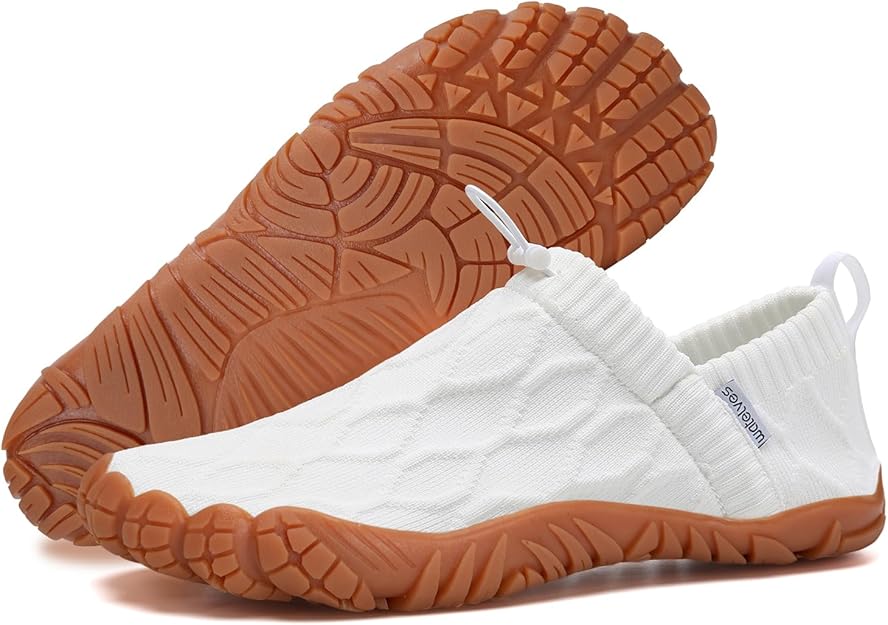
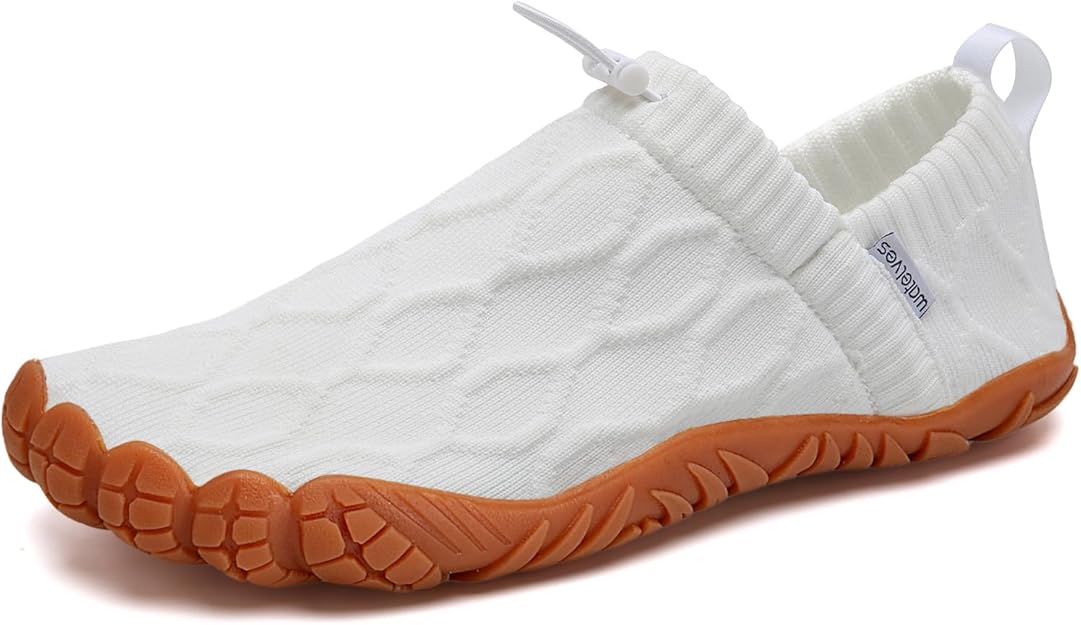
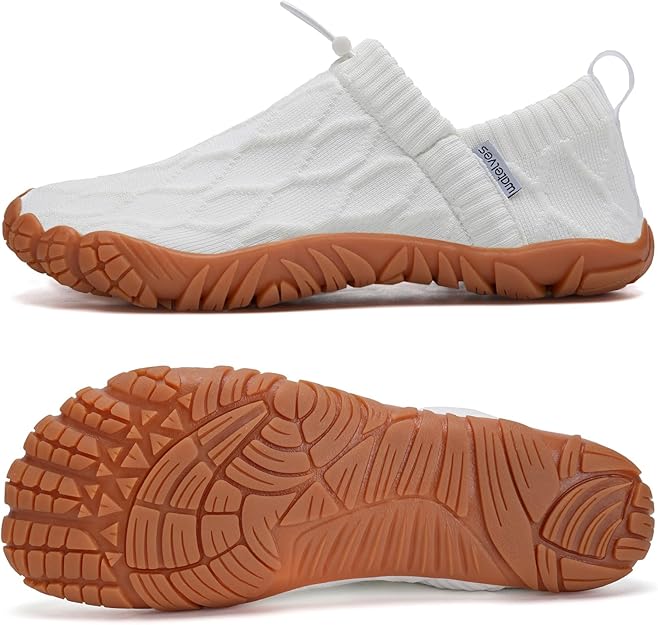
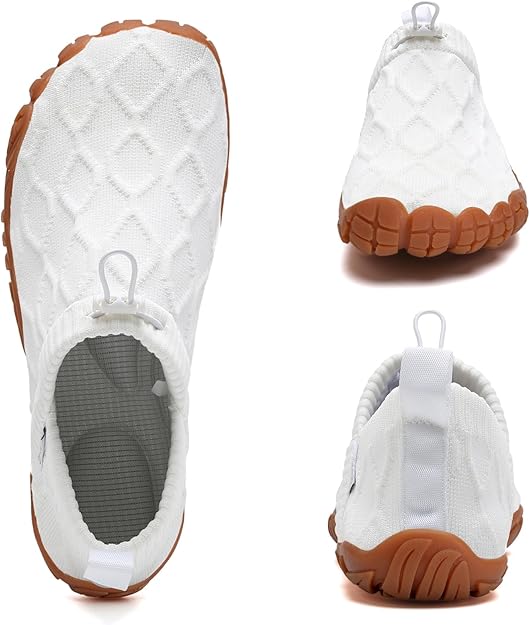
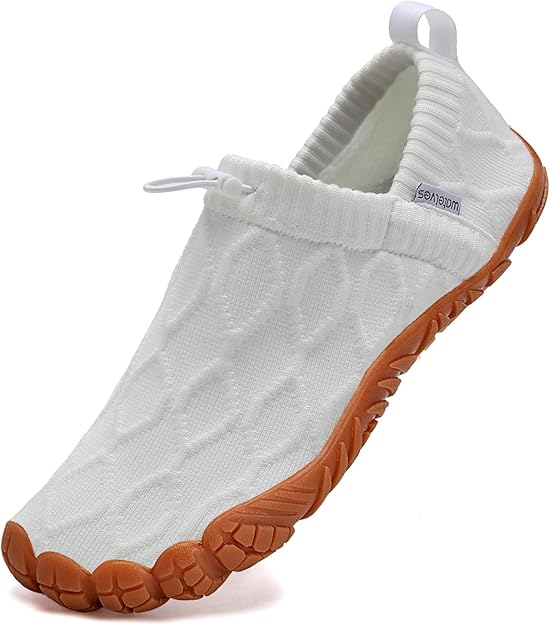
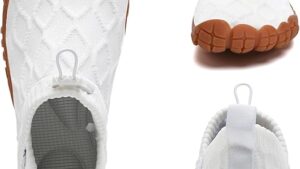
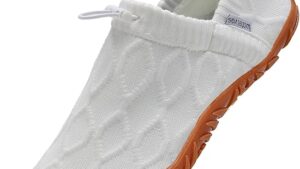
My teenager hadn’t stopped complaining about needing “actual water shoes” since last summer’s lake house disaster — a pair of cheap rubber sandals that fell apart on day two. So when I spotted the WateLves Barefoot Water Shoes while scrolling Amazon on a Saturday afternoon, I figured they were worth a shot at $39. Three months, a Disney World marathon, one beach vacation, and roughly forty different activities later, I have thoughts. Lots of them. And they’re not all what I expected.
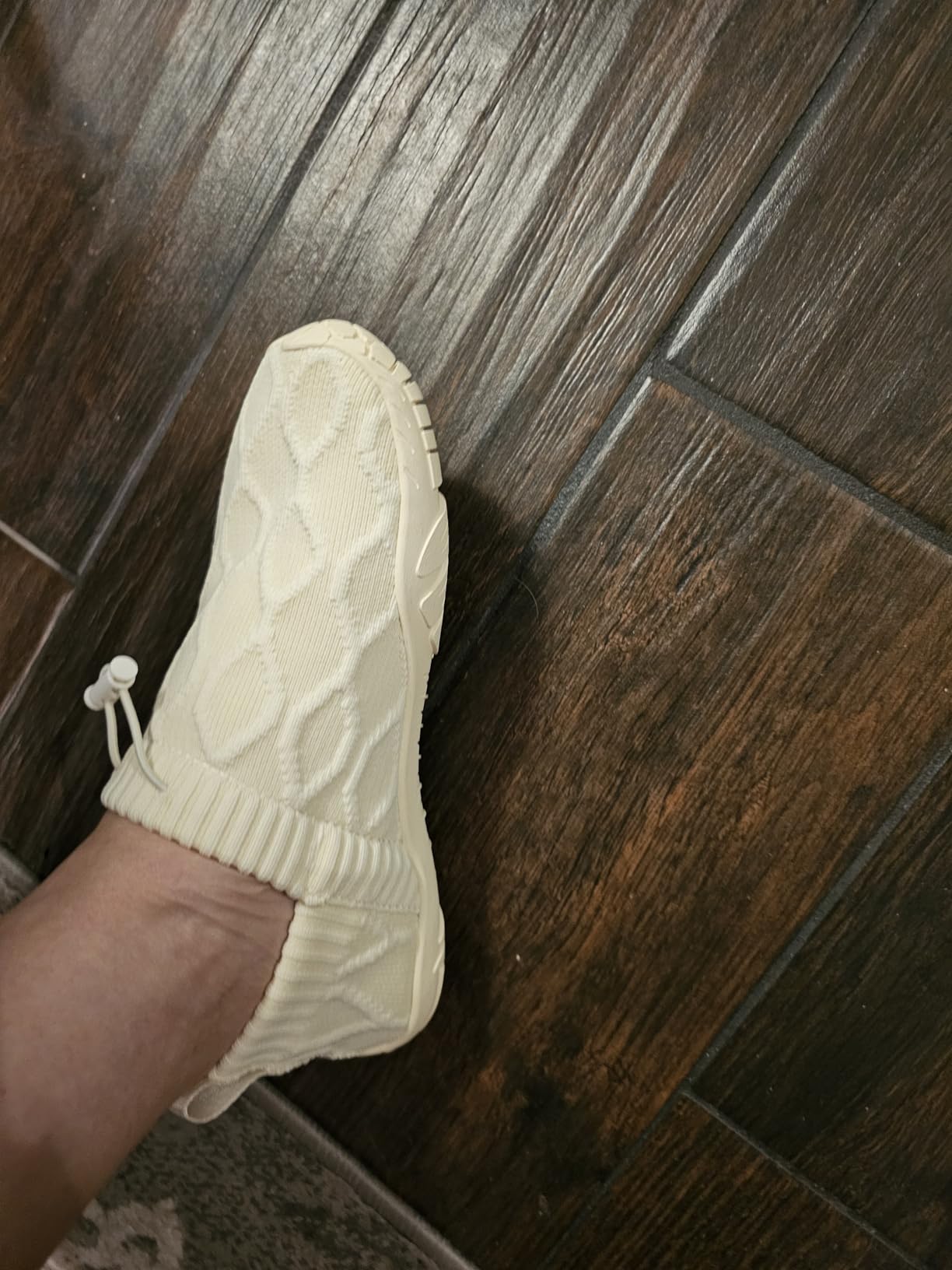
- Weight: 6.2 oz per pair (women’s size 8)
- Upper: 92% polyester / 8% spandex knit mesh
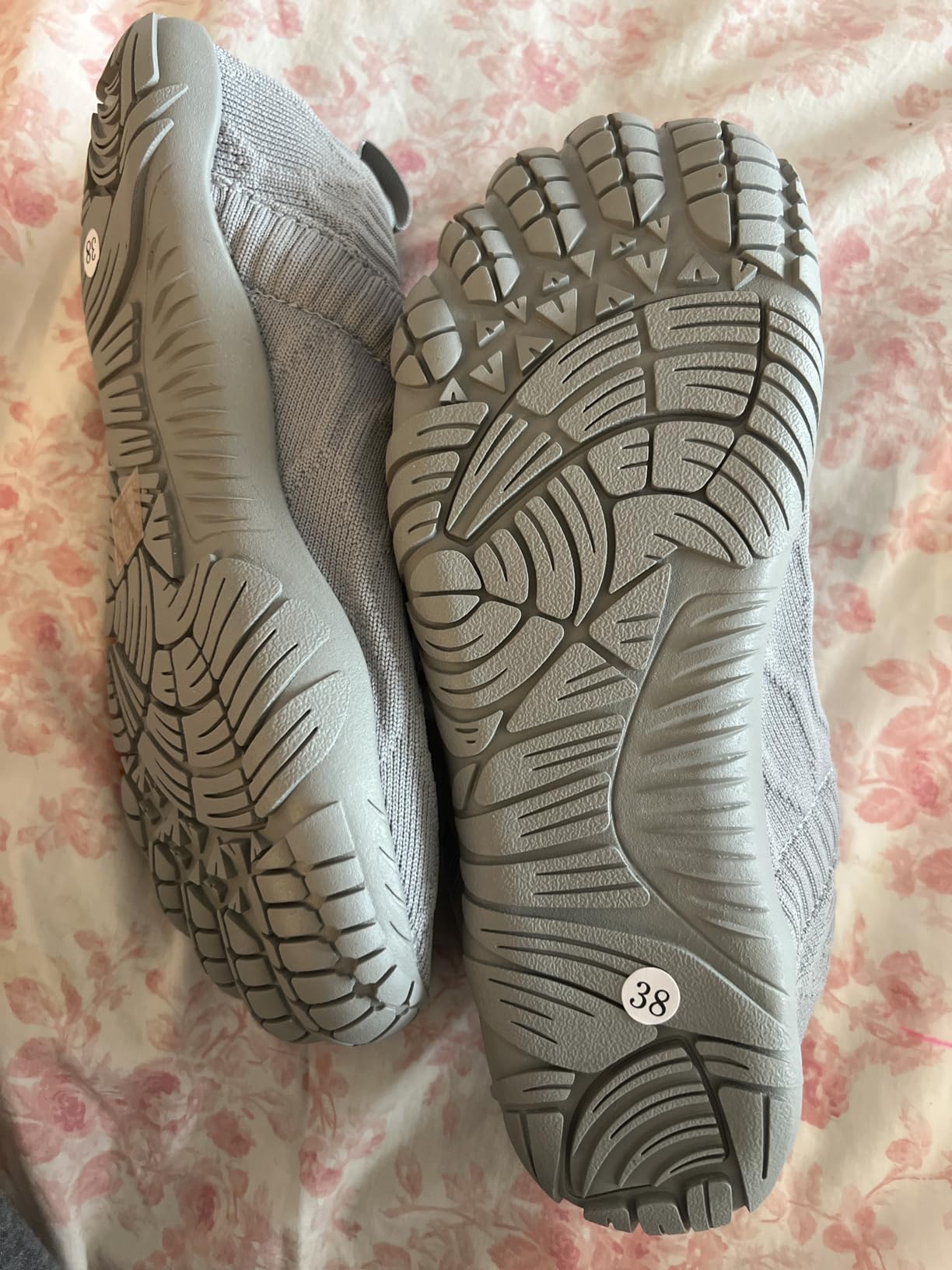
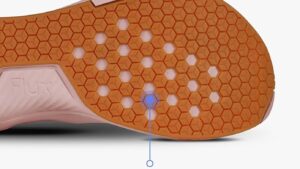
- Sole: Anti-slip TPR rubber, textured pattern, 7 drainage holes per sole
- Drop: Zero-drop (0mm heel-to-toe differential)
- Closure: Slip-on with elastic opening + adjustable heel strap
- Insole: Removable EVA foam
- Category: Barefoot/minimalist water shoes
- Colors: White, Black, Gray, Navy, Pink
First Impressions and Build Quality
Opening the Box
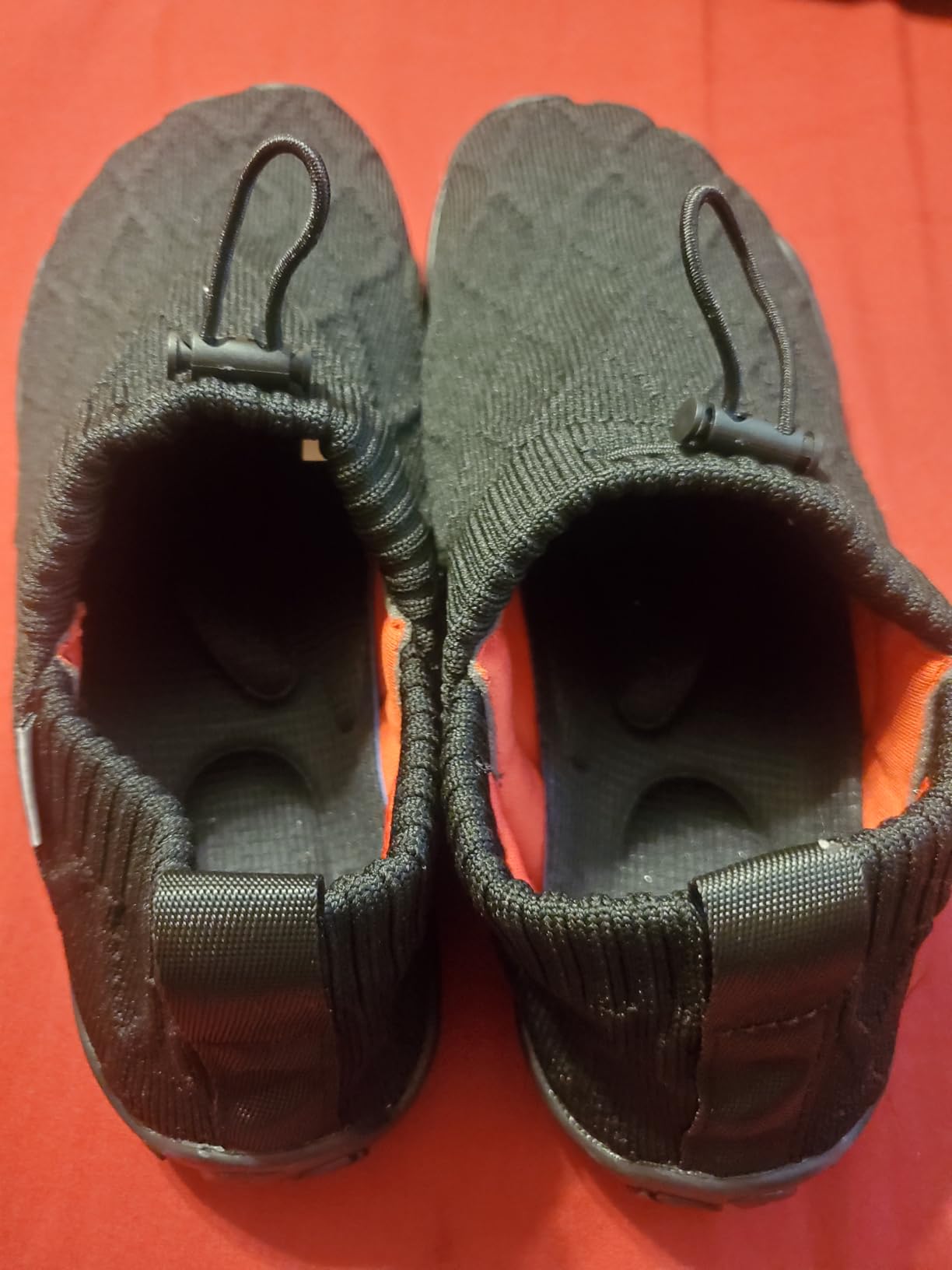
The first thing I noticed pulling these out of the package was how much more shoe there was than I anticipated. For something that markets itself as a “barefoot” water shoe, the WateLves have a surprising amount of structure. The knit upper isn’t flimsy — it has this dense, sock-like weave that feels like it’ll actually hold up to being dragged through sand and rocks. The white colorway I went with has a clean, minimalist look that doesn’t scream “I’m wearing aqua socks to dinner.”
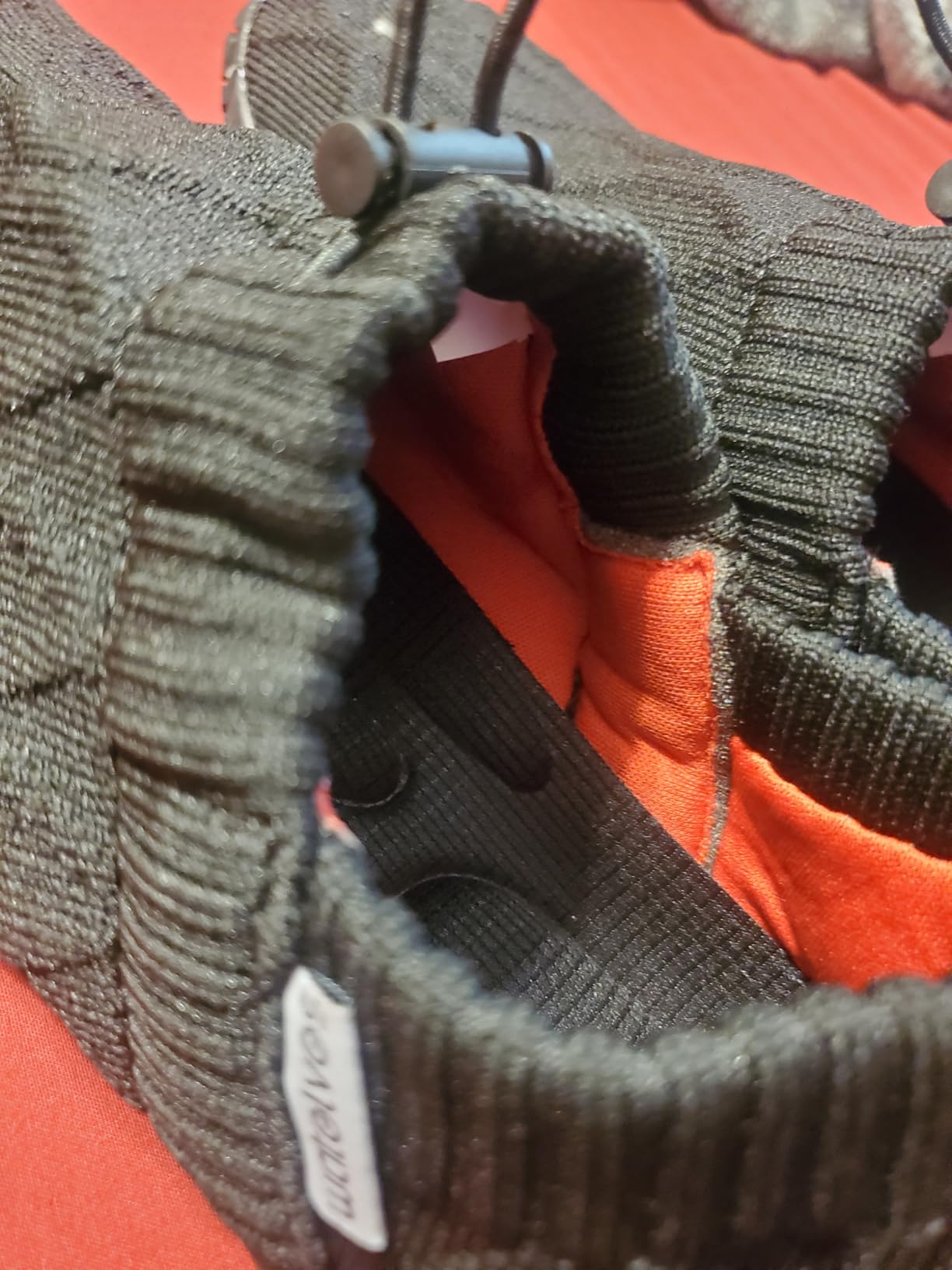
The adjustable heel strap is one of those small details that makes a big difference in my day-to-day. Between school drop-offs, grocery runs, and that chaotic ten-minute window where everyone needs to be somewhere different, I need shoes I can step into without looking down. These nail that. I’ve slipped them on while holding a coffee cup and car keys more times than I can count.
Material Breakdown
The upper is a 92/8 polyester-spandex blend that stretches just enough to accommodate my foot widening throughout the day without going slack. After three months of consistent wear, there’s minimal stretching in the toe area — noticeable if you’re looking for it, not noticeable while walking. The TPR rubber sole has a textured tread pattern with seven drainage holes per shoe, which I’ll get into more when I talk about water performance. For $39, the construction quality genuinely surprised me.
Comfort That Actually Lasts All Day
The Wide Toe Box Advantage
Here’s the thing about comfort claims — everyone makes them. What I can tell you is that I wore these for fifteen straight hours at Disney World, and my feet felt better at closing time than they typically do after half that in regular sneakers. The wide toe box is the real star. My toes actually splay and move naturally instead of being crammed together, and after a full day when my feet inevitably swell a bit, the knit upper stretches to keep up. No hot spots. No pinching. The removable EVA foam insole provides just enough cushioning to protect your soles without killing the ground-feel that makes barefoot shoes worth wearing in the first place.
Zero-Drop Reality Check
I won’t sugarcoat the adjustment period. The first week in zero-drop felt weird — like I was walking slightly downhill all the time. My calves were talking to me after long walks, and I found myself reaching for my old running shoes on day three. But somewhere around day seven or eight, something shifted. My posture felt more aligned, my steps lighter, and going back to my heeled sneakers actually felt strange. The zero-drop puts your heel and forefoot at the same height, distributing weight more evenly across the entire sole. It’s not for everybody — if you have plantar fasciitis or rely on structured arch support, these aren’t your shoe. But for healthy feet, the transition is worth the temporary weirdness.
Heat and Breathability
The polyester-spandex mesh breathes well enough for daily errands, beach days, and casual walks. On a muggy 92-degree afternoon in Gulf Shores, though, I noticed my feet running warmer than they would in a pure mesh athletic shoe. It’s adequate, not exceptional. For water activities and anything below about 85 degrees, the airflow handles things fine. Above that? You’ll feel it.
Water and Beach Performance
Where They Actually Shine in Water
Our family beach trip to Gulf Shores was the real proving ground. Hot sand that would blister bare feet? Handled. Sharp shell fragments in the surf zone? Sole thick enough to not even flinch. Scrambling over wet rocks getting into my brother-in-law’s boat? Zero slips — and I mean zero across the entire three-month test period on wet surfaces. The textured TPR rubber pattern grips wet boat decks, pool surrounds, and slippery dock wood with the kind of confidence that lets you stop thinking about your feet and actually enjoy what you’re doing. Those seven drainage holes per sole aren’t marketing fluff either — water moves through them quickly rather than pooling inside the shoe.
The Drying Time Problem (Let’s Be Honest)
And now the part where I have to push back on the “quick-dry” marketing. The mesh upper? Sure — that sheds water in a couple of hours in shade, maybe twenty minutes in direct sun. But the EVA foam insole is a different story. After a full afternoon at the lake, I pulled these off before bed and they were still noticeably damp the next morning. We’re talking twelve to twenty-four hours for the insole to fully dry. The fix is simple — pop the insoles out and let everything air separately. But if you’re someone who needs truly quick-dry shoes because you’re in and out of water multiple times a day, this is a real limitation. For a beach vacation where you use them once and let them dry overnight? Totally fine. For a kayak guide who needs dry shoes by the next tour? Look at traditional water shoes with thinner soles instead.
Everyday Versatility Testing
This is where the WateLves genuinely exceeded what I thought a $39 water shoe could do. Over three months, I wore these to:
- Grocery shopping and errand runs (four to five hours on my feet)
- Two outdoor concerts
- A casual anniversary dinner (my husband didn’t notice they were water shoes)
- Yard work and gardening sessions
- Light hiking on paved and packed-gravel trails
- Multiple travel days through airports and hotel lobbies
The minimalist design passes as a casual sneaker in most settings. I’ve paired them with sundresses, shorts, and yes — those work-from-home outfits where Zoom only sees your top half. They travel well too; at 6.2 ounces, they weigh basically nothing in your bag, and the flexible knit folds flat without damaging the shoe.
The Family Test
Our camping trip was the ultimate multi-surface exam. Morning dew on grass, rocky creek crossings, muddy trail edges, and gravel camp roads — the WateLves handled all of it without complaint. My fifteen-year-old “borrowed” them for three separate camp shower runs and declared them “actually not terrible,” which in teenager-speak is practically a five-star review. The slip-on design means nobody’s fighting with laces when someone yells “we’re leaving in two minutes” — and in a household with a teenager and a packed schedule, that convenience compounds daily.
Does WateLves Deliver on Their Promises?
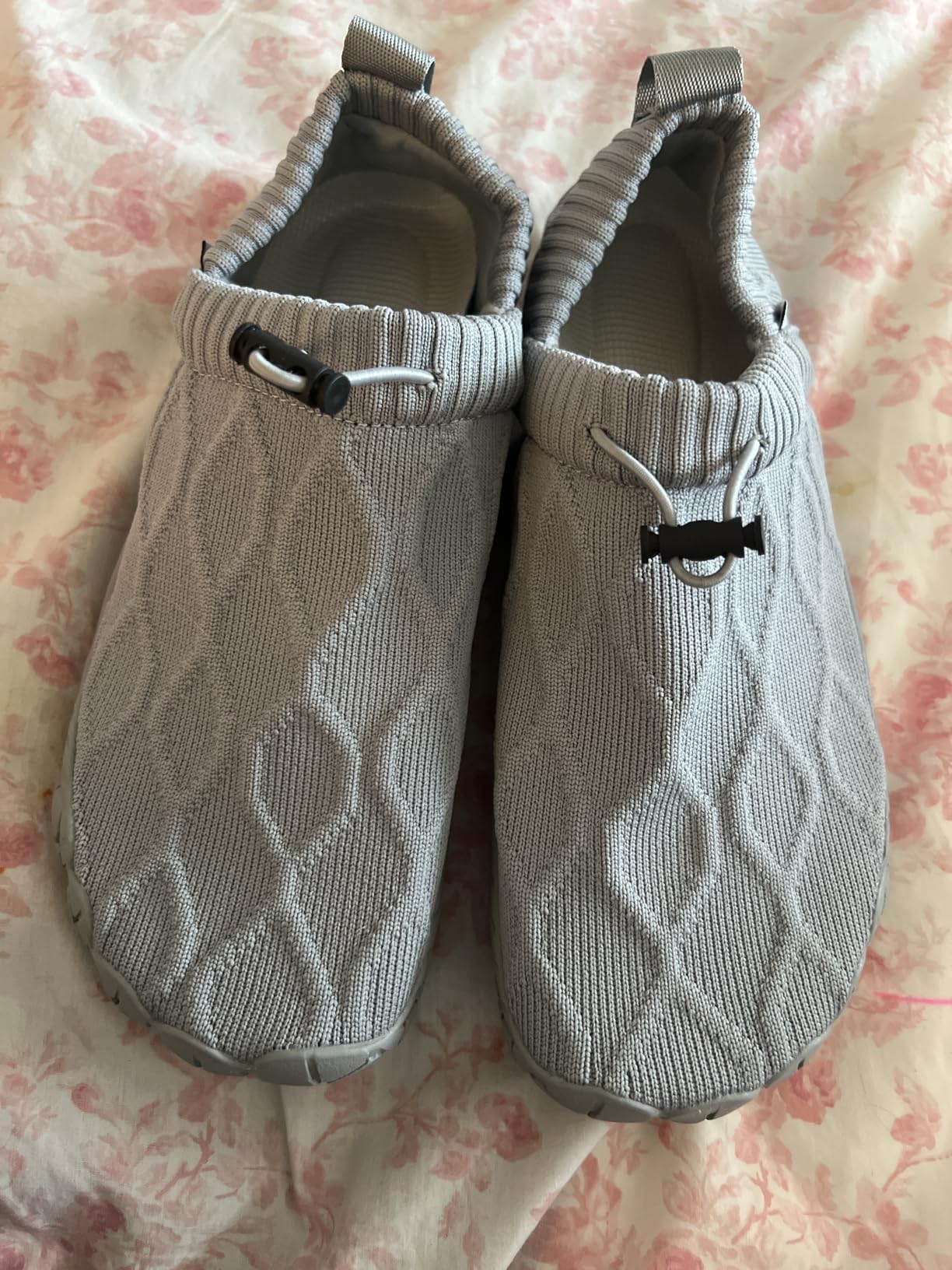
“Barefoot feel with protection” — Yes. The zero-drop puts you close to the ground with genuine proprioceptive feedback, while the rubber sole stops rocks and shells from ruining your day. It’s a legitimate barefoot-style shoe, not a water sock pretending to be one.
“Breathable knit fabric” — Mostly yes. Below 85°F, airflow is genuinely comfortable. In high heat and humidity, it falls behind dedicated athletic mesh. Adequate for its intended use cases.
“Anti-slip sole” — Yes. Three months of wet surfaces, zero slips. This is the claim I was most skeptical about, and it’s the one that held up best.
“Easy slip-on convenience” — Absolutely yes. The strongest feature. The elastic opening with heel strap makes these the fastest shoe in my rotation to get on and off. Nothing else comes close for chaotic mornings.
“Quick-dry mesh construction” — Half-true. The mesh upper dries quickly. The EVA insole doesn’t. Calling the overall shoe “quick-dry” is a stretch. Brand should specify “quick-dry upper with standard insole drying time.”
“Versatile fashion styling” — Yes. Clean enough for casual dining, airport lounges, and errand days. Nobody’s going to mistake them for designer sneakers, but they don’t look like pool shoes either.
Overall Assessment and Scoring
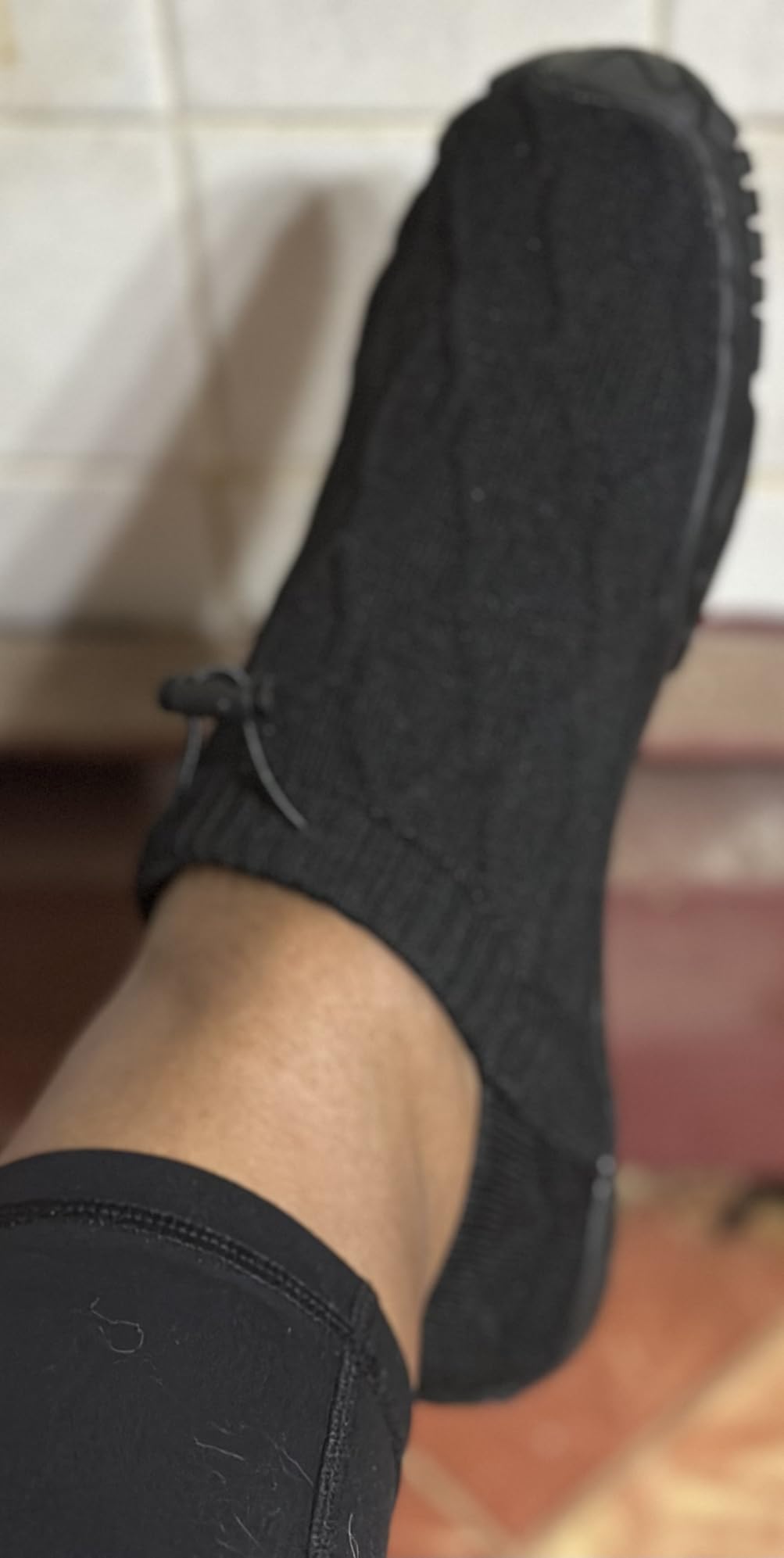
Detailed Performance Breakdown
| Category | Score | Key Takeaway |
|---|---|---|
| Comfort & Fit | 8.8/10 | 15-hour Disney test passed; wide toe box is genuine; 1-week zero-drop adjustment needed |
| Water Performance | 7.5/10 | Excellent traction, good drainage; insole drying time (12-24h) drags score down |
| Versatility & Style | 8.5/10 | Beach to dinner date seamlessly; clean aesthetic; travel-friendly at 6.2 oz |
| Durability | 7.0/10 | Holding up at 3 months; knit stretching in toe area; expect 6-12 months casual use |
| Value | 8.8/10 | $39 for this level of comfort + versatility is hard to beat; premium barefoot shoes cost 3-4x more |
| OVERALL | 8.1/10 | A versatile hybrid that prioritizes comfort over specialization |
The 8.1 reflects what these shoes actually are: a do-everything hybrid that’s genuinely comfortable and surprisingly stylish, but not the best at any single function. The comfort scoring would be higher if the zero-drop didn’t require an adjustment period. Water performance would climb if the insole dried faster. But at $39, asking for perfection in every category isn’t realistic — and the WateLves come closer than they have any right to.
Cost-Per-Wear Math
At a conservative six-month lifespan with three-times-per-week use, you’re looking at roughly $0.50 per wear. Stretch that to a year of lighter two-times-per-week use, and it drops to about $0.37 per wear. Compare that to premium barefoot brands like Vivobarefoot at $120-150 lasting maybe 18 months — those run about $0.60-0.75 per wear. The WateLves actually deliver better per-wear value than shoes costing three times more, assuming you’re not putting them through daily heavy-use abuse.
Sizing and Fit Guide
The short version: Size down half a size. I usually wear an 8.5 and the size 8 fits perfectly.
The polyester-spandex knit stretches throughout the day as your feet naturally swell, so a snugger initial fit pays off by afternoon. If you order your regular size, expect the shoe to feel loose by hour three — and a loose water shoe defeats the purpose.
Wide feet: Stick with your normal size. The wide toe box already gives you room, and sizing down might pinch. Several reviewers with wider feet specifically praise the fit at their standard size.
Between sizes: Go with the smaller option. The stretch in the knit material is forgiving enough that half a size down won’t feel tight once the material warms up.
Return strategy: Amazon’s 30-day return window gives you a safety net. Given how commonly sizing trips people up on these, don’t hesitate to order two sizes and return the one that doesn’t work. Plenty of people end up buying multiple colors once they nail the right fit.
Durability: Three Months In
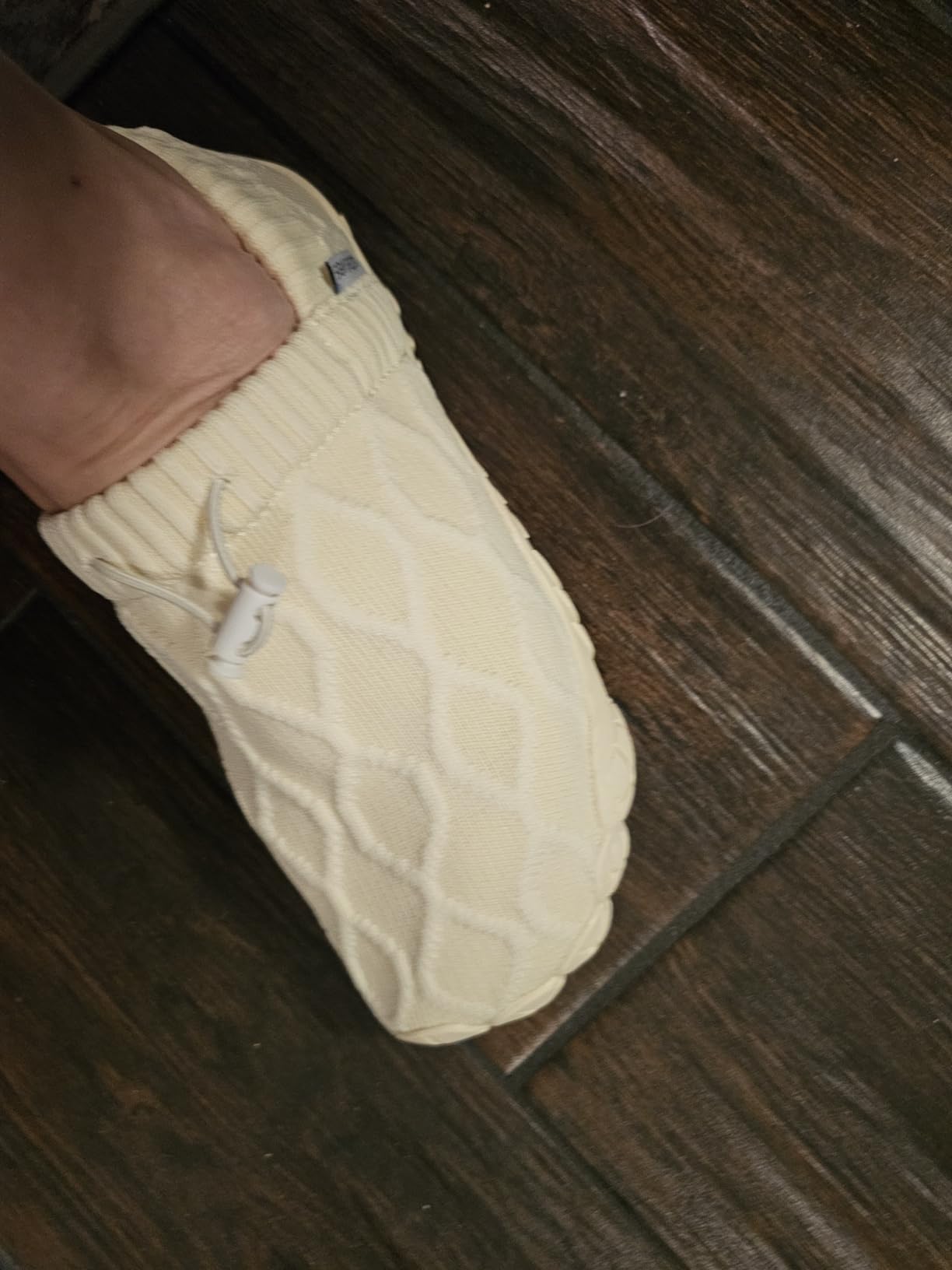
The rubber sole shows zero signs of separation or delamination. Tread depth looks essentially the same as day one. Stitching is intact at every stress point I can find. The knit upper has stretched slightly in the toe box — I’d estimate maybe two to three millimeters of give — which is normal for this type of material and doesn’t affect function.
What I’m watching: the area where the knit meets the sole at the forefoot flex point shows the earliest signs of wear. No fraying yet, but this is where minimalist shoes typically fail first. My projection based on current wear rate: casual users (once or twice a week) should get eight to twelve months. Moderate users (three to four times weekly) are looking at four to six months. Daily heavy use? Two to three months before you’ll want a replacement.
For $39, that math works. You’re not buying heirloom footwear — you’re buying a season or two of comfortable, versatile wear at a price point that makes replacement painless.
Care that extends life: Hand wash with mild soap, air dry away from direct heat. Remove insoles after water exposure. Machine wash is fine on gentle/cold, but the knit may stretch faster with repeated machine cycles. Skip the dryer entirely — heat weakens the sole adhesive.
Who Should Buy These
They’re a strong fit for:
- Women juggling work, family, and active weekends who need one shoe that handles multiple scenarios
- Families wanting affordable water shoes that don’t look terrible at restaurants
- Travelers who need packable, lightweight, versatile footwear
- Anyone with wider feet who’s tired of narrow toe boxes
- Barefoot shoe curious buyers not ready to spend $120+ on premium brands
- People with neuropathy or foot sensitivity who benefit from wide toe box and minimal pressure
Look elsewhere if:
- You need rapid-dry shoes for frequent in-and-out water use (kayak guides, swim instructors)
- You need significant arch support or orthotic compatibility for diagnosed foot conditions
- You want maximum durability for daily trail hiking or rugged outdoor work
- You prefer traditional athletic shoe cushioning and structure
Alternatives Worth Considering
If quick-drying is non-negotiable, traditional mesh water shoes with drainage ports from Merrell (Hydro Moc) or HUMTTO dry significantly faster at the cost of all-day comfort. For premium barefoot durability, Vivobarefoot and Xero Shoes last two to three times longer but cost three to four times more. If you want the barefoot concept with better hiking capability, the Merrell Trail Glove 5 adds Vibram TC5+ outsole grip for trails but sacrifices the water-shoe convenience. And if budget is the primary driver, MAYZERO Water Shoes come in around the same price but with even thinner construction and shorter lifespan.
Final Verdict
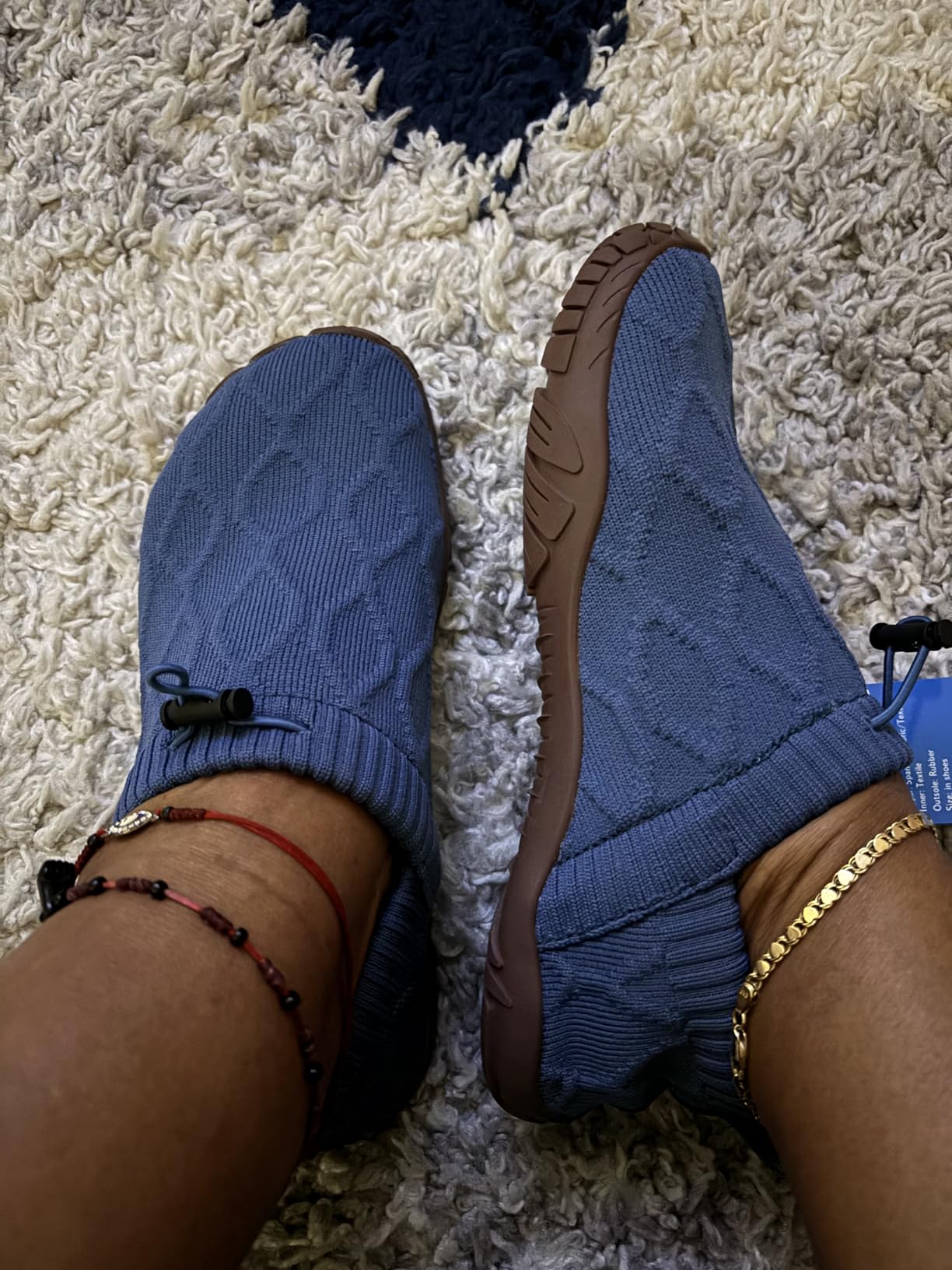
The WateLves Barefoot Water Shoes do something that most budget footwear doesn’t — they make compromises in the right places. The insole dries slowly, but it’s comfortable enough to walk fifteen hours at a theme park. The construction won’t last forever, but at $39 it doesn’t need to. The zero-drop takes a week to adjust to, but once you do, going back to heeled shoes feels wrong.
They’re not the best water shoe. They’re not the best casual shoe. They’re not the best barefoot shoe. But they’re the best shoe I’ve found that does a genuinely good job at all three while fitting into both a busy mom’s budget and schedule. My teenager still borrows them. I still reach for them most mornings. And when this pair eventually wears out, I’ll be ordering another — probably in a different color this time.
Frequently Asked Questions
Do these run true to size?
No — size down half a size. The 92/8 polyester-spandex knit stretches throughout the day. I normally wear 8.5 and the size 8 is perfect. Wide feet can go TTS.
How long do they actually take to dry?
Mesh upper: two to three hours in shade, about twenty minutes in direct sun. EVA foam insole: twelve to twenty-four hours. Remove insoles and air-dry separately for the best results.
Can I wear them for exercise?
Light exercise yes — walking, casual hiking, yoga, recreational swimming. Not designed for high-impact training, running, or structured gym workouts. The zero-drop and minimal cushioning suit natural movement, not loaded barbells.
Are they good for wide feet?
One of the best options in this price range for wide feet. The wide toe box is genuine — toes splay naturally. Multiple reviewers with wider feet specifically call this out as a major selling point.
How do they compare to traditional water shoes?
Better comfort and style versatility, worse drying speed. The WateLves are a hybrid — they do many things well rather than one thing perfectly. If you need specialized water performance, go with dedicated water shoes. If you want one shoe for the beach and the boardwalk, these win.
Are they machine washable?
Yes, on gentle cycle with cold water. Hand washing extends their lifespan. Never machine dry — heat degrades the sole adhesive. Air dry only, away from direct heat sources.
Do they provide arch support?
Minimal — by design. This is a barefoot-style shoe with a zero-drop platform and removable EVA insole. The insole provides light cushioning, not structured arch support. You can swap in aftermarket insoles if you need more support, but check fit carefully — thick orthotics may not fit the shallow shoe volume.
What’s a realistic lifespan?
Casual use (one to two times per week): eight to twelve months. Moderate use (three to four times weekly): four to six months. Daily heavy use: two to three months. The forefoot flex point is where wear shows first.
Do they smell after extended wear?
No odor issues across three months, including repeated water exposure. The mesh breathability and regular rinsing seem to prevent bacteria buildup. Rinse with fresh water after saltwater use and air-dry insoles separately as a precaution.
Can I wear them without socks?
They’re designed for it. The knit interior is smooth against bare skin — no seams or rough spots that cause irritation. Most people wear them sockless, though thin liner socks work if you prefer.
Be the first to review “WateLves Barefoot Water Shoes Women Men Minimalist”
Related products
Running Shoes

Sneaker
Sneaker
Running Shoes
Sneaker
Reviews
There are no reviews yet.