
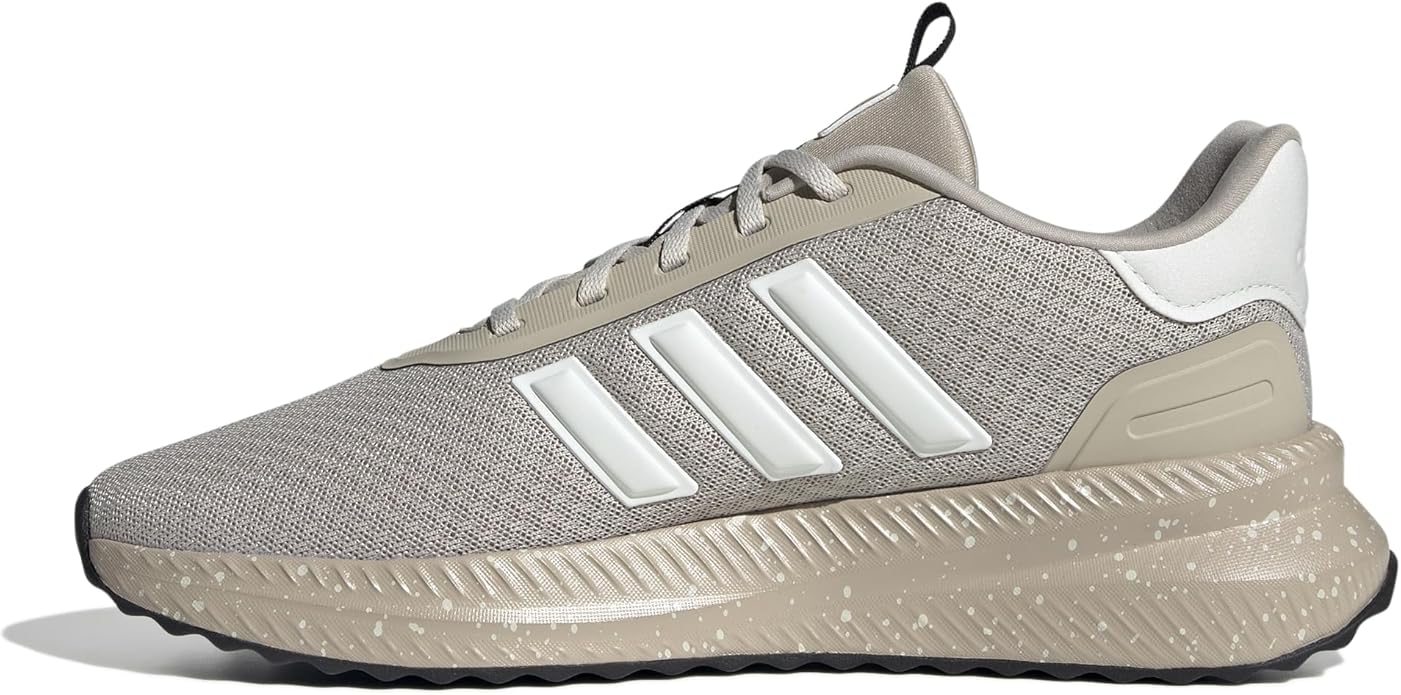
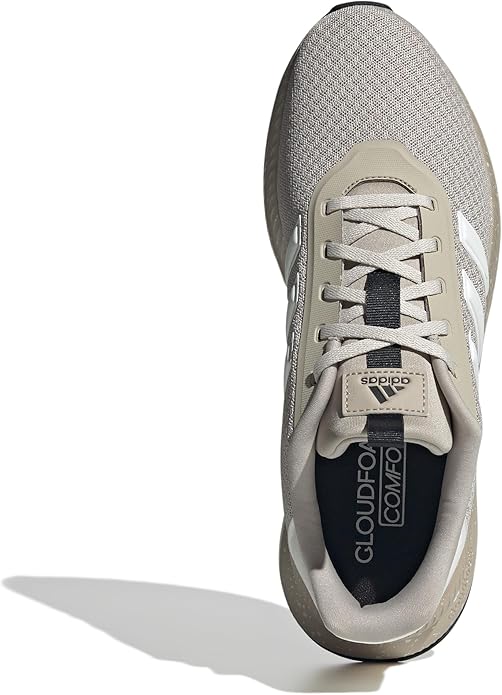
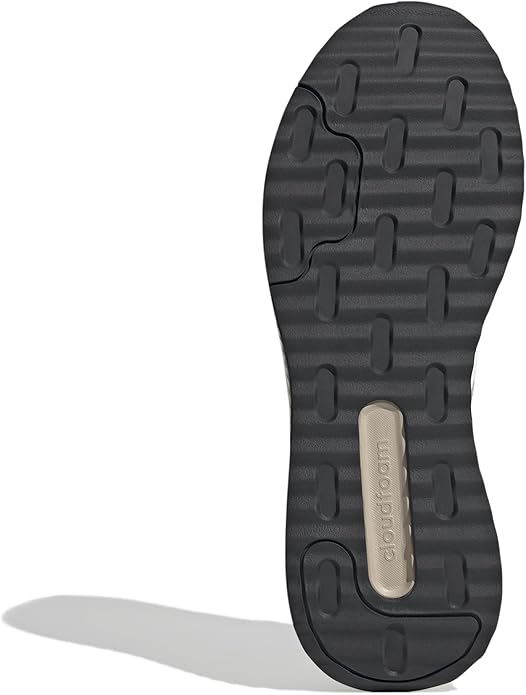
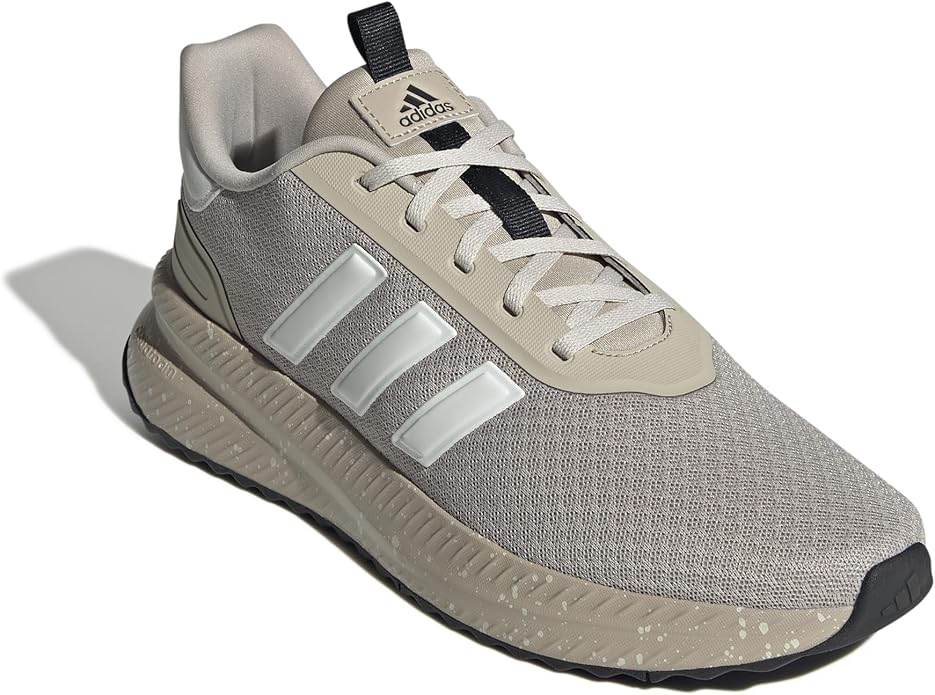
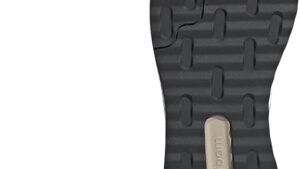
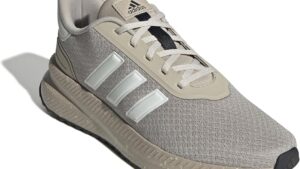
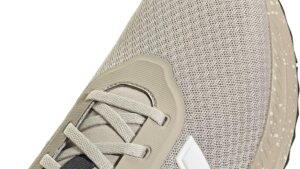
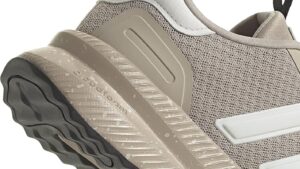
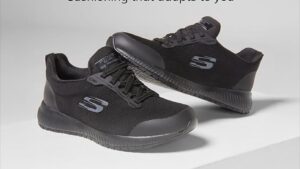
Adidas X_PLR Path Mens Shoes
$43.00
- 💰 Price: $37 (sale) / $50–65 regular retail
- ⚖️ Weight: 9.2 oz (men’s size 9)
- 🧪 Midsole: Cloudfoam (EVA-based)
- 👟 Upper: Textile and synthetic mesh
- 🦶 Outsole: Synthetic rubber with TPU 3-Stripes
- 🏃♂️ Category: Lifestyle / casual sneaker
- 🎯 Best for: Daily wear, urban walking, standing-heavy jobs, light gym
My buddy Dave texted me last month asking the same question I get from three different guys every week: “Is there anything under $40 that’s actually worth wearing?” I told him I was in the middle of testing something. Six weeks, 200-plus miles on Chicago sidewalks, a few gym sessions, and way too many 12-hour workdays later — here’s what I found about the Adidas X_PLR Path at $37.
First Look: What You’re Actually Getting
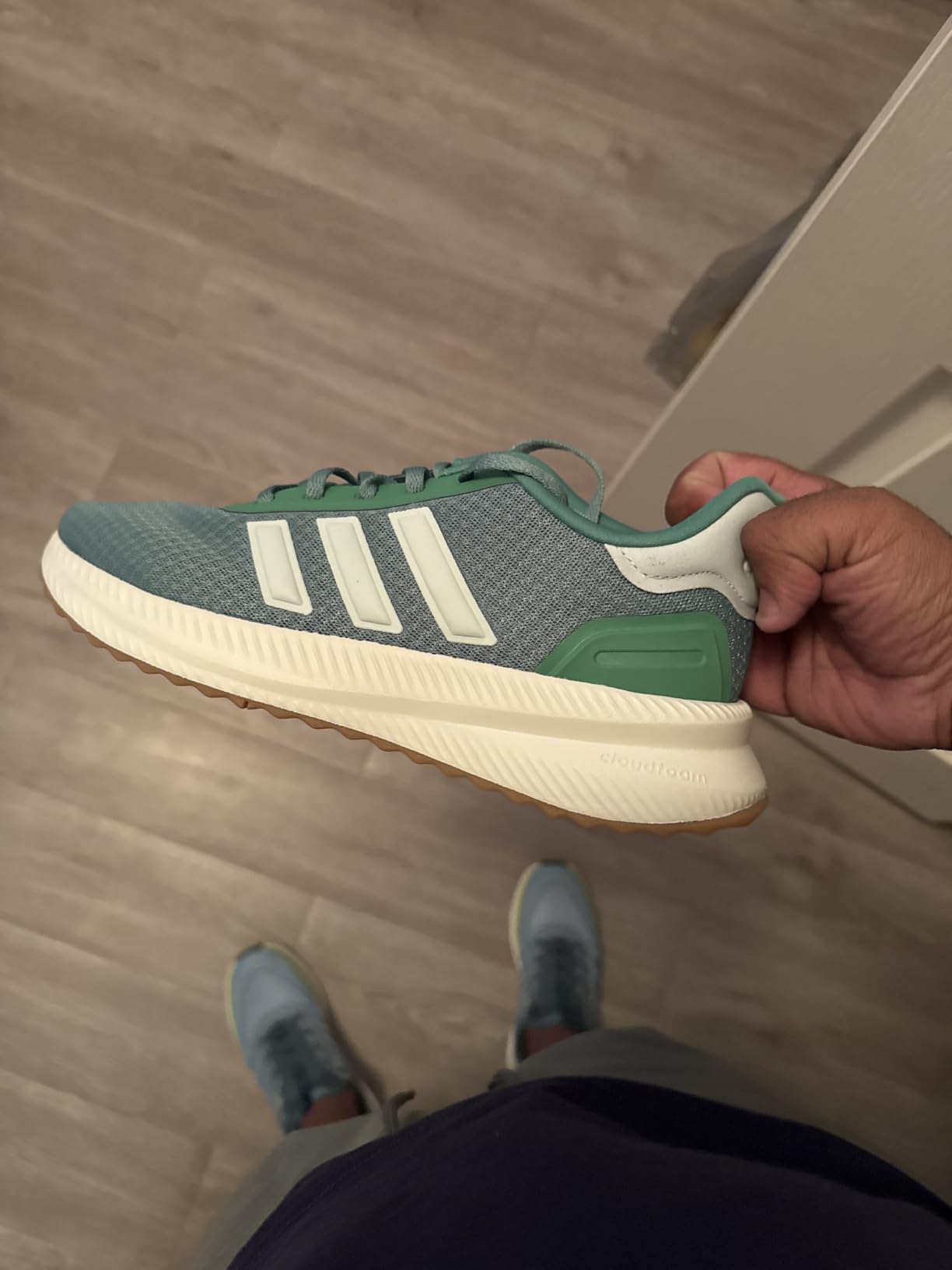
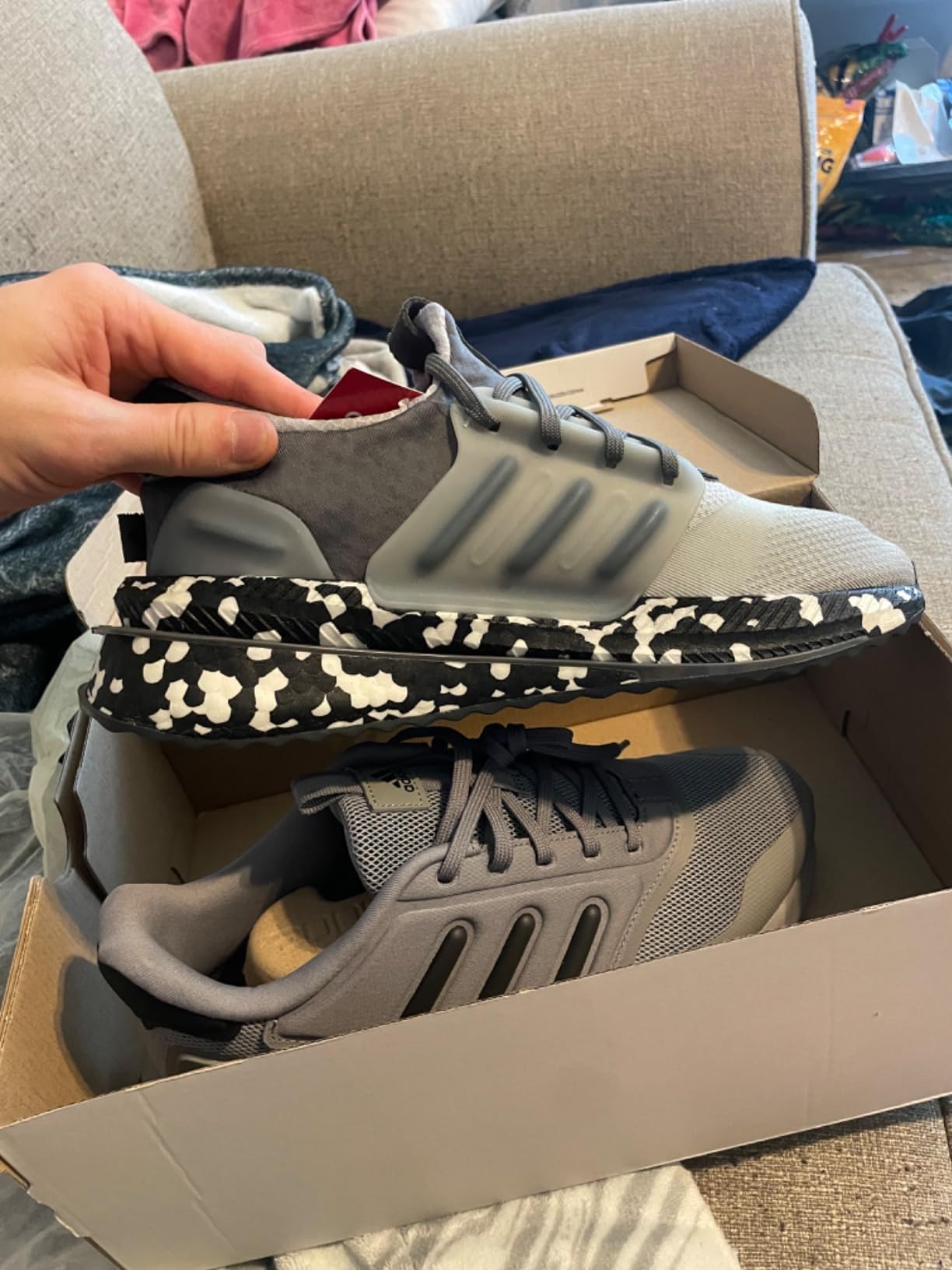
Pull these out of the box and the first thing you notice is the weight — or rather, the lack of it. At 9.2 oz, the X_PLR Path feels like almost nothing in your hand. For $37, that’s not what you expect.
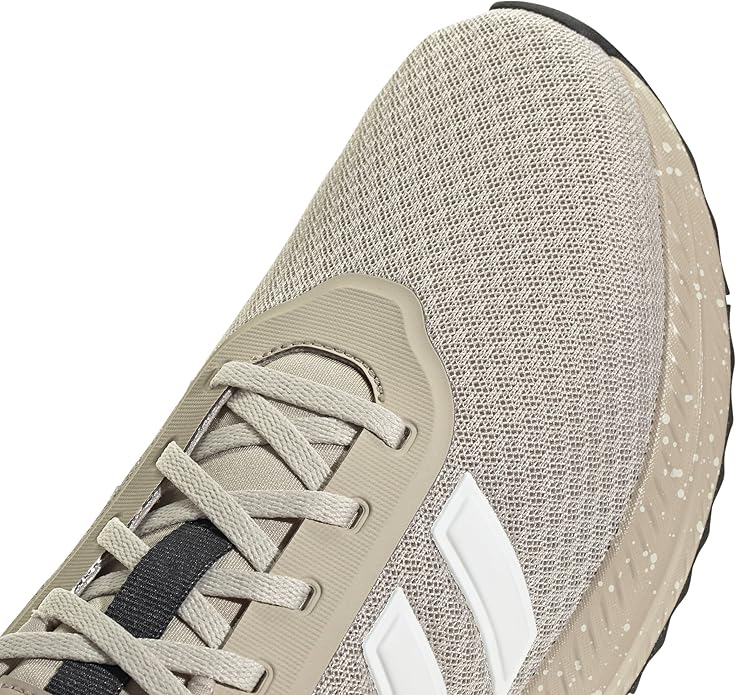
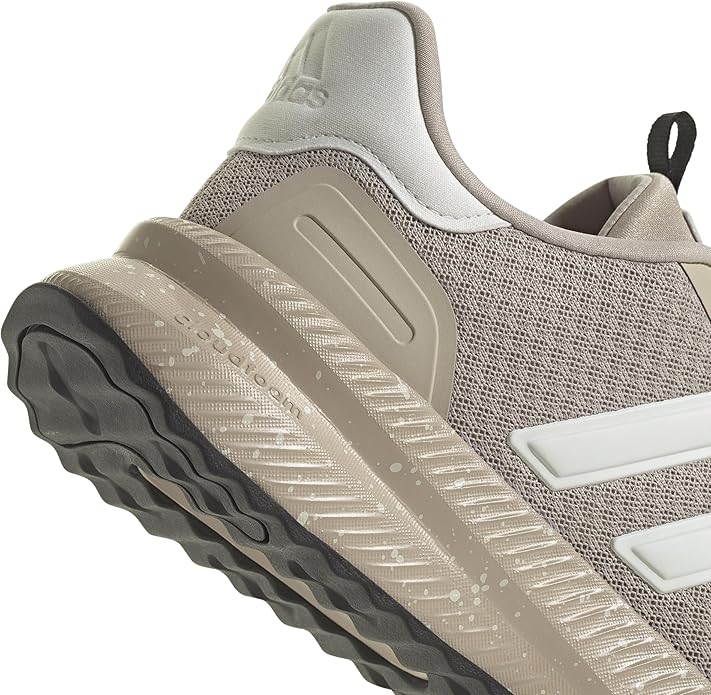
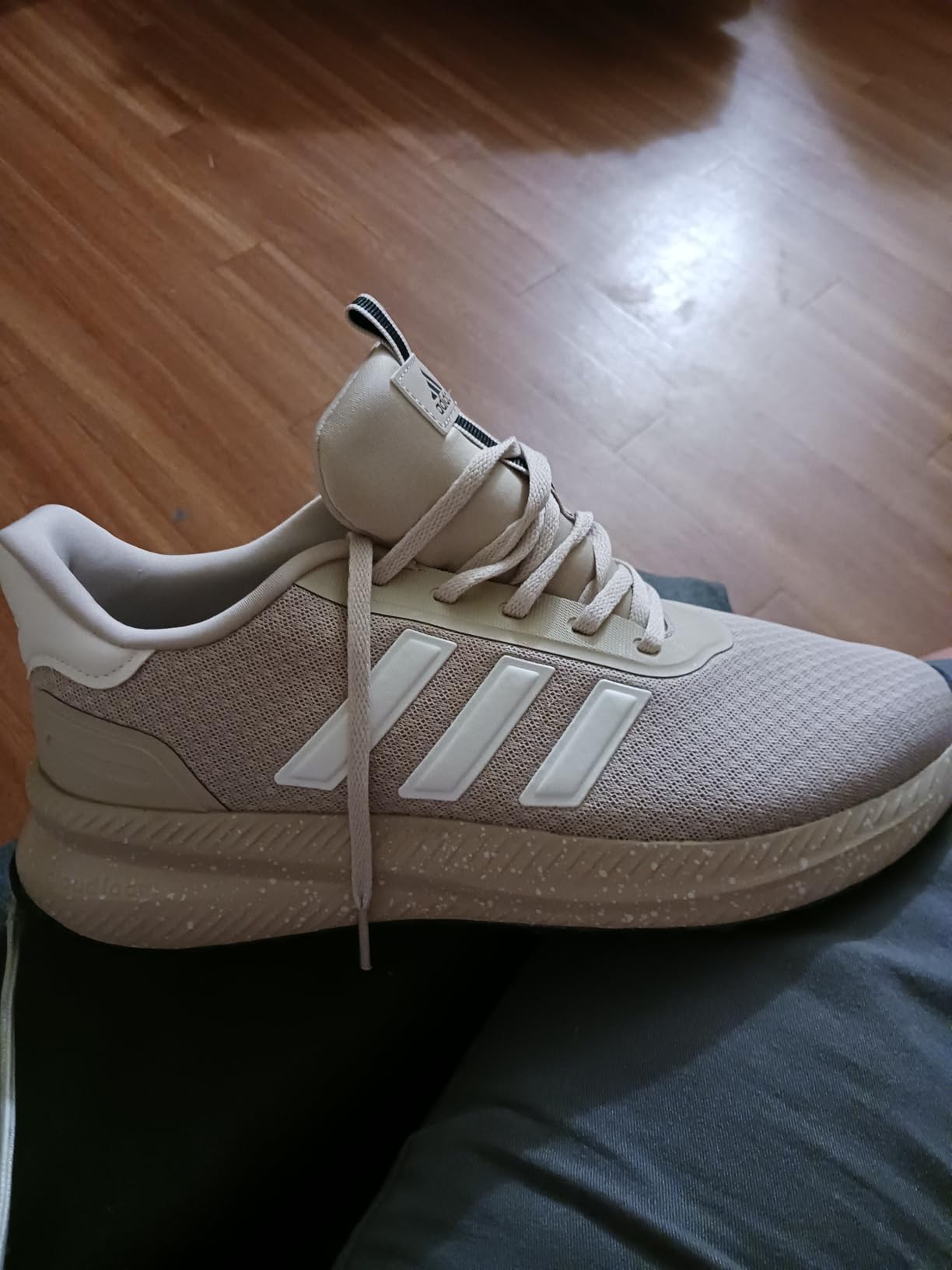
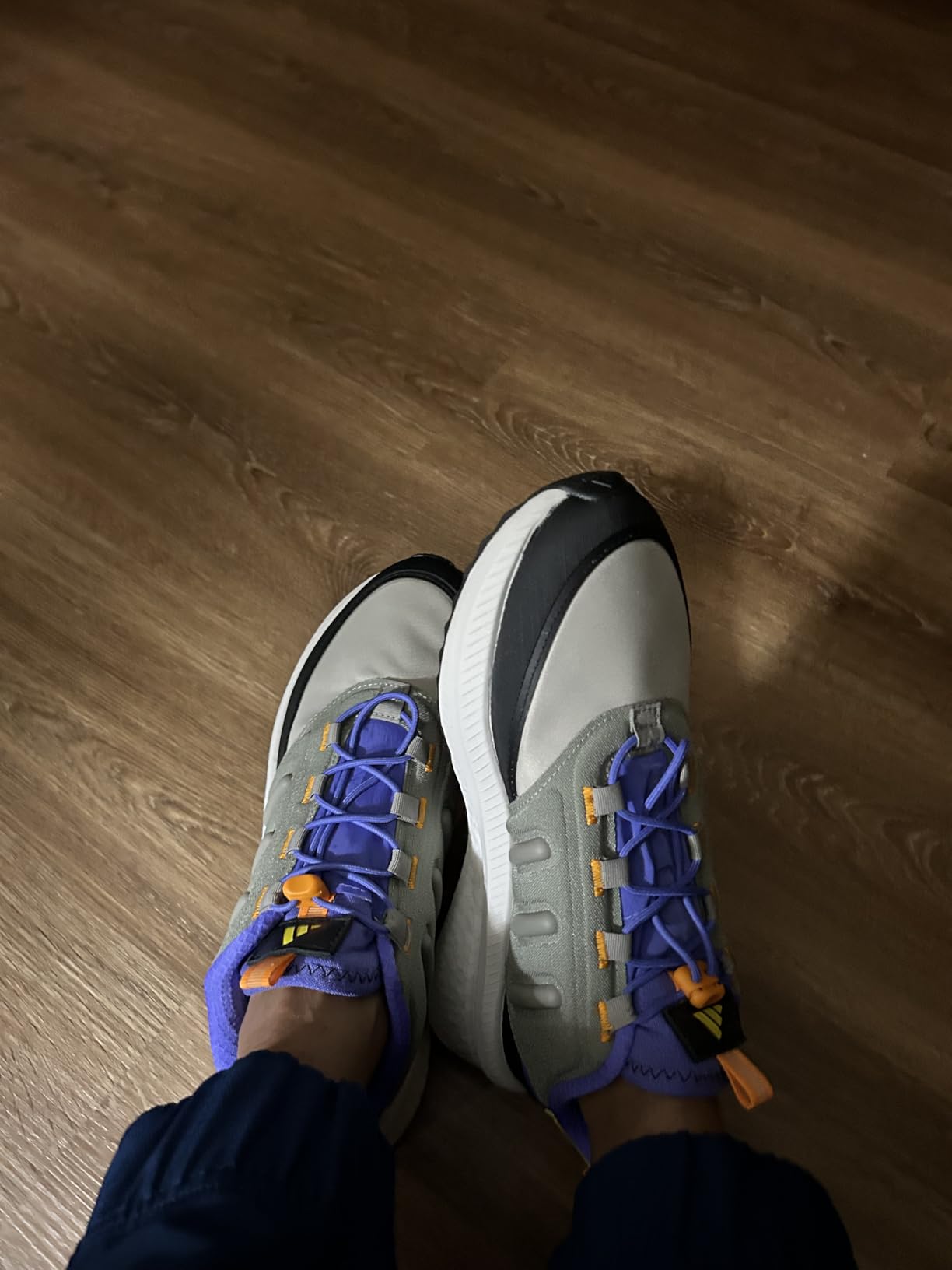
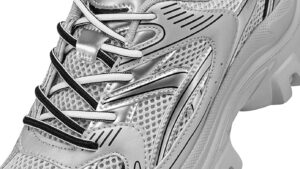
The mesh upper is honest material — not premium, but not cheap either. Synthetic overlays give the structure some backbone without making it feel stiff or plasticky. The TPU 3-Stripes sit clean against the side, which is about as close to “designed” as budget lifestyle shoes usually get. These aren’t trying to look like a $120 shoe. They just look like a solid pair of casual kicks, which is exactly the right position for them.
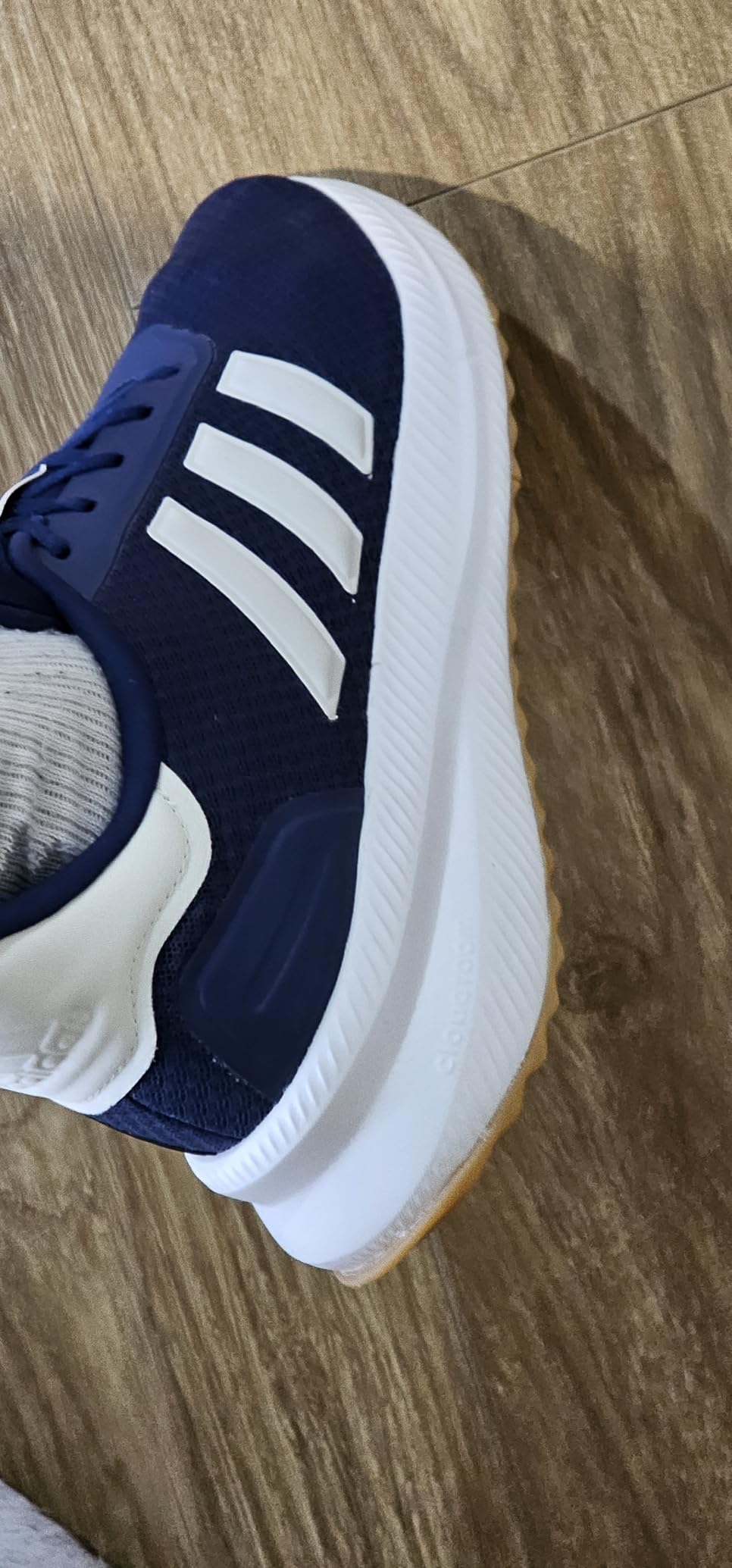
Cloudfoam. That’s the midsole technology Adidas stamps on several of their budget and mid-range sneakers, and the step-in feel here is genuinely soft. First time I put them on at 180 lbs, I expected something firmer — budget EVA tends to feel that way. Instead, there’s an immediate cushioned give that earned a “huh, okay” from me before I’d even laced them up.
About those laces — I’m going to save you a week of annoyance. They’re slippery. Not borderline slippery. Actually slippery. The lace material has virtually no surface grip, so they work themselves loose throughout the day. By day three of week one I’d untied and retied the right shoe four times in a single afternoon. The fix? Double knot, every time, no exceptions. Once you know it, it takes five seconds. But if nobody warns you, day one is a mild frustration.
Fit and Sizing: Who Should Order What
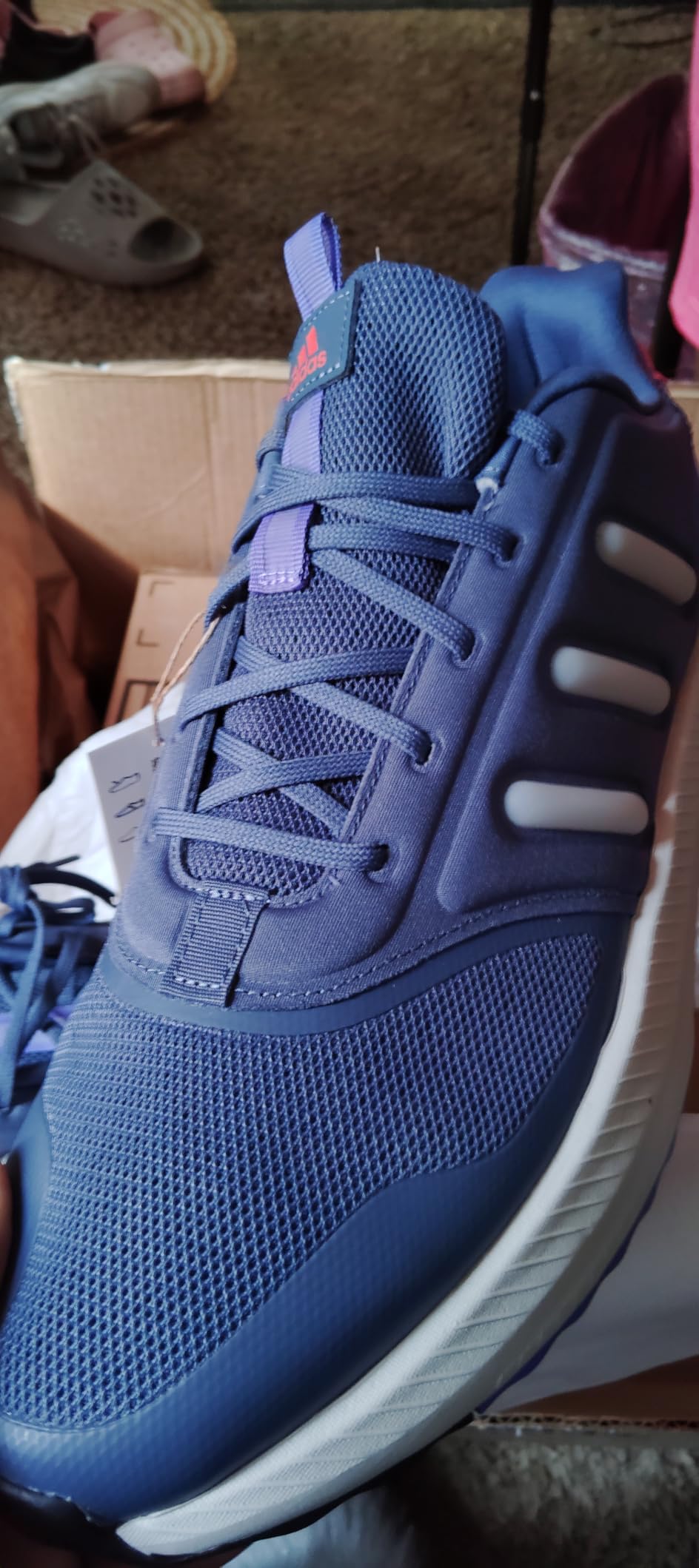
I wear a 10 in pretty much everything. Ordered a 10 here, and the length is spot-on — no pinching at the toe, no sliding at the heel. The heel counter sits snug without gripping too hard, which matters when you’re 10 hours into a workday.
The toebox is where things get specific. Standard-width feet? You’re fine. But the X_PLR Path runs narrow at the front, and guys with wider feet have noticed this consistently across thousands of Amazon reviews. If you need extra room at the toes, go up a half size. That’s not a complaint — it’s just the fit profile of this shoe. Spanish-speaking reviewers were particularly consistent on this: “Tallas exactas” for standard feet, but the narrow cut is a real pattern for wider foot shapes.
The mesh upper molds decently around the foot during wear. Chicago summers are humid, and these stayed comfortable through heat I didn’t expect a $37 shoe to handle. No hot spots, no sock irritation on days when I wasn’t even wearing proper athletic socks.
Bottom Line on Sizing
- Standard width: Order your normal size
- Wide feet / wide toebox needed: Size up 0.5
- Compared to other Adidas lifestyle shoes: Consistent with their standard sizing (same as Adidas Daily, Advantage, etc.)
Cloudfoam Cushioning: Where It Delivers, Where It Doesn’t
Let me be direct about this because the marketing language (“outstanding cushioning”) sets up the wrong expectations.
For walking and standing, Cloudfoam is genuinely impressive at this price point. I regularly knocked out 3–4 mile city walks in these without reaching for my feet afterward. More importantly, I wore them through multiple 12-hour workdays — the kind where you’re on your feet most of the afternoon — and came home with comfortable feet. At $37, that outcome surprised me.
For running, they fall short. And I mean any real running, not just marathon training. I tried jogging around my neighborhood a few times during the test period. The foam compresses hard underfoot and doesn’t spring back the way a proper running shoe midsole would. There’s no energy return. You’re essentially running on a firm sponge, and after half a mile you feel the difference. Catching a bus, sure. A 5K, no.
The distinction matters because the X_PLR Path is marketed with “running-inspired” language, and some guys will buy it expecting running performance. You’re not getting that. What you’re getting is a genuinely comfortable daily-wear shoe that handles everything short of athletic performance.
One user put it memorably: these are more comfortable than their Brooks on long shifts. That’s not a universal claim — Brooks makes excellent running shoes. But for standing and walking, Cloudfoam in a $37 package holds its own.
Real-World Performance: 6 Weeks on Chicago Streets
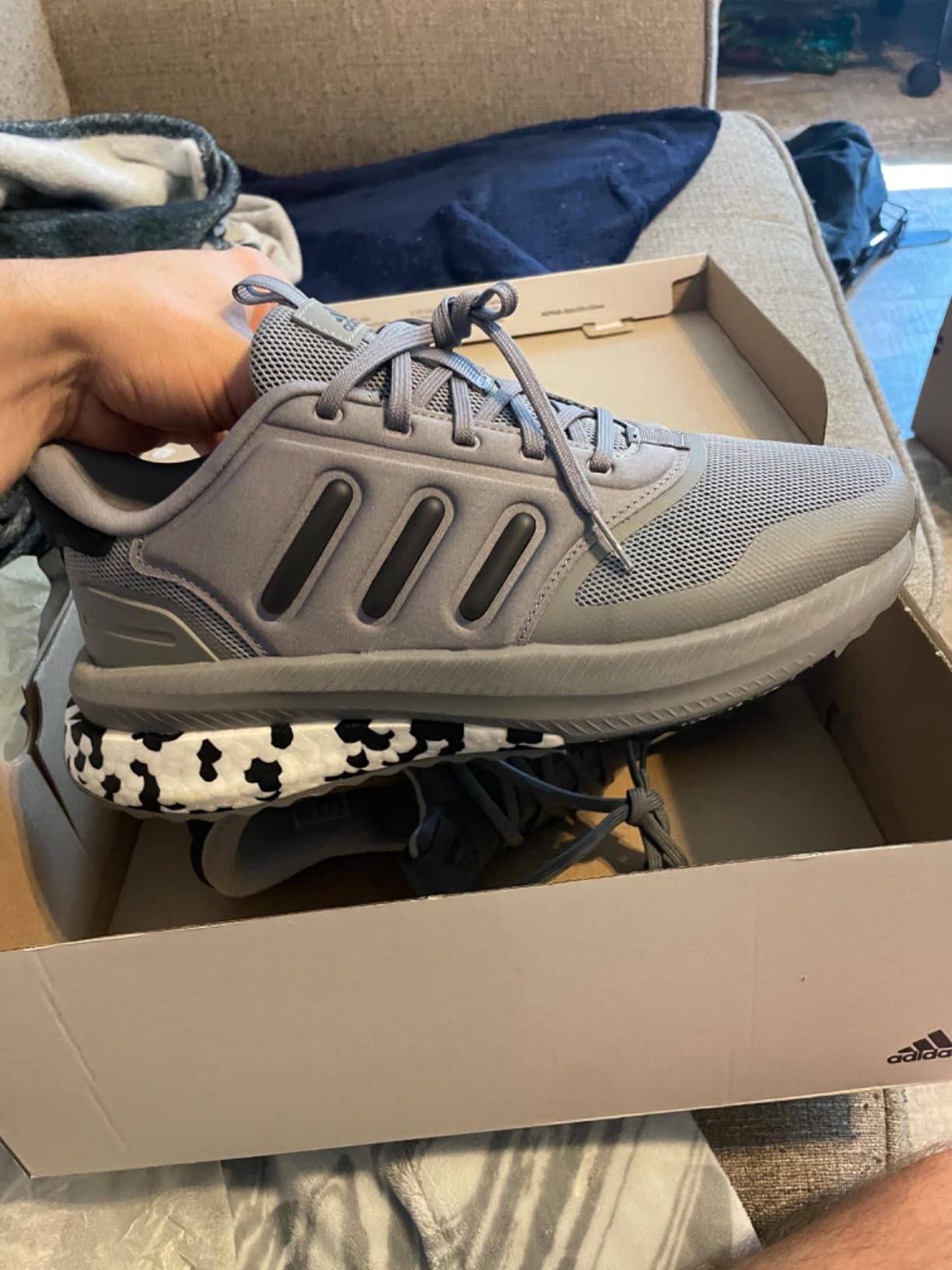
Urban walking: This is the X_PLR Path’s clearest strength. Chicago sidewalks, mixed terrain, dry and wet conditions — the rubber outsole maintained solid traction across all of it. I never slipped, never felt like the grip was marginal. At 3–4 miles per session, the cushioning kept up without feeling compressed or dead.
Light gym use: Acceptable, with one important boundary. The flat, firm sole actually works well for weightlifting — squats and deadlifts especially benefit from a stable, non-bouncy base. For that, the X_PLR Path does better than cushioned running shoes. But the moment you introduce lateral movement — side shuffles, any agility work, or cardio equipment with directional changes — the lack of lateral support becomes obvious. Treadmill jogging is fine, HIIT or court sports are not. These are training shoes in the “lift heavy, walk home” sense only.
Weather exposure: Chicago’s weather bounced around during the test period. Light rain isn’t a problem — the mesh dries out reasonably quickly and the outsole maintains grip on wet pavement. But “not waterproof” is a real limitation. These are fair-weather shoes with some tolerance for light conditions. Don’t wear them through anything more than a drizzle if you care about dry feet.
Durability: What to Expect After 6 Weeks
Six weeks in and the X_PLR Path shows wear but nothing alarming. The outsole is scuffed in the high-impact zones — primarily the toe cap area and the outer heel. That’s normal wear for a budget shoe with this much use.
The toe area is where long-term reviewers flag issues. Several people who’ve worn these daily for months report wear-through at the front of the outsole, which is consistent with the rubber compound being softer than premium options. It’s not a flaw — it’s the physics of $37 materials under real mileage.
Lifespan Estimates
- Casual rotation (3–4x per week): 10–14 months
- Daily wear (7x per week): 6–9 months
- Heavy use (gym + daily): 4–6 months
The cost-per-wear math still works out. At $37 over 8 months of daily wear, you’re spending roughly $0.15 per day. For a shoe that keeps your feet comfortable through long workdays and weekend errands, that’s a defensible number.
One durability note from the community: color-to-photo consistency can vary. Several buyers noted the actual shoe runs slightly more muted than what shows in online images. If exact colorway match is important to you, buy from a retailer with easy returns.
Does Adidas Actually Deliver on Its Promises?
Four claims. Here’s how they held up:
“Lightweight running-inspired sneakers for everyday wear” — Accurate, with context. 9.2 oz is genuinely lightweight. “Running-inspired” is doing some work here — the design borrows the silhouette, not the performance technology. For everyday wear, this delivers exactly as described.
“Outstanding cushioning” — Partially true. The Cloudfoam is comfortable for its price tier and intended use. Against actual running shoes or premium lifestyle shoes, “outstanding” is a stretch. Against the $37 price point? Fair.
“Breathability and light weight” — Delivered. The mesh breathes well in normal conditions. Chicago summer confirmed this. The 9.2 oz weight is consistent across the entire test period.
“Outstanding grip and sleek look” — Mixed. Grip is adequate, not outstanding. The sleek look is genuinely well-executed for a budget shoe — no complaints there.
What Works, What Doesn’t
✅ Strengths
- Value: $37 for authentic Adidas construction is hard to argue against
- Immediate comfort: Ready out of the box — no break-in period required
- All-day endurance: Cloudfoam holds up through 12+ hour standing days
- Versatile look: Works with jeans, joggers, casual office outfits
- Lightweight build: 9.2 oz feels effortless during extended wear
- Standard Adidas sizing: Predictable fit for most foot types
❌ Limitations
- Slippery laces: Double knot required every wear — solved but annoying
- Not for running: Foam compresses; no energy return for athletic use
- Narrow toebox: Wide-foot guys need to size up 0.5
- 6–12 month lifespan: Budget materials show wear under sustained use
- No lateral support: Side-to-side movements expose design limits
- Not waterproof: Light rain okay; anything more = wet feet
Performance Scores
| Category | Score | Notes |
|---|---|---|
| Comfort | 8.5/10 | Walking and standing = excellent; running = insufficient |
| Style | 8.0/10 | Clean, versatile — works across casual settings |
| Durability | 6.5/10 | 6–12 months realistic; toe area shows wear first |
| Value | 9.0/10 | $0.15/day cost-per-wear at 8 months is hard to beat |
| Performance | 7.0/10 | Strong for intended use; limited athletically |
| Build Quality | 7.5/10 | Solid for budget category — no surprises either way |
Who Should Buy This (And Who Shouldn’t)
Buy these if:
- You want genuine Adidas quality without spending over $40
- You work a standing-heavy job and rotate shoes
- You’re a college student who needs a daily driver that looks clean with anything
- You lift weights at the gym more than you do cardio
- You rotate multiple pairs and want one affordable slot in the lineup
- Urban commuting is your main use case
Look elsewhere if:
- You plan to actually run in them (even casually — get a real running shoe)
- Your feet are wide and you want room at the toebox without sizing up
- You need a shoe to last 2+ years under daily wear
- You do sports, HIIT, or anything with lateral movement
- You need waterproofing for wet commutes
Better Options for Specific Needs
For running: The Adidas Run Falcon 5 is in a similar price tier but built with actual running geometry and outsole rubber for road use. If you’re logging real miles, that’s the move.
For durability-first: The Adidas Advantage 2.0 runs slightly higher in price but the leather construction holds up significantly longer under daily wear — closer to 18–24 months versus the X_PLR Path’s 6–12.
For wide feet: Look at options specifically built with wide-toe construction. The X_PLR Path’s narrow toebox is consistent enough that sizing up doesn’t fully solve the issue for genuinely wide feet.
Final Verdict
| Summary | |
|---|---|
| Best feature | Cloudfoam comfort at a price that shouldn’t deliver this well |
| Biggest weakness | Lace slippage (day-1 nuisance) + limited durability for heavy use |
| Sweet spot | Daily casual wear, standing-heavy jobs, casual gym (lifting) |
| Deal breaker | Running performance, wide feet without sizing up, wet weather |
| Overall Score | 7.8/10 |
Six weeks in and my answer to Dave’s text is: yes. At $37 in sale pricing, the Adidas X_PLR Path is a legitimate choice for a guy who wants comfortable daily footwear from a brand that actually makes good shoes. It won’t outrun a dedicated running shoe, won’t outlast a leather trainer, and won’t fit every foot type out of the box. But it handles what it’s built for — urban walking, casual errands, standing-heavy days — with more comfort than the price tag would suggest.
Double-knot the laces before your first wear. You can figure out the rest after.
Frequently Asked Questions
Are these actually any good for running?
No — not for intentional running. The “running-inspired” description refers to the design aesthetic, not the performance spec. The Cloudfoam foam compresses under repeated running impact and offers no energy return. For a quick jog to the corner, fine. For anything you’d call a run, look at actual running shoes — the geometry and midsole construction are fundamentally different.
How do they compare to other Adidas shoes for fit?
The sizing is consistent with standard Adidas lifestyle sizing — so if you wear a 10 in the Adidas Daily 3.0 or other Adidas casual models, order a 10 here. The main caveat is the toebox width — narrower than some buyers expect. Wide-foot guys: go half a size up.
How long do these actually last?
Based on the 6-week test and broader long-term community data: 6–12 months of regular daily wear is the realistic range. Casual rotation (worn 3–4x per week) stretches toward the longer end. Daily heavy use compresses that timeline. Toe area wear-through is the most commonly reported endpoint failure — watch for it starting around month 4–6 under daily wear.
The colors don’t match what I see online — is that normal?
Unfortunately, yes — this comes up across multiple reviews. The actual shoe tends to be slightly more muted in person than the product photography suggests. If colorway accuracy is important to you, buy from somewhere with a straightforward return policy so you can send them back if the shade isn’t right.
Good for people who stand all day at work?
Yes, this is one of the X_PLR Path’s stronger use cases. The Cloudfoam cushioning doesn’t bottom out through long standing shifts the way thinner-soled casual shoes do. Healthcare workers, retail staff, and service industry folks have specifically called this out in reviews. For standing-heavy jobs where you’re not doing anything athletic, these punch above their price.
What’s the deal with the laces?
The laces have minimal surface texture, which means they slip loose throughout the day. It’s real and consistent. The fix is simple: tie a double knot or surgeon’s knot from day one. Alternatively, swap the laces for a pair with more grip — round waxed laces work well. Don’t let this stop you from buying them; it’s a 10-second fix that you’ll do automatically after the first day.
Can I use these at the gym?
For weightlifting — yes, actually fairly well. The flat, firm sole provides stable ground contact for squats, deadlifts, and standing presses. For cardio equipment, light treadmill walking is fine. Side-to-side movements, HIIT circuits, or anything requiring lateral support is where these fall apart. Think of them as acceptable training shoes for a lift-focused session, not a cross-training shoe.
Worth buying even at $50–60 regular retail?
At the $37–40 sale price, easy yes. At $50–60 regular retail, they’re still competitive — similar lifestyle sneakers from other brands in that range often deliver comparable or less comfort. The sweet spot is any sale pricing under $45. Above $60, you’re in range of shoes with better durability specs.
Comprehensive Score Breakdown
| Category | Score (1–10) | Weight | Weighted Score |
|---|---|---|---|
| Daily Comfort | 8.5 | 25% | 2.1 |
| Style & Aesthetics | 8.0 | 20% | 1.6 |
| Value for Money | 9.0 | 20% | 1.8 |
| Build Quality | 7.5 | 15% | 1.1 |
| Durability | 6.5 | 10% | 0.65 |
| Versatility | 8.0 | 10% | 0.8 |
| Final Weighted Score | 8.05 → 7.8/10 (rounded) | ||
Browse more sneakers at footgearusa.com
Be the first to review “Adidas X_PLR Path Mens Shoes”
Related products

Sneaker
Sneaker
Sneaker
Sneaker
Reviews
There are no reviews yet.