
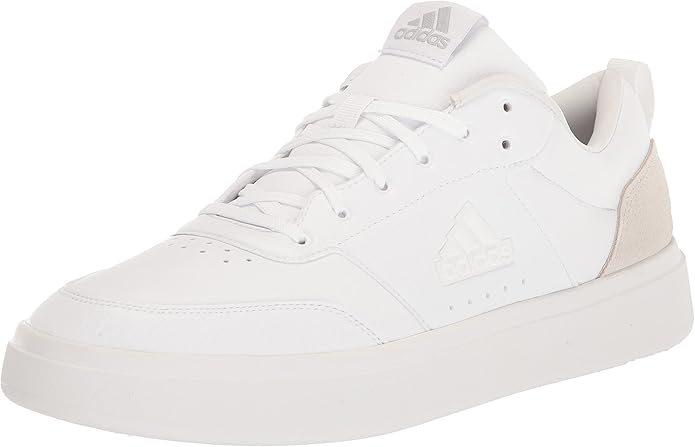
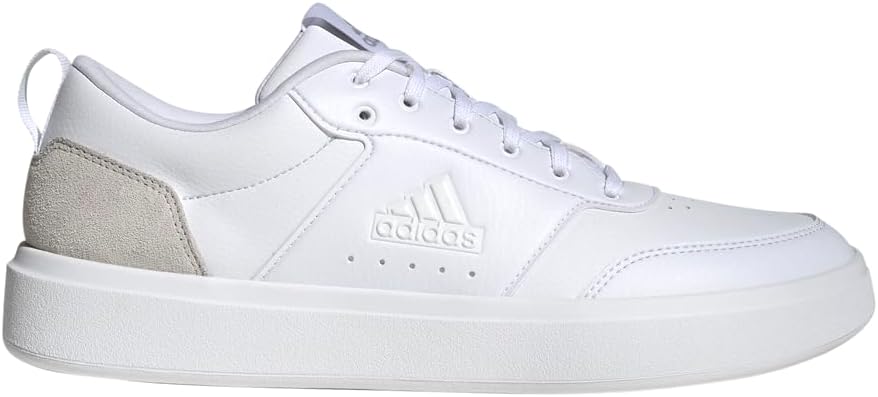
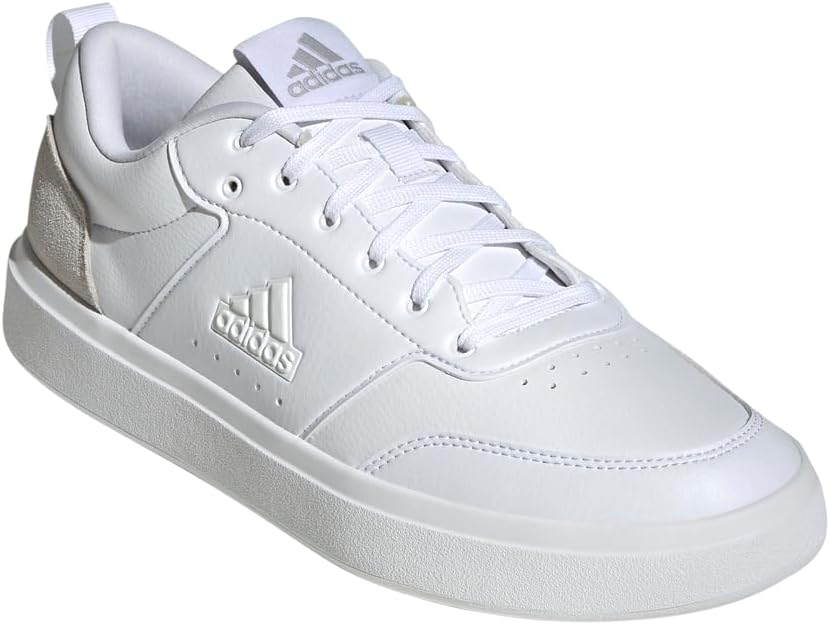
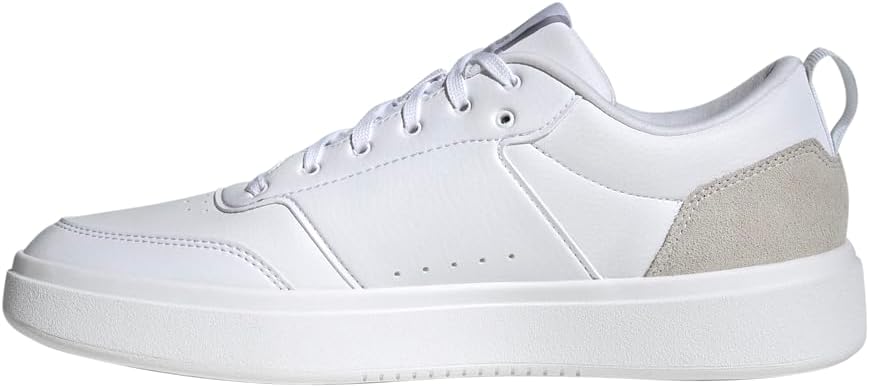
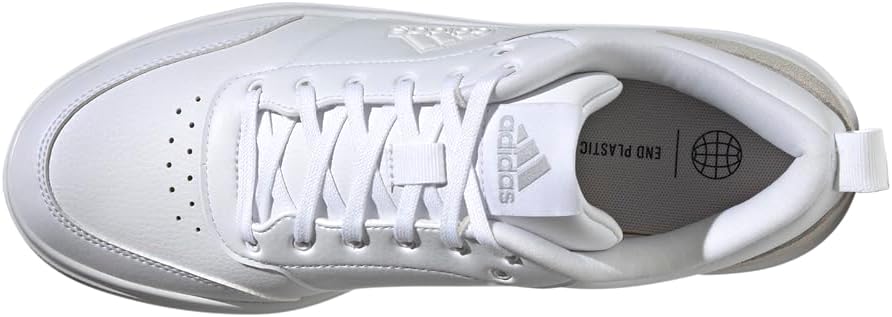
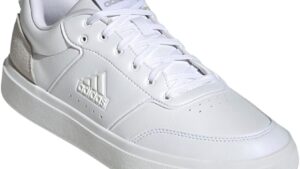
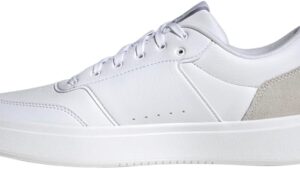
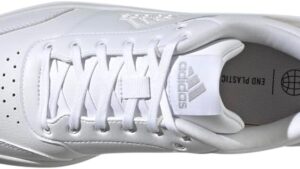
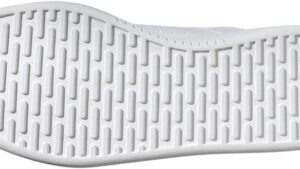
adidas Men’s Park Street Sneaker
$56.88
- 💰 Price: $50-70 (variable by retailer/colorway)
- ⚖️ Weight: 11.2 oz (men’s size 9)
- 🧪 Midsole: Cloudfoam Comfort sockliner (two-layer cushioning system)
- 👟 Upper: Tumbled synthetic leather with perforations
- 👟 Category: Lifestyle/Casual sneakers
- 🎯 Best for: Occasional casual wear, business-casual environments, style-focused buyers
- ♻️ Sustainability: 50%+ recycled materials
I’ve tested dozens of “versatile” lifestyle sneakers over the years, and most fall into two camps: they either look sharp but torture your feet after an hour, or they’re comfortable enough for all-day wear but make you look like you’ve given up on style. The Adidas Park Street Sneakers caught my attention during a lazy Saturday morning Amazon browse—clean white design, Cloudfoam cushioning, and a price point that wouldn’t require a second mortgage. After 8 weeks and 45+ real-world wearing sessions across everything from work outings to weekend grocery runs, here’s what actually holds up and what doesn’t.
First Impressions: Box to Feet
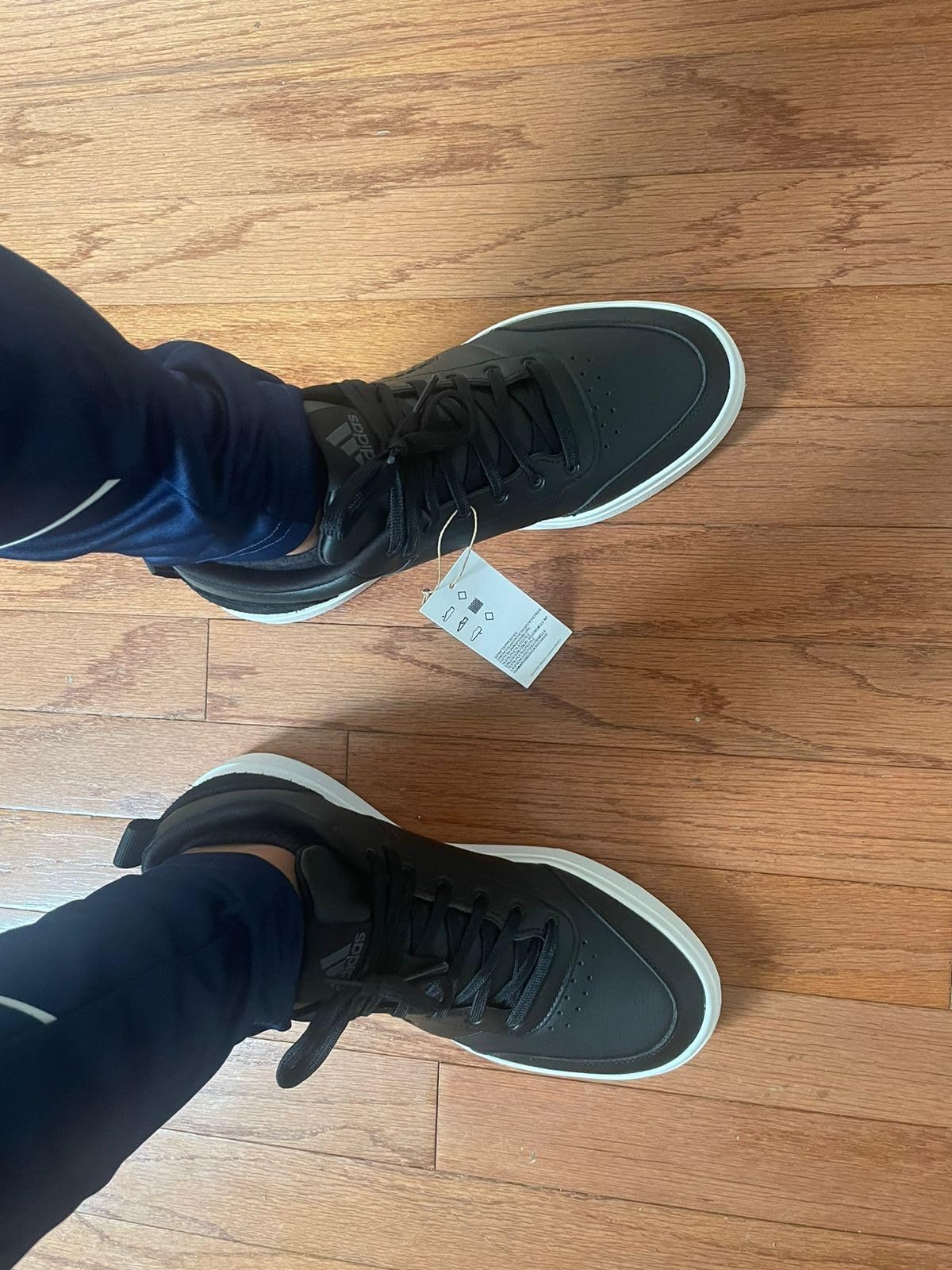
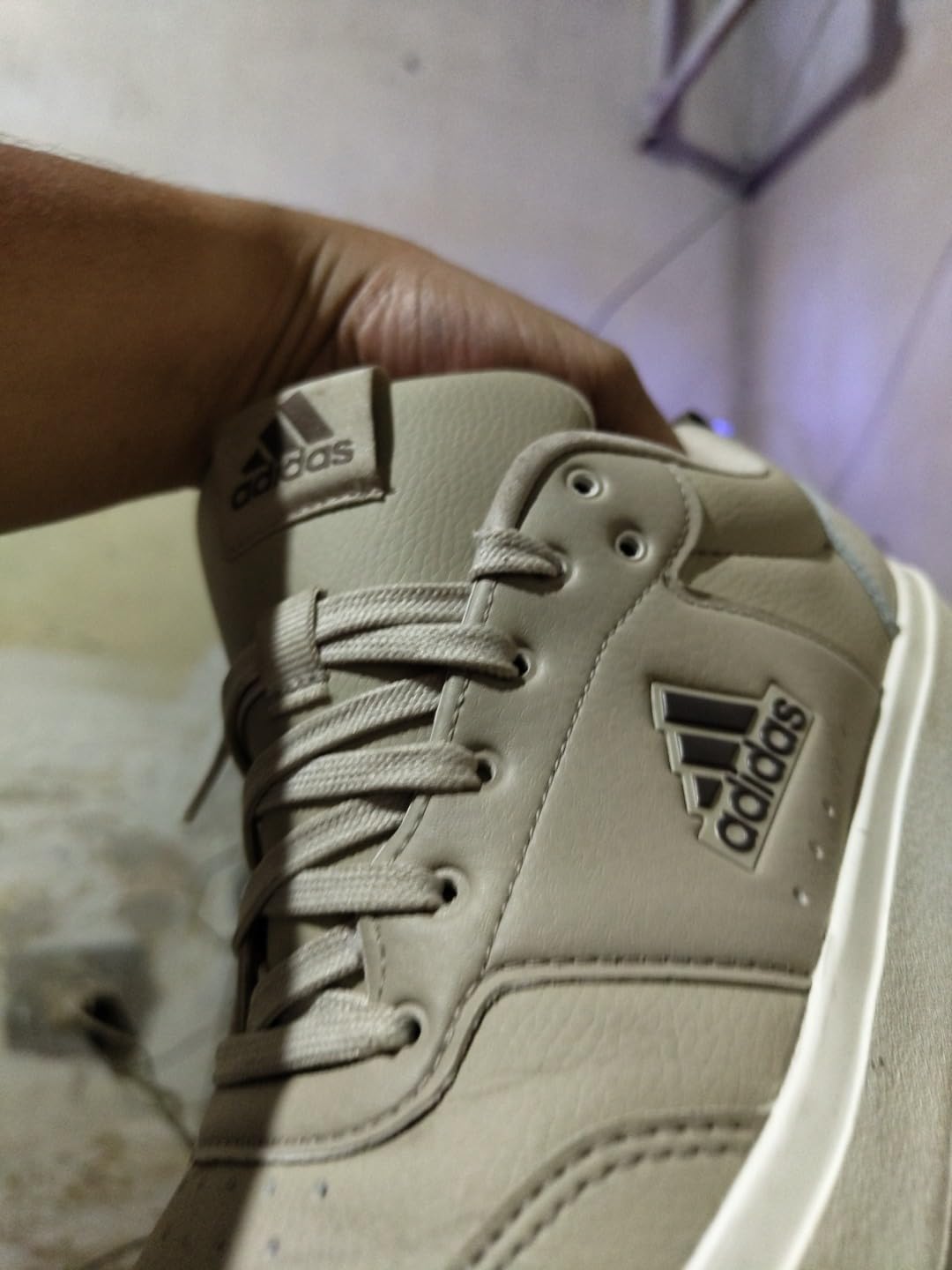
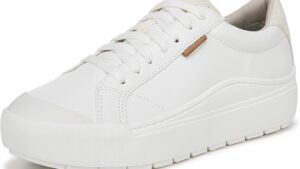
The tumbled synthetic leather feels substantial right out of the box—not flimsy like some budget alternatives I’ve tested, but not premium full-grain either. It’s that middle ground where you get durability for daily casual wear without paying for handcrafted Italian leather. The perforations across the toe box aren’t just stamped-on decoration; they’re actually punched through, which gave me some initial hope for breathability (more on that reality check later).
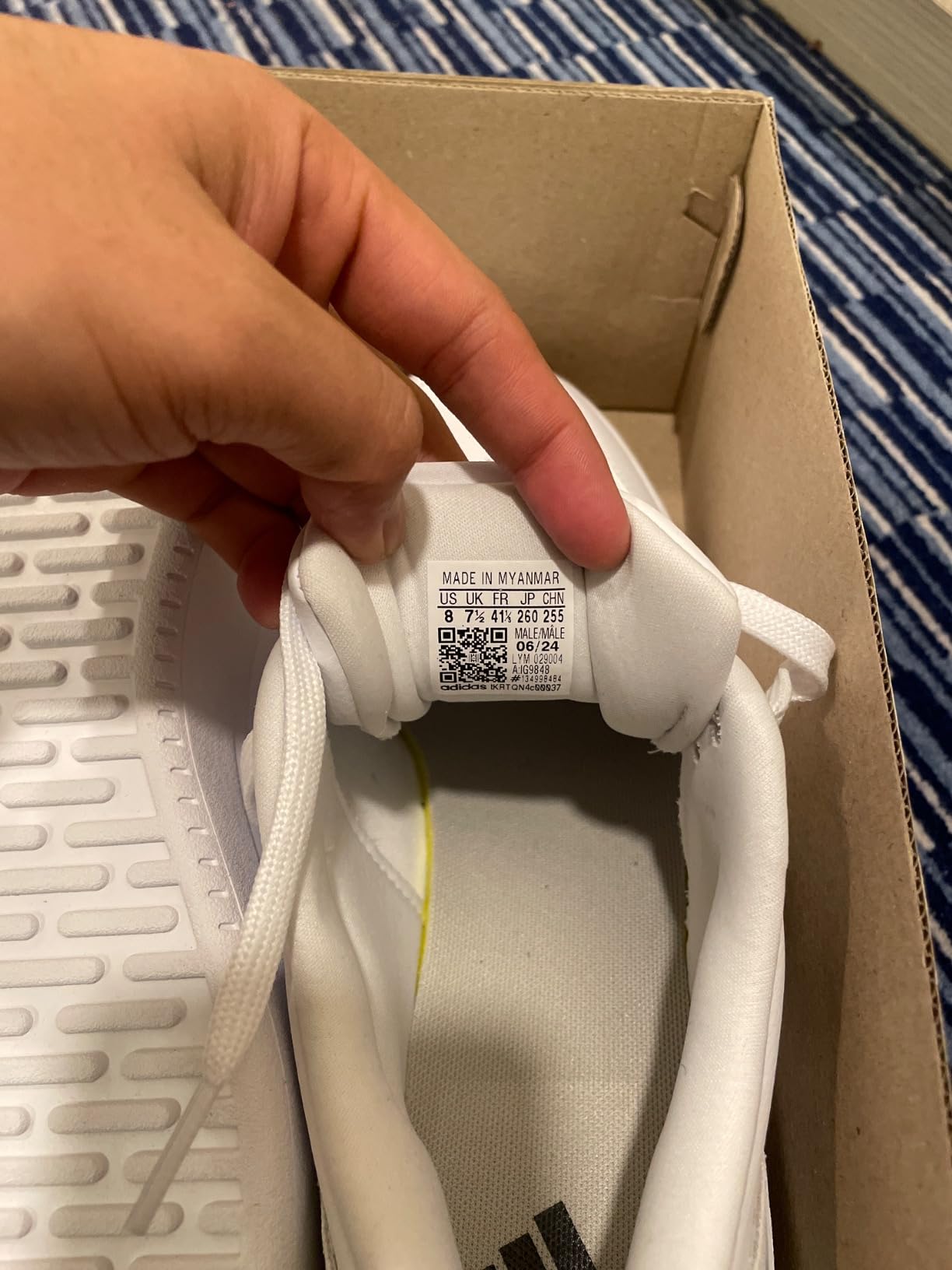
Slipping into my usual size 10, the fit was true to size with enough toe box room to avoid that cramped feeling I hate in court-style sneakers. The midfoot felt snug without being restrictive, and the standard lace-up closure gave me enough adjustability to dial in the fit. At 175 lbs, I noticed the Cloudfoam sockliner compressed slightly when I first stood up—not bottoming out, but giving that plush cradled sensation Adidas markets.
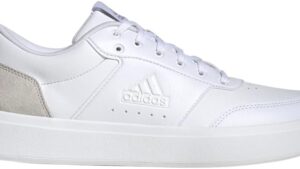
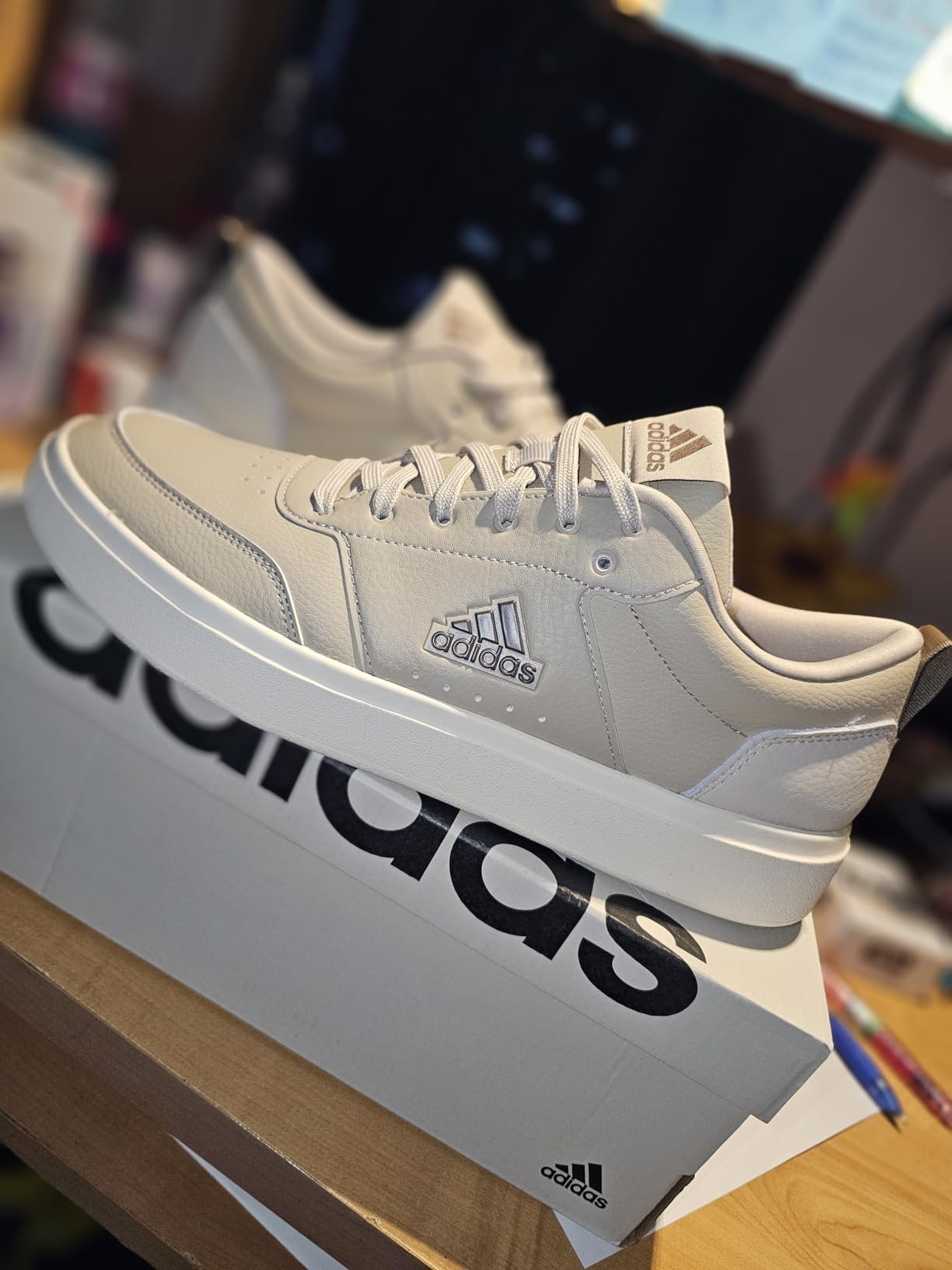
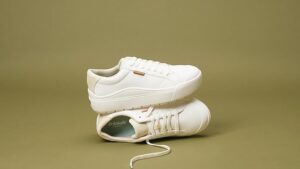
The white colorway with subtle grey accents immediately reminded me why I keep gravitating back to white sneakers: they’re the chameleons of casual footwear. The soft suede heel counter adds a nice textural contrast, and the rubber Badge of Sport logo keeps the Adidas branding visible without screaming “athletic shoe” in business-casual settings.
Cloudfoam Comfort — The Weeks 1-3 Honeymoon
For the first three weeks, these genuinely lived up to the Cloudfoam hype. That two-layer sockliner with the soft mesh top creates an initial comfort level that’s impressive for a $50-70 shoe. I tested them across my usual rotation: morning coffee runs, afternoon errands, and several full work days in a business-casual office where I’m on my feet intermittently.
The cushioning response during this initial period felt balanced—not the marshmallow-soft sink of memory foam that makes you feel unstable, but enough give to absorb impact on concrete sidewalks and tile grocery store floors. At my weight (175 lbs), the compression was noticeable but controlled. The midfoot stayed secure throughout, and I experienced zero hotspots or rubbing across probably 25-30 wear sessions during this honeymoon phase.
What impressed me most during weeks 1-3 was how they handled multi-hour outings. A 4-hour Saturday that included walking through the farmer’s market and Target shopping? No issues. Standing at a backyard BBQ for 3 hours? Feet felt fine. The lace-up closure held tension well enough that I wasn’t constantly retying, and the low-cut collar didn’t dig into my ankles.
But Then Week 4 Hit
Here’s where I need to level with you about long-term comfort. Around week 4—right when I was about to declare these a budget winner—I started noticing the heel area losing its bounce. Not catastrophically, but enough that the plush feel I’d gotten used to wasn’t there anymore. The cushioning had compressed to probably 70-75% of its original responsiveness, and that last 25-30% turned out to be the difference between “comfortable” and “these are fine but not ideal.”
The turning point was a 12-hour test day I put them through: morning walk around the neighborhood, 8 hours at a standing desk (with breaks, but still), then an evening grocery run. By hour 10, my feet were definitely sending signals. The minimal arch support—which had been fine for shorter durations—became a limitation. The heel compression meant more direct impact transmission, and I found myself shifting weight more frequently than earlier in the test period.
This time-based degradation aligns with what I found across community reviews. Cloudfoam is EVA foam at its core, and EVA compresses over time under repeated load cycles. For occasional wear (1-2x per week), this timeline stretches out. But at my testing frequency (4-5x per week), week 4 was when the reality gap between initial comfort and sustained comfort became clear.
On-the-Street Versatility Testing
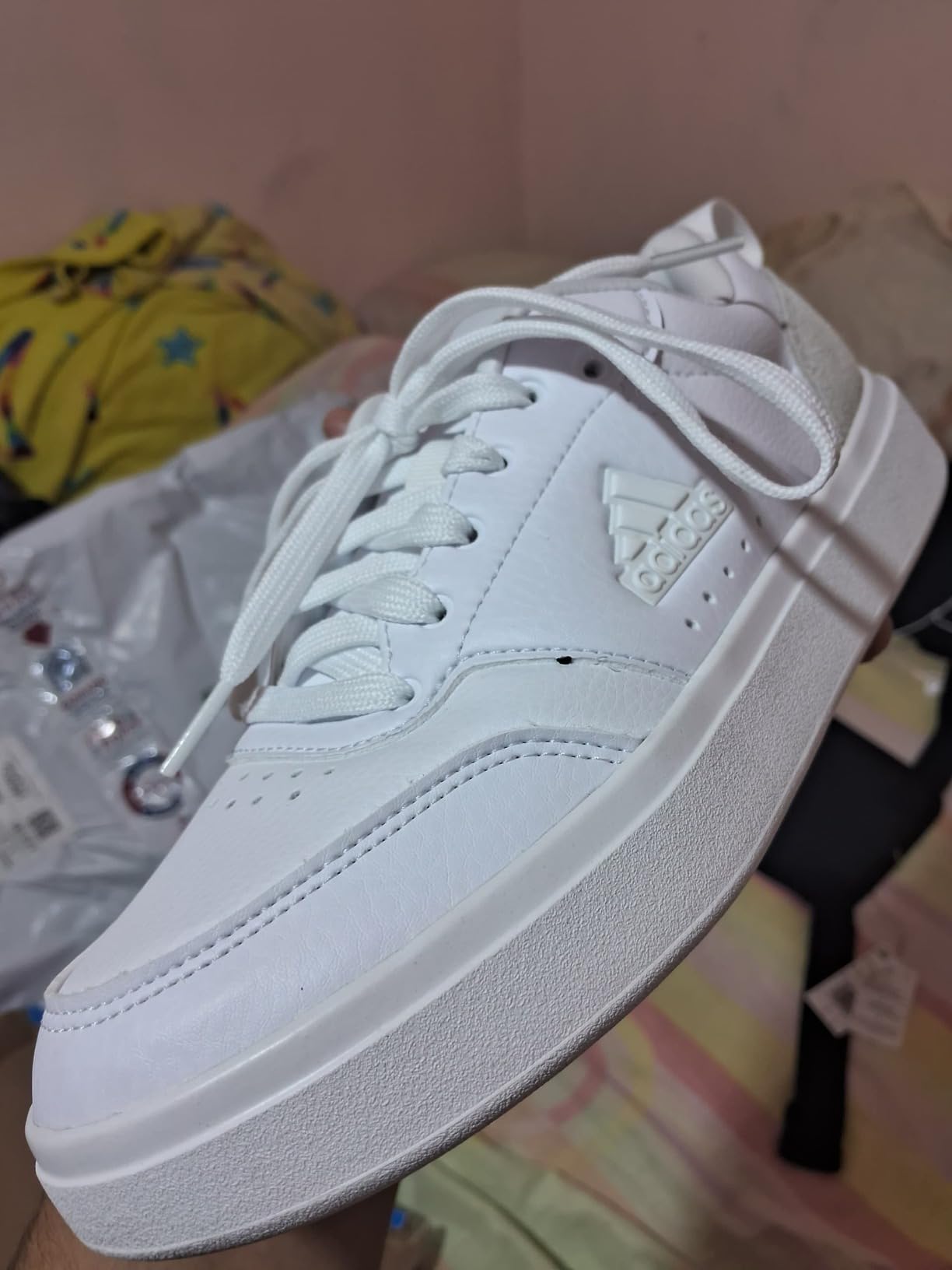
This is genuinely where the Park Street earns its keep. Over 8 weeks, I wore these with dark jeans and a button-down for casual Fridays, navy chinos for client meetings (business-casual, not formal), khaki shorts for weekend outings, and even black jeans for a dinner out. The clean tennis-court-inspired silhouette works because it’s familiar enough to feel intentional but not so aggressive that it clashes with tailored casual pieces.
The white-on-white with grey accents colorway is legitimately neutral. I paired them with earth tones, dark blues, blacks, and lighter summer colors without once feeling like the shoes were fighting the outfit. Compared to chunkier retro sneakers or ultra-minimal slip-ons, these hit that sweet spot where they add to an outfit without dominating it.
For guys building out a versatile wardrobe on a budget—students, young professionals, anyone who needs one pair to work across contexts—this is the Park Street’s strongest case. They’re clean enough to not look out of place at a business-casual office, but casual enough that they don’t feel forced with weekend wear.
Durability Concerns You Should Know About
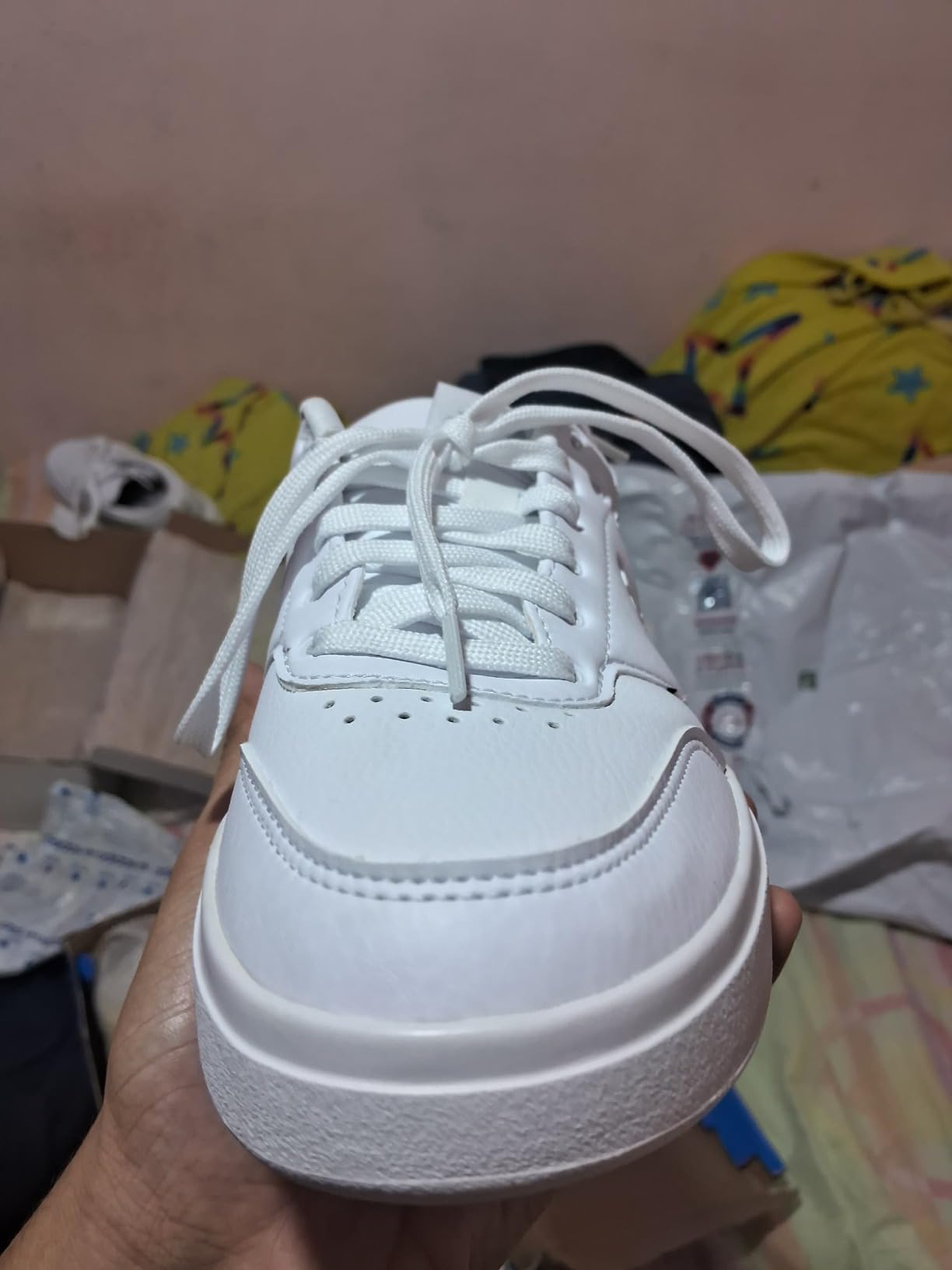
The synthetic leather upper holds up surprisingly well to scuffs and daily wear. After 8 weeks of sidewalk concrete, grocery store tile, and occasional light rain exposure, the surface still looks presentable with just a quick wipe-down using a damp cloth. The stitching remained intact, and I didn’t see any fraying at stress points around the eyelets or toe cap.
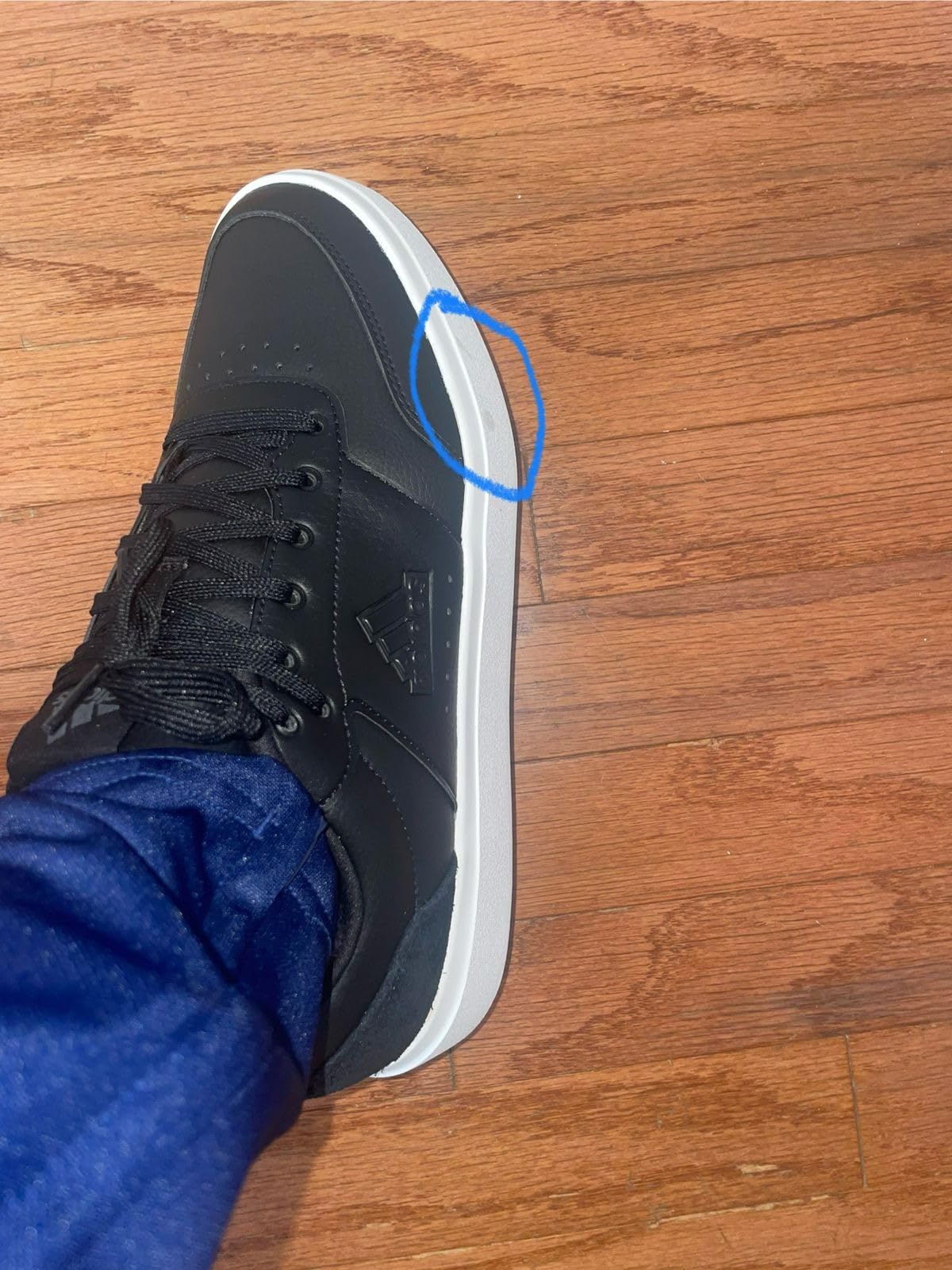
However—and this is a significant “however”—during week 7, I noticed the sole starting to separate at the toe area. Not a full delamination, but enough visible lifting that I could catch a fingernail under the rubber at the front. This aligns with a consistent pattern I found across community reviews: sole attachment appears to be the weak link in this shoe’s construction. Some users report full separation within 1-4 months of daily wear; others get 6-12 months with lighter use.
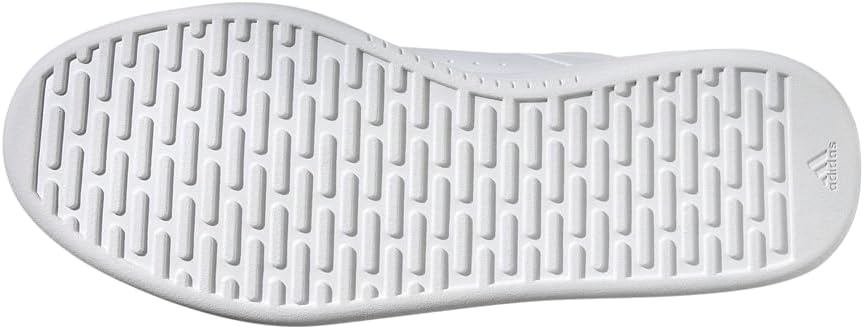
At my testing frequency (4-5x per week, not daily), week 7 marks the point where durability questions moved from theoretical to visible. The rubber outsole itself shows minimal wear—good traction pattern retention on the high-contact heel and forefoot zones—but if the sole isn’t staying attached to the upper, tread depth becomes irrelevant.
The 50%+ recycled content is commendable from a sustainability angle, and I didn’t notice any quality penalty from the recycled materials themselves. The upper construction feels as solid as virgin synthetic leather would. The durability issue appears to be in the adhesive bond or sole construction method, not the materials per se.
For comparison, Nike Air Force 1 classics in this price range (when on sale) typically offer more consistent sole attachment, though they lack the Cloudfoam cushioning. Adidas Daily 3.0 offers similar styling with reportedly better durability, though at a slightly higher price point.
Weather & Temperature Reality Check
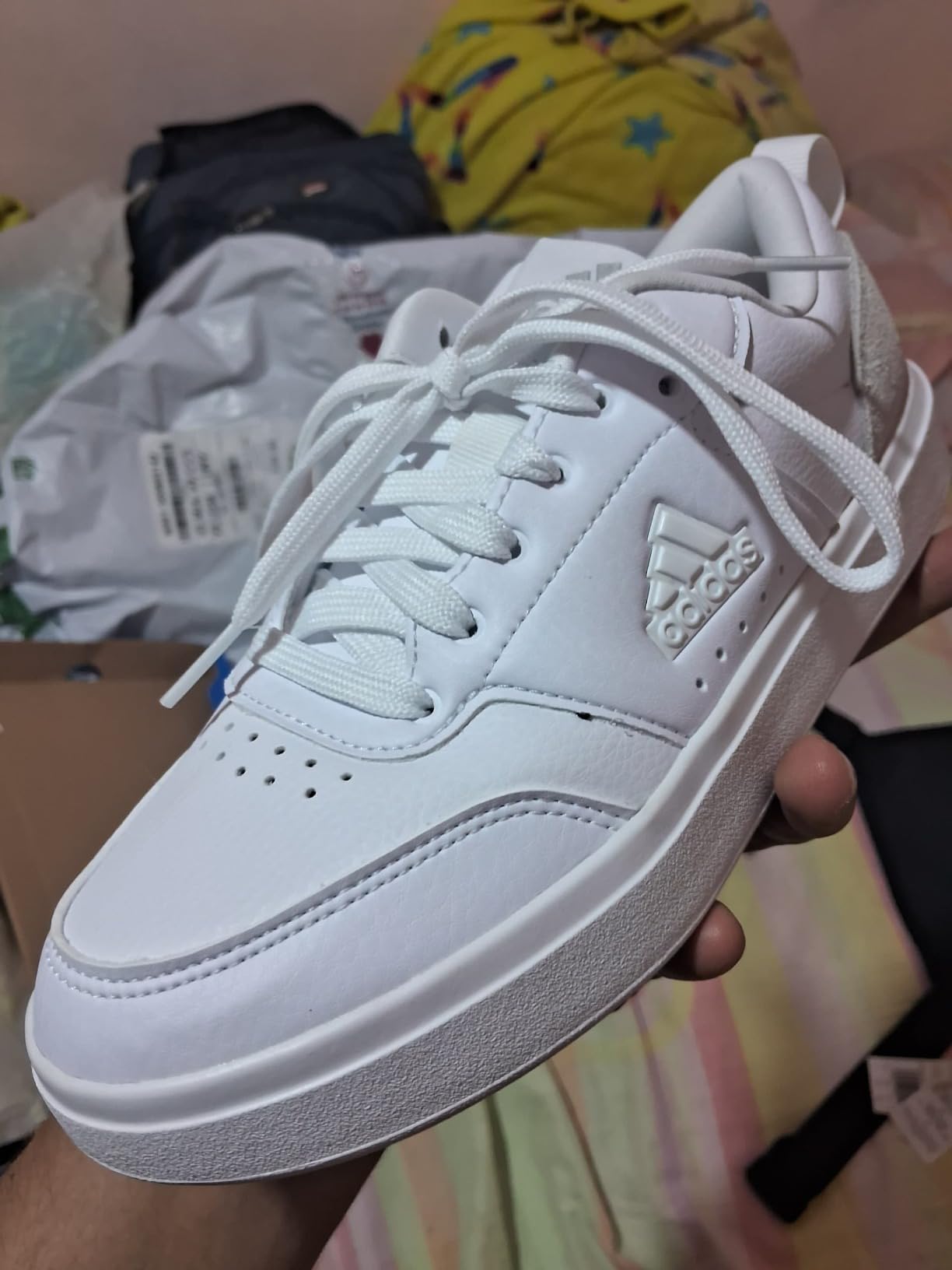
My 8-week testing window spanned temperatures from 45°F early morning walks to 85°F afternoon outings, which gave me a decent range to assess thermal performance. The perforations do provide some airflow—I could feel slight air movement when walking briskly—but the synthetic material is the limiting factor, not the perforation design.
At moderate temps (50-70°F), breathability was acceptable. No excessive moisture buildup, no swampy feeling during 2-3 hour wear sessions. But once ambient temps crossed 75°F and I was wearing them for extended periods, the synthetic upper’s inability to breathe like natural materials became obvious. Moisture buildup wasn’t catastrophic (I’ve tested far worse in fully synthetic training shoes), but it was noticeable enough that I’d actively avoid wearing these for all-day summer outings.
Light rain testing produced mixed results. The synthetic leather beaded water well initially—short exposure (5-10 minutes of light drizzle) while running between car and store caused no internal dampness. But the perforations mean this is definitively not a waterproof shoe. Anything beyond a light sprinkle for more than 15 minutes will get moisture through those holes. If you need weather protection, look at waterproof hiking shoes instead.
Seasonal sweet spot: Spring and fall are where these shine. Winter works if you’re in mild climates (they’re not insulated). Summer is doable for short errands, but I’d skip them for all-day outdoor events above 80°F if you tend toward sweaty feet.
Does Adidas Actually Deliver on Marketing Claims?
Cloudfoam Comfort Claim
Verdict: Partial delivery with timeline caveat
The two-layer sockliner genuinely provides excellent initial comfort (weeks 1-3). Adidas isn’t lying about the technology. But the compression timeline isn’t advertised, and that’s where expectations meet reality. If you’re buying these for occasional wear (1-2x per week), you’ll likely enjoy that plush feel for several months. Daily drivers will hit the compression wall much faster.
Lightweight Comfort Claim
Verdict: Confirmed, but subjective perception varies
At 11.2 oz for a men’s size 9, these are objectively light for a lifestyle sneaker. For context, classic leather court sneakers often hit 13-15 oz. However, I found online reviews mentioning they “feel heavier than expected,” which I attribute to the cupsole construction adding perceived heft compared to ultra-minimal running shoes. They’re light for the category, not light compared to performance runners.
Durable Synthetic Leather Claim
Verdict: Mixed—upper yes, sole attachment no
The upper material resists daily scuffing well and cleans easily (genuine strength). But sole separation at week 7 of 4-5x/week wear contradicts any broad “durable” marketing. The upper and sole need to be evaluated separately; one delivers, the other doesn’t.
Recycled Materials (50%+) Claim
Verdict: Confirmed and authentic
Adidas is transparent about this, and I didn’t detect any quality penalty from the recycled content. The sustainability angle is a genuine value-add for environmentally conscious buyers. No greenwashing detected.
What The Community Is Saying
After cross-referencing my experience with dozens of reviews, here’s the consensus pattern:
Positive trends:
– True-to-size fit (strong agreement, though some report sizing small—if between sizes, go up 0.5)
– Versatile styling works across outfit contexts (confirmed)
– Easy maintenance (synthetic leather cleaning advantage)
– Good value *for occasional wear* (key qualifier)
Negative trends:
– Sole separation (1-4 month range for daily wear; 6-12 months moderate use)
– Breathability limitations (synthetic material bottleneck above 75°F)
– Cushioning compression over time (week 4+ timeline in my testing)
– QC variance (some batches sizing inconsistently)
Detailed Scoring Breakdown
| Category | Score | Key Finding |
|---|---|---|
| Initial Comfort (Weeks 1-3) | 8.5/10 | Cloudfoam delivers plush feel, no hotspots |
| Long-Term Comfort (Week 4+) | 6.0/10 | Compression noticeable, minimal arch support limits duration |
| Style & Versatility | 8.5/10 | Genuinely works across contexts, clean aesthetic |
| Upper Durability | 7.5/10 | Resists scuffs well, easy to clean |
| Sole Durability | 4.5/10 | Week 7 separation observed, consistent pattern in community |
| Breathability | 5.5/10 | Perforations help slightly, synthetic bottleneck above 75°F |
| Value for Money | 6.5/10 | Good for occasional wear; daily use lifespan questions |
| Sizing & Fit | 8.0/10 | Generally TTS, some QC variance—between sizes go up 0.5 |
| OVERALL SCORE | 6.8/10 | Solid casual sneaker with use-case limitations |
Value Assessment at $50-70
This price bracket is tough to evaluate because expectations vary wildly. At $50 (lower end), these offer decent value for guys who need an occasional business-casual or weekend sneaker. At $70 (higher end), you’re approaching Adidas Advantage 2.0 territory, which offers better durability reports.
For occasional wear (1-2x per week), the lifespan could stretch to 12-18 months, making the cost-per-wear math work out to roughly $0.15-0.20 per session. For daily drivers, the 1-4 month sole separation timeline reported in the community—and my own week 7 observation at 4-5x/week—pushes cost-per-wear higher and makes the value proposition shakier.
The sustainability angle (50%+ recycled content) adds intangible value if you prioritize eco-conscious purchases. The style versatility is a genuine strength that shouldn’t be undersold. But durability questions prevent me from recommending these as a primary shoe for daily wear.
Who Should (and Shouldn’t) Buy These

Perfect for:
- Guys wanting a versatile white sneaker for occasional wear (1-3x per week max)
- Business-casual work environments needing presentable footwear that’s not too formal
- Students or young professionals building a flexible wardrobe on a budget
- Style-focused buyers who prioritize aesthetic over athletic performance
- Environmentally conscious shoppers valuing recycled material content
- Anyone needing a backup pair for specific contexts (travel, client visits, date nights)
Skip these if:
- You need a daily driver for 5-7 days per week wear (sole durability won’t support it)
- You have specific arch support requirements or foot conditions
- You work in hot environments or live in climates regularly above 80°F (breathability limits)
- You’re looking for a 2+ year lifespan shoe (realistic expectation: 6-12 months moderate use)
- You need genuine athletic performance features (minimal lateral support, not for running or HIIT)
- You work on your feet all day (comfort ceiling at ~4-6 hours based on my testing)
Better Alternatives for Specific Needs:
For better sole durability: Nike Air Force 1 (classic leather versions hold up longer, though heavier)
For daily wear comfort: New Balance Fresh Foam Roav V1 (better long-term cushioning retention)
For similar style, better breathability: Adidas Swift Run 1.0 (mesh upper breathes better, though less formal aesthetic)
For business-casual with arch support: Bruno Marc Maxflex dress sneakers (more support, similar price, less sporty look)
Frequently Asked Questions
Do the Adidas Park Street Sneakers run true to size?
Generally yes, based on my size 10 testing and community consensus. I found the fit true to size with adequate toe box room and snug midfoot security. However, some users report they run slightly small (QC batch variance appears to be a factor). If you’re between sizes or have wider feet, consider going up half a size to be safe.
How long do these typically last with regular wear?
This depends heavily on frequency. At my testing rate (4-5x per week), sole separation became visible at week 7. Community reports suggest:
– Moderate use (2-3x/week): 6-12 months
– Daily wear (5-7x/week): 1-4 months before sole issues or significant cushioning loss
– Occasional (1x/week): Potentially 12-18 months
The upper holds up well; it’s the sole attachment that’s the limiting factor.
Are these good for walking long distances?
For casual walks under 3-4 miles, they’re comfortable enough (especially in the first few weeks). However, minimal arch support and the Cloudfoam compression pattern make them less than ideal for serious distance walking or all-day touring. For extended walking, consider dedicated walking shoes with better arch support.
How’s the breathability during summer?
Limited. The perforations help at moderate temps (50-70°F), but the synthetic leather upper is the bottleneck. Above 75°F, expect moisture buildup during wear sessions longer than 2-3 hours. If you live in hot climates or have sweaty feet, look for mesh-upper alternatives.
Can I wear these for workouts?
Light gym activities like weightlifting are probably fine (firm cupsole provides stable platform). But the synthetic upper, minimal lateral support, and lifestyle-focused design make them unsuitable for running, HIIT, or any high-impact activities. Stick to dedicated training shoes for actual workouts.
Are they easy to clean and maintain?
Yes—this is a genuine strength. The synthetic leather wipes clean with just a damp cloth. Tougher stains respond to mild soap and water. They maintain their appearance better than canvas or mesh alternatives, which is a real advantage for keeping the clean white aesthetic looking fresh.
What’s the realistic lifespan with careful wear?
If you treat these as an occasional shoe (1-2x per week, avoid harsh weather, rotate with other footwear), you could realistically get 12-18 months. But “careful wear” defeats the purpose of having a versatile daily option. The honest answer: 6-12 months for most people’s actual use patterns, with sole durability being the limiting factor.
How do these compare to other Adidas lifestyle sneakers?
They sit below Adidas Stan Smith classics in build quality and durability but offer more cushioning. They’re more lifestyle-focused than performance models like Ultraboost, trading athletic features for style versatility. For similar aesthetics with reportedly better durability, check Adidas Daily 3.0.
Will the Cloudfoam cushioning last?
Initial feel is excellent, but expect noticeable compression around week 4 with regular use (4-5x/week in my testing). Cloudfoam is EVA foam, which compresses under repeated load cycles. For occasional wear, the timeline stretches out. Daily drivers will hit the compression ceiling faster. It’s not defective—it’s material physics.
Are the perforations functional or just decorative?
They’re genuinely punched through (not fake stamping), so they do provide airflow. However, the synthetic material is the real limiting factor for breathability, not the perforation design. Think of them as helping slightly rather than solving the breathability challenge entirely.
Final Verdict
The Adidas Park Street Sneakers earn a 6.8/10—a solid choice for specific use cases, but with clear limitations you need to understand before buying. They excel at style versatility and initial comfort, offering genuine value for guys who need an occasional business-casual or weekend sneaker. The clean aesthetic works across contexts, the Cloudfoam cushioning delivers for the first few weeks, and the synthetic upper maintains its appearance with minimal maintenance.
But the sole durability concerns are real and consistent across my testing and community reports. Week 7 sole separation at my testing frequency (4-5x/week) suggests these aren’t built for daily-driver duty. The Cloudfoam compression timeline (week 4+) and minimal arch support create a comfort ceiling for extended wear sessions. Breathability above 75°F is limited by synthetic materials, not perforation design.
If you’re looking for a versatile white sneaker to wear 1-3 times per week for business-casual environments, short errands, and social outings—and you go in with realistic expectations about the 6-12 month lifespan—these deliver solid value at $50-70. They’re especially appealing for students, young professionals building a flexible wardrobe, and anyone who prioritizes style over athletic performance.
However, if you need a daily driver for 5-7 days per week, work on your feet all day, require specific arch support, or live in consistently hot climates, the limitations outweigh the strengths. The sole durability questions and compression timeline make them harder to recommend for heavy use.
At this price point, you’re buying a shoe that looks better than it performs long-term, but performs well enough for occasional use. That’s a valid trade-off if it matches your actual needs—just don’t expect miracles beyond the use case these are designed for.
Be the first to review “adidas Men’s Park Street Sneaker”
Related products

Running Shoes
Sneaker
Sneaker
Running Shoes
Sneaker
Sneaker
Sneaker
Reviews
There are no reviews yet.