
Two mornings before I bought these, my three-year-old sat on the entryway bench for eleven minutes — I counted, because I had nothing else to do while he fought with the buckles on his previous shoes — before we gave up, shoved them on his feet, and left. By the time we reached preschool, he’d been crying for four blocks. I had a cold coffee. The shoes looked fine. I did not.
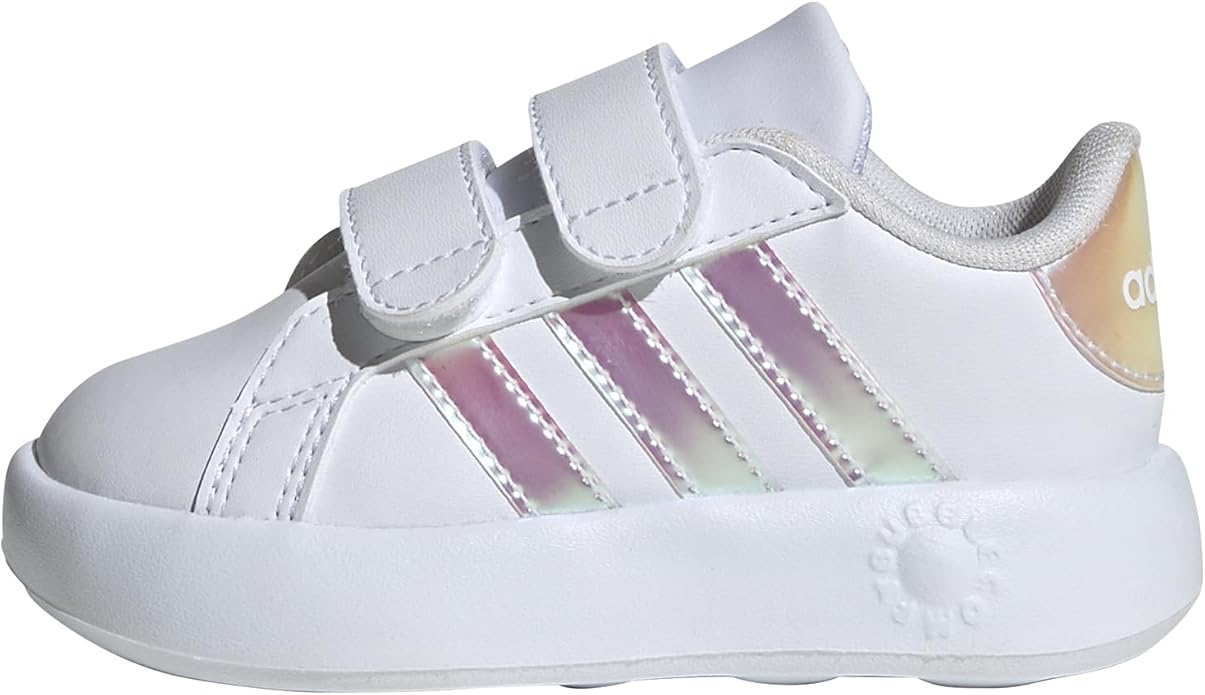
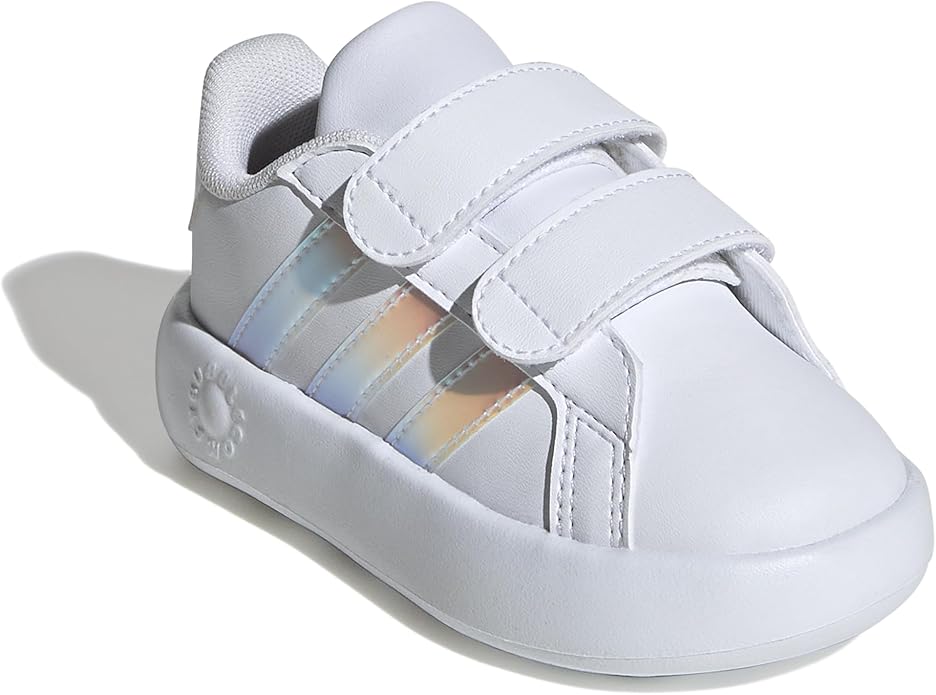
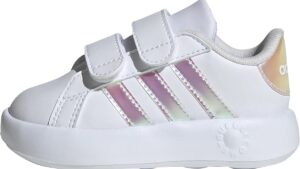
The Adidas Grand Court 2.0 Kids arrived at $35 and I expected very little from it. Eight weeks later, here’s what actually happened.
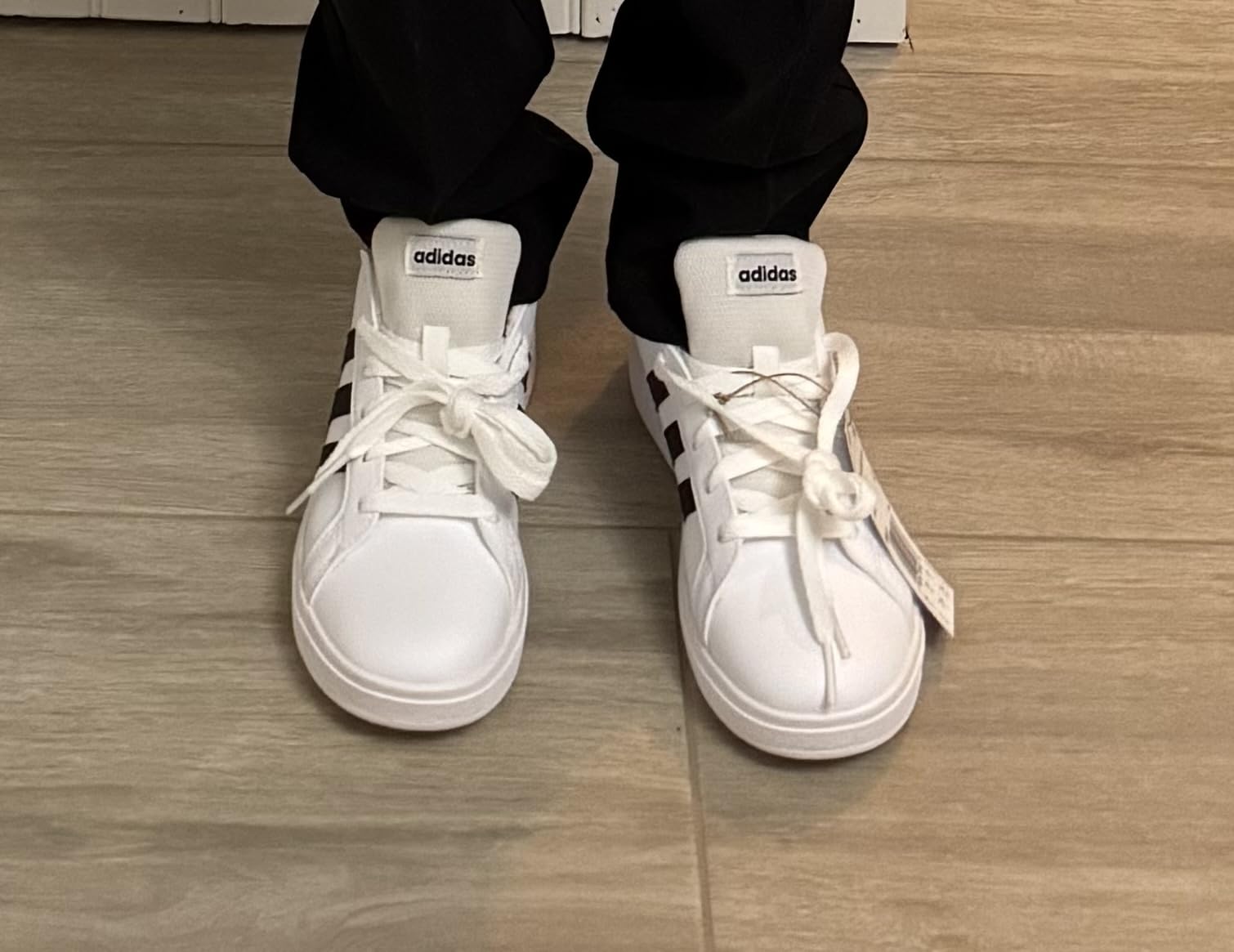
Technical Specifications
- 💰 Price: $35
- ⚖️ Weight: 6.2 oz (kids size 10)
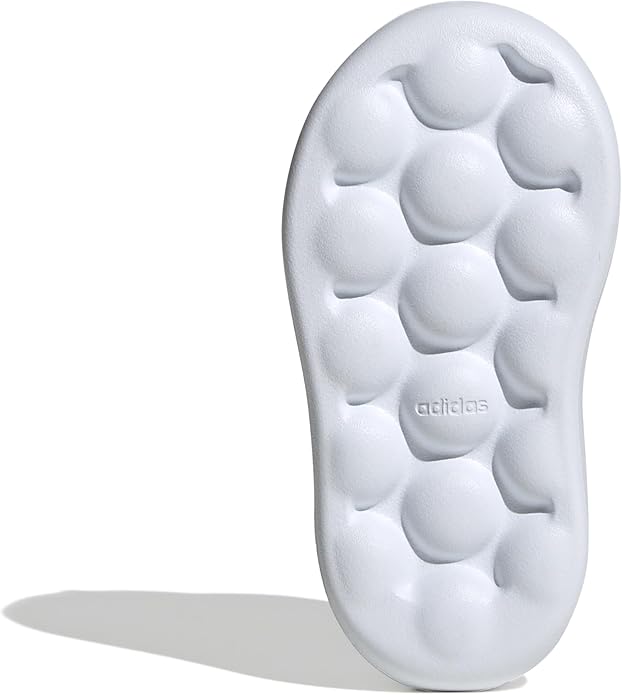
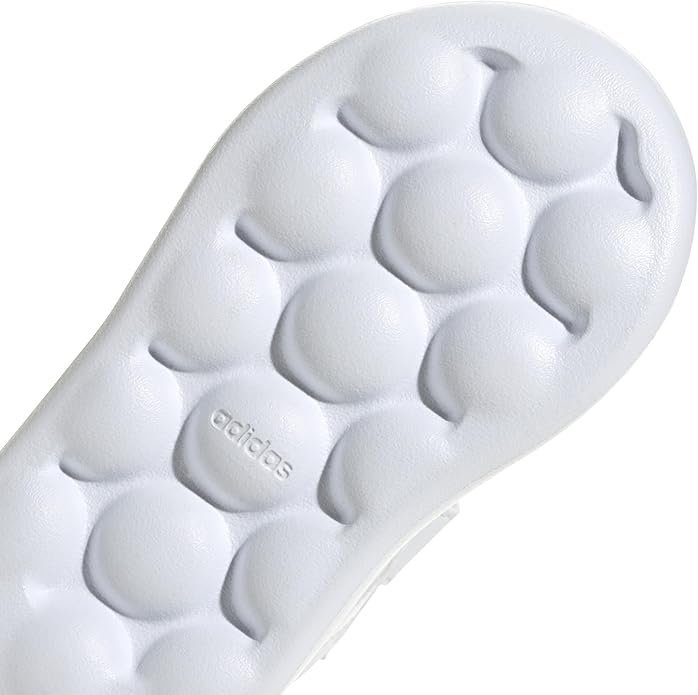
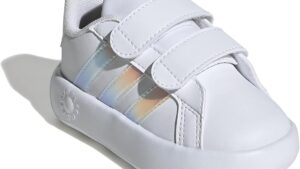
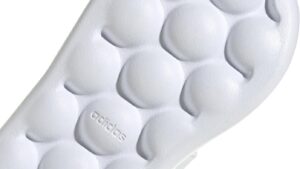
- 🧪 Sole: EVA unitsole (Bubblecomfy tech); rubber cupsole on older-kid sizes
- 👟 Upper: Synthetic faux leather (≥50% recycled content on most variants)
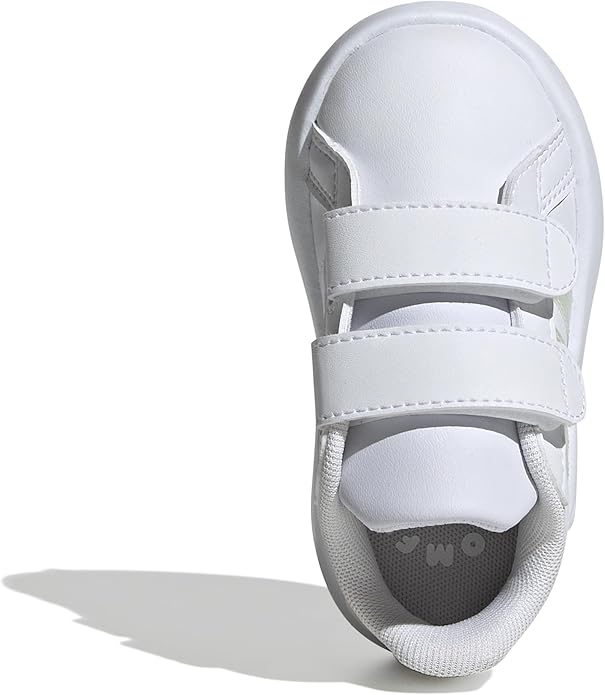
- 🔒 Closure: Hook & loop straps (toddler/little kid); elastic lace + strap (early elementary); traditional lace (big kids)
- 👶 Category: Kids lifestyle sneakers (toddler to big kid)
I tested these with both my kids — ages 3 and 6 — across eight weeks of daily school wear, playground chaos, muddy park visits, and a machine wash cycle that the care label specifically advises against. What I found surprised me in three specific places, and confirmed what I already suspected in two others. This is the full accounting.
What Makes This More Than Just Another Kids’ Sneaker
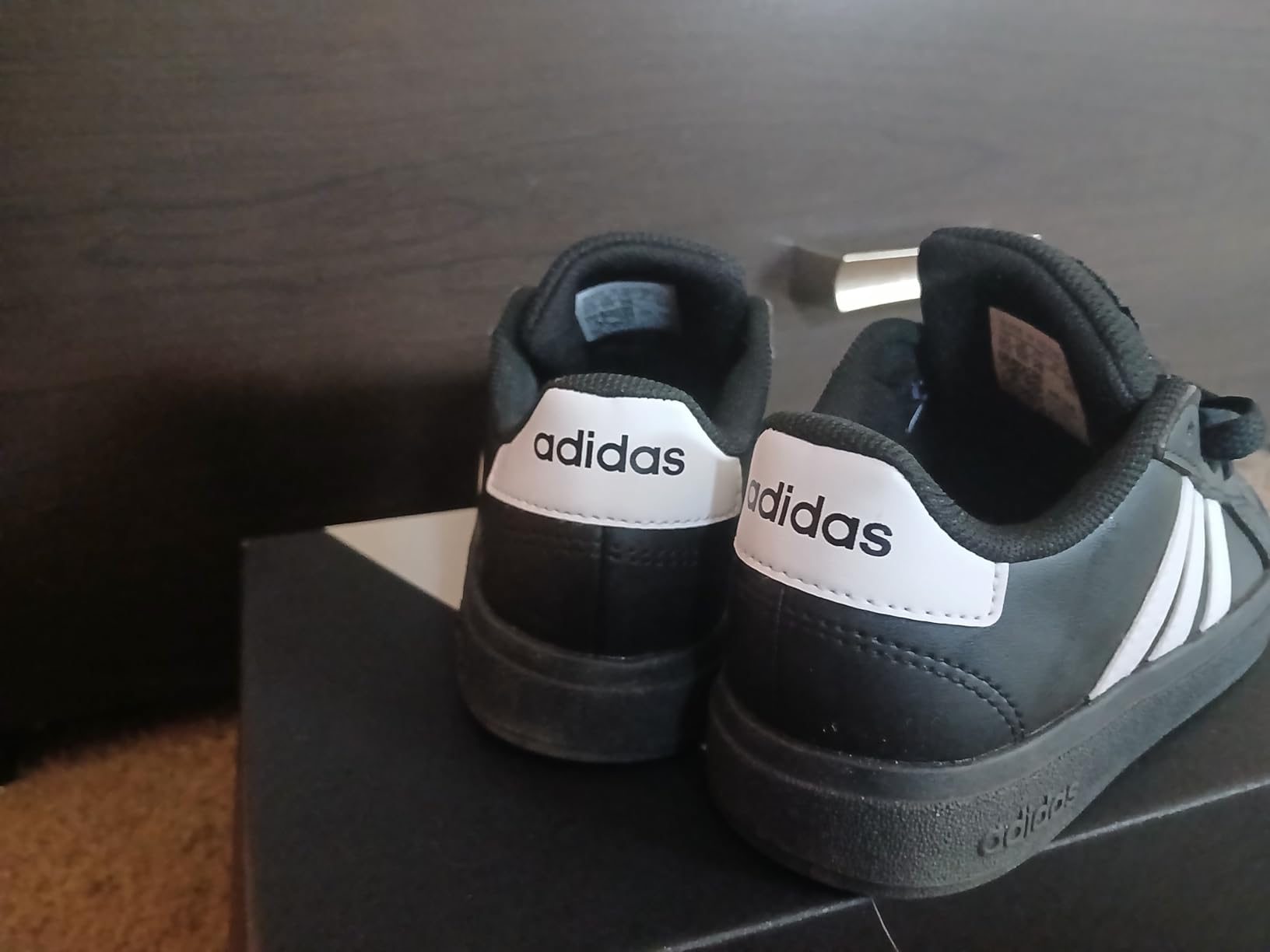
Bubblecomfy Technology: What It Actually Delivers
Before we get into eight weeks of real-world data, let me explain Bubblecomfy — because if you go in without context, you’ll either love it immediately or spend three days wondering what’s wrong with your kid’s gait.
The EVA unitsole on the toddler and hook-and-loop version isn’t standard budget foam. Adidas engineered it to be softer and more responsive, and the difference is something you feel from step one: a slight give and rebound that most kids’ shoes at this price don’t have. My six-year-old called it “springy” on the first day and then stopped commenting because she’d adapted. My three-year-old was noticeably wobbly on day one — genuinely looked like he was discovering a new walking surface — and had completely settled into a normal gait by day four.
That adjustment window is worth mentioning because none of the other reviews I read noted it. Kids transitioning from stiffer flat-soled shoes will feel the difference. It’s not discomfort, just novelty. Within a week, both kids had stopped noticing the foam entirely and were running through mulch like it was invisible underfoot.
For context on weight and cushion feel: lighter kids (under roughly 55 lbs) experience the Bubblecomfy as genuinely bouncy — there’s real spring in each step. Heavier kids compress the foam more, which produces a firmer, more supportive feel. Both are functional; it’s just a different sensation depending on your child’s build.
The Hook-and-Loop Independence Factor
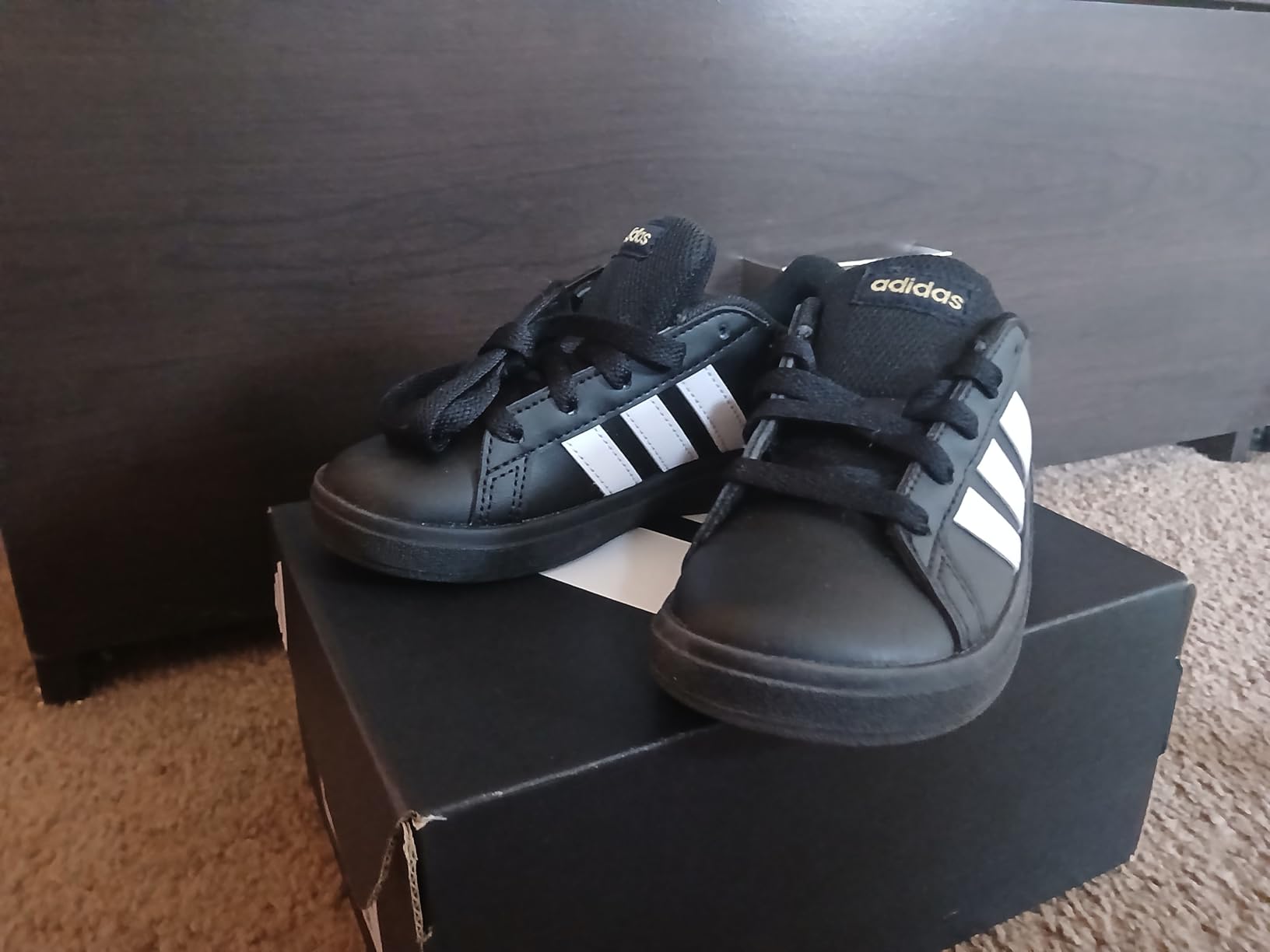
I’ve timed morning shoe battles. I’ve bribed my way through them. I’ve arrived at preschool with a child in tears more times than I’d like to admit. The hook-and-loop system on the Grand Court 2.0 ended this for us in forty-eight hours.
The two straps are wide enough for small fingers to grab without precision, positioned at an angle that lets young kids reach them without twisting their wrists, and the adhesion is strong enough that the shoes stay on through active play without needing adjustment mid-day. By the morning of day three, my three-year-old was ahead of me getting out the door. He now treats shoe-putting-on as a personal achievement, which it is.
What I didn’t expect: my six-year-old, who has been tying her own laces for a year, preferred the hook-and-loop version after trying her brother’s pair for twenty minutes one afternoon. Speed, apparently, matters to six-year-olds. She wears lace-up versions of her other shoes without complaint; she’d switch to straps here given the option.
The straps showed zero degradation after eight weeks of daily fastening. No pilling, no weakened adhesion, no velcro that catches on laundry. That’s the one failure mode I was watching for and didn’t see.
Sizing Reality Check and Playground Performance
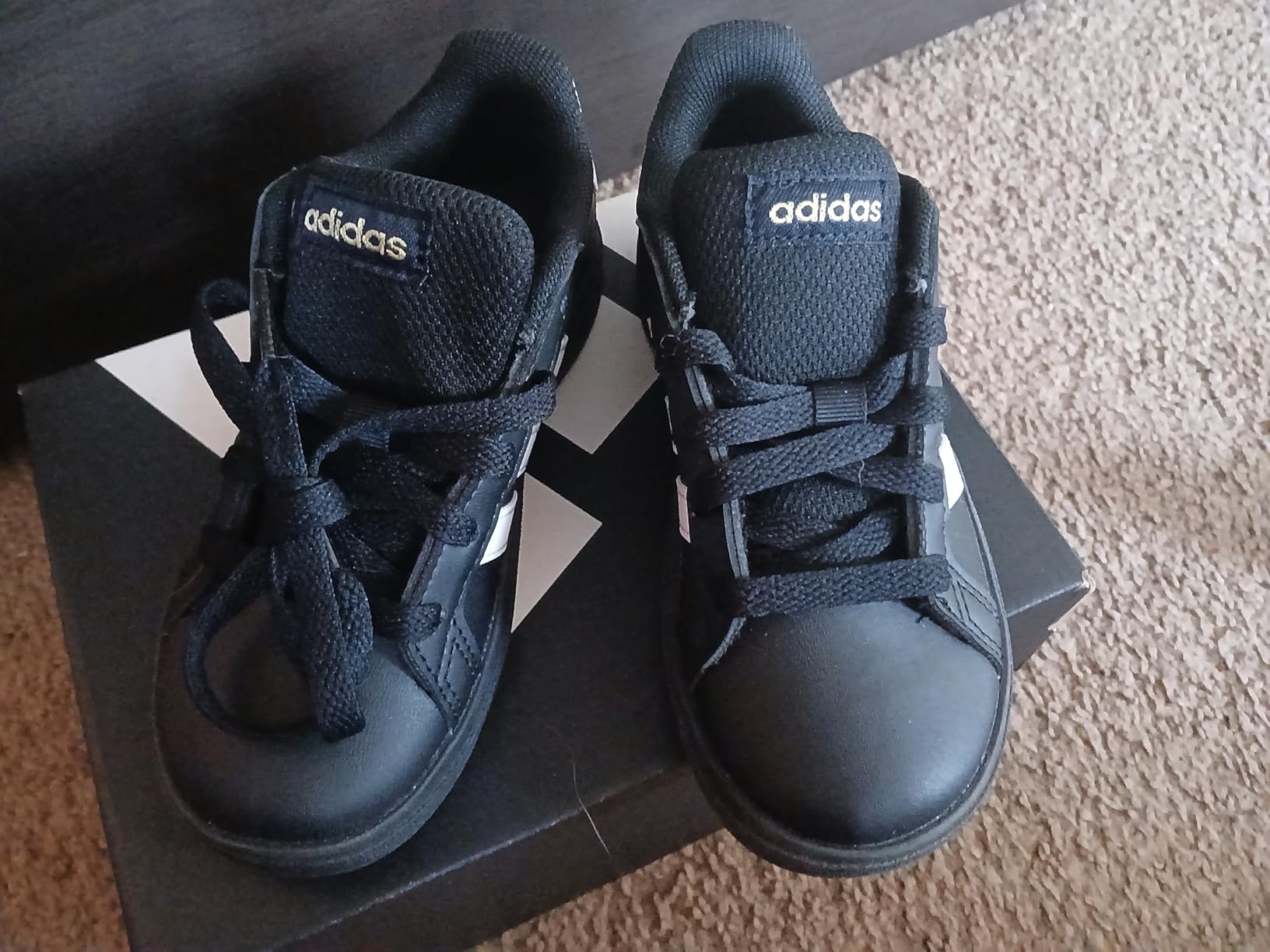
How to Get the Size Right
The honest sizing summary: these run “generously true to size.” There’s enough room in the toe box that standard-width feet fit comfortably without needing to size down, and wide or chunky feet often fit TTS without needing to size up. My daughter, who consistently needs wider fits or size-up accommodations with other brands, wore her true size in the Grand Court 2.0 without any crowding. My three-year-old, with stereotypically chunky toddler feet, also fit true size without pinching.
The caveat the reviews keep hinting at: a portion of buyers find these run slightly large, particularly in smaller kid sizes. A user in one parent community mentioned needing to stretch their pair to fit. If your child is between sizes with standard-width feet, go with the smaller size. If they’re between sizes with wider feet, the larger is probably fine.
The wide toe box is functional, not just marketing. Toddler feet naturally splay when walking, and the Grand Court 2.0 doesn’t fight that. Several parents in our school carpool have mentioned that prior kid shoes made them size up specifically to accommodate toe width, and that these fit their normal size. That’s a cost savings over time — shorter lifespan per pair, but more pairs bought at the right size rather than over-sized to compensate.
Eight Weeks of Traction Data
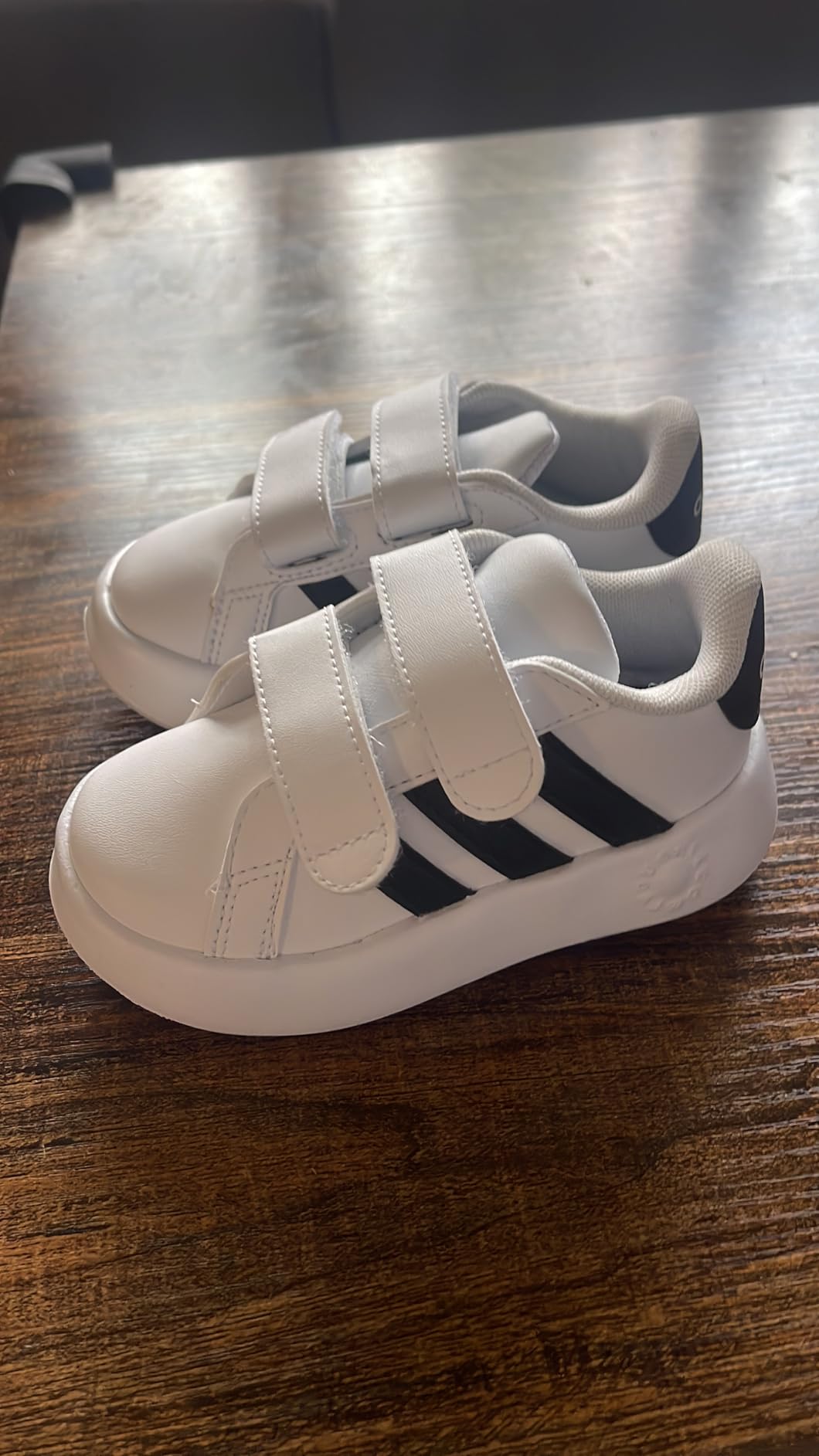
The rubber outsole uses a herringbone pattern — standard for this category of lifestyle sneaker, and the right call. It’s grippy enough for wet mulch, climbing structures, and the slick linoleum of indoor school hallways without catching aggressively on surfaces or making that dragging sound on gym floors.
Neither kid went down across eight weeks. One playground session involved wet climbing structure rungs after a morning rain; both held footing without any visible slipping or hesitation. A parent watching mentioned their child had fallen in similar shoes from another brand at the same playground the previous week. I can’t attribute that entirely to traction differences, but the herringbone pattern did its job here.
The Mud Test — Including the Machine Wash I Wasn’t Supposed to Run
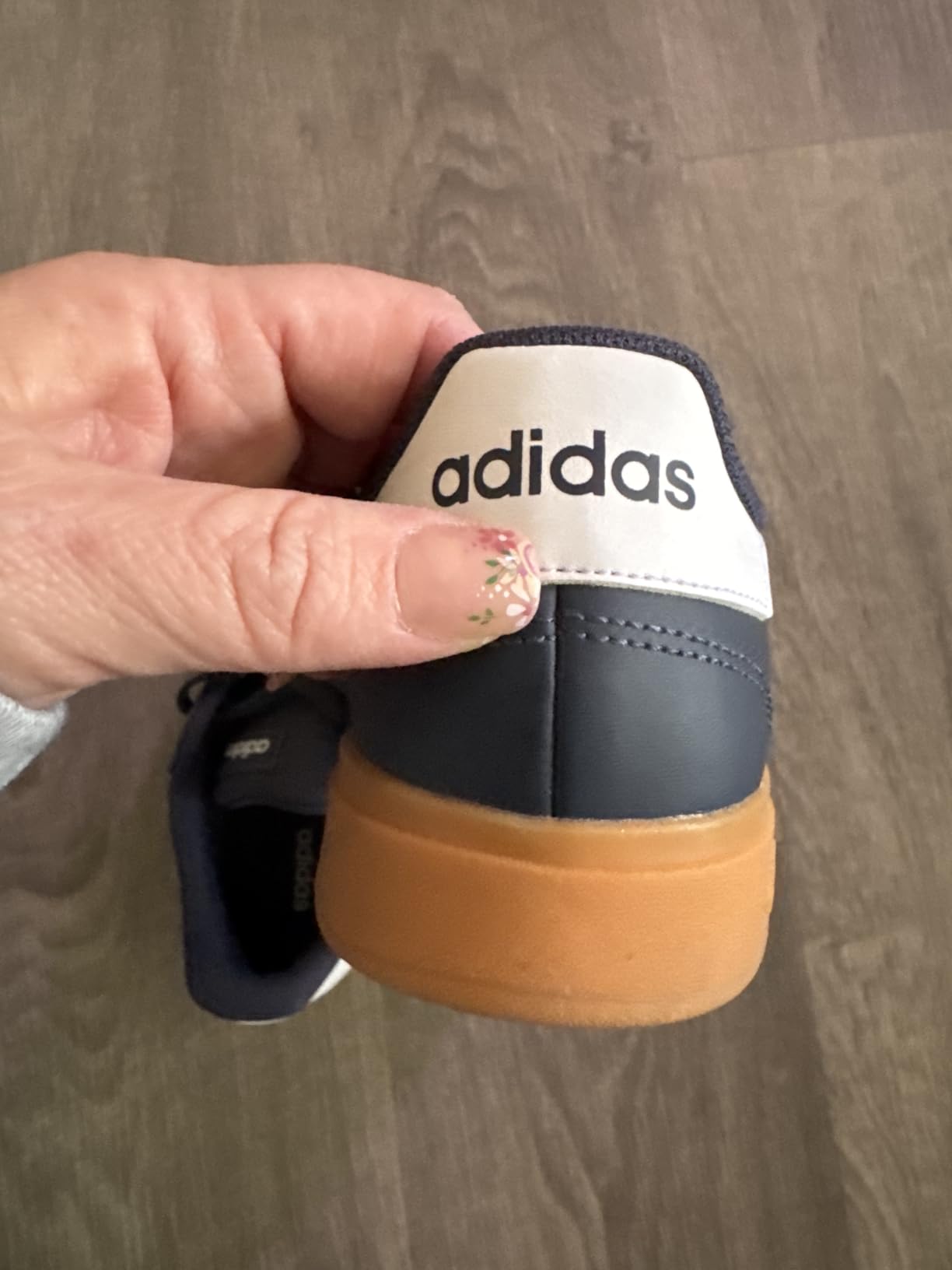
Week three of testing: both kids discovered the large muddy basin that forms at the base of our local playground’s wooden climbing structure after two days of rain. The shoes came back looking like evidence from a nature documentary.
Step one was a garden hose on medium pressure. Three minutes, no scrubbing. The synthetic leather surface doesn’t have a fabric weave for mud particles to lodge in — it’s essentially a smooth-ish surface that releases grime when rinsed. Wet grass stains followed the same pattern: rinse, wipe with a soft cloth, invert to dry. Done.
But I was curious about machine wash — specifically because every parent I know with active kids has eventually just thrown shoes in with the laundry out of necessity. The care label says hand wash only. I ran a cold-water gentle cycle with standard laundry detergent, shoes loose in a mesh laundry bag.
Result: no color bleed, no shrinkage, no delamination of the sole, stitching intact, foam not abnormally compressed. I air-dried them for 28 hours — worth noting that the exterior dries in roughly 12 hours but the interior fabric lining holds moisture longer. Putting damp-lined shoes back on a child generates exactly the smell you were trying to eliminate by washing them. Wait for full interior dryness.
One honest caveat: I ran this test once, not repeatedly. I wouldn’t build a habit of machine-washing them weekly. The cold gentle cycle works, but repeated cycles will eventually stress the adhesive on the hook-and-loop and potentially the sole-to-upper bond. For the occasional “these need to be fully clean” moment, though, this shoe handles it.
Durability at $35: Honest Lifespan Expectations
What Eight Weeks of Daily Use Shows
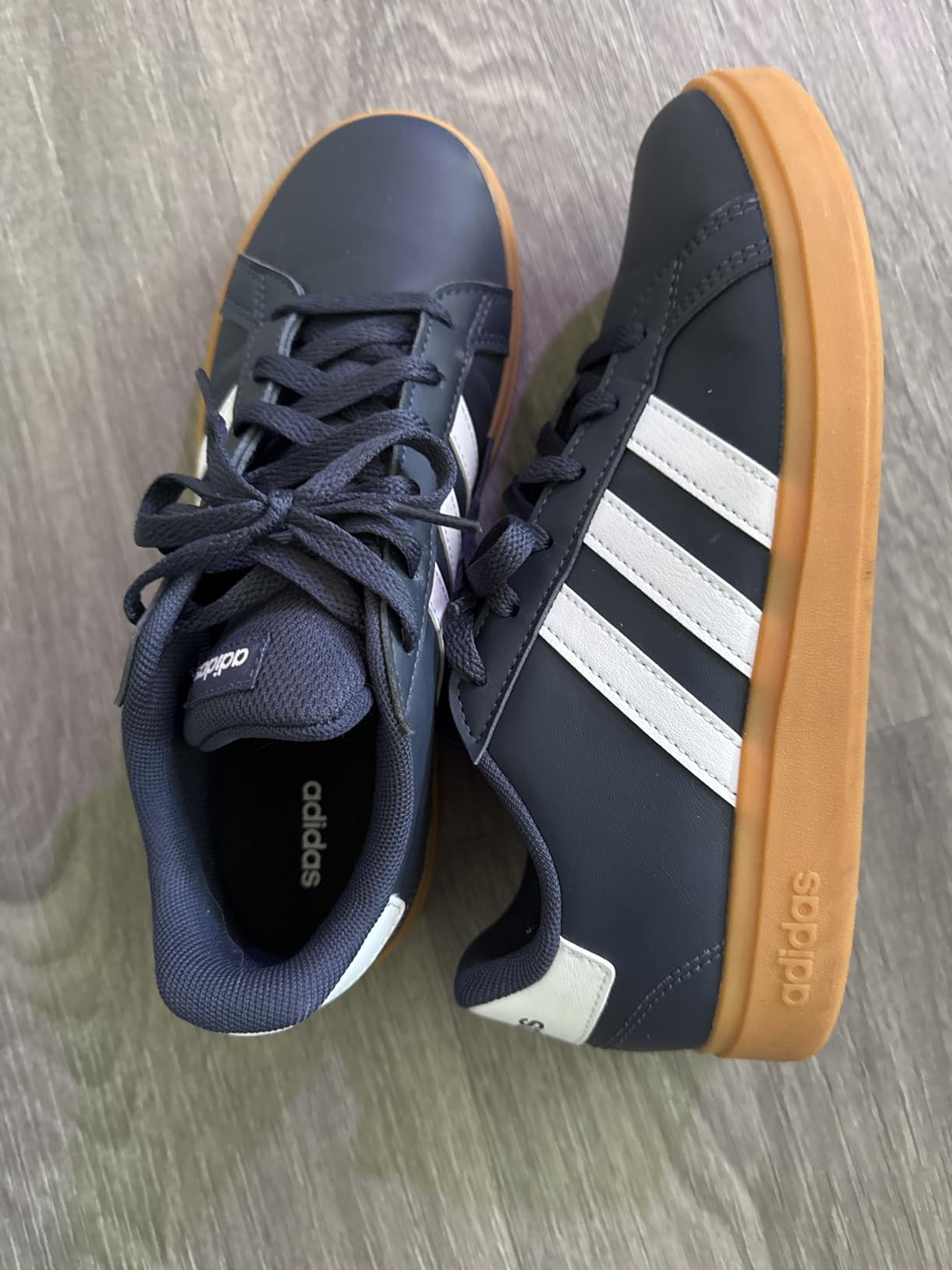
At the eight-week mark, I checked every component with fresh eyes:
- Outsole: Light wear marks on heel and ball-of-foot contact zones — normal at this stage, not alarming
- EVA midsole: Bubblecomfy foam still responsive; no visible flattening in high-load areas
- Synthetic upper: Zero cracks, peeling, or separation; white variant hasn’t yellowed
- Hook-and-loop straps: Adhesion unchanged from week one
- Stitching: All original threads intact; no loose ends
Nothing failing at eight weeks is the good news. The cautionary note: the heel-to-upper join — where the cupsole meets the synthetic leather — is the typical failure point for budget kids’ shoes. I’ll be checking that junction monthly from month four onward. It hasn’t moved yet, but that’s where I’d expect the first sign of stress at heavy use.
Projected Lifespan by How Hard Your Kid Uses Shoes
Based on the 8-week wear pattern extrapolated to likely trajectory:
- Light use (occasional school days, weekend outings): 12–18 months before foam compression becomes noticeable
- Moderate use (daily school + weekend activities, 4–5 days/week): 6–12 months realistic; Bubblecomfy EVA likely begins flattening around month 7–8
- Heavy use (aggressive outdoor play daily, multiple surface types): 3–6 months before structural issues emerge
The honest caveat most parents already know: most kids in the 3–8 age range will grow out of shoes before wearing them out. At $35, the math often favors replacing these at the right size rather than keeping them past their structural prime.
Cost-Per-Wear Math
$35 over 9 months at moderate daily use works out to roughly $3.90 per month — $0.22 per day if worn four days a week, $0.18 per day at five days. Premium kids’ shoes in the $120–150 range lasting 18–24 months calculate to $5.00–$8.30 per month. The Grand Court 2.0 wins on per-month cost when the lifespan gap is factored against the price difference.
For families with multiple kids buying shoes simultaneously, or households where kids are in growth spurts that make every pair a short-term purchase, this math becomes even more favorable.
Who These Are For — And Where to Look Elsewhere
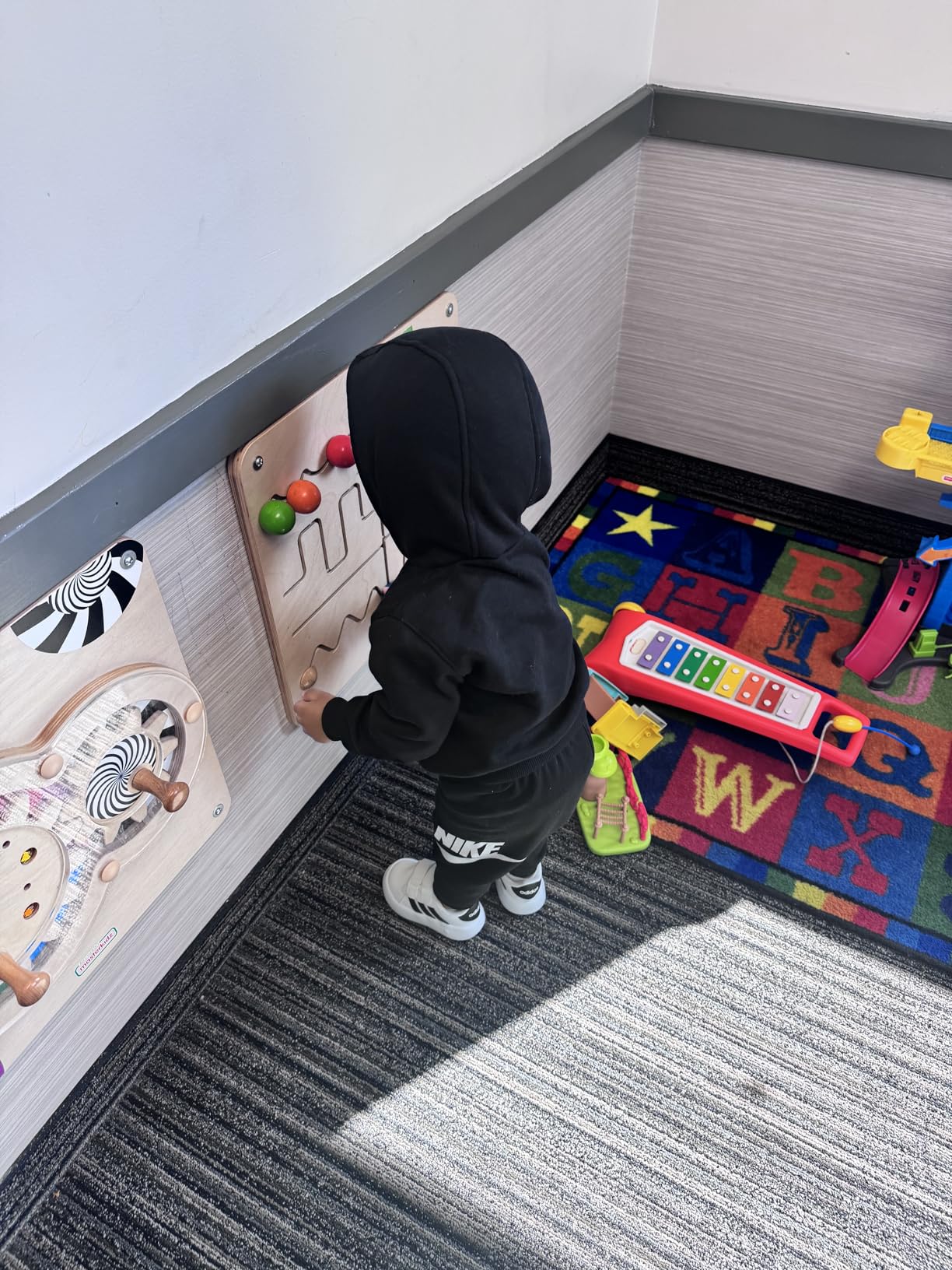
The Grand Court 2.0 Is the Right Choice If…
- Your child is in the pre-lacing years and you want daily shoe independence without the morning battles
- You have a wide-footed kid who’s been forcing size-ups with other brands to accommodate the toe box
- You need a versatile school sneaker that works from PE class to lunch to the walk home without looking sloppy
- Budget matters — at $35, buying two colorways for school rotation is a different calculation than it is with $80 shoes
- You live somewhere with muddy seasons and need shoes that survive cleanup without a full restoration process
- Your child hates the feel of stiff traditional shoes — the Bubblecomfy sole is meaningfully different from standard flat foam
Look Elsewhere If…
- Organized soccer or football: These aren’t cleats. Kids in leagues need proper soccer cleats — the Brooman Kids Soccer Cleats and Mifawa Kids Soccer Cleats are worth checking for that use case
- Basketball: Ankle support and court traction matter on the hardwood. Basketball shoes like the AND1 Kids Basketball Shoes are designed for that load; these aren’t
- Running programs or track: If your child does distance running or participates in track, dedicated running shoes provide the lateral stability and structured cushioning the Grand Court 2.0 doesn’t offer — the Salewa YTRXM Boys Running Sneakers are one direction to look
- Narrow-footed kids: The wide toe box works against a snug narrow fit; even sizing down may leave the forefoot feeling unsecured
- Sensory-sensitive children: The Bubblecomfy bounce is genuinely different from flat foam; worth trying on in a store before committing
How the Grand Court 2.0 Compares to Nearby Alternatives
| Feature | Adidas Grand Court 2.0 | Nike Court Vision Low | Puma Smash v2 |
|---|---|---|---|
| Price | $35 | $55–65 | $40–50 |
| Hook-and-Loop (toddler) | ✅ Yes | ❌ Lace-up only | ⚠️ Limited |
| Toe Box Width | Wide | Standard | Standard |
| Machine Wash Tested | ✅ Survived cold/gentle | Not confirmed | Not confirmed |
| Cushioning | Bubblecomfy EVA (soft, responsive) | Standard foam (firmer) | Standard EVA |
| Expected Lifespan | 6–12 months (moderate) | 12–18 months | 9–12 months |
| Parent Practicality | 9.5/10 | 7/10 | 7.5/10 |
If you’re comparing other Adidas options in this lifestyle segment, the Adidas Run Falcon 5 and Adidas Own The Game 3.0 are adjacent picks — more structured performance-oriented builds, but fewer parent-friendly closure options for younger kids. For the toddler/early-elementary audience, the Grand Court 2.0 is the more practical Adidas choice.
Frequently Asked Questions
How do these fit compared to other kids’ brands?
True to size for most children, but the toe box runs wide enough that wider-footed kids can often fit TTS rather than sizing up. Narrow feet may find the forefoot loose. If your child is at the border between sizes with standard-width feet, go with the smaller option. For wide feet at the border, the larger size is usually fine.
Can I actually machine wash these?
Adidas says hand wash only, and that’s the official guidance. I tested a cold-water gentle cycle with standard detergent and a mesh bag, and these survived without any damage — no color bleed, no delamination, no compression. Air-dry only; the interior takes roughly 28 hours to fully dry. I wouldn’t make machine washing a weekly habit, but the occasional full clean cycle does work on this shoe.
What is Bubblecomfy and how is it different from regular EVA?
Bubblecomfy is Adidas’s reengineered EVA midsole with a softer, more responsive feel than standard budget foam. The bounce-back is faster and the initial cushioning is more pronounced. It’s not premium-tier foam — don’t expect it to rival $100+ athletic shoes — but it’s noticeably better than the flat hard foam in most budget kids’ options. The main trade-off is a 3–7 day adjustment period for kids transitioning from stiffer shoes.
How long do the hook-and-loop straps stay secure during active play?
All day, across eight weeks of testing. Neither child needed mid-day strap re-fastening during school or playground use. After eight weeks of daily opening and closing, the adhesion shows zero degradation. The straps are wide enough and positioned well enough that they stay put during running, climbing, and the kind of directional changes that kids don’t announce in advance.
Are these good for PE class?
For general PE — movement activities, light running, basic gymnastics, cooperative games — yes. The traction handles gym floors well and the Bubblecomfy cushioning is comfortable for the kind of low-impact activity most elementary PE involves. For kids doing competitive athletic training or sport-specific PE, purpose-built shoes are a better choice. The ASICS Upcourt 3 Kids is worth considering for kids doing court sports in PE.
My child has flat feet — will these work?
The wide toe box and cushioned sole work for many foot types, including flatter profiles. What these don’t have is structured arch support or orthotic-accommodation depth. If your child has been prescribed orthotics or specific arch support, check with their podiatrist or pediatric orthopedic specialist before relying on these as the primary support shoe.
How long before the bouncy sole feeling goes away?
Most kids adjust within 3–7 days. Day one the Bubblecomfy feels unfamiliar; days two and three see gradual adaptation; by the end of week one, most kids have stopped noticing it. If your child is still uncomfortable at two weeks, the shoe may simply not be the right fit for their particular proprioceptive preferences.
What’s the best way to clean these between machine washes?
For everyday mud and grass: a garden hose rinse on medium pressure removes most outdoor debris in under three minutes. The synthetic leather surface doesn’t hold grime the way fabric does. For scuffs: a damp cloth with mild soap. For the interior lining: remove the insole if it’s removable (varies by size), rinse separately, air-dry fully before replacing. Regular quick-cleaning extends the time between full washes significantly.
Full Scoring
| Category | Score | Notes |
|---|---|---|
| Comfort | 8.5/10 | Bubblecomfy delivers; adjustment period is the only deduction |
| Durability | 7.5/10 | Strong at 8 weeks; 6–12 month realistic lifespan is appropriate for price tier |
| Ease of Use | 9.5/10 | Hook-and-loop mastered by 3-year-old in 2 days; straps durable |
| Versatility | 9/10 | Works school-to-playground-to-casual without looking out of place |
| Value for Money | 9/10 | $0.22/day at moderate use; cost-per-month competitive even vs. premium |
| Family Practicality | 9.5/10 | Machine wash survival, easy cleanup, independence straps — all verified |
| Overall Score | 8.8/10 | Highly Recommended for Families |
The Bottom Line
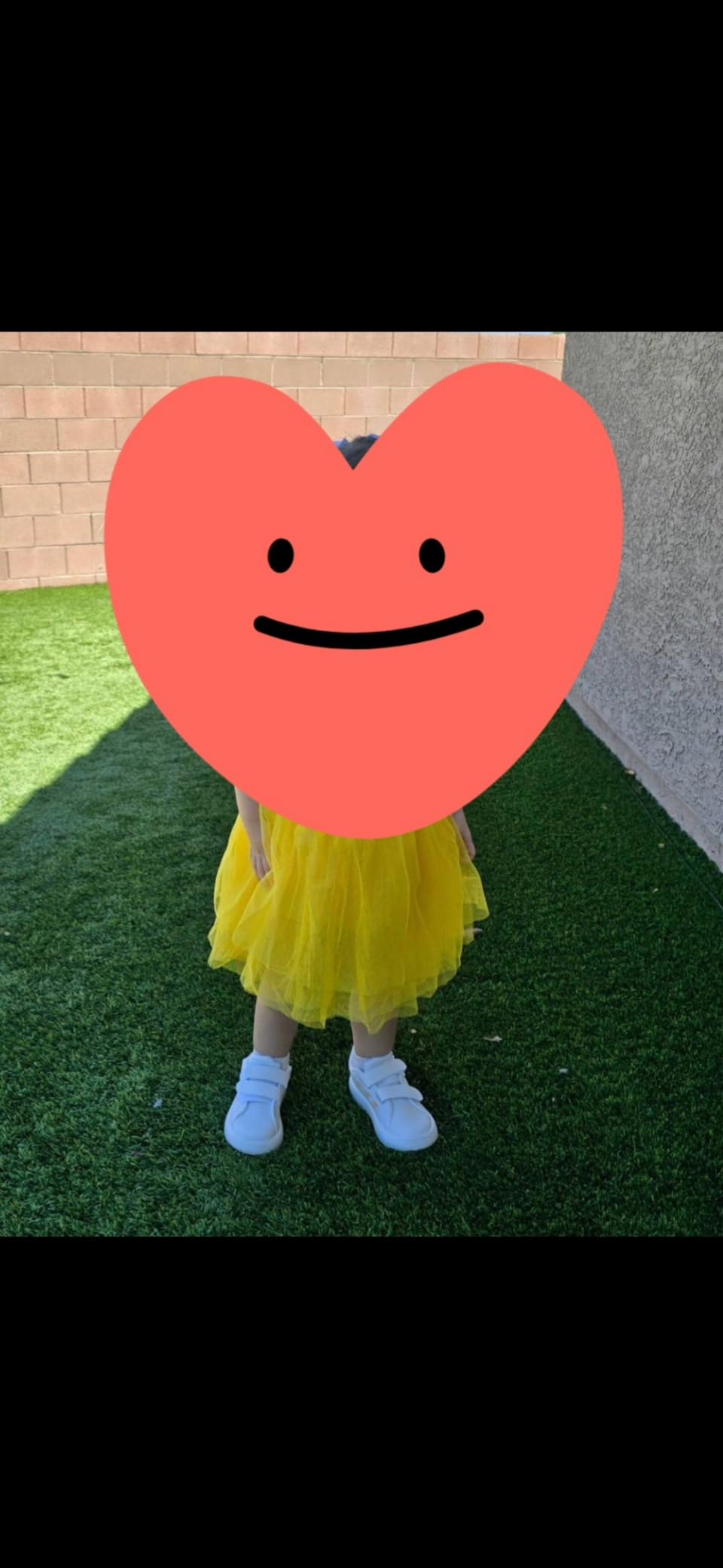
Eight weeks in, the Adidas Grand Court 2.0 Kids delivered on the things that actually matter to parents with young children: the shoe my three-year-old can put on himself, survived a washing machine cycle without drama, handled every playground surface we threw at it, and cost $35. The Bubblecomfy foam takes a few days to stop being interesting, but after that adaptation window closes, it’s just a comfortable shoe that kids wear without complaint.
Where it earns its score: independence-enabling closure, genuinely wide toe box that fits without sizing up, easy maintenance that includes machine wash survival, and a value calculation that holds up against alternatives costing twice as much.
Where it falls short: not a multi-year shoe at heavy use, not rated for heavy rain, not suited for sport-specific activities, and not the right fit for narrow-footed kids who’ll swim in the wide toe box.
If your household includes a pre-lacing child, a mud-season playground, and a preference for spending $35 rather than $80 on shoes that kids will outgrow in six months — these belong in your rotation. I’ll be buying the next pair.
Be the first to review “Adidas Unisex-Child Grand Court 2.0”
Related products
Sneaker
Sneaker
Sneaker

Sneaker
Reviews
There are no reviews yet.