
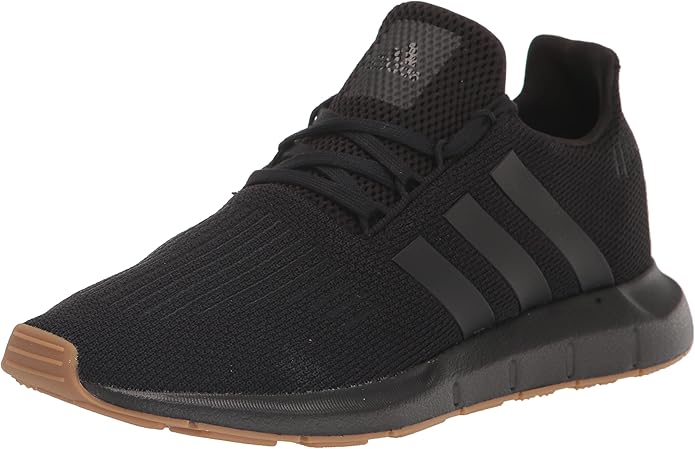
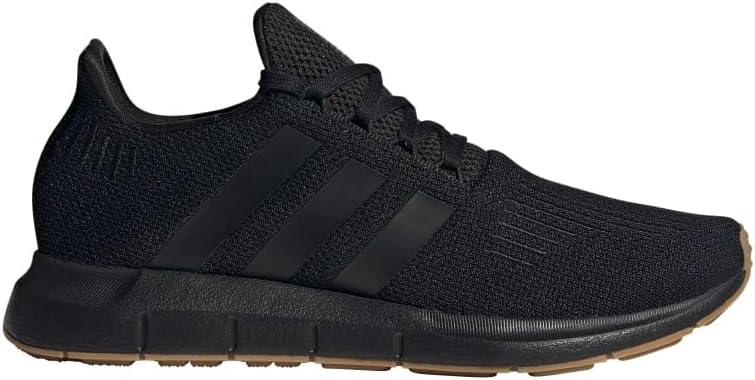
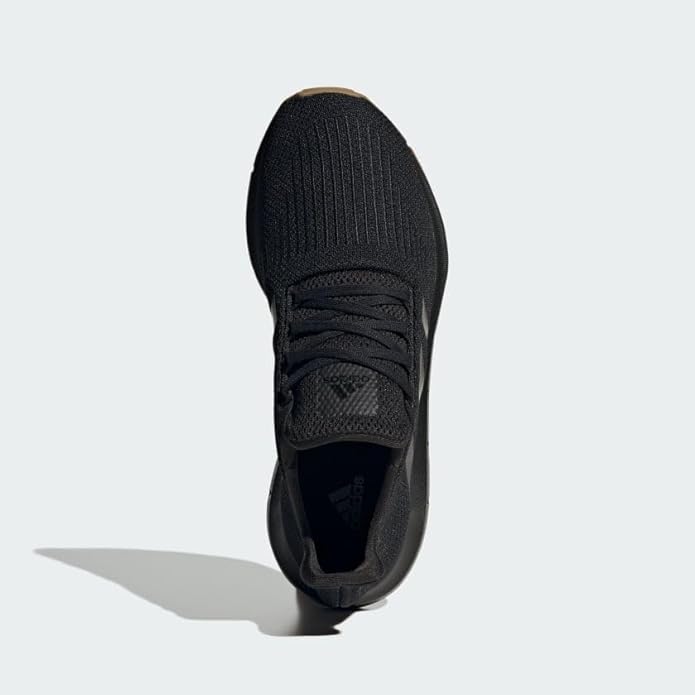
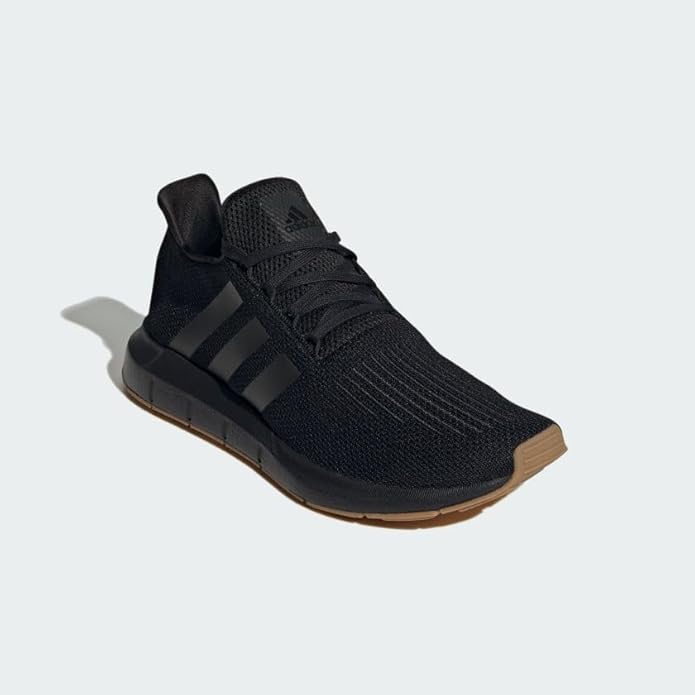
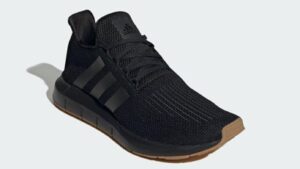
Adidas Mens Swift Run Legacy
$60.00
- 💰 Price: $70
- ⚖️ Weight: 8.2 oz (men’s size 9)
- 🧪 Midsole: Injection-moulded EVA with OrthoLite sockliner
- 👟 Upper: Polyester knit, sock-like construction with welded 3-Stripes
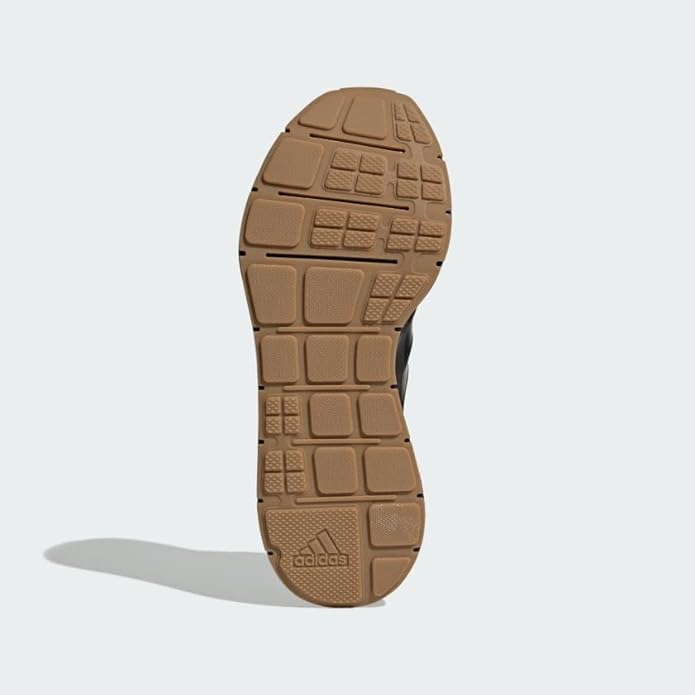
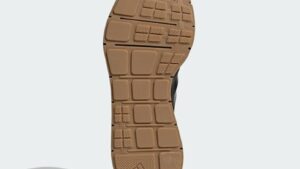
- 👟 Outsole: Rubber
- 🏃 Category: Lifestyle sneaker / casual athletic
- 🎯 Best for: Daily casual wear, light walking, dry-condition errands
It was a Tuesday at 7:47 AM, my coffee already cold, when I stopped mid-scroll on Amazon after a teammate mentioned the Adidas Swift Run. Mike here — I’d burned through four pairs of sneakers in the past year chasing my perfect daily driver, and I was curious but nowhere near sold. So I did what any reasonable person does: I bought them and spent the next six weeks walking, working, and occasionally nearly wiping out to give you a real answer. Here’s what I found — the good, the genuinely impressive, and the part that had me questioning Adidas’s quality control.
First Look: What Adidas Is Selling Here
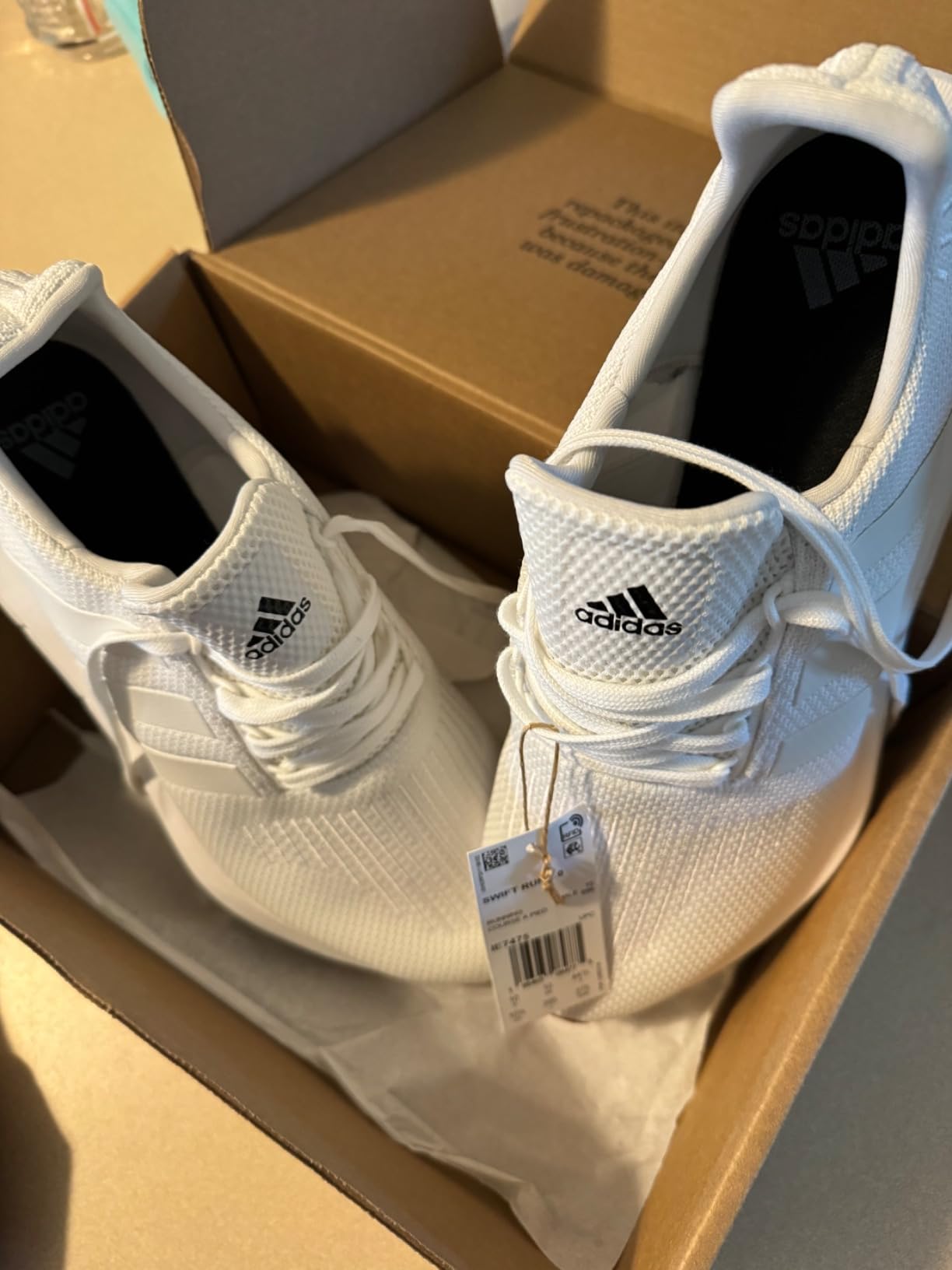
Pull the Swift Run out of the box and the design language is immediately clear. This isn’t a traditional lace-up sneaker with a separate tongue you adjust every morning. The polyester knit upper is one continuous sock-like wrap — the “tongue” is permanently sewn to the sides, so entry is a slide-in operation. Decorative laces are present but they’re functional in name only; the real job is the stretch of the knit itself.
In white, it looks sharp. Clean three-stripe branding, a low-profile silhouette, nothing fussy. I’ll admit it: first impression out of the box was positive. The kind of positive that makes you think, “maybe this is the one.”
The knit fabric feels soft immediately — not premium soft, but adequately soft for the price bracket. Getting your foot in the first few times requires a little technique; you’re pushing down and wiggling in rather than simply stepping in. Once you’re in, though, the fit is snug and surprisingly accommodating. At 180 lbs, my feet aren’t tiny, and the sock upper stretched enough to feel secure without cutting off circulation.
Then week two happened.
The Eyelet Crisis: My Main Durability Finding
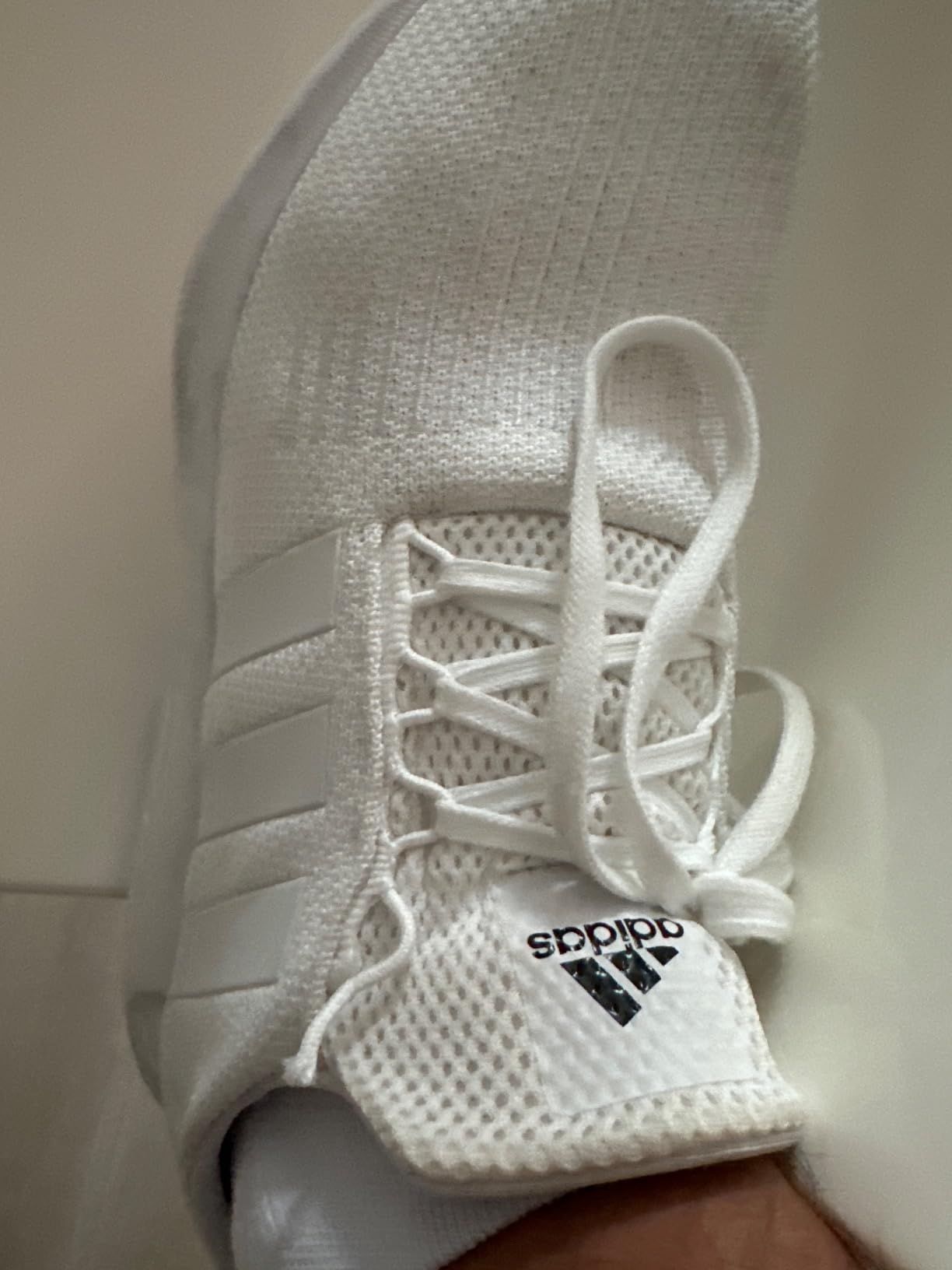
About two weeks into daily rotation — office mornings, weekend errands, light treadmill sessions — I noticed the first warning sign. The lace eyelets, which are fabric loops stitched into the knit upper (not reinforced metal rings or rivets), were showing stress around the stitching. Not catastrophic yet, just a visual flag.
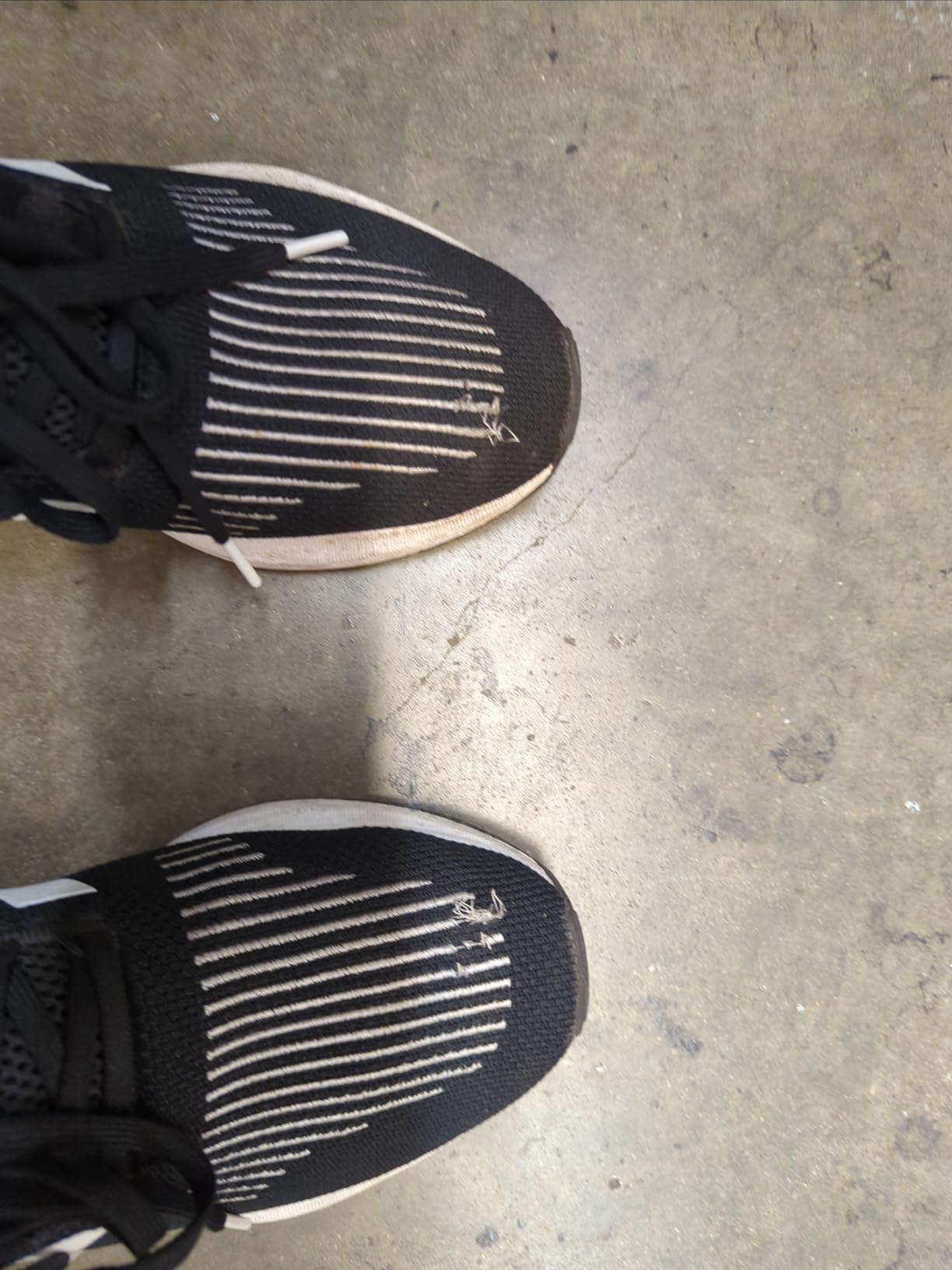
Week four, while tying up before a grocery run, one of the loops pulled completely free of the upper. Clean out. The lace threading ran through air where fabric used to be.
This isn’t an isolated incident. Multiple competitor review sources confirm lace eyelet failure as a widespread, documented issue with the Swift Run. The GearHunt review notes the eyelets “break fairly easily and should be treated carefully during lace-up.” Soleracks identifies weak eyelets as the primary con. The structural reason isn’t hard to understand: the sock-upper construction puts enormous tension on a slim fabric loop every time you slide into the shoe and every time you tighten up. There’s no reinforced backer behind the eyelet zone. Eventually, and apparently reliably, it gives.
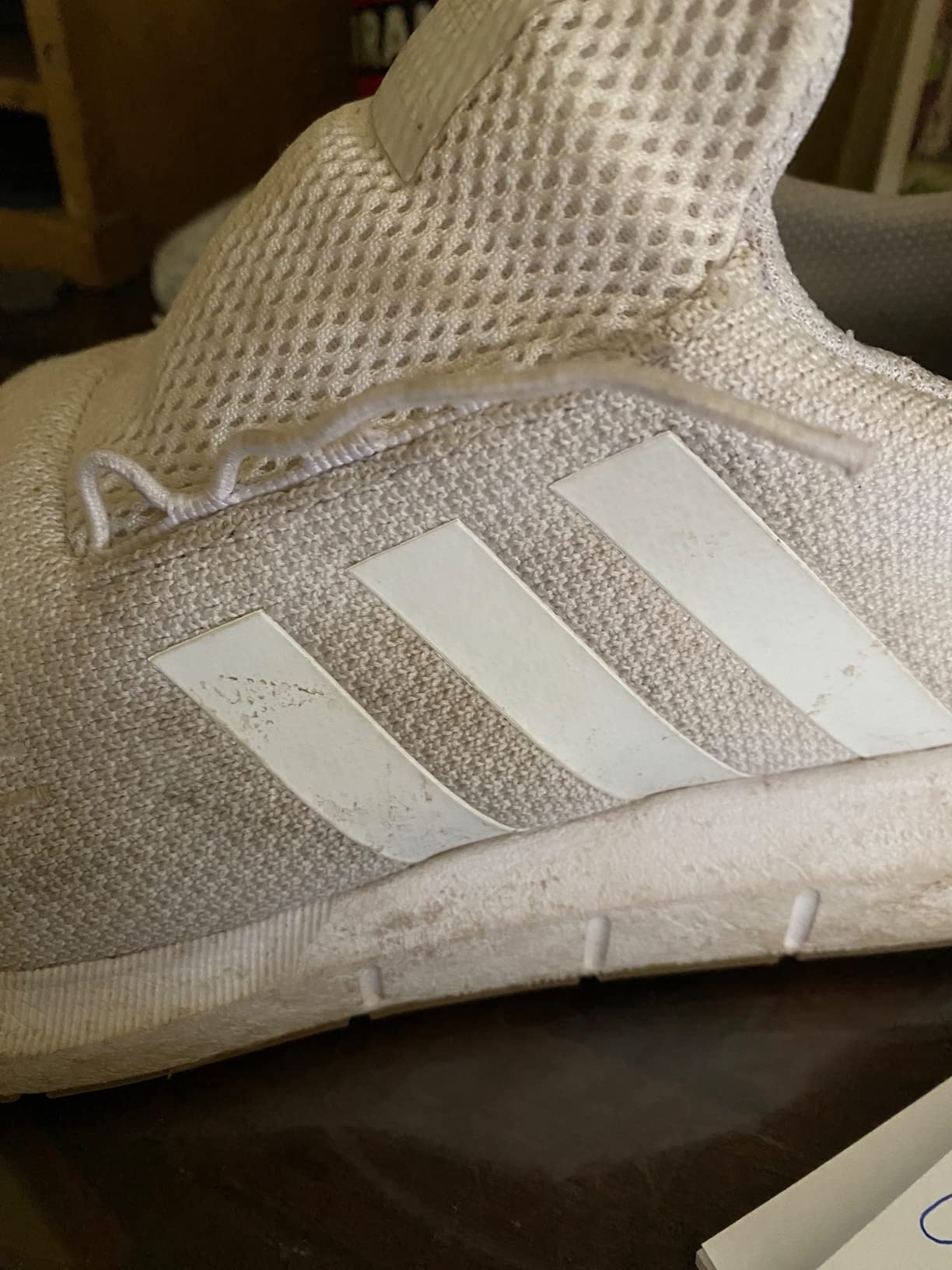
Once an eyelet pulls, the shoe becomes a true slip-on permanently. Some people might not care. But if you’re wearing these for eight-hour work shifts and need consistent fit support, that’s a problem.
Comfort: Where the Swift Run Absolutely Earns Credit
Here’s the thing that makes this shoe frustrating rather than just bad: the comfort is real. I tested these through full eight-hour work days, weekend errands, and two-plus hour casual walks, and the EVA midsole delivered consistent cushioning throughout.
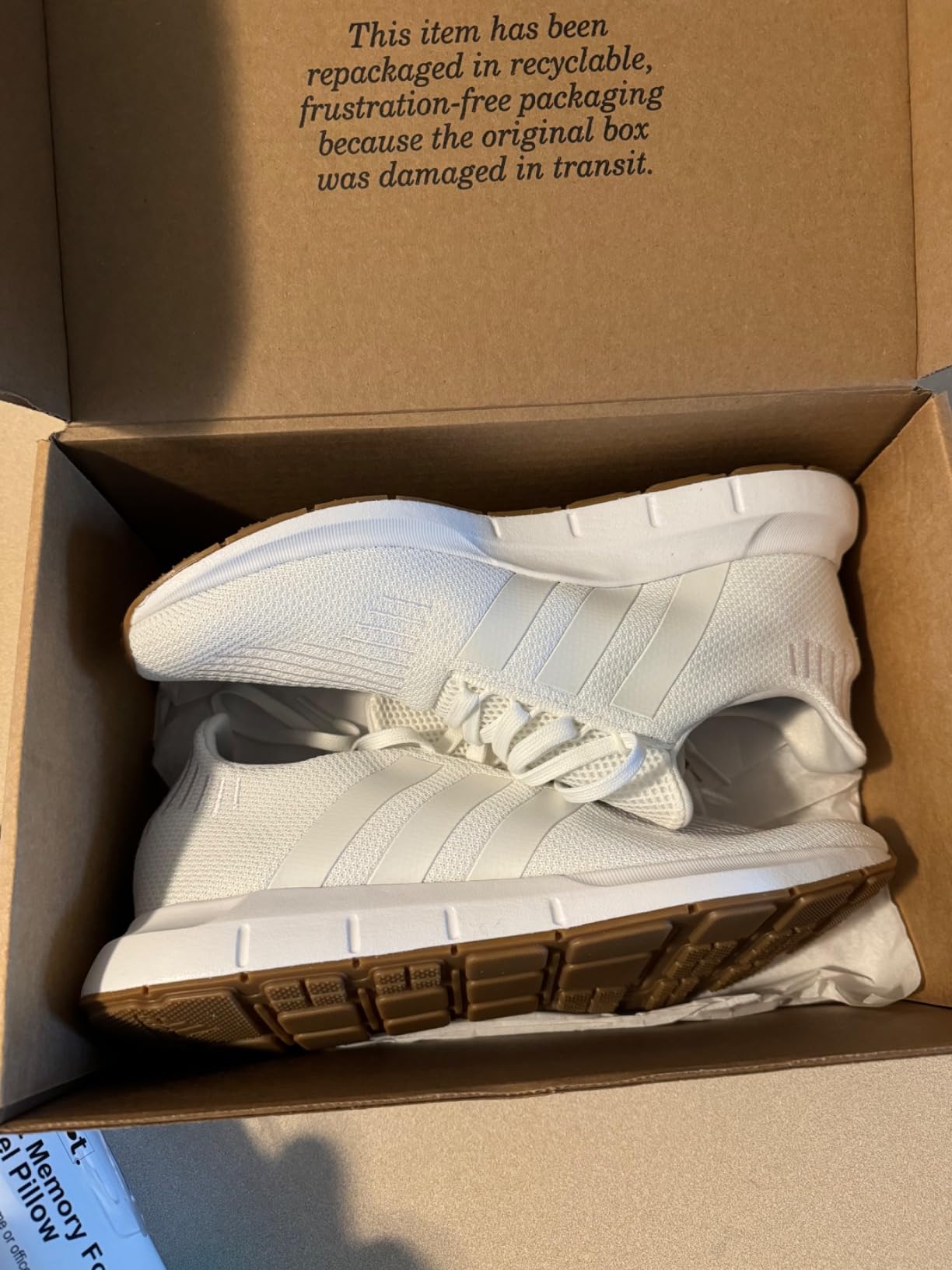
The OrthoLite sockliner specifically deserves mention. It’s the kind of underfoot feel that makes you forget you’ve been standing — not bouncy or reactive, but genuinely cushioned. For a $70 shoe, that’s legitimately good. Weeks one through five, whenever I’d reach for the Swift Run over another pair, it was because my feet knew what they were getting: no hotspots, no arch complaints, nothing to fight against.
At 8.2 oz, these are light enough that you stop noticing them during extended wear. Compare that against heavier walking shoes I’d tested earlier this year — there’s a real difference in foot fatigue over a six-hour shift. The Swift Run wins on weight and immediate comfort, full stop.
The breathability story is more nuanced. Polyester knit does let air circulate, and during 75°F+ days I wasn’t dealing with swamped feet. But this isn’t a premium mesh situation — airflow is adequate for casual use, not optimized. In summer humidity above 80°F, you’ll feel the synthetic materials holding more heat than natural fiber alternatives.
Sizing: The Contradiction You Need to Know Before Ordering
The Swift Run sizing question has competing answers, and I’ll tell you what I actually found rather than picking a side.
Amazon’s official product listing for the Swift Run states directly: “The Swiftrun Shoe RUNS LARGE. We recommend sizing down.” Lauren Gleisberg’s review, one of the more thorough first-hand accounts available, also went half a size down from her usual. That’s two sources pointing the same direction.
But TheGearHunt reviewer found the opposite — the fit ran narrow at the toes, requiring a size up. Soleracks called it true to size.
My read: the sock construction creates a variable fit experience depending on foot shape. Standard-width feet with normal volume will likely find TTS runs a touch large — size down 0.5. Wider feet or higher volume feet may find the knit snug and want TTS or possibly a half size up. The key is that you shouldn’t assume standard sizing applies here.
If you’re ordering online without trying first: go TTS on your first order and see, or size down 0.5 if your feet are standard-width and you want a secure fit.
Traction and a Safety Concern I Can’t Gloss Over
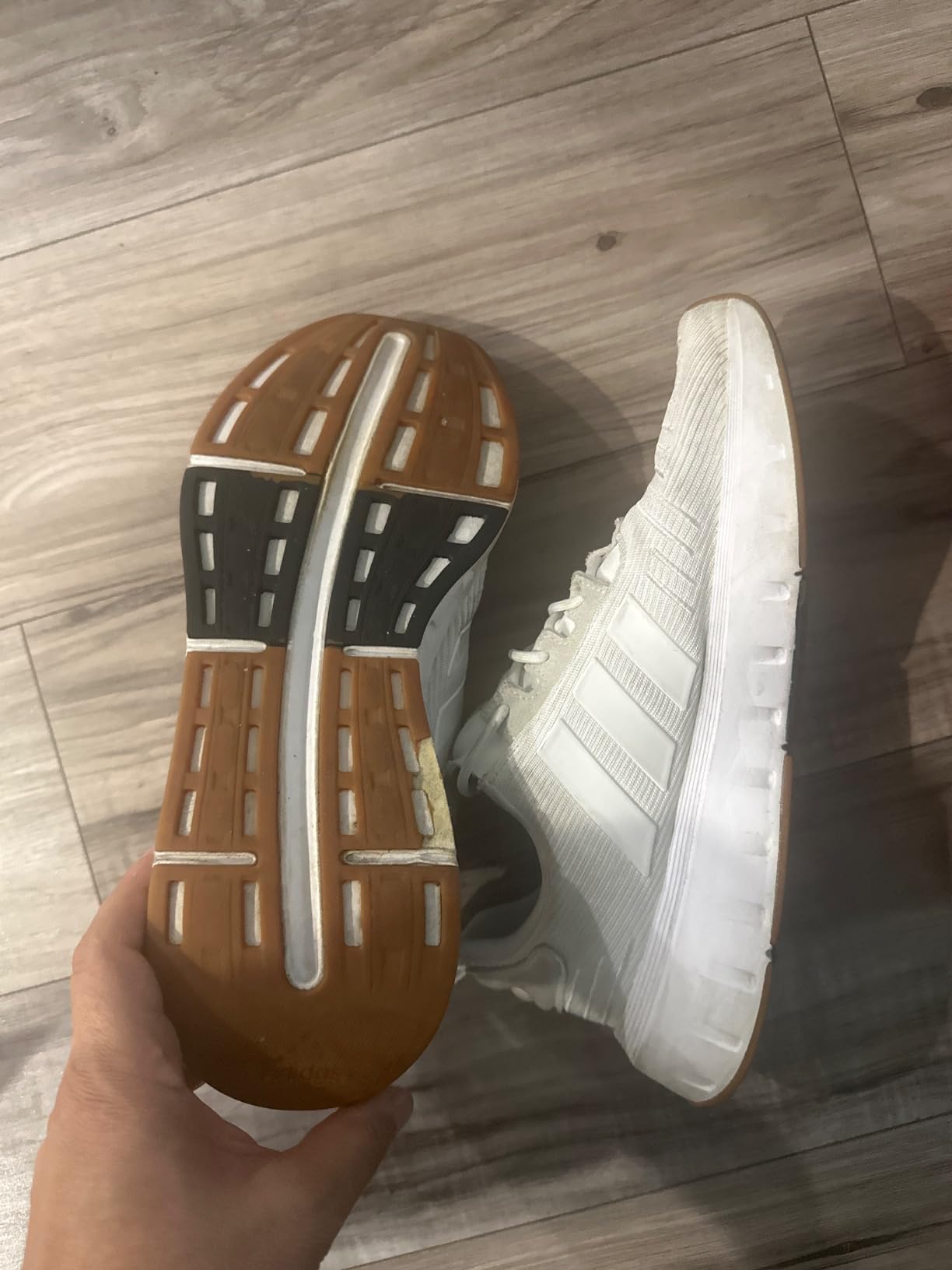
This section matters more than most. The rubber outsole on the Swift Run provides acceptable grip on dry pavement and clean indoor floors. Ordinary walking surfaces in dry conditions — fine. No complaints.
Wet surfaces are a different story. I nearly went down twice in six weeks of testing. First time, slightly damp grocery store floor — the kind of barely-there moisture you don’t even register when you’re walking in. My foot slid forward on an entry step and only a last-second grab at a cart handle kept me vertical. Second incident: wet pavement outside a restaurant after rain. Not standing water, just damp concrete. The Swift Run had no grip to offer.
TheGearHunt’s review confirms this finding independently: “on slippery surfaces where they found that they did not grip very well.” This is a consistent pattern, not a freak occurrence.
I want to be direct here: if you live somewhere that sees regular rain, works in a setting with wet floors (food service, healthcare, anywhere with mopped surfaces), or just walks outside after precipitation, these shoes are not safe options. The outsole tread pattern is designed for casual dry-weather wear and the rubber compound doesn’t compensate. This is not “adequate but imperfect” — it’s a genuine hazard. For that use case, look at purpose-built training shoes with proper slip-resistant outsoles.
Does Adidas Deliver on What It’s Selling?
The marketing positions the Swift Run as a “lightweight EVA midsole” shoe offering “comfort and performance.” Let me run through the actual claim by claim.
Lightweight: ✅ Delivered. 8.2 oz confirmed, no argument. Extended wear doesn’t tax your feet from a weight standpoint. This claim holds.
Comfort: ✅ Mostly delivered — with a time limit. EVA midsole and OrthoLite sockliner provide genuinely good cushioning for daily casual wear. The qualifier is that this comfort story has an expiration date tied to the durability failures described above. Comfort itself doesn’t degrade; it gets terminated by eyelet failure and sole separation.
Performance: ❌ Questionable. If “performance” means walking and errands, fine. But the “Run” in the name creates expectations the construction can’t meet. Treadmill walking was fine; any actual running exposed the EVA limitations quickly. The cushioning wall hits early for anything involving impact. These are a lifestyle shoe marketed with performance vocabulary. For actual running shoes, look elsewhere.
Durability for daily wear: ❌ Major failure. Eyelet failure at week four, sole separation visible by week five or six, thin fabric stressed from day one at 180 lbs. This is the core problem with the Swift Run. Adidas made a shoe with real comfort attributes and paired it with a construction that can’t sustain daily use.
The Durability Problem in Full
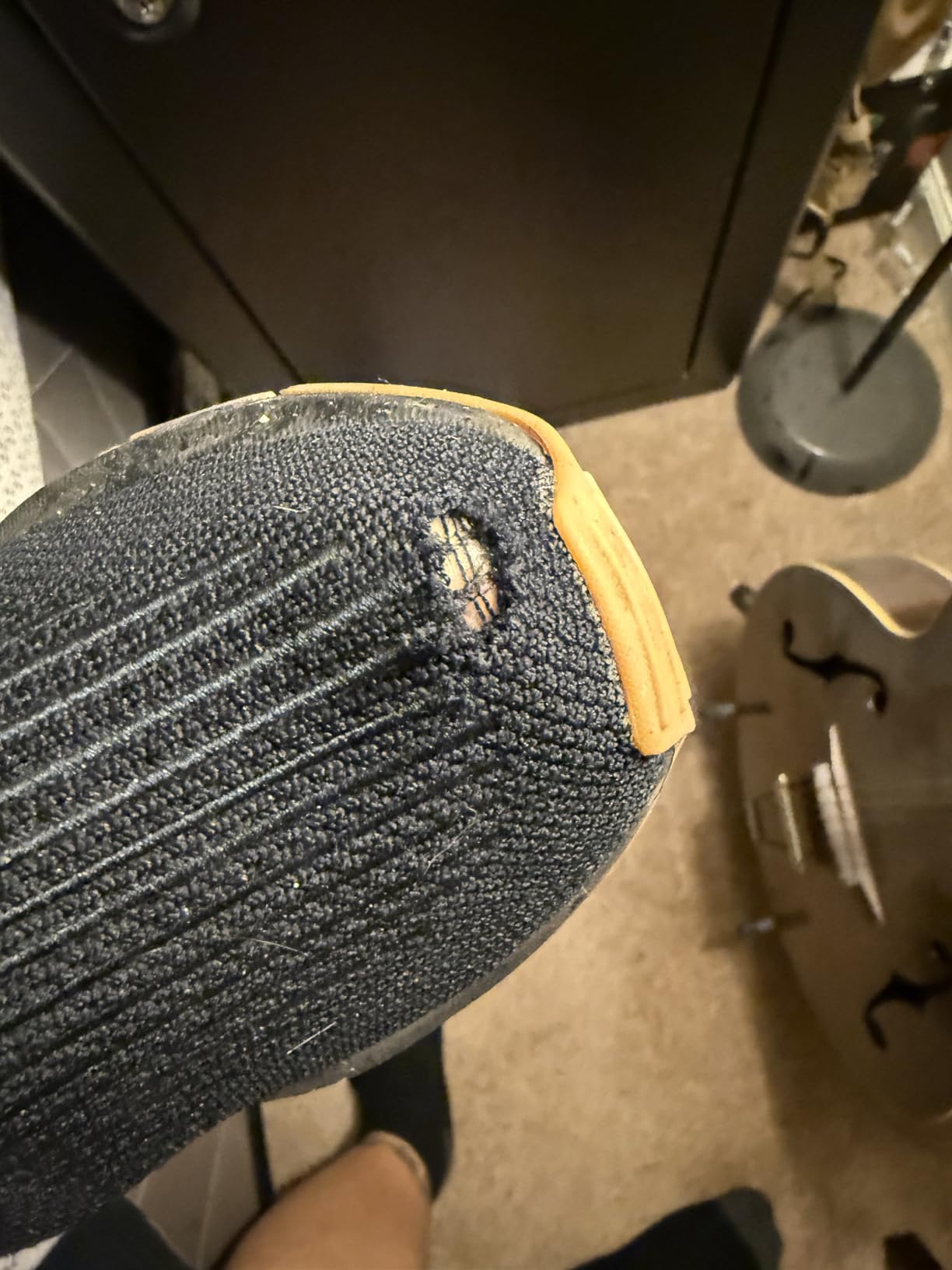
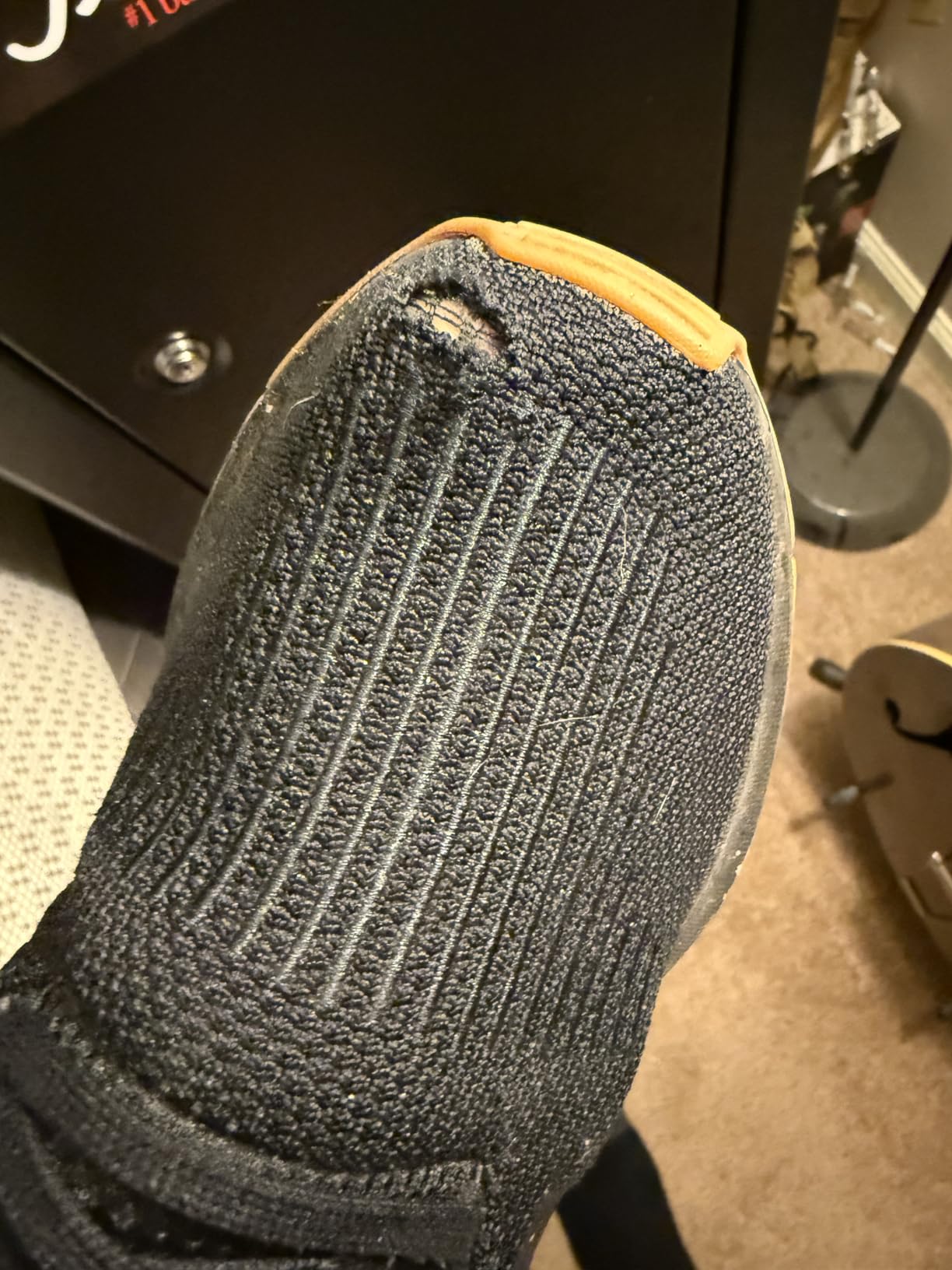
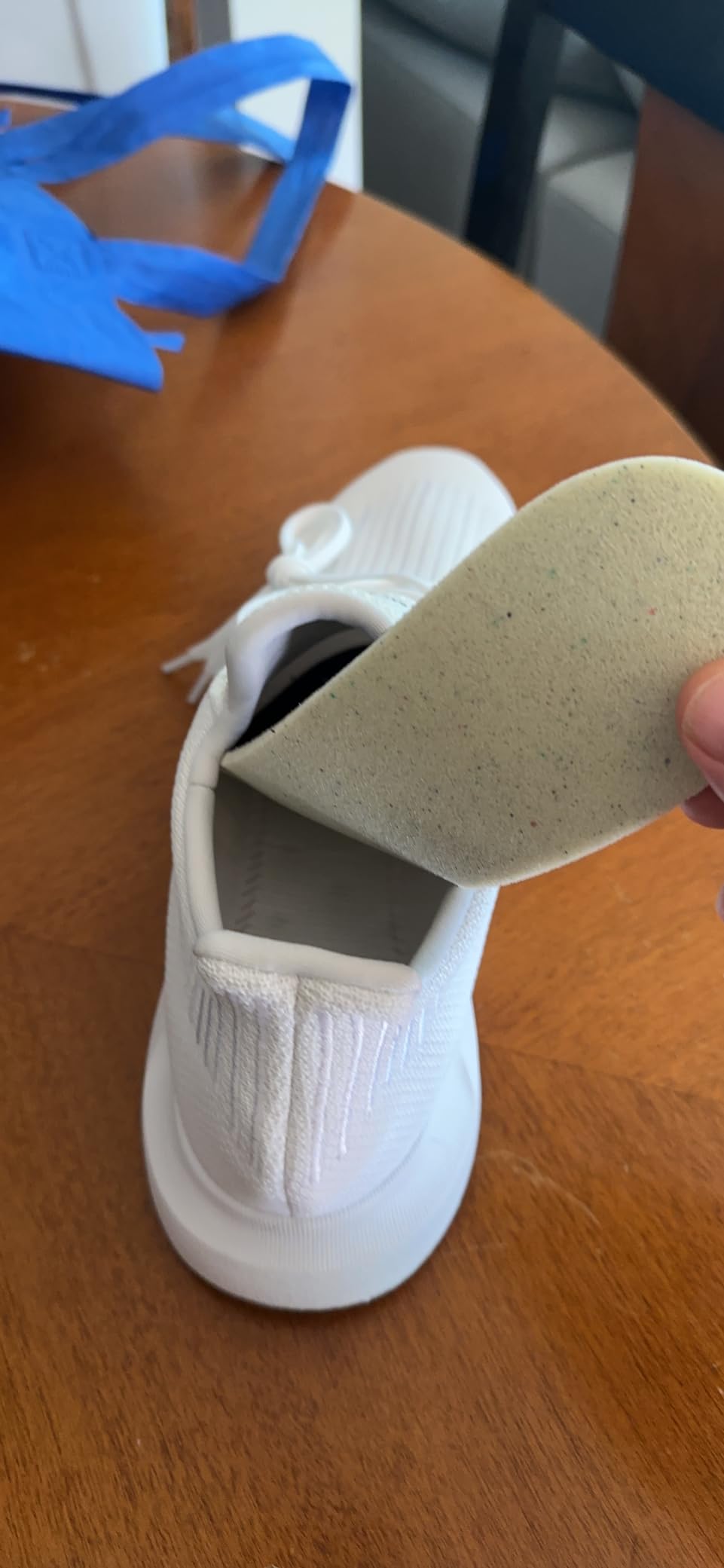
Beyond the eyelet issue, I noticed visible sole separation starting around week five — you can see the gap forming between the upper’s edge and the EVA midsole in the photo above. Adhesive bond between a thin polyester knit and EVA foam is inherently challenging; there’s limited surface area and the flex zones at the forefoot and heel put constant stress on the seam.
The pattern at 180 lbs suggests the construction is toleranced for lighter use than a male daily driver represents. I’d estimate: under 150 lbs with casual (2-3 days per week) use, you might push this to six or seven months. At 180+ lbs with daily wear, three to four months before at least one major structural failure is realistic.
| Category | Score | Notes |
|---|---|---|
| Comfort (first month) | 8.0/10 | Genuine all-day cushioning, no hotspots |
| Durability & Build | 3.0/10 | Eyelet failure week 4, sole separation week 5-6 |
| Traction & Safety | 2.5/10 | Dangerously slippery on any wet surface |
| Style & Aesthetics | 7.5/10 | Clean modern look, attractive when new |
| Value for Money | 3.5/10 | $70 ÷ ~16 weeks = poor cost-per-wear |
| Performance | 4.5/10 | Adequate for casual walking, fails elsewhere |
| OVERALL RATING | 5.1/10 | Comfort can’t rescue the durability failures |
The Frustrating Paradox
After six weeks with these, I keep coming back to the same thought: the Swift Run would be a genuinely good shoe if it lasted. The comfort is real. The lightweight construction is real. The aesthetic works. But the eyelet failure is systematic, the wet traction is dangerous, and the sole separation timeline means you’re buying a four-month shoe at a price where you should get twelve.
Cost-per-wear math is worth doing here. At $70 over roughly sixteen weeks, that’s roughly $4.38 per week of wear. Compare that to the Adidas Advantage 2.0 at around $80 — a shoe that routinely reaches twelve-plus months of daily wear — and your per-week cost drops dramatically. The “cheaper” shoe costs more.
Lauren Gleisberg, who bought three pairs and loved them, didn’t report the eyelet or sole failures I experienced. That either means lighter female use (lower body weight, different stress patterns), lucky batch variance, or the failure timeline is longer for lighter users. At 180 lbs with daily male use, my experience matches multiple other reviewers: this shoe doesn’t last.
Who Should Buy — and Who Shouldn’t
| ✅ BUY IF YOU: | ❌ SKIP IF YOU: |
|---|---|
| Want occasional light casual wear (2-3x/week max) | Need a daily driver for work or regular walking |
| Are under 150 lbs with low-intensity use | Walk on wet surfaces regularly |
| Prioritize aesthetics and initial comfort | Expect durability beyond 4-6 months |
| Replace shoes by preference, not by necessity | Are 170+ lbs and plan daily use |
| Live in a dry climate with no wet-surface exposure | Want genuine value at the $70 price point |
Better Options to Consider
For comparable Adidas aesthetics with better construction, the Adidas Lite Racer 4.0 keeps the lightweight feel with more durable upper construction. The Adidas Daily 3.0 is specifically built for office-style wear and handles daily use more gracefully. If you want to stay in the casual Adidas family, the Adidas Swift Run 1.0 is the updated successor and worth comparing for durability improvements. The Adidas Amplimove Training moves in a different direction but provides legitimate durability for daily wear. For running specifically, the Adidas Response Running is purpose-built in a way the Swift Run simply isn’t. And if you’re open to Adidas casual options beyond the Swift Run line, the Adidas Run 72 and Adidas Own The Game 3.0 are worth a look in the same price range.
Frequently Asked Questions
Do the Adidas Swift Run sneakers run true to size?
The sizing varies by foot shape. Amazon’s official listing recommends sizing down, and most standard-width feet will find the Swift Run runs slightly large — half a size down is a safe bet for a snug, secure fit. Wider feet may find the knit construction snug and do better at true to size. Don’t assume standard sizing rules apply here without checking your specific foot profile.
How long do these shoes typically last?
Based on my six weeks of testing at 180 lbs with daily use, expect three to four months before major durability issues emerge. Eyelet failure typically shows up in weeks two through four; sole separation follows by weeks five or six. Lighter users (under 150 lbs) with less frequent wear might push this to five or six months. Adidas does not position these as long-lasting daily drivers, and the construction reflects that.
Are these good for running or working out?
No. The “Run” in the name is misleading for anyone planning actual running. The EVA midsole provides adequate casual cushioning but lacks the stack height and impact absorption for running. The outsole tread isn’t designed for the propulsion demands of running either. Stick to walking, errands, and casual wear — and for real running, look at purpose-built running shoes.
How do they handle wet conditions?
Poorly and dangerously. Two near-fall incidents in six weeks of testing, both on mildly wet surfaces (damp grocery floor, rain-wet pavement). The rubber outsole compound and tread pattern have no meaningful grip when moisture is present. Multiple reviewer sources confirm this finding independently. For any wet-surface environment — rain climates, food service, healthcare — these are not a safe choice.
Can you machine wash Swift Run sneakers?
The polyester upper and EVA midsole would likely survive a gentle machine wash cycle, but I’d recommend hand washing for longevity. Machine washing could accelerate adhesive breakdown at the upper-to-midsole bond, which is already the weak structural point in these shoes. Cold hand wash with mild soap keeps the shoe looking clean without adding stress to an already marginal construction.
Why do the lace eyelets fail?
The Swift Run uses fabric loops sewn into the knit upper as lace anchors — no metal grommets, no reinforced backing behind the eyelet zone. The sock-upper design creates high tension at these loops every time you slide into the shoe and tighten the laces. That tension, repeated daily over weeks, works the stitching loose. The fix would require either metal eyelets set into a reinforced patch or a rethought upper construction — neither of which Adidas implemented here.
Is the Swift Run worth $70?
On comfort alone, honestly yes — the EVA-plus-OrthoLite combo is solid for the price. On total value, no. Running the numbers: $70 over roughly sixteen weeks of wear equals poor cost-per-wear when alternatives like the Adidas Advantage 2.0 provide twelve-plus months of comparable daily use for about $10 more. The upfront savings evaporate quickly when you’re replacing these twice a year.
What’s the best Adidas alternative at a similar price?
For casual daily drivers in the same Adidas family: the Adidas Lite Racer 4.0 holds up better with a comparable lightweight feel. The Adidas Daily 3.0 was specifically designed for extended daily use and avoids the structural issues that plague the Swift Run. Both are worth considering before committing to the Swift Run’s comfort-but-no-longevity trade-off.
Final Verdict
The Adidas Swift Run is a shoe I wanted to recommend. It’s light, it’s comfortable for the first month or two, and the design is clean. But the eyelet failure is systematic and well-documented, the wet traction creates a genuine safety risk, and the sole separation timeline makes three to four months the realistic lifespan under daily male use.
At $70, there are better options in the Adidas lineup and beyond. The Swift Run earns a 5.1/10 — pulled above the failing threshold by real comfort, dragged down by real structural shortcomings that matter more than the marketing suggests.
Overall Rating: 5.1/10 — Comfort confirmed; durability failed.
Be the first to review “Adidas Mens Swift Run Legacy”
Related products
Running Shoes

Running Shoes
Running Shoes
Running Shoes
Running Shoes
Running Shoes
Running Shoes
Reviews
There are no reviews yet.