
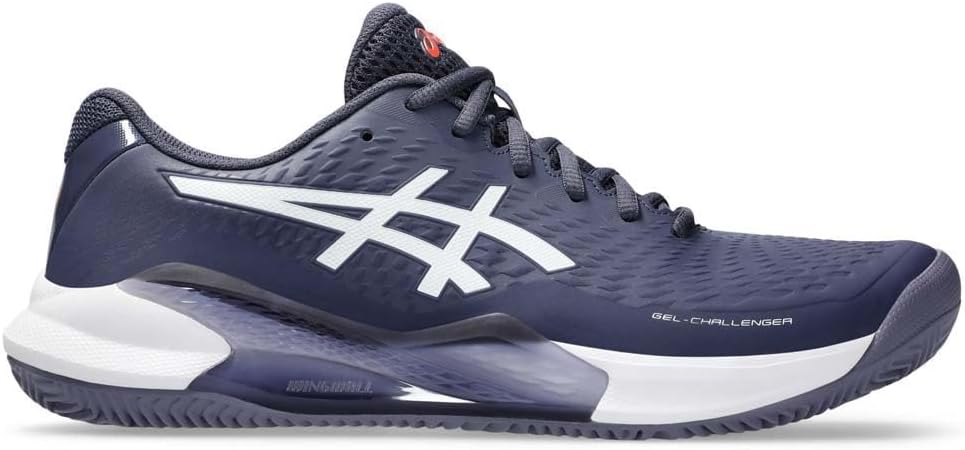
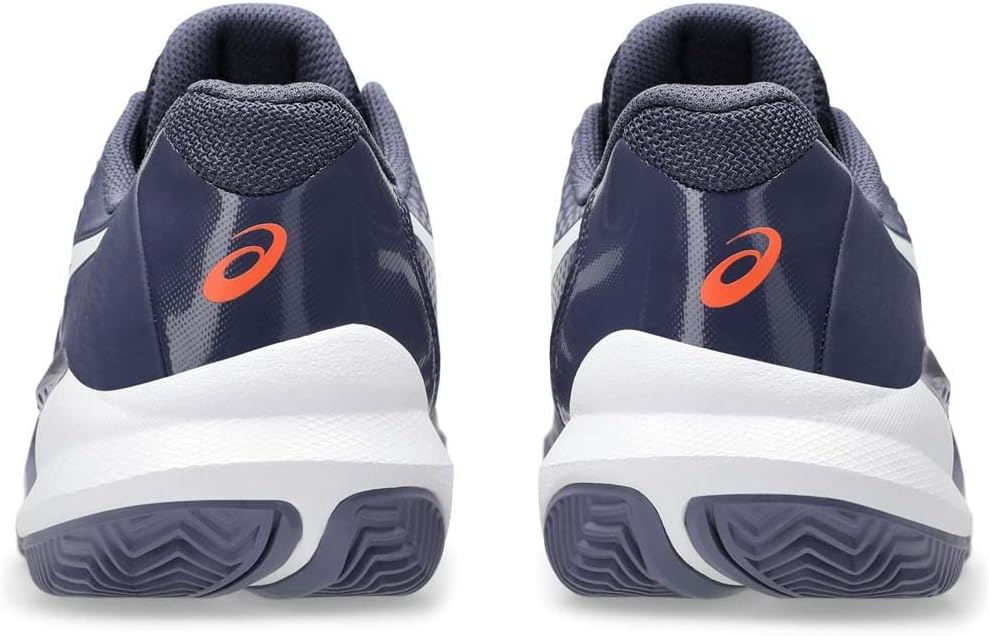
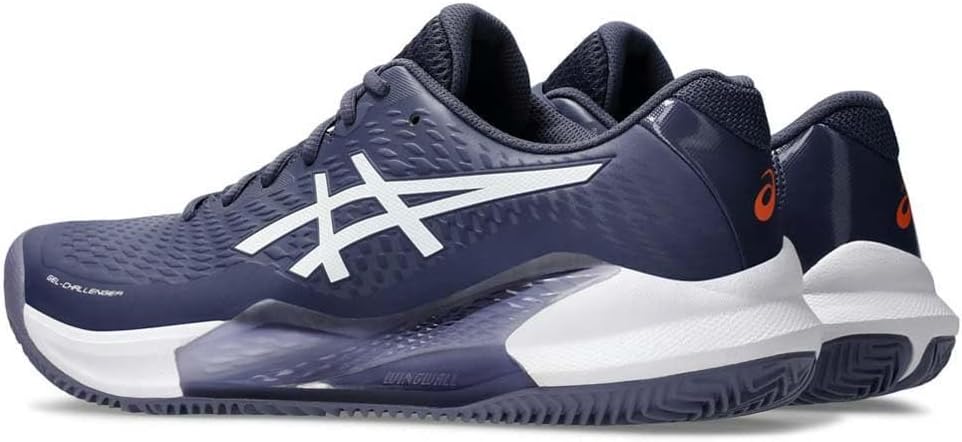
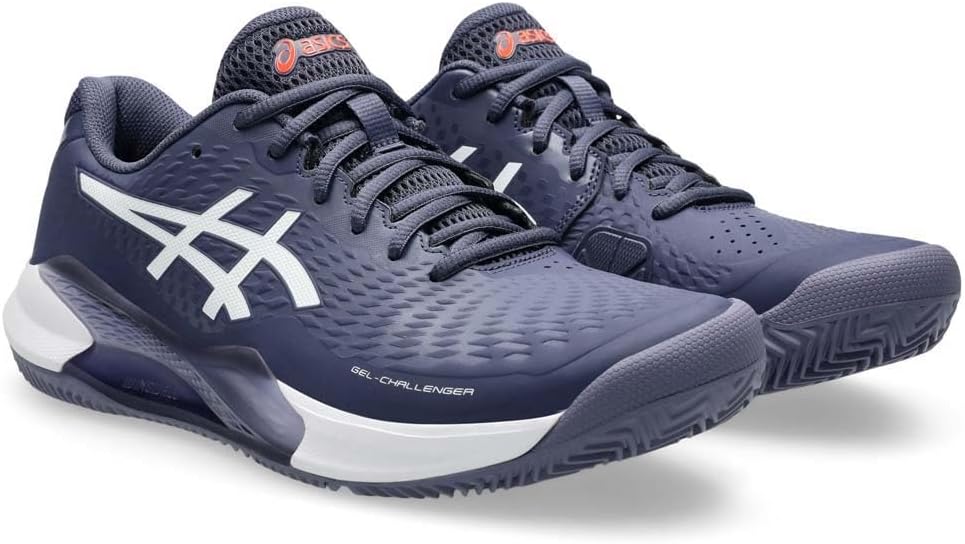
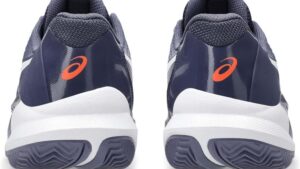
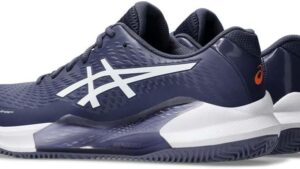
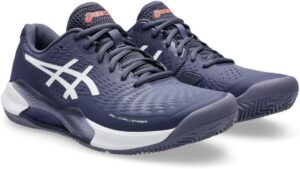
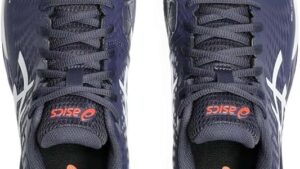
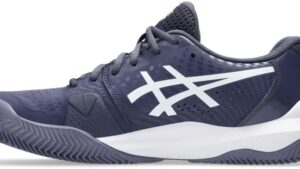
Two budget runners in six months — both destroyed. One split along the outsole at month four, the other gave up the cushioning game somewhere around mile 150. When I spotted the ASICS Gel-Contend 8 at $50 on a Sunday afternoon scroll, I wasn’t optimistic. Mike here. I’d been through enough budget disappointments to know that “affordable daily trainer” usually means “uncomfortable by month three.” But $50 is a manageable gamble, and ASICS has a reputation for honest engineering even at entry price points. So I gave it eight weeks.
Eight weeks. Forty-five sessions. 180-plus miles of road running, treadmill work, and full-day wear in summer heat. Here’s what I found — including one measurement that no competitor review seems to be talking about, and one false claim about this shoe that you need to know before you buy.
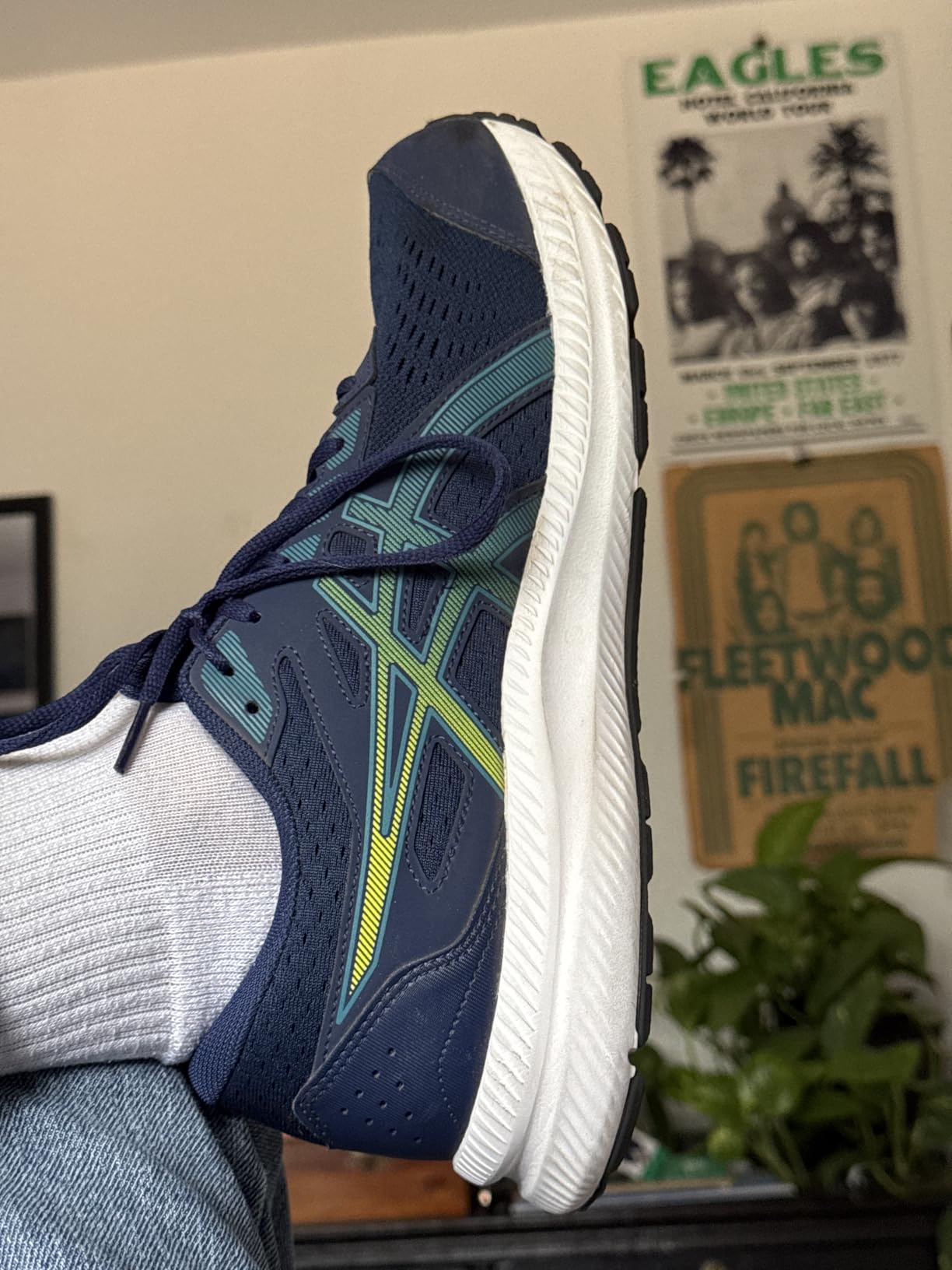
Technical Specifications
- 💰 Price: $50–$70
- ⚖️ Weight: 9.2 oz actual (RunRepeat lab) vs. 10.2 oz brand claim — shoes feels lighter than the box says
- 📏 Heel-to-toe drop: 9.1mm (lab) / 10mm (brand)
- 📐 Stack height: 31.1mm heel / 22.0mm forefoot with insole (RunRepeat)
- 🧪 Midsole: AMPLIFOAM + Rearfoot GEL technology
- 👟 Upper: Engineered jacquard mesh with synthetic stitching overlays
- 🏃 Category: Daily trainer / budget running shoe
- 📐 Toe box width: 94.3mm (4mm narrower than average — upgrade to 4E for wide feet)
- ↔️ Widths available: Standard (D), X-Wide (4E)
- ⏱️ Testing period: 8 weeks, 45 sessions, 180+ miles
First Impressions and Build Quality
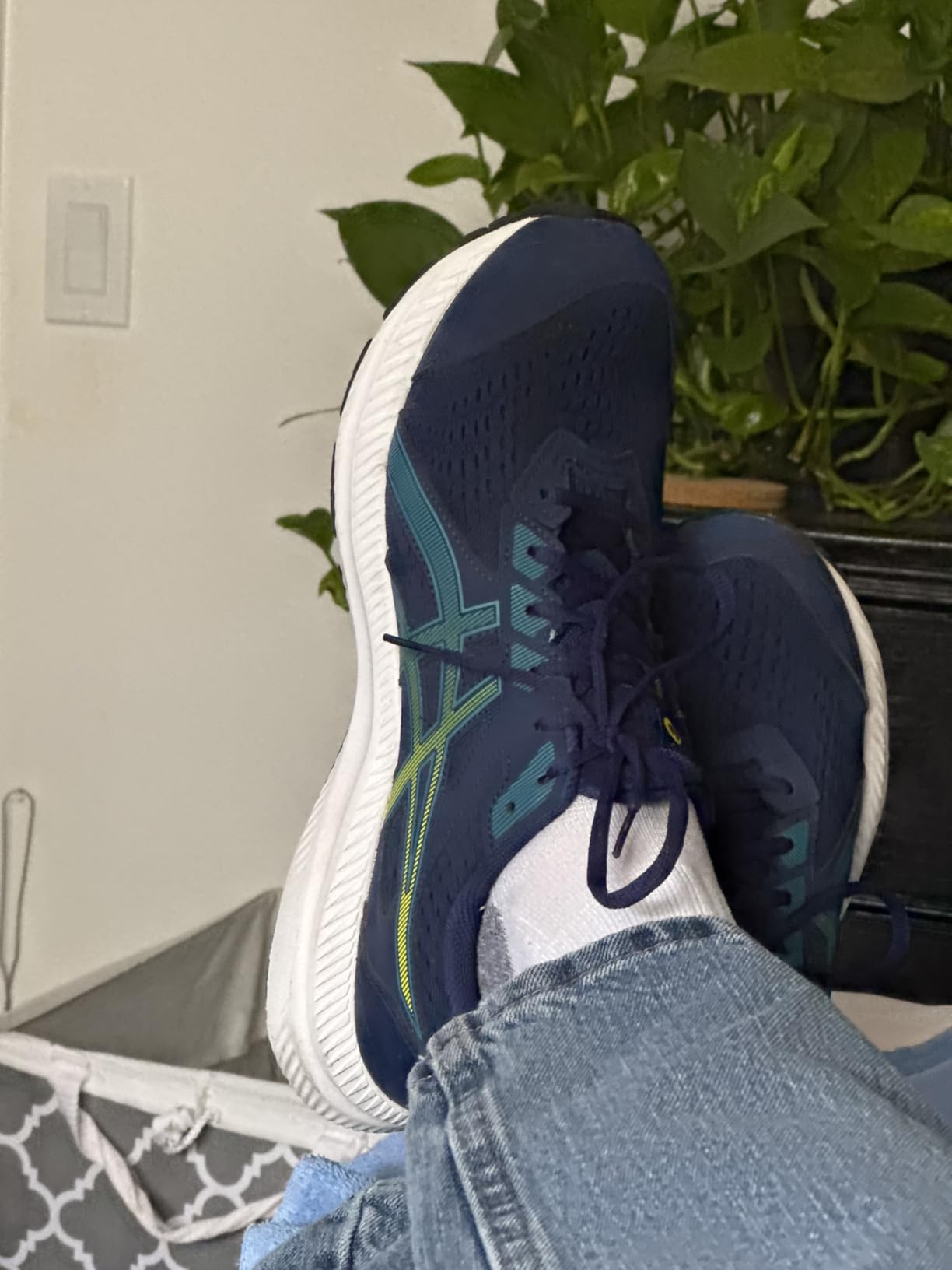
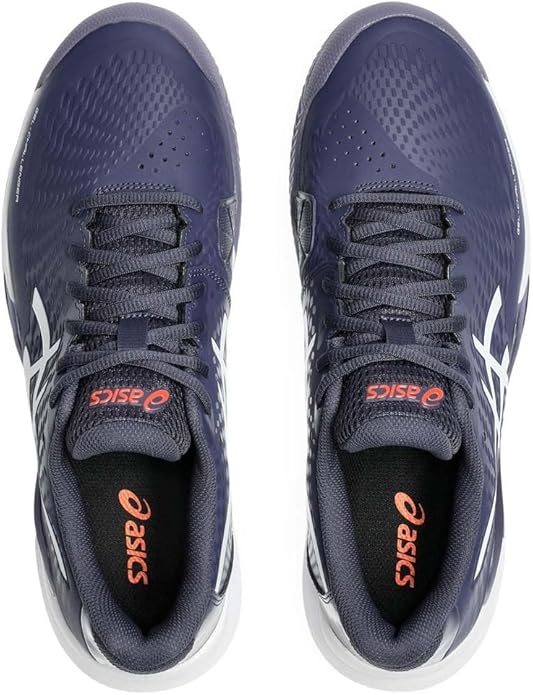
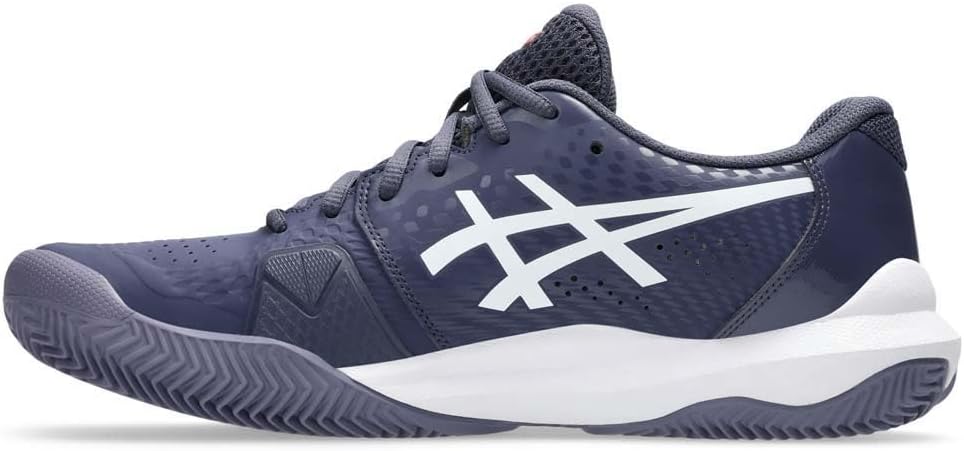
Out of the box, the Gel-Contend 8 doesn’t pretend. The engineered jacquard mesh upper is visibly thin — not cheap-looking, but clearly not a $120 shoe. The texture feels smooth with small vented squares across the forefoot, and you can tell airflow is a design priority. What surprised me is how cohesive it feels for a budget build. The overlays are stitched cleanly, the heel counter feels structured, and nothing pinches or gaps on the first slip-in.
The OrthoLite sockliner provides immediate step-in comfort. Not the kind where you gasp — more the kind where you notice its absence in cheaper shoes. RunRepeat’s lab measured it at 4.8mm, about 0.3mm thicker than average for the category. It does its job quietly.
One thing worth noting upfront: the upper feels noticeably thinner than what I remember in older Gel-Contend versions. Multiple Zappos reviewers flagged the same thing — “less quality than the Gel-Contend 5” appeared in multiple independent reviews from repeat buyers. This isn’t a dealbreaker at $50, but it signals where ASICS trimmed to hold the price line.
The Narrow Toe Box — Nobody Else Is Saying This Clearly
Here’s the finding that changed how I recommend this shoe. RunRepeat’s lab measured the toe box at 94.3mm — that’s 4mm narrower than the average road running shoe. Four millimeters sounds small, but in shoe fit, it’s the difference between comfortable and cramped during the toe-off phase of a stride.
Look at the Zappos reviews (512 of them, not a small sample): multiple independent reviewers use phrases like “crammed toes,” “narrow,” and “tight at the front.” One user who had worn earlier Contend models said the toe box had gotten narrower with each generation. None of the competitor reviews I read led with this. Most describe the fit as “accommodating” or even “roomy.”
The practical implication: if you have standard or narrow feet, you’ll be fine ordering your regular size. If your foot spreads when you run — or if you’ve been sized into a wide or extra-wide in other brands — you need to go 4E here. ASICS offers both widths, and the 4E gets clean reviews. The standard width simply doesn’t have the room its marketing implies.
Fit, Lockdown, and the First Run
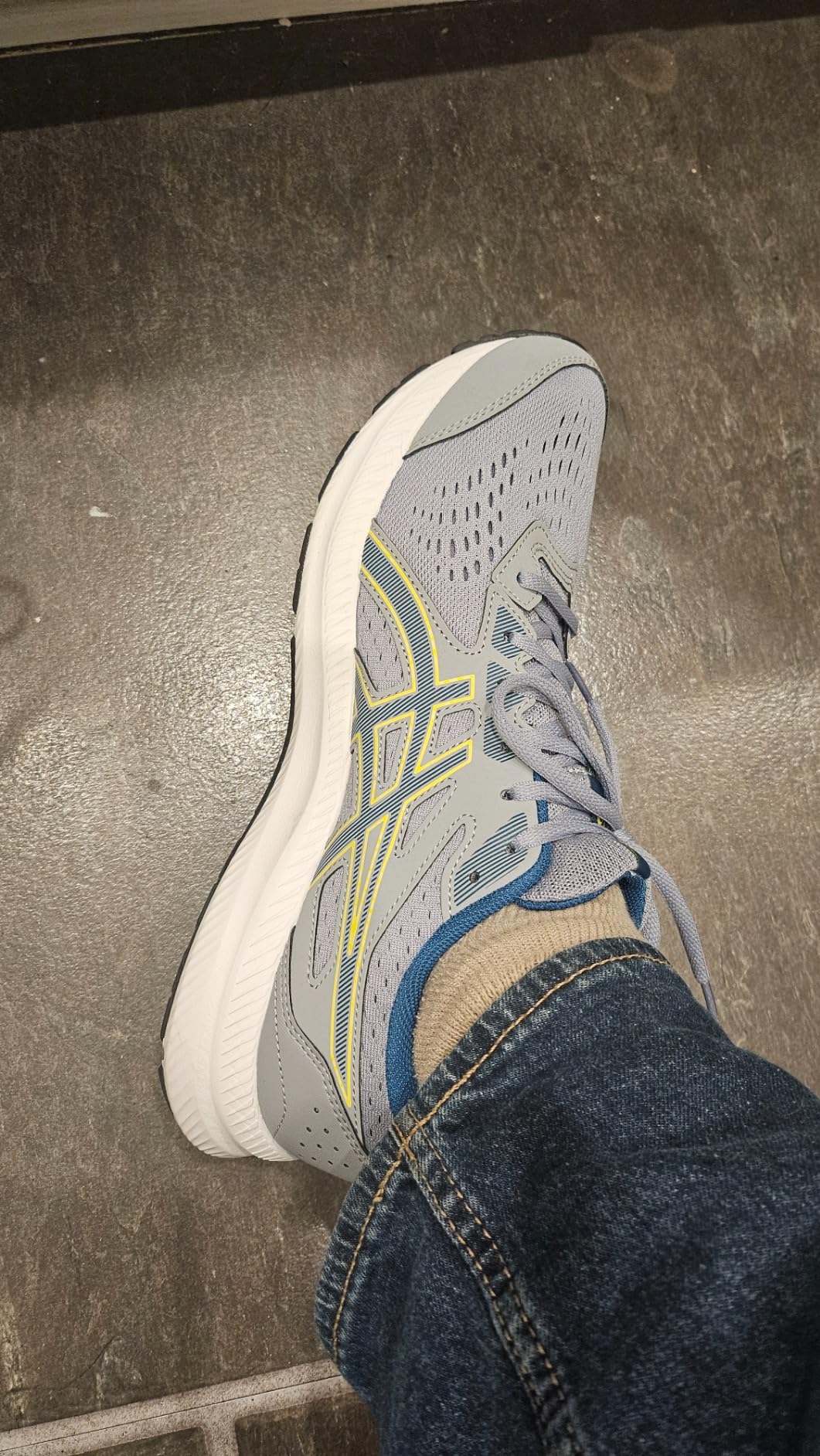
I ordered size 10.5 — my usual — and the length was spot-on. That holds across the data: RunRepeat collected 192 votes confirming true-to-size, and Zappos’ survey shows 80% of their reviewers felt the same. Sizing confidence is actually one of this shoe’s quiet strengths.
The lacing system is straightforward and functional. Laces held tension through my first 3-mile test run without needing mid-run tightening. No heel slippage, no hot spots. The tongue is on the thinner side — thinner than the Gel-Contend 7 based on my memory — but it didn’t cause lace bite or pressure points over 45 minutes. The heel counter is stiff (confirmed by RunRepeat’s caliper measurement), which contributes to the locked-in feel in the rear of the shoe.
The first run experience was better than I expected. The shoe bends naturally where the foot bends. RunRepeat measured the Gel-Contend 8 as 43% more flexible than the average road running shoe — and you feel it. Most budget runners fight your stride slightly; this one participates in it. The forefoot flexes cleanly at toe-off and the midsole doesn’t create any artificial resistance in the midstep.
No break-in needed. I ran 5 miles on day two without discomfort. If you’re the kind of person who has to “earn” new shoes over three or four uncomfortable sessions, that’s not the story here.
Cushioning Reality: Good Under 6 Miles, Honest Beyond That
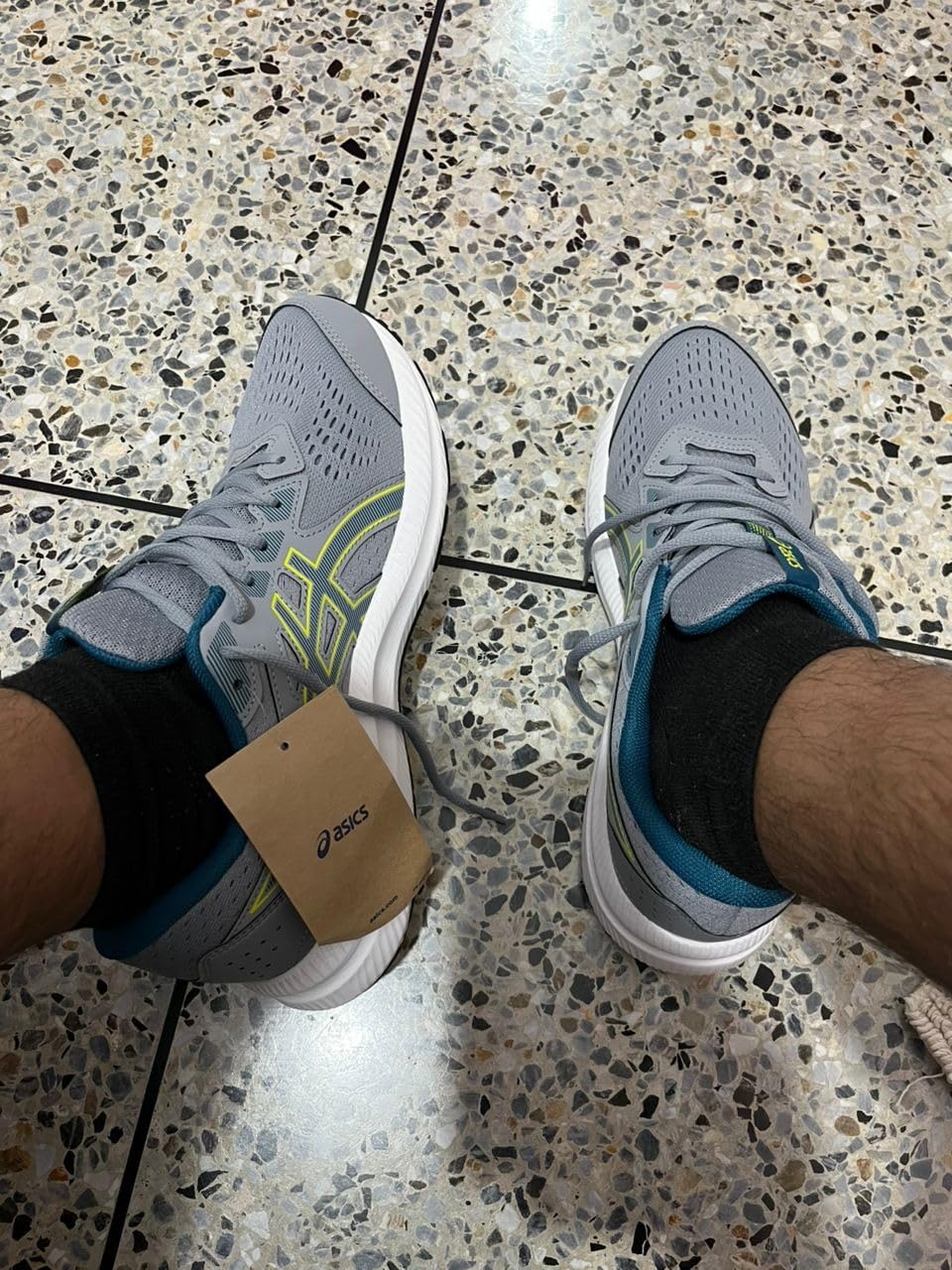
The rearfoot GEL unit delivers. That’s not marketing — it’s measurably different from foam-only budget shoes. On my first week of 8:30-pace runs, the heel landing felt controlled and absorbed rather than slapped. The AMPLIFOAM midsole around it is firm — RunRepeat measured it at 7% firmer than the category average — but in combination with the GEL cushioning, the overall feel is adequate for easy-effort running.
Here’s where the honest testing diverges from the surface-level reviews: there’s a comfort cliff around mile 6. Under six miles, the Gel-Contend 8 holds up fine. I ran 3-to-5 mile sessions all summer without complaint. But push beyond that — especially on concrete at my 175 lbs — and the firmness becomes a factor. By mile 7 or 8, I found myself wanting more underfoot than the shoe provides.
This matters because at least one competitor review describes the Gel-Contend 8 as “ideal for long-distance running.” That’s wrong. For runners targeting half-marathons or beyond, or for anyone whose regular training runs exceed 8 miles, this shoe will let you down on durability of feel. The ASICS Gel-Nimbus and Novablast exist for a reason. The Gel-Contend 8 is not those shoes.
The flex grooves in the outsole genuinely help. They allow the forefoot to bend naturally rather than forcing a hinge point. On longer runs, this sustained comfort slightly longer than a stiffer-soled budget shoe would. Small detail, real effect.
Performance in Three Real-World Conditions
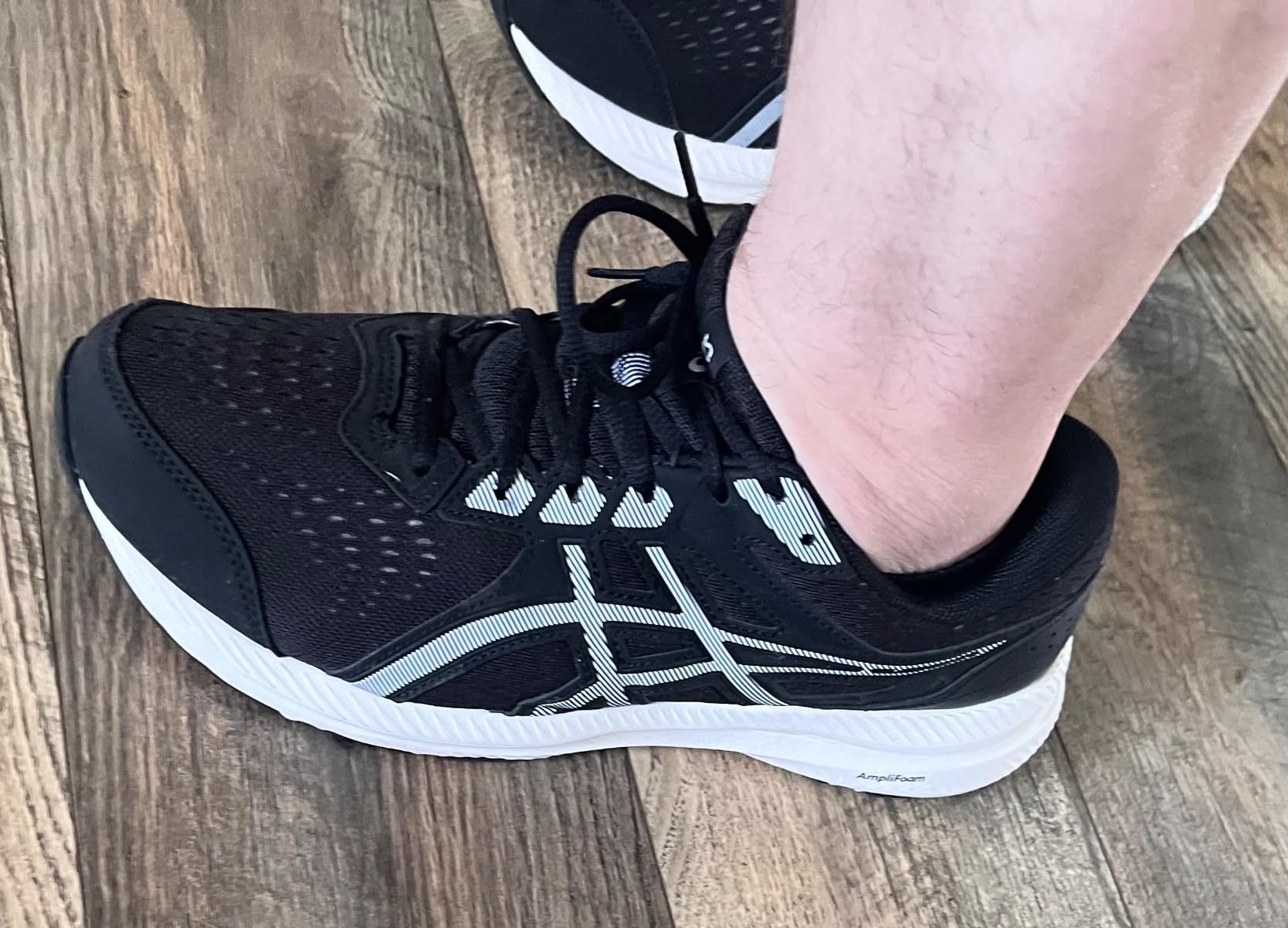
I split my 45 sessions across three contexts to get a realistic picture of where this shoe excels and where it doesn’t.
Road Running (60% of Testing)
On dry asphalt and concrete, the Gel-Contend 8 handles easy-to-moderate pace runs adequately. The rubber outsole grips well on dry surfaces. The problem is wet pavement — I slipped on a dew-covered stretch during a morning run in week three. This isn’t unusual for budget rubber compounds, but it’s worth knowing if your route includes wet morning roads or light rain.
Cold weather is a separate warning. RunRepeat left a pair in a freezer for 20 minutes and re-measured: the midsole got 62% stiffer and 26% firmer. I tested in summer, so I don’t have personal cold data — but those numbers are significant. If you’re buying for winter running, factor in that the cushioning feel will be substantially different from what warm-weather reviews describe.
Treadmill Running (25% of Testing)
This is where the Gel-Contend 8 genuinely excels. The treadmill reduces impact — the belt absorbs some of the shock the midsole would otherwise handle — so the firmness limitation becomes less relevant. Combine that with the shoe’s 5/5 breathability rating (the highest score RunRepeat’s smoke-test can give), and you have a genuinely strong treadmill shoe. During 45-minute indoor sessions in August, my feet stayed dry and cool in ways I don’t associate with $50 footwear. If you primarily run on a treadmill, this shoe punches above its price point.
Walking and Daily Wear (15% of Testing)
Wore these for 10-plus hours two days during the test period. All-day standing and walking comfort held up better than I expected — better than some $100+ training shoes I’ve used in similar contexts. The OrthoLite cushioning and the flexible sole work together well for low-impact movement. Zappos reviewers in standing-job roles consistently mention this shoe in positive terms, and my experience backs that up.
| Context | Score | Verdict |
|---|---|---|
| Road Running (easy pace, <5 mi) | 6.5/10 | Adequate in dry; slippery wet; avoid winter |
| Treadmill | 8.5/10 | Best use case — breathability + reduced impact |
| Walking / All-Day Wear | 8.5/10 | Exceptional for standing jobs and casual use |
Marketing Claims vs. Reality
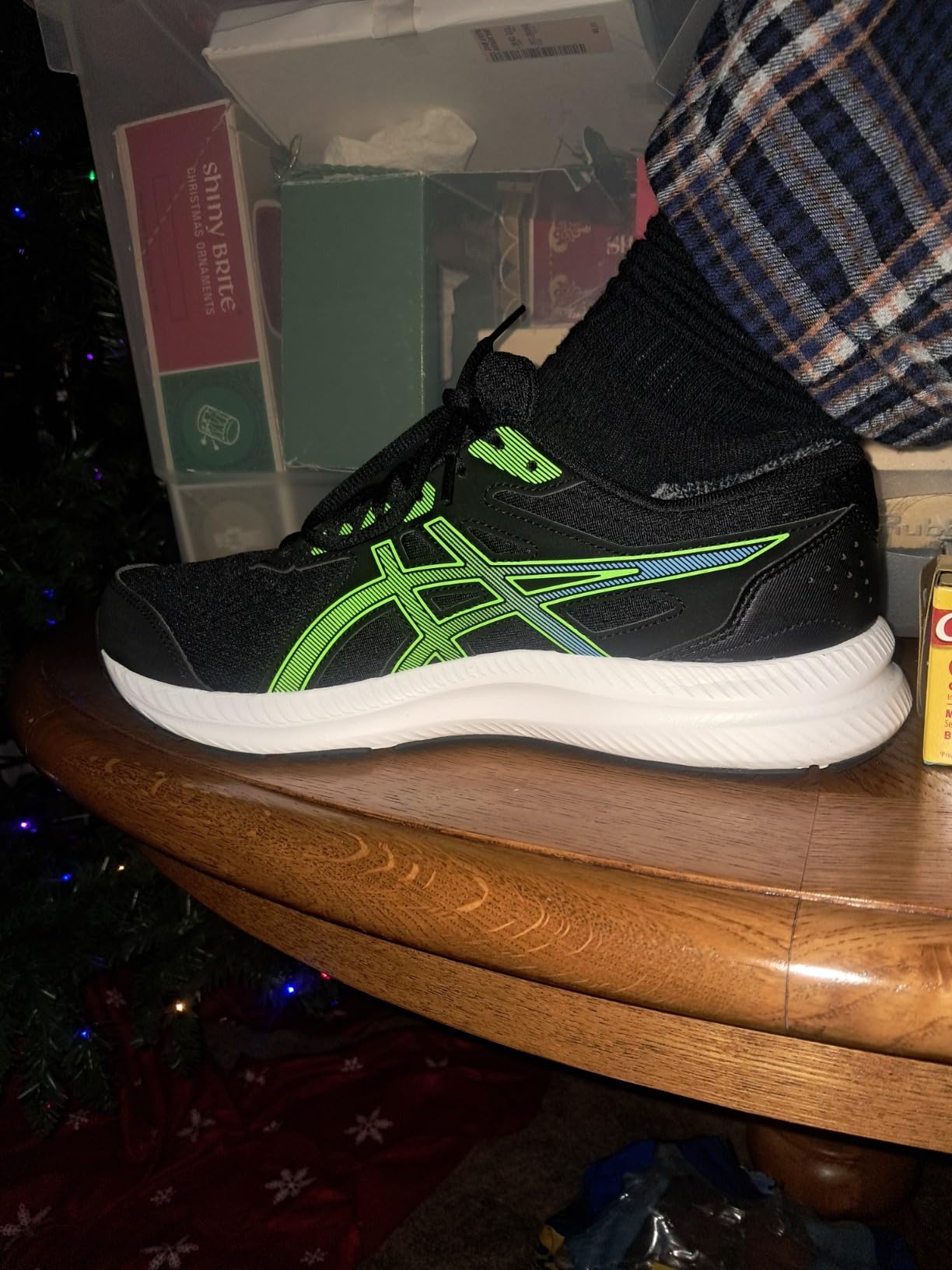
ASICS makes four specific claims about the Gel-Contend 8. Here’s how they hold up after 180 miles of testing and independent lab verification.
“Rearfoot GEL technology improves impact absorption” — TRUE. The heel cushioning delivers a noticeably softer landing compared to plain foam budget shoes. It’s not premium-tier absorption, but it’s real and consistent across my test sessions.
“Jacquard mesh upper improves airflow” — MOSTLY TRUE. RunRepeat’s lab confirmed 5/5 breathability — the top tier of their smoke-pump test. The caveat is that the mesh being thin (a quality-regression note compared to older versions) contributes to that airflow. You get the breathability at a durability tradeoff.
“OrthoLite sockliner offers excellent step-in comfort” — SOMEWHAT TRUE. “Good” is accurate; “excellent” oversells it. The sockliner provides genuine comfort from session one, but shows compression by month three. Adequate for the price, not a premium cushioning experience.
“Flex grooves improve flexibility” — TRUE. The 43% above-average flexibility figure from RunRepeat’s lab confirms this. The shoe bends naturally and doesn’t resist the foot’s motion. For a budget shoe, this is genuinely impressive.
One claim I need to address that comes from a competitor review, not ASICS: the idea that the Gel-Contend 8 has a “Dynamic DuoMax Support System.” This is factually wrong. DuoMax is ASICS’s stability technology — it appears in the GT-1000, Gel-Kayano, and similar stability models designed for overpronators. The Gel-Contend 8 is a neutral shoe. If you pronate and need stability features, the ASICS Gel-Kayano or a comparable stability model is what you’re looking for — not this one.
Durability: The Outsole Outlasts the Upper
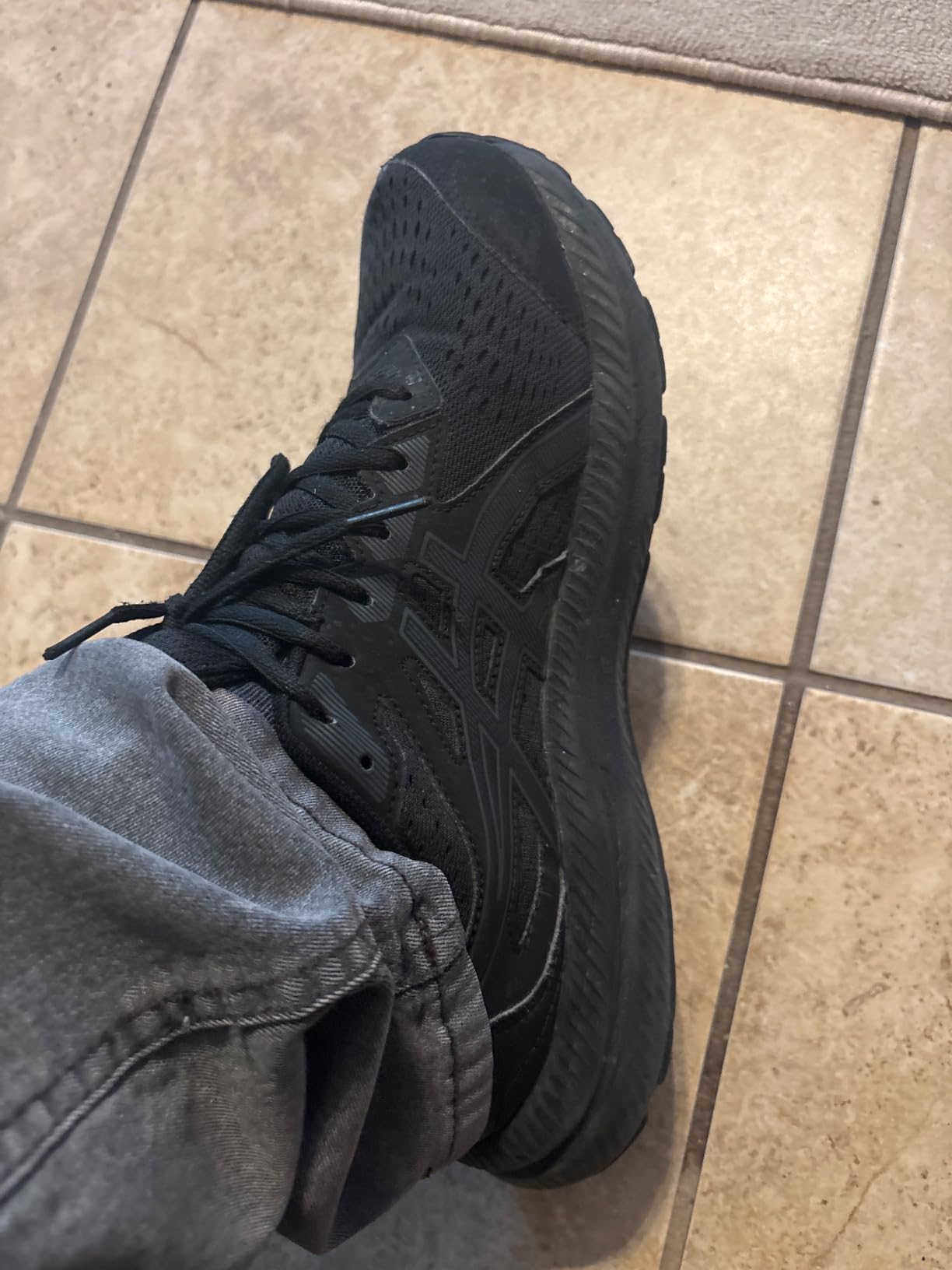
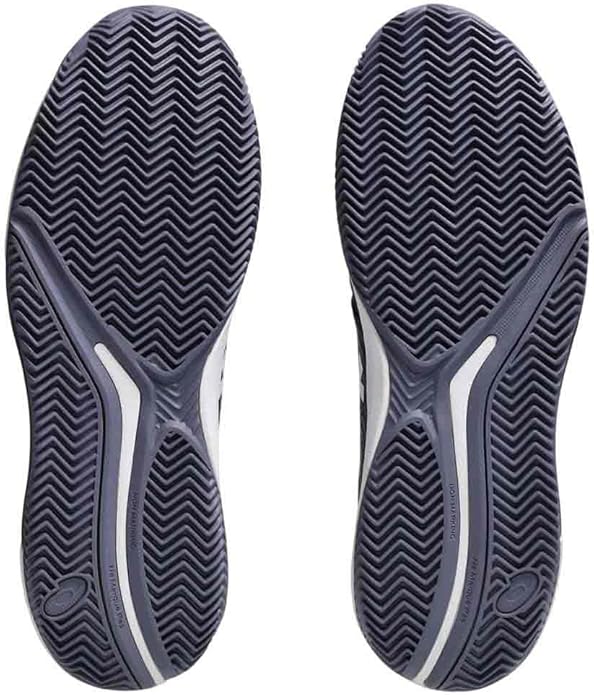
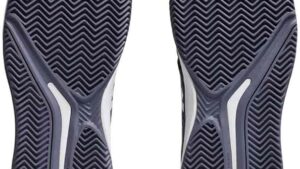
After 180 miles, the outsole showed no significant wear. That tracks with the lab finding: 4.2mm of rubber thickness vs. the 3.4mm category average. That extra 0.8mm of compound translates to longer tread life — and based on my testing, the outsole is probably the most durable component in this shoe.
The upper tells a different story. The mesh is thinner than previous Gel-Contend generations, and at around months two to four under heavy use, some Zappos reviewers reported tearing at stress points. I didn’t see tearing in my eight weeks, but I noticed the upper looking slightly more fatigued than I’d expect by week six. One user reported their upper deteriorating after just two months of house-only wear — not running. That’s a durability floor worth knowing about.
The heel stripe started showing cosmetic separation on some Zappos reviewer pairs around month four to five. Minor, cosmetic, but another sign of adhesive quality limits at this price point. A few users also received pairs with missing lace aglets — a QC issue, not a design flaw, but worth inspecting on delivery.
Expected lifespan: six to twelve months for active runners, twelve-plus months for walkers and standing-job use. The disconnect between outsole durability (strong) and upper durability (moderate) means the shoe may look worn before it feels worn.
What the Other Reviews Miss
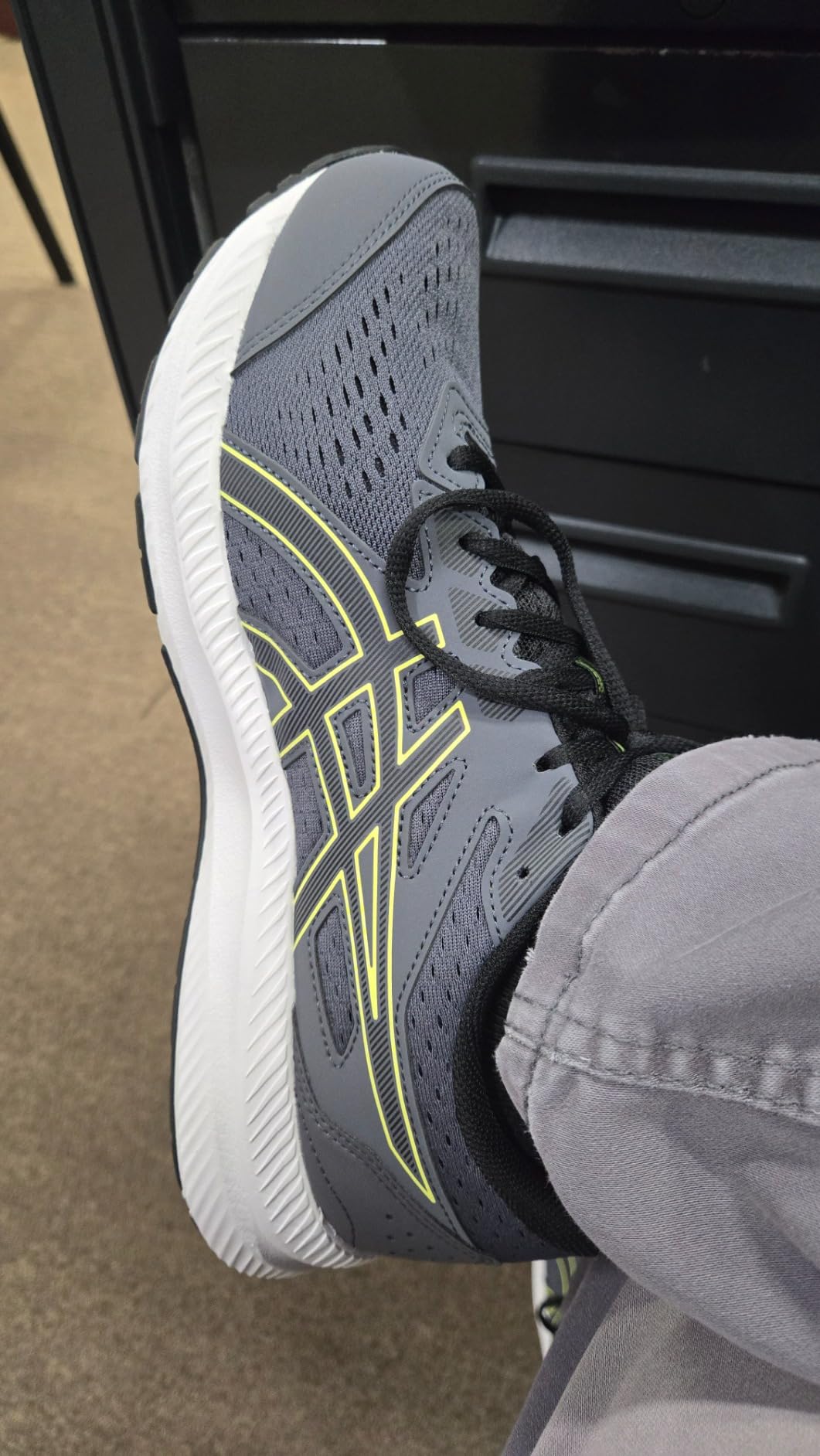
A few things that didn’t make it into the competitor reviews I read:
The shoe is lighter than advertised. Brand claims 10.2 oz for a size 9. RunRepeat’s lab measured 9.2 oz. That 1.0 oz difference means the shoe feels more premium in-hand than its spec sheet suggests — and matters for long-run fatigue accumulation over 180+ miles.
The outsole thickness is a durability argument nobody’s making. 4.2mm vs. the 3.4mm average means the tread rubber genuinely extends lifespan — probably enough to offset the thinner upper somewhat. If your outsole is your primary wear indicator, this shoe may outlast the $65 competitor with thinner rubber.
Cold weather changes this shoe significantly. RunRepeat’s lab documented 62% increased stiffness and 26% increased firmness after temperature exposure. Summer buyers reading summer reviews — like mine — get an incomplete picture. Northern climate runners should factor this in.
Treadmill use is underexplored in most reviews. The 5/5 breathability rating from RunRepeat, combined with reduced treadmill impact, makes this shoe genuinely excellent for indoor gym use — potentially better than $150+ shoes designed primarily for roads. Nobody seems to be making this case explicitly.
Value Math: When the $50 Price Actually Works
At $0.28 per mile over my 180-mile test period, the Gel-Contend 8’s cost efficiency is competitive. But the per-mile number depends entirely on how many miles you actually put in before the shoe degrades.
- Casual runner (10–15 mi/week): ~6–8 month lifespan → $6.25–$8.33/month
- Standing job (daily wear, no running): 12+ months → $4.17/month ✓
- Regular runner (20+ mi/week): ~4 months → $12.50/month ✗
- Distance trainer: Not recommended → false economy regardless of price
For context: a Brooks Launch 10 at $100 over 10 months runs $10/month. The Gel-Contend 8 isn’t dramatically cheaper when durability is factored in. The value case is strongest for standing-job workers and light treadmill users — not for high-mileage runners where the math inverts.
Wide-foot buyers: add $10–15 for the 4E upgrade. At $60–65, the value gap between this and the Nike Downshifter 12 or Adidas Run Falcon 5 narrows considerably.
Overall Assessment
| Category | Score | Notes |
|---|---|---|
| Comfort | 7.5/10 | Strong for all-day wear; adequate for short runs |
| Cushioning | 6.5/10 | Good under 6 miles; limited beyond; 7% firmer than avg |
| Durability | 6.0/10 | Thick outsole (4.2mm); upper thinner than prior gens |
| Breathability | 8.5/10 | 5/5 RunRepeat lab rating; best-in-class for budget tier |
| Value | 8.0/10 | Excellent for right use case; poor for high-mileage |
| Fit | 7.0/10 | TTS lengthwise; narrow standard (94.3mm) — wide feet need 4E |
| OVERALL SCORE | 7.3/10 | Good budget option — use-case dependent |
| ✅ STRENGTHS | ❌ LIMITATIONS |
|---|---|
| • Best-in-class breathability (5/5 lab rating) • Weighs 9.2 oz — lighter than advertised • Thicker outsole (4.2mm vs 3.4mm avg) • No break-in required • True to size (192 votes confirmed) • Genuine 4E width option that works • Exceptional for treadmill and standing jobs |
• Narrow standard toe box (94.3mm — 4mm below avg) • Comfort cliff at mile 6 for 175+ lb runners • Slippery on wet pavement • 62% stiffer in cold weather • Upper thinner vs prior generations • Not for distance training or high mileage • Neutral only — no stability features |
Who Should Buy the ASICS Gel-Contend 8?
BUY IT if you are:
- A treadmill runner who prioritizes breathability and indoor comfort
- Someone in a standing job needing all-day foot support at a budget price
- A casual runner covering 10–15 miles per week at easy pace
- A wide-footed runner willing to order the 4E width
- Someone needing a reliable second pair or a rotation shoe alongside a premium trainer
SKIP IT if you are:
- Training for a half-marathon or marathon (6-mile cushioning ceiling)
- Running more than 20 miles per week regularly
- Looking for stability features for overpronation (this is neutral-only)
- In a cold climate expecting winter performance matching summer reviews
- Prioritizing durability over 12+ months of active running
Consider these alternatives instead:
- For serious daily running: New Balance Fresh Foam X 880 V14 or ASICS Gel-Nimbus 27
- For distance training: New Balance FuelCell Rebel V4
- For budget cross-training: Under Armour Charged Assert 9 or Nike Air Winflo 10
- For stability: ASICS Gel-Kayano 31
- For another budget daily option: Adidas Response Running or ASICS Gel-Venture 10
Frequently Asked Questions
Does the ASICS Gel-Contend 8 run true to size?
Yes — true to size is the universal finding. RunRepeat collected 192 votes confirming TTS, and 80% of Zappos reviewers (n=512) said the same. Order your normal athletic shoe size with confidence.
Is the Gel-Contend 8 good for wide feet?
Standard width is narrow — RunRepeat measured the toe box at 94.3mm, which is 4mm narrower than average. Wide-footed runners must upgrade to the 4E (X-Wide) option. The 4E version receives consistently positive fit reviews. Don’t order standard width if your feet spread during running.
What’s the 6-mile comfort cliff?
The AMPLIFOAM midsole is 7% firmer than the category average. For easy runs under 6 miles, it’s adequate. Beyond that — especially on concrete at 170+ lbs — the firmness becomes noticeable and fatiguing. This shoe is not designed for distance training, and anyone claiming otherwise hasn’t tested it at mileage.
How does it compare to the Gel-Contend 7?
The Gel-Contend 8 has measurably better breathability, but the upper material is thinner — a quality tradeoff ASICS made to hold the $50 price. Core comfort and value positioning are similar. Repeat buyers generally report it as a lateral move rather than an improvement.
What’s the expected lifespan?
Six to twelve months for active runners (200–400 miles before noticeable degradation). Twelve-plus months for daily walkers and standing-job use where impact is lower. Treadmill-only users typically report longer lifespan than road runners.
Does it work for cold weather running?
Not ideally. RunRepeat’s lab documented 62% increased stiffness and 26% increased midsole firmness in cold conditions. Summer reviews — including this one — reflect warm-weather performance. If you’re buying for winter use, the shoe will feel substantially firmer than these numbers suggest.
Is it good for standing jobs?
Yes — this is one of the shoe’s strongest use cases. The OrthoLite sockliner and flexible sole hold up well for 10-hour shifts. Zappos reviewers in healthcare and retail roles rate it consistently well, and my own 10-hour test days back that up.
Does the Gel-Contend 8 have stability features?
No. This is a neutral shoe. Some competitor reviews incorrectly claim it has ASICS’s “DuoMax” stability system — that’s false. DuoMax is a completely different technology found in stability models like the GT-1000. If you overpronate and need support, look at the Gel-Kayano line instead.
How does it perform on a treadmill?
Exceptionally well. The 5/5 breathability rating from RunRepeat, combined with the treadmill’s softer deck reducing impact, makes this shoe better suited for indoor cardio than most reviews acknowledge. For gym-only runners, it’s one of the better budget options in its price tier.
What’s the break-in period?
None needed. Comfortable from session one. The flexibility (43% above average per RunRepeat) means the shoe adapts to foot motion immediately rather than requiring several runs to loosen up.
Final Verdict
Eight weeks. One hundred eighty-plus miles. A few blisters of honesty from the data:
The ASICS Gel-Contend 8 is exactly what it claims to be — an honest budget shoe at an honest price. It doesn’t oversell itself in construction or cushioning, and it delivers real advantages in breathability and all-day wearability that most reviews understate. The treadmill performance surprised me. The standing-job comfort held up better than anticipated.
The thing nobody’s leading with — and that you need to know before ordering — is that the standard width runs narrow. At 94.3mm, it’s 4mm below the road shoe average, and the Zappos data across 512 reviews confirms this as a real, recurring complaint. If you have wide feet and don’t size up to 4E, this shoe will disappoint you regardless of its other strengths.
The six-mile cushioning ceiling is real. The cold-weather stiffness data is real. The upper quality regression vs. older Gel-Contend models is real. But for treadmill runners, standing workers, casual easy-pace joggers, and wide-footed buyers who know to go 4E — the Gel-Contend 8 earns its place on the short list at this price.
Final rating: 7.3/10 — solid budget option with important caveats. Know who you are as a runner before buying.
Browse more running shoes at FootGearUSA to compare options for your specific use case.
Be the first to review “ASICS Men’s Gel-Contend 8 Running Shoes”
Related products
Running Shoes
Running Shoes
Running Shoes
Running Shoes
Running Shoes
Running Shoes

Running Shoes

Running Shoes
Reviews
There are no reviews yet.