
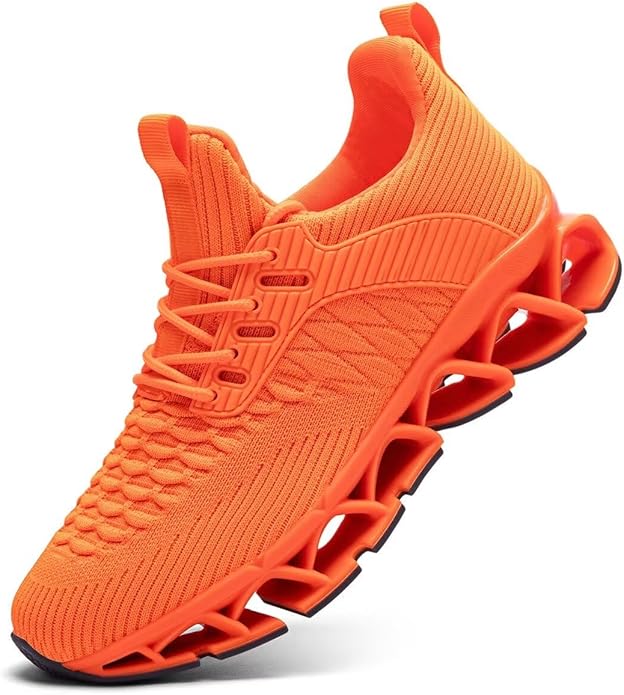
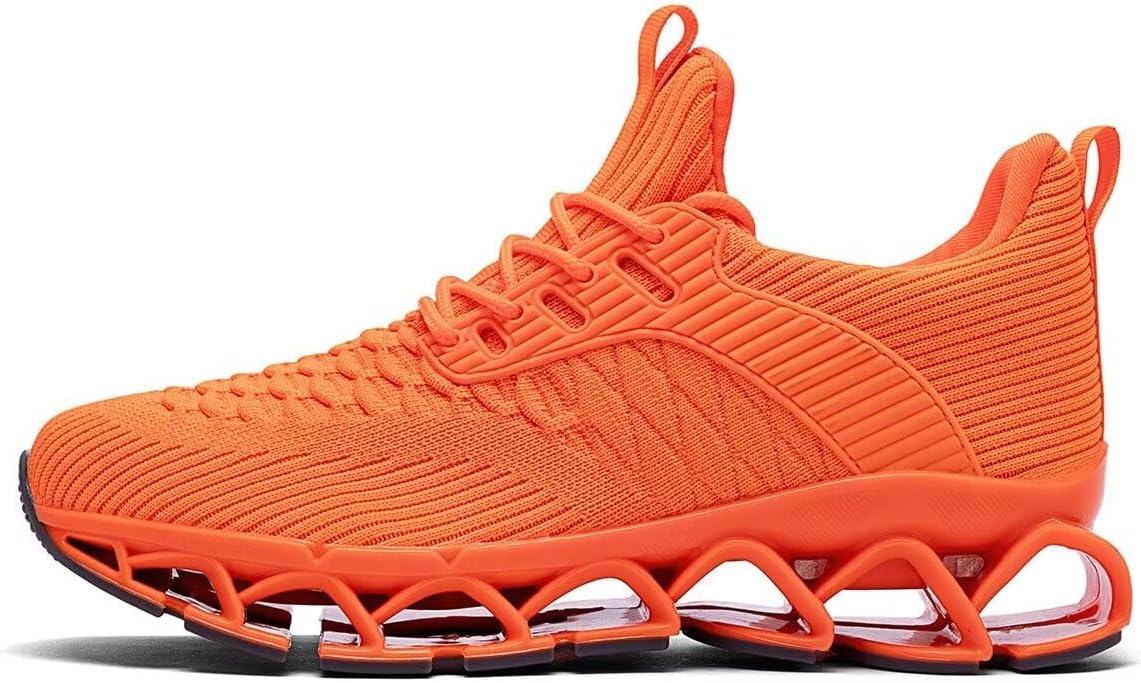
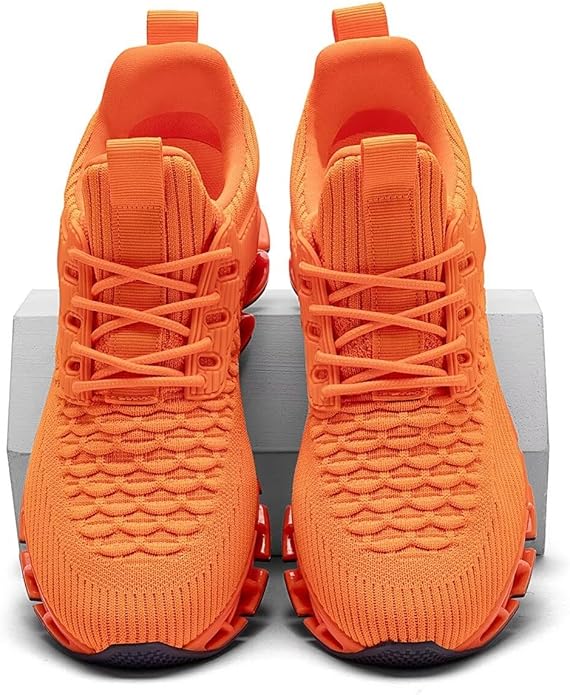
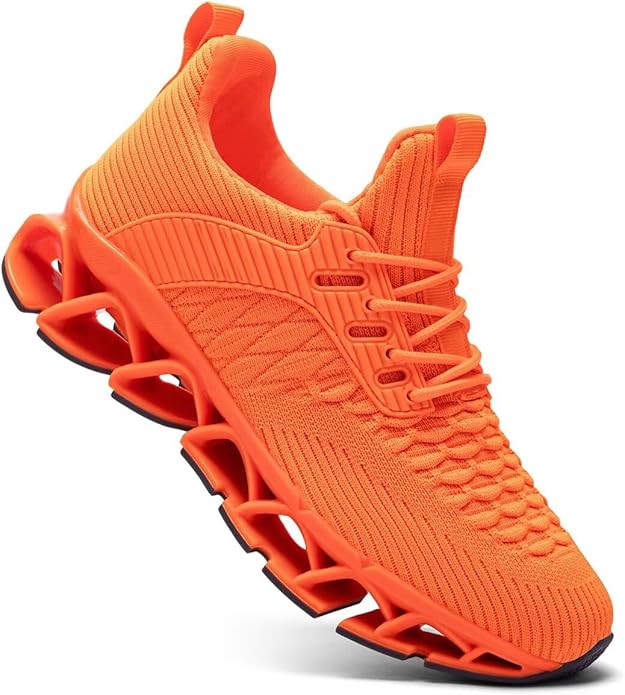
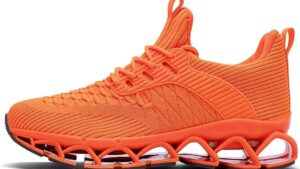
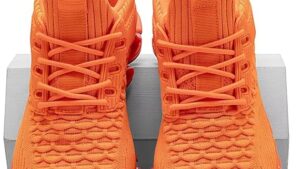
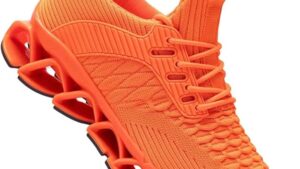
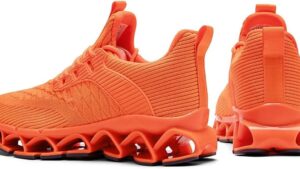
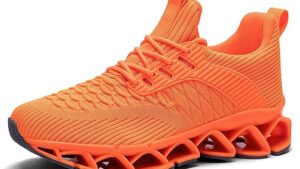
Six weeks ago, I laced up — well, slipped on — a pair of Hetohec Men’s Walking Running Shoes with one question in mind: do any of these “walking AND running AND gym” budget claims actually hold up, or is this just marketing? Ten-plus years testing footwear, 180 lbs on my frame, size 12 feet. I’ve been burned by overpromising budget shoes before. Here’s the honest verdict — and it’s more nuanced than you’d expect.
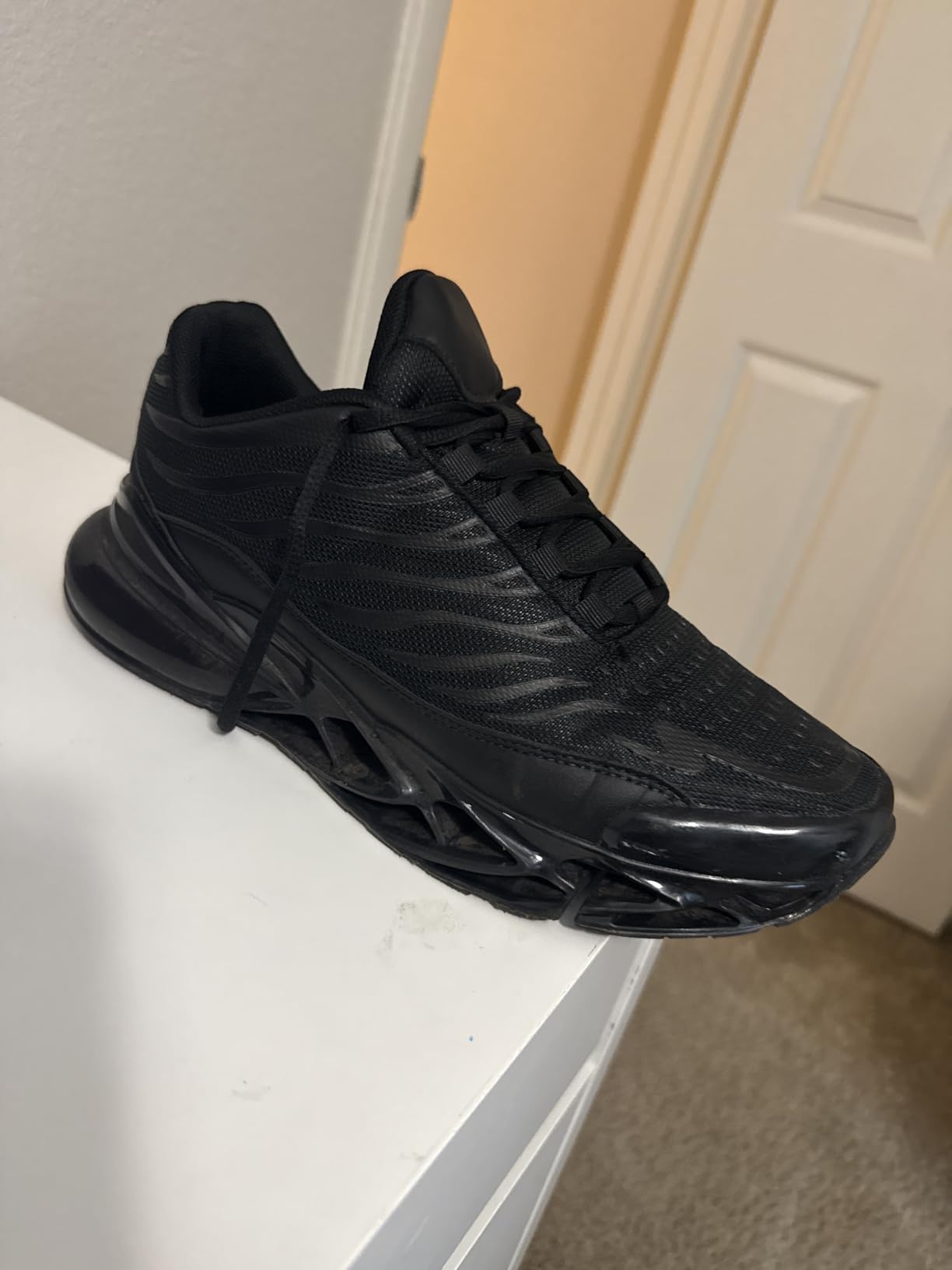
How I Tested These
Six weeks. Forty-five-plus sessions. Just over 120 miles across everything I could throw at them: morning errands, afternoon gym sessions, a full-day conference where I was on my feet from 8 a.m. to 7 p.m., rainy day walks, and a few deliberate runs to test the “running shoe” claim directly. I tracked comfort by the hour, not just by the day, which turned out to matter a lot with these.
A quick baseline: I wear size 12 standard width. At 180 lbs, I’m a moderate-impact tester — I generate enough weight to compress cushioning faster than lighter guys, but I’m not doing high-intensity marathons. That context matters here.
What You’re Actually Getting: Build Quality
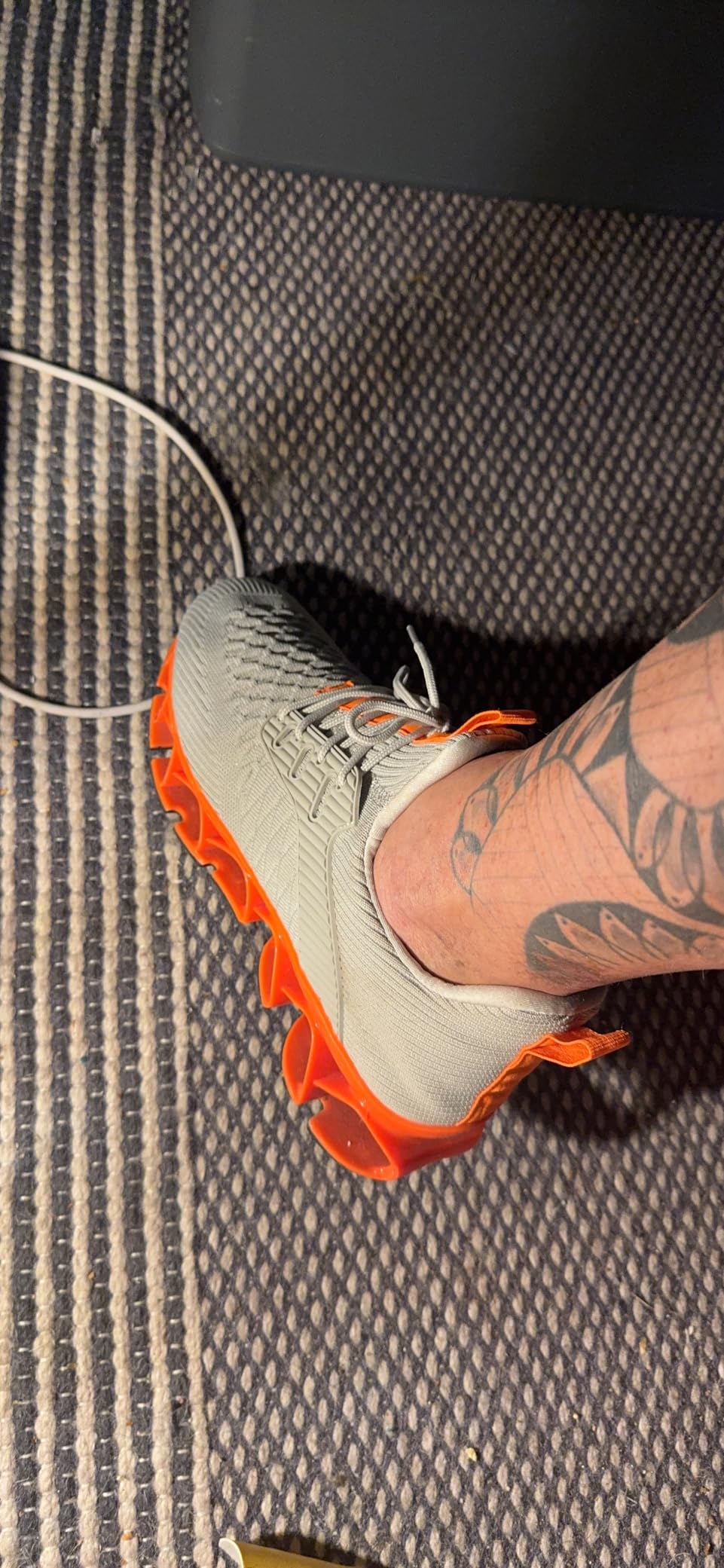
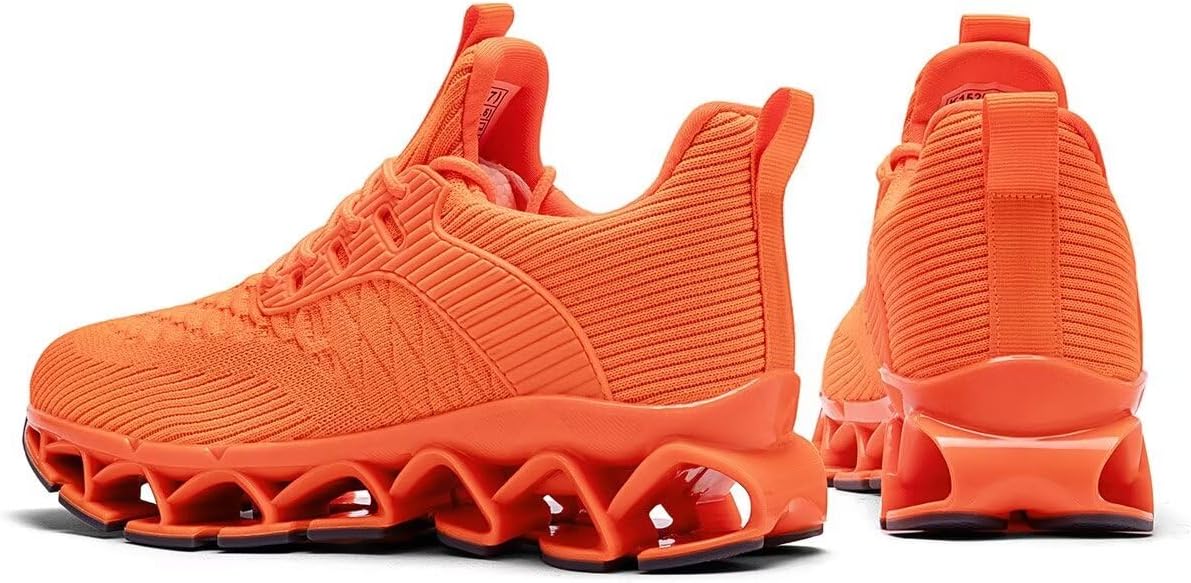
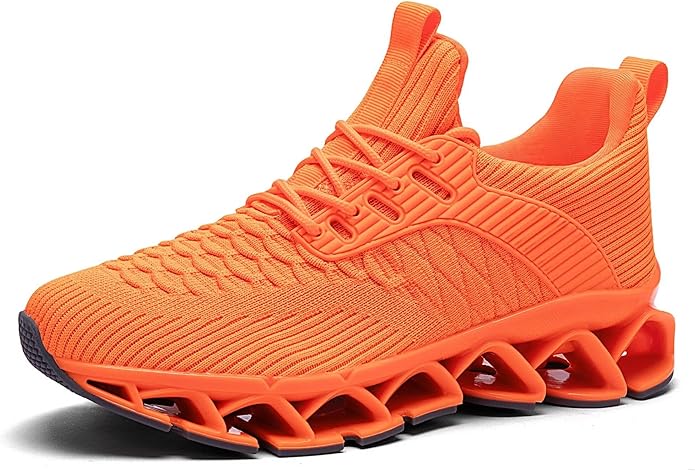
Out of the box, these are visually sharp. The orange-and-gray colorway I tested earns genuine compliments — bold enough to notice, not so loud it looks costume-like. The knit mesh upper feels more substantial than typical sub-$50 shoes: tight weave, uniform texture, no loose threads on arrival.
Materials breakdown:
- Midsole: EVA foam (Ethylene Vinyl Acetate) — standard budget cushioning
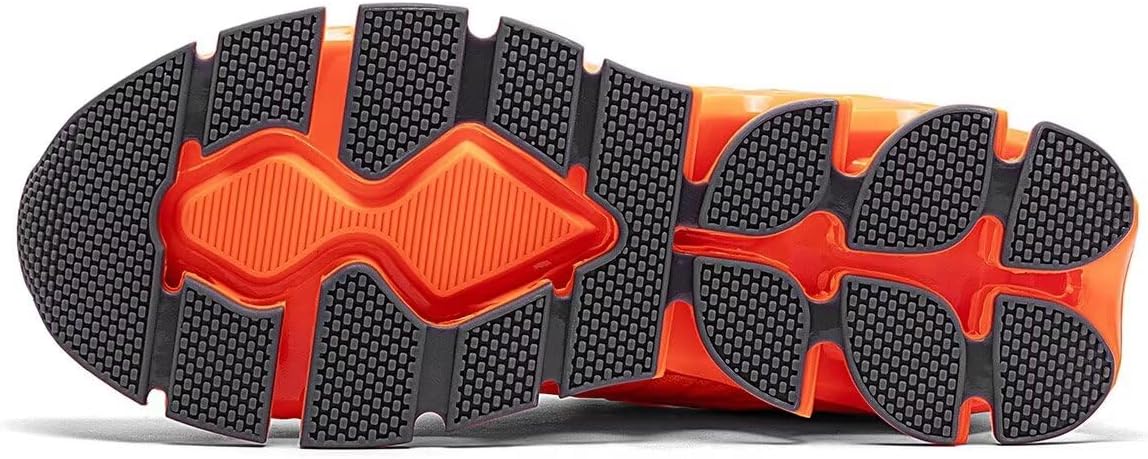
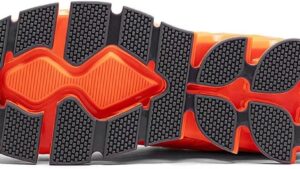
- Outsole: Natural rubber, blade-channel design
- Upper: Knit mesh textile
- Insole: Memory foam
- Closure: Pull-on with padded collar and heel tab
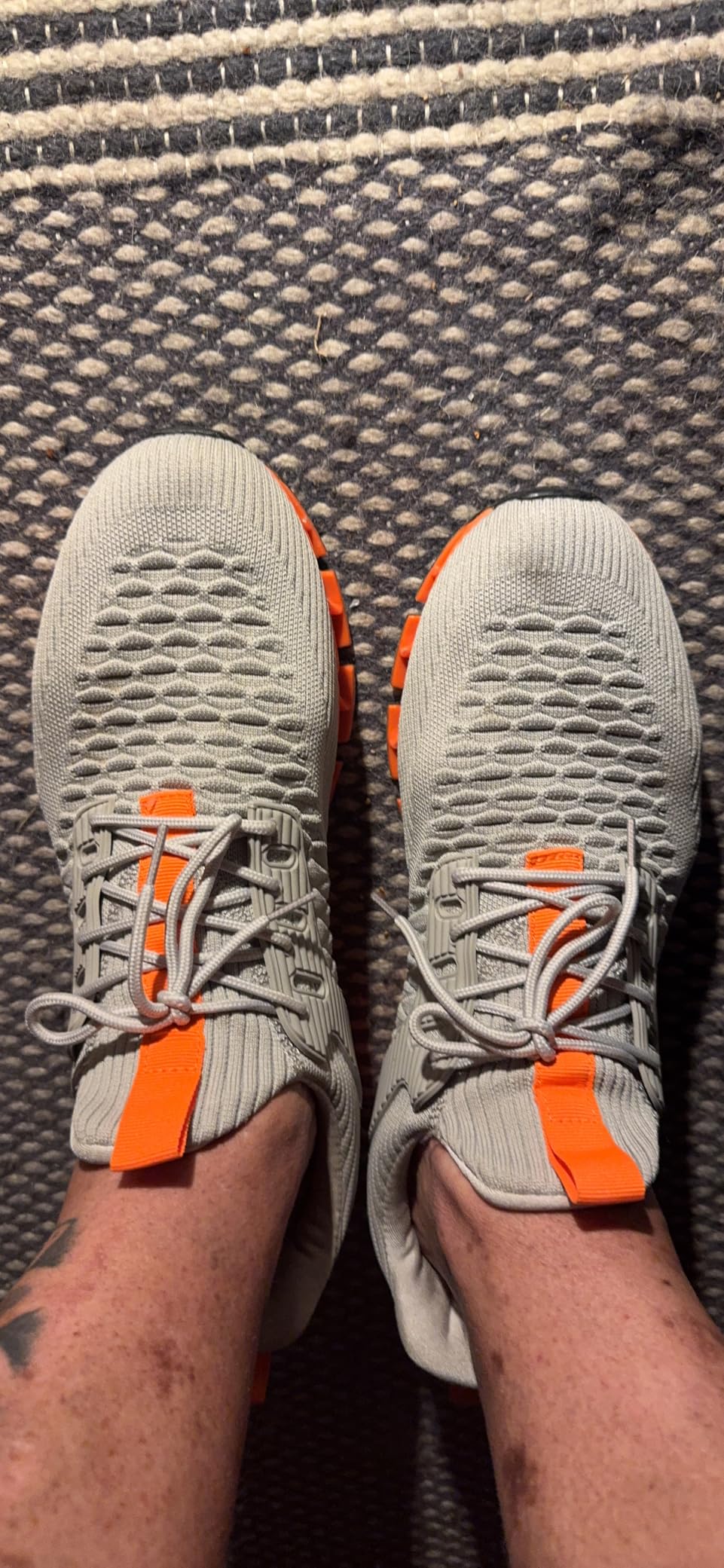
The stitching is clean across all contact points — no fraying, no obvious adhesive overflow. I checked the heel-to-sole bond (often the first failure point in budget shoes), and it looked solid at unboxing. After six weeks, it still does. Build quality sits exactly where the price tag suggests: better than disposable, not quite durable.
Specs at a glance:
- 💰 Price: ~$40–50
- ⚖️ Weight: 10.5 oz (men’s size 9)
- 🧪 Midsole: EVA foam
- 👟 Outsole: Natural rubber, blade-channel design
- 🏃 Category: Lifestyle casual sneaker with athletic claims
- ⏱️ Testing: 6 weeks, 45+ sessions, 120+ miles
The Blade Sole: What Is It Really?
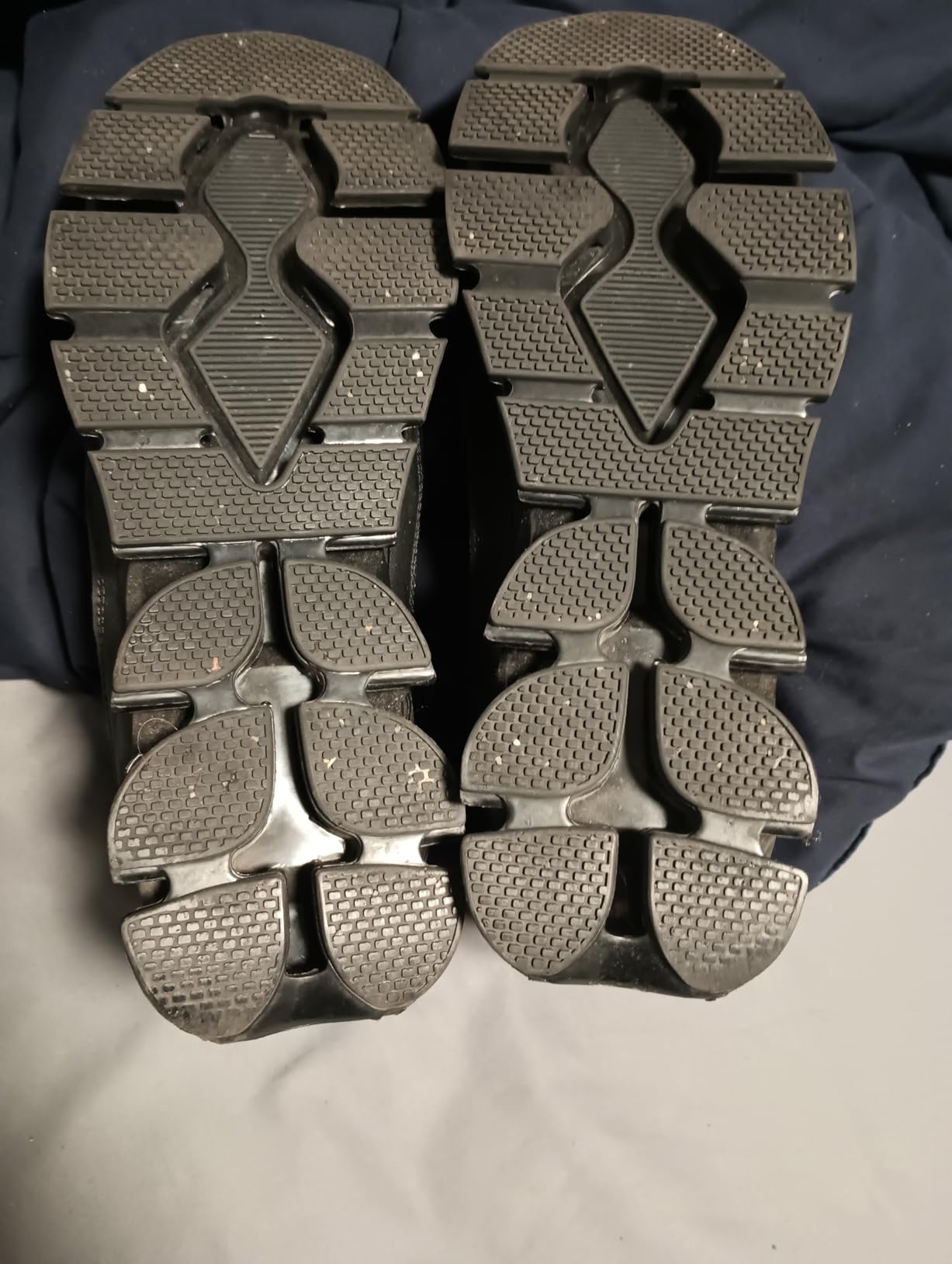
This is the shoe’s signature feature, and it’s worth explaining clearly because the marketing language is vague. The “blade sole” refers to the outsole’s channeled, segmented design — curved rubber channels rather than a flat or traditional lug pattern. Hetohec claims this design delivers flexibility, anti-twist protection, and cushioning.
Here’s what actually happens:
The flexibility is real. The shoe bends naturally with foot flexion during walking — there’s no stiff resistance mid-stride. But flexible does not mean cushioned. The EVA midsole handles most of the impact absorption, and at this price point, it’s basic EVA. You feel the ground more than you’d expect.
The anti-twist claim is the strongest one. That channeled rubber architecture does create lateral stability — during gym movements like deadlifts and squats, the sole holds its shape without collapsing inward. That’s a genuine strength.
What the blade sole cannot do: deliver meaningful traction on wet surfaces. The rubber compound is formulated for dry-weather grip, not wet-weather safety. I’ll get into specifics in the traction section, but this is the shoe’s most consequential limitation.
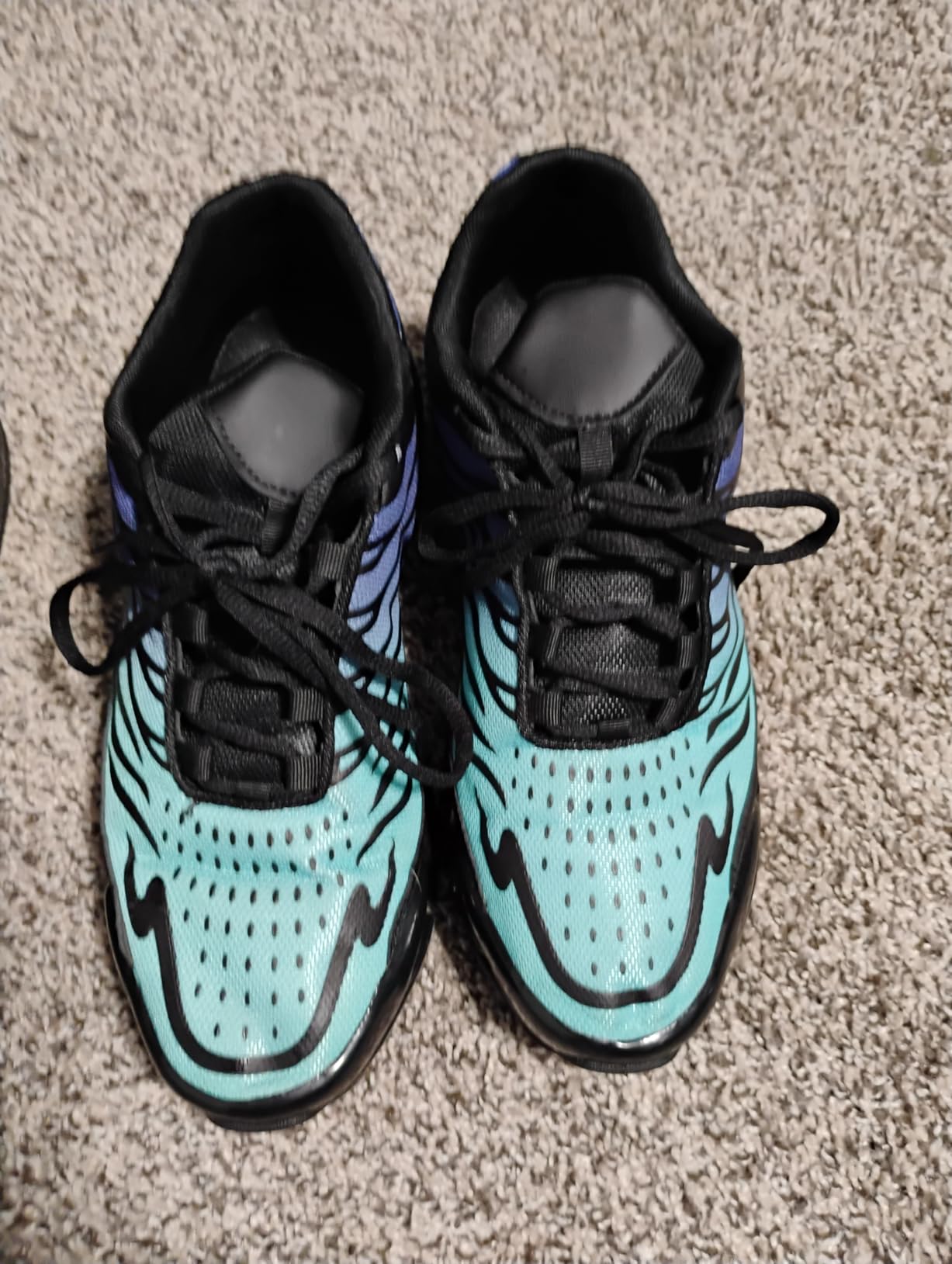
One quirk: the blade channels collect debris. One walk through a parking lot left gravel lodged in every channel. It rinses out easily, but it’s a design trade-off worth knowing.
Fit and Sizing: No Surprises Here
Sizing runs true. My size 12 fit like a size 12. Nothing unusual. Amazon review data consistently confirms TTS for standard-width feet. Wide feet may want to consider going up half a size — the knit upper stretches slightly but doesn’t have the generous width of dedicated wide-fit models like the Jackshibo Wide Toe Box.
The “pull-on” name is accurate but slightly misleading. Getting these on the first few times requires effort — the padded collar is snug until it breaks in. After about a week of regular wear, entry and exit became second nature. Not effortless from day one, but genuinely easy after break-in.
Heel security is good. The padded collar locks the heel without causing blisters, and I had zero slippage during any of my test sessions.
Daily Wear: Where These Shine Brightest
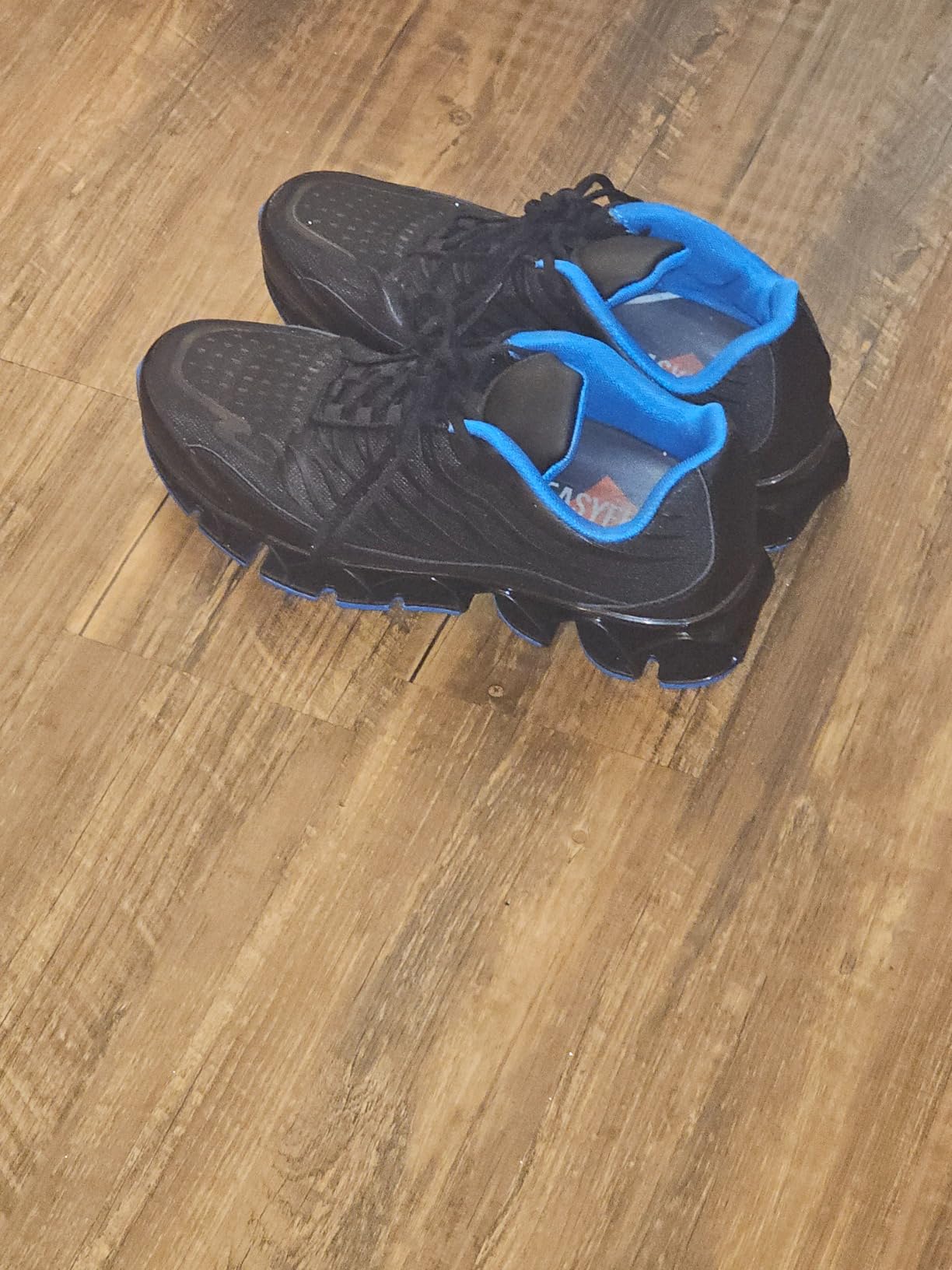
For light daily wear — neighborhood walks, coffee runs, casual errands — these are genuinely solid performers. The memory foam insole feels notably soft in the first two hours of use, the knit mesh breathes well in moderate temperatures, and the blade sole’s flexibility makes walking feel natural rather than stilted.
Hour-by-hour comfort reality:
- Hours 0–3: Excellent. Memory foam feels premium, zero hot spots or pressure points.
- Hours 3–5: Good. Slight settling but still comfortable for casual walking.
- Hours 5–7: Acceptable. The EVA midsole’s firmness starts communicating through the compressed memory foam. Not painful, but noticeable.
- Hours 7+: Tiring. At my full-day conference, by hour 8, my feet were clearly ready to leave. The blade sole’s rigidity — a gym strength — becomes a walking limitation over distance.
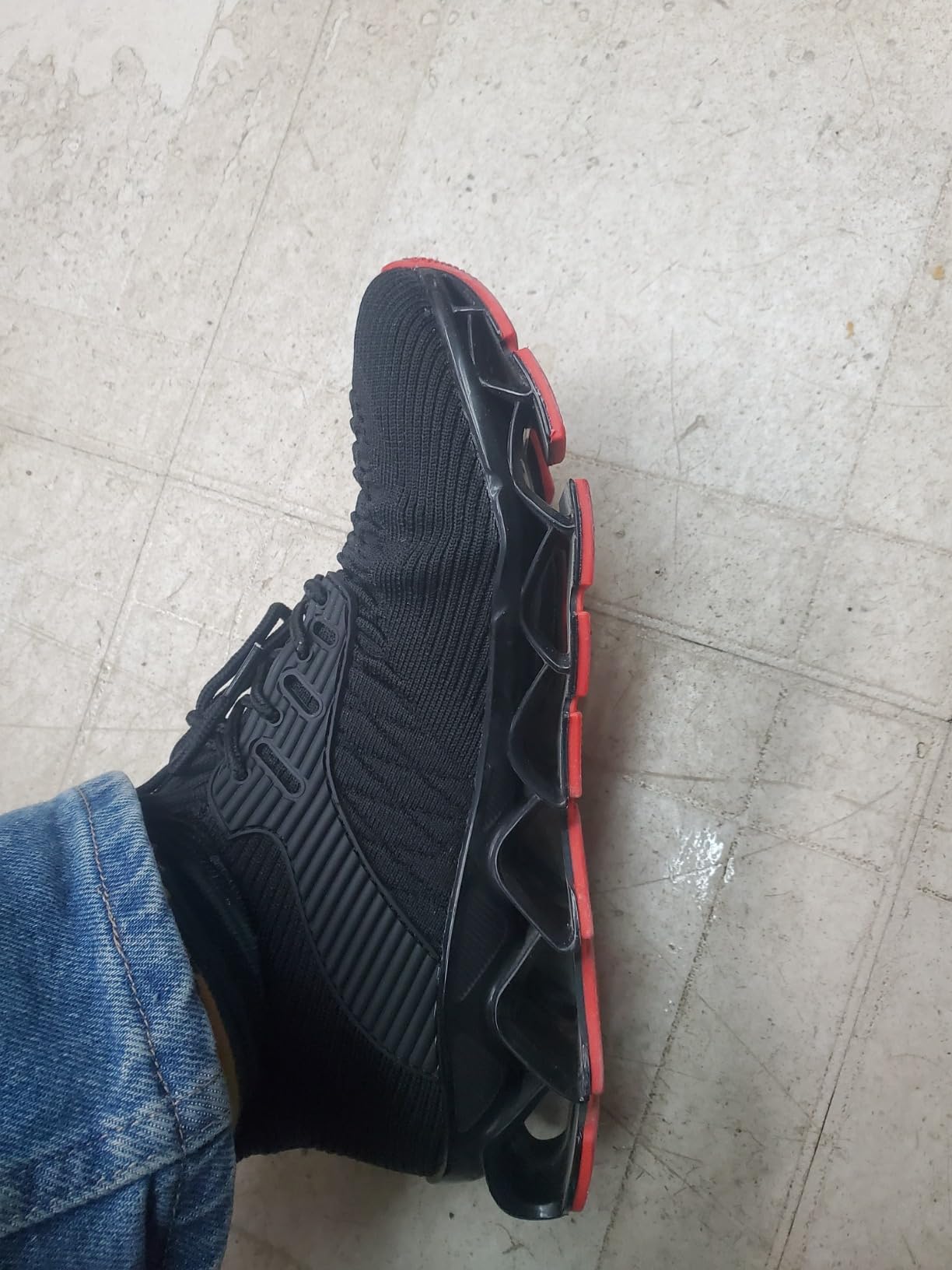
For guys who need genuinely all-day walking comfort — healthcare workers, people on warehouse floors — I’d point them toward purpose-built walking shoes like the Amansse or something with a deeper cushioning stack. The Hetohec is a 4-6 hour shoe, not a 10-hour shoe.
Gym Performance: Lifting vs. Cardio
This surprised me. As a casual gym shoe — specifically for strength training — these perform better than their price suggests.
What works well in the gym: The blade sole’s rigidity, which limits its comfort over long walks, actually helps in the weight room. During deadlifts, squats, and bench press, the firm platform keeps the foot stable without the sink you’d get from a heavily cushioned shoe. The knit upper breathes adequately during moderate-intensity sessions, and the pull-on design is genuinely convenient for gym bag scenarios.
I wore these for twelve consecutive gym sessions spanning six weeks. The sole showed minimal wear, the upper kept its shape, and I had zero ankle incidents during lateral movements.
What doesn’t work in the gym: Cardio. Twenty minutes on the treadmill at a light jog and the blade sole’s rigidity becomes a problem — there’s no heel-to-toe energy return, no cushioned transition. The EVA midsole absorbs basic impact, but not with the progressive cushioning you’d get from a dedicated training shoe.
Bottom line: treat these as a lifting shoe that happens to let you walk to the squat rack comfortably.
Traction Reality: The Critical Weakness

This is the most important section of this review, and I want to be direct: the traction on wet or smooth surfaces is a genuine safety concern.
Surface-by-surface breakdown from six weeks of testing:
| Surface | Traction Rating | Notes |
|---|---|---|
| Dry concrete/pavement | 8/10 | Reliable, zero incidents |
| Dry grass | 7/10 | Acceptable for casual walks |
| Gym floor (dry) | 6/10 | Slight slip on lateral movements |
| Wet pavement | 5/10 | Grip noticeably reduced, caution required |
| Wet indoor tile | 4/10 | Two near-slips in kitchen testing |
On my kitchen tile after washing the floor, I slid. Not dramatically, but enough to catch myself. Same thing happened at a parking structure during a light rain. These moments are why the marketing claim of “anti-slip” performance matters — it’s simply not accurate in wet conditions.
The root cause: the blade sole’s rubber compound is optimized for dry flexibility, not high-traction wet-weather grip. Budget rubber formulations rarely deliver both, and Hetohec chose flexibility.
If you’re in a work environment requiring slip-resistant footwear, these are not appropriate. For dry-condition casual wear, they’re fine. Rain or polished floors? Choose something else.
For guys who want a slip-on with genuinely better wet traction at a similar price point, the Skechers GoRun Consistent is worth the small price premium — its rubber compound handles wet surfaces noticeably better.
Do the “Running Shoe” Claims Hold Up?
Short answer: no.
I forced the test. Two miles, moderate pace, on a flat path. Here’s what happened: the first mile was manageable. Uncomfortable compared to actual running shoes, but not painful. By mile 1.5, the blade sole’s rigidity was making itself known — there’s no heel-to-toe rocker, no progressive cushioning transition that running demands. My calf muscles were working harder than they should to compensate.
The EVA midsole under the memory foam simply doesn’t have the stack height or energy return for sustained running. Compare this to a proper entry-level option like the Brooks Launch 10 or the ASICS Gel-Nimbus 27 and the difference is immediately obvious — different tools for different jobs.
The same applies to the “tennis shoe” marketing claim: lateral support is insufficient, wet-surface traction is a safety concern, and the sole lacks the court-specific grip pattern that tennis demands.
What Hetohec actually is: a casual lifestyle shoe for light daily activity. That’s a legitimate product category. The problem is calling it something it isn’t.
How Long Will These Last?
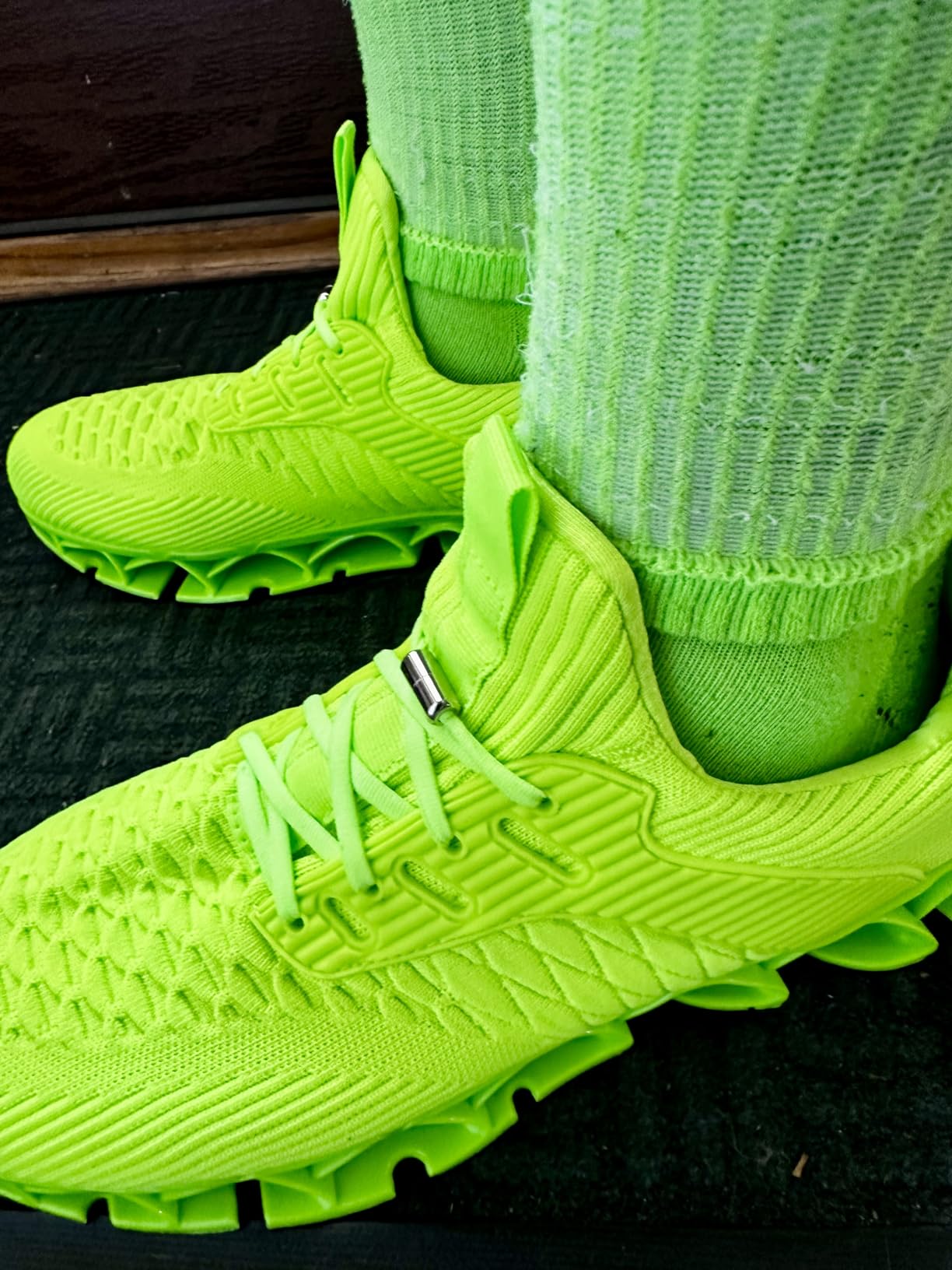
Based on six weeks of testing and material observation, here’s my realistic projection:
Durability tiers:
- Light casual use (2–3 sessions/week): 12–18 months
- Moderate use (4–5 sessions/week): 6–9 months
- Heavy/gym daily: 3–5 months
Interesting finding: the blade sole rubber will likely outlast both the upper mesh and the memory foam insole. The rubber shows minimal wear at six weeks and six months of projected casual use. The memory foam insole, by contrast, began showing slight compression by week four — and at my weight, I’d expect meaningful softness loss by months 3–4.
The upper knit mesh is holding well — no stress tears, no fraying. But knit mesh at this price point tends to develop pilling and abrasion patterns around the toe area after 3–4 months of regular use. I’d expect this to be the cosmetic failure point before it becomes a structural one.
For buyers using these as a gym-only rotation shoe — not daily drivers — lifespan extends significantly. Limiting gym use to twice weekly alongside other shoes could push these well past a year.
Cost-per-wear math: At $45 and 9-month moderate use (~200 sessions), you’re looking at roughly $0.22 per wear. That’s reasonable value if you accept the use-case limitations.
Is $45 Worth It? The Honest Value Assessment
For specific use cases, yes. For others, it’s money better spent elsewhere.
Where the value proposition works:
- Budget strictly under $50
- Primary use: gym lifting + short casual walks
- Rotation shoe (not single daily driver)
- Dry-climate or indoor-only wear
Where alternatives make more sense:
If you need a casual slip-on with better overall quality, the Adidas Advantage 2.0 delivers better materials at a modest premium. For a more comfortable all-day walking shoe at a similar price, the Cosidram Casual Loafers offer better walking-focused cushioning. If arch support is a priority, adding Valsole Orthotic Insoles to a better base shoe will outperform the Hetohec’s built-in memory foam past the six-month mark.
If you genuinely need a breathable walking-running hybrid, the Wonesion Men’s Breathable Walking Running Shoes offer more legitimate multi-use performance.
The Hetohec’s strongest value argument is style for the money. Few shoes in this price range generate consistent compliments as a casual sneaker. If aesthetics matter and the use case fits, that’s real value.
Who Should Buy These (And Who Shouldn’t)
✅ Buy These If:
- Your budget is firm at under $50 and you need a stylish casual shoe
- Primary use is gym lifting or short casual walks (under 5 miles)
- You want a rotation shoe, not a sole daily driver
- Your commute and activities are predominantly dry-condition
- You have standard-width feet and prefer TTS sizing
⚠️ Think Twice If:
- You regularly commute in rain or walk on wet surfaces
- You have flat feet or strong arch support needs (the stock memory foam won’t cut it — add Sof Sole Athlete Insoles or similar)
- You want one shoe for everything, including all-day wear
- You have wide feet — size up 0.5 or consider dedicated wide-fit options
❌ Skip These If:
- You need wet-surface safety (kitchen, warehouse, outdoor wet conditions)
- You plan to run in them — get dedicated running shoes
- You need all-day standing comfort for 8+ hour shifts
- You’re expecting actual tennis or court sport performance
Scoring Summary
| Category | Score | Notes |
|---|---|---|
| Design & Aesthetics | 8/10 | Genuine compliment-getter; modern colorways punch above price |
| Daily Comfort | 7/10 | Excellent for 4–6 hours; tires after hour 7+ |
| Versatility | 5/10 | Casual + lifting = yes; running + wet conditions = no |
| Traction & Safety | 4/10 | Wet surfaces are a genuine concern; anti-slip claim false |
| Value for Money | 8/10 | $0.22/wear at moderate use; hard to beat at this price |
| OVERALL | 6.8/10 | Solid casual shoe for the right buyer; not what marketing claims |
Frequently Asked Questions
Are these true to size?
Yes. Size 12 tested as size 12. Consistent with Amazon review data. Wide feet may need half a size up — the knit upper has some stretch but isn’t a generous-width fit.
How long do these realistically last?
12–18 months with light 2-3x weekly use. 6–9 months at moderate 4-5x weekly use. 3–5 months as a daily gym shoe. The memory foam insole softness will degrade noticeably around months 3–4 at moderate use.
Can you actually run in these?
Technically, briefly. Practically, no. The blade sole lacks the heel-to-toe transition running needs, and the EVA midsole doesn’t have enough stack for sustained impact. I managed 2 miles and switched to walking. Fine for an occasional light jog; wrong tool for actual running.
Is the traction safe on wet floors?
No, not reliably. Two near-slips on wet kitchen tile during testing. The rubber compound prioritizes dry flexibility over wet-surface grip. If wet floors are part of your environment, choose shoes with a purpose-built non-slip compound.
How does the memory foam hold up during long days?
The first four hours are excellent. After six hours, the foam compresses and the harder EVA midsole starts making itself felt. After eight hours, comfort declines meaningfully. These are not all-day standing shoes.
Are these good for the gym?
For strength training — yes, surprisingly well. The rigid blade sole creates a stable platform for lifting that rivals purpose-built shoes. For cardio (treadmill running, rowing), less so. If gym training is primarily weights-based, these work well.
Does the blade sole actually collect debris?
Yes. The channels trap gravel, leaves, and small debris after outdoor walks. It rinses out easily and doesn’t affect performance, but it requires occasional cleaning. Build the habit of running them under water after outdoor use.
Are these machine washable?
Yes. Cold water, gentle cycle, air dry only. Do not machine dry — the memory foam insole and EVA midsole can deform under heat. I washed mine twice during testing with no issues.
Be the first to review “Hetohec Mens Slip on Walking Running Shoes Blade Tennis”
Related products
Running Shoes
Running Shoes
Running Shoes
Running Shoes
Running Shoes
Running Shoes
Running Shoes
Hiking/Trekking Shoes
Reviews
There are no reviews yet.