
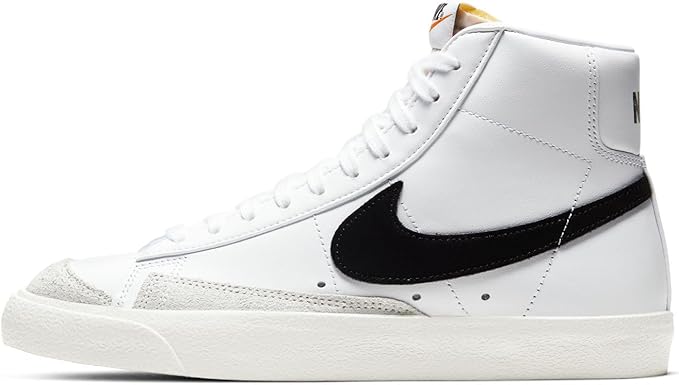
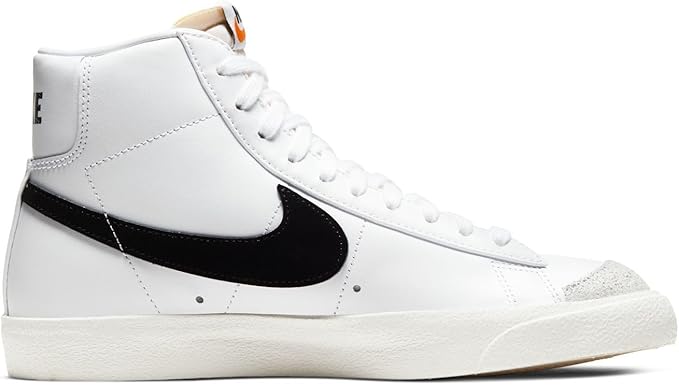
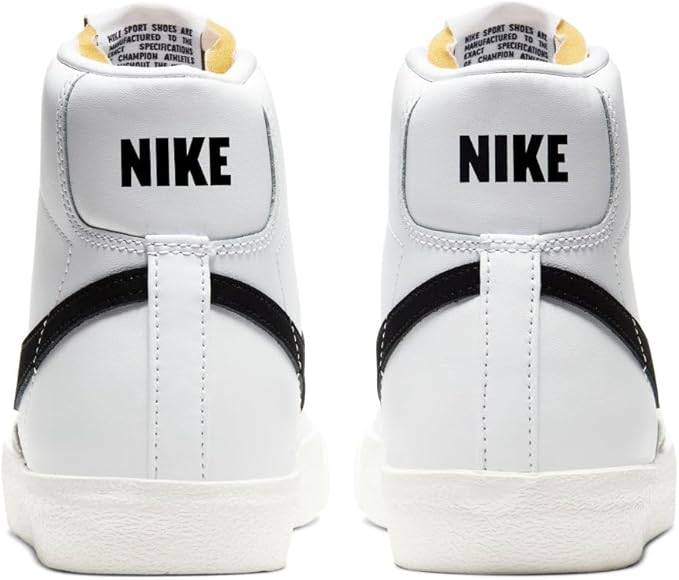
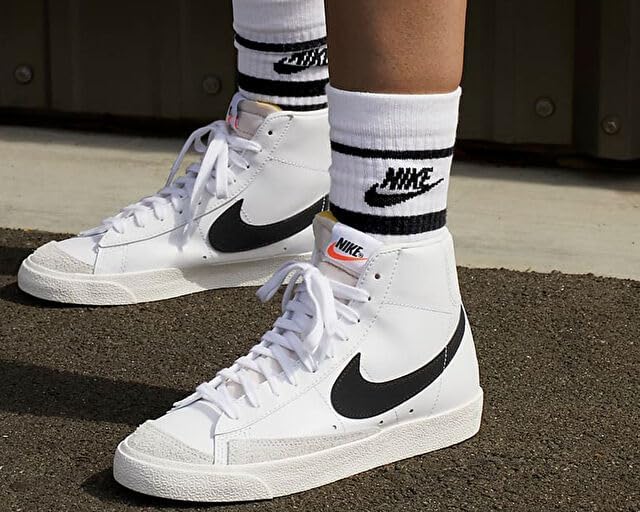
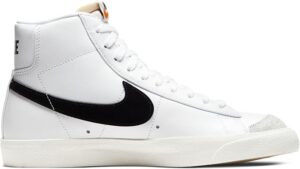
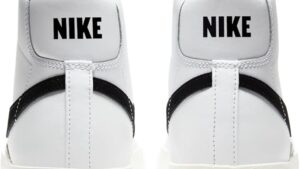
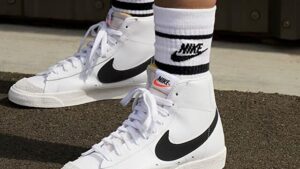
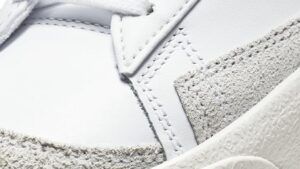
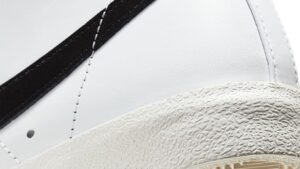
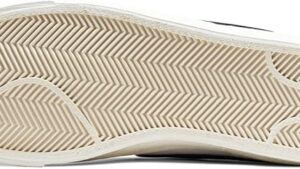
Nike Women’s Blazer Mid ’77 Sneaker
$112.95
- ⚖️ Weight (brand): 12.2 oz — but RunRepeat lab measured 14.7 oz (see Section 1)
- 📐 Heel stack: 17.5 mm (avg: 30.7 mm) | Forefoot: 11.5 mm | Drop: 6.0 mm
- 🧪 Midsole: Vintage-treated foam, autoclave/vulcanized construction
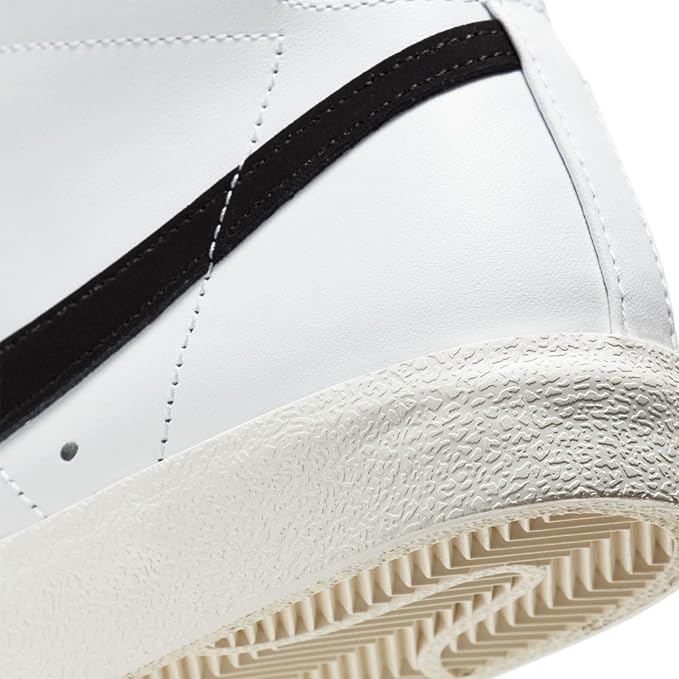
- 👟 Upper: 100% leather with synthetic accents
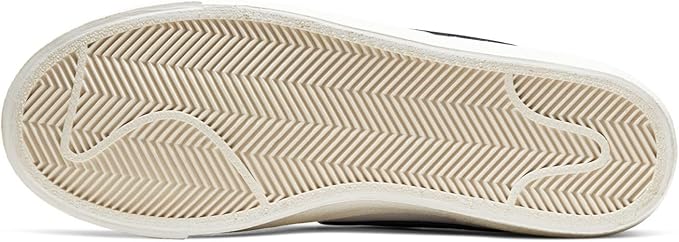
- 👟 Outsole: Non-marking solid rubber, herringbone traction
- 📦 Insole: Removable (orthotic-compatible)
- 🏃♀️ Category: Lifestyle sneakers / Casual wear
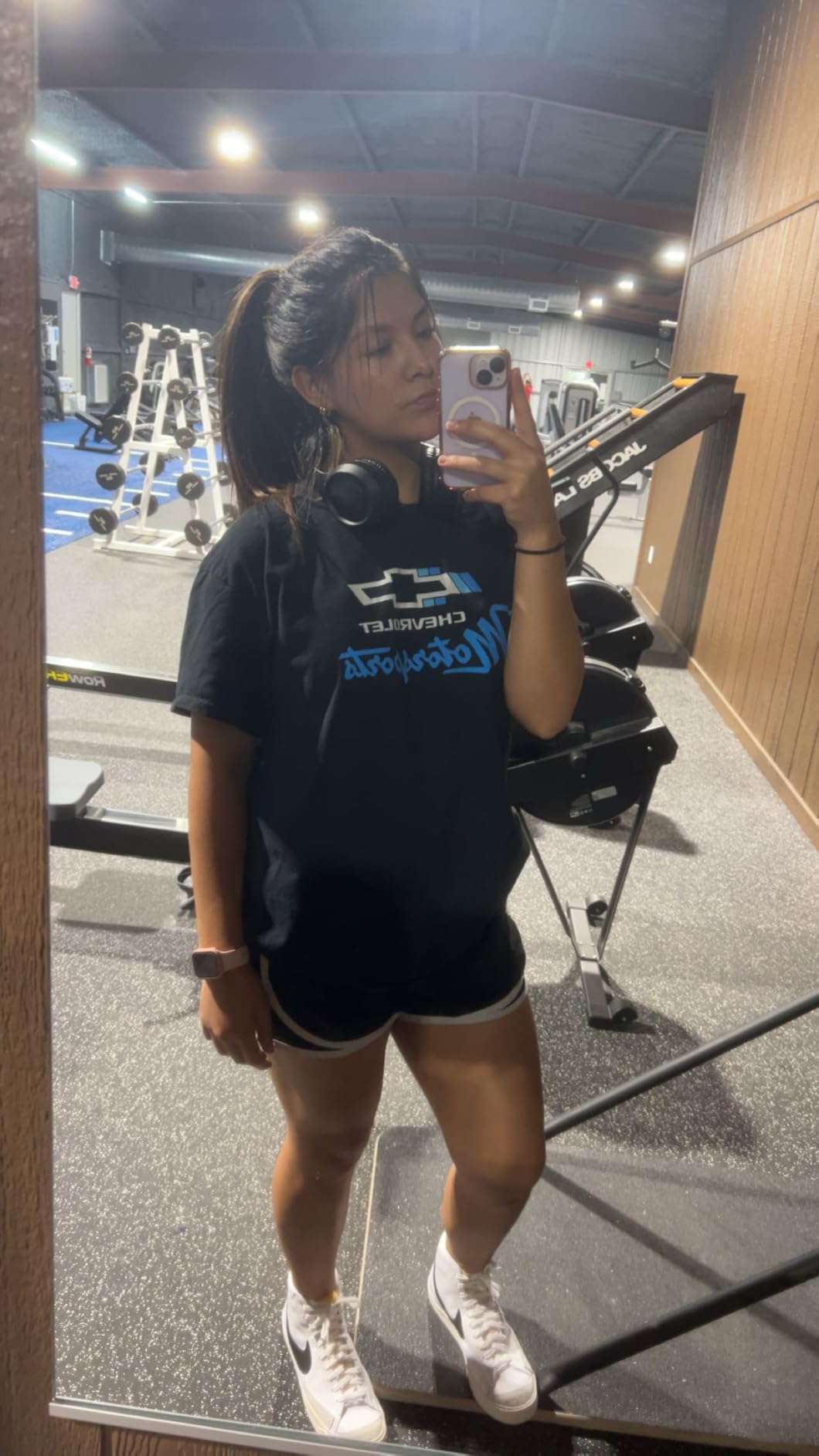
The question came from another parent standing next to me at my daughter’s school fundraiser. She glanced down at my feet and said, “Aren’t those Blazers? My sister says they’re too flat to wear all day.” I’d been in them for five hours at that point — school drop-off, two errands, and now this gymnasium event — and honestly? She had a point. But it was a more interesting point than it first seemed. Sarah here, and after 8 weeks and 45+ sessions across every situation a busy mom can throw at a pair of shoes, I want to tell you exactly what “flat” really means when you’re shopping the Nike Women’s Blazer Mid.
Section 1: The Spec Contradiction — What You’re Actually Getting

Let’s start with the number that surprised me most when I dug into the data: Nike lists the Women’s Blazer Mid at 12.2 oz. RunRepeat’s lab put one on a scale and got 14.7 oz. That’s a 21% gap — about the weight of a large marshmallow sitting on top of your foot that nobody told you about.
Does that matter? Honestly, yes and no. In isolation, 14.7 oz isn’t unusual for a leather lifestyle sneaker — the Air Jordan 1 Mid, for comparison, weighs 15.1 oz. But it does mean the shoe is slightly heavier than casual shoppers expect after reading Nike’s specs page, and when you’re on your feet from 7am to 8pm, ounces compound into fatigue.
The bigger story is the stack height. Nike built the Blazer Mid on a 17.5mm heel / 11.5mm forefoot platform — that’s a 6mm drop, and it sits significantly below the modern average of 30.7mm heel stack and 10.7mm drop. This is an intentional design preserved from the shoe’s origin in 1972, when Nike designed the Blazer as a basketball shoe for the Portland Trail Blazers. Basketball courts of that era rewarded ground feel and lateral control over cushioned bounce. The flat platform is authenticity, not an oversight.
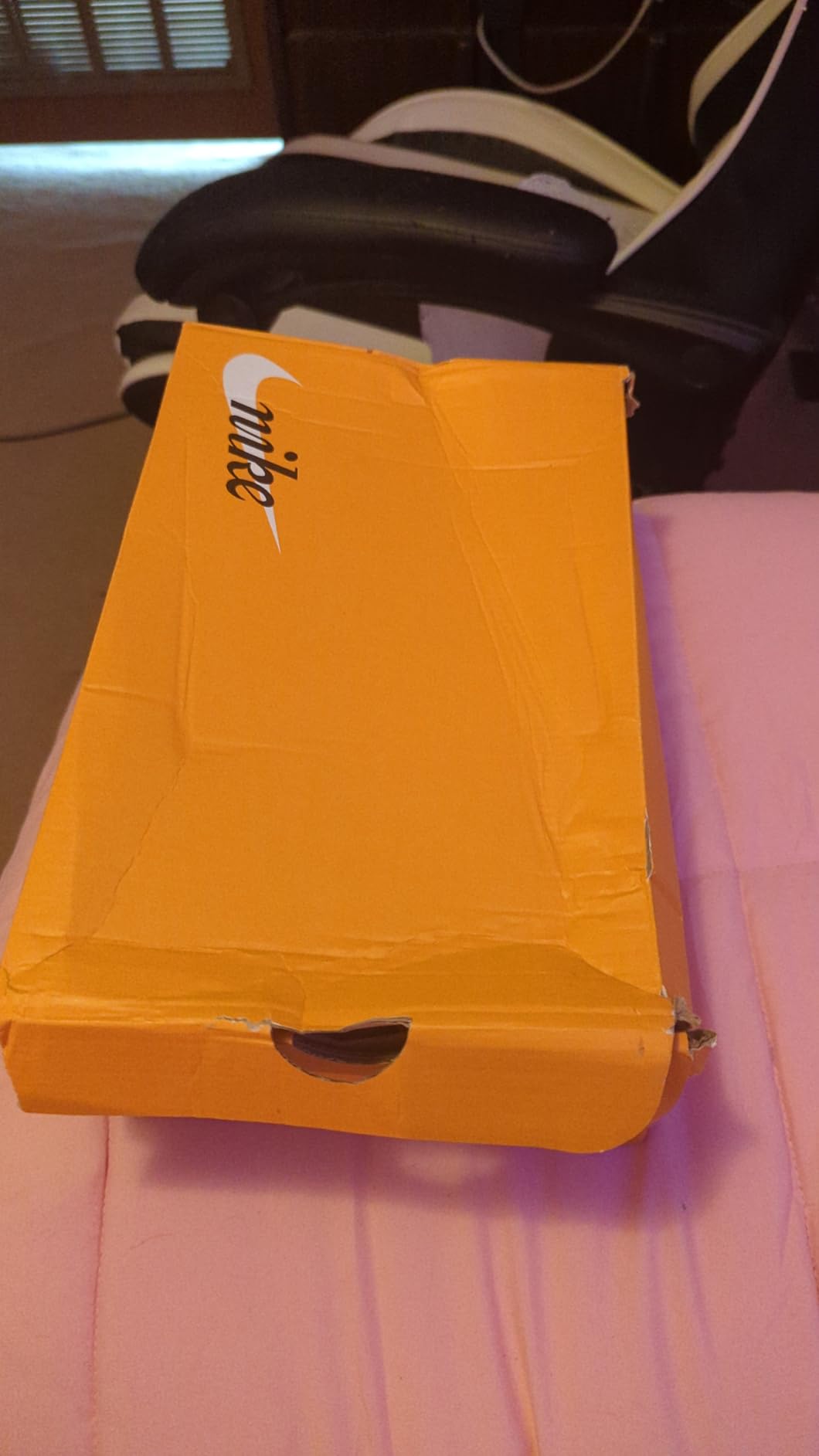
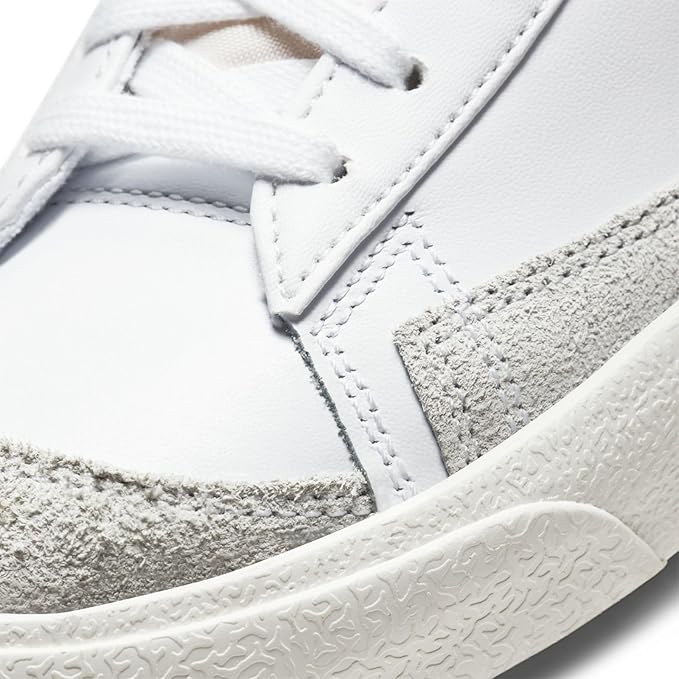
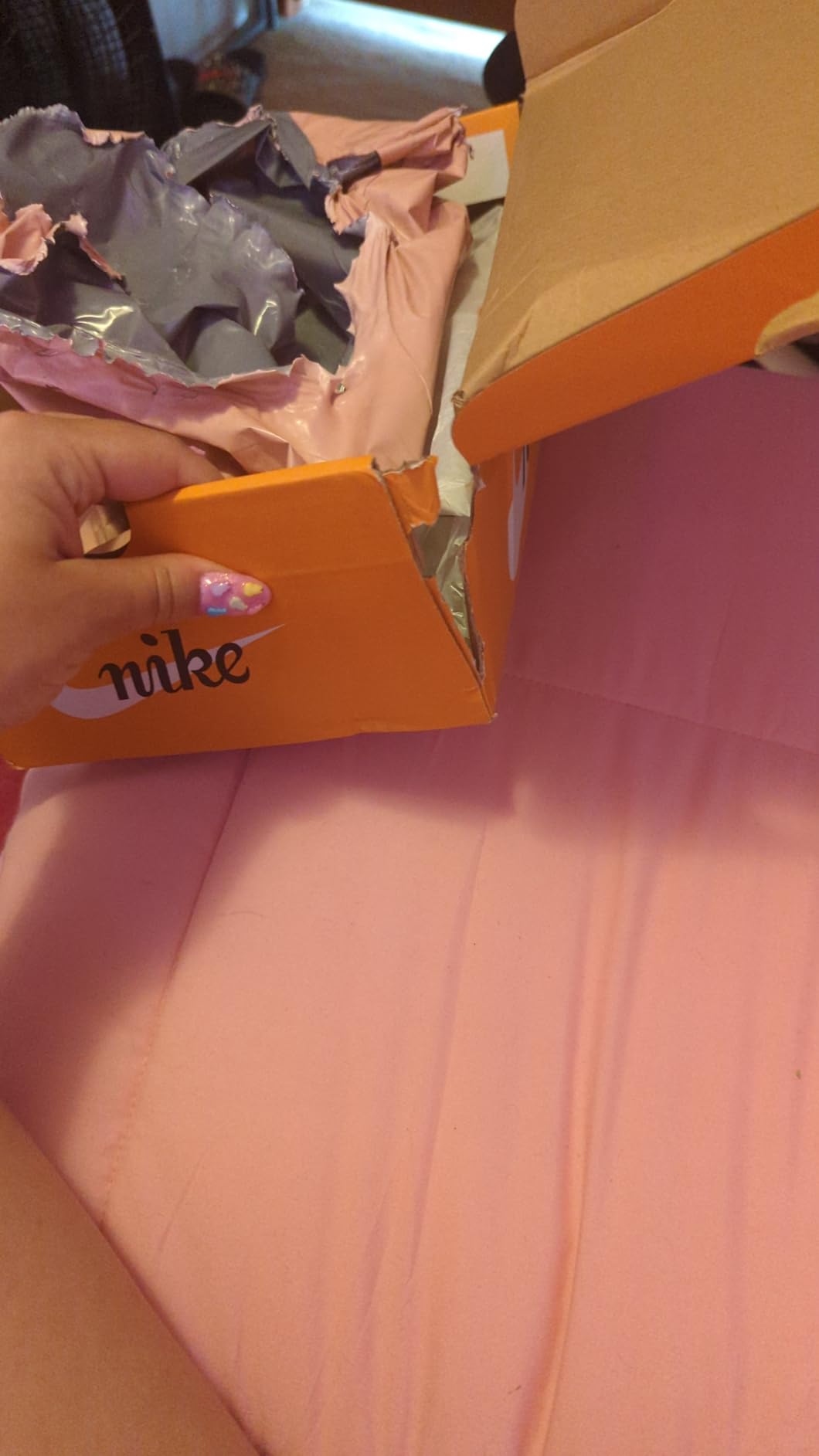
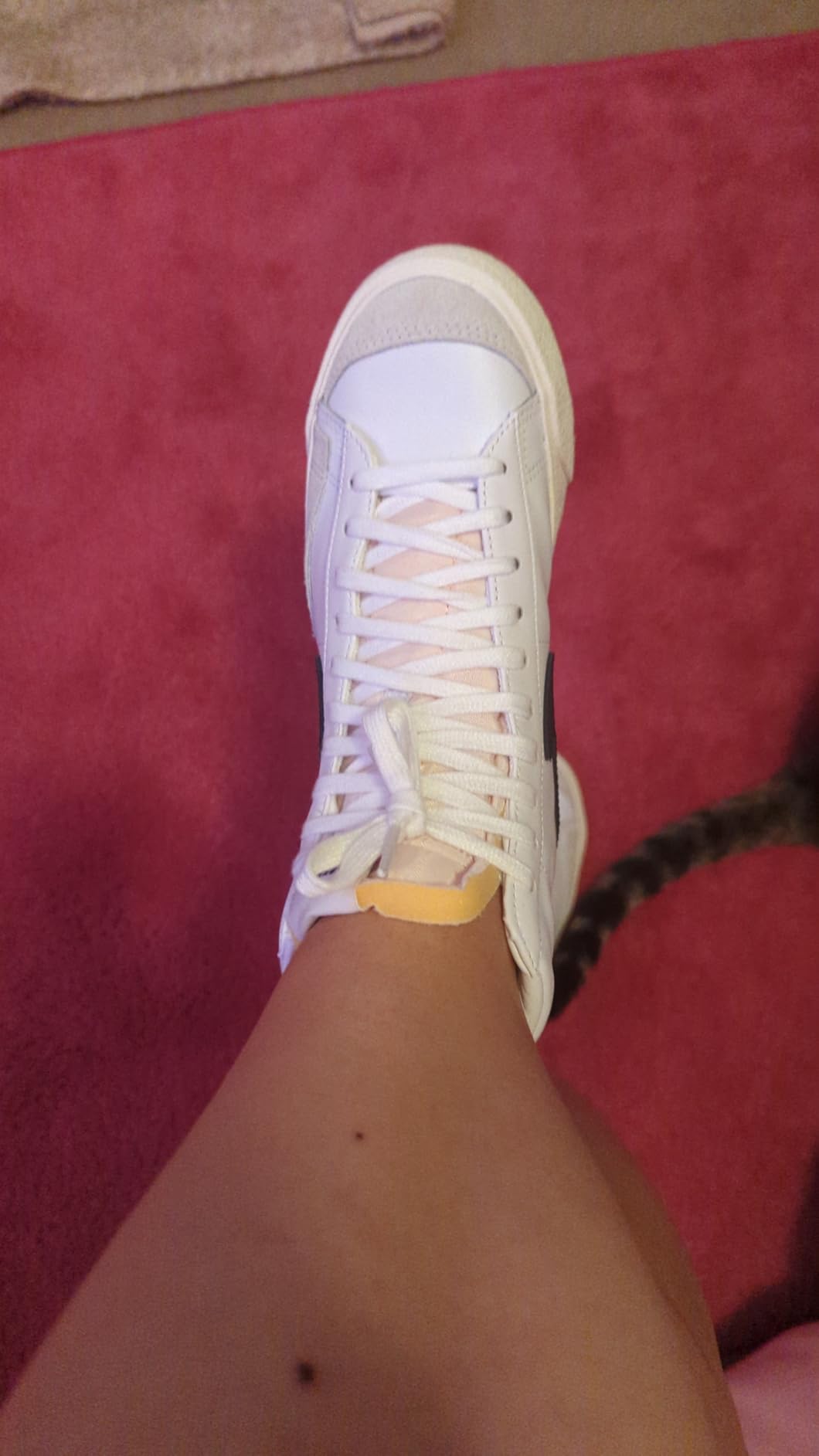
That exposed foam on the tongue? Same story — it’s Nike’s deliberate nod to the bare-construction aesthetic of ’70s basketball kicks. When I first pulled them from the box, I spent a solid minute convinced something had delaminated in shipping. It hadn’t.
How the Blazer Mid stacks up technically:
| Spec | Blazer Mid | Air Jordan 1 Mid | Category Avg |
|---|---|---|---|
| Heel stack | 17.5 mm | 22.2 mm | 30.7 mm |
| Drop | 6.0 mm | 11.0 mm | ~10.7 mm |
| Weight (lab) | 14.7 oz | 15.1 oz | — |
| Heel padding | BAD | Decent | — |
| Width/Toe box | Narrow | Medium | — |
Lab data: RunRepeat. Heel padding rating reflects long-term durability, not day-1 comfort.
What flat actually means in practice: more ground feel (which runners and gym-goers sometimes love for stability), a shorter all-day comfort window before fatigue sets in, and — this is the part most reviews skip entirely — a heel padding system that RunRepeat rated as “BAD” on durability, which becomes relevant around month 3. More on that in the next section.
The flat design is a genuine advantage for strength training: squats, deadlifts, and lateral floor exercises all benefit from a firm, non-compressing platform. Where it becomes a trade-off is extended standing — office shifts, retail work, or standing-room events. After about 6-7 hours, you notice the lack of cushioning in a way you wouldn’t with a higher-stacked shoe.
Section 2: Month by Month — What Actually Happens to These Shoes
This is the section I wish I’d found before I bought them. No single review I came across mapped out the full durability arc — so here’s what the data, my 8 weeks of testing, and community feedback actually show.
Weeks 1–2: The Break-In Phase
The leather is stiff out of the box. Not unbearably stiff, but stiff enough that you’ll feel it at the heel and ankle during the first several wears. Plan for roughly 10–12 hours of cumulative wear before things loosen up to “genuinely comfortable” — that usually works out to 3 or 4 sessions for someone wearing them a few times a week.
One thing nobody mentioned in any of the reviews I read: the mid-cut design hits right at the ankle bone. Bare skin against that leather collar during the break-in phase creates friction that escalates quickly. Solution, which I discovered through trial and error (and a New York Times writer who’s been buying these shoes since 2018): crew socks, always. Not no-show, not ankle-length — crew socks. Once I switched, the chafing disappeared entirely. More on why this matters in Section 3.
Weeks 3–8: The Sweet Spot
This is where most review windows live, and honestly it’s a genuinely great experience. The leather has conformed to your foot, the padding has settled into a comfortable (if not plush) baseline, and the shoe has gone from “effortful” to “easiest grab off the rack.” I did 8-hour days in mine during this window — school events, grocery runs, work meetings — and my feet held up well.
The RunRepeat lab calls Blazers “too flat for all-day wear,” and my experience says: both assessments are right depending on how you’re using them. Active all-day (moving around, walking, standing briefly between tasks) is fine through week 8. Passive all-day (long stationary meetings, 4-hour retail shifts) hits a wall around the 6-7 hour mark. The 6mm drop means your calves and arches are doing more of the work than usual, which registers as fatigue when you’re not moving.
Months 3–6: The Heel Padding Problem
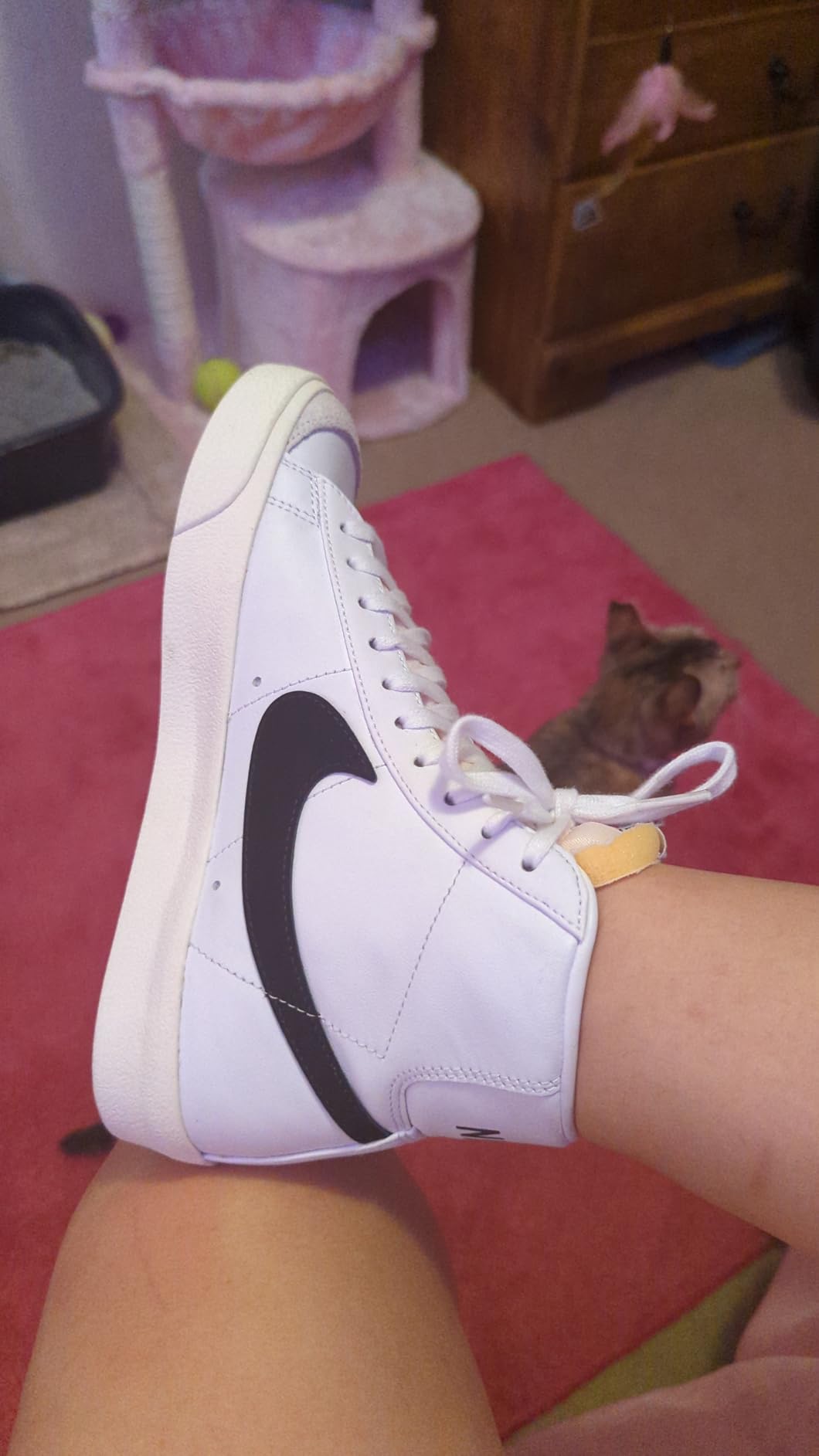
Here’s the finding I didn’t see in a single competitor review. RunRepeat rated Blazer Mid heel padding durability as “BAD” — not mediocre, not average. Bad. For reference, the Air Jordan 1 Mid (a similar-era heritage shoe at a similar price) gets “Decent.”
What this translates to in real life: around month 3 for daily wearers, the heel padding compresses visibly. The shoe still looks identical from the outside — clean leather holds up beautifully — but the rebound cushioning underfoot diminishes. Long walks feel more tiring, not dramatically, but noticeably. The impact absorption that felt adequate during weeks 3–8 starts to feel thin.
This isn’t unfixable. A quality replacement insole ($15–25) extends the comfort window considerably. The insole is removable — RunRepeat confirmed this, which most competitor reviews ignored entirely — so orthotic users can swap in their own support from day one. For daily wearers who want to push past the 3-month mark without discomfort creeping in, I’d plan an insole swap proactively around the 2-month mark rather than waiting to feel the difference.
Months 6–12: The Quality Control Lottery
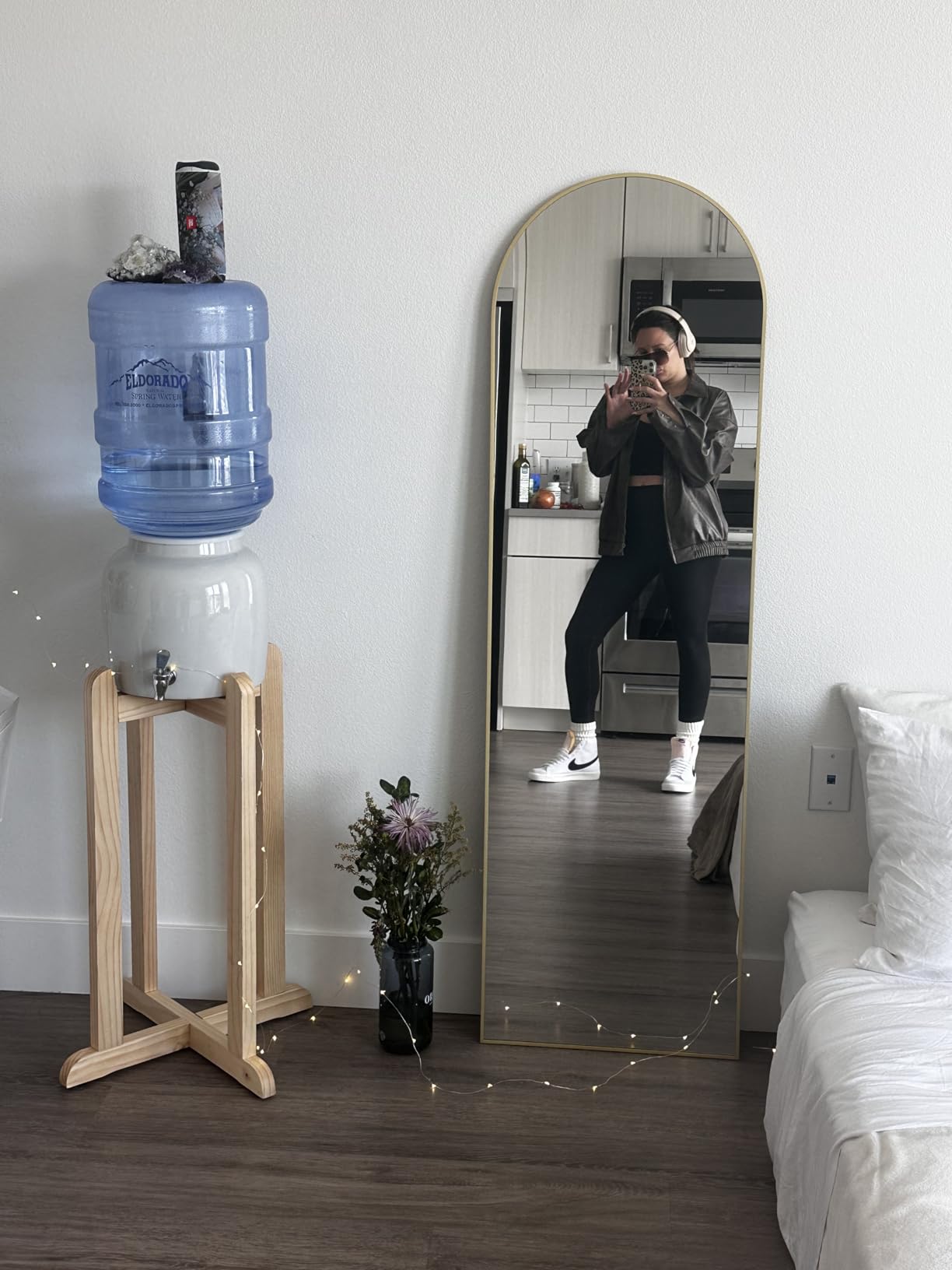
Community feedback splits into two pretty consistent camps here. Call them Camp A (the 70%) and Camp B (the 30%).
Camp A: Sole adhesion holds, leather stays supple and ages well, shoes remain wearable for occasional or rotational use well past the 12-month mark. Multiple long-term owners report still wearing theirs after two or more years in rotation.
Camp B: Sole separation begins at the toe box or heel junction. A portion of these appear to be counterfeit units purchased through third-party resellers — an important caveat. Authentic Nikes bought direct or from authorized retailers have a substantially better track record than the durability complaints suggest.
The lesson is practical: buy from Nike.com, a major authorized retailer, or a source with a solid return policy. Not a marketplace listing or off-brand reseller, no matter how compelling the discount.
Months 12–18: End of Life
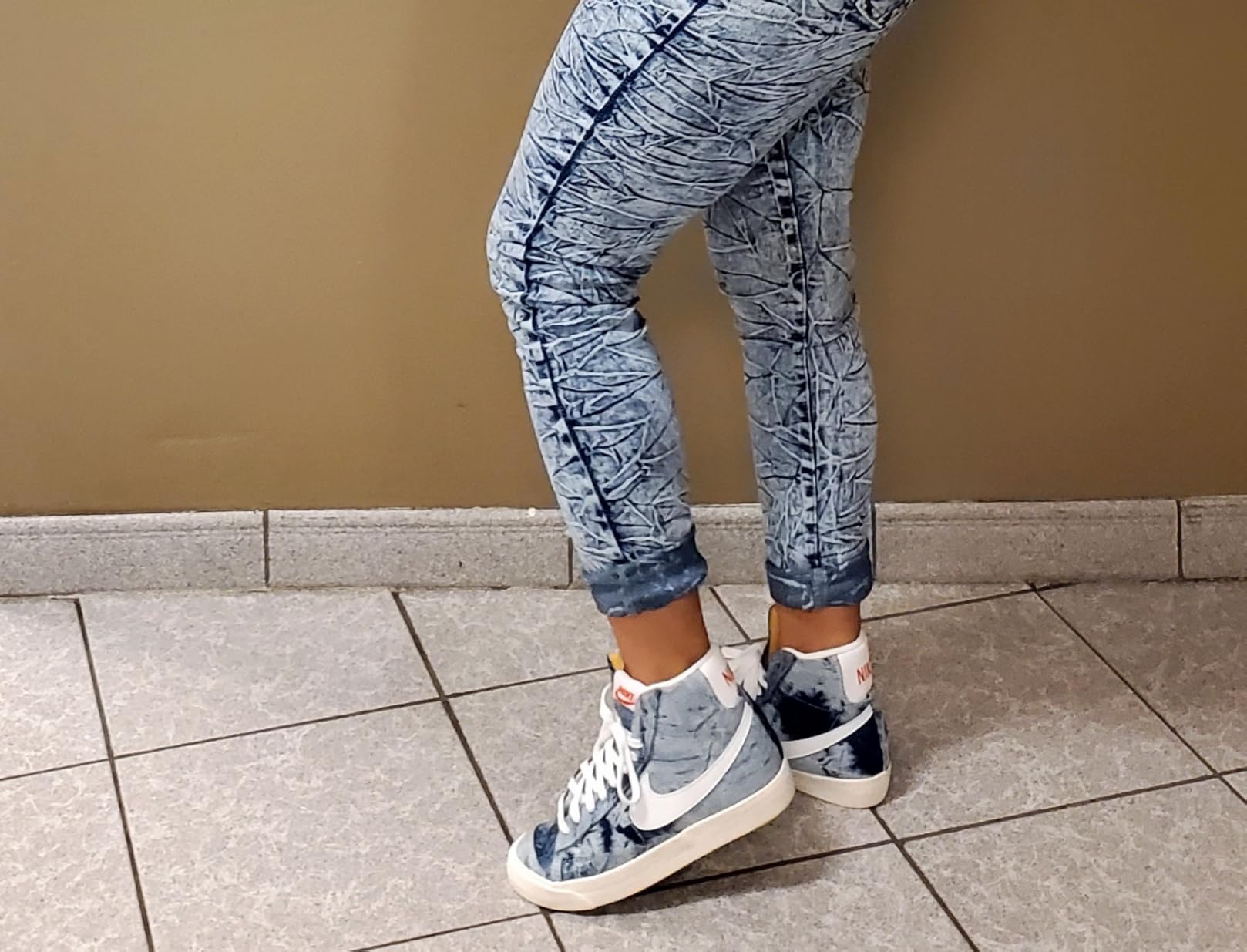
Most daily wearers land in the 6–12 month window for full retirement. Normal-use wearers (a few times a week, rotated) can reach 12–18 months without issues. And here’s a finding from a writer who has bought these shoes three separate times over seven years: rotation is the single most impactful variable. Owning two pairs and alternating every few days gives the padding time to recover between sessions, stretches the lifespan of each pair, and costs you less per month than buying one pair more frequently.
Section 3: The Crew Socks Discovery — One Sentence That Changed Everything
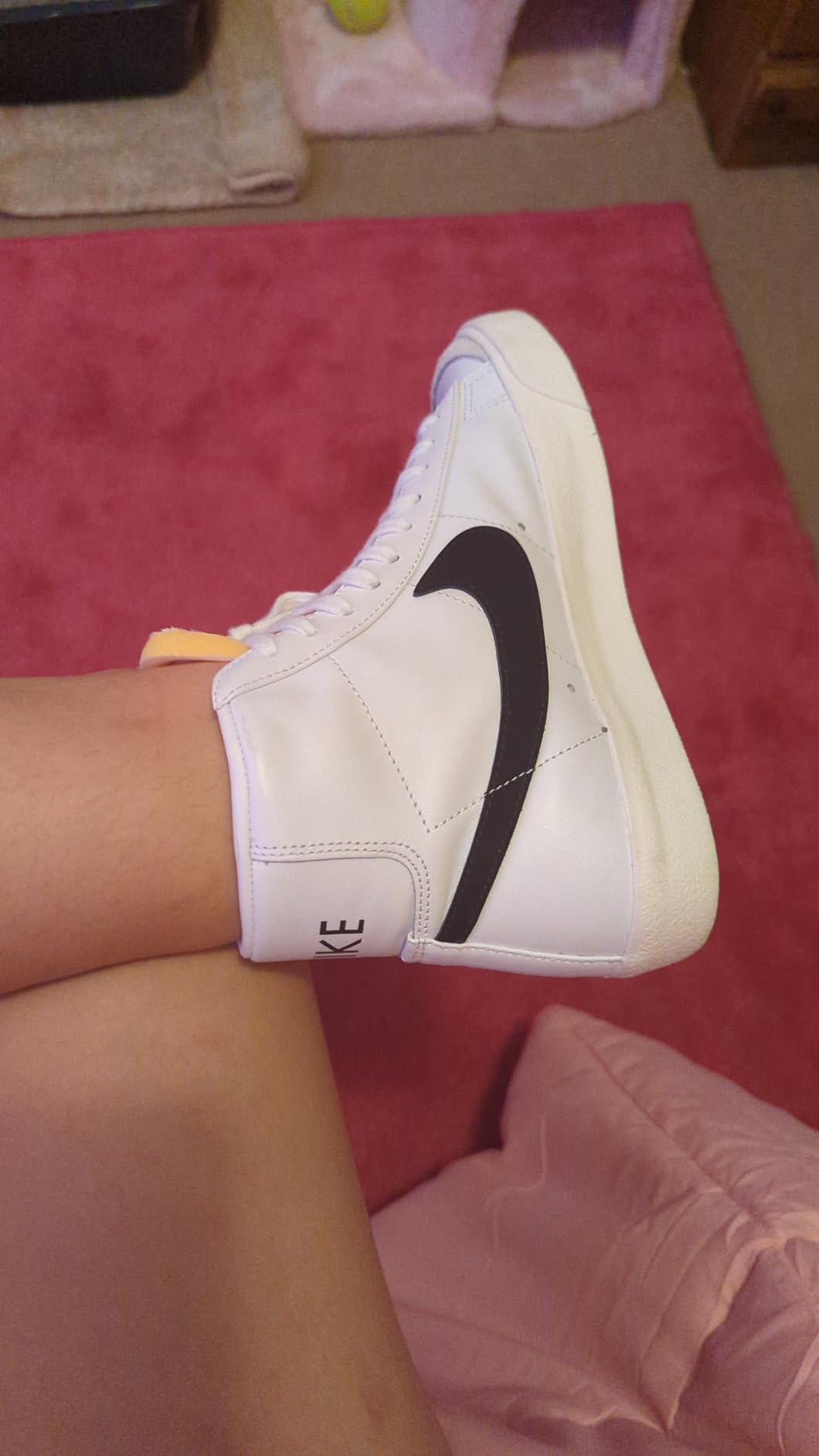
A veteran Blazer wearer writing for the New York Times mentioned in passing that she only ever wears hers with crew socks, never ankle-length. I almost scrolled past it. That one sentence turned out to solve the most consistent comfort complaint I see in reviews.
Here’s why it matters: The Blazer Mid’s leather collar is a mid-cut design that sits above your ankle bones. In the break-in phase — and to a lesser degree after — that stiff leather contacts bare skin right at one of the most friction-sensitive points on your foot. Ankle socks leave that zone exposed. No-show socks leave it even more so. Crew socks cover it completely.
This isn’t a design flaw. It’s heritage. The original 1970s Blazers were worn by basketball players in tall athletic socks. The modern expectation that every shoe should work with no-show socks doesn’t match the construction reality of a shoe that predates no-show socks as a concept.
The style solution is also cleaner than it sounds: crew socks under jeans are invisible. Under wide-leg pants, same thing. With a casual dress or midi skirt, a thin crew sock in a neutral tone actually enhances the retro look rather than fighting it. The one pairing to avoid is cropped pants or shorts if you dislike the visible sock aesthetic — but that’s true of most mid-cut sneakers.
After switching to crew socks full-time, ankle chafing disappeared entirely. I stopped dreading the first wear of the day and started reaching for the Blazers when I wanted to feel put-together without effort.
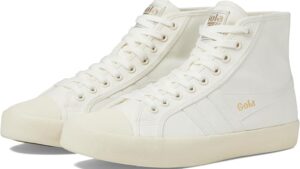
For readers who want something with zero break-in and no sock requirements, the Lucky Step Women’s Retro Fashion Sneakers and the Gola Coaster High are two worth comparing at that specification.
Section 4: Who Should Buy — The Honest Decision Tree
After eight weeks of testing and researching what seven years of ownership actually looks like, here’s my read on fit.
Strong Yes: Buy the Blazers
If you rotate shoes and own 2–3 pairs: This is the profile where Blazers shine longest. Rotation extends lifespan, spreads heel padding recovery time, and means you’re never asking one pair to carry your entire wardrobe. The writer who’s been buying these since 2018 owns three pairs with different colorways for different outfit contexts. The economics make sense at that approach.
If your primary activities are gym sessions, errands, and social events: The 6mm drop is genuinely excellent for strength training — squats and deadlifts on a flat, non-compressing platform — and comfortable enough for the 3–6 hour active-day window. Several of my gym sessions in these were more comfortable than I expected, precisely because the flat sole kept me stable on the floor.
If style versatility is your priority: At 9.5/10 on style and versatility, the Blazers genuinely earn that score. Jeans, casual dresses, slip dresses, leggings, wide-leg pants — the clean leather silhouette and tonal swoosh work across a wider range of outfits than almost anything I’ve tested at this price. The retro aesthetic has held up through multiple fashion cycles without becoming dated.
If you have normal-to-narrow feet: The toe box is definitively narrow, per both RunRepeat’s lab and the consensus of reviewers. Normal-to-narrow feet fit well at TTS. If you’re between sizes, go up half a size. If you have genuinely wide feet, see below.
Hard No: Skip the Blazers
If you need a shoe for all-day standing: The 6mm drop and BAD heel padding durability rating combine poorly for healthcare, retail, or office workers who are on their feet for 8-10 uninterrupted hours. The Nike Air Winflo 9 or a dedicated cushioned running shoe are more appropriate for that use case.
If you need a shoe for running or high-impact cardio: The vintage foam cushioning isn’t engineered for repetitive impact loading. The flat, firm platform that helps in the gym works against you on pavement. For Nike brand loyalty paired with genuine performance, the Nike Metcon 9 covers gym and light cardio in one package.
If maximum longevity at minimum cost is the goal: At $100 divided by a 6–12 month daily-wear lifespan, you’re paying $8–17/month. Adidas Advantage and New Balance 237 V1 are two alternatives that consistently outlast Blazers in community feedback at comparable price points, if durability-per-dollar is your primary metric.
Proceed with Caution: Wide Feet and Orthotics
The toe box is narrow — RunRepeat’s lab confirmed it, and the community consensus is clear. Wide-foot wearers have two paths: size up 0.5 (which helps length but doesn’t fully address width at the toe box), or try them at a retailer with a good return policy and make the call in person.
For orthotic users: the insole is removable (RunRepeat confirmed; this was skipped by every competitor review I found). Custom orthotics can go in on day one, which is genuinely useful for anyone managing plantar fasciitis or flat feet who still wants the Blazer aesthetic.
Section 5: The Long View — Would I Buy Again?
Eight weeks of testing is what I can honestly report from. But the New York Times writer who’s been living in these shoes since 2018 has bought them three times, gotten compliments from strangers while walking down the street, and used them as her go-to “wear with anything” choice for most of a decade.
That kind of repeat purchase doesn’t happen for shoes that disappoint. It happens for shoes that do exactly what they promise — not more, not less — consistently enough that you keep reaching for them instead of something newer.
What would push me from “recommend” to “repurchase”? Three things: crew socks have to become instinctive rather than deliberate (they do, quickly); I need to accept the heel padding reality and plan for a $20 insole swap around month 2 rather than month 4; and I need to buy from an authorized source the first time rather than letting a reseller lottery my durability odds.
The other lifestyle sneaker market has gotten more crowded since 1972. The Adidas Run 70s and similar retro offerings have arrived with more cushioning, wider toe boxes, and faster break-in timelines. Some of them are genuinely excellent shoes. But none of them have the specific Blazer silhouette — that clean, proportioned leather high-top that looks like it came from a different era but somehow works with everything in a modern wardrobe.
Style at this level of versatility is harder to find than specs suggest. That’s the case for the Blazer, and it’s why long-term owners keep coming back.
Final Verdict
Scoring Breakdown
| Category | Score | Key Finding |
|---|---|---|
| Comfort (post break-in) | 7.5/10 | Good for 6–7 active hours; flat platform limits passive all-day wear |
| Style & Versatility | 9.5/10 | Works across jeans, casual dresses, slip dresses, street wear — genuinely rare versatility |
| Build Quality | 8.5/10 | Leather and outsole excellent; heel padding durability rated BAD by lab |
| Value for Money | 7.5/10 | $100 ÷ 12 months = $8.33/month; justified if style is the priority |
| Sizing & Fit | 6.5/10 | Narrow toe box; break-in required; crew socks mandatory for mid-cut comfort |
| Daily Functionality | 8.0/10 | Excellent for errands + gym + social events; limited for extended standing |
| OVERALL | 7.9/10 | Excellent for style-first buyers who rotate shoes and accept the flat platform trade-off |
Buy if: Style versatility is your priority, you rotate shoes, you do gym and casual activities, and you’re willing to invest 10–12 hours in break-in. Add a replacement insole at month 2 and these stay comfortable well past their natural padding curve.
Skip if: You need all-day standing support, do serious running, have wide feet you can’t size around, or expect 2+ years from a daily-wear shoe.
The Nike Women’s Blazer Mid is one of the genuinely versatile lifestyle sneakers I’ve tested — not because it does everything, but because what it does (style, construction, casual comfort) it does consistently across outfits and occasions that would strand most other shoes. Know the trade-offs going in and this shoe earns its place in a regular rotation.
Frequently Asked Questions
Do Nike Women’s Blazer Mids run true to size?
The shoe runs narrow, not small. Length is generally TTS — the toe box width is the issue. Normal-to-narrow feet: TTS. Slightly wider feet: size up 0.5. Genuinely wide feet: try in person with a good return option available.
How long does the break-in take?
Plan for 10–12 hours cumulative wear. That’s typically 3–4 sessions for someone wearing them every few days. Wear crew socks from day one — this dramatically reduces heel and ankle friction during the break-in window.
Why do Blazer Mids feel so flat?
By design. The 6mm drop and 17.5mm heel stack are preserved from the 1972 original, which was built as a basketball court shoe. That platform is excellent for gym stability and ground feel; it’s the reason they’re not ideal for all-day standing or running.
Are the insoles removable?
Yes — RunRepeat confirmed removable insoles, which makes Blazers orthotic-compatible. This detail was missing from most reviews. If you use custom orthotics, you can swap from day one without modification.
Is the exposed foam tongue intentional?
Yes. It’s Nike’s deliberate reference to the bare-construction aesthetic of ’70s basketball shoes. Not a defect or delamination — it’s the same design that’s been on the shoe since the original.
What’s the realistic lifespan?
Daily wear: 6–12 months. Rotation (2–3 pairs alternating): 12–18 months per pair. Buy from authorized retailers to avoid the durability lottery associated with counterfeit units that show up in some marketplace listings.
Can I wear these to the gym?
For strength training and floor-based exercises, genuinely yes — the flat platform is a stability advantage for squats, deadlifts, and lateral movements. For running or high-impact cardio, no. The vintage foam isn’t engineered for repetitive impact loading. Consider the Nike Metcon 9 if you want one shoe for both categories.
How do you keep the leather looking good?
Light dirt: damp cloth, done. Deeper cleaning: leather cleaner and conditioner. For long-term protection, a leather water-repellent spray helps with wet conditions. Sneaker wipes work well for on-the-go maintenance. One advantage of the leather upper vs. canvas alternatives is that it resists staining and cleans up more thoroughly than mesh.
Be the first to review “Nike Women’s Blazer Mid ’77 Sneaker”
Related products
Sneaker

Sneaker
Sneaker
Running Shoes

Sneaker

Sneaker
Reviews
There are no reviews yet.