
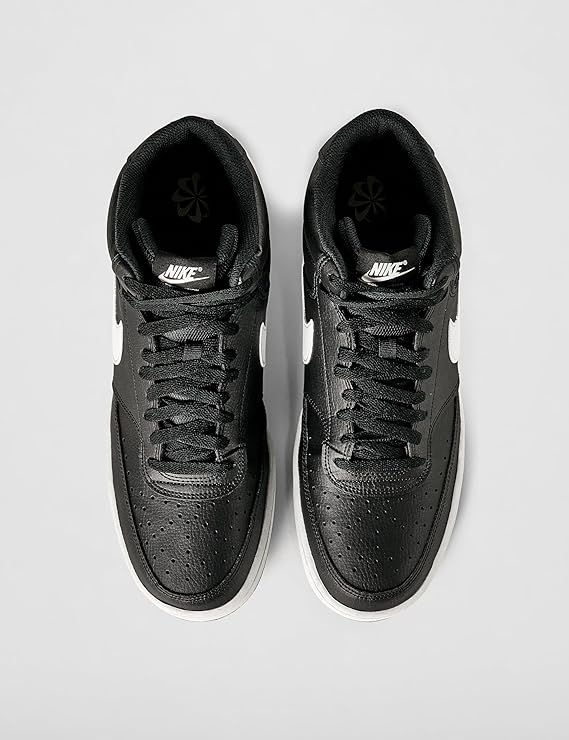
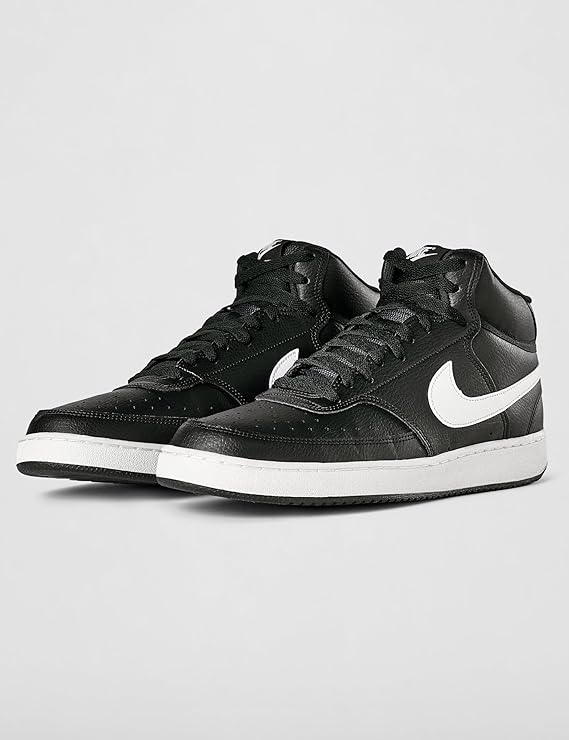
Nike Men’s Court Vision Mid Next Nature Shoes
$90.00
- ⚖️ Weight: 12.5 oz (men’s size 9.5)
- 🧪 Upper: Synthetic leather with textile mesh panels
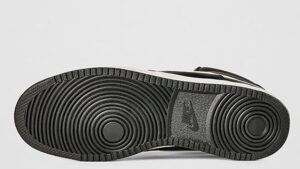
- 👟 Outsole: Rubber (Nike Grind recycled content)
- 🎯 Category: Lifestyle / Casual basketball-inspired
- ♻️ Sustainability: At least 20% recycled materials by weight
Six weeks ago I put $71 down on a pair of Nikes and made myself a deal: wear them through everything — grocery runs, a twelve-hour trade show day, pickup basketball with the guys — and report back honestly. Mike here, and after 40-plus sessions in these, I’ve got a clear picture of exactly where the Nike Court Vision Mid delivers, where it cuts corners, and the one piece of information most reviews leave out entirely.
Design That Actually Lands
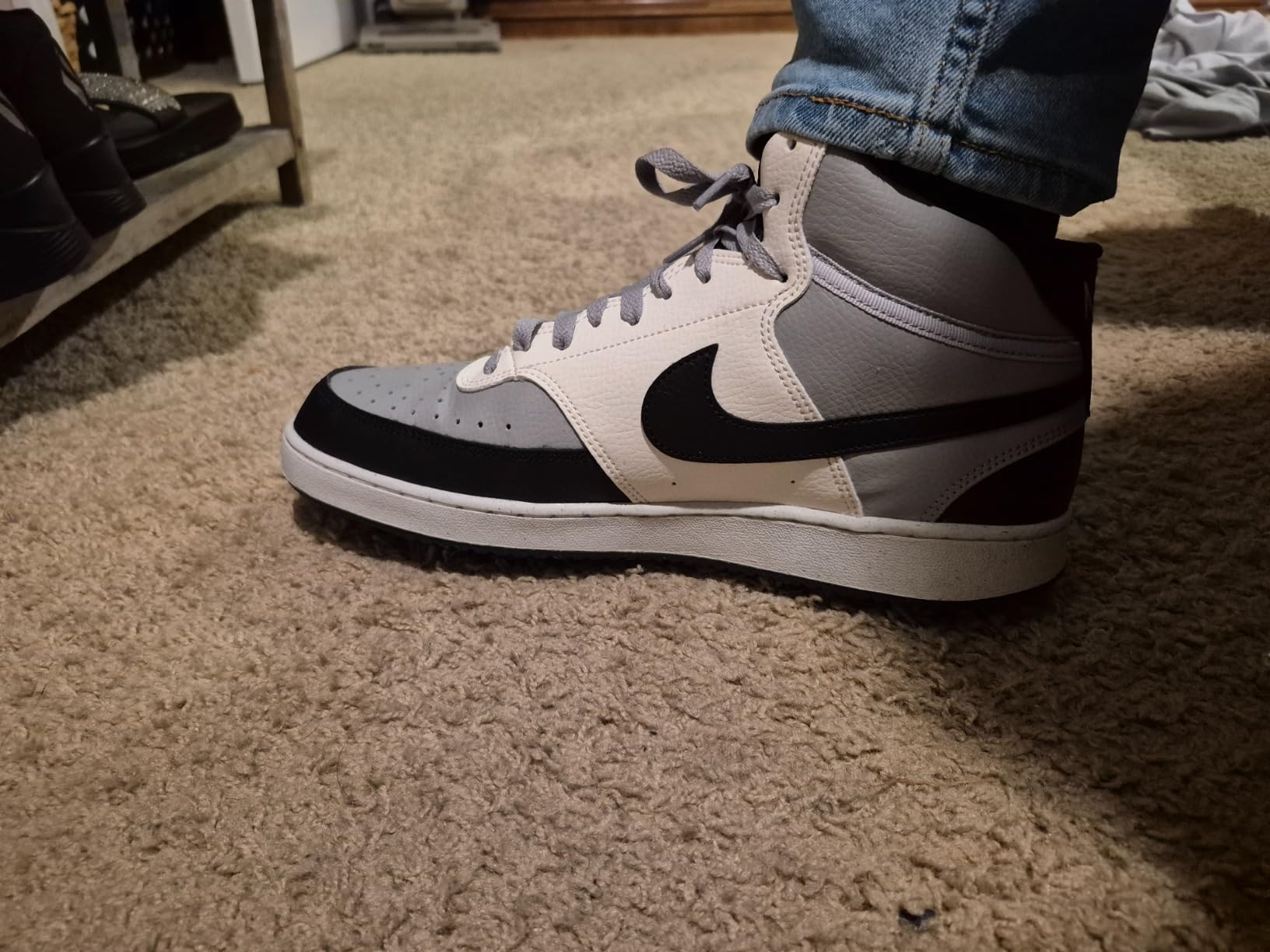
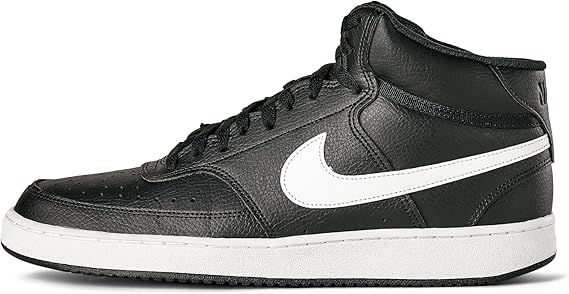
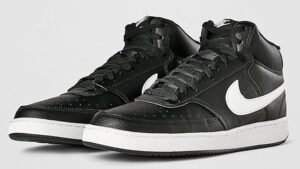
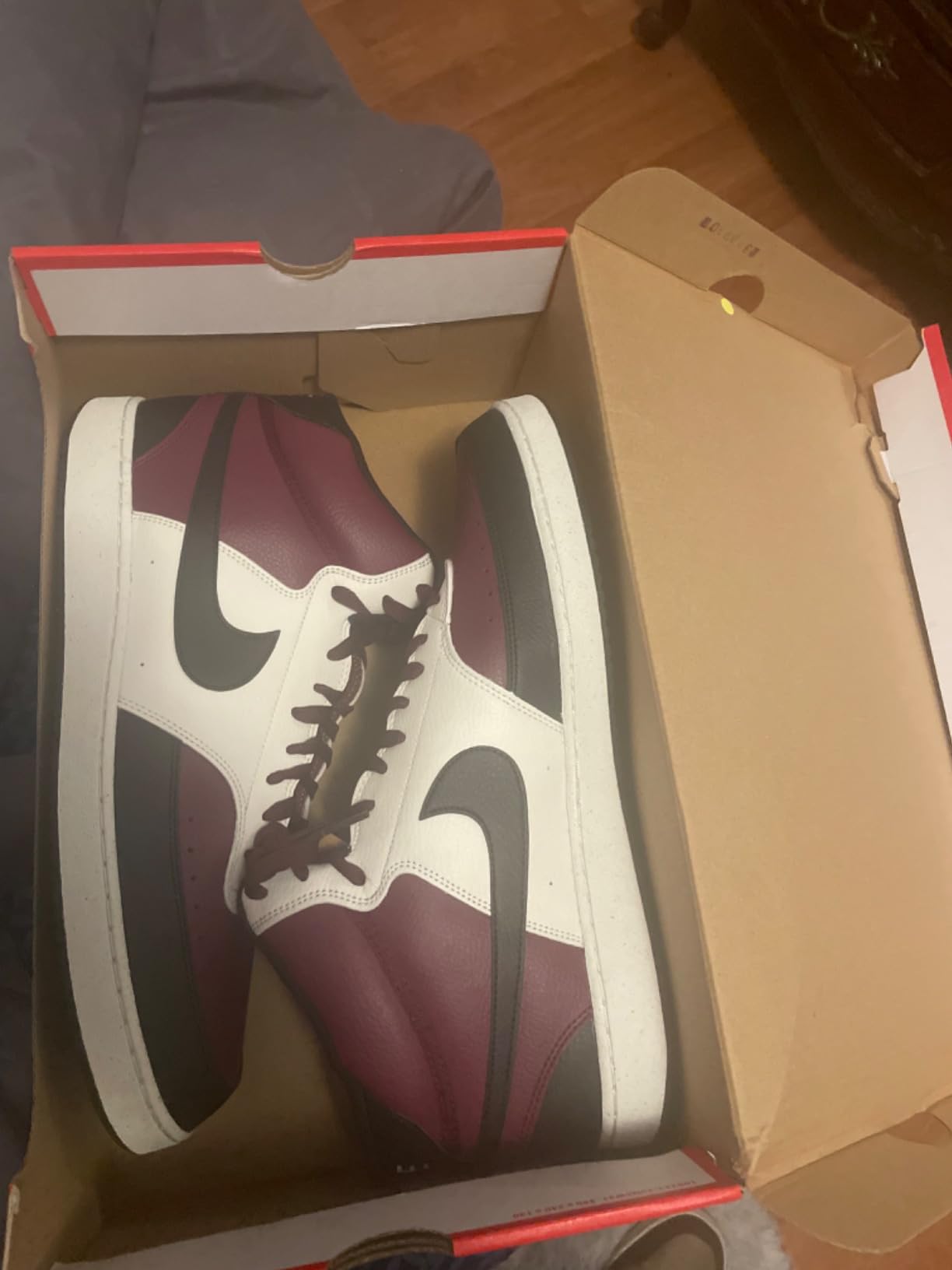
Nike wasn’t being subtle about the visual direction here. Pull the Court Vision Mid out of the box and the reference point is immediately clear: 1980s basketball, clean lines, structured overlays — the kind of shoe that sat in championship locker rooms before lifestyle sneakers were even a category. That heritage design language is the shoe’s single biggest asset.
The Mid-Top Silhouette
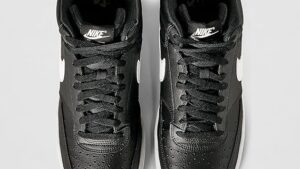
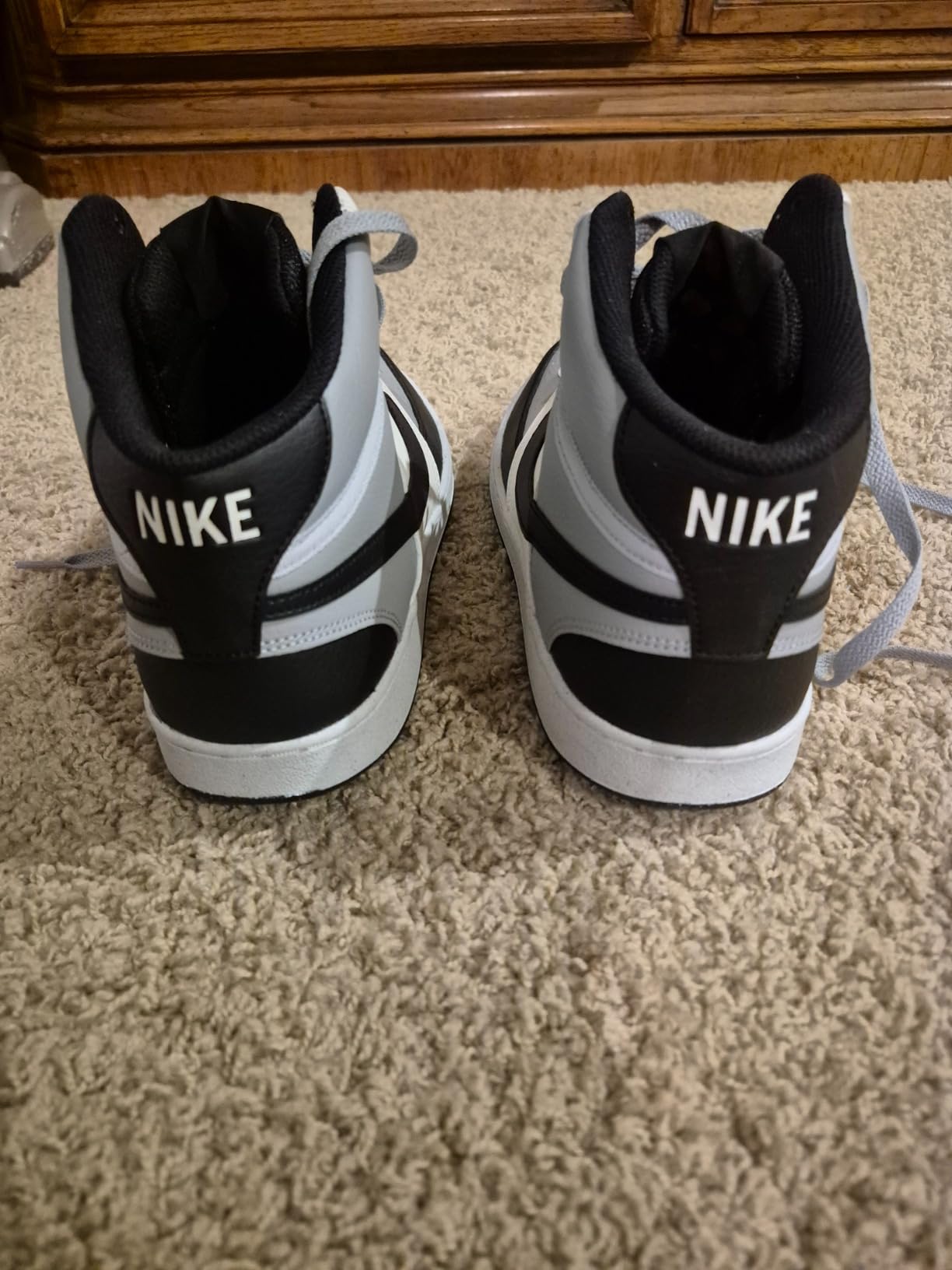
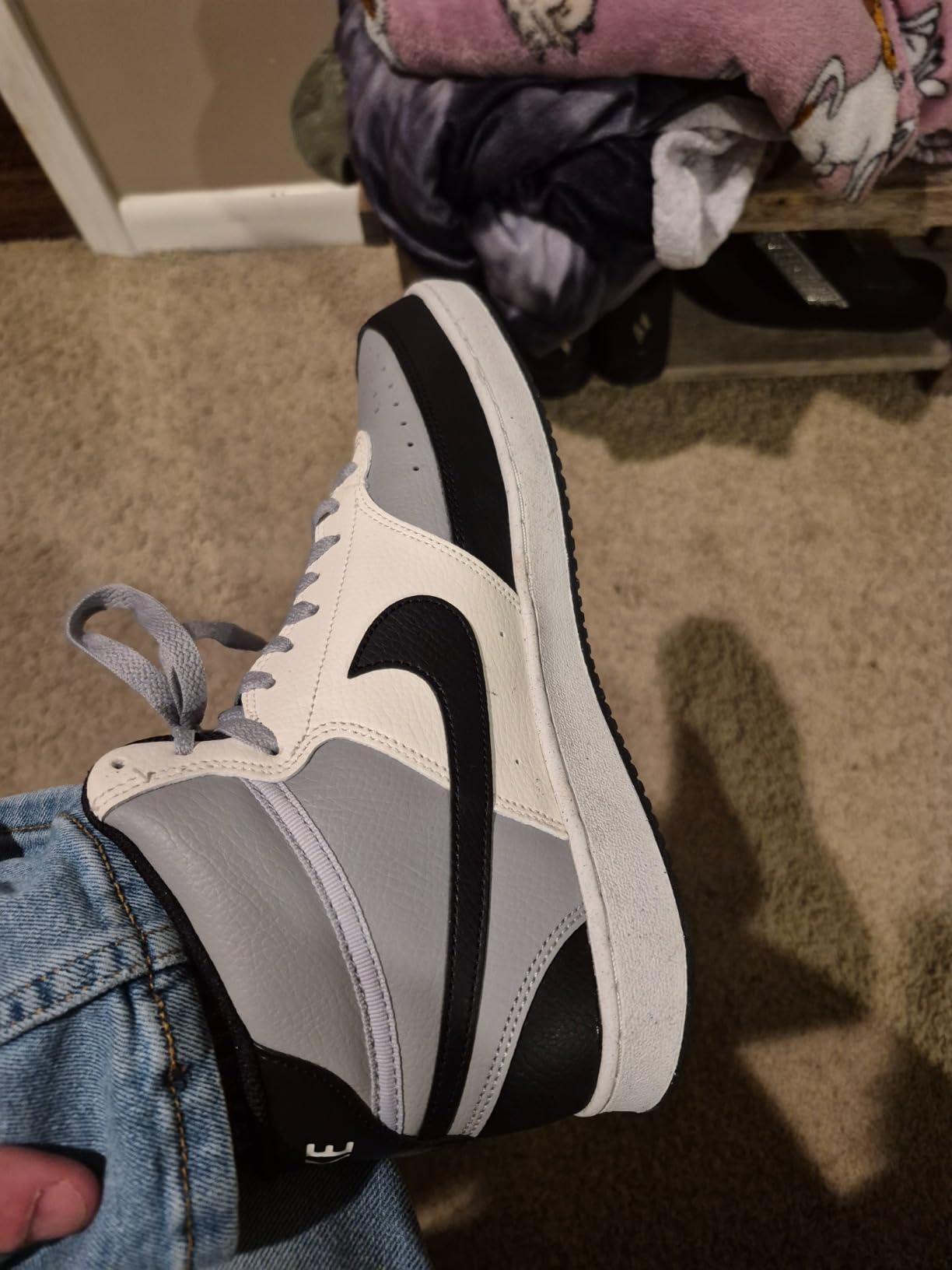
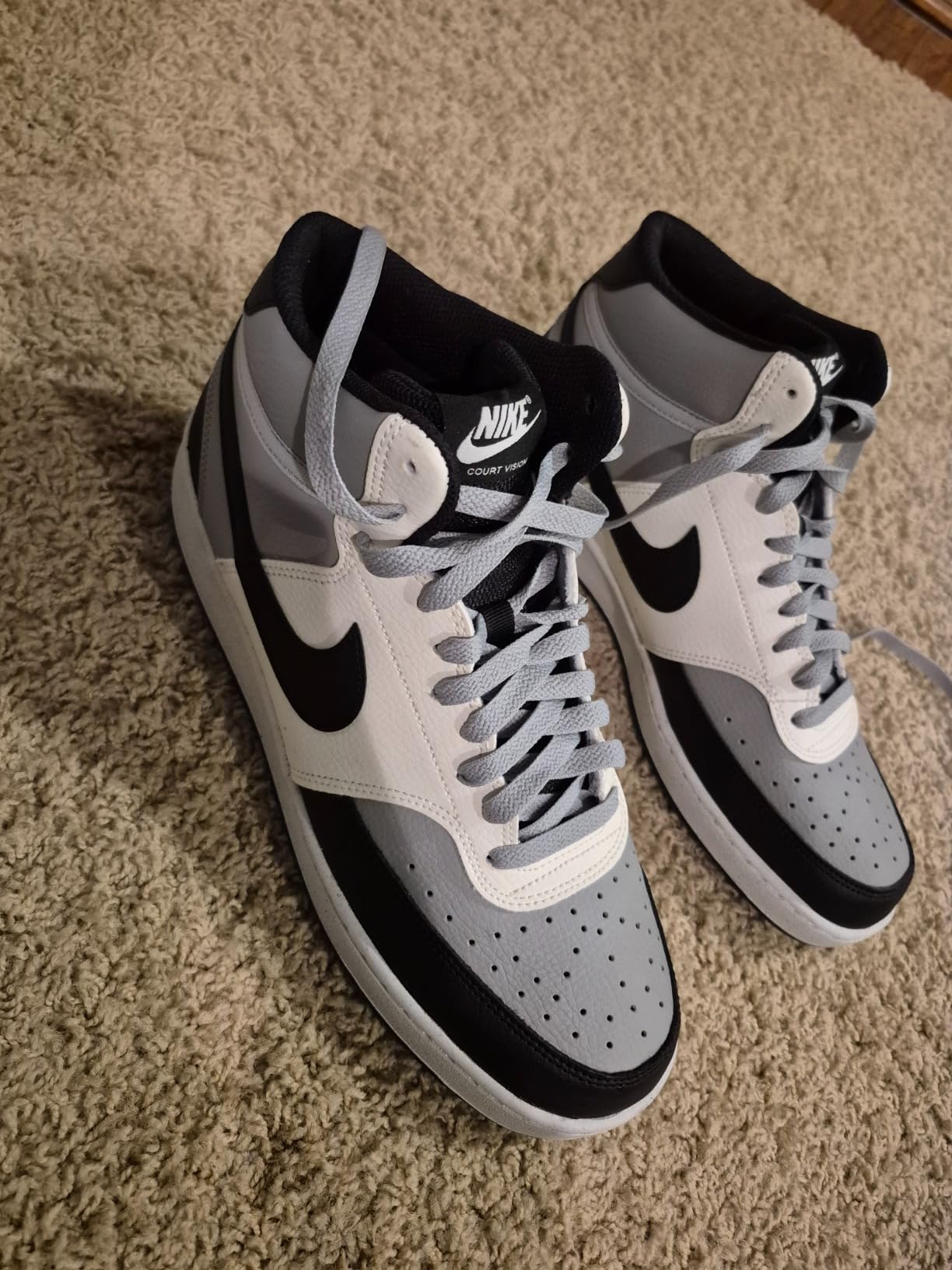
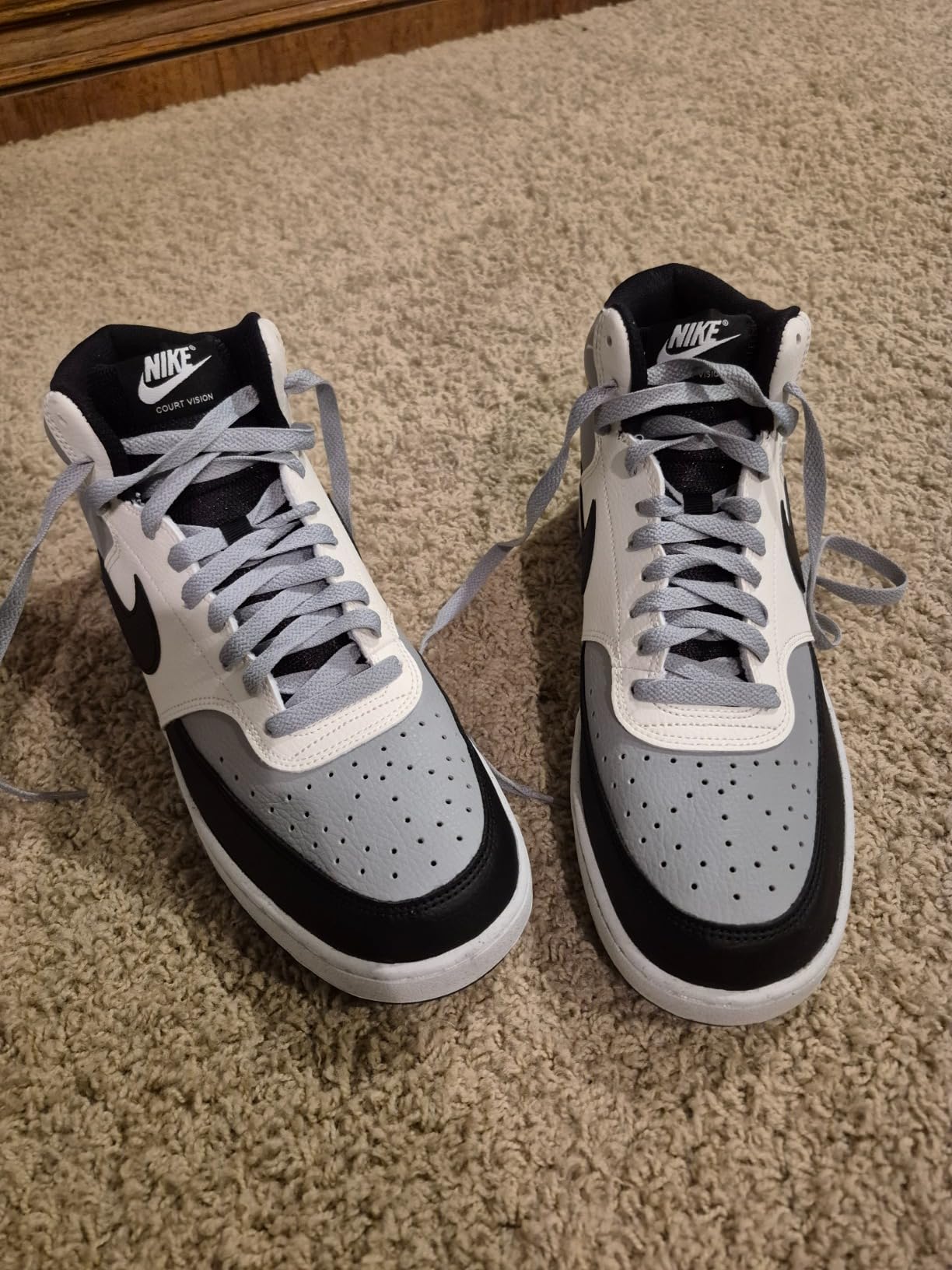
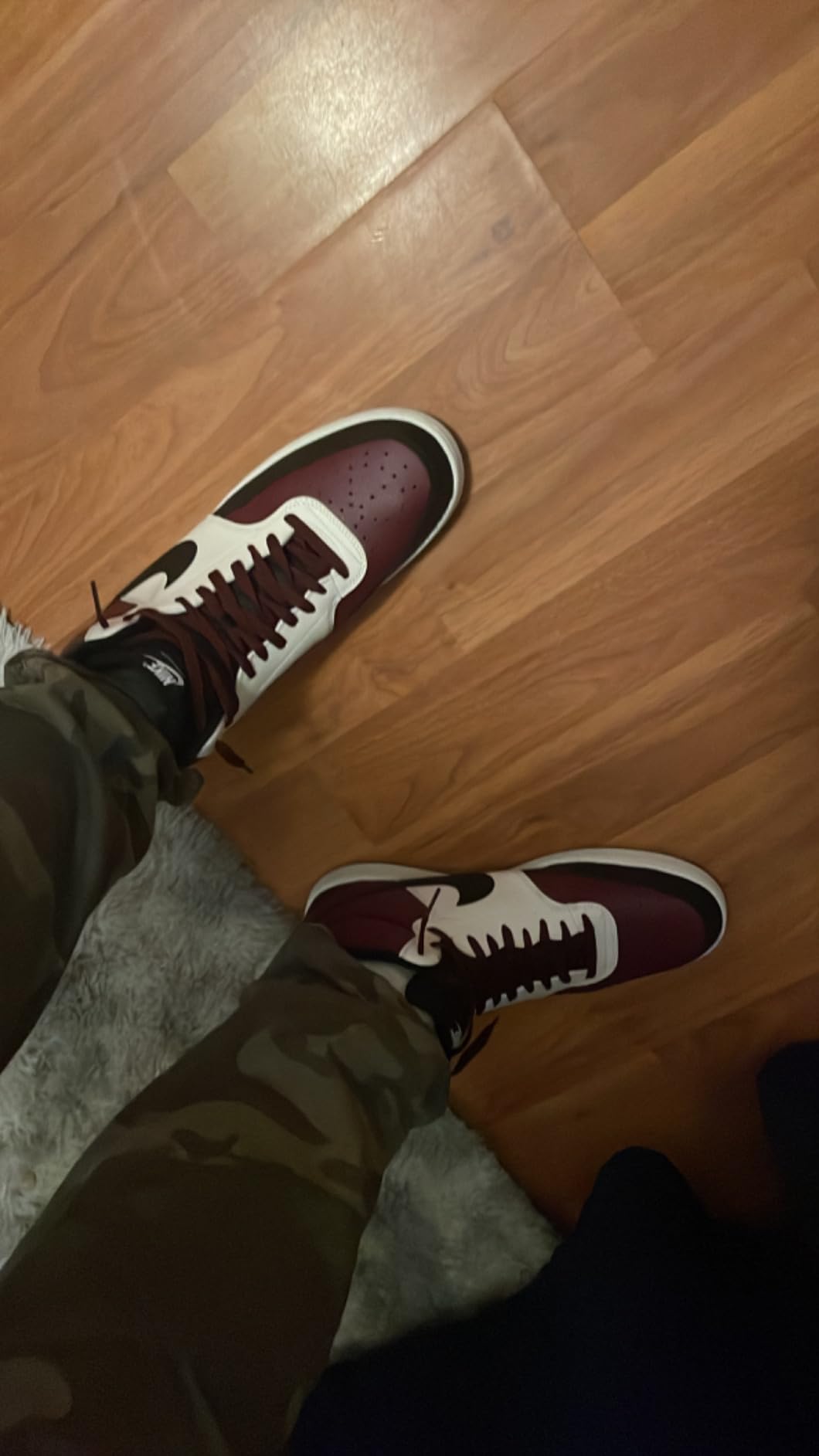
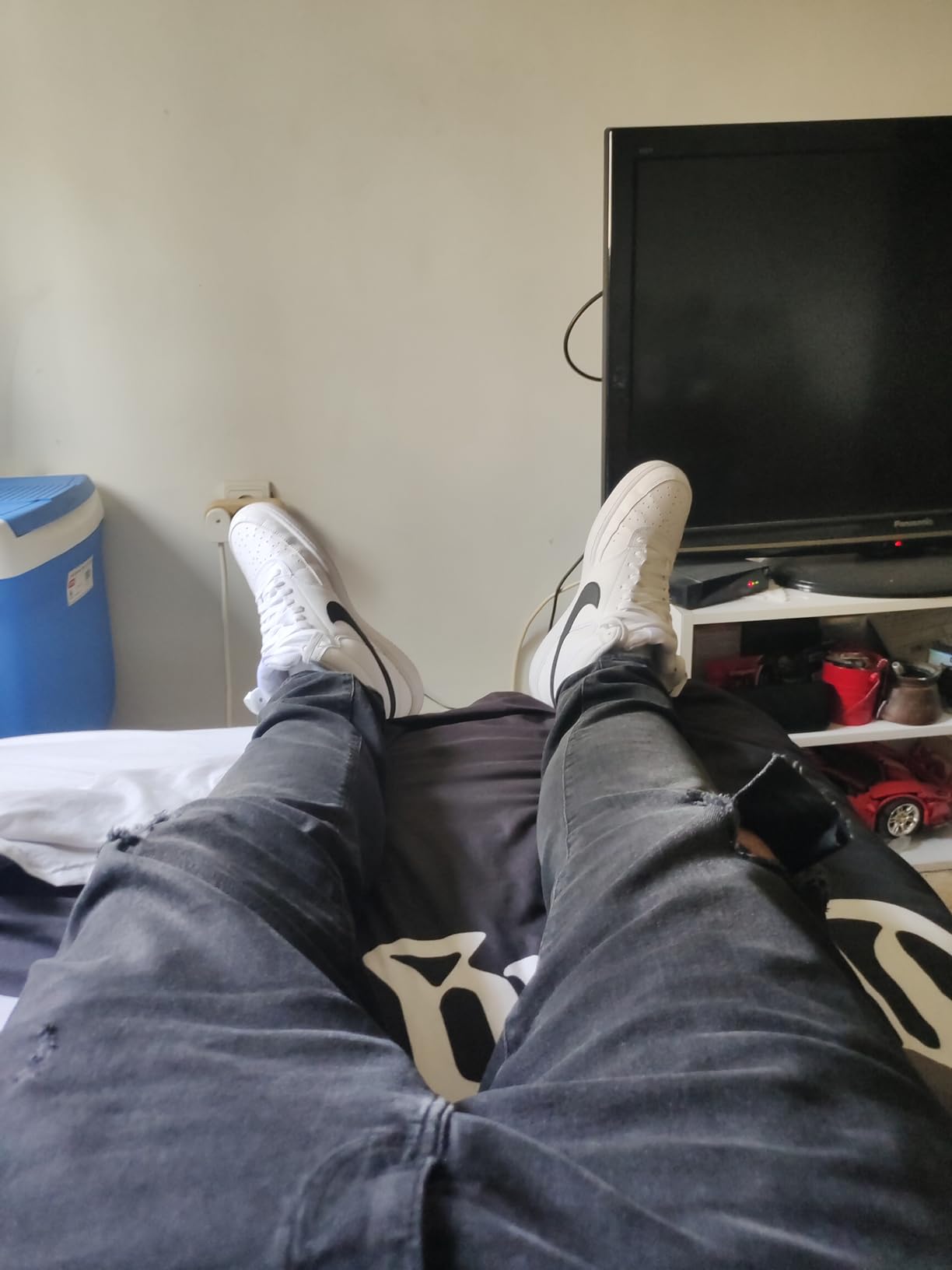
The ankle collar sits about an inch higher than the Low variant, which does two things at once: adds a styling element and wraps the ankle in a way that reads as intentional rather than incidental. The white/black colorway I tested kept things simple — stark contrast, no competing details, a clean Swoosh sitting exactly where you’d expect it. Two friends on separate occasions asked what I’d paid for them and guessed considerably higher than $71.
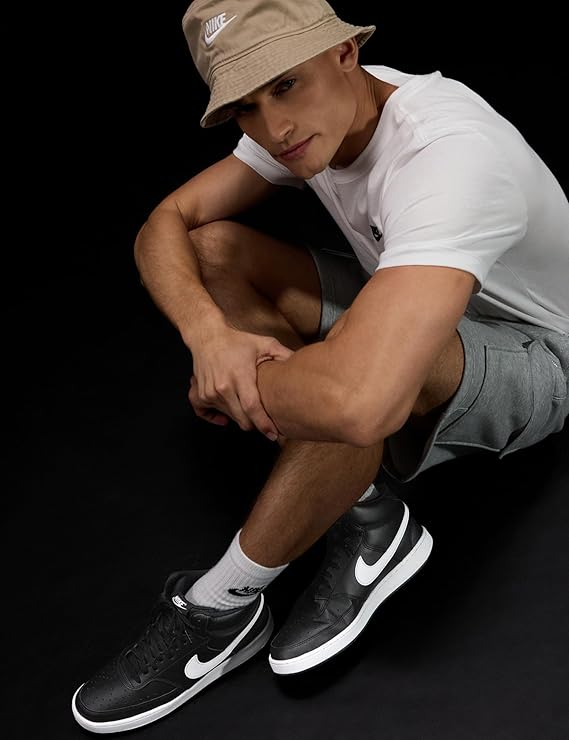
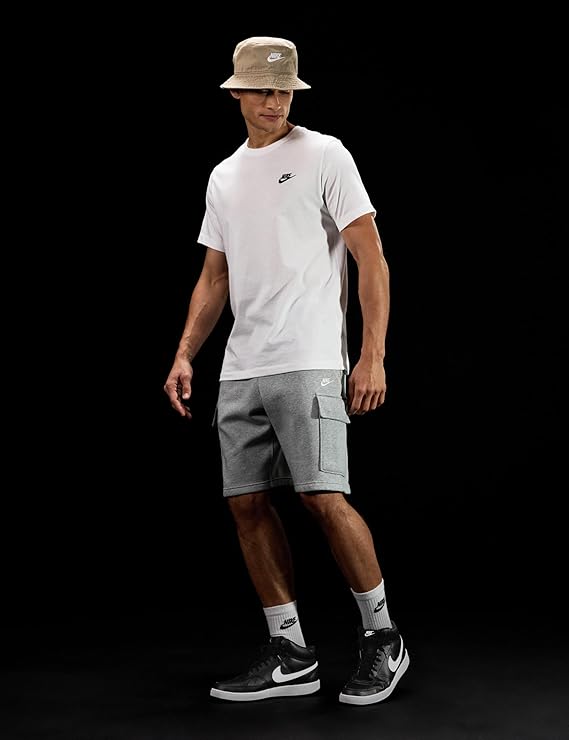
The embossed overlays give the shoe some visual texture without cluttering the silhouette. It’s not trying to be maximalist or trendy — it’s just a well-proportioned court shoe, and that restraint is what lets it work with essentially anything. Jeans, chinos, joggers, a casual blazer. I wore these to dinner once and nobody questioned the choice.
Material Quality at This Price
In hand, the construction is tighter than you might expect at $71. Consistent stitching around the overlays, solid heel counter, no manufacturing slop at the seams. The padded collar — which Nike describes as “plush” — earns that description. It doesn’t dig, doesn’t require a break-in period, just works from session one.
What you’re holding is synthetic leather, and that distinction matters for long-term expectations. It holds its shape and resists surface scuffs reasonably well. But it behaves differently over time than genuine leather. I’ll address that specifically in the durability section.
The Insole: The One Thing They Don’t Mention
Here’s the conversation that most Court Vision reviews skip past: the stock insole. It’s thin. Not dramatically thin, not alarmingly thin — just thinner than it needs to be for all-day wear. And if you’re buying these as a daily driver, that’s information you need before you commit.
What Six Hours Reveals
Week one, I wore these for grocery runs, a gym session, casual errands — two to three hours at a time. They felt completely comfortable. Padded collar doing its job, EVA midsole handling the load, no foot complaints. I actually thought the insole concern was overstated.
Then came the trade show.
Twelve hours on conference center concrete, standing at a booth, walking between halls. By hour eight my feet were sending a clear signal. Not debilitating, but persistent — the kind of dull ache that tells you the cushioning stack ran out somewhere around 4 PM. The midsole is adequate; the insole adds almost nothing beyond coverage.
The $15-20 Fix
Week two, I swapped in aftermarket insoles — standard arch support at around $15-20, which is what something like Sof Sole Athlete Insoles or a comparable orthotics-grade insole would run you. The improvement was immediate and significant. I repeated a comparable long day two weeks later — twelve hours, same general conditions — with zero foot fatigue.
The insole slot is removable, which means the upgrade is clean and straightforward. Custom orthotics fit without modification. For people who already own aftermarket insoles from other shoes, you’re set from day one.
| Setup | Comfort Ceiling | Total Cost |
|---|---|---|
| Stock insole | ~6 hours before fatigue | $71 |
| With aftermarket insole | 12+ hours validated | $86-91 |
The honest total cost for a true daily driver is $86-91. That’s still a good deal for a Nike lifestyle shoe with this look, but go in knowing it.
Six Weeks of Real Wear
Weeks 1-2: First Impressions Hold
I went straight from the box to a gym session — no break-in ritual, no gradual ramp-up. The padded collar did exactly what it advertised: zero ankle irritation, no heel slip, no hot spots. My friend Jake, who’d been in his pair for months already and keeps telling me these are the most underrated Nike at this price, said the same thing about day one. “They just work.”
Sizing landed right at true-to-size in my usual 9.5. The toe box has enough room without feeling sloppy through the midfoot, and the synthetic upper felt snug-without-tight through the first sessions.
The Synthetic Creasing Conversation
By week three, visible creasing had appeared across the toe area and along the side panels. I want to address this directly because some people find it alarming the first time they see it: it isn’t a defect.
Synthetic leather creases faster than genuine leather, and more noticeably. Where a leather shoe would develop subtle flex lines that read as “character,” synthetic shows more obvious wrinkles at the stress points. Functionally, nothing changes — the shoe is structurally sound, the sole is fine, the stitching hasn’t stressed. But aesthetically, the shoe reads as “worn” rather than pristine by the four-week mark.
If you want sneakers that stay looking box-fresh for months, the synthetic upper of the Court Vision Mid won’t cooperate. If you’re comfortable with a shoe that shows honest wear, this is a non-issue.
Pickup Basketball: Honest Assessment
I played five pickup sessions in these over the six weeks. On a clean gym floor, the Nike Grind rubber outsole grips reliably for casual movement — nothing slipped during the recreational play pace most pickup games run at.
But push it harder and the limits show. One session I tried to run a proper cut-and-drive sequence, and I felt my foot shift laterally inside the shoe on a sharper plant. It wasn’t dramatic, but it was there. These are lifestyle basketball shoes, not performance footwear. Jake keeps his Under Armour Lockdown 7s for anything remotely competitive, and the lockdown difference is real the moment you start playing with any intensity. For casual shooting around and rec-league recreational pace: Court Vision Mid works fine. For actual competitive play: get an actual basketball shoe.
Weeks 4-6: Durability Read
At the six-week mark, the outsole showed light heel wear and some toe bumper scuffing — both normal for 40+ sessions. No sole separation on my pair, no upper peeling, no stitch failures.
Community reports document sole separation appearing at months two to three under heavy daily use. I haven’t encountered it, but given the price-point construction, I’d characterize it as a real risk for heavy users rather than a certainty for everyone. If you notice any edge lifting at the outsole joint early, address it with shoe adhesive before it progresses.
Trajectory estimate: 8-12 months of regular daily wear before the shoe meaningfully degrades. Heavy daily users should target the lower end of that range.
Sizing Guide
| Foot Width | Recommendation | Notes |
|---|---|---|
| Standard width | True to size | Confirmed — no heel slip, no cramping at 9.5 |
| Wide feet | Size up 0.5 | Synthetic doesn’t stretch; snug at TTS for wider feet |
| Narrow feet | TTS with monitoring | Heel slip risk; oval athletic laces can help secure fit |
One thing worth understanding about synthetic uppers and fit: unlike genuine leather, which softens and conforms to your foot’s shape over weeks of wear, the synthetic panels here don’t give much. What you feel on day one is approximately what you’ll have at month three. This makes the initial size decision more consequential. Standard-width feet: TTS is reliable. Wider feet: don’t try to size down hoping the shoe will stretch to accommodate — it won’t, at least not meaningfully.
The “Next Nature” Sustainability Claim — What’s Real
Nike markets the Court Vision Mid under their Next Nature line, which means it incorporates at least 20% recycled materials by weight. Here’s the straight version of what that means.
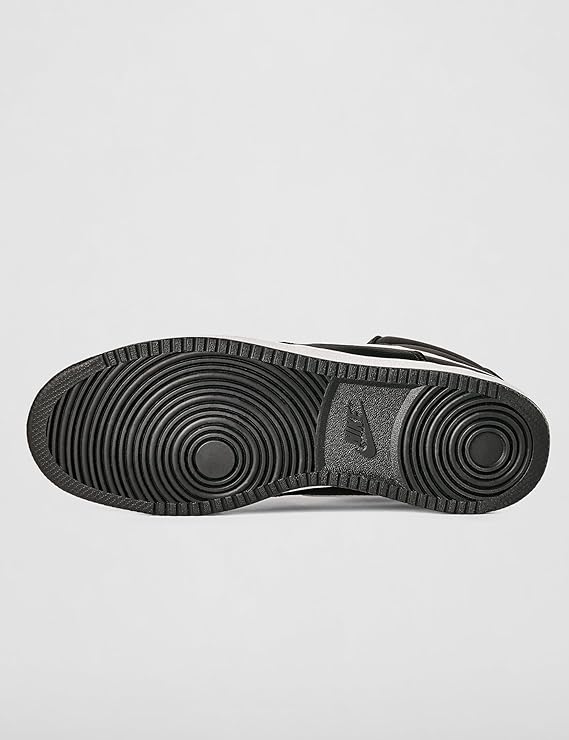
The recycled content is real. Sportisimo’s product page confirms the outsole uses Nike Grind rubber — a documented Nike material recovery program that processes scrap rubber and foam from manufacturing waste into new compounds. Since the outsole is the heaviest single component of the shoe, 20% of total weight being recycled is both plausible and consistent with what I found in the specs.
What is almost certainly NOT recycled: the synthetic leather upper panels. Standard synthetic upper materials in this price range are petroleum-derived and not recovered materials.
So: a genuine sustainability credential in the outsole, standard materials elsewhere. This isn’t greenwashing — Nike isn’t claiming zero-impact manufacturing. It’s one meaningful choice in an otherwise conventional construction. If sustainability is a deciding factor for you, the Court Vision NN has a real (if modest) edge over equivalent shoes with zero recycled content.
Who Should Buy These
| These Work For | Skip If You Need |
|---|---|
| Students and young professionals wanting versatile lifestyle sneakers under $75 | All-day standing/walking without insole investment (stock has a 6-hour ceiling) |
| Casual basketball fans playing pickup 1-2x per week | Competitive basketball performance or serious lateral support |
| Anyone who wants a shoe that works with virtually any casual outfit | Premium aesthetic longevity — synthetic creases visibly by month one |
| Nike brand fans working with a sub-$100 budget | Wide feet at standard sizing — the upper won’t accommodate without sizing up |
| Buyers willing to add a $15-20 insole for optimal comfort | Hot weather primary use — synthetic breathability has real limits above 85°F |
How It Compares to the Alternatives
vs. Nike Air Force 1
The Nike Air Force 1 is the obvious comparison, and the gap between the two is real in both material quality and price. At $120-140 versus $71, the AF1 comes in premium leather that ages dramatically better — you’ll realistically get 2-3 years of daily wear before it shows its age in any meaningful way. The Court Vision’s synthetic shows visible creasing by month one.
For someone who rotates shoes, treats footwear as seasonal, or is primarily driven by this year’s look, the $50-70 savings is compelling. For someone who wants a single pair of Nike lifestyle shoes that will last through the long haul, save up for the AF1. Both require an insole upgrade for all-day comfort; that cost is similar across the two.
vs. Adidas Grand Court Alpha
The Adidas Grand Court Alpha sits directly in the same tier — lifestyle basketball-inspired, synthetic upper, padded collar, similar pricing. The Grand Court’s Cloudfoam midsole is generally cited as more cushioned out of the box, which could reduce the insole-upgrade urgency for moderate daily use. If you’re comfortable in the Three Stripes ecosystem, it’s a legitimate alternative.
The Court Vision holds an edge in silhouette refinement and the Nike Grind sustainability story. Ultimately both are solid choices; brand preference and midsole feel preference are the real deciding factors.
vs. PUMA Club II Era
The PUMA Club II Era is worth considering if you want retro court DNA without committing to either Nike or Adidas. Generally priced similarly, it runs slightly narrower and has a lower profile — different aesthetic energy rather than a direct equivalent. For buyers who want maximum court-shoe visual impact at this price point and are happy with Nike’s branding, the Court Vision is the stronger choice.
Final Verdict
Full Score Breakdown
| Nike Court Vision Mid — Final Scores | ||
|---|---|---|
| Style & Appearance | 8.5/10 | Retro court aesthetic nailed at the price point |
| Build Quality | 7.0/10 | Solid construction; synthetic material limitations expected |
| Comfort (Stock Insole) | 6.0/10 | Adequate for short wear; insufficient for full days |
| Comfort (with Upgrade) | 8.5/10 | Aftermarket insole transforms all-day wearability |
| Fit & Sizing | 8.5/10 | TTS for standard width; wide feet need +0.5 |
| Durability | 7.0/10 | Creasing by month 1; estimated 8-12 months lifespan |
| Value for Money | 8.0/10 | Strong at $71; factor in $15-20 insole |
| Versatility | 9.0/10 | Works with almost any casual wardrobe combination |
| Overall Rating | 7.8/10 | Solid lifestyle value with transparent caveats |
| What Works | What Doesn’t |
|---|---|
| Clean 1980s court aesthetic, versatile styling | Stock insole too thin for all-day wear |
| TTS fit for standard-width feet | Synthetic leather creases visibly by month one |
| Padded collar — zero break-in irritation | Not for wide feet at standard sizing |
| Reliable dry-surface traction (Nike Grind outsole) | Limited breathability in summer heat above 85°F |
| $71 entry point for Nike design quality | QC variance — sole separation documented in some units |
| 20% recycled materials (legitimate claim) | Lifestyle shoe only — not for competitive athletic use |
Six weeks in, I’d buy a second pair. Not to replace mine — they’ve got more miles in them — but because the value proposition is genuinely there for what these are. At $71, the Court Vision Mid gives you a Nike lifestyle shoe that reads more expensive than the price tag, fits reliably for standard-width feet, and holds together through daily casual wear.
The insole situation is the one piece of homework you need to do before buying: add $15-20, and the shoe becomes a legitimate all-day option. Without that upgrade, it’s a short-to-medium-wear shoe. With it, you’ve got an $86-91 pair of Nikes that punches comfortably above its weight class.
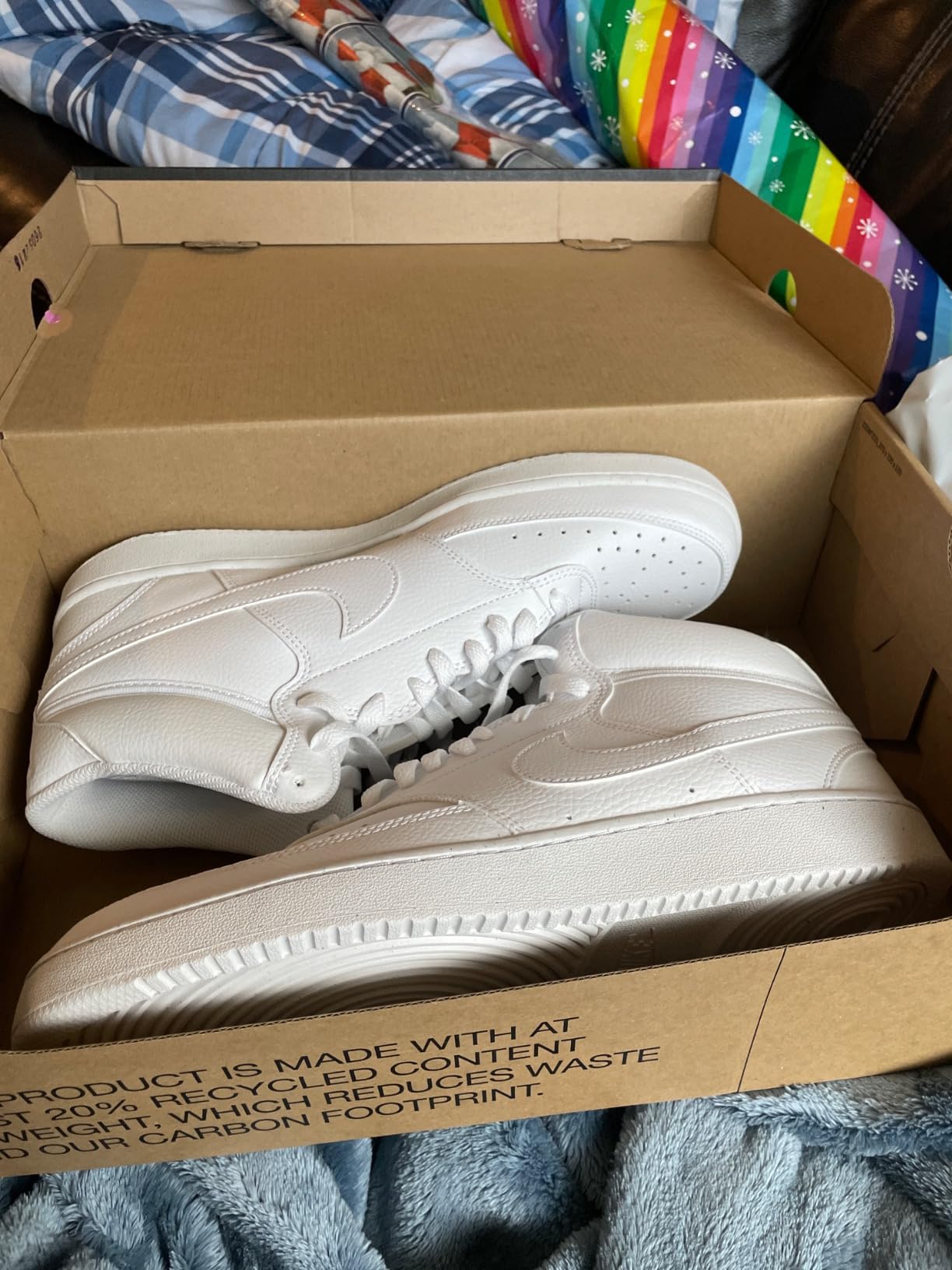
White sneakers need maintenance — a quick wipe with sneaker whitener every couple of weeks keeps the Court Vision looking sharp far longer than the synthetic material would suggest. For general daily cleanup, a sneaker wipe handles most surface grime in under a minute.
For students, casual ballers, and budget-conscious style hunters: these deliver. Go in with clear expectations and you won’t be disappointed.
Frequently Asked Questions
Do I actually need to upgrade the insole?
For sessions under five to six hours, the stock insole is fine — no complaints for grocery runs, gym visits, or casual daily wear. For extended wear: yes, the upgrade matters. Eight-hour days, trade shows, retail work, anything where you’re on your feet most of the day — the stock setup runs out of cushion by early afternoon. The $15-20 investment pays back immediately.
Are these true to size?
For standard-width feet, yes. I wore my usual 9.5 and they fit exactly as expected. Wide feet should size up half a size — the synthetic upper doesn’t stretch to accommodate wider foot shapes. Narrow feet can try TTS but should monitor for heel slip in the first few sessions.
Can I use these for basketball?
Recreational pickup games at a casual pace, yes — the rubber outsole grips clean gym floors reliably and the mid-top collar adds some ankle coverage. For anything involving real athleticism — cuts, drives, competitive defense — no. The lateral support isn’t there. Invest in actual basketball shoes for that.
How long will they last?
Based on the six-week trajectory and community data, I’d estimate 8-12 months of regular daily wear. Heavy users will see the lower end; moderate rotation wearers can expect closer to 12 months. The outsole wears slowly; the synthetic upper is the lifespan-limiting component.
What’s the deal with the sole separation issue?
I didn’t experience sole separation in six weeks of testing, but community reviews consistently report it appearing at months two to three under heavy daily use. The glue joint at the outsole edge is the vulnerable point. Watch it, and if you see any lifting starting early, address it with shoe adhesive before it progresses.
Is the sustainability claim real?
Yes. “At least 20% recycled materials by weight” is verifiable — the Nike Grind outsole rubber is a documented material recovery program. The upper synthetics are standard materials, not recycled. The claim is legitimate but modest: meaningful progress, not a comprehensive eco-story.
How do these compare to the Air Force 1?
The Air Force 1 uses premium leather and will outlast the Court Vision by 12-18 months under similar daily wear — at $50-70 more per pair. Court Vision wins on value per year at the price point; the AF1 wins on total material quality and long-term lifespan. Both need an insole upgrade for all-day comfort.
What’s the best way to keep white ones looking clean?
Realistic maintenance: a sneaker wipe or soft brush after each wear for surface dirt, and a proper whitening treatment every few weeks for the upper panels. The white synthetic responds well to cleaning products — better, honestly, than I expected from synthetic leather at this price. With regular upkeep they stay presentable through the full lifespan.
Be the first to review “Nike Men’s Court Vision Mid Next Nature Shoes”
Related products
Running Shoes

Sneaker
Sneaker

Sneaker
Reviews
There are no reviews yet.