
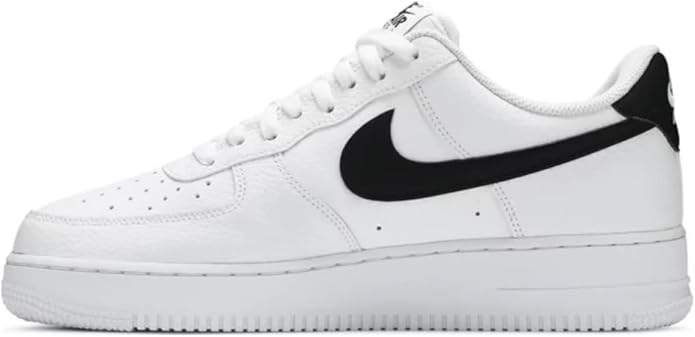
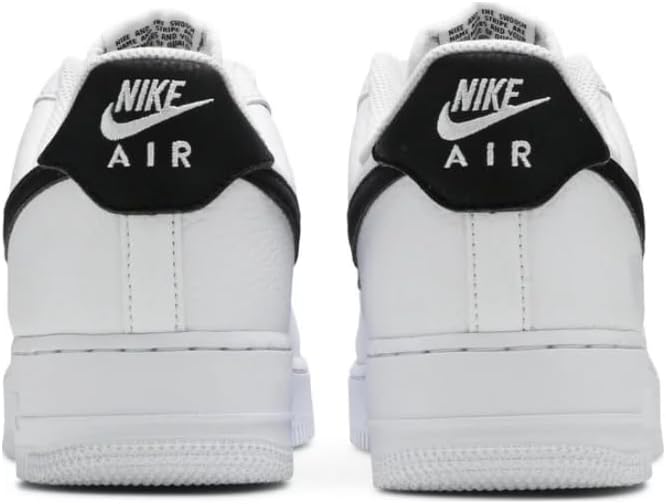
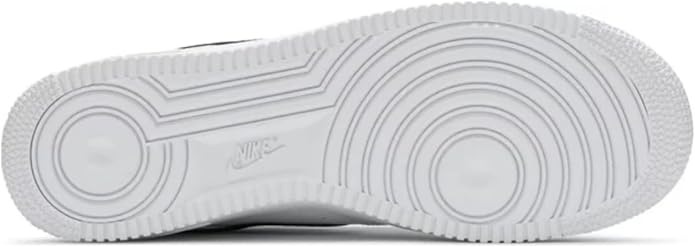
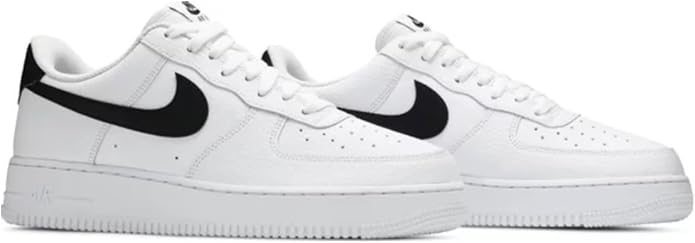
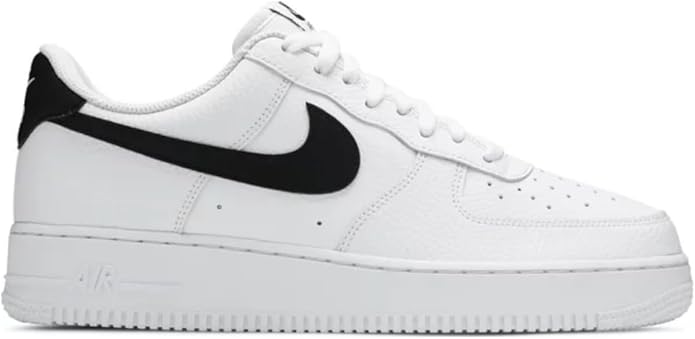
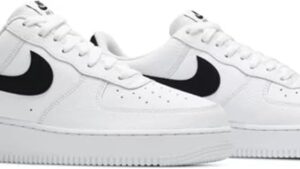
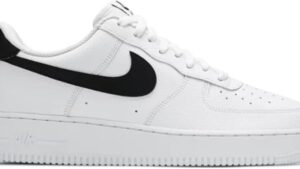
Six weeks ago, my teammate Marcus wouldn’t shut up about his Air Force 1s during pickup games. I was skeptical. I’d just burned through two pairs of $55 sneakers in four months — one with a sole that peeled at week eight, the other with cushioning that basically quit after 30 hours of court time. So when he kept insisting a 40-year-old Nike design was worth $115, I figured I’d test it myself rather than take his word for it. Mike here. What follows is six weeks, 45+ hours, and 12 basketball sessions’ worth of actual use — courts, streets, 8-hour workdays, and a few morning jogs included.
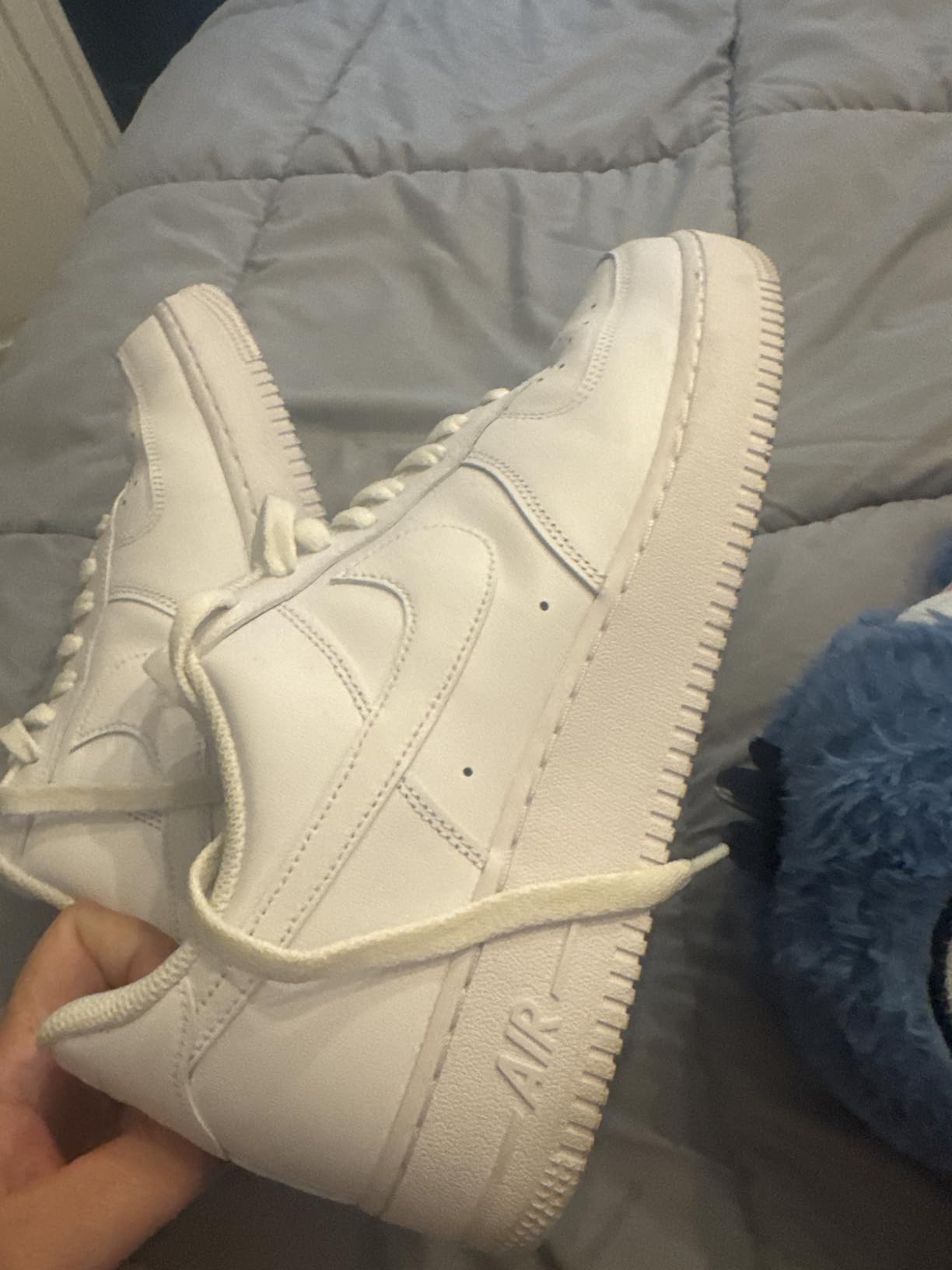
Quick Specs
- 💰 Price: $115 (Nike.com MSRP)
- ⚖️ Weight: 16.4 oz measured (RunRepeat lab) — Nike claims 14.2 oz; the gap matters, explained below
- 🔬 Cushioning: Full-length Nike Air unit + 40.1 AC foam (softer than average 47.8 AC)
- 👟 Upper: Full-grain leather, metal eyelets, flat laces
- 📏 Sizing: True to size (1,892 RunRepeat votes confirm); narrow feet may consider half-down
- 📐 Drop: 14.5 mm measured (compresses under load)
- 🏀 Category: Lifestyle sneaker / basketball heritage
- ⏱️ Testing: 6 weeks, 45+ hours, 12 basketball sessions
- 📅 Lifespan projection: 12–18 months casual; 6–12 months moderate use
The Weight Situation — What Nike Doesn’t Tell You
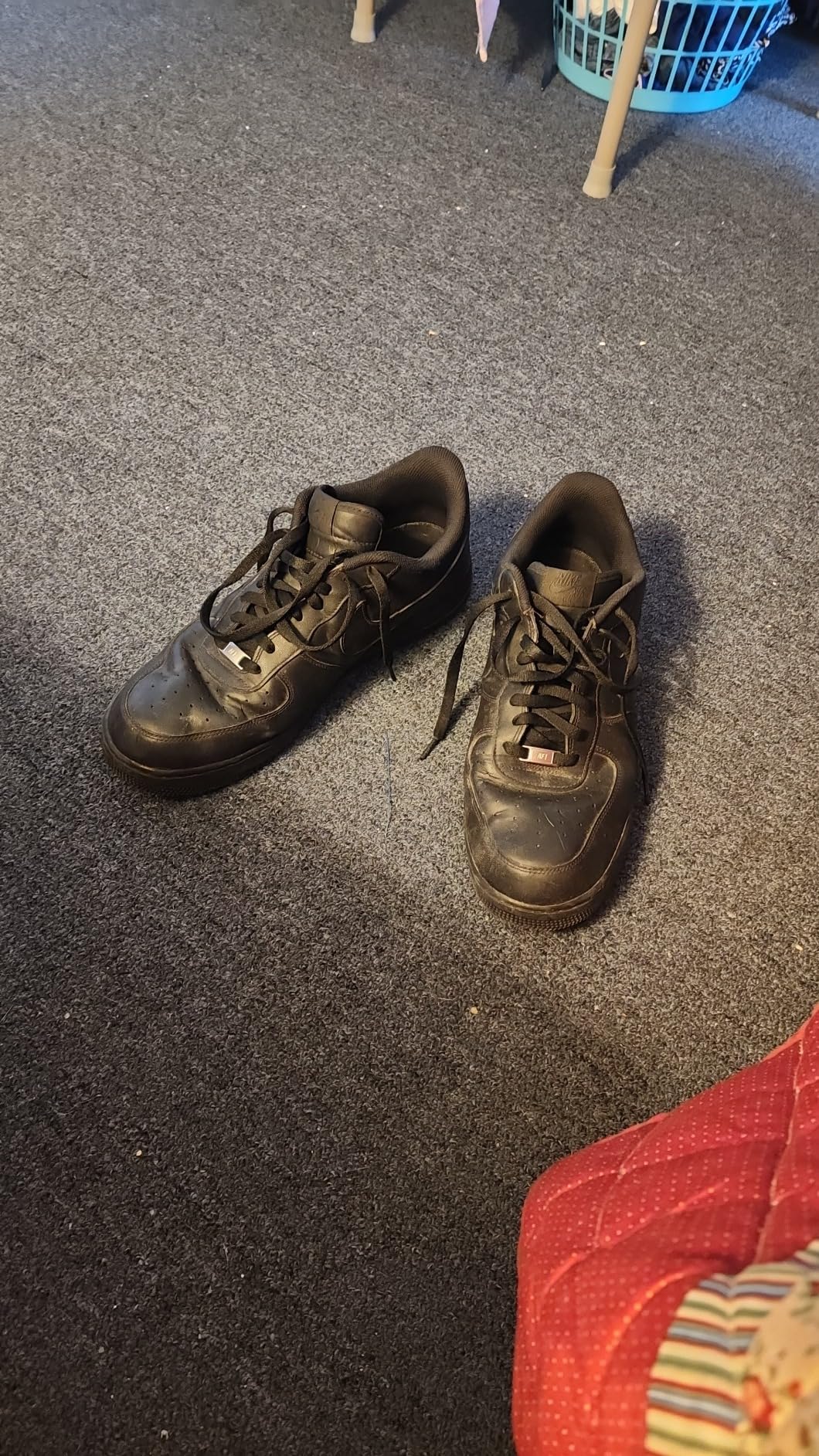
Nike lists the Air Force 1 ’07 at 14.2 oz per shoe. RunRepeat’s lab scale read 16.4 oz. That’s a 2.2-ounce gap — roughly 15% understated — and it’s not a rounding error.
On a 45-minute pickup run, you probably don’t notice. Neither did I through my first few sessions. But by session seven — a 90-minute outdoor game on concrete — my legs registered the extra weight in a way they wouldn’t have with modern performance shoes. Not painful, but present. Think of it like carrying a water bottle: you don’t notice it at the beginning of the hike, but you feel it by mile four.
For daily wear, the story is different. Walking to work, coffee runs, errands — the weight disappears because you’re not doing the repeated explosive movements that amplify it. The 175-lb threshold matters here too. Lighter guys under 160 lbs feel the weight less. Over 200 lbs, the shoe’s firmness helps, but fatigue onset comes earlier on court.
So: heavy for a lifestyle sneaker (heavier than Nike Dunk Low at 14.5 oz, lighter than Air Jordan 1 at 16.8 oz), which explains both the durability and the on-court fatigue. One is a feature. The other is a trade-off you should know about going in.
What the Leather Actually Delivers
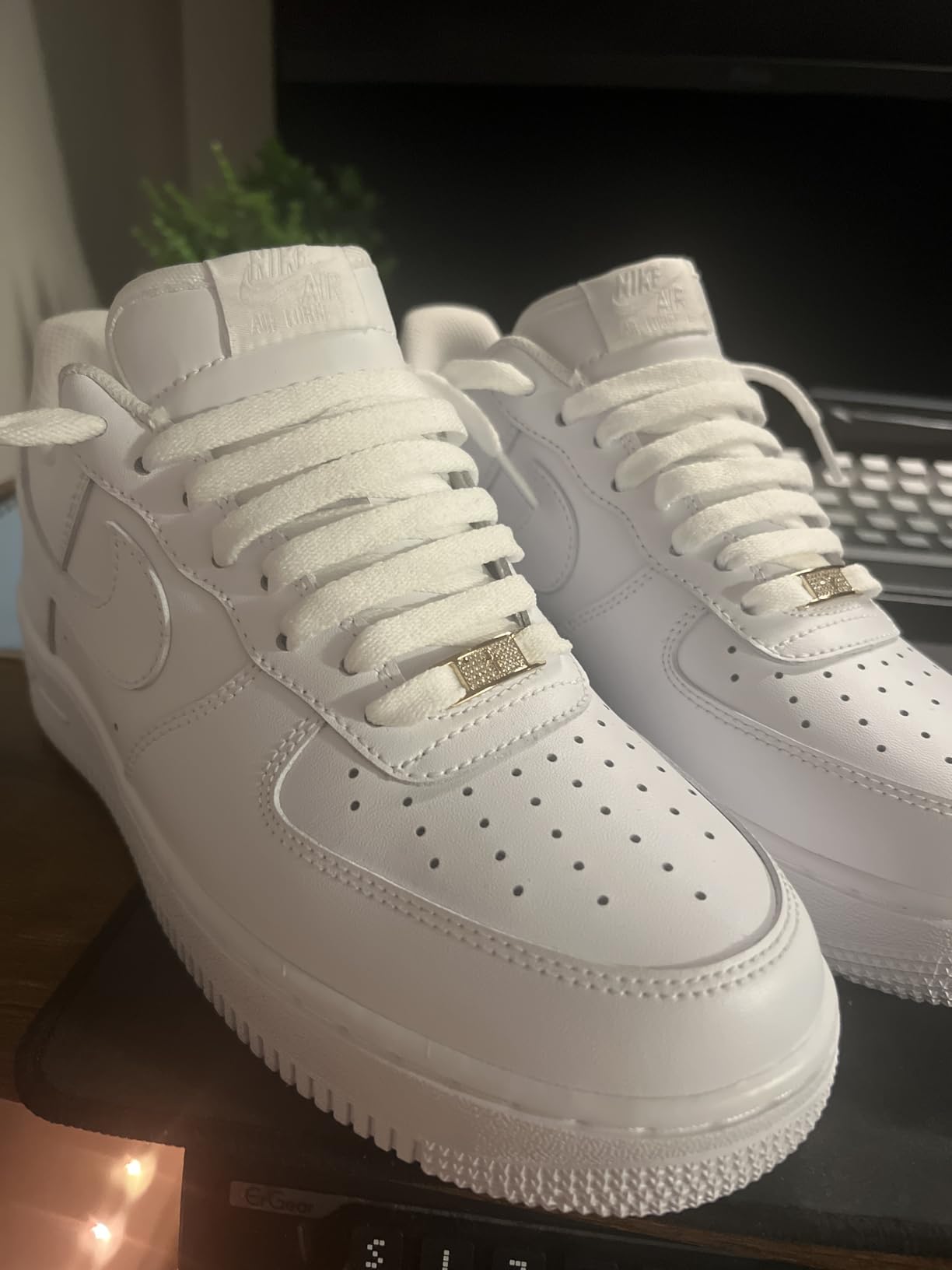
Full-grain leather on a $115 shoe isn’t as common as Nike’s marketing implies. Most sneakers in this price range use bonded leather or synthetic overlays — materials that look good on day one and crack by month four. The AF1’s leather is real, and RunRepeat’s fire test (genuine leather chars rather than melts) confirmed it.
Pick up the shoe and flex the upper between your hands before wearing it. There’s a suppleness there that synthetic shoes can’t replicate — a controlled give that tells you this material will adapt to your foot rather than fight it. The stitching at the Swoosh and toe box overlay is tightly layered, which explains why the toebox durability scored highest in RunRepeat’s testing (5/5 in their Dremel abrasion test).
The metal eyelets deserve a mention. Fourteen of them per shoe, distributing lace tension across the entire upper rather than concentrating it at stress points. After 45+ hours including concrete court sessions, no eyelet deformation or fabric wear around the holes — something that fails noticeably on cheaper alternatives within weeks.
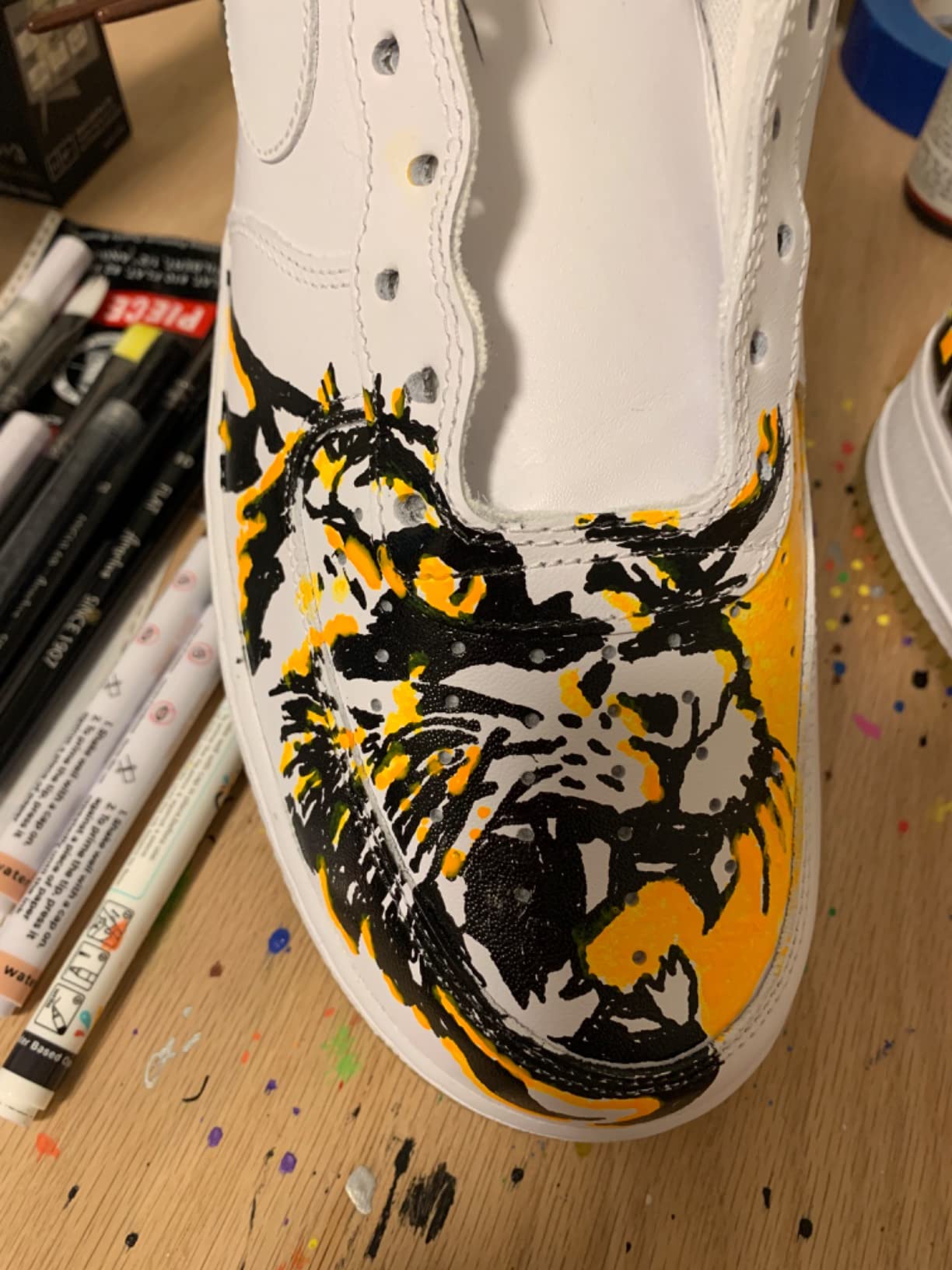
Creasing is inevitable and starts early. Mine showed toe flex creases by day ten. By week six, permanent folds had set in at the main flex point. This bothers some people; it didn’t bother me. The creases are cosmetic and don’t affect structure or cushioning. Leather conditioner applied at week four slowed their progression noticeably. If crease-free footwear is important to you, either accept the maintenance routine or look elsewhere.
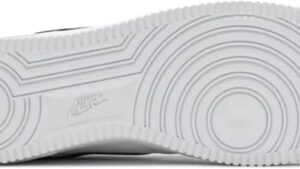
The outsole thickness measured 4.6 mm at RunRepeat — slightly below the 5.3 mm category average, but sufficient for the 12–18 month casual lifespan. Six weeks in, zero meaningful wear on the outer edges.
Cushioning & The Air Unit Paradox
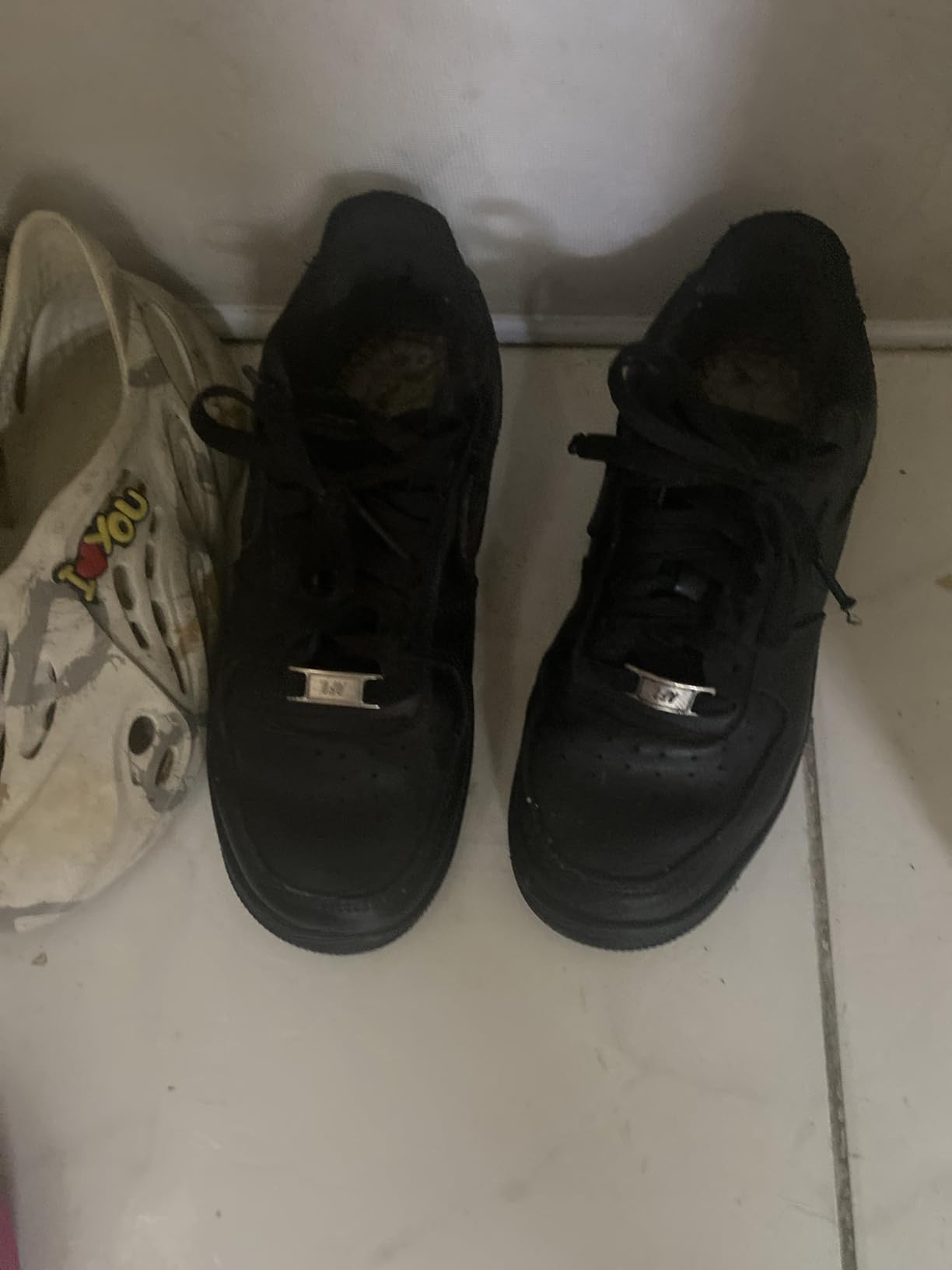
Here’s a thing that confused me until I understood the construction: RunRepeat measured the AF1’s midsole foam at 40.1 AC — softer than the category average of 47.8 AC. Yet the shoe famously feels firm underfoot. These are both true, and they’re not contradictory.
The soft foam and the Air unit sit inside a rigid cupsole construction. When you stand on the shoe, you’re primarily feeling that firm platform, not the foam itself. The Air unit punches through enough to handle impact, but the overall experience reads as “stable and supportive” rather than “plush and cushioned.” If you’ve ever felt a firm mattress with a soft pillow-top layer, it’s roughly that.
What the Air unit actually delivers: 99 SA shock absorption in RunRepeat’s test, 11% above the category average. That translates to meaningful protection on hard surfaces. After five workdays of 8+ hours on concrete floors, I noticed less heel fatigue than I experience in flat-soled sneakers. The 14.5 mm heel drop (which compresses under load, making it feel less steep) also takes Achilles strain off — something people with tight calves or plantar fasciitis often respond well to.
The full-length Air cushioning reaches into the forefoot too, which adds a light spring underfoot on longer walks. Energy return tested at 53.7% — slightly above the 50.2% average. It’s not the bouncy feel of modern foam stacks, but it’s not dead either.
Tongue padding came in at a solid 8.0 mm in RunRepeat’s measurement, which eliminated lace-bite pressure completely across all 12 sessions. Removable insole means orthotic compatibility if you need it.
Sizing — TTS With One Caveat
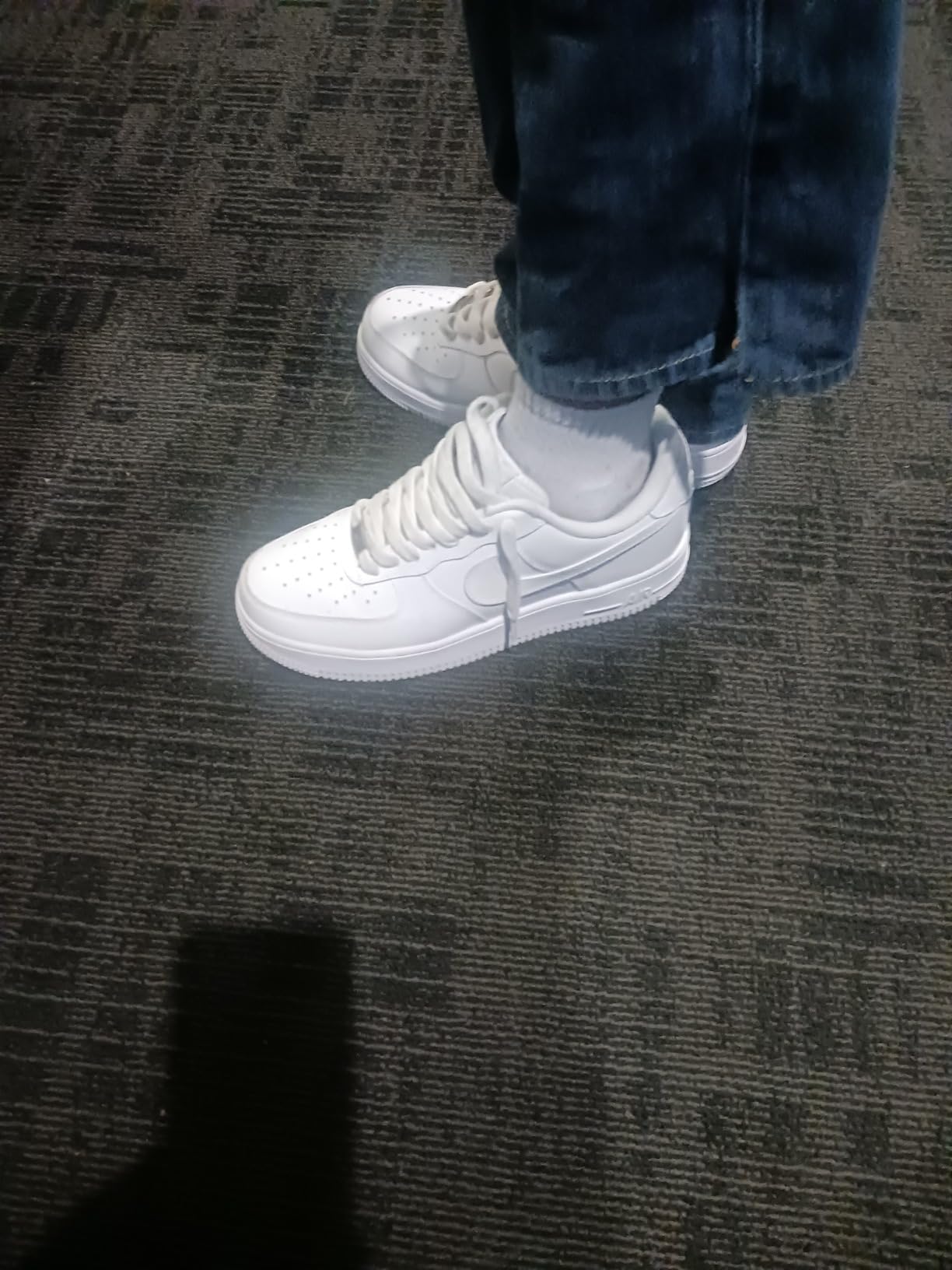
True to size. 1,892 RunRepeat respondents, my own testing at standard size, and Nike’s official guidance all agree on this. Order your normal sneaker size and you’ll land correctly.
The one exception worth flagging: the AF1’s fit width measures 91.3 mm (slightly below the 92.5 mm category average). If you consistently run narrow across most brands, you’re probably fine at TTS. If you’re a true D-width with experience going half-size down in slightly narrow models, try that here. The toebox at 70.4 mm is generous — above-average width — so toe room isn’t the constraint. It’s mid-foot fit that can feel marginally snug for narrow-footed buyers.
Wide feet shouldn’t worry. The toebox width accommodates standard-to-wide feet at TTS without crowding.
Heel slip showed up briefly in the first week — a slight rise on each step before the leather stiffened and conformed. Snug lacing from day one and thin athletic socks resolved this by week two. If you lace loosely during break-in, expect a few extra days of adjustment.
Basketball Reality Check
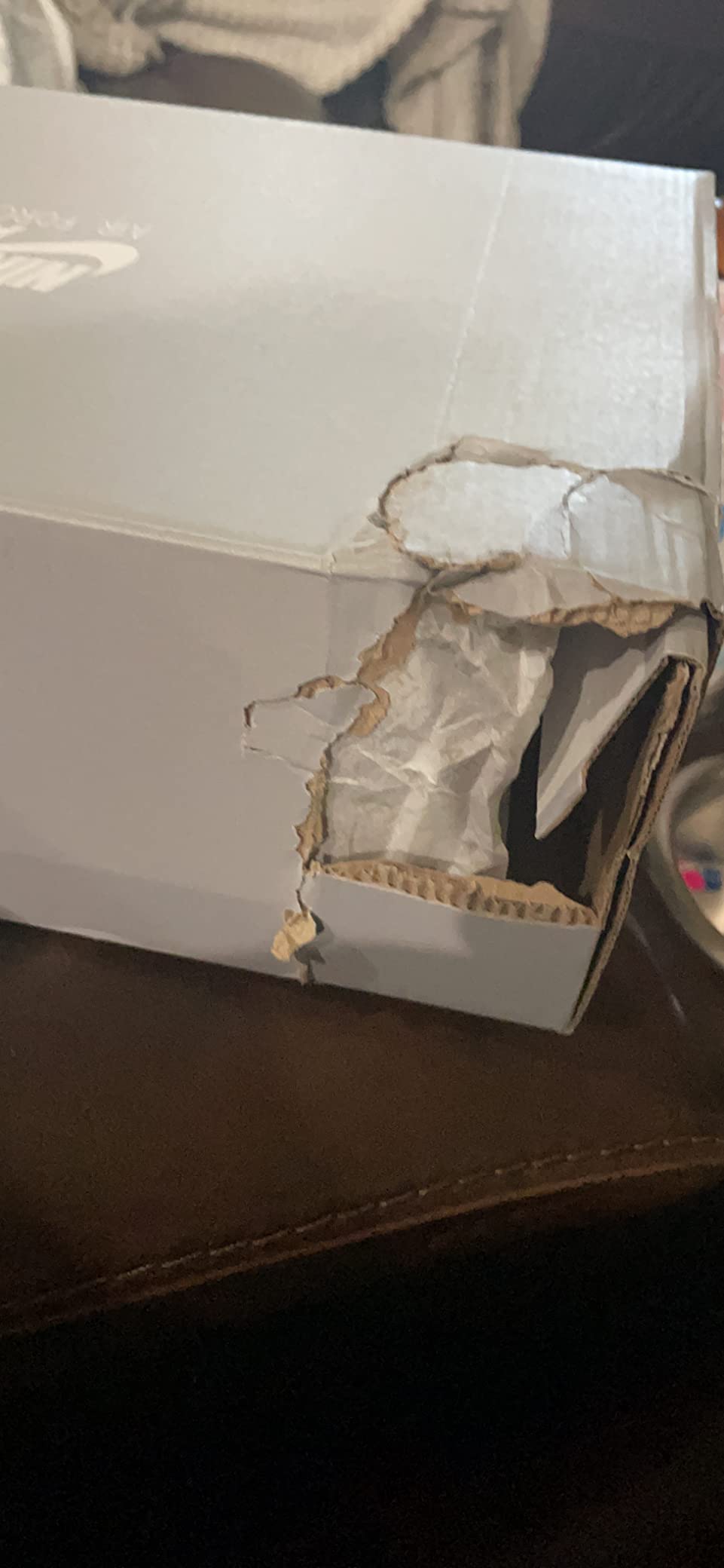
12 sessions tells me this: the AF1 is fine for casual pickup basketball and not suitable for anything more serious than that. Those two things deserve elaboration.
What worked: traction on clean hardwood was consistent, with no slipping during basic cuts and defensive slides. The cupsole’s torsional rigidity (RunRepeat measured stiffness at the highest possible rating) provides real lateral support — you feel anchored during pivot movements. The stiff heel counter eliminates ankle roll on awkward landings. For the kind of 45-minute social pickup game where you’re playing at 75% intensity, this shoe handles it.
What doesn’t work: the combination of 16.4 oz weight and cupsole rigidity costs you quickness in sustained sessions. By session eight of my testing (a 90-minute outdoor game), my footwork felt a step slower than when I play in purpose-built basketball shoes. Direction changes on cuts require more deliberate planting because the shoe doesn’t flex with you the way mesh modern hoops shoes do. And on dusty outdoor courts, traction dropped enough that I was wiping soles between possessions.
If you’re playing league basketball, training sessions, or anything competitive, look at shoes designed specifically for it — options like the Under Armour Lockdown 7 or AND1 Pulse 3.0 give you better court-specific performance at comparable or lower price points. The AF1 is a heritage shoe that can play ball recreationally, not a basketball shoe that happens to look good.
Daily Wear — This Is Where It Earns Its Price
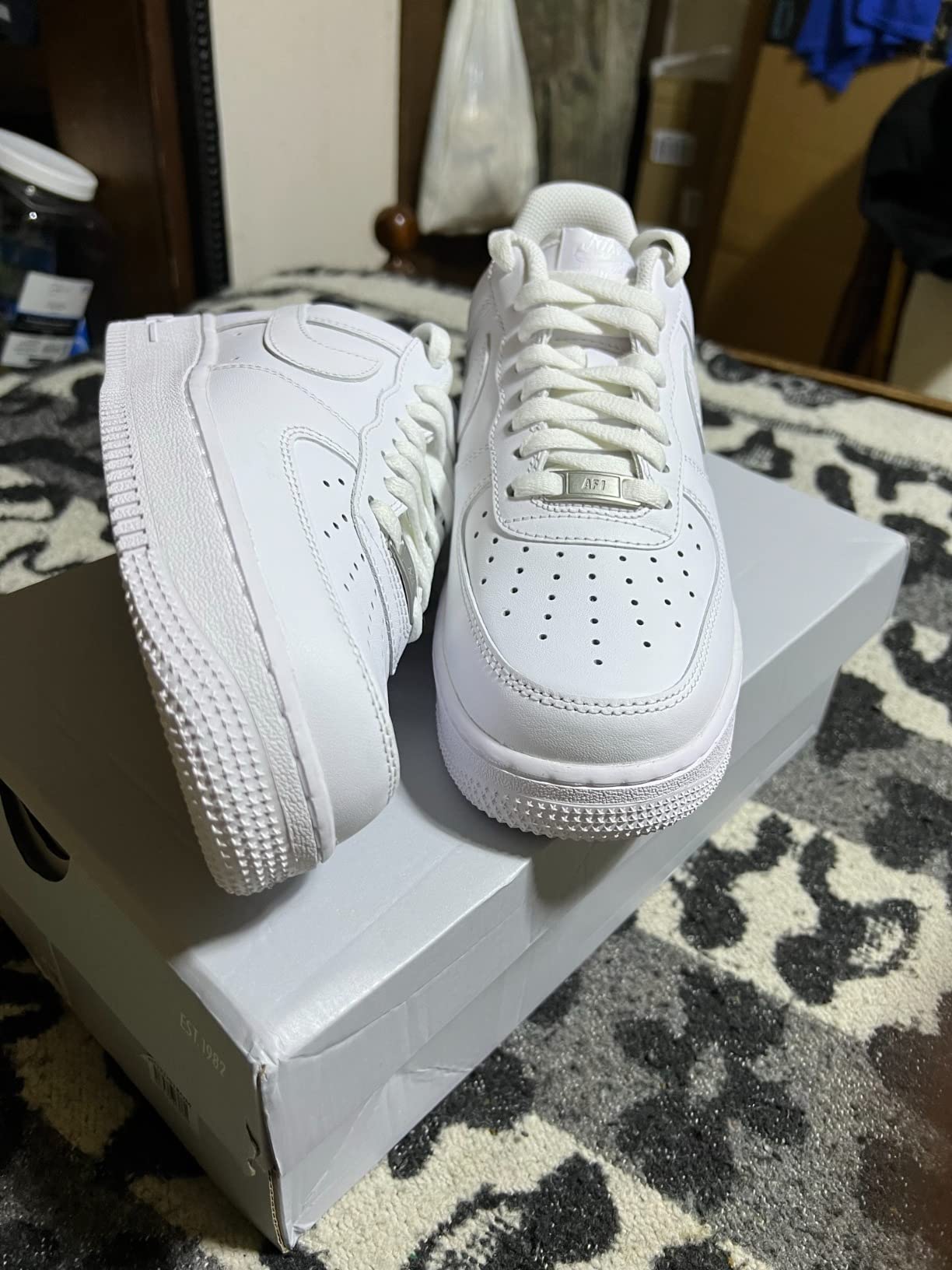
Everything I just said about basketball limitations becomes irrelevant when you take the AF1 off the court. This shoe’s actual superpower is outfit flexibility, and it’s more genuine than marketing copy suggests.
I wore these with jeans, chinos, athletic shorts, work pants, and once with a button-down for a casual dinner — all without looking like I’d misjudged the situation. That kind of range is rare. Most performance sneakers telegraph their sport category immediately; the AF1’s clean leather silhouette reads as intentional regardless of context. There’s something to be said for wearing a shoe that’s been culturally validated for 40 years.
The 8-hour workday test confirmed the cushioning’s real value proposition. Compared to flat-soled canvas sneakers or dress shoes, the Air unit made a measurable difference in heel comfort by hour six. Not zero fatigue — but appreciably less than alternatives. The leather upper breathes better than expected for a non-mesh shoe; perforations across the toe box moved air meaningfully during a 90°F outdoor afternoon.
For wet weather, the full-grain leather handles light rain well without any treatment. Extended downpour will eventually soak through — this isn’t a waterproof shoe — but casual inclement weather is fine.
Break-in for daily wear was complete by week two. Week one involved some ankle collar stiffness and a noticeable pressure point at the big toe flex area. By day eight with consistent wear and thin socks, the leather had softened and conformed enough that I stopped thinking about it. Full break-in for court use took until week four.
Durability Projections
After 45 hours across six weeks, here’s what I observed: zero outsole wear at the heel edge where cheap sneakers typically show first degradation. Leather creased as expected but no structural issues. Sole-to-upper bond completely intact. The toe box — which takes the most abuse in dynamic movement — shows no separation or stress marks.
Based on the observed wear rate and RunRepeat’s outsole hardness data (adequate resistance at tested thickness), projected lifespan by use pattern:
| Use Pattern | Projected Lifespan | Primary Failure Mode |
|---|---|---|
| Casual 1–2x/week rotation | 18–24 months | Leather crease cosmetics before structural |
| Moderate 3–4x/week | 12–18 months | Outsole edge wear around month 15 |
| Daily driver (5–7x/week) | 6–12 months | Outsole thinning + cushioning compression |
| Heavy court use | 4–6 months | Outsole wear on concrete acceleration |
Cost-per-wear math: $115 ÷ 300 casual wears = $0.38/wear. At moderate use over 18 months, closer to $0.25/wear. Budget lifestyle sneakers like the Adidas Advantage 2.0 priced $50–70 typically last 4–6 months at similar use intensity, which puts them at $0.30–$0.45/wear with less full-grain material to show for it.
Who Should Buy This (And Who Shouldn’t)
✅ Buy If You:
- Want one versatile lifestyle sneaker that works across casual, semi-formal, and athletic contexts
- Play recreational pickup basketball (under 90-minute sessions at moderate intensity)
- Value full-grain leather construction for long-term durability
- Appreciate a silhouette with cultural staying power — wearing it doesn’t require explanation
- Plan to rotate shoes rather than use as your sole daily driver
- Can commit to a 1–2 week break-in period
- Have Achilles or heel soreness that responds to elevated drop
❌ Skip If You:
- Play competitive basketball regularly — weight and stiffness cost you quickness
- Need a true daily driver worn 7 days a week (lifespan shortens significantly)
- Run more than 2–3 miles regularly — dedicated running shoes like the Nike Downshifter 12 serve you better at lower weight
- Can’t tolerate cosmetic creasing on leather
- Want immediate out-of-box comfort with zero break-in
- Work in high-heat environments above 85°F for extended periods
- Are on a tight budget and need maximum wear days per dollar
Frequently Asked Questions
Is the Nike Air Force 1 ’07 true to size?
Yes — 1,892 RunRepeat respondents confirm TTS, which matches my own sizing experience. The only exception: if you consistently run narrow across most brands, consider half-size down. Standard and wide feet should order normal size. The toebox measures generously wide (70.4 mm), so toe room isn’t the concern — it’s the mid-foot width (91.3 mm, slightly below category average) that affects narrow-footed buyers.
How much does it actually weigh?
RunRepeat’s lab measured 16.4 oz per shoe (men’s size 9). Nike’s official spec says 14.2 oz — a 2.2 oz discrepancy. In practice, this means the shoe feels heavier than Nike’s number suggests, particularly during sustained court use over 60–90 minutes. For daily walking and lifestyle wear, the weight is less noticeable.
How long does the break-in period take?
Plan for two weeks before comfortable daily use, and up to four weeks for court use at full intensity. Week one involves stiff leather at the ankle collar and toe flex area. By day seven or eight with thin athletic socks and snug (not tight) lacing, pressure points reduce noticeably. The shoe never becomes “plush” — the cupsole structure prevents that — but it does conform to your foot and becomes genuinely comfortable. Leather shoe veterans break it in faster; if this is your first leather sneaker, expect the full two-week window.
Is it actually good for basketball?
For casual pickup games under 90 minutes, yes. The traction held on clean hardwood across all 12 of my sessions, lateral support from the cupsole is real, and basic cuts and defensive slides felt secure. But the 16.4 oz weight and cupsole rigidity start working against you in sustained, high-intensity sessions. For league ball, regular gym sessions, or tryouts, dedicated court shoes will serve you better. Think of the AF1 as a basketball shoe’s lifestyle descendant — it remembers where it came from but has moved on.
Will the leather crease, and does it matter?
It will crease, starting around week one to two at the toe flex point. By month two, the creases are permanent and visible. Whether this matters depends on you: functionally, the creases don’t affect cushioning, structure, or durability. Cosmetically, some people see aged leather patina as character; others find it annoying. Leather conditioner applied every four to six weeks slows progression but doesn’t prevent it. If crease-free appearance is non-negotiable, either accept a weekly maintenance routine or consider a shoe with a synthetic upper.
How long do Air Force 1s last?
With a casual rotation of 1–2 wears per week: 18–24 months before outsole compromise. At moderate 3–4x/week use: 12–18 months. As a daily driver worn most days: 6–12 months, with outsole thinning being the primary failure point rather than the upper or cushioning. Full-grain leather is genuinely more durable than synthetic alternatives — it ages rather than degrading — so the upper typically outlasts the midsole and outsole in hard-use scenarios.
Are fakes common, and how do I avoid them?
Yes. Counterfeit AF1s are widespread in third-party marketplaces. Genuine leather has a consistent grain texture, real weight, and stitching that doesn’t bunch or skip. Buy directly from Nike.com, Nike retail stores, or verified authorized retailers. Avoid unmarked third-party sellers regardless of platform. The price floor on authentic AF1s is around $100 — anything significantly cheaper should raise questions.
My Overall Assessment
| Category | Score | Notes |
|---|---|---|
| Comfort & Fit | 8.0/10 | 99 SA shock absorption; adequate for 8-hr days; stiff until broken in |
| Style & Versatility | 9.0/10 | 40 years of cultural legitimacy; works across contexts without effort |
| Build Quality | 8.5/10 | Real full-grain leather; top-tier toebox durability; metal eyelets |
| Basketball Performance | 5.5/10 | Recreational pickup fine; competitive play no — weight and stiffness cost you |
| Value for Money | 8.0/10 | $0.25–$0.38/wear at moderate use; full-grain at $115 is legitimate value |
| Durability Projection | 8.5/10 | 12–18 months moderate; leather outlasts midsole in all scenarios |
| OVERALL | 8.1/10 | Premium lifestyle workhorse — know what you’re buying |
Six weeks ago I was skeptical a 40-year-old design deserved $115 in 2026. Marcus was right, just not for the reason he kept saying it — not because it’s a great basketball shoe, but because it’s one of the few sneakers at this price that genuinely transitions across contexts without asking you to compromise.
The weight is real. The break-in is real. Neither is a reason to avoid the shoe — they’re characteristics to prepare for. What you get on the other side of that break-in is a full-grain leather sneaker that costs less per wear than budget alternatives, lasts through multiple seasons, and doesn’t require explaining when you show up somewhere unexpected.
Buy from Nike directly or authorized retailers (fakes are common), order your normal size, wear them with thin socks for the first week, and give the leather conditioner treatment at the one-month mark. If you want the same silhouette with updated details, the Nike Air Force 1 ’07 AN20 variant is worth a look. If you go in with accurate expectations, the Air Force 1 ’07 delivers exactly what it’s been delivering for four decades.
Be the first to review “Nike Air Force 1 ’07 Men’s Gymnastics Shoes”
Related products
Sneaker
Sneaker

Running Shoes

Sneaker
Sneaker
Sneaker
Reviews
There are no reviews yet.