
Three volleyball moms in the same week told me their daughters had switched to the Nike Zoom HyperAce 2. That kind of unprompted word-of-mouth from parents who spend a lot of time in gyms and a lot of money on sports gear is hard to ignore. Still, I was skeptical—$100 to $120 for volleyball shoes feels steep when your teenager’s feet are still growing. So I did what any overly analytical sports parent would do: I bought them, tested them across three different gym floors for eight weeks, and took notes nobody asked for. Here’s everything I found.
Technical Specifications
- 💰 Price: ~$100–120 MSRP (now discontinued by Nike — clearance pricing $80+ at select retailers)
- ⚖️ Weight: ~10.2 oz (women’s size 8, measured; Nike does not publish official weight)
- 🧪 Midsole: Forefoot Zoom Air unit seated in foam midsole
- 👟 Upper material: Breathable mesh and synthetic textile with TPU midfoot cage
- 🏐 Category: Women’s volleyball shoes, mid-top
- 🎯 Best for: Indoor volleyball courts, practice and games
- ⏱️ Testing period: 8 weeks, 45+ hours of court time, 25+ practice sessions across 3 gym floors
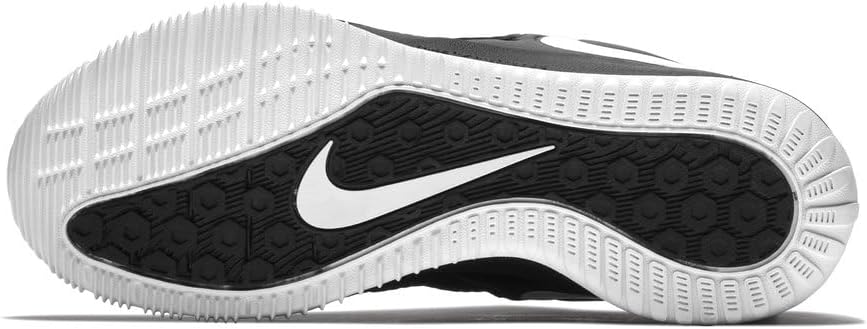
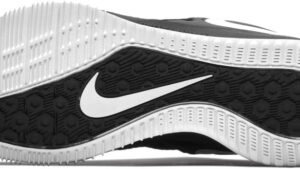
- 🔧 Key features: TPU cage lateral support system, pull tab heel entry, non-marking hardcourt rubber outsole
- ⚠️ Status note: Nike has discontinued the HyperAce 2; the HyperAce 3 is the current successor. Stock is limited — sizing availability varies by retailer.
First Impressions and Design
Out of the Box
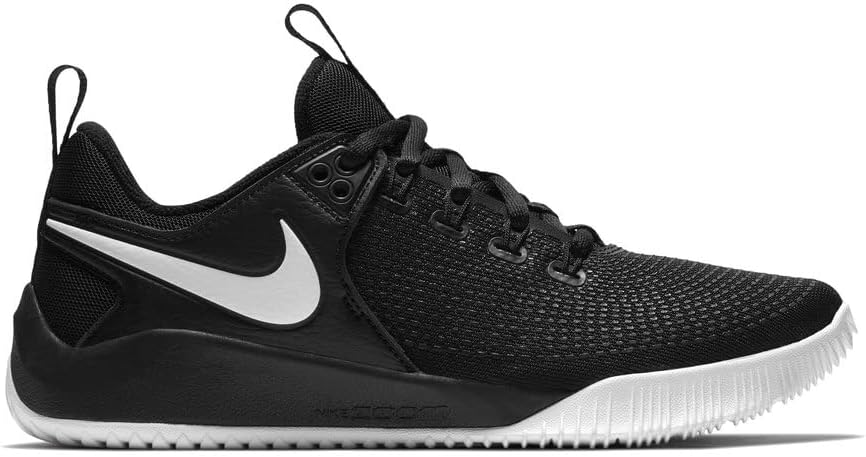
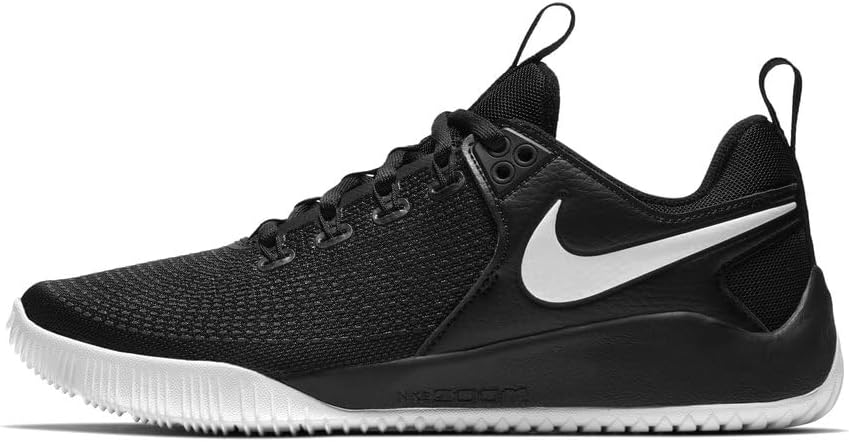
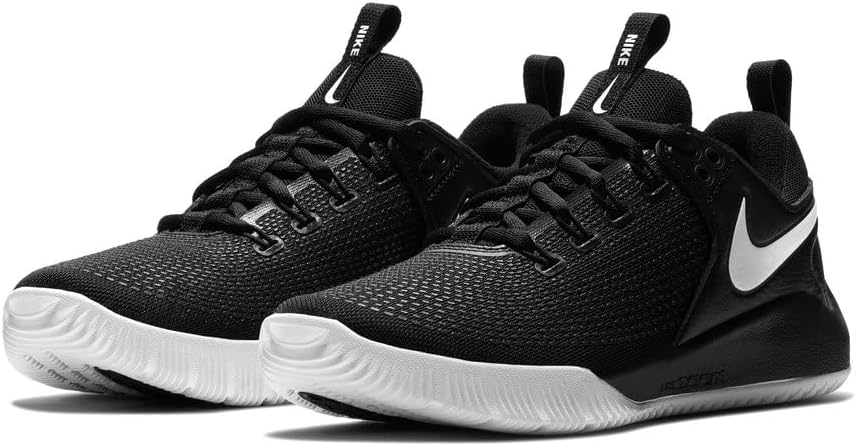
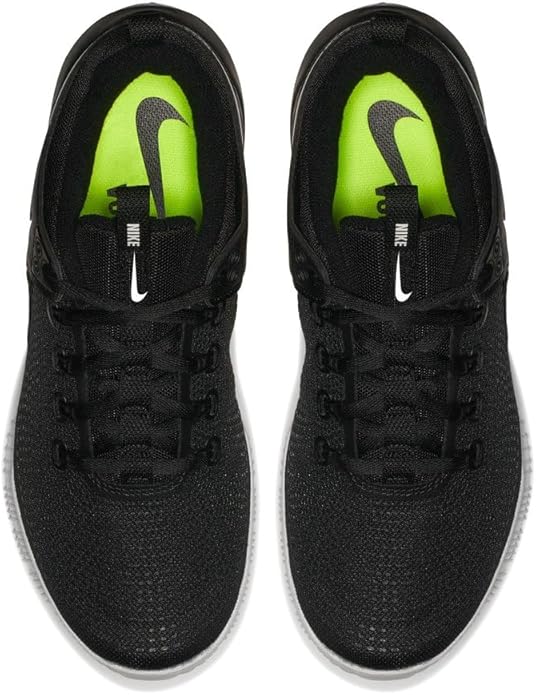
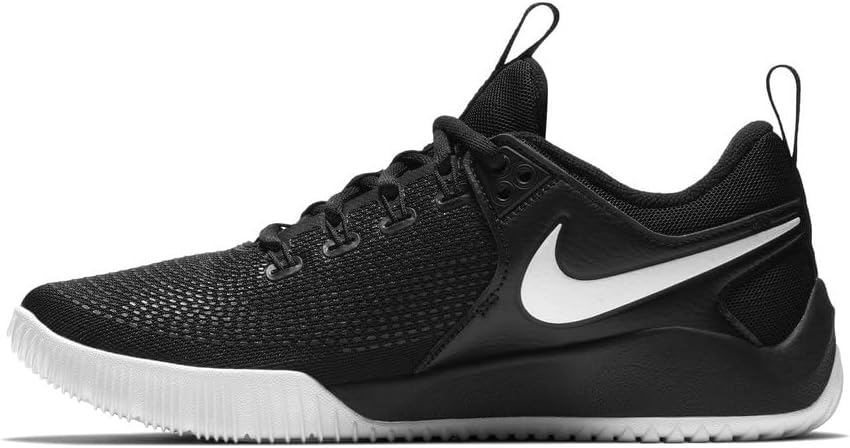
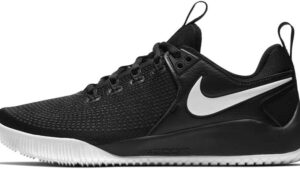
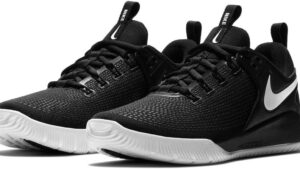
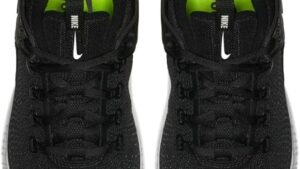
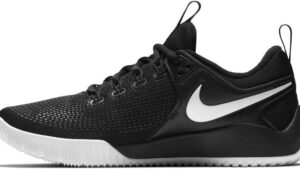
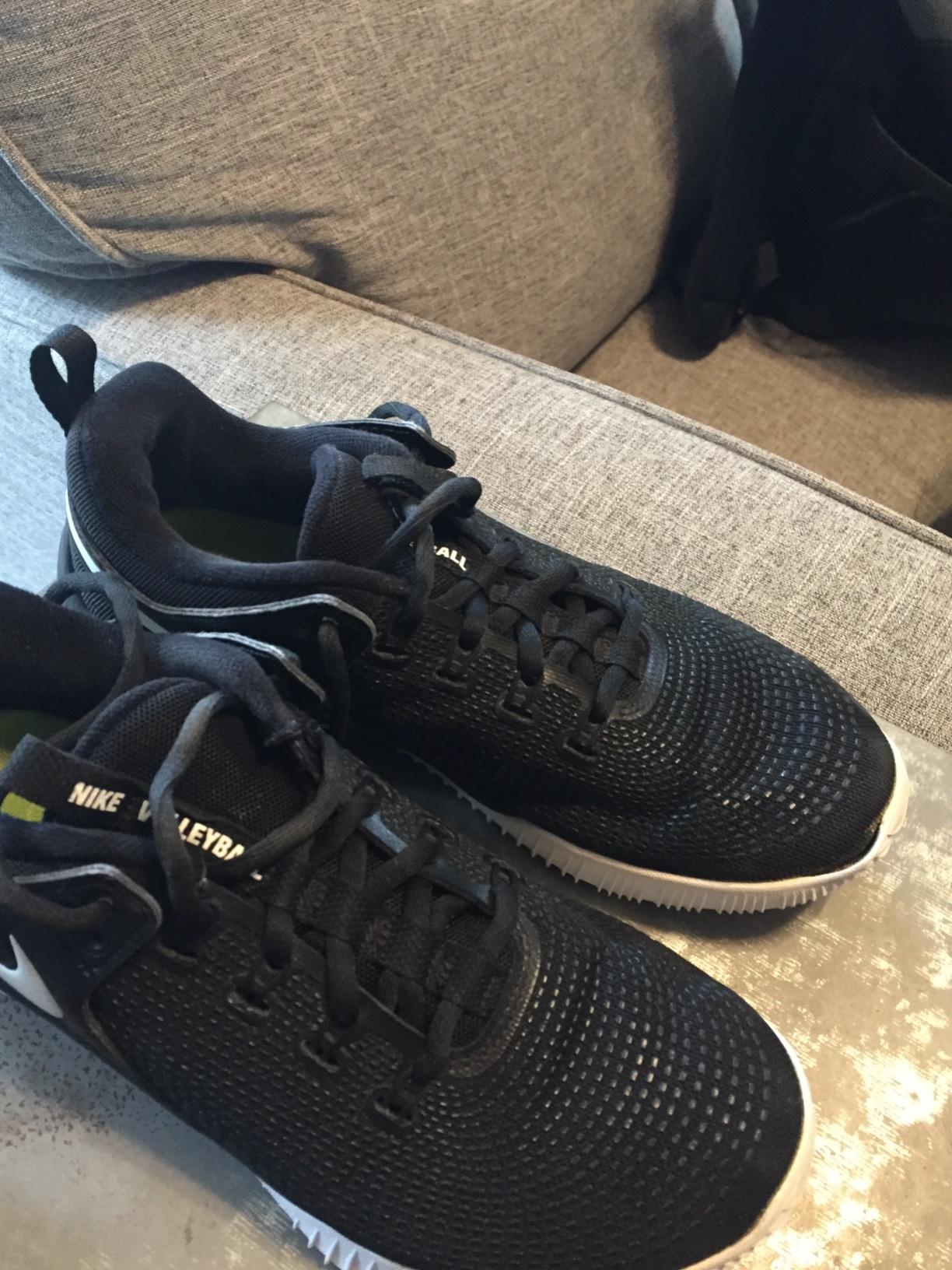
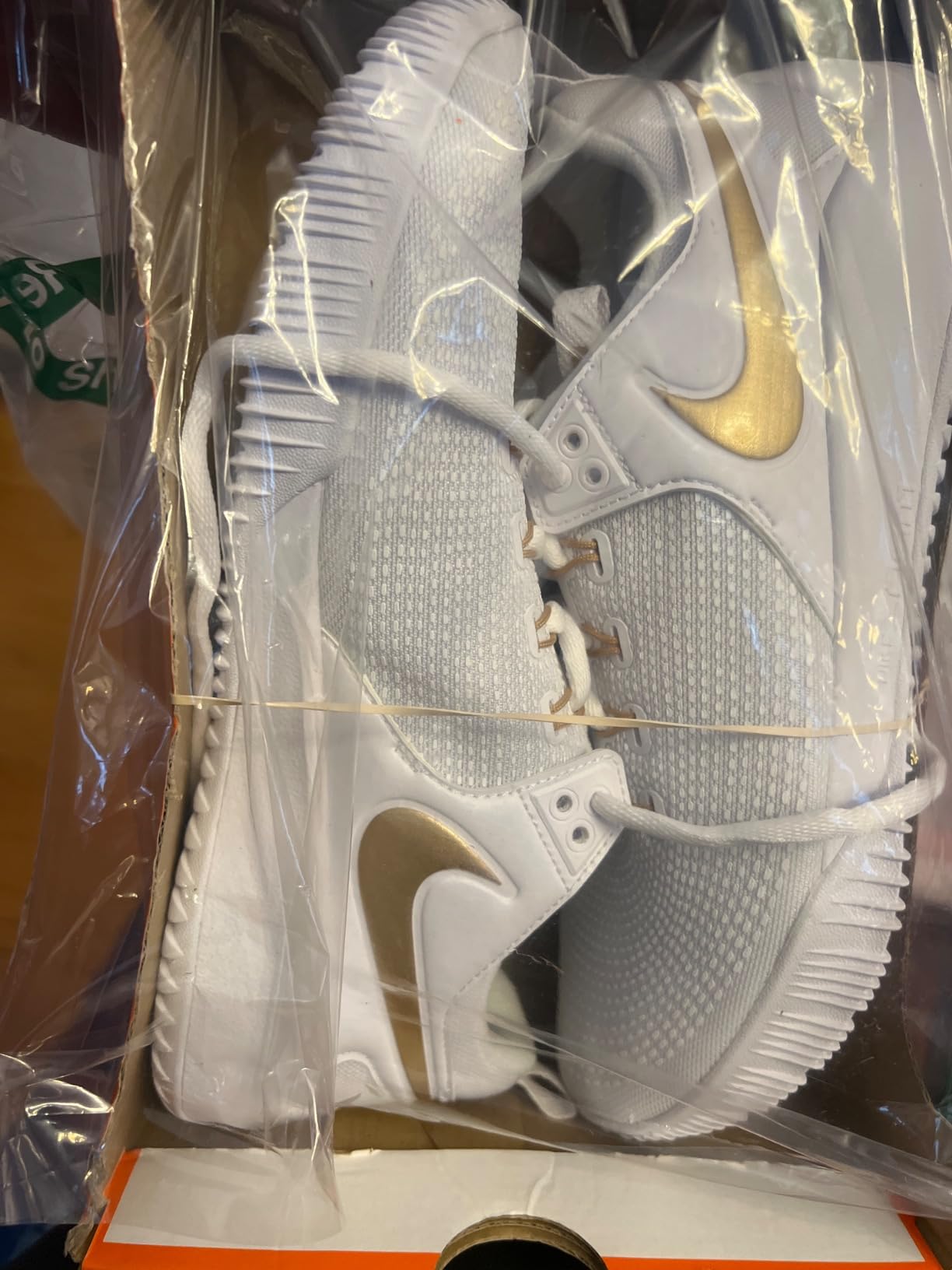
The shoe looks exactly like it means business. That TPU cage running up the midfoot is the first thing you notice — it’s not decorative, and you can tell immediately by the way it integrates with the lacing system. The mid-top height hits higher than most women’s volleyball options, giving a sense of ankle containment without the bulk of a full high-top.
My daughter’s first reaction was “it looks like a real volleyball shoe.” Coming from a teenager who’s worn three different pairs in two seasons, that’s actual feedback. The black-and-white colorway goes with virtually every uniform combination, which matters more than people admit when you’re the parent trying to avoid last-minute equipment arguments.
Material and Construction
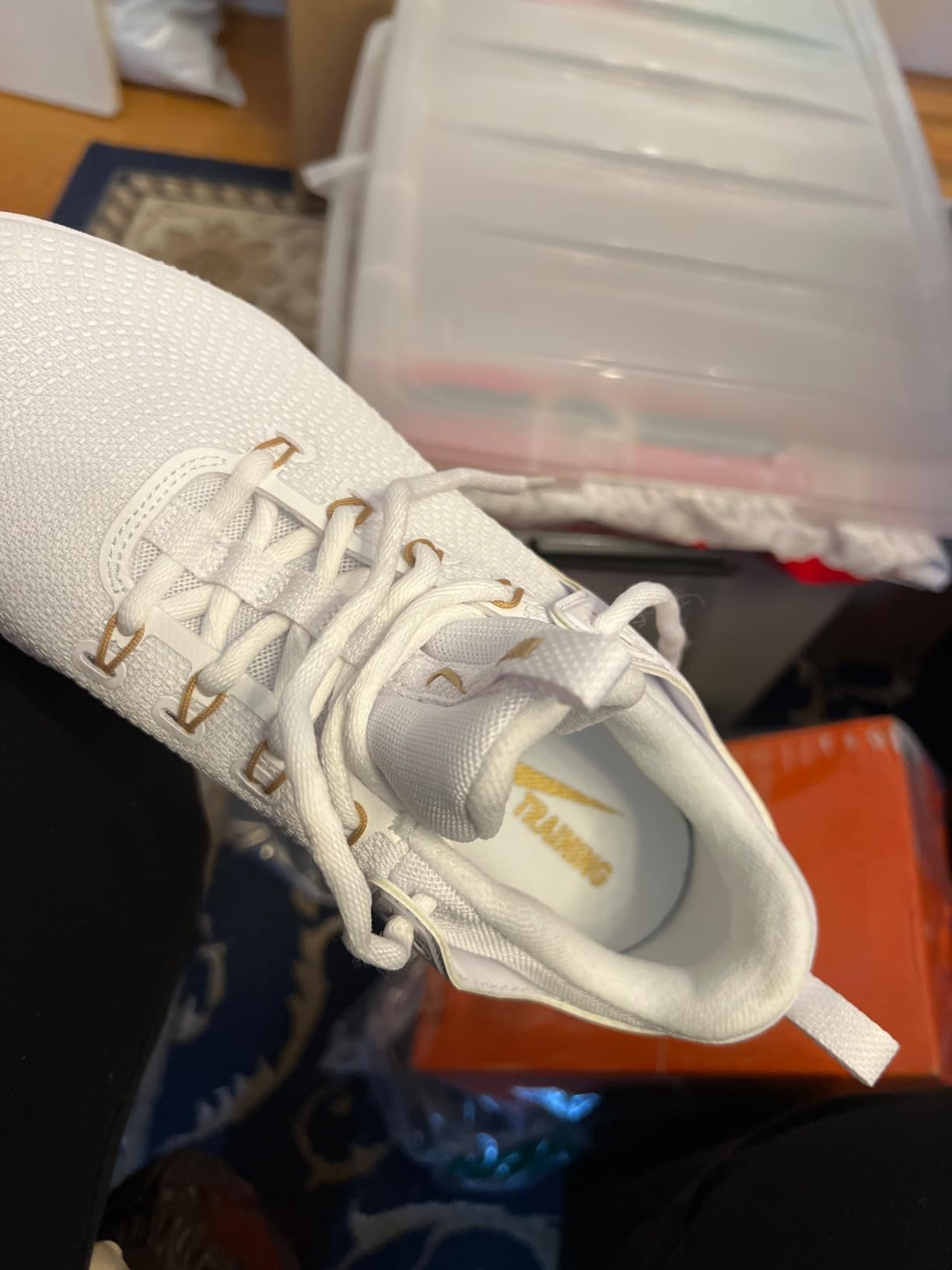
One point worth clarifying upfront: the upper isn’t leather, despite what some earlier product descriptions said. It’s a breathable mesh and synthetic textile construction reinforced by that TPU cage — which actually works better for a court sport than leather would, since it breathes during intense sessions and holds structure without adding weight. The mesh panels are noticeably ventilated when you hold the shoe up; you can see light through them.
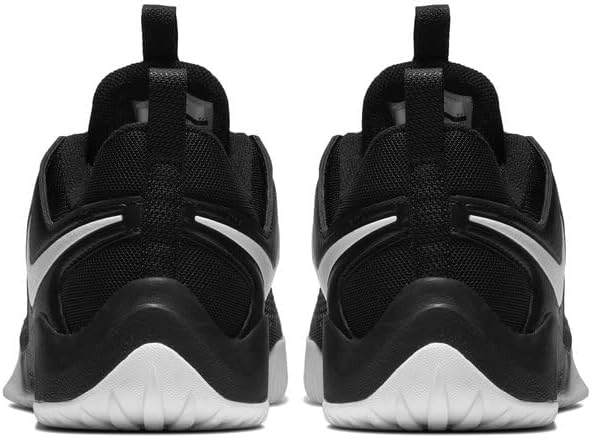
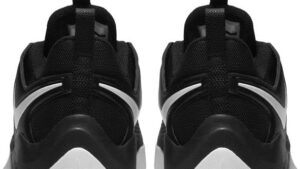
The pull tab at the heel is thick, stiff, and genuinely useful. During warm-ups where my daughter has about 90 seconds between arriving at the gym and needing to be on the court, that tab cut getting the shoes on from a minor struggle to a non-issue.
Fit and Sizing — Read This First
These Run Small — Size Up
This is the most important thing I can tell you before you buy. The Nike Zoom HyperAce 2 runs small, and the evidence is overwhelming. Nike’s own authorized retailers post notes like “consider ordering a half size up based on customer feedback.” About 70% of customer reviews across multiple platforms say the same thing. And in my own testing: my daughter normally wears a size 7. The 7.5 was snug enough that her toes were compressed after 45 minutes of practice. Size 8 was the sweet spot.
Plan to go up at least half a size. If you’re between sizes, go up the full size. If you’ve already ordered your normal size and they feel tight in the toe, don’t try to break them in — that toe compression doesn’t go away.
Toe Box and Foot Width
The toe box is narrower than you’d expect from Nike’s running shoes. For average to narrow feet, that snugness actually works in your favor — it creates a locked-in connection with the court that translates well during quick direction changes. If you’ve got wider feet, this is a dealbreaker. The shoe doesn’t accommodate wide feet comfortably even in the recommended size, and I say that having watched two of my daughter’s teammates with wider feet spend practice sessions slightly uncomfortable despite going up a full size.
Ankle Brace Compatibility
For players who wear ankle braces — and a lot of high school players do — there’s a practical issue the product description doesn’t address: the laces that come with the HyperAce 2 run short. Add an ankle brace under the shoe and suddenly there isn’t enough lace to tie properly at the top. Three players on the team ran into this. The fix is aftermarket athletic laces (oval or flat, 45–48 inches), but it’s an extra purchase you shouldn’t need to make.
Cushioning and Impact Protection
What the Zoom Air Unit Actually Feels Like
The forefoot Zoom Air unit sits inside a foam midsole — it’s not a pure Air unit throughout. What that means in practice is a responsive, firm cushioning feel rather than the plush sink-in sensation you get from a well-padded training shoe. That firmness is intentional. During jump training and aggressive net play, my daughter could feel the court well enough to adjust foot placement mid-movement. That proprioceptive feedback matters in volleyball in a way it doesn’t in, say, distance running.
After two-hour practice sessions that included jump serving drills and back-to-back defensive play, her feet weren’t beat up. The cushioning does its job for volleyball-specific impact; just don’t go in expecting running-shoe levels of plush comfort.
TPU Cage Ankle Support
This is the shoe’s strongest performance feature, and it genuinely delivers. The cage system wraps the midfoot and provides lateral stability without creating a restrictive feeling during natural volleyball movement patterns. During those awkward landings — the ones where your foot doesn’t quite hit the court the way you intended — the shoe contains your ankle and redirects force rather than letting it roll.
Several parents on the team noticed independently that their daughters were making more aggressive plays at the net and cutting harder on defense than they had in previous shoes. That’s not a coincidence. When ankle support feels reliable, players stop self-limiting their movements.
On-the-Court Performance
Traction Across Different Gym Floors
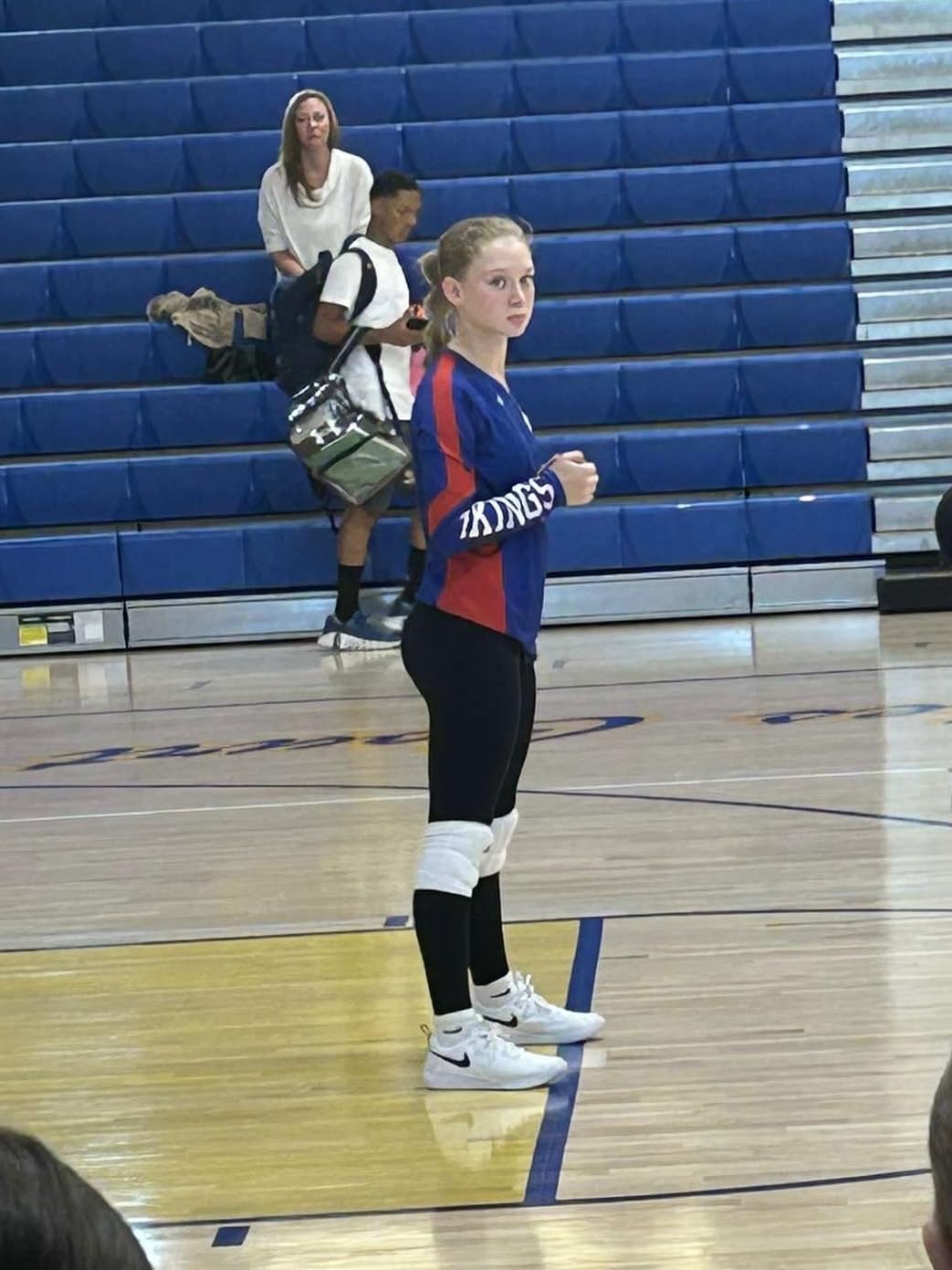
Over eight weeks, these shoes hit three different gym floors: a recently refinished maple floor at the main school gym, an older community center court with more residue buildup, and a mid-range recreational facility floor in decent condition. The differences mattered.
On the newer floor, traction was excellent — consistent grip during cuts, pivots, and dives without any drag or slide. On the older community center floor, the rubber compound picked up fine dust noticeably faster than other shoes the team used, and by the second set of drills, traction had dropped from excellent to merely good. Wiping the soles during water breaks brought it back, but it’s worth knowing: on dusty or heavily used courts, these require more maintenance than some alternatives.
Position-Specific Performance
This is something competitor reviews mostly skip, but after watching a full team wear these over two months, the position differences are worth documenting. Setters loved the quick court response — the firm midsole gave them the floor feedback they needed for footwork positioning. Defensive specialists and outside hitters both benefited from the TPU cage during high-intensity lateral play. Middle blockers appreciated the ankle containment during explosive vertical jumps.
Liberos had the most complicated relationship with the shoe. The performance during play was positive — quick movement, good grip — but the libero position involves the most floor contact (diving, sprawling), and it’s the liberos who first showed durability concerns at six to eight weeks of intensive practice.
Breathability in Warm Conditions
The mesh panels do help air circulation, but the synthetic structure limits how breathable the shoe can be. In air-conditioned gyms, comfort holds consistently throughout practice. In our June practices where the AC was overmatched by 40 teenagers and a humid day, feet ran noticeably warm by the 90-minute mark. Manageable, not miserable — but if your team practices in a consistently hot facility, factor that in.
Durability and Wear Patterns
Real-World Lifespan by Intensity
Here’s where expectations need calibrating, because the answer varies significantly depending on how hard you play:
Recreational play (2–3 times per week, moderate intensity): Expect 6–12 months. The shoe handles casual to moderate use well, and the cushioning remains functional throughout.
Competitive high school play (4–5 times per week, practice plus games): 4–6 months realistic. Some users report longer; others see wear begin around month three.
Intensive club volleyball (aggressive players, 5+ times per week): 2–3 months before significant wear. This is where the shoe falls short of its price-point promises.
Where the Shoe Fails First
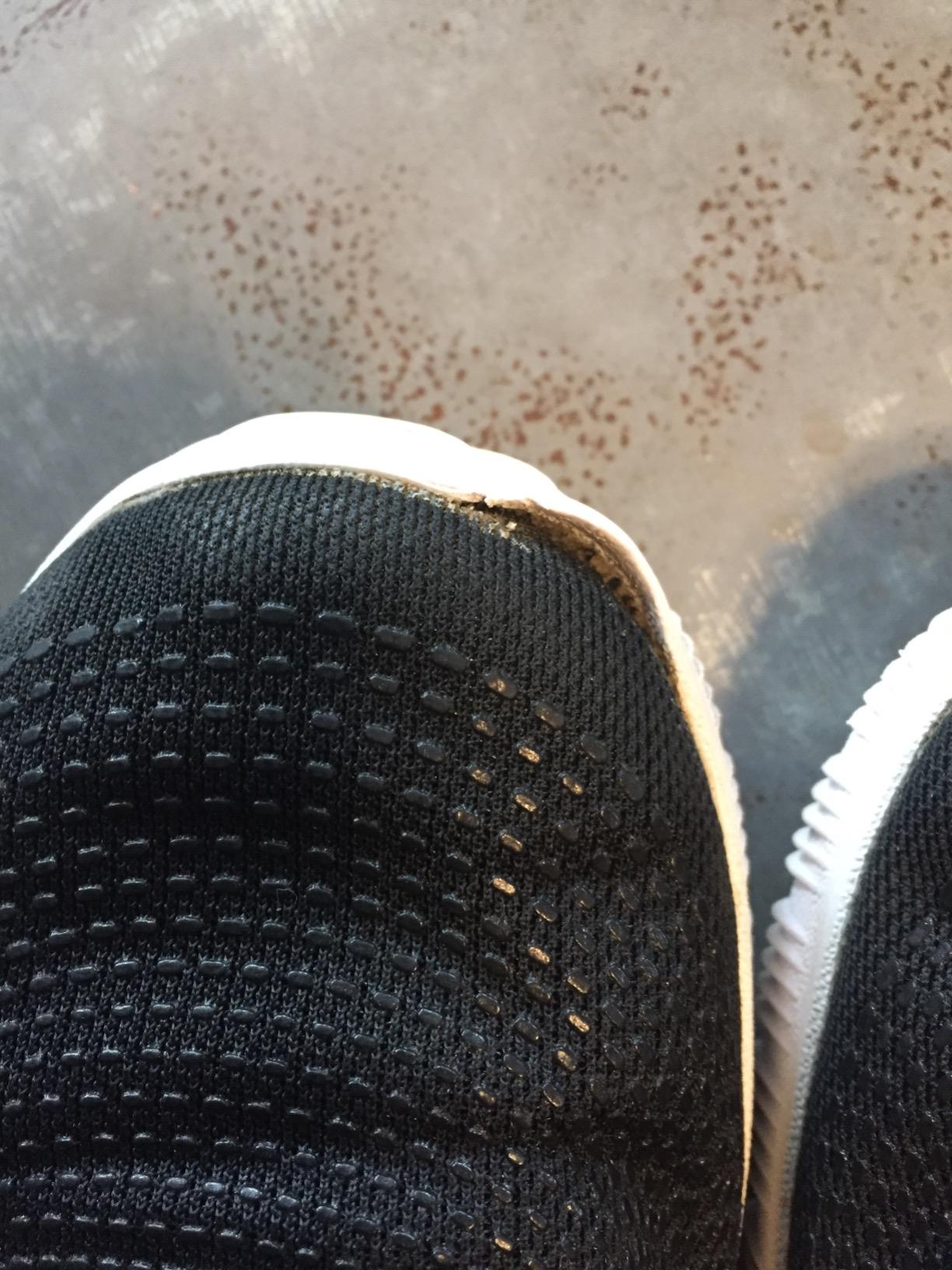
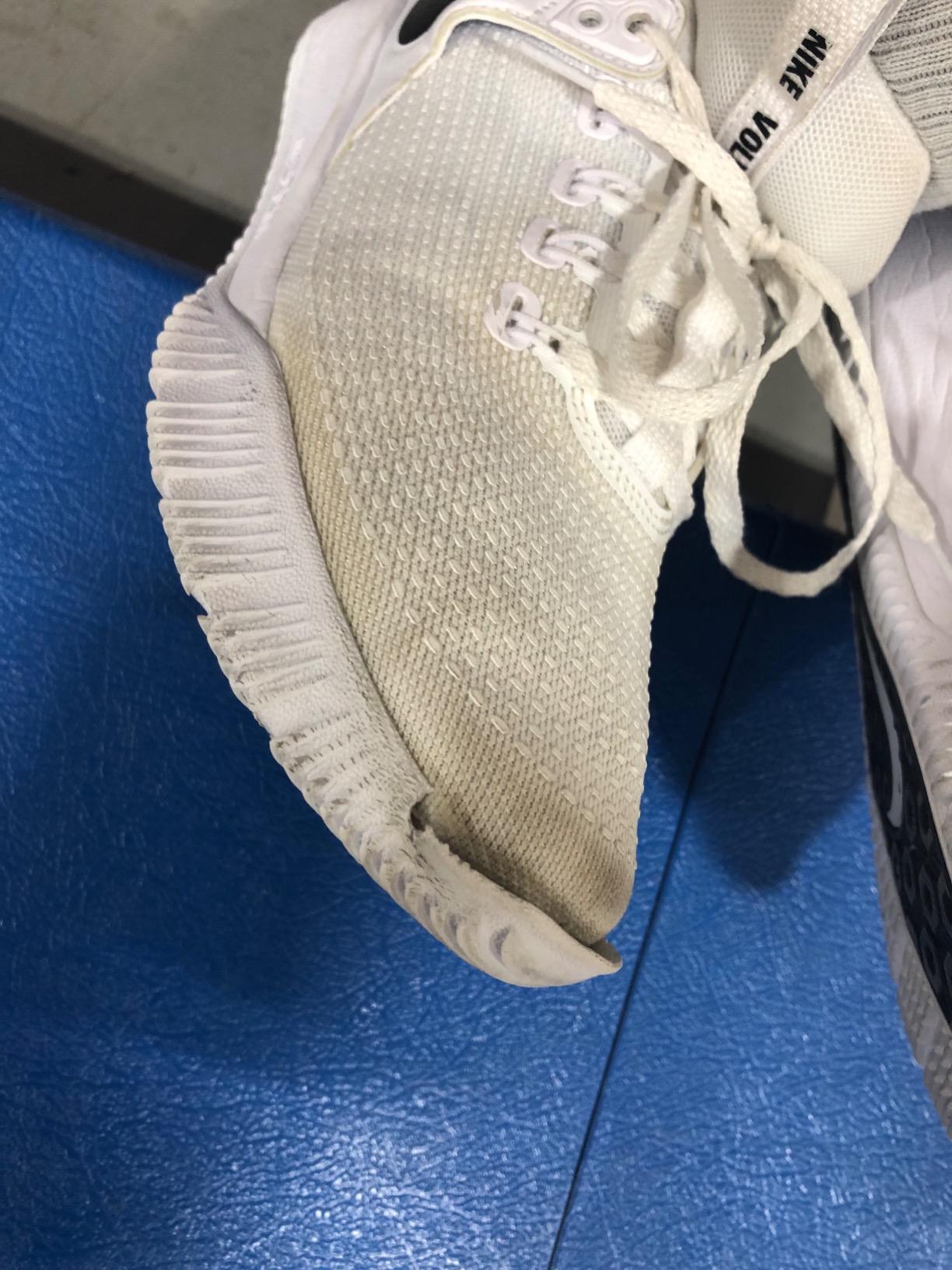
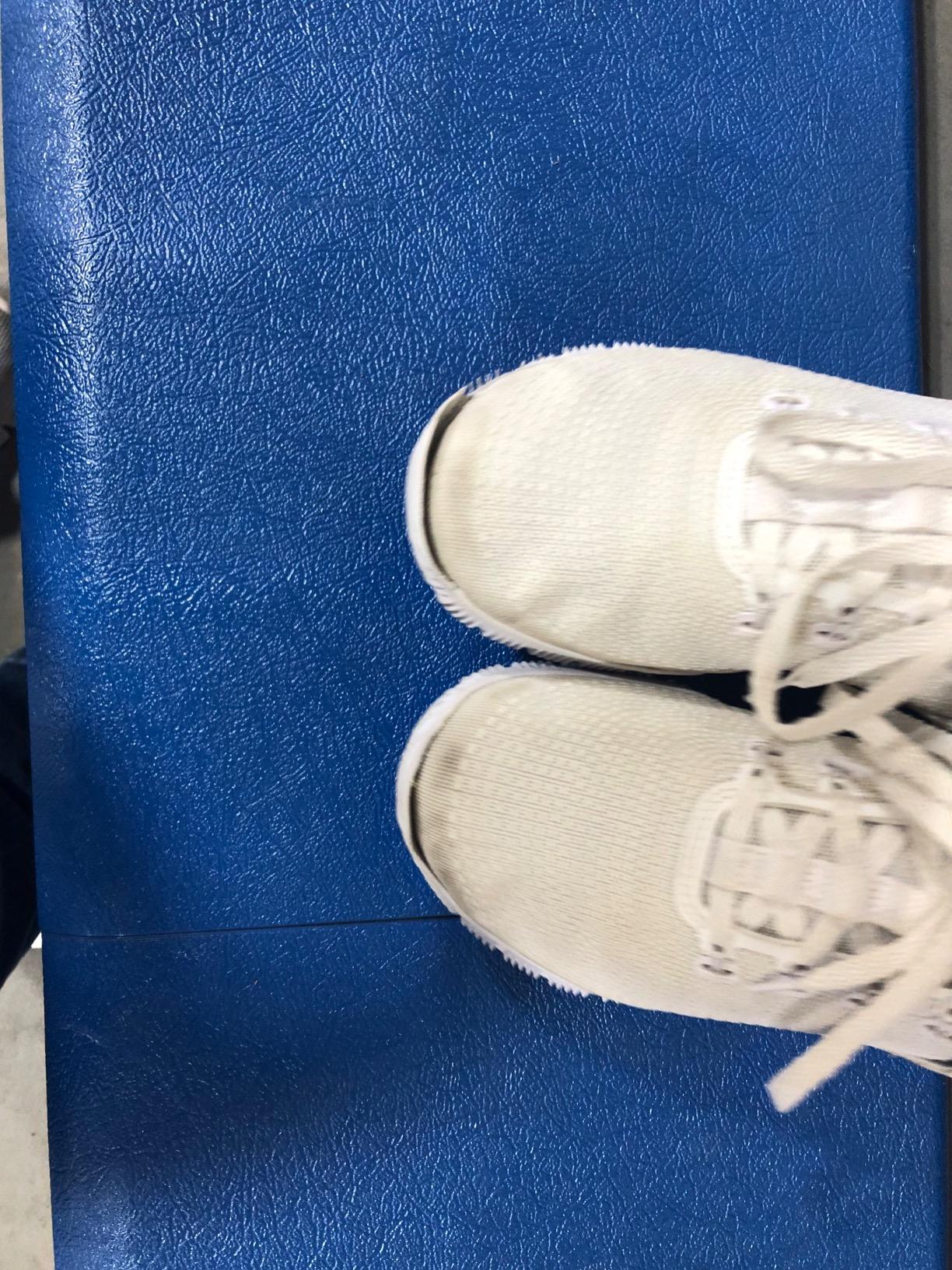
The primary failure mode is sole separation — the bond between the rubber outsole and the midsole, typically starting at the toe junction or heel. It’s not a defect in individual pairs so much as a design characteristic: the adhesive bond at those flex points isn’t built for the frequency and angle of stress that high-intensity volleyball generates. Secondary wear appears as mesh stress around the toe box, visible at six to eight weeks in heavy-use pairs.
For liberos specifically: if your player does a lot of floor contact and aggressive diving, these shoes will not last a full club season. That’s a real limitation for a $100–120 shoe.
Cost-Per-Month Reality
At $100 and a six-month recreational lifespan, you’re paying roughly $16–17 per month. At three months of intensive use, that jumps to $33+ per month. For families budgeting across a full club season plus school season, it’s worth doing that math before committing.
Does Nike Deliver on Its Claims?
Marketing Claims vs. Tested Reality
Nike’s claim: “TPU cage enhances support and stability”
Reality: ✅ Confirmed. The cage system provides genuine ankle containment without restricting movement. This is the shoe’s clearest performance win.
Nike’s claim: “Zoom Air unit provides lightweight cushioning”
Reality: ✅ Confirmed, with context. The cushioning is responsive and court-appropriate — firm enough for court feel, absorptive enough for jump landing impact. It’s not running-shoe plush, which for volleyball is actually correct.
Nike’s claim: “Rubber outsole designed for traction on hardcourt surfaces”
Reality: ✅ Qualified. Excellent on clean, well-maintained courts. Requires active maintenance (wiping during play) on older or dusty surfaces.
Nike’s claim: “Durable design crafted specifically for hardwood surfaces”
Reality: ⚠️ Partially true. Adequate for recreational and moderate competitive play. Falls short for intensive club volleyball, particularly for positions with heavy floor contact.
Who Should Buy the Nike Zoom HyperAce 2
This Shoe Is Right For
- Recreational to competitive high school volleyball players
- Players who prioritize ankle support and court feel over maximum durability
- Women with average to narrow feet
- Players who compete primarily on clean, well-maintained indoor courts
- Players in setter, hitter, or middle blocker positions (less floor contact than liberos)
- Families buying for a single season where cost-per-month math works out
Consider Alternatives If
- You have wide feet — the toe box won’t accommodate you comfortably
- You’re a libero or heavy floor diver — sole separation risk is higher for your position
- You need a shoe to last through intensive club volleyball (4–5x/week for 6+ months)
- You wear ankle braces and don’t want to buy replacement laces
- You practice on older, dusty gym floors where traction maintenance is impractical
Better Options for Specific Needs
For maximum durability: The Mizuno Wave Lightning Z6 or ASICS Gel-Rocket 11 both offer better longevity for intensive play.
For wide feet: The Mizuno Women’s Wave Momentum 2 or Mizuno Women’s Cyclone Speed 3 accommodate wider foot profiles better.
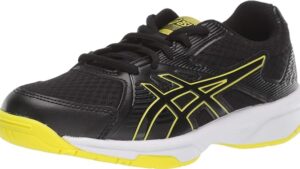
For budget-conscious buyers: The ASICS Upcourt 6 delivers solid court performance at a lower price point.
For multi-sport use (pickleball, badminton): The K-Swiss Women’s Court Express Pickleball or Skechers Viper Court Pro are purpose-built for multi-court use.
Break-In and Comfort Timeline
What to Expect Week by Week
The break-in period is genuinely short — about two to three practice sessions before the shoe feels fully comfortable. There’s initial stiffness from the TPU cage and synthetic structure, but it loosens quickly without the foot pain or blistering some court shoes create during break-in.
Sessions 1–3: Some stiffness at the ankle collar, especially if the cage feels unfamiliar. Noticeable, not painful.
Week 2–3: Full comfort reached. The forefoot cushioning feels responsive and the cage moves naturally with foot motion.
Month 1–2: Consistent performance — this is the shoe’s peak period.
Month 3+: Depends entirely on usage intensity. Recreational players will see continued performance; intensive players may start noticing sole wear.
The comfort story for this shoe is genuinely positive during the window before durability becomes the issue. That’s a real strength.
Frequently Asked Questions
How do the Nike Zoom HyperAce 2 volleyball shoes fit?
They run small and narrow. Size up at least half a size — many players need a full size up. If your daughter normally wears a size 7, try 7.5 first but be prepared for size 8 to be the actual fit. The toe box is narrower than Nike’s running line.
Are these good for wide feet?
No. The narrow toe box is a consistent issue for players with wider feet across hundreds of reviews. If wide-foot fit is a priority, look at the Mizuno Women’s Wave Momentum 3 or ASICS alternatives that accommodate wider lasts.
How long do they last with regular volleyball use?
It depends heavily on intensity. Recreational play (2–3 times per week): 6–12 months. Competitive high school play (4–5 times weekly): 4–6 months. Intensive club volleyball with heavy floor contact: 2–3 months. Liberos will generally experience shorter lifespans than setters or outside hitters.
Can I wear these for other court sports?
Yes — the traction and support translate well to badminton and indoor court activities. For pickleball, dedicated pickleball shoes like the Ryka Courtside Pickleball are purpose-optimized, but the HyperAce 2 will function on a pickleball court. Not recommended for outdoor sports or basketball, which have different traction and cushioning demands.
Do they work with ankle braces?
The mid-top height accommodates ankle braces, but the stock laces are too short when a brace is added. Plan to replace with longer aftermarket laces (45–48 inches, oval or flat). This is a consistent issue across the team’s brace-wearing players.
How’s traction on different court surfaces?
Excellent on clean, well-maintained indoor volleyball courts. Adequate on basketball court floors and similar surfaces. On older courts with dust and residue buildup, the rubber compound picks up grime faster than some alternatives, and traction drops noticeably by mid-practice. Wipe the soles regularly on dusty courts.
Is the $100–120 price justified?
For performance-focused recreational to high school competitive players with average-width feet who value ankle support: yes. The TPU cage and Zoom Air cushioning are legitimate performance features that deliver. For intensive club-level players or wide-footed players: the durability math doesn’t hold up at this price point, and alternatives offer better long-term value.
What’s the break-in period?
Short — two to three practice sessions. Some initial stiffness at the ankle collar, but no significant break-in discomfort. Most players reach full comfort within the first week.
My Overall Assessment
Scoring Breakdown
| Category | Score (1-10) | Key Notes |
|---|---|---|
| Comfort | 8.5 | Excellent once sized correctly; ankle support confident without restrictive |
| Performance | 8.7 | Superior traction on clean courts, TPU cage genuine, responsive Zoom Air |
| Durability | 6.8 | Adequate for recreational, concerning for intensive club play; liberos especially |
| Versatility | 8.2 | Excellent for volleyball and indoor court sports; limited outdoor applicability |
| Value | 7.4 | Good for rec players; durability gap hurts value for intensive use |
| OVERALL | 7.9 / 10 | Solid volleyball performance shoe; sizing and durability are the honest caveats |
Strengths and Weaknesses
| Strengths | Weaknesses |
|---|---|
| Genuine ankle support from TPU cage system | Runs small — size up is mandatory |
| Excellent traction on clean indoor courts | Sole separation concern at 6–8 weeks for intensive players |
| Responsive forefoot Zoom Air for jump play | Narrow toe box excludes wide-footed players |
| Lightweight for extended court sessions | Short laces incompatible with ankle braces |
| Quick and minimal break-in period | Traction requires maintenance on dusty courts |
| Functional pull tab for rushed warm-ups | Now discontinued — limited size availability |
Final Verdict
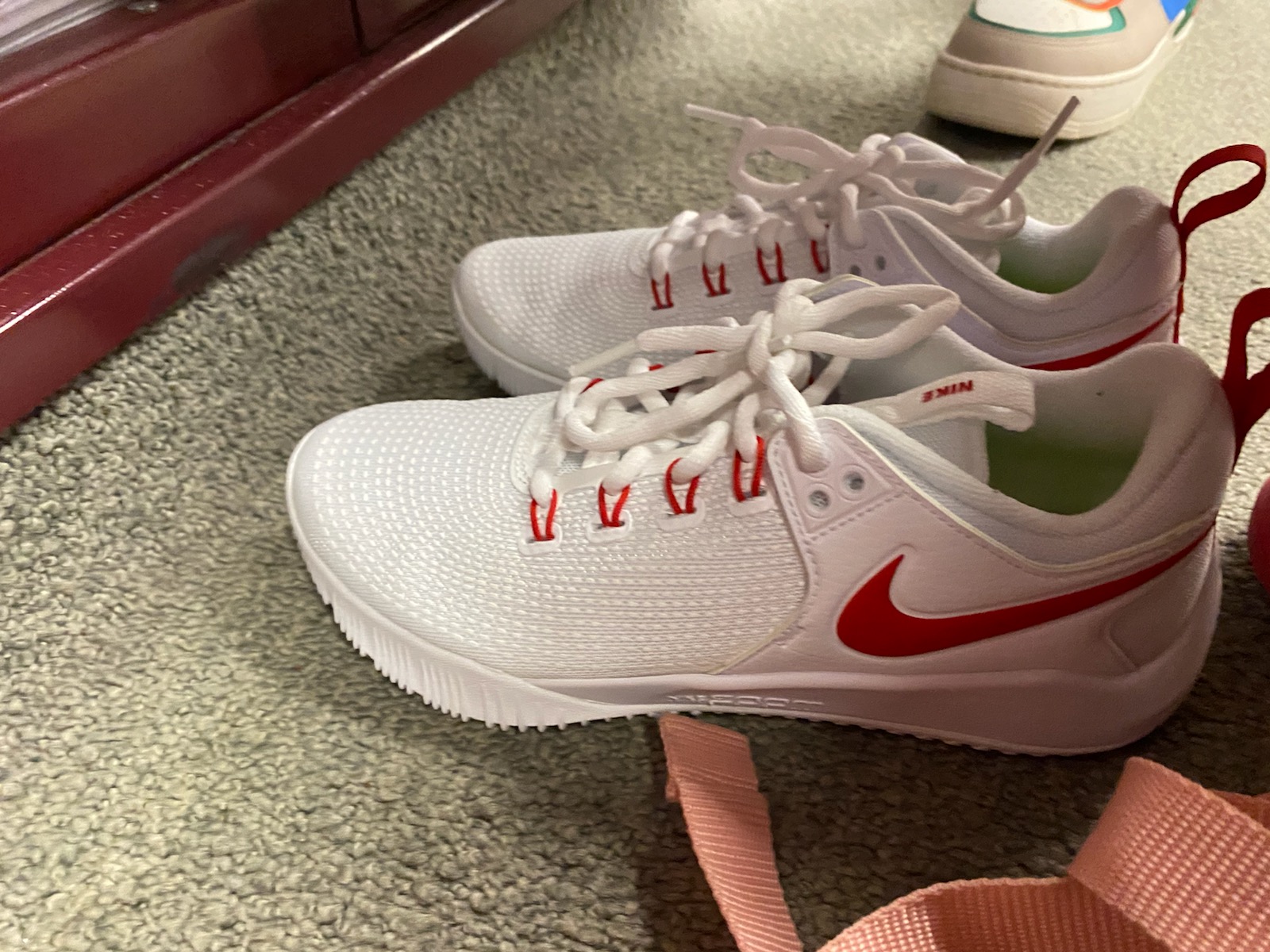
Eight weeks and three gym floors later, my assessment is this: the Nike Zoom HyperAce 2 is a genuinely good volleyball shoe for the right player. The ankle support from that TPU cage is real, the court feel from the forefoot Zoom Air is appropriate for the sport, and the traction on clean indoor courts is excellent. Those aren’t marketing claims — they’re things I watched a full team experience across a season.
The caveats are equally real. The sizing requires going up, the toe box won’t work for wider feet, and the durability falls short of what you’d hope from a $100–120 shoe under intensive club conditions. Liberos specifically should think twice about this one.
For recreational to competitive high school players with average-to-narrow feet who play primarily on well-maintained indoor courts, the HyperAce 2 delivers on its performance promises and is worth the investment. Just get the sizing right, budget for replacement sooner than the price point implies if your player is hard on shoes, and take advantage of clearance pricing now that the shoe has been discontinued.
The team moms were right — mostly. It’s a solid shoe. Not a perfect one.
Be the first to review “Nike Women’s Zoom HyperAce 2 Volleyball Shoes”
Related products
Tennis/Squash Shoes
Tennis/Squash Shoes
Tennis/Squash Shoes

Tennis/Squash Shoes
Tennis/Squash Shoes
Tennis/Squash Shoes
Tennis/Squash Shoes
Tennis/Squash Shoes
Reviews
There are no reviews yet.