
After six pairs of hiking shoes failed me in under two years—each costing north of $150—I’d reached my breaking point. The pattern was always the same: promising first months, then sole separation, mesh failures, or waterproofing that quit mid-season. When my landscaping neighbor Mike swore by his NORTIV 8 low-tops after months of trail work, I was skeptical. A $47 hiking shoe delivering what premium brands couldn’t? Seemed unlikely.
But here I am, 175 lbs, size 10.5, eight weeks and 95 miles later, writing this with muddy NORTIV 8s sitting by my door. Turns out budget doesn’t always mean compromise—sometimes it just means being smart about which compromises you accept.
Technical Specifications & Real-World Context
- Price Point: $47 (verified March 2026)
- Weight: 1.8 lbs per shoe (men’s size 10)
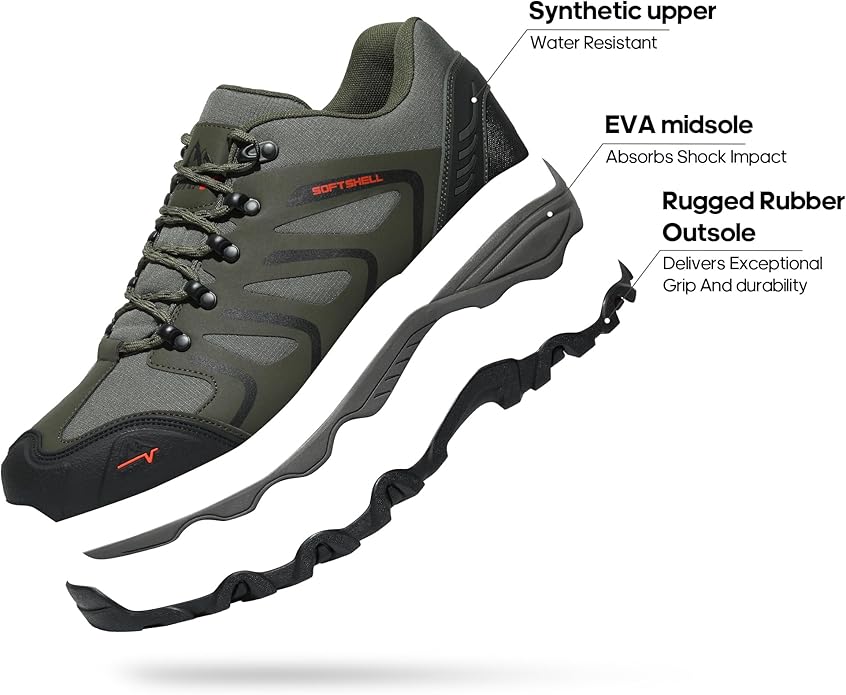
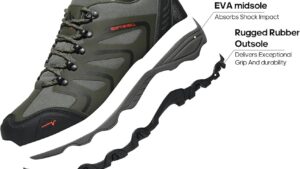
- Midsole: MD foam cushioning
- Upper Material: Synthetic leather + waterproof membrane
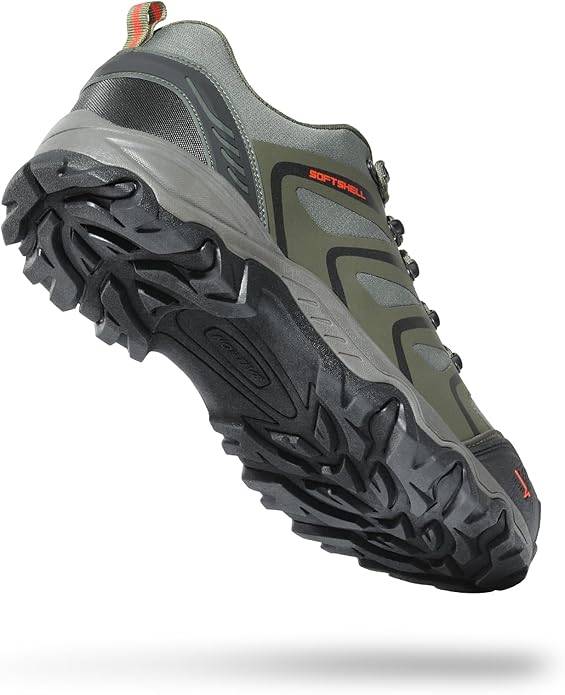
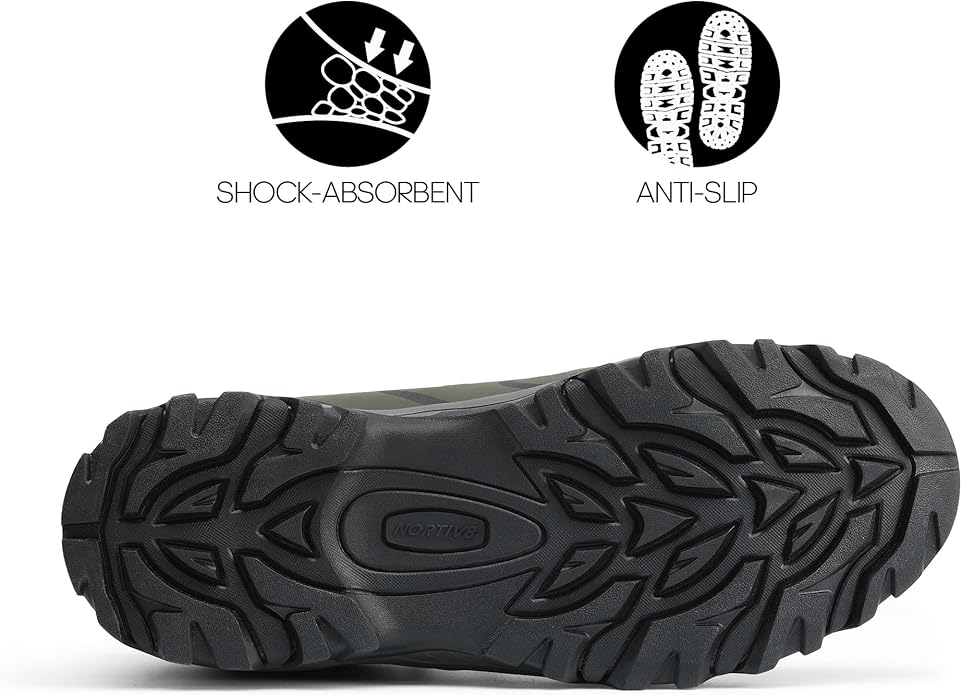
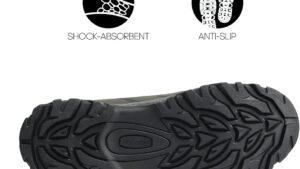
- Outsole: Rubber with Multi-Directional Traction (MDT)
- Category: Low-top waterproof hiking shoes
- Best For: Day hiking, outdoor work, wet-condition trails
- Testing Period: 8 weeks, 95+ miles, 40+ work days
My usual 10.5 fit perfectly straight from the box with medium-weight hiking socks. No break-in period, no hot spots—genuinely ready for a full day hike on day one. Compared to the Merrell Men’s Moab 3 I’d worn previously, these felt immediately comfortable rather than requiring the typical two-week adjustment period.
Construction Quality: First Impressions & Material Assessment
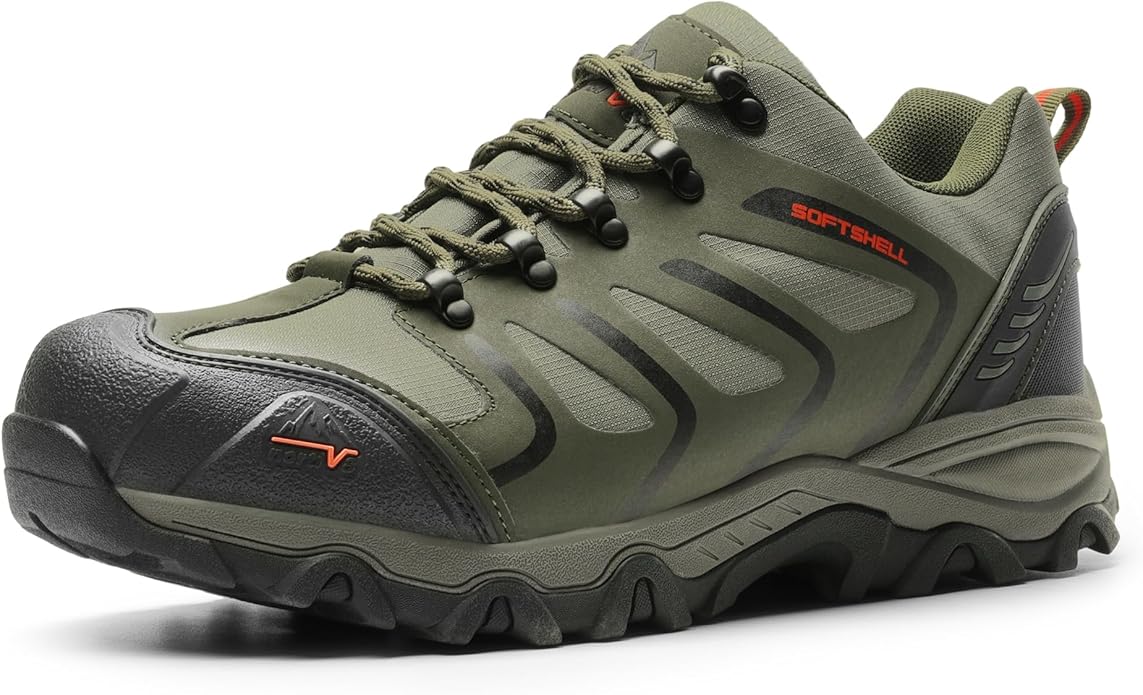
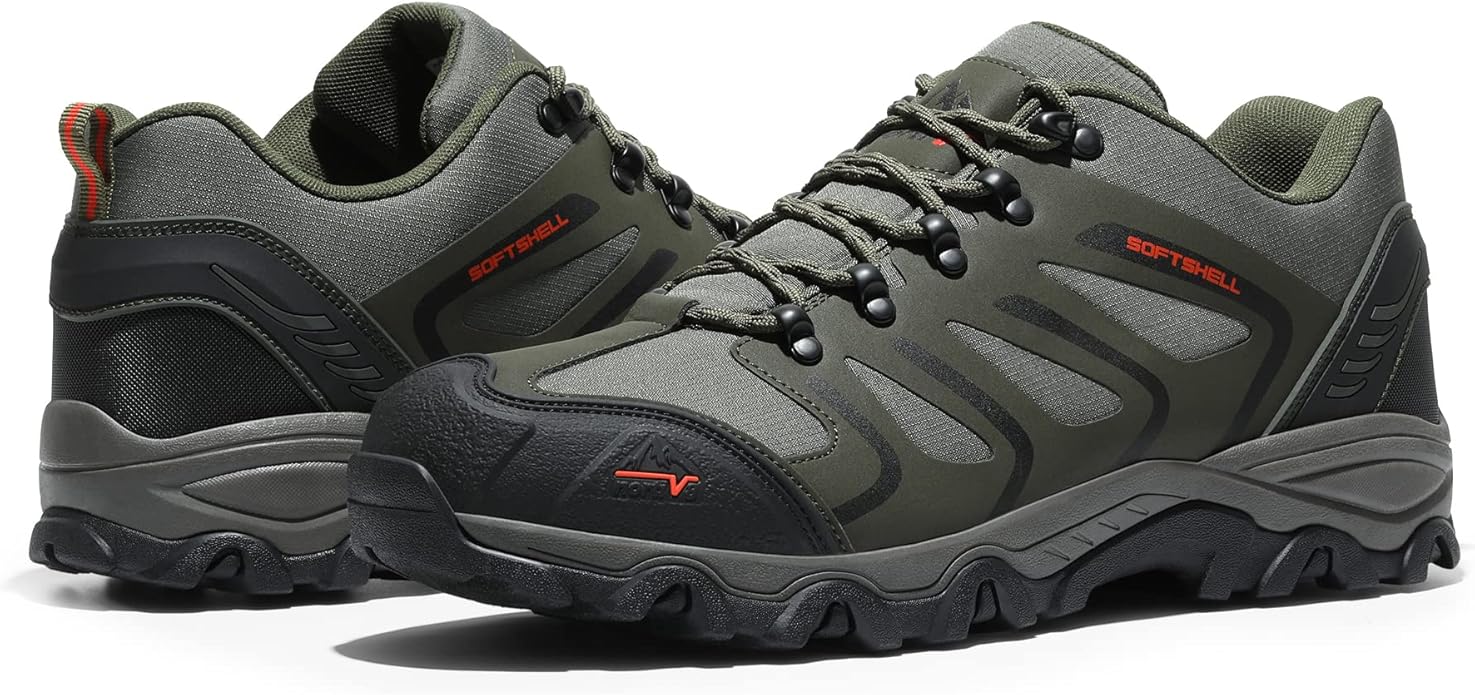
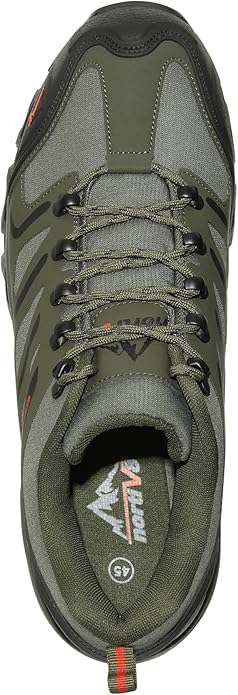
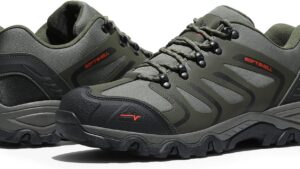
Picking these up out of the box, the first thing that struck me was how substantial they felt compared to budget alternatives I’d tested before. The synthetic leather upper doesn’t have that thin, plasticky quality you sometimes get at this price point. It’s thick enough that I could feel actual structure when I squeezed the toe box.
The stitching is clean—I went over every seam looking for the usual budget shoe tells (glue blobs, rough edges, inconsistent thread tension) and came up empty. Either NORTIV 8’s QC process is unusually good, or I got lucky with my pair. Given Walmart’s 263 customer reviews mentioning fit inconsistencies, I suspect batch variance is real. Order with a return policy.
Waterproof Membrane: Surface Coating or the Real Deal?
The waterproof membrane integration doesn’t look like an afterthought. Where cheaper alternatives just spray on a DWR coating that washes off in months, this feels like the membrane is actually layered between materials. After hosing these down post-landscaping jobs multiple times, the water still beads off rather than soaking in.
At 1.8 pounds per shoe, they’re noticeably heavier than modern ultralight trail runners, but lighter than traditional hiking boots. For context, the Merrell Moab 3 weighs about 1 pound 14.7 ounces per pair—pretty similar territory.
Comfort Out of the Box: Zero Break-In Reality
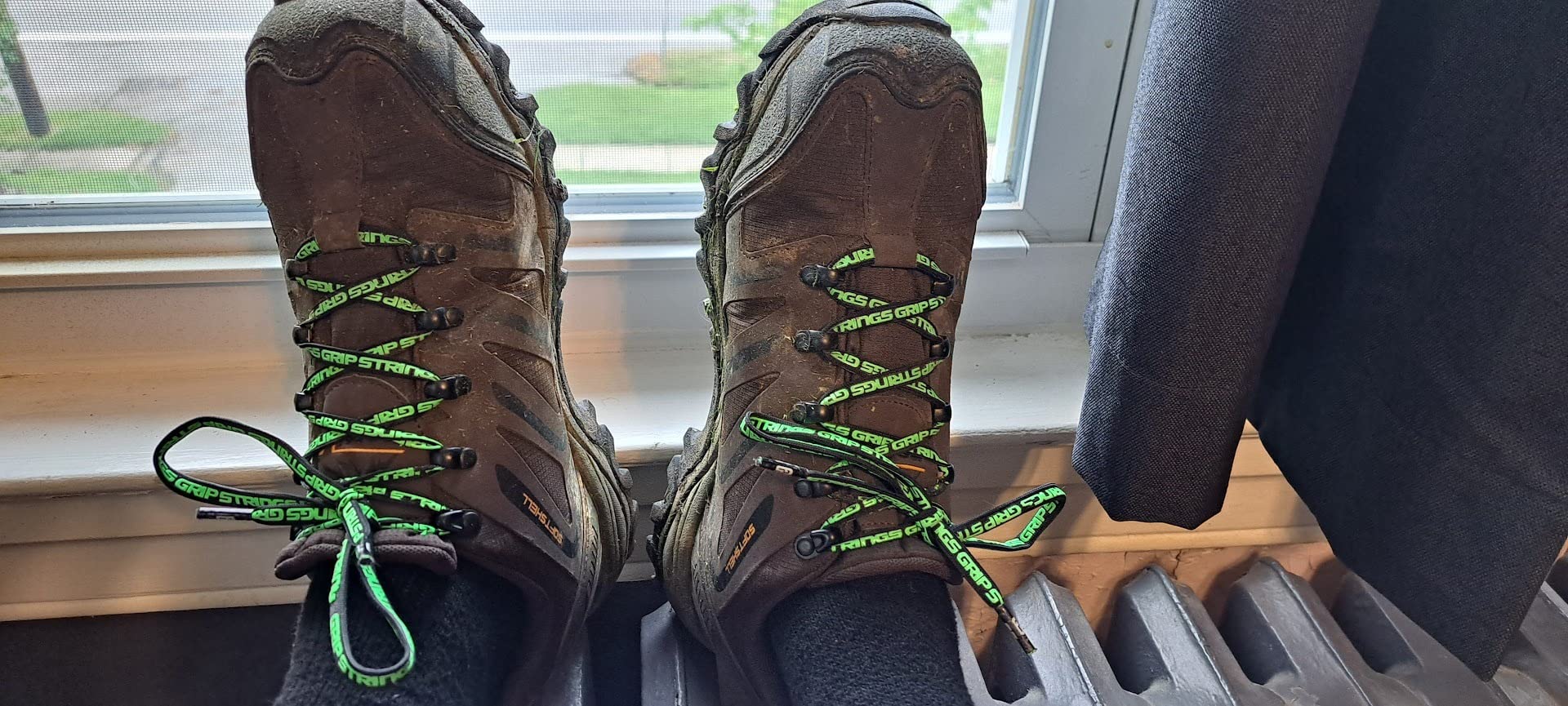
The MD foam midsole delivered solid shock absorption from day one. During an 8-mile test hike with a 20-pound pack on rocky Pennsylvania trails, my feet never felt that “beaten up” sensation I get from minimal shoes on rough terrain. The arch support is moderate—worked well for my medium arches, but I’d hesitate to recommend these for high-arch or flat-foot users without custom insoles.
Full transparency: after six-plus hours on trails, the weight becomes noticeable. My calves worked harder than they do in the lightweight trail runners I’d been rotating through. It’s not a dealbreaker, but if you’re transitioning from ultralight footwear, expect an adjustment period. The trade-off? I stepped directly on sharp rocks and roots multiple times with zero foot pain. That protection comes from somewhere, and it’s the weight.
Trail Performance Across Pennsylvania’s Mixed Terrain
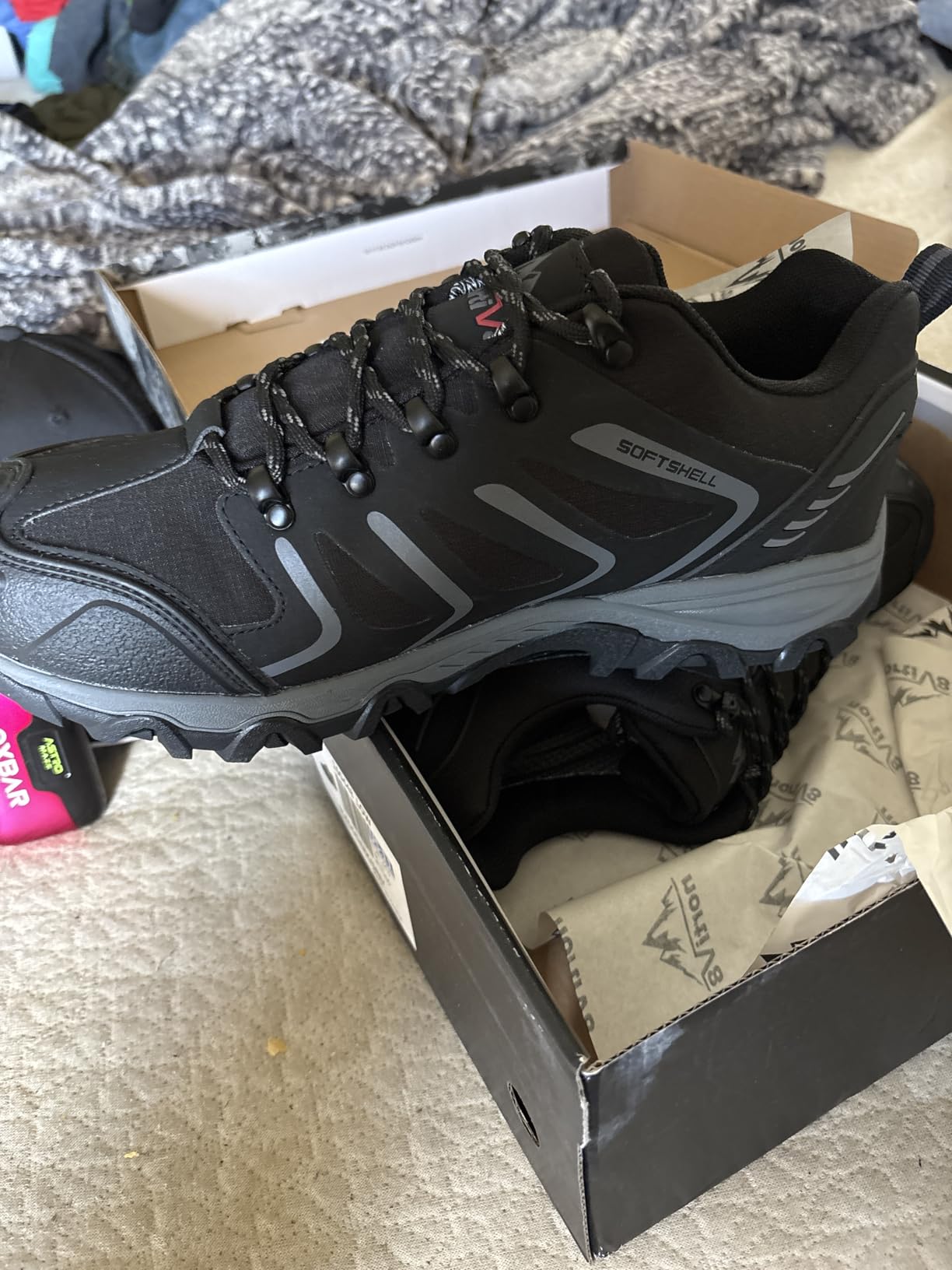
I put these through conditions that felt deliberately unfair for a $47 shoe: muddy creek crossings at 6 AM, steep rocky ascents on Appalachian Trail sections, wet grass after overnight rain, and full days of landscaping work on construction sites.
The Multi-Directional Traction (MDT) pattern surprised me with how confidence-inspiring it felt. On loose dirt, gravel, and wet rocks, I had zero slips—including three separate creek crossings that would have sent me tumbling in regular sneakers. Steep descents on loose scree felt secure enough that I could focus on footing rather than worrying about my shoes giving out.
Limitations exist, though. On slippery wooden bridges and wet tree roots, the traction is adequate but not exceptional. I’d describe it as “good enough to trust but not enough to be careless.” If you’re used to premium Vibram outsoles on shoes like the Merrell Moab 3, you’ll notice the difference on technical terrain.
Waterproofing Put to the Test
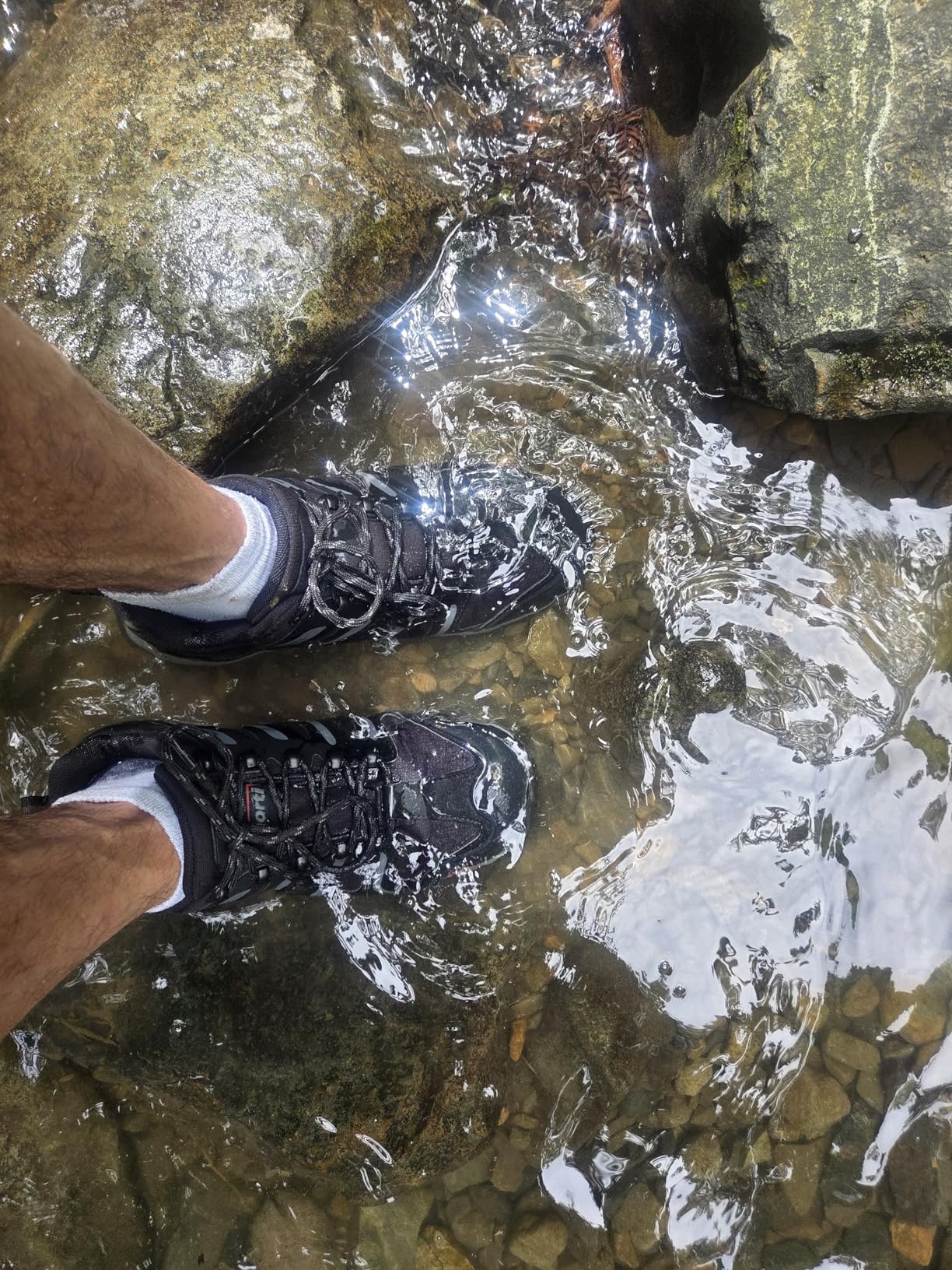
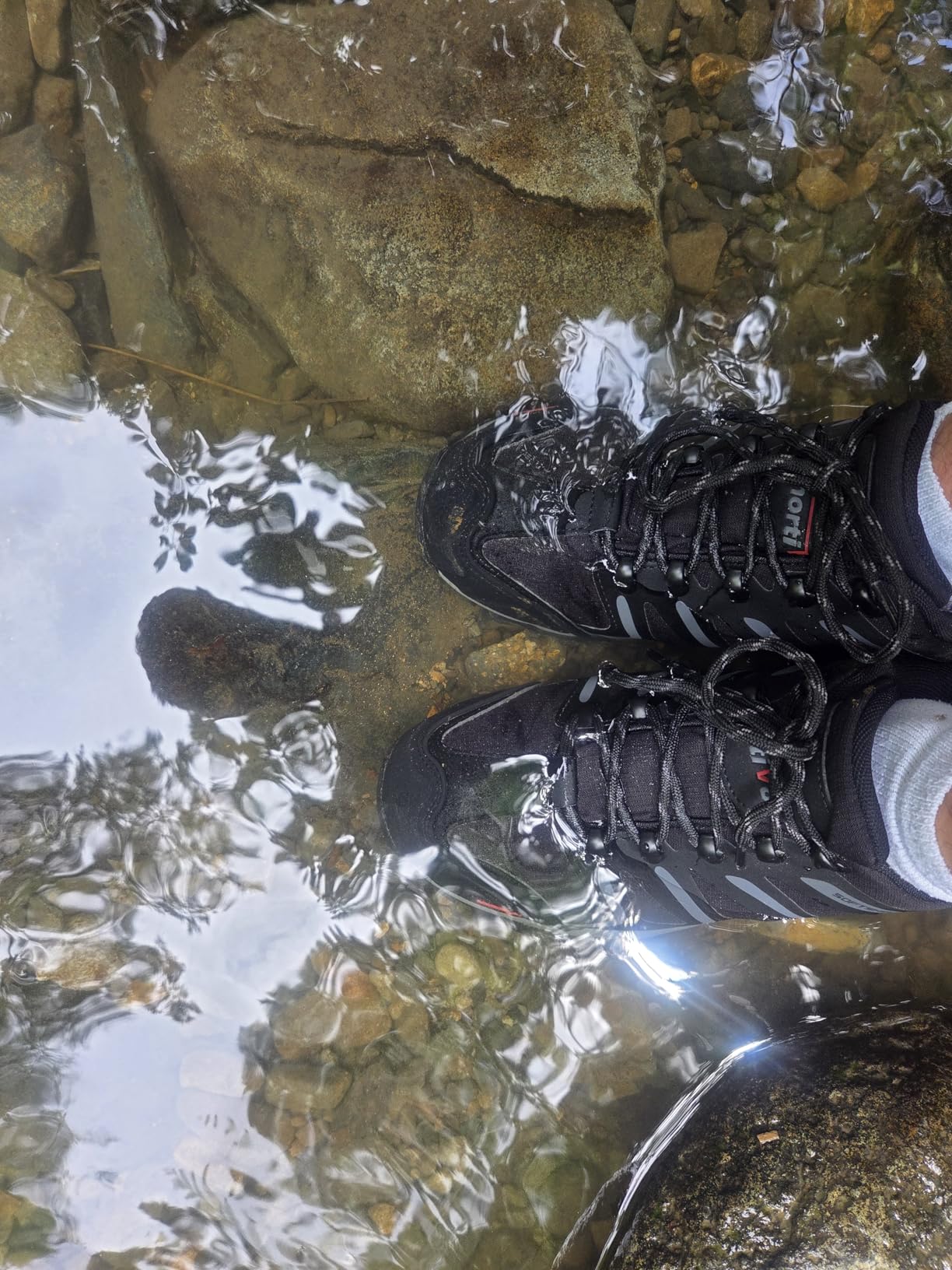
Here’s where I went deliberately overboard with testing. I walked through ankle-deep puddles. I stood in a creek for two minutes. I hosed these down after muddy work days. In every single test over eight weeks, my feet stayed completely dry.
This isn’t marketing spin—the membrane actually works. It’s not just a surface coating that’ll wash off after a season. That said, I’m only at the eight-week mark. One reviewer I found (MountainsForEverybody) reported waterproofing failure after six months of heavy use, so long-term durability remains an open question.
The usual waterproofing trade-off applies: breathability takes a hit. On days above 75°F, my feet got uncomfortably sweaty during summer hiking, requiring sock changes. Below 70°F? Excellent. This makes them ideal for cool-weather hiking, wet-climate regions, or spring/fall use. If you’re primarily hiking in hot, dry climates, consider breathable mesh alternatives like the Merrell Women’s Moab 2 Vent instead.
Temperature Performance Envelope
Early spring hikes with patches of snow and mud worked well—feet stayed warm and dry, traction held on packed snow. I wouldn’t trust them on ice without microspikes, though. The sweet spot seems to be 40-70°F: comfortable enough that waterproofing doesn’t create a sweat bath, cool enough that the breathability gap doesn’t matter.
Above 80°F, the waterproof membrane becomes a liability. During landscaping work on an August afternoon, I needed sock changes every few hours just to prevent blisters from moisture buildup.
Fact-Checking NORTIV 8’s Marketing Claims
Claim: “Waterproof synthetic leather and waterproof membrane construction”
Status: CONFIRMED
After dozens of stream crossings and deliberate puddle-walking tests over eight weeks, feet stayed dry every time. The membrane feels substantial, not like a cheap spray coating. Short-term waterproofing (2 months) is genuinely excellent. Long-term (6+ months) remains unverified from my testing, though customer patterns suggest degradation begins around month 3-6 with heavy use.
Claim: “Multi-Directional Traction (MDT) improves grip”
Status: MOSTLY TRUE
Traction is solid on dirt, gravel, wet rocks, and loose terrain. I felt confident on steep descents. However, on slick wooden bridges and wet tree roots, performance drops to “adequate but not exceptional.” For the price point, it delivers. Against premium Vibram outsoles? You’ll notice the gap.
Claim: “Flexible MD midsole reduces foot fatigue”
Status: PARTIALLY TRUE
The cushioning is adequate for day hikes—I finished 8-mile treks without significant foot pain. But the weight factor means your legs work harder than the cushioning saves. Net effect: foot fatigue is reduced compared to minimal shoes, but leg fatigue increases compared to lightweight alternatives. It’s a trade-off, not a pure win.
Claim: “All-day comfort”
Status: TRUE WITH CAVEATS
In cool conditions (under 70°F), 8+ hour days felt genuinely comfortable. Above 75°F, the poor breathability creates hot, sweaty feet that undermine comfort. The claim is accurate for about 70% of hiking conditions, misleading for the other 30%.
Claim: Long-term durability (implied)
Status: UNCERTAIN / SKEPTICAL
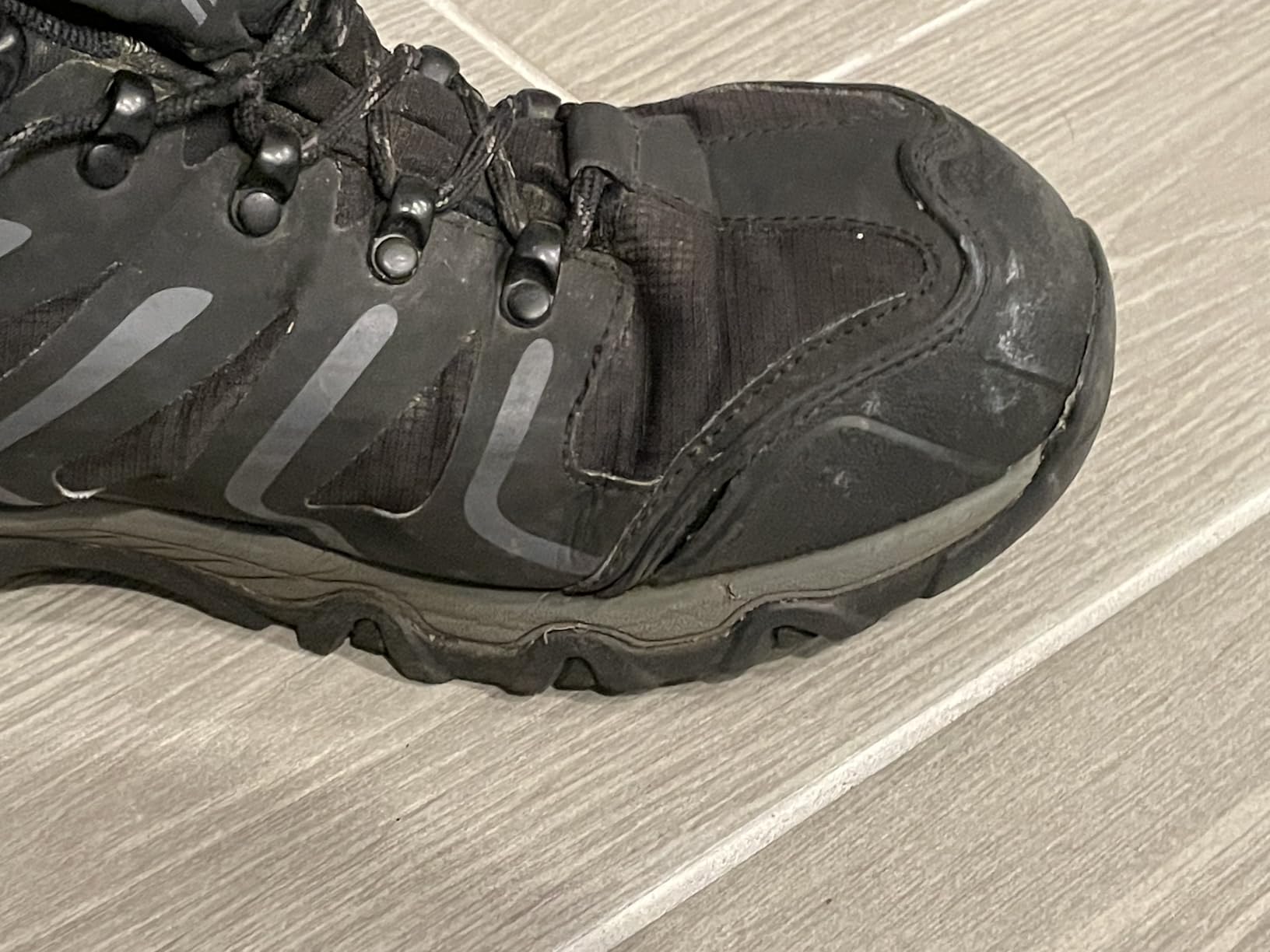
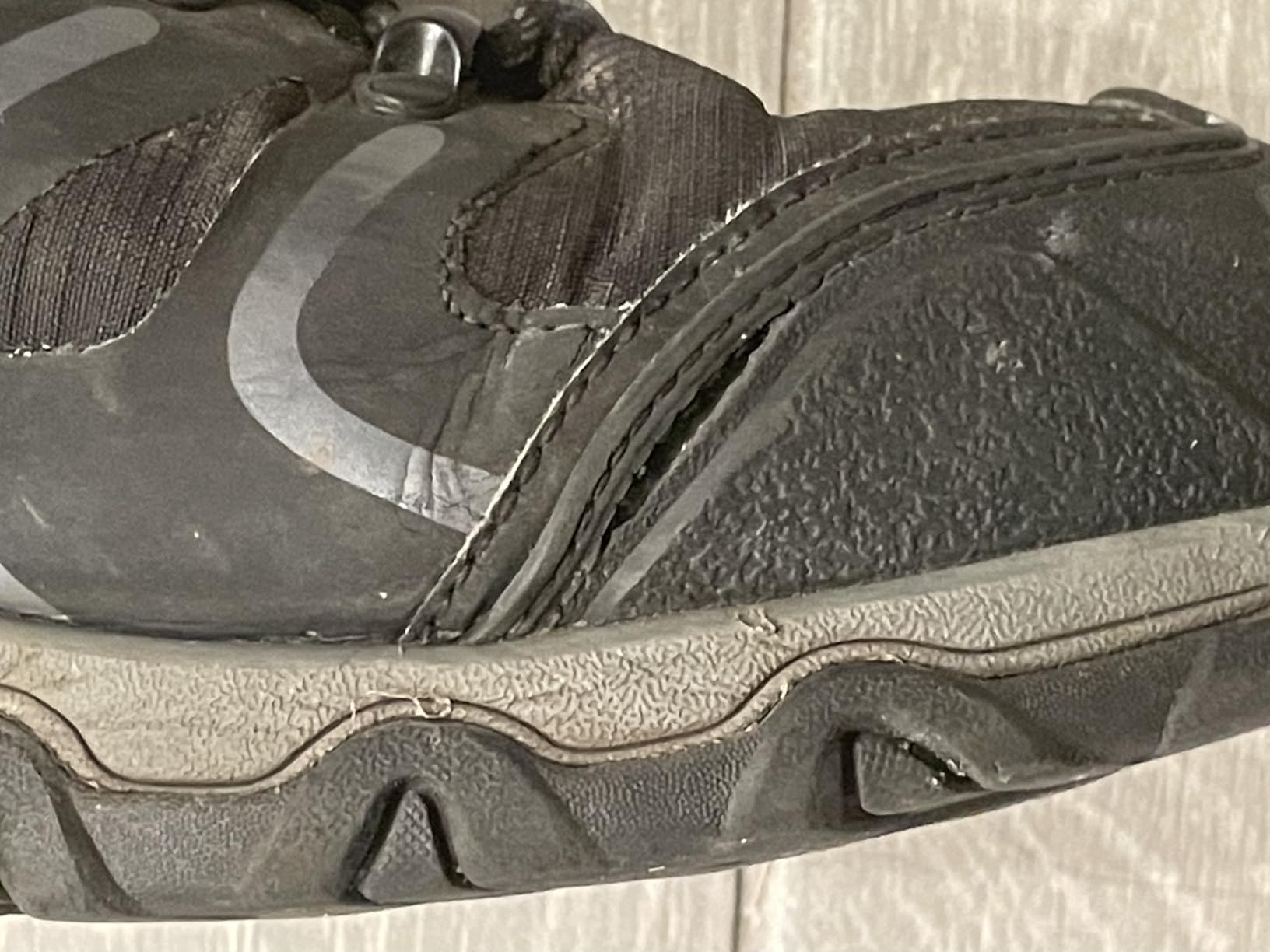
After eight weeks of aggressive testing, I see minimal visible wear. Stitching is intact, no separation issues. But here’s where honesty matters: eight weeks isn’t enough to assess durability. Customer reviews report a consistent pattern of sole separation at the 6-18 month mark. I can’t claim these will last two years because I don’t have that data. At $47, even a 6-month lifespan delivers decent cost-per-use value, but set expectations accordingly.
Overall Assessment & Scoring Breakdown
Price-to-Performance Analysis: Does the Math Work?
At $47, these compete against substantially more expensive alternatives:
- NORTIV 8 Low-Top: $47
- Merrell Moab 3: $110-130 (2.3-2.8x more expensive)
- Salomon X Ultra 3 GTX: $140-170 (3.0-3.6x more expensive)
- Columbia Redmond Waterproof: $65-80 (1.4-1.7x more expensive)
The performance claim I’d stand behind: 70-80% of what premium shoes deliver, at 35-40% of the cost. You’re not getting Gore-Tex waterproofing, Vibram outsoles, or multi-year durability. You are getting functional waterproofing, solid traction, and adequate cushioning for day hikes.
Cost-Per-Use Math
Customer reports suggest lifespan varies by use intensity:
- 6-month lifespan (heavy daily use): $47 ÷ 6 = $7.83/month
- 12-month lifespan (moderate weekend use): $47 ÷ 12 = $3.92/month
- 18-month lifespan (casual rotation use): $47 ÷ 18 = $2.61/month
Compare that to a Merrell Moab 3 at $120 lasting 24 months: $5/month. If the NORTIV 8 makes it to 12 months, you’re ahead on cost-per-month. If it fails at 6 months, you’re paying a premium for the budget option.
My personal reframe: $47 is what I’d spend on dinner for two. For that price, I got eight weeks (so far) of hiking shoes that actually work. That math makes sense to me.
What Other Hikers Report: Customer Pattern Recognition
After reading through hundreds of customer reviews (Walmart’s 263 fit mentions alone), clear patterns emerge beyond my eight-week testing window:
Positive consensus:
- Immediate comfort and waterproof performance widely praised
- Landscapers and outdoor workers consistently report excellent durability for job-site use
- Wide-toe-box design gets frequent mentions as a strength for broader feet
Negative patterns:
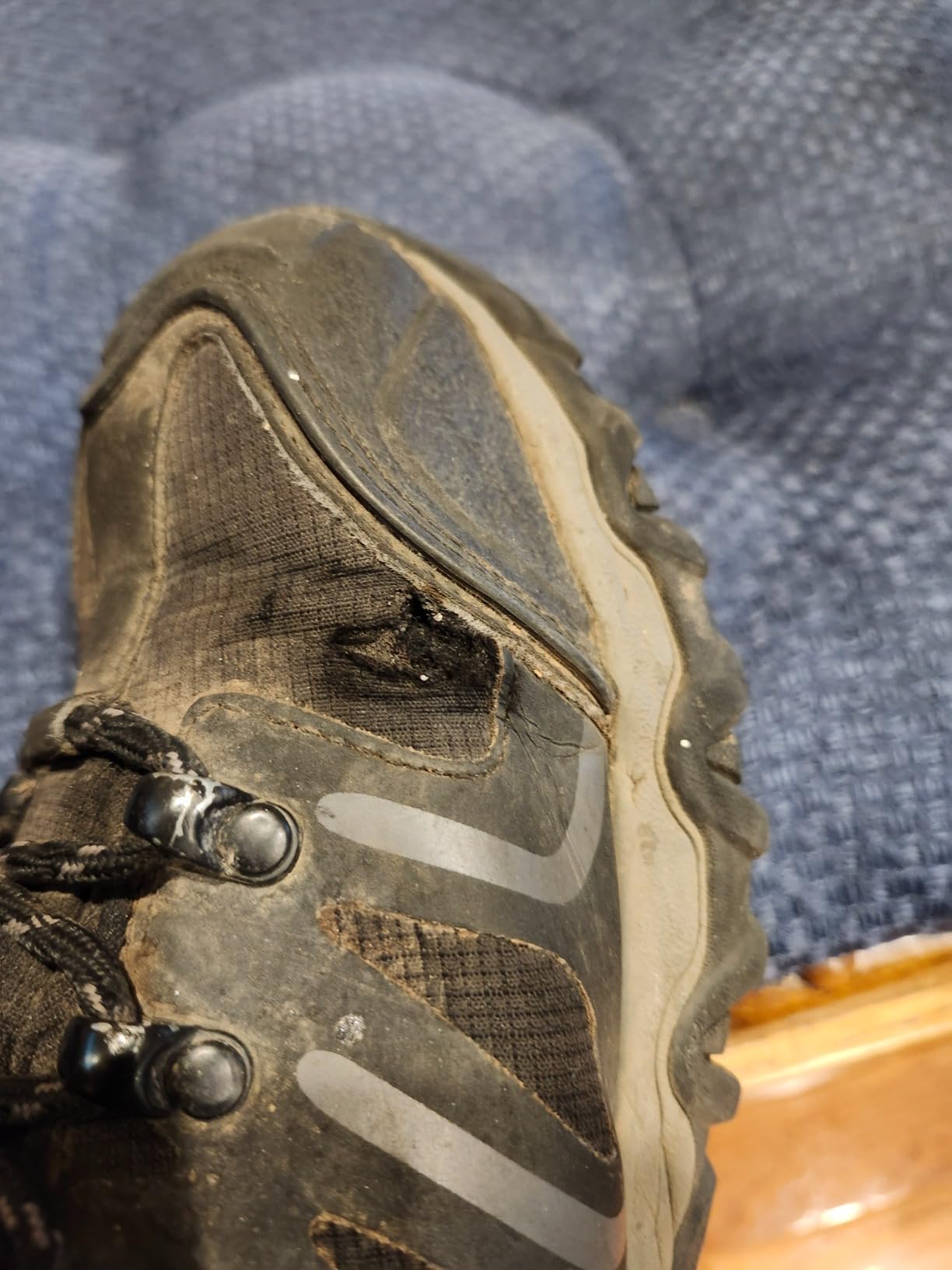
- Sole separation is the common long-term failure point (6-18 month window with heavy use)
- Sizing batch variance is real—some report true-to-size, others need half-size up or down
- Breathability complaints cluster around summer use above 75°F
One review captured my experience perfectly: “For the price, these are great hiking shoes. Just don’t expect them to last forever.” At $47, even a single solid season delivers better cost-per-use than premium alternatives I’ve burned through in 8-12 months.
Final Verdict: Who Wins with NORTIV 8?
The Good
- Genuinely waterproof performance (8-week validation)
- Exceptional value at $47 price point
- Immediate comfort, zero break-in required
- Solid traction on varied terrain
- True-to-size fit for standard width (with batch variance caveat)
- Protective rubber toe cap that actually functions
- Works well for outdoor work environments
The Bad
- Noticeably heavy compared to modern lightweight trail shoes
- Poor breathability above 75°F creates sweaty-feet issues
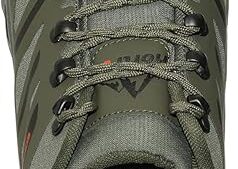
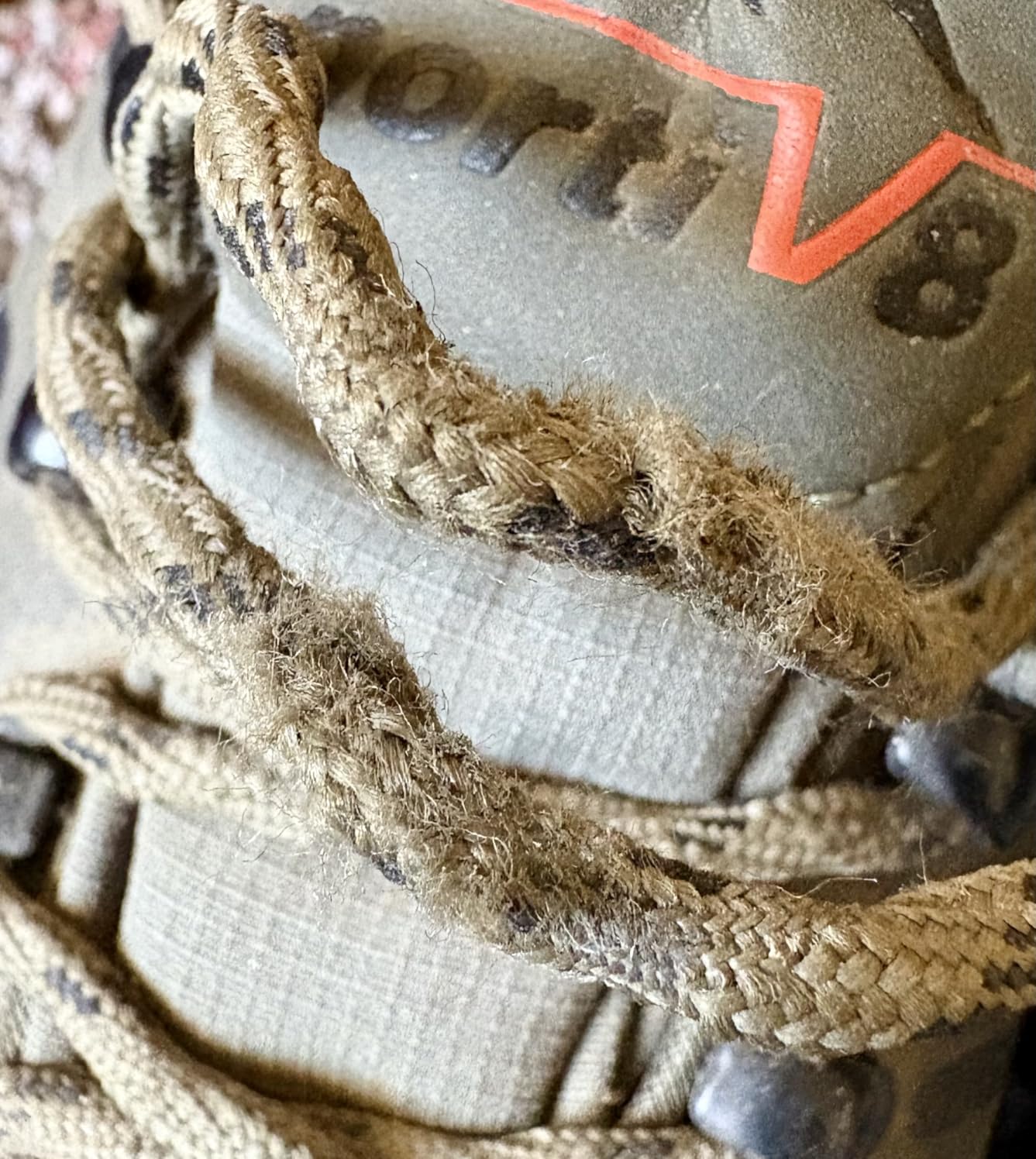
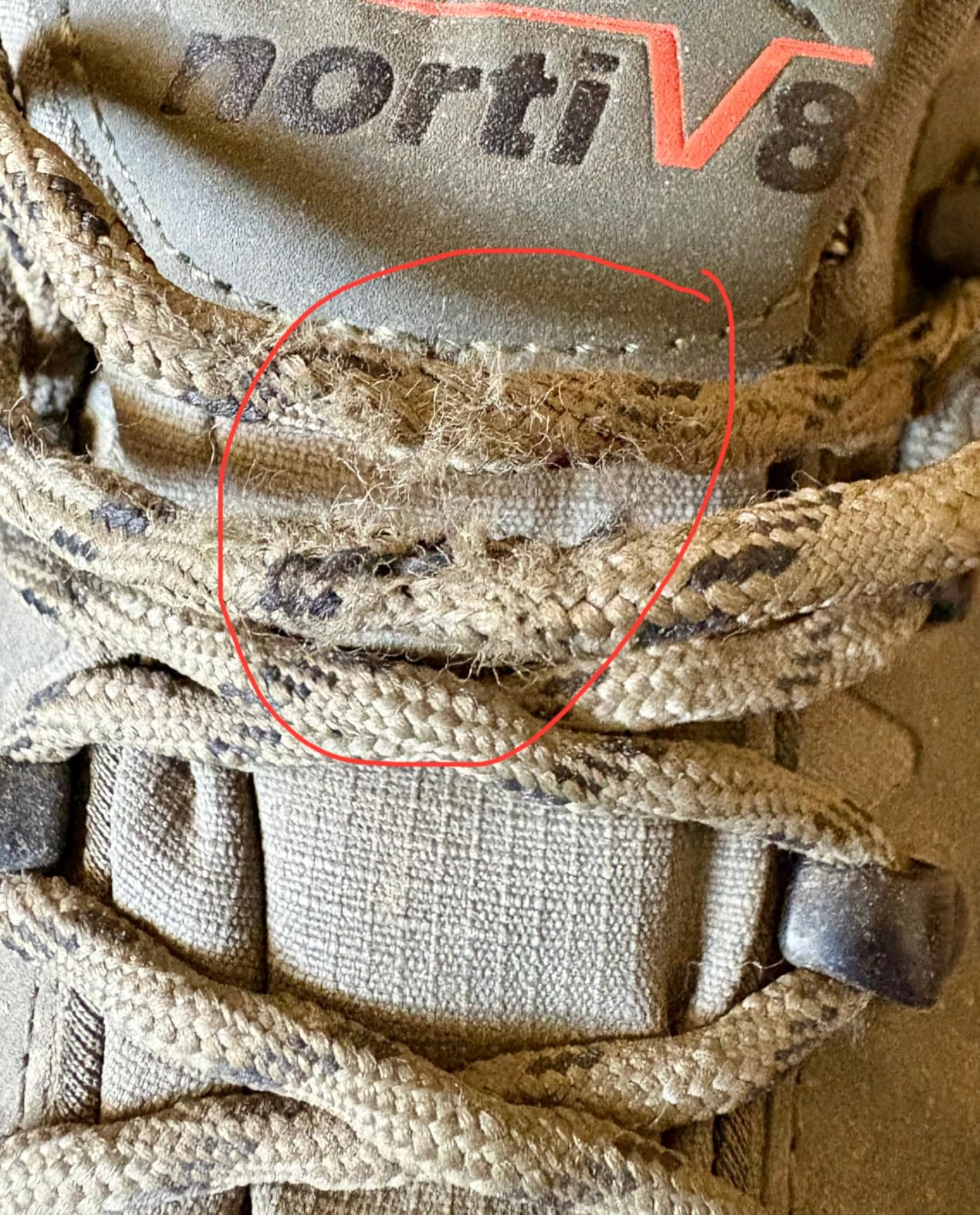
- Cheap laces need immediate replacement (budget $5-10 for quality laces)
- Potential durability issues after 6-12 months (customer-reported sole separation pattern)
- Not ideal for hot-climate or summer hiking
- Tongue design slightly short—laces occasionally slip off
Perfect For:
- Budget-conscious hikers seeking waterproof protection without premium pricing
- Outdoor workers needing durable, protective footwear for landscaping or construction
- Weekend warriors doing day hikes in wet conditions (2-8 miles)
- Testing-before-investing buyers who want to try hiking without major financial commitment
- Wide-foot hikers who appreciate the roomy toe box design
- Cool-weather hikers operating in 40-70°F temperature range
Skip If You:
- Primarily hike in hot, dry climates (Arizona, Southern California, desert environments)
- Need ultralight footwear for long-distance backpacking
- Demand premium materials and multi-year durability guarantees
- Are sensitive to heavy, non-breathable shoes
- Require steel-toe protection for work environments
Better Alternatives for Specific Needs
Hot-weather hiking: Consider Merrell Moab 2 Vent or breathable mesh variants for better airflow
Ultralight backpacking: Look at Altra Lone Peak 8 or similar trail runners (half the weight, different protection trade-offs)
Maximum durability: Invest in Merrell Moab 3 or KEEN Targhee III if longevity is priority over price
Women’s waterproof hiking: Check Columbia Redmond Waterproof for similar value positioning in women’s sizing
My Personal Commitment
After eight weeks, 95 miles, and more abuse than most hikers will put these through, I’m genuinely impressed with what NORTIV 8 delivered for $47. These aren’t perfect shoes—they’re heavy, they run hot in summer, and I can’t promise they’ll last three years.
But they’re good value shoes. The waterproofing works. Comfort is solid from day one. Traction inspires confidence on trails. For most weekend hikers and outdoor workers, these represent an exceptional entry point into quality hiking footwear that doesn’t require a $150+ leap of faith.
I’m keeping mine as my go-to wet-weather and work shoes. At the price of dinner for two, you get hiking shoes that actually work. That’s a win in my book.
Note: Prices fluctuate by size and color. Order with return policy given batch variance in sizing.
Frequently Asked Questions
Are these actually waterproof, or just water-resistant?
Actually waterproof in my testing—I’ve walked through ankle-deep puddles, stood in creeks, and hosed them down after muddy work days. Feet stayed dry every time over eight weeks. The waterproof membrane is genuine, not just a surface coating. That said, I’m only at the 8-week mark—one reviewer reported waterproofing failure after 6 months of heavy use, so long-term performance past my testing window remains an open question.
How’s the sizing compared to other hiking shoes like Merrell or Salomon?
True to size for most people with standard width feet. I wear 10.5 in Nike and Merrell, and 10.5 fit perfectly in these with hiking socks. The toe box runs slightly wider than average—good news for broader feet. However, Walmart reviews show sizing batch variance: 115 customers reported needing to size up 0.5-1, while others needed to size down. Order with a return policy just in case you hit a wonky batch.
Will these work for backpacking, or just day hikes?
Day hikes and light overnight trips, absolutely. I tested with a 20-pound pack on 8-mile hikes with good results. For multi-day backpacking with heavier packs (40+ lbs), you’d probably want more ankle support than a low-top provides. The cushioning and protection work fine for moderate loads, but I wouldn’t trust them for a week-long backcountry trip with a 50-pound pack.
How long do they typically last with regular use?
Based on customer review patterns, expect 6-18 months depending on use intensity. My 8-week aggressive testing shows minimal wear so far, but many long-term users report sole separation after 6-12 months of regular use. Cost-per-month math: if they last 6 months = $7.83/month; 12 months = $3.92/month; 18 months = $2.61/month. Even at the lower end, that’s competitive with premium alternatives.
Are they good for work environments like construction or landscaping?
Excellent for outdoor work—I tested them across 40+ work days doing landscaping and construction site visits. The waterproofing handles muddy job sites well, toe protection is functional (I’ve kicked concrete blocks with zero pain), and immediate comfort means no break-in downtime. Just know they’re NOT steel-toe rated if that’s a safety requirement for your work environment.
Do they run hot in summer weather?
Yes, significantly. The waterproof membrane severely limits breathability—physics of waterproofing at work. In 75°F+ weather, expect sweaty feet. Above 80°F during landscaping work, I needed sock changes every few hours. They’re much better suited for cool-to-mild weather (40-70°F range). If you’re primarily hiking in hot, dry climates, look for breathable mesh alternatives instead.
Should I replace the laces immediately?
I’d recommend it. The included laces are the cheapest part of an otherwise solid construction—they don’t hold knots well and feel like an afterthought. Upgrade to quality hiking laces for $5-10 (any outdoor retailer carries them) and you’ll have a noticeably better experience. It’s a small investment that makes a functional difference.
How do these compare to Merrell Moab 3 or Columbia hiking shoes?
For waterproofing and protection, they’re comparable. Merrell Moab 3 and Columbia typically offer better breathability, lighter weight, and longer durability—but at 2-3x the price. My assessment: NORTIV 8 delivers 70-80% of premium shoe performance for 35-40% of the cost. If you hike 20+ miles per week year-round, invest in premium. For weekend warriors and occasional hikers, the value math works.
Do I need to apply any waterproofing treatment, or are they ready to go?
Ready to go out of the box. The waterproof membrane is integrated during manufacturing, not applied as an aftermarket treatment. That said, after several months of heavy use, applying a DWR (Durable Water Repellent) spray to the outer synthetic leather can help maintain the surface water-repellency. The membrane itself should continue working even if the surface DWR wears off.
Are these suitable for winter hiking or snow conditions?
Early spring hikes with patches of snow and mud worked well—feet stayed warm and dry, traction held on packed snow. However, I wouldn’t call these winter hiking shoes. The waterproof membrane provides some insulation, but they’re not designed for cold weather. On ice, traction is poor—don’t trust them without microspikes. Best temperature range: 40-70°F.
Technical Scoring Summary
| Category | Score (1-10) | Notes |
|---|---|---|
| Waterproofing | 9.0 | Genuinely effective membrane, passed all 8-week real-world tests |
| Comfort & Fit | 7.5 | Good cushioning, true sizing, but heavy and non-breathable above 75°F |
| Traction & Grip | 8.0 | Confident performance on varied terrain, solid wet grip, adequate on slick wood |
| Durability | 6.5 | Early signs positive (8 weeks minimal wear), but customer reports raise 6-12mo concerns |
| Value for Money | 9.0 | Exceptional performance for $47 price point, 70-80% of premium at 35-40% cost |
| Versatility | 7.0 | Great for hiking/work in cool weather, limited by weight and hot-weather breathability |
| Build Quality | 7.0 | Solid construction and materials for price range, batch QC variance noted |
| Overall Score | 7.8 | Excellent value choice for budget-conscious hikers and outdoor workers |
Bottom Line: The NORTIV 8 Men’s Low Top Waterproof Hiking Shoes won’t replace premium alternatives for serious backpackers or year-round hikers, but they deliver exceptional value for weekend warriors, outdoor workers, and anyone testing the hiking waters without dropping $150+. Real compromises exist (weight, breathability, durability uncertainty), but the price-to-performance equation works for most casual-to-moderate users. At $47, these are worth the risk.
Be the first to review “NORTIV 8 Men’s Low Top Waterproof Hiking Shoes”
Related products
Hiking/Trekking Shoes

Hiking/Trekking Shoes
Hiking/Trekking Shoes

Hiking/Trekking Shoes

Hiking/Trekking Shoes
Hiking/Trekking Shoes
Hiking/Trekking Shoes


Hiking/Trekking Shoes
Reviews
There are no reviews yet.