
Three weeks before I bought these, I threw out a pair of training shoes that cost twice as much. Not because they broke — they just made my feet feel stupid. Cramped, elevated, disconnected from the floor during every deadlift. My gym partner Jake keeps telling me to try barefoot training, and after enough squats where I could feel my heels rising inside cushioned soles, I finally caved. I’m Mike, and I spent eight weeks testing the Oranginer Men’s Barefoot Shoes to find out whether a $40 shoe can actually deliver what $150 minimalist brands charge a premium for.
Quick Specs
- ⚖️ Weight: 13 oz (men’s size 9)
- 📏 Heel-to-toe drop: 0mm (zero drop)
- 📐 Stack height: 8mm heel / 8mm forefoot
- 🧪 Midsole: EVA foam with removable insole
- 👟 Upper: Synthetic mesh with rubber toe cap
- 🏋️ Category: Minimalist cross-training
- 🎯 Best for: Gym workouts, casual walking, light hiking
First Impressions: Design and Build Quality
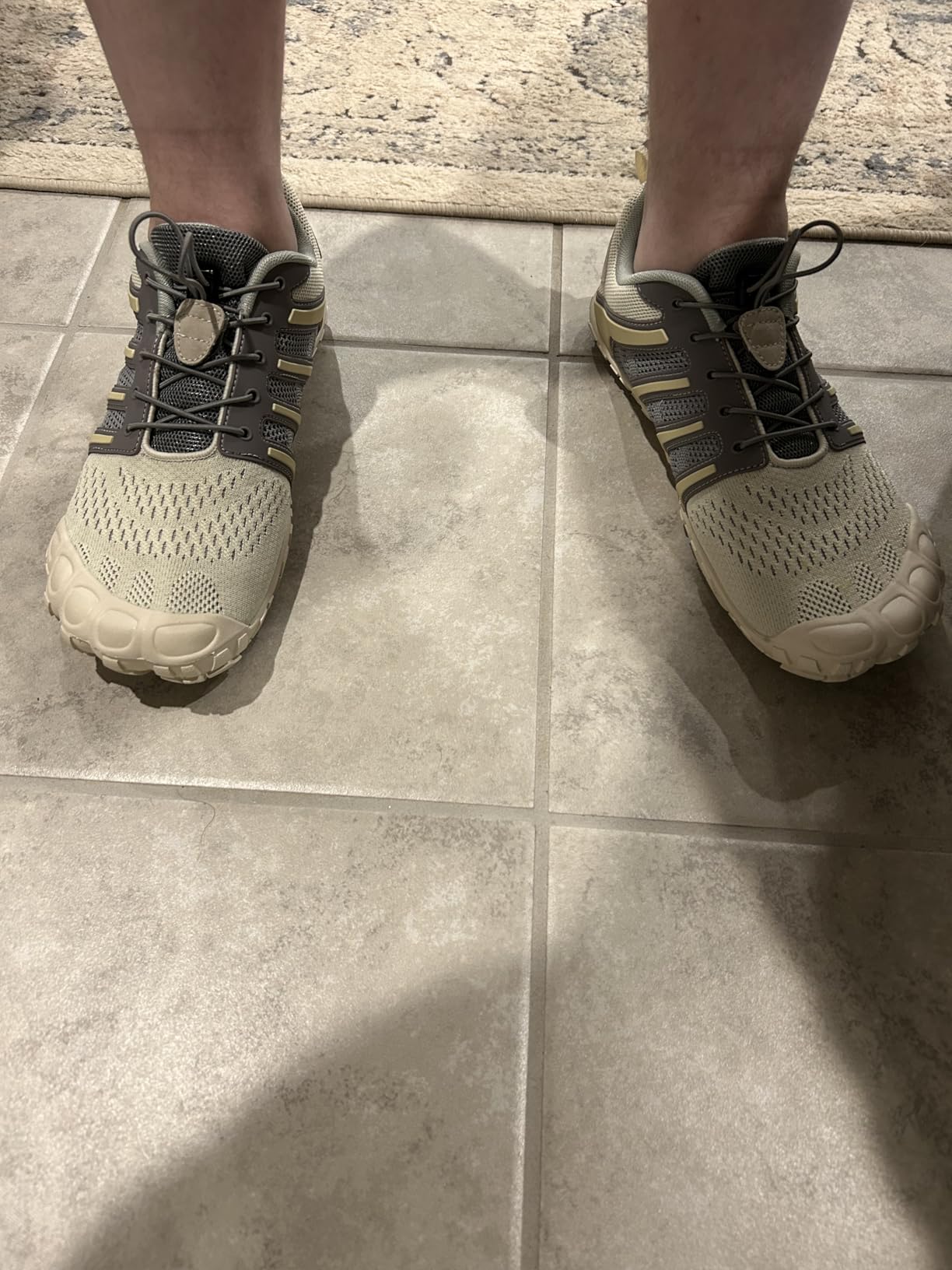
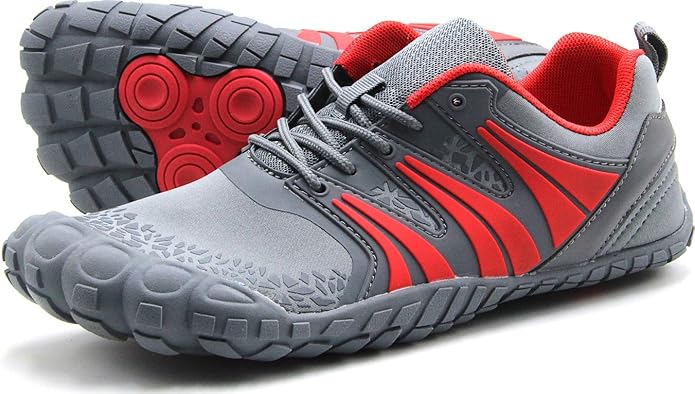
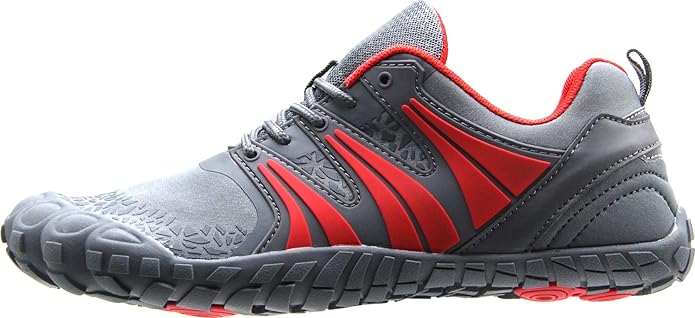
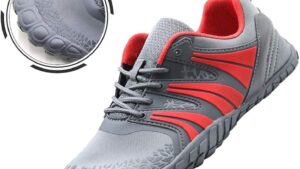
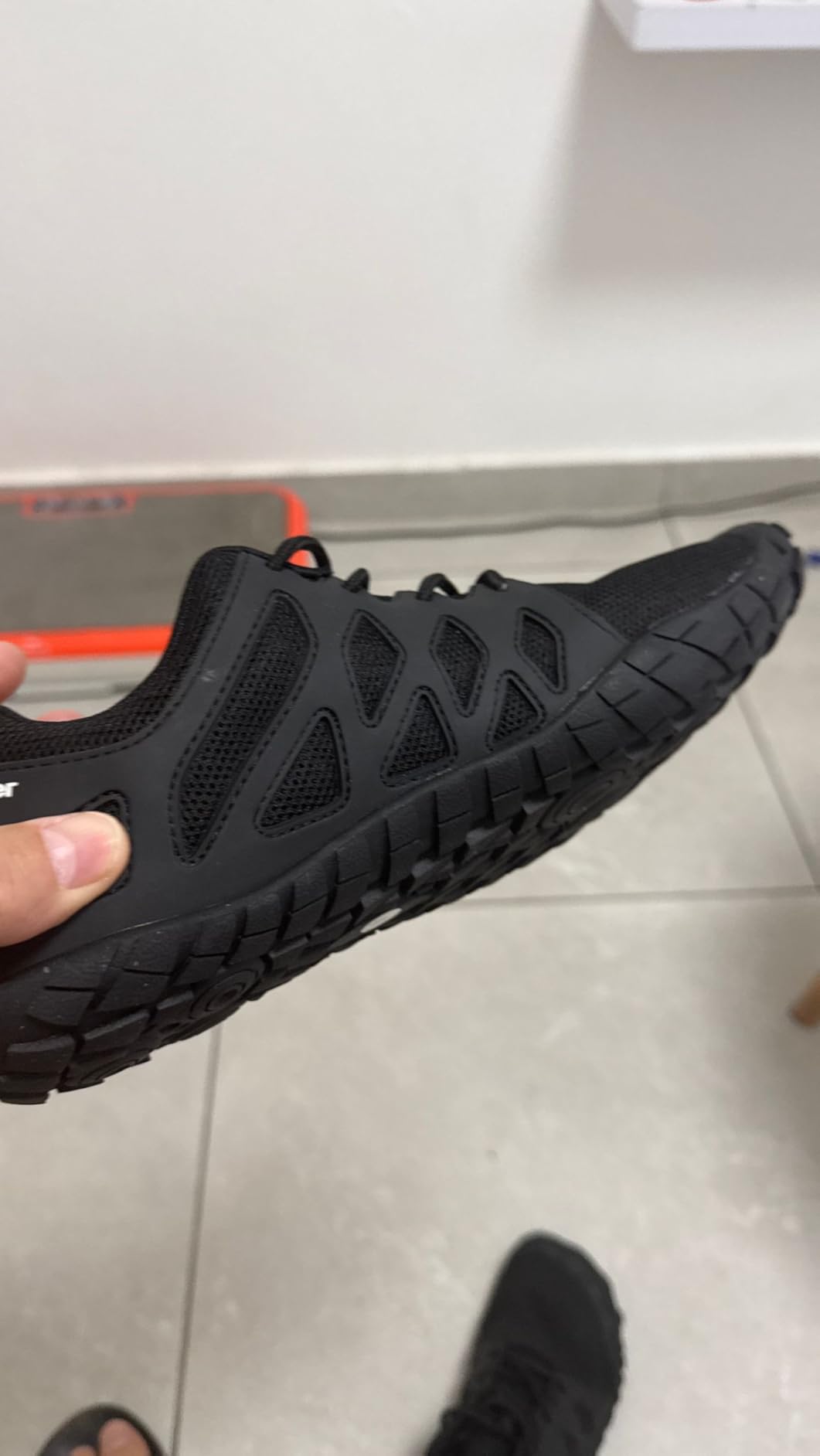
Forty dollars buys you a lot less than it used to, which is why opening this box felt like finding something the market forgot to price correctly. The synthetic mesh upper has a solidity to it — not rigid, but with enough structure that you’re not handling something that feels disposable. The gray and red colorway came out looking significantly more put-together than I expected, which I confirmed when three people at my gym asked about them within the first two weeks.
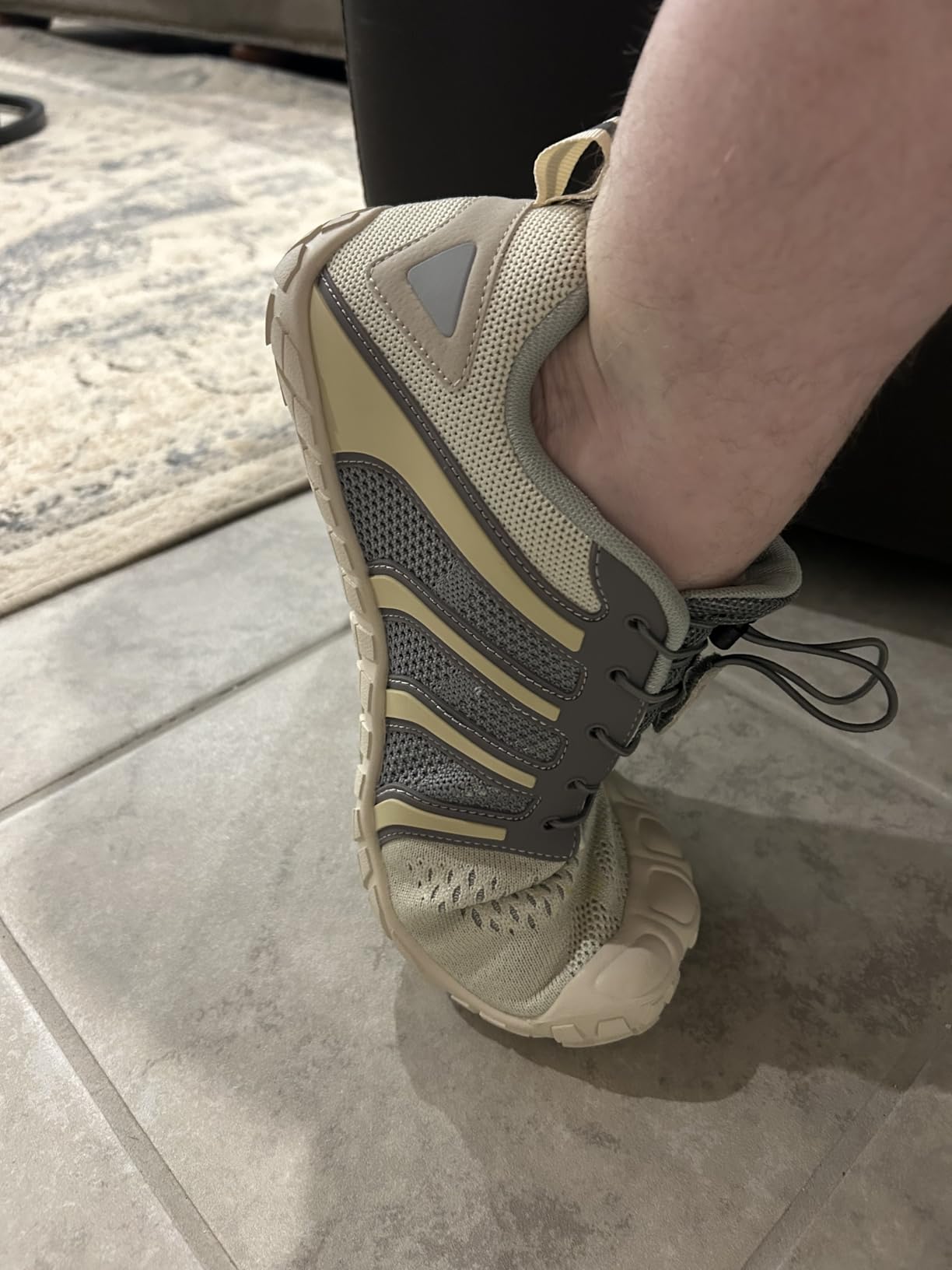
The elastic toggle lacing is the kind of feature that sounds gimmicky until you actually use it. Getting from street shoes to gym floor in under ten seconds is legitimately useful when you’re running between a morning meeting and a noon workout. I’ve done it probably sixty times now with no issues, though I did read a handful of reports online about the elastic failing after heavy use over longer periods — mine are fine at eight weeks, but it’s worth knowing.
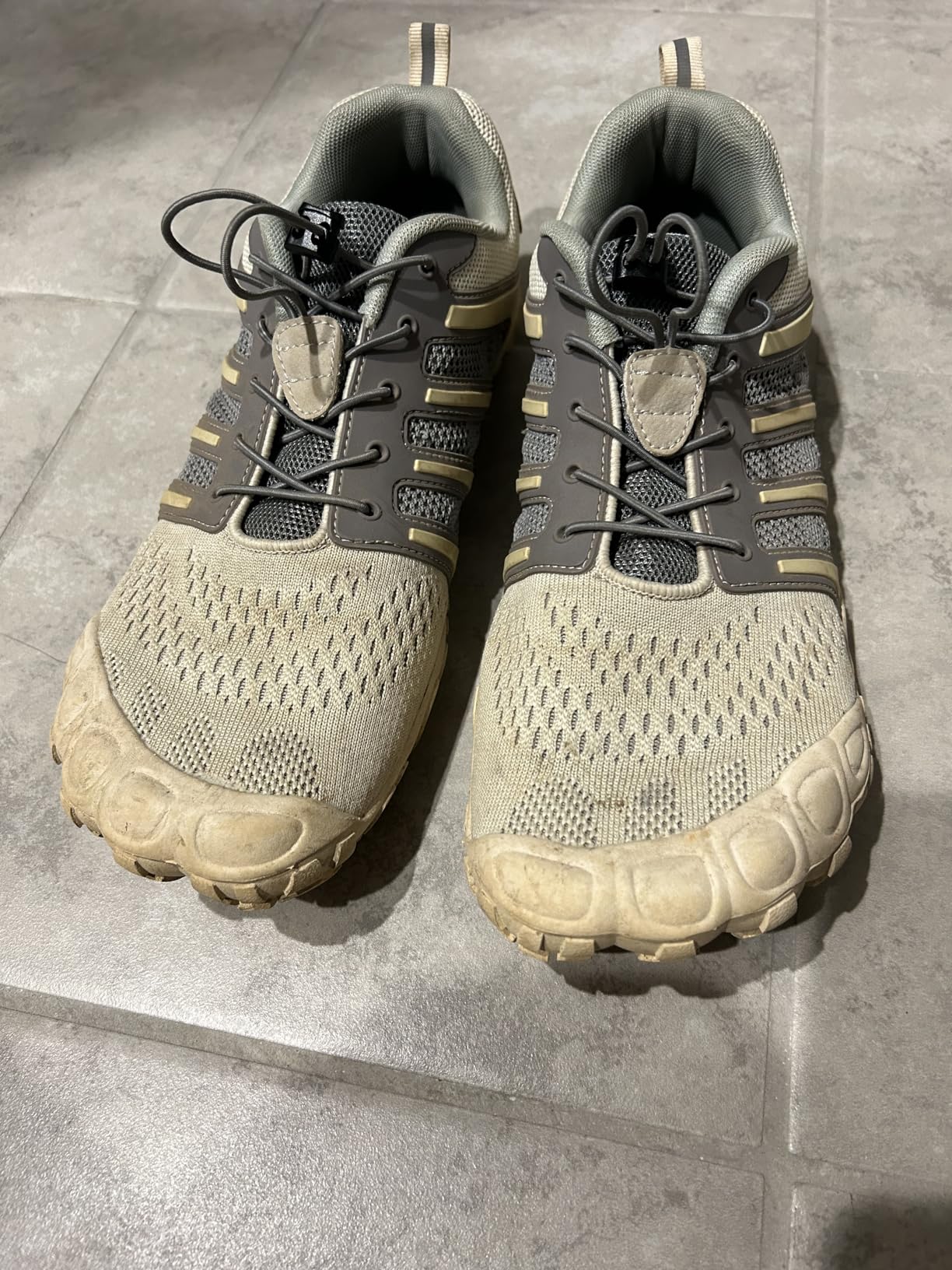
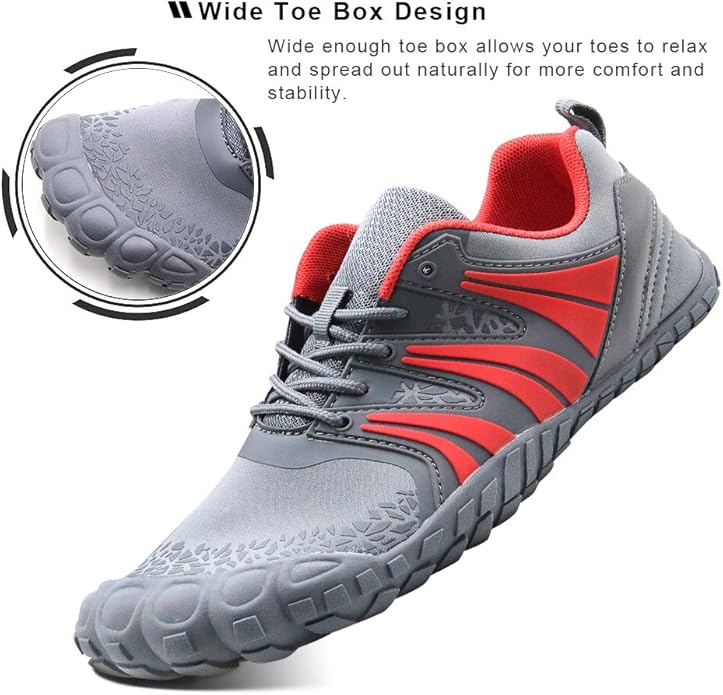
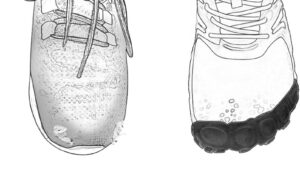
Then there’s the toe box. Wider than anything I’ve owned in the training shoe category, with a design that lets your toes sit exactly where they want to — spread out, not stacked. The individual toe outlines pressed into the upper are… honest assessment: they look odd. There’s a reason people call these “barefoot” shoes and not “office casual” shoes. But in a gym environment, nobody blinked twice after the first session, and the function is undeniable.
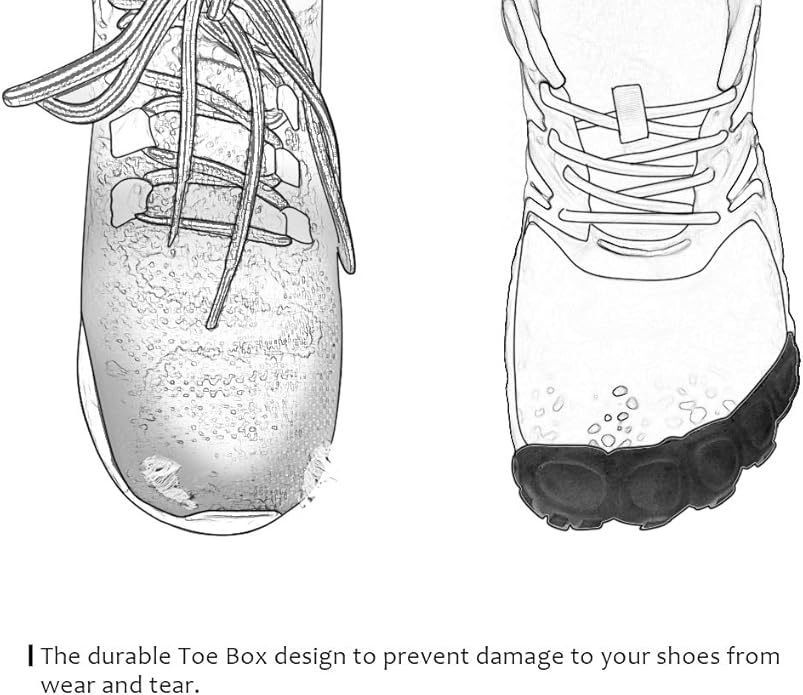
Build quality for the price: genuinely solid for the first eight weeks. The rubber toe cap adds protection where wear typically starts. The mesh has held its shape without any unraveling. Whether the adhesive bond between sole and upper maintains past the eight-week mark is the actual question, and I’ll address that in the durability section.
Ground Feel: What Zero Drop Actually Does
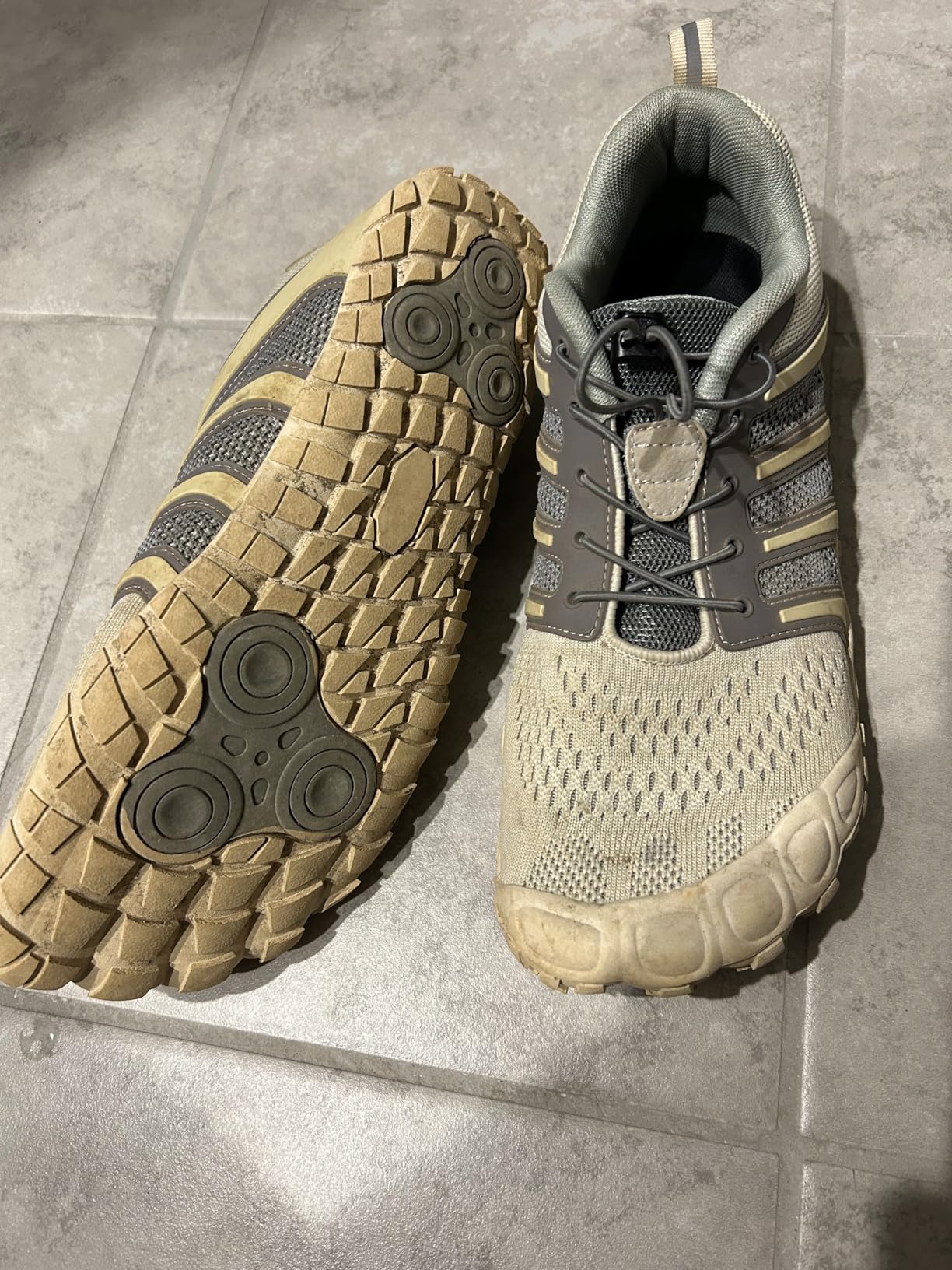
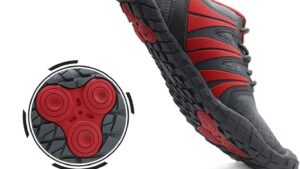
Let me save you the marketing brochure and tell you what the 8mm stack actually means in practice. These are not the same experience as Vibram Five Fingers or any shoe claiming 2-4mm of stack. At 8mm, you’re getting meaningful ground feel — enough to notice the texture of the lifting platform under you during deadlifts, enough to feel your feet working rather than just sitting inside foam — without the full harshness of concrete coming through every step.
For gym lifting specifically, that 8mm sits in a genuinely useful zone. My squat sessions felt different from week one. The zero-drop design kept my weight distributed across my whole foot rather than pitching me forward on a raised heel. After about three weeks of squatting in these three to four times a week, I noticed my ankle mobility improving and my depth getting better without any intentional focus on it.
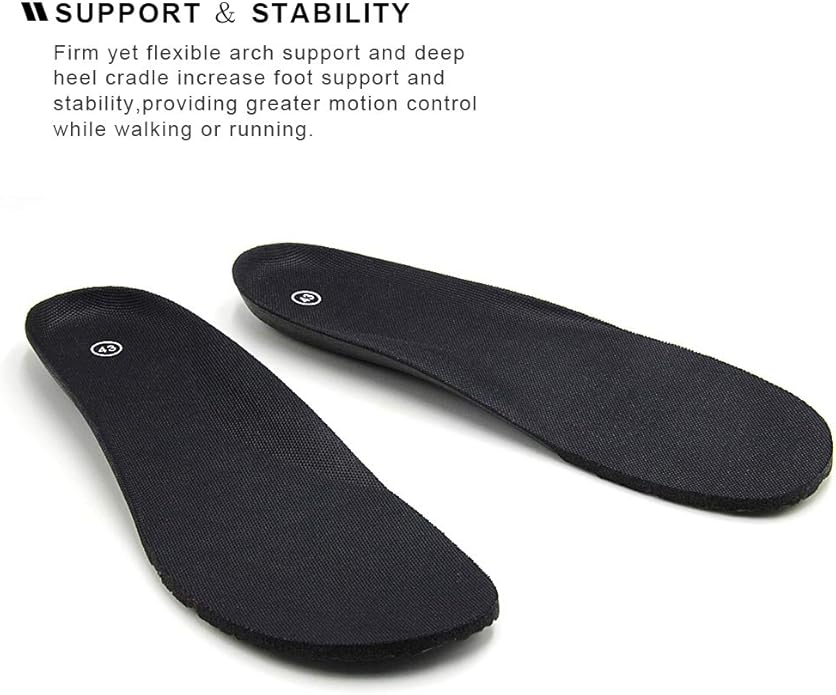
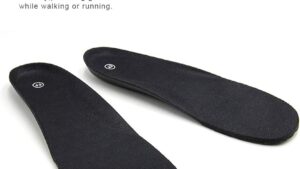
The removable insole deserves a real mention here. I spent two weeks training without it, which dropped me to a more aggressive ground connection. Ultimately I kept it in — the light cushioning helps during the walking portions of my day — but the option exists, and it also makes these orthotic-friendly. If you’re running Sof Sole Athlete Insoles or custom footbeds, you can swap them in after sizing up half a size to account for the volume difference.
One honest caveat: if you’re transitioning from heavily padded shoes, your calves and Achilles need adjustment time. Zero drop puts your calf muscles in a lengthened position they’re not used to. I didn’t experience this because I’d been doing some barefoot-adjacent work already — but if you’re moving straight from thick-soled running shoes, give yourself one to two weeks of gradual adaptation rather than jumping into full sessions.
Performance Across Use Cases
Gym and Cross-Training
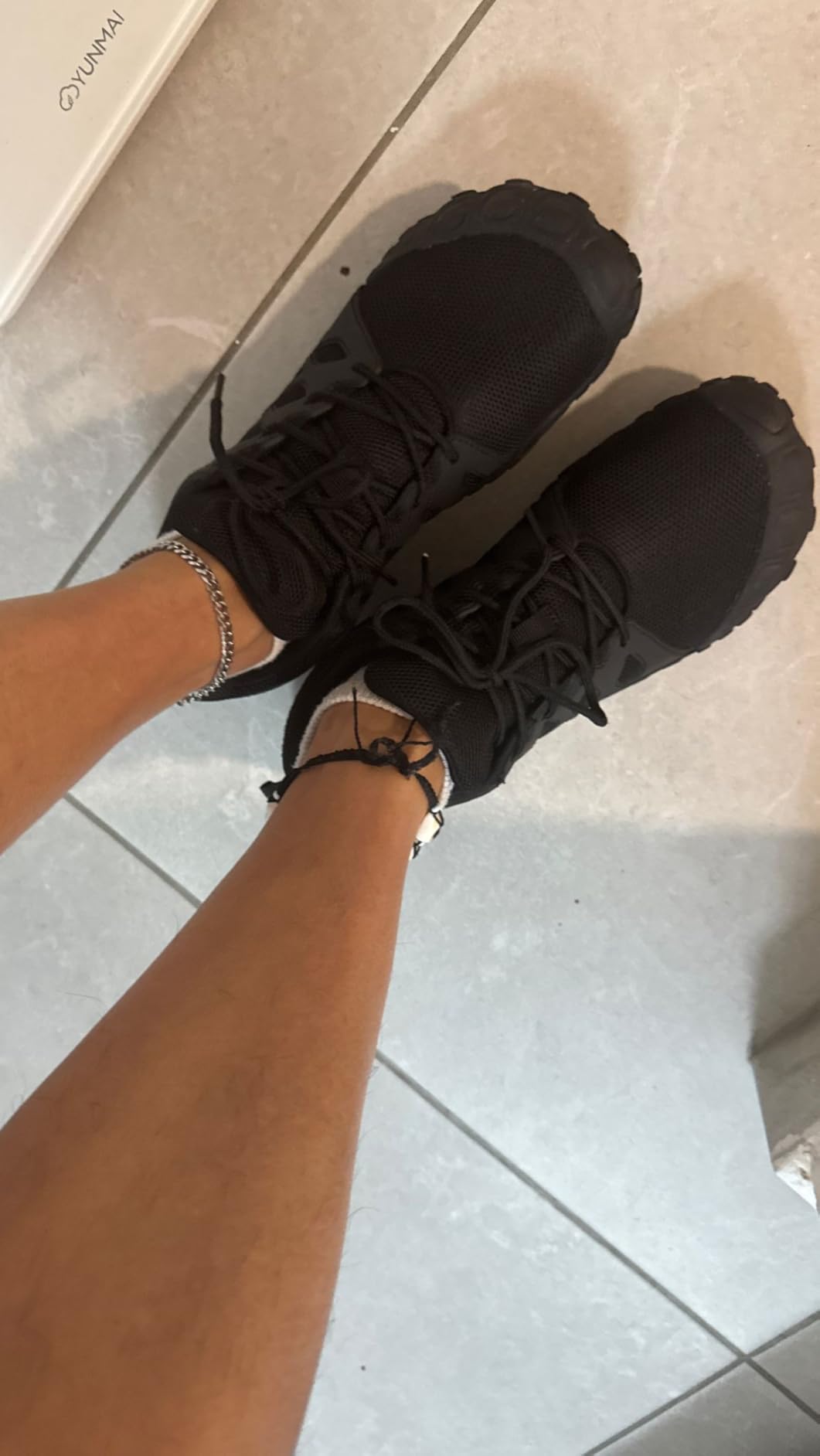
This is where these shoes were built to live, and they know it. Squats, deadlifts, Romanian deadlifts, box step-ups, kettlebell work — the wide toe box becomes a genuine stability advantage in every compound movement. When you’re at the bottom of a heavy squat, having your toes able to spread and grip gives you a base that narrow athletic shoes actively fight against.
Breathability was better than I expected for the intensity I was putting these through. Ninety-minute sessions covering strength work plus conditioning circuits, and my feet stayed dry enough that I didn’t think about it. The mesh upper earns that claim.
Walking and Daily Wear
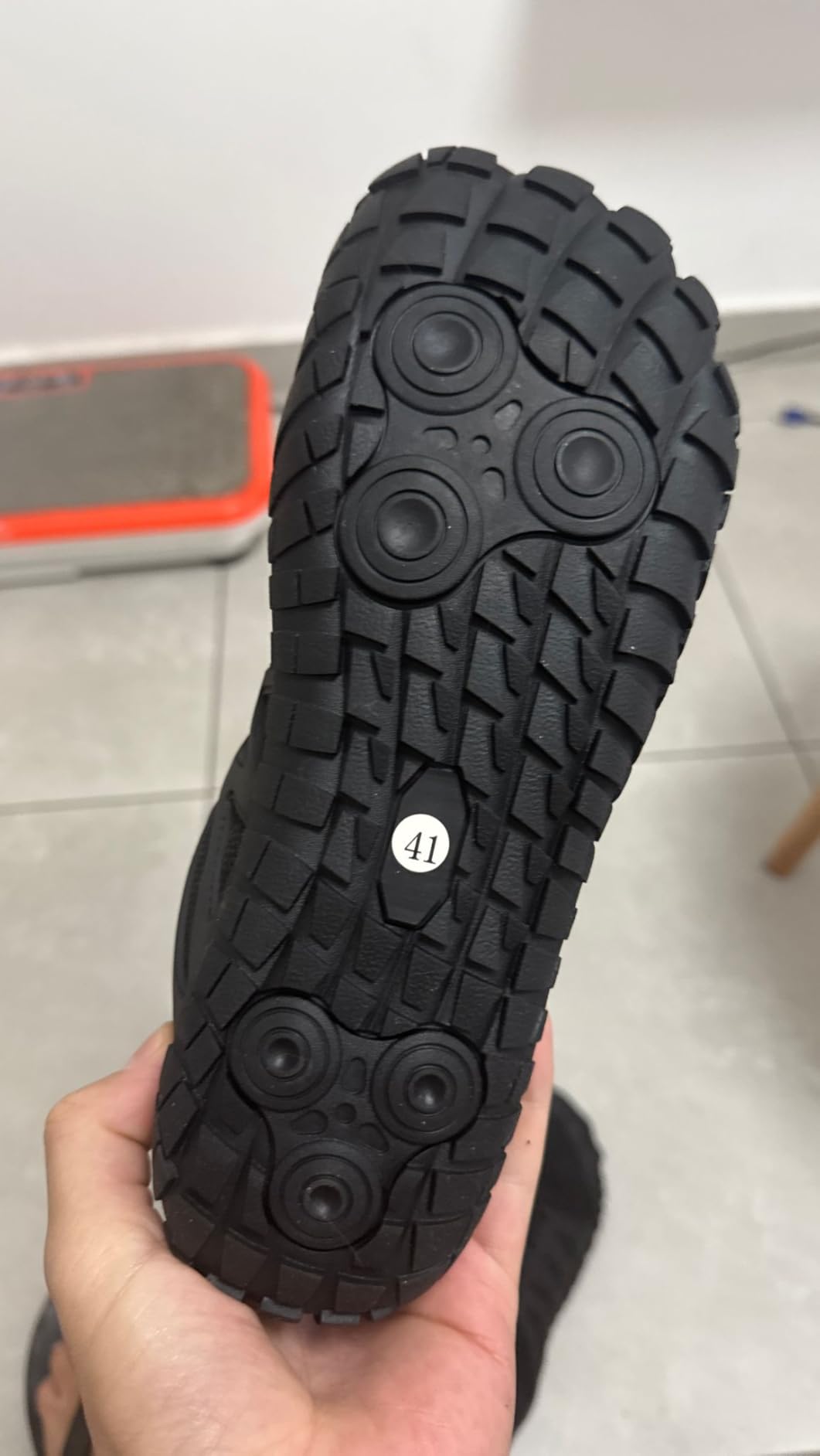
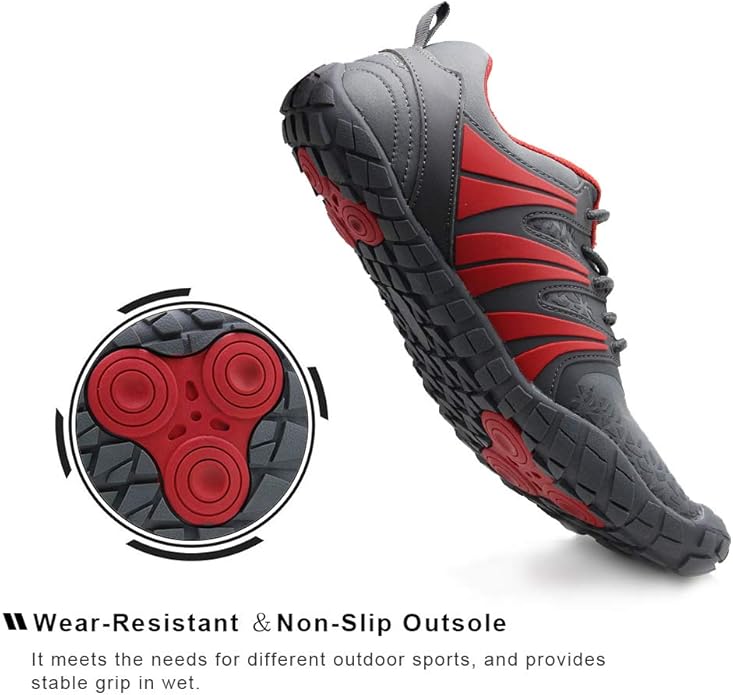
I put these on for five-mile walks through my neighborhood and some mixed trail walking — pavement, gravel, packed dirt. They held up fine. Traction on dry surfaces is adequate, not exceptional; the rubber outsole grips where it needs to for normal walking conditions. I did a few miles on a mild gravel trail and had no complaints.
Where things get honest: wet rocks and steep muddy descents are not terrain these shoes were designed for. I slipped once on a mossy section of a hiking trail — nothing serious, but a good reminder that “light hiking” is the accurate description, not “hiking.” If you need real waterproof protection or serious grip on technical terrain, you’d want to look at Hike Footwear HF Signature Barefoot Shoes or a purpose-built hiking option.
Running
Functional for short distances — I tested a few three-to-four mile runs and the experience was fine. It’s not where these shine. The sole wear accelerates significantly with running compared to lifting and walking, and the upper design doesn’t provide the dynamic support that dedicated running shoes offer. If you need a minimalist running option, the Flux Adapt Runners or the Altra Lone Peak 8 handle high mileage in a way these Oranginers aren’t built for.
Do Oranginer’s Claims Actually Hold Up?
I went through the marketing language and checked each claim against my eight weeks of testing:
“Engage your feet more and strengthen neglected muscle fibers” — True. I didn’t expect to notice this, but around week four my arches started feeling more activated during sessions. By week eight, I had meaningfully more foot strength than before. This isn’t placebo; it’s the direct result of your foot muscles having to do the stabilization work that thick soles normally absorb.
“Wide toe box allows toes to relax and spread naturally” — 100% accurate. This is the best thing about these shoes. If you’ve spent years in narrow athletic footwear, the relief is immediate and obvious.
“Lightweight” — Needs context. At 13 oz per shoe, they’re lighter than most traditional cross-trainers but heavier than dedicated minimalist options. The Airhas Barefoot Shoes with Zero Drop and similar budget barefoot shoes sit in the same weight range. If you’re comparing to Vibram or Xero Shoes, those are typically lighter. If you’re comparing to Nike Metcons or similar cross-trainers, these win on weight.
“Flexible” — Accurate. These bend naturally with your foot, which you immediately feel during walking and lifting transitions.
“12-month warranty” — Reassuring in theory, though based on customer feedback, realistic lifespan with regular use is 6-12 months. The warranty is worth knowing about.
Durability: The Honest Picture
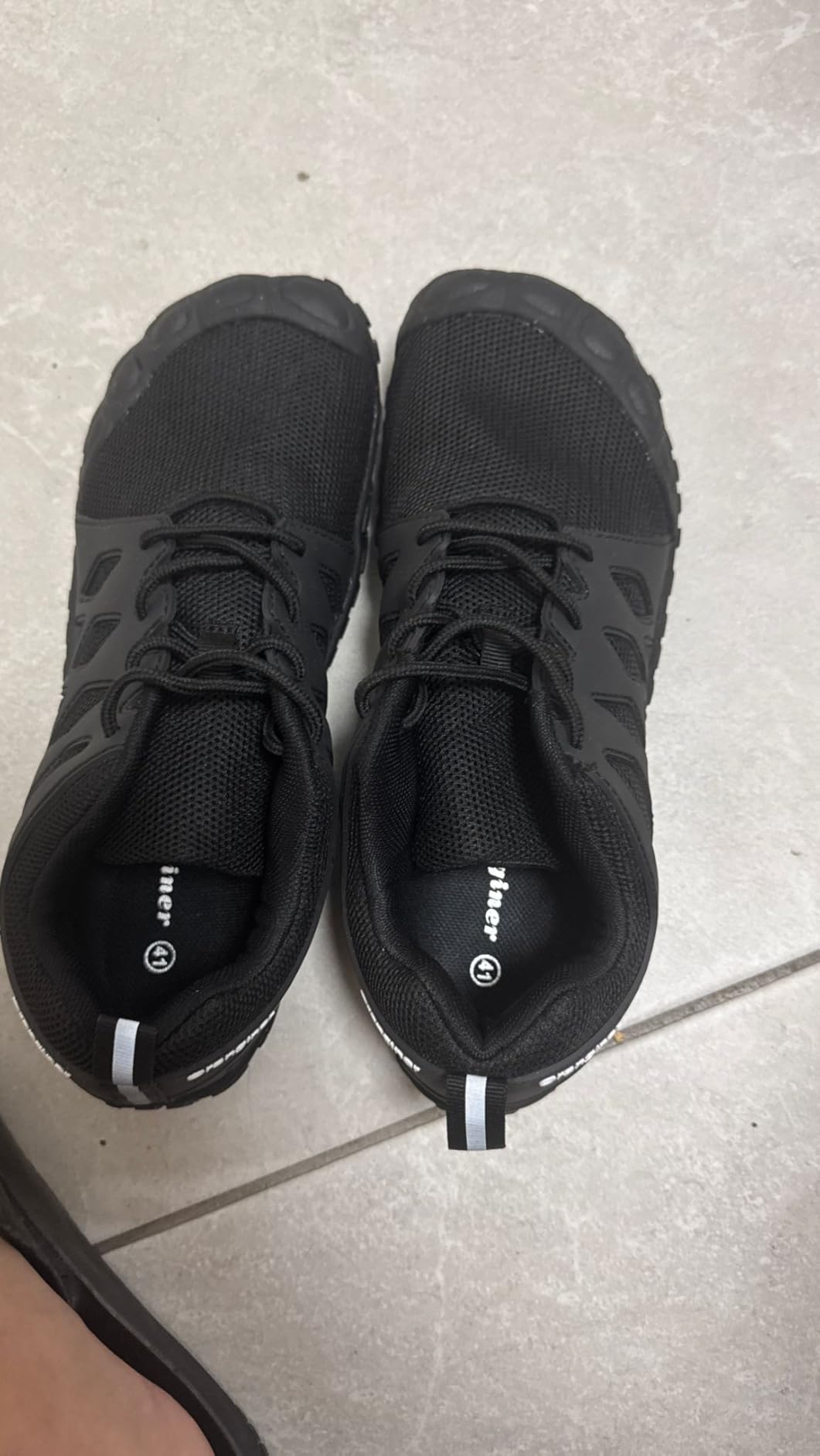
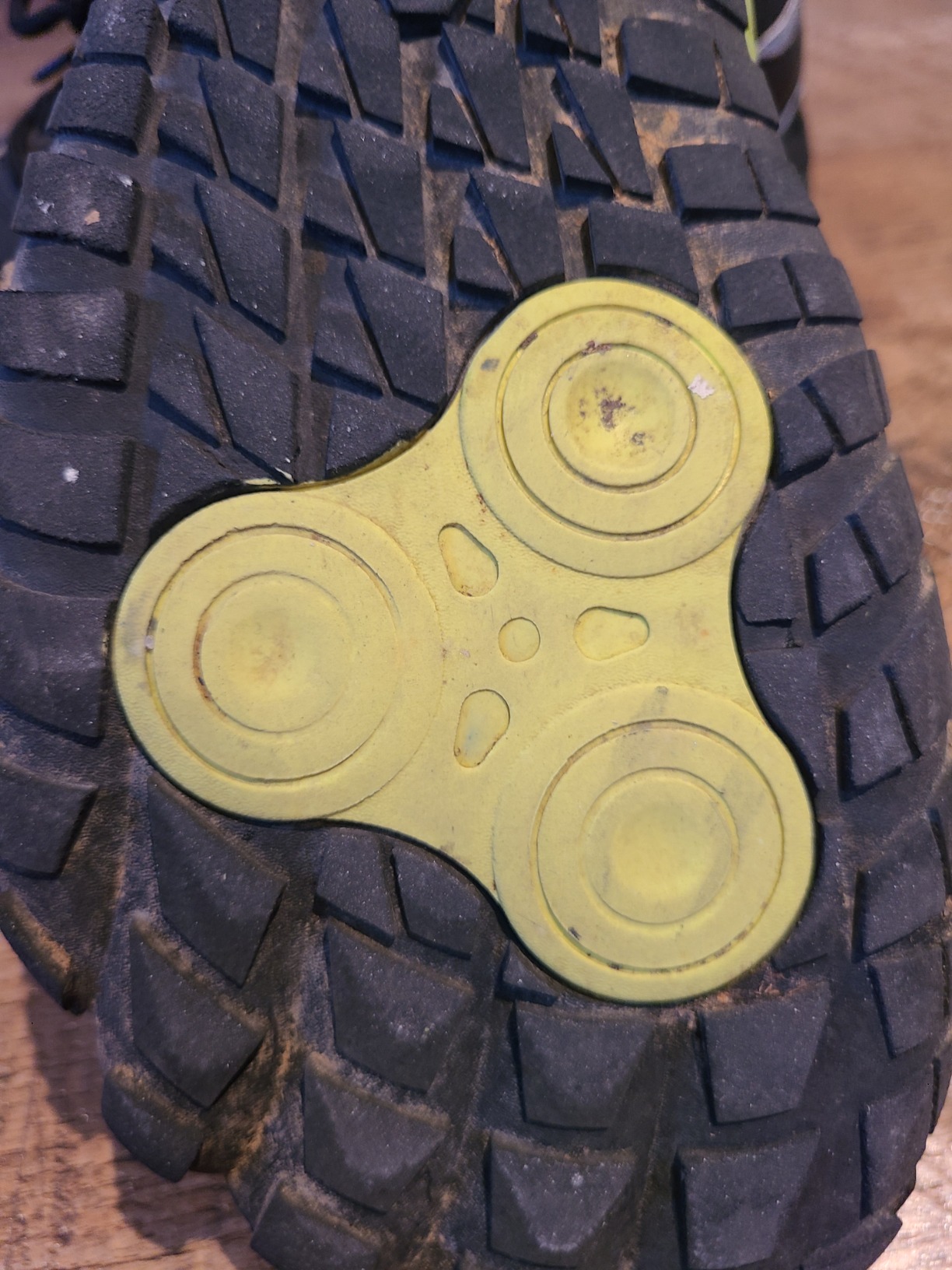
This is where I need to stop being enthusiastic and start being useful. At 8 weeks with 3-4 sessions per week, these look fine. The sole is showing minor wear indicators but nothing alarming. The upper has held its shape. The adhesive seems secure.
Based on customer feedback from hundreds of reviews across multiple sources, the realistic lifespan picture looks like this:
- Light use (1-2x per week): 12-18 months
- Regular use (3-4x per week): 6-12 months
- Heavy use / frequent running: 4-6 months before sole wear becomes significant
The consistent failure pattern across customer reports: sole-to-upper adhesion starts to weaken at the flex points around months 5-8 at regular use. Midsole compression becomes noticeable months 2-4. Some users report lace elastic failure — mine haven’t shown this, but it’s worth periodic inspection.
Here’s the financial math that makes this easier to think about: $40 divided by six months = $6.67 per month. For comparison, Merrell’s minimalist options run $120-150 and typically last 12-18 months at $8.33-12.50/month. Vibram Five Fingers at $150+ with a longer lifespan works out similarly. The Oranginer durability trade-off, viewed purely on cost-per-month, is reasonable. The catch is that some people find the annual replacement cycle annoying — if that’s you, invest once in a premium option like the HF LazuliPro Barefoot Shoes and expect it to last longer.
Who Should Buy These (And Who Shouldn’t)
These are the right choice if:
- You’re a gym-focused athlete wanting better ground connection for compound lifts
- You have wide feet and are tired of narrow athletic shoes compressing your toes
- You’re curious about barefoot/minimalist training but not ready to spend $150+
- You’re a casual walker who wants natural foot movement without a hefty price tag
- You don’t mind replacing shoes annually if the cost-per-use math works out
Look elsewhere if:
- You’re logging serious weekly running mileage — sole wear is accelerated by running
- You need professional-looking athletic shoes — the toe design is distinctive in the wrong way for some settings
- You have narrow feet — even sized down, the wide construction may feel loose
- You need maximum durability — Merrell Trail Glove, Vibram V-Trail, or the HF LazuliPro Barefoot will outlast these significantly
- You need waterproofing for trail or water use — consider L-RUN Barefoot Water Shoes for that use case
Better alternatives for specific needs:
- Premium durability barefoot: HF LazuliPro Barefoot Shoes or Vibram V-Trail
- Serious trail running: Altra Lone Peak 8 (built for high mileage zero-drop running)
- Wide-foot women’s barefoot options: Joomra Wide Minimalist Barefoot Shoes
- Barefoot water/outdoor activities: L-RUN Barefoot Water Shoes
- Pure minimalism, no budget constraint: Vibram Five Fingers (true barefoot feel at 2-4mm stack)
Performance Scores
| Category | Score | Notes |
|---|---|---|
| Comfort & Fit | 9.2/10 | Exceptional toe box space; elastic lacing is a genuine convenience advantage |
| Build Quality | 7.5/10 | Better than the price suggests for the first 8 weeks; durability questions after month 4-6 |
| Ground Feel | 8.5/10 | 8mm stack gives useful ground connection; not as minimal as pure barefoot but effective for gym use |
| Versatility | 8.8/10 | Gym 9/10, daily walking 7.5/10, light hiking 6/10, running 6.5/10; toe design limits professional use |
| Value for Money | 9.5/10 | $3.33-6.67/month at realistic lifespan; competitive with premium options on cost-per-month |
| Overall Score | 8.5/10 | Highly recommended for gym-focused users; exceptional entry point to minimalist training |
Final Verdict
| ✅ Strengths | ❌ Weaknesses |
|---|---|
| Best-in-class toe box width at price point | Durability ceiling of 6-12 months at regular use |
| Genuine foot muscle engagement after 8 weeks | Polarizing aesthetics (toe design not for all settings) |
| Perfect $40 entry point into minimalist training | 13 oz per shoe — heavier than premium minimalist options |
| Outstanding breathability for 90-minute sessions | Poor traction on wet rocks and muddy descents |
| Elastic lacing = genuine gym transition convenience | Sizing runs large — go down 0.5 is mandatory |
At $40, the Oranginer Men’s Barefoot Shoes earn their 8.5/10. They deliver exactly what a gym-focused minimalist shoe at this price should: genuine ground connection, a wide toe box that actually works for wide-foot athletes, and breathability that doesn’t quit during long sessions. The durability trade-off is real, but the cost-per-month math makes annual replacement a reasonable proposition for budget-conscious buyers.
If you’re a lifter who’s been suffering through narrow, elevated training shoes, these will change your squat sessions immediately. Just order half a size down, understand what you’re getting — a minimalist-inspired gym shoe, not a lifetime investment — and don’t take them into creek crossings.
Frequently Asked Questions
Are these actual barefoot shoes or just minimalist-inspired?
Minimalist-inspired is the accurate label. The 8mm stack height puts them significantly above true barefoot options like Vibram Five Fingers (2-4mm) but well below the 20-30mm typical of cross-trainers. You get meaningful ground feel and zero-drop alignment, but the sole does provide a layer of protection between you and the floor. For most gym users, this is a feature rather than a limitation.
How does sizing work compared to Nike or New Balance?
Size down half a size. If you wear a Nike size 10, order the Oranginer in 9.5. This is consistent across the vast majority of customer feedback and my own experience — I followed the half-size-down advice and got a precise fit. If you’re between sizes, go with the smaller option rather than hoping the wide toe box will compensate.
Will these work for someone with wide feet?
Wide feet are where these genuinely excel. The individual toe-outline design accommodates natural toe splay in a way that most athletic shoes actively prevent. If you’ve been cramped in standard-width training shoes, the difference is immediately obvious. Worth noting: if you have extremely narrow feet, even sizing down may leave things feeling loose — these run wide by design.
What’s the realistic lifespan with regular gym use?
Based on 8 weeks of personal testing plus widespread customer feedback: 6-12 months at 3-4 sessions per week is the honest expectation. Light users (1-2x weekly) may extend that to 12-18 months. Heavy users running and lifting daily often see sole wear become significant around the 4-6 month mark. The primary failure points are sole-to-upper adhesion at flex points and midsole compression over time.
Can I use these for running or only gym work?
Short runs (3-4 miles) are doable. These are not a good choice for serious runners logging 20+ miles per week — the sole wears faster under running impact, and the upper design doesn’t have the dynamic structure that dedicated running shoes provide. For zero-drop running, the Altra Lone Peak 8 is purpose-built for what these can only approximate.
Is the insole removable, and can I use orthotics?
Yes, the insole is fully removable. This makes the Oranginer compatible with custom orthotics — a feature competitors rarely document. If you’re swapping in orthotics, size up half a size from your insole-in selection to account for volume. If you need a quality aftermarket insole rather than prescription orthotics, Sof Sole Athlete Insoles are a common upgrade pairing for shoes in this category.
What do I do if I’m transitioning from heavily cushioned shoes?
Go gradually. Your calves, Achilles, and foot arches are about to do a lot more work than they’re used to. For the first two weeks, limit Oranginer sessions to 30-45 minutes and alternate with your regular footwear. By week three, most people have adapted enough for full sessions. Ignoring this transition is how calf strains happen — particularly relevant if you’re going from thick-soled running shoes directly into zero-drop training.
How do I care for these to maximize their lifespan?
Let them dry completely between sessions — the synthetic mesh holds moisture if stored damp. Avoid machine washing; hand rinse if needed and air dry out of direct sunlight. Rotate them if you’re training daily rather than wearing the same pair every session. Inspect the sole-upper bond at the toe and heel monthly — catching early separation with a shoe adhesive can extend lifespan by 2-3 months.
Be the first to review “Oranginer Men’s Barefoot Shoes”
Related products
Hiking/Trekking Shoes
Hiking/Trekking Shoes
Hiking/Trekking Shoes
Hiking/Trekking Shoes
Hiking/Trekking Shoes
Hiking/Trekking Shoes


Hiking/Trekking Shoes
Hiking/Trekking Shoes
Reviews
There are no reviews yet.