
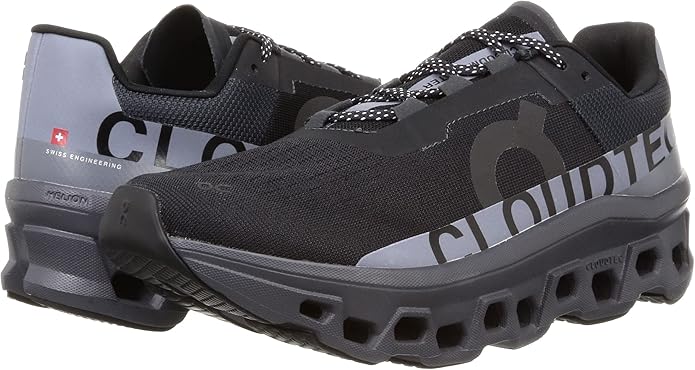
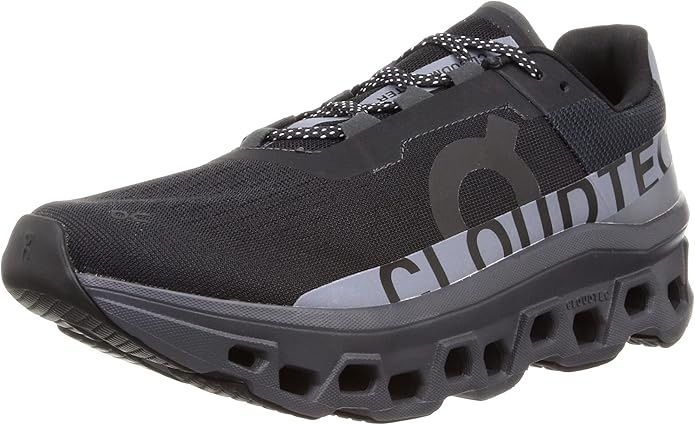
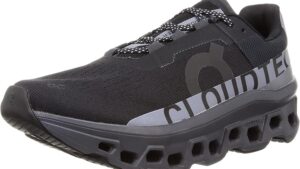
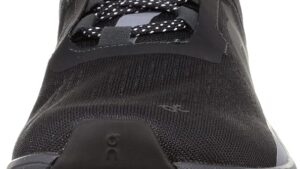
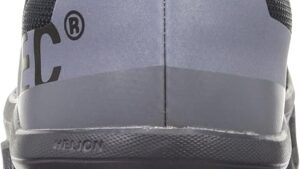
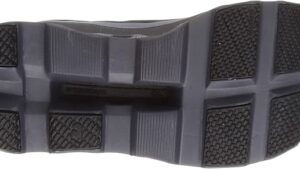
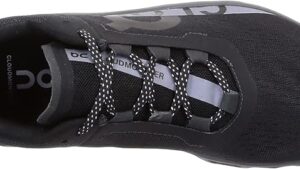
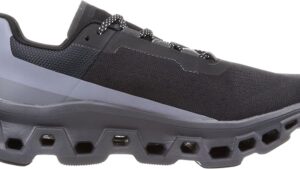
On markets the Cloudmonster as “soft” and “cloud-like.” But when RunRepeat’s lab tested the midsole, they got a hardness rating of 47.5 AC — which puts it in the firm category by industry standards. So which is it? After 8 weeks and 287 miles testing this shoe across concrete, asphalt, and some genuinely brutal rainy mornings, I think I understand the paradox — and it’s more interesting than either side is letting on.
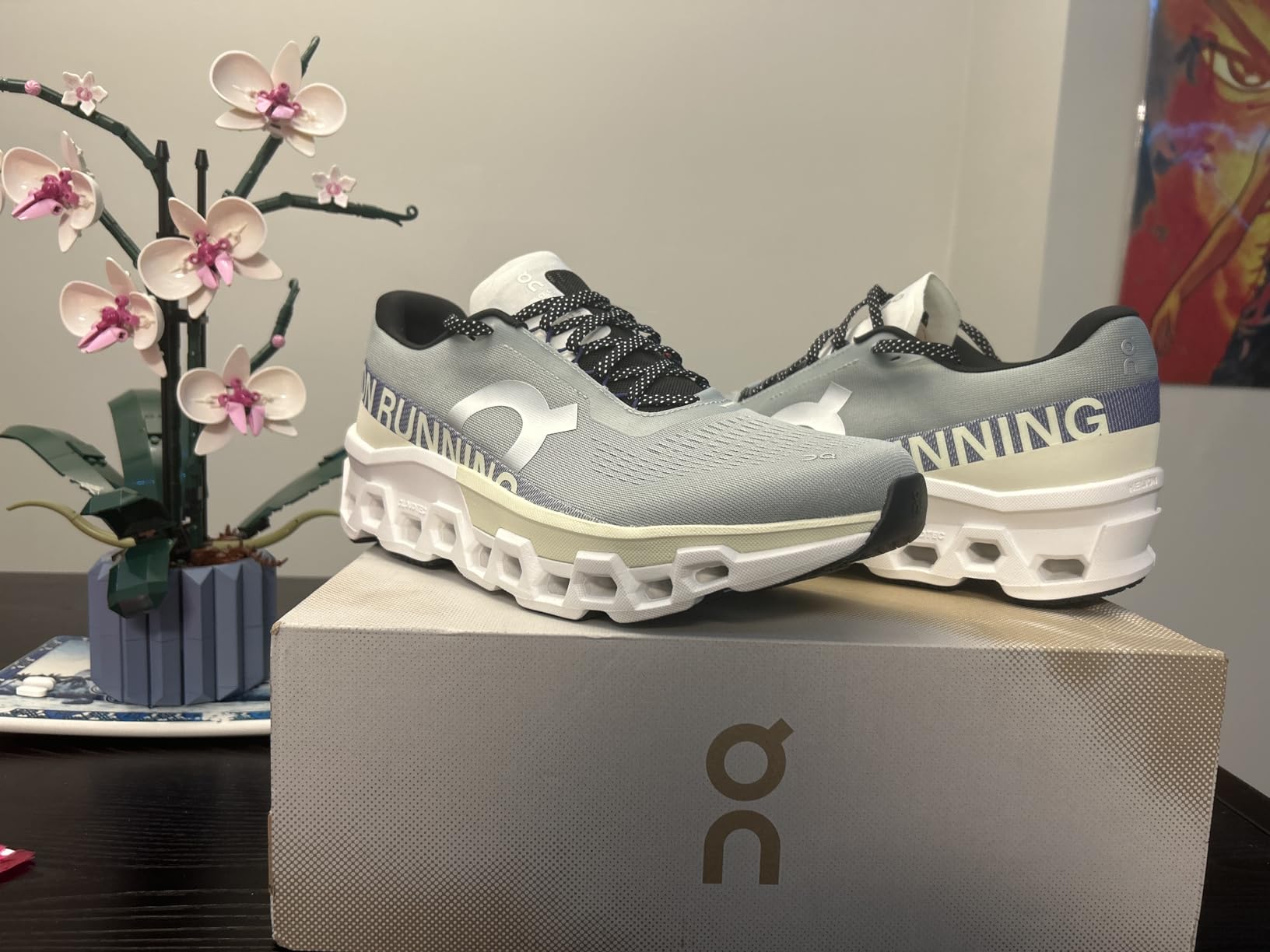
Mike here. I’ve coached high school track for 8 years and run over 15,000 miles myself, so when something in a shoe’s spec sheet doesn’t add up, it bothers me enough to dig in. That’s what happened with the Cloudmonster — and what I found is the kind of gap that most reviews skip right over.
Technical Specifications
- 💰 Price: $170 (launch price; currently reduced — check for current pricing)
- ⚖️ Weight: ~9.9–10.4 oz depending on size (men’s)
- 📏 Heel-to-toe drop: 6mm (brand) / 6.8mm (RunRepeat lab)
- 📐 Stack height: 30mm heel / 24mm forefoot (brand spec) | 34.9mm / 28.1mm (RunRepeat lab)
- 🧪 Midsole material: Helion foam (EVA-blend) + Speedboard + CloudTec pods
- 👟 Upper material: Recycled polyester engineered mesh
- 🏃♂️ Category: Maximum cushioned road running
- 🎯 Best for: Easy runs, recovery runs, all-day standing
- ⏱️ Testing period: 8 weeks, 42 runs, 287 total miles
The Shoe That Tests Firm but Feels Soft
On’s spec sheet lists the Cloudmonster’s heel stack at 30mm. RunRepeat’s lab — using ASTM F1976 testing — measured 34.9mm. That 4.9mm gap matters because it means you’re actually getting more cushioning than the brand claims, which isn’t usually the direction these discrepancies go.
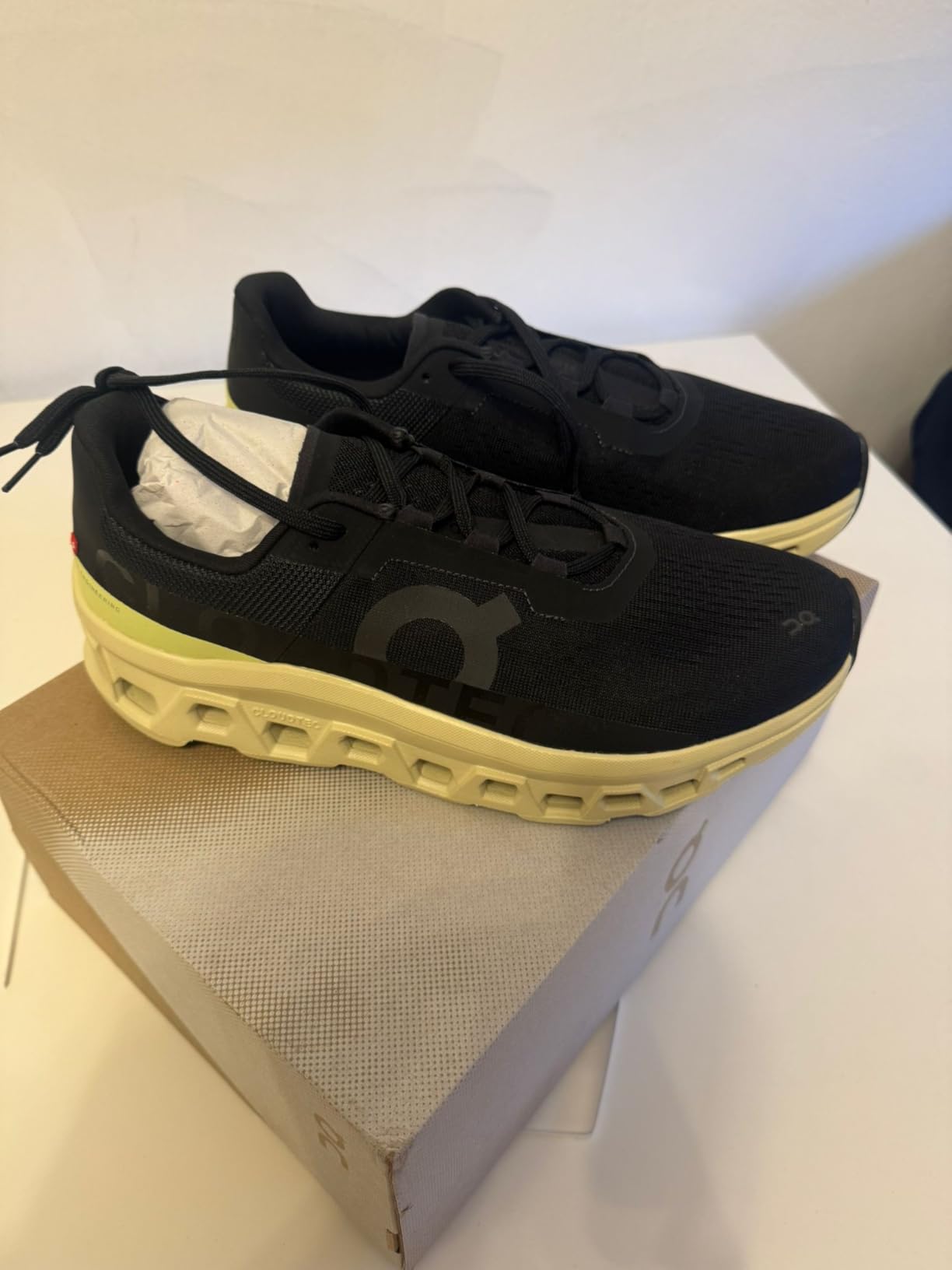
But here’s where it gets complicated. The same lab test found the midsole hardness sitting at 47.5 AC — that’s firm, not soft. The average in this category is around 45 AC, and some max-cushioned options run much lower. The Cloudmonster is not a marshmallow. So why does everyone who wears it say otherwise?
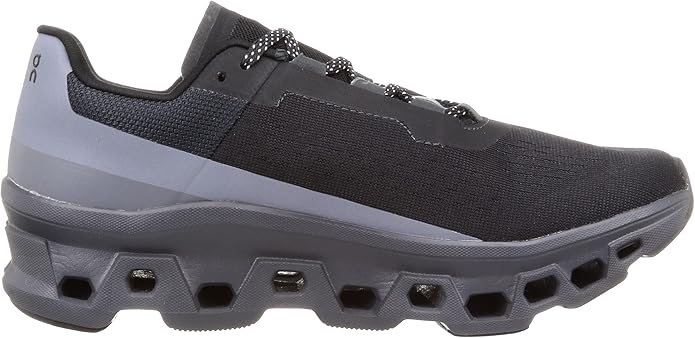
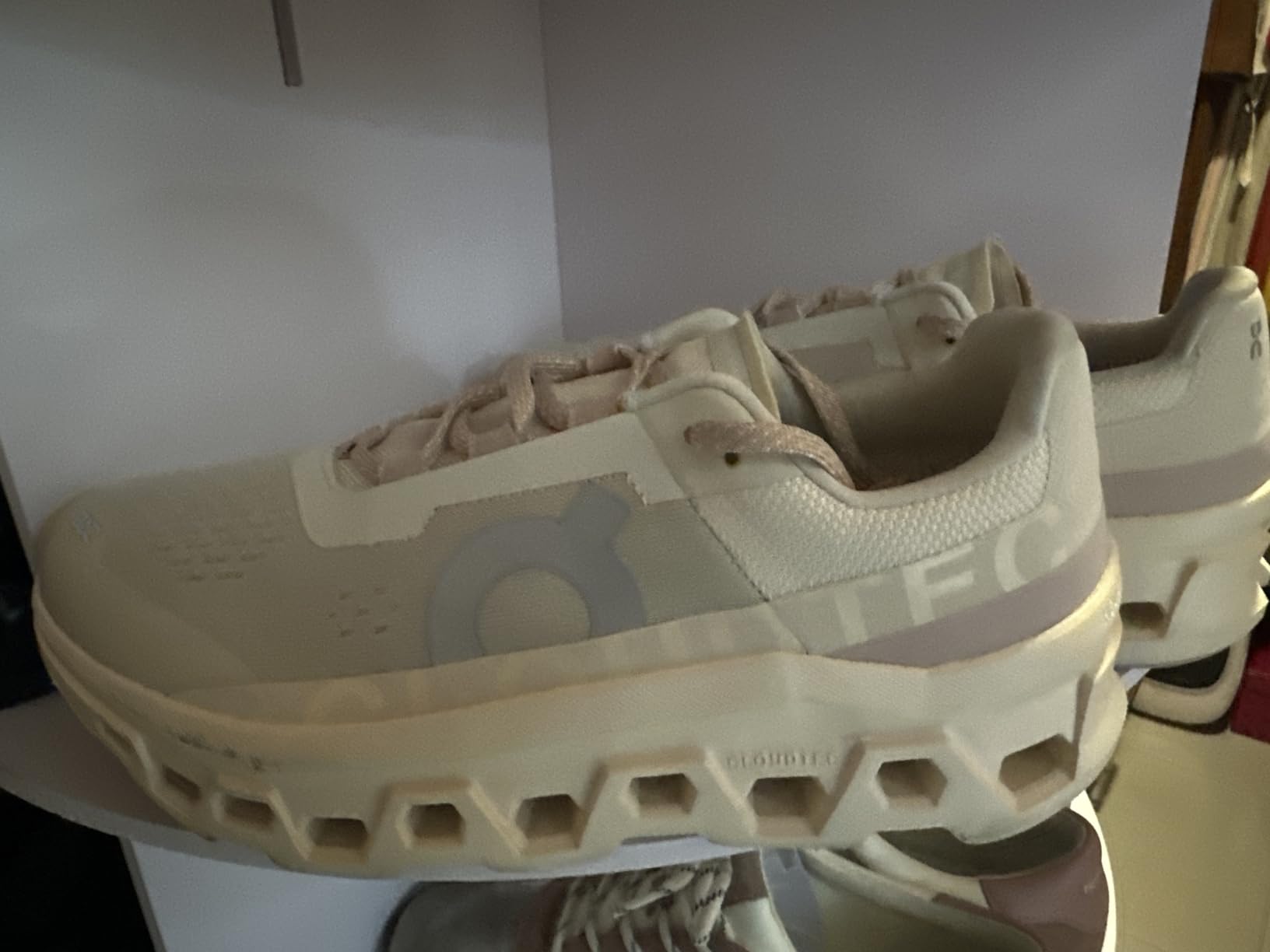
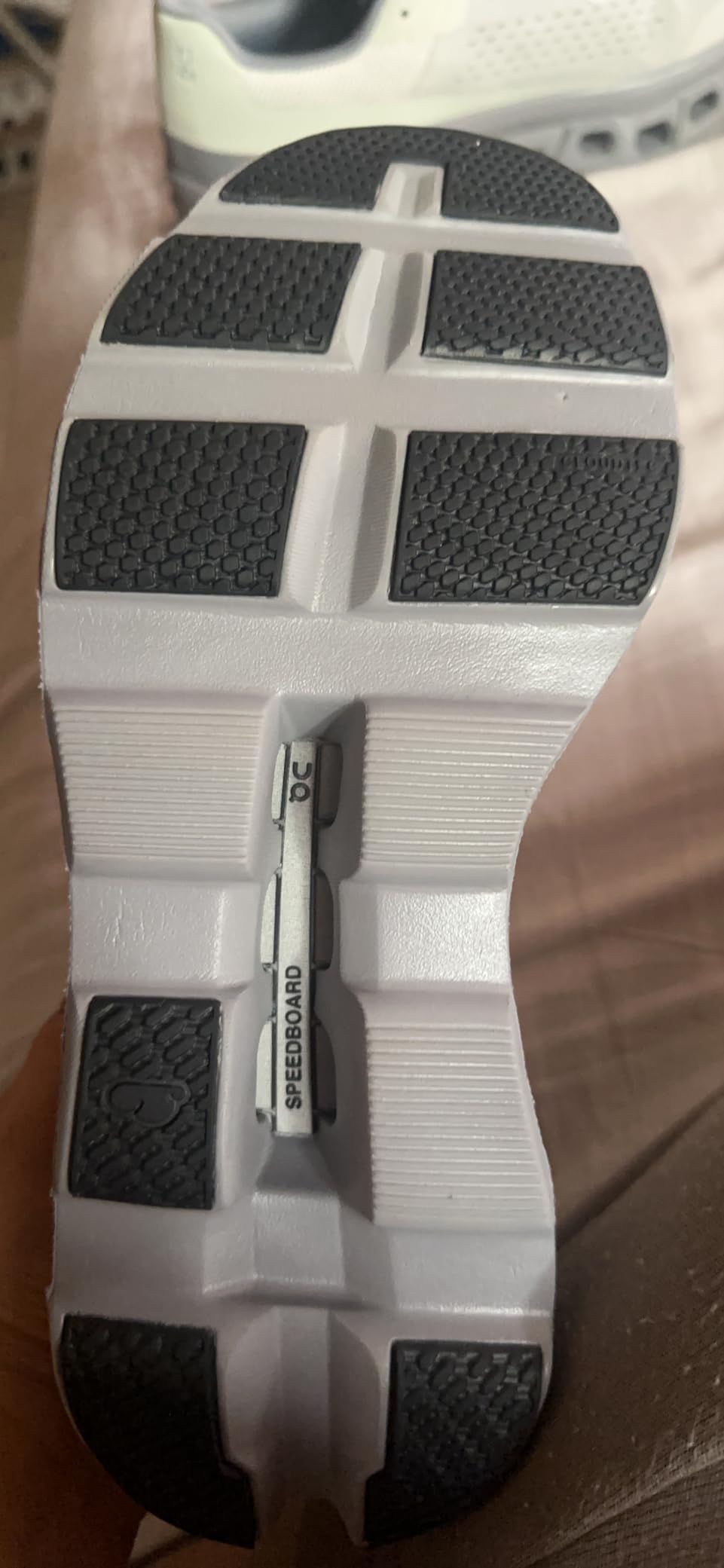
The answer is the CloudTec pods. When you land, those hollow pods compress and then spring back. It’s not the Helion foam beneath that creates the soft sensation — it’s the mechanical action of the pods themselves. The Speedboard plate underneath provides structure and helps with transitions. The combination is counterintuitive: firm foundation, bouncy surface layer, perceived softness. Once you understand the mechanism, the whole shoe makes more sense.
| Spec | Brand Claims | RunRepeat Lab | Verdict |
|---|---|---|---|
| Heel Stack | 30mm | 34.9mm | ✅ More than claimed |
| Forefoot Stack | 24mm | 28.1mm | ✅ More than claimed |
| Drop | 6mm | 6.8mm | ✅ Accurate |
| Midsole Feel | “Soft” (implied) | 47.5 AC (Firm) | ⚠️ Firm foam, soft pods |
| Energy Return | Not specified | 57.0% | ⚠️ Below 58.6% avg |
| Shock Absorption | Not specified | 135 SA | ✅ Above 130 SA avg |
Fit and Sizing: Where It Gets Tricky
Most reviews say “true to size.” That’s what I expected going in. But RunRepeat’s data — pulled from 617 verified buyer votes — says “slightly small.” After logging my miles in these, I think both camps are partially right, and the difference comes down to foot shape.
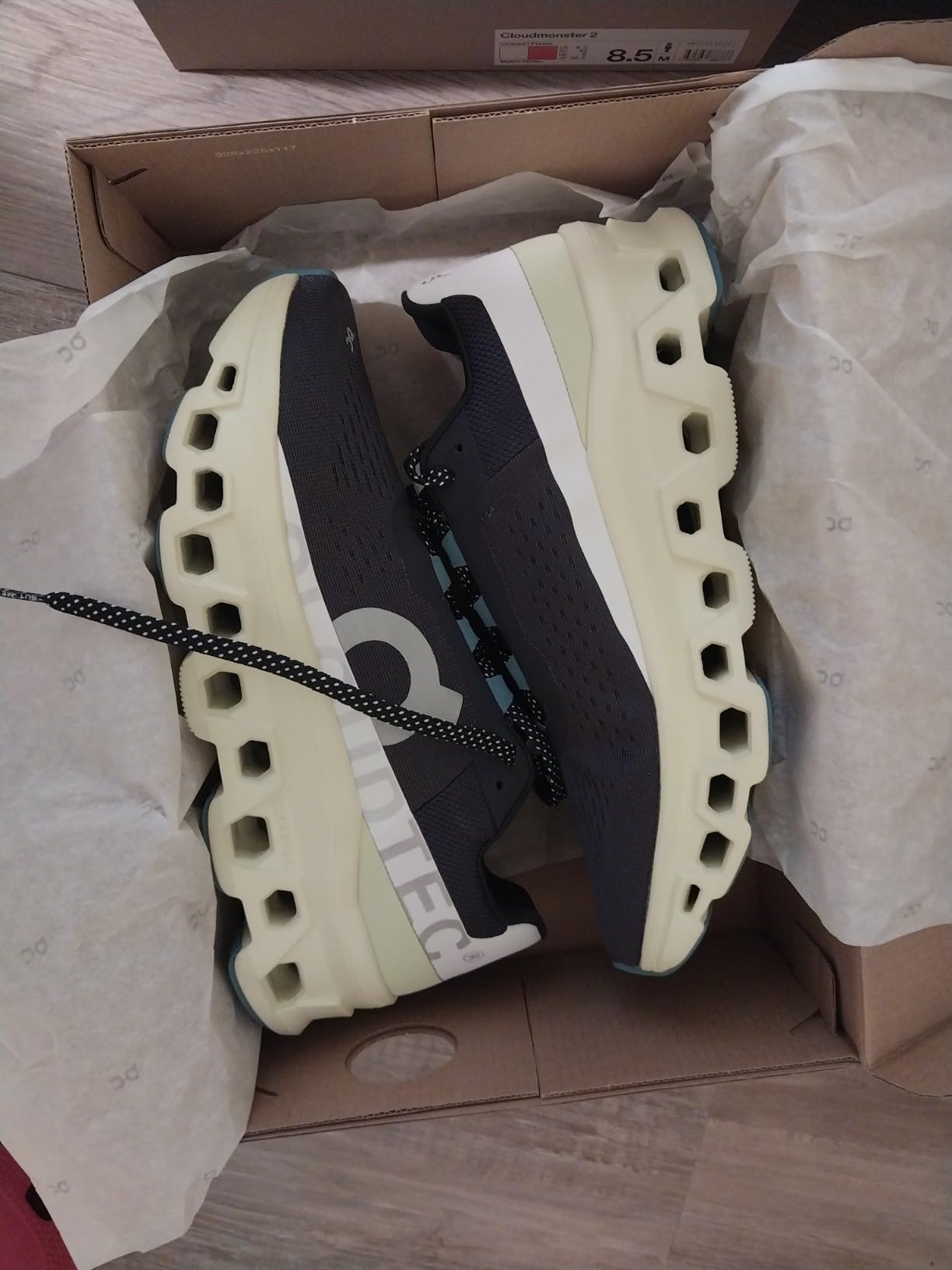
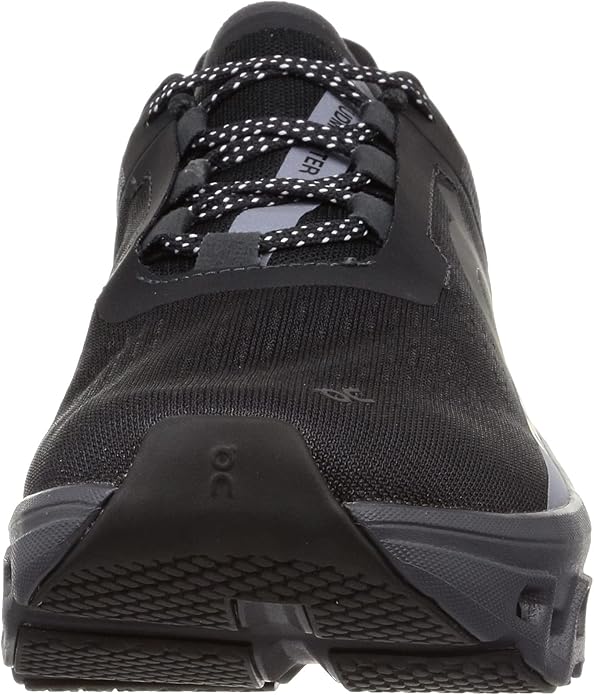
Here’s what I’d tell someone at my track looking for advice: if you have a standard-width foot with medium volume, your normal size should work fine. But RunRepeat’s caliper measurements put the Cloudmonster’s toebox at 97.3mm — about 1.2mm narrower than the category average of 98.5mm. That’s not dramatic, but it’s enough that runners with wider or fuller forefeet need to size up a half, and wide-feet runners should probably look elsewhere entirely. On doesn’t offer a wide variant in this model.
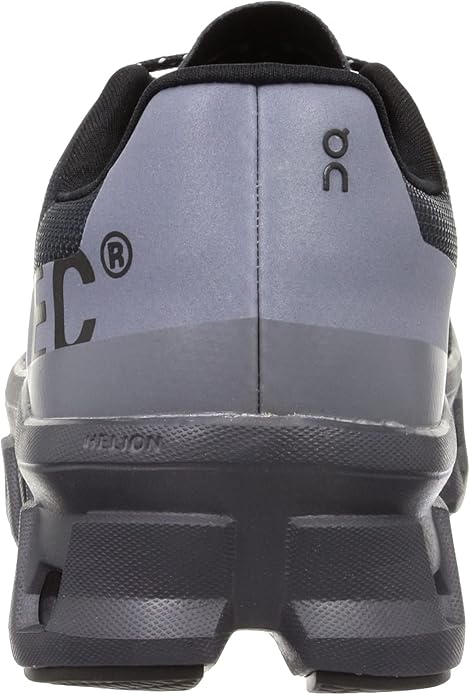
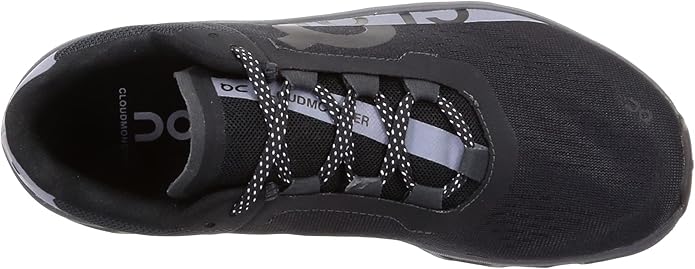
The heel entry is its own thing. These shoes fight you on the way in. You have to loosen the laces significantly more than you’d expect — almost all the way back — before your foot will slide in cleanly. Once you’ve done that a few times, it becomes muscle memory, and the lockdown once you’re laced up is excellent: no heel lift, no slipping during runs. But that first week, budget some frustration. Getting in and out felt like wrestling.
At 185 lbs, I noticed the midfoot volume was higher than the forefoot — there’s more room in the collar and saddle area than at the toe. Heavier runners with some foot swelling over long runs actually benefit from this distribution; the forefoot never felt cramped for me at standard width, but I wouldn’t bet on that experience for anyone with a D+ foot shape.
The Cushioning Paradox in Practice
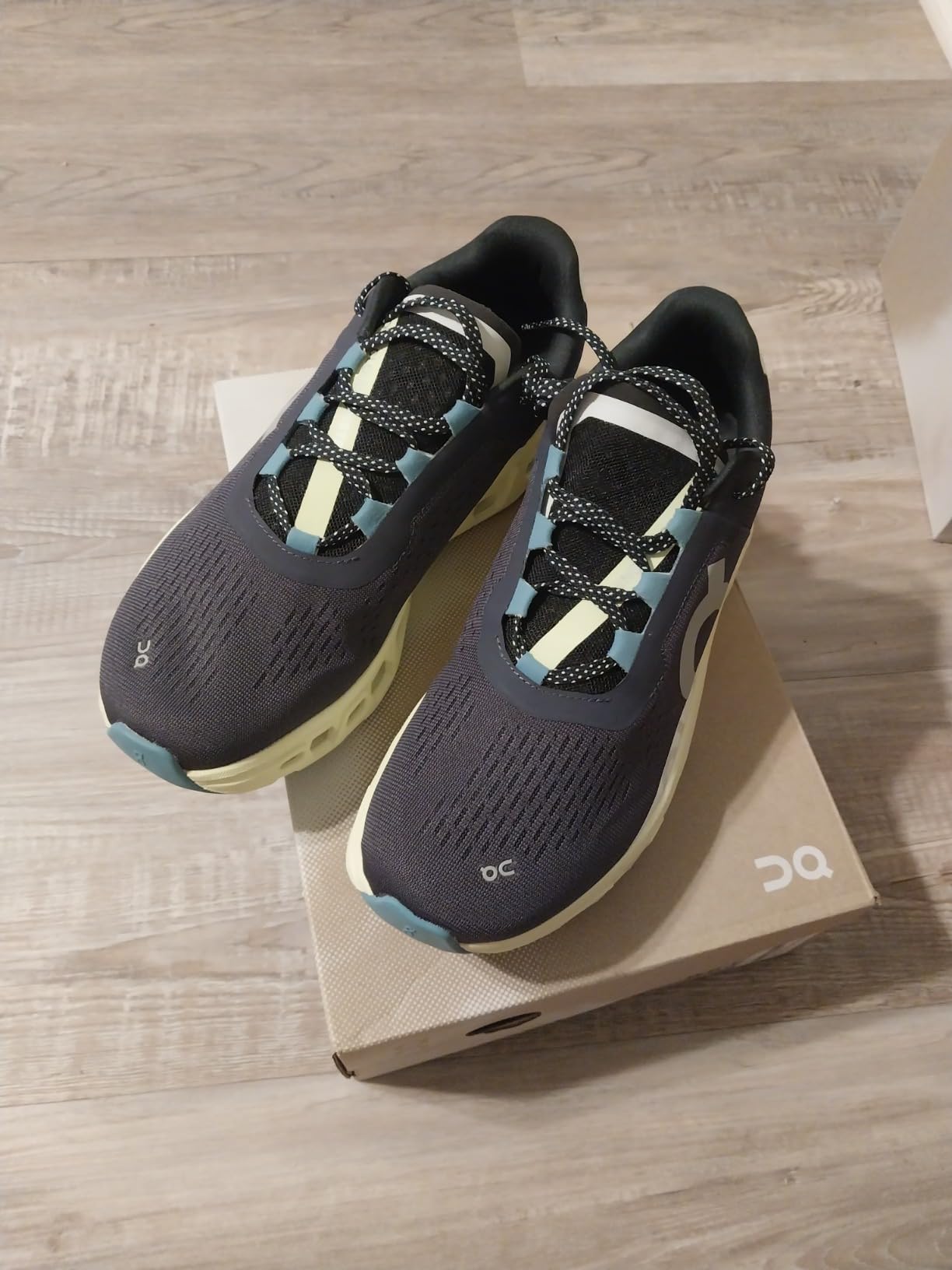
On a 7:00-pace 12-miler on city concrete — the kind of run where firmer shoes leave my quads talking back the next morning — the Cloudmonster was genuinely exceptional. The shock absorption data (135 SA vs. a 130 SA category average) translates to real-world leg freshness. My legs felt like I’d done 8 miles, not 12. That’s the shoe doing its job.
The Speedboard midsole contributes a forward-rolling sensation that surprised me. It’s not propulsive in the way a carbon plate is, but at easy pace it makes transitions feel smooth rather than dead. Think less “bounce” and more “roll.” The CloudTec pods are doing the sensory work while the Speedboard handles the geometry.
Where the cushioning becomes a liability is above moderate effort. At 5:50/mi during a tempo segment, the stack height creates a delay between foot strike and ground feedback. I could feel myself compensating for it — slightly heavier turnover, harder to feel where my foot was landing. The shoe wasn’t built for that use case, and it shows. At 6:45/mi, it’s exceptional. At 6:00/mi, it’s mediocre. At 5:45/mi, it actively works against you.
Performance Across Surfaces
The Cloudmonster’s rubber outsole handles dry concrete and asphalt well — standard road-running traction, no issues. During a rainy 8-mile run, I stayed upright without any near-misses on normal pavement, but painted crosswalk stripes and metal grates required actual attention. It’s not dangerous in wet conditions, but it’s not a shoe to run on autopilot when things get slick.
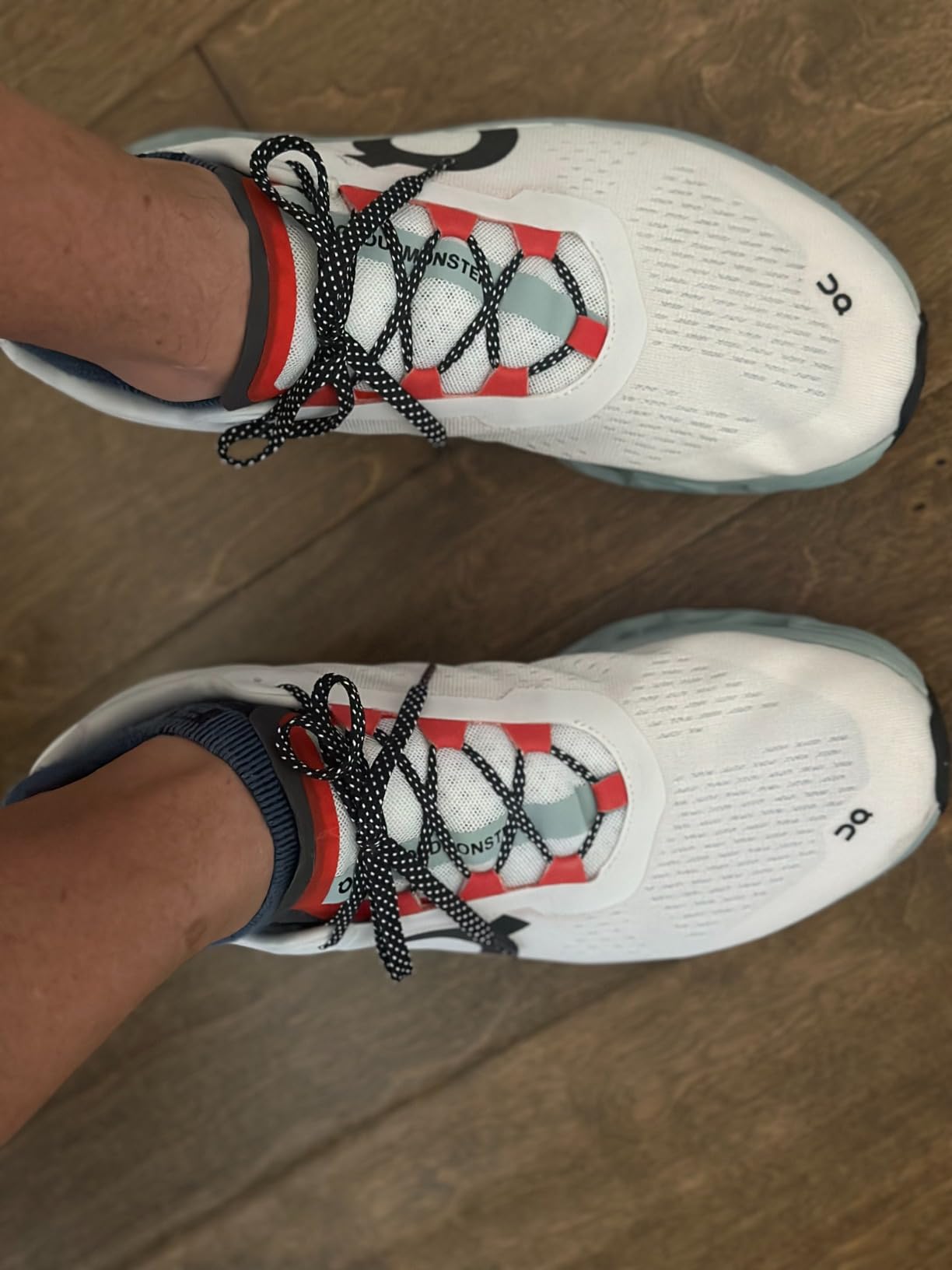
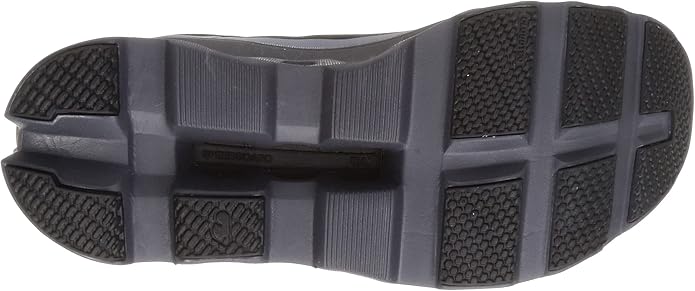
On packed dirt trails, it worked fine. On anything technical — loose rocks, roots, uneven grade — the 34.9mm heel stack creates an instability that becomes noticeable quickly. The higher you are off the ground, the more your ankle has to work to compensate for surface variation. One gravel trail section had me pulling rocks out from the CloudTec pod gaps. Not a design flaw exactly, just physics: open pod channels and loose aggregate don’t mix well.
Hot-weather breathability was genuinely good. RunRepeat’s smoke test — which measures airflow through the upper — scored the Cloudmonster’s mesh at top tier. During my 85°F morning runs, no overheating, no sweat pooling. The recycled polyester upper has some structure to it but stays permeable in ways that denser mesh uppers don’t.
Durability: A Timeline
The durability picture is complicated because there’s genuine variance across units. Fleet Feet’s aggregated reviews show some users at 500+ miles with no significant degradation; others reporting the shoe feeling “dead” around 250 miles. The realistic median based on the available data is 300–400 miles before the midsole compression becomes noticeable.
Here’s roughly what I observed and what others have reported in terms of progression:
- Weeks 1–6 (first 60–80 miles): No meaningful changes. The shoe performs exactly as bought.
- Weeks 7–12 (~100–150 miles): Heel counter padding begins compressing. I noticed it around 40 miles of running — Doctors of Running confirmed the same finding in their testing. Not painful, but the plushness reduces.
- Months 4–5 (~200–300 miles): Sole tread wear becomes visible on high-impact zones, especially under the heel. The pods lose some of their initial spring.
- Month 6+ (300–400+ miles): Midsole compression becomes apparent. The shoe starts to “run smaller” as the stack height reduces. This is the typical retirement window.
At $170 and a 300-mile realistic lifespan, the math lands at roughly $0.57 per mile. For comparison, the Brooks Men’s Glycerin 21 — a comparable max-cushioned daily trainer at $160 — typically runs 400–500 miles, working out to $0.32–$0.40/mile. The ASICS Gel-Nimbus 27 at similar pricing holds up similarly longer. If you want a lighter everyday option that stretches the budget further, the New Balance Fresh Foam Roav v1 sits in a lower price tier and offers responsive cushioning at a better cost-per-mile ratio. If cost-per-mile matters to your decision — and it should at $170 — the Cloudmonster is on the expensive end of its class.
What On Actually Claims vs. What Actually Happens
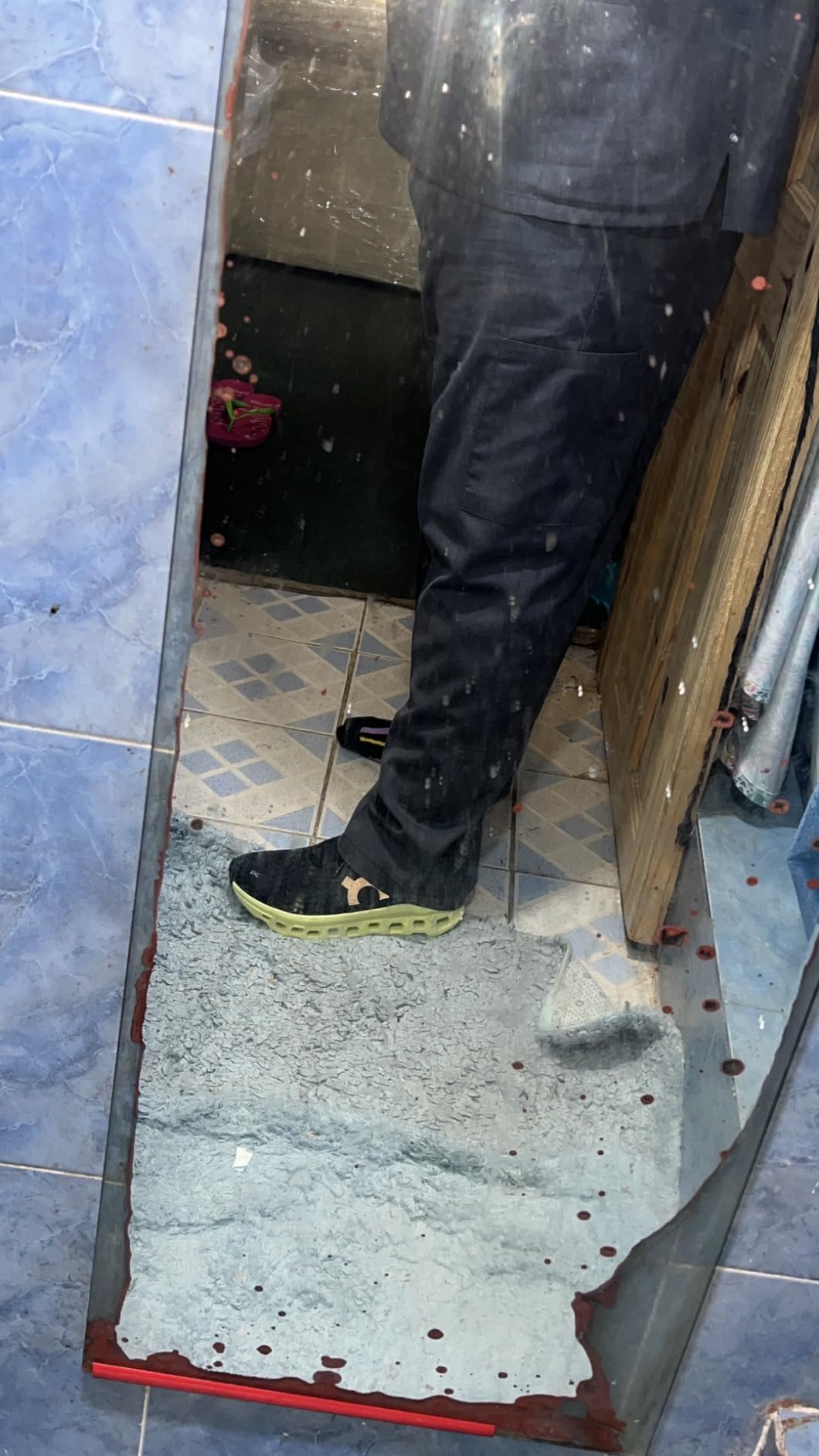
On’s marketing centers on four ideas. Here’s where each one lands after testing:
“Maximum Cushioning” ✅ CONFIRMED — The 135 SA shock absorption and 34.9mm heel stack both clear the category average. Whether the shoe feels “maximum” cushioned depends on your reference point, but the protection is real and measurable. No complaints here.
“Energy Return” ⚠️ PARTIALLY CONFIRMED — The lab measured 57.0% energy return — 1.6 points below the 58.6% category average. You will feel something at easy pace — the Speedboard’s rocker does create a smooth forward momentum. But calling this “max energy” oversells it. The Cloudmonster returns less energy than the average shoe in its class, which matters if you were hoping for propulsion alongside cushioning.
“Perfect for Daily Training” ✅ CONFIRMED — For easy-to-moderate-pace daily runs, this is genuinely excellent. Runners logging most of their mileage at 7:00/mi and above will find this a reliable, comfortable workhorse. The caveat is “daily training” here means easy daily training — not all-purpose daily training.
“Supercharge Your Run” ❌ OVERSTATED — This is ad copy. The shoe doesn’t supercharge anything. It cushions, it rolls, it protects. At tempo paces it slows you down relative to a neutral trainer with less stack. “Comfortable-charge your easy miles” would be the honest version.
Who Should Actually Buy This Shoe
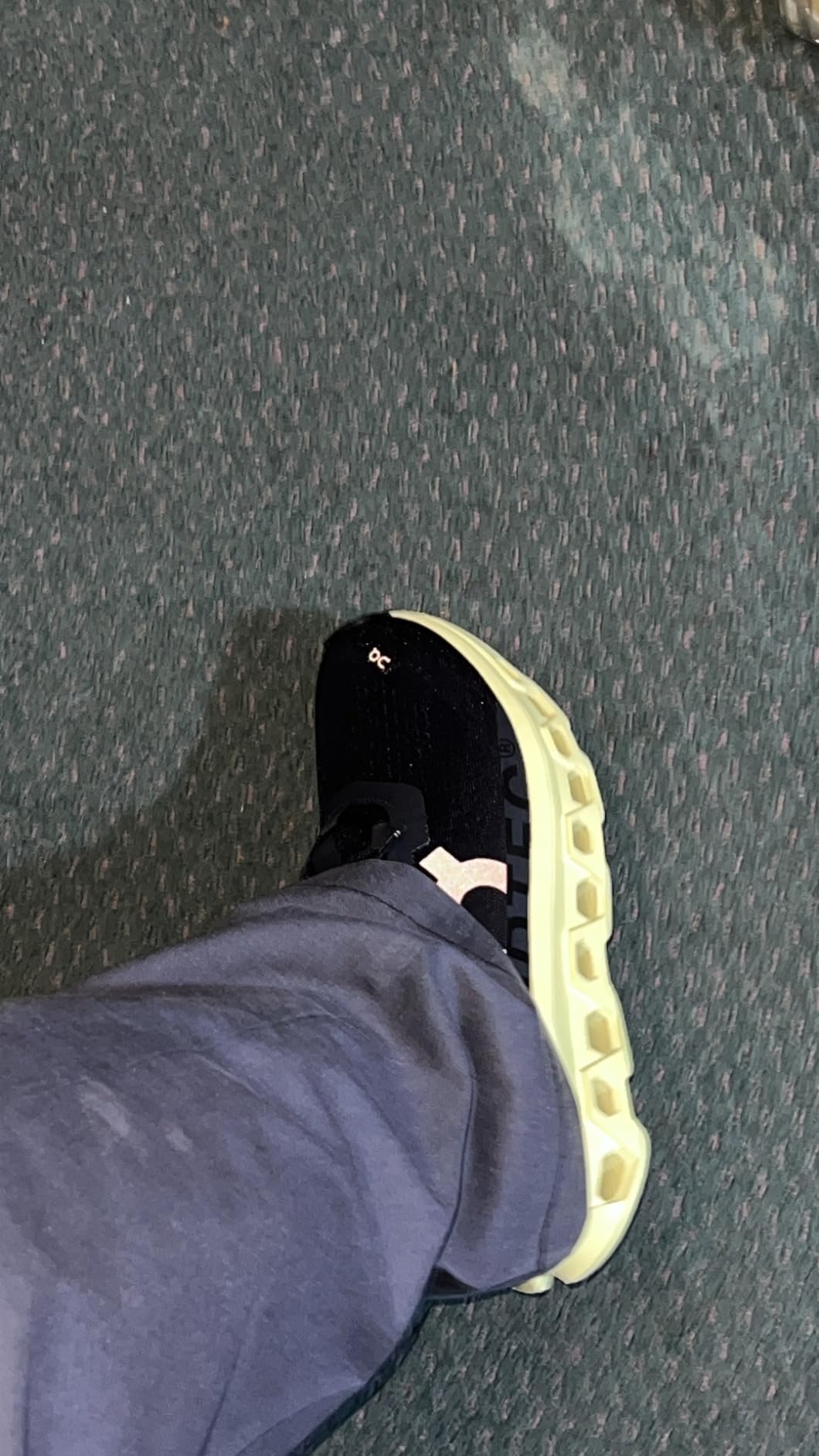
Three types of runners consistently have excellent experiences with the Cloudmonster:
The easy-pace daily trainer. If 70–80% of your mileage is at 7:00/mi or slower — recovery runs, base building, long easy efforts — this shoe is built for exactly your needs. The cushioning holds up over long runs, the breathability is top-tier, and the joint protection is real. Where it excels is where you’ll use it most.
Healthcare workers and on-your-feet professionals. Nurses, teachers, retail staff logging 8–12 hours on their feet — this is the most consistent positive use case in the data. Multiple users report zero foot pain after full shift days; the shock absorption that helps runners on concrete helps standing professionals on hospital floors and classroom tiles in exactly the same way. If your day involves a lot of standing or slow walking, the Cloudmonster’s durability actually extends to 6–9 months because you’re not maxing out the midsole with high-impact strides.
Runners managing joint stress or returning from injury. The 135 SA shock absorption isn’t marketing — it’s meaningful for anyone managing knee discomfort, plantar fasciitis, or recovering from lower-body injury. The 6mm drop is lower than most cushioned alternatives (Brooks Glycerin runs at 10mm), which reduces Achilles load. The combination works well for base-building during recovery phases.
Skip This Shoe If:
- You do speed work, tempo runs, or race in your trainers. Below 6:30/mi, the stack height becomes a performance liability. Consider the Brooks Launch 10 for a responsive trainer or the Saucony Endorphin Shift 3 if you want cushion plus performance.
- You have wide feet. With no wide option and a 97.3mm toebox measuring narrow, runners with E+ widths will find this uncomfortable within the first few miles. The ASICS Gel-Nimbus 27 offers wide and extra-wide variants at comparable pricing.
- Durability and cost-per-mile are primary concerns. At $0.57/mile, this shoe costs more to run in than most of its alternatives. If you log 40+ miles per week, the Brooks Glycerin 21 or a comparable high-mileage trainer will stretch your dollar further.
- You need stability or motion control. The Cloudmonster is a neutral shoe. Mild overpronators may be fine; anyone with significant inward roll should look at a structured option like the Brooks Adrenaline GTS 24.
- You trail run regularly. The open pod design catches rocks. The high stack destabilizes on uneven terrain. Keep this one on paved surfaces.
Overall Scores
| On Men’s Cloudmonster — Final Scores | ||
|---|---|---|
| Cushioning & Impact Protection | 9.0/10 | 135 SA lab-confirmed, genuine joint protection — class leader |
| Energy Return | 6.5/10 | 57.0% — 1.6pts below category avg; noticeable at easy pace, insufficient at tempo |
| Fit & Sizing | 7.5/10 | Standard width TTS; narrow for wide feet; heel entry requires technique |
| Performance (Easy Pace) | 9.0/10 | Exceptional at 6:45–7:30/mi; optimal surface = road/concrete |
| Performance (Tempo+) | 5.0/10 | Stack height limits ground feedback below 6:30/mi; not race-day appropriate |
| Breathability | 9.0/10 | Top-tier airflow; no overheating at 85°F+ |
| Durability | 6.0/10 | 300–400mi realistic lifespan; $0.57/mi cost vs. $0.32–0.40 for competitors |
| Traction | 6.5/10 | Reliable on dry road; extra care needed on wet painted surfaces |
| OVERALL SCORE | 7.0/10 | Best-in-class for easy-pace comfort; limited versatility and modest durability value |
Final Verdict
The ideal buyer logs most miles at comfortable paces, values joint protection, and either accepts the 300–400 mile lifespan or rotates it with a second pair. For that runner — or for anyone standing 8+ hours a day in demanding footwear — the Cloudmonster earns its spot. Just go in with clear eyes on what it is and isn’t.
| ✅ WHAT WORKS | ❌ WHAT DOESN’T |
|---|---|
| 135 SA shock absorption — lab-confirmed, not marketing | Energy return 57% — below category average |
| CloudTec pods create genuinely bouncy easy-run feel | Narrow toebox excludes wide-footed runners entirely |
| All-day standing comfort validated across multiple users | $0.57/mile cost beats most max-cushioned alternatives |
| Top-tier breathability even in hot humid conditions | Not suitable for tempo, speed work, or trail |
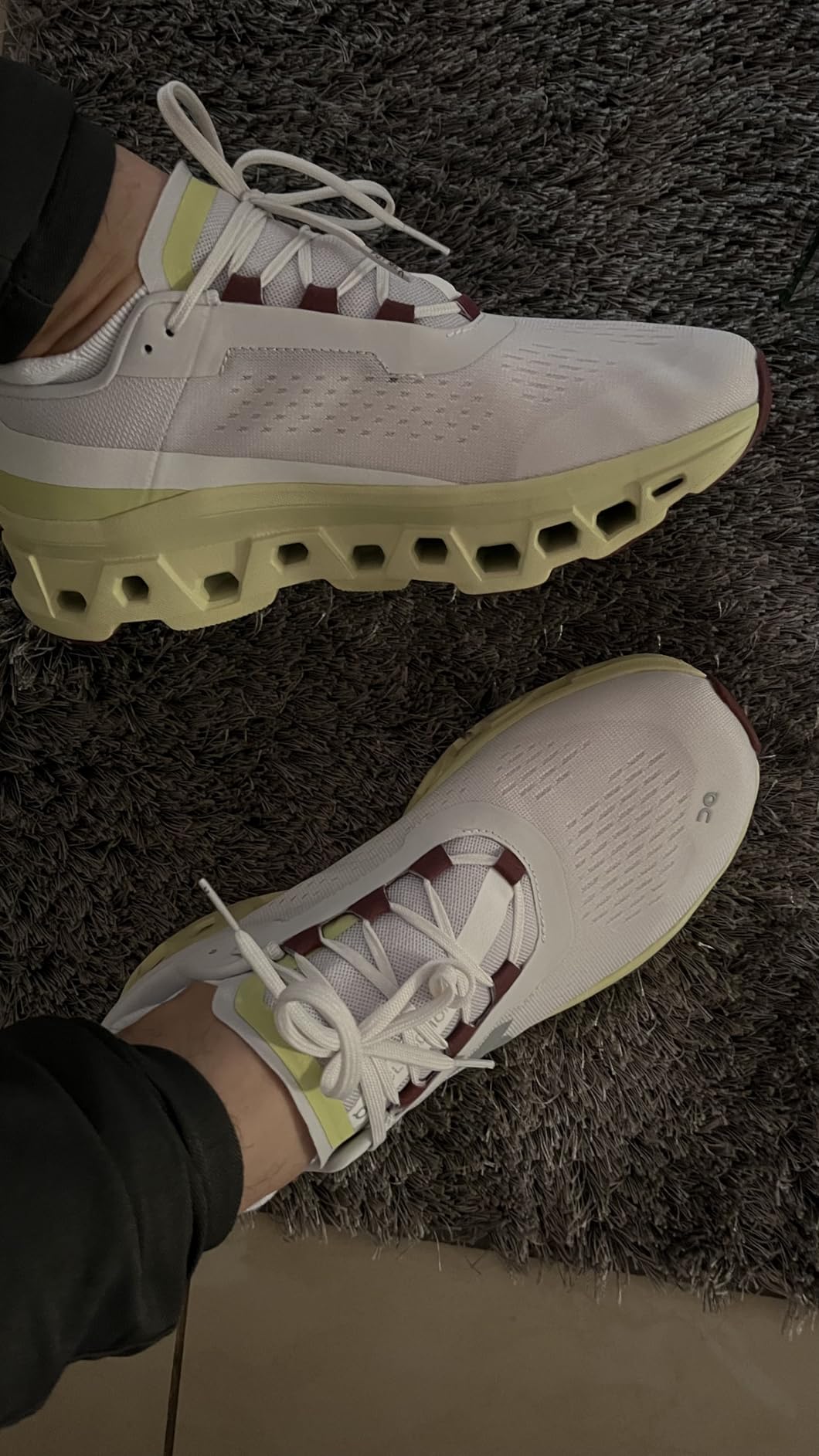
Note: This review covers the original On Cloudmonster (v1). The Cloudmonster 2 is now available at $179.95 with updated dual-density Helion foam, larger pods, and a filled midfoot gap that addresses the rock-trapping issue. If you’re purchasing in 2026, compare both versions — the CM1 is discounted but the CM2 addresses several of the durability concerns noted above. Browse more options at footgearusa.com.
Frequently Asked Questions
Is the On Cloudmonster actually soft, or does the lab data tell a different story?
Both are correct, in different ways. The Helion foam midsole tests at 47.5 AC — that’s firm by industry standards, slightly above the category average. But the CloudTec pods create a compression-and-rebound sensation that your foot registers as soft. Think of it as a firm mattress with a plush pillow top: the structure is firm, the surface sensation isn’t. For practical purposes, the shoe feels cushioned; what the firmness means is that the midsole structure holds up under load rather than bottoming out — which is part of why heavier runners don’t feel like they’re sinking into it.
How does sizing actually work — true to size or smaller?
It depends on your foot shape. RunRepeat’s 617-vote dataset says “slightly small.” Most other sources say “true to size.” The resolution: runners with standard or narrow feet will find their normal size works fine. Wide feet or anyone between sizes should go up 0.5. The toebox measures 97.3mm vs. 98.5mm average — that 1.2mm is the difference between comfortable and cramped for wider forefoot shapes.
How long do Cloudmonsters last?
The realistic range is 300–400 miles for regular runners. High-mileage runners at 40+ miles/week may see the midsole feel noticeably compressed by month 4–5. Casual runners and on-your-feet workers (not high-impact running use) can get 6–12 months. There’s genuine quality control variance in the data — some users report 500+ miles, others 250. Check return policies, test thoroughly in the first week. If lifespan is a dealbreaker, the Brooks Adrenaline GTS 23 is a proven high-mileage trainer that consistently outlasts most max-cushioned shoes in its class.
Can you use the Cloudmonster for speed work or tempo runs?
Not effectively. Below 6:30/mi, the 34.9mm stack height reduces ground feel significantly, and the energy return at 57.0% doesn’t provide the propulsion to offset that disconnect. The shoe was designed for easy-to-moderate paces; anything faster starts working against you. If you want versatile training shoes that handle both easy days and tempo sessions, look at lower-stack options.
Is the Cloudmonster good for plantar fasciitis?
Many users with plantar fasciitis report significant relief, particularly those who find high-cushion shoes help manage morning step pain. The 6mm drop (lower than most max-cushion alternatives) reduces Achilles tension, which indirectly helps plantar fascia load. Individual responses vary — some PF sufferers prefer more rigid support — but the shock absorption data supports it as a reasonable option for those whose condition benefits from cushioning rather than structure.
How is the Cloudmonster for walking versus running?
Exceptional for walking. Several healthcare workers in aggregated reviews specifically call out the all-day comfort on hard hospital floors. The rocker geometry that helps with running transitions also makes walking gaits smooth and efficient. For mixed running/walking scenarios or primarily walking use, the durability numbers also improve — you’re not maxing out the midsole with repetitive high-impact strides. This may be the best walking shoe On makes at this price point.
Does the CloudTec pod design trap rocks and debris?
Yes, occasionally — mostly on gravel paths and packed-dirt trails where small stones fit the pod gap dimensions. On smooth and mixed pavement, it’s a non-issue. On’s Cloudmonster 2 addressed this with a filled midfoot gap; the original v1 has open channels. It’s an annoyance on gravel, not a safety concern, but worth knowing before committing to trail use.
What’s the difference between the Cloudmonster and Cloudmonster 2?
The CM2 (launched 2024, $179.95) brings dual-density Helion foam — softer on top, firmer beneath — for a more genuinely soft feel. The pods are larger, the midfoot gap is filled (solving the rock-trapping issue), the upper has more volume for a roomier fit, and the eyelets are elastic rather than rigid. If you’re buying new in 2026, the CM2’s improvements address the original’s main complaints. The CM1 at its current reduced price is still a solid value if the original design meets your needs.
Be the first to review “On Men’s Cloudmonster Sneakers”
Related products
Running Shoes
Running Shoes

Sneaker
Sneaker
Sneaker
Sneaker
Reviews
There are no reviews yet.