
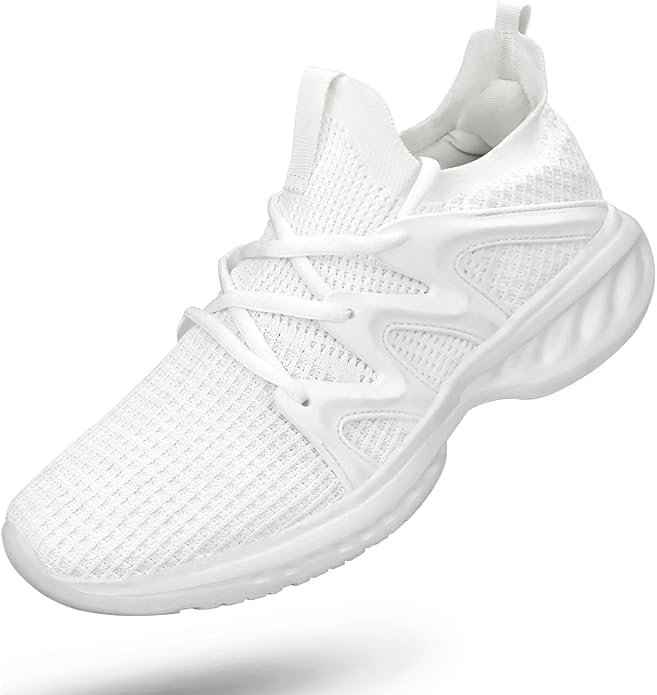
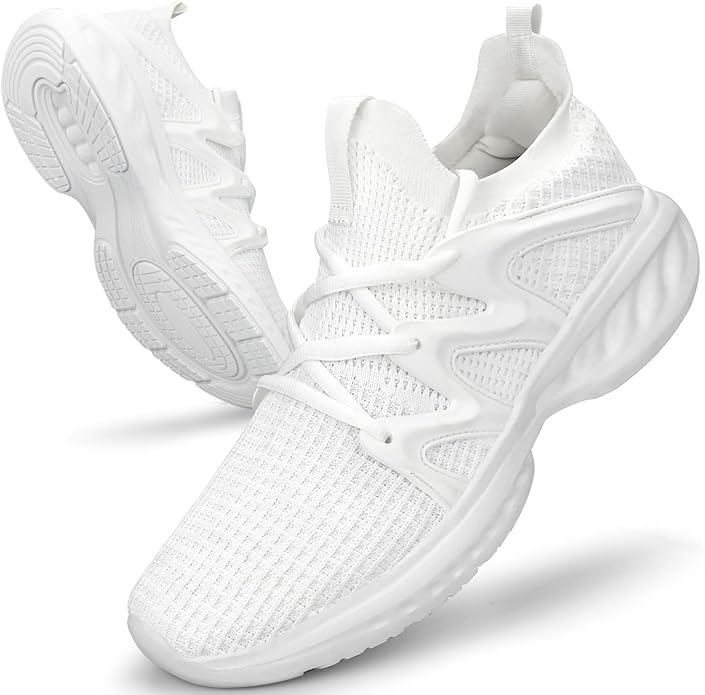
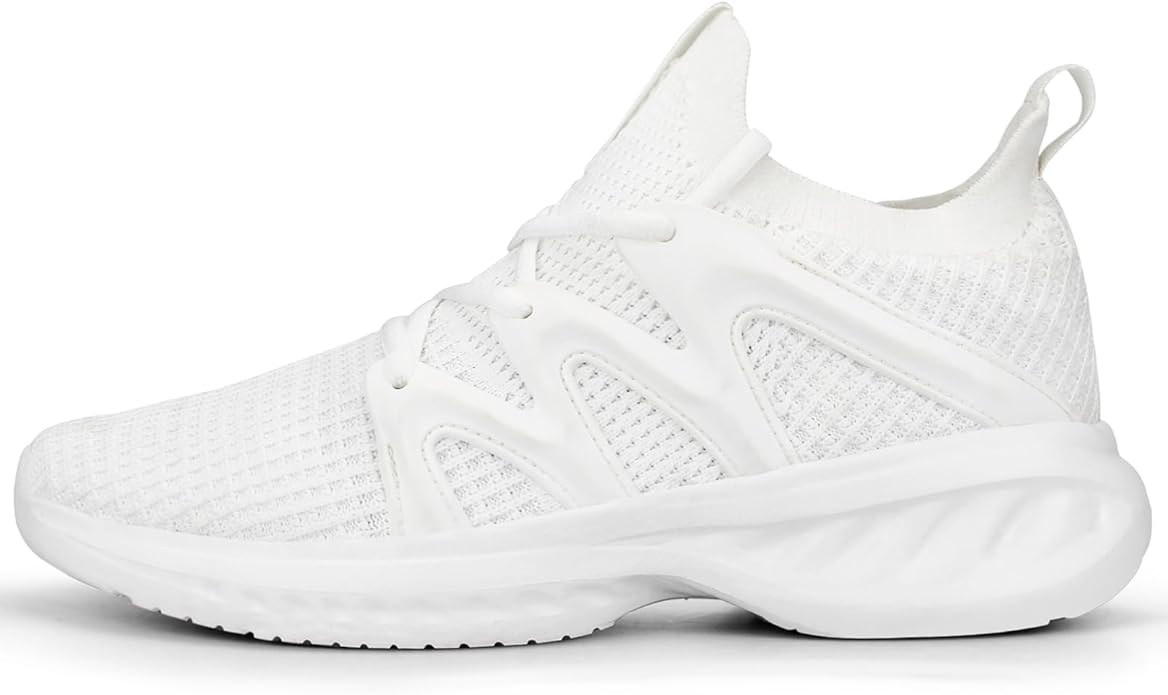
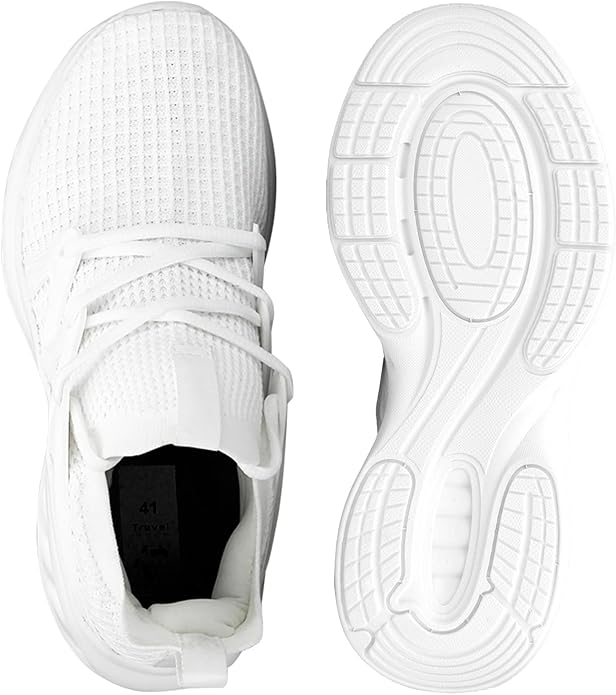
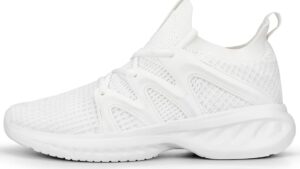
Finding budget walking shoes that actually work turned into my personal torture test last year. Mike here, and after watching two supposedly “premium” pairs fall apart in under six months, I needed proof that $35 could buy something functional. Six weeks and 150+ miles later with the Pujcs Men’s Walking Shoes, I’ve got answers — and they’re not what I expected.
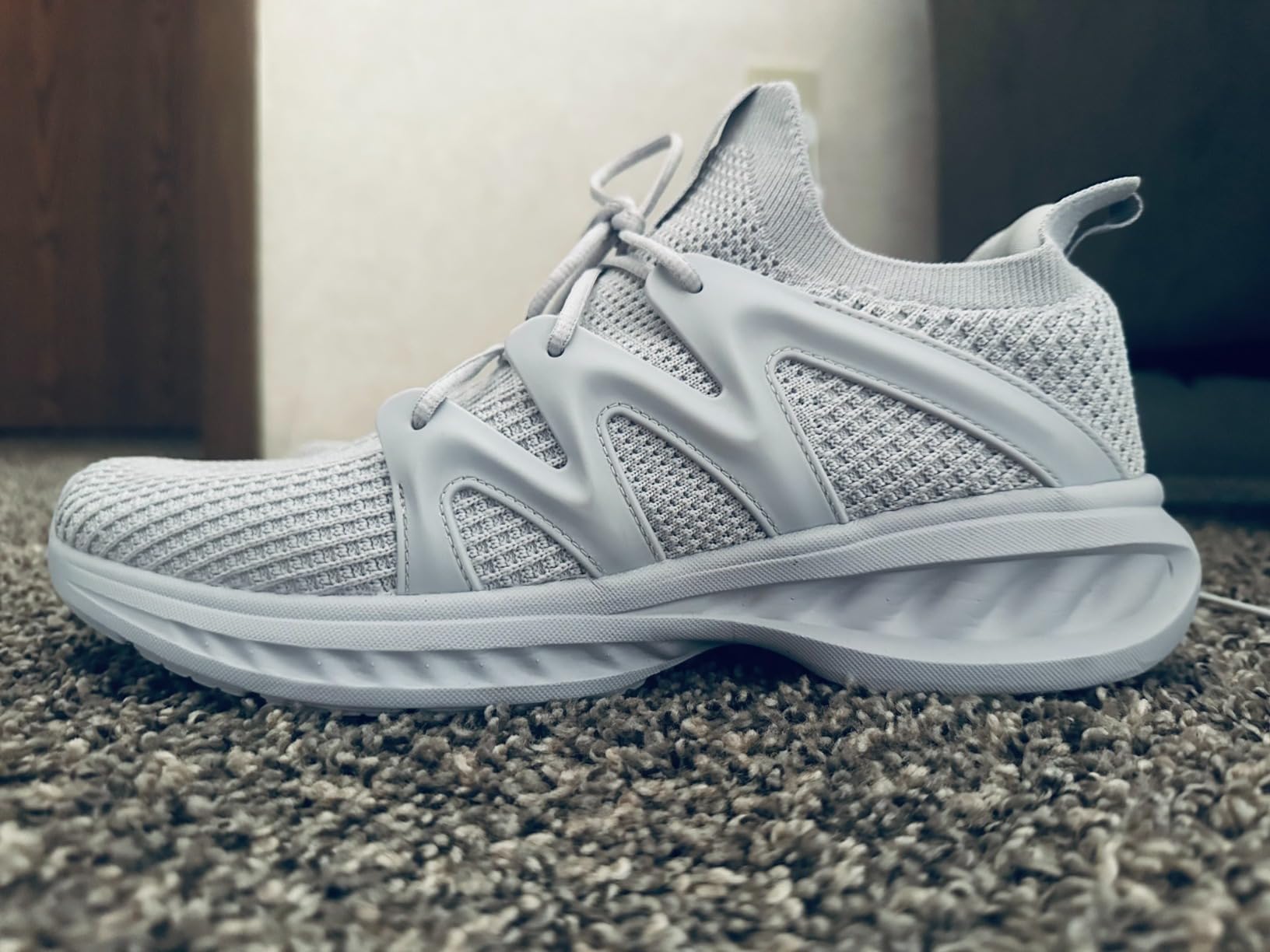
What You’re Getting at $35
Before diving into testing specifics, here’s what Pujcs promises on paper:
- Price: $35 (occasionally $30-40 depending on color/size)
- Weight: 8.5 oz per shoe (men’s size 9)
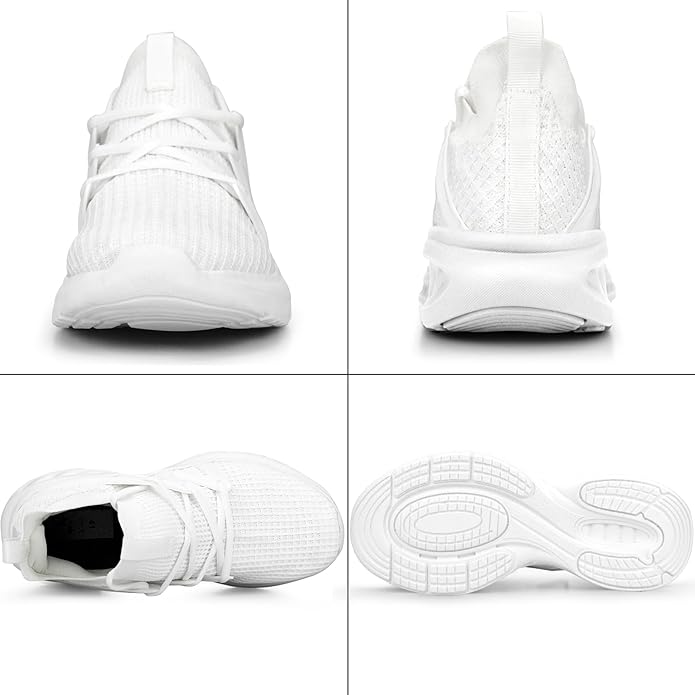
- Upper: Knit mesh fabric with structured toe overlay
- Midsole: EVA foam with integrated air cushioning
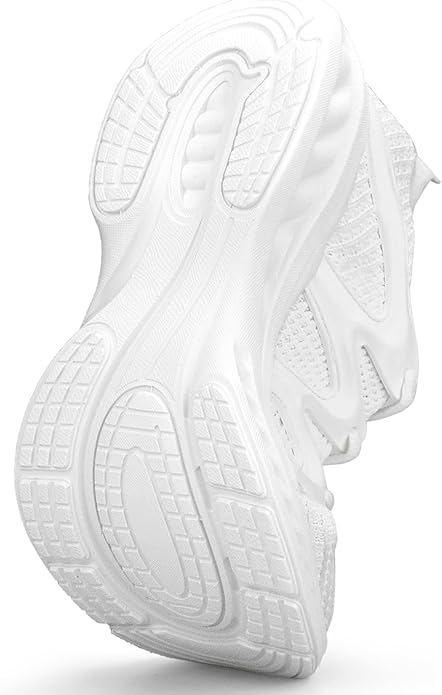
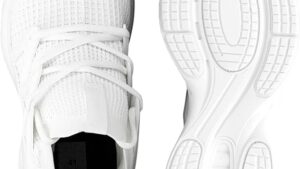
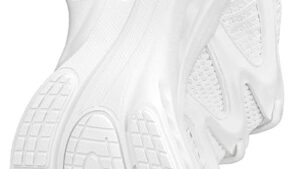
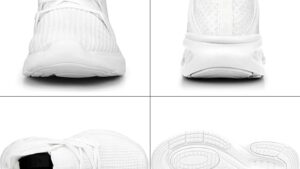
- Outsole: Rubber with tread pattern for traction
- Closure: Traditional laces (despite “slip-on” marketing)
- Best for: Daily walking, light gym work, casual wear
- My testing: 6 weeks, 47 separate sessions, 150+ miles across multiple surfaces and conditions
Those specs told me one story. What arrived in the box told another.
First Impression — The Unboxing Surprise
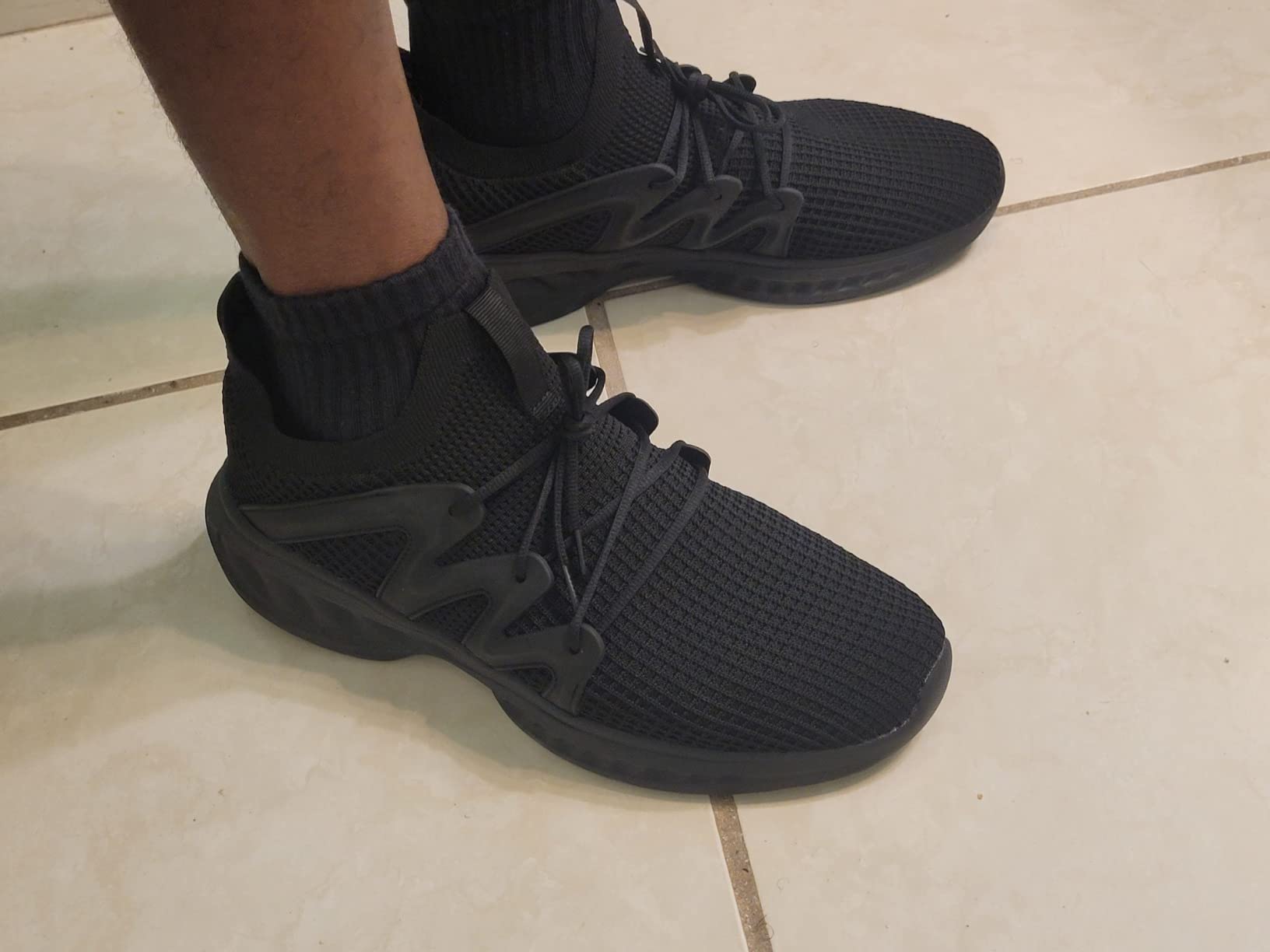
When I pulled these from the packaging, my first thought was honest surprise. The mesh upper felt substantial — not that tissue-paper thinness you get with bottom-tier athletic shoes. There’s a sock-like stretch to the knit, similar to what I’ve experienced with running shoes costing twice as much. The all-black colorway I ordered (they come in multiple colors) gives them a clean look that doesn’t scream “budget compromise.”
But here’s where marketing meets reality: these are marketed as “slip-on” shoes. That’s misleading. Yes, you can wear them without retying laces once you’ve adjusted them to your foot, but the heel structure isn’t firm enough for true hands-free slip-on action. You’ll need to use the heel pull tab and yank them on every single time. Think of them as “easy-on with hand assistance” rather than genuine slip-ons like Skechers Summits.
That said, the process takes maybe 5 seconds once you get the rhythm down, and the traditional lacing actually gives you better lockdown than elastic alternatives.
Fit & Sizing — The Numbers Everyone Wants
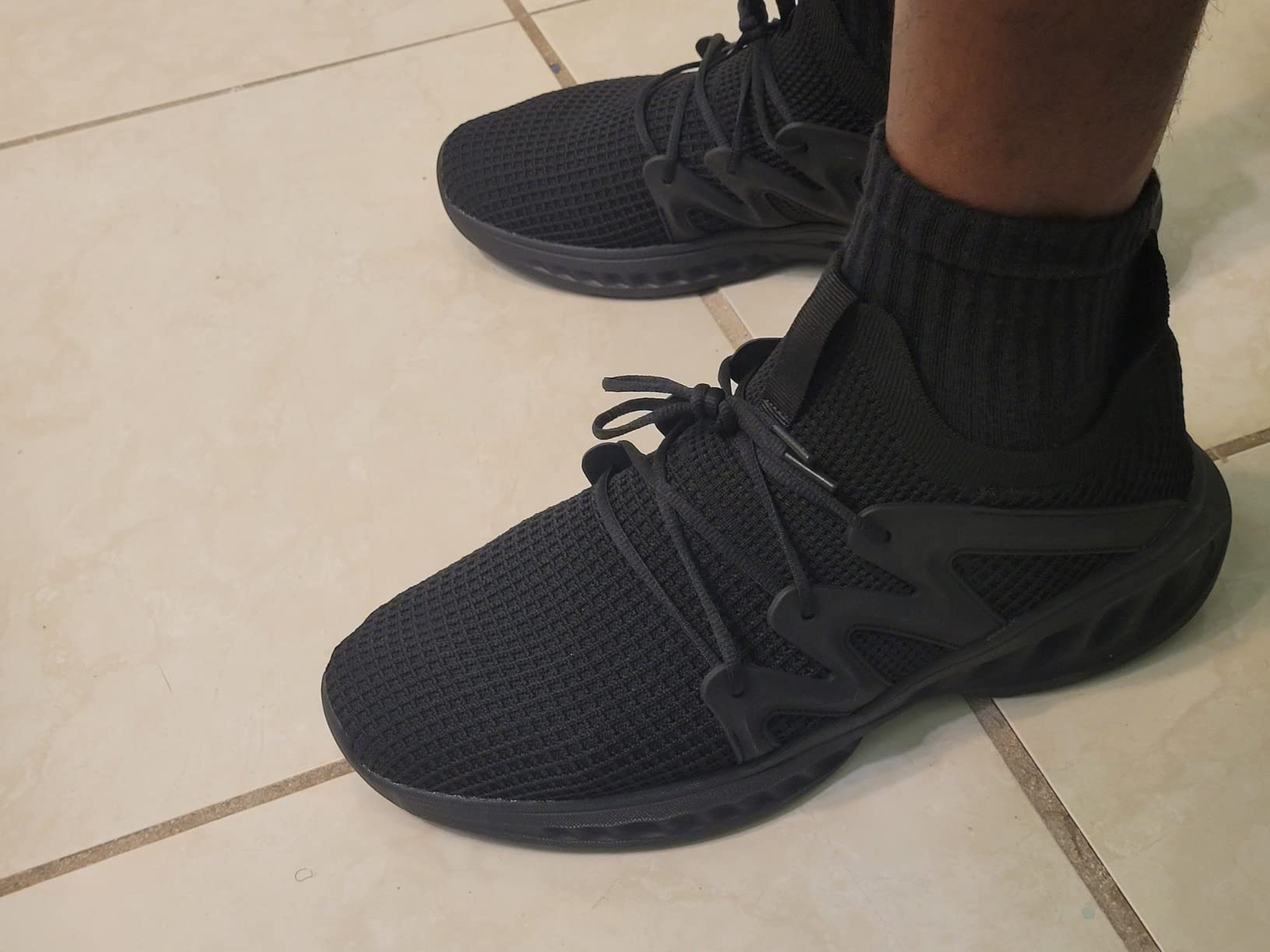
I ordered my normal size 10, and they fit true to size with room for regular crew socks. The midfoot sits snug without being restrictive, and there’s adequate space in the toe box for my toes to splay naturally during walking. No pinching, no pressure points, no break-in blisters.
Here’s the catch: these run a bit narrow. If you’ve got wide feet or need extra room through the forefoot, you’ll struggle. I have standard-width feet and the fit works, but I could feel the sides brush my foot during lateral movements at the gym. For pure walking in straight lines, it’s fine. For anything involving side-to-side motion, the narrow build becomes noticeable.
Sizing guide based on my testing:
- Standard to narrow feet: True to size
- Between sizes: Go up half a size
- Wide feet: Size up half or look elsewhere — the narrow build won’t accommodate wider feet comfortably
- High-volume feet: These sit close to the foot; consider alternatives with adjustable lacing
The good news? Zero break-in period. I wore these straight out of the box for a 3-mile walk and experienced no hot spots, rubbing, or discomfort. That’s genuinely rare for budget shoes.
Breathability & All-Day Comfort — Where These Shine
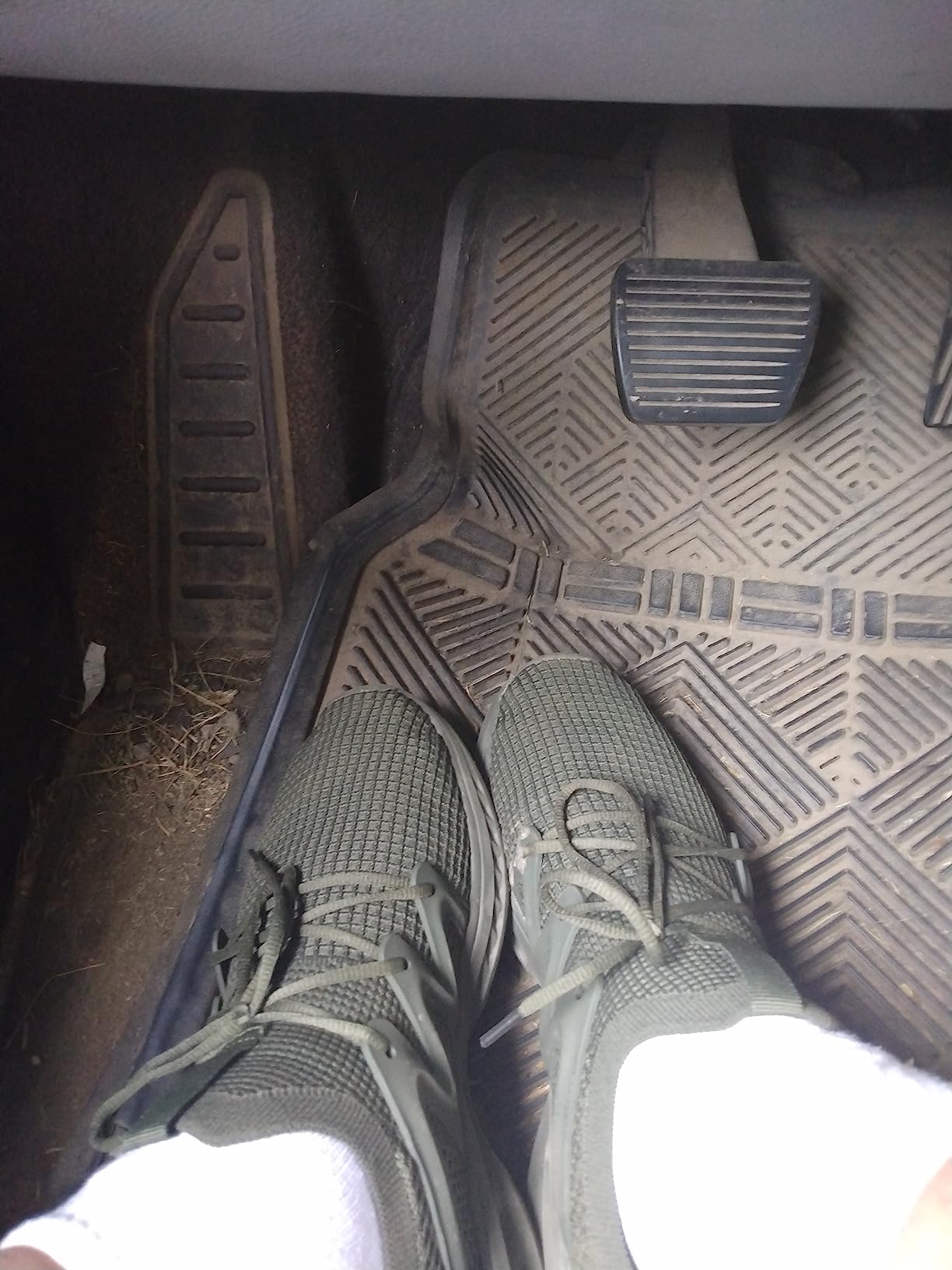
On my first walk around the neighborhood, I noticed air actually moving through the mesh upper. Not “vaguely breathable” but genuine airflow I could feel with each stride. During hour-long gym sessions in July heat, my feet stayed dry. No swamp-foot, no moisture buildup, no regret about choosing mesh over leather.
The EVA midsole surprised me too. At $35, I expected mushy foam that bottoms out by mile 2. Instead, the cushioning felt responsive — you get actual bounce-back rather than dead compression. It’s not Brooks Launch-level energy return, but it’s better than the flat foam you typically find at this price point.
That said, comfort has a ceiling. During a 12-hour work day that included walking between meetings, standing at a trade show booth, and general city navigation, I felt fatigue creep in around hour 8. By hour 10, my feet were definitely tired. Nothing excessive for a $35 shoe, but if you’re planning marathon standing sessions or full-day theme park adventures, manage expectations.
Comfort timeline based on my testing:
- Hours 1-4: Excellent comfort, no issues
- Hours 5-7: Solid comfort, minor arch awareness starting
- Hour 8+: Fatigue noticeable but manageable
- Hour 10+: Ready to take them off
For context, that 8-10 hour window beats several $60-80 shoes I’ve tested. The arch support sits in the “adequate for normal arches” tier. If you’ve got flat feet or high arches, plan on adding aftermarket insoles — the stock insole is thin and provides minimal structure.
Performance Across Different Contexts
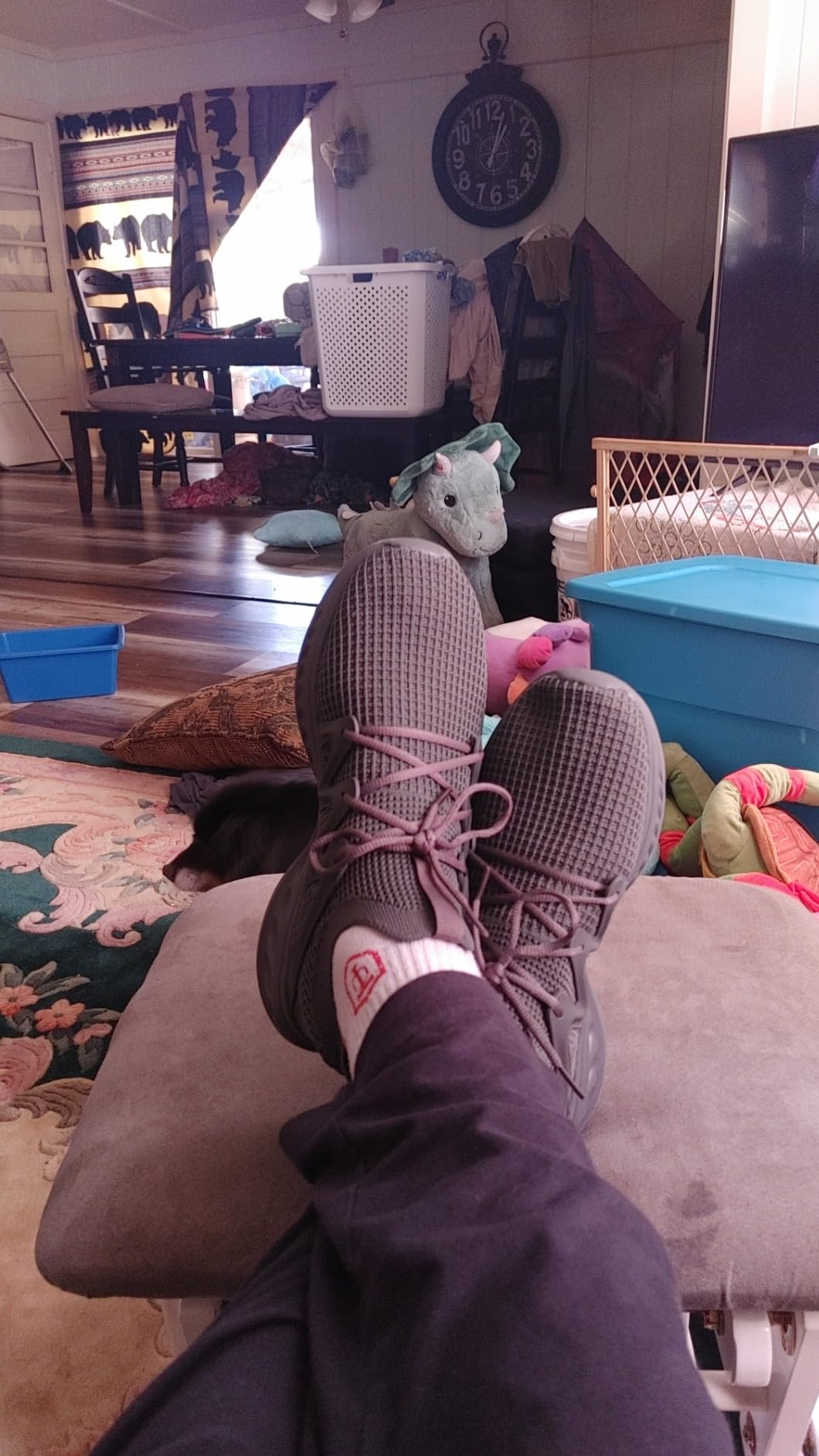
Over six weeks, I deliberately tested these in every scenario I could think of. Here’s how they performed:
Pavement & Sidewalk Walking
This is where these shoes deliver. The rubber outsole gripped concrete and asphalt confidently — I never felt like I was going to slip, even on slightly damp surfaces after light rain. After 150+ miles of mostly pavement pounding, the tread wear is minimal. Genuinely surprising for the price.
Indoor & Gym Use
At the gym, these worked well for treadmill walking and light strength training. The flat sole provided stable footing for deadlifts and squats (though I wouldn’t recommend them for serious powerlifting). Breathability really stands out here — my feet stayed comfortable even during full hour-long sessions. For cardio machines and general gym movement, they’re perfectly adequate. For lateral-intensive workouts or agility training, the narrow build and minimal ankle support become limitations.
Light Trails & Outdoor Use
I took these on a few paved trail walks to test versatility. They handle established, maintained trails fine. But don’t confuse these with actual hiking shoes — the tread pattern isn’t aggressive enough for loose dirt or rocky terrain, and the mesh upper offers zero ankle support. Think “paved park paths,” not “backcountry exploration.”
The Running Question
Pujcs markets these as suitable for “running.” Let’s be honest: light jogging on a treadmill at a slow pace? Maybe. Serious running with any kind of mileage or pace work? Absolutely not. These lack the structured support, advanced cushioning, and durability needed for regular running. Stick to walking and casual activities, and you’ll be much happier.
Debunking the Marketing Claims
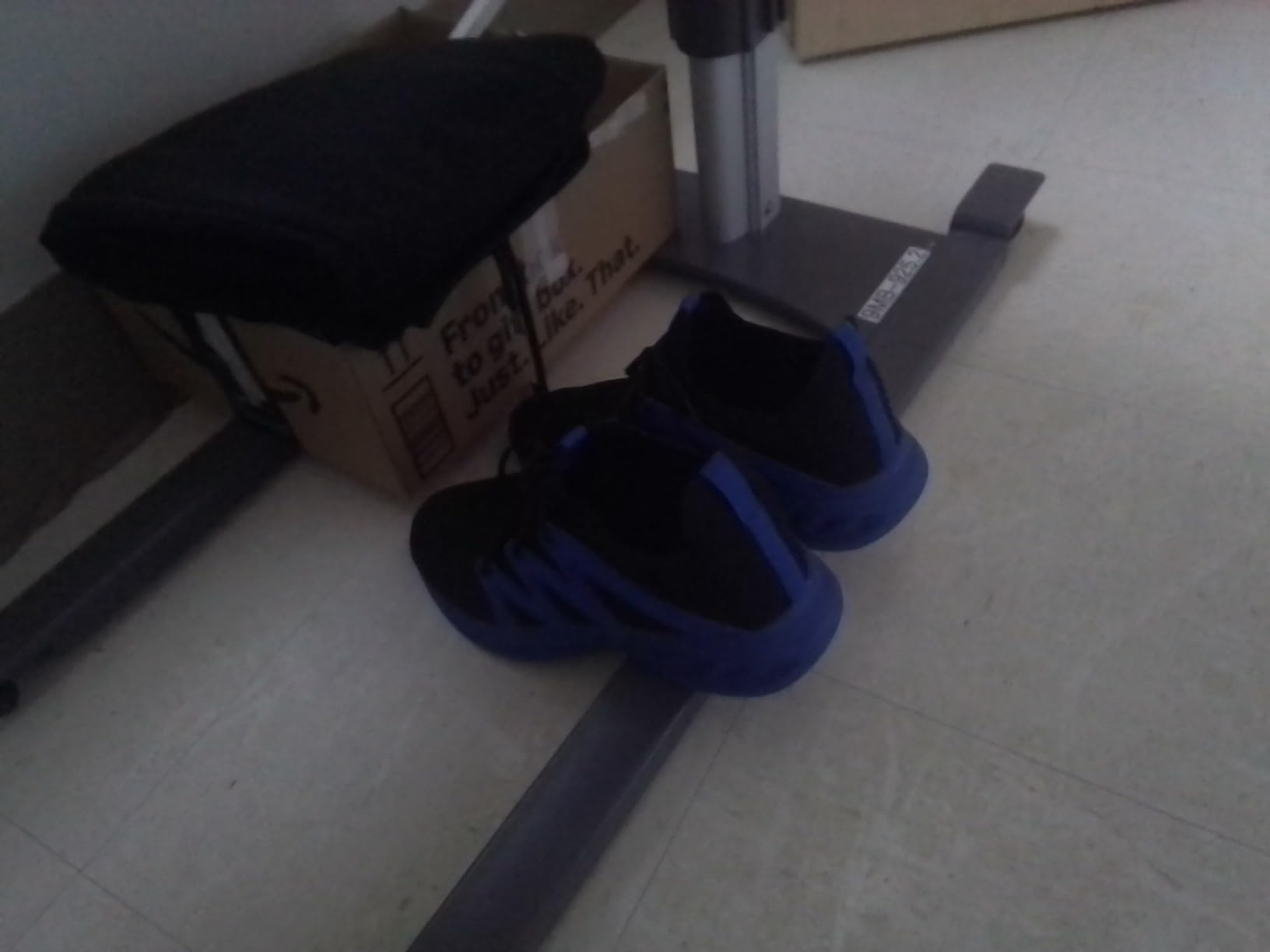
Let’s reality-check what Pujcs promises versus what I actually experienced:
“Slip-On Design”
Marketing: Easy slip-on convenience
Reality: Misleading. You need hands to pull the heel up every time. The back structure isn’t firm enough for true hands-free slip-on. It’s “easy-on with assistance,” not genuine slip-on like what you get with elastic designs. Once you accept this, the traditional laces actually provide better foot security.
“Lightweight & Breathable”
Marketing: Ultra-light construction with superior airflow
Reality: Absolutely true. At 8.5 oz, these are genuinely lightweight, and the breathability exceeds my expectations even compared to some $70 shoes. My feet stayed dry across multiple contexts — this claim holds up.
“Non-Slip Outsole”
Marketing: Excellent grip on all surfaces
Reality: Qualified truth. For normal walking conditions (dry pavement, indoor floors, slightly wet surfaces), yes. For challenging terrain, slick tiles, or serious outdoor grip requirements, no. The rubber provides adequate traction for everyday use, not technical performance.
“Suitable for Running”
Marketing: Great for running activities
Reality: Light jogging at best. These lack the structure, responsiveness, and durability for real running. If you’re training for anything beyond casual 1-2 mile jogs, invest in actual running shoes.
Durability & The Long Game
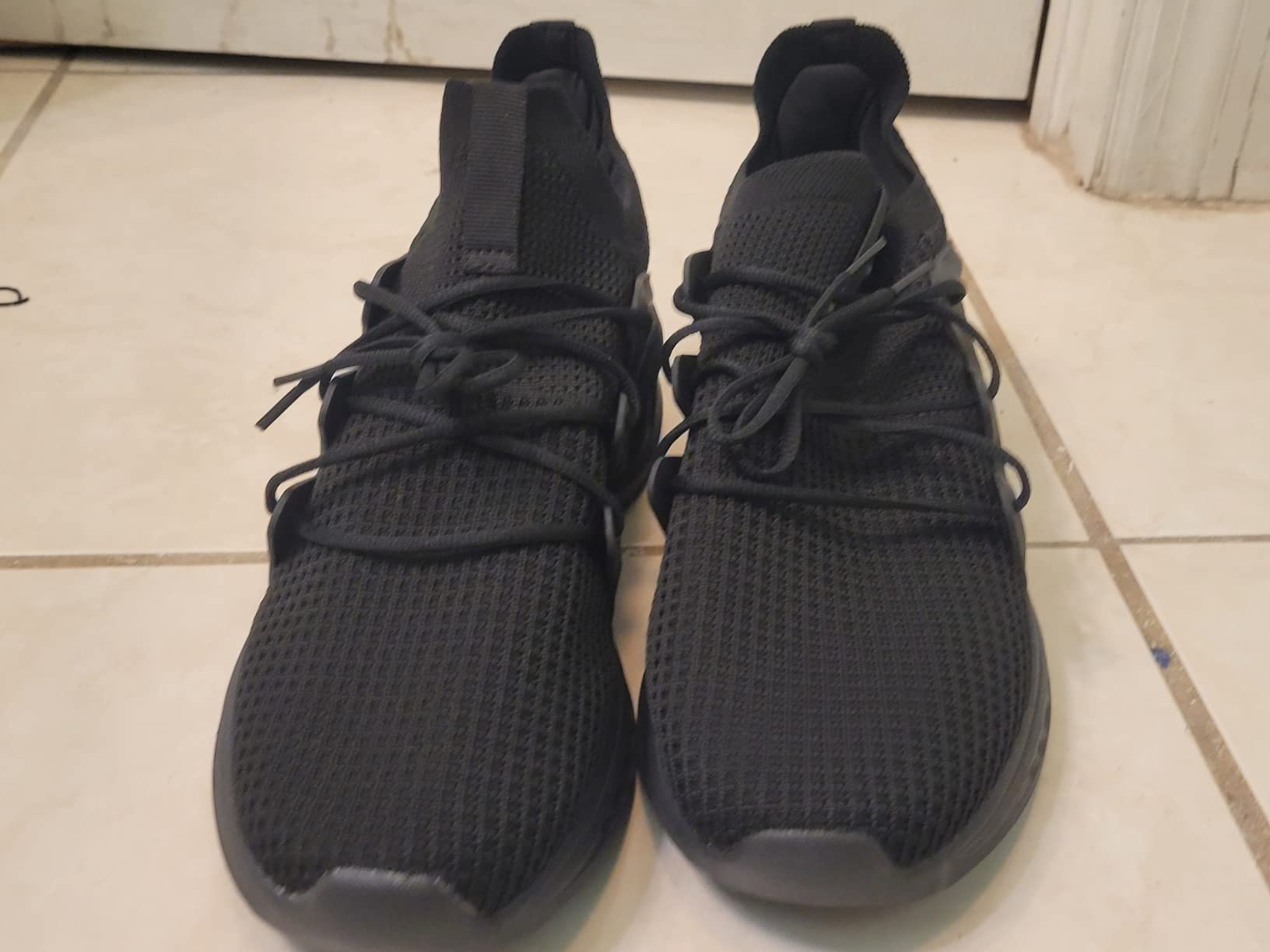
Here’s where I have to be honest about limitations: six weeks isn’t long enough to deliver a definitive durability verdict. What I can tell you is this: the construction feels better than expected. Stitching is tight, no loose threads, and the knit mesh structure feels substantial rather than flimsy.
After 150+ miles, I’m seeing minimal sole wear, which genuinely surprised me. The areas I’m watching for potential failure:
- Mesh upper at toe box (high-flex zone prone to tearing)
- Sole-to-upper bond at the flex point
- EVA midsole compression over time
Community feedback suggests an expected lifespan of 6-12 months with regular use, though that varies significantly based on usage intensity. Some users report durability concerns and faster-than-expected wear, while others mention their pairs lasting surprisingly long. There’s definitely a quality control lottery at play here.
Estimated lifespan by use intensity:
- Light use (1-2x/week casual walking): 12-18 months
- Moderate use (3-4x/week regular wear): 6-9 months
- Heavy use (daily wear, high mileage): 3-6 months
Here’s the value calculation that matters: even if these last just 8 months with regular use, that’s $4.38 per month. Compare that to $80-120 premium options that might last 18-24 months — you’re looking at $3.33-$6.67 per month. The math isn’t dramatically different, especially when the upfront cost is 3x lower.
What Real Users Are Saying
My experience aligns with broader community patterns. Positive themes include comfort, breathability, lightweight feel, and solid value for money. Common concerns center on durability questions, the misleading slip-on claim, and narrow fit for wider feet.
What’s interesting is the range of specific use cases where these work well:
- Restaurant workers appreciating the breathability during long shifts
- Daily dog walkers finding them comfortable for 1-2 mile routine walks
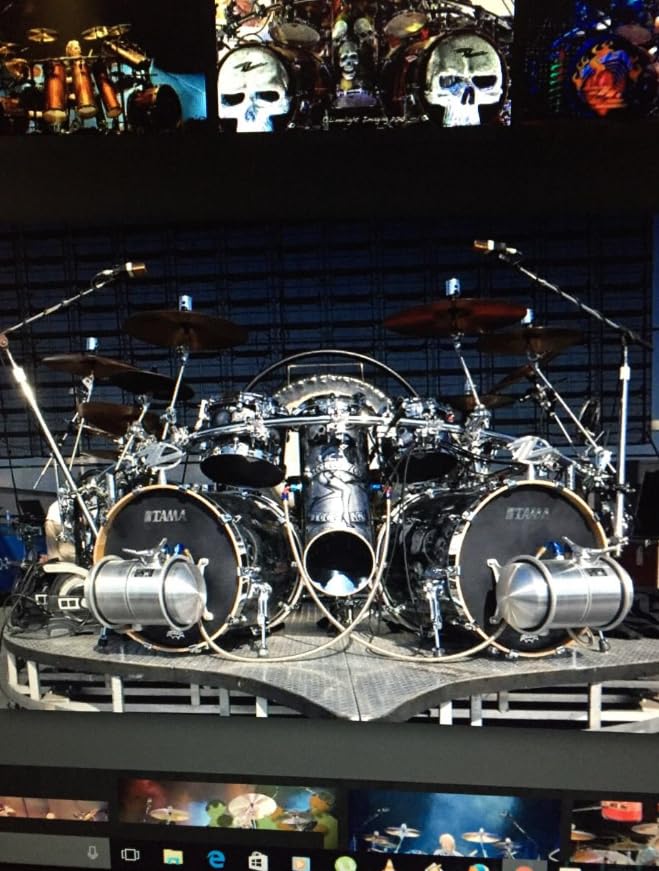
- Drummers using them for performances (lightweight + breathable for stage work)
- Casual gym-goers happy with the price-to-performance ratio
Spanish-language reviews consistently mention comfort (“muy cómodos”) and ease of putting on, with one noting they run slightly tight initially but stretch with wear. Sizing feedback runs about 80% true-to-size, 20% recommending half-size up — likely depending on foot width and personal preference.
The pattern I see: these work best when expectations match the price point. People treating them as budget daily walkers generally report satisfaction. Those expecting premium performance or serious athletic capability end up disappointed.
Who Should Buy These Shoes (And Who Shouldn’t)
Perfect For:
- Budget-conscious daily walkers who need functional footwear without the premium price tag
- Light gym users focusing on treadmills, cardio machines, and basic strength training
- Breathability priorities — if your feet run hot or you live in warm climates
- Casual wear where you want clean styling without athletic shoe bulk
- Try-before-investing types who want to test budget walking shoes before committing to premium options
- Secondary/backup shoe needs for travel, quick errands, or rotating with other shoes
Skip These If:
- You need genuine slip-on functionality — these require hand assistance despite marketing claims
- Serious running is your goal — insufficient structure and cushioning for real running mileage
- You have wide feet — narrow build makes these a poor fit regardless of sizing up
- Long-term durability is top priority — quality control variability makes lifespan unpredictable
- You need significant arch support — minimal structure means custom insoles required for foot issues
- High-impact or lateral-movement activities — lack ankle support and stability
Better Alternatives for Specific Needs:
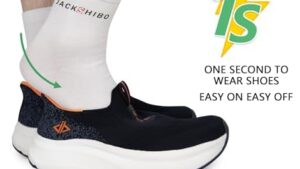
For true slip-on: Aleader Energycloud or Jackshibo Slip-On Walking Shoes with genuine elastic designs
For running: Invest in proper running shoes starting around $60-80 from established brands
For wide feet: New Balance Fresh Foam Roav or L-RUN Wide Hiking Shoes with dedicated wide-width options
For maximum durability: Amansse Walking Shoes or mid-tier options in the $70-120 range with better build quality
The Value Equation — Is $35 Worth It?

After six weeks of real-world testing, here’s the bottom line: at $35, these deliver significantly more than the price suggests. They’re not going to last 2+ years like a premium pair might. They’re not going to provide advanced performance features or cutting-edge technology. But for 6-12 months of regular use, they provide legitimate comfort and functionality.
The cost-per-wear math works in their favor. If you get 8 months of regular use wearing them 3-4x per week, that’s roughly 100-130 wears. At $35, you’re paying about $0.27-$0.35 per wear. Even if you only get 4 months due to heavy use, that’s still $0.67 per wear — comparable to mid-tier shoes when you factor in their higher upfront cost.
Compare that to spending $100 on name-brand walking sneakers that might last 18 months. Sure, they last longer, but the 3x upfront cost means you’re betting on longevity to justify the expense. With Pujcs, the low entry point means minimal risk if they don’t work for you.
Risk assessment:
- Upside: Functional, comfortable, breathable shoes at budget price with legitimate performance for casual use
- Downside: Durability uncertainty, narrow fit may not work for all feet, misleading slip-on marketing
- Verdict: At $35, the risk is minimal. The upside is substantial if these match your use case.
One strategy that makes sense: buy two pairs at $70 combined and rotate them. This extends individual shoe lifespan while keeping combined monthly cost ($70 ÷ 12-16 months = $4.38-5.83/month) competitive with mid-tier alternatives.
Frequently Asked Questions
Are these actually slip-on shoes?
No, despite the marketing. You can put them on without untying laces once adjusted, but you’ll need hands to pull up the heel every time. The structure isn’t firm enough for true hands-free slip-on action. Think “easy-on with assistance” rather than genuine slip-ons.
Do they run true to size?
Mostly yes — I ordered my normal size 10 and they fit well with room for regular socks. About 80% of users report true-to-size fit. The catch: they run narrow, so wide-footed buyers might need to size up half or look elsewhere entirely.
Can I use these for running?
Light jogging on treadmills at slow pace might be okay, but serious running is a no. These lack the structured support, advanced cushioning, and durability needed for regular running activities. Stick to walking and casual use.
How long do they typically last?
Based on my testing and community feedback: 6-12 months with regular use, depending on intensity. Light casual use (1-2x/week) might stretch to 12-18 months. Heavy daily use (5-7x/week) could see wear in 3-6 months. Quality control variability means some users report faster wear.
Do they work for people with flat feet or high arches?
The arch support is minimal. If you have flat feet, high arches, or plantar fasciitis, plan on adding your own insoles or orthotics. The stock insole is thin and provides basic cushioning but little structural support.
Are they suitable for wide feet?
Not really. These run narrow through the midfoot and forefoot. Several users mention they’re problematic for wider feet even when sizing up. If you have genuinely wide feet, consider dedicated wide-width options from brands like Nortiv 8 or New Balance instead.
What about waterproofing or water resistance?
They’re not waterproof at all. The mesh upper is designed for breathability, which means water goes straight through. Fine for dry conditions, but avoid heavy rain, puddles, or wet environments. Light mist or brief exposure might be okay, but don’t plan on keeping your feet dry in wet weather.
Where can I find the best price?
Amazon typically offers the most consistent pricing in the $30-40 range, with variations based on color and size availability. Check for seasonal sales — I’ve seen certain colorways drop to $30 during promotions.
Final Verdict
After 6 weeks, 47 sessions, and 150+ miles of testing, the Pujcs Men’s Walking Shoes earn a solid recommendation as a budget option that punches above its weight class. At $35, they provide legitimate comfort, exceptional breathability, and adequate performance for daily walking, light gym work, and casual wear.
The key word is “realistic expectations.” These aren’t trying to be premium performance footwear, and that’s actually their strength. They deliver functional basics well: breathable mesh that actually works, responsive EVA cushioning, adequate traction for normal conditions, and clean styling that doesn’t scream “budget compromise.”
Overall Score: 7.1/10
| Category | Score (1-10) | Key Notes |
|---|---|---|
| Comfort | 7.5 | Solid for casual use; comfort ceiling around 8 hours |
| Durability | 6.0 | Uncertain long-term; estimated 6-12 months |
| Performance | 7.0 | Excellent for walking; limited for athletics |
| Style | 7.5 | Clean modern look; works with casual outfits |
| Value | 8.5 | Outstanding performance per dollar at $35 |
| Overall Rating | 7.1 | Solid budget choice with realistic expectations |
The Bottom Line
Strengths: Exceptional breathability, lightweight comfort, zero break-in, clean styling, outstanding value, genuine surprise at construction quality for the price
Weaknesses: Misleading “slip-on” marketing, durability questions long-term, narrow fit problematic for wide feet, minimal arch support, not suitable for serious running or high-impact activities
Best use case: Daily casual walking, light gym work, breathable footwear for warm climates, budget-conscious buyers willing to accept trade-offs for value
Worst use case: Heavy daily mileage, serious athletic performance, wide feet accommodation, maximum durability priority
If you’re looking for an affordable walking shoe that covers basics well without premium pretensions, these are worth trying. The risk is minimal at $35, and the upside is substantial if they align with your needs. Just don’t expect magic — expect functional, comfortable, breathable shoes that do their job for the price you pay.
For anyone burned by expensive shoes that didn’t deliver (like me), these offer a refreshing alternative: honest performance at an honest price.
Be the first to review “Pujcs Men’s Slip on Walking Shoes Lightweight”
Related products
Hiking/Trekking Shoes
Training Shoes
Tennis/Squash Shoes
Training Shoes
Running Shoes
Reviews
There are no reviews yet.