
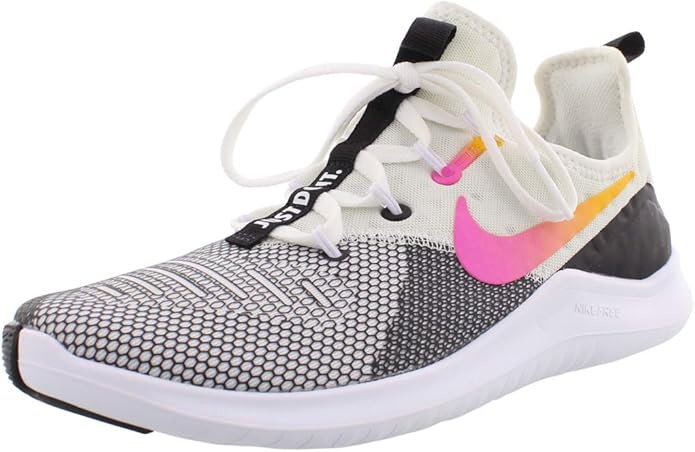
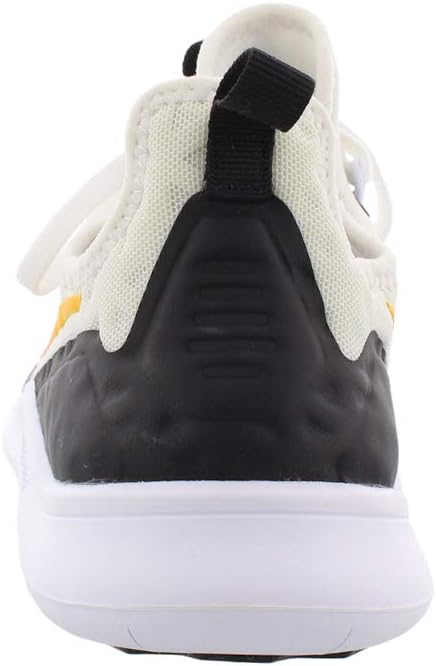
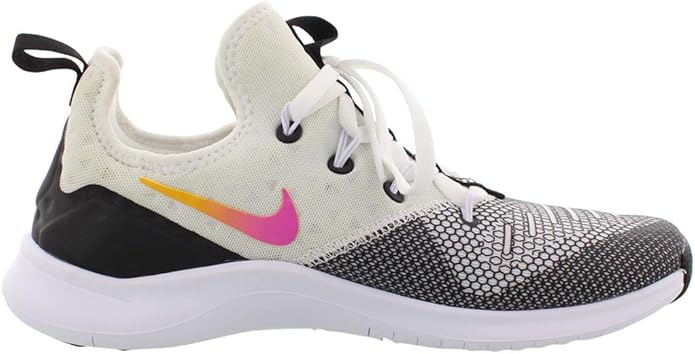
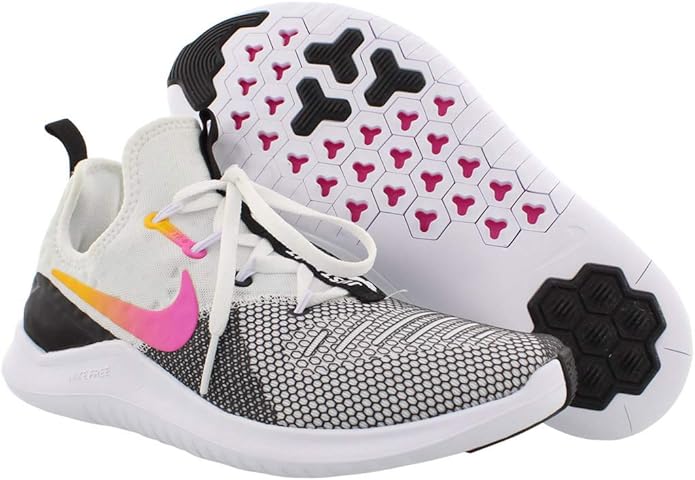
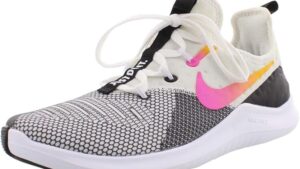
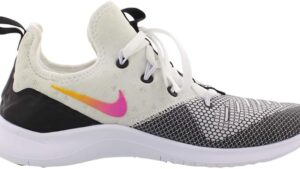
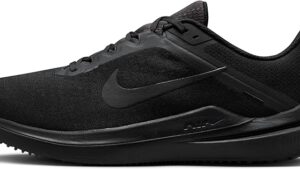
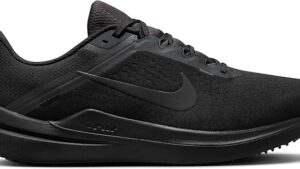
Nike Blazer Lolthr, Men’s Fitness Shoes
$75.00
- 💰 Price: ~$80
- ⚖️ Weight: 8.2 oz (women’s size 8)
- 🧪 Midsole: Dual-fusion soft foam
- 👟 Upper: Mesh and synthetic blend
- 🔒 Lockdown: Flywire cable system
- 🏃♀️ Category: Cross-training / Multisport fitness
- 🎯 Best for: HIIT, gym classes, indoor training, casual wear
- ⏱️ Testing period: 6 weeks, 45+ sessions across multiple activity types
- ⚠️ Sizing note: Runs ~0.5 size small — size up before ordering
Six weeks of HIIT classes, F45 sessions, kickboxing, yoga, Pilates, and enough school runs and grocery hauls to wear out a lesser pair — that’s what it took before I felt confident writing this. I’m Sarah, and after foot pain during back-to-back studio classes pushed me to seriously reevaluate my training footwear, I put the Nike Women’s Multisport Indoor Fitness Shoes through the full gauntlet. Spoiler: the results were more nuanced than the marketing suggests, and more useful than the reviews I found before buying.
Design, Build Quality & First Impressions
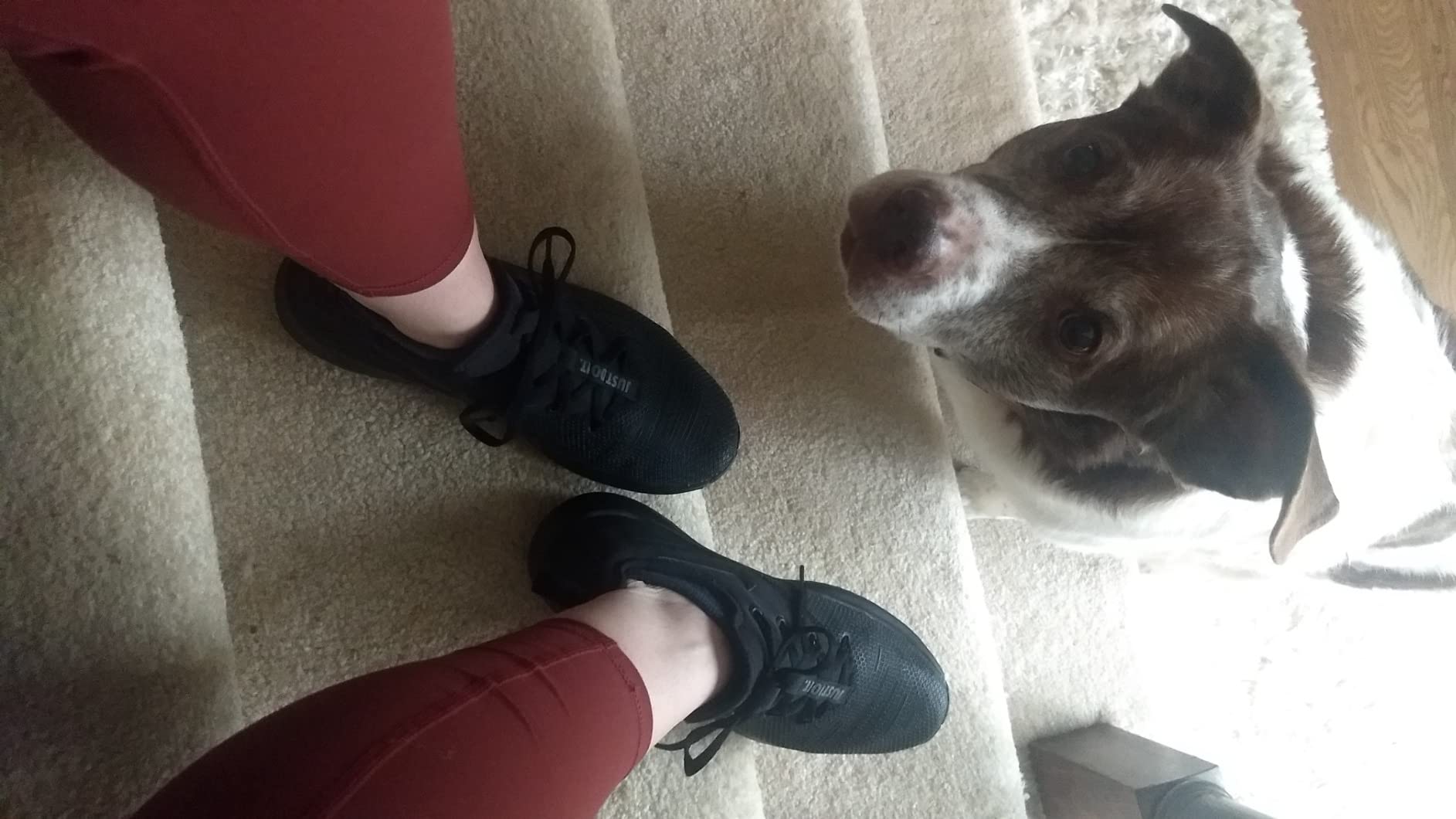
The black colorway with laser fuchsia accents reads athletic without shouting. Held in hand before the first wear, the shoe felt lighter than I expected — which tracks with the 8.2 oz specification, though you don’t usually feel that number until you’ve tried something heavier back-to-back.
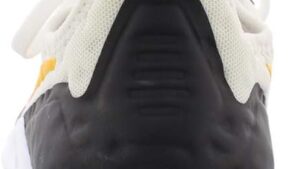
The upper construction is a mesh-and-synthetic blend, and it lands in a useful middle ground. Mesh provides the breathability; synthetic overlays at the toe cap and around the heel counter add structure without bulk. The result is a shoe that moves with your foot rather than around it — a distinction that only becomes obvious when you’ve dealt with uppers that don’t track properly during lateral footwork.
The standout feature is the Flywire cable system. These are thin cables that run along the midfoot, threading through eyelets and connecting to the lacing system. When you tighten the laces, the cables cinch around your arch. First time I wore these to a Body Combat class, the midfoot security during quick directional changes was immediately different from what I’d been wearing. Not a clamped feeling — more like the shoe was tracking with my foot rather than lagging behind it.
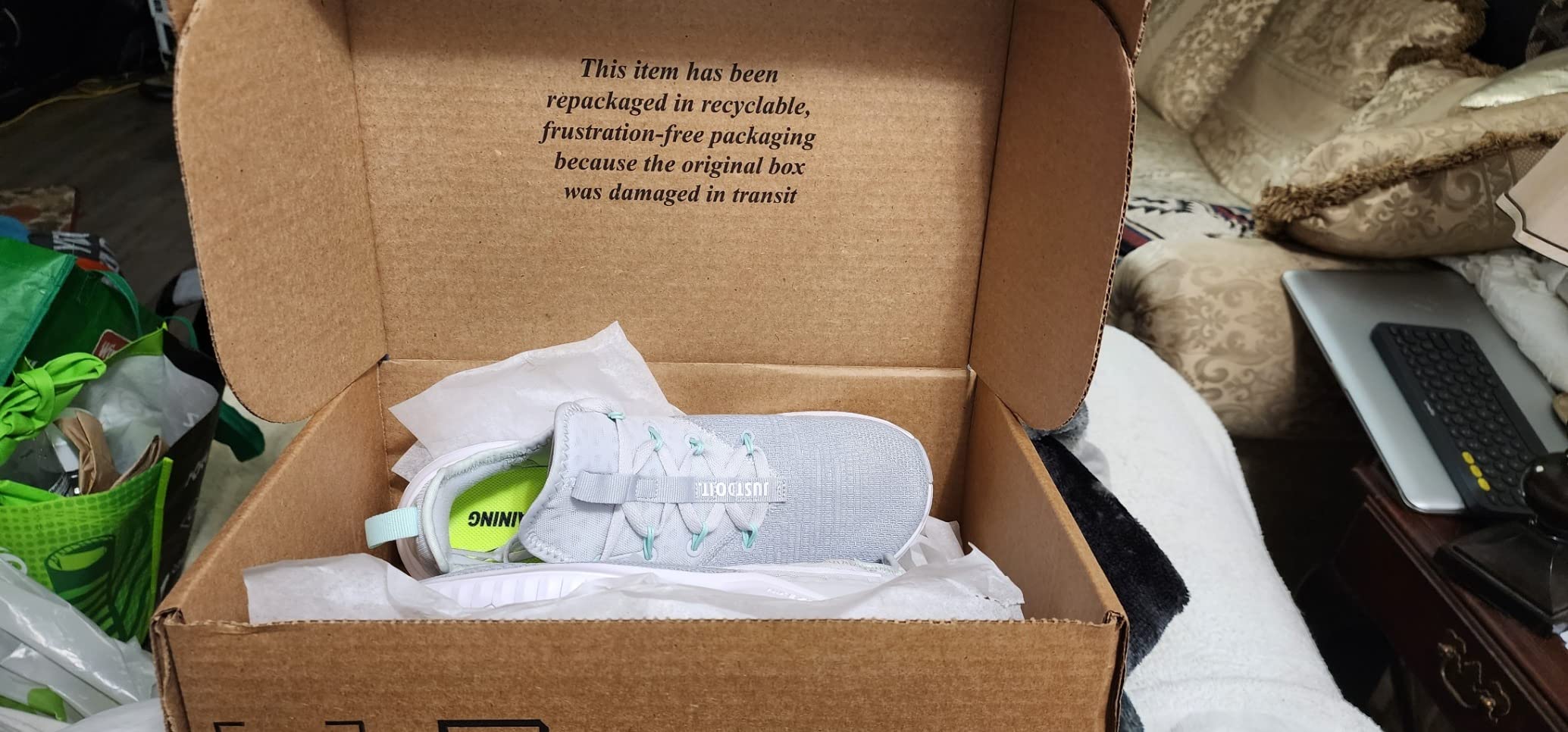
The dual-fusion midsole sits at a moderate height that keeps the shoe low-profile — closer to the floor than a chunky cross-trainer, which matters for Pilates and mat-based work. Pick it up and bend it through the forefoot: there’s real flex, and you can feel the different foam densities in the heel versus the forefoot when you manipulate it off-foot. The “dual” in dual-fusion means a softer upper foam layer for comfort absorption and a firmer lower layer for stability. On paper, that sounds like every midsole ever marketed. In practice, the balance actually holds up.
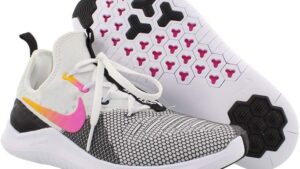
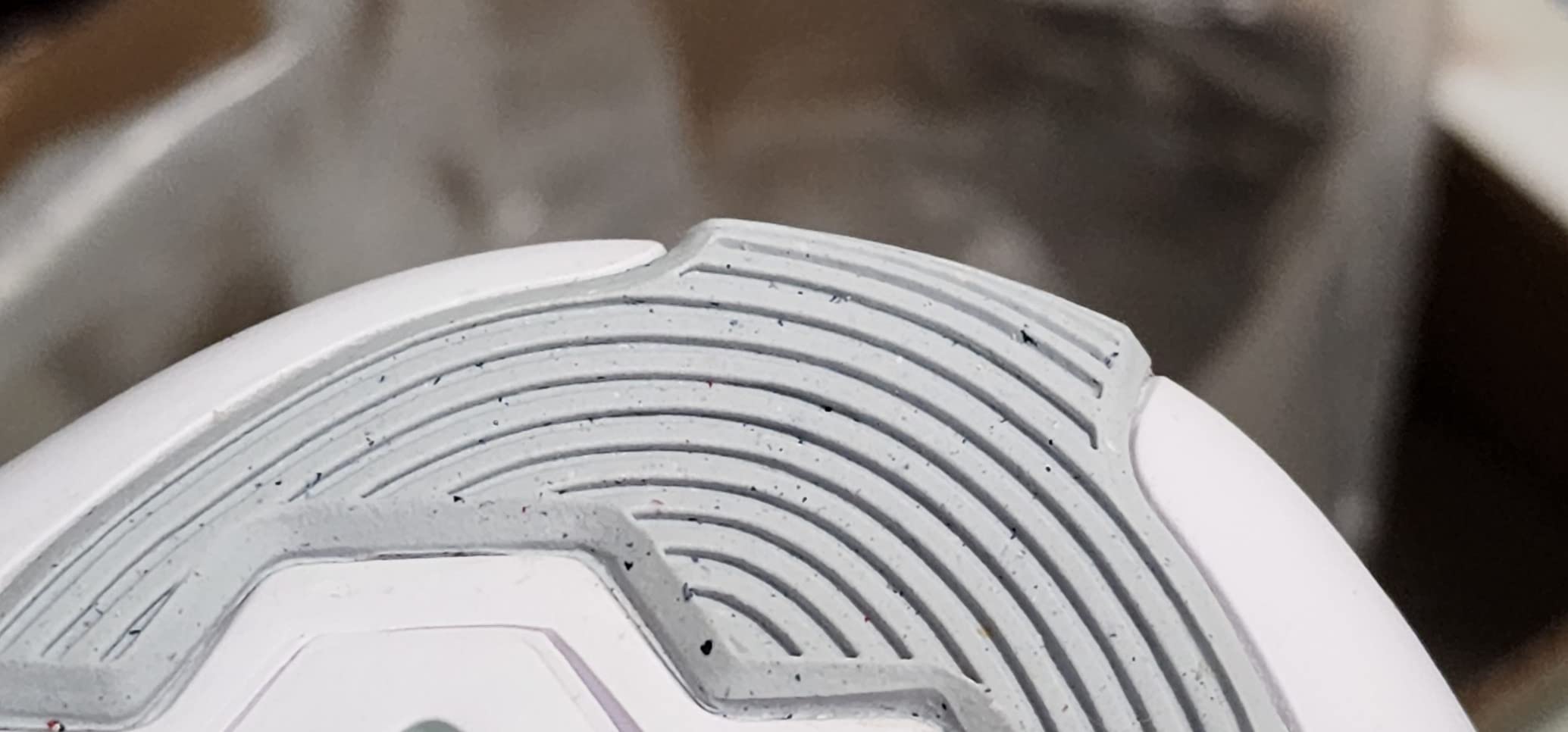
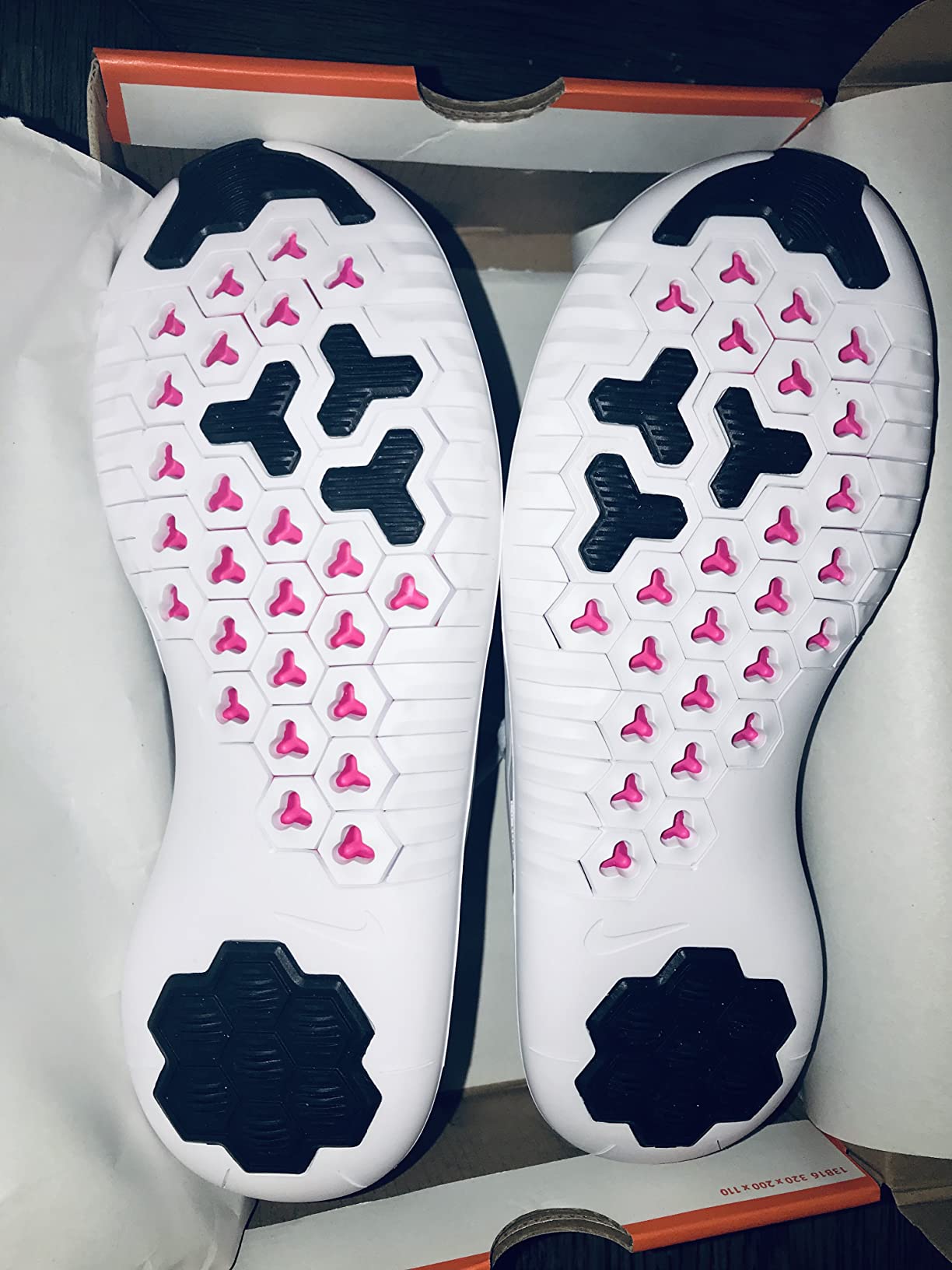
The outsole has flex grooves cut across the forefoot that allow the sole to move with natural foot mechanics during deep movements. Rubber coverage sits under the heel and forefoot traction zones, with exposed midsole foam through the midfoot arch — a standard weight-saving approach for shoes in this category.
Build quality is appropriate for the price. Stitching at the toe box and Flywire cable anchor points showed no fraying through six weeks of regular training. The sole adhesion was solid throughout my testing period. Longer-term user reports flag the Nike swoosh appliqué as a potential weak point at the 3-4 month mark — worth knowing before you expect the shoe to last 18 months.
Comfort and Cushioning: The Surprise
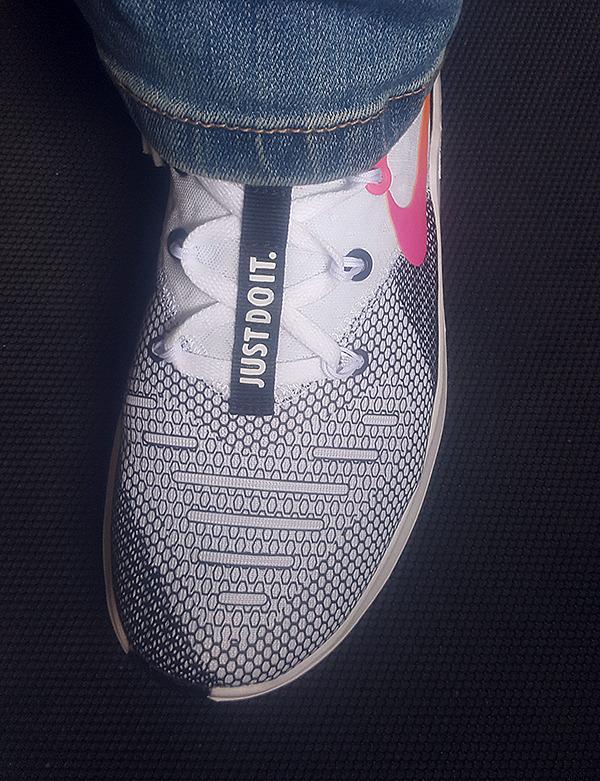
Based on some lukewarm reviews I’d read beforehand, I had budgeted for a break-in period. That didn’t happen.
Day one was a 45-minute HIIT session — box jumps, squat jumps, lateral shuffles, the works. The dual-fusion midsole felt settled immediately. Not the plush, sink-in feeling of a maximalist running shoe, and not the firm precision platform of a dedicated weightlifting shoe. It lands in the space between those things, which is exactly what multi-activity training demands.
What caught my attention more than the first-wear experience was the consistency across six weeks. By week three, I was running a three-day stretch of F45, a HIIT circuit class, and a morning yoga session, each back-to-back. At 150 lbs, I’ve had trainers where the midsole starts compressing and losing responsiveness under that kind of load. These didn’t. The cushioning felt essentially the same on day 18 as it did on day one.
The midsole’s stability component matters more than you’d think. During single-leg movements in Pilates and balance work in yoga, a too-soft midsole creates instability that forces compensation through your ankles. The firmer base foam in this shoe prevented that. My form on single-leg Romanian deadlifts and warrior poses was more reliable than with my previous trainers, which had more cushioning but less structure.
Long days are where the comfort claim gets validated. After a gym session followed by grocery shopping and school pickup — the kind of day where your feet log five or six miles across varied surfaces — the mesh upper’s breathability prevented the heat buildup that makes feet ache toward evening. The cushioning held up through those transitions, which is harder to achieve than it sounds.
One note on body weight: the dual-fusion midsole is calibrated for a general fitness population. If you’re significantly over 180 lbs and training high-impact daily, midsole compression may occur faster than the 6-month mark. The shoe’s lifespan estimate assumes regular but not extreme use.
On the Gym Floor: Where These Earn Their Keep
Kickboxing class is the honest test for lateral stability. Defensive shuffles, pivot kicks, and rapid direction changes create the kind of outward ankle roll force that exposes midfoot support weaknesses immediately.
Through a four-round defensive footwork drill, the Flywire cables did exactly what the marketing claims — I could feel the cable tension maintaining my midfoot position rather than letting my foot shift laterally inside the shoe. No twisting sensation, no ankle instability, no need to consciously correct my landing mechanics. That’s a meaningful difference from the basic lace-up trainers I’d been using, where the midfoot would shift slightly on aggressive lateral cuts.
Box jumps and burpees tested the outsole. The traction pattern kept me grounded through take-offs and landings on the gym’s hardwood floor — enough grip to push off confidently, not so aggressive that it created drag during the quick transition between movements. Mountain climbers on a rubber mat, where you need both foot traction and fast movement, worked well.
The 8.2 oz weight pays dividends during extended intervals. Compare that to the Nike Metcon 9 Women’s, which comes in around 13 oz — a dedicated weightlifting platform that’s worth every gram for heavy lifting but noticeably heavier during cardio sets. For mixed-modality training where you’re moving constantly, lighter footwear accumulates less fatigue over a 45-minute session. That’s real, not marketing.
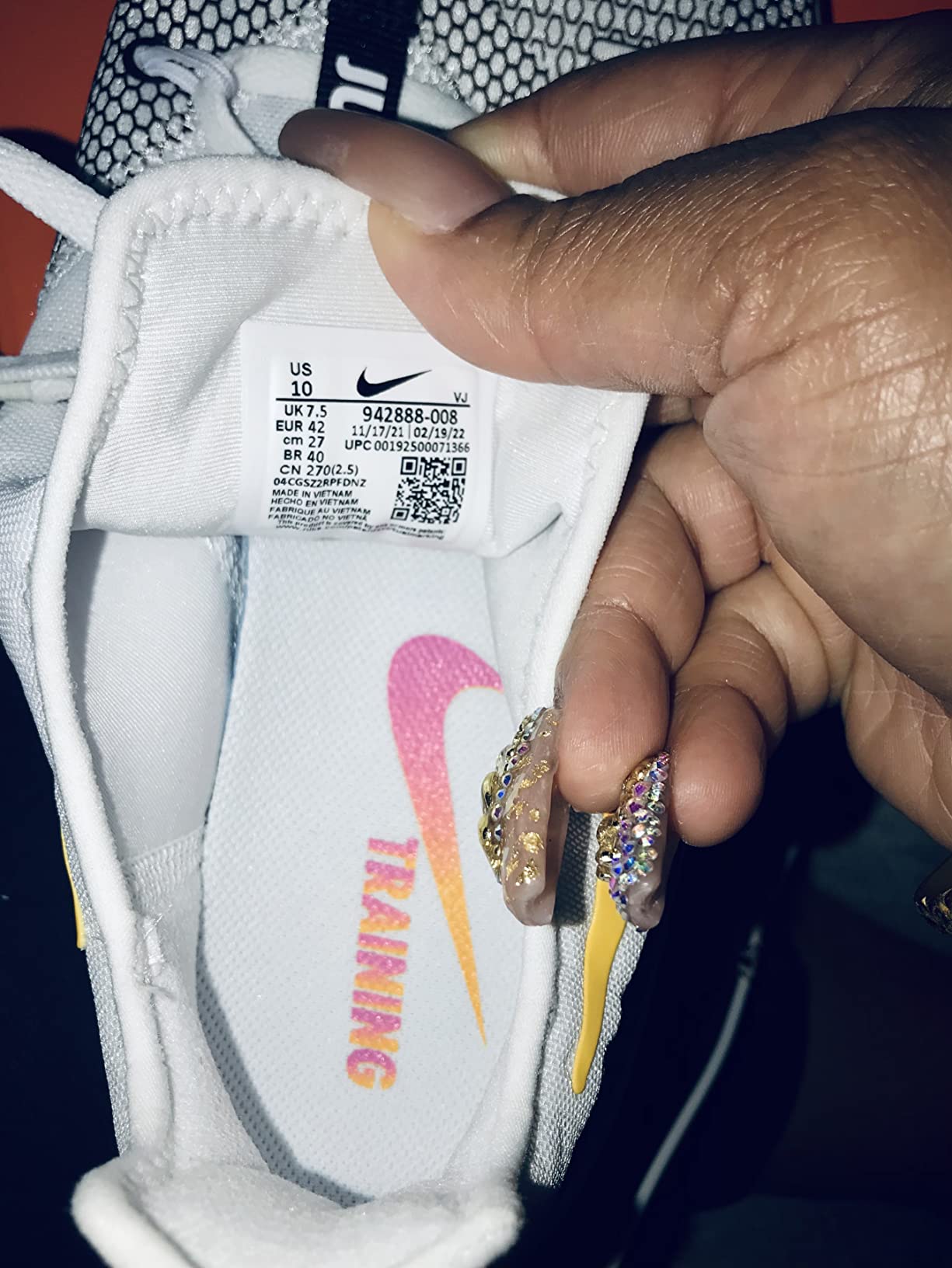
The flex grooves in the outsole showed up most clearly during deep squat work. The sole moved with my foot through the full range of motion instead of fighting the ankle dorsiflexion that’s required at the bottom of a proper squat. Some stiffer training shoes create a restriction there that subtly limits squat depth or shifts load mechanics. These didn’t.
For heavy lifting — squats with significant load, deadlifts, Olympic movements — the Flywire shoe isn’t the right tool. The midsole flexibility that helps during dynamic gym work becomes a stability liability under barbell weight. That’s what the Metcon is for. But for the 80% of gym-goers whose training blends cardio, bodyweight, and moderate lifting, the performance level here is right.
Versatility Across Six Weeks of Conditions
The “multisport” claim needed testing across actual scenarios, not just one class type.
Hot yoga is the hardest environment for footwear. The combination of elevated temperature, sustained humidity, and 60+ minutes of varied movement creates conditions that expose breathability limits quickly. In most trainers, my feet feel warm and damp by the 20-minute mark. The mesh upper on these held up: airflow stayed consistent through the session, and the post-class state was notably better than the synthetic-heavy trainers I’d been rotating through.
Outdoor boot camp, where I wore these for a 60-minute session on pavement and grass, was the clearest reminder that “indoor” is in the product name for a reason. The outsole handled pavement fine for the class-format lateral drills, but the traction didn’t inspire confidence during the jog segments. These are indoor shoes. On outdoor terrain, you’ll want purpose-built outdoor footwear.
Floor work in Pilates and yoga benefited from the low-profile design in a way I hadn’t anticipated. When you’re doing mat exercises and core work, the connection between foot and floor matters for stability. The low midsole height kept me close to the ground, which improved balance during standing Pilates moves and didn’t interfere during floor-based sequences.
For casual wear — errands, school pickup, walking around — the shoe holds up to a full day. Comfort ceilings for walking-only use are noticeably higher than training-focused use; people who want a dedicated walking shoe might consider options like the Skechers Go Walk Joy for that purpose specifically. But as a do-it-all training-to-errand shoe, this works.
Limitations Worth Knowing Before You Buy
Honest trade-offs, not buried in the fine print:
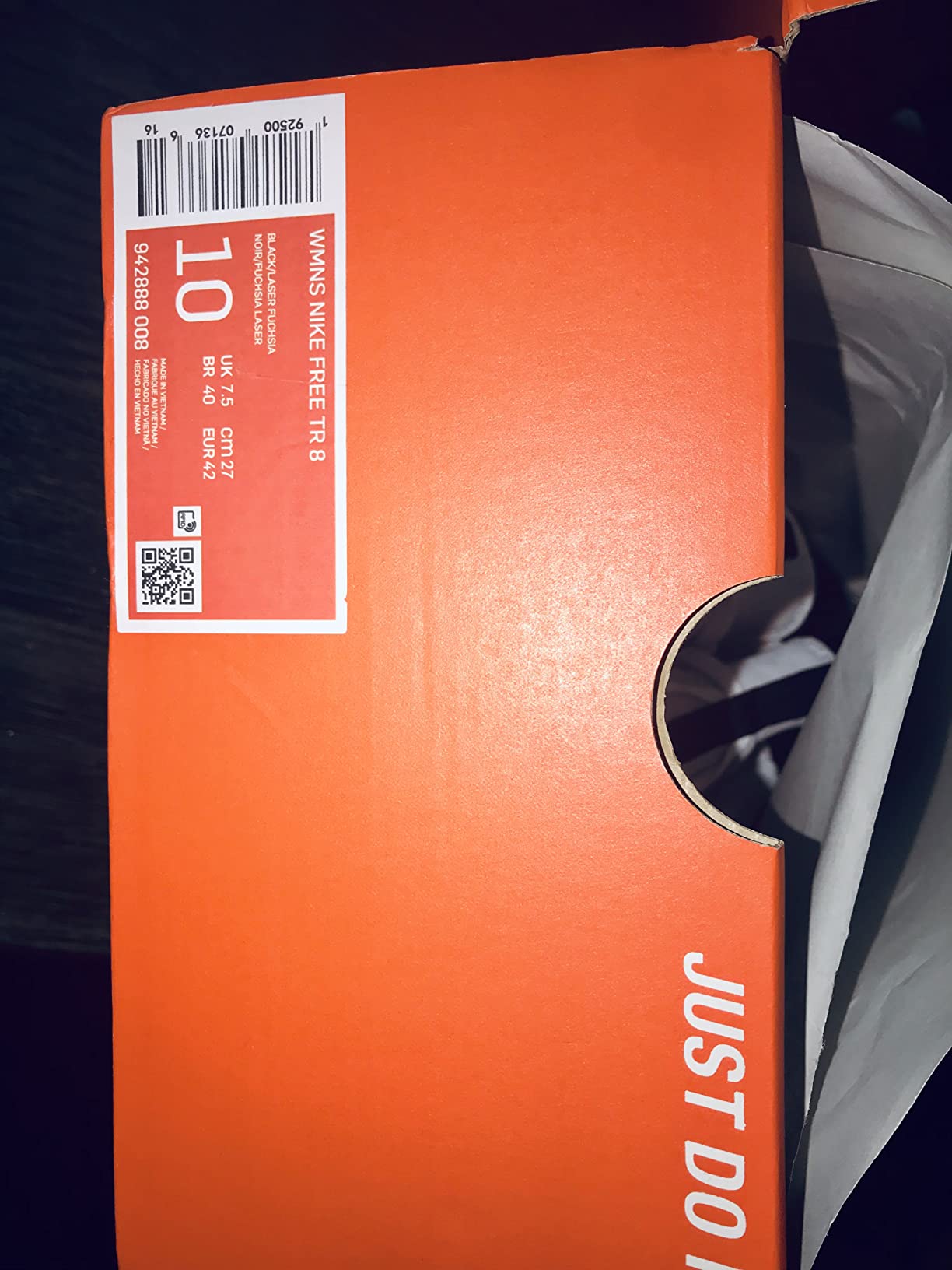
Size up 0.5 — this is not optional. The Flywire cable system does its midfoot-locking job so well that wrong sizing becomes a problem rather than a minor inconvenience. My usual size 8 felt restrictive in the midfoot, not just snug. Size 8.5 was the right call. If you’re between sizes, take the larger one. If you have D-width or wider feet, the midfoot cable can feel genuinely uncomfortable — the shoe’s fit accommodation just isn’t there. For wide-foot women, consider alternatives like the Ryka Devotion Plus 3 or the PUMA Voltaic Evo cross-trainer, which offer better width accommodation.
Not a running shoe. Testing these on a 5-mile outdoor run made this clear. The dual-fusion midsole handles impact beautifully for multi-directional gym work because that’s what it’s calibrated for. Sustained linear running generates a different load pattern — you want energy return and cushioning depth that this shoe doesn’t provide. For running, dedicated options like the ASICS Gel-Nimbus 27 or the Brooks Launch series will serve you much better.
Durability expectations, calibrated. At regular use (3-4 sessions per week), expect 6-12 months. The outsole wear pattern is gradual and well-distributed. The primary concern is the swoosh appliqué: multiple longer-term user reports describe peeling at the 3-4 month mark. I didn’t experience this in my six-week test, but it’s documented enough that it warrants mention for anyone planning to wear these hard.
Entry and exit. The lacing and Flywire system is snug by design. Slipping these on quickly between classes is slower than a slip-on design. Not a dealbreaker, but worth knowing if fast transitions matter for your routine.
Flywire and the Dual-Fusion Claim: Reality Check
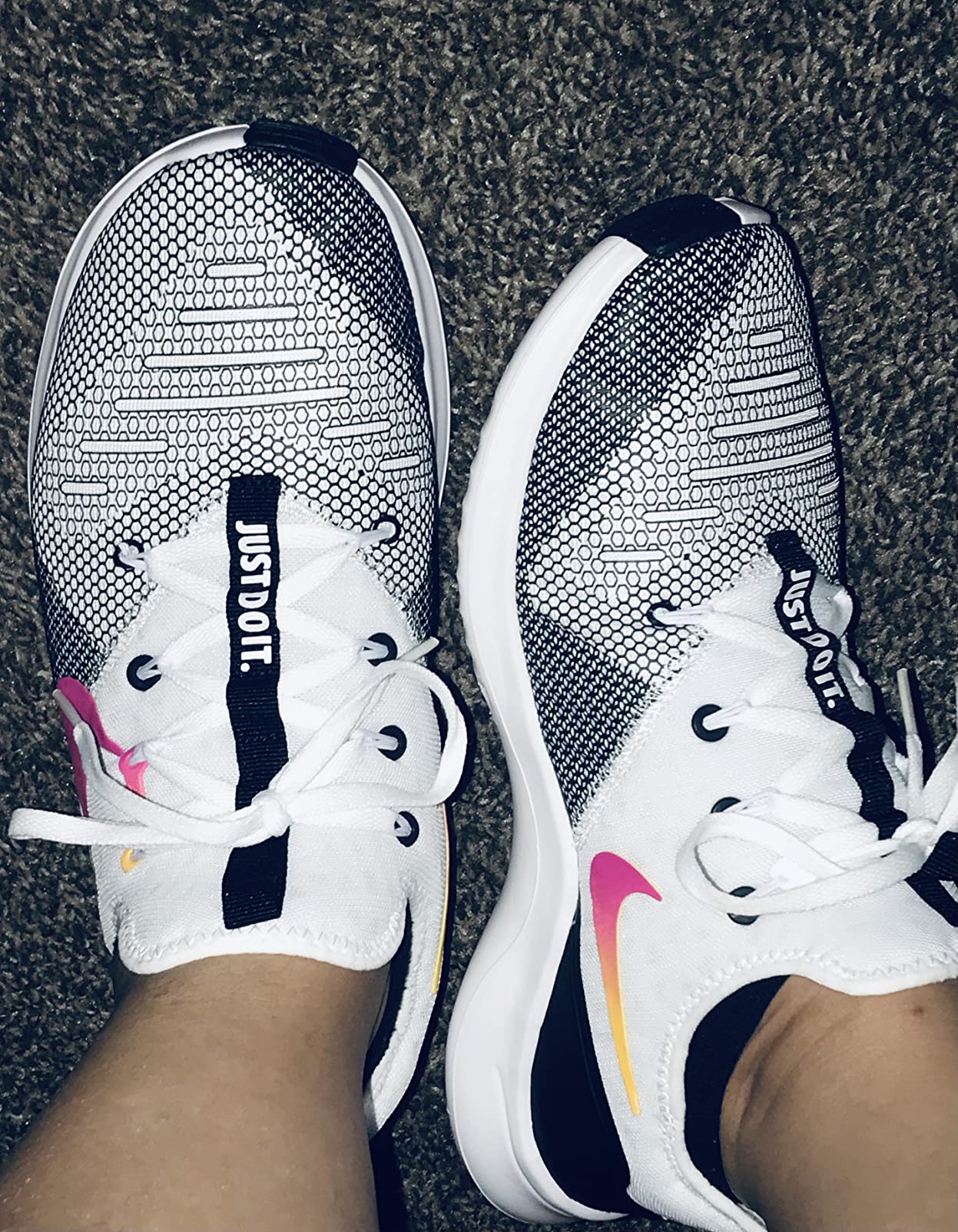
Nike makes specific claims about both technologies. Here’s what six weeks of testing confirmed.
Flywire “secure midfoot lockdown” — verified. The cable system connects directly to the lacing, so tightening the laces tightens the midfoot wrap. During the specific test of kickboxing defensive shuffles, I could feel the cable maintaining foot position in a way that standard eyelets and lace systems don’t replicate. Basic lace-up trainers allow the midfoot to shift within the shoe during hard lateral cuts; these don’t. That’s not a small thing for studio-class performance.
Outsole grooves “expand and flex with your foot” — verified, with context. Bending the shoe manually shows real give in the forefoot, and during squats and lunges, that flexibility allowed natural ankle movement through range of motion. Compared to stiffer-soled cross-trainers that can limit squat depth, the flex groove design is a genuine functional feature. The caveat: that same flexibility makes the shoe unsuitable for heavy loaded barbell work.
Dual-fusion midsole balancing comfort and stability — verified for gym use, with running exception. The two-density construction delivers on the comfort-plus-stability promise for HIIT and studio classes. The failure mode is running, where neither density delivers the energy return needed for sustained forward motion. That’s not a design flaw — it’s intentional prioritization. The shoe is built for multidirectional indoor training, and that’s what it does well.
Overall Assessment and Who Should Buy This
After 45+ sessions, the Nike Women’s Multisport Indoor Fitness Shoes earned a permanent spot in my training rotation. Not because they’re perfect — they’re not — but because they’re exactly right for a specific kind of active lifestyle.
Performance Scores
| Category | Score | Key finding |
|---|---|---|
| Comfort | 8.5/10 | Zero break-in; consistent cushioning through week 6 |
| Gym Performance | 8.0/10 | Flywire lateral stability, traction, outsole flex |
| Durability | 7.0/10 | 6–12 months regular use; swoosh adhesion concern |
| Style | 8.5/10 | Sleek athletic aesthetic; works gym-to-errands |
| Value | 8.0/10 | ~$0.68/session at regular use; fair for features |
| Sizing Accuracy | 6.5/10 | Runs 0.5 small — requires correction before ordering |
| OVERALL | 7.8/10 | Excellent indoor training shoe; buy half size up |
Who Should Buy These
| This Shoe Is Right For You If… |
|---|
| ✅ Your training spans multiple studio class types (HIIT, yoga, Pilates, combat, kickboxing) ✅ You want immediate comfort — no break-in tolerance, need to wear day-of-purchase ✅ Lightweight feel matters for sustained cardio intervals ✅ You move from gym to errands in the same pair ✅ Standard-width or narrow feet (the Flywire cable system works with these profiles) ✅ $80 budget, 6–12 months is an acceptable trade |
| Look Elsewhere If… |
|---|
| ❌ Running is a significant part of your fitness routine — these lack the energy return and stack height for distance ❌ You have wide feet (D-width+) — the Flywire midfoot can feel restrictive ❌ Heavy lifting (significant barbell work) is your primary focus — the flexible midsole isn’t built for loaded stability ❌ You need quick on/off between classes — the lacing+cable system takes a moment ❌ You want a lifetime shoe — plan for replacement at the 6–12 month mark |
Frequently Asked Questions
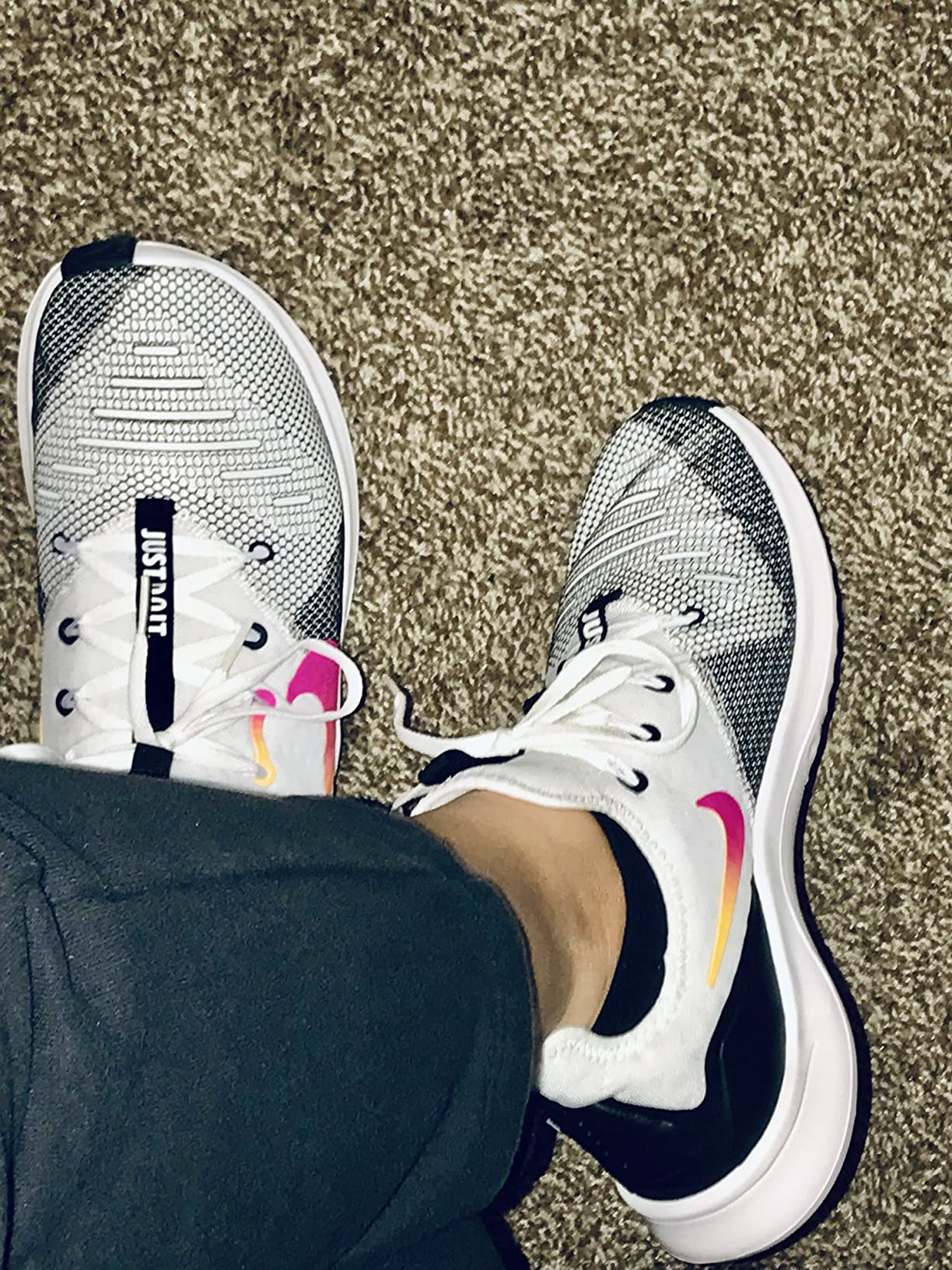
Do these run true to size?
No — size up half a size. This applies to standard-width feet. The Flywire midfoot cable system doesn’t stretch or accommodate the way a basic lace-up does, so a shoe that’s even marginally too short feels restrictive across the arch. My usual size 8 was noticeably tight; the 8.5 was right. If you’re between sizes or have a slightly wider foot, take the larger option. Wide feet (D-width or beyond) may need to go up a full size or choose a different shoe entirely.
Can I use these for running?
For short distances and light jogging on a treadmill, they’re functional. For outdoor running or any session over 2-3 miles, they’re the wrong tool. A 5-mile outdoor test made the cushioning limitation clear — the dual-fusion midsole absorbs impact well for multi-directional gym use but lacks the energy return and depth you need when you’re moving only forward, repeatedly, over distance. Dedicated running shoes like the ASICS Gel-Nimbus 27 Women’s are built specifically for that load pattern.
How do these compare to the Nike Metcon for weightlifting?
Different tools for different purposes. The Nike Metcon 9 Women’s offers a stiffer, flatter midsole designed specifically for the stability demands of heavy barbell lifting — squats, deadlifts, Olympic movements. These Multisport shoes have a flexible midsole that’s ideal for dynamic multi-directional training but less stable under significant vertical load. If your training is primarily lifting-focused, the Metcon is the right call. If your training blends lifting with cardio and classes, these work better as the daily driver.
Are they good for hot yoga?
Yes, and this was one of the better surprises. Hot yoga is a difficult environment for footwear — heat and humidity create conditions where most synthetic uppers turn uncomfortable within 20 minutes. The mesh upper on these breathed well through full hot yoga sessions without the damp, warm buildup that other trainers struggled with. Traction on the studio floor was appropriate: enough grip for standing poses, not so sticky it disrupted transitions.
How long do they last?
Expect 6–12 months with regular training use (3–4 sessions per week). The outsole rubber wears gradually and evenly. The midsole cushioning remained consistent through my six-week testing window. The caveat: the Nike swoosh appliqué has documented reports of peeling adhesion at the 3–4 month mark under regular use. At ~$80 and a 9-month midpoint lifespan, that’s roughly $0.68 per session at three times weekly — reasonable value for the performance level.
Can women with wide feet wear these?
With difficulty. The Flywire cable system is excellent at what it does, but what it does is cinch the midfoot. For D-width or wider feet, that cinching can cross from “secure” into “uncomfortable” fairly quickly. Size up a full size if you’re trying, but there’s no guarantee the width accommodation will be sufficient. Consider the Ryka Devotion Plus 3 or the PUMA Voltaic Evo as alternatives with better accommodation for wider foot profiles.
Can I use these for dance fitness classes like Zumba?
Yes — these are actually well-suited for dance fitness. The lightweight design doesn’t impede quick footwork, the outsole grip is appropriate for studio floors without creating drag, and the low profile supports the kind of lateral shuffle and pivot movements that define dance cardio. The Flywire midfoot lockdown also helps during the directional changes that come with dance-style training.
How should I clean them?
Hand wash with mild soap and lukewarm water. Use a soft brush for the outsole grooves. Air dry away from direct heat — tumble drying can compromise the Flywire cable anchoring and the sole adhesive bond. Avoid bleach; it can yellow the mesh panels on lighter colorways. For the black colorway tested here, mild soap and air drying is all you need.
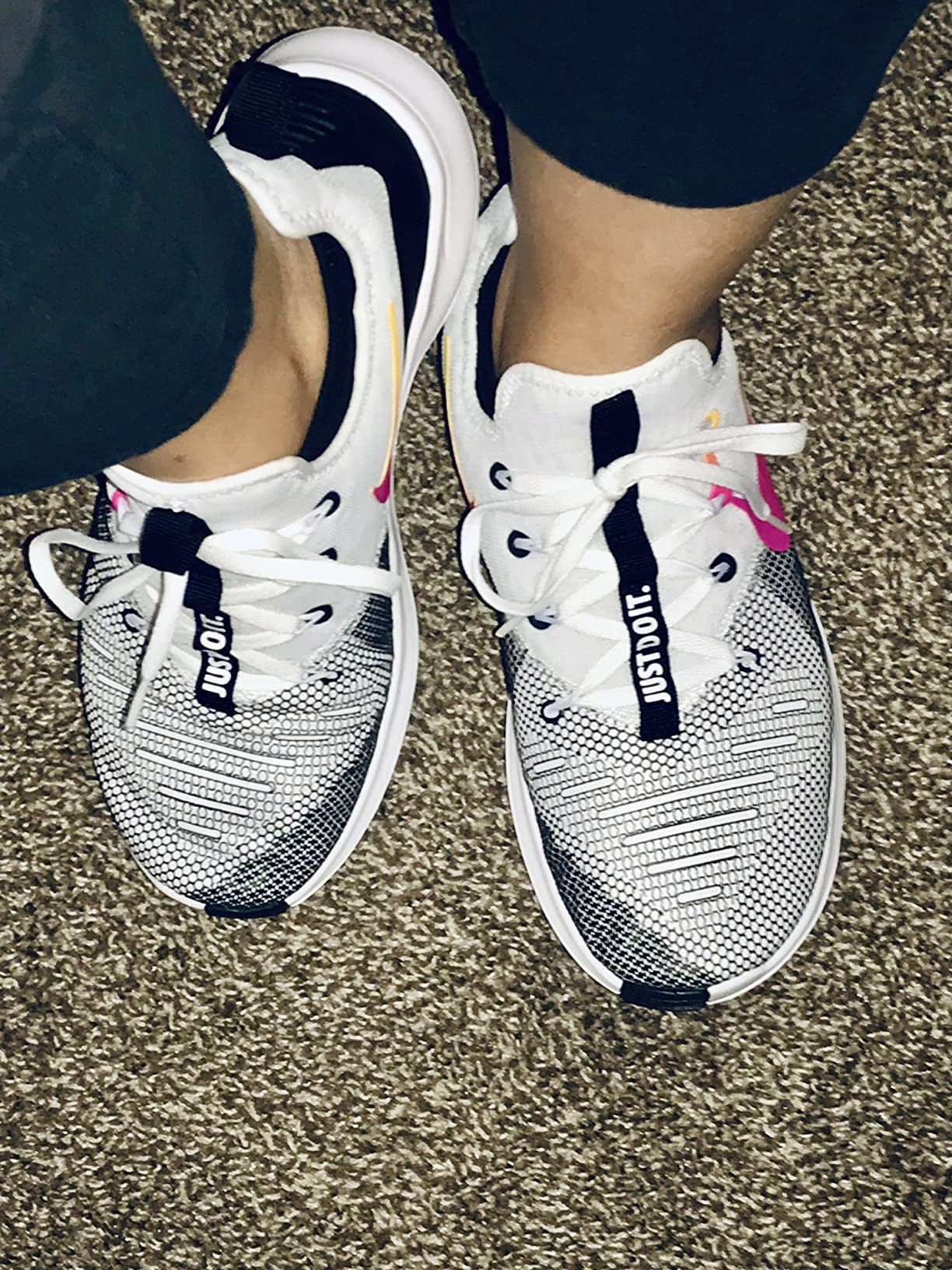
The bottom line: these are a well-executed indoor training shoe for active women whose schedules don’t allow for a different pair for every activity. Size up, stay indoors, and keep your expectations matched to their actual design intent — and you’ll likely find yourself reaching for them every time you pack a gym bag.
Be the first to review “Nike Blazer Lolthr, Men’s Fitness Shoes”
Related products
Training Shoes
Tennis/Squash Shoes
Hiking/Trekking Shoes
Running Shoes
Running Shoes
Reviews
There are no reviews yet.