
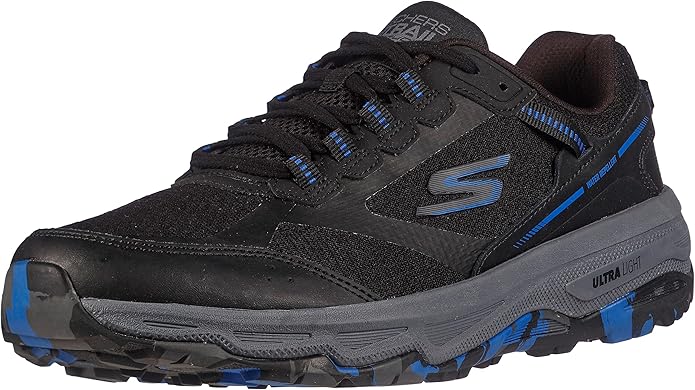
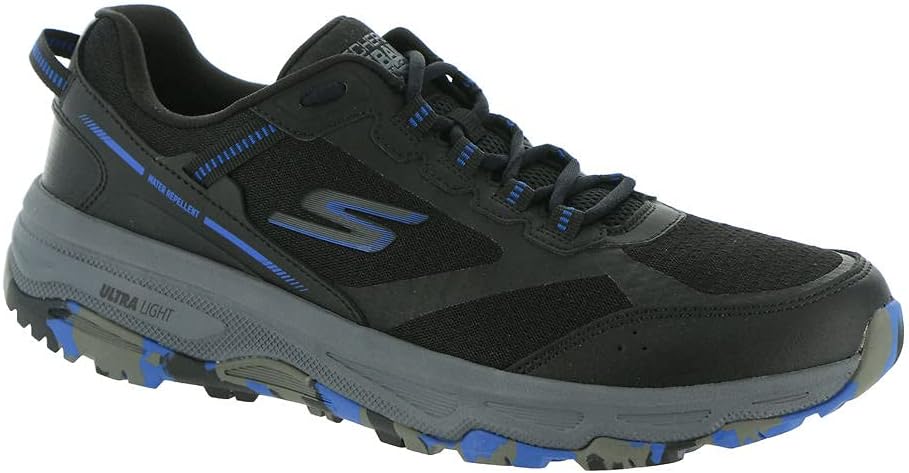
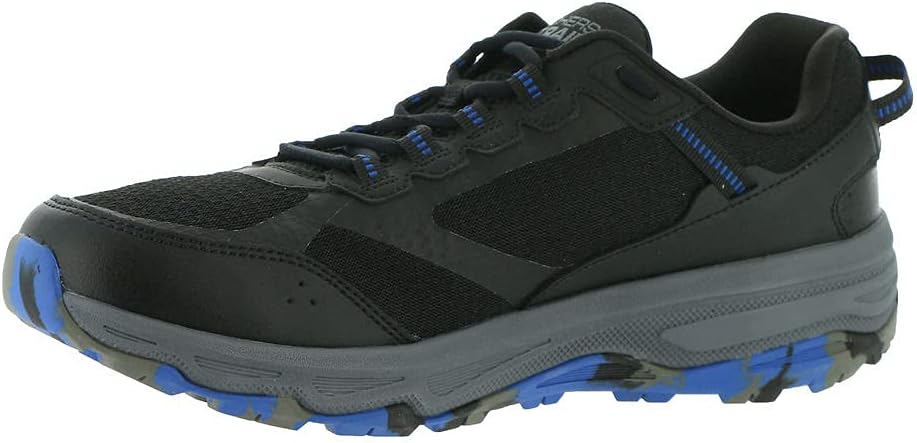
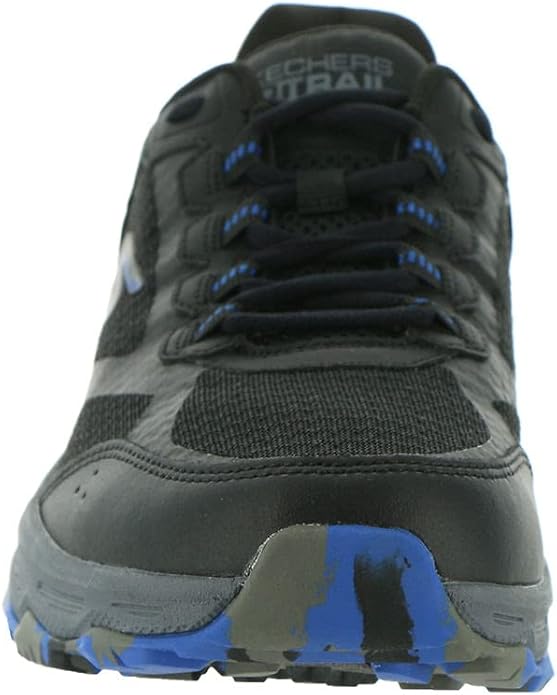
Saturday morning at the Rockefeller State Park trails, I noticed three guys from my weekly group all wearing the same shoe — the Skechers Go Run Trail Altitude. For a $60 budget trail sneaker, that kind of organic adoption was curious enough to make me pull out my credit card. Mike here, and I’ve put trail shoes through the wringer for over a decade. After eight weeks and 120+ miles across a dozen different trail conditions, I can tell you exactly what kind of buyer this shoe is built for — and who’s going to regret the purchase.
Design, Build Quality & First Impressions
| Spec | Value |
|---|---|
| Price | $60–80 |
| Weight | 8.9 oz (men’s size 9) |
| Stack Height | 25mm heel / 19mm forefoot |
| Drop | ~6mm |
| Midsole | Air Cooled Goga Mat |
| Upper | Breathable athletic mesh |
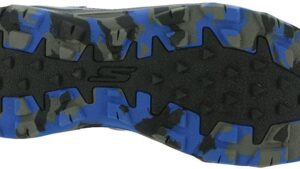
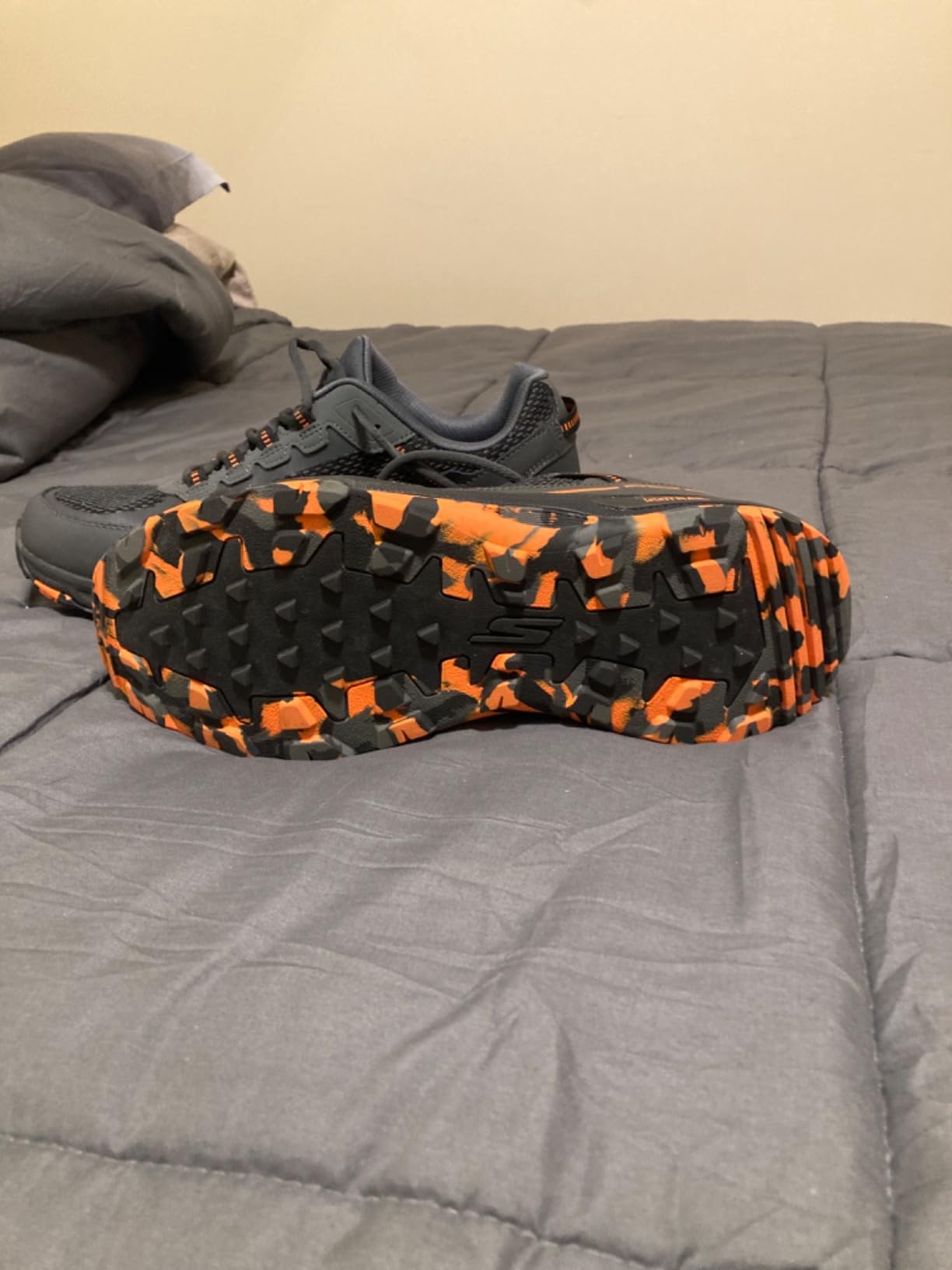
| Outsole | Multi-directional traction lugs |
| Width Options | Standard + 4E extra wide |
| Category | Trail running / Light hiking |
| Testing Period | 8 weeks, 120+ miles, 25+ sessions |
First Out-of-Box Impressions
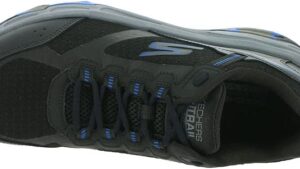
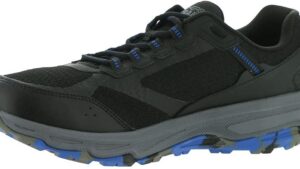
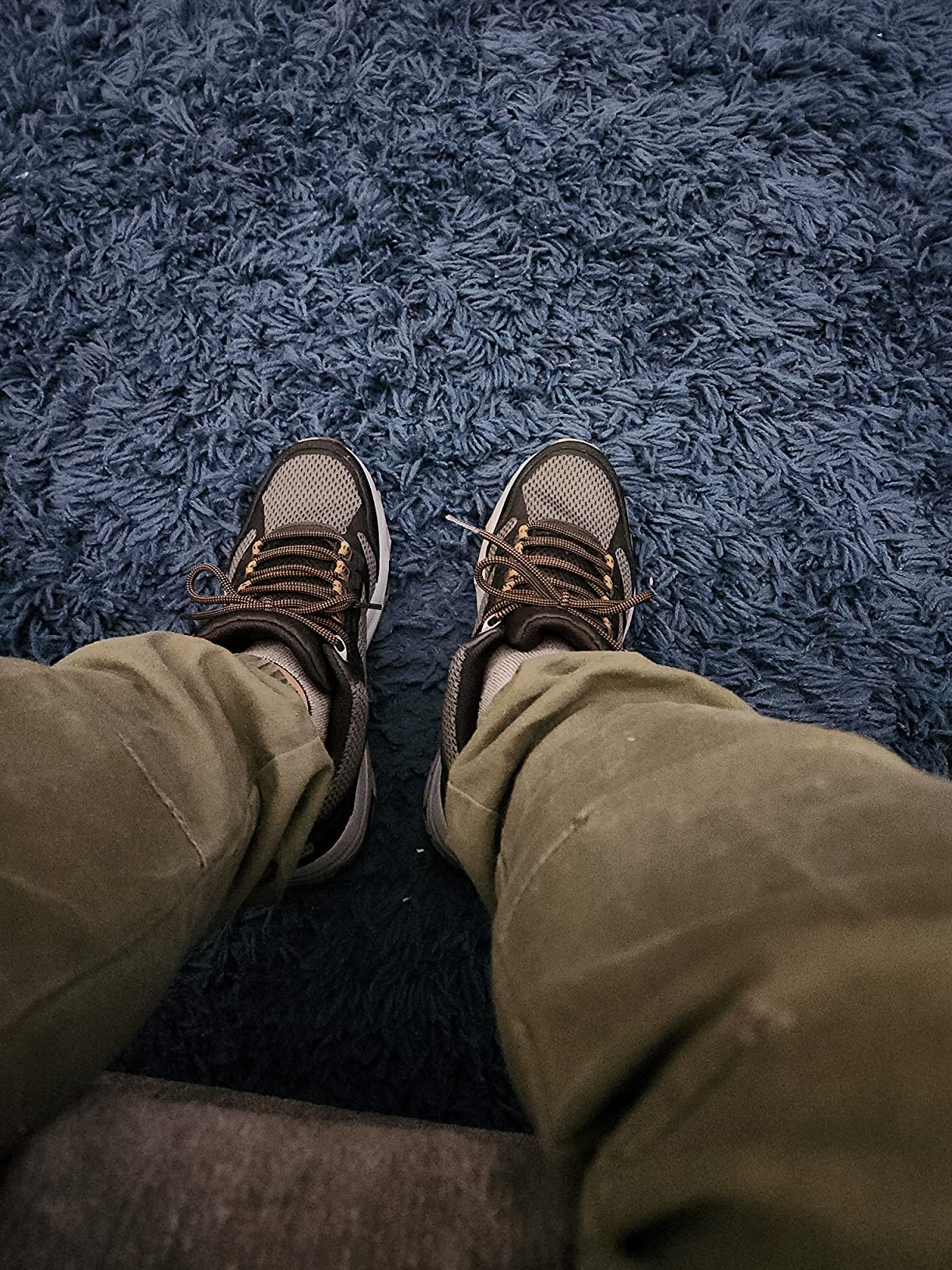
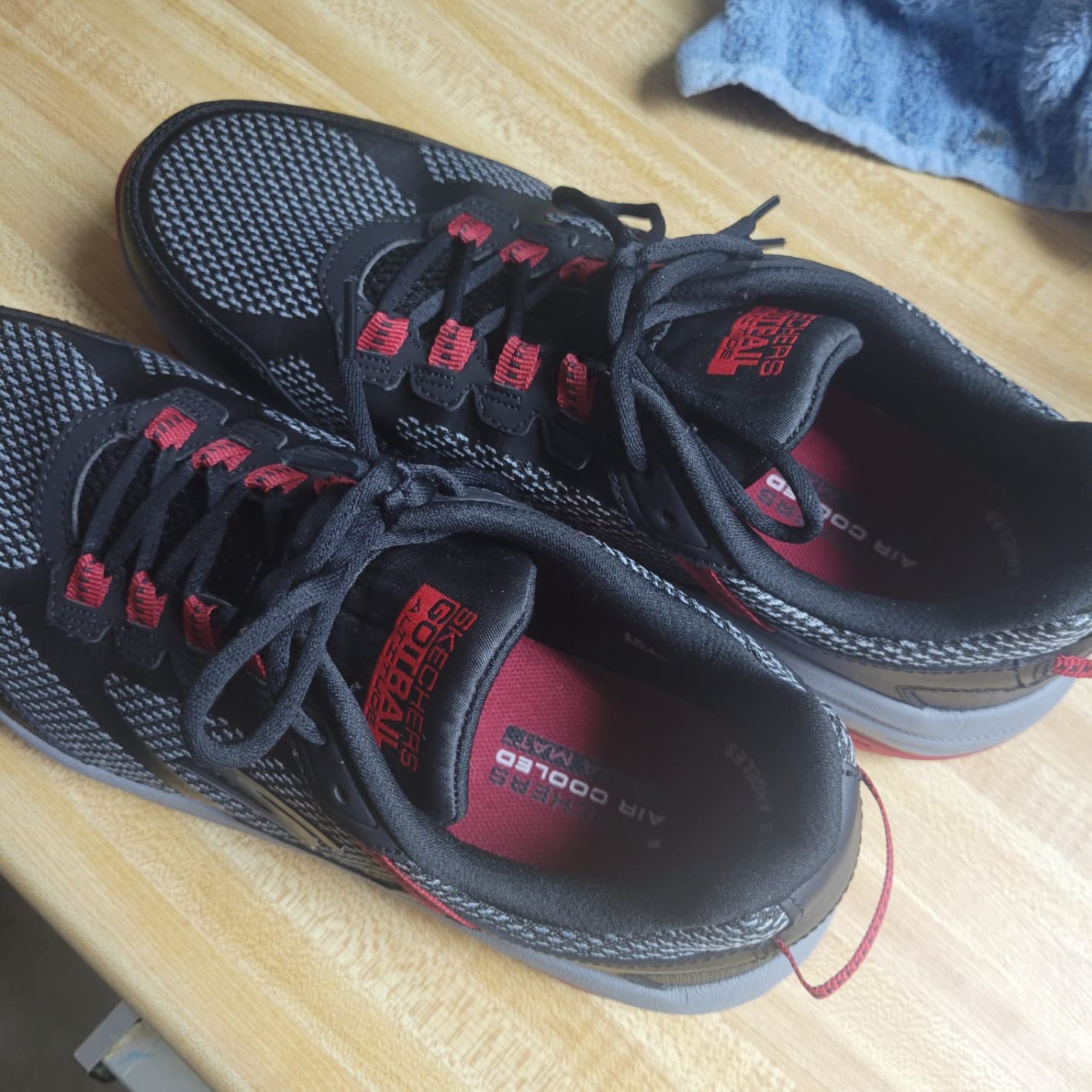
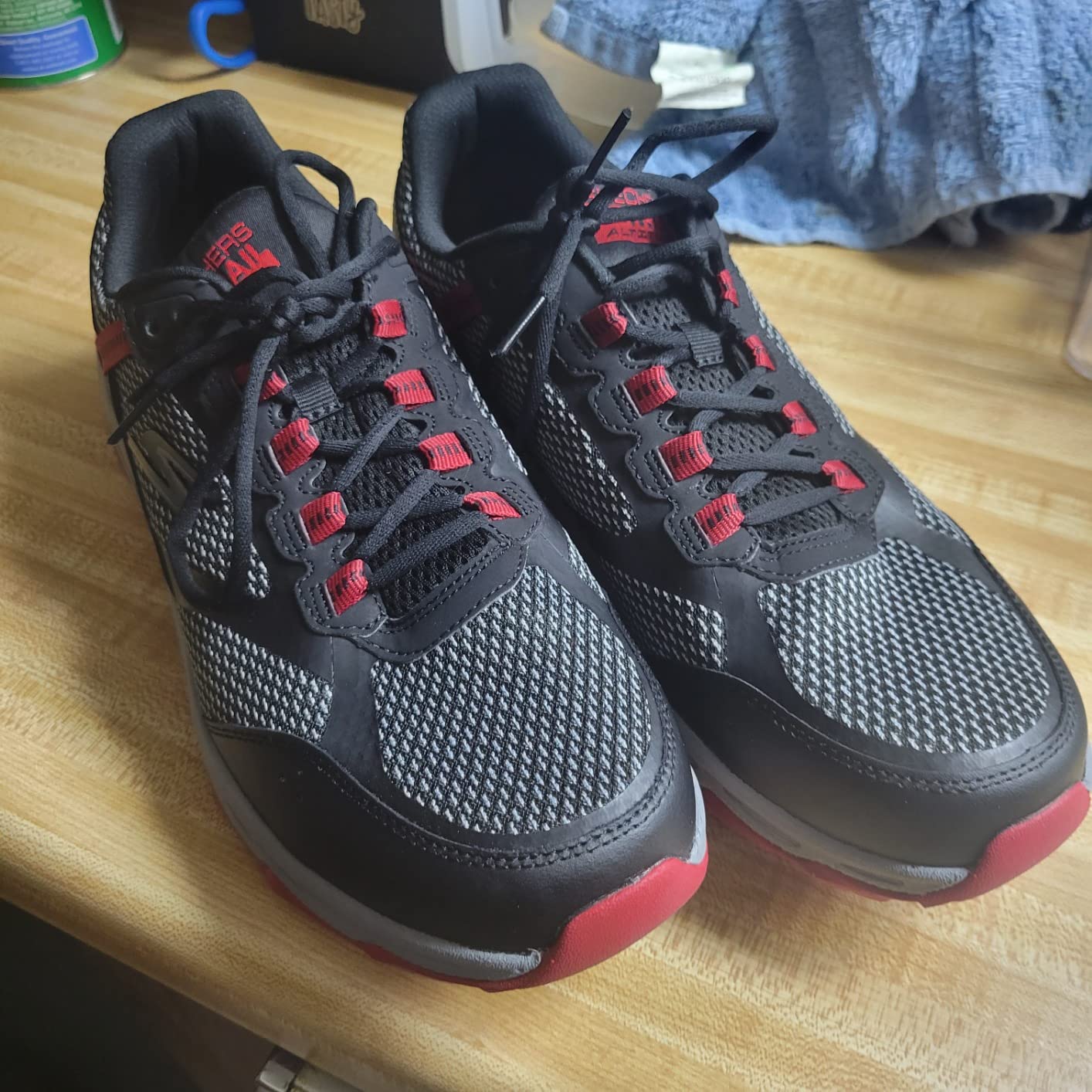
Pulling these out of the box, the 8.9-ounce weight is the first thing you notice. That’s genuinely light — lighter than the Saucony Excursion TR15 (10.2 oz) and noticeably lighter than most trail-specific options at this price. The charcoal/orange/black colorway looks sharper in person than photos suggest, and the mesh upper has an airy, flexible quality that signals breathability before you even lace up.
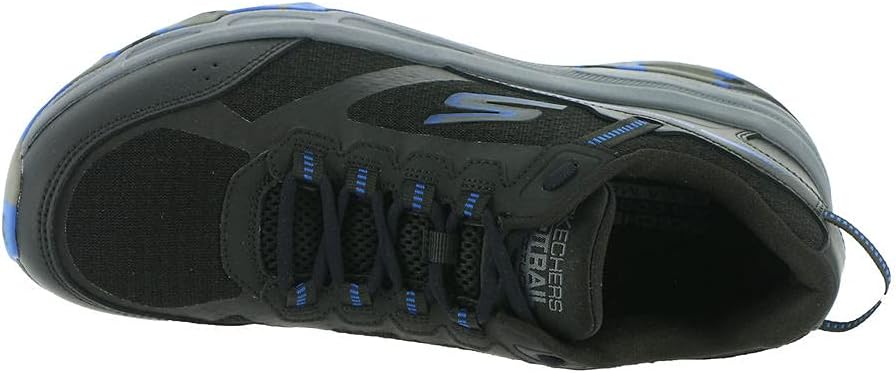
The lacing system is standard eyelet construction — no gimmicks, which is fine. What isn’t fine is the lace length. They’re noticeably short, especially in the wider 4E size. We’ll get back to this in the FAQ, but know upfront that aftermarket shoelaces are a practical purchase here, not an optional upgrade.
Mesh Upper: Where Breathability and Durability Trade Off
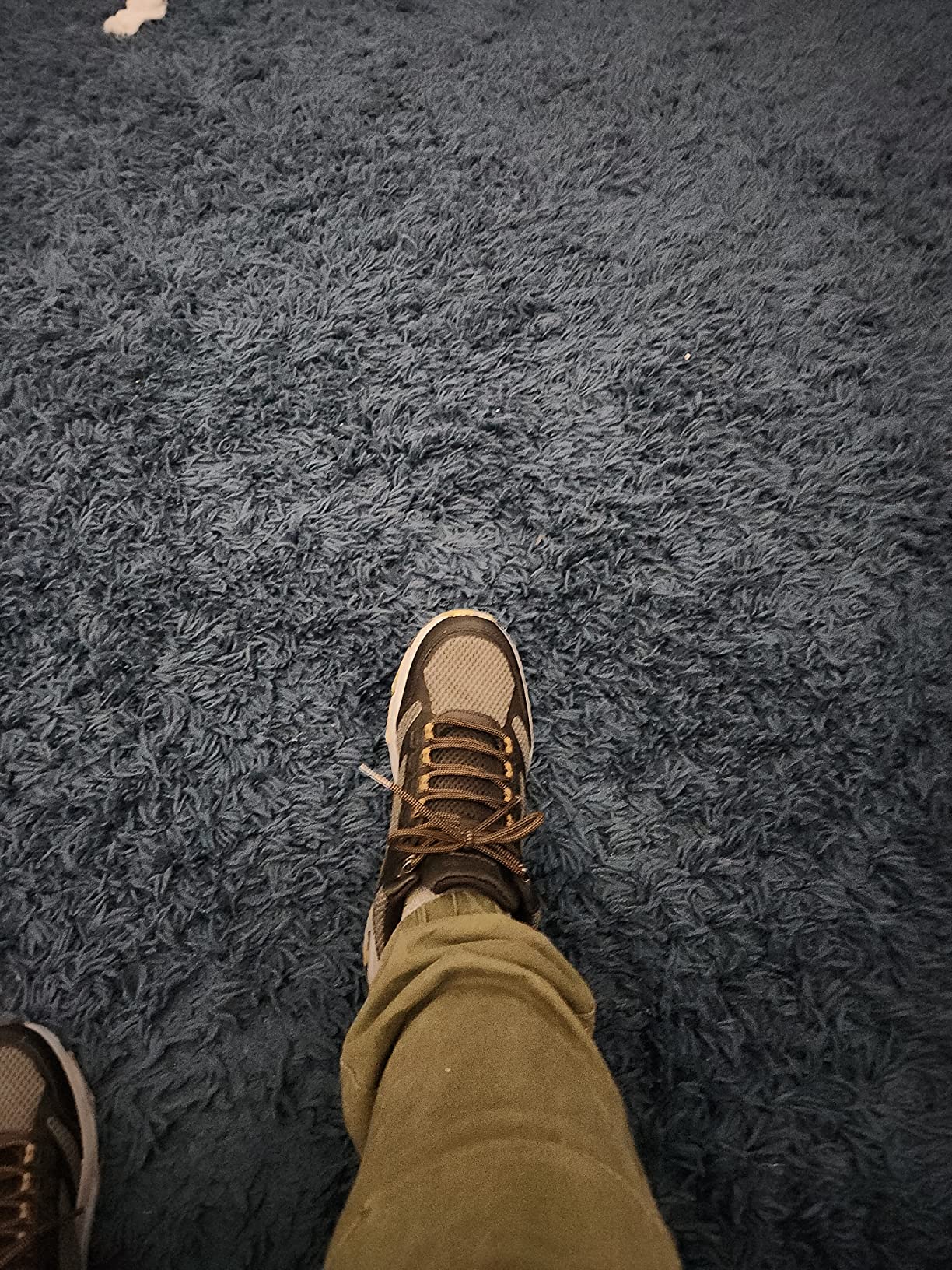
The mesh upper breathes well — no argument there. During my first few sessions on Rockefeller State Park trails in warm weather, my feet stayed comfortable and sweat-free in a way that some synthetic uppers don’t allow. Wide-foot buyers specifically benefit here: the 4E option is one of the few budget trail shoes I’ve tested that actually delivers on its extra-wide promise rather than just slapping a label on a standard last.
That said, thin mesh has a price. By my third trail session, I spotted early wear patterns developing at the toe cap — the area where rocks and roots repeatedly contact the shoe. At $70, that’s earlier than I’d like to see. This isn’t necessarily a manufacturing defect; it’s a design trade-off. You get the airiness, you accept the fragility.
The Goga Mat Cushioning — What It Does Right (and Where It Stops)
Immediate Comfort, No Adjustment Period
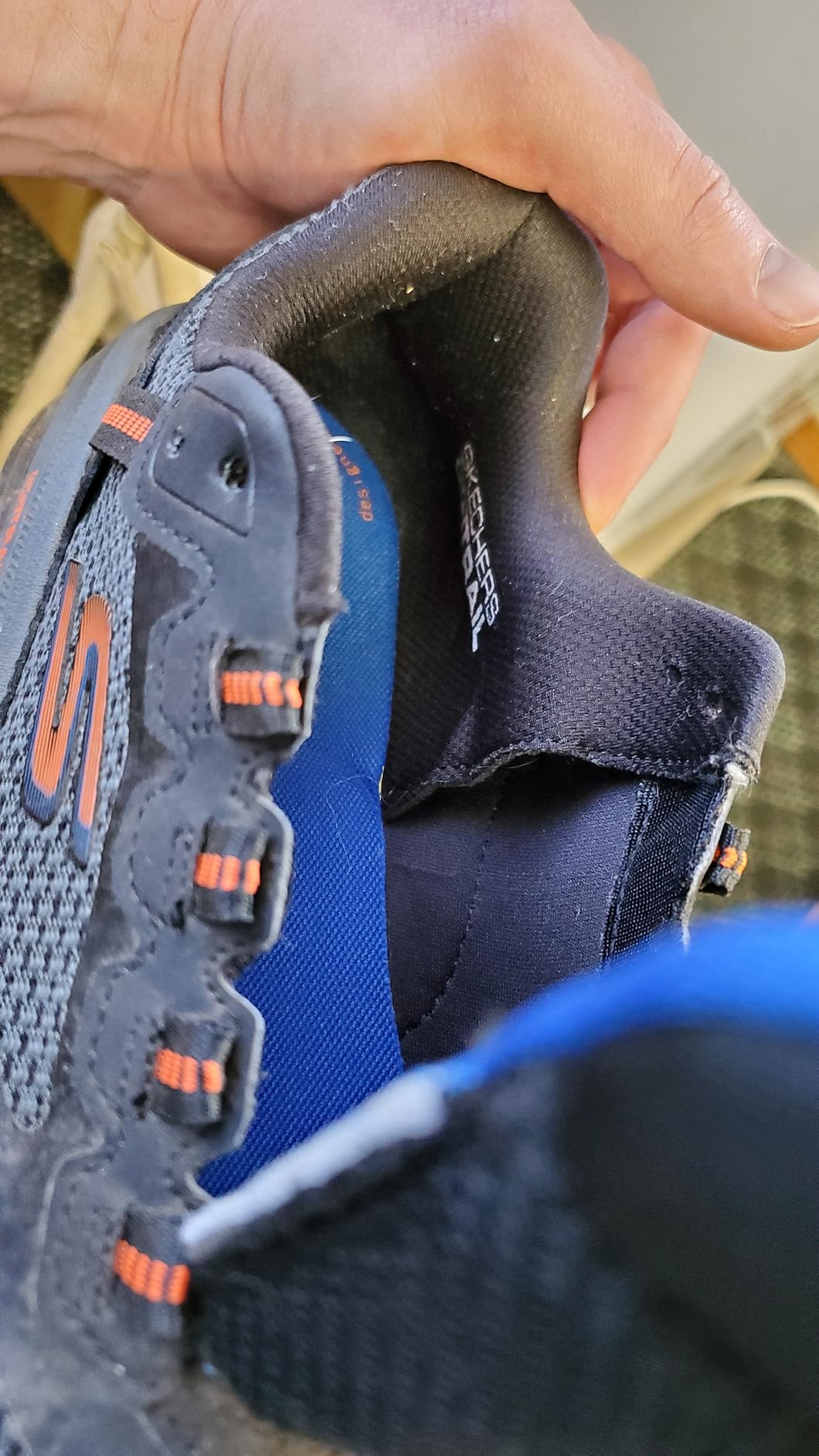
Skechers’ Air Cooled Goga Mat insole is this shoe’s strongest asset, and I don’t say that loosely. Step in on day one and the cushioning molds around the foot immediately — it has a plush, accommodating feel that more expensive midsoles sometimes fail to deliver. No break-in stiffness, no hotspots, no “I’ll give it a few days” adjustment. Just comfortable from the first mile.
On my opening 5-mile session along the Croton Aqueduct trail, a flat, well-packed path with moderate incline changes, the cushioning felt responsive enough for uphill effort while absorbing impact on the way down. For that kind of terrain — the majority of what casual trail walkers and light hikers encounter — the Goga Mat does exactly what Skechers promises.
When Soft Cushioning Becomes a Liability
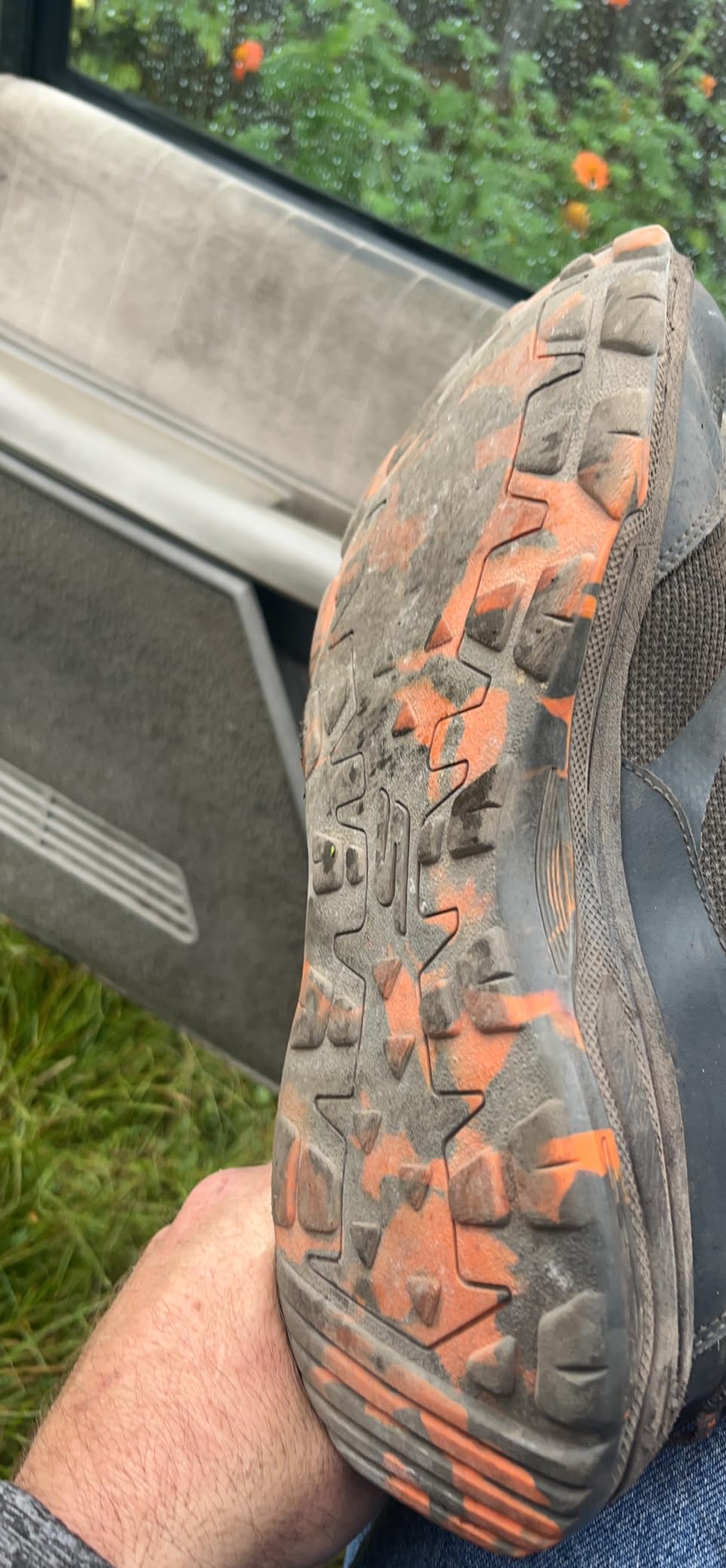
The same softness that makes the Goga Mat immediately comfortable creates a real problem on rocky, technical terrain. During a 4-mile loop near Bear Mountain with significant rocky sections, I could feel point pressure from stones through the relatively thin sole from about mile 2.5 onward. By the end of that session, the bottoms of my feet were sore in a way I don’t experience with firmer trail shoes.
The cushioning score of 9.2/10 reflects the comfort experience on appropriate terrain. The protection score of 5.2/10 reflects what happens when you take this shoe somewhere it wasn’t designed to go. Both numbers are accurate — they’re just describing different scenarios.
Real-World Trail Performance: The Honest Breakdown
Packed Dirt, Gravel, and Light Mud: This Is Their Element
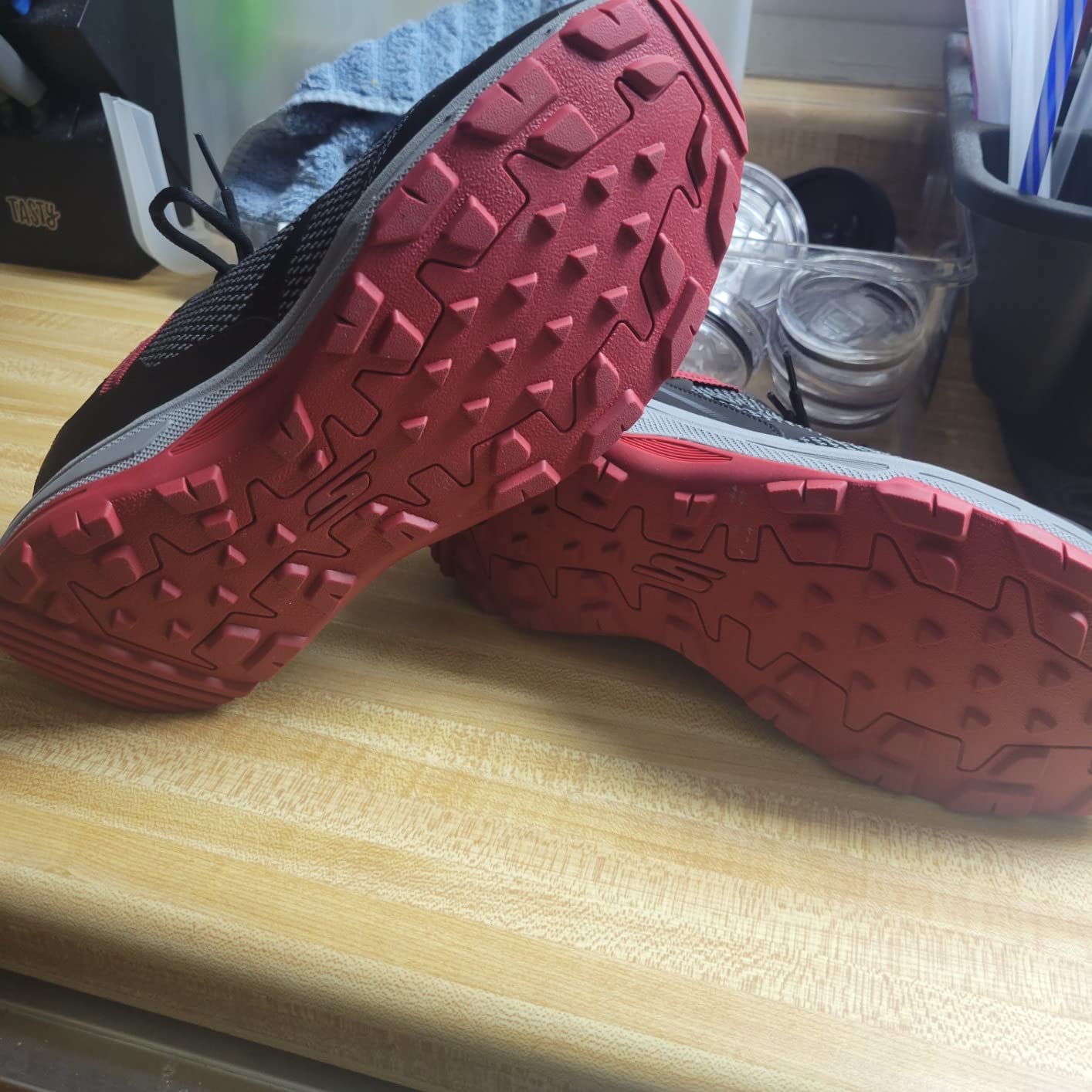
On well-maintained hiking trails and multi-use paths — the Hudson Valley Walkway, rail-trail conversions, state park loops — these shoes are genuinely enjoyable. The traction holds reliably, the lightweight construction makes longer distances feel less taxing, and the mesh keeps things comfortable even when temperatures climb. For this kind of use, the Go Run Trail Altitude earns its reputation as a crowd-pleaser.
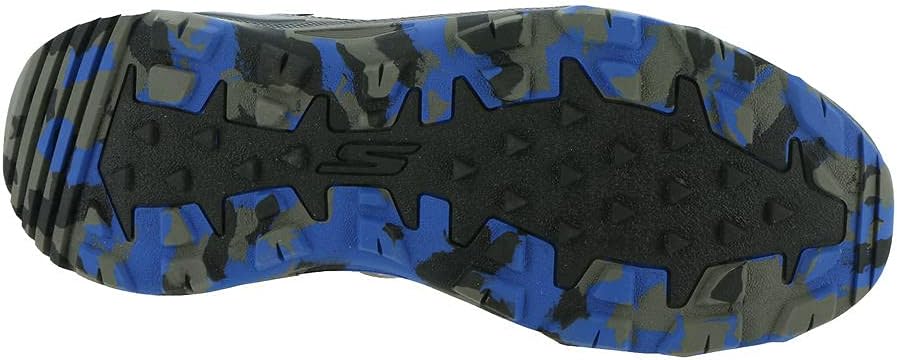
I ran a muddy morning session after overnight rain and was surprised at how well the tread cleared. The mud didn’t pack into the lugs the way I’ve seen with some shoes at this price, and the mesh dried out quickly on the next day. Mud resistance is a quiet strength.
Rocky and Technical Terrain: Know Your Limits
Three sessions on the more demanding sections near the Appalachian Trail in the Hudson Highlands told a clear story. The soft midsole compresses quickly under point load — a protruding root, a sharp ledge edge, a loose chunk of granite. After 3 miles on that kind of terrain, the sensation shifts from cushioned to genuinely uncomfortable. Your foot is getting feedback that more protection-focused trail shoes would absorb.
This isn’t a knock on the shoe; it’s a scope definition. These are designed for casual trail use, not scrambling. Using them on technical terrain is asking them to do something outside their design intent.
Wet Conditions: The One Area That’s a Genuine Safety Concern
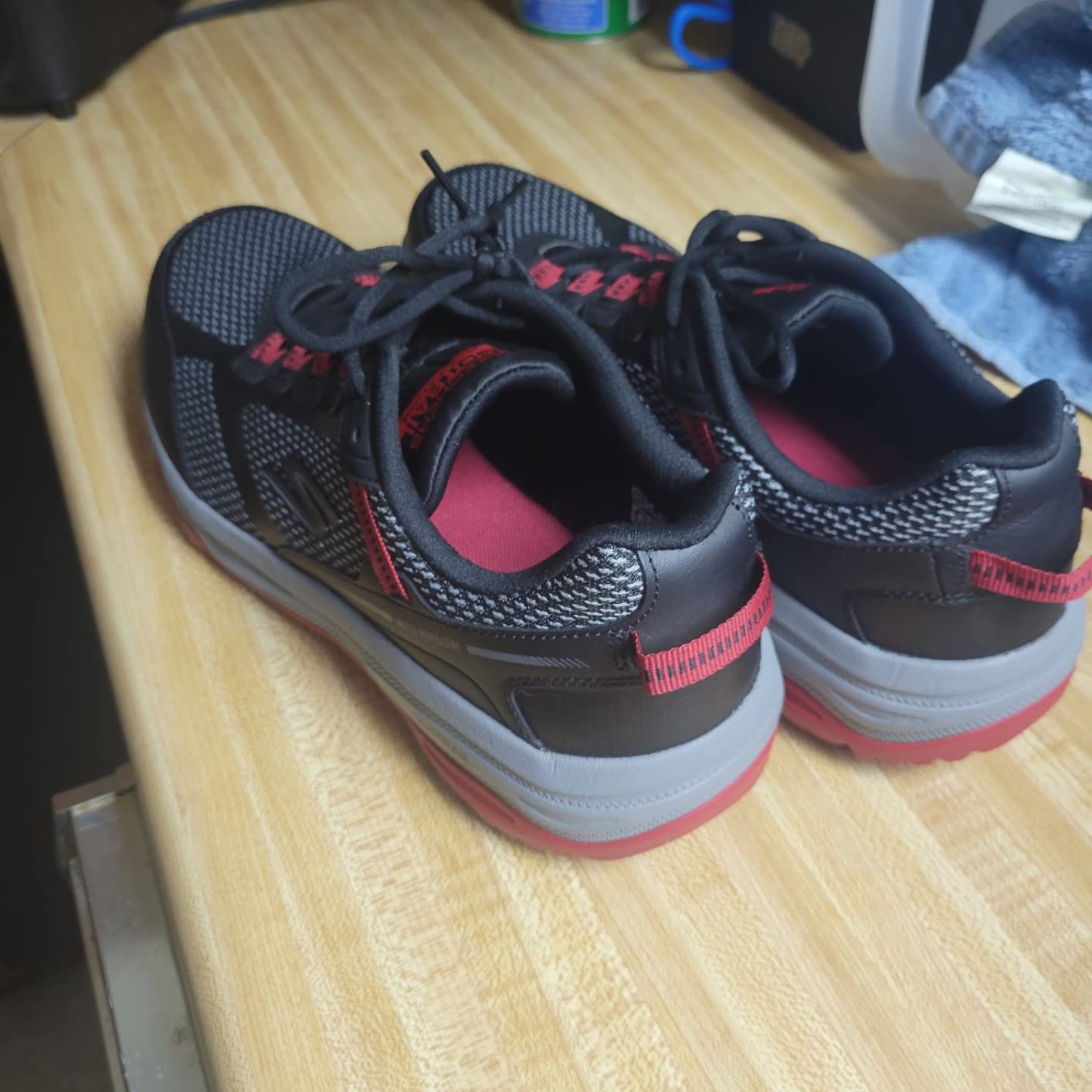
The water-repellent coating works for exactly what the name implies — repelling light moisture. Dewy grass, stream hops, brief sprinkles — feet stay reasonably dry. Beyond about 30 minutes of steady rain, moisture works through the mesh. That’s an acceptable limitation I can explain to someone.
What I can’t excuse as quietly is the wet traction. On wet rocks and slippery roots, these shoes become genuinely treacherous. During a session where the trail surface had been soaked by overnight storms, I had two near-slips in the first mile on a section I’d run confidently in other footwear. Community feedback echoes this — multiple users flag wet-surface slipperiness as a concern, not just a minor performance dip.
If you’re hiking in a region with frequent rain, or if your trails involve creek crossings on wet rock, this is a material safety issue, not a performance preference. Wet-weather hiking shoes with better traction technology exist at similar price points.
Durability Arc: What Happens Week by Week
This is where the Go Run Trail Altitude tells its full story:
Weeks 1–3: Everything is working. Comfort is high, traction reliable, no visible wear.
Weeks 3–6: Mesh stress points appear at the toe area. Tread shows initial wear patterns. Cushioning compression becomes noticeable after 6+ miles.
Weeks 6–10 and beyond: Community feedback shows this is the failure window — sole adhesion weakens at the toe, mesh integrity decreases, cushioning loses its initial responsiveness. Multiple documented cases of sole separation at the 2–4 month mark with daily use.
Casual users (2–3 times per week, easy trails) can expect 6–12 months. Daily users pushing harder terrain should plan for 2–4 months.
Does Skechers Deliver on Their Promises?
Claim: “Enhanced Comfort and Stability”
Comfort → True. The immediate comfort is excellent, zero break-in required, and performs well on moderate terrain. No qualification needed.
Stability → Misleading. The soft Goga Mat midsole that creates comfort also reduces lateral stability on uneven terrain. When you’re navigating off-camber surfaces or rocky footing, a firmer midsole actually provides more control. Skechers’ “wider outsole footprint” does help somewhat, but the soft compound undermines it.
Claim: “Water Repellent to Keep Your Feet Dry”
Partially accurate. “Water repellent” is technically correct — the coating resists light moisture. “Keep your feet dry” is optimistic marketing. Extended rain, sustained creek crossings, or anything beyond casual moisture will leave you with wet socks. The coating also isn’t permanent — degradation over time is expected without DWR reapplication.
Claim: “Durable Traction Outsole”
Traction on dry surfaces → Good. Grip on packed dirt and gravel is reliable and Runnea’s lab rates it 9.0/10 for grip.
“Durable” → Questionable. Tread wear is visible by weeks 6–8 under regular use, and the wet-surface traction failure is a design gap, not a wear issue. “Durable” implies the performance holds up long-term; the evidence suggests it doesn’t.
Claim: “Athletic Activities: Running, Hiking, Training”
Light recreation only. These work for the easy version of each activity — a casual 5K on packed trails, a nature walk, gym cross-training. The protection and durability gaps become apparent quickly if you push into more demanding applications.
For Wide Feet: A Genuine Advantage Worth Noting
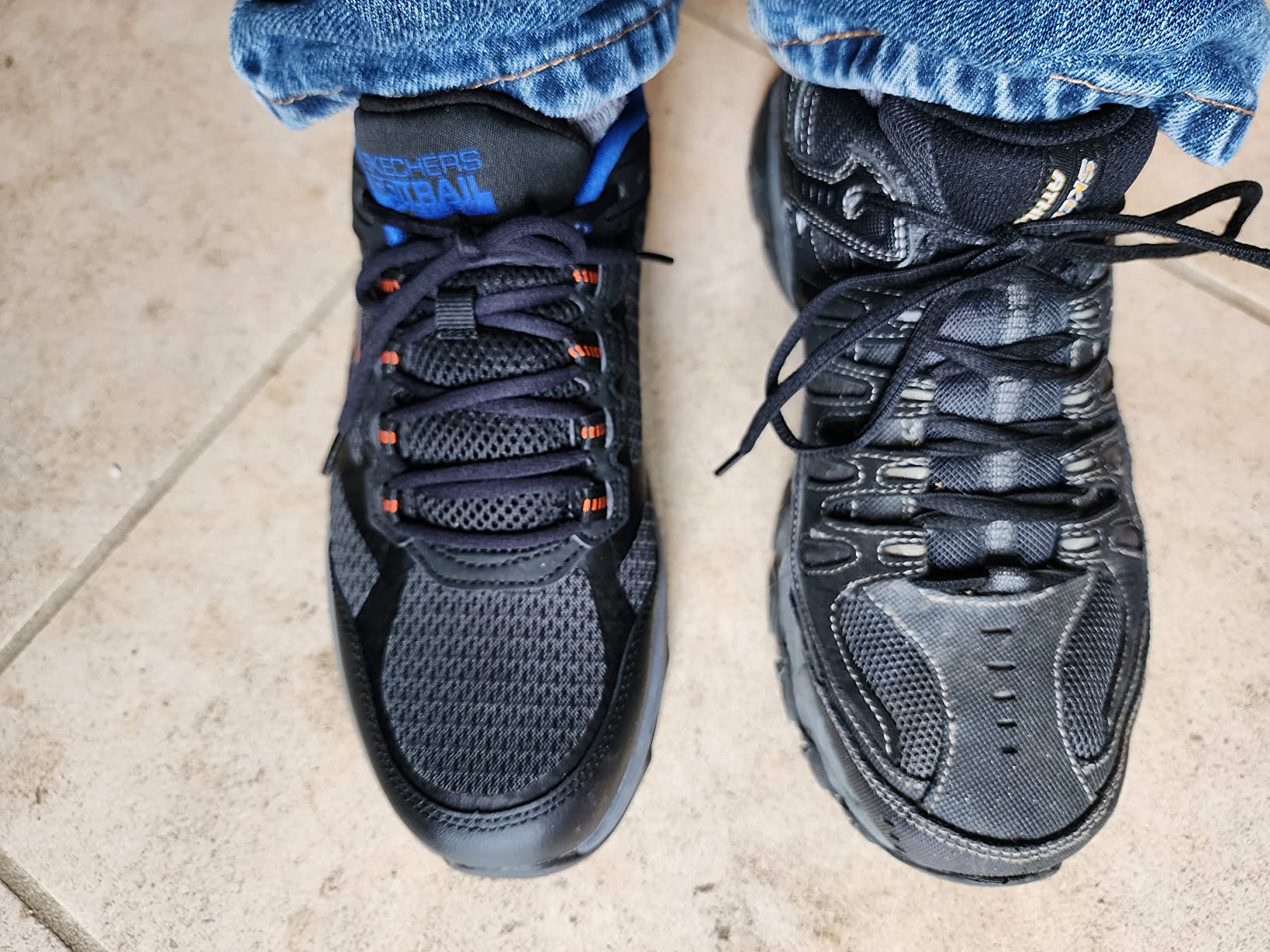
The 4E extra-wide option is one of the cleaner success stories here. Most budget trail shoes in the $60–80 range offer “wide” widths that turn out to be standard lasts with a relabeled box. The Skechers 4E actually accommodates wide feet without forcing a size-up for length to gain width — a common workaround that creates its own fit problems.
For wide-footed casual hikers who’ve struggled to find properly fitting trail options without spending $120+, this is a real differentiator. The durability caveats apply equally to the 4E as they do to the standard, but the fit quality is consistently better than budget competitors.
Detailed Scoring Breakdown
| Category | Score | Weight | Weighted Score | Notes |
|---|---|---|---|---|
| Comfort | 9.2 | 25% | 2.30 | Goga Mat delivers; zero break-in genuine; outstanding on appropriate terrain |
| Durability | 4.8 | 20% | 0.96 | Mesh stress at week 3; sole failures month 2–6; below category average |
| Traction | 6.5 | 15% | 0.98 | Excellent dry; mud better than expected; genuinely dangerous on wet rock |
| Protection | 5.2 | 15% | 0.78 | Soft midsole compresses on sharp terrain; not a technical trail shoe |
| Value | 7.0 | 15% | 1.05 | Good if you budget for 6–12 month casual lifespan; poor if expecting multi-season |
| Versatility | 7.8 | 10% | 0.78 | Multiple light activities; not for technical terrain or sustained wet conditions |
| Overall Score | 6.8/10 | 100% | 6.85 | Solid comfort shoe, significant durability limitation |
Key Strengths and Limitations at a Glance
What works well:
- Goga Mat cushioning delivers immediate comfort from day one
- 8.9 oz genuinely lightweight — noticeable advantage on flat trails
- 4E extra-wide option actually fits wide feet (rare at this price)
- Zero break-in requirement — practical for casual/occasional users
- Water-repellent coating handles light moisture
- Mesh breathes well; mud clears from tread; dries quickly
- True to size for standard and wide widths
What to watch:
- Durability: mesh stress week 3+, sole adhesion failures months 2–6
- Short laces — plan for aftermarket replacement (oval athletic laces work well)
- Not suitable for technical, rocky, or scrambling terrain
- Wet rock traction is a safety concern — avoid in sustained rain
- Limited arch support; plantar fasciitis users need insole upgrade (Sof Sole Athlete Insoles or Valsole Orthotic Insoles fit well)
The Budget Math: Cost-Per-Mile Reality Check
At $70 midpoint, the cost equation depends entirely on how you use this shoe:
Casual use (2–3x/week, easy trails): At 6–12 month lifespan and ~200–350 miles, you’re looking at $0.20–0.35 per mile. That’s reasonable for a budget trail shoe.
Regular use (4–5x/week, mixed terrain): At 2–4 month lifespan and ~150–200 miles before durability failure, cost-per-mile climbs to $0.35–0.47. At that rate, a $47 Saucony Excursion TR15 at 200+ miles ($0.24/mile) offers better long-term value despite the higher upfront relative durability.
The break-even logic: if you’re using this shoe more than 4 times per week on any real trail, you’ll spend more annually replacing Skechers pairs than buying one pair of more durable trail shoes. For occasional use, the math works. For serious trail runners, it doesn’t.
What Real Users Are Saying
Community feedback on this shoe follows a predictable pattern once you read enough of it. Positive reviews cluster around two themes: the comfort is excellent out of the box, and the wide-width option fits better than expected. “Best budget trail shoe for wide feet” appears in some form across multiple platforms.
The negative reviews tell a consistent story that aligns with my testing. “Lasted about 60 days of everyday use.” “Sole started separating at the toe around month 3.” “Still wearing them after 8 months but I only hike occasionally” — that last one actually encapsulates the split perfectly. Occasion and intensity determine whether this shoe delivers value.
One pattern worth noting: multiple users mention that Skechers quality feels different from a few years ago. Whether that reflects design changes, manufacturing shifts, or just rising consumer expectations, the thread of “my old Skechers lasted longer” runs through enough reviews to be worth flagging.
Who Should Buy the Skechers Go Run Trail Altitude
Buy this shoe if you:
- Walk or lightly hike 1–3 times per week on maintained trails under 8 miles
- Have wide feet and struggle finding affordable, properly fitting trail options
- Want immediate comfort without any break-in adjustment
- Primarily use trails in dry conditions (or are okay with wet-weather limitations)
- Budget for shoe replacement every 6–12 months as a normal cost of ownership
- Need a lightweight backup pair for weekend nature walks
Skip this shoe if you:
- Trail run or hike 4+ times per week with serious terrain demands
- Frequently hike in rain, wet conditions, or on wet rock
- Need multi-season durability from a single pair
- Tackle rocky, technical, or scrambling routes regularly
- Have plantar fasciitis or significant arch support needs
- Want a long-term value investment (cost-per-mile math doesn’t favor this shoe for heavy use)
Better Alternatives If This Doesn’t Fit Your Needs
For durability at similar price: The Saucony Excursion TR15 at $47 weighs more (10.2 oz) but delivers more durable construction with carbon rubber lugs better suited for technical trail use. Budget trail runners who put in consistent weekly miles will get better cost-per-mile over time.
For wide feet with better long-term construction: The Altra Lone Peak 8 is a significant step up in price but delivers genuine wide toe box design plus durable construction that casual trail users with wide feet may find worth the investment.
For serious trail running performance: The Salomon Speedcross series is the benchmark at higher price points — proper rock protection, aggressive wet traction, and construction built for technical terrain.
For general lightweight hiking: The Merrell Accentor 3 and NORTIV 8 Men’s Hiking Shoes offer more protection-oriented construction at accessible price points.
Frequently Asked Questions
Are these true to size?
Yes — standard width runs true to size for most foot shapes. The 4E extra-wide also fits true to size in length; no length adjustment needed to get the width. If you’re between sizes, stay with your regular size.
How long do they typically last?
Plan for 6–12 months with casual use (2–3 times per week, easy trails). With daily use or harder terrain, the realistic window is 2–4 months before durability failures — primarily sole adhesion at the toe and mesh tearing at stress points.
Can I use these for technical hiking or scrambling?
Not recommended. The soft Goga Mat midsole provides minimal rock protection, and foot soreness develops after 3–4 miles on anything sharp or technical. These are flat-trail and maintained-path shoes.
Are they waterproof?
No. The water-repellent coating handles light moisture — dewy grass, brief stream crossings, short drizzle — for roughly 20–30 minutes. Beyond that, moisture works through the mesh. More importantly, wet traction on rocks is genuinely poor; avoid these in sustained rain on any trail with wet rock sections.
What about the short laces?
This is a real complaint with a simple fix. The stock laces are undersized, especially in wider widths. Pick up oval athletic shoelaces in the appropriate length (54″ for standard, 60″ for wide sizes) — it’s a $10 fix that eliminates the frustration.
Do they have arch support for plantar fasciitis?
The Goga Mat provides cushioning comfort but limited structural arch support. If you have plantar fasciitis or flat feet, adding an aftermarket insole is essentially mandatory — Sof Sole Athlete Insoles or Valsole Orthotic Insoles are compatible. The stock insole is removable.
How does this compare to the Saucony Excursion TR15 for trail use?
Different audiences. The Go Run Trail Altitude wins on comfort, weight, and wide-foot fit. The TR15 wins on durability, traction lugs, and rock protection. If you’re primarily doing casual flat trails and comfort matters most, the Skechers makes sense. If you’re doing real trail running or need shoes to last more than 6 months of regular use, the TR15 is the better investment despite costing less.
Can I use these for gym workouts?
For light cardio — treadmill walking, elliptical, casual gym circuits — they work fine. The soft Goga Mat cushioning isn’t ideal for heavy lifting (you want a firmer platform under load), and the thin mesh upper won’t hold up to heavy lateral training. Consider dedicated training shoes for gym-focused use.
Do the wide options run as narrow as most “wide” shoes?
No — this is one of the Go Run Trail Altitude’s genuine strengths. The 4E option is legitimately extra-wide. If you’ve been burned by brands that relabel standard lasts as “wide,” this shoe is a welcome exception.
Review Scoring Summary
| Performance Category | Score | Weight | Weighted Score |
|---|---|---|---|
| Comfort | 9.2 | 25% | 2.30 |
| Durability | 4.8 | 20% | 0.96 |
| Traction | 6.5 | 15% | 0.98 |
| Protection | 5.2 | 15% | 0.78 |
| Value | 7.0 | 15% | 1.05 |
| Versatility | 7.8 | 10% | 0.78 |
| OVERALL SCORE | 6.8/10 | 100% | 6.85 |
Bottom line: The Skechers Men’s Go Run Trail Altitude is a comfort-first budget trail shoe that delivers on its core promise — immediate, zero-break-in cushioning — while falling short on durability and technical performance. For casual hikers and wide-footed outdoor walkers who stay on maintained trails in dry conditions, the $60–80 price point buys genuine value. For anyone planning to push into technical terrain, wet weather, or high weekly mileage, this is a shoe you’ll outgrow faster than you expect.
Be the first to review “Skechers Men’s GOrun Altitude-Trail Running Walking Hiking Shoe Sneaker”
Related products
Running Shoes

Running Shoes
Running Shoes
Running Shoes
Running Shoes
Running Shoes
Running Shoes
Running Shoes
Reviews
There are no reviews yet.