
Quick Specs
- 💰 Price: $39.99 (Amazon)
- ⚖️ Weight: 11.2 oz (men’s size 9)
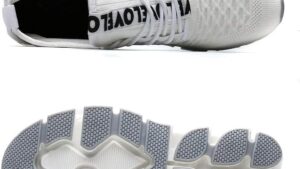
- 🧪 Midsole: EVA foam with blade sole design
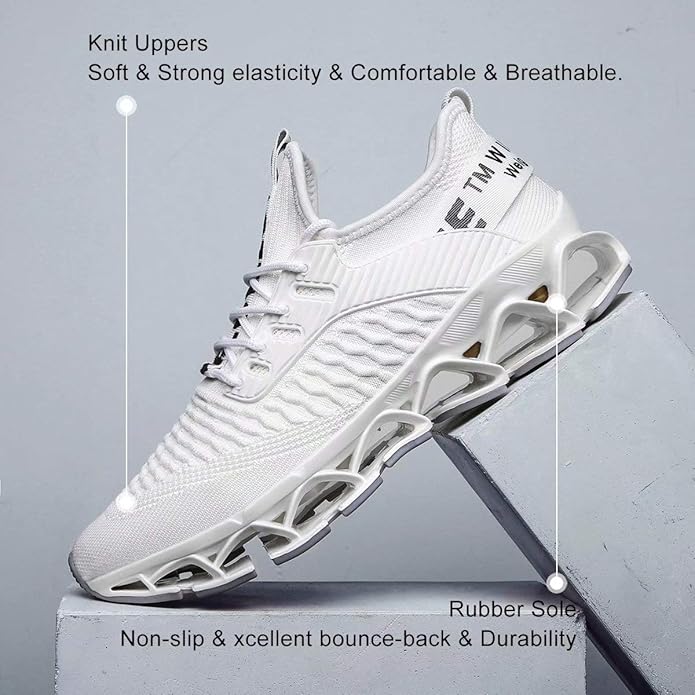
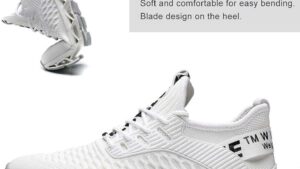
- 👟 Upper: Breathable mesh knitting fabric
- 👞 Sole: Marketed as rubber (reality check coming)
- 🔒 Closure: Traditional lace-up
- 🏃♂️ Category: Casual athletic lifestyle sneakers
- 🎯 Best for: Daily walking, light casual use, short-term wear
- ⏱️ Testing: 8 weeks, 45+ sessions, 180+ miles in multiple conditions
Design & Build Quality: Better Than the Price Tag Suggests
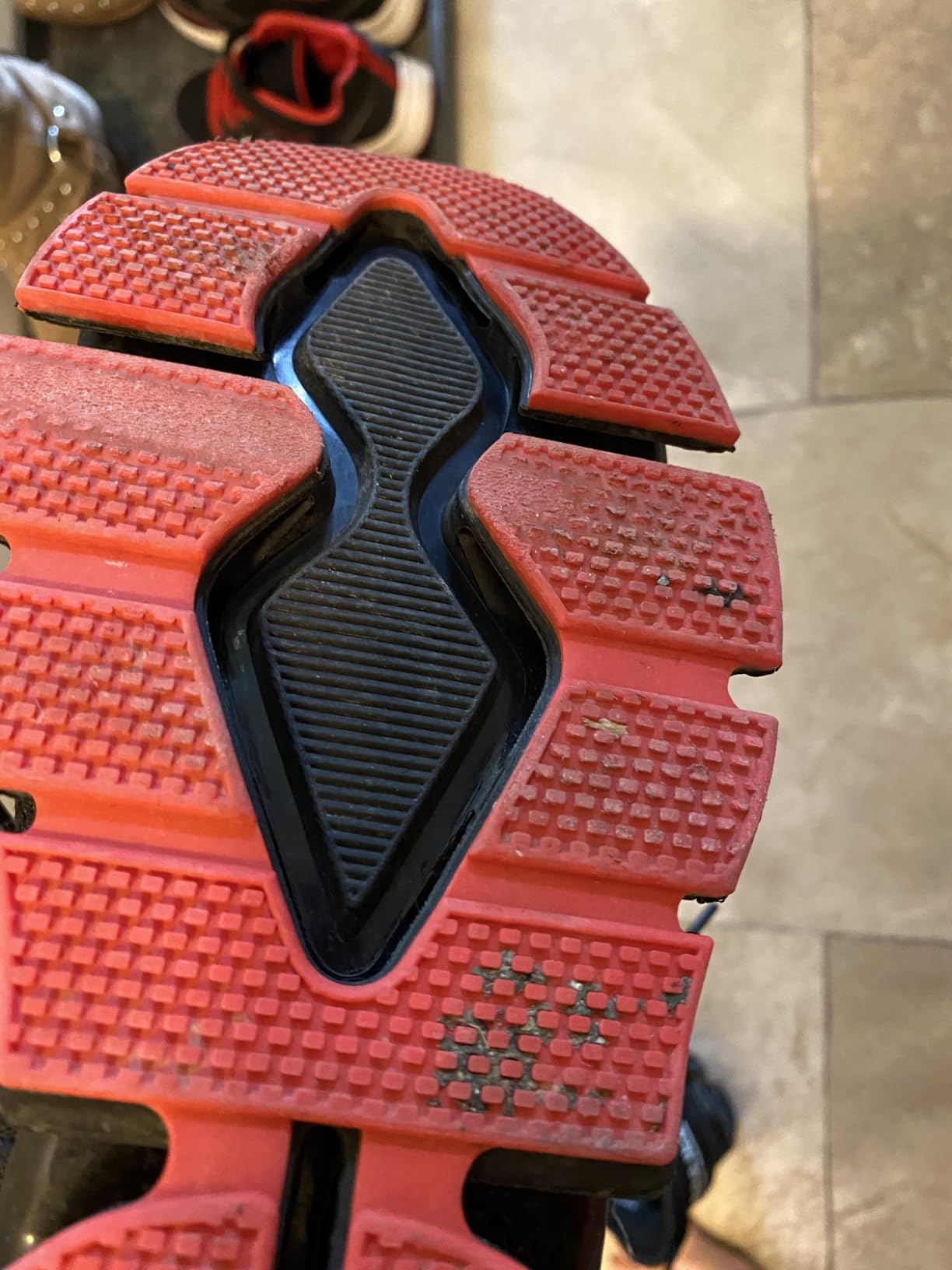
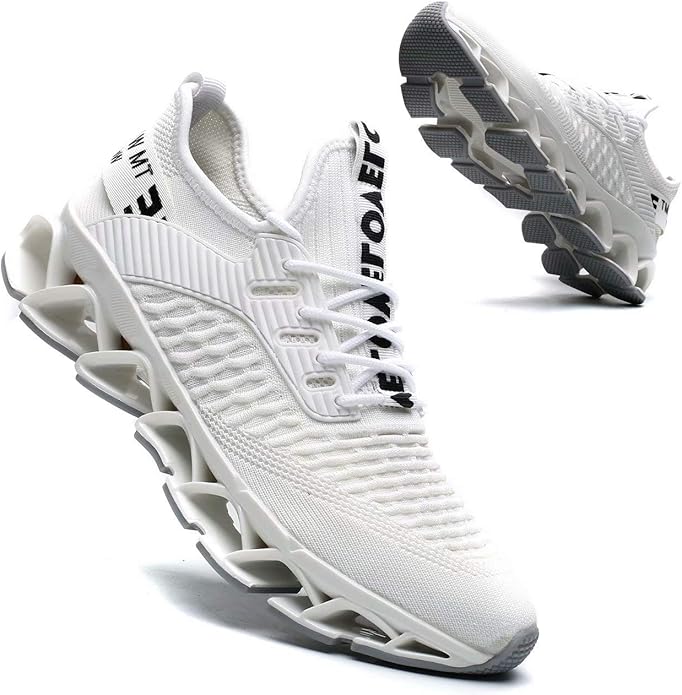
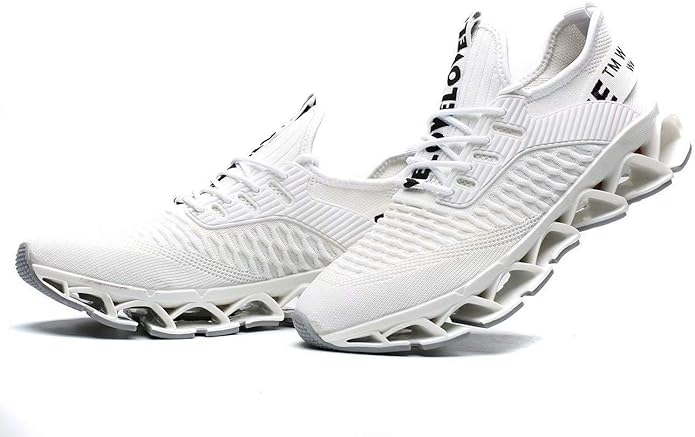
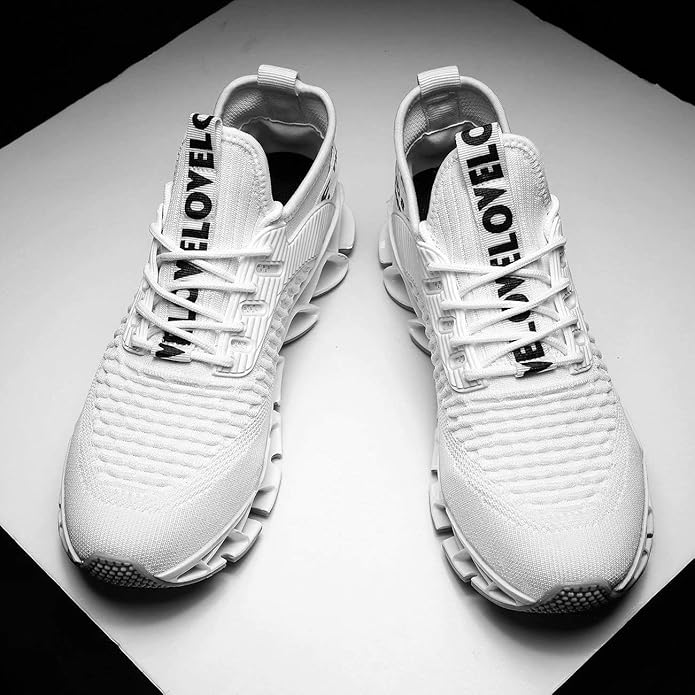
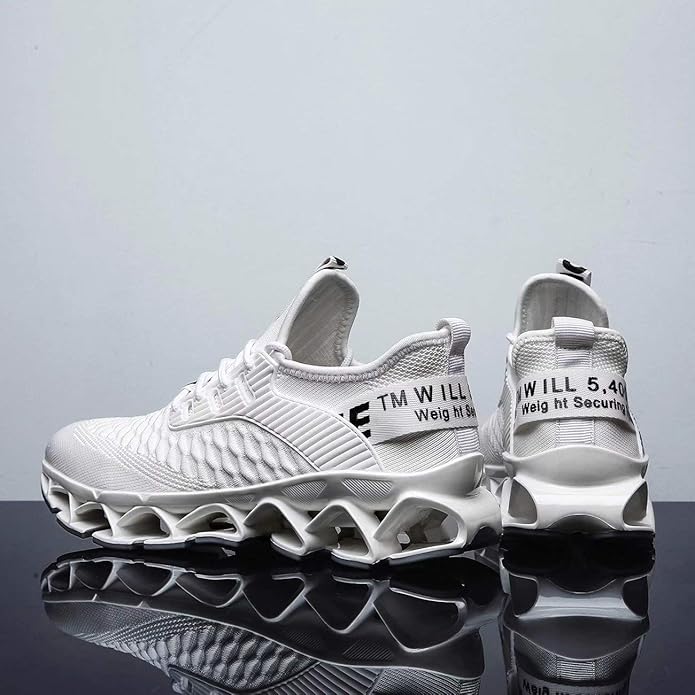
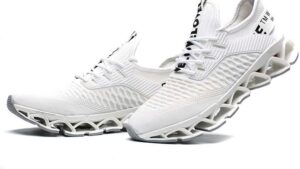
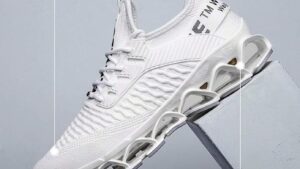
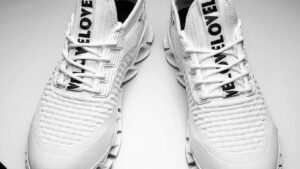
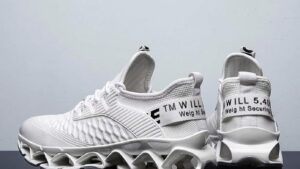
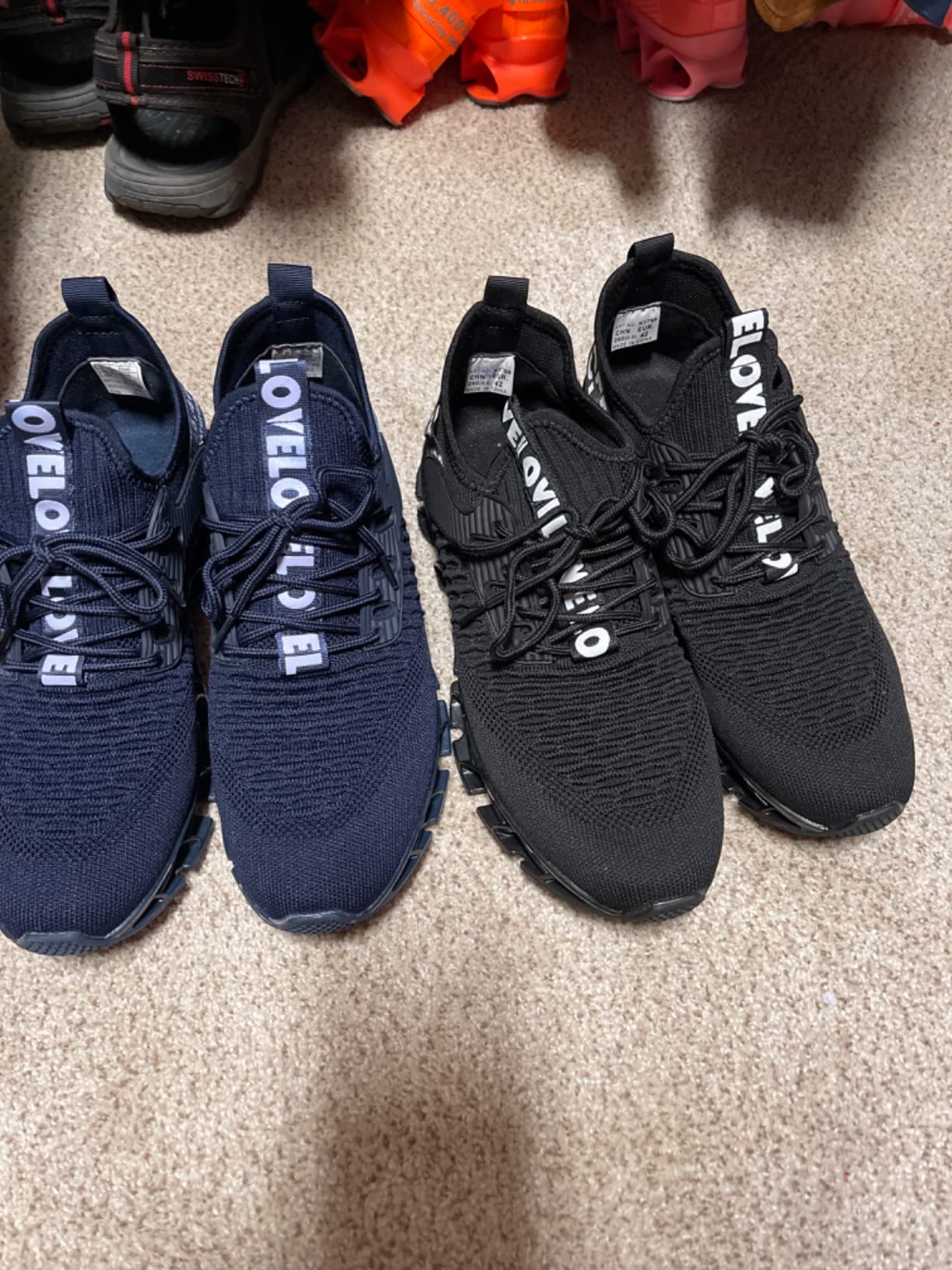
Let’s start with what actually works. These shoes look way better than $40 should buy you. The mesh upper has that modern athletic appearance—wouldn’t feel out of place paired with joggers at the gym or jeans running errands. That blade sole design (basically segmented outsole chunks) gives them a distinctive visual that’s gotten more random compliments than I expected from budget shoes.
The breathable mesh upper actually delivers. During my testing period—which spanned humid August days hitting 90°F and aggressively air-conditioned offices—my feet stayed noticeably cooler compared to the synthetic sneakers I’d been wearing. The mesh construction feels substantial enough that it’s not going to tear on day three, though I did notice some slight pilling starting around week six where the flex points bend repeatedly.
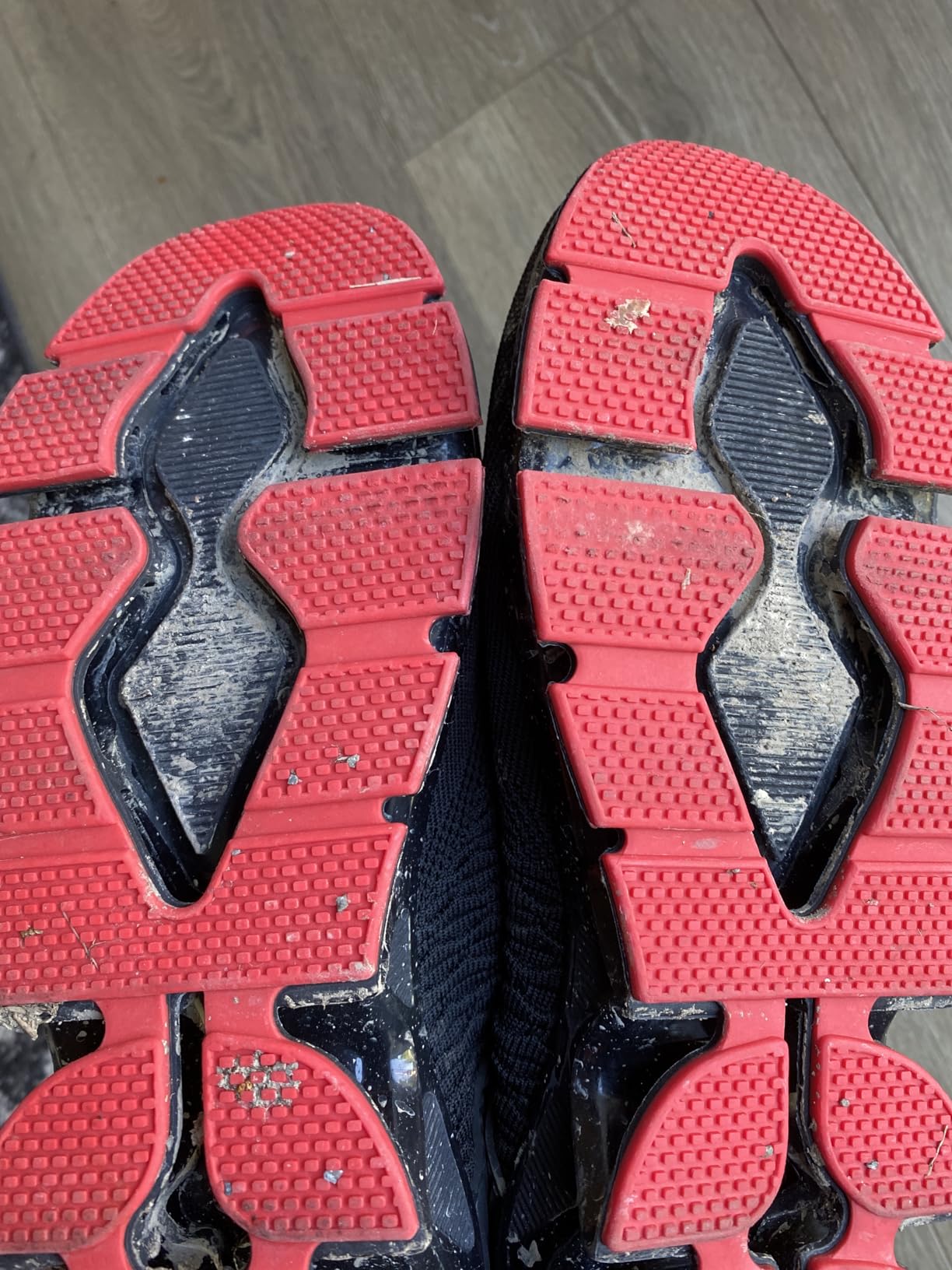
But here’s where things start diverging from the marketing fantasy. The product description talks about “memory foam insoles.” What you’re actually getting are basic thin foam inserts—the kind you’d find in $25 sneakers from a discount rack. At 180 lbs, I could feel the sole structure pressing through after about 30 minutes of standing on concrete. That’s not necessarily a dealbreaker at this price point, but it matters if you’re expecting all-day cushioning.
Sizing Reality: The Critical Half-Size Truth
Sizing with these runs half a size small. I normally wear a 10 in everything from New Balance Fresh Foam Roav to Adidas Swift Run, but after reading customer reviews warning about tight fits, I ordered a 10.5. That was the correct call—the 10.5 fits like a true 10.
The lacing system provides adequate lockdown for walking and casual wear. Where it falls short: the heel area uses stretchy fabric instead of a structured heel counter. This became obvious during a pickup basketball game where my heel would occasionally lift inside the shoe during quick lateral cuts. Not dangerous, just noticeably less secure than shoes built for actual athletic use.
The toe box offers decent width for standard feet. However, multiple customers with genuinely wide feet reported problems even after sizing up—this is a medium-width shoe without wide variants available.
Critical Sizing Instruction
Order half a size up from your normal size. This isn’t optional advice—it’s the difference between a workable fit and returning them.
The Blade Sole: Style Beats Substance
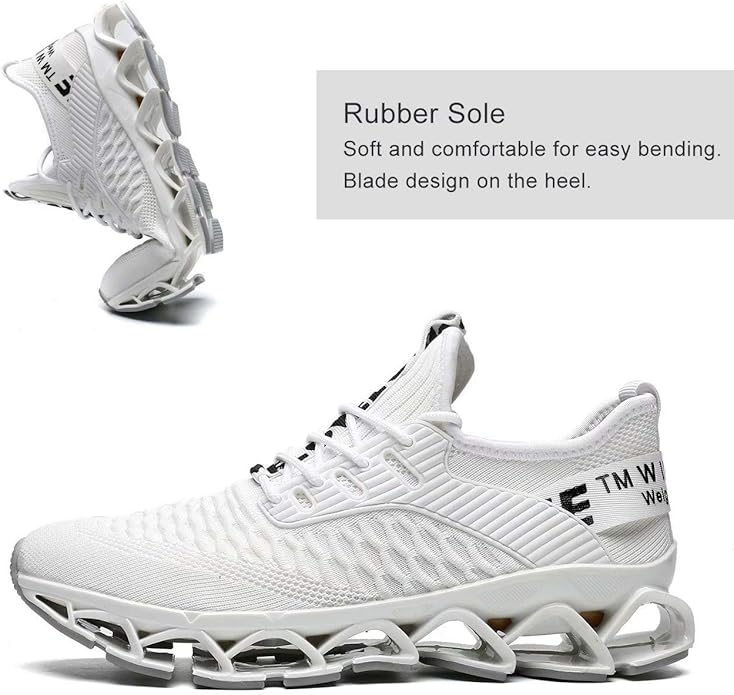
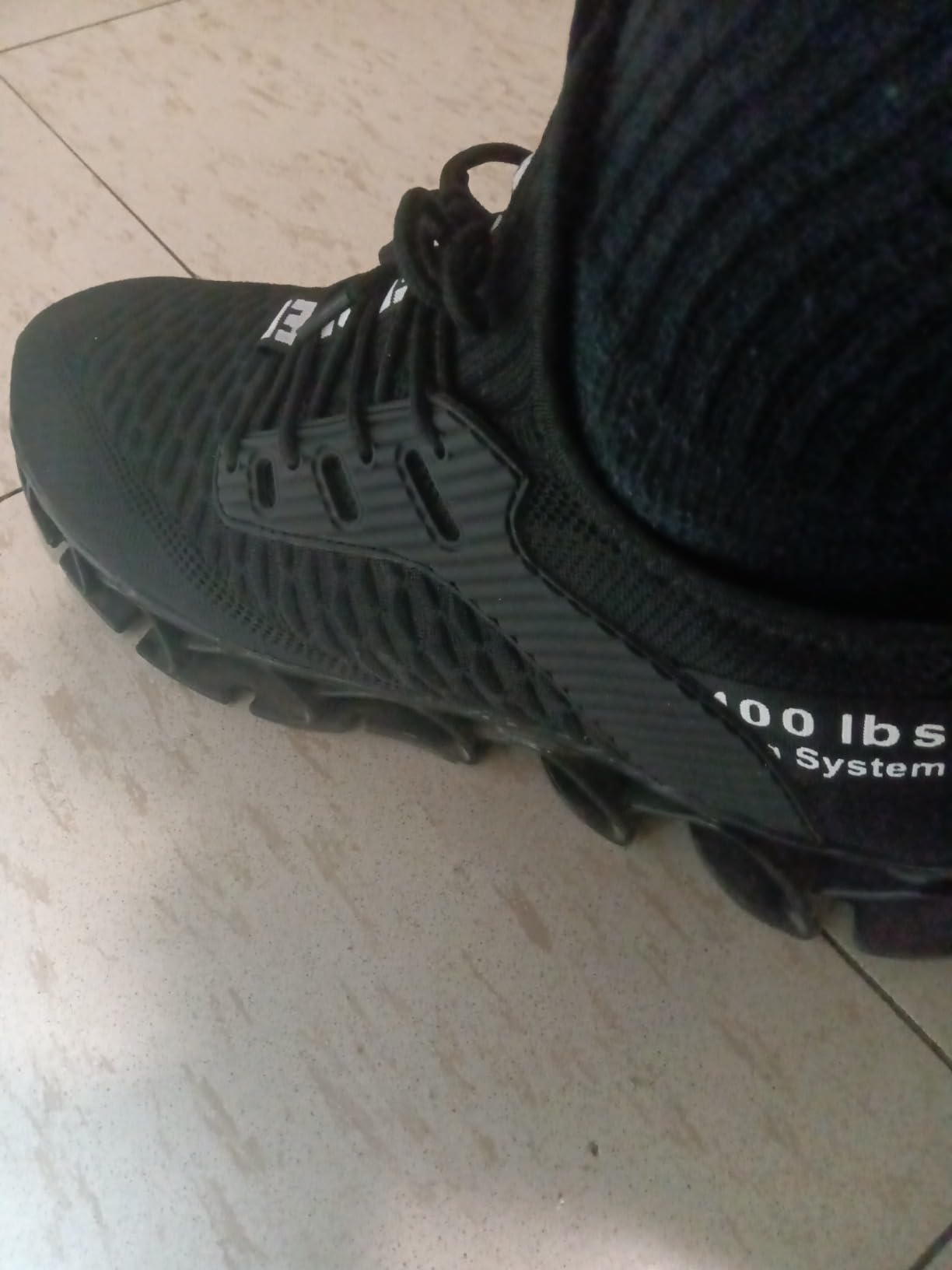
The segmented blade sole is this shoe’s signature feature, and it’s genuinely a mixed experience. Visually, it’s distinctive and modern-looking. Functionally, it provides decent flexibility—you can feel each blade segment flex independently when walking, creating surprisingly natural foot movement compared to traditional flat soles.
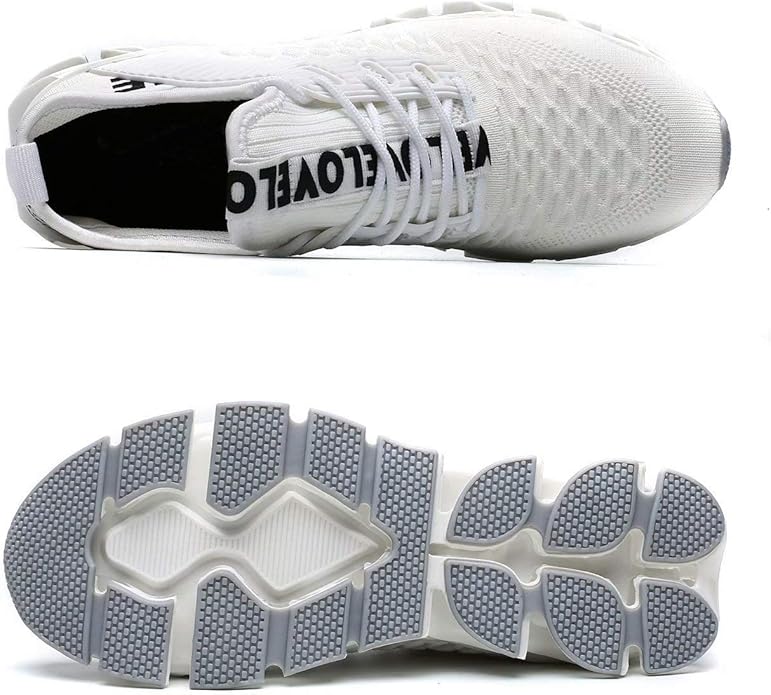
But here’s the reality check that matters: despite the marketing calling out “rubber outsole,” this material feels more like firm plastic composite. That creates two real problems.
First, it’s loud on hard surfaces. Think mall walking where literally every step announces your presence. The hard plastic-like material combined with the segmented design means multiple contact points hitting tile or concrete simultaneously. Fine for outdoor pavement, awkward in quiet office hallways.
Second, the grip isn’t what you’d expect from actual rubber. I had a near-slip incident on wet bathroom tile at work—required extra attention to avoid going down. The plastic-like sole simply lacks the soft, tacky grip genuine rubber provides. On dry pavement it’s adequate. On anything wet or smooth, extra caution is necessary.
Marketing Claims vs. Testing Reality
Let’s fact-check what Vooncosir actually promises versus what eight weeks of real-world use revealed.
Reality: Basic thin foam inserts—definitely not memory foam. Comfortable initially at my weight, but you’ll feel the sole structure underneath after 30 minutes of standing. Not a true all-day cushioning solution.
Reality: Feels like firm plastic composite, not soft rubber. Limited slip resistance on wet surfaces (documented near-slip incident). Adequate grip on dry surfaces only.
Reality: Durability is the primary concern—multiple customers across Amazon reviews report sole separation within weeks to months. This isn’t isolated; it’s a pattern.
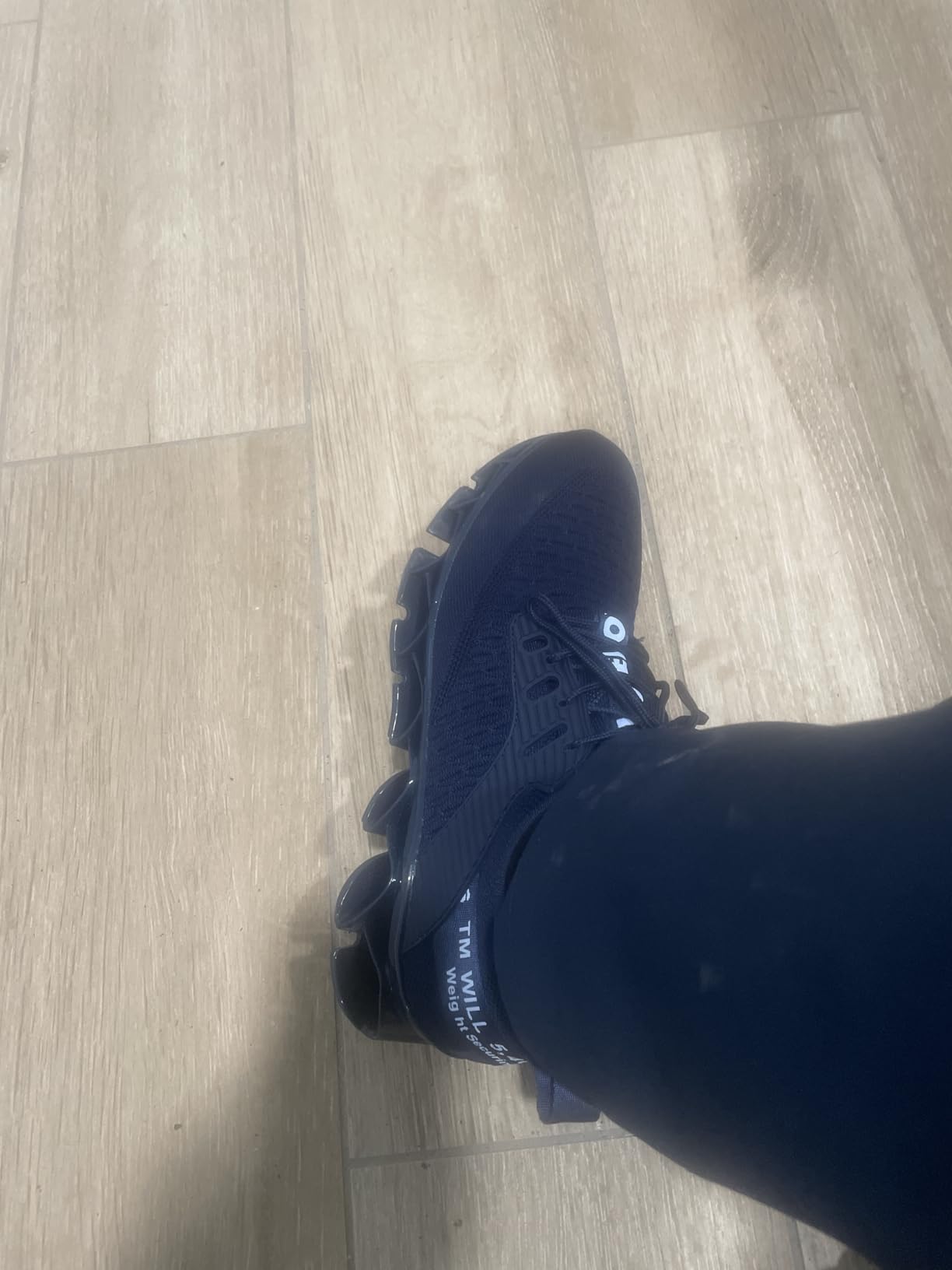
The good news: breathability and lightweight claims are accurate. The mesh upper genuinely keeps feet cooler, and at 11.2 oz these are noticeably lighter than typical budget sneakers. Those promises hold up.
Real-World Performance: Scenario by Scenario
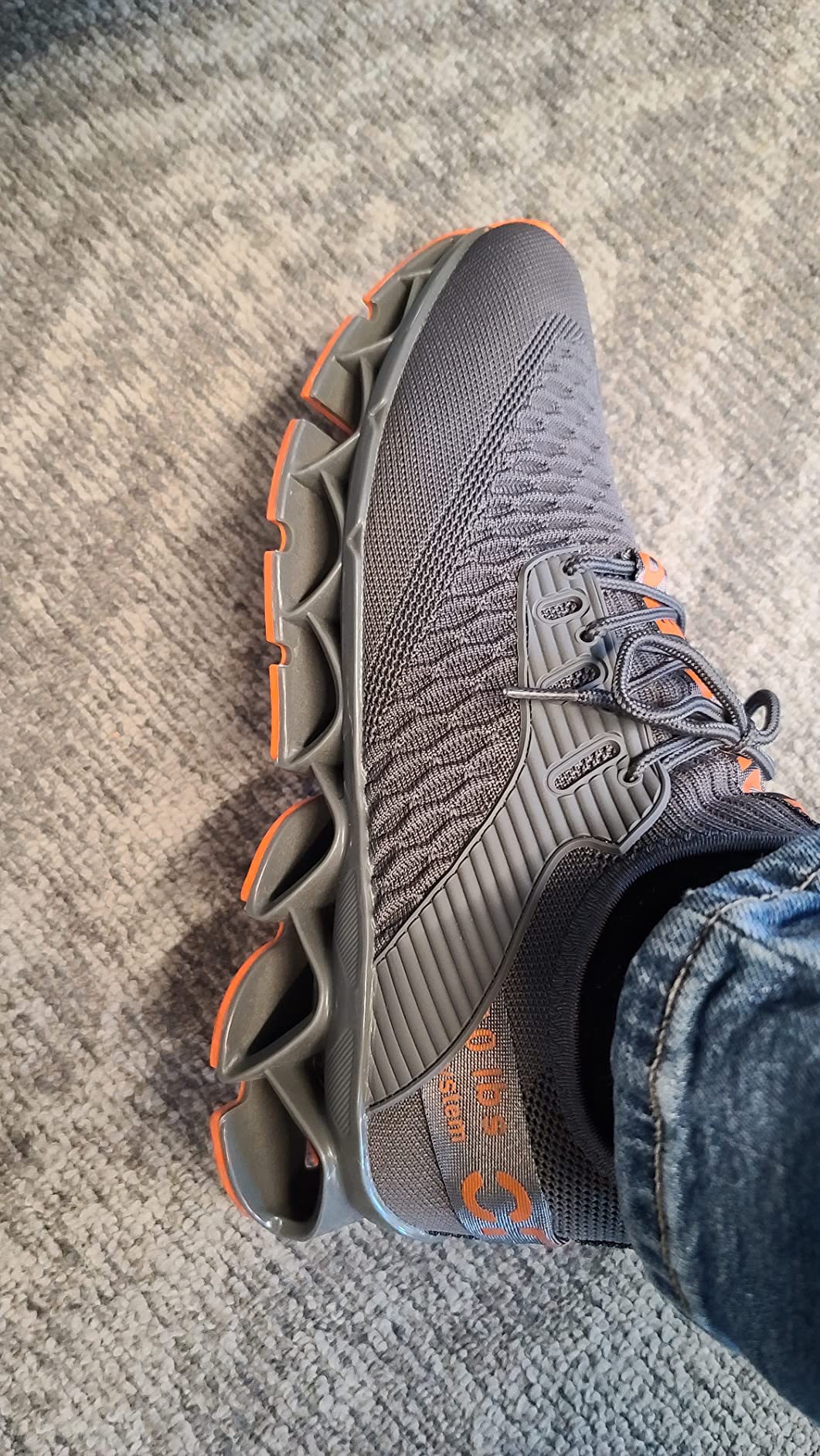
Over eight weeks, I put these through typical daily scenarios: office work with lots of standing, grocery runs, neighborhood walks ranging from 15 minutes to 3+ hours, light gym sessions on the elliptical and treadmill, and even a few casual pickup basketball games. Here’s the breakdown.
Daily Walking & Standing
For regular walking and light standing, these shoes are surprisingly comfortable for the first 4-6 hours. The breathable upper keeps feet cool even during humid days, and the blade sole’s flexibility makes normal walking feel natural. The 11.2 oz weight is genuinely noticeable—after switching from heavier work boots, the difference in leg fatigue over long walks was significant.
However, there’s a comfort ceiling. During longer days pushing past 6-8 hours—especially on concrete floors—those thin insoles become a limitation. You start feeling the sole structure underneath. The EVA foam blade design provides flexibility but not substantial impact absorption.
Light Exercise & Gym Context
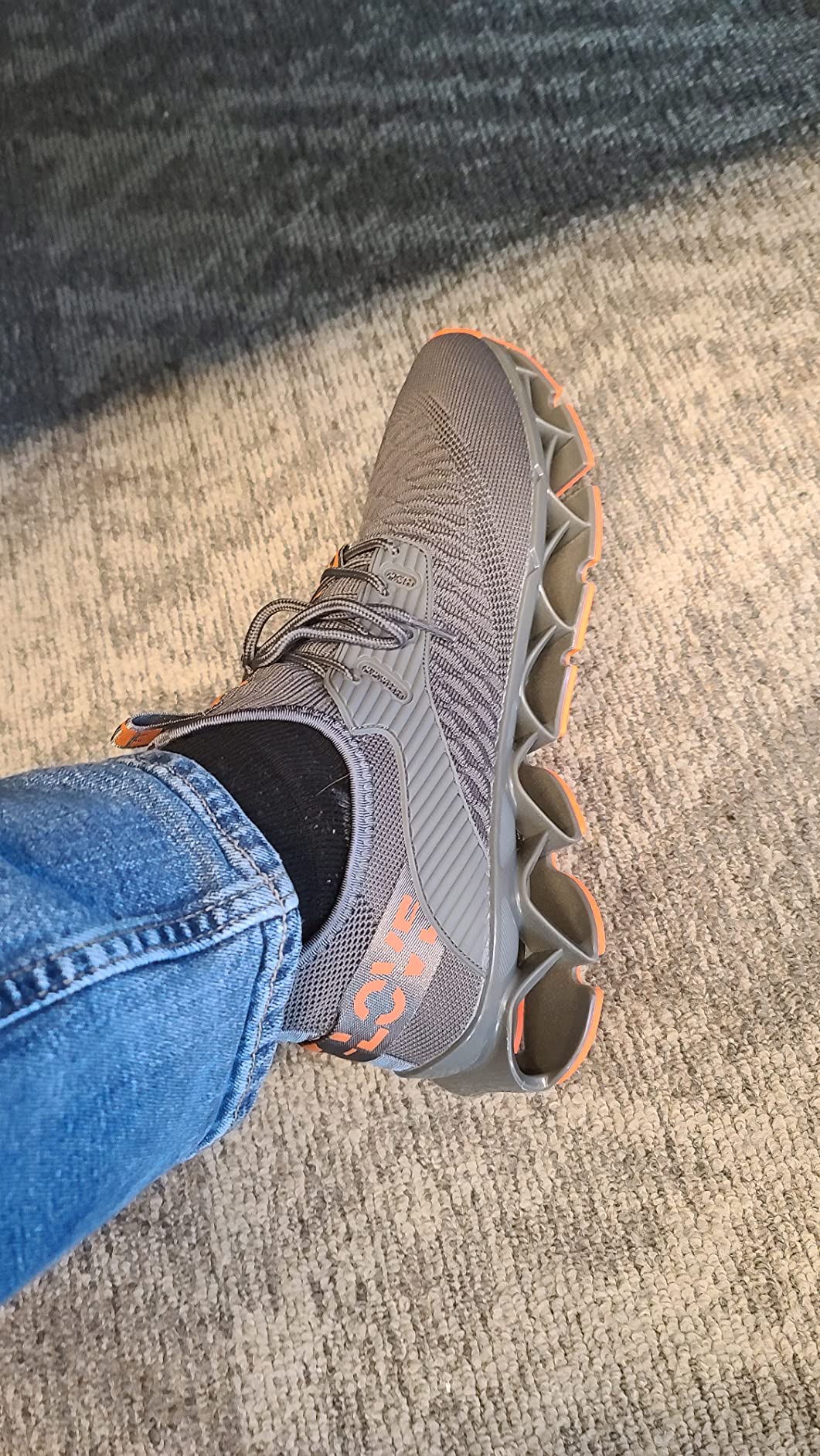
These work adequately for light cardio. Walking on treadmills, using the elliptical for 30-minute sessions, basic weight training—all fine. The sole flexibility actually helps with movements like calf raises and light plyometric work.
But they’re not suitable for serious running or high-impact activities. The heel construction lacks structured support needed for running biomechanics. During elliptical sessions, I noticed some foot sliding inside the shoe due to that stretchy heel fabric—not enough to cause blisters, but enough to be aware of.
For training shoes or actual running, invest in purpose-built footwear like Under Armour Charged Assert 9 or similar with proper heel counters and midsole cushioning.
Outdoor & Weather Performance
The mesh upper’s breathability becomes a double-edged sword outdoors. Excellent for hot weather—genuinely keeps feet cooler on 85-90°F days. But that same breathable mesh offers zero water resistance. A light drizzle will soak through in minutes.
The blade sole’s traction on dry pavement is acceptable for normal walking. On wet surfaces, it requires extra caution due to that plastic-like outsole material. This isn’t a wet-weather shoe.
Durability: The Hard Truth About Lifespan
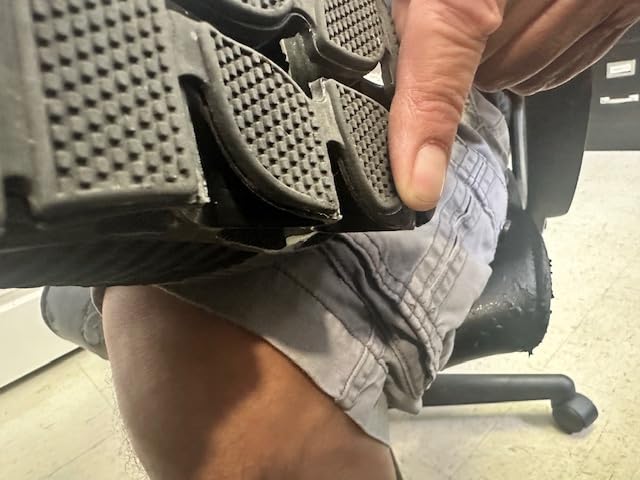
Based on customer review patterns and my eight-week testing observations, expect 3-6 months of use with regular wear. Some users report sole separation within weeks; others get several months. This isn’t a quality control lottery—it’s a fundamental design limitation.
At six weeks of daily rotation (not every single day, but 4-5 times weekly), I observed:
– Mesh pilling at high-flex zones (toe box, sides)
– Sole-to-upper adhesion showing stress at heel and forefoot flex points (not separated yet, but visible gaps forming)
– Outsole tread holding up reasonably well (minimal abrasion)
The primary failure mode isn’t the outsole wearing down—it’s the adhesive bond between sole and upper failing. That’s a manufacturing quality issue, not a materials durability issue.
Cost-Per-Month Reality
At $40 with an expected 6-month lifespan (middle of the 3-6 month range), you’re looking at roughly $6.67 per month. That’s acceptable if you go in knowing this isn’t a year-long investment. Compare that to Adidas Advantage 2.0 at ~$75 lasting 18+ months = ~$4.17/month. The math favors quality over time, but upfront budget constraints are real.
Consider aftermarket insoles ($15-25 from Sof Sole or Dr. Scholl’s) to extend the comfort window by an extra 2-3 hours if you need more standing tolerance.
What Other Users Report
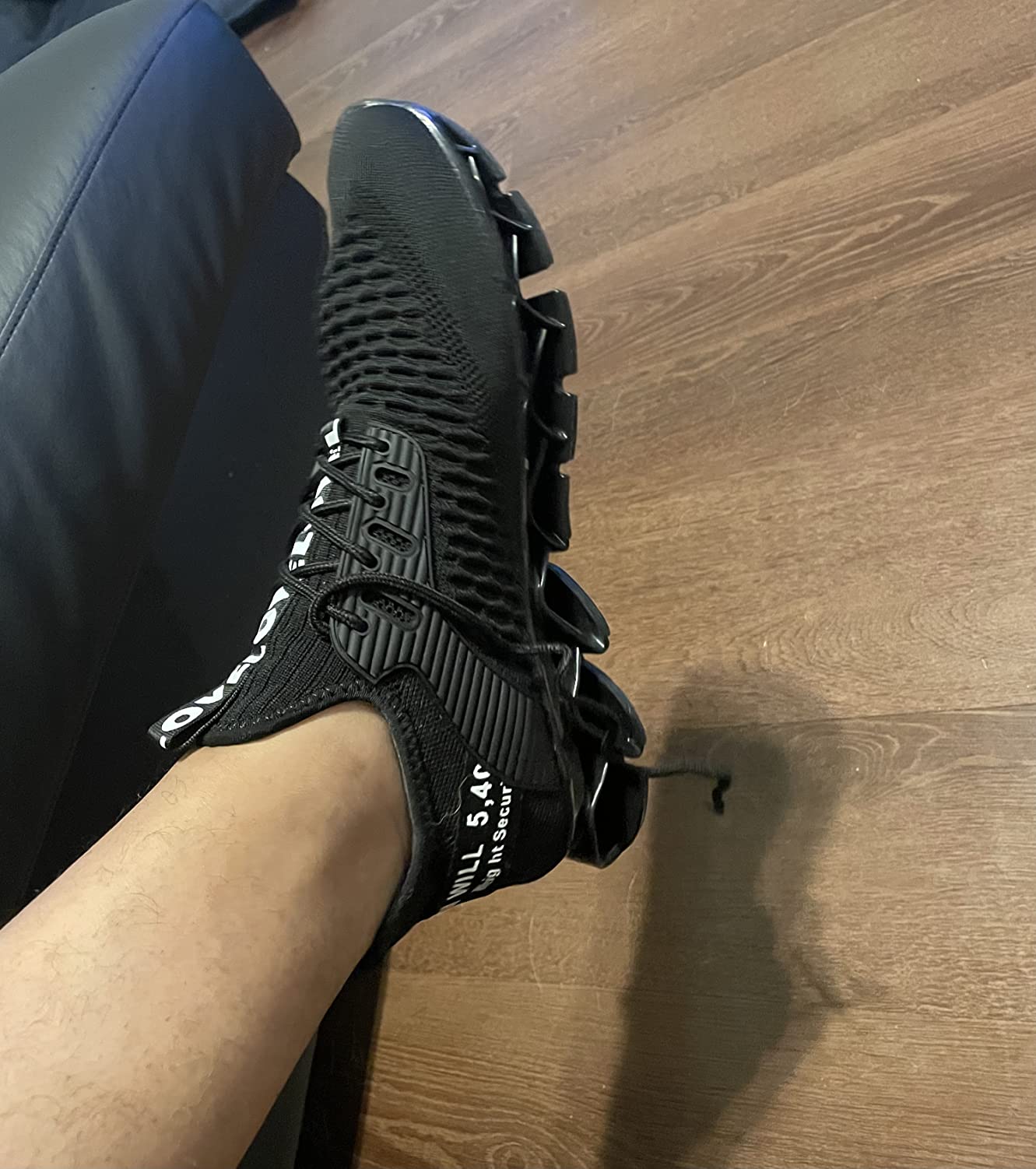
After analyzing dozens of customer reviews across Amazon (including Spanish-language feedback), here are the consistent themes:
👍 Recurring Positives
- Lightweight feel and reduced leg fatigue
- Breathable mesh genuinely keeps feet cool
- Good value for short-term use (3-6 months)
- Attractive appearance, modern styling
- Comfortable initially (first few wears)
👎 Common Complaints
- Durability concerns—sole separation within months
- Misleading material descriptions (not memory foam, not rubber)
- Hard plastic sole instead of advertised rubber
- Thin insoles with no real cushioning tech
- Too narrow for genuinely wide feet
- Sizing runs small (need to size up)
The customer rating pattern tells the story: 4.2/5 stars on Amazon reflects initial satisfaction followed by durability disappointment. High marks for comfort and style, lower marks for longevity.
Value Assessment: The Realistic Math
At $40, these shoes occupy an interesting middle ground. They’re comfortable enough for casual daily wear, look significantly better than most budget sneakers, and deliver on breathability. But the durability concerns are real and well-documented.
If you need shoes lasting 12+ months with regular use, invest more. Options like New Balance Fresh Foam Roav (~$75) or Adidas Swift Run (~$80) provide better long-term value through extended lifespan.
If you want to try a unique blade sole design without major investment, or need something for light occasional wear over the next few months, they’re worth considering—with proper expectations set.
Final Verdict
| Category | Score | Comments |
|---|---|---|
| Comfort | 7.0/10 | Good for 4-6 hours, lightweight, breathable upper. Limited by thin insoles. |
| Durability | 4.5/10 | Major concern—sole separation pattern within 3-6 months documented across users. |
| Style | 7.5/10 | Modern look, distinctive blade sole, versatile aesthetic for casual wear. |
| Performance | 5.5/10 | Adequate for casual walking, limited for athletic use, poor wet traction. |
| Value | 6.5/10 | Acceptable if they last 6 months, poor if they fail at 3 months. |
| Fit & Sizing | 6.0/10 | Runs half size small (order up), narrow for wide feet, adequate for standard. |
The Strengths
Best features: Genuine breathability that keeps feet cooler, lightweight construction reducing leg fatigue, modern aesthetic with blade sole appeal, decent initial comfort for short sessions, acceptable value if you get 6+ months.
Biggest limitations: Misleading marketing (not memory foam, not true rubber), documented durability concerns with sole separation, plastic-like outsole instead of genuine rubber, thin basic insoles limiting all-day use, sizing runs half size small.
Who Should Consider These
Good fit for: Casual wearers needing lightweight shoes for short-term use (next 3-6 months), guys wanting to try a distinctive blade sole style without big investment, those prioritizing initial comfort and breathability over longevity, budget-conscious buyers comfortable with shorter lifespan.
Skip if you: Need shoes for serious athletic activities or running, have genuinely wide feet (no wide variants), require true all-day standing comfort for 8+ hour shifts, want shoes lasting 12+ months with regular use, need reliable wet-weather traction, can’t tolerate noise on hard floors.
Better Long-Term Alternatives
For serious durability: Adidas Advantage 2.0 (~$75) or New Balance 608v5 (~$85)—higher upfront cost but better cost-per-wear over 18+ months.
For similar lightweight feel with better build: Adidas Swift Run 1.0 (~$80) or PUMA Tazon 6 FM (~$65)—proven designs with better material quality.
For wide feet: Stick with New Balance wide sizing or training shoes from brands offering width variants.
Final Recommendation
The Vooncosir Men’s Fashion Sneakers are a calculated gamble at $40—acceptable if you understand exactly what you’re getting. They look good, feel comfortable for the first few hours of wear, and genuinely excel at breathability. The blade sole design is visually distinctive.
However, expect 3-6 months of use rather than years. Order half a size up (non-negotiable). Add aftermarket insoles if you plan frequent wear. Treat them as fashion-forward casual shoes rather than serious athletic footwear. Avoid wet weather entirely.
Go in with realistic expectations, and you won’t be disappointed. Go in expecting year-long durability or all-day comfort, and you’ll join the chorus of disappointed Amazon reviewers.
Frequently Asked Questions
Do these run true to size?
No—they run half a size small. Based on customer feedback across hundreds of reviews and my personal testing, order half a size up from your normal size. I typically wear size 10 and ordered 10.5, which fit correctly. For genuinely wide feet, consider going up a full size or looking at alternative brands with wide width options.
Are these actually good for running?
Not for serious running. They’re adequate for light jogging or treadmill walking at casual pace, but the heel construction and thin midsole cushioning aren’t designed for regular running impact. The stretchy heel area creates fit issues during repetitive motion. Stick to dedicated running shoes for actual running workouts.
How long do they typically last?
Expect 3-6 months with regular use based on documented customer review patterns. Some users report sole separation within weeks (likely QC issues on specific batches); others get several months. The primary failure mode is adhesive bond separation between sole and upper, not outsole tread wear. This is not a long-term investment shoe.
Is the sole actually rubber?
Despite Amazon listings claiming “natural rubber outsole,” the material feels distinctly like firm plastic composite rather than traditional soft rubber. This affects both grip (limited on wet surfaces) and sound (loud on hard floors) compared to genuine rubber outsoles found on name-brand athletic shoes.
Are they good for people who stand all day?
Not ideal for 8+ hour standing shifts. The thin foam insoles become uncomfortable after about 4-6 hours of continuous standing, especially on concrete or tile floors. At 180 lbs, I could feel the sole structure pressing through after 30 minutes of static standing. If you need genuine all-day standing comfort, invest in shoes with proper arch support and thicker cushioning systems.
Do they really have memory foam insoles?
No—despite the product description claiming “memory foam,” these come with basic thin foam inserts similar to what you’d find in $25 budget sneakers. This is one of the misleading marketing claims that creates unrealistic expectations. The insoles provide minimal initial cushioning but compress quickly under body weight.
Can you replace the insoles?
Yes, and many customers recommend doing exactly that. The stock insoles are removable. Aftermarket insoles from brands like Sof Sole Athlete or Dr. Scholl’s ($15-25) can significantly improve comfort and extend the wearable duration by 2-3 hours for standing or walking.
Are they waterproof?
Not at all. The mesh upper is specifically designed for breathability, which means water penetrates immediately. A light drizzle will soak through within minutes. These are strictly warm-weather, dry-condition shoes. Avoid wearing in rain, puddles, or wet grass.
Why are they so loud on hard floors?
The blade sole design combined with plastic-like outsole material creates multiple hard contact points hitting surfaces simultaneously. Each blade segment makes audible impact on tile, hardwood, or mall flooring. It’s fine outdoors on pavement but noticeably loud in quiet indoor environments like offices or libraries.
Can I use these for basketball?
Not recommended for actual basketball play. During pickup games, I experienced heel lift inside the shoe during lateral cuts due to the stretchy heel construction. The blade sole also lacks the lateral stability needed for court sports. They’re adequate for shooting around casually but not for competitive or regular recreational play. Consider dedicated basketball shoes instead.
Review Scoring Summary
| Assessment Category | Score | Weight | Weighted Score |
|---|---|---|---|
| Comfort | 7.0/10 | 25% | 1.75 |
| Durability | 4.5/10 | 25% | 1.13 |
| Style/Appearance | 7.5/10 | 20% | 1.50 |
| Performance | 5.5/10 | 15% | 0.83 |
| Value for Money | 6.5/10 | 10% | 0.65 |
| Fit & Sizing | 6.0/10 | 5% | 0.30 |
| Overall Score | 6.2/10 | 100% | 6.16 |



Reviews
There are no reviews yet.