
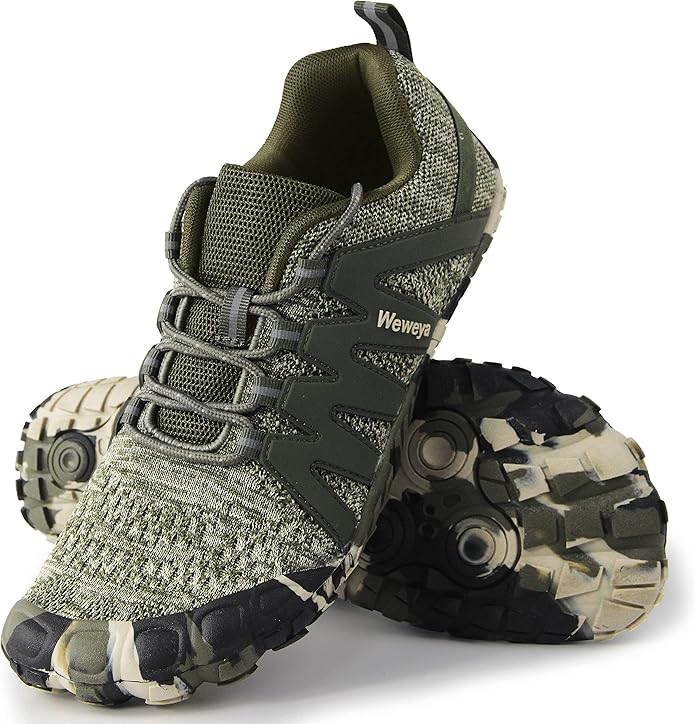
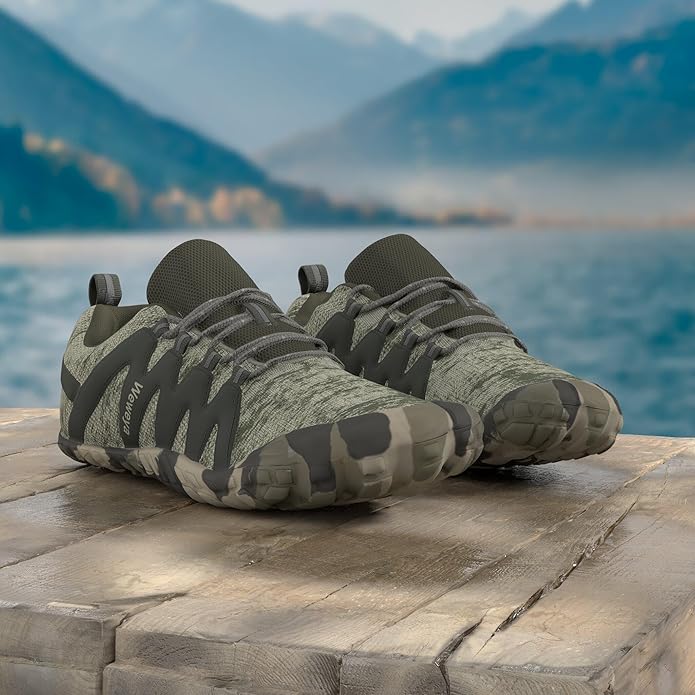
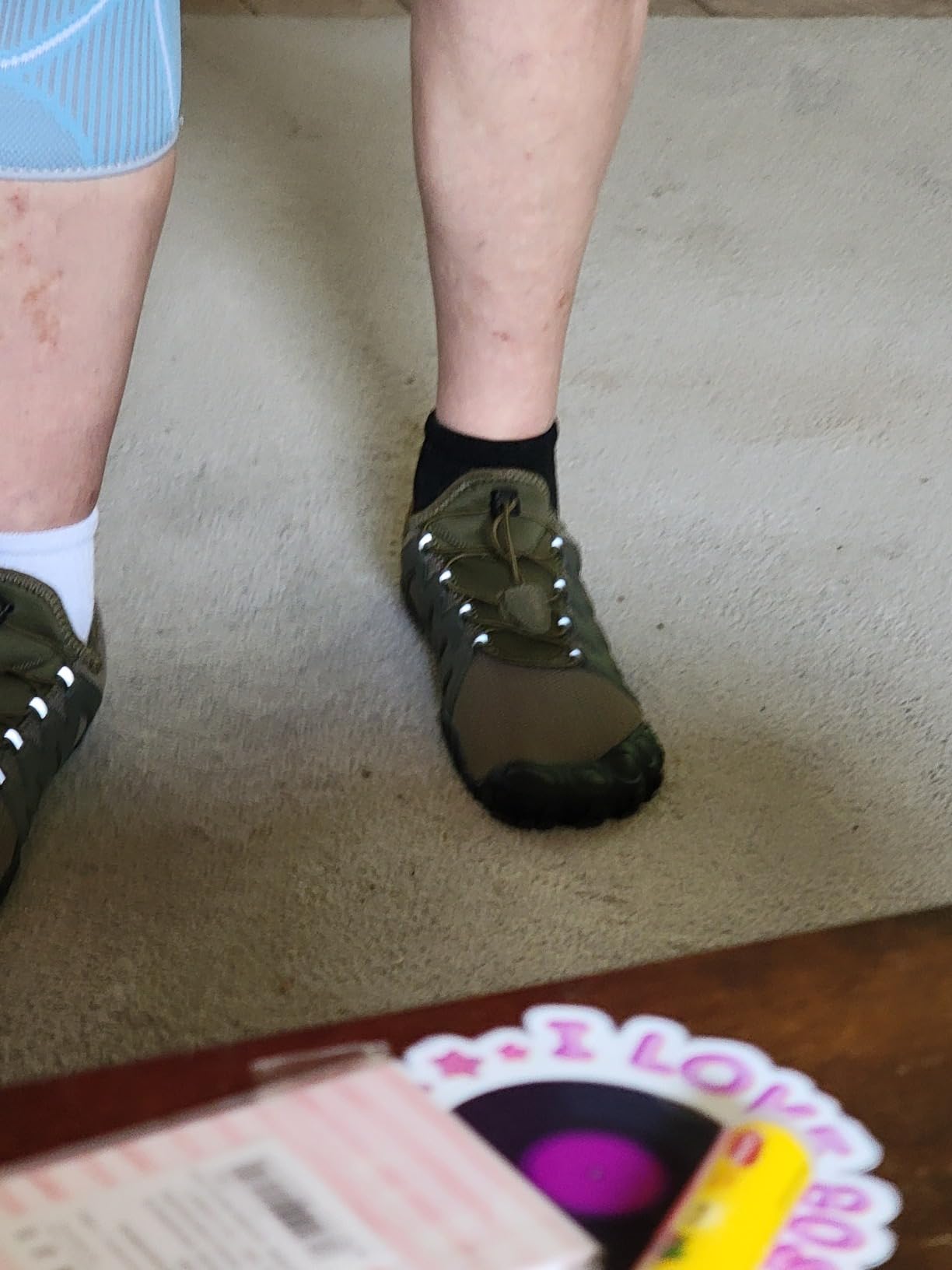
11:47 PM on a Tuesday. There I was, googling “barefoot shoes under $50” after my third pair of overpriced cross-trainers died in six months. I’d dropped over $200 on “premium” shoes that promised the world and delivered nothing but dead feet after every workout. Then I found the Weweya Barefoot Shoes — $40, zero-drop design, and reviews that seemed too good to be true. Eight weeks, 45+ gym sessions, and 80+ miles later, here’s what $40 actually gets you in the barefoot shoe world.
Build Quality — Surprisingly Solid for the Price
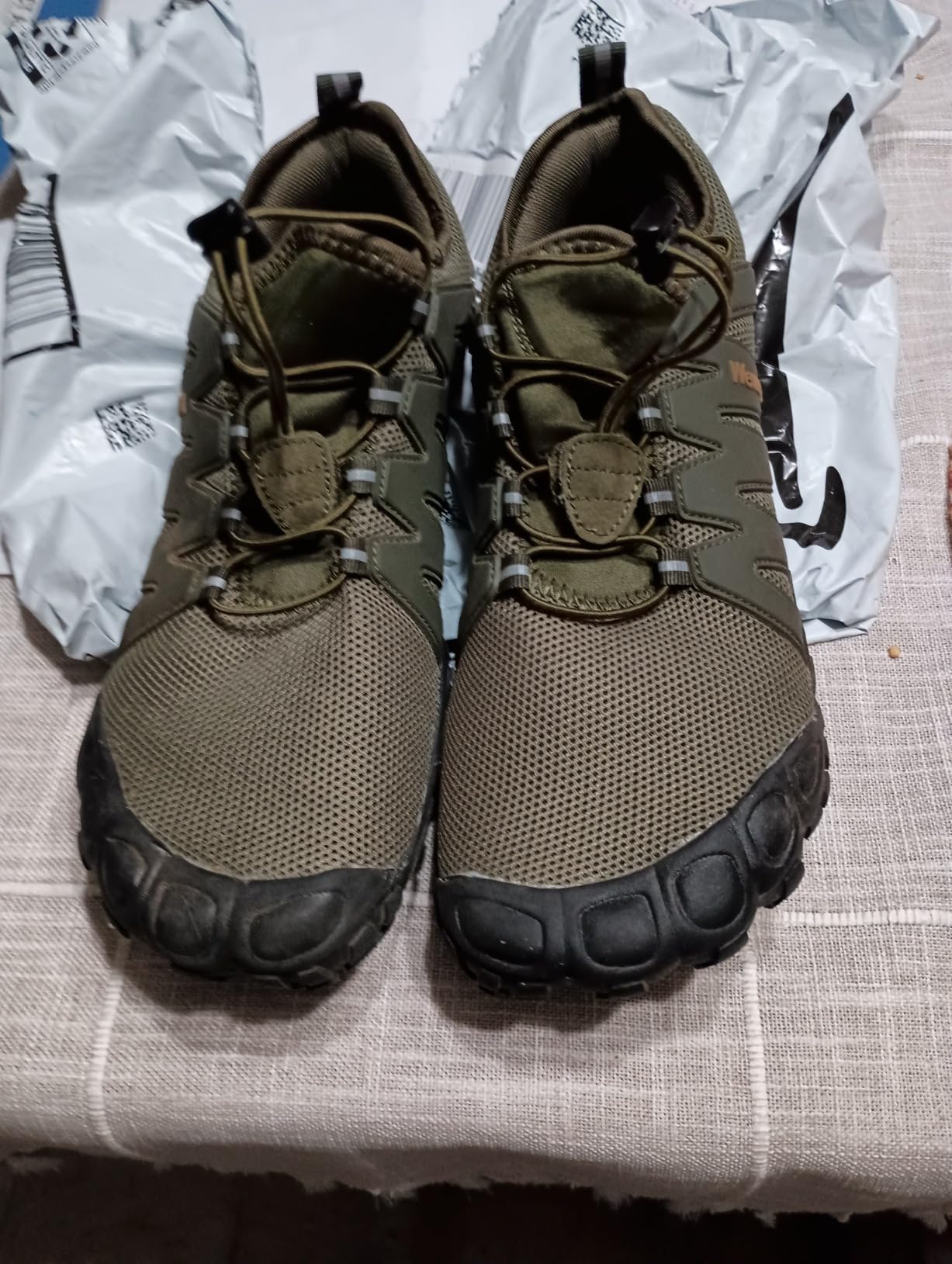
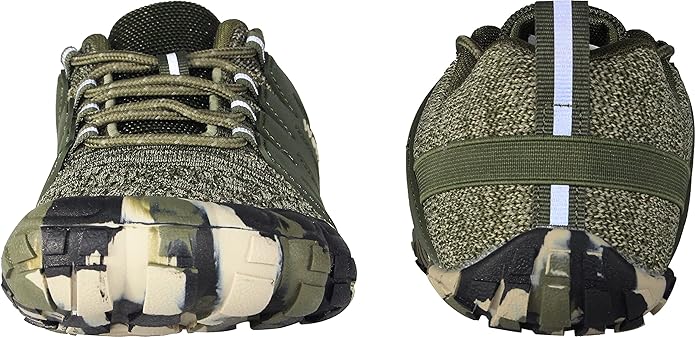
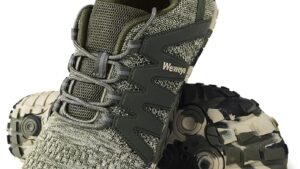
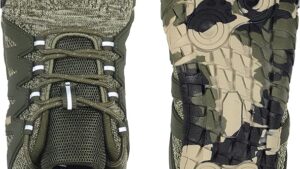
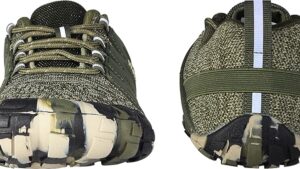
Right out of the bag, these caught me off guard. Clean stitching throughout. That rubber toe cap felt sturdy, not flimsy. The mesh upper had more substance than I expected from a shoe in this price range — thicker than those paper-thin budget runners that fall apart in a month.
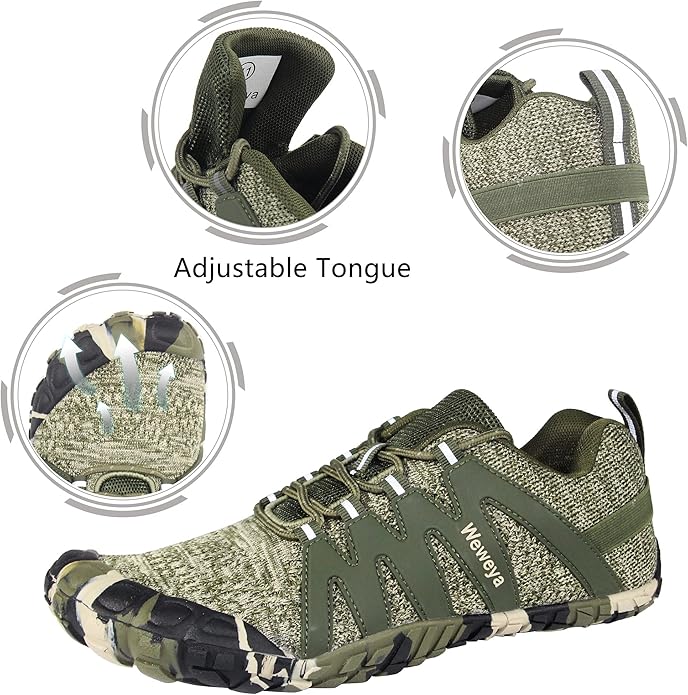
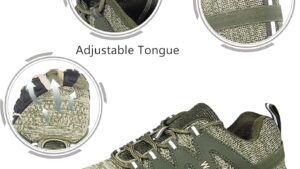
The tongue-less design threw me at first. Your foot slides through a collar opening, then you tighten the laces to lock everything down. Sounds weird, feels weirder the first time you try it. But after day three? That sock-like fit started making sense. No tongue migration, no pressure points from bunched fabric. Just a secure wrap around your foot.
Now, the toe box. This thing is seriously spacious. My toes can actually spread naturally instead of getting crammed together like sardines in every other shoe I’ve owned. That rubber overlay wrapping over the toes initially struck me as goofy-looking. But during week two, I stubbed my foot hard on a barbell rack mid-deadlift. No damage, no pain. That protective cap earned its keep right there.
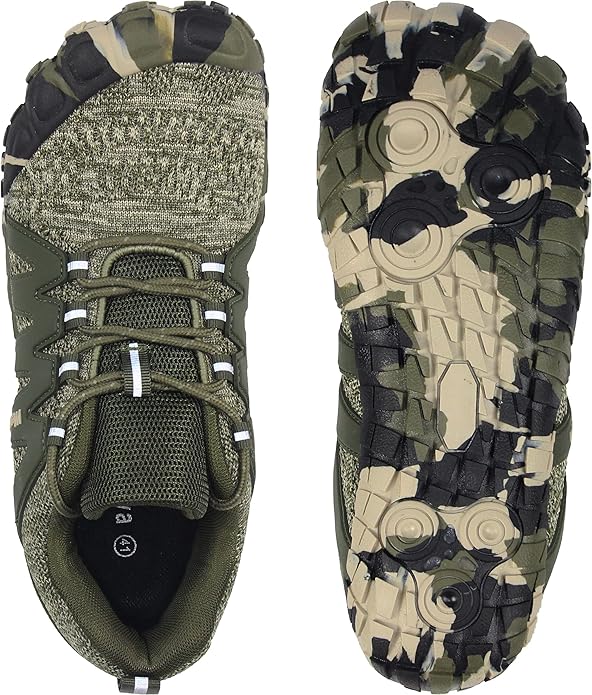
The removable insole deserves its own mention. With it in, you get some arch support — minimal compared to traditional training shoes, but it’s there. Pull it out, and you’re walking on basically a thin rubber sole. Pure barefoot territory. I’ve tested both configurations extensively. For gym work and daily wear, I kept the insole in. For the handful of short runs I attempted (more on that later), I pulled it out to get maximum ground feel.
Gym Performance — Where This Shoe Earns Its Money
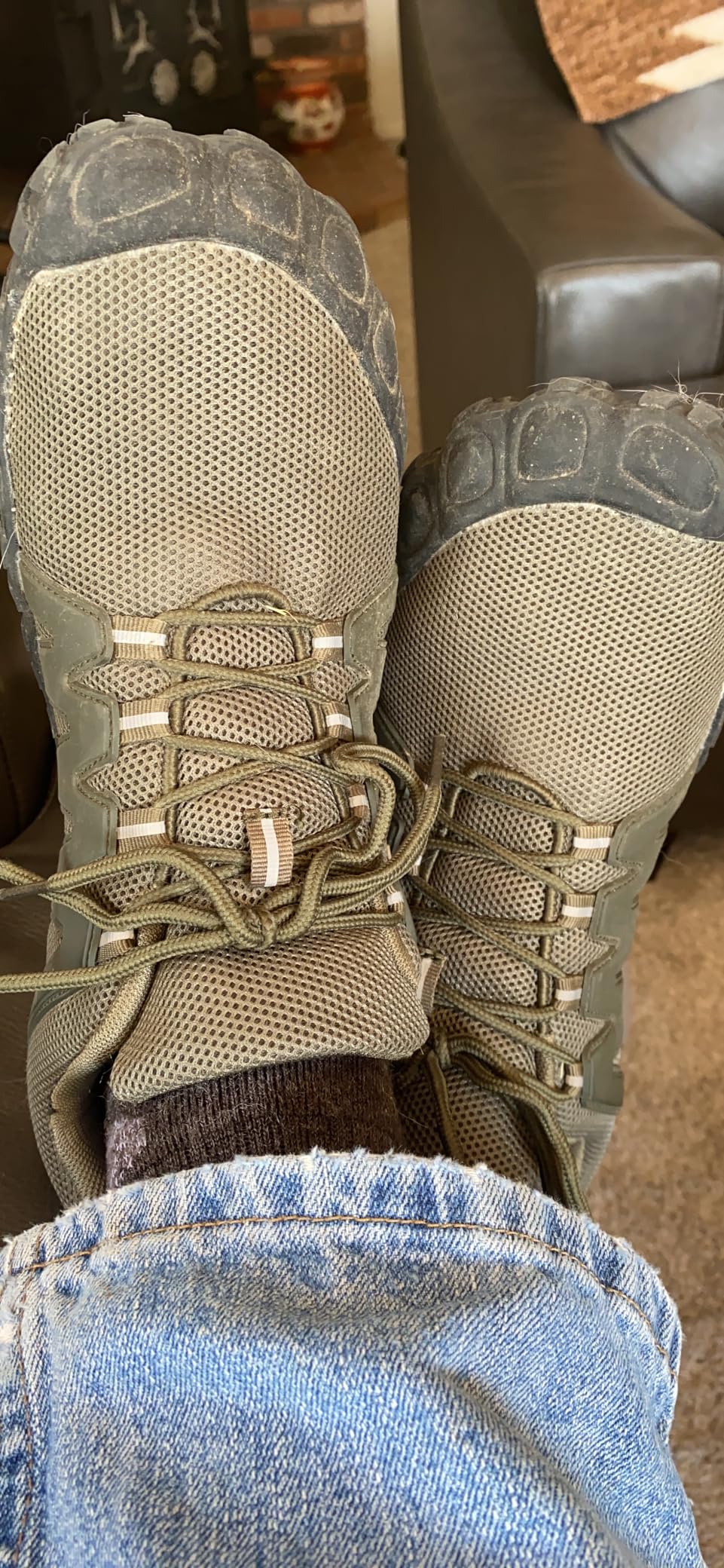
The zero-drop platform kept me planted during heavy deadlifts. No spongy disconnect between my feet and the floor like I’d get with traditional cushioned shoes. Squats felt solid — I could push through my whole foot without that unstable wobble from compressing foam. The wide toe box let me plant my feet properly, toes spread for maximum contact.
That thin sole? Game-changer for ground feedback. I could feel exactly where my weight was distributed. During rowing sessions, the flexibility meant my feet could move naturally through the stroke. And when I’d do some light treadmill work after lifts, they transitioned fine — though that’s where their limitations started showing up (stick with me).
The grip surprised me. Gym floors, concrete walkways, even wet pavement after a quick rain — the traction held solid. Not aggressive hiking-boot grip, but more than adequate for the intended use. I’ve done burpees, box jumps, rope climbs. Zero slips.
The flexibility is phenomenal. You can literally roll these up and stuff them in your gym bag. At 9 ounces, they barely register as weight in there.
The Running Reality — Let’s Be Honest
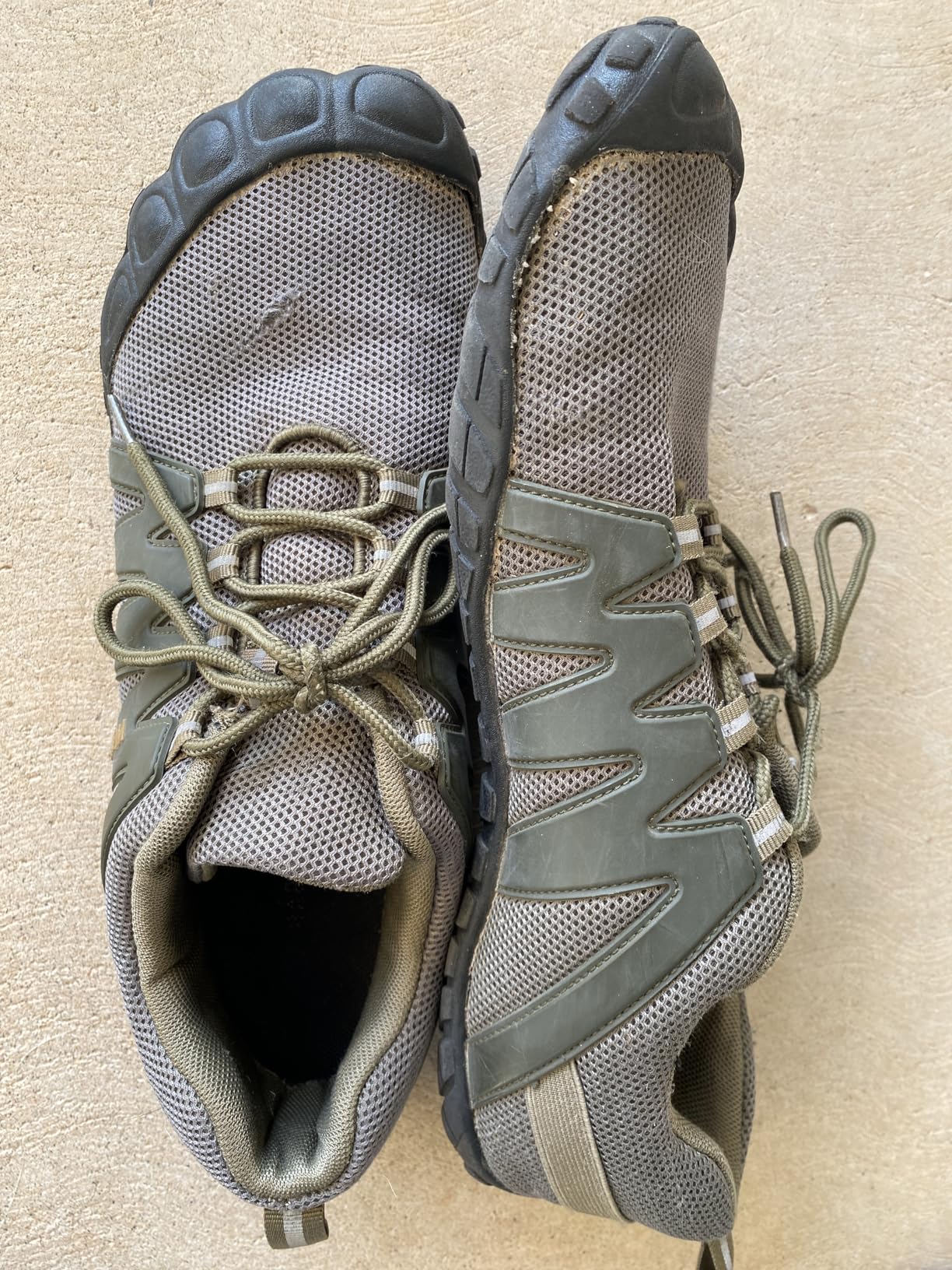
I’ll be straight with you: these aren’t running shoes. I tried a few 3-mile jogs during weeks two through six. The comfort was there, but by mile two, my calves were definitely talking to me. That’s normal when transitioning to zero-drop from traditional runners — your calves have to work differently. But it highlighted the limit here.
For walking, though? Absolute perfection. I’ve done 5+ mile walks in these without a single complaint. The cushioning (minimal as it is) works fine when you’re not landing with running impact. Extended lunch-break walks, weekend errands around town, standing all day at my desk — no foot fatigue at all.
If you’re looking specifically for distance running shoes, check out the Merrell Vapor Glove 6 or something similar. Those are built for that purpose. These Weweyas are cross-training shoes that can handle light jogging, not the other way around.
Testing Across Different Conditions
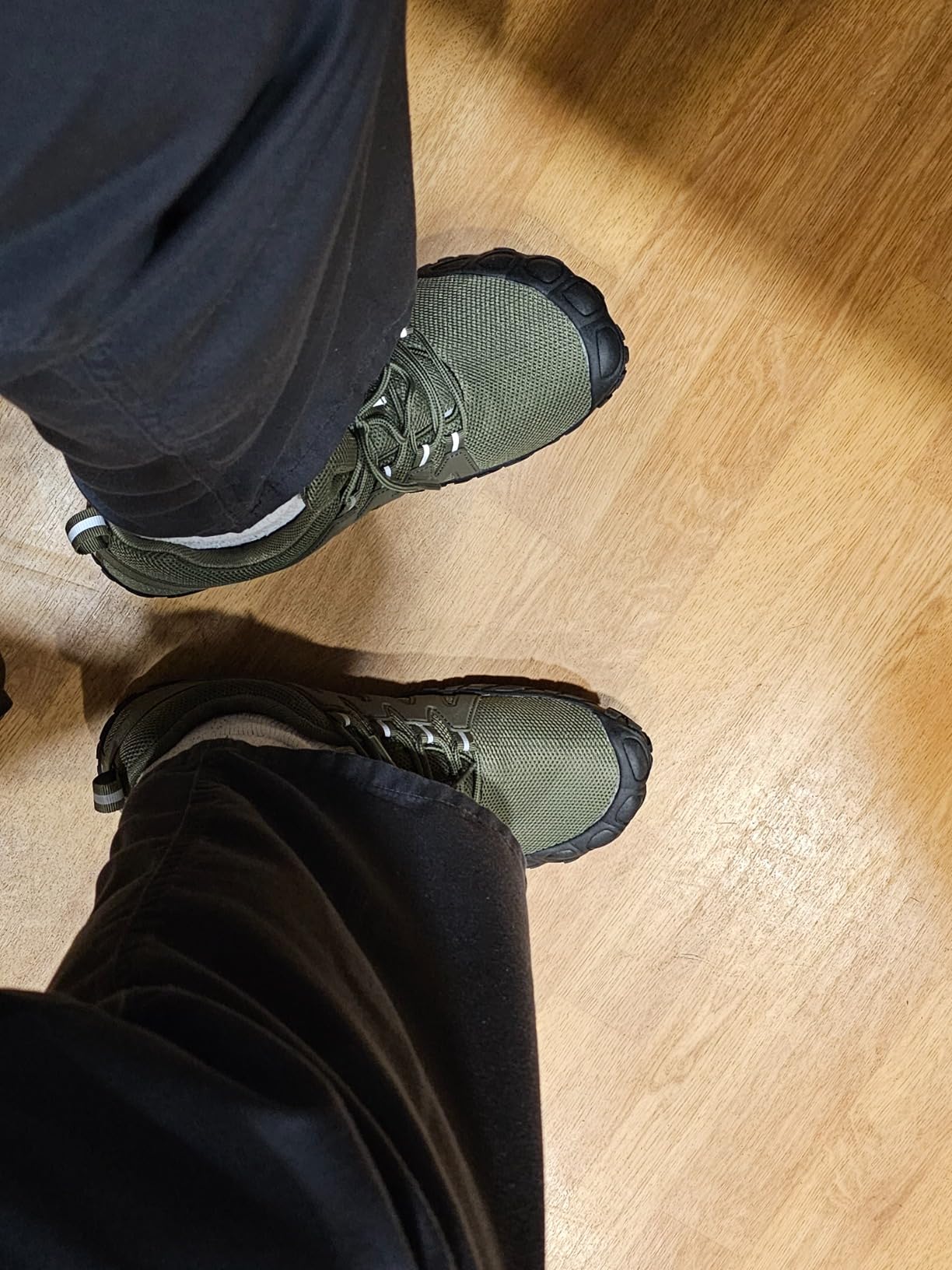
Over eight weeks, I put these through everything. Indoor gym sessions at 72°F with air conditioning blasting. Outdoor walks in 90°F Texas heat. Early morning grass that was still wet with dew. A sudden downpour that caught me halfway through a walk. Even some light yard work moving planters around.
The breathability is legit. My feet never got swampy, even during hour-long gym sessions. I tested them a few times without socks just to push the limits — still comfortable, still dry. That mesh upper does its job.
Wet conditions revealed the trade-off, though. These shoes dried fast after getting caught in that rain, I’ll give them that. But water definitely gets in through the mesh. They’re not waterproof, and they don’t pretend to be. For indoor training and dry outdoor activities, they’re fantastic. For muddy trail work or rainy-day runs? Look elsewhere.
The adjustment period was shorter than I expected. Day one felt weird — like wearing grippy socks with some attitude. By day three, my feet had adapted to the zero-drop feel. By week two, I was reaching for these over my traditional sneakers for most activities. That’s the mark of good minimalist shoe design.
Marketing Claims vs. Reality
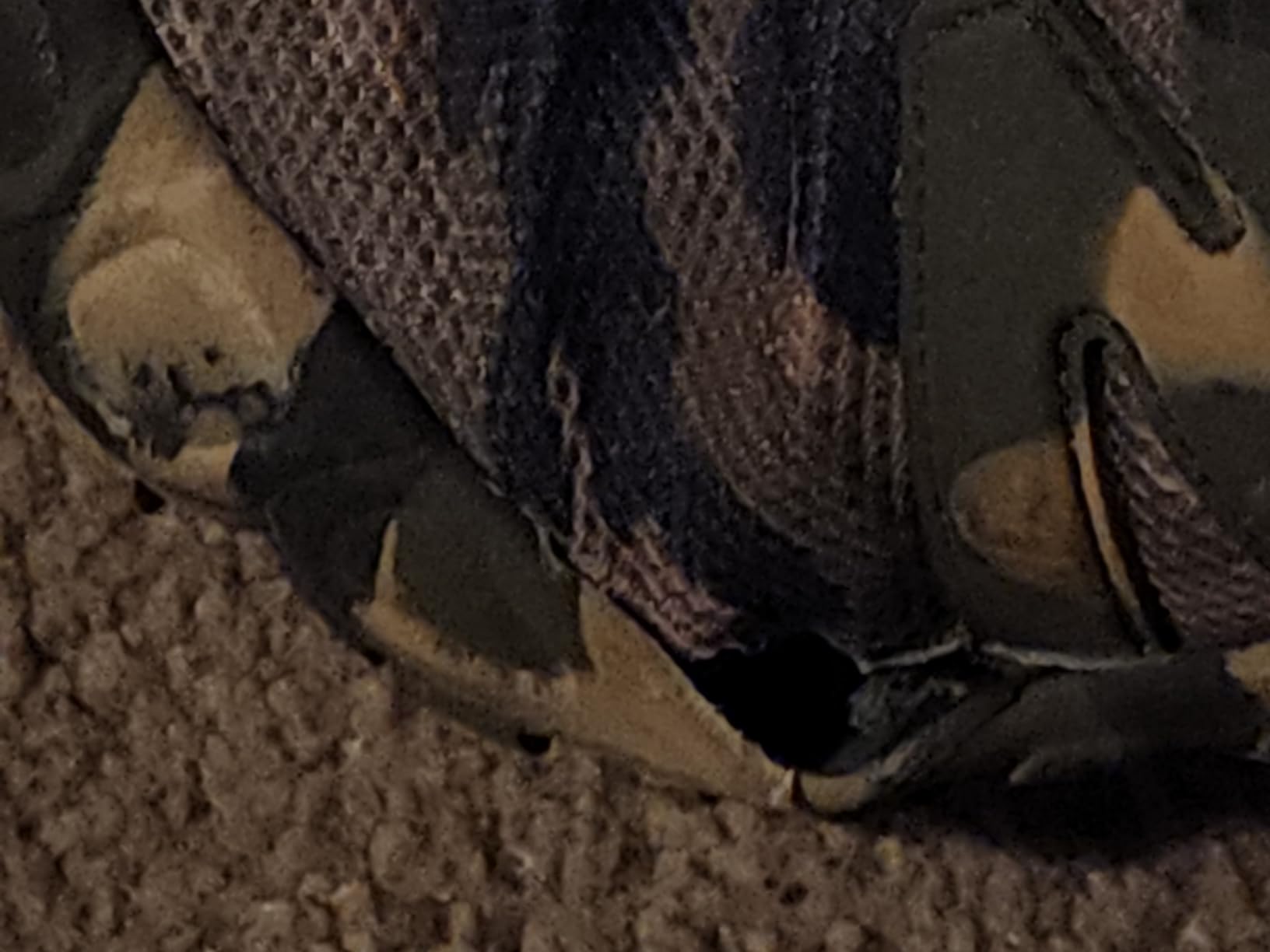
Let’s fact-check Weweya’s marketing against eight weeks of real use.
“Minimalist Barefoot Style Design” — Absolutely true. These deliver genuine barefoot feel, especially with the insole removed. Zero heel elevation, maximum ground contact, natural toe splay. No complaints here.
“Wide Toe Box Safety Design” — 100% accurate. The toe box is genuinely wide, and that rubber toe cap does prevent the stubbed-toe disasters I’ve experienced with other minimalist shoes. Confirmed via barbell rack incident.
“Lightweight ‘Second Skin’ Feeling” — Mostly true. At 9 ounces, they’re definitely light. The collar design does create that sock-like fit. It takes getting used to, though — “second skin” might oversell it slightly for the first few days.
“Removable Exclusive Arch Support” — Here’s where reality diverges from marketing. The “arch support” is minimal. It’s more of a comfort layer than actual arch support. If you need therapeutic arch support for flat feet or plantar fasciitis, these won’t cut it. But for general comfort? It works fine.
Bottom line: These excel at what they’re designed for — minimalist training and casual wear. Don’t expect premium durability or all-weather protection at this price point, and you won’t be disappointed.
Performance Scoring — The Breakdown
| Category | Score (1-10) | Notes |
|---|---|---|
| Comfort | 8.5 | Excellent after adaptation period. Wide toe box is a genuine game-changer. |
| Build Quality | 6.5 | Solid for the price, but user reports show construction inconsistencies across batches. |
| Performance | 8.0 | Excellent for gym work and walking. Limited for serious running. |
| Durability | 6.0 | Expected 6-12 month lifespan with regular use. Toe separation is common. |
| Value | 9.0 | Exceptional value at $40-50. Best entry point into barefoot shoes I’ve found. |
| Versatility | 7.5 | Great for gym, walking, casual wear. Not for serious running or hiking. |
| Overall | 7.8 | Strong performer with acceptable trade-offs for the price. |
What Other Users Are Saying
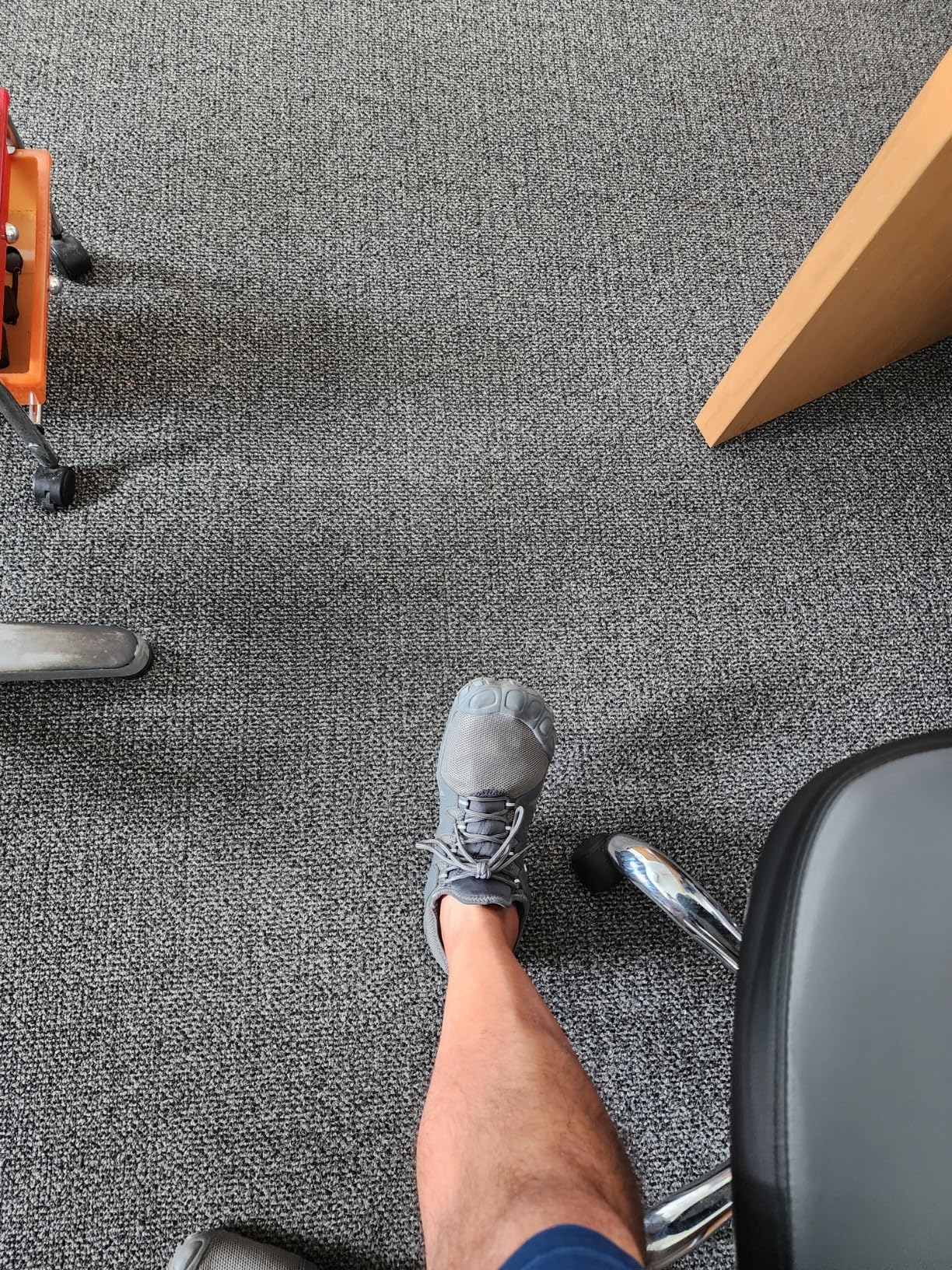
The user feedback tells a consistent story. Guys love the comfort and wide toe box — I found reviews from everyone from office workers to disc golf players praising that natural feel. Common themes: “Most comfortable shoes I’ve ever owned,” “Perfect for deadlifts,” “No more foot pain after long days standing.”
The comfort factor is real and consistent across hundreds of reviews I read through.
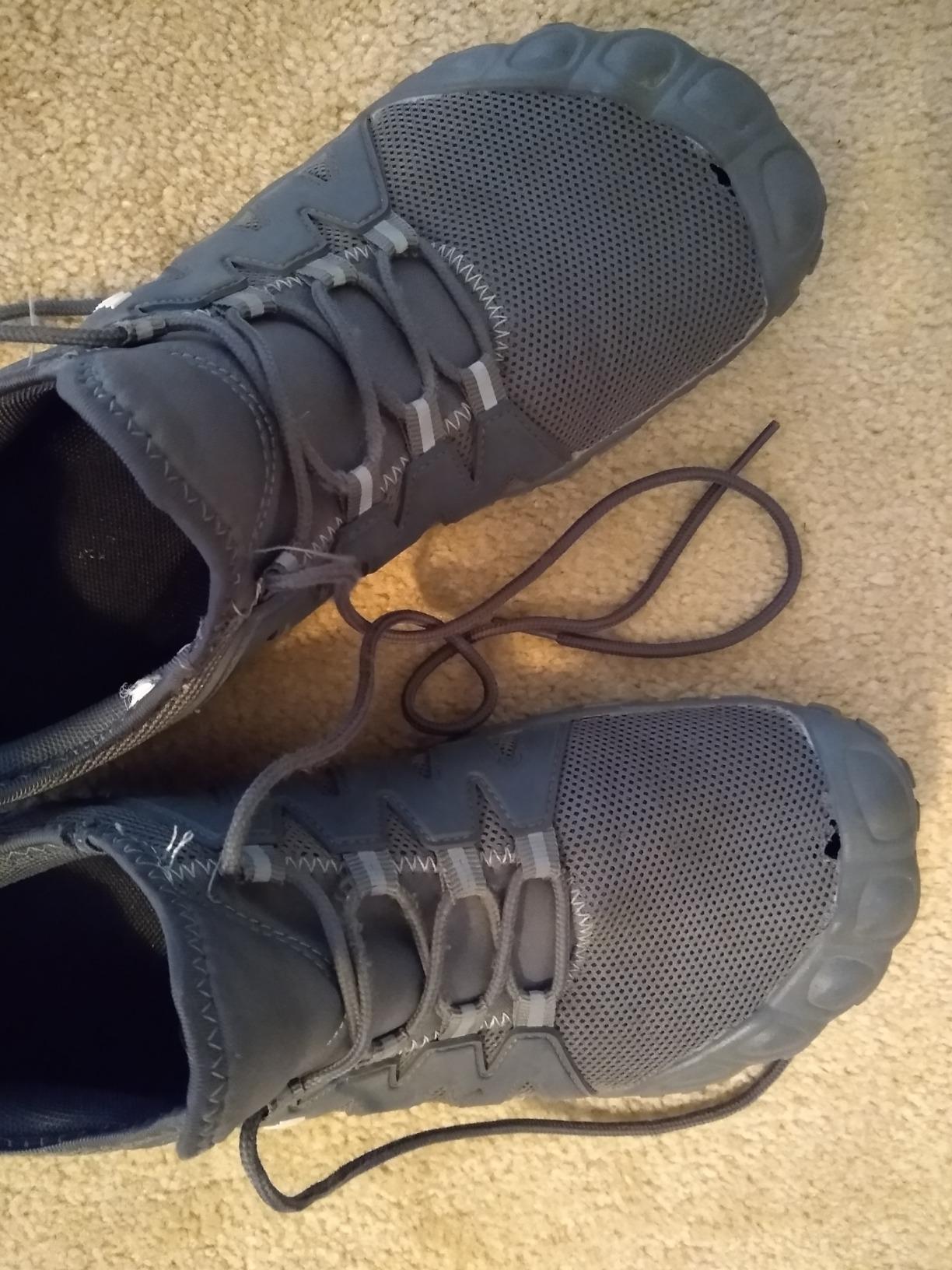
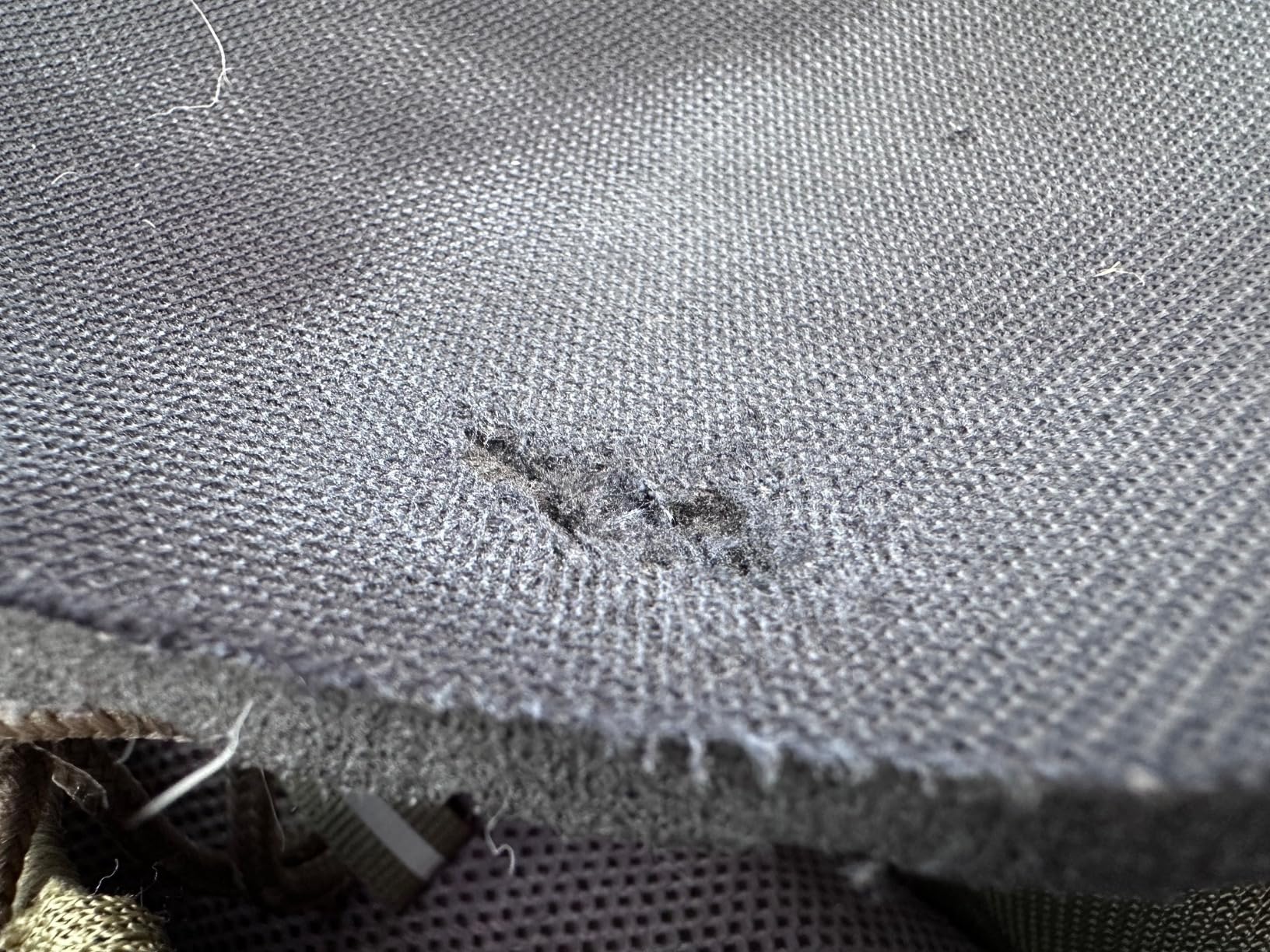
But durability concerns come up repeatedly. Toe separation from the rubber overlay after 2-6 months. Sizing inconsistencies between orders. Quality control issues where some pairs last a year and others fail in three months.
Several guys mentioned buying multiple pairs specifically because they loved the shoes despite the durability concerns. That tells you something. When people are willing to replace a shoe every 6-8 months because it feels that good, you know the comfort is legit — even if longevity isn’t there.
Value Assessment — The Cost-Per-Wear Math
At $40-50, these shoes punch way above their weight class. I’ve tested $150+ barefoot shoes that weren’t significantly better in comfort or gym performance. Yes, those premium shoes will likely last longer. But let’s do the math.
$45 ÷ 200 wears = $0.23 per use. Even if they only last six months with regular use, that’s still reasonable value for the comfort and performance you get. Compare that to my old $120 cross-trainers that lasted eight months but felt terrible the entire time. I’d rather pay $90/year for shoes that feel great than $180/year for shoes that destroy my feet.
The two-pair rotation strategy makes even more sense here. Buy two pairs for $80-90 total. Rotate them. Each pair will last longer because you’re not wearing them every single day. You might stretch each pair to 9-12 months of calendar time that way.
For guys wanting to try barefoot training without dropping $150+ on a gamble, this is the entry point. You’re risking $45 to find out if zero-drop works for you. That’s a bet I’m comfortable making.
The Verdict — Final Assessment
After eight weeks of testing across gym sessions, walking miles, attempted runs, yard work, and everything in between, these Weweyas have earned a permanent spot in my rotation.
The Good:
- Outstanding comfort — genuine barefoot feel once you adapt
- Wide toe box lets toes spread naturally (game-changer if you’ve got wide feet)
- Excellent gym performance — stable, grounded feel for lifting
- Great value — premium feel at budget price
- True zero-drop design — authentic minimalist experience
- Quick break-in — comfortable within days, not weeks
- Lightweight — barely feel them on your feet
- Versatile — gym to casual wear transition works perfectly
The Bad:
- Durability concerns — 6-12 month expected lifespan isn’t great
- Quality control issues — sizing and construction inconsistencies reported
- Not waterproof — mesh upper lets water in freely
- Limited running capability — better for walking and gym work
- Toe separation problem — common failure point around months 2-6
- Sizing runs large — most need to size down half a size
- No half sizes in many models — can make fitting tricky
Are they perfect? No. Are they an incredible value for what you pay? Absolutely.
Who Should Buy These (And Who Shouldn’t)
Perfect for:
- Guys wanting to try barefoot shoes without the $150 investment
- Gym enthusiasts needing stable lifting shoes
- Anyone with wide feet tired of cramped toe boxes
- Office workers seeking all-day comfort for standing or walking
- People doing yoga or bodyweight exercises
- Budget-conscious buyers who value comfort over longevity
Skip if:
- You need shoes for serious distance running (check out the Merrell Trail Glove 5 instead)
- You want 2+ year durability
- You require waterproof footwear
- You have narrow feet preferring snug fits
- You’re hard on shoes and need maximum construction quality
Better Alternatives for Specific Needs
For serious runners: The Xero Prio offers better running-focused design with more durability. Expect to pay $90-120.
For maximum durability: Vivobarefoot or Lems shoes cost $120-180 but will last 2-3 years with proper care. Better long-term investment if you’re certain barefoot is for you.
For hiking: The WHITIN Minimalist Trail Running Shoes provide better protection and traction for trail use at a similar price point.
Final Recommendation
The Weweya Barefoot Shoes are an excellent entry point into minimalist footwear. At $40-50, they deliver roughly 80% of the premium barefoot shoe experience at 30% of the cost. Yes, you’ll probably need to replace them in 6-12 months. For many guys, that’s an acceptable trade-off for the comfort and value.
I’m buying a second pair as a backup — that should tell you everything you need to know about my confidence in these shoes. The comfort is real, the gym performance is solid, and the value proposition is unbeatable in this category.
If you’re curious about barefoot training but don’t want to gamble $150+, start here. Worst case, you’re out $45 and you learn barefoot isn’t for you. Best case, you discover what I did: sometimes the budget option is exactly what you need.
Bottom Line: Exceptional comfort and value with durability trade-offs that most budget-conscious buyers will gladly accept. Highly recommended for barefoot shoe newcomers and gym enthusiasts.
Frequently Asked Questions
Q: How do these compare to more expensive barefoot shoes like Vivobarefoot or Lems?
A: Comfort-wise, they’re remarkably close. I’ve tested $150+ barefoot shoes, and the Weweyas feel nearly as good on my feet during actual use. The main differences are durability (premium shoes last 2-3 years vs. 6-12 months for these) and materials quality (Vivobarefoot uses more sustainable, premium materials). For casual use, you won’t miss the extra cost. If you’re planning to wear them daily for years, the premium shoes might save money long-term.
Q: What size should I order?
A: Most guys find these run about half a size large. If you’re normally a 10.5, try size 10. The wide toe box compensates for any length snugness. If you have wide feet, you might be fine going true to size since that spacious toe box accommodates naturally. For narrow feet, definitely size down — possibly even a full size.
Q: Can I actually run in these?
A: Light jogging, yes. Serious distance running, probably not. I did several 3-mile jogs in them and they handled it fine, though my calves felt it by mile 2 (normal barefoot transition response). For 5+ mile walks, they’re perfect — zero discomfort. But if you’re training for a half-marathon or running regularly, invest in running-specific barefoot shoes instead.
Q: How long do they actually last?
A: Based on user reports and my own testing, expect 6-12 months with regular use. The toe separation issue seems to happen most commonly around months 2-6. Some guys get lucky and push them to a year or more. Others see failures at three months. There’s a quality control lottery aspect here. For the price, though, even six months of great performance is acceptable value.
Q: Are they good for people with flat feet or high arches?
A: Not really. The included “arch support” insole is minimal — more of a comfort layer than therapeutic support. If you have severe flat feet requiring significant arch support, these aren’t suitable. If you have neutral arches or just want to try minimalist training, they’ll work. The removable insole means you could potentially add custom orthotics, though that somewhat defeats the barefoot purpose.
Q: Do I need to wear socks with these?
A: Not required, but recommended, especially during the first week or two. I tested them several times without socks during gym sessions and they were fine — no blisters, no major discomfort. But for hygiene and blister prevention during the break-in period, socks are a good idea. Once they’re broken in and molded to your feet, going sockless works fine for short sessions.
Q: How’s the sizing compared to Nike or Adidas?
A: They run about half a size larger than Nike and roughly the same as Adidas (which also tends to run slightly large). If you wear a size 11 in Nike, try 10.5 in these. Adidas 11 wearers might still want to try 10.5, but you’re closer to TTS there.
Q: Can I use these for weightlifting and powerlifting?
A: Absolutely! This is where they shine. The zero-drop, stable platform makes them excellent for deadlifts, squats, and general gym lifting. That grounded feel and solid connection to the floor is exactly what you want during heavy lifts. I’d argue they’re actually better for lifting than premium running-focused barefoot shoes.
Q: What’s the break-in period like?
A: Surprisingly short. Day one felt weird — like wearing thick socks with rubber soles. By day three, my feet had adapted to the zero-drop design. By week two, I preferred these over my traditional sneakers for most activities. Much faster than the 2-4 week break-in I experienced with some traditional shoes. The tongue-less design means no tongue migration issues to work through, which speeds things up.
Q: Are they machine washable?
A: The manufacturer doesn’t explicitly recommend it, but several users report machine washing them successfully on cold, gentle cycles with air drying. I haven’t tested this myself yet at eight weeks. Given the price point, the risk might be acceptable if they get really dirty. Just remove the insoles first and use a mesh laundry bag to protect the shoes during the wash cycle.
Be the first to review “Weweya Barefoot Shoes Men Minimalist Running Cross Training Shoe”
Related products
Running Shoes
Running Shoes

Running Shoes
Running Shoes
Running Shoes

Running Shoes
Running Shoes

Running Shoes
Reviews
There are no reviews yet.