
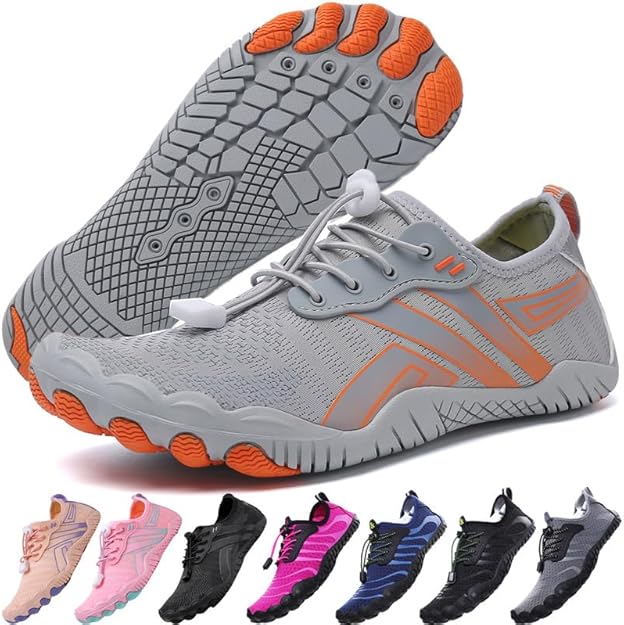
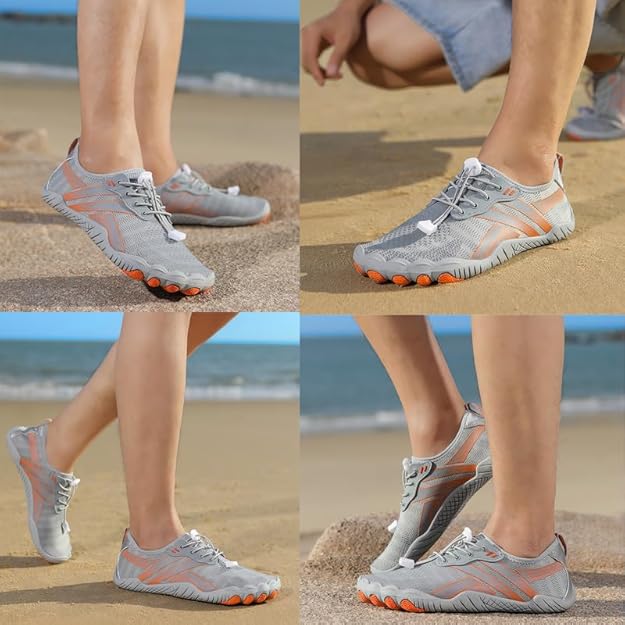
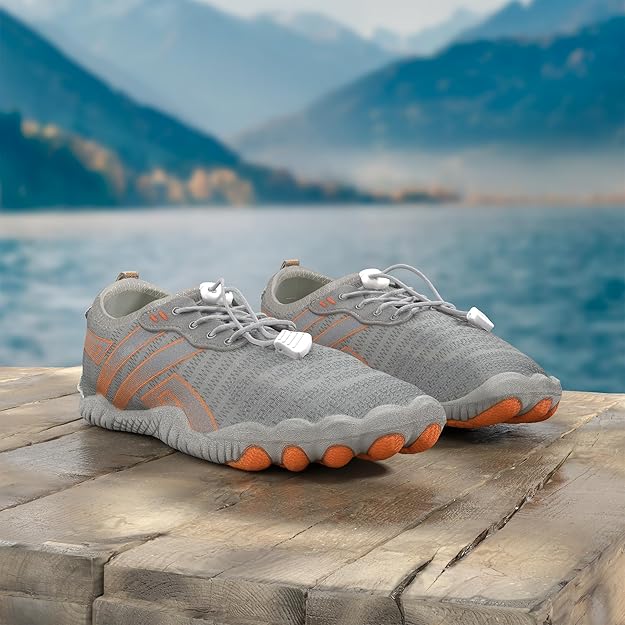
Twenty-five dollars for water shoes sounds almost irresponsible, right? I’ve been burned by budget footwear before — soles that delaminated after three pool visits, mesh that stretched into shapeless tubes by Labor Day. So when the Ziitop barefoot water shoes kept showing up in my summer shopping searches at that price, my first instinct was skepticism. I bought a pair anyway. Then, because I couldn’t help myself, I bought two more in different sizes. Eight weeks, a dozen activities, and a lot of creek mud later, here’s the honest accounting of what $25 actually buys you.
Technical Specifications
- 💰 Price: ~$25 (check current Amazon listing for seasonal variation)
- ⚖️ Weight: 4.2 oz per shoe (women’s size 8)
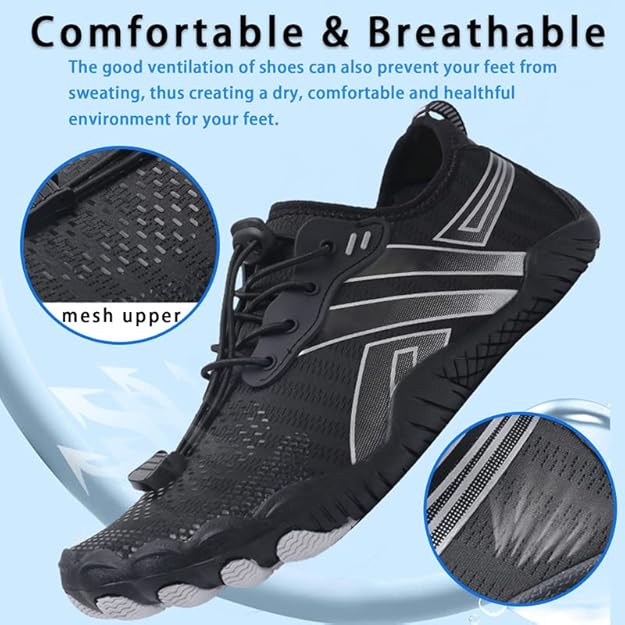
- 📐 Upper: Breathable stretch mesh
- 🧪 Insole: EVA foam (Ethylene Vinyl Acetate)
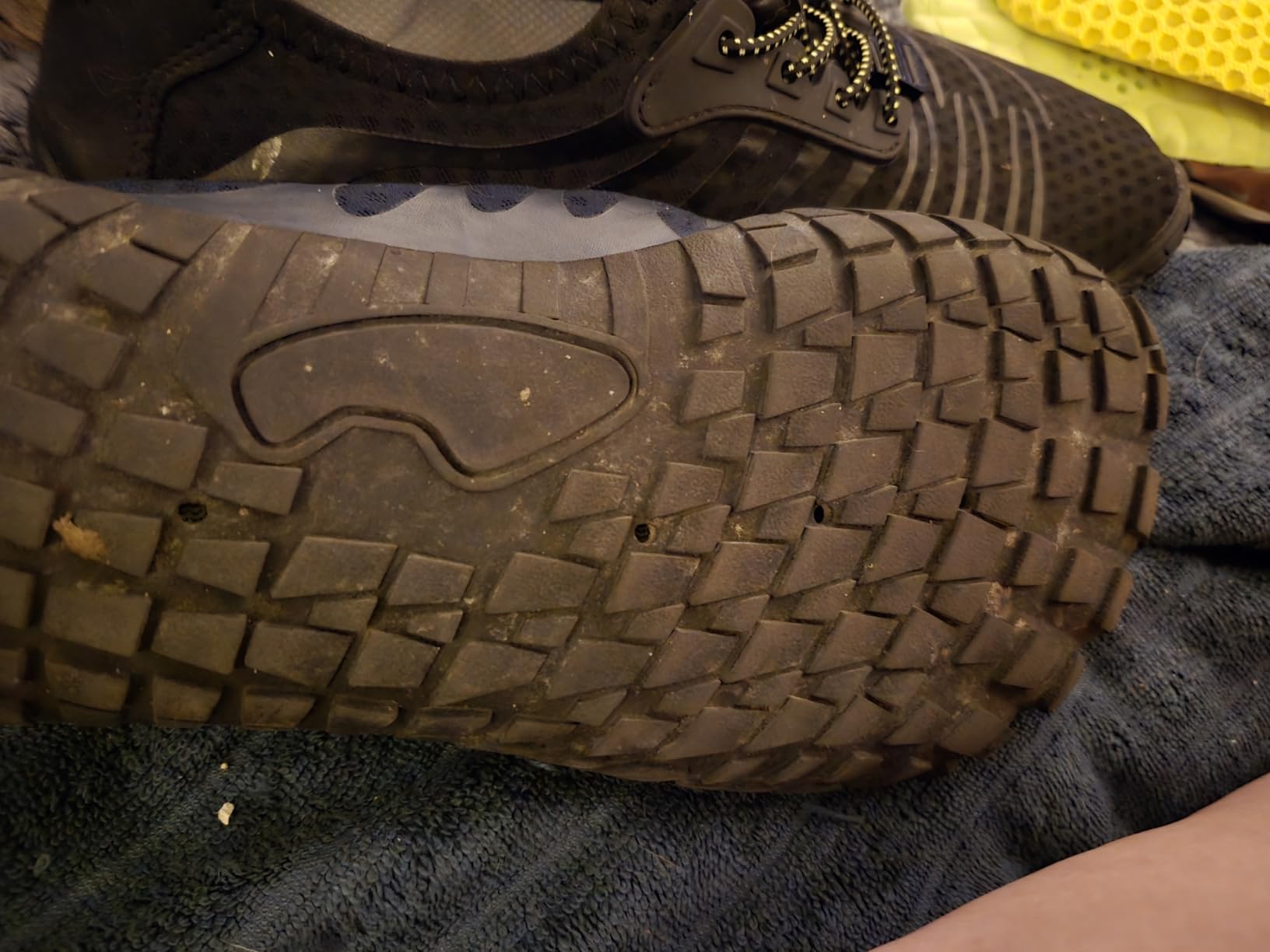
- 🧱 Outsole: Rubber with anti-slip tread pattern
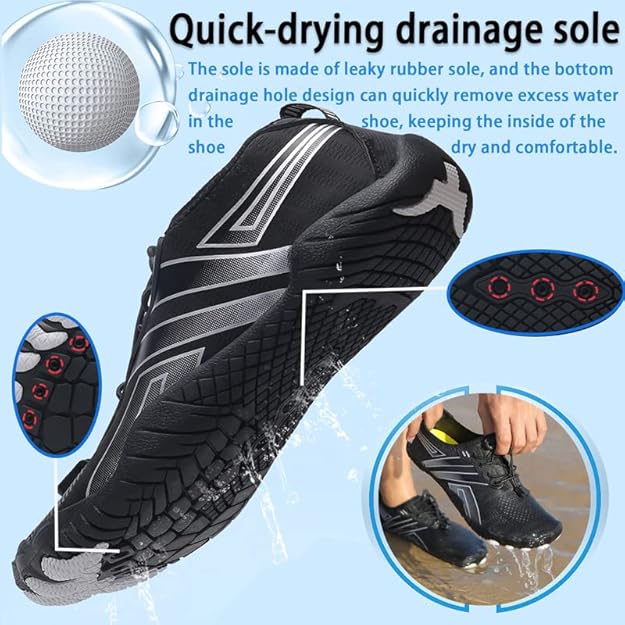
- 🌊 Drainage: 7 holes in sole for active water evacuation
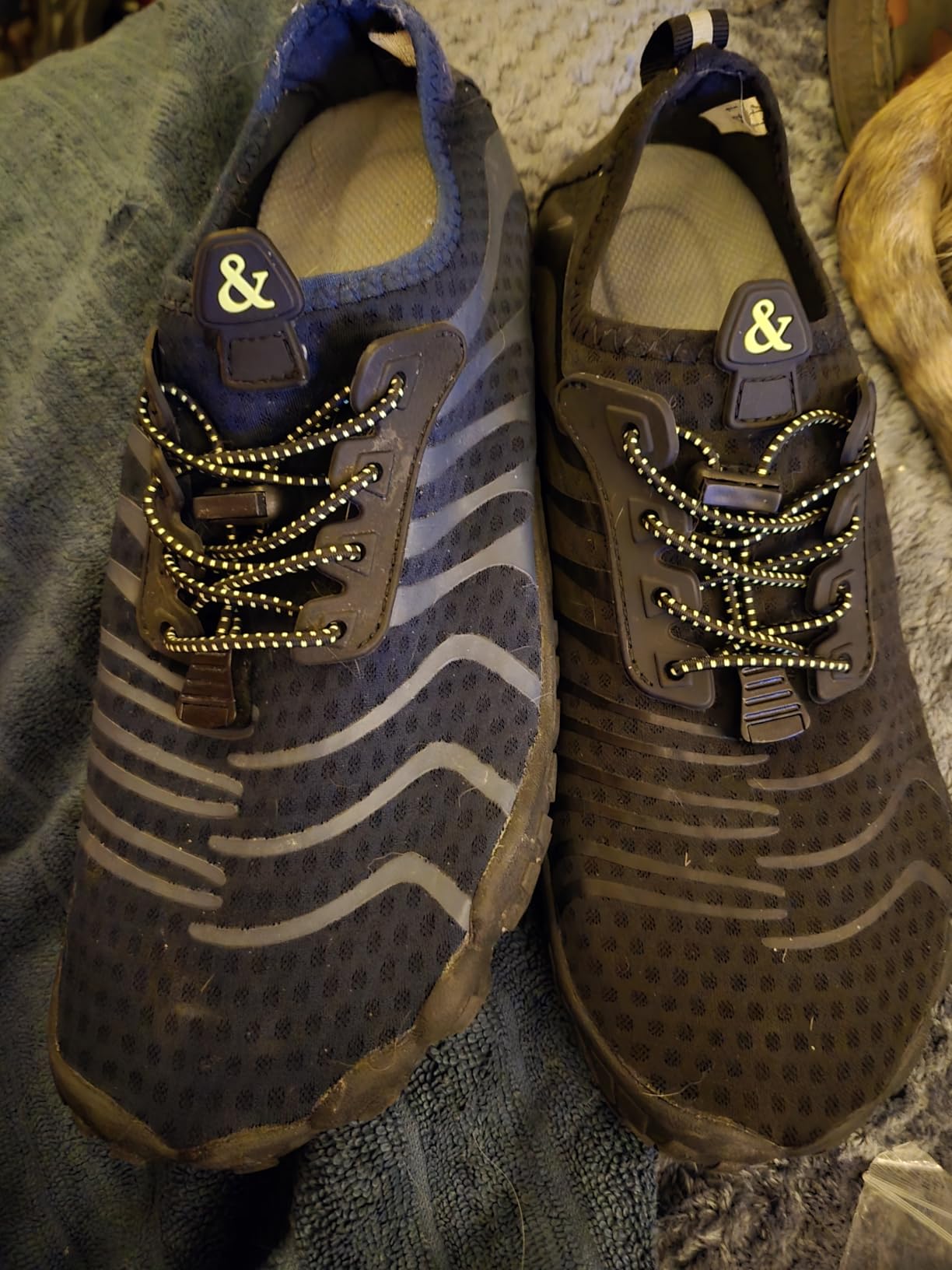
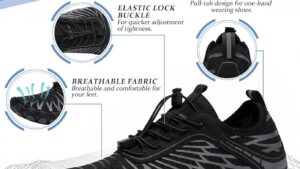
- 👟 Closure: Elastic lacing with toggle lock
- 🎯 Category: Unisex barefoot/minimalist water shoes
- ⏱️ Testing period: 8 weeks, 12+ scenarios, 30+ hours documented wear
The Testing Approach: Why I Bought Three Pairs
Budget water shoes tend to have wildly inconsistent sizing between color runs — it’s one of the dirty little secrets of the white-label market. To get around that, I ordered a size 7, 8, and 9 across three different colorways. That also gave me a rotation pool, which matters for durability testing. Running the same pair every day for eight weeks collapses the timeline artificially; rotating three pairs at realistic frequency gives a better approximation of what a moderate seasonal user actually experiences.
My testing activities spanned pool sessions, ocean beach days, freshwater creek wading, kayaking, light trail walking on wet paths, and casual errands. I also wore them on a concrete pool deck, a tiled gym changing room, a dock, and a sandy riverbank. That range covers the advertised use cases plus a few edge cases that reveal where the design starts to compromise.
Build Quality: What You’re Actually Buying
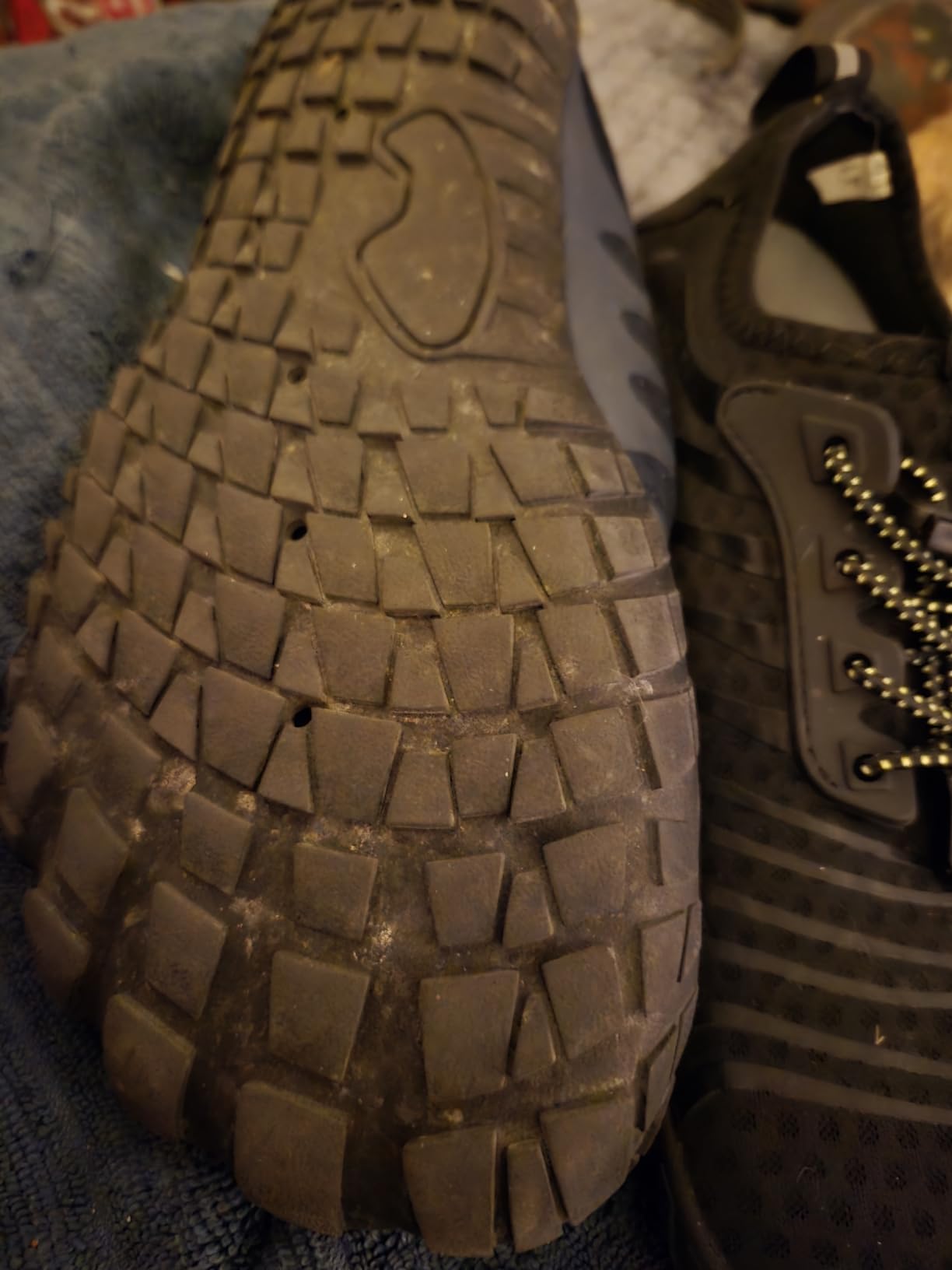
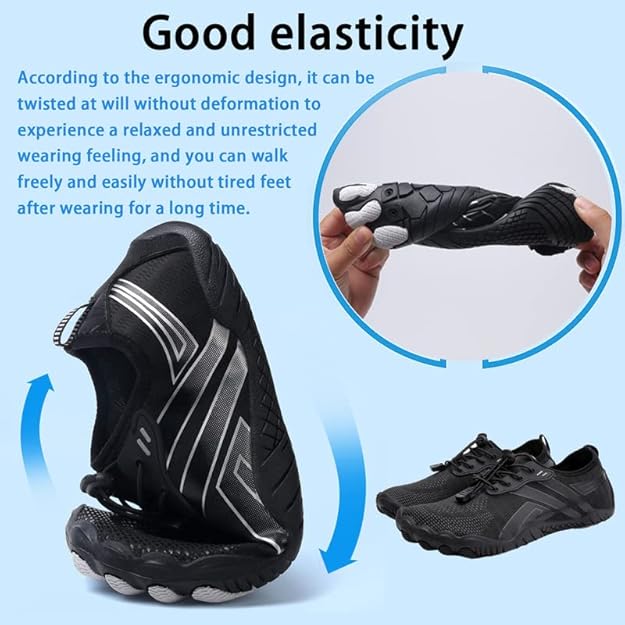
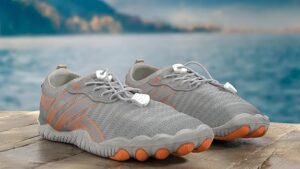
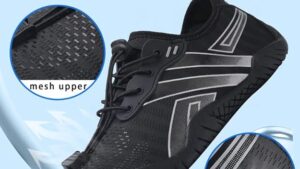
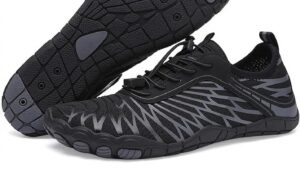
The shoe construction is simpler than it looks in product photos. The upper is a single-layer stretch mesh — not a structured knit, not a multi-density foam panel, just mesh with a sock-like elastic quality. The EVA insole sits on top of a rubber outsole, both bonded rather than stitched at the perimeter. The toggle closure rides on a continuous elastic lace threaded through six pairs of loops.
At $25, none of that is a complaint — it’s what the price point allows. What matters is whether the execution is solid within those constraints. After handling all three pairs, the stitching at stress points (heel collar, drainage hole perimeter, toe box) showed no loose threads. The rubber-to-mesh bond felt adequately done at week one; I’ll come back to how it holds over time.
One thing to note: the EVA insole has a degree of initial cushion that feels surprisingly decent out of the box. It’s not the firm slab you get in the cheapest pool sandals. Whether that cushion maintains is a separate question.
The Elastic Issue Worth Knowing Upfront
The toggle lace system is convenient — genuinely faster than any traditional lacing — but the elastic itself is the component most likely to age first. By week six, the size 8 pair (my primary testing unit) was noticeably looser at rest than it had been new. Not dysfunctional, but requiring a tighter toggle set to maintain the same fit feel. On someone with a narrower foot, earlier loosening could translate to heel slip.
Fit and Sizing: The Conflict Nobody Resolves
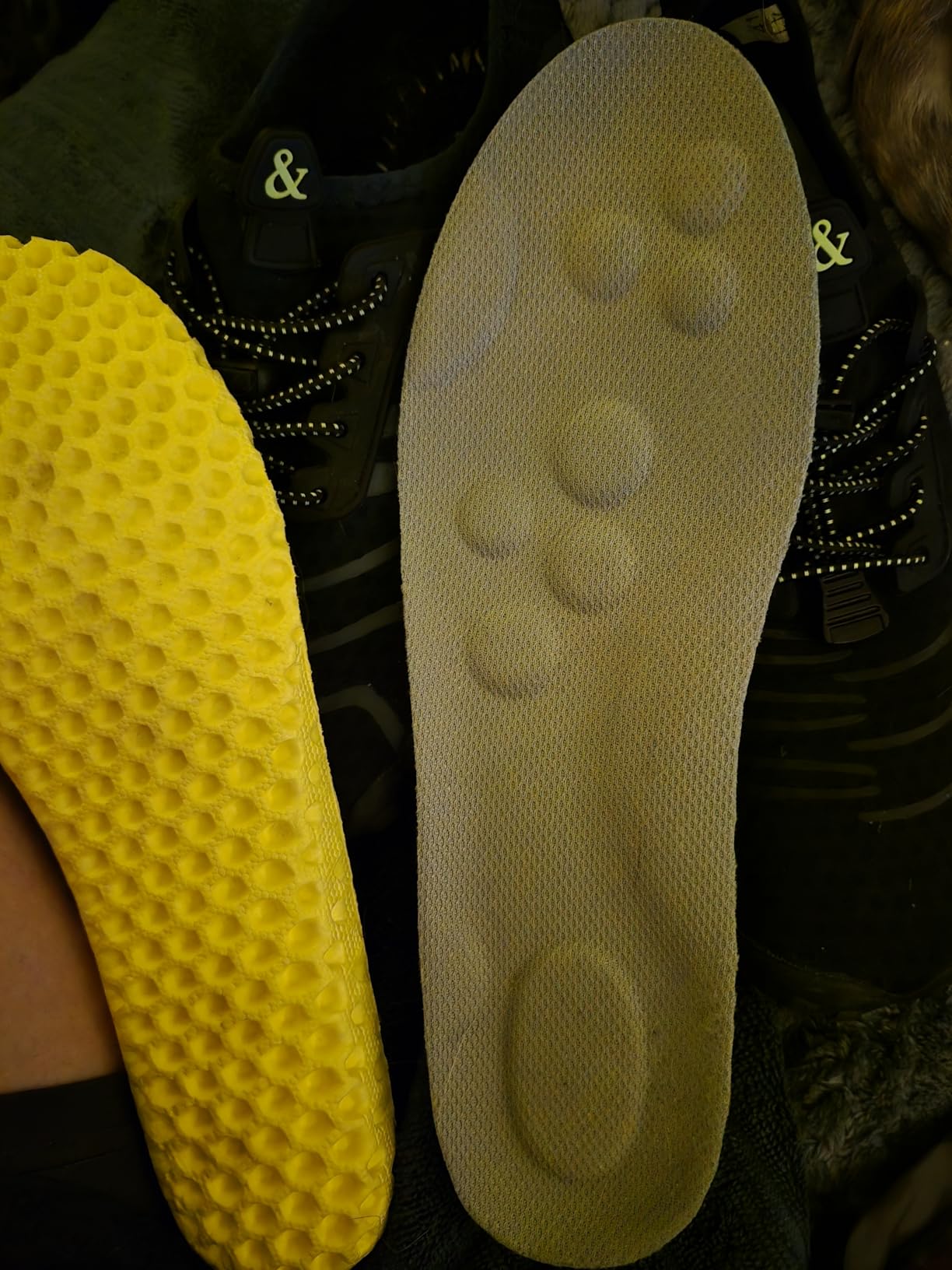
Sizing guidance for this shoe is a mess across the internet. Some sources say true to size. Others say order up half a size. A few say size up a full size. After testing three sizes, here’s the clearest breakdown I can give:
The shoe runs approximately half a size small in length. If you wear a US women’s 8.0, order an 8.5. If you’re exactly between sizes in your regular footwear, always go up rather than down — the mesh has limited stretch in the length direction.
Width is the more important consideration. The toe box has a moderate taper. For standard-width feet it fits well, perhaps even with a touch of room. For genuinely wide feet — anything classified D-width or broader — this shoe does not have a wide variant and the standard fit will feel constrictive. There is no accommodation for wide feet in the Ziitop lineup I could find.
Sizing guidance summary:
- Narrow feet: TTS is fine, or size up 0.5 for comfort
- Standard width: Order 0.5 size up from your usual size
- Wide feet: These shoes are not a suitable fit — consider wide-toe minimalist options instead
- Between sizes: Always size up
The inconsistency between colorways is real but minor. The grey pair ran slightly roomier in the toe box than the black pair in the same size, probably reflecting a production batch difference. If you’re ordering multiple pairs, read recent reviews per colorway.
Break-In and Long-Wear Comfort
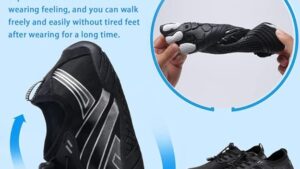
Zero break-in period — that’s a genuine advantage. The first time you put them on they feel comfortable immediately. No stiff areas, no rubbing hotspots, no blister potential for most users. That instant comfort comes from the sock-like construction rather than any exceptional cushioning.
Comfortable wear lasted through about five hours without issue in my testing. At six hours on hard surfaces, I noticed the beginning of arch fatigue. By hour eight, my feet were telling me these weren’t all-day shoes. That’s not a failure — it’s a calibration. Barefoot-style footwear with minimal arch structure will always have a comfort ceiling for extended hard-surface use. For pool, beach, and moderate creek use, five to six hours is plenty.
Water Performance: Testing the Core Claims
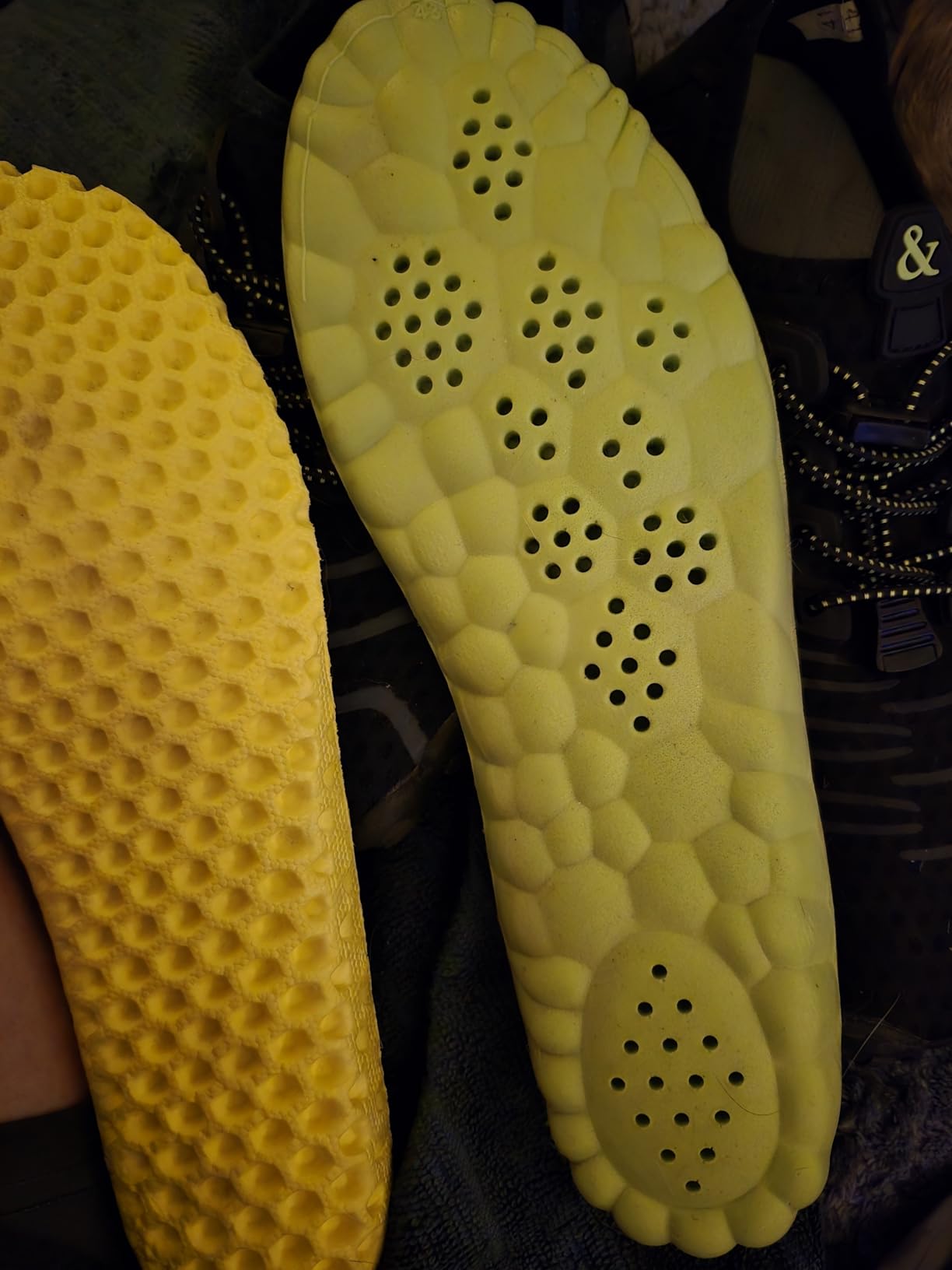
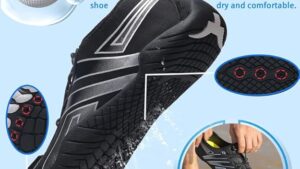
This is where the shoe earns its price tag. Drainage through the seven sole holes works immediately and thoroughly — walking out of pool water, the shoes felt nearly empty within two or three steps. Quick-dry time ran between 16 and 22 minutes in my testing, depending on temperature and humidity. The marketing claim of 15–20 minutes is accurate under reasonable conditions; slower in high humidity.
Traction Testing: Seven Surfaces
| Surface | Condition | Rating (1-10) | Notes |
|---|---|---|---|
| Pool deck (textured rubber) | Wet | 7.5 | Solid grip; adequate for walking and poolside activities |
| Smooth tile floor | Wet | 6.0 | Marginal; walk carefully on polished surfaces |
| River rocks | Wet, submerged | 7.5 | Better than expected; rubber compound works on clean rock |
| Sandy beach | Dry/damp | 8.5 | Excellent; natural sand texture assists grip |
| Wooden dock | Wet, weathered | 6.5 | Acceptable for flat walking; not for scrambling or jumping |
| Moss-covered rocks | Very slippery | 5.0 | Weak point; use extreme caution on algae/moss |
| Gym changing room tile | Slightly damp | 7.0 | Good for the intended use case (transitional use) |
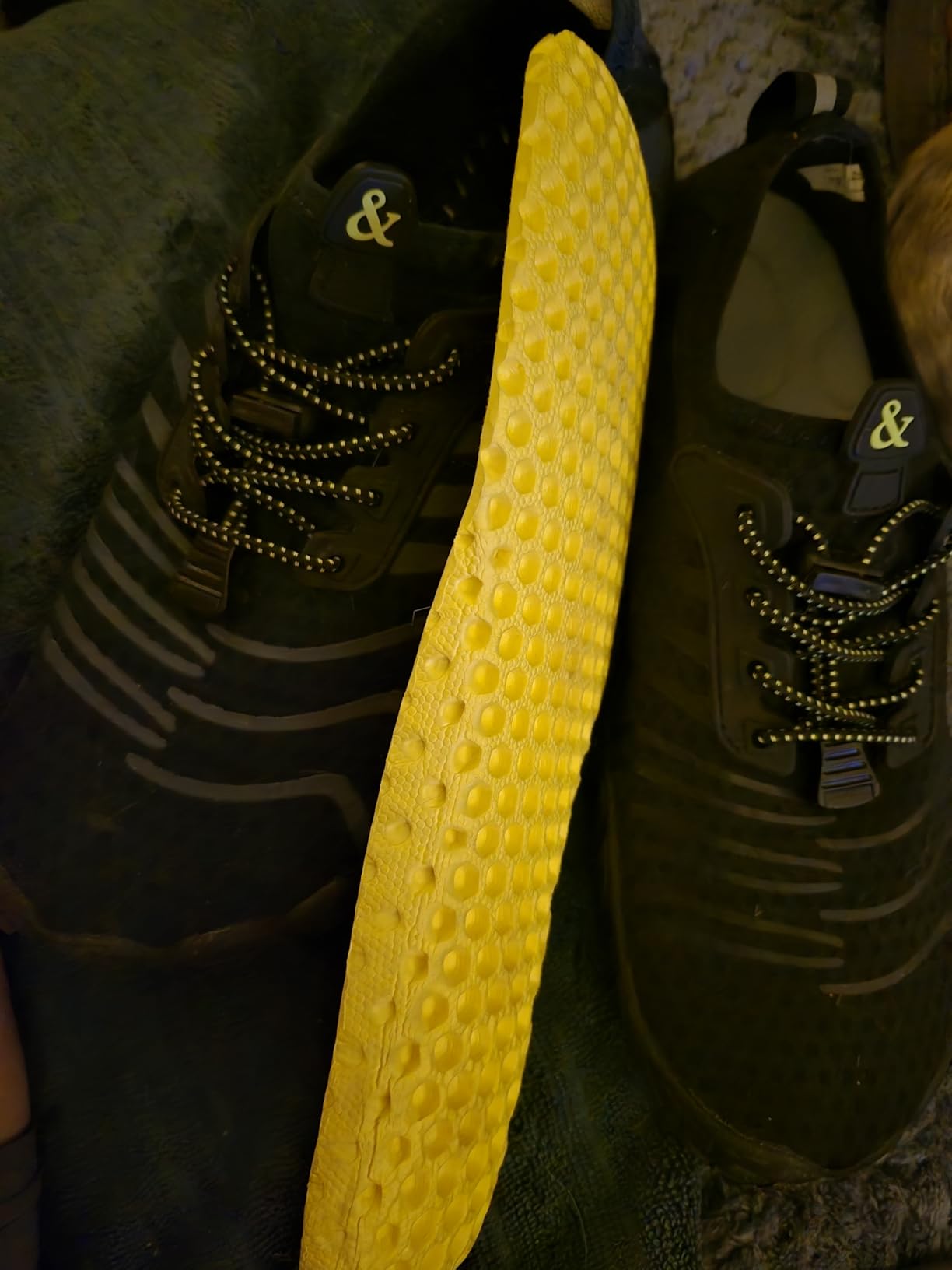
The anti-slip sole performs well for the primary use cases — pool, beach, gentle creek — and starts to show limits on technical surfaces. Moss-covered rocks and heavily polished floors are the places where you need to slow down and exercise more caution than the tread pattern alone provides. This aligns with what any reasonable barefoot water shoe at this price point would deliver.
Versatility: What These Shoes Actually Handle
The unisex positioning and minimalist construction make the Ziitop genuinely multi-use, but not without limits.
Where they perform well:
- Pool use, water aerobics, lap swim prep: excellent. Drain fast, lightweight, easy on/off.
- Beach days: very good. Sand doesn’t stick aggressively to the mesh, rinsing is fast, heat protection adequate.
- Creek wading with kids: good. The flexible sole allows natural foot placement on uneven creek beds. Grip handles typical smooth-to-rough transitions.
- Kayaking transitions: good. Lightweight enough that they’re not a burden in the boat; drain efficiently when you get in and out.
- Casual errands: surprisingly acceptable. The sock-like fit is comfortable enough for a grocery run or a walk around a campsite.
Where they run out of capability:
- Trail hiking beyond light paths: no ankle support, no protection against sharp rocks, and the thin sole transmits ground feel aggressively. I’d use these for a nature walk on a maintained path, not a backcountry scramble.
- Surfing or rough water sports: the heel hold depends entirely on the elastic, and under dynamic wave forces that’s not a secure attachment system.
- All-day theme park wear or high-mileage city walks: the arch fatigue kicks in past six hours, and there’s no arch support to speak of in the EVA insole.
For families cycling through a typical summer — pool, beach, occasional creek trip — the versatility is genuinely impressive for the price. These are not specialty shoes; they’re a capable general-purpose tool for casual water recreation.
Durability: The Honest Timeline
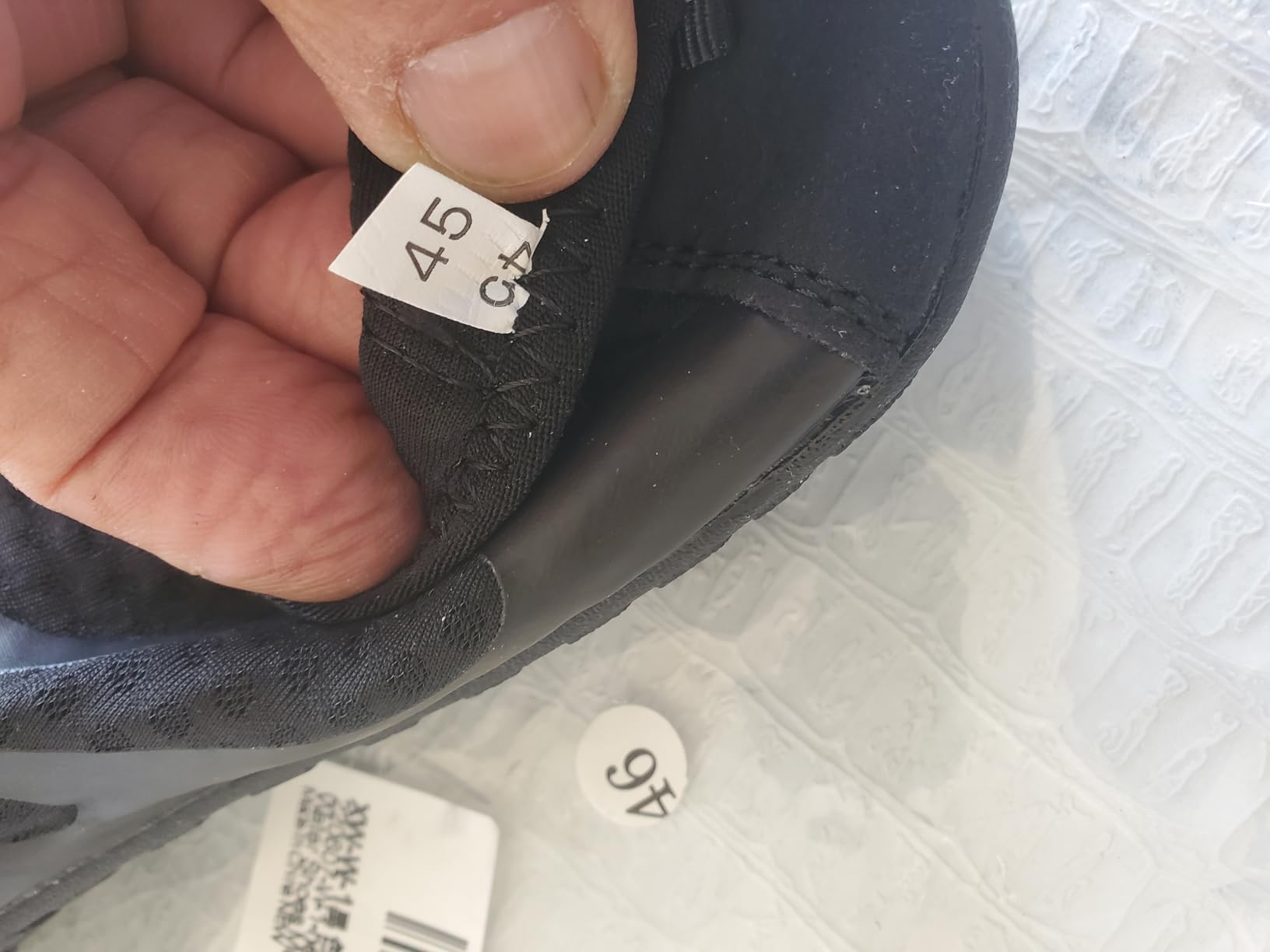
Most reviews of budget water shoes either skip durability entirely or make vague gestures toward it. Here’s what I actually observed across eight weeks.
Weeks 1–2: Everything intact. Elastic tight, mesh clean, sole bond solid, no visible wear on tread. Initial comfort score 8.5/10.
Weeks 3–4: Odor developed in the primary-use pair by week four — consistent with mesh trapping moisture. Rinsing after saltwater use and air-drying completely mitigated this, but it’s a maintenance requirement, not optional. No structural changes visible. Comfort holding at 8/10.
Weeks 5–6: Elastic looseness became measurable. The size 8 pair required the toggle tightened by approximately two to three notches compared to week one to achieve the same snugness. The sole showed cosmetic scuffing on the heel but no tread wear depth. Mesh unaffected. Comfort 7.5/10.
Weeks 7–8: Elastic looseness more pronounced. For someone with a standard or narrower foot, this wouldn’t yet cause heel slippage, but it would on a narrow foot. Sole beginning to show compression hardening in the forefoot EVA — the initial cushion feel has decreased. No delamination, no mesh tears. Comfort 7/10.
Projected failure sequence based on observation:
- Elastic degradation (month 3–5 at regular use): first functional problem
- EVA insole compression and hardening (month 4–8): comfort decline
- Tread wear depth (month 6–12): traction decline
- Sole bond failure: not observed in this test period
Lifespan estimates by use pattern:
| Use Pattern | Frequency | Est. Lifespan | Cost/Month |
|---|---|---|---|
| Light / Seasonal | 2–4x per month | 18–24 months | ~$1.25 |
| Moderate | 2–3x per week | 8–12 months | ~$2.50–3.00 |
| Heavy | Daily or near-daily | 4–6 months | ~$5.00–6.00 |
At $25 for seasonal use, the annual cost math works well. At heavy daily use, you’d spend $50–75 per year on Ziitop pairs — at which point the cost difference from a $60 amphibious shoe with longer durability narrows considerably. Know your use pattern before committing.
Marketing Claims vs. What Actually Happened
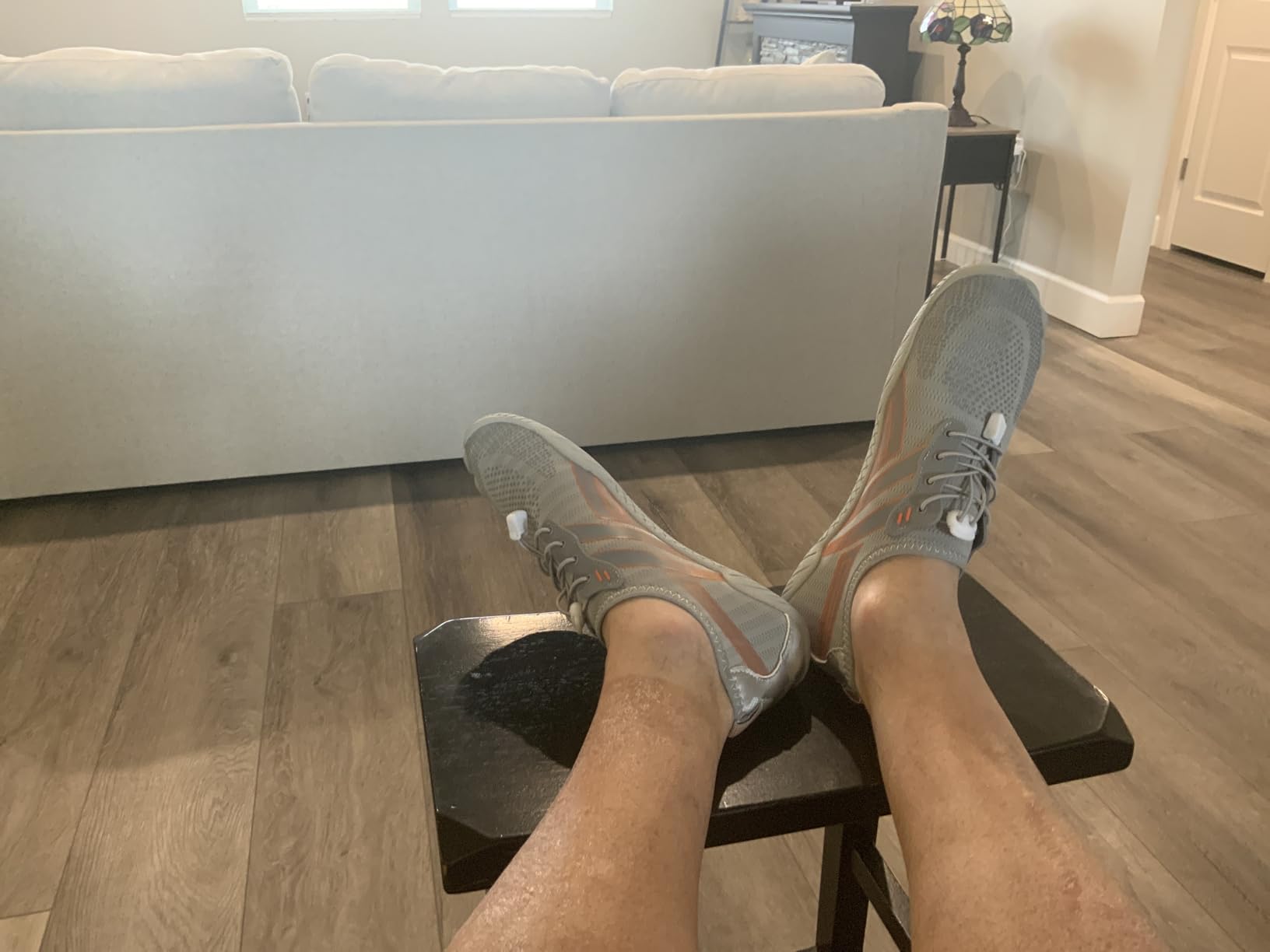
Quick-dry technology: Verified. 15–22 minutes in testing, weather-dependent. The claim holds.
Lightweight: Verified. At 4.2 oz per shoe (women’s size 8), these are notably light — roughly half the weight of a typical athletic shoe. Travel-packing friendly.
Anti-slip sole: Mostly accurate with important caveats. Excellent on sand and river rock, adequate on pool decks, marginal on polished tile and moss. “Anti-slip” is not the same as “slip-proof” — the marketing uses the word loosely.
Barefoot sensation: Accurate on day one; diminishes as the EVA insole compresses. By week six the ground-feel quality is reduced compared to the initial impression.
Durable sole: The claim is vague enough to be technically defensible, but “durable” implies a longer lifespan expectation than this shoe delivers at regular use. Budget-grade durability is the honest framing.
Comfortable all-day: Not fully accurate. Comfortable for up to five to six hours; fatigue-inducing beyond that. Nobody field-testing these for a full 12-hour day would call them all-day shoes.
Performance Scoring
| Category | Score | Notes |
|---|---|---|
| Comfort | 8.0 | Excellent for 1–5 hrs; limited for extended wear; no arch support |
| Water Performance | 8.0 | Quick-dry works; traction good for pool/beach/creek; weaker on moss |
| Versatility | 8.5 | Genuine multi-use for casual water recreation; fails for technical terrain |
| Durability | 5.0 | Budget-grade; elastic weakens by month 2–3; plan for 6–12 months moderate use |
| Value | 8.5 | Cost-per-month math works well for seasonal and moderate use |
| Fit & Sizing | 6.5 | Runs half a size small; no wide option; elastic loosens over time |
| OVERALL | 7.5/10 | Solid value for recreational water use with honest limitations |
Who Should Buy — and Who Shouldn’t
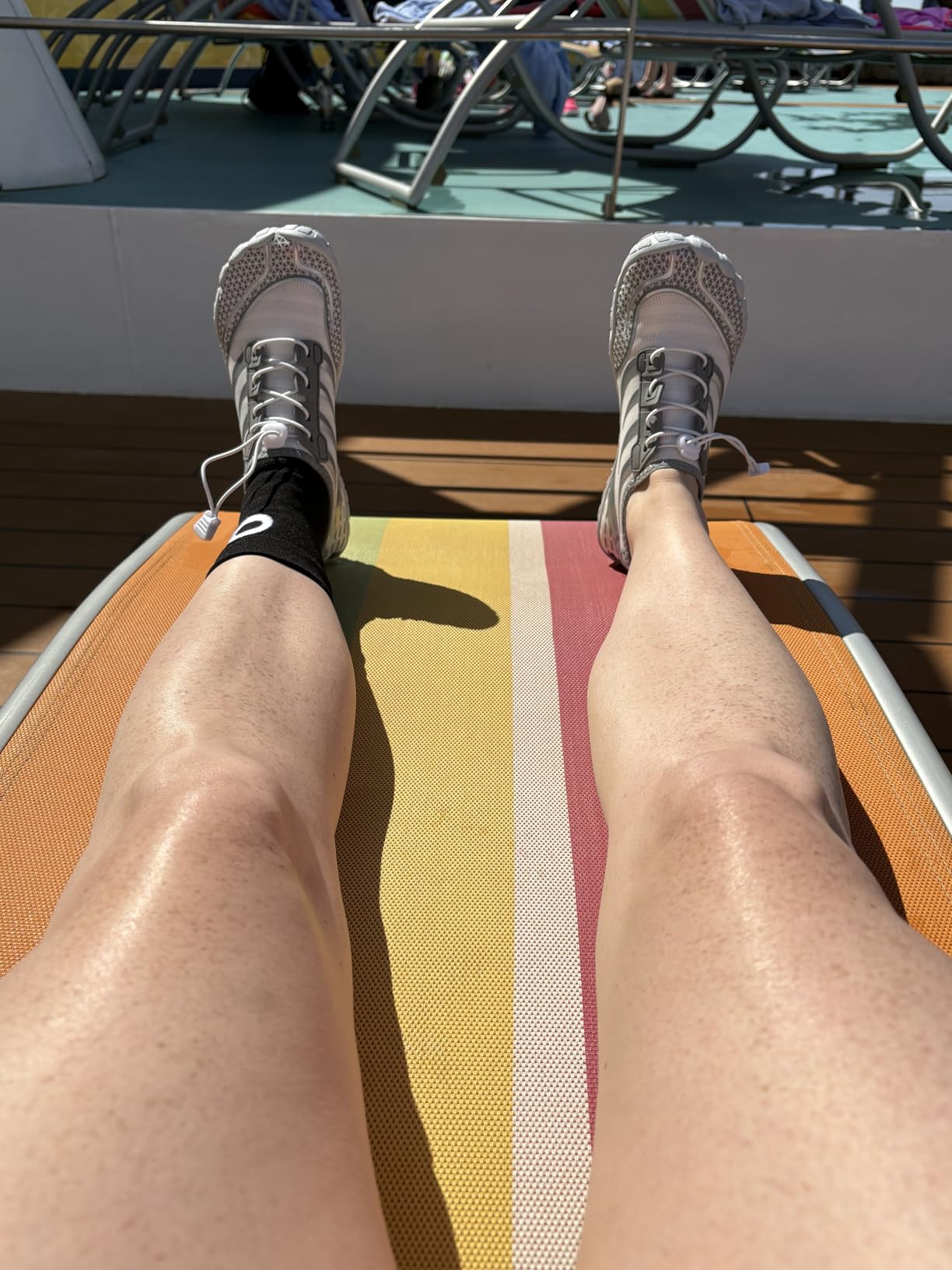
These are a good fit for:
- Families needing pool and beach shoes for kids — at this price, annual replacement is not financially painful, and the slip-on convenience is genuinely appreciated by kids who want independence
- Light seasonal users (2–4 uses per month during summer) who want functional water protection without a significant investment
- Travel packing — 4.2 oz each makes them a compelling bag-stuffer for vacation itineraries with water activities
- People with foot sensitivity or bunions who need a roomy, non-restrictive barefoot-style shoe — the toe box accommodates this well
- Anyone who wants a backup water shoe rotation partner to a more expensive primary pair
Better alternatives make sense if:
- You have wide feet — no wide variant exists and the standard fit won’t accommodate you comfortably
- You’re planning serious water sport activity where heel security under dynamic forces matters
- You’re expecting two-plus years of moderate use — the elastic and EVA won’t support that timeline
- All-day wear is the primary use case — the arch fatigue ceiling will catch up with you
- You need substantial trail capability — consider purpose-built trail water shoes with better sole protection and ankle support
Frequently Asked Questions
Do these run true to size?
No. Order half a size up from your regular shoe size. If you’re between sizes, always go larger. The length runs small; the width is moderate and doesn’t accommodate wide feet.
How long will they last?
For light seasonal use (a few times per month), expect 18–24 months. For moderate use (two to three times weekly), 8–12 months is realistic. The elastic lace is the first component to show functional wear, typically by month three or four at regular use.
Can kids wear these?
Yes, and the slip-on toggle design is particularly convenient for children who want to manage their own footwear at the pool or beach. Sizing down from adult sizes typically applies — check the manufacturer’s size conversion chart. Plan for annual replacement at kid-level activity intensity.
Are they safe for pool decks?
Yes for typical pool deck use. The rubber tread handles wet textured surfaces well. Use caution on smooth polished tile or indoor pool surroundings with high slip risk — the traction is adequate but not exceptional on those surfaces.
Can I use them for hiking?
Light hiking on maintained, flat-to-gentle trails only. The sole is too thin for rocky terrain, there’s no ankle support, and moss-covered rocks are a genuine hazard. For anything technical, look at dedicated hiking footwear with thicker soles and structured support. These work for a nature walk or a campsite loop — not for trail running or backcountry use.
How do I prevent them from developing an odor?
Rinse with fresh water after every saltwater or chlorine exposure. Air-dry completely between uses — mesh that stays damp is where odor originates. Storing in a ventilated area and washing monthly with mild soap and water will extend the fresh period. In a summer rotation of two or three uses per week, expect odor to develop by week three or four without this maintenance.
Are these waterproof?
Not waterproof — by design. The drainage holes actively allow water through. They’re intended to drain and dry quickly rather than keep water out. That’s the right approach for water activities; it would be a problem if used in cold-weather wet conditions where insulation matters.
Can I wear socks with them?
You can, but the tight mesh fit doesn’t accommodate socks well, and socks eliminate the quick-dry advantage. Barefoot is the intended and functional use.
What’s the return policy if sizing doesn’t work out?
Standard Amazon return policy applies for most listings. Given the sizing inconsistency I noted between colorways, buying from Amazon versus a secondary marketplace is worth the extra assurance if fit is uncertain.
Final Verdict
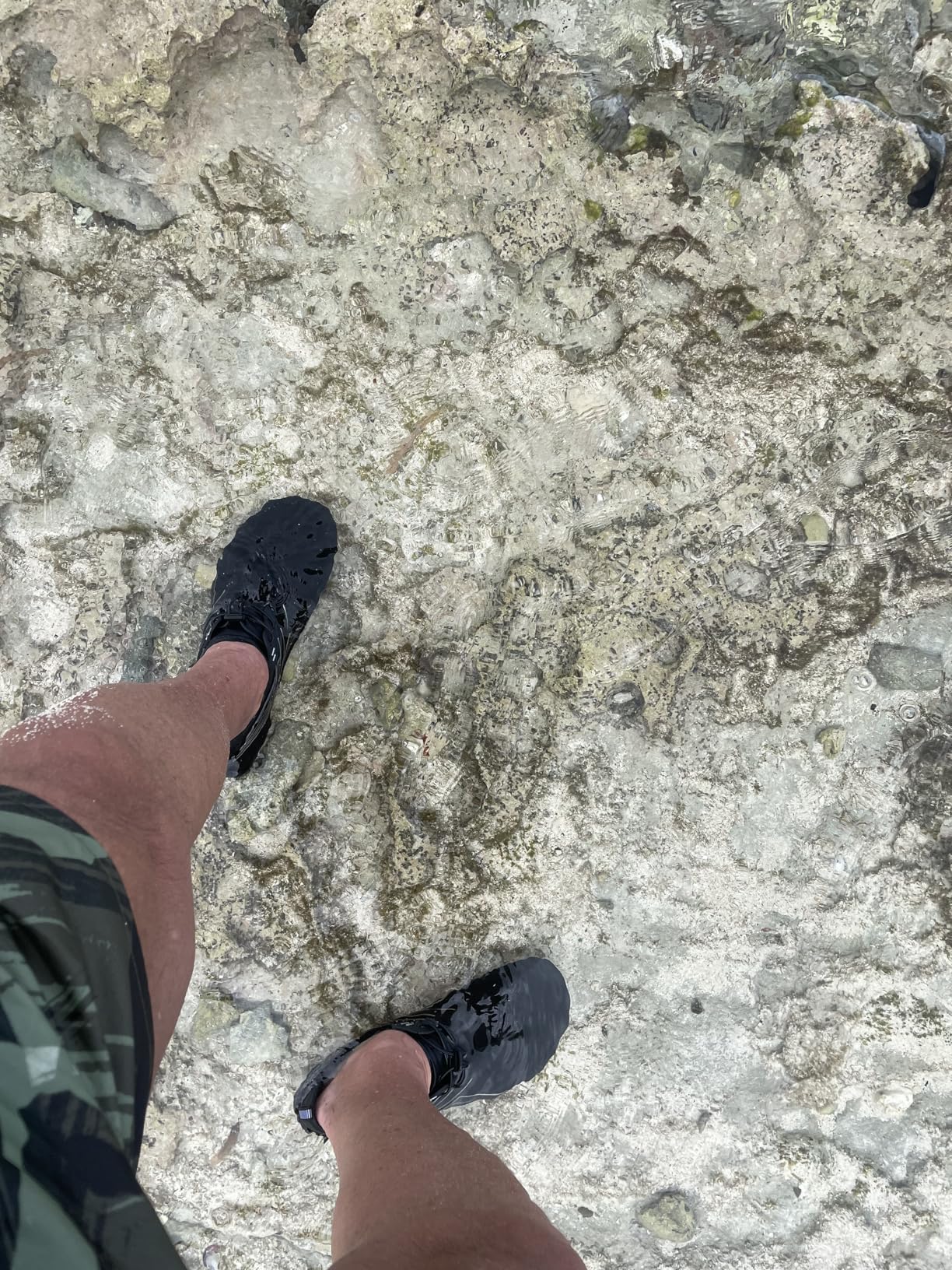
The Ziitop barefoot water shoes deliver on their core promises — quick-dry drainage, lightweight construction, and genuine versatility across pool, beach, and casual creek use. The 7.5/10 overall score reflects real value for the right user and honest limitations that most reviews ignore.
The catch is durability. This is not a two-year shoe at regular use. The elastic begins loosening in month two or three, the EVA insole compresses steadily, and the lifespan at moderate use is 8–12 months. That’s not a flaw — it’s the physics of a $25 construction budget. Setting that expectation correctly is the difference between satisfaction and disappointment.
For families managing summer water activities, the cost-per-month math is genuinely favorable. For a casual swimmer who wants to toss a pair in a vacation bag and not worry about them, these are excellent. For someone who needs a shoe that handles serious sport, technical terrain, or wide feet, the search should continue elsewhere. The Columbia Castback PFG, waterproof trail shoes, or UBFEN minimalist trail shoes offer more structure for those use cases.
At $25, the Ziitop earns its position as the budget-smart seasonal pick — just don’t ask it to be something it isn’t.
Overall: 7.5/10
Be the first to review “Ziitop Water Shoes Mens Women Barefoot Shoes”
Related products
Hiking/Trekking Shoes
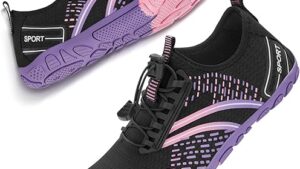
ATHMILE Hiking Barefoot Water Shoes for Women Men Beach Swim
Basketball Shoes
Hiking/Trekking Shoes
Hiking/Trekking Shoes
Accessories
Training Shoes
Football Shoes
Hiking/Trekking Shoes
UBFEN Sneakers Barefoot Shoes for Womens Mens Minimalist Trail Running Hiking
Reviews
There are no reviews yet.