
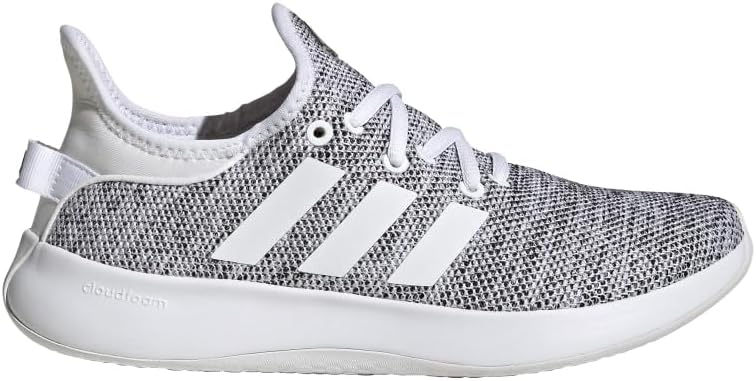
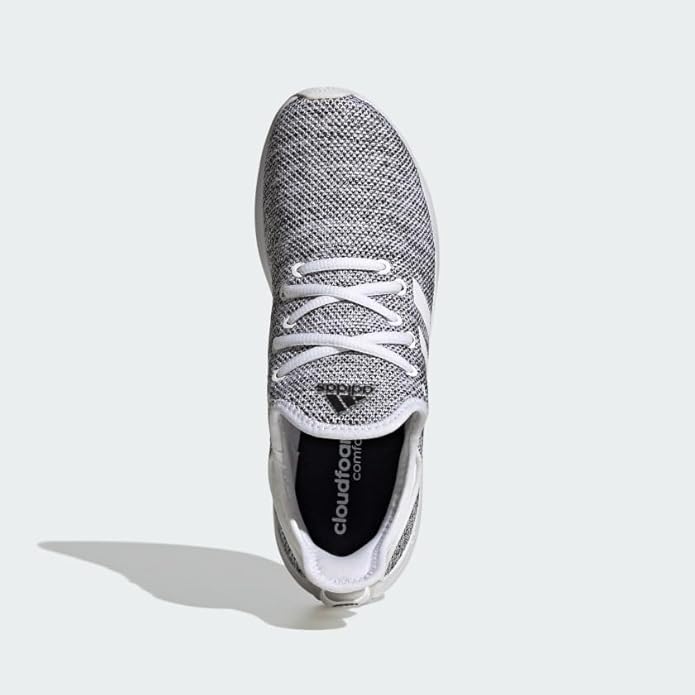
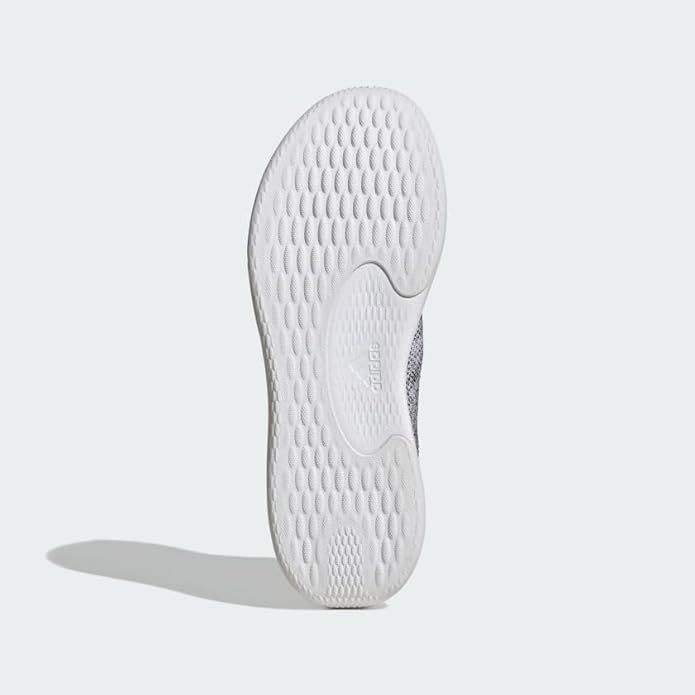
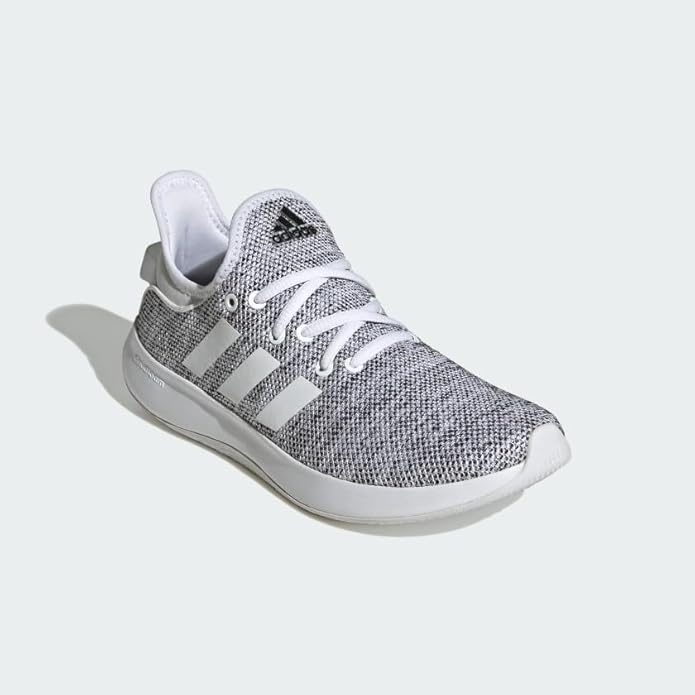
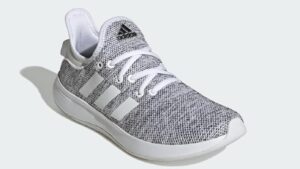
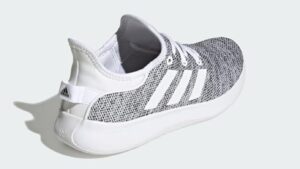
adidas Women’s Cloudfoam Pure Sneaker
$37.95
- 💰 Price: $40–50
- ⚖️ Weight: 8.2 oz (women’s size 8, firsthand measurement)
- 🧪 Midsole: Cloudfoam EVA with memory sockliner
- 👟 Upper: Synthetic mesh, at least 20% recycled content
- 🦶 Outsole: Rubber
- 👗 Category: Women’s lifestyle/casual sneakers
- 🎯 Best for: All-day walking, standing jobs, casual daily wear
My running shoes were falling apart — literally, the sole was peeling — and I needed a replacement fast. Sarah here, and I’d been eyeing the Adidas Women’s Cloudfoam Pure for a while, mostly because they kept showing up on every “work shoes for nurses” list I came across. But I’m not a nurse — I’m a mom in Houston juggling school pickups, grocery runs, and evening walks, and I wasn’t sure a $45 lifestyle sneaker would actually hold up. Six weeks and a Disney World trip later, here’s my honest take.
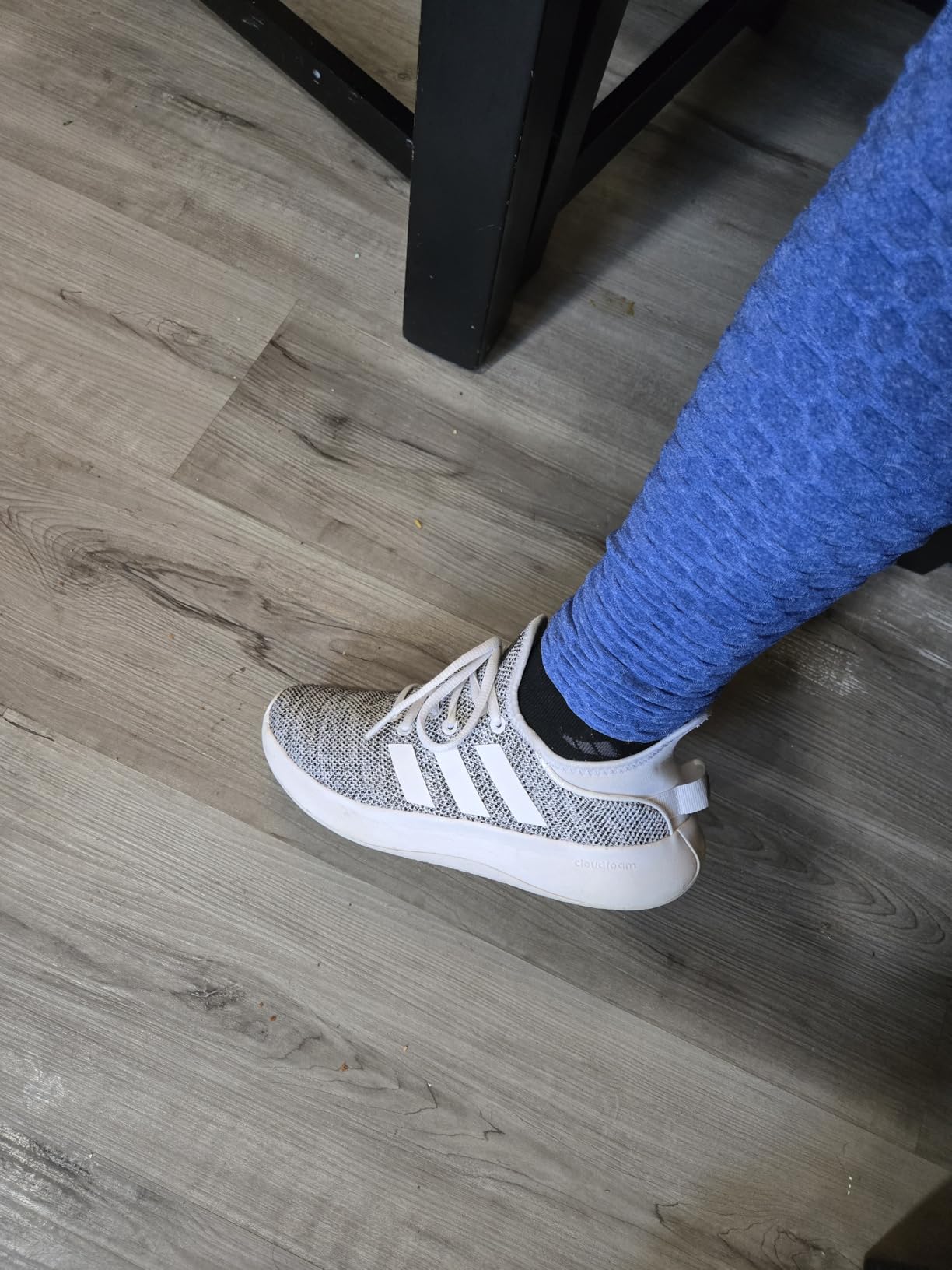
First Impressions: Lighter Than Expected
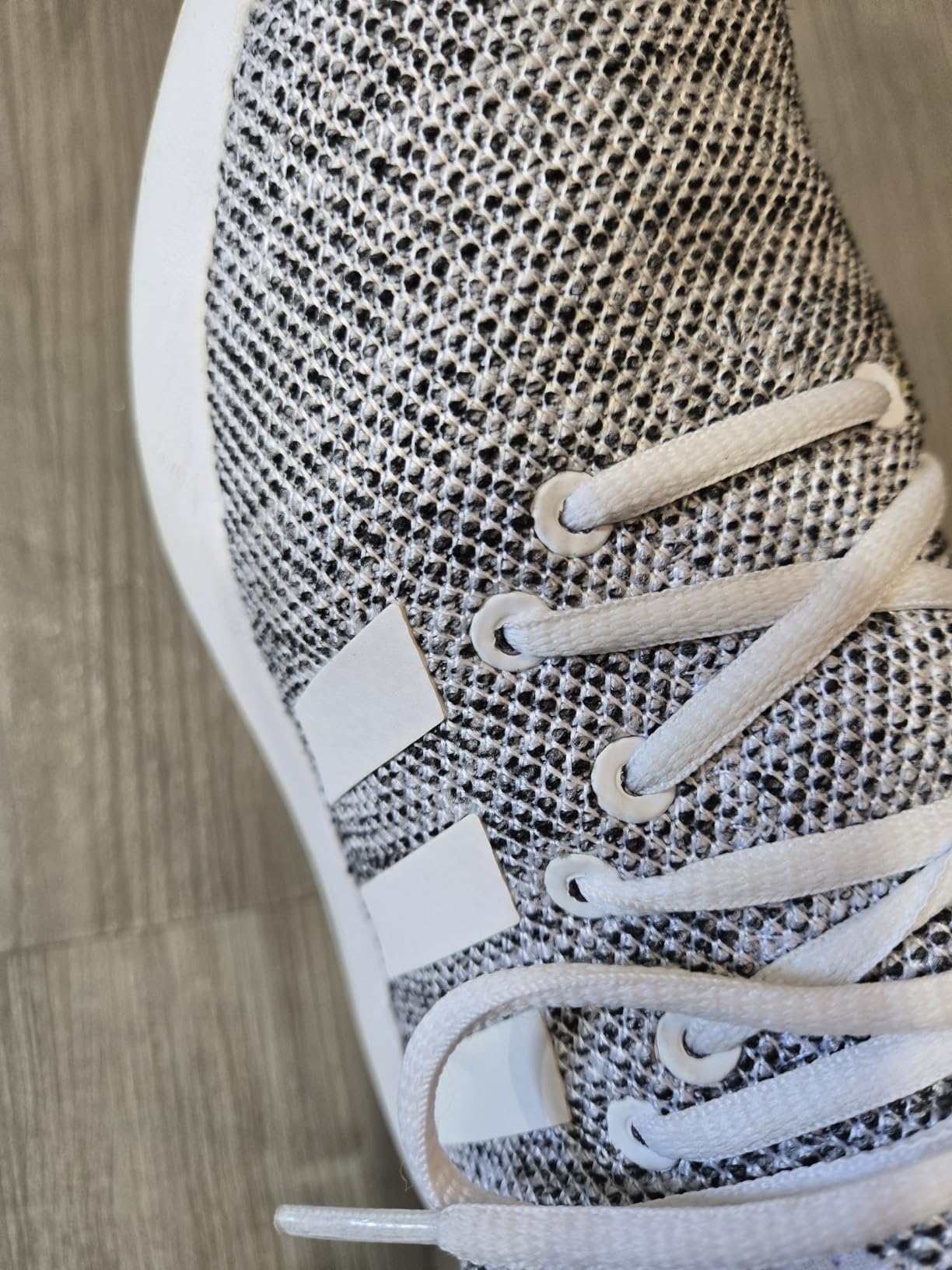
Right out of the box, the first thing you notice is the weight — or rather, the lack of it. At 8.2 oz for a women’s size 8, picking these up feels almost surprising. My old sneakers weren’t particularly heavy, but there’s still a tangible difference when you set a Cloudfoam Pure in one hand and a typical athletic sneaker in the other.
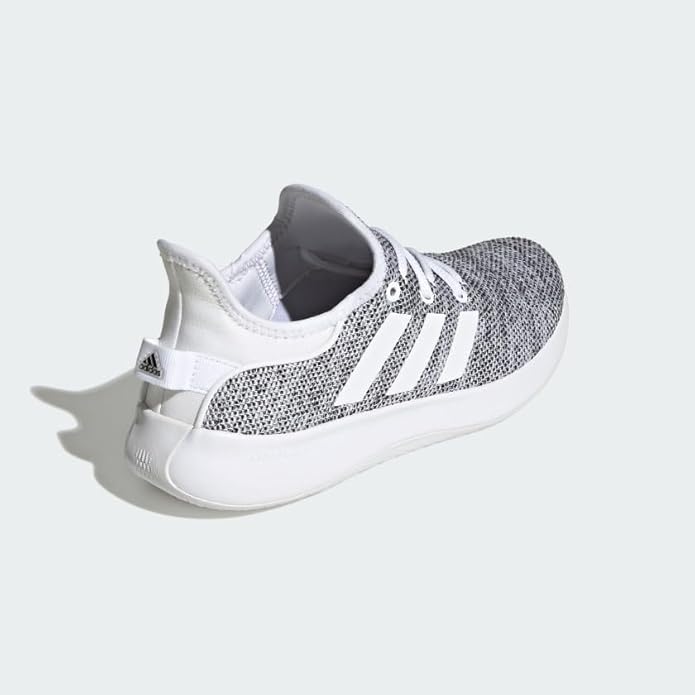
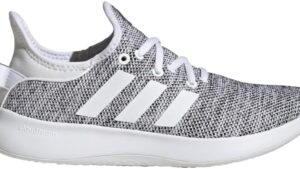
Design-wise, the clean white upper with minimal black detailing hits that sweet spot between “casual enough for Target” and “put-together enough for a lunch out.” Nothing flashy, nothing chunky. The 20% recycled mesh looks and feels perfectly normal — you’d never guess it wasn’t virgin material, which I appreciated. Adidas didn’t compromise the aesthetic for the sustainability claim here.
Construction quality feels appropriate for the $45 price tag. The stitching is tidy, the rubber sole sits flush, and the overall fit of the upper looks considered rather than thrown together. This is clearly a lifestyle shoe — it’s not pretending to be a performance trainer — but within its category, the build is solid.
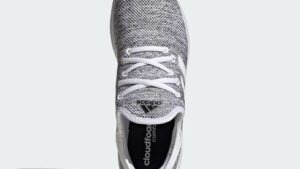
One detail worth flagging immediately: what appear to be traditional laces are actually decorative elastic bands. More on this in a moment, because it changes everything about how you use these shoes.
The 45-Second Problem (and the Fix)
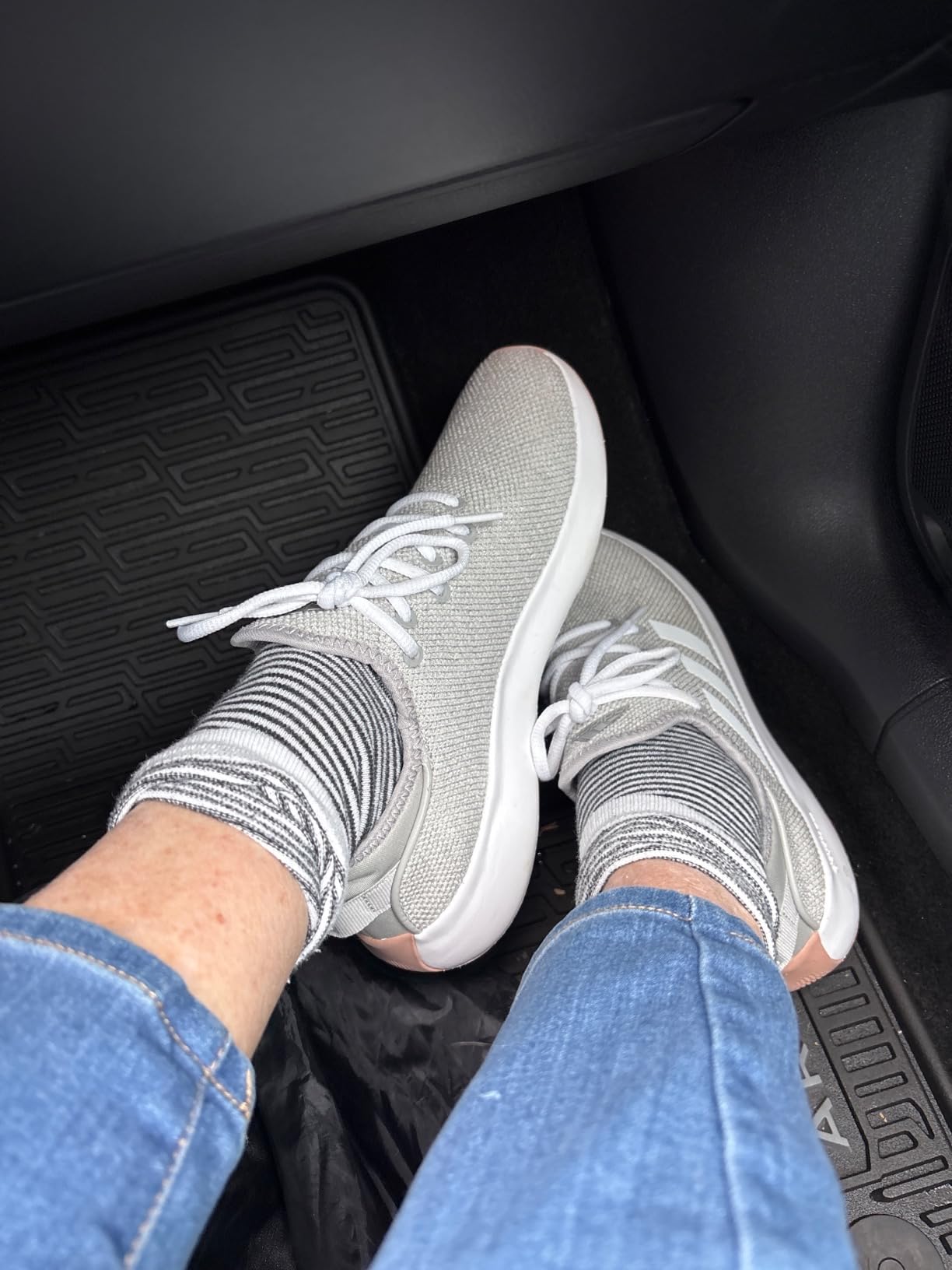
Here’s the thing Adidas doesn’t put on the product page: getting these shoes on is genuinely awkward.
The Cloudfoam Pure functions as a slip-on, but the opening is snug and there’s no separate tongue to guide your foot. I started timing my attempts after the first week — on average, about 45 seconds per shoe, compared to maybe 10 seconds for a standard lace-up. And the heel tab, which is supposed to help you pull them on, is positioned so low on the back it barely makes contact when you reach for it. I tried the “heel stomp” method. I tried wiggling. I tried patience. None of it was elegant.
Week two, I picked up a small metal shoe horn and left it by the front door. That changed everything. With a shoehorn, entry time drops to about 15 seconds — still not as fast as laces, but manageable when you’re rushing out with a kid on each arm.
The elastic laces, for clarity: they’re purely decorative. They don’t pull snug, they don’t adjust fit, and they serve no functional purpose beyond looking like normal laces. Several reviewers mention buying replacement flat shoelaces to make them look less odd when loosened all the way. It’s a valid workaround if the aesthetics bother you.
Once the shoe is on, though — the entry friction completely disappears. Your foot settles into the Cloudfoam, and that’s where the shoe starts earning its keep.
What the Cloudfoam Actually Feels Like
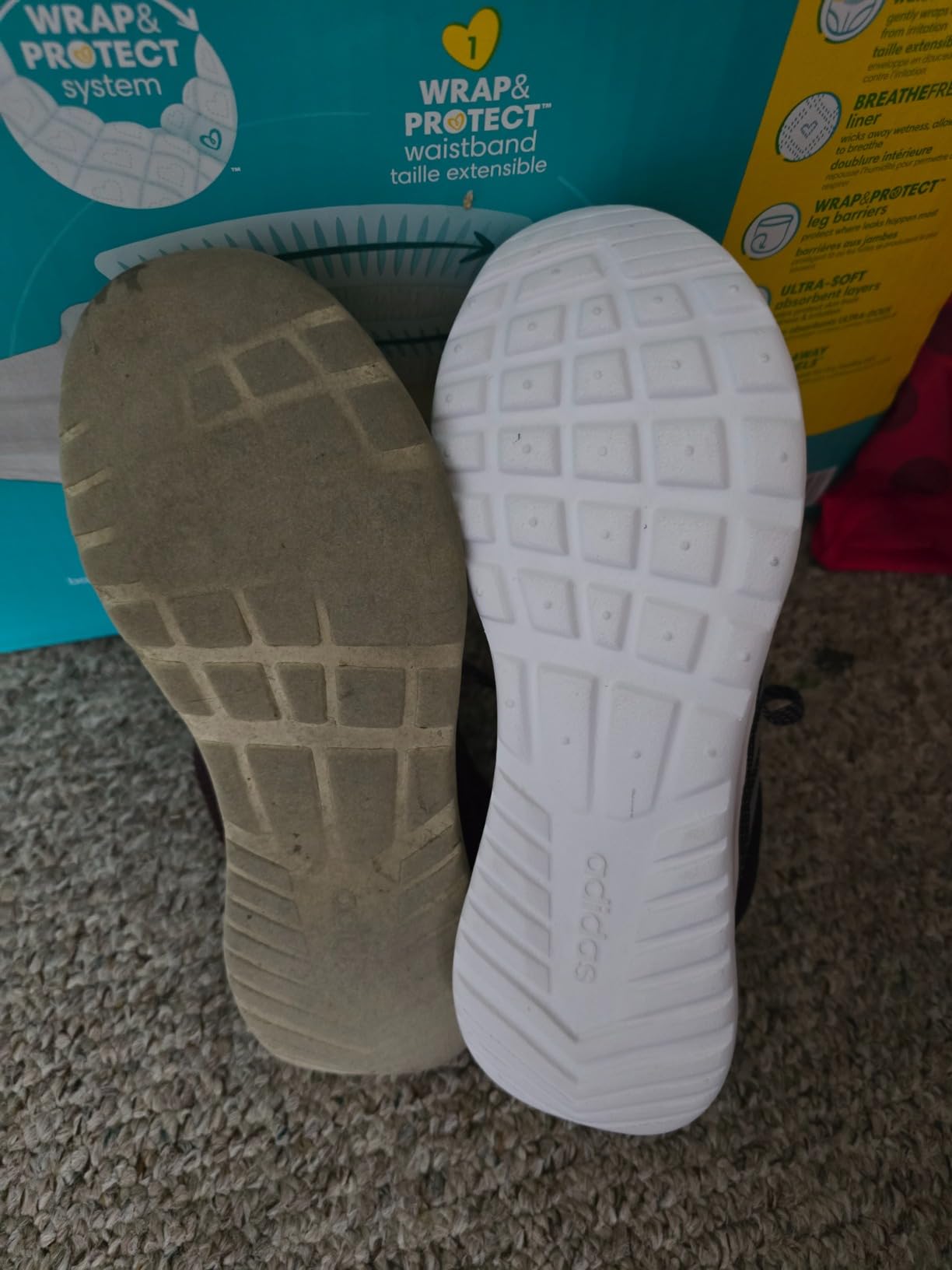
Adidas markets Cloudfoam as this ultra-plush, walking-on-clouds experience, and I’d push back on that characterization. The cushioning is firm-to-moderate — not pillow-soft, not stiff. Think “quality everyday athletic shoe” rather than “memory foam marshmallow.”
For the kind of extended wear I do — standing in checkout lines, walking around the grocery store for 45 minutes, doing a 2-hour school event on hard floors — this firmness actually works in the shoe’s favor. Overly soft foam tends to compress and bottom out after a few hours, leaving you with less support than when you started. The Cloudfoam holds its shape better under sustained pressure, which translated to consistent support through 8-hour days during my testing.
That said, if you’re expecting that bounce-back, “energy return” sensation you get from Adidas Ultraboost or a dedicated running shoe, you won’t find it here. The Cloudfoam Pure is positioned as a lifestyle shoe, and it delivers exactly that — steady, comfortable underfoot feel without the premium performance tech that drives up the price.
One thing worth noting from the community data: at heavy daily use (think 12-hour shift every day for months), the foam does begin to compress noticeably around the 6-month mark. For casual wearers, that’s not a concern. For intensive daily use, plan for replacement within 6–9 months rather than expecting a 2-year lifespan.
Performance Testing: The Real-Life Gauntlet
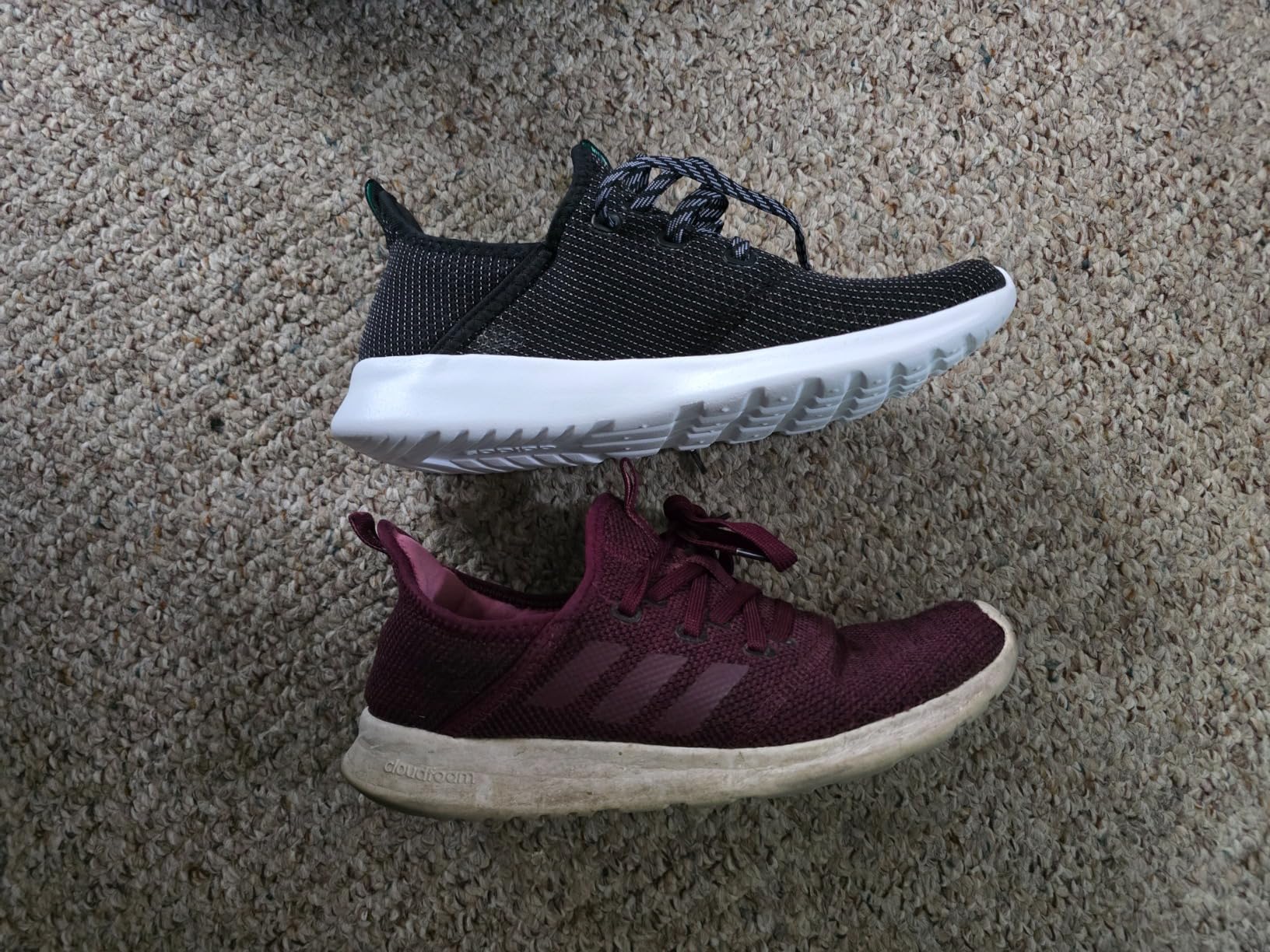
Healthcare & Service Workers
The shoe’s reputation in healthcare circles is well-earned. My neighbor Jessica is a nurse — 12-hour shifts, hard floors, constant movement — and she’s been wearing her Cloudfoam Pures for just over three months when I asked about them. Her verdict: “My feet don’t hurt at the end of the day, and they’re so light I literally forget I’m wearing shoes sometimes.” She’d tried more expensive options, including Brooks Glycerin, and still came back to these for daily shifts.
A waitress friend who recommended them first had the same experience — miles of walking per shift with none of the usual end-of-day foot ache. For service workers specifically, the lightweight design paired with that firm, consistent cushioning seems to hit the right combination.
The tradeoff: the mesh upper has a finite lifespan under that kind of daily stress. About 30% of reviewers with intensive use report mesh showing wear or small tears around 6 months. If you’re logging 12-hour shifts five days a week, budget for a replacement pair every 6–9 months rather than 1–2 years.
Mom Life: School Runs, Errands, and Everything In Between
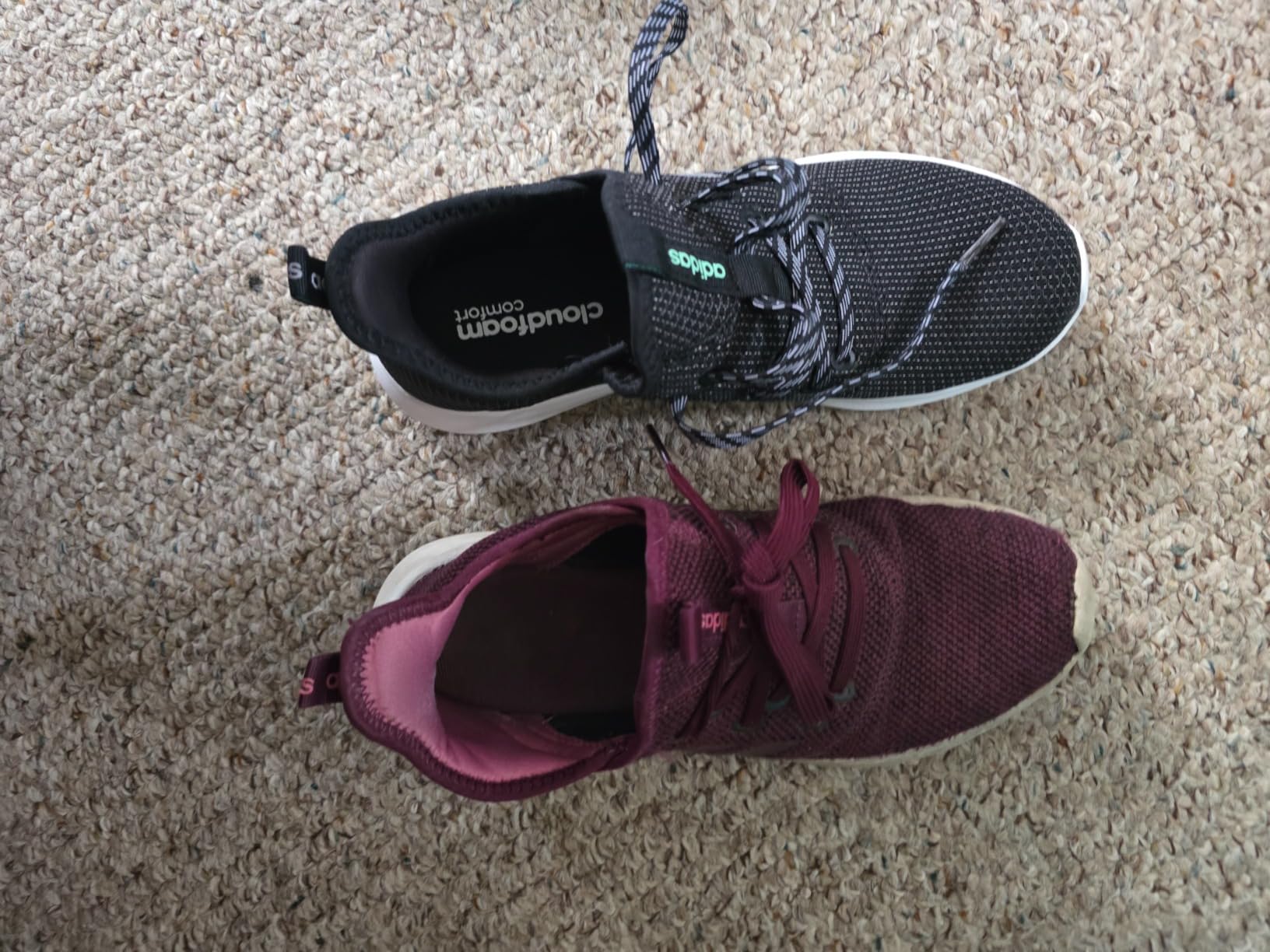
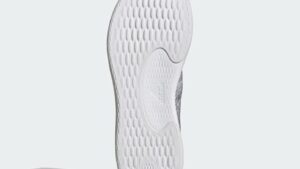
For the scattered, multi-surface nature of mom life, these hold up well. The rubber outsole handles wet Houston parking lots without slipping, stays quiet on school hallway linoleum, and deals fine with playground mulch and grass. I never had a moment where I felt unsteady or was second-guessing the traction underfoot.
Breathability in Texas heat: adequate. Not exceptional — on a 95°F afternoon doing back-to-back errands, I noticed some warmth building up by hour three. But for air-conditioned environments and moderate outdoor use, the mesh upper keeps things comfortable. This isn’t a four-season shoe; below 50°F it’ll feel cold quickly, and it offers zero insulation.
One genuine limitation worth knowing upfront: if you frequently walk through puddles or get caught in heavy rain, these will soak through. The mesh is water-resistant in the same way a cotton t-shirt is water-resistant — which is to say, not really. Light drizzle is fine. Anything heavier, your socks are getting wet.
Extended Walking: 2-Mile Walks and a Disney Test
I took these on several neighborhood walks in the 2–3 mile range, and they held up without complaint. But the real extended test was Disney World — four days, an estimated 15,000–20,000 steps daily across concrete, cobblestone, and various theme park surfaces.
My feet were tired at the end of each day, as they would be in any shoe after 8+ hours of walking. What I didn’t have was the specific foot pain I usually associate with the wrong shoe: no arch ache, no hotspots, no heel soreness. These are genuinely capable casual walking shoes up to moderate distances, and Disney validated that at the high end of what “moderate” means.
They’re not running shoes. Don’t let the “Running Shoe” label on some retailers confuse you — this is a lifestyle sneaker comfortable for walking, not a training tool for anything high-impact.
What Adidas Says vs. What Actually Happens
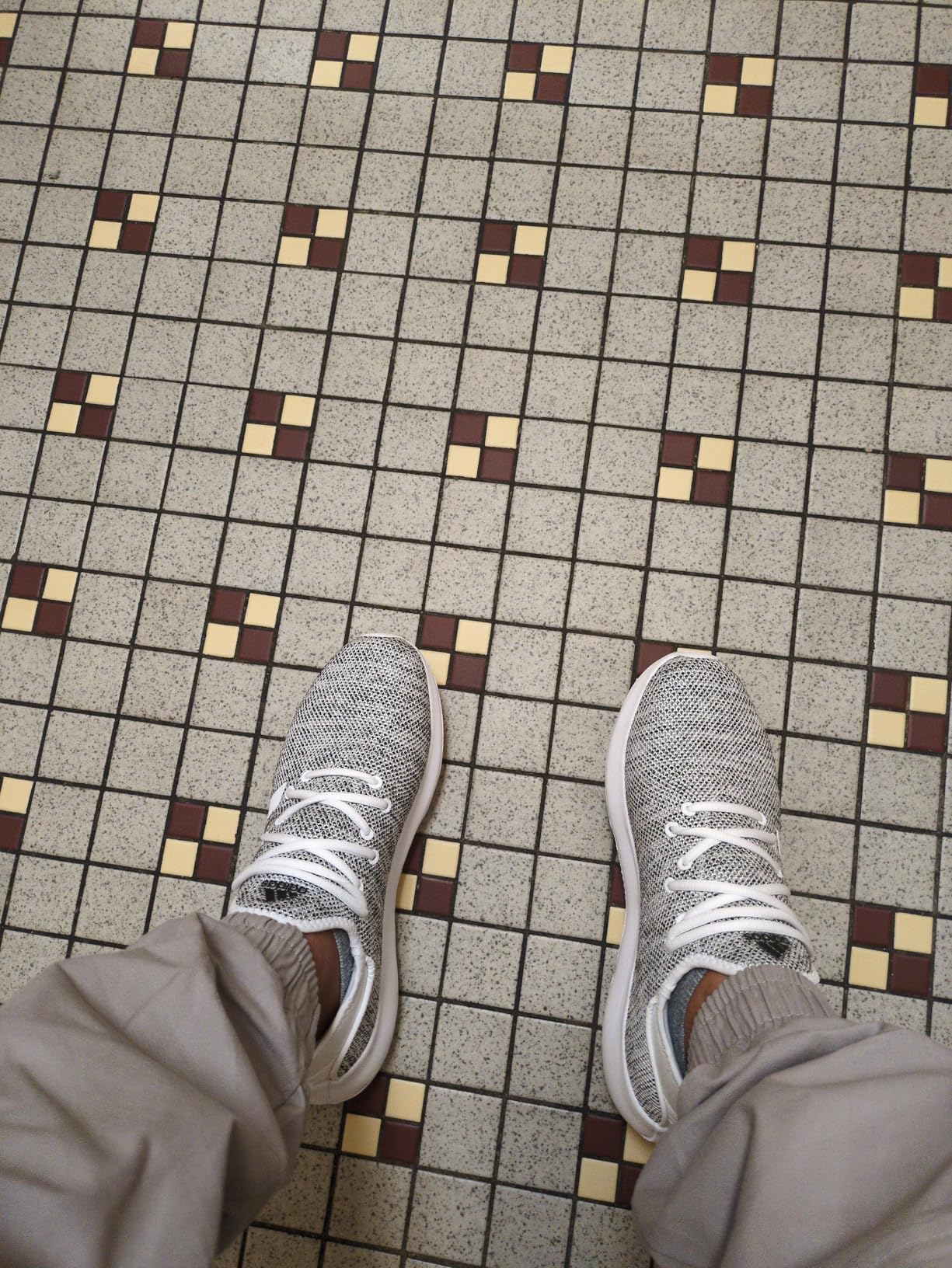
Claim: “Keep your feet feeling good all day long”
Reality: Mostly accurate for typical daily wear. I wore these through 10+ hour days without significant discomfort. The caveat: “all day” assumes normal lifestyle use, not medical-grade foot conditions. Plantar fasciitis, high arches, or overpronation issues won’t be solved by Cloudfoam cushioning — this shoe provides limited arch support, and the insoles are sewn in (not removable), so you can’t drop in custom orthotics.
Claim: “Step-in comfort and superior cushioning”
Reality: Half right. Step-in comfort is genuinely poor — the 45-second entry experience with a snug opening and ineffective heel tab directly contradicts this claim. Once on, the cushioning is solid: reliable, appropriate for its category. “Superior” oversells it. I’d call it “quality everyday cushioning.”
Claim: “Outstanding grip”
Reality: Adequate, not outstanding. On dry surfaces and light rain, the rubber outsole does its job well — no slipping on playground equipment, wet sidewalks from a drizzle, or grocery store floors. On genuinely wet surfaces (puddles, waterlogged pavement), traction becomes unreliable. Don’t count on these for rainy commutes.
Claim: “Adjustable laces provide a secure fit”
Reality: This one’s just misleading. The laces are elastic decorations. They cannot be meaningfully tightened or adjusted. Fit comes entirely from the slip-on construction of the upper — the laces are there for visual symmetry, not function.
Fit and Sizing: What You Need to Know
True to size for most people. I ordered my usual size 8 and it was spot-on in length. Width is the nuance: the design runs slightly narrow, so if you have wide feet, size up a half. The mesh does have some give, but it’s not a wide-fit shoe in any meaningful sense.
No break-in required — these are comfortable immediately out of the box, which makes them a low-risk purchase.
The insole situation deserves a direct callout: the sockliner is sewn in. It cannot be removed. If you rely on custom orthotics or aftermarket insoles for arch support, these shoes won’t accommodate that. This is a common point of confusion because some retailer descriptions incorrectly list the insole as removable — it is not, confirmed through firsthand testing.
Machine washing: confirmed safe. Cold water, gentle cycle, air dry. I’ve run mine through twice with no warping, color loss, or structural damage. A genuine convenience advantage for busy households.
Durability and How Long to Expect These to Last
For casual daily wear — school pickups, errands, weekend outings — expect 1–2 years before noticeable degradation. The mesh upper is the most vulnerable component: sharp edges and rough surfaces can cause small tears over time.
At intensive daily use (8+ hours, 5+ days a week), the Cloudfoam itself begins to lose its responsiveness around the 6-month mark. That’s not a product defect; it’s just the reality of an EVA midsole at this price point. Heavier users will hit this ceiling faster than lighter-weight wearers.
Cost math: $45 ÷ 18 months (casual use) = $2.50/month. Even at $45 ÷ 6 months (intensive use) = $7.50/month, it’s competitive against similarly priced alternatives with shorter lifespans.
Performance Scores
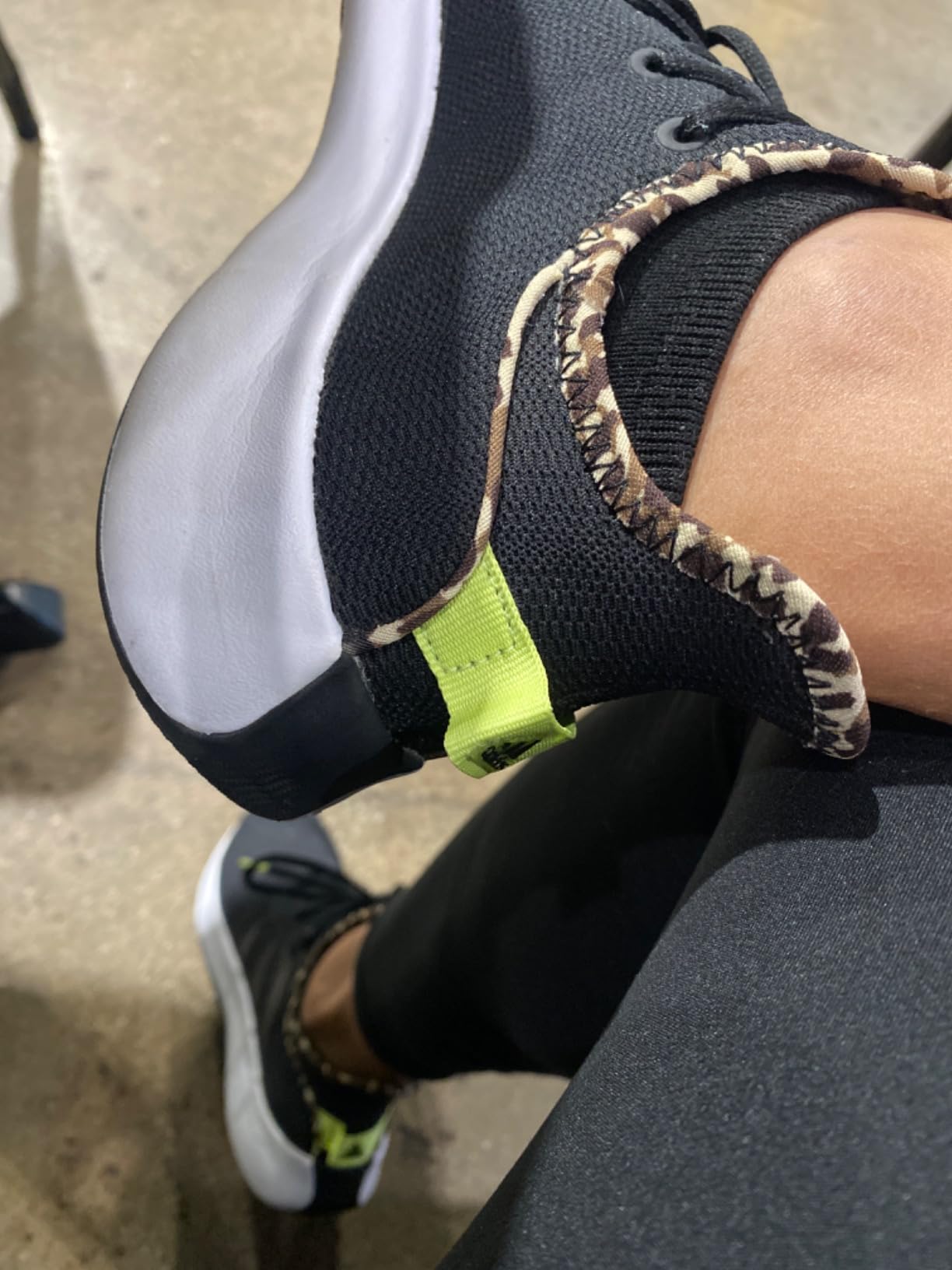
| Category | Score | Notes |
|---|---|---|
| All-Day Comfort | 8.5/10 | Consistent support through 8–10 hour days; firmer than marketed but better for extended wear |
| Ease of Use | 5.0/10 | 45-second entry time; shoehorn required; misleading lace design |
| Style & Versatility | 8.0/10 | Clean minimal look; 28+ colorways; works with most casual outfits |
| Build Quality | 7.0/10 | Solid for price point; mesh is the weak link under intensive use |
| Value for Money | 8.5/10 | $2.50/month at casual use rate; competitive vs. $80+ lifestyle alternatives |
| Athletic Performance | 6.0/10 | Good for walking and standing; not designed for running or high-impact activities |
| OVERALL | 7.2/10 | Very Good — excellent lifestyle shoe for its intended use case, with one significant design flaw |
Who Should (and Shouldn’t) Buy These
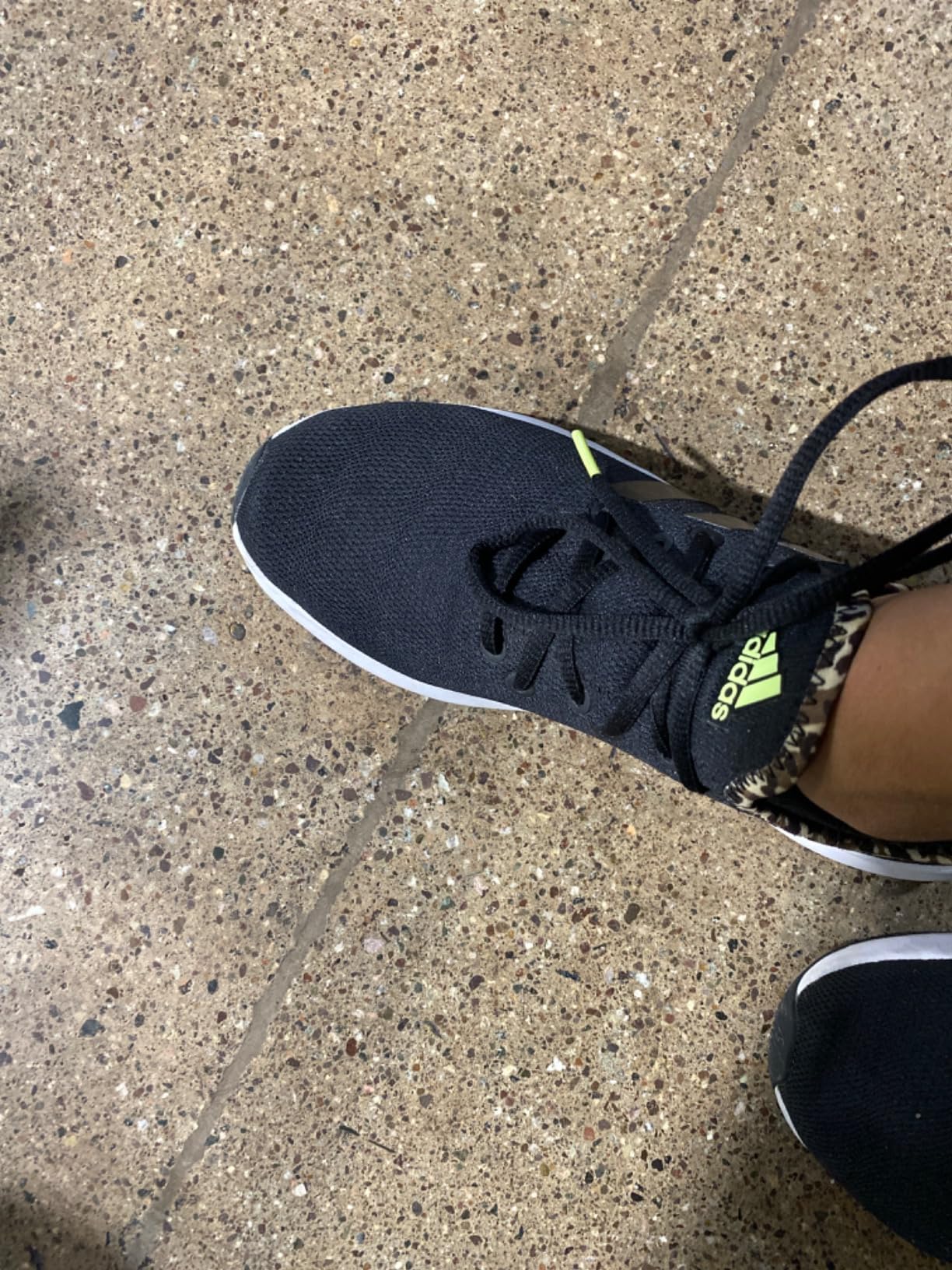
These work well for:
- Healthcare workers and service industry professionals who need all-day comfort on a budget
- Busy moms who want one versatile casual sneaker for mixed daily activities
- Anyone looking for comfortable walking shoes for moderate distances (up to 10–15 miles, tested)
- People who spend most of their time indoors or in dry climates
- Stylish casual sneaker seekers under $50 — the 28+ colorways include something for most wardrobes
- Households that need machine-washable footwear
Skip these if you:
- Need to put shoes on and off quickly — the 45-second entry is a real issue without a shoehorn
- Require custom orthotics or significant arch support — insoles are sewn in and can’t be replaced
- Have plantar fasciitis, high arches, or overpronation — this shoe won’t address those needs
- Plan to use them for running or lateral movement sports — they’re not built for it
- Have wide feet and don’t want to size up — the design runs narrow
- Live somewhere with frequent heavy rain — zero water resistance is a real limitation
Better alternatives for specific needs:
If all-day arch support is your priority, ASICS Gel-Cumulus or the Brooks Glycerin StealthFit are better fits. For an easier slip-on experience with more cushion, Skechers Summits is worth considering. If you want another Adidas option with actual running capability, look at the Adidas Run Falcon 5 for a more athletic build. For dedicated running shoes, there are better options at every price point.
Frequently Asked Questions
Do these really run true to size?
For length, yes — I ordered my usual size 8 and the fit was accurate. The width is where you need to think: these run narrow. Standard to slightly narrow feet will feel fine. Wide feet should go up a half size. Don’t order a half size up for length unless you have wide feet — you’ll end up with too much room.
How long does it actually take to put them on?
About 45 seconds without any help, maybe 15 with a shoe horn. This is a genuine friction point — not something you adapt to so much as something you manage. Keep a shoehorn by your door and it stops being a daily frustration.
Can you adjust the laces to change the fit?
No. The laces are elastic and purely decorative. Fit comes from the slip-on construction, not lace tension. If the fit is wrong, laces can’t fix it — sizing is your only option. Some people replace the laces with flat shoelaces for a cleaner look when fully loosened.
Are the insoles removable?
No — and this is important if you use orthotics. The sockliner is sewn in and can’t be pulled out. Some retailers incorrectly list these as having removable insoles; they don’t. If you need to add custom arch support, these shoes won’t work for you.
How do they hold up on a 12-hour shift?
Well, based on three months of data from my nurse neighbor Jessica: feet don’t hurt at the end of the shift, and the lightweight design (8.2 oz) reduces cumulative fatigue compared to heavier options she’d tried. The mesh does wear faster under that kind of daily intensity — expect 6–9 months of service at that pace.
Are they actually waterproof?
Not at all. The synthetic mesh will soak through in light to moderate rain. For drizzles and quick parking lot sprints, you’ll be fine. Standing in puddles or getting caught in a real downpour means wet socks. These are a dry-weather or indoor shoe.
Are they safe to machine wash?
Yes — I’ve done it twice with no issues. Cold water, gentle cycle, air dry (skip the dryer). They came out looking almost new both times. Just don’t use hot water or toss them in a dryer — heat degrades the adhesives and foam.
How long will they realistically last?
For casual use — a few hours a day, a few days a week — expect 12–18 months before you notice significant cushioning decline or mesh wear. For intensive daily use (8+ hours every day), plan for 6–9 months. The foam compression timeline is the limiting factor for heavy users; the mesh is the limiting factor for people who do a lot of off-pavement walking.
Final Verdict
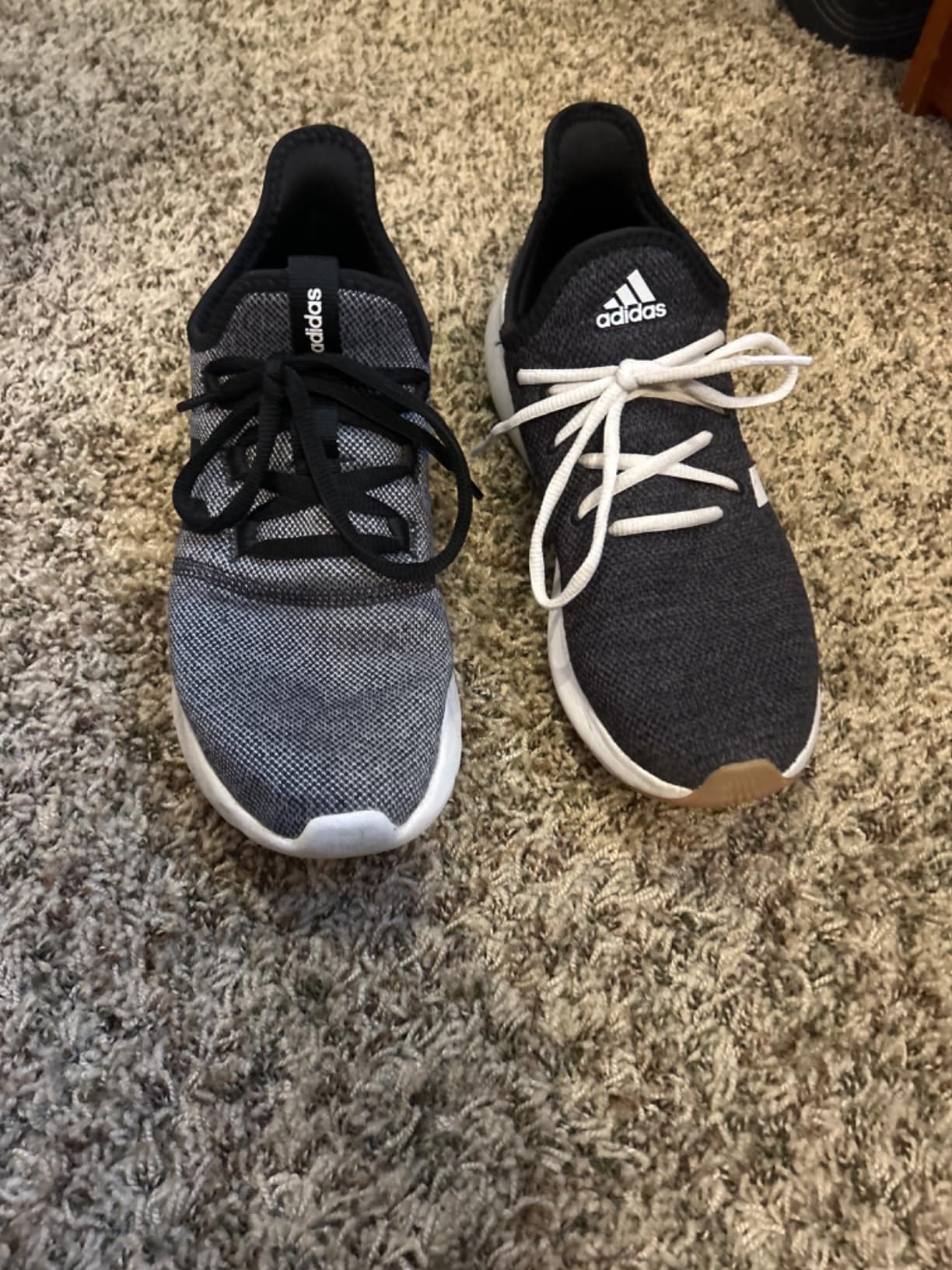
Six weeks in, and these have become my default “grab on the way out the door” shoe — which is genuinely high praise given the entry friction. The shoehorn lives by the front door now, and that small accommodation has made the Cloudfoam Pure a daily driver I’d actually recommend.
The 7.2/10 score reflects what this shoe is: an excellent lifestyle sneaker that excels within a specific scope (casual daily wear, extended standing, walking up to moderate distances) and struggles outside it (quick entry, arch support needs, wet conditions, running). The marketing overclaims, but the product itself delivers where it’s supposed to.
At $45, you’re getting ~8.5/10 all-day comfort, machine washability, and a genuinely lightweight daily driver that healthcare workers recommend after months of actual shift use. That’s a lot of value for sub-$50.
Just buy a shoehorn at the same time. Trust me.
Scoring Summary
| Category | Score | Key Finding |
|---|---|---|
| All-Day Comfort | 8.5/10 | Firm cushioning works better for extended wear than soft foam; 8-hour days validated |
| Ease of Use | 5.0/10 | 45-second entry, ineffective heel tab, decorative-only laces — shoehorn required |
| Style & Versatility | 8.0/10 | Clean minimal look; 28+ colorways; pairs with most casual outfits |
| Build Quality | 7.0/10 | Solid construction for price; mesh tearing risk at 6+ months intensive use |
| Value for Money | 8.5/10 | $2.50/month casual use; machine washable adds lasting value |
| Athletic Performance | 6.0/10 | Walking up to ~15 miles across Disney: passed. Running/high-impact: not designed for it |
| FINAL SCORE | 7.2/10 | Very Good — excellent at its intended job; get a shoehorn, skip if you need orthotics or quick entry |
Be the first to review “adidas Women’s Cloudfoam Pure Sneaker”
Related products
Running Shoes
Running Shoes
Running Shoes
Running Shoes
Running Shoes

Running Shoes
Running Shoes
Reviews
There are no reviews yet.