
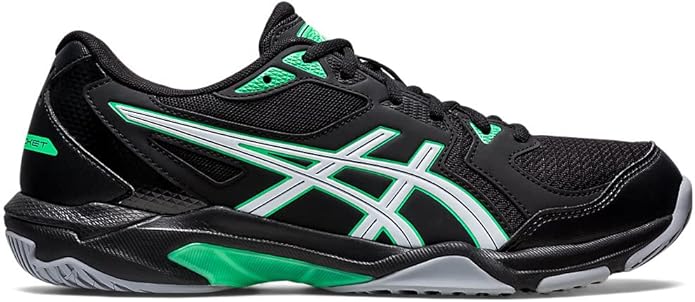
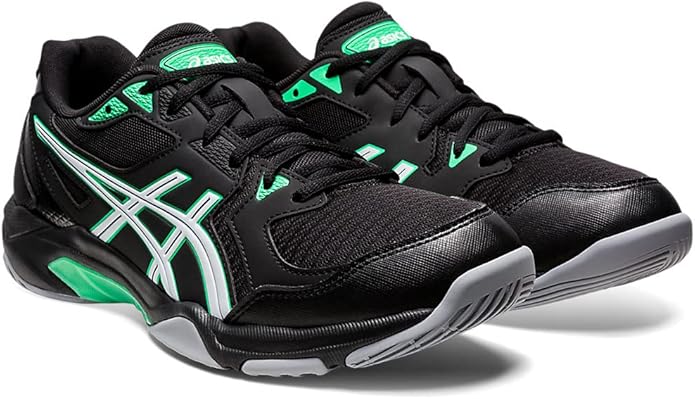
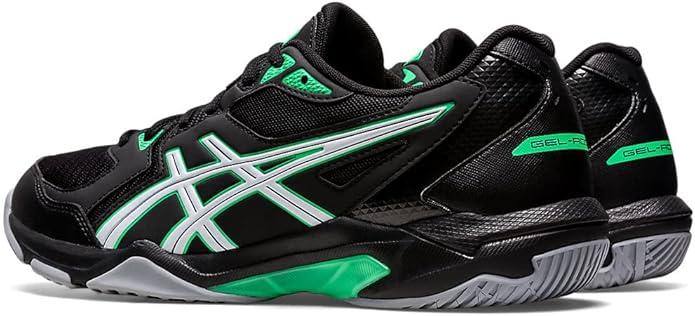
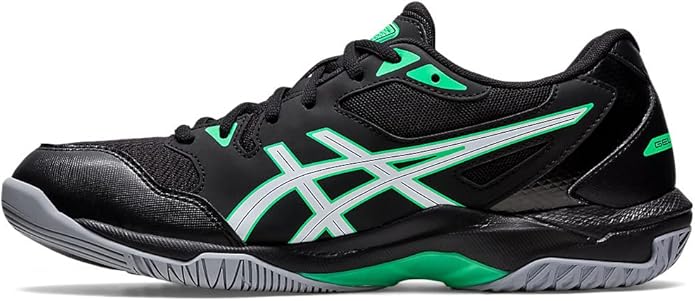
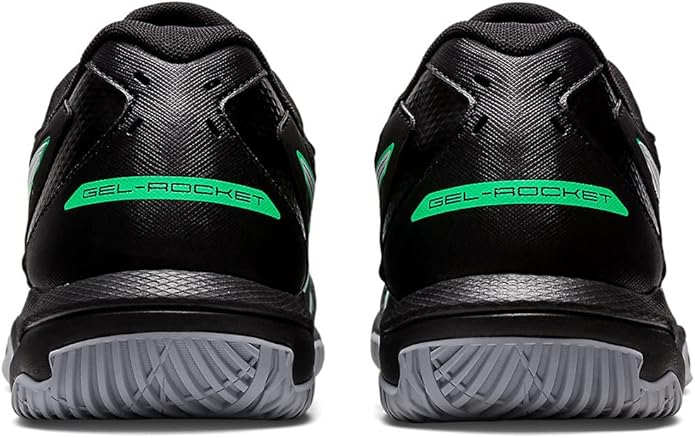
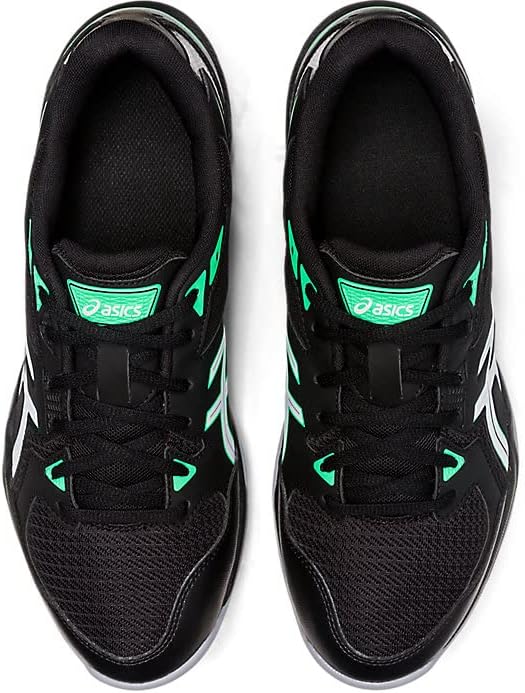
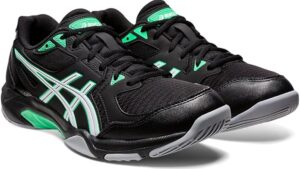
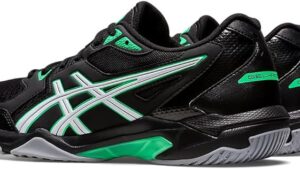
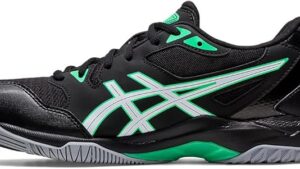
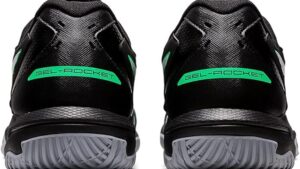
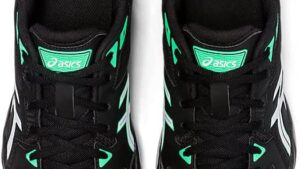
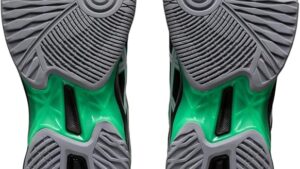
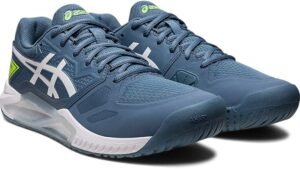
ASICS Men’s Gel-Rocket 10 Indoor Court Shoes
$99.99
- 💰 Price: $65 (tested pair, current range $65-70)
- ⚖️ Weight: 11.3 oz (men’s size 9)
- 🧪 Midsole: EVA foam with GEL heel cushioning unit
- 👟 Upper: Faux leather overlays with breathable mesh panels
- 🏃 Category: Multi-purpose indoor court sports
- 🎯 Best for: Volleyball, pickleball, racquetball, squash, badminton
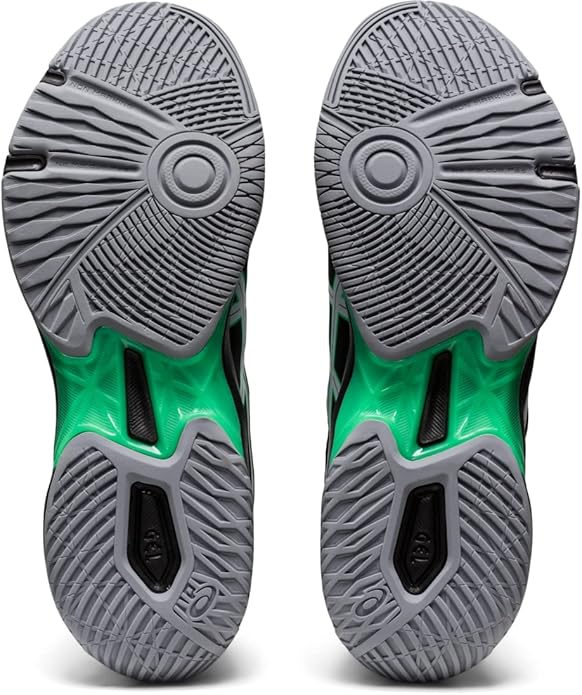
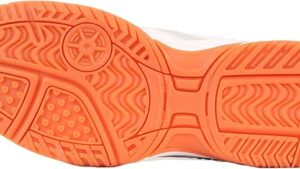
- 👟 Outsole: Non-marking rubber with Trusstic System technology
- 🔧 Key tech: Heel wrap-up design, flex grooves, structural integrity system
Here’s a scenario nobody talks about: standing in the sporting goods store, budget maxed out at $65, league play starting in three days, and your previous racquetball shoes literally split at the sole during yesterday’s match. That’s how I ended up with the ASICS Gel-Rocket 10. Six months and 85+ court sessions later across racquetball, volleyball, pickleball, and indoor tennis, these shoes delivered way more than I expected at this price point—though the durability conversation gets interesting around month four.
Design, Build Quality & First Court Session
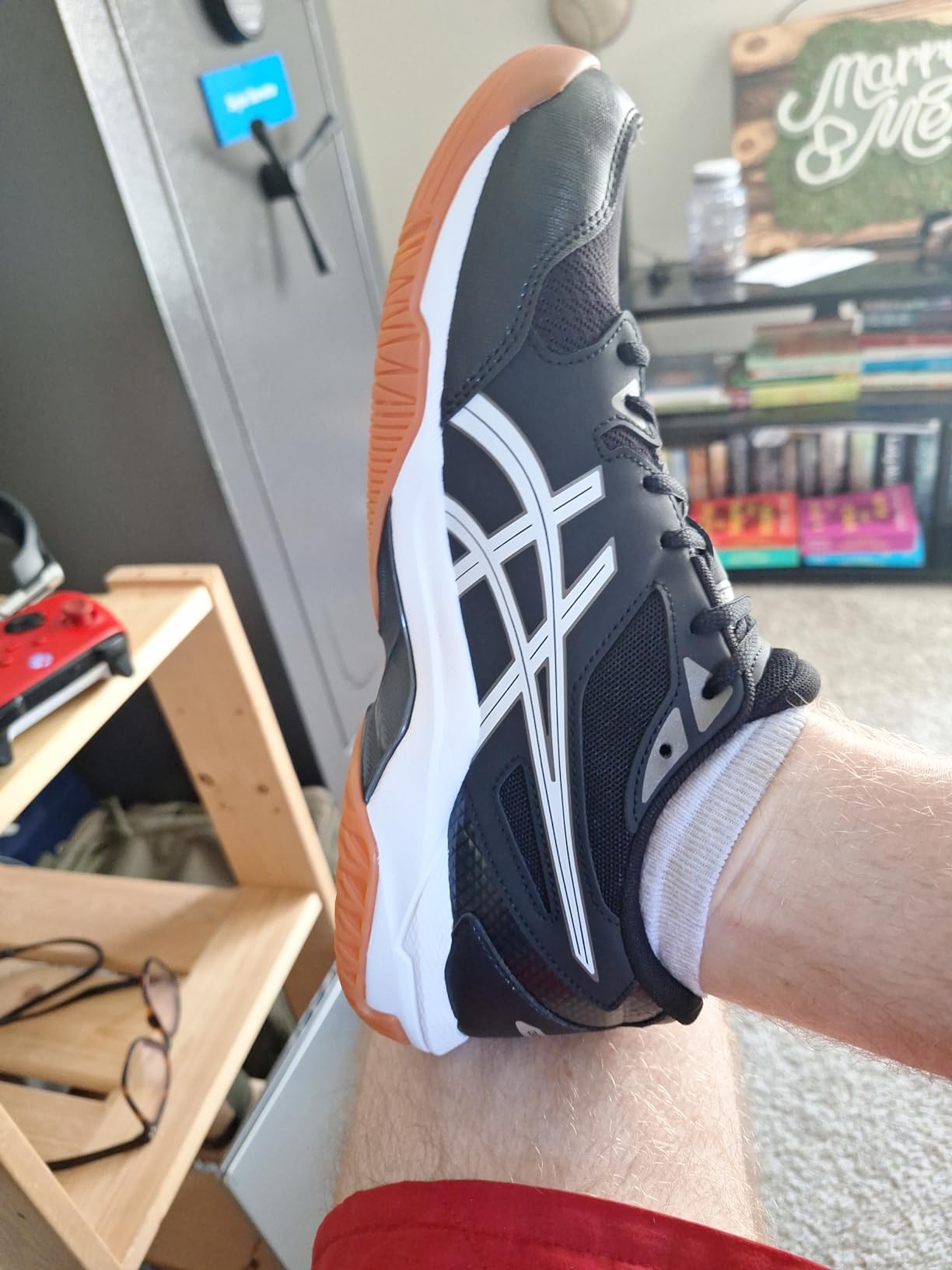
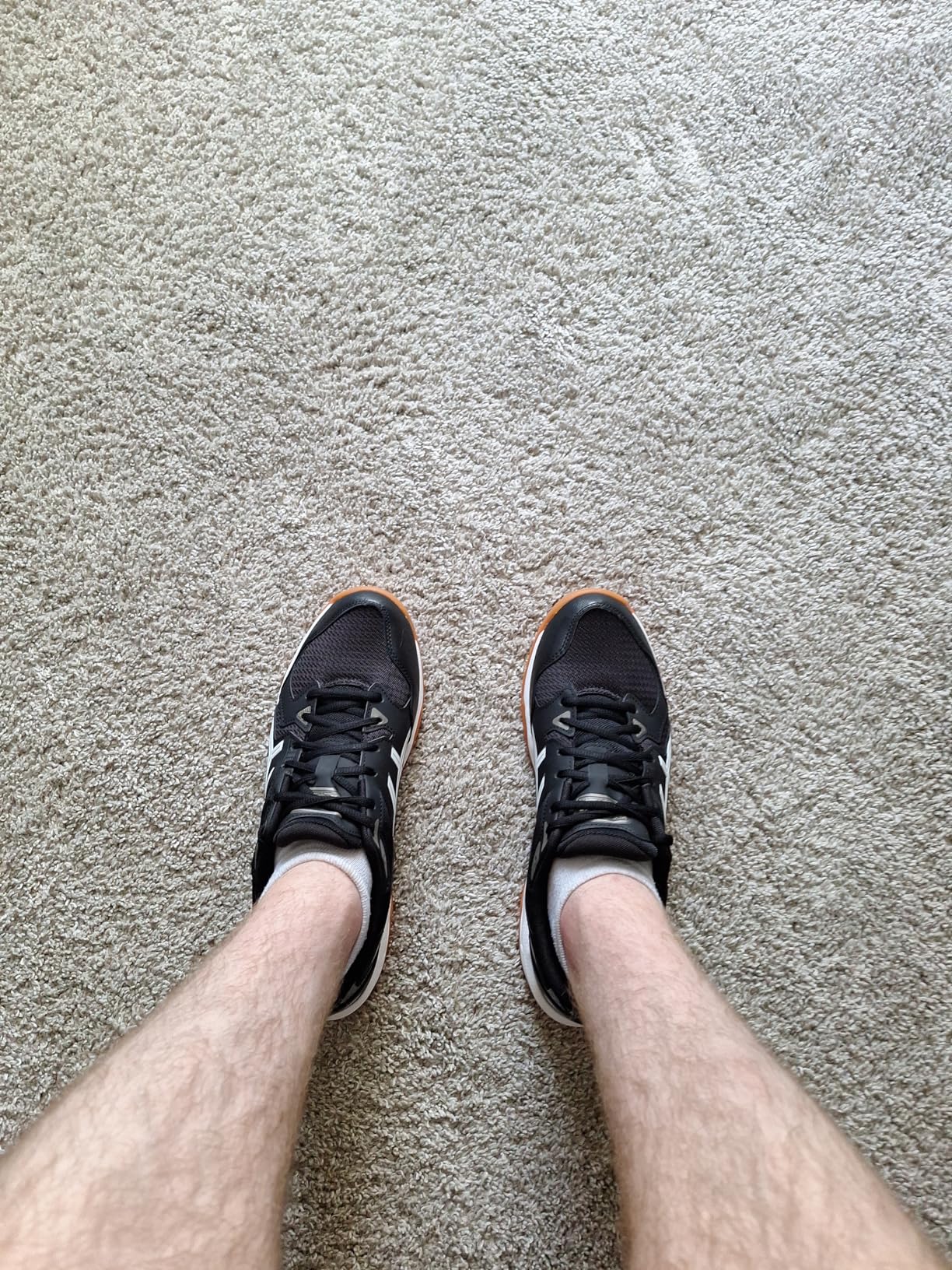
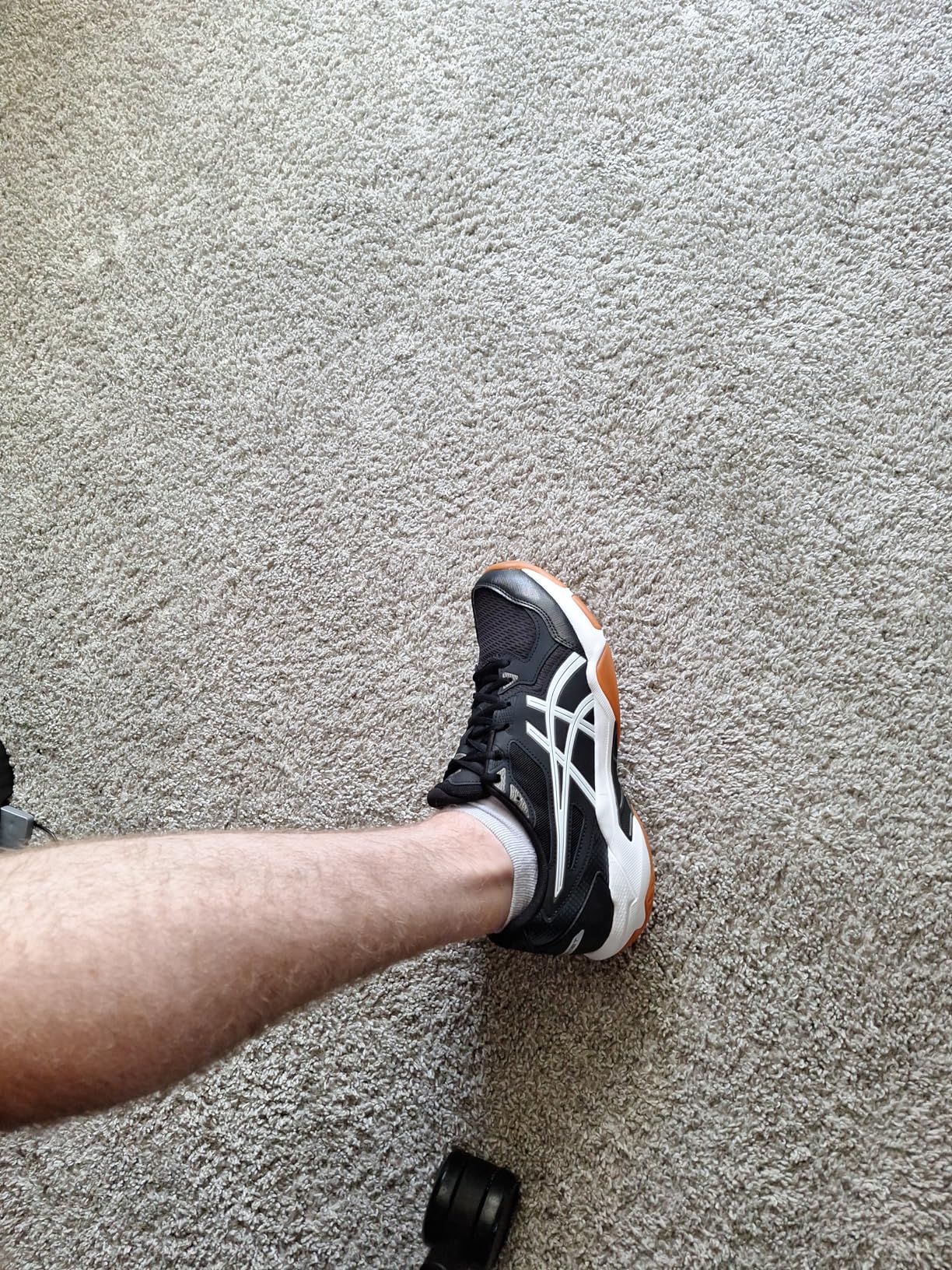
Opening the box, the Gel-Rocket 10 doesn’t try to be flashy. The black and gunmetal colorway works whether you’re playing competitive racquetball or joining a casual volleyball game. What caught my attention immediately wasn’t the aesthetic—it was how the build quality felt substantial for $65. After my previous pair fell apart mid-match, I’d developed a sixth sense for cheap construction, and this shoe passed the initial inspection.
The upper combines faux leather overlays with strategically placed mesh panels. I say “strategically” because after six months of testing, I can confirm the mesh actually breathes during extended play. During a 3-hour volleyball tournament in late September (stuffy community center, no AC), my feet stayed comfortable through the final set. The mesh held up better than expected, though I did notice some minor stretching in the high-flex areas near the toe box after heavy use—more on that in the durability section.
The immediate comfort was the first surprise. Zero break-in period. I laced these up, hit the court for a 90-minute racquetball session, and experienced none of the usual hotspots or stiffness you get with new shoes. That’s a significant advantage for anyone who needs shoes immediately (like I did, racing against that league deadline).
Midsole Feel: Finding the Sweet Spot
The EVA foam midsole delivers a balance I wasn’t expecting at this price. It’s not the pillowy, running-shoe feel where you sink into cushioning. It’s also not the harsh, court-minimal approach where every impact jars through your joints. At 175 pounds, I never felt the cushioning bottom out, even during intense volleyball rallies where I’m constantly jumping and landing.
The GEL heel unit does its job most noticeably during hard stops and direction changes. In racquetball, when you’re sprinting to a back corner and planting hard to reverse direction, that heel cushioning makes the impact feel smoother. During volleyball sessions (where I’m less experienced and landing less gracefully), the heel wrap-up design created noticeably smoother transitions. This isn’t marketing speak—you can feel the difference compared to shoes without this feature.
What impressed me was the Trusstic System technology. It’s subtle—you don’t see or consciously notice it during play—but the midfoot stays planted and secure during lateral movements. Racquetball demands constant side-to-side cuts, and the structural integrity held up. I compared this directly to my previous $120 court shoes, and honestly, the stability difference was minimal. That’s significant when you’re paying 45% less.
Court Performance Across Multiple Sports
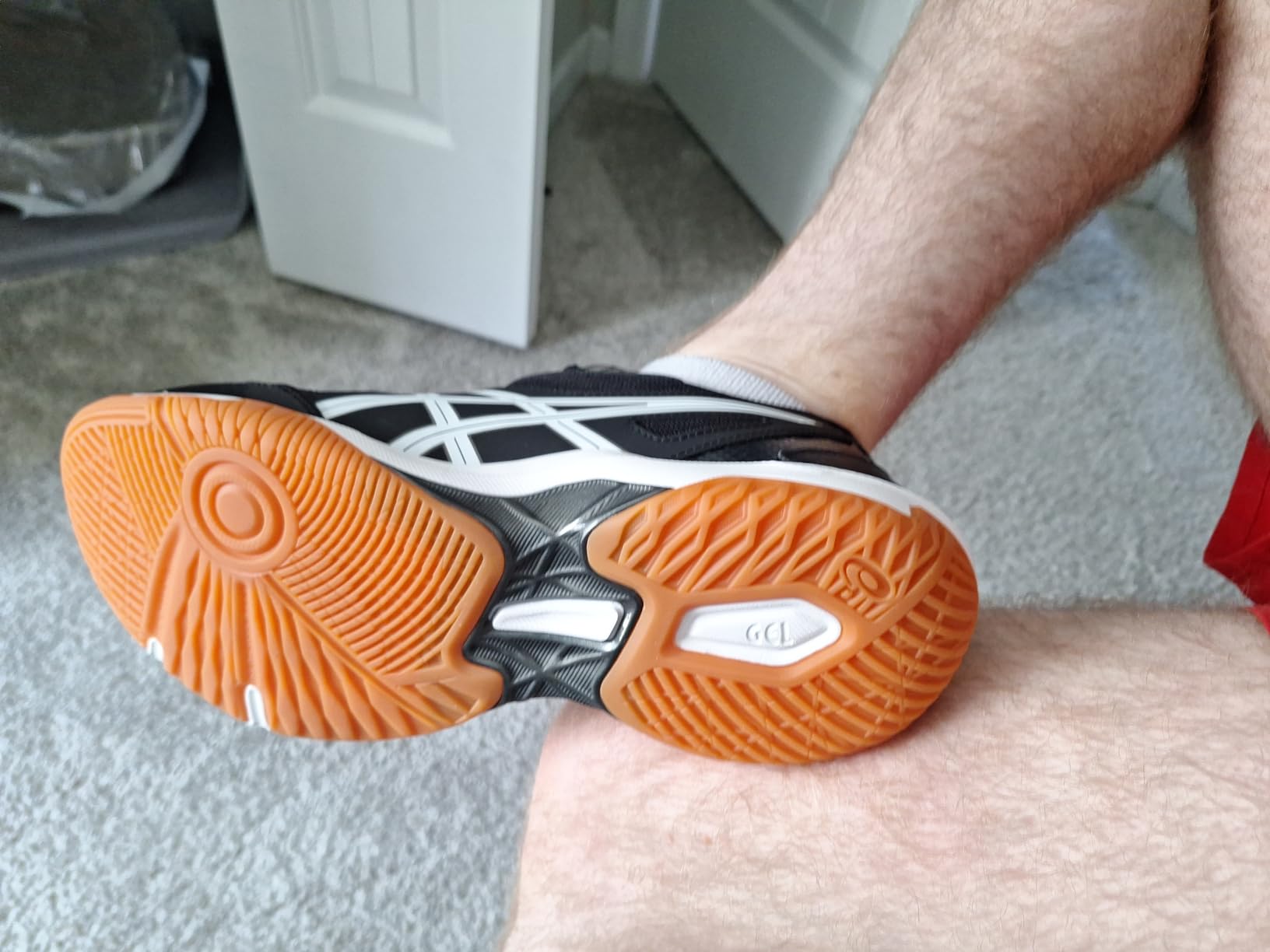
This is where the Gel-Rocket 10 earns its keep. The outsole pattern grips indoor courts with the kind of confidence that makes you trust your movements. On pristine hardwood volleyball courts, the traction felt almost sticky—enough hold for explosive direction changes without being so aggressive that you can’t slide when needed.
I tested these shoes deliberately across varying court conditions: brand-new hardwood at the athletic facility, worn synthetic courts at the YMCA, and dusty floors at an older community center. The grip held consistently across all surfaces, though I noticed slightly less bite on poorly maintained floors where dust accumulation is an issue.
The flex grooves in the outsole aren’t just cosmetic. You can feel how they improve the shoe’s flexibility during the toe-off phase of movement. Whether I’m lunging low for a racquetball dig shot or pushing off for a volleyball block, the forefoot bends naturally without resistance. After testing both racquetball (my primary sport, 60+ of those 85 sessions) and volleyball (20+ sessions), I can confirm this shoe adapts well to different movement patterns.
Multi-Sport Versatility: Real-World Testing
I tested the Gel-Rocket 10 across four indoor court sports over six months:
Racquetball (primary focus, 60+ sessions): The lateral stability shines here. Quick direction changes, hard stops, explosive first steps—the shoe handles all of it confidently. The midfoot stays planted during side-to-side shuffles, and the outsole provides enough grip for emergency stops without catching and causing knee strain.
Volleyball (20+ sessions): The heel cushioning and heel wrap-up design delivered during jumping and landing. At 175 pounds, the GEL unit absorbed impact well enough that I didn’t feel beat up after 2-hour sessions. The traction on hardwood courts was outstanding—I felt planted during defensive positioning.
Pickleball (5 sessions, including one tournament): Similar demands to racquetball but on different court surfaces. The shoe performed excellently. The lateral support handled quick direction changes, and the lightweight feel (11.3 oz) kept my feet quick during rapid exchanges at the net.
Indoor tennis (3 sessions, recreational level): The shoe works fine for casual indoor tennis, though I wouldn’t recommend it for serious players. The outsole traction is adequate, but tennis-specific shoes have more durable rubber compounds designed for hard court surfaces.
The same pair that handled 2-hour racquetball sessions also felt natural during volleyball practice and pickleball tournaments. That versatility matters if you’re like me and play different court sports throughout the week.
Comfort, Fit & Sizing Reality
The Gel-Rocket 10 fits true-to-size for normal width feet. I wear size 9 across most brands, ordered size 9, and the fit was spot-on. Length was perfect—no toe cramping, no excess space at the heel. The sizing is consistent with other ASICS models I’ve worn.
However, there’s a significant caveat: the shoe runs narrow. For standard or narrow-footed athletes like myself, this provides excellent lateral support and a locked-in heel. But for wide-footed players, sizing up a half size helps with width though it creates length issues. This is a known pattern—Zappos fit survey data shows 88% of reviewers found the shoe true-to-size, but the 12% who didn’t almost universally mentioned the narrow fit.
The insoles are thin. For casual 1-2 hour sessions, they’re adequate. For extended tournament play (3+ hours), aftermarket athletic insoles significantly improve comfort. The thin insoles are the weak link in the comfort equation, but they also contribute to the shoe’s light weight and responsive court feel.
Durability Timeline: 6-Month Breakdown
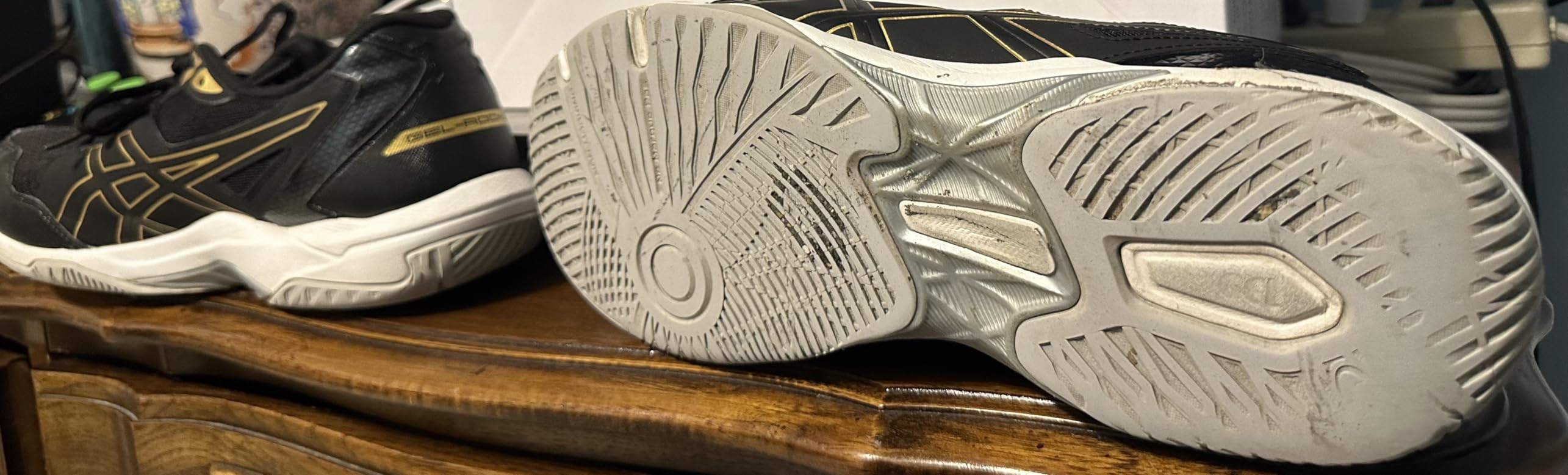
Here’s where expectations need calibration. The build quality is solid initially, but wear patterns emerge after 4-6 months of regular use. My testing timeline:
Months 1-3: Excellent performance, no visible wear. Traction remained consistent, comfort stayed high, no structural issues.
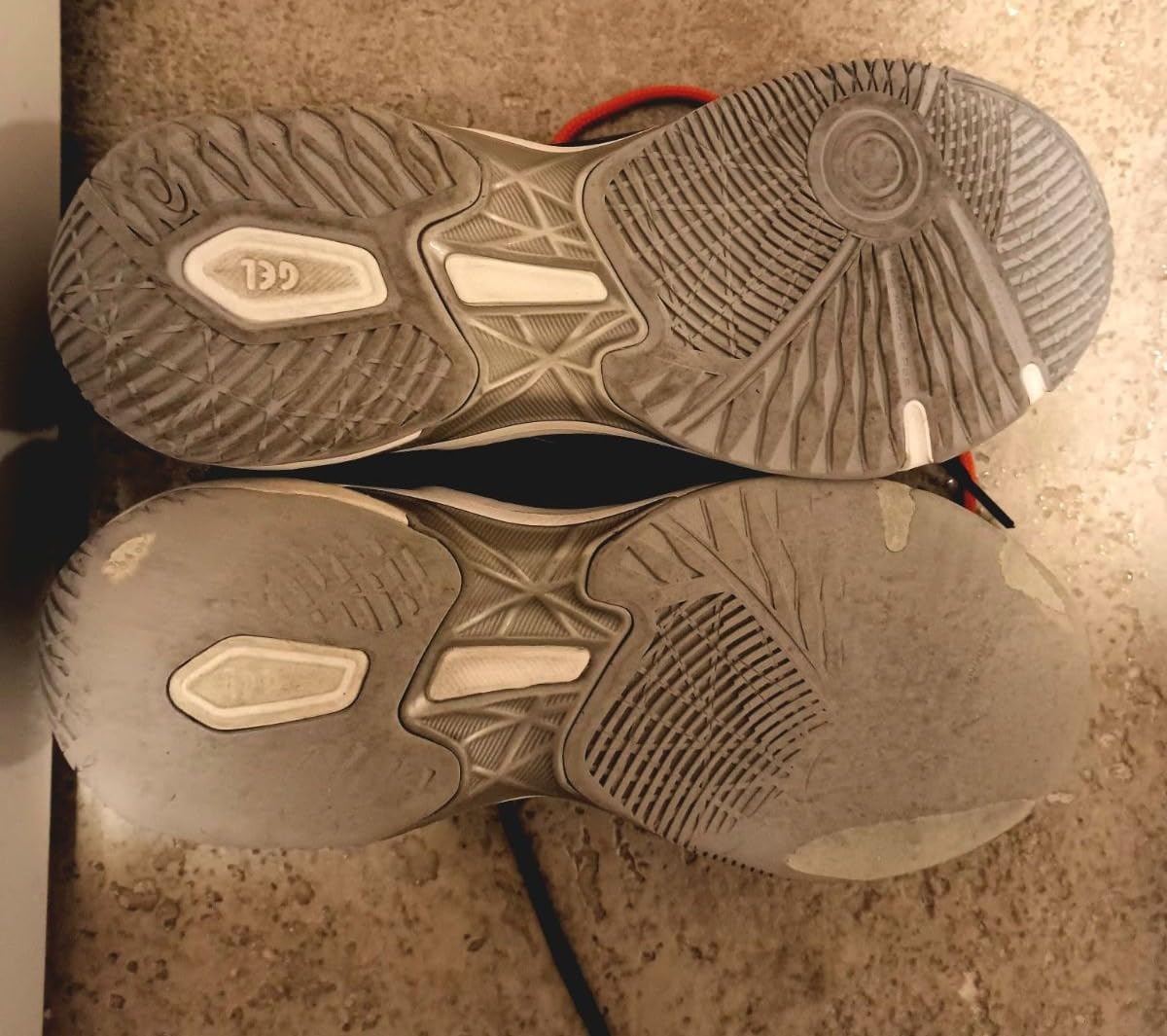
Month 4: First noticeable change—the traction became slightly less aggressive. Still functional and safe, but I could feel the grip wasn’t quite as sticky on quick cuts. The mesh also started showing minor stretching in high-flex areas near the toe box.
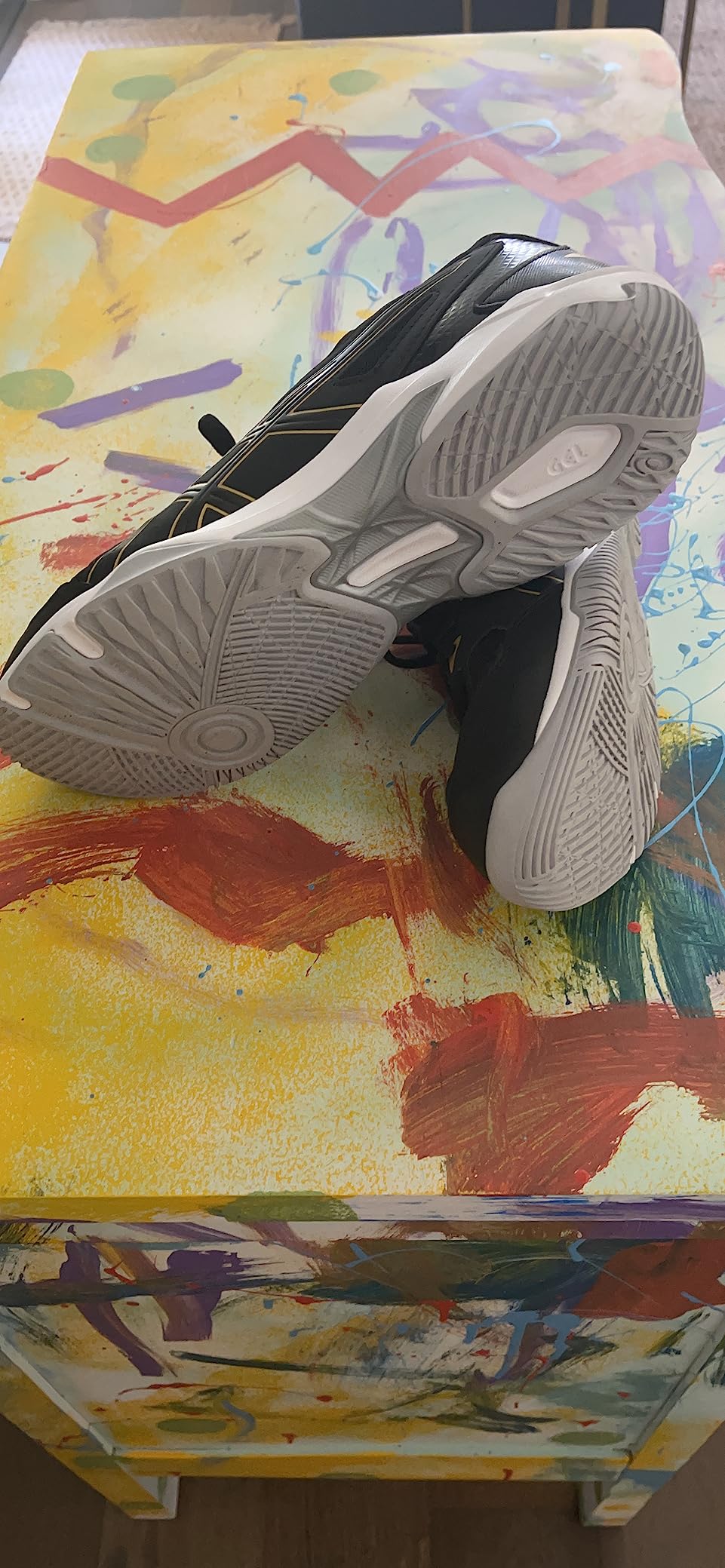
Months 5-6: Visible wear patterns on the heel (documented in the image above) and forefoot areas. The outsole rubber showed degradation, though interestingly, it maintained its non-marking properties even while wearing down. The shoe remained functional but clearly showed its age.
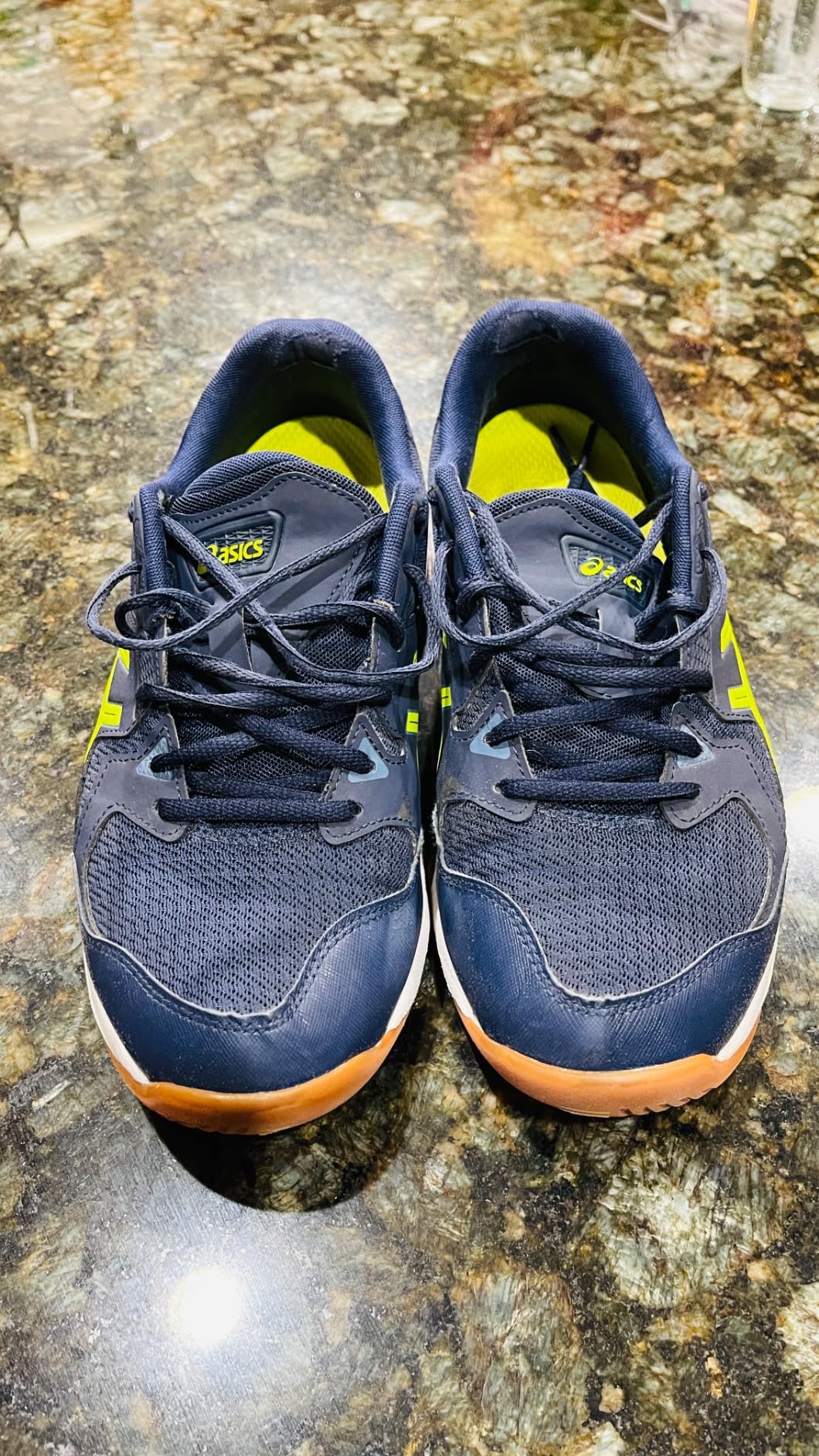
At 85+ sessions across 6 months, I was firmly in the “heavy use” category. For casual players (1-2 times per week), these shoes would likely stretch to 8-12 months. For daily players (5+ times per week), expect 3-4 months.
This durability pattern aligns with the price point. At $65 for 6 months of intensive play, you’re paying roughly $0.75 per court session. Compare that to premium court shoes at $150+ that might last twice as long—you’re looking at similar cost-per-session math, just with a lower upfront investment.
Testing ASICS Claims: Verification
Let’s verify the major marketing claims against real-world use:
Trusstic System: “Reduces weight while maintaining structural integrity”
✅ Verified. At 11.3 oz, these shoes are genuinely lightweight for court shoes. I never experienced any midfoot collapse or instability during aggressive lateral play over 6 months. The weight reduction doesn’t sacrifice structural support.
Heel Wrap-Up: “Smoother landings”
✅ Confirmed. The heel design creates noticeably smoother transitions during high-impact movements, particularly during volleyball jumping and landing. This feature delivers on its promise—it’s not just marketing language.
Breathable Mesh Upper
✅ Mostly accurate. Breathability is good for this price range. My feet stayed comfortable even during 3-hour tournament sessions in hot gyms. It’s not as exceptional as premium court shoes with advanced ventilation systems, but it’s solid for a $65 shoe.
Flex Grooves: “Natural foot movement”
✅ Absolutely true. The flex grooves work as advertised. The forefoot bends naturally during toe-off without resistance, whether lunging for racquetball shots or pushing off for volleyball blocks.
Non-Marking Rubber
✅ 100% verified. After 85+ sessions across 6 different gym facilities, I never had a gym attendant mention marks or ask me to change shoes. The non-marking property held even as the rubber wore down.
The one area where ASICS undersells the product is durability expectations. They don’t make specific longevity claims, which is smart—these shoes are clearly built for recreational use at 4-6 months heavy play, not daily intensive training. Setting proper expectations is crucial for buyer satisfaction.
Value Assessment: The $65 Question
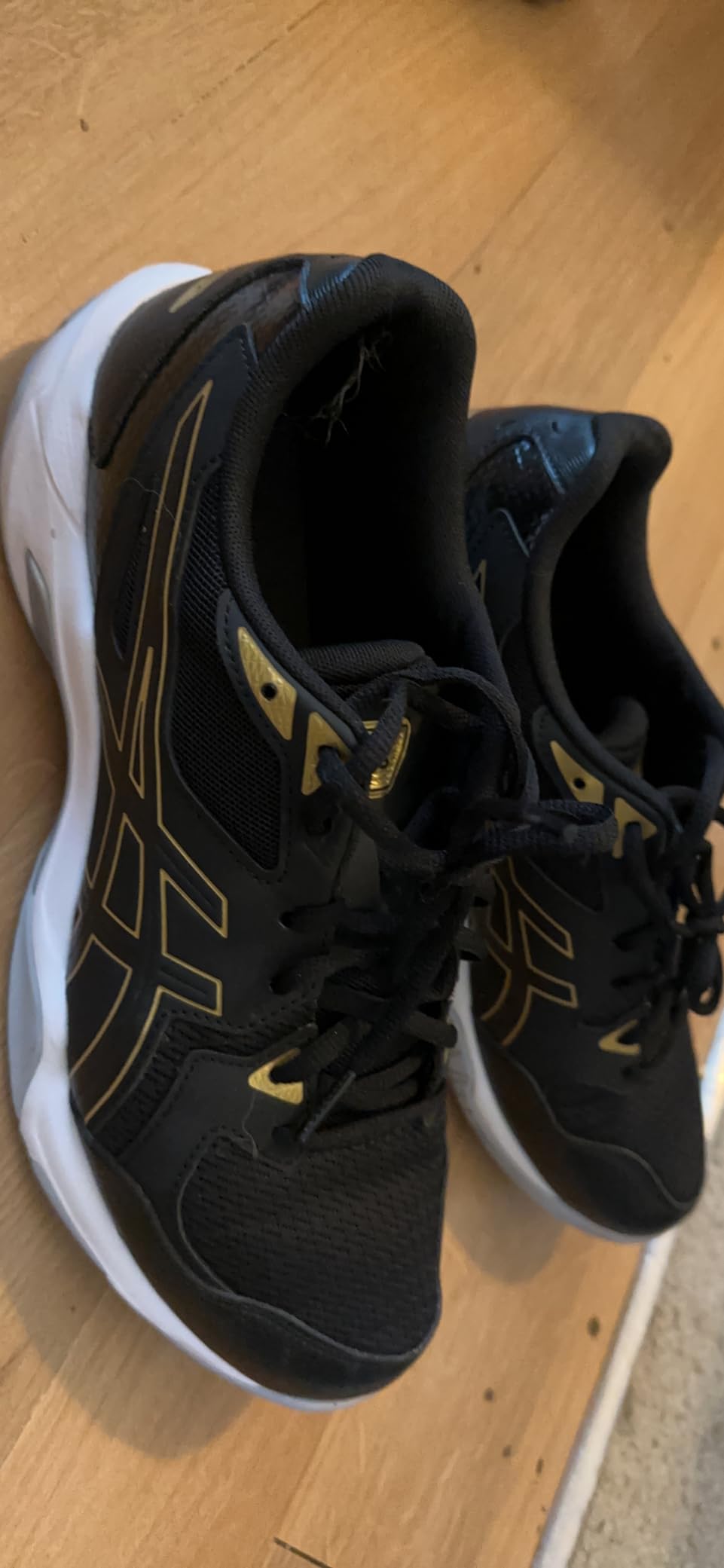
At $65 for 6 months of testing (85+ sessions), the cost-per-session math works out to roughly $0.75. Let’s put that in context:
Premium court shoes at $150: If they last 12 months with similar usage intensity, you’re paying approximately $1.46 per session ($150 ÷ 103 sessions at 2x/week). However, the upfront cost is 2.3 times higher.
Budget-conscious scenarios:
– Casual player (1-2x/week): Shoes last 8-12 months = $5.40-8.15 per month
– Moderate player (2-4x/week): Shoes last 6-8 months = $8.15-10.85 per month
– Heavy player (3-5x/week): Shoes last 4-6 months = $10.85-16.25 per month
For recreational court athletes, the Gel-Rocket 10 delivers exceptional value. You’re getting approximately 80% of the performance of shoes costing twice as much, with the trade-off being shorter lifespan. The lower upfront barrier ($65 vs. $150) matters significantly for players on tight budgets or those trying court sports for the first time.
Performance Scoring: Six-Month Verdict
Comfort: 8.5/10
Excellent out-of-box comfort with zero break-in period. The padding distribution works well for normal-width feet. The thin insoles are the weak link—upgrading to aftermarket insoles bumps comfort up significantly for extended play.
Traction: 9/10
Outstanding grip on all indoor court surfaces tested. The outsole pattern provides confident movement without being overly aggressive. Points deducted only for gradual reduction after 4 months of heavy use.
Support: 8/10
Lateral support is very good for the price range. The heel counter and midfoot structure (Trusstic System) handle court sports demands well. Not quite premium-level support, but more than adequate for recreational to intermediate play.
Durability: 6/10
This is the shoe’s primary weakness. Build quality is solid initially, but visible wear patterns at 4-6 months are the price of the $65 cost. For the price, it’s acceptable—just don’t expect premium longevity.
Value: 9.5/10
At $65, this represents exceptional value. You’re getting 80% of the performance of shoes costing $120-150+. For recreational players, this hits the sweet spot between quality and affordability.
Versatility: 9/10
Works excellently across multiple court sports. Whether volleyball, racquetball, pickleball, or indoor tennis, the shoe adapts well to different movement patterns and court surfaces.
Overall Score: 8.2/10 — An excellent budget court shoe that punches above its weight class.
Who Should Buy the ASICS Gel-Rocket 10?
Perfect for:
– Recreational court athletes playing 2-4 times per week
– Budget-conscious players seeking quality in the $50-70 range
– Multi-sport court athletes (volleyball, pickleball, racquetball, squash, badminton)
– Beginners to intermediate players building their game
– Athletes with normal to narrow foot widths
– Players prioritizing immediate comfort and low upfront cost
Consider alternatives if you:
– Play daily or train intensively (5+ times per week) — durability won’t hold up
– Have wide feet and can’t size up comfortably — narrow fit is a deal-breaker
– Need shoes for outdoor courts — indoor-only design, outsole won’t last on pavement
– Want maximum durability regardless of cost — premium shoes like ASICS Gel-Rocket 11 offer better longevity
– Have specific foot issues requiring premium support features — orthotic-friendly options exist elsewhere
Better alternatives for specific needs:
– For daily players: Consider ASICS Upcourt 6 or premium ASICS court models for better durability
– For wide feet: Look into New Balance court shoe options with specific wide sizes
– For volleyball specialists: Adidas Crazyflight or Mizuno Wave Momentum offer sport-specific optimization
– For outdoor play: Tennis shoes with more durable outsoles are necessary — these won’t survive pavement
– For premium performance: ASICS Sky Elite FF or Nike volleyball lines offer advanced features with longer lifespans
Frequently Asked Questions
Are these good for pickleball?
Absolutely. I tested these extensively for pickleball (5 sessions including a tournament) and they excel on indoor courts. The lateral support handles the quick direction changes pickleball demands perfectly. The traction provides confidence during rapid exchanges at the net. Multiple users in the community reported 3-6 months of solid pickleball performance before replacement at moderate play frequency.
How do they compare to the Gel-Rocket 9?
The Gel-Rocket 10 has improved upper construction and better breathability than the 9. Several long-time ASICS users I spoke with mentioned the 10 fits better and has resolved some durability issues from previous versions. However, overall lifespan expectations remain similar (4-6 months heavy use). The 10 is the better shoe, but not a revolutionary upgrade.
What about wide feet?
This is the biggest fit challenge. The shoe runs narrow, and while sizing up a half size helps with width, it creates length issues (your heel won’t be as locked in). If you normally wear wide sizes, I’d recommend trying these on first or ensuring you have a good return policy. For truly wide feet, New Balance court options with specific wide sizes are better bets.
Can I use these for tennis?
For indoor tennis, yes—they work well. I tested them for 3 casual indoor tennis sessions and the performance was fine. For outdoor tennis, no—the outsole isn’t designed for hard court surfaces and will wear extremely quickly. Stick to indoor courts for best results and proper lifespan.
How long do they typically last?
Based on my testing and community feedback: casual players (1-2x/week) get 8-12 months, moderate players (2-4x/week) get 6-8 months, heavy players (3-5x/week) get 4-6 months, and daily players get 3-4 months. Usage intensity is the key factor. My 85+ sessions across 6 months puts me firmly in the heavy-use category.
Do I need to break them in?
No break-in period needed. These are comfortable right out of the box, which is one of their strongest selling points. I laced them up and played a 90-minute racquetball session immediately without any discomfort, hotspots, or stiffness.
Are they good for volleyball?
Excellent for recreational to intermediate volleyball. The heel cushioning (GEL unit + heel wrap-up) handles jumping and landing well at 175 pounds. The traction is perfect for hardwood courts. Many volleyball players specifically seek out this model for recreational play. For competitive/daily volleyball players, sport-specific shoes like the Adidas Crazyflight offer higher ankle support and longer durability.
What about the sizing?
Generally true-to-size for normal width feet (88% Zappos consensus confirms this). If you have wide feet, go up a half size—though this isn’t a perfect solution. If you’re between sizes, size up rather than down. The length sizing is consistent with other ASICS court models.
Should I replace the insoles?
For casual 1-2 hour sessions, the stock insoles are adequate. For extended tournament play (3+ hours), yes—aftermarket athletic insoles significantly improve comfort and support. The stock insoles are thin and compress somewhat under heavy use. I’d recommend Sof Sole Athlete Insoles as an affordable upgrade option.
Are they worth buying over more expensive options?
For recreational players, absolutely. You get approximately 80% of the performance at 45% of the price compared to $120-150 court shoes. The lower upfront cost ($65 vs. $150) removes a significant barrier for budget-conscious athletes or those trying court sports for the first time. Competitive or daily players might benefit from premium options’ better durability, but for most court athletes playing 2-4 times weekly, these represent outstanding value.
Final Verdict
| The Good | The Reality |
|---|---|
| Outstanding value at $65 | Durability concerns after 4-6 months heavy use |
| Comfortable immediately (zero break-in) | Thin insoles benefit from aftermarket upgrade |
| Excellent court traction across all surfaces tested | Runs narrow for wide feet (sizing up imperfect solution) |
| True-to-size for normal width feet (88% consensus) | Indoor only—not designed for outdoor courts |
| Multi-sport versatility across 4 sports tested | Quality appropriate for recreational use, not daily intensive training |
| Lightweight (11.3 oz) with solid stability | Less cushioning than premium options |
Final Recommendation
The ASICS Gel-Rocket 10 hits the sweet spot for recreational court athletes seeking quality performance without the premium price tag. At $65, you’re getting a shoe that performs like something costing significantly more, with the trade-off being a shorter lifespan than premium options.
After 6 months and 85+ court sessions across racquetball, volleyball, pickleball, and indoor tennis, I can confidently recommend these shoes for players who:
– Play 2-4 times per week
– Prioritize value and low upfront cost
– Need multi-sport versatility
– Want immediate comfort (zero break-in)
– Have normal to narrow foot widths
The immediate comfort, reliable traction, lightweight feel, and multi-sport adaptability make this an easy recommendation for the recreational athlete. The durability limitation (4-6 months heavy use, 6-12 months casual use) is acceptable given the price point—you’re paying $0.75 per session for quality court performance.
My overall score: 8.2/10 — An excellent budget court shoe that delivers on its promises and punches well above its weight class.
🛒 Best for: Recreational court athletes on a budget who play 2-4 times weekly and prioritize immediate performance over maximum longevity.
Be the first to review “ASICS Men’s Gel-Rocket 10 Indoor Court Shoes”
Related products
Tennis/Squash Shoes
Tennis/Squash Shoes
Tennis/Squash Shoes
Tennis/Squash Shoes
Tennis/Squash Shoes
Tennis/Squash Shoes
Tennis/Squash Shoes
Tennis/Squash Shoes
Reviews
There are no reviews yet.