
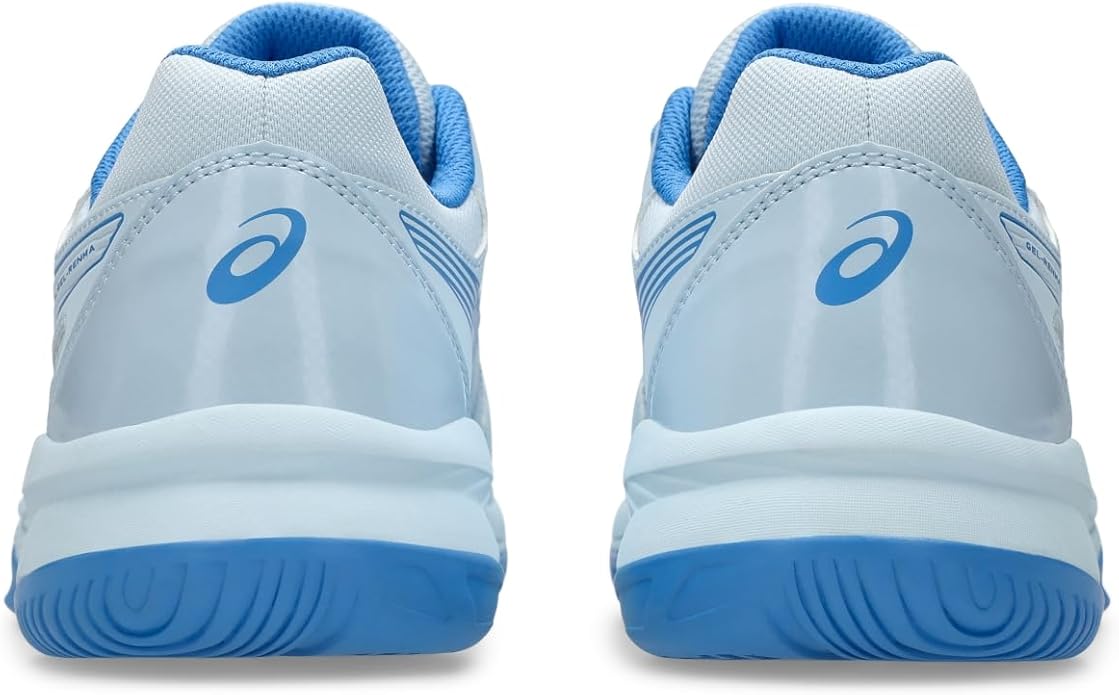
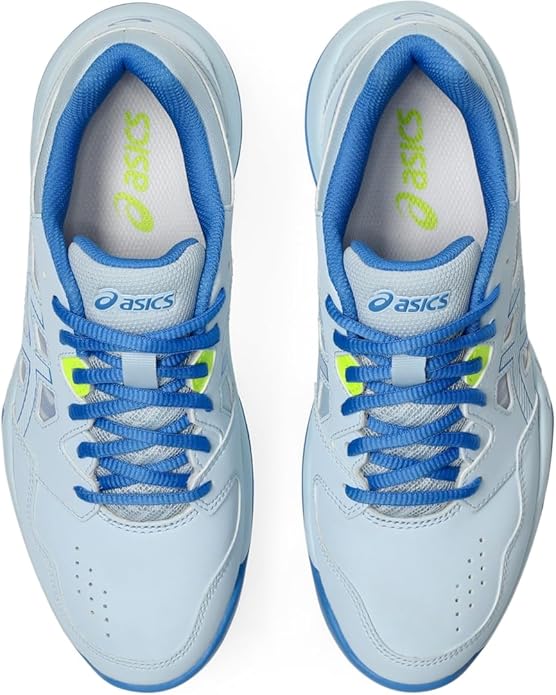
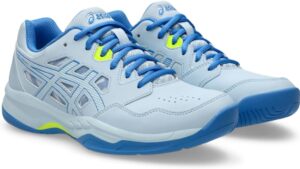
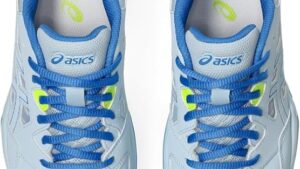
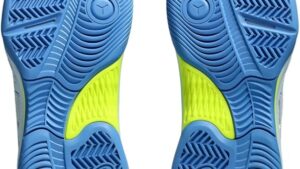
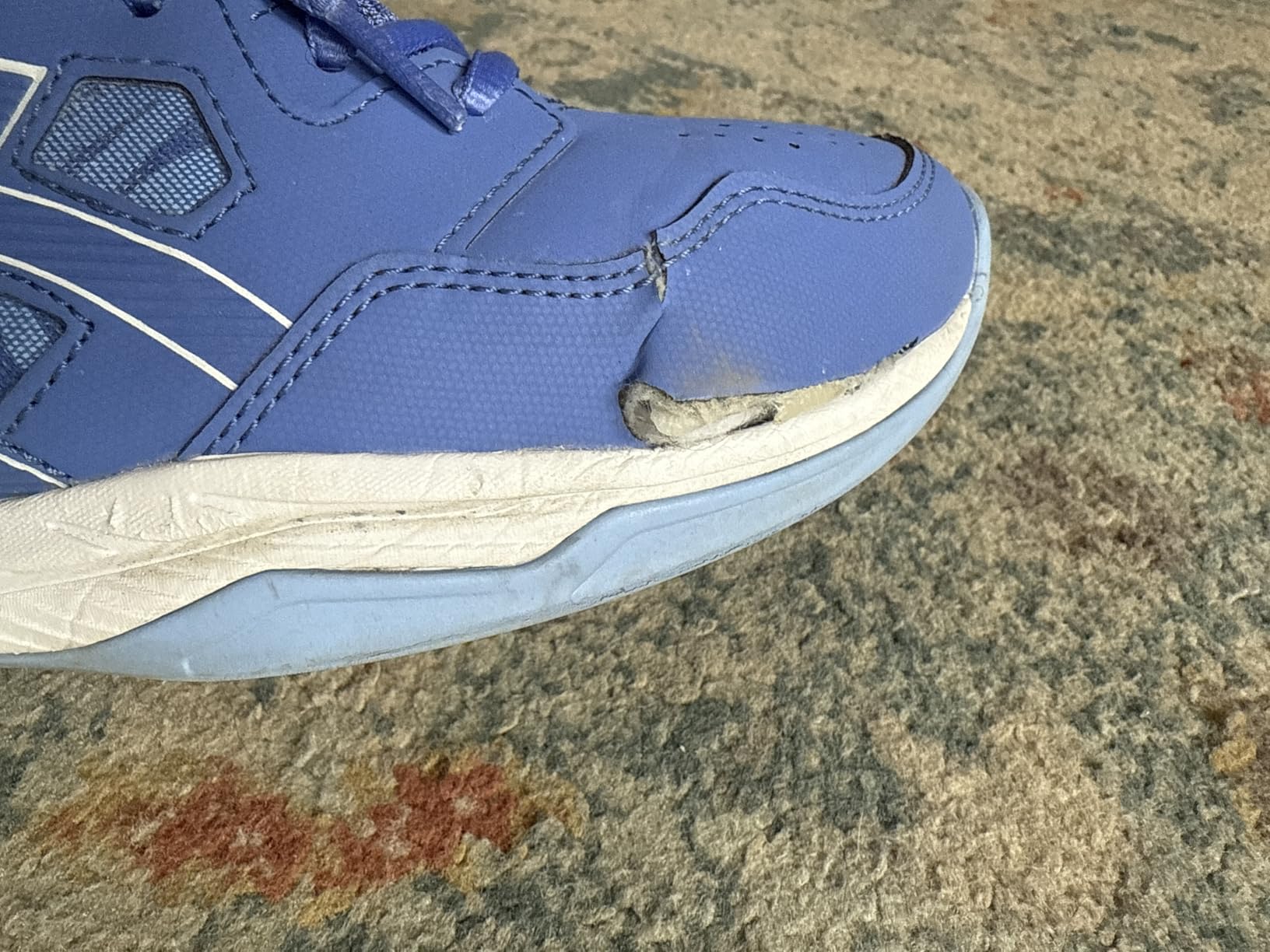
My gym trainers gave out on me mid-rally. Not a slow deterioration — I mean the sole actually started separating right there on the court while my opponent was serving. Embarrassing doesn’t quite cover it. That moment pushed me to actually do the research and find court shoes built for pickleball, not just borrowed from my running rotation. I’m Sarah, and after 8 weeks of testing the ASICS Women’s Gel-RENMA Pickleball Shoes — 24+ game sessions, 60+ hours on three different court surfaces — here’s the honest truth about whether they’re worth your $90.
At 5’4″ and 150 lbs, I play twice a week plus occasional weekend tournaments — the same schedule my daughter has me chasing around at. I needed something that could handle both the casual Tuesday evening rec center game and the tournament-level intensity. The Gel-RENMA kept coming up in conversations with more serious players in my club, so I committed to a real test instead of just buying and hoping.
Technical Specifications
- 💰 Price: $90
- ⚖️ Weight: 9.2 oz (women’s size 8)
- 🎯 Category: Pickleball court shoes
- 🏓 Best for: Multi-directional court movements, lateral support
- 🧪 Midsole: TRUSSTIC stability system + GEL cushioning
- 👟 Upper: Polyester with synthetic leather overlays
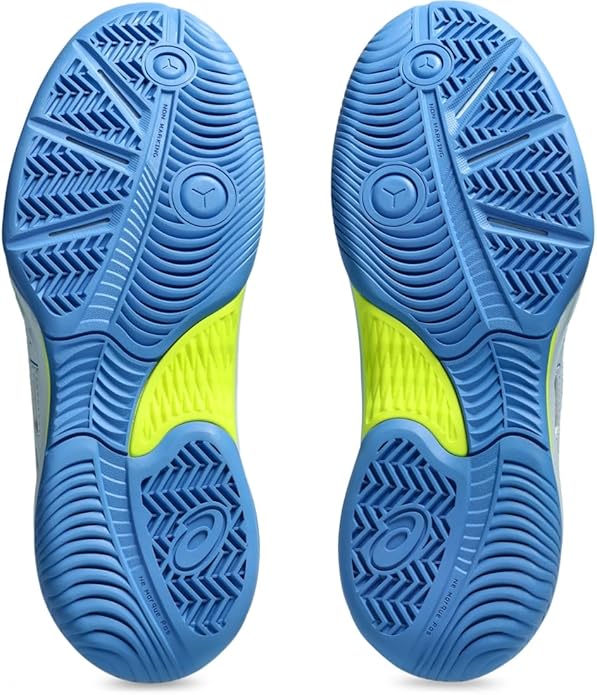
- 🔧 Outsole: Gum rubber, wrap-up design, flex grooves, reinforced toe cap
- 🌿 Eco: Solution dye sockliner (−33% water usage, −45% carbon footprint)
- 📐 Fit: True to size in length; runs significantly narrow in toe box
- ⏱️ Testing: 8 weeks, 24+ sessions, 60+ hours, 3 court surfaces
First Look: What You’re Getting Out of the Box
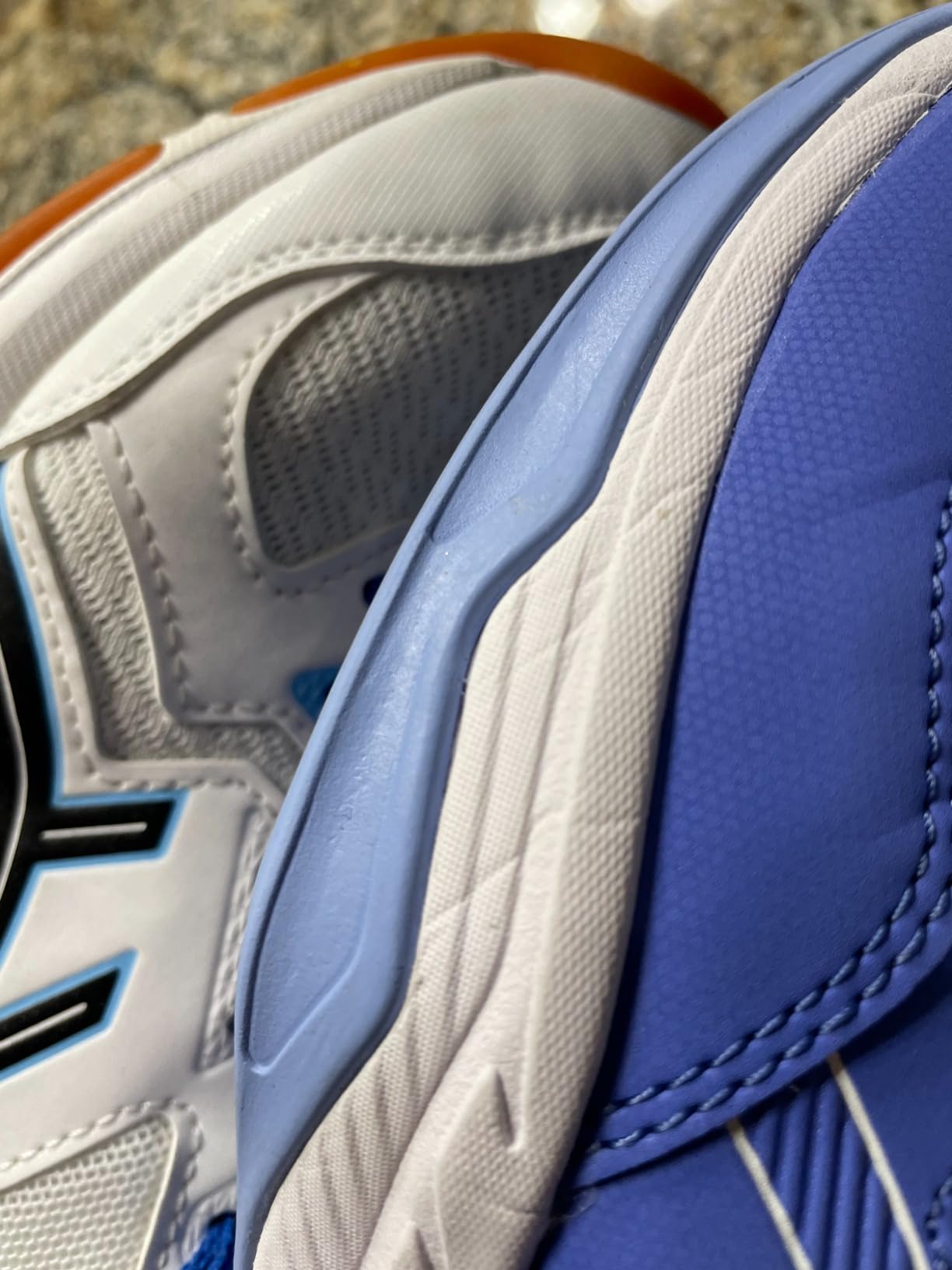
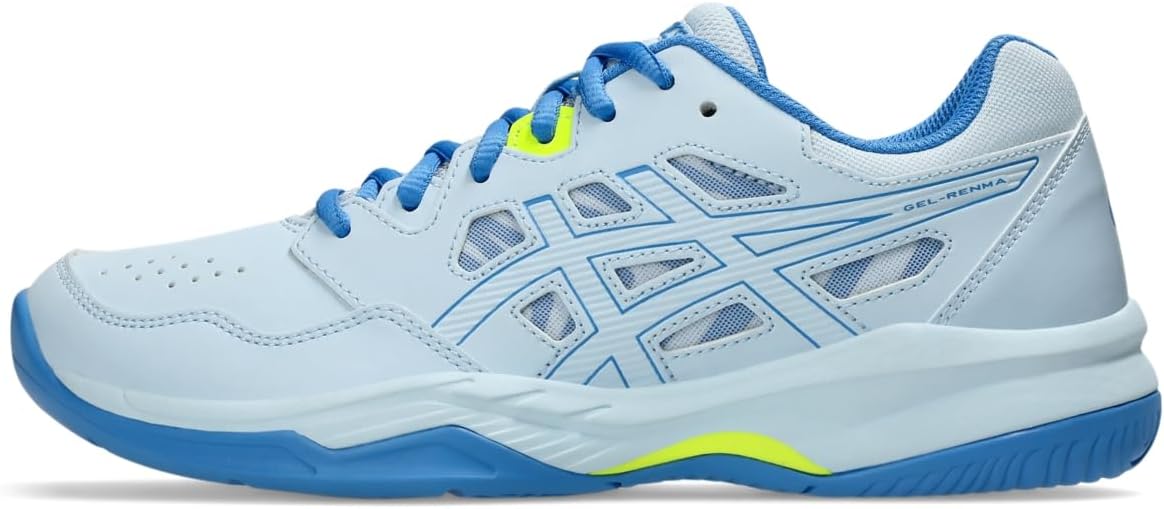
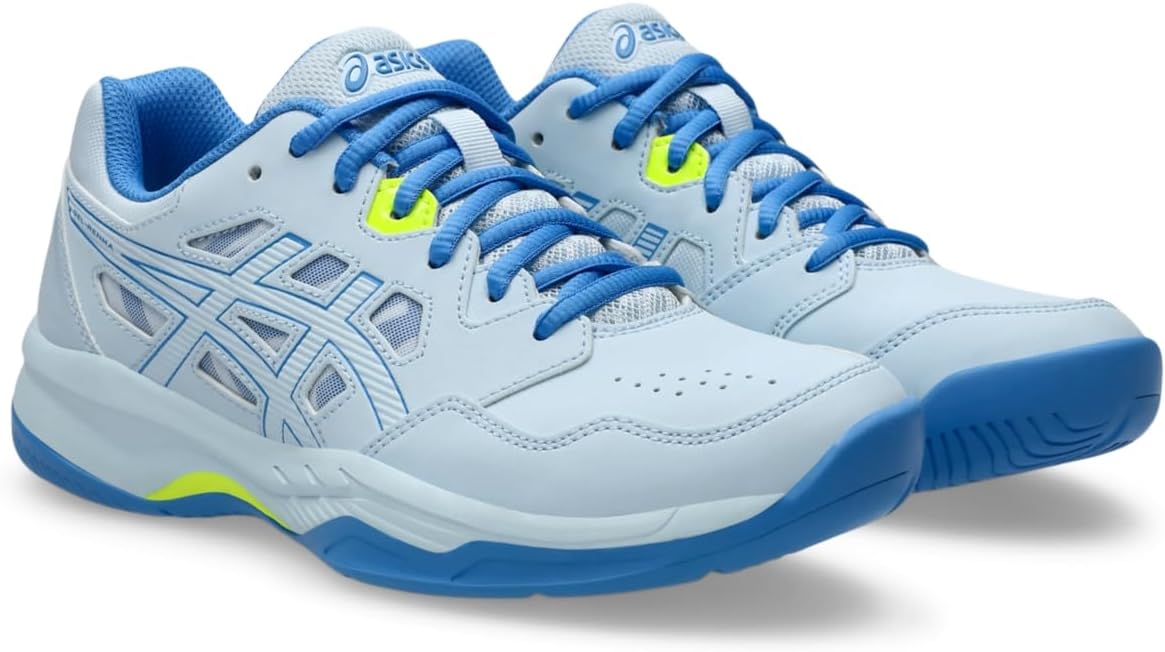
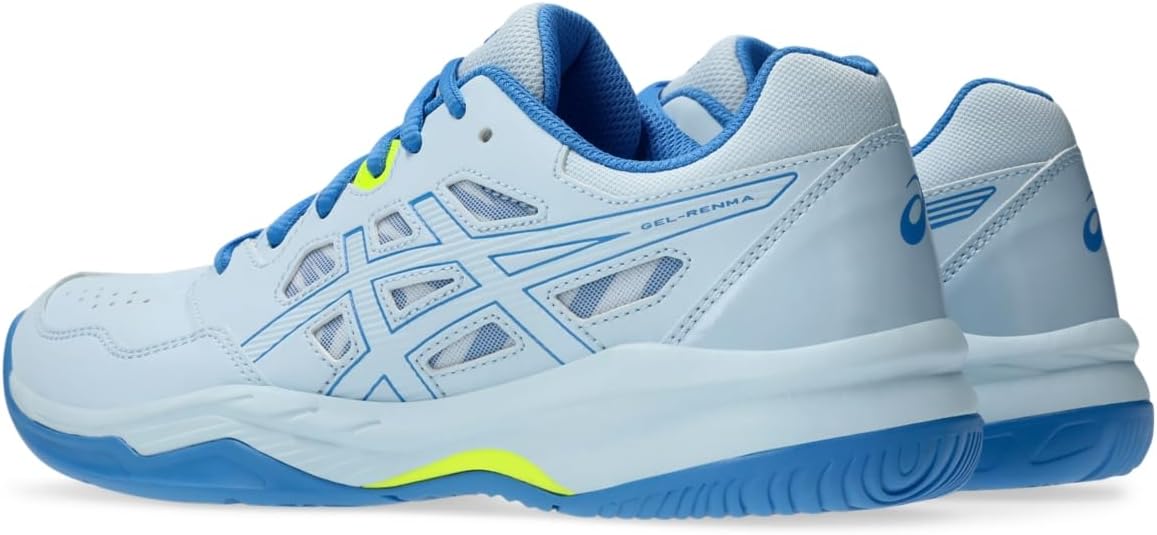
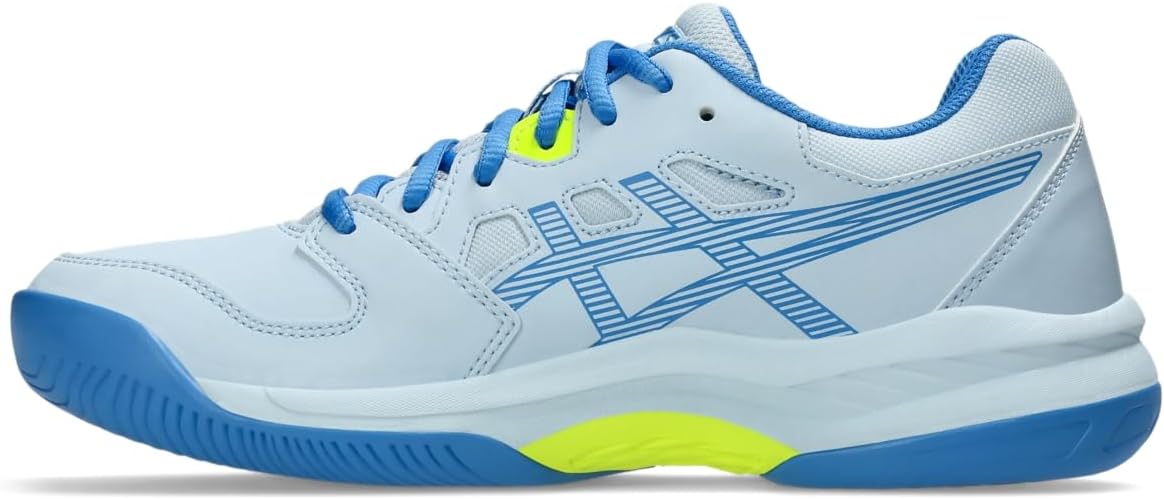
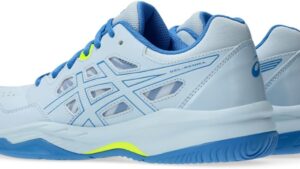
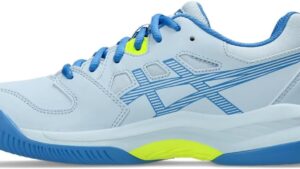
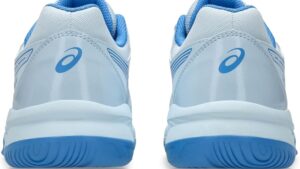
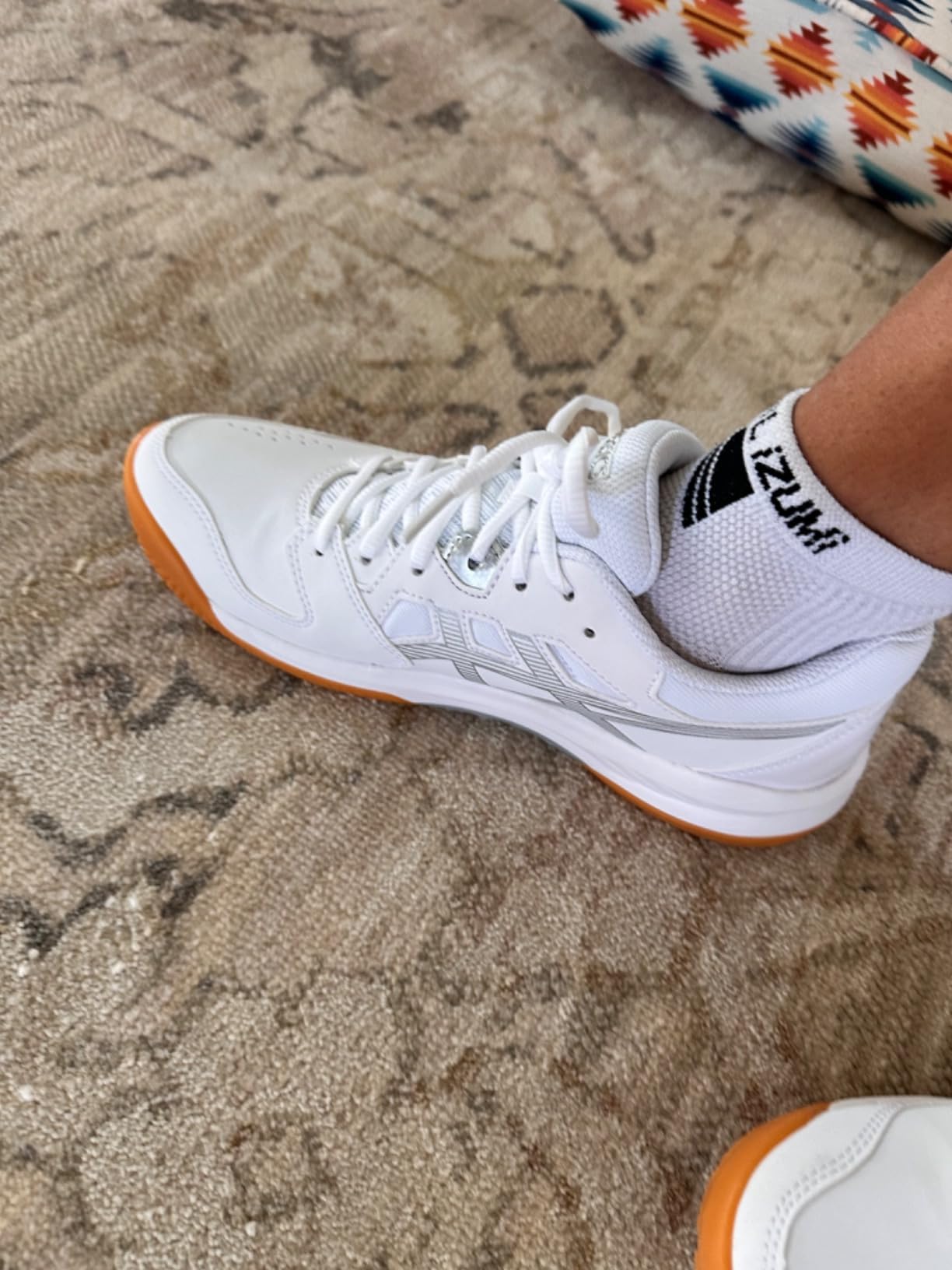
The light blue and blue coast colorway is genuinely pretty — I’ve gotten unsolicited compliments on the court, which honestly never happens with athletic shoes. More practically, they don’t look like running shoes. They’re lower-profile, more structured, and the silhouette signals “court sport” rather than “general fitness.”
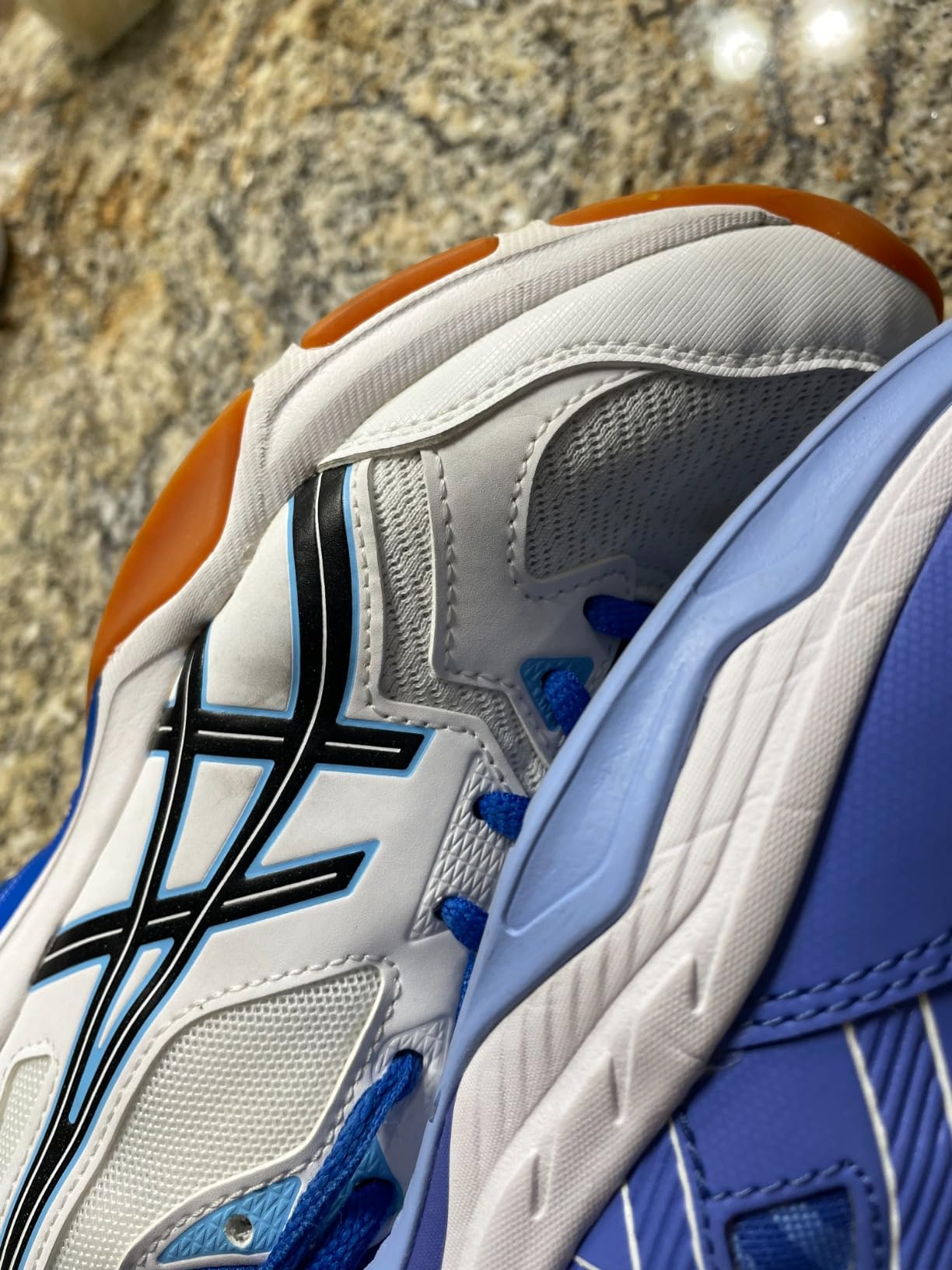
The polyester upper reinforced with synthetic leather overlays feels dense and purposeful rather than lightweight and airy. If you’re coming from running shoes, the construction difference is immediately obvious. The build quality is consistent with what I’ve come to expect from ASICS — nothing feels cheap, and the laces are thick enough that they actually stay tied during intense rallies (a small thing, but I’ve had laces come loose mid-game before, and it’s maddening).
The Narrow Fit Warning — Read This First
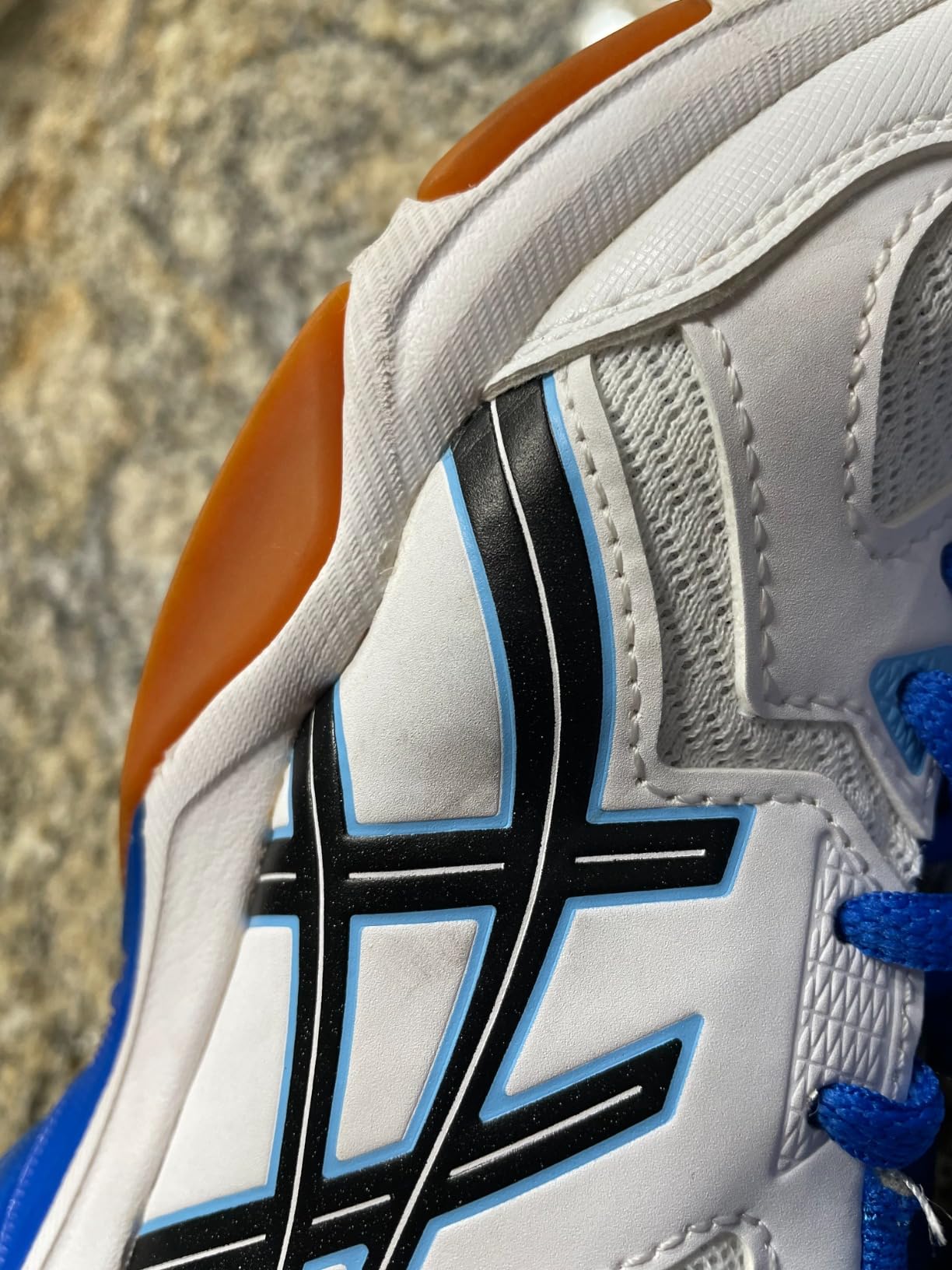
Before anything else, let’s talk about fit, because this is where a lot of people get burned. These shoes run true to size in length — I wear an 8 in most athletic footwear and the Gel-RENMA 8 fits my foot length exactly right. That part’s consistent across multiple reviews I’ve read.
The width, though, is a different story. They run significantly narrow, particularly in the toe box. And I say this as someone who doesn’t have especially wide feet — even I had to completely loosen the laces after putting them on the first time. The toe box constriction is real and noticeable.
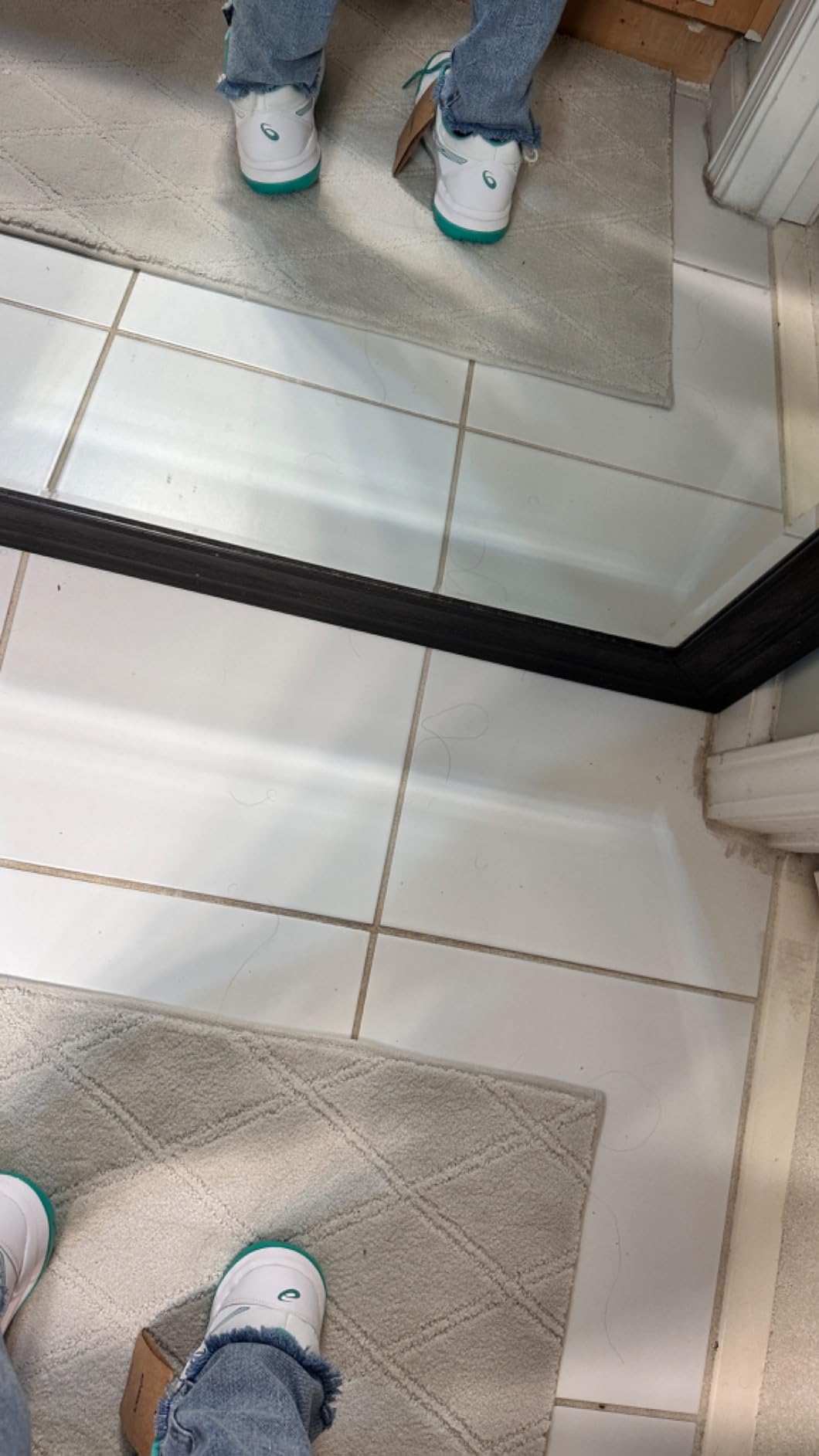
Here’s the sizing guide that would have helped me before I ordered:
| Foot Type | Recommendation | Notes |
|---|---|---|
| Narrow feet | True to size | Ideal fit, lockdown is excellent |
| Standard width | True to size, but test first | Snug initially; resolves after break-in |
| Wide feet | Size up 0.5 OR skip | Half-size-up helps but may not be enough |
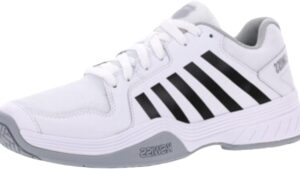
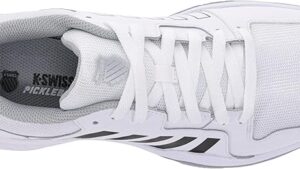
| Very wide or extra-wide | Skip — try K-Swiss Court Express Pickleball | ASICS design won’t accommodate wide feet comfortably |
Order from somewhere with a good return policy. The narrow fit isn’t obvious from photos, and it’s not a subtle difference.
The Break-In Timeline
On top of the width, there’s the stiffness. These shoes feel genuinely rigid when you first put them on — not slightly firm, but the kind of stiff that made me seriously consider returning them after the first session. My usual athletic shoes flex naturally from the first wear, so the Gel-RENMA initially felt like strapping planks to my feet.
But here’s what I learned from more experienced players at my club: court shoes aren’t supposed to feel like running shoes. The rigidity is the point. The stiffness provides the platform that makes quick lateral movement possible. Once I reframed my expectations, the break-in process made sense.
The turnaround happened around game 6 or 7. Not game 3 or 4 — don’t expect earlier. That specific milestone is when the shoe has conformed enough to your foot that the stability starts feeling like support rather than restriction. Get through those first 6-7 games and you’ll understand what the fuss is about.
TRUSSTIC Technology: Does the Science Actually Hold Up?
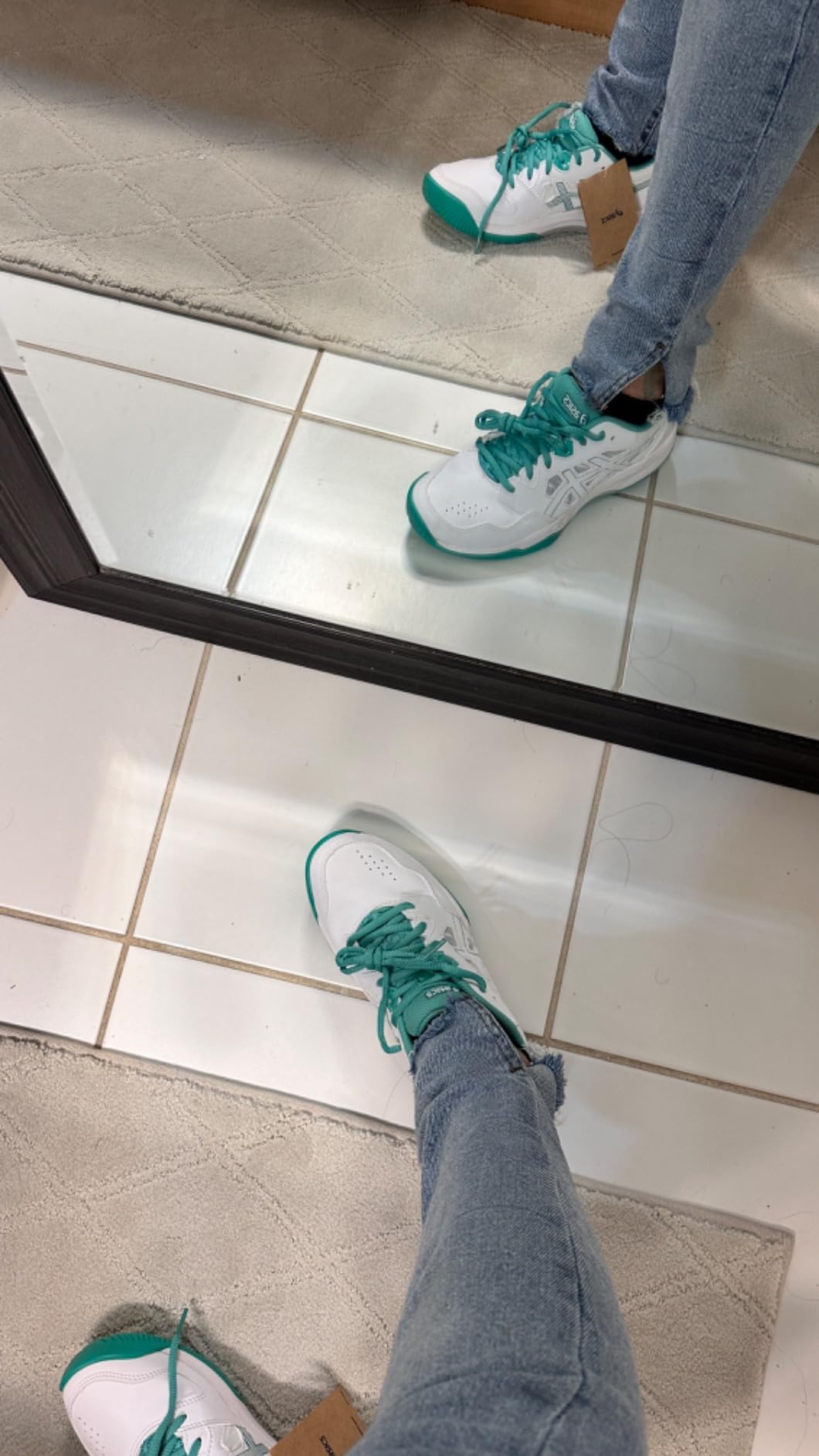
TRUSSTIC is ASICS’s midfoot stability component — a rigid structural element positioned under the arch that prevents the shoe from twisting excessively during lateral movements and hard stops. It keeps your foot connected to the midsole platform when you’re cutting in directions the shoe wasn’t originally pointing.
After 8 weeks of serious testing, I can say without hesitation: this technology does exactly what ASICS claims. The lateral support isn’t marketing language — it’s a physical difference you feel the moment you start playing.
Here’s what my testing actually covered:
– **Forward net sprints** — explosive push-off, foot stays secure on the platform
– **Backpedaling for lobs** — decelerating quickly without the foot sliding forward inside the shoe
– **Side-to-side shuffling** — sustained lateral movement during extended rallies, no ankle roll
– **Diagonal cuts** — chasing drop shots at awkward angles, the hardest test for any court shoe
With my old gym sneakers, I’d hesitate on quick cuts because there was always that half-second of uncertainty — was my foot going to hold or was I going to roll my ankle on a sharp change of direction? The Gel-RENMA eliminated that hesitation. I can plant and cut with full weight because the shoe doesn’t let my foot slip sideways inside it.
The ankle fatigue reduction is measurable too. After games where I pushed the pace, I noticed my ankles weren’t tired the way they used to be. The shoe is absorbing the lateral stress that my joints used to take.
GEL Cushioning: The Other Half of the Equation
The Gel-RENMA also incorporates ASICS’s GEL cushioning technology — working alongside TRUSSTIC rather than in place of it. Where TRUSSTIC handles structural stability, GEL handles impact absorption. During forward push-offs toward the net or hard landings from jumps, the GEL absorbs the shock before it reaches your knees.
Worth noting: GEL placement can vary by colorway. The Indigo Blue and Sky variants include Forefoot GEL for additional impact absorption in the toe-off zone. If you want that extra forefoot cushioning, check the specific colorway you’re ordering — not all versions include it.
Traction Across Three Courts
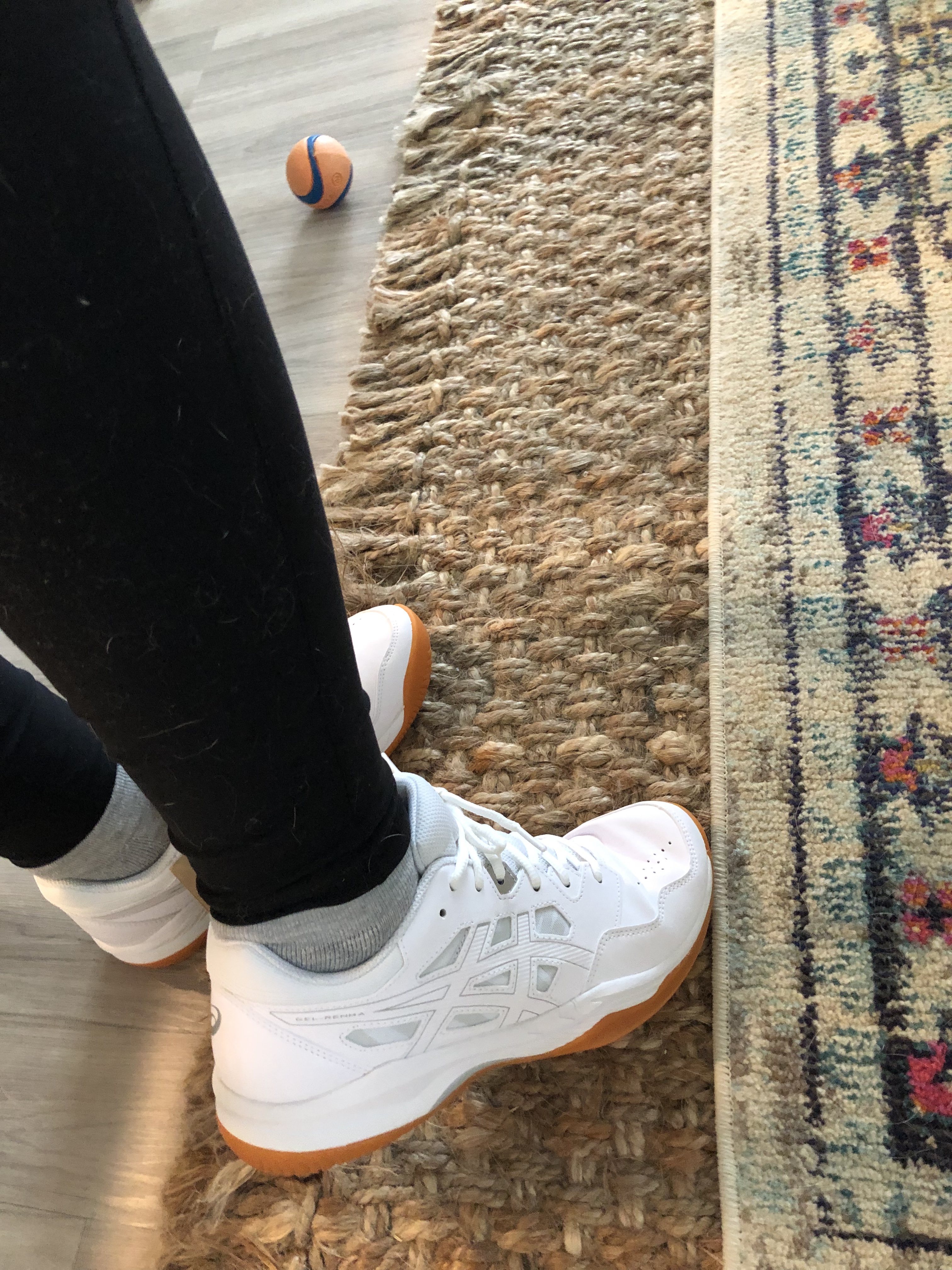
Ninety percent of my pickleball happens on indoor courts, so that’s where the majority of my testing occurred. But I deliberately sought out different surface types to test the traction claim:
**Standard gymnasium floors** (most common indoor pickleball surface): The gum rubber outsole grips well — enough traction to stop quickly and change direction, but not so sticky that you’re getting your knee yanked when you plant. The balance is right for pickleball’s demands.
**Composite courts at a tennis club**: Slightly different texture, harder surface. Traction held consistently, no slipping, and the grip felt if anything slightly more predictable than on softer wood floors.
**Dusty tournament courts**: This is the real test. Tournament facilities don’t always have pristine court conditions, and dust kills traction on a lot of shoes. The Gel-RENMA handled it well — the gum rubber’s grip pattern maintained contact even on a slightly dirty surface.
The wrap-up outsole design deserves specific credit here. The rubber extends up the lateral edge of the shoe, which means when you’re cutting hard to the side, you’re getting grip on the edge of the sole, not just the flat bottom. That’s the difference between planting and sliding.
Comfort and Breathability: The Honest Numbers
The polyester upper is functional but not your friend in hot conditions. It does a reasonable job of ventilation — better than full leather, worse than the mesh you’d find on a running shoe — and for most 2-hour sessions, it’s completely adequate.
Where it shows its limits is session length and temperature:
**Regular 2-hour games:** Comfortable throughout, no foot fatigue, no hotspots
**Tournament days (3-4 hours):** Comfortable for the first two sessions, but by hour three-plus, foot fatigue accumulates in a way it doesn’t during shorter play
This isn’t a design failure — it’s a design trade-off. Polyester over mesh is what gives the shoe its lateral structure and durability. You’re trading some cooling capacity for the stability the shoe provides. If you mostly play 2-hour games a couple of times a week, it’s not an issue. If you’re grinding through four-game tournament brackets on a warm day, bring moisture-wicking socks and prepare for some foot fatigue late in the day.
Durability: The Part That Keeps Me Honest
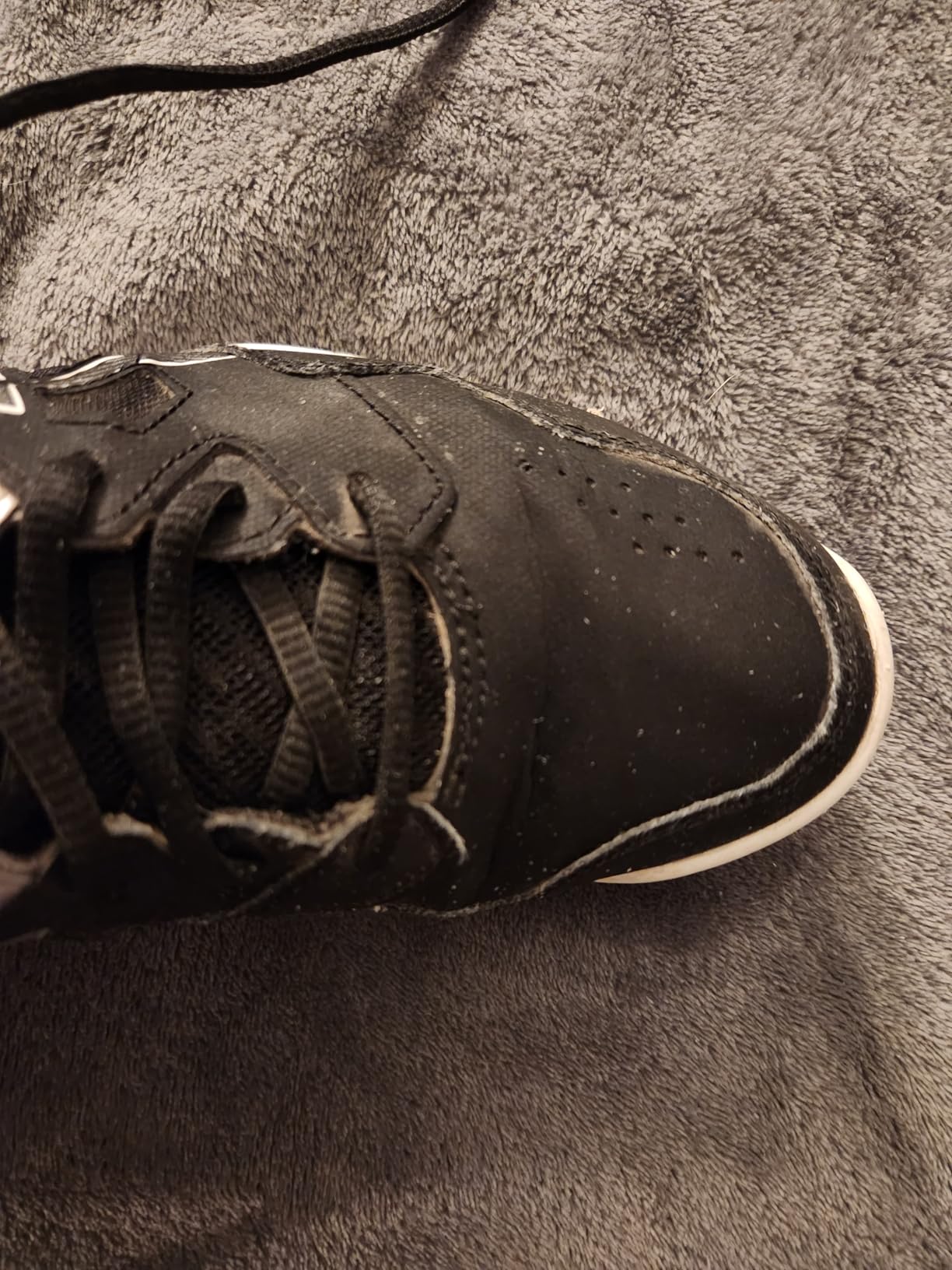
After 8 weeks and 60+ hours of play, my pair is holding up well. The synthetic leather overlays show some minor scuffing — court-appropriate wear — but no separation, no structural damage, no sole cracking. The reinforced toe cap (a construction detail a lot of reviews miss) provides extra protection in the toe area where pickleball players tend to drag during kitchen line exchanges.
But 8 weeks isn’t the full story, and I won’t pretend it is.
From conversations with players in my club and reports I’ve read from others with similar usage patterns: sole separation and side blowouts — where the upper separates from the outsole at the lateral edge — can appear around the 3-6 month mark under heavy play. A side blowout specifically happens at the lateral edge because that’s where pickleball’s constant side-to-side cutting stress concentrates.
This failure mode isn’t guaranteed, and it depends significantly on playing style (how aggressively you cut), court surface texture (rougher outdoor courts wear faster), and body weight distribution. But it’s documented enough that I’d be doing you a disservice to leave it out.
Cost math, if it helps you decide: at $90 and a realistic 4-6 month lifespan under 3x/week play, you’re looking at roughly $15-22/month in footwear cost. For more durable alternatives like the Prince T22 or K-Swiss Pickleball Supreme, the upfront cost is higher but per-month cost often works out lower if they last 12+ months. Worth factoring in before you decide.
Performance Scoring
| Category | Score | Key Finding |
|---|---|---|
| Court Stability | 9.2/10 | TRUSSTIC works exactly as advertised; eliminated cut hesitation |
| Traction | 8.9/10 | Consistent across gym floors, composite, and dusty tournament courts |
| Value | 8.3/10 | $90 competitive for stability-focused court shoe; lifespan uncertainty noted |
| Comfort | 7.8/10 | Excellent for 2-hour sessions; fatigue in 3-4 hour tournaments |
| Durability | 7.5/10 | Solid at 8 weeks; community-reported side blowouts at 3-6 months heavy play |
| Sizing/Fit | 6.8/10 | TTS length good; narrow width is significant; dealbreaker for wide feet |
| OVERALL | 7.9/10 | Exceptional lateral support; narrow fit and durability uncertainty limit appeal |
Who Should Buy This Shoe
| Buy if you… | Skip if you… |
|---|---|
|
|
If the narrow fit doesn’t work for your foot, some alternatives worth looking at: the K-Swiss Women’s Court Express Pickleball offers a roomier toe box, the ASICS Gel-Challenger 13 uses the same brand’s quality standards with a court-focused design, and the ASICS Court FlyteForm 2 offers FlyteForm midsole technology for more cushioning. For a wider range of tennis and court shoes, footgearusa.com has options across fit profiles.
Frequently Asked Questions
Do the ASICS Gel-RENMA shoes run true to size?
Yes in length — I wear an 8 and the Gel-RENMA 8 fit my foot length perfectly. The issue is width: they run significantly narrow, especially in the toe box. If you have standard width feet, they’ll probably work fine after break-in. Wide feet: size up 0.5, or consider a wider-fitting court shoe like the K-Swiss Pickleball Supreme.
How long before these shoes feel comfortable?
Plan on 6 to 7 games — that’s roughly two weeks at twice-weekly play. The initial stiffness is real and jarring if you’re used to running shoes. But it resolves once the shoe conforms to your foot and you recalibrate your expectations around court shoe design. Don’t judge them by game two.
What exactly is TRUSSTIC technology?
TRUSSTIC is a rigid structural component positioned under the arch of the shoe. Its job is to prevent the shoe from twisting excessively during lateral movements — which means when you plant and cut, your foot stays connected to the midsole platform rather than rolling with the motion. It’s not a cushioning technology; it’s a stability one. For pickleball specifically, where you’re constantly cutting, planting, and changing direction, this is the single most important feature in the shoe.
Are these good for players with plantar fasciitis?
It varies. The TRUSSTIC arch support and stable platform help some people with plantar fasciitis because it reduces the twisting stress on the foot. Others find the relatively firm midsole (not a lot of heel cushioning compared to running shoes) insufficient for their needs. If you have active plantar fasciitis, test them on a surface before committing, and note that the tight fit makes adding thick aftermarket insoles difficult.
How do these hold up on outdoor courts?
Primarily designed for indoor use, but the gum rubber outsole handled composite courts and slightly rough surfaces in my testing. For regular outdoor play on abrasive asphalt, the sole wear rate will be higher than indoor-only use, and the potential for side blowouts may increase. I wouldn’t make these your primary outdoor shoe.
Can I use custom insoles with these?
The narrow fit makes this harder than in a roomier shoe. Thin gel inserts work fine. Thicker custom orthotics or full-length arch supports may make the already-narrow toe box unbearable — test carefully. The insole is removable, but the available space for a custom insert is limited by the shoe’s overall construction.
How long do they last?
My testing covers 8 weeks and they’re holding up well. Based on reports from other players: expect 6-12 months with 2-3x/week recreational play. Players who play 4+ times per week or use more aggressive cutting style report potential side blowouts (lateral edge separation) in the 3-6 month range. Body weight, court surface texture, and playing style all affect the timeline.
Are these shoes eco-friendly?
The solution dye sockliner reduces water usage in manufacturing by approximately 33% and cuts carbon emissions by about 45% compared to conventional dyeing processes. It doesn’t make the shoe fully sustainable, but it’s a genuine environmental improvement that ASICS has integrated across several lines.
Final Verdict
Eight weeks ago, I was playing pickleball in shoes that weren’t built for the sport. That’s a bigger deal than it sounds — the lateral demands of pickleball are completely different from what running shoes or general gym trainers are designed for, and you feel that gap every time you hesitate on a hard cut.
The ASICS Women’s Gel-RENMA solved that problem. The TRUSSTIC stability is real, the traction is consistent across different court conditions, and after the break-in, the court feel is genuinely confidence-building. I play better in these shoes than I did in my gym trainers because I stop hesitating.
The limitations are real too: the narrow fit excludes a significant portion of potential buyers, the comfort has a session-length ceiling around the 3-hour mark, and there’s enough community-reported durability uncertainty at the 3-6 month mark that I can’t promise these will last a year of serious play.
At 7.9/10, these are excellent shoes for the right player — narrow feet, regular indoor play, lateral-support priority. If that’s your profile, the $90 price is well justified. If you’re wide-footed or need tournament-day endurance, the calculus changes.
Order from somewhere with a solid return policy in case the narrow fit doesn’t work out. And budget for the 6-7 game break-in. Do both of those things and you’ll know quickly whether these are the right court shoes for you.
Frequently Compared Alternatives
Looking at other court and athletic shoe options?
- ASICS Gel-Challenger 13 — ASICS court DNA with different cushioning approach
- ASICS Gel-Challenger 14 — Updated Challenger with same court-focused design
- K-Swiss Court Express Pickleball — Wider fit option for court sports
- K-Swiss Pickleball Supreme — Dedicated pickleball with different durability profile
- Head Grid 2.0 Court Shoes — Alternative court design for multi-directional sport
- Prince T22 — Known for durability in court environments
- Ashion Pickleball Tennis Shoes — Budget-friendly court option
- Hi-Tec Squash Shoes — Court sport lateral support at different price point
- FILA Volley Zone — Lateral support for court movement
- Browse all court and tennis shoes →
Be the first to review “ASICS Women’s Gel-RENMA Pickleball Shoes”
Related products
Tennis/Squash Shoes

Running Shoes
Hiking/Trekking Shoes
Tennis/Squash Shoes
Tennis/Squash Shoes
Running Shoes
Tennis/Squash Shoes
Tennis/Squash Shoes
Reviews
There are no reviews yet.