
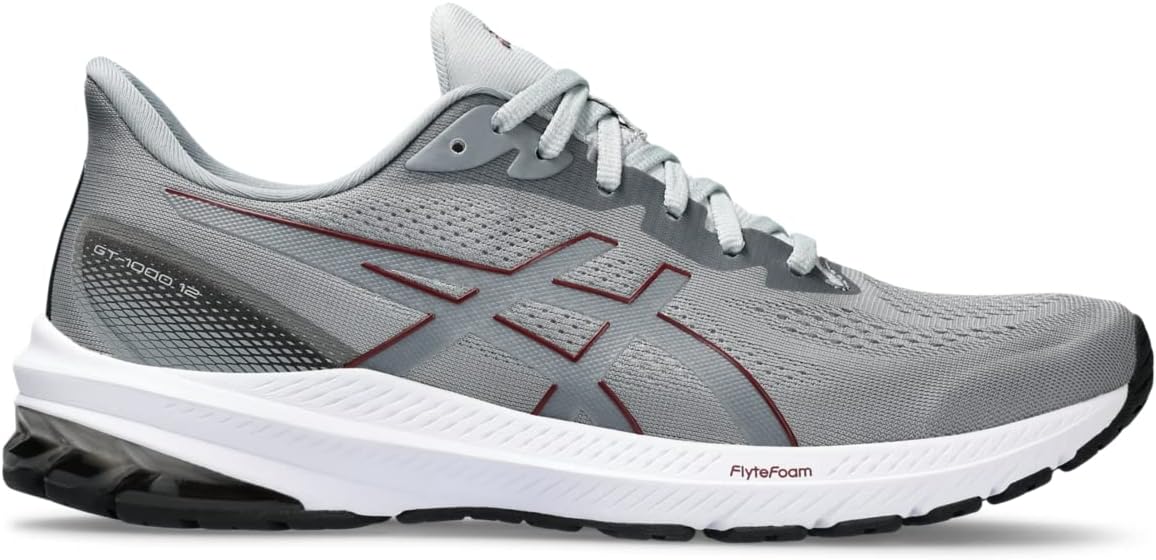
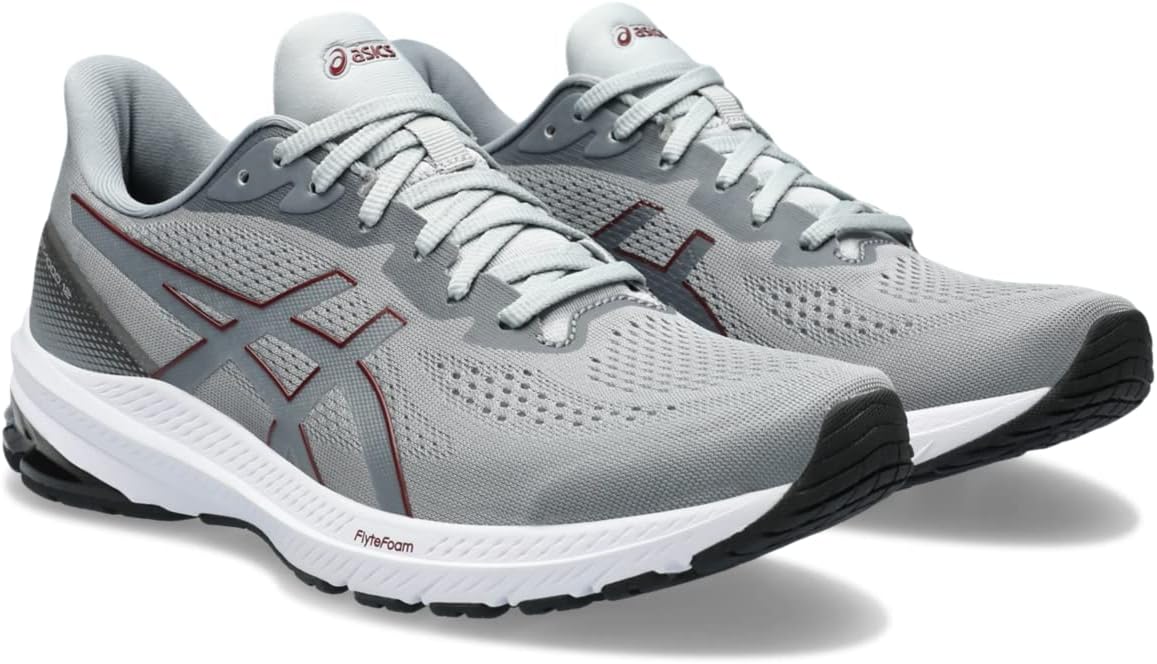
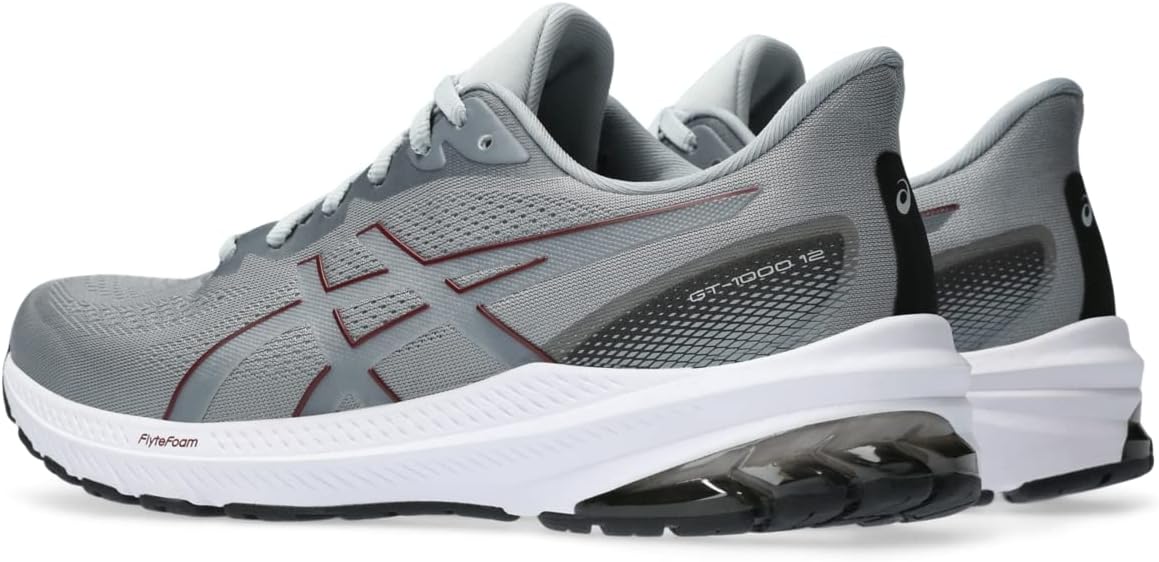
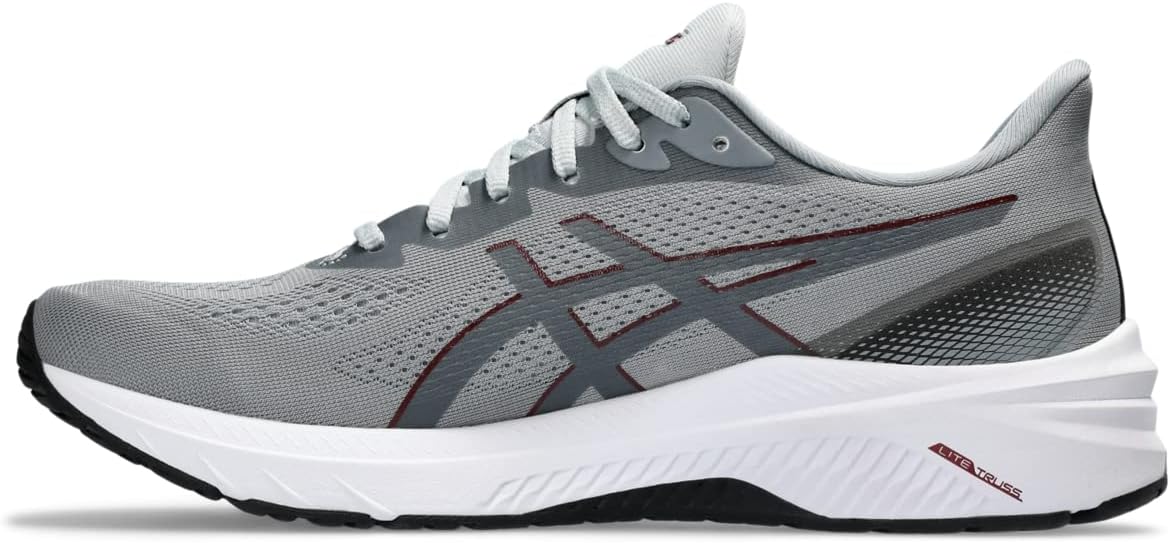
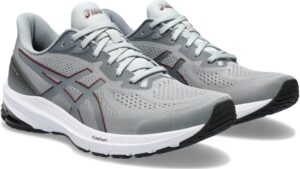
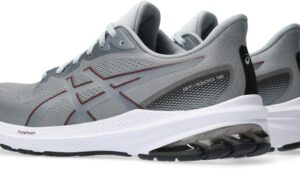
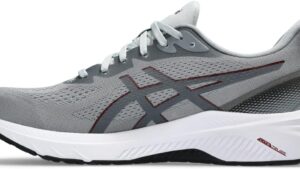
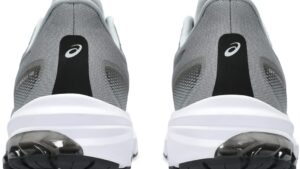
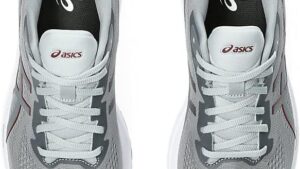
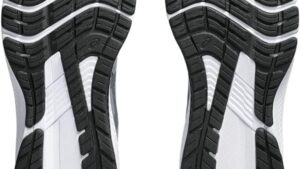
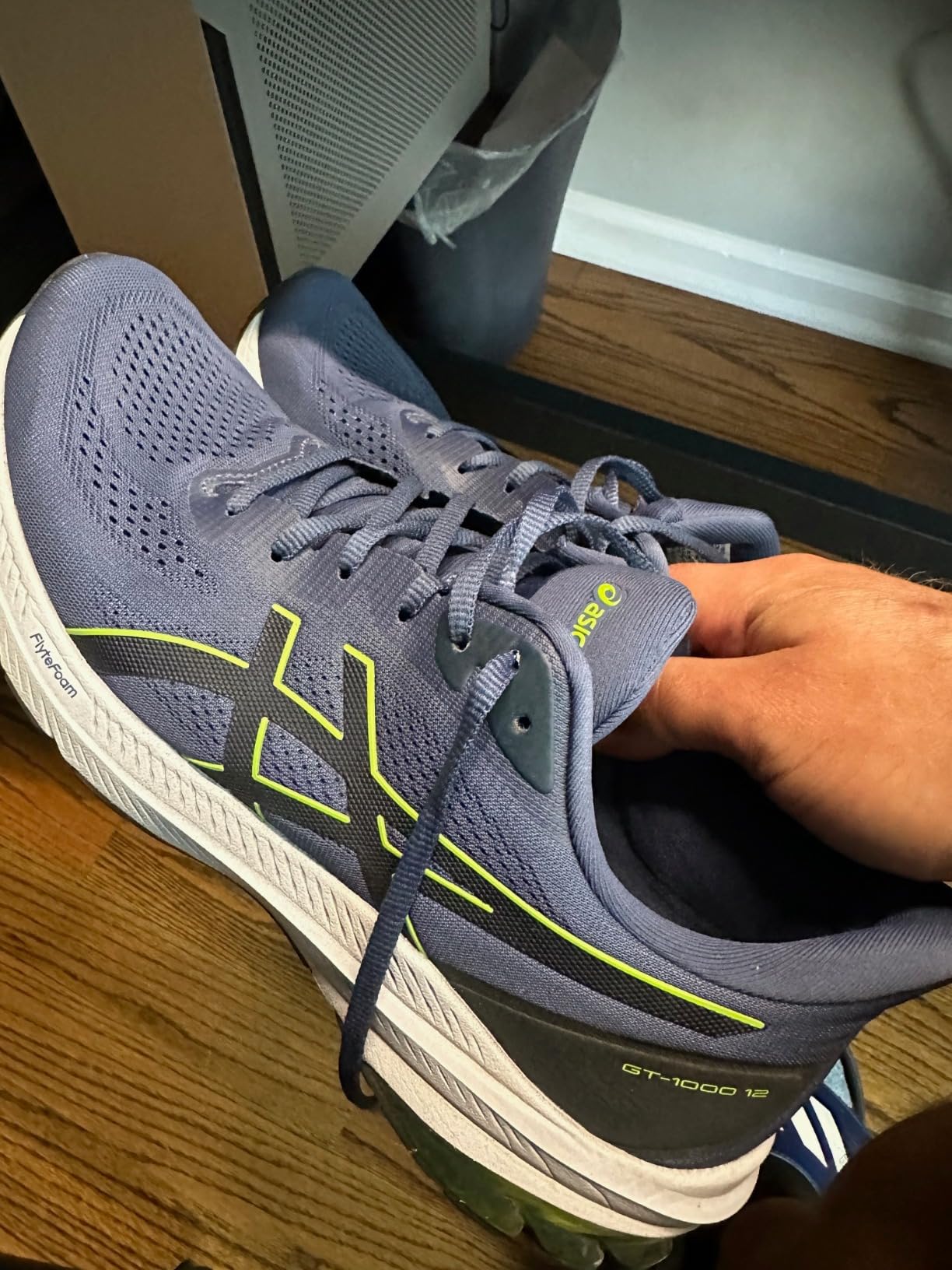
Two months before my marathon training block, my go-to stability trainers finally gave out — holes worn through both toes after one too many hill repeat sessions. Mike here, and with a heavy training cycle looming, I needed a replacement that could handle my overpronation without demanding premium shoe money. The ASICS Men’s GT-1000 12 kept appearing in budget stability roundups, sitting right in that $90-120 range I was comfortable with. So I bought a pair and spent four months finding out whether that reputation was earned. Here’s the full picture — including the part the brand marketing glosses over.
Quick Verdict
After 47 runs and 285 miles testing the GT-1000 12 — easy 8:30-pace recovery jogs, 6:20 tempo sessions, track intervals, hill repeats, and a 16-mile marathon-pace long run — I can confirm this: ASICS built a genuinely excellent stability trainer with one significant engineering compromise.
The stability control is among the best I’ve tested under $120. Comfort holds for 16 miles. Breathability is legitimately exceptional. But the toebox mesh fails early — RunRepeat’s lab gave it 1/5 in their Dremel durability test, and my real-world testing confirmed that finding at the 150-mile mark.
Rating: 7.0/10 — excellent for moderate-mileage runners who replace shoes regularly; not recommended for high-mileage training where durability is non-negotiable.
Technical Specifications
- 💰 Price: $90-120 (MSRP ~$110; on-sale pricing common)
- ⚖️ Weight: 9.6 oz / 271g (RunRepeat lab, men’s size 9; brand claims 9.5 oz)
- 📏 Drop: 7.2mm lab-measured (brand states 8mm)
- 📐 Stack height: 30.2mm heel / 23.0mm forefoot (RunRepeat lab)
- 🧪 Midsole: FlyteFoam (soft EVA, 12.8 HA) — energy return 45.8% (category avg 58.6%)
- 👟 Upper: Engineered mesh — breathability 5/5 (RunRepeat lab, perfect score)
- 🛡️ Stability: LITETRUSS medial post + DuoMax Support System
- ⚠️ Durability flag: Toebox 1/5 lab score — worst in category (RunRepeat Dremel test)
- 🏃 Category: Stability running shoe — mild to moderate overpronation
- ⏱️ Test: 4 months, 47 runs, 285 miles
Design, Build Quality and Fit
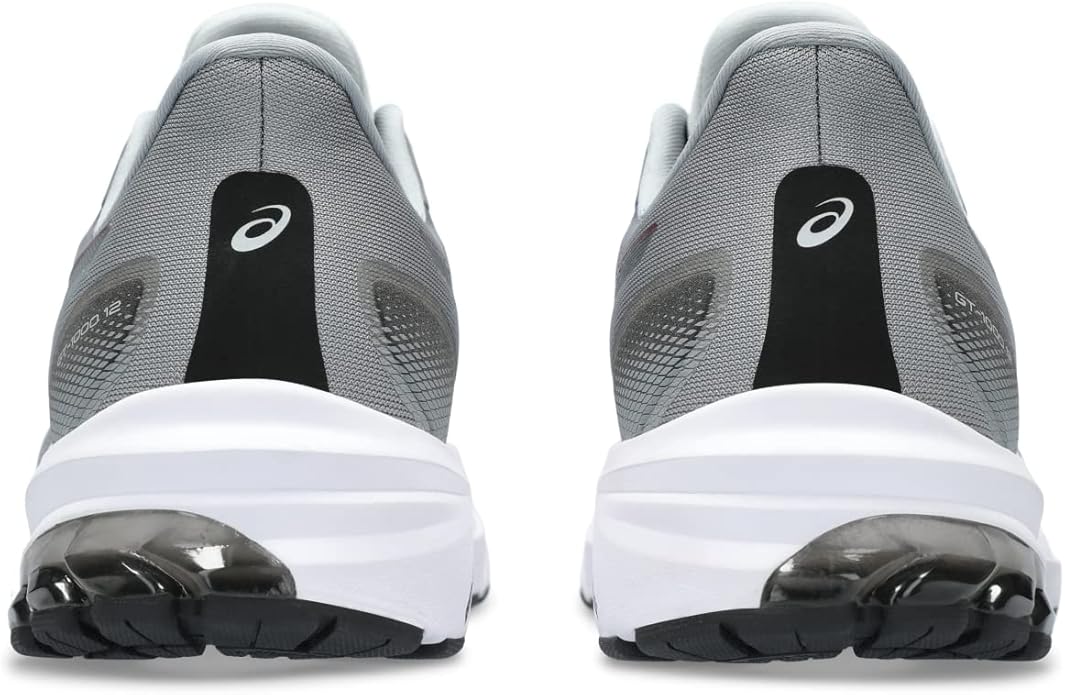
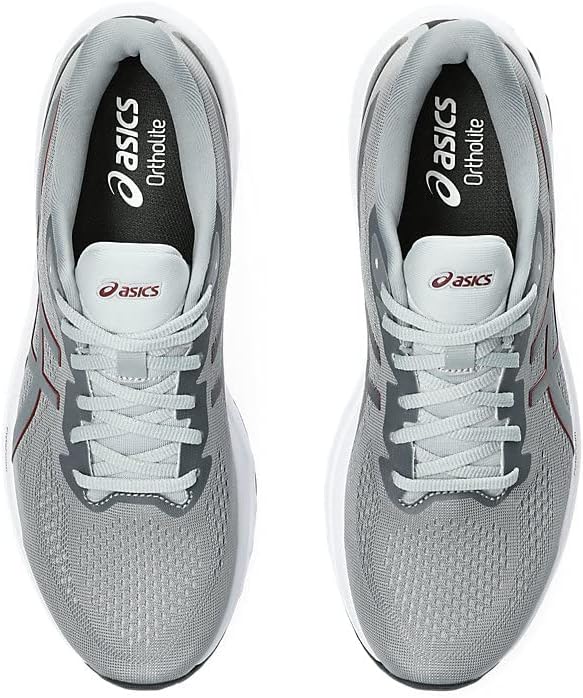
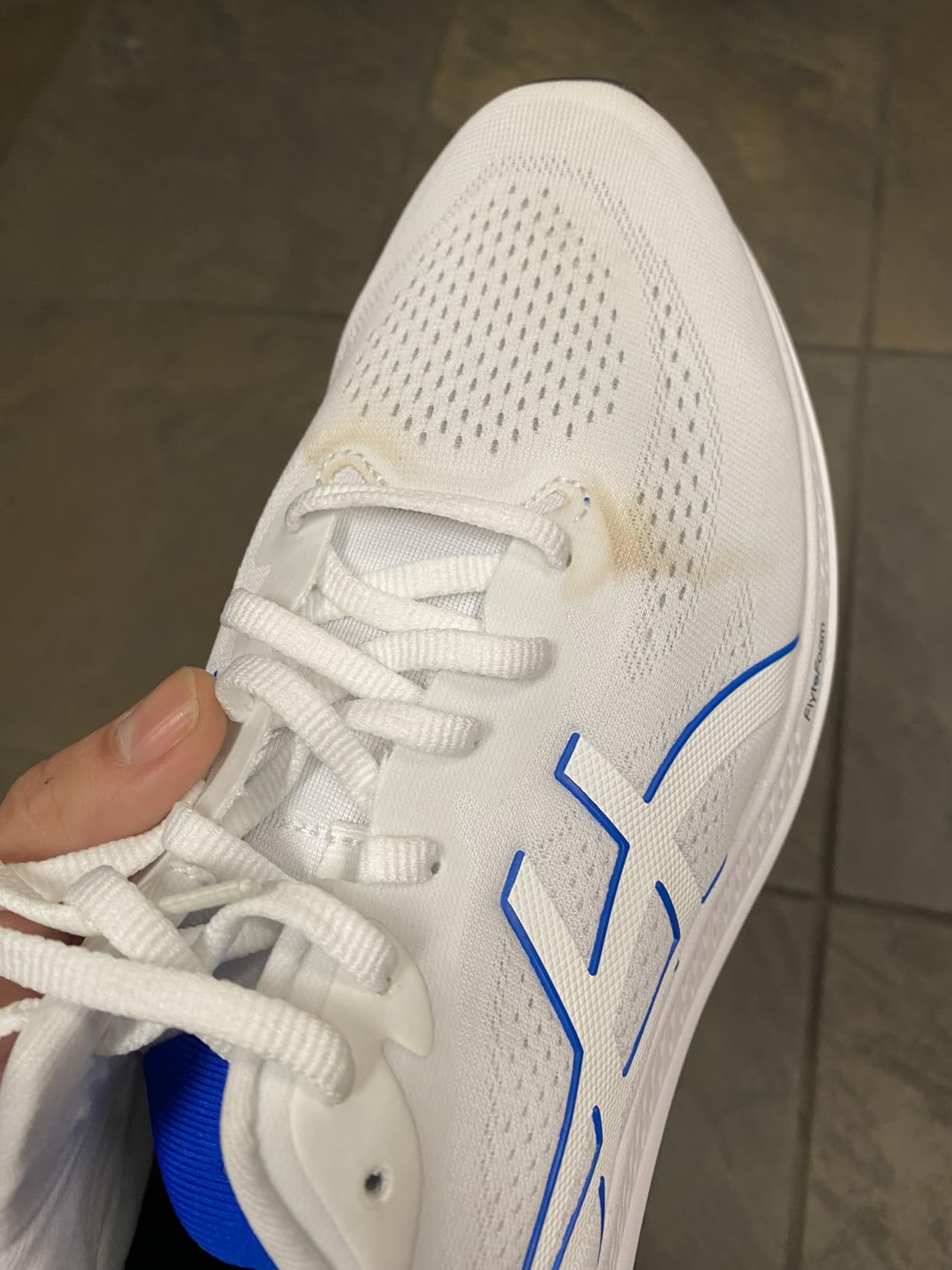
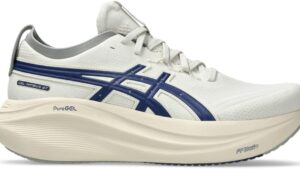
Pull these out of the box and the GT-1000 12 reads immediately as a working shoe — not flashy, not bulky, just purposeful. The engineered mesh upper is noticeably softer and more pliable than what I remember from older models in the GT-1000 line, wrapping around the foot rather than just encasing it.
Fit and Sizing
The sizing is true to size — confirmed by 84 votes on RunRepeat, my own testing at size 10.5, and Road Trail Run’s independent field test. At 100.7mm at the widest toebox point (versus the 98.5mm category average per RunRepeat measurements), the shoe fits a wider range of foot shapes than earlier GT-1000 versions. Standard to slightly wide feet will be comfortable here. Those needing true 2E or 4E widths: ASICS does offer an X-Wide variant, but runners with genuinely wide feet in the metatarsal area may still find the fit snug during longer efforts.
No break-in period needed — I laced these up for a 5-mile shakeout run straight from the box without any friction points or hot spots.
Construction Details Worth Noting
The tongue wing construction creates a centered pocket that keeps the tongue from migrating during faster paced runs. This sounds minor until you’ve spent a tempo session constantly readjusting a sliding tongue — the improvement over older GT-1000 tongue designs is real. The tongue itself measures 10.1mm thick per RunRepeat’s lab (more than double the 5.7mm average), which contributes to that locked-in feel across the lacing zone.
The insole is removable and fully orthotic-compatible — confirmed in RunRepeat’s lab testing. If you use custom orthotics or aftermarket insoles like Sof Sole Athlete Insoles, the GT-1000 12 accommodates the swap without heel volume issues.
One thing missing: no reflective elements whatsoever. For early morning or dusk runs, that’s worth noting.
Stability Technology: How the LITETRUSS System Performs
This is where ASICS clearly invested their engineering effort on the GT-1000 12, and the results show.
The LITETRUSS technology sits on the medial side of the midsole, creating correction for overpronation that feels gradual rather than corrective. At 180 lbs with moderate overpronation, I felt the difference immediately during my first run — but crucially, it never felt like the shoe was fighting my natural stride pattern. Some stability shoes with aggressive medial posts create a strange rolling sensation; the GT-1000 12 just quietly guides your foot toward neutral.
During my 47 runs, from easy 8:30-pace recovery miles to 6:20 tempo sessions and track repeats, the stability held consistently across every intensity level. Direction changes during interval workouts — where instability often surfaces — felt secure. The external heel counter (measured at 3/5 stiffness, right at category average per RunRepeat) provides enough structure to keep the heel from rolling without creating the uncomfortable clamp feeling some stability shoes produce.
The 16-mile marathon-pace run was my real test. Coming back with no hip or knee soreness was the most meaningful data point in four months of testing. Neutral shoes often leave me with medial knee discomfort at 12+ miles; the GT-1000 12 didn’t.
The Stability Trade-off
RunRepeat measured torsional rigidity at 3/5 — slightly below the 3.5/5 average for stability shoes. The LITETRUSS approach is less about creating a rigid platform and more about guiding the midfoot through its natural motion arc. That design philosophy shows up in the flexibility score too: 10.9N at 30° bend versus the 15.5N category average, making it one of the most flexible stability shoes RunRepeat has tested.
For mild to moderate overpronators, this is ideal — the correction is noticeable without being intrusive. Severe overpronators who need aggressive medial support would be better served by the ASICS Gel-Kayano 31, which offers a more substantial stability platform.
Cushioning and Day-to-Day Comfort
The FlyteFoam midsole — a soft EVA compound measuring 12.8 HA in RunRepeat’s durometer test (well below the 20.4 HA average, where lower = softer) — delivers better comfort than the energy return numbers suggest.
Energy return came in at 45.8% against a 58.6% category average. That’s genuinely weak for a modern running shoe. In daily training this shows up as a muted, flat feel rather than bounce — fine for protection, less inspiring for faster paced work. If you’re chasing responsiveness, shoes like the ASICS Novablast 5 or Brooks Launch 10 will feel noticeably livelier.
What the FlyteFoam does well is sustained comfort. Runs up to 16 miles never produced foot fatigue or pressure point buildup. Arch support is adequate for most runners, though those with high arches may want to swap in an aftermarket insole around the month-two mark.
Breathability — The Standout Feature
At 85°F in the thick of summer training, the GT-1000 12 genuinely impressed me. Feet stayed noticeably cooler than in my previous trainers, even on humid morning sessions where mesh performance usually disappoints. RunRepeat’s lab awarded the GT-1000 12 a perfect 5/5 breathability score — rare at any price point — attributing it to mesh holes that extend into the medial zone, not just the toebox. Most shoes confine the ventilation perforations to the front; this one breathes across the whole upper.
One warning for winter runners: the same FlyteFoam that cushions so well in warm weather performs poorly in cold. RunRepeat’s lab found it becomes 62.7% stiffer after freezing — compared to a 23% average increase across comparable foams. In cold conditions, the soft underfoot feel you get in summer turns into something considerably firmer. If you’re planning to run this shoe through January in New England, factor that in.
Surface Performance
Road, sidewalk, and treadmill all feel natural and consistent. Wet asphalt was fine through my rain-soaked runs — though RunRepeat’s traction coefficient of 0.37 (versus 0.50 average) suggests it’s adequate rather than grippy. I never felt unstable, but I also wasn’t doing aggressive downhill sprints in a downpour. Wet technical terrain or trails: not this shoe.
Durability: The Critical Section
Let me be direct about this, because it’s the shoe’s defining weakness.
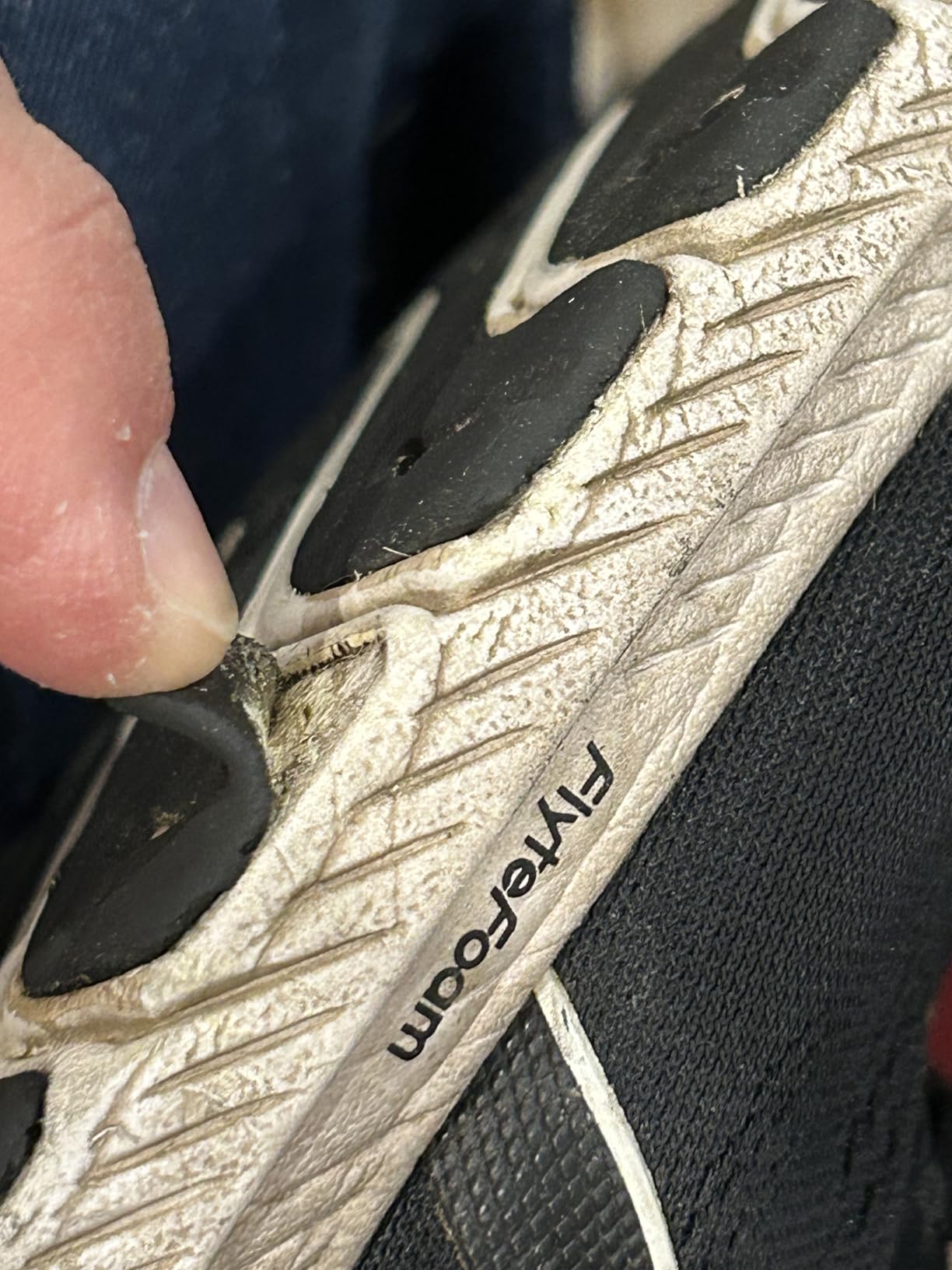
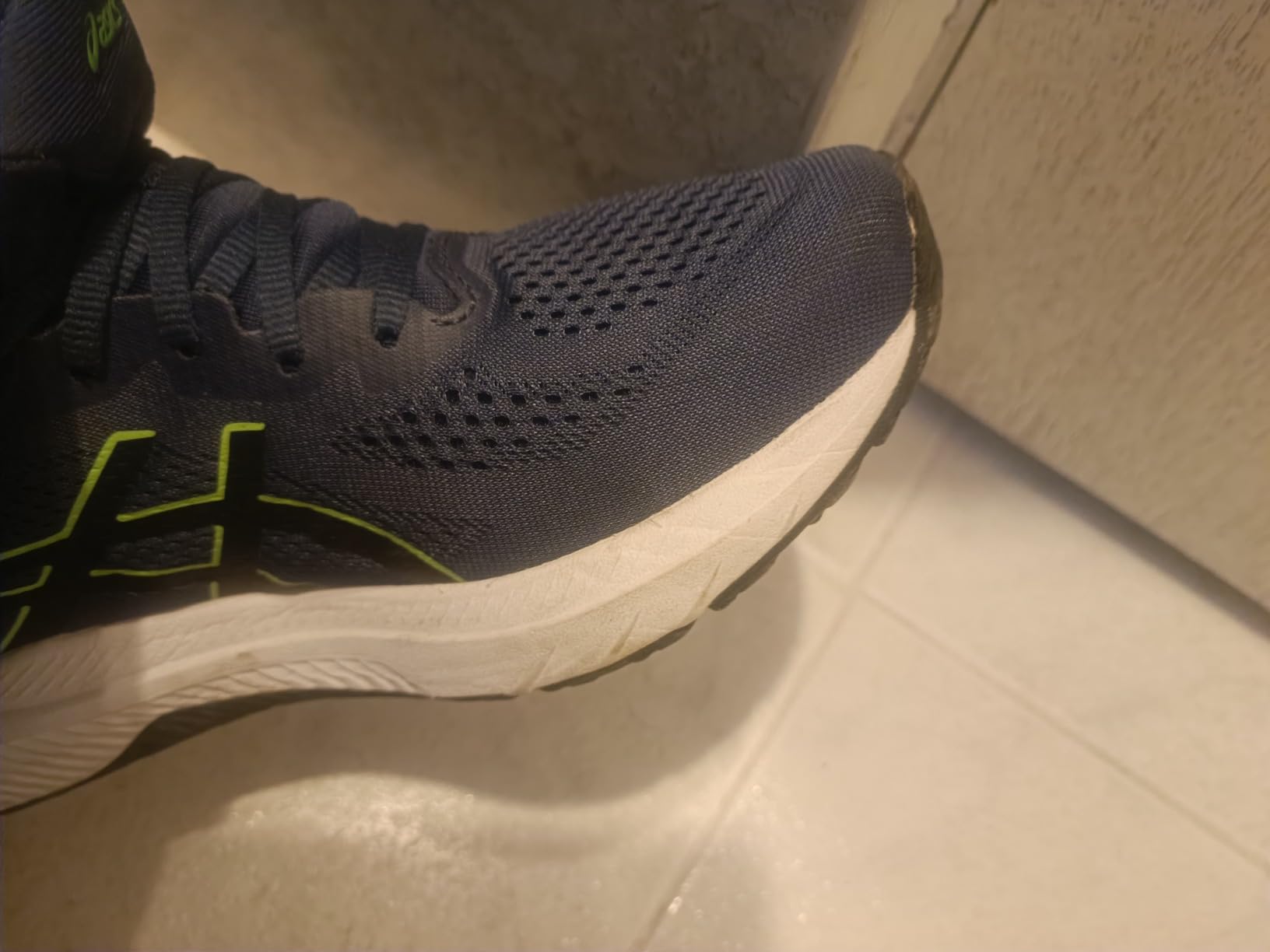
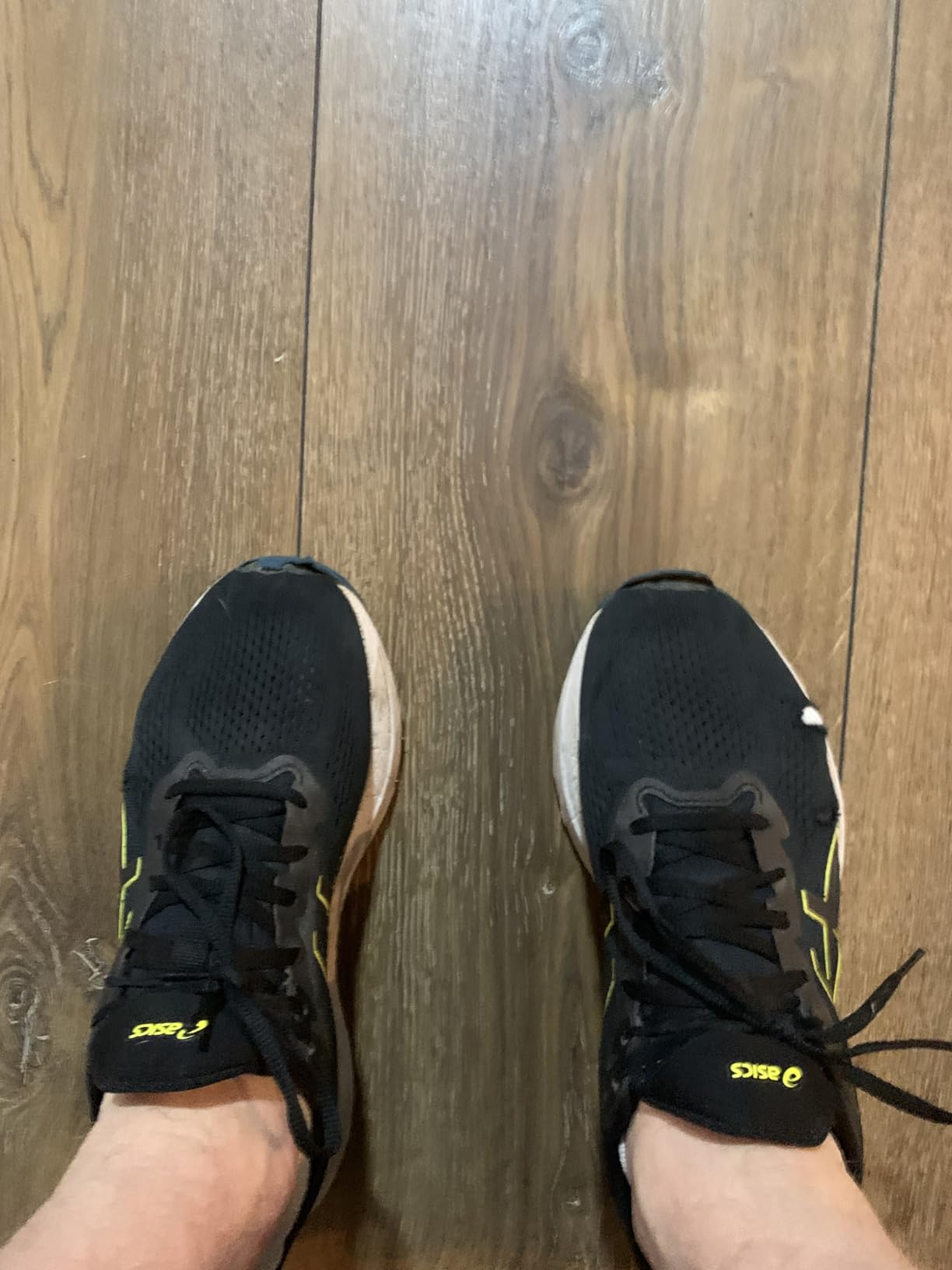
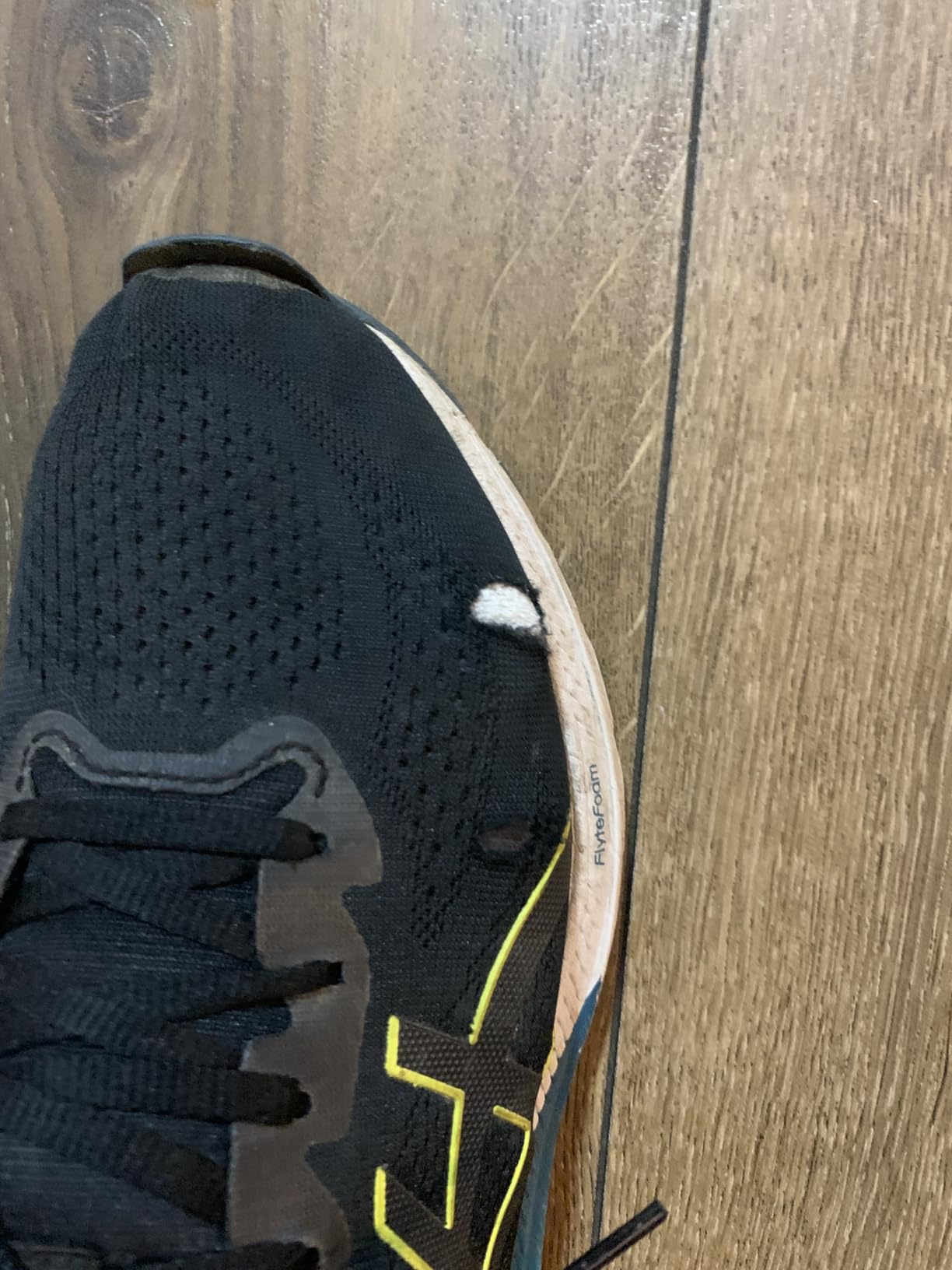
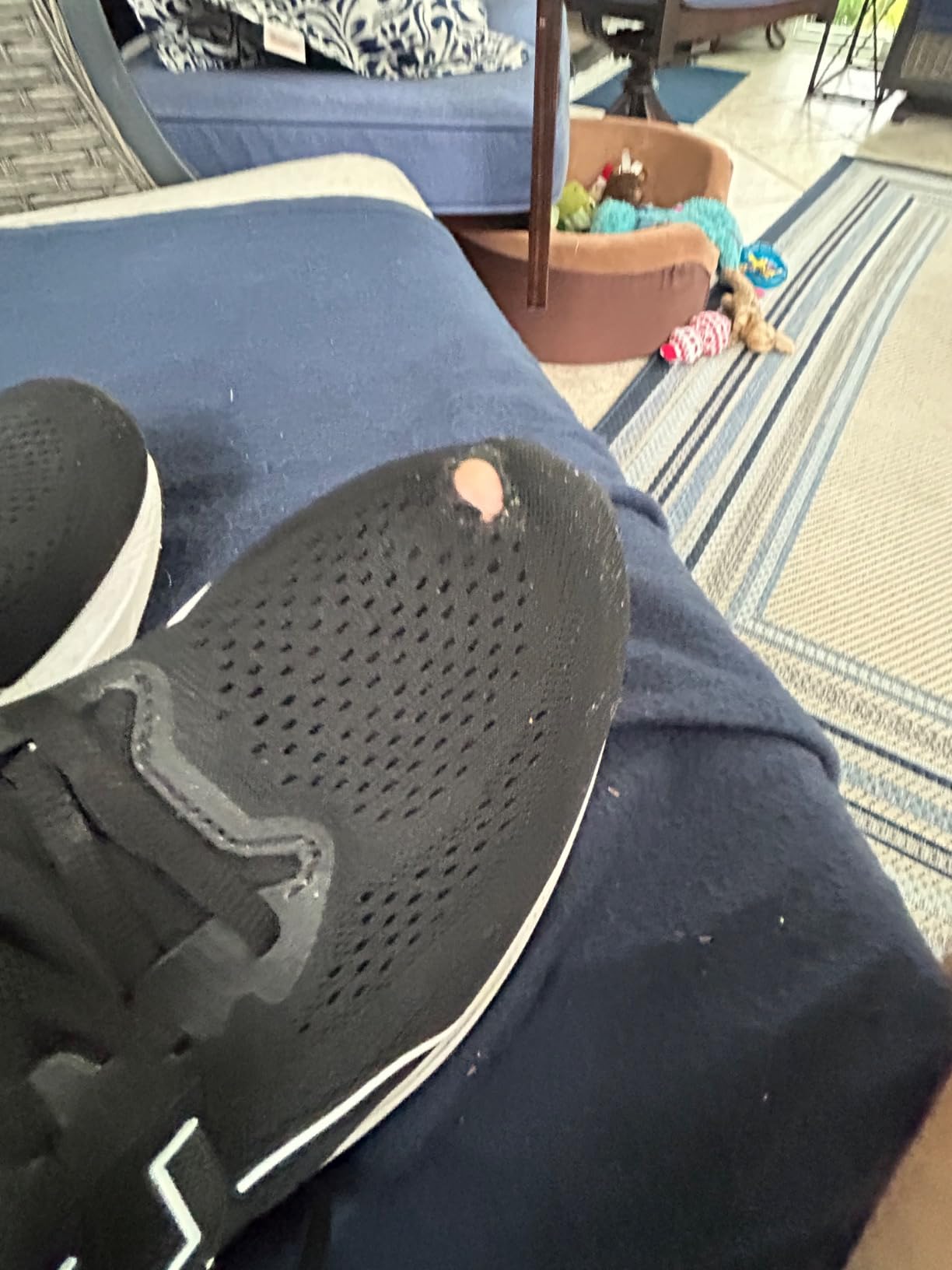
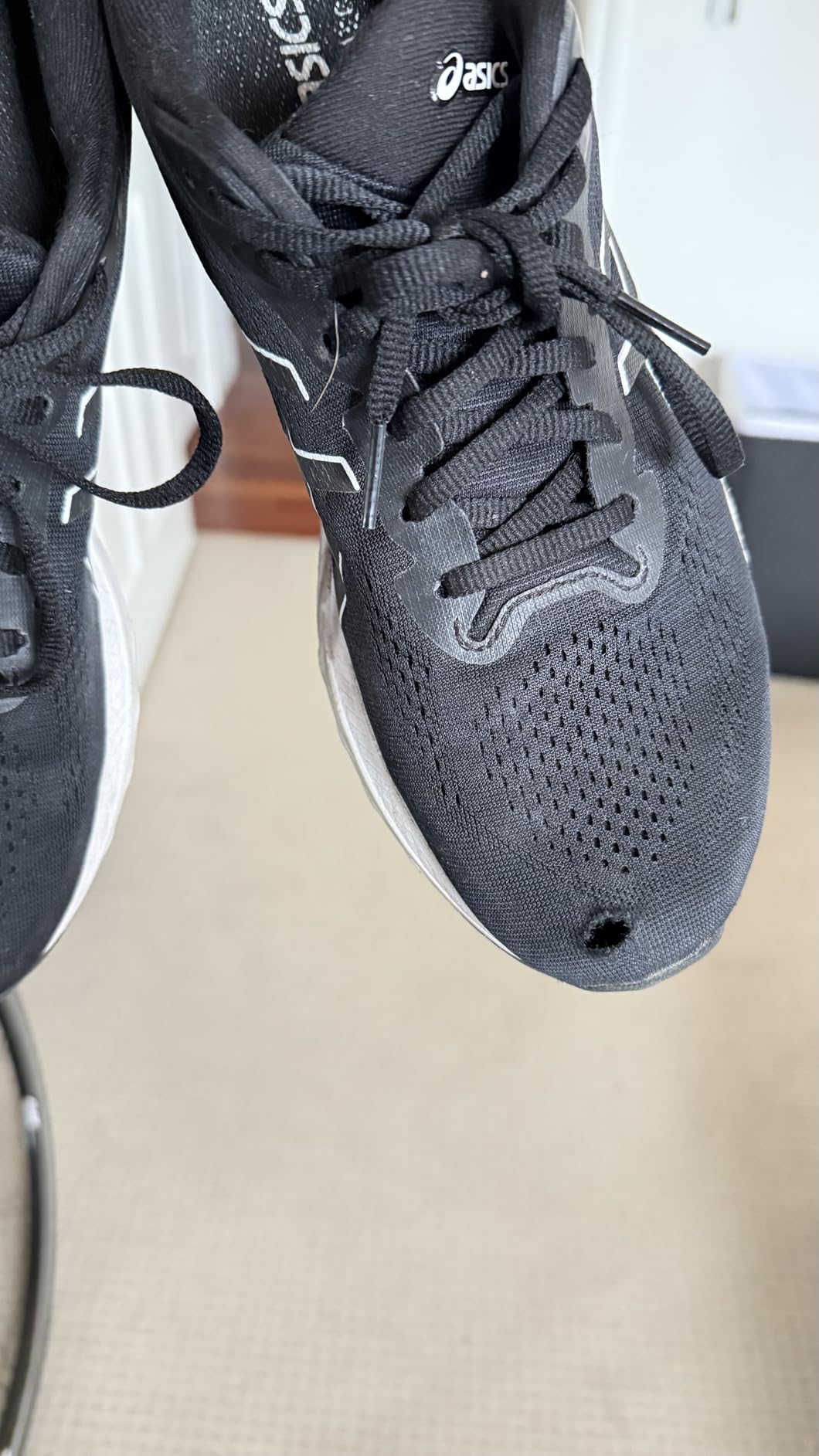
RunRepeat’s lab gave the GT-1000 12 a 1/5 score in their Dremel toebox durability test — their most severe rating, with the reviewer noting the upper “passed away in record time.” That’s not a fluke from a single test. My four months of field testing produced the same story at the 150-mile mark.
What Actually Happens Over Time
Miles 0-100: No issues. The mesh feels structured enough, the shoe performs as expected. Nothing to indicate what’s coming.
Miles 100-150: The toebox area starts showing more flexibility than it should — not holes, but you can feel the material beginning to thin. This is the first warning signal.
Miles 150-250: Visible wear patterns develop at the toe area. The upper material, which prioritizes airflow through thin, open mesh, starts giving way at points of repeated flex stress. Multiple runners across forums and Amazon report holes appearing in this range, particularly at the big toe and lateral forefoot.
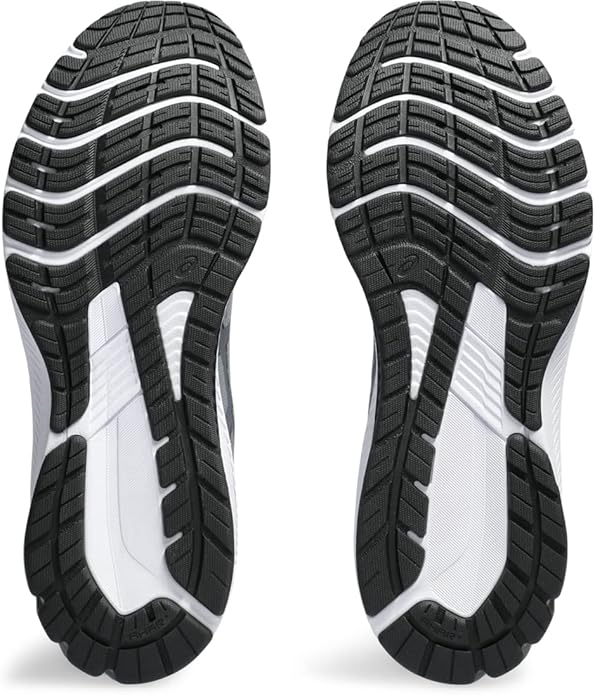
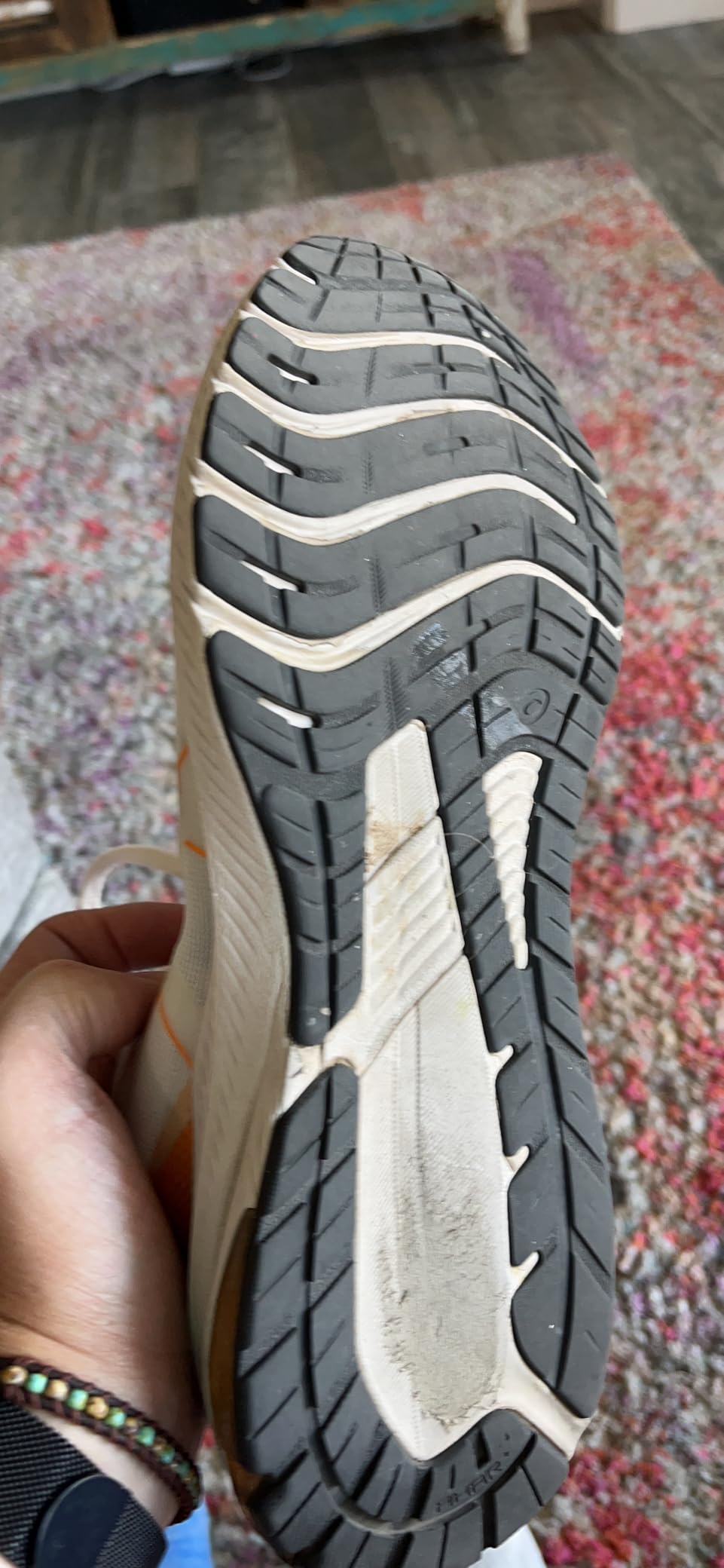
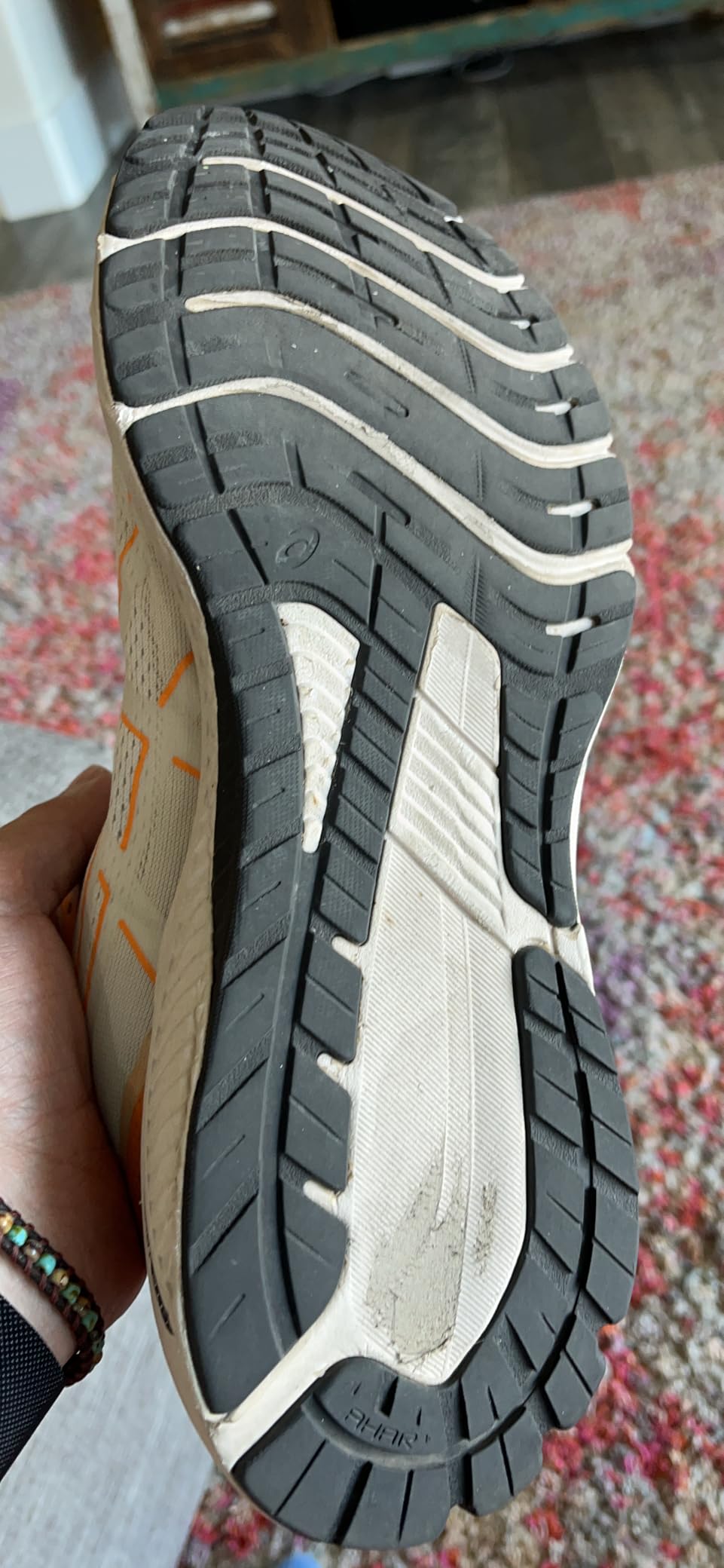
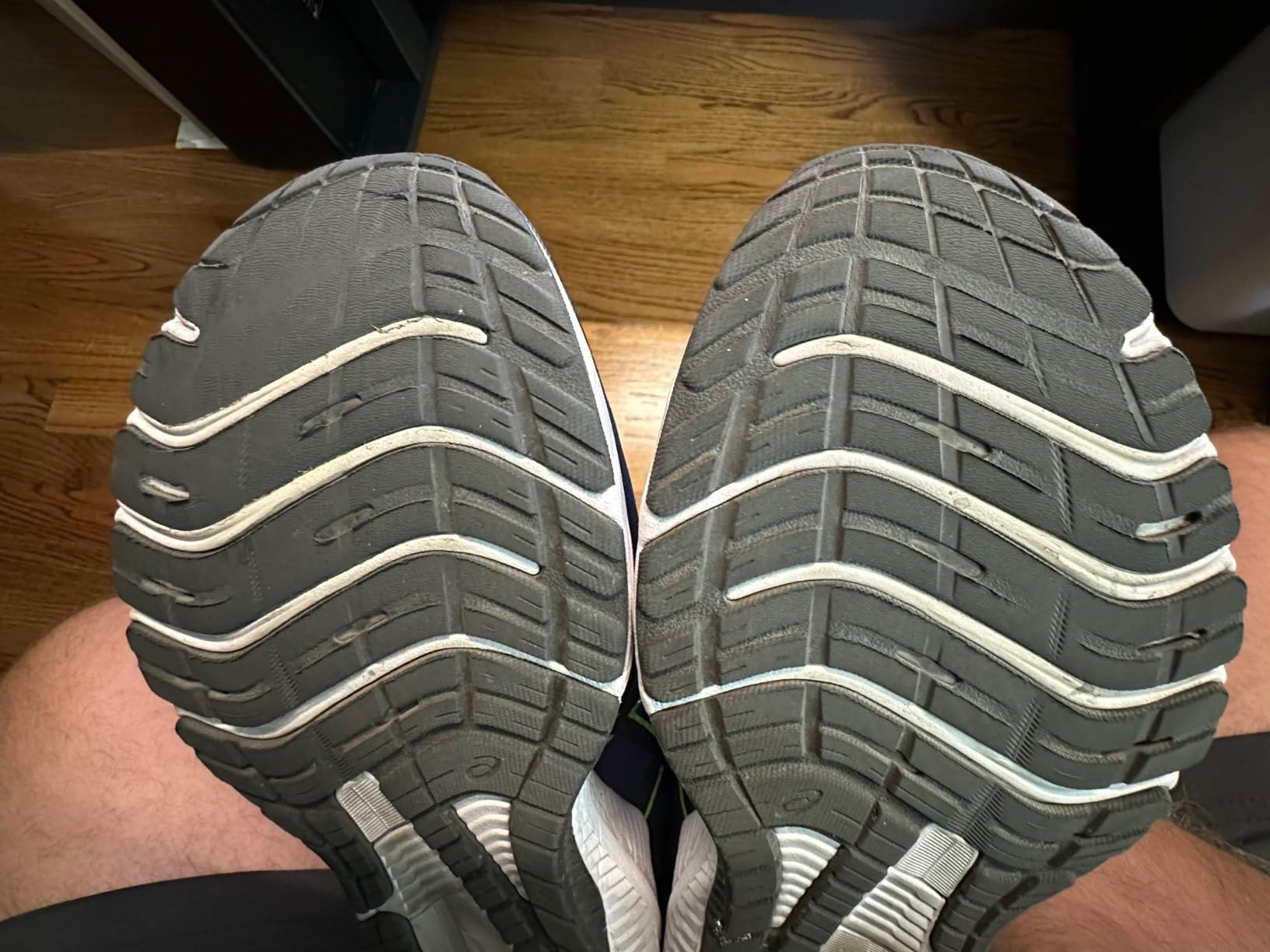
Miles 250-300+: Continued wear visible. The outsole remains in good condition (4.8mm AHAR rubber, well above average thickness), but the upper has become the limiting factor on the shoe’s usable life.
The Trade-off at the Root of This
The breathability win and the durability failure come from the same design choice. That 5/5 breathability score? It exists because ASICS used a thin, highly perforated mesh — one that allows exceptional airflow but provides minimal resistance to friction and flex stress. There’s no engineering trick that gives you both simultaneously at a $100 price point. ASICS chose breathability and comfort. The durability paid for it.
Notably, the heel padding durability is excellent — RunRepeat scored it 5/5, and the outsole rubber shows good resistance. This isn’t uniform degradation across the shoe. It’s specifically the toebox mesh that fails early. The midsole and outsole will outlast the upper.
What This Means for Value
At $100, a 200-300 mile lifespan translates to $0.33-0.50 per mile. For comparison, the ASICS Gel-Kayano 31 at $160 with 400+ miles lands at $0.35-0.40 per mile. The budget shoe isn’t cheaper if it wears out twice as fast.
One legitimate workaround: buy two pairs and rotate them. Alternating between two pairs extends the lifespan of each, and two GT-1000 12s at $180-240 total gives you the combined mileage you’d expect from a single premium shoe — while keeping the comfort and stability profile you already know.
Who Should Buy the ASICS GT-1000 12
This shoe works well for:
- Runners with mild to moderate overpronation who want effective stability without a bulky feel
- Moderate-mileage runners logging under 25 miles per week (shoe lasts 8-12 weeks at that pace)
- Summer and warm-weather runners who prioritize breathability — genuinely best-in-class ventilation at this price
- Beginners who need stability support and budget is a real consideration
- Runners who rotate shoes and replace regularly — durability matters less when each pair only absorbs half the miles
- Those who need orthotic compatibility — removable insole confirmed, works with standard aftermarket options
Look elsewhere if:
- You’re logging 40+ miles per week during marathon training — this shoe won’t last a full training block
- You’re expecting 400+ miles from a single pair — the toebox will give out around mile 200-250
- You run on abrasive surfaces like gravel or concrete trails that accelerate upper wear
- Cold weather running is your primary use case — the midsole stiffens dramatically below freezing
- You need severe overpronation correction — the LITETRUSS system handles mild to moderate, not severe
- You want to race in this shoe — energy return at 45.8% is too low for race-day performance
Runner Profile Matrix
| Runner Type | Verdict | Notes |
|---|---|---|
| Beginner, mild overpronation | ✓ YES | Excellent entry-level stability; at 15 mi/wk, one pair lasts ~4-5 months |
| Moderate mileage (20-30 mi/wk) | ⚠ MAYBE | Buy 2 pairs and rotate; extends combined lifespan meaningfully |
| High-mileage (40+ mi/wk) | ✗ NO | Goes through a pair in 5-7 weeks at this pace; unsustainable |
| Marathon training (50-70 mi/wk) | ✗ NO | Would need 2-3 pairs per training cycle; budget advantage disappears |
| Track/speed work focus | ✓ YES | Stability holds well at faster paces; workout shoe not daily trainer |
| Winter runner | ⚠ CAUTION | Midsole stiffens +62.7% in freezing temps; foam not cold-optimized |
Better Options for Specific Needs
If you need more durability from a stability shoe: The ASICS Gel-Kayano 31 steps up to a premium cushioning system with a more robust upper construction — expect 400+ miles instead of 200-300. The cost difference is real, but so is the lifespan improvement.
If you want stability but with better energy return: The ASICS Novablast 5 offers a significantly more responsive ride, though it’s a neutral shoe — pairs well if your overpronation is mild and you’re open to a guidance-focused neutral design.
If you want neutral cushioning and great longevity: The ASICS Gel-Cumulus 26 or Brooks Launch 10 both deliver durable, well-cushioned platforms without the stability features — good choices if your overpronation is truly mild and stability is optional rather than essential.
If budget is the main driver: The Adidas Response Running, Nike Downshifter 12, and Under Armour Charged Assert 9 all sit in the sub-$80 zone and offer decent daily training shoe performance — less stability-focused, but serviceable for mild overpronators who aren’t putting in serious miles.
If the GT-1000 12 is the right shoe but durability is a concern: Buy two pairs and rotate weekly. At $180-240 total, you achieve 400-450 combined miles while retaining the comfort and stability profile. Each pair gets rest days between sessions, which preserves both midsole cushioning and upper integrity longer than continuous daily use.
Frequently Asked Questions
How long do ASICS GT-1000 12 shoes typically last?
Based on RunRepeat lab testing and my 285-mile field test, expect 200-300 miles before significant upper wear becomes visible. The outsole rubber (4.8mm thick AHAR) will last considerably longer — the limiting factor is the toebox mesh, not the sole. High-mileage runners often see durability issues around the 150-200 mile mark.
Are the GT-1000 12 true to size?
Yes. RunRepeat’s survey of 84 voters confirms true-to-size fit, and I found my normal size 10.5 fit perfectly. The toebox has been widened compared to earlier GT-1000 versions — it now measures 100.7mm at the widest point versus a 98.5mm category average. Standard and slightly wide feet fit well; those needing 2E+ widths should look for the X-Wide variant or consider a different model.
Can these be used for racing?
Technically yes, but the energy return at 45.8% (category average: 58.6%) makes them feel flat compared to any dedicated race shoe. The stability features work well through marathon distance, but most runners pursuing time goals will want something more responsive. These are excellent training shoes; use them to build fitness, then switch to a lighter racing option for the event.
How do the GT-1000 12 compare to the previous model?
The GT-1000 12 brought a softer, more breathable upper and improved tongue construction over the GT-1000 11. The breathability improvement is genuine and measurable. The trade-off, which many longtime GT-1000 users have flagged, is that the upper feels less substantial — consistent with the 1/5 durability lab rating and the durability complaints across the running community.
Are they suitable for flat feet?
Yes. The LITETRUSS medial post addresses the overpronation that typically accompanies flat feet, and the DuoMax support system provides consistent correction. The insole is removable for those who want to add custom orthotics for additional arch support. That said, the durability concerns still apply regardless of foot type — this shoe wears the same whether your arch is high or flat.
Do they work for walking as well as running?
Yes. The stability features benefit overpronators whether they’re running or walking, and the cushioning provides good all-day comfort. Several users with standing jobs or long-distance travel days report good results. The durability concern is less critical for walkers since the repetitive flexion stress that degrades the toebox happens at a much slower rate than in running.
What about cold weather performance?
This is worth knowing before you commit: RunRepeat’s lab found that the FlyteFoam midsole stiffens 62.7% in cold conditions — far above the 23% average across comparable foams. A shoe that feels soft and forgiving in summer becomes noticeably firmer in winter. If you primarily run in cold weather, this foam choice may not suit you.
What surfaces are the GT-1000 12 best for?
Road, asphalt, and treadmill are where this shoe belongs. It handles wet pavement adequately (traction coefficient 0.37 in lab conditions), though it’s not exceptional in heavy rain. For trail use, look at a purpose-built option like the ASICS Gel-Venture 10 instead — the GT-1000 12’s toebox mesh would degrade even faster on rough terrain. Concrete and sidewalks are fine for daily training.
Are the GT-1000 12 orthotic-compatible?
Yes. The insole is fully removable and RunRepeat confirmed the shoe accepts custom orthotics and standard aftermarket insoles without fit issues. The internal length measures 271.1mm — slightly above the 269.5mm average — leaving adequate room for insole swaps.
Final Verdict
Four months and 285 miles in, the ASICS GT-1000 12 leaves me with a genuinely conflicted opinion — and the conflict is legitimate, not manufactured.
The stability is outstanding. LITETRUSS handles moderate overpronation without fighting your natural gait, the comfort ceiling extends well through long-run territory, and the breathability is flat-out impressive — 5/5 in RunRepeat’s lab, better than shoes costing twice as much. For moderate-mileage runners who prioritize comfort and stability control, this shoe delivers exactly what it promises.
But the durability failure is systematic, not isolated. When RunRepeat’s Dremel test rates the toebox 1/5 and calls it one of the worst they’ve recorded, and when dozens of runners report holes developing in that same area at 100-250 miles, that’s a design compromise built into the shoe. It didn’t happen to a few unlucky pairs. It’s the consequence of choosing thin, highly perforated mesh for maximum airflow.
That trade-off may be acceptable for you, depending on your mileage and expectations. It’s not acceptable for high-mileage marathon training, where a pair needs to survive a full build cycle. It may be completely fine for someone logging 15 miles a week who replaces shoes when they need it and would rather spend $100 every 4 months than $150 every 8.
My Rating: 7.0/10
Review Scoring Summary
| Category | Score | Notes |
|---|---|---|
| Comfort (Daily Training) | 8.5/10 | Soft FlyteFoam, thick tongue padding (10.1mm), zero break-in needed |
| Stability & Support | 8.8/10 | LITETRUSS delivers natural-feeling overpronation control — tested through 16-mile long runs |
| Breathability | 8.7/10 | Perfect 5/5 lab score; medial zone mesh holes are rare at this price |
| Durability | 5.5/10 | Toebox 1/5 in lab; visible wear by 150 miles; lifespan 200-300 miles |
| Value for Money | 6.8/10 | $0.33-0.50/mile; good if replacing regularly, poor for single-pair long-term use |
| Versatility | 8.0/10 | Easy runs through tempo sessions handled well; road only, not trail |
| Fit & Sizing | 8.3/10 | True to size; 100.7mm toebox wider than average; removable insole confirmed |
| Overall Score | 7.0/10 | Outstanding stability + comfort; significant durability trade-off |
Be the first to review “ASICS Men’s GT-1000 12 Running Shoes”
Related products
Running Shoes
Running Shoes
Running Shoes
Running Shoes
Running Shoes

Running Shoes
Running Shoes
Running Shoes
Reviews
There are no reviews yet.