
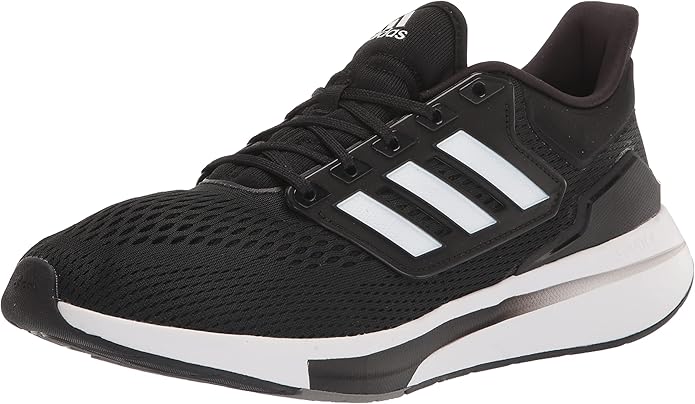
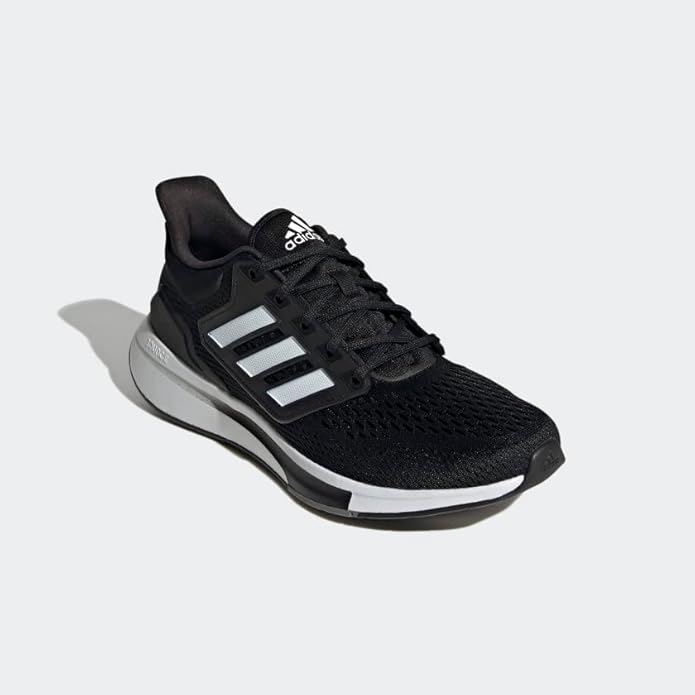
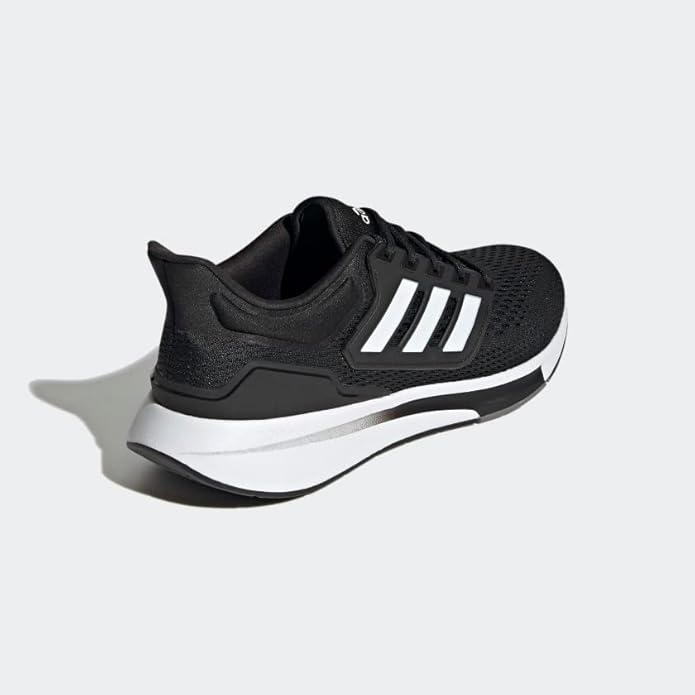
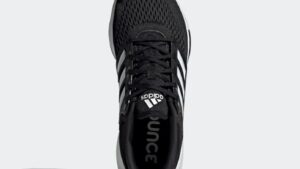
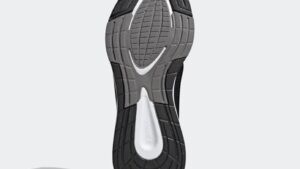
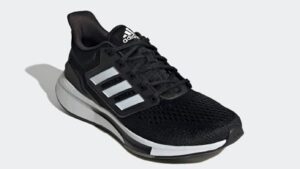
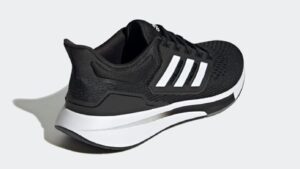
Week six. Forty-seven sessions in, 200-plus miles logged — I was convinced I’d finally cracked the code on budget running shoes. Then I sat down to retighten my laces before an easy five-miler and heard a snap. The plastic eyelet on my left Pureboost ZG had sheared clean off. Not from abuse, not from overtightening. Just from the act of lacing them up for the forty-eighth time. Mike here, and that moment tells you everything you need to know about this shoe — and also almost nothing about it, because the comfort story is genuinely impressive right up until the durability story falls apart.
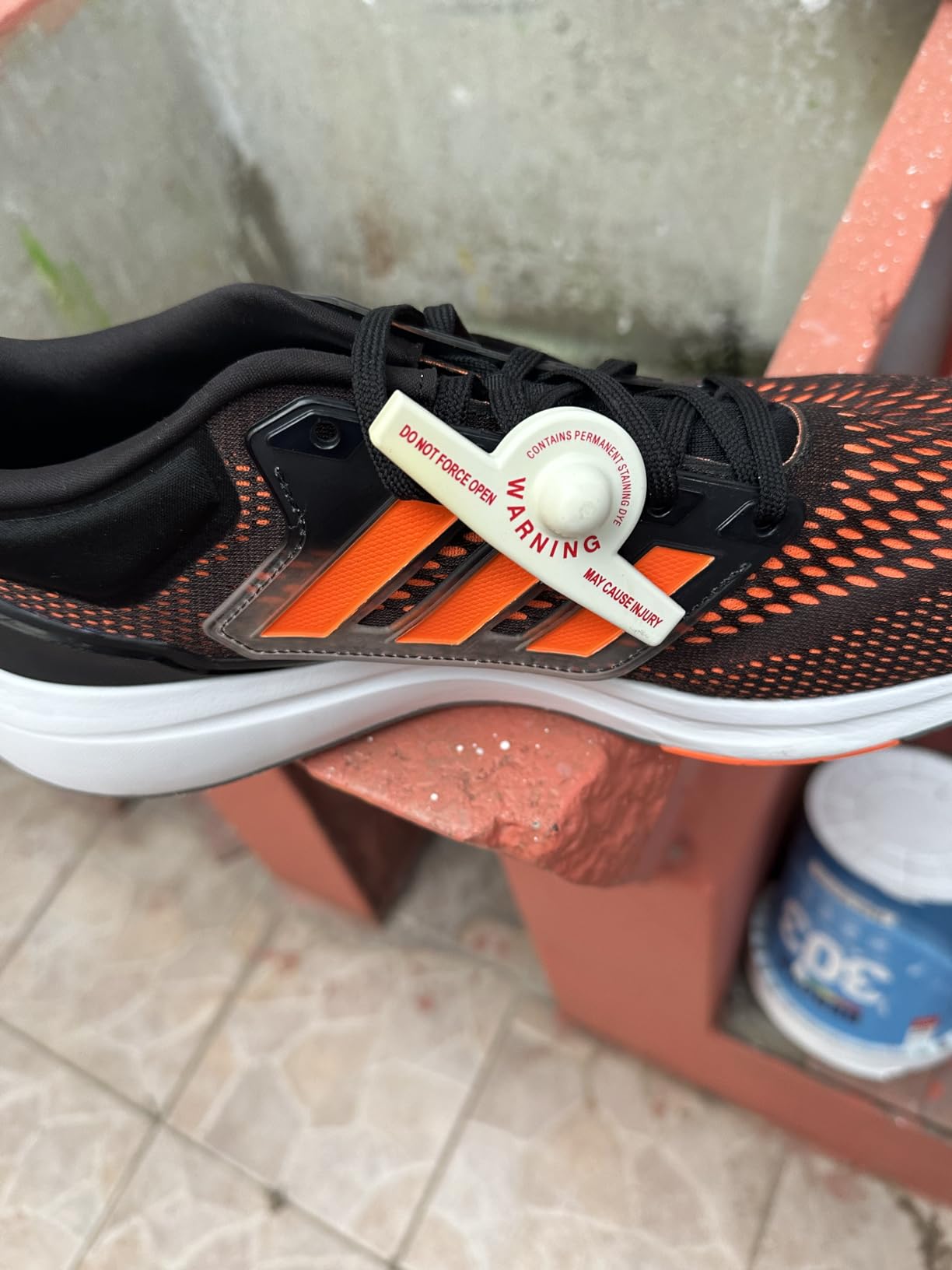
I got here after torching through two pairs of higher-priced performance runners back-to-back. One gave me blisters in the heel. The other felt great for a month, then the forefoot cushioning compressed into nothing. I was frustrated enough to deliberately look for something off the beaten path — and the Pureboost ZG kept appearing in forum threads alongside phrases like “slept on” and “grab these before they disappear.” At $47 on clearance, I figured I had nothing to lose. Eight weeks and 200+ miles later, I have actual data to share instead of impressions.
Quick Specs
| Specification | Value |
|---|---|
| Street price | $40–68 (clearance/secondary market); original MSRP $120 |
| Weight | ~10 oz men’s size 9 (mesh version) |
| Heel-to-toe drop | ~10mm |
| Stack height | ~29mm heel / ~19mm forefoot |
| Midsole | Full-length Boost foam (TPU capsules) |
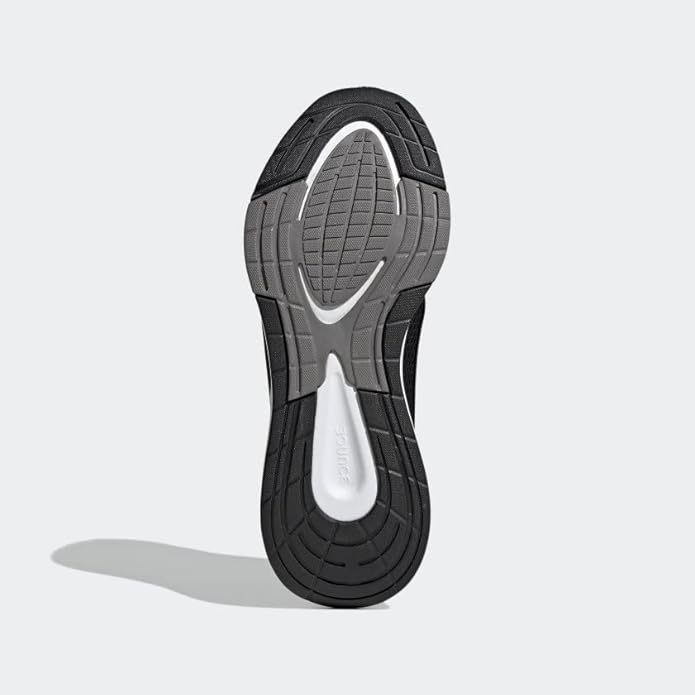
| Outsole | Soft EVA foam (Stretchweb) — not rubber |
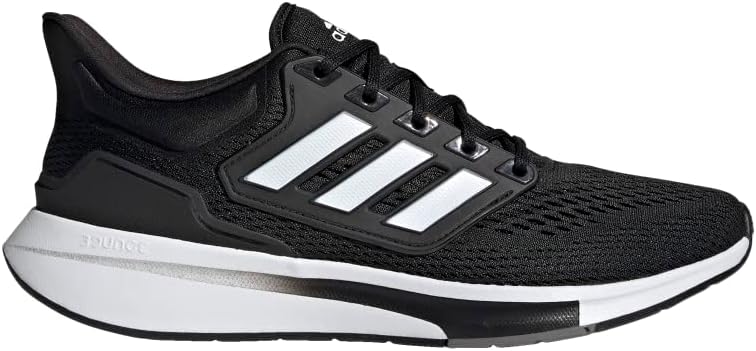
| Upper | Engineered mesh with TPU quarter and heel stabilizers |
| Category | Daily training / lifestyle runner |
| Testing period | 8 weeks / 47 sessions / 200+ miles |
Design and Build: The Sock That Isn’t Quite a Sock
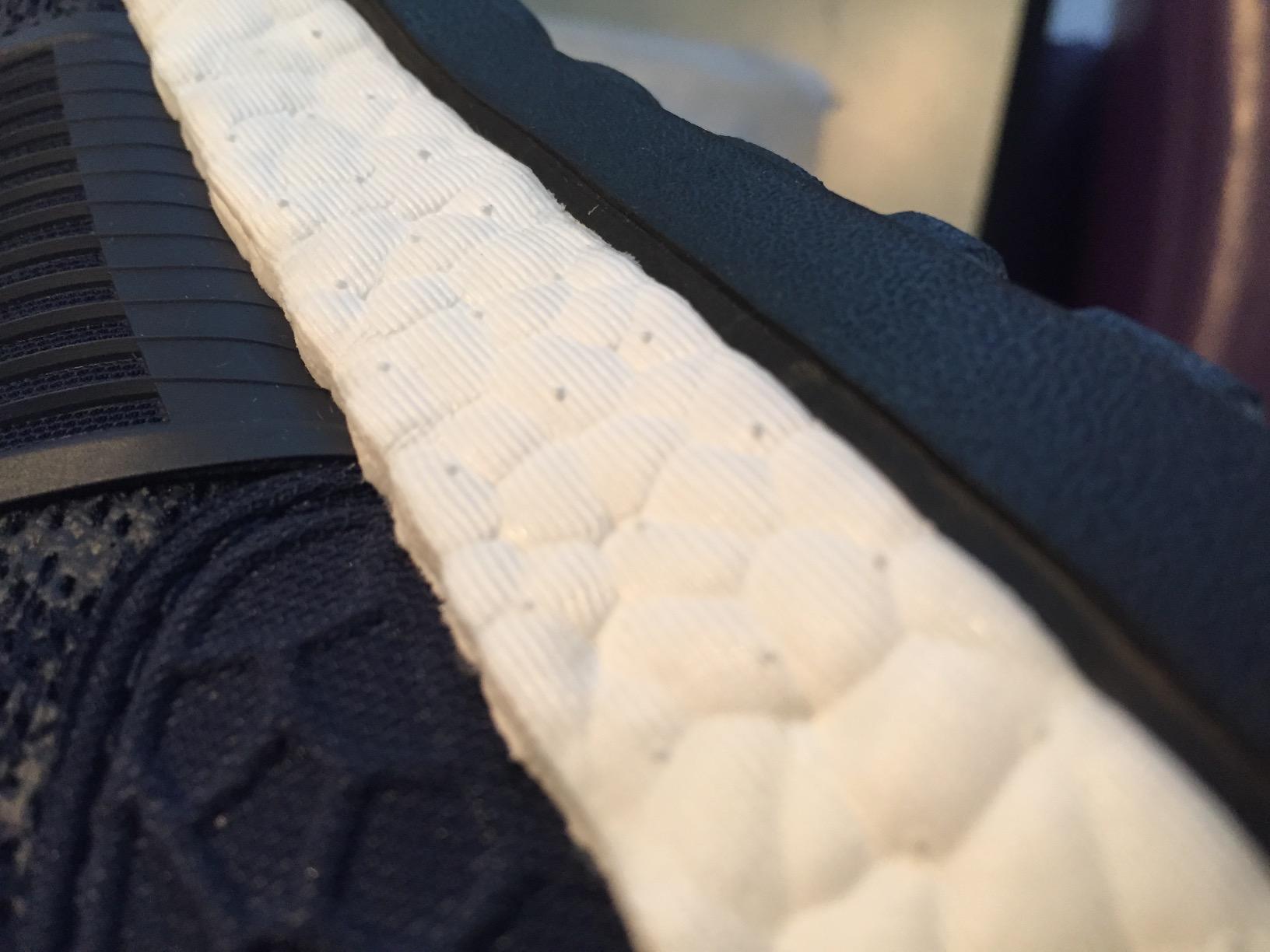
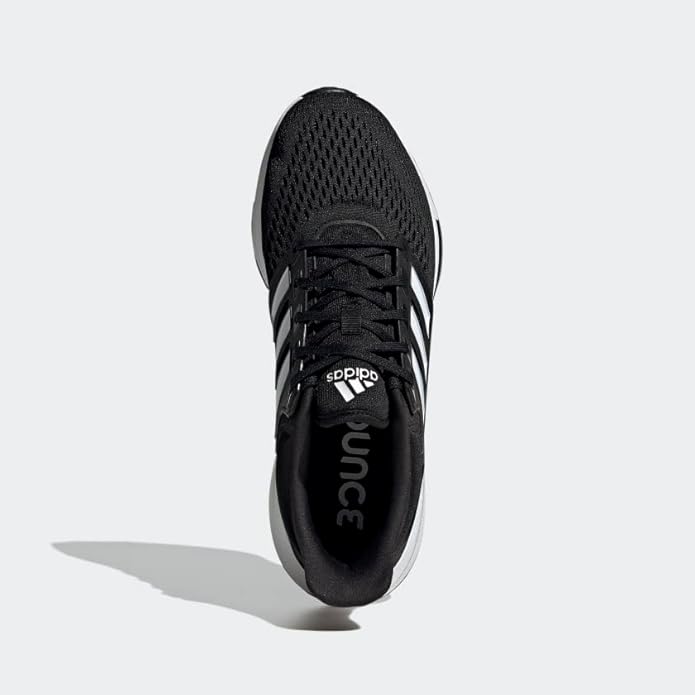
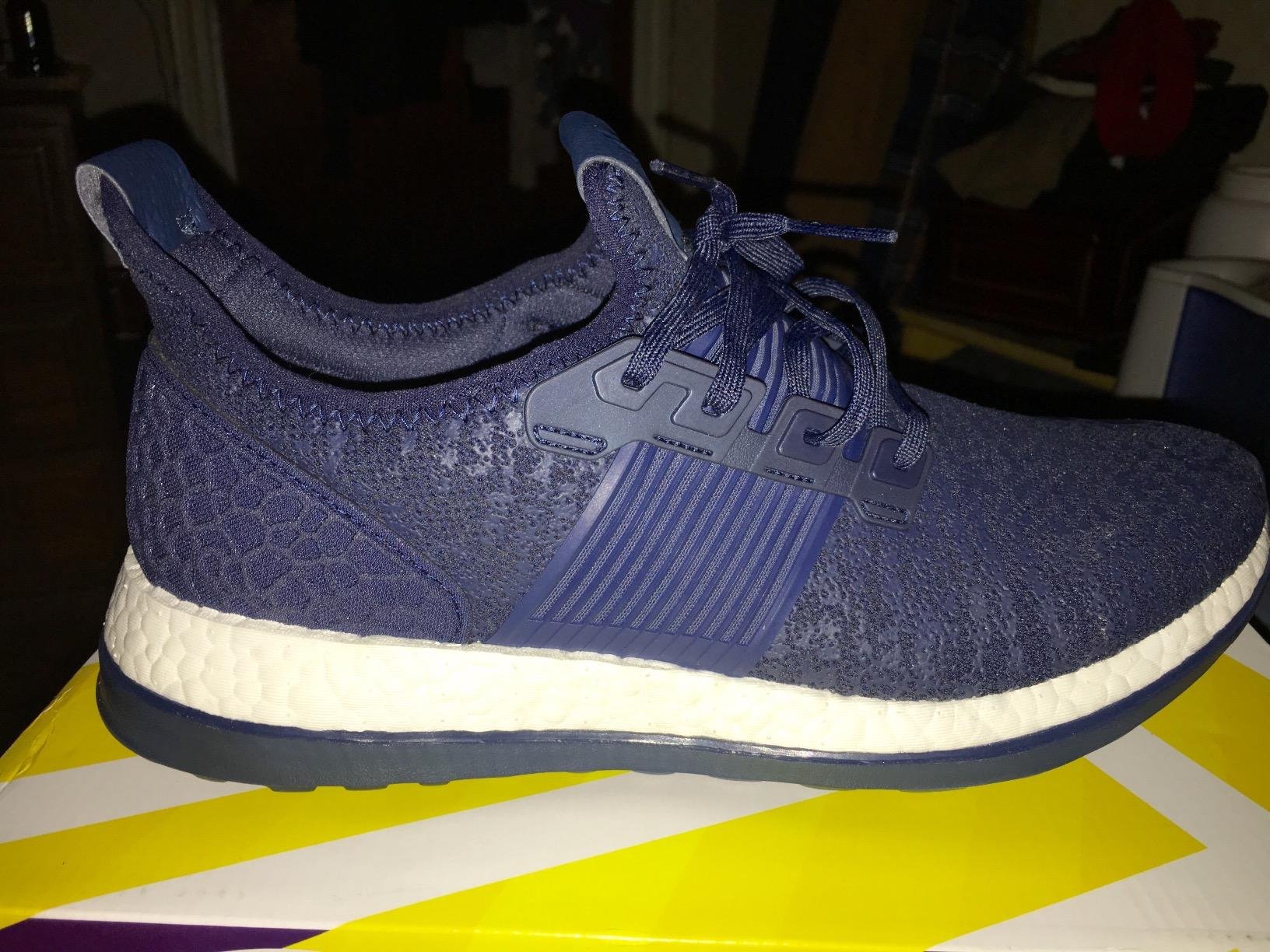
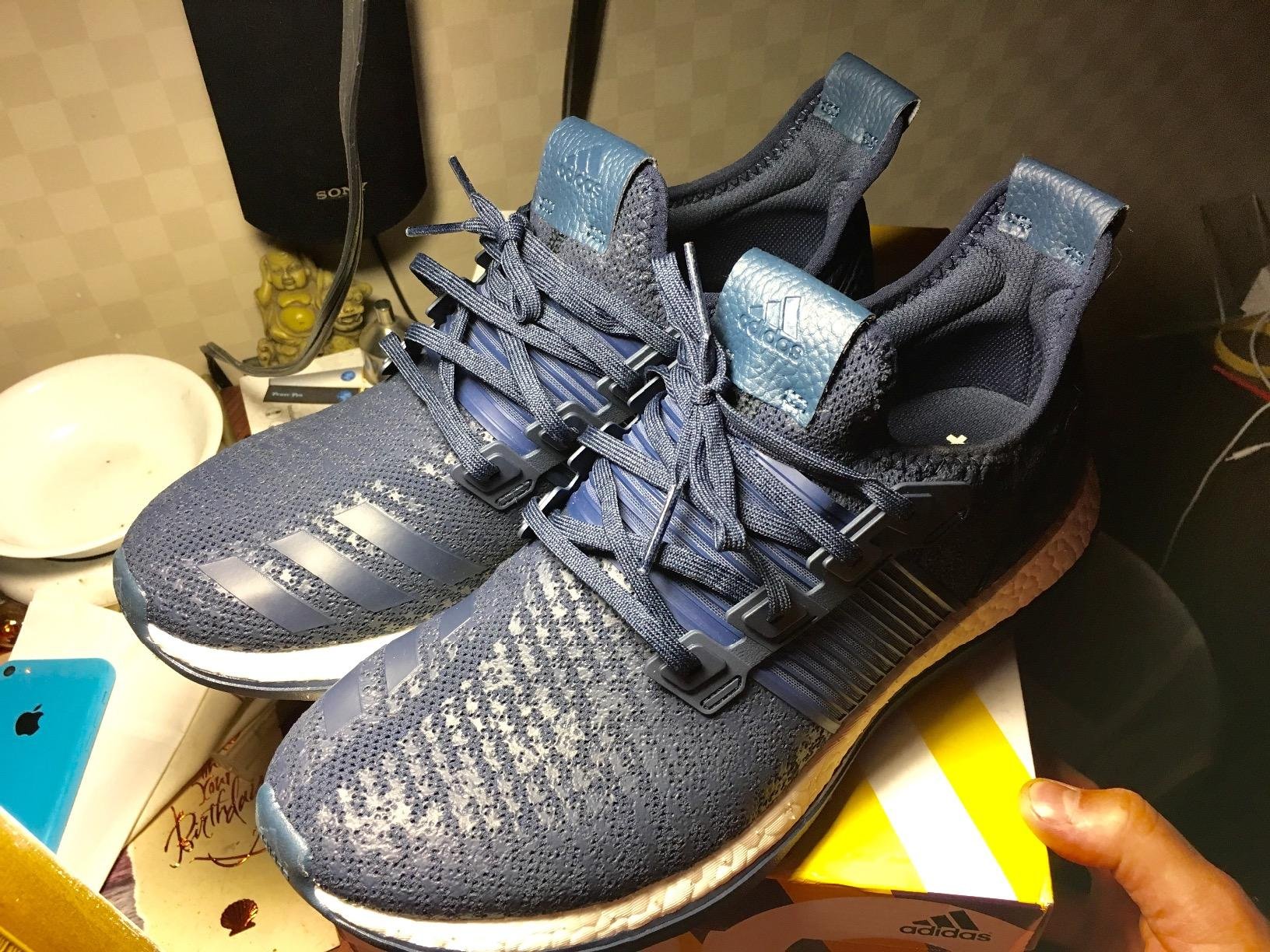
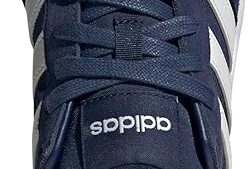
The first thing you notice when you pick up the Pureboost ZG is how light it feels before you even put it on. The engineered mesh upper has some structure — TPU quarter panels and a molded heel cup keep it from being a complete sock — but it’s clearly built around the idea of minimal resistance. Slip your foot in and the attached tongue wraps around your midfoot like a sleeve rather than a flap. There’s no adjusting the tongue into position mid-run because there’s nothing to adjust. That took me about two runs to stop thinking about.
The mesh itself surprised me on breathability. During a stretch of August humidity where my old shoes would’ve been soaked through in 20 minutes, these stayed noticeably drier. The weave structure is open enough to ventilate but tight enough to hold its shape after 200 miles — the mesh hasn’t puckered or torn anywhere obvious.
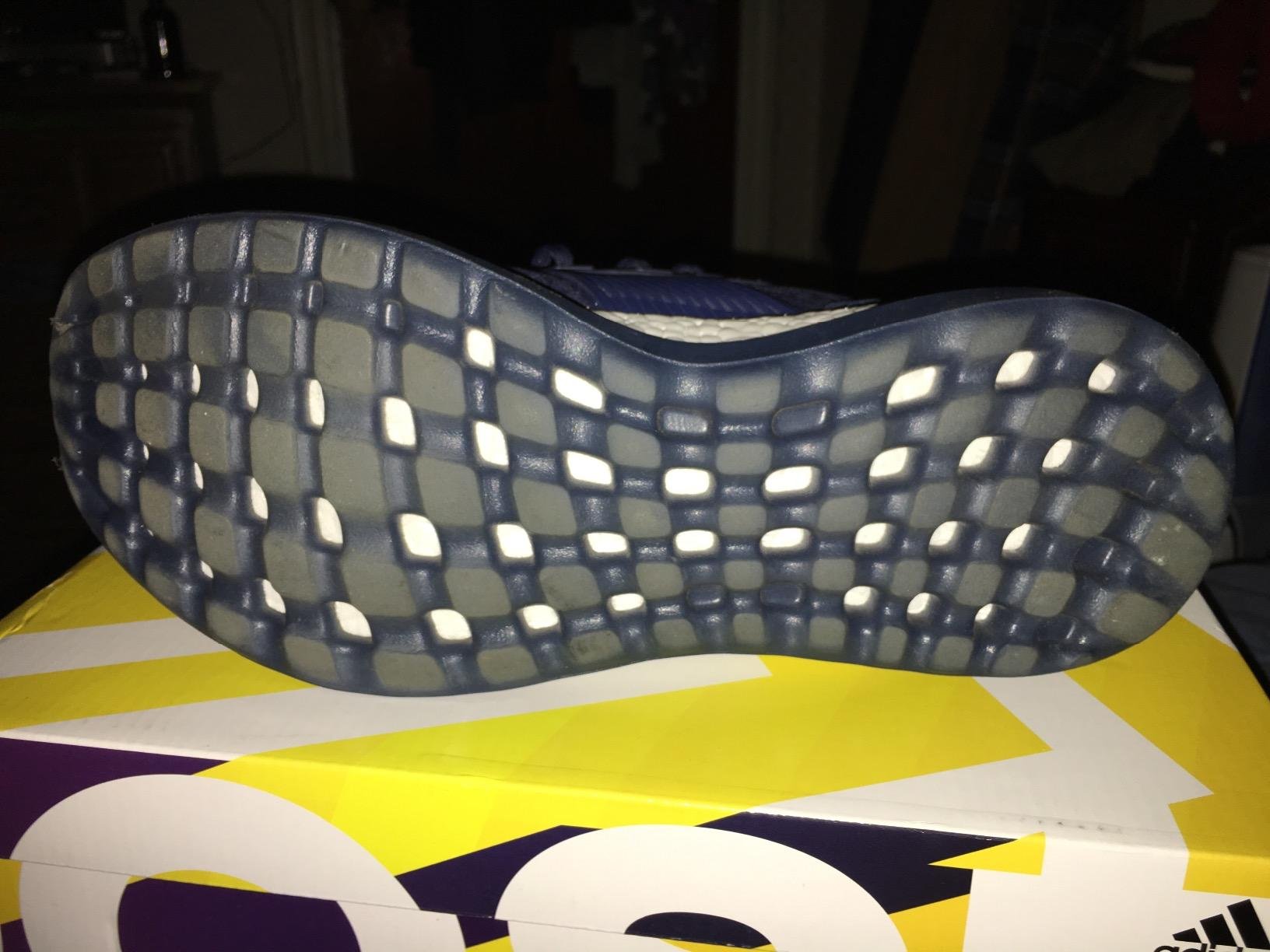
Something worth knowing before you buy: that Stretchweb outsole you’re looking at isn’t rubber. It’s a soft EVA foam compound with a grid-like pattern cut into it. EVA is lighter and more flexible than rubber, which is part of why this shoe rides so smoothly, but it also means the forefoot lugs will compress faster on abrasive surfaces. The open tread pattern grabs well on dry pavement and handles light rain adequately. It also collects small rocks if you cross any gravel. I’d clear them out at the door rather than carrying them to the gym floor.
The Boost Midsole: What’s Real and What’s Marketing
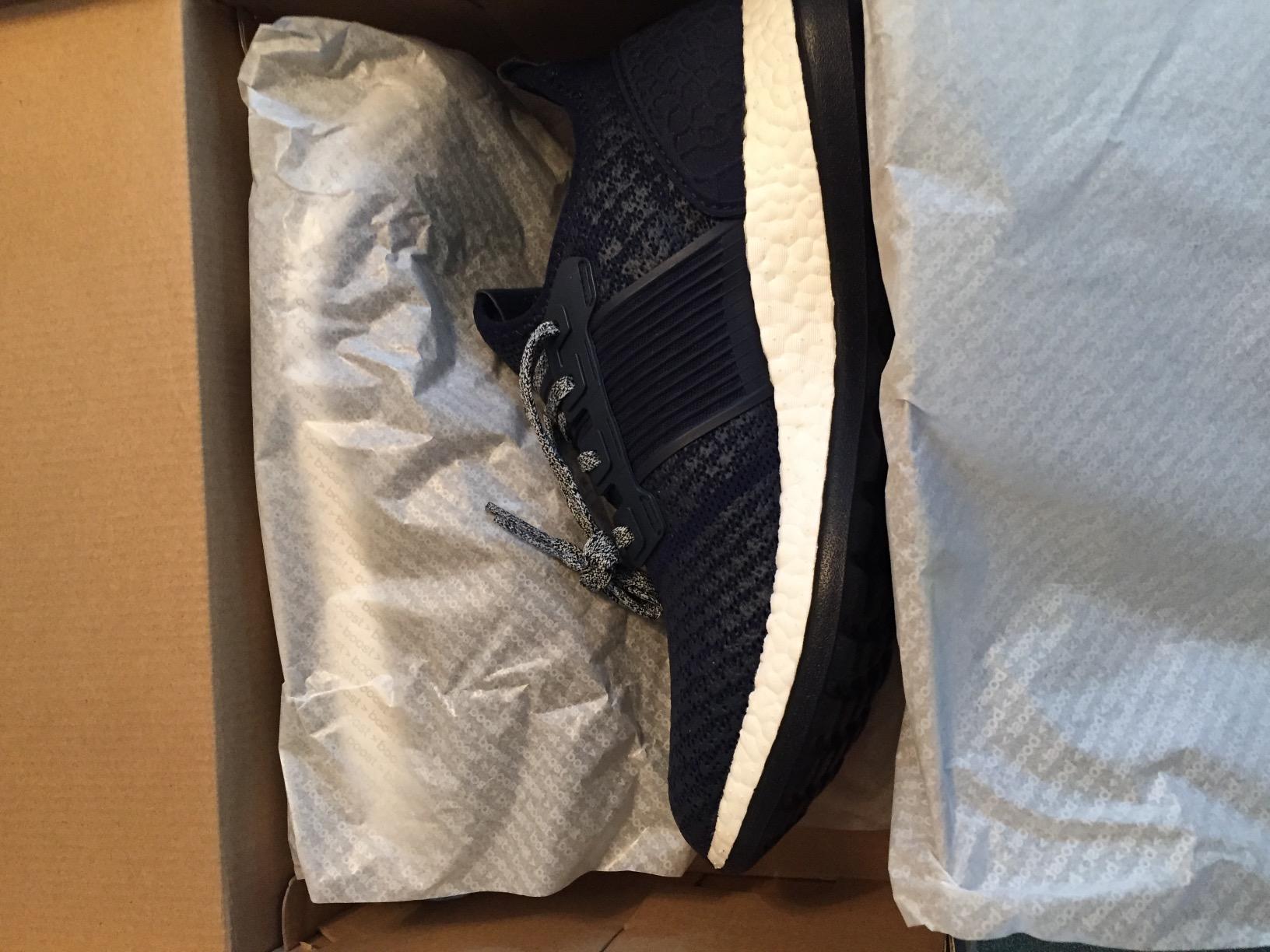
Adidas has a knack for overselling Boost. “Zero gravity” is the phrase they hang on this one, and I’ll say upfront — that’s a reach. What’s accurate is that the energy return is perceptibly higher than standard EVA-only running shoes. After my first 5-mile test run, I noticed I wasn’t bracing for each heel strike the way I had been in my previous pair. By week three, the 10-mile Saturday runs that used to leave my calves tight finished with less accumulated fatigue.
At 185 lbs, the cushioning sweet spot here is real. The stack isn’t as plush as the Adidas Supernova 3 — that shoe has more foam volume and slightly more give underfoot — but the Pureboost ZG is also more responsive, more spring-like with each push-off. It’s not a marshmallow, and it’s not a race flat. Somewhere between the two, leaning comfort.
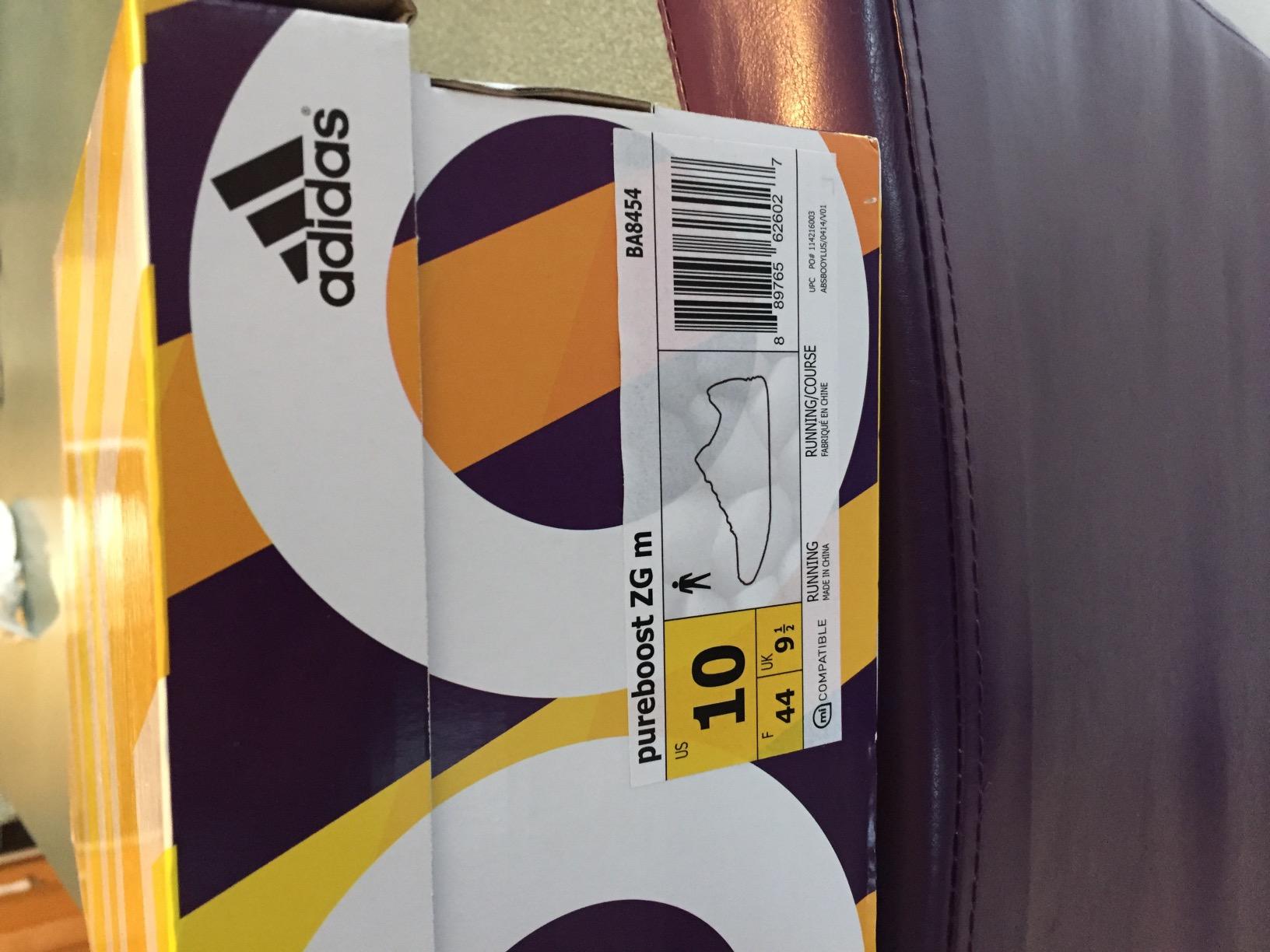
One thing I want to flag: the Boost layer here sits on top of a soft EVA foam outsole rather than sitting directly on a rubber compound. That construction choice makes the overall stack feel softer and bouncier than the numbers suggest, but it’s also why the durability story has limitations I’ll get to shortly.
Cross-Training Bonus
I wasn’t expecting to use these as training shoes, but I did — and they handled it better than I expected. The TPU heel and quarter panels provide actual lateral stability, enough that deadlifts felt grounded and box jumps felt controlled. For general gym work, HIIT, circuit training: these are capable. The limitation is the 10mm drop. For heavy back squats or Olympic lifts where you want maximum heel-to-floor connection, a flatter shoe like the Nike Metcon 9 is a better fit. But for the mixed-use runner who lifts two or three days a week, the Pureboost ZG handles both without feeling compromised at either.
Fit and Sizing: Get This Right Before You Order
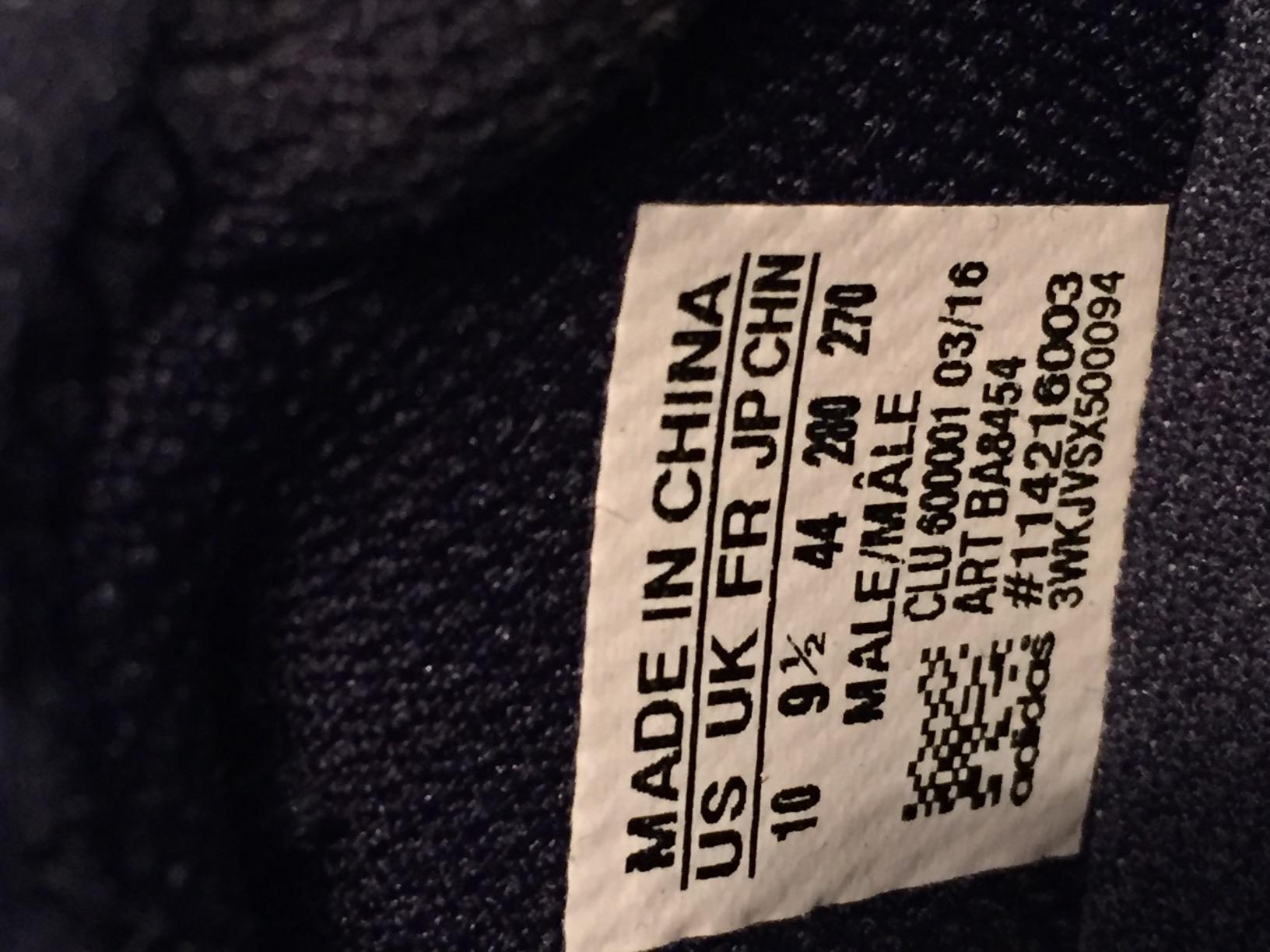
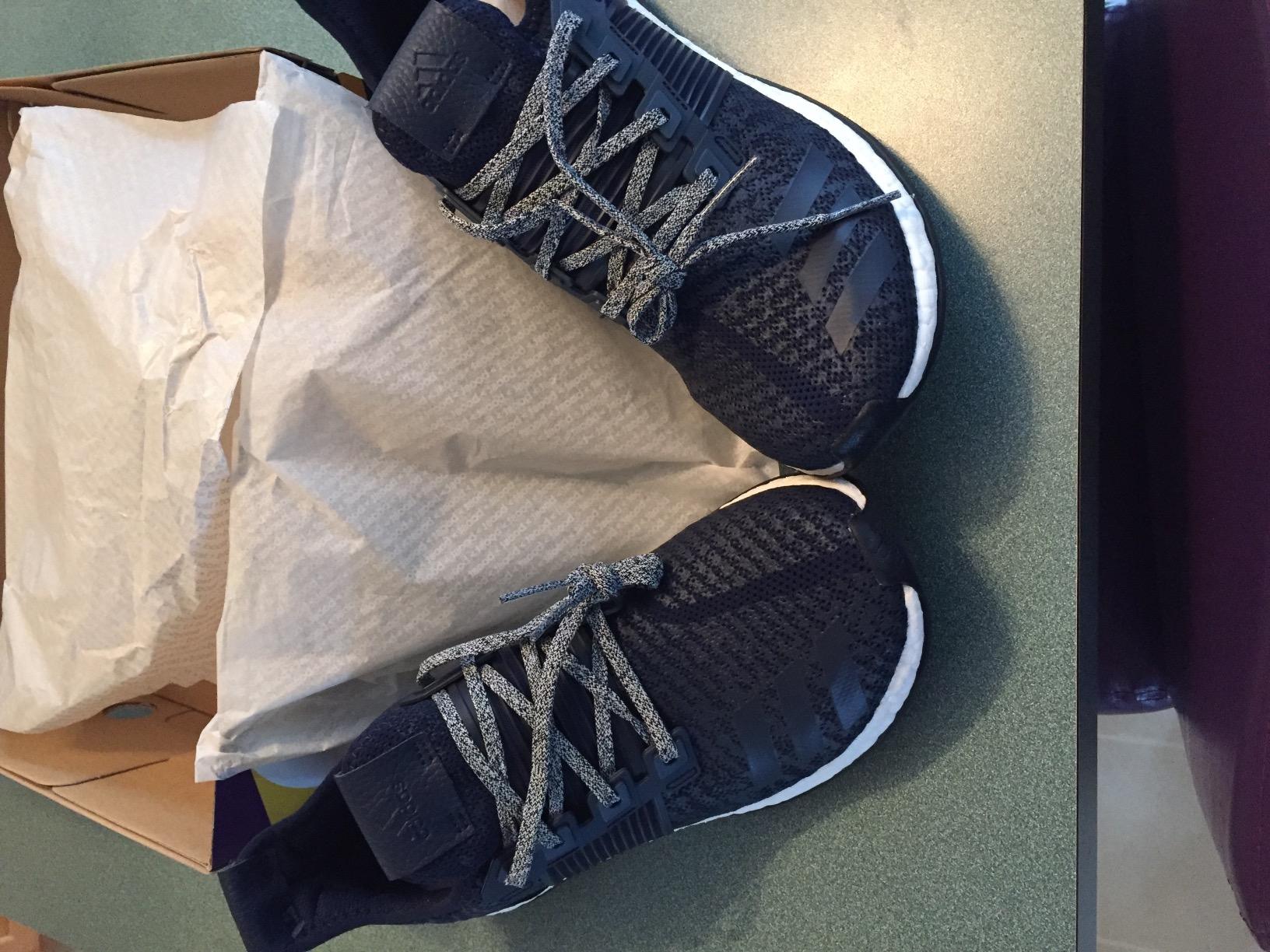
Run a half size to a full size larger than your Nike equivalent. I’m a 10.5 in Nike and a 10 in the Pureboost ZG — that held perfectly with thin running socks and a secure midfoot feel. Runner’s World testers found similar, noting the PureBoost line tends to run large relative to other brands. Order your typical Adidas size or go 0.5 down from Nike.
| Foot Type | Recommendation | Why |
|---|---|---|
| Standard width | 0.5 down from Nike size | Attached tongue adds snugness at midfoot |
| Narrow feet | TTS in Adidas, or 0.5 down from Nike | Sleeve locks well; minimal gapping |
| Wide feet | Consider skipping or TTS + break-in period | Mesh constricts; 1–2 week softening needed |
The attached tongue system is genuinely useful once you’re sized correctly. No mid-run slippage, no tongue migrating sideways, no hot spots from a bunched-up flap. For narrow to normal feet, this is a clean fit. If you have wide feet, the midfoot will feel constricting for the first week or two as the mesh breaks in. Whether it eventually reaches comfortable depends on how wide we’re talking — if you’re typically buying 2E or 4E, this isn’t your shoe.
Women sizing: men’s size 8.5 converts to women’s 10. Add 1.5 sizes from men’s to women’s — multiple customers confirmed this conversion works as expected.
Road Performance: What 200 Miles Actually Showed
On asphalt, these do exactly what the Boost midsole promises. My tempo runs at 7:30/mile pace had a noticeably different feel at the end — less beat-up, less lingering calf tightness the following morning. The 10-mile Saturday runs I use as a durability benchmark felt sustainable through week six, before the eyelet issue changed the equation.
Wet conditions: adequate, not excellent. The traction on light rain-damp asphalt held without incident. A heavy downpour is a different story — the mesh upper is not waterproof in any meaningful sense, so your foot will get wet if you’re running through standing water. The EVA outsole traction is also better on clean pavement than on anything greasy or polished.
For trail use: don’t. The open tread design that works well on roads turns into a rock-collection system on gravel or dirt, and the EVA outsole compound doesn’t have the grip profile you’d want on terrain. Stick to the Adidas Terrex Soulstride if you’re splitting between roads and trails.
The Durability Question — Where This Gets Complicated
Let’s talk about what breaks and when.
The Boost midsole isn’t the problem. After 200+ miles, I measured no meaningful loss of energy return — the Boost compound holds its rebound characteristics well into heavy use. The mesh upper, despite looking fragile, hasn’t frayed or torn at any seam or flex point. These are the parts Adidas did right.
The outsole wears faster than you’d expect. Because it’s EVA foam rather than rubber, the forefoot lugs compress and flatten more quickly on abrasive surfaces. At 200 miles the tread is noticeably lower. Runner reports suggest this compound flattens significantly around 250 miles, at which point traction on wet pavement starts to deteriorate. If you’re rotating multiple pairs, the mileage extends — but for a daily driver, plan for this.
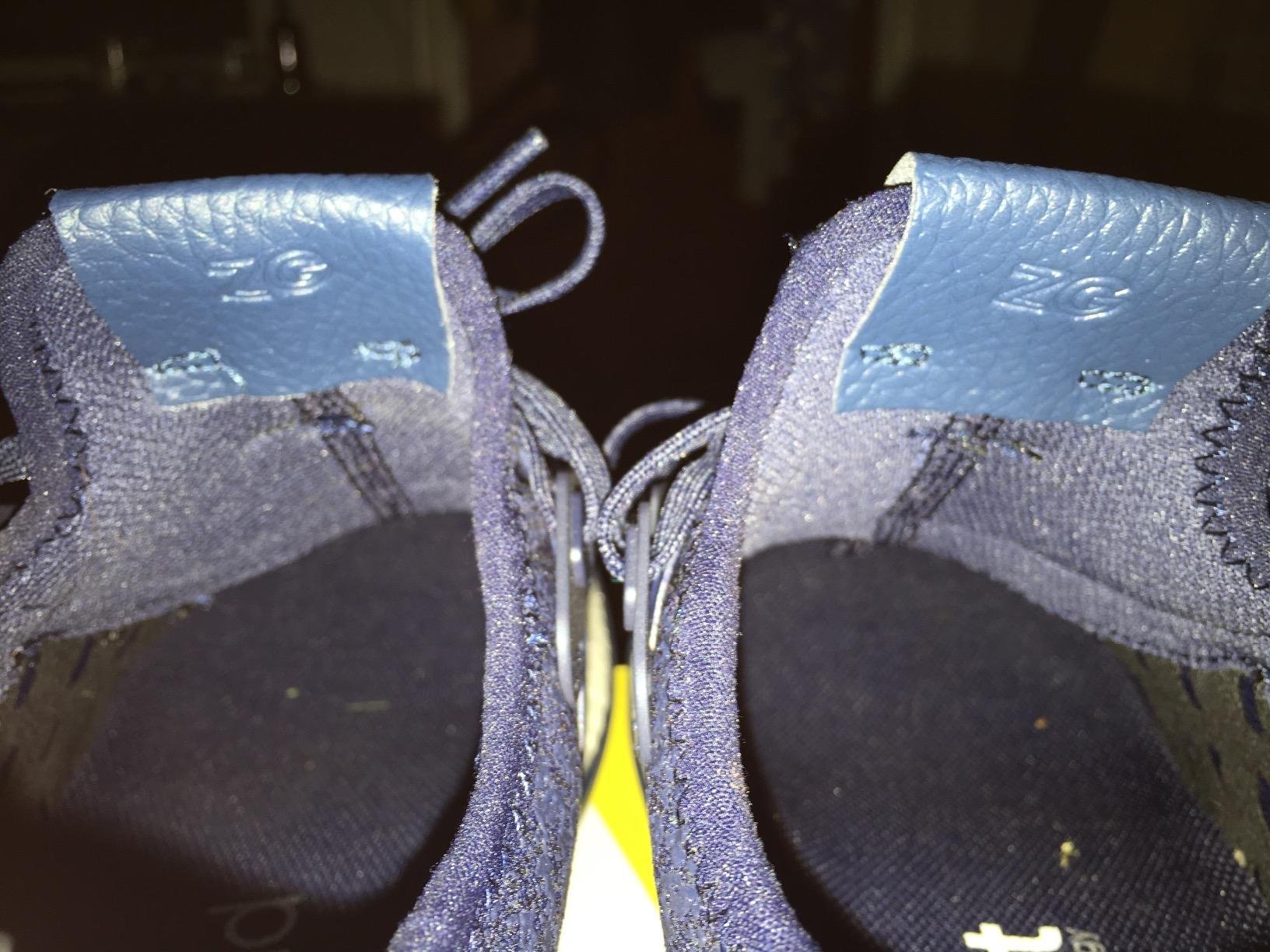
Then there’s the eyelet issue. This is the real weak link. The plastic eyelets — the rings that your laces thread through — are undersized and brittle. Multiple Amazon reviewers flagged this independently, and mine cracked at week six during completely normal lacing. Not yanked tight, not worn-out laces — just routine use. Once the eyelet breaks, you’re threading your lace directly through the mesh opening, which stresses the fabric and makes consistent tightening impossible.
Some users report 1,000+ miles with no eyelet issues. Others see failure at two months. The variation tracks with lacing tension and frequency of on/off cycles. Mitigation steps that seem to help: using slightly thinner replacement laces (reduces the shear force on the eyelet), tying the shoe and slip-on/off instead of retying every session, and pre-emptively swapping to aftermarket metal eyelet inserts ($15–20) before they fail.
Expected lifespan breakdown:
- Light casual use (2–3 runs/week): 10–14 months
- Regular training (4–5 runs/week): 6–9 months
- Heavy daily use (6–7 days/week + gym): 3–5 months
Overall Assessment
| Category | Score | Notes |
|---|---|---|
| Comfort | 9.0 | Boost delivers. No break-in period. Immediate, genuine. |
| Performance | 8.0 | Strong on road. Capable cross-trainer. Not a race flat. |
| Durability | 6.5 | Eyelet failure is real. EVA outsole wears. Midsole holds. |
| Value | 8.5 | At $40–55, exceptional. At $80+, the math gets harder. |
| Style | 7.5 | Clean, minimal, works for running and daily wear. |
| Overall | 7.9/10 | Comfort is real. Durability is the caveat. Price determines verdict. |
Who Should Buy It — and Who Should Walk Past
Good fit for:
- Casual runners logging 15–30 miles per week who want Boost technology without paying $180
- Gym-goers who want one shoe that handles both cardio and lifting days
- Anyone buying at clearance prices ($40–55) where the value offsets the lifespan ceiling
- Standard to narrow feet who find most neutral trainers too loose in the midfoot
- Warm-climate runners where breathability matters more than weather resistance
Skip if you:
- Have wide feet or typically buy 2E width
- Are building marathon mileage and need 500+ mile durability
- Tend to overtighten laces — the eyelets can’t handle it
- Want a trail shoe or even mixed surface shoe
- Are paying $80+ at current market prices (durability doesn’t justify it)
Comparing Your Options
If the Pureboost ZG’s durability ceiling or fit constraints push you elsewhere, here’s where to look:
Wide feet: The ASICS Gel-Nimbus 27 offers genuine wide-width options and a more forgiving fit. The New Balance Fresh Foam X 880 V14 has a wider toe box by design and comes in 2E. Neither is at Pureboost ZG price points, but neither will compress your foot either.
More durable Boost shoe: The Adidas Supernova 3 runs the same Boost technology with a Continental rubber outsole instead of EVA foam, which extends the tread life significantly. It’s heavier and less snappy underfoot but should last 12–15 months on regular training.
Budget durability: The Adidas Duramo SL doesn’t have Boost, but it has a rubber outsole and a track record of lasting 400–500 miles without drama. Less energy return, but still a dependable daily running shoe at a lower price point.
Long-distance training: The Brooks Launch 10 offers better outsole durability for high-mileage training and more support options. It won’t give you the same energy return as Boost, but it’ll be around at 500 miles when the Pureboost ZG’s eyelets may not be.
Value Math
At $47 (what I paid): $0.08–0.16 per mile over a 300–600 mile range. That’s competitive even against cheap foam trainers. At $120 original MSRP, the same mileage range yields $0.20–0.40 per mile — harder to justify when the Gel-Nimbus at $160 gets you 600–800 miles of more predictable durability.
The street wisdom on clearance Adidas is to grab them when the price is right and treat them as seasonal shoes rather than permanent daily drivers. That’s exactly how the Pureboost ZG fits.
Frequently Asked Questions
How does the Pureboost ZG compare to the Ultraboost?
Same Boost technology, less of it. The ZG has a thinner Boost layer (29mm heel vs. 33mm+ on Ultraboost) and a softer EVA foam outsole instead of Continental rubber. The result: lighter, more responsive feel, shorter lifespan, lower price. The Ultraboost is built to last 600+ miles. The ZG is built to feel great at $50.
Does it really run a half size large?
Consistently, yes. If you’re coming from Nike, order 0.5 to 1.0 size down. If you’re already in Adidas sizing, TTS is generally correct. My Nike 10.5 went to a Pureboost ZG 10 and fit well with thin running socks.
Can I use these for a half marathon?
The comfort and cushioning can carry 13.1 miles — the Boost holds up under extended duration. The concern is more about training longevity than single race performance. If you’re putting in 40-mile training weeks over 12 weeks, you’ll likely need a new pair before race day. For a casual half at 15–20 miles/week training volume, they’re fine.
What’s the actual fix for the eyelet issue?
Three approaches, in order of effectiveness: (1) Use thinner aftermarket laces — the thinner the lace, the less shear force on the plastic eyelet ring. (2) Tie the shoe once and slip it on and off without retying every session — the failure typically happens from repeated lacing cycles, not from the tension while running. (3) Pre-emptively install metal eyelet grommets (available for $15–20 online) before the plastic fails. Option 3 is the most reliable fix if you want to run these hard.
Are these good for someone with flat feet?
Neutral shoe, 10mm drop — this isn’t a stability or motion-control design. If flat feet are your primary concern, the ASICS GT-2000 13 has a structured support frame that actually addresses pronation. The Pureboost ZG’s cushioning will feel good underfoot but won’t functionally support an overpronating gait. Aftermarket insoles (Superfeet Green, PowerStep) help if you’re committed to this shoe.
How does it perform in the gym beyond just running?
Better than you’d expect from a road runner. The TPU panels give it lateral stability that most foam-only sneakers don’t have. Box jumps, lateral band work, HIIT circuits — all fine. The limit is heavy barbell lifts: the Boost foam compresses under load and the 10mm drop isn’t ideal for squats or cleans. For powerlifting days, swap to a flat shoe. For everything else in the gym, these work.
Should I buy these at $65 vs. waiting for $45?
At $65, the per-mile cost over 300–400 miles is $0.16–0.22. At $45, it drops to $0.11–0.15. The durability ceiling means the price gap matters more here than with a shoe that lasts 600+ miles. If they’re above $60, I’d watch for a sale or look at the Supernova 3, which offers better long-term value at higher price points.
What about the Primeknit version (ZG Prime)?
The ZG Prime has a single-piece Primeknit upper instead of the mesh-and-TPU construction, and it’s lighter (8.7 oz vs. ~10 oz). The Boost layer is roughly similar (29mm heel). The Primeknit version runs narrower in the forefoot — if you’re already borderline on width in the mesh version, the Prime will be tighter. Original MSRP was $140; both are now primarily available secondhand. The mesh ZG is generally easier to find and fits a wider range of foot types.
Bottom Line
The Pureboost ZG earns its reputation as a comfort story that got let down by construction shortcuts. The Boost midsole is genuine, the breathability is real, and for casual runners and gym-goers who aren’t pushing marathon mileage, the shoe delivers most of what it promises. The EVA foam outsole, the plastic eyelets, and the 6–12 month lifespan ceiling are the tradeoffs you’re accepting.
At $40–55, those tradeoffs are reasonable. At $80+, they’re not — better alternatives exist at that price point with more predictable durability.
Bottom line: Buy at clearance prices, understand you’re getting a seasonal shoe, and pre-empt the eyelet issue before it ruins your run. At $47, this is one of the better comfort-to-dollar ratios in running.
Be the first to review “adidas Men’s Pureboost ZG M Running Shoes”
Related products
Running Shoes
Running Shoes
Running Shoes
Running Shoes
Running Shoes
Running Shoes

Running Shoes
Reviews
There are no reviews yet.