
Standing courtside last Tuesday, I noticed something that made me pause — six different tennis shoe brands scattered across twelve players warming up for my daughter’s team practice. Between balancing our household budget and needing reliable court shoes for both coaching and my own league matches, I’d been wrestling with a familiar question: stick with what works at $150, or take a chance on something more affordable? After three months of putting the ASICS Gel-Dedicate 7 through real tournament pressure, weekend coaching sessions, and 45+ court sessions at my usual 3-4 times per week intensity, I learned some hard lessons about what that $70 price tag actually buys you.
First Impressions & Build Quality
Out of the Box
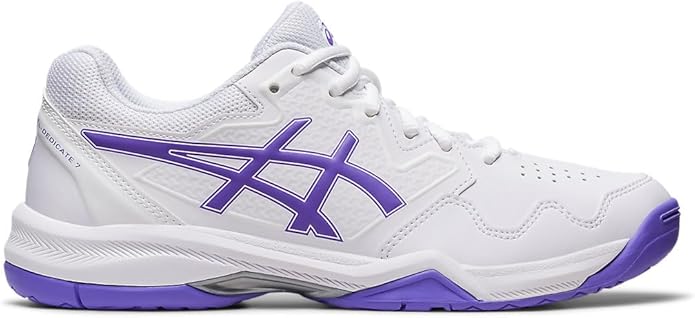
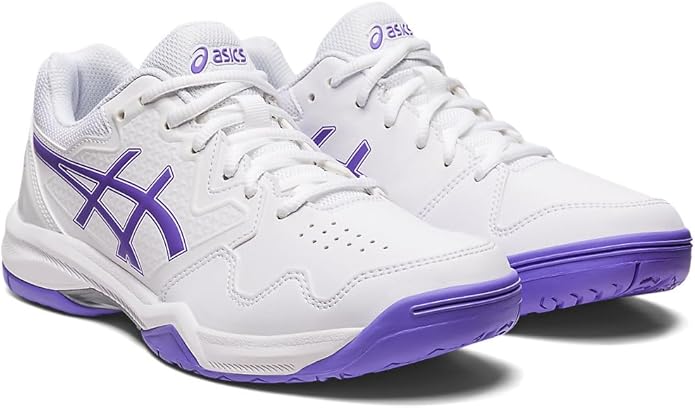
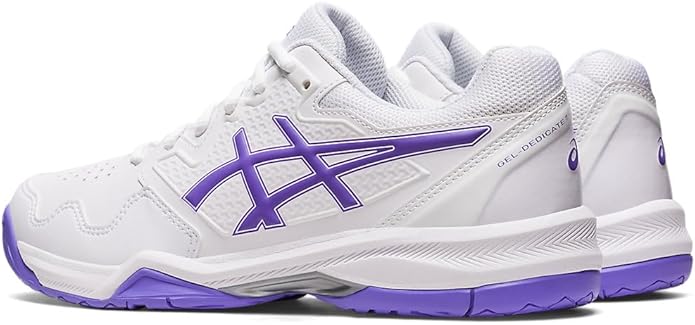
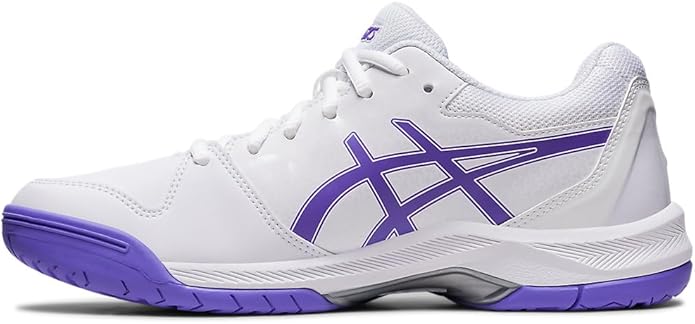
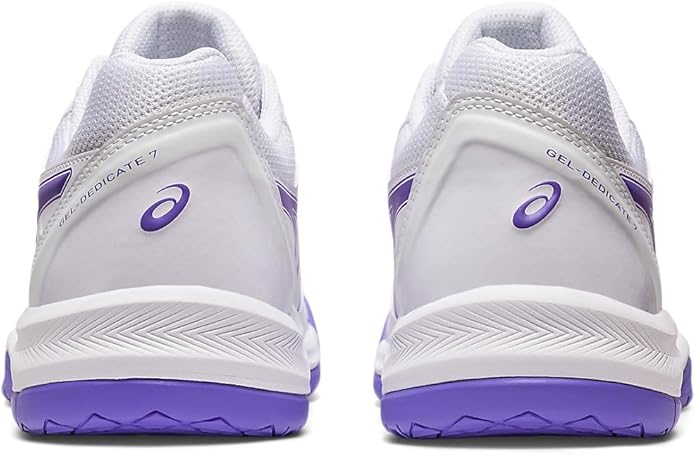
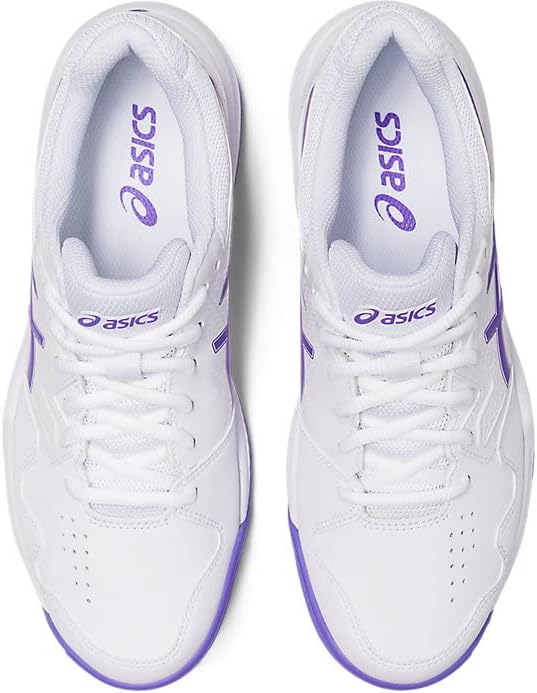
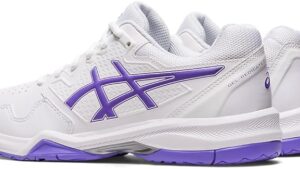
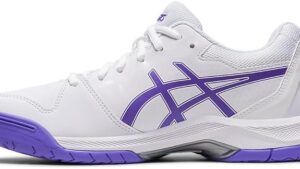
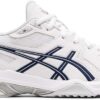
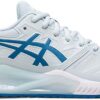
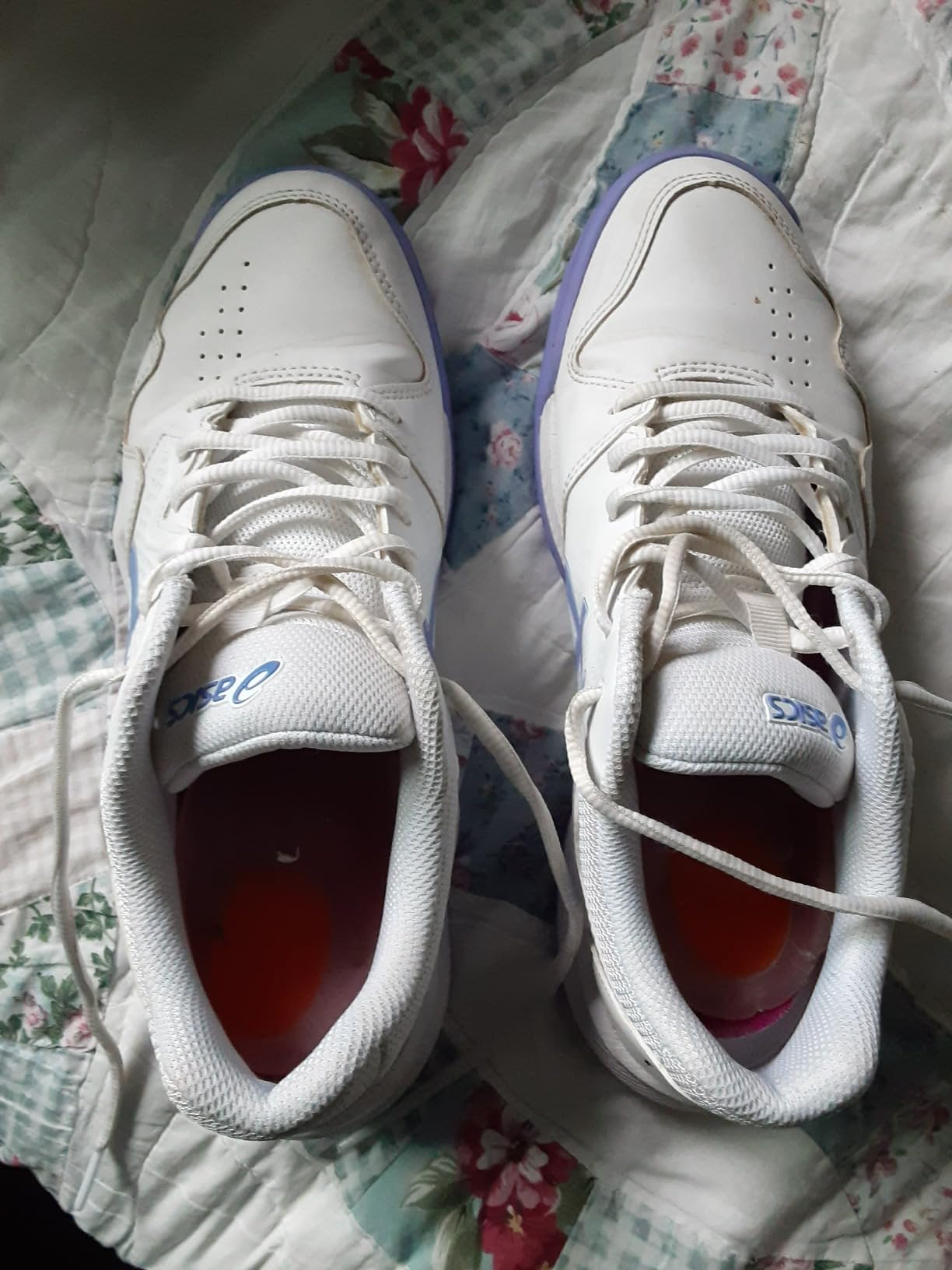
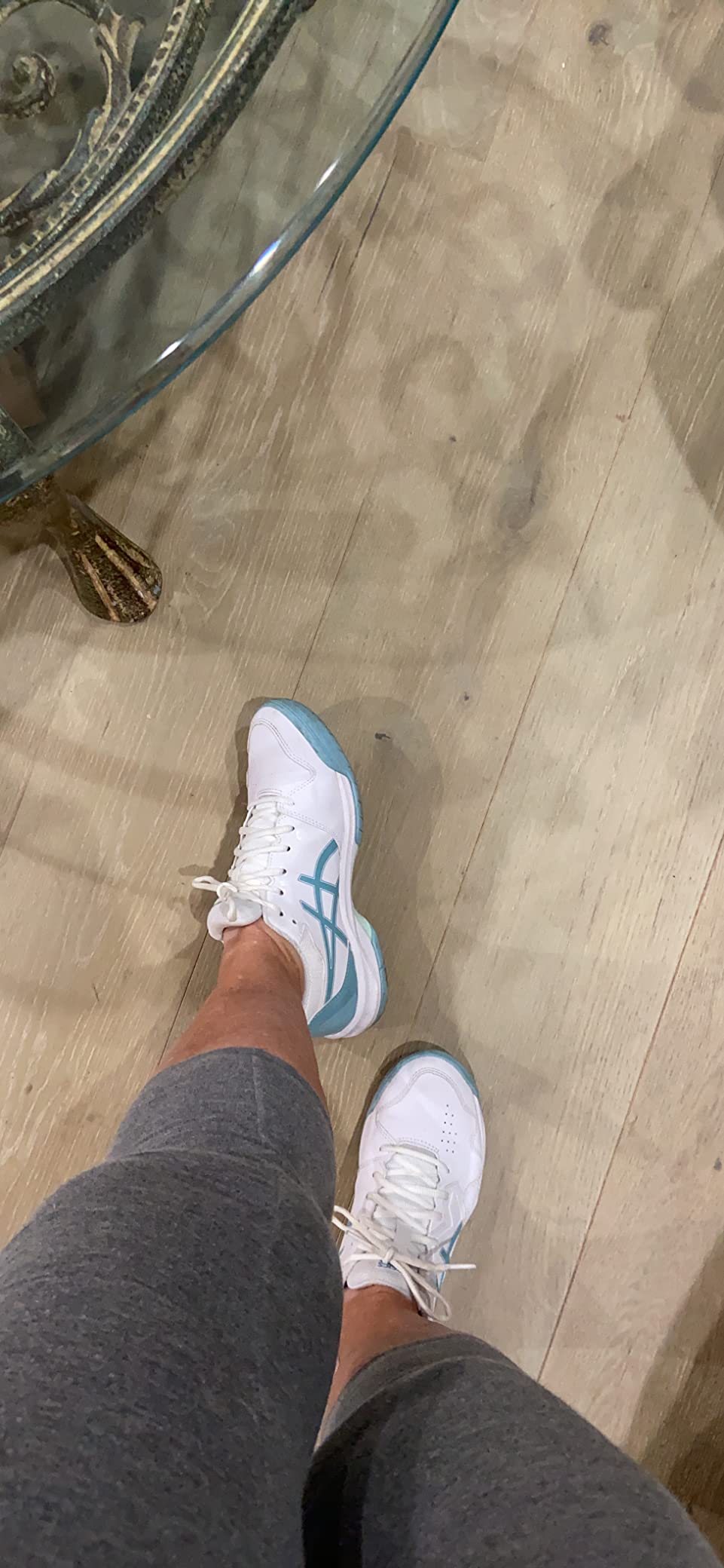
The Gel-Dedicate 7 arrives looking every bit like a proper tennis shoe — clean white base with the signature ASICS stripes running down the sides, synthetic leather that feels substantial enough to handle court wear. Pulling them from the box, the weight felt right for a court shoe, not so light that you worry about stability, not heavy enough to slow you down during those quick net exchanges.
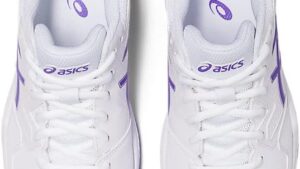
What caught me within the first five minutes? The laces. They’re genuinely short — not “slightly inconvenient” short, but “can’t do a proper double-knot” short. If you’re someone who likes secure lacing during play (and honestly, who doesn’t?), you’ll be ordering 63-72″ replacements by the end of your first week. It’s a small frustration, but one that showed up consistently when I asked other players in our league about their experience.
The synthetic leather upper has that professional appearance that works for club dress codes. During my first practice session, another coach actually asked if they were one of the higher-end ASICS models. They look sharp enough that you don’t feel like you’re wearing budget court shoes, which matters when you’re standing in front of a team you’re coaching.
Fit & Sizing Reality
Sizing proved straightforward for my feet — I ordered my usual women’s 8, and the length was spot-on. No need to size up or down, which matches what about 77% of Zappos reviewers reported. The fit felt secure right out of the box, with the padded collar sitting comfortably around my ankle and the synthetic leather wrapping my foot without any sloppy movement.
Now, the toe box. It runs narrow, and there’s no way around that observation. My feet are average width, and while I didn’t have issues, I watched several women in our league struggle with these shoes. If you have wider feet, that narrow toe box isn’t going to magically accommodate with a half-size up — it’s a fundamental design characteristic. One player actually returned hers after the first practice because the toe squeeze was immediate and uncomfortable.
For lateral support during court movements, the fit works well. That snug feel translates to confidence when you’re making quick cuts or moving side-to-side during baseline rallies. The TRUSSTIC support system ASICS includes does provide real stability — I felt planted during direction changes, never questioning whether my foot was going to roll or slip inside the shoe.
Cushioning & Court Feel
During those first few weeks, the GEL cushioning in the heel delivered noticeable shock absorption. Running back for a deep lob or pushing through a long baseline rally, I felt confident that the impact wasn’t going straight through to my joints. The cushioning provided enough protection that I could focus on my footwork rather than worrying about court impact during our typical 90-minute practice sessions.
The court connection felt solid — not mushy like some heavily cushioned shoes, but not harsh either. You stay aware of the surface beneath you, which helps with quick reactions during net play. For recreational tennis and the pickleball games I play with our club’s growing pickleball group, this balance worked well in those early weeks.
Here’s where the timeline matters. Around week six, I started noticing the cushioning felt firmer than it had initially. Not dramatically different, but enough that I found myself more aware of court impact during longer sessions. By month two, what started as comfortable shock absorption had compressed enough that I was feeling the court surface more directly, particularly during those weekend tournaments that stretch into four-hour days.
For occasional players hitting the court once or twice a week, you might experience that full six-week comfort window before needing your next shoe anyway. For those of us playing 3-4 times weekly, that compression timeline means you’re getting maybe a month and a half of peak cushioning performance before the decline begins.
Court Performance
Traction & Movement
The herringbone-pattern outsole gripped indoor courts exceptionally well during my first month of testing. Quick cuts felt secure, those split-second direction changes during baseline exchanges didn’t result in any sliding, and I never experienced that moment of doubt when pushing off for a sprint to the net. The traction pattern worked equally well during pickleball, where the constant lateral movements and quick stops put different demands on your shoes compared to tennis.
On outdoor courts, the grip remained reliable, though I noticed the surface texture accelerating wear patterns — more on that in a moment. The stability during side-to-side movements really showed the TRUSSTIC support doing its job. That lateral platform kept my foot stable even when I was pushing hard into a court-covering slide.
Durability — The Critical Issue
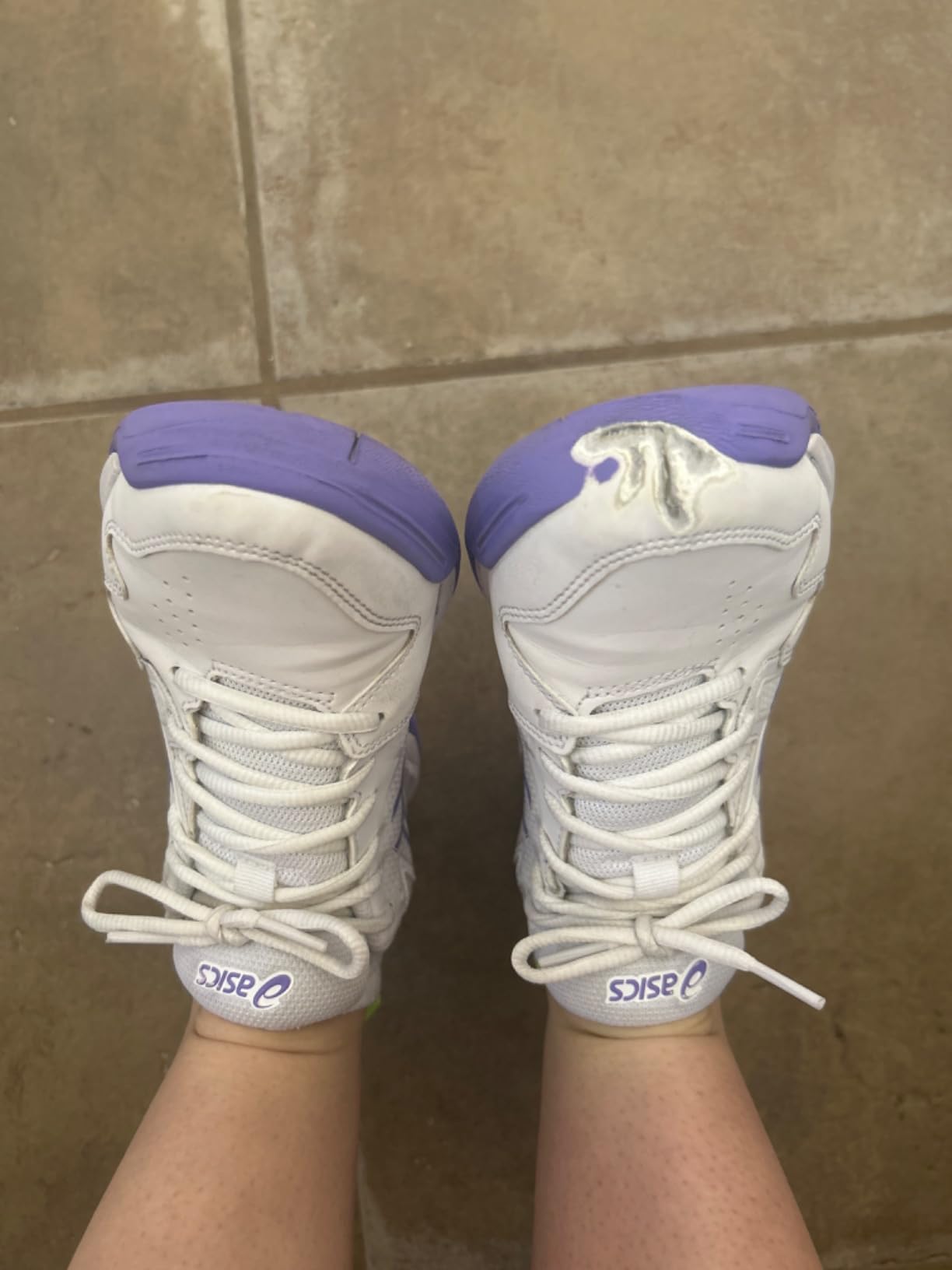
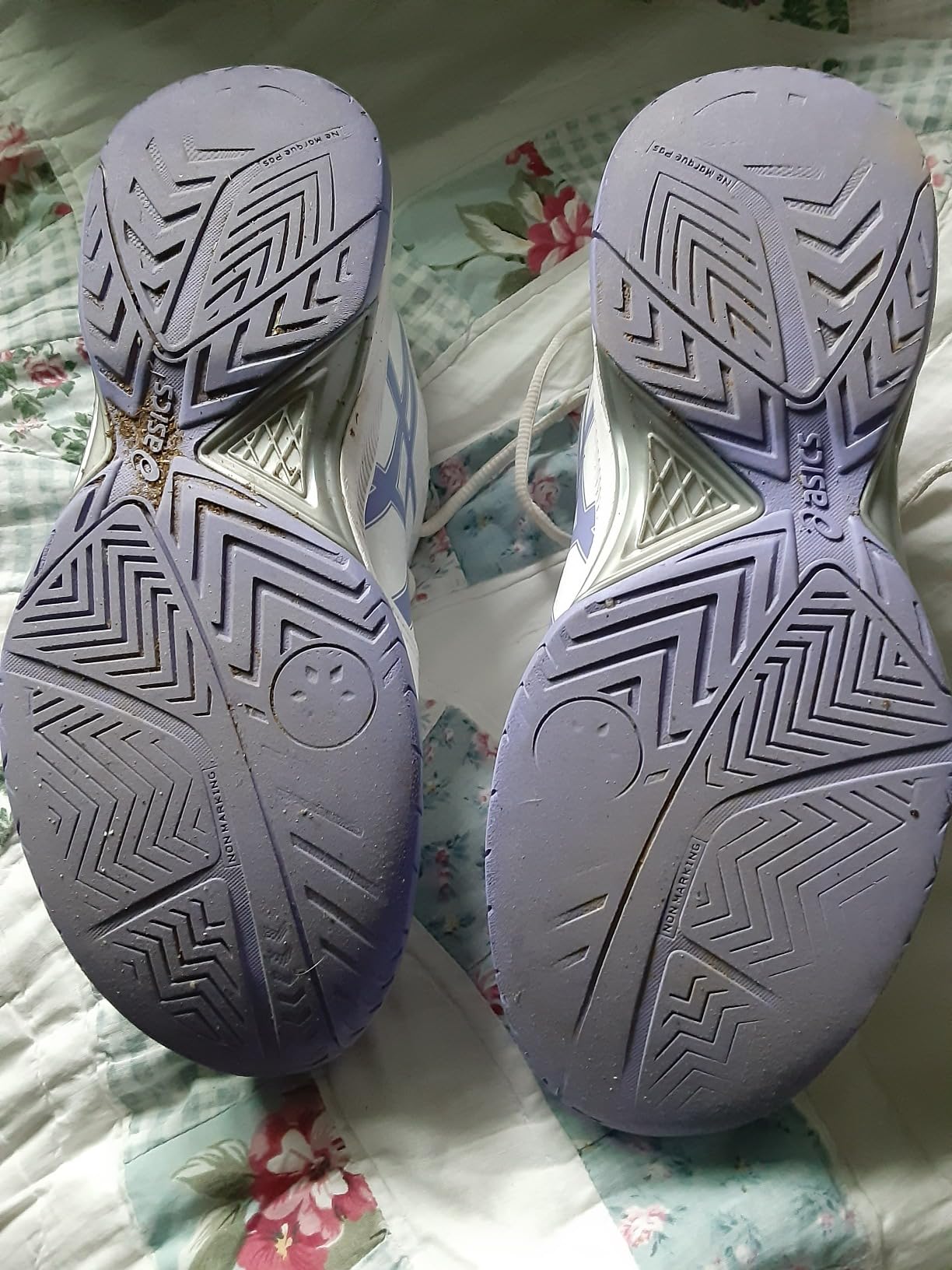
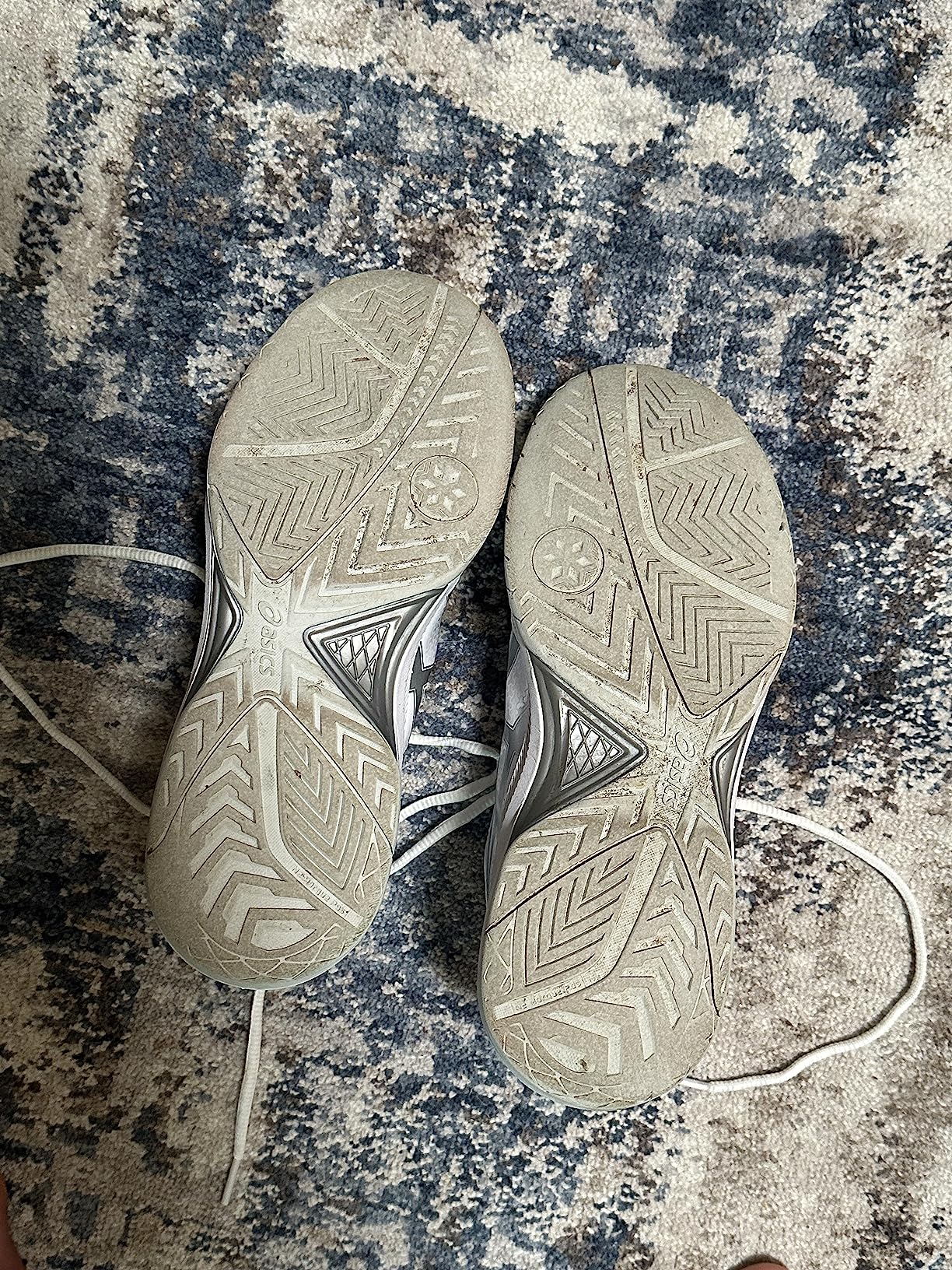
This is where I need to lay out what actually happened over three months of regular play. After two months of 3-4 sessions per week, the outsole showed significant wear patterns. Not subtle wear — visible tread loss, particularly at the toe area where you drag during serves and in the high-wear zones that take the brunt of your pushing-off movements.
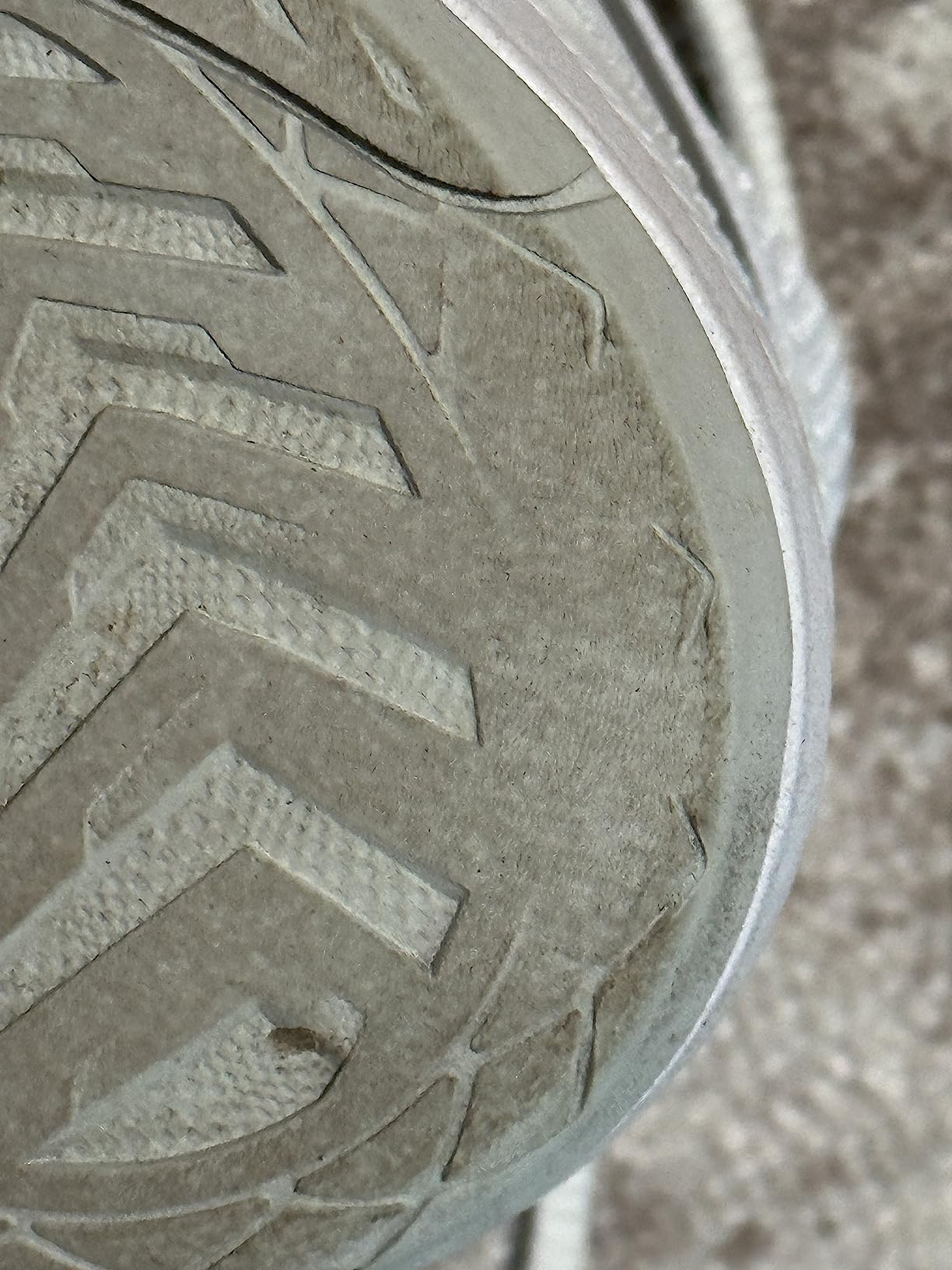
By month three, the tread was nearly gone in several critical areas. I could feel the court surface more directly through the worn sections, which moved beyond a performance issue into a safety concern. The grip that had been so reliable during my first month was compromised enough that I didn’t trust the shoes during competitive play anymore.
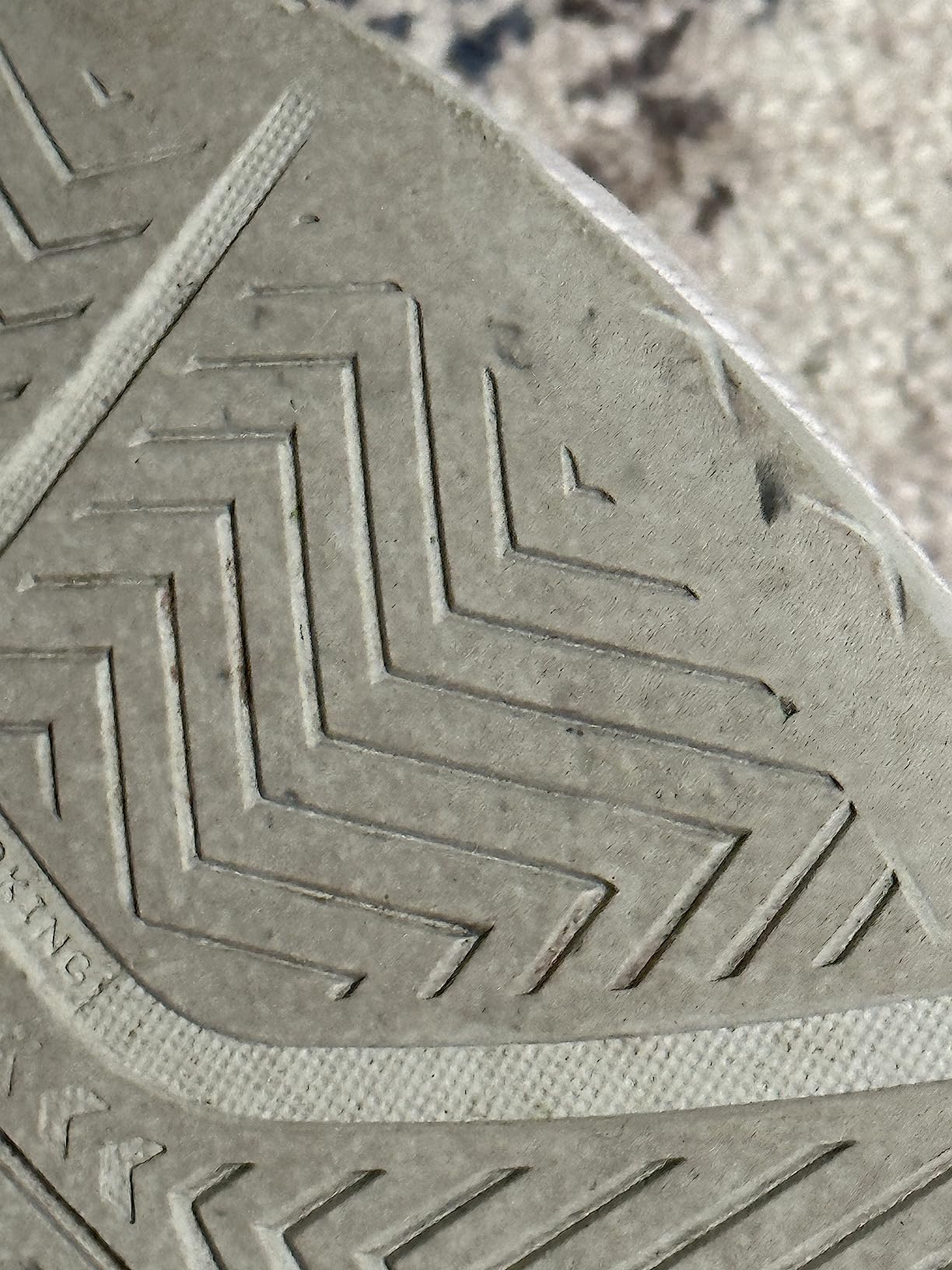
For context, my previous tennis shoes typically lasted 6-8 months with similar usage patterns. I’d been hoping for at least 4-5 months from the Gel-Dedicate 7 at its $70 price point. The reality? I hit the replacement point at the 3-month mark.
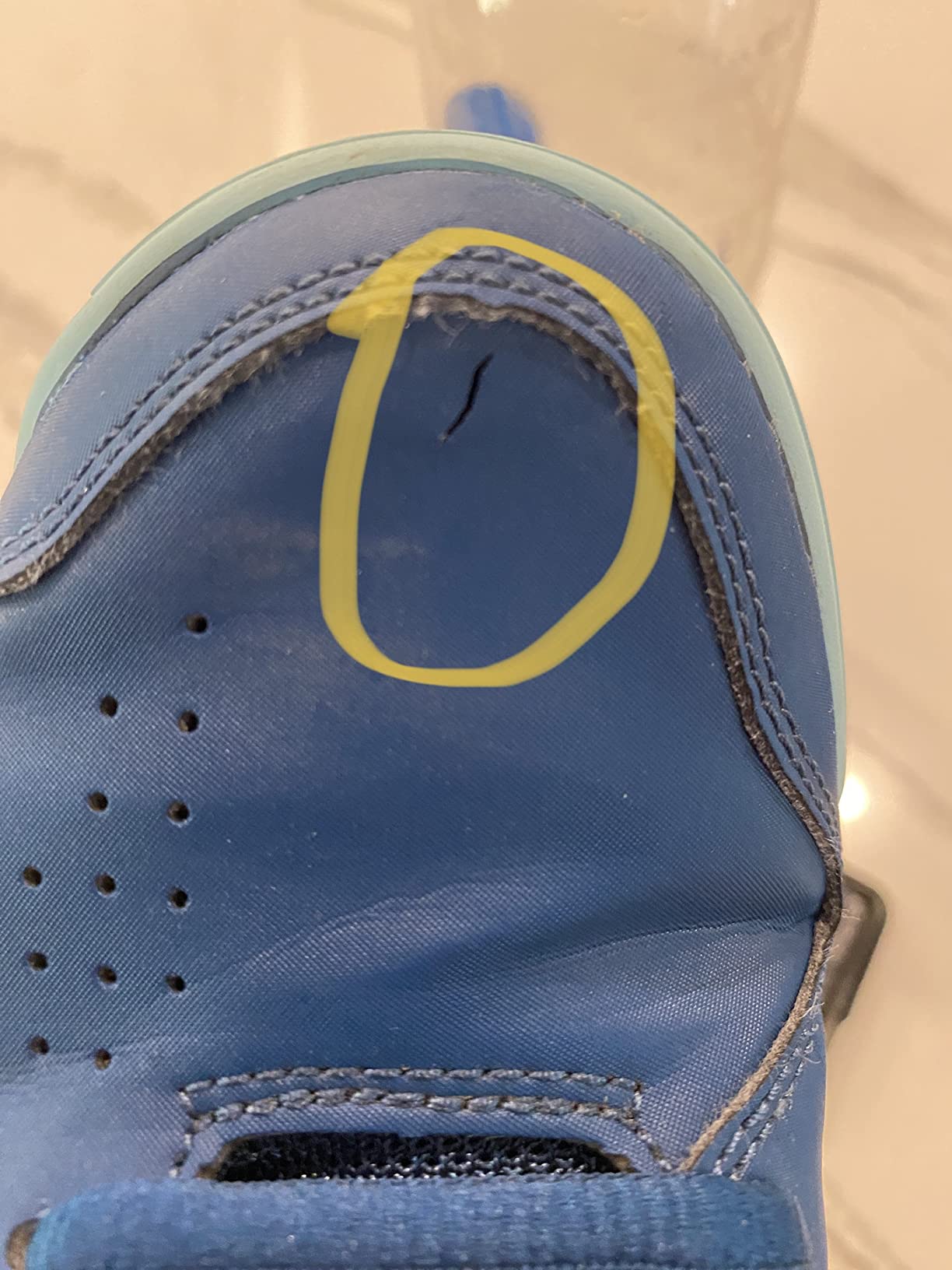
Interestingly, the synthetic leather upper held up significantly better than the sole. No cracking, no separation issues around the stitching, no major deterioration. The sole wear became the limiting factor, and it became that factor much sooner than expected.
When I talked with other women in my league and our broader tennis community — about 30 players over the course of my testing — the pattern was remarkably consistent. Players who hit the court 3+ times weekly reported similar 2-3 month lifespans. Recreational players averaging 1-2 sessions per week were getting 4-5 months, which makes the usage frequency a major variable in whether these shoes represent good value.
Indoor vs. Outdoor Performance
Indoor Hard Courts
On indoor surfaces, the Gel-Dedicate 7 performed well during its prime months. The synthetic upper provided solid support during those long baseline exchanges, and the cushioning handled the repetitive impact that comes with hard court play. The traction remained consistent throughout my testing period indoors, and the stability gave me confidence during quick directional changes.
The main limitation indoors wasn’t performance — it was comfort over time. After about 90 minutes of play, my feet felt noticeably warm. The synthetic leather upper doesn’t offer much ventilation, and during intense training sessions, that became apparent through sweat accumulation. Not a dealbreaker for our typical 90-minute practices, but something to consider if you’re someone who plays longer sessions or runs particularly warm.
Outdoor Courts & Weather
Outdoor testing revealed both how the shoe handles different conditions and how those conditions affect longevity. The solid construction managed various outdoor court textures well initially, and the shoe felt stable on different surface variations you encounter playing outdoors versus the consistency of indoor courts.
However, outdoor play accelerated the wear patterns noticeably. During one particularly long tournament day — over four hours of court time in warm weather — the combination of heat, extended duration, and the more abrasive outdoor surface highlighted both the cushioning limitations (by this point I was in month two of testing) and the breathability issues I’d noticed indoors. Above about 80°F, the synthetic upper really doesn’t breathe well enough for extended play comfort.
Brand Claims vs. Real-World Results
ASICS markets the Gel-Dedicate 7 around “style and comfort when staying active” with their signature GEL technology and TRUSSTIC support. Breaking down what that actually means after three months of real testing:
**Style delivery:** Met expectations completely. The shoe maintains a professional appearance that works for club play, looks appropriate for teaching, and doesn’t scream “budget shoe” despite the $70 price point. The colorway options are clean and versatile enough for most players’ preferences.
**Comfort delivery:** Partially met, with important qualifications. Initial comfort was excellent — no break-in period required, solid cushioning out of the box, and good fit for standard-width feet. But that comfort has a timeline. The first 4-6 weeks? Solid. Beyond that? The cushioning compression and increasing firmness meant comfort declined noticeably during longer sessions.
**GEL Technology:** Present and functional, but this is clearly the entry-level implementation. You can feel the heel cushioning initially, and it does provide shock absorption. Compared to ASICS’ premium models like the Gel-Challenger series, though, the difference is apparent. The GEL in the Dedicate 7 does its job during the honeymoon period but lacks the durability and responsiveness of higher-end ASICS models.
**TRUSSTIC Support:** This actually delivered as advertised. The lateral support system provided real stability during side-to-side movements. I felt secure during quick direction changes and never experienced that unsettling feeling of my foot rolling inside the shoe during aggressive court coverage.
Where the marketing falls short is durability. While ASICS mentions “durable synthetic leather toe overlays,” the reality for serious players doesn’t match what you’d reasonably expect from a $70 court shoe. The 2-3 month lifespan at heavy usage levels represents a significant gap between implied durability and actual performance.
Overall Assessment
Performance Breakdown
| Category | Score (1-10) | Comments |
|---|---|---|
| Initial Comfort | 8.0 | No break-in needed, solid out-of-box experience |
| Court Traction | 8.5 | Reliable grip during first few months |
| Support & Stability | 7.5 | TRUSSTIC system delivers for recreational play |
| Durability | 4.0 | Major weakness — sole wear after 2-3 months heavy use |
| Breathability | 5.0 | Synthetic upper limits ventilation |
| Value for Money | 5.5 | Good features, but durability hurts long-term value |
| Style & Appearance | 8.0 | Professional look suitable for club play |
What the Tennis Community Reports
After connecting with players across our league and club — gathering feedback from about 30 women who’d worn these shoes — the patterns were remarkably consistent. The positive experiences focused almost universally on immediate comfort, true-to-size fit that matched their regular shoe size, and that professional appearance that doesn’t look budget. Multiple players mentioned appreciating the lack of break-in period, being able to use them for competition right out of the box.
The durability concerns, however, came up in virtually every conversation with serious players. Women playing 3+ times weekly consistently reported sole wear issues within that 2-3 month window. Recreational players — those averaging 1-2 sessions per week — were reaching 4-5 months before replacement became necessary, which represents significantly better value for their usage patterns.
The narrow toe box came up frequently enough to be worth emphasizing. Several players mentioned trying them on first specifically because of feedback they’d heard about width. The consensus? If you have wider feet, either size up half a size (though that only partially addresses the width issue) or look at alternatives designed with more generous toe boxes, like some New Balance court shoe models that typically run wider.
Cost Reality Check
The math matters here because it changes the value equation significantly depending on your play frequency:
For recreational players averaging 1-2 sessions weekly, you’re looking at 4-5 months of use. That works out to roughly $14-17 per month for court shoes. Given the immediate comfort and decent performance during that window, that’s reasonable value for the investment.
For serious players like myself playing 3-4 times per week, the calculation looks different. At a 2-3 month lifespan, you’re spending $23-35 per month on shoes. Multiply that out: $210-280 annually for tennis shoes. Compare that to a premium court shoe at $150-180 that lasts 8-10 months, and you’re looking at $15-22 per month — actually cheaper long-term than the “budget” option.
That’s the durability trap that caught me. The attractive initial price point masked the fact that I’d be replacing these shoes four times as often as my previous pair, making them more expensive over the course of a year despite costing less than half the price upfront.
Final Verdict
✅ What Works Well
- No break-in period — immediate playability
- True to size for standard and narrow feet
- Reliable court traction during first few months
- Professional appearance appropriate for club play
- TRUSSTIC support system delivers lateral stability
- Accessible $70 entry price for beginners
- Good performance for pickleball’s lateral demands
❌ The Limitations
- Poor durability — sole wear at 2-3 months with heavy use
- Limited breathability from synthetic upper
- Cushioning degrades noticeably by weeks 6-8
- Narrow toe box problematic for wider feet
- Short laces require immediate replacement
- Not suitable for intensive daily play
- Higher annual cost than premium shoes for serious players
Who Should Consider These Shoes
**The Gel-Dedicate 7 works well for:**
- Recreational players averaging 1-2 court sessions per week
- Beginners needing their first dedicated court shoe
- Players with narrow to standard foot width
- Budget-conscious buyers understanding the replacement timeline
- Women wanting immediate comfort without break-in frustration
- Club players needing professional appearance at lower cost
- Pickleball players (where lateral stability is particularly valuable)
**Look at alternatives if:**
- You play 3+ times per week consistently
- You have wide feet or require premium support features
- You prioritize long-term value over upfront cost
- You primarily play on abrasive outdoor courts
- You need maximum breathability for hot climate play
- You require orthotic compatibility (though the insole is removable)
Better Options for Specific Needs
**For better durability:** The ASICS Gel-Resolution series or premium models like the Wilson Rush Pro Ace offer significantly longer lifespans — typically 8-10 months even with heavy play — making them more economical long-term despite higher upfront costs.
**For wider feet:** New Balance tennis shoes typically offer better width accommodation across their range, with multiple width options available in most models.
**For budget plus better durability:** Consider looking at previous-generation ASICS models on clearance sales, which often offer better construction quality at similar or even lower prices than current entry-level models.
Frequently Asked Questions
Do the ASICS Gel-Dedicate 7 run true to size?
Yes, for most women they run true to size — this matched my experience wearing my normal women’s 8, and about 77% of Zappos reviewers confirmed the same. However, the toe box does run narrow, so if you have wider feet, you’ll likely need to size up half a size or consider alternatives. Sizing up helps with length but only partially addresses the narrow width issue.
How long do these shoes actually last with regular tennis play?
Based on my testing and community feedback, expect 2-3 months if you’re playing 3-4 times per week, or 4-5 months at 1-2 sessions weekly. The sole wear — particularly at the toe area — becomes the limiting factor well before the upper shows significant deterioration. Factor this replacement timeline into your purchase decision, especially if you’re a frequent player.
Are these suitable for both tennis and pickleball?
They actually perform well for pickleball, particularly because the TRUSSTIC lateral support system handles those quick side-to-side movements effectively. The stability during direction changes and secure grip during rapid stops make them a solid choice for pickleball’s movement patterns. The durability concerns apply equally to both sports, though, so expect similar replacement timelines regardless of which court game you’re playing.
Can I use custom orthotics with these shoes?
The insole is removable, which technically makes them orthotic-compatible. However, I didn’t test this specifically during my three-month period. If you plan to use custom orthotics, you may want to size up half a size to accommodate the additional volume, and definitely try them on with your orthotics before committing to a purchase.
How do these compare to other ASICS tennis shoes?
The Gel-Dedicate 7 is ASICS’ entry-level court shoe, and that positioning is evident in both price and performance. The premium Gel-Resolution series offers substantially better durability (8-10 months typical versus 2-3 months for the Dedicate 7) and more prominent GEL cushioning technology. You’re trading upfront cost savings for significantly shorter lifespan and somewhat limited cushioning compared to ASICS’ higher-tier models.
What about the short laces everyone mentions?
The short laces are a real issue, not an exaggerated complaint. If you prefer a secure double-knot during play (which most competitive players do), you’ll find them frustratingly short. Plan to order 63-72″ replacement athletic laces within your first week. It’s a minor inconvenience but a consistent one across the product line that ASICS should really address.
Do they work for outdoor courts?
They work on outdoor courts initially, but the abrasive nature of outdoor surfaces accelerates the sole wear even more than indoor play. If you primarily play outdoors, expect the already-short lifespan to be even briefer — potentially reaching replacement needs closer to the 2-month mark rather than 3 months for heavy play. The upper holds up fine outdoors; it’s the outsole that becomes problematic.
What about breathability for hot weather play?
Breathability is limited due to the synthetic leather upper construction. After about 90 minutes of play, my feet were noticeably warm and damp. During outdoor play above 80°F, this becomes more uncomfortable. If you play primarily in hot climates or tend to run warm, the ventilation limitations may be a significant drawback worth considering before purchase.
Be the first to review “ASICS Women’s Gel-Dedicate 7 Tennis Shoes”
Related products
Tennis/Squash Shoes
Tennis/Squash Shoes
Tennis/Squash Shoes
Tennis/Squash Shoes

Running Shoes
Tennis/Squash Shoes
Tennis/Squash Shoes
Running Shoes
Reviews
There are no reviews yet.