
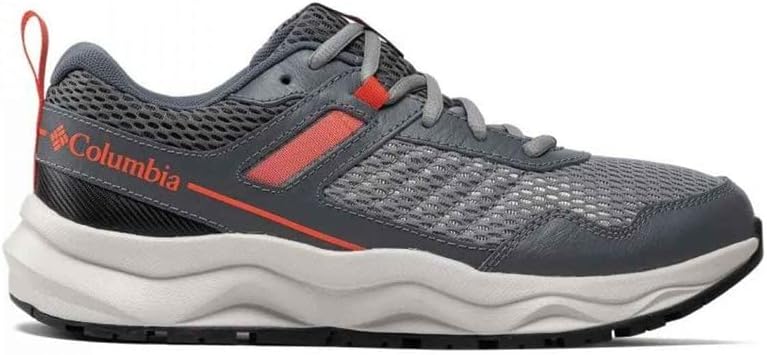
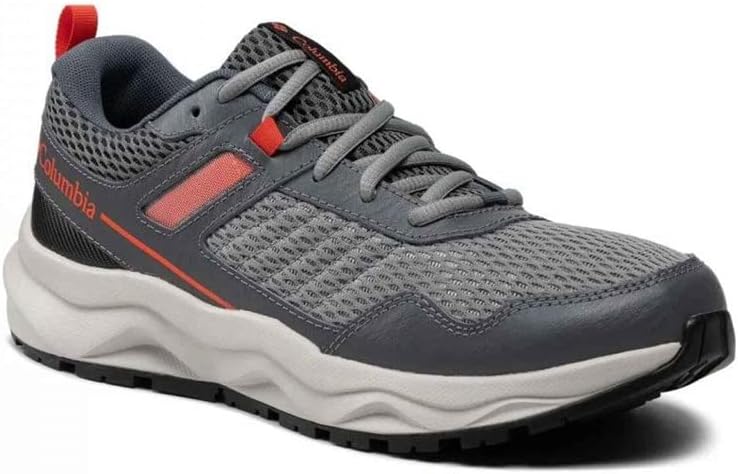
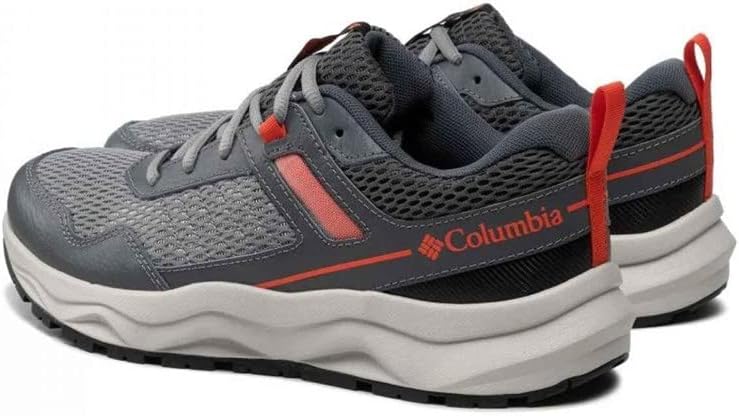
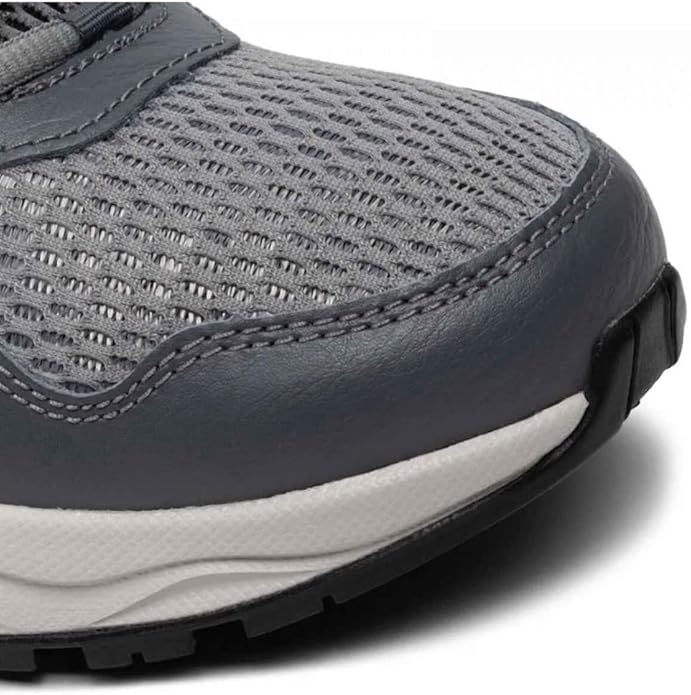
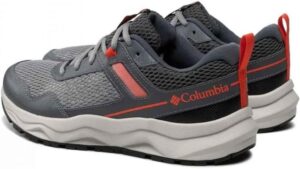
Budget trail shoes have a way of surprising you — usually in the wrong direction. You buy cheap, the outsole peels at week four, and the “breathable mesh” becomes a sauna by mile three. So when I started testing the Columbia Men’s Plateau Hiking Shoe at $48, I kept those scars in mind. I’m Mike, and I’ve been putting hiking footwear through real-world abuse for over a decade. Eight weeks and 75+ miles on everything from dry hardpack to slick creek stone later, here’s where the Columbia Plateau actually lands — comfort claim and all.
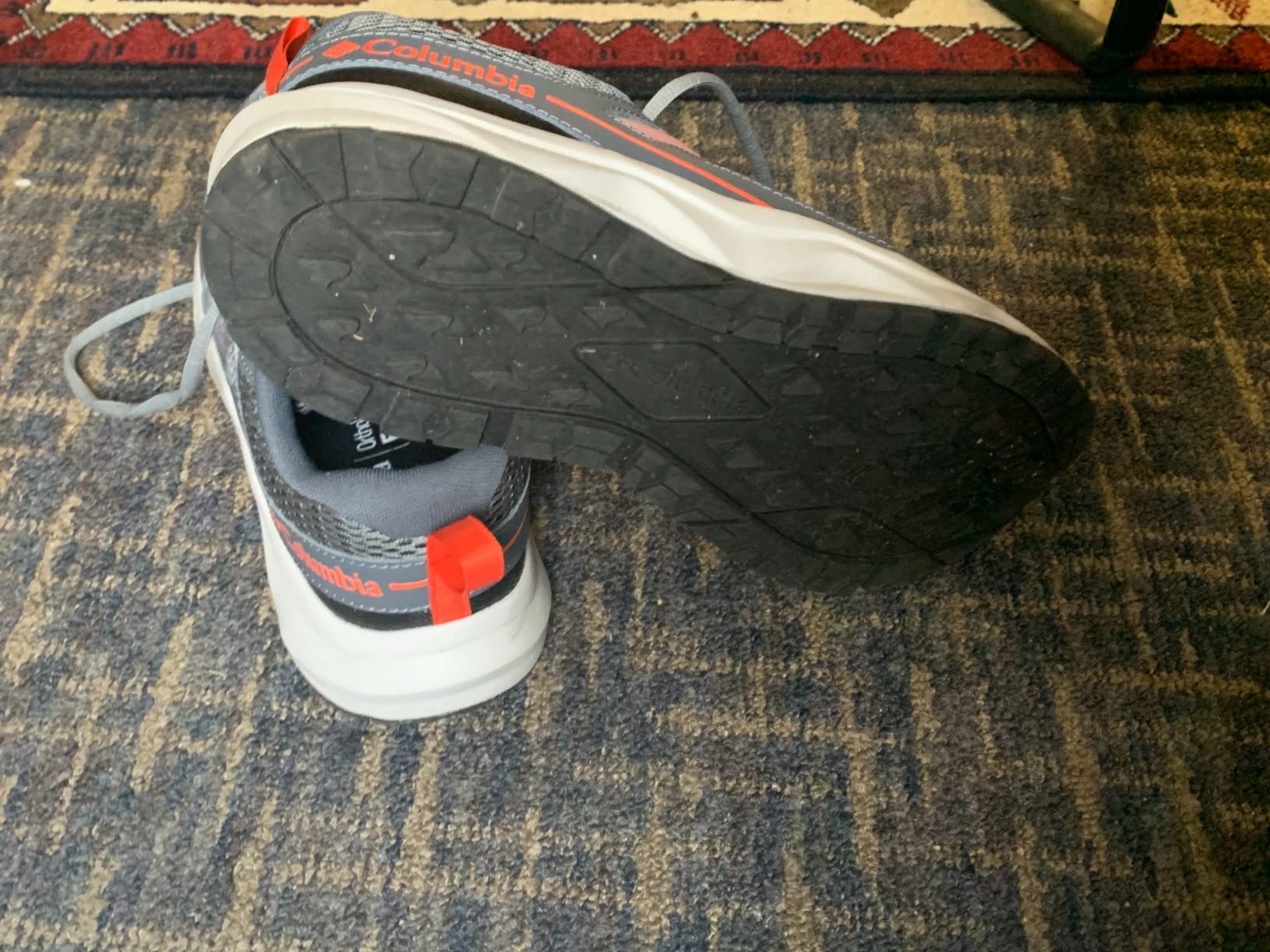
Technical Specifications
- 💰 Price: ~$48 (Columbia official); $35-45 common on Amazon
- ⚖️ Weight: 11.2 oz per shoe (men’s size 9)
- 🧪 Midsole: TechLite™ EVA — Columbia’s proprietary lightweight foam
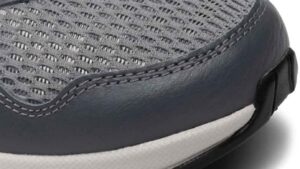
- 👟 Upper: Breathable textile + synthetic overlays; reinforced toe cap and heel counter
- 🛡️ Insole: OrthoLite® Eco (removable) in select variants
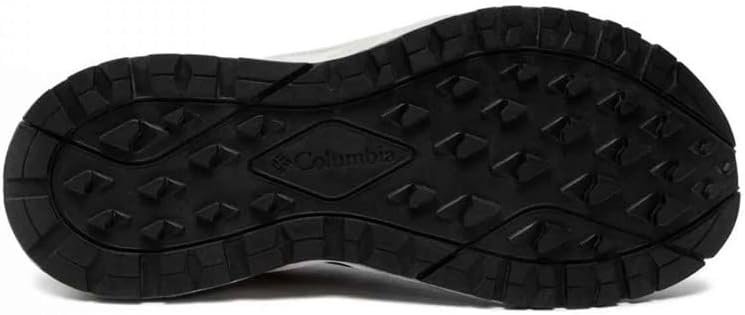
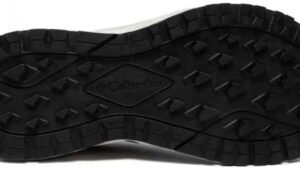
- 👞 Outsole: Omni-Grip™ non-marking rubber
- 💧 Water resistance: None (breathable model) — Omni-Tech waterproof available as separate variant
- 📐 Sizes: 7–15 including half sizes; standard (D) + wide (2E)
- ⚠️ Sizing note: Runs small AND narrow — size up 0.5–1.0 from normal
- 🥾 Category: Lightweight day hiking / trail walking
- ⏱️ Testing period: 8 weeks, 75+ miles, dry to technical wet terrain
One clarification worth making upfront: Columbia offers two Plateau variants. The lightweight breathable model (11.2 oz, ~$48) reviewed here, and a waterproof Omni-Tech version (13.0–13.9 oz, $40–80) that adds weather protection at the cost of breathability. This review focuses on the breathable version, with direct comparisons to the waterproof variant where relevant.
First Impressions: What $48 Actually Feels Like
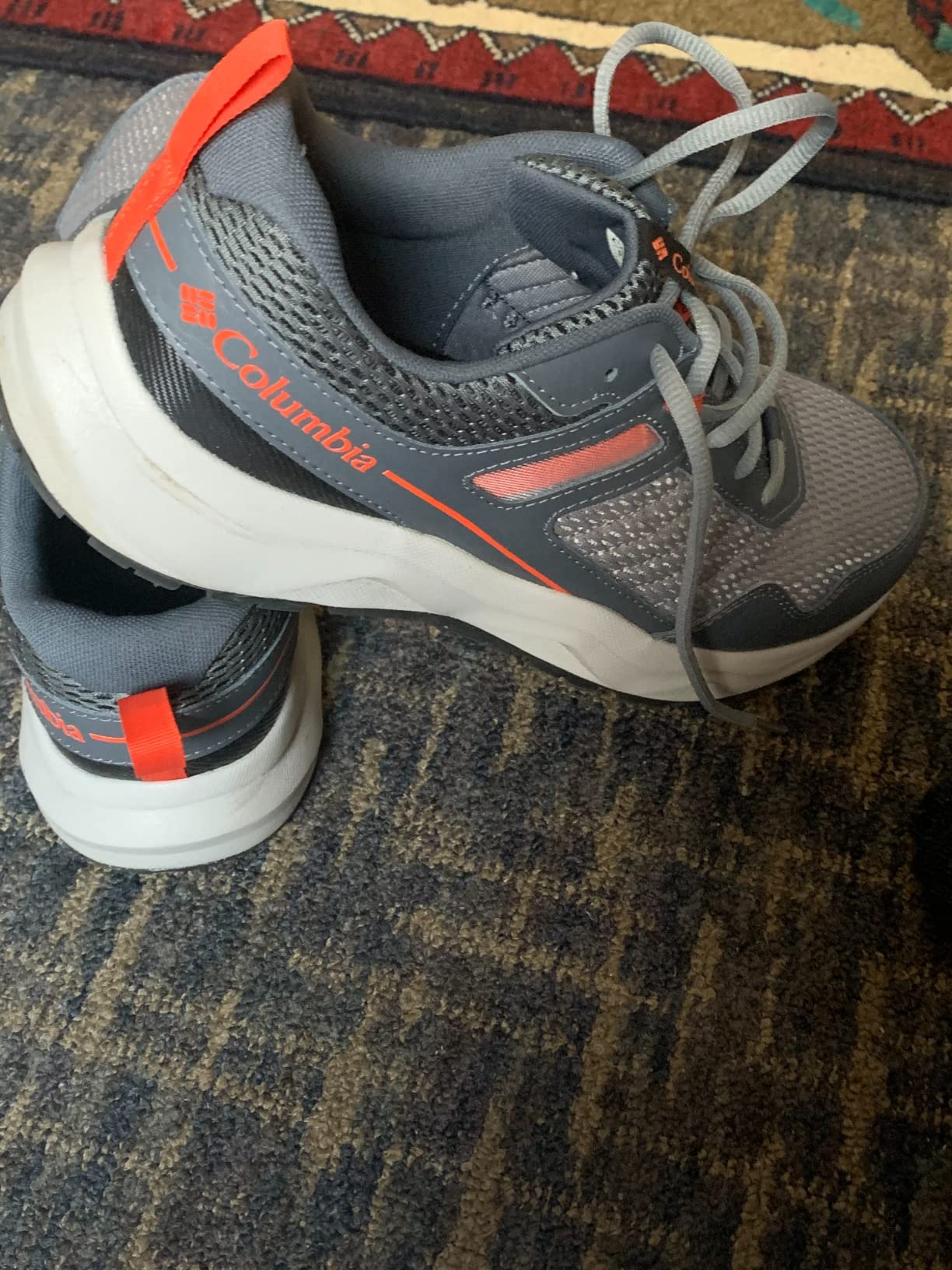
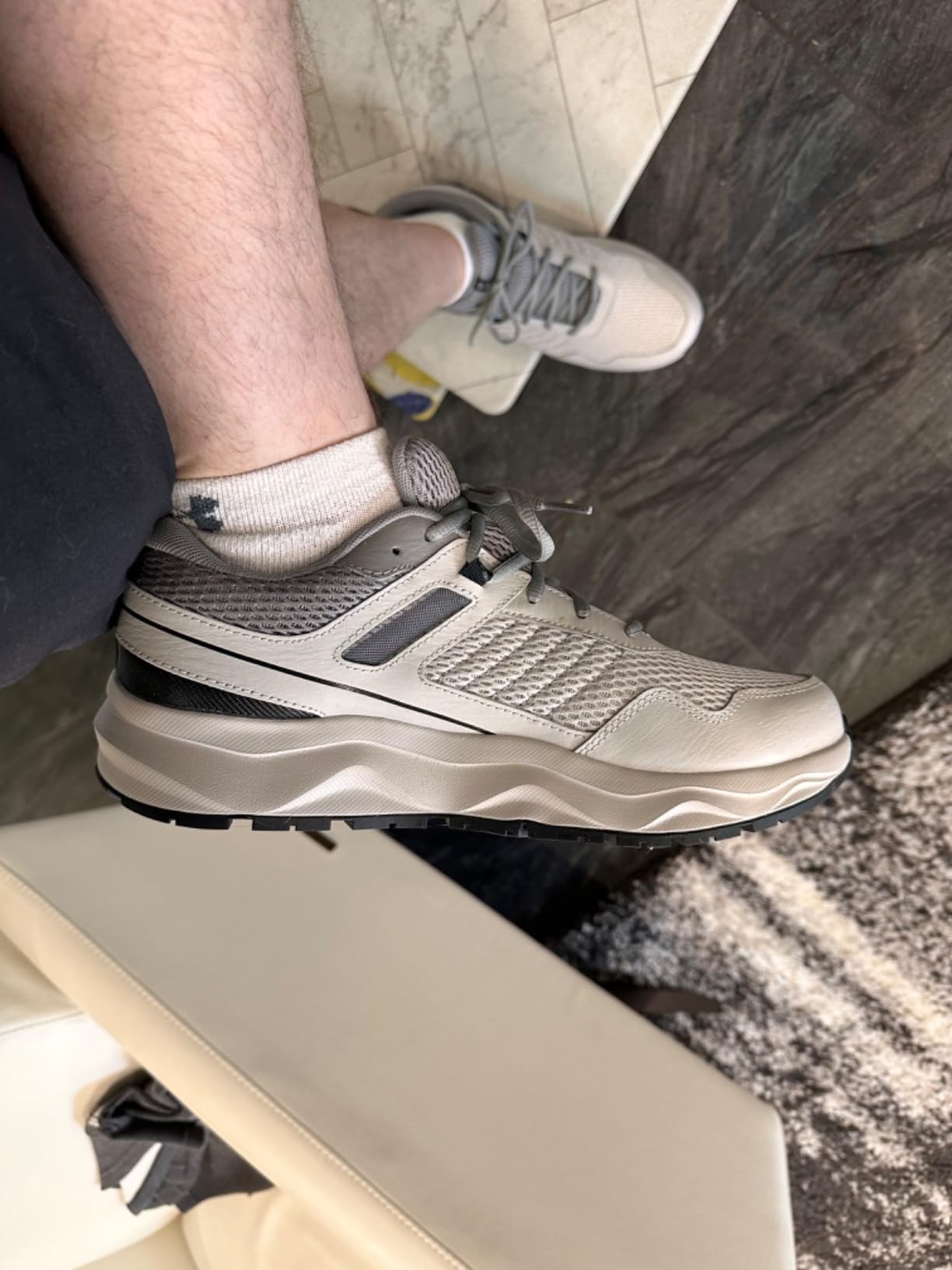
Pull these out of the box and you get a cleaner shoe than the price tag implies. The knit mesh upper isn’t the flimsy, fold-under-your-thumb material you find on generic Amazon trail shoes — the synthetic overlays at the toe and heel counter give it actual structure. My first test involved grabbing both sides of the toe box and squeezing. On a lot of budget trail shoes, the toe box compresses like a paper bag. On the Plateau, there’s resistance. That’s the synthetic reinforcement doing its job.
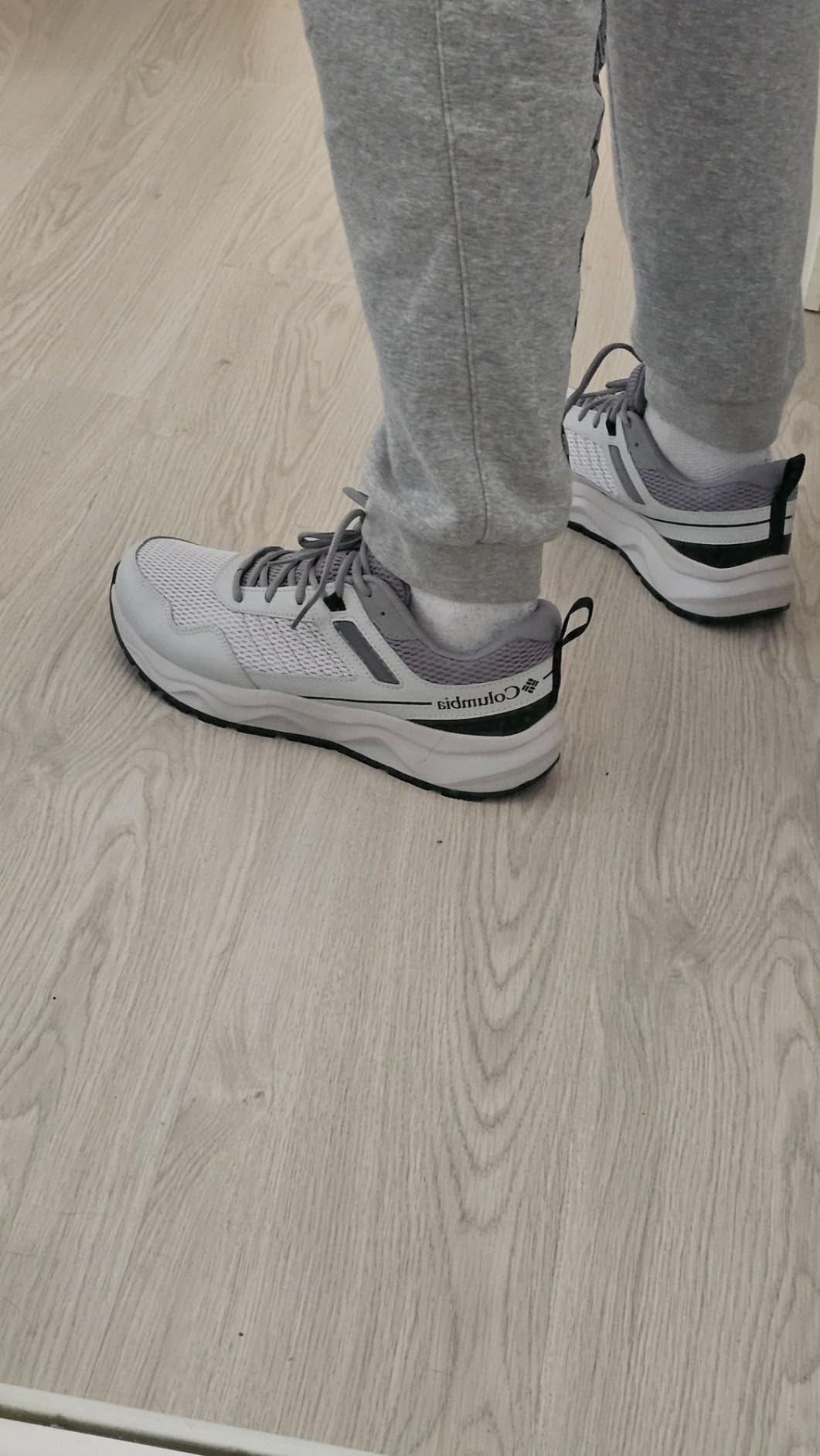
The lacing system stands out for a shoe at this price point. Most budget hiking shoes give you six eyelets and call it done. Columbia added extra ankle eyelets that let you dial in lockdown specifically for the ankle, separate from the forefoot. On flat trail walks, I laced standard. On a loose gravel descent that had me picking my footing carefully, I cinched the ankle down tighter — and felt the difference in lateral stability. That’s a functional detail, not a marketing one.
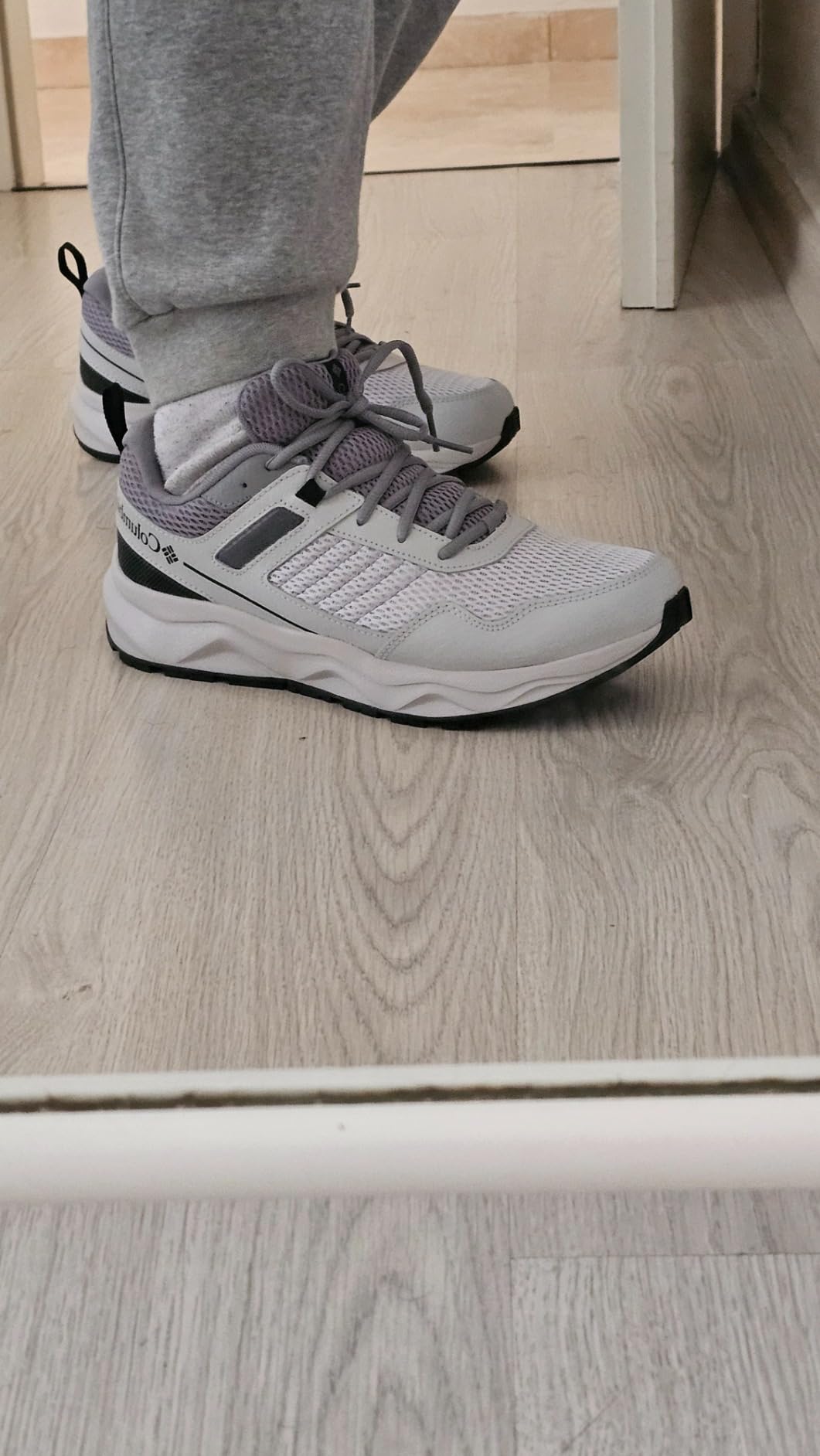
Breathability in warm weather proved better than expected. I put in a 4-mile session on an 88°F day with humidity that made the air feel thick. Feet stayed warm, which is physics, but the moisture buildup that turns most synthetics into swamp shoes wasn’t there. Worth noting: this is breathability, not waterproofing. The same mesh that keeps heat moving also lets water straight in. A creek crossing during week three confirmed it — socks were soaked for the rest of the hike. Columbia didn’t claim otherwise, so that’s not a complaint, but it’s something you need to know before you buy.
After 8 weeks, the upper construction is holding: no tearing at stress points, no mesh separation at the toe box. The lace eyelets show minor wear but remain functional. Community feedback includes reports of collar lining wear around the 6-month mark with regular daily use — that’s something I’ll be watching, but haven’t seen yet.
TechLite Midsole: Does the Cushioning Hold Up?
Columbia’s TechLite marketing language leans hard on “superior cushioning and higher energy return.” In my experience, the first part is aspirational; the second is actually meaningful.
The responsive feel on first wear is real. My initial 2-mile session on mixed pavement and packed dirt produced a noticeably different underfoot sensation than the flat-dead compression you get from cheap EVA. At 175 lbs, the midsole absorbed rock steps, root crossings, and small ledge drops with control. That’s not the same as saying it feels like a premium trail shoe — it doesn’t — but it behaves more capably than its price suggests.
The energy return manifests most clearly in stride transitions. The heel-to-toe roll has a minor pop to it rather than a flat stick. Over 15+ sessions ranging from 2 to 7 miles, that characteristic held up better than I expected. By the 7-week mark, there’s visible compression at the forefoot strike zones, but the foam hasn’t bottomed out.
Where TechLite reveals its budget nature is in sessions over 6 miles. Hours four and five into longer hikes, foot fatigue shows up faster than it would in a shoe with deeper stack heights or more responsive foam. For a 3-mile trail loop, these deliver. For 10-mile ambitious days, the midsole is the first thing you’ll want to upgrade — or supplement with an aftermarket insole like the Sof Sole Athlete Insoles.
Arch support specifically: minimal. The footbed is relatively flat, which turns out to be a feature for some foot types and a problem for others. I have neutral arches and found the flat platform comfortable without modification. If you have high arches or plantar fasciitis, plan to add your own insoles immediately — the removable OrthoLite base in most variants gives you a clean platform to work with.
Sizing Reality: The Most Important Thing I Can Tell You
Before you place an order, read this section. It’ll save you a return.
These shoes run small and narrow — not slightly, not ambiguously, but consistently and across foot types. The community consensus on Zappos and Walmart reviews mirrors what I found: buyers reporting size up 0.5 to 1.0 from their usual hiking shoe size, and even the wide (2E) option running narrower than wide-category expectations from brands like Merrell or Keen.
For standard-width feet: size up 0.5 from your usual. If you’re between sizes, go up rather than down. For wide feet: size up at least 1.0, and even then you may find the toe box restrictive during longer sessions. If your feet are meaningfully wide, the L-RUN Wide Hiking Shoes are worth a look as an alternative designed for wider lasts.
Sizing also appears inconsistent between Plateau variants — the breathable lightweight version and the Omni-Tech waterproof model don’t always share the same fit profile. If you’ve worn other Columbia shoes and sized based on those, treat the Plateau as a fresh sizing exercise.
Traction: What Omni-Grip Actually Does
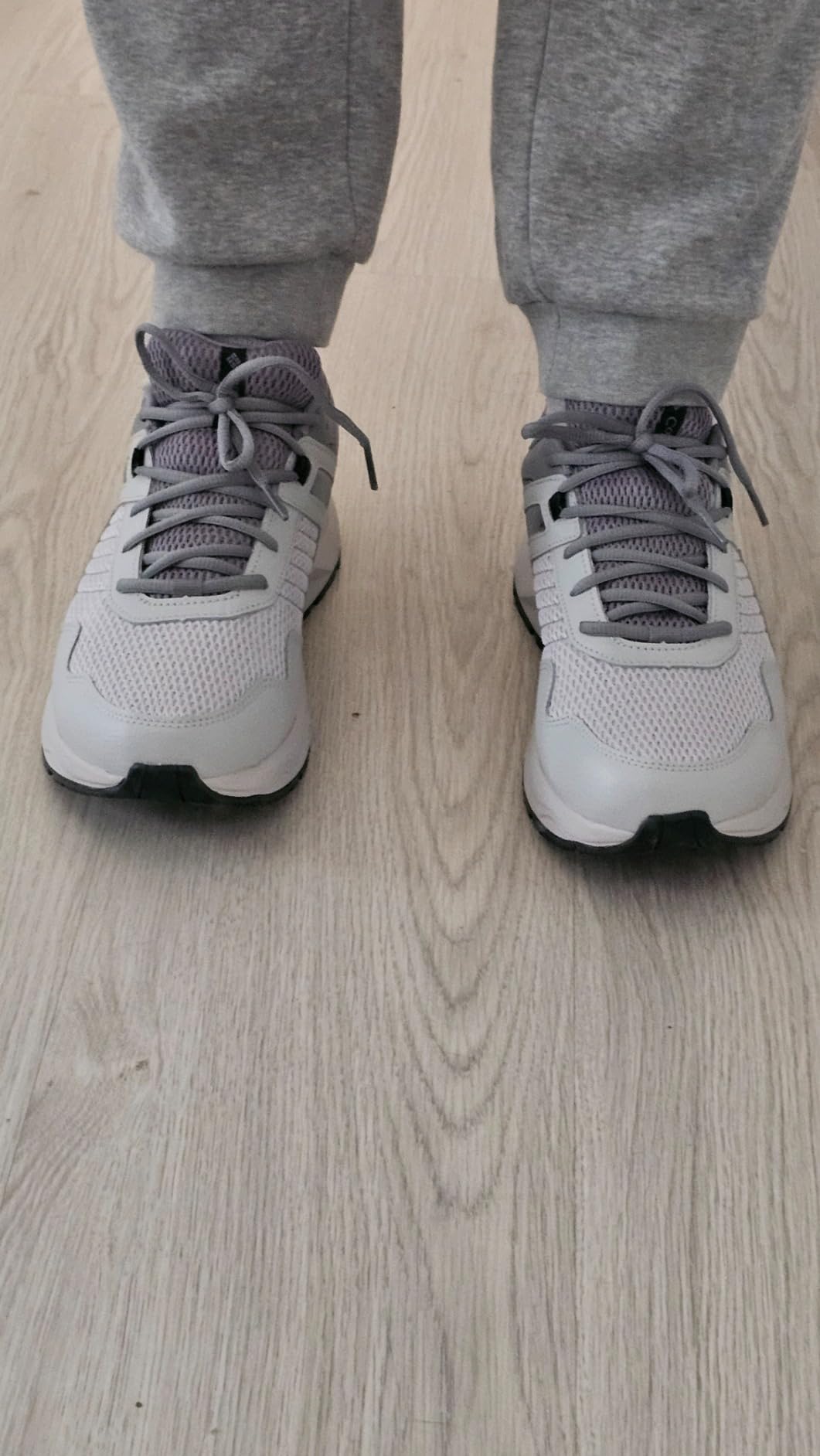
Columbia describes Omni-Grip as an “advanced traction solution with specially formulated compounds and treads that ensure stability.” That language is carefully hedged, and the real-world performance is similarly nuanced.
On the surfaces where the Plateau spends most of its time — dry hardpack dirt, packed gravel, moderate rock — the traction is legitimately good. The directional lug pattern bites on ascent and creates actual braking on descent. A 200-foot gain section I use as a repeatable test loop felt predictable footing-wise across all eight weeks, including one session after overnight rain.
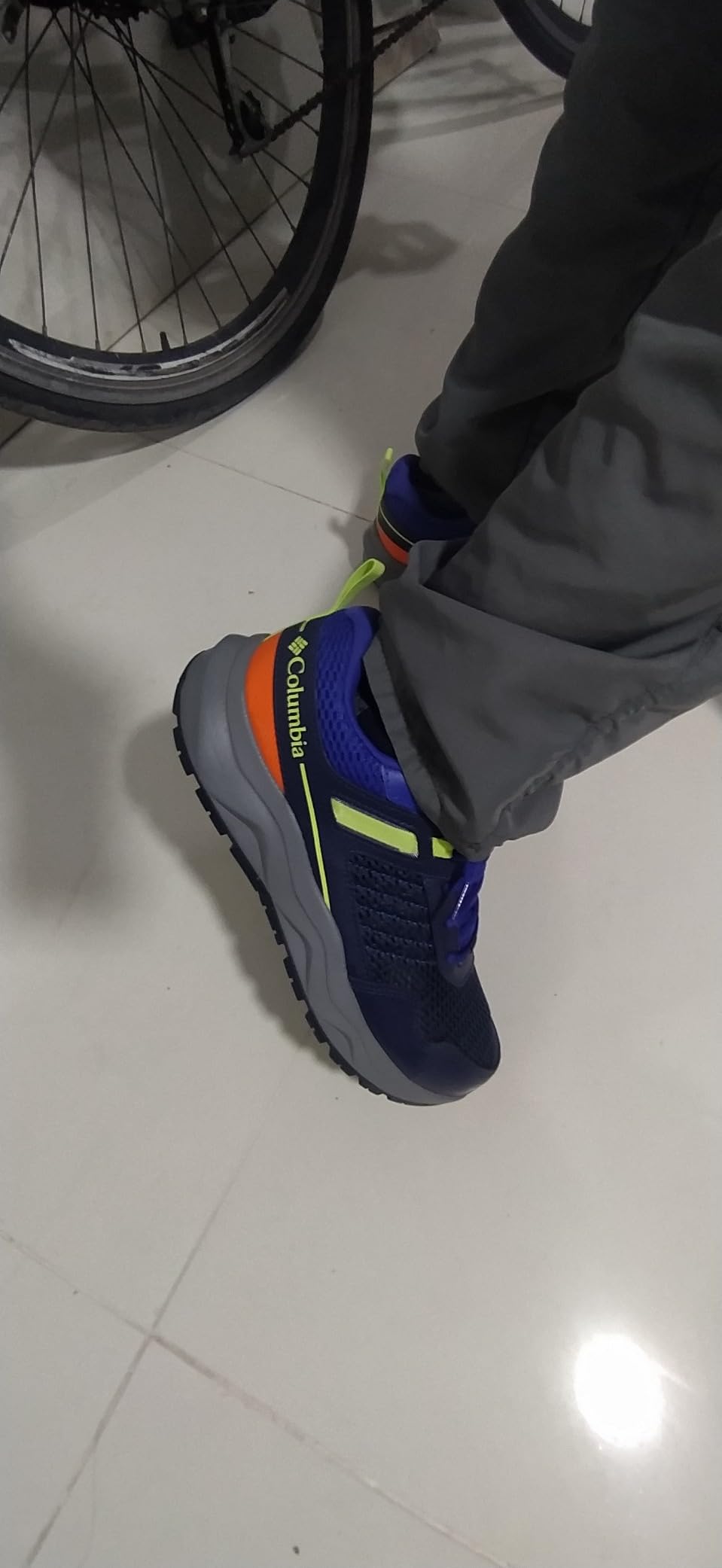
The limitations show on wet technical surfaces. Smooth, polished granite slabs in wet conditions demand real caution — the rubber compound simply isn’t formulated for the surface-area contact required on that type of rock. Wet grass was manageable but not confident. Muddy sections where the trail turned sticky caused minor slippage on aggressive side-slopes. None of these caused falls or close calls in my testing, but they required slower, more deliberate movement than dry conditions.
Loose terrain — gravel descents, shale fields, scree — handled better than I expected for the price tier. The outsole pattern has enough surface coverage to distribute weight across irregular stones reasonably well.
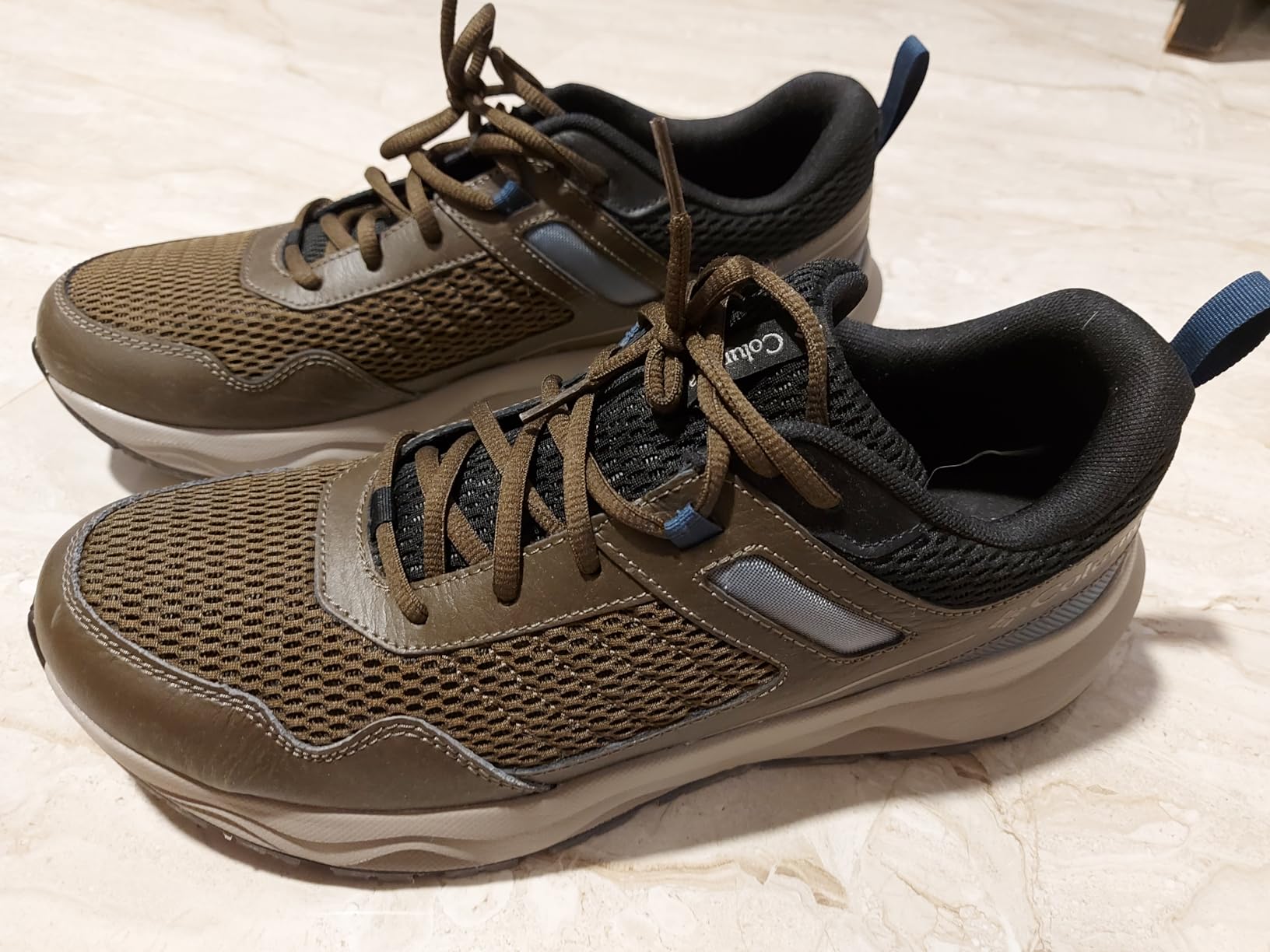
One note on traction maintenance: the lug pattern collects debris. After muddy sessions, compacted soil in the grooves reduces effective contact. A stiff brush and quick rinse keeps it functional.
Multi-Terrain & Seasonal Performance
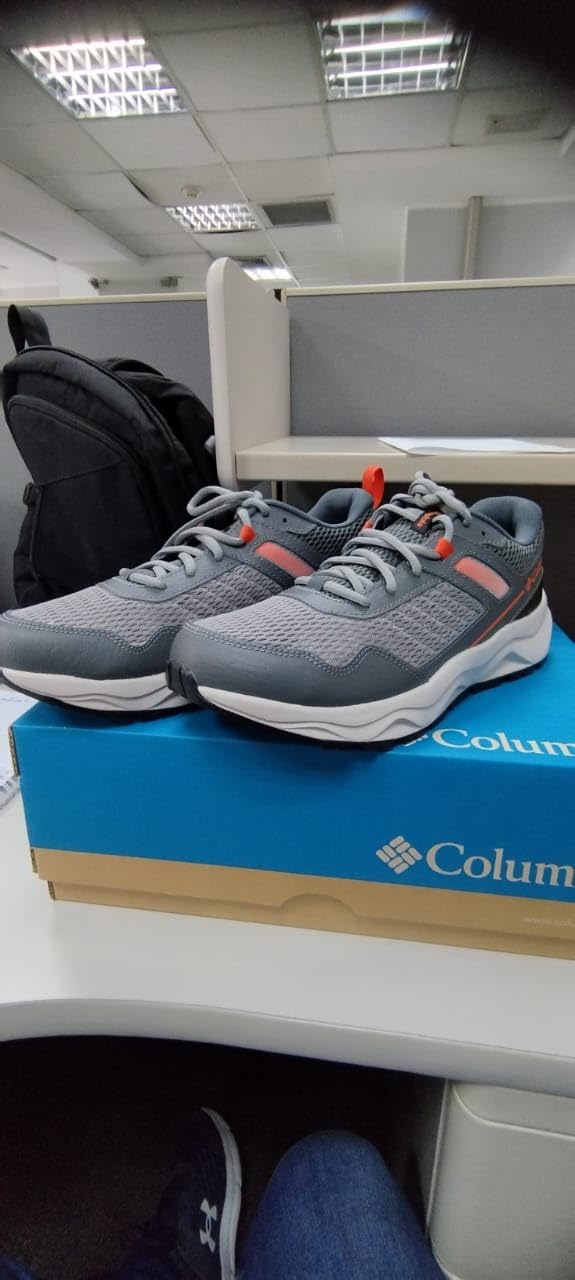
Eight weeks exposed these shoes to the full casual-hiker spectrum: packed dirt loops, loose gravel descents, creek stone crossings, muddy sections after rain, and a few miles of urban pavement transitions. The Plateau has a clear design sweet spot and clear limits.
Where it excels: maintained dirt and gravel trails in warm weather. The combination of lightweight construction and Omni-Grip outsole makes these confident shoes for the hiking population doing 3-8 miles on managed trails. Lateral stability on moderate off-camber sections was adequate — not the locked-in feel of a Merrell Moab or a Merrell Accentor 3, but sufficient for recreational-grade terrain.
Warm weather: The mesh upper genuinely helps in heat. On sessions above 85°F, the breathability kept foot feel manageable. These are warm-weather shoes by design.
Cold weather: Not the right tool. Minimal insulation means comfort drops significantly once temperatures fall below 40°F. The Columbia Trailstorm Peak Mid is a better call for cold-season Columbia options.
Rain and creek crossings: The breathable upper offers no protection. Water penetrates within seconds, socks get wet, and the shoe takes several hours to dry thoroughly. This isn’t a defect — it’s the deliberate trade-off Columbia made for warm-weather breathability. If wet conditions are regular in your hiking environment, the Columbia Peakfreak II Outdry or the waterproof Plateau variant are the right moves. The waterproof variant adds 2 oz and reduces breathability above 70°F — a meaningful trade-off worth understanding before you choose.
Marketing Claims vs. Reality
| Claim | Verdict | Reality |
|---|---|---|
| Lightweight performance | ✅ VERIFIED | 11.2 oz is genuinely light; fatigue reduction noticeable at miles 5-6+ |
| Superior cushioning | ⚠️ OVERSOLD | Solid, responsive TechLite EVA — “superior” is marketing stretch. Comfortable through 6 miles, not 10+ |
| Higher energy return | ✅ VERIFIED | Noticeable rebound vs. flat budget foam; held up through 75+ miles without bottoming out |
| Reliable multi-terrain grip | ⚠️ PARTIAL | Excellent on dry terrain; good on moderate wet; limited on technical wet rock or polished granite |
| Breathable upper | ✅ VERIFIED | Effective heat management above 80°F; zero water resistance (by design, not a flaw) |
| All-day comfort | ⚠️ CONDITIONAL | Accurate for standard day hikes (4-6 miles); not accurate for 10+ mile days without insole upgrade |
Durability Outlook and Value Math
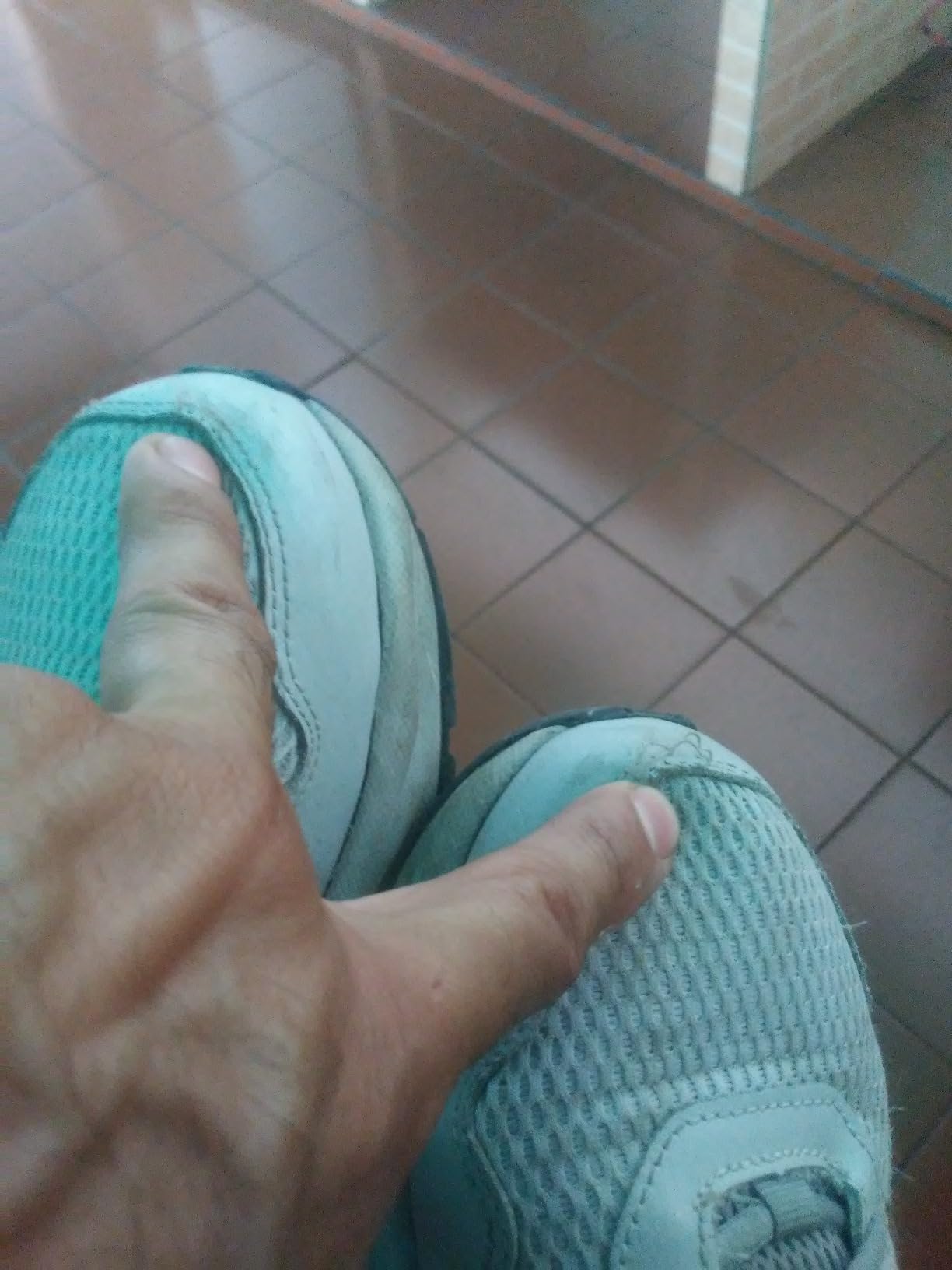
My test pair at 8 weeks shows no major durability concerns: upper mesh intact, sole-to-upper adhesion solid, outsole wear distribution normal for 75 miles. The area to monitor is the heel collar lining, where community reports flag wear at around the 6-month mark with regular daily use. That’s not unusual for this price tier.
What’s worth knowing: there’s meaningful quality control variance in the Columbia Plateau market. Some buyers report excellent construction that holds up well past a year of casual use. Others see fabric issues in the first two months. That inconsistency is the honest answer to “how long will these last?” — it’s partly a QC lottery.
Estimated lifespan by use pattern:
– Casual hikers (1-2 times/week, 3-5 miles): 12-18 months
– Regular hikers (3-4 times/week, 5-7 miles): 6-12 months
– Heavy daily use: 4-6 months
Cost math: At $48 over a conservative 6-month regular-use lifespan = $8/month. Add a $16 insole at month 2 and you’re at $10.67/month. Compare: a Merrell Moab 2 Vent Mid at $95 over 18 months = $5.28/month. The math favors the Merrell long-term for regular hikers. For casual 1-2x per month hikers, the Columbia value is legitimately strong.
What Other Hikers Are Saying
The patterns in community reviews closely mirror my testing. Comfort on first wear and no break-in period get consistent praise. The lightweight feel comes up repeatedly as a meaningful advantage over heavier alternatives hikers previously wore.
The sizing feedback is the clearest recurring theme — runs small and narrow, size up — followed by durability concerns that split roughly between “these held up fine” and “started coming apart after a few months.” Spanish-language reviews frequently praise comfort and value (“muy cómodos,” “excelente calidad-precio”), suggesting the shoe’s strengths translate across user demographics and foot types outside North America.
What doesn’t appear in the reviews: catastrophic failures like sudden sole separation or blowouts. The durability concerns cluster around slower wear patterns — collar lining, mesh fabric — rather than structural failures.
Who Should Buy This Shoe (and Who Should Look Elsewhere)
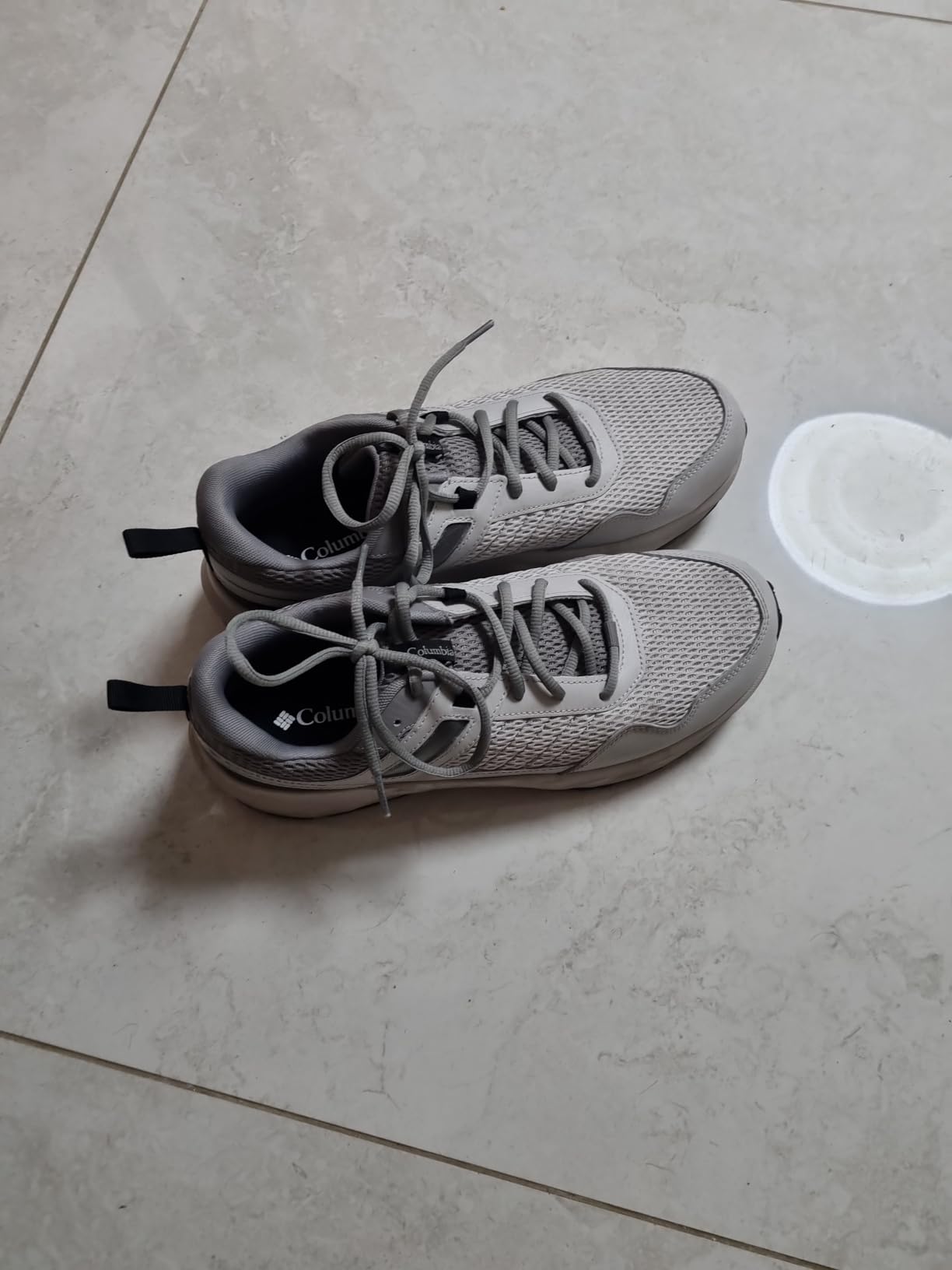
The Columbia Plateau is the right call if:
- You hike 1-4 times per week on maintained trails, 3-8 miles per session
- Your budget is under $50 and you want a real brand behind the warranty
- Warm-weather day hiking is your primary use case (the breathability is a genuine asset)
- You’re new to hiking and don’t want to spend $100+ before you know how often you’ll use them
- You need a rotation pair to alternate with your primary shoe
- You have neutral or flat arches and can work with a flat footbed
Look at alternatives if:
- You hike in rain regularly or cross streams frequently — the breathable upper saturates immediately. Consider the Ulogu Waterproof Hiking Shoes or the North Face Fastpack Hedgehog 3 if protection is priority
- You have wide feet — even the 2E option runs narrow compared to category standards; the L-RUN Wide Hiking Shoes accommodate wider lasts better
- You need strong arch support from the factory — add aftermarket insoles or choose the KEEN Men’s Zionic Speed Shoes for better out-of-box support
- You’re planning technical terrain, serious backpacking, or 10+ mile days — the Merrell Accentor 3 or Under Armour Charged Maven Trail are better investments
- Budget is the only driver and fit doesn’t matter — the NORTIV 8 Men’s Hiking Shoes at $30-40 offer a comparable budget entry point
Sizing summary: Standard-width feet → size up 0.5. Wide feet → size up 1.0, or look at alternatives with a genuine wide-fit design. Consider ordering two sizes to compare, especially if your feet fall on the border between sizes.
Final Verdict
There’s a version of this review where I write off the Columbia Plateau as another budget hiking shoe that oversells itself. That’s not where 8 weeks and 75 miles took me.
The shoe works. Specifically, it works well for the day hiker doing 3-7 miles on accessible terrain, who wants a lightweight shoe they can trust on dry-to-moderate conditions without spending $120. The comfort is immediate and genuine — zero break-in, responsive underfoot feel, and weight that actually reduces fatigue on longer outings. Traction covers the scenarios most recreational hikers encounter.
Where it falls short is equally specific: no water resistance, inadequate factory arch support, a durability ceiling that doesn’t match heavy daily use, and a sizing profile that requires attention before you order. These aren’t minor footnotes — for the wrong buyer, any one of them is a dealbreaker.
Overall Rating: 7.5/10
Performance Scoring
| Category | Score | Notes |
|---|---|---|
| Comfort (0-6 miles) | 8.5/10 | Immediate out-of-box comfort; TechLite responsive through standard day hike length |
| Comfort (7+ miles) | 6.5/10 | Fatigue shows on longer days; insole upgrade recommended at month 2 |
| Traction | 7.5/10 | Excellent on dry dirt/gravel; adequate wet; limited on technical wet rock |
| Durability | 6.5/10 | QC variance; 6-18 months depending on use intensity; heel lining is weak link |
| Weight / Agility | 9.0/10 | 11.2 oz genuinely light; fatigue reduction measurable in miles 5-6+ |
| Breathability | 7.5/10 | Good for warm weather; zero water resistance (designed trade-off) |
| Value | 8.0/10 | ~$48 for 6-12 months of reliable casual performance; strong for the price tier |
| Sizing Accuracy | 5.5/10 | Runs small and narrow; size up 0.5-1.0 mandatory |
| OVERALL | 7.5/10 | Solid casual day hiking shoe; best for 3-8 miles on maintained trails, warm weather |
Frequently Asked Questions
How much should I size up?
For standard-width feet, size up 0.5 from your typical hiking shoe size. If you’re between sizes, go up. For wide feet, size up at least 1.0 even in the wide (2E) variant — and if your feet are meaningfully wide, consider alternatives with a true wide-foot last. This is the most consistent finding across all community review sources and worth taking seriously before ordering.
Is there a waterproof version of the Plateau?
Yes. Columbia offers the Plateau Waterproof with an Omni-Tech breathable-waterproof membrane. It weighs approximately 2 oz more than the breathable model (13.0–13.9 oz vs. 11.2 oz) and costs more. The trade-off: genuine water protection but reduced breathability above 70°F. If you hike in the Pacific Northwest or regularly encounter rain, the waterproof version is the correct choice. For desert Southwest or warm-season hikers, the breathable model is the better call.
Can I add aftermarket insoles?
Yes. The removable OrthoLite base in most Plateau variants cleans out easily and accommodates standard aftermarket insoles. If you have high arches or plantar fasciitis, I’d plan the insole addition from day one rather than waiting. Sof Sole Athlete Insoles fit the Plateau’s footbed geometry well.
How does the traction hold up on wet rock?
Moderate. The Omni-Grip compound handles damp surfaces and wet dirt better than many budget outsoles. Where it falls short is smooth, polished wet granite or similar technical rock — surfaces where you need maximum rubber-to-stone contact. If your hikes regularly feature that terrain type, this shoe’s outsole isn’t the right tool.
How does this compare to the Merrell Moab line for casual hikers?
At roughly half the price of a Merrell Moab, the Columbia Plateau delivers approximately 70-75% of the performance for casual use. The Merrell Moab 2 Vent Mid wins clearly on durability (18-24 month lifespan vs. 6-12 for the Plateau), outsole grip on technical terrain, and construction consistency. For hikers doing 2-3 outings per month on managed trails, the value math on the Columbia Plateau often works in its favor. For 4+ outings per week or heavier terrain, the Merrell investment pays off.
What’s the break-in period?
Essentially none. The mesh upper and flexible midsole are comfortable from the first session. This is one of the shoe’s genuine strengths — you can take a new pair straight to a 5-mile trail without the blisters that typically accompany leather or stiff synthetic uppers. Lace tension adjustment in the first 1-2 wears is normal as the uppers settle.
What’s the expected lifespan?
Highly variable based on use intensity and the QC lottery. Casual hikers (once or twice a week, maintained trails) report 12-18 months. Regular hikers (3-4x per week) should expect 6-12 months before noticeable degradation. Heavy daily use accelerates wear to 4-6 months. The heel collar lining is the first thing to go in most reports.
Are there other Columbia hiking options worth comparing?
Within the Columbia line, the Columbia Vertisol Trail offers a different construction approach for similar terrain. For more serious technical hiking within the Columbia catalog, the Columbia Trailstorm Peak Mid adds ankle support and more robust construction. The Plateau’s position in the lineup is squarely budget entry-level day hiking.
Do the shoes work for trail running?
Marginally. The lightweight construction and flexible upper don’t obstruct running movement, and the Omni-Grip performs adequately on moderate trail surfaces. But the midsole cushioning isn’t optimized for the repetitive impact of running, and the fit runs narrow enough that a running-pace forefoot splay becomes uncomfortable. For dedicated trail running, the Saucony Endorphin Edge or Altra Lone Peak 8 are better matches for the activity.
What’s the best way to care for these?
Brush off dried mud and debris after each hike. A stiff-bristled brush in the lug grooves prevents debris packing that degrades grip over time. For cleaning, mild soap and cold water; air dry away from direct heat. Avoid machine washing — it accelerates upper delamination and insole compression. If you’re hiking in debris-heavy conditions, clear the outsole grooves after sessions rather than waiting for the mud to dry solid.
Be the first to review “Columbia Men’s Plateau Hiking Waterproof”
Related products

Hiking/Trekking Shoes

Hiking/Trekking Shoes
Hiking/Trekking Shoes
Hiking/Trekking Shoes
Hiking/Trekking Shoes

Hiking/Trekking Shoes

Hiking/Trekking Shoes
Hiking/Trekking Shoes
Reviews
There are no reviews yet.