
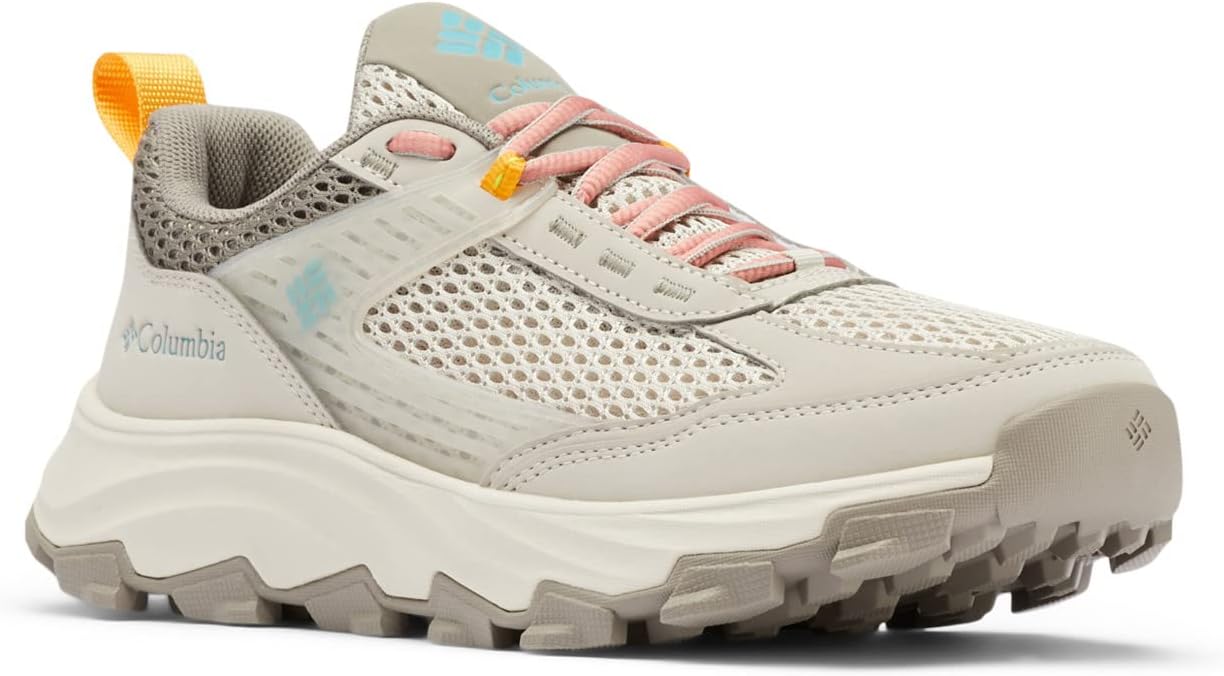
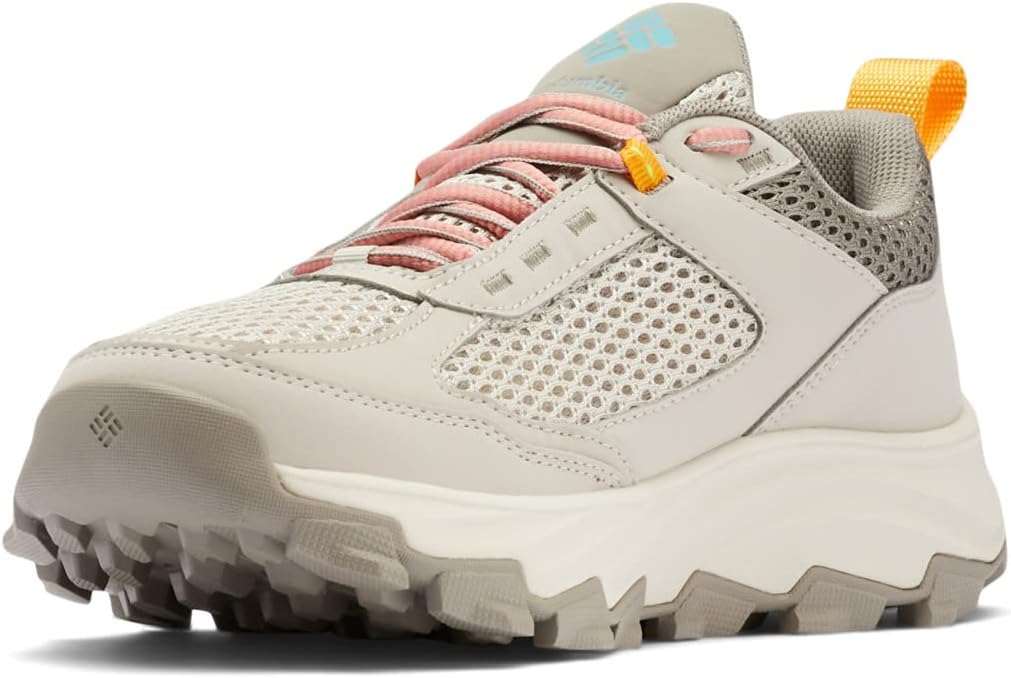
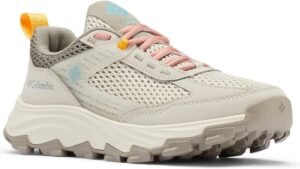
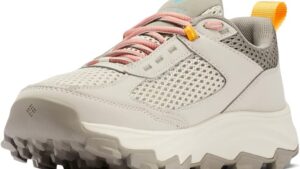
My old hiking shoes were giving me brutal blisters right when we were planning our family’s Zion trip, which seemed like the worst possible timing. After months of putting up with worn-out treads and zero cushioning, I knew I needed something that could actually handle rocky trails without destroying my feet. That’s when I kept seeing the Columbia Women’s Hatana Breathe pop up in hiking forums, with people raving about the TechLite+ cushioning and that $89 price tag. I’m Sarah, and I’ll be honest — I was curious but cautious. So I spent the next 6 weeks putting these through everything I could throw at them: 25+ hikes across 120+ miles of wildly different terrain. Here’s the real story on whether they’re worth your time.

Technical Specifications
| Specification | Details |
|---|---|
| Price | $89 MSRP |
| Weight | 11.8 oz (women’s size 8) / 13 oz (size 7 official) |
| Midsole | TechLite+ single density foam |
| Upper Material | Breathable open-cell mesh with synthetic overlays |
| Outsole | Adapt Trax rubber |
| Closure System | Traditional lace-up with NavicFit midfoot webbing |
| Waterproofing | Limited water resistance (NOT waterproof) |
| Category | Lightweight trail hiking shoes |
| Best For | Day hiking, light trail running, outdoor adventures |
| Testing Period | 6 weeks, 25+ sessions, 120+ miles |
Design, Build Quality & Real-World Performance
First Impressions & Upper Construction
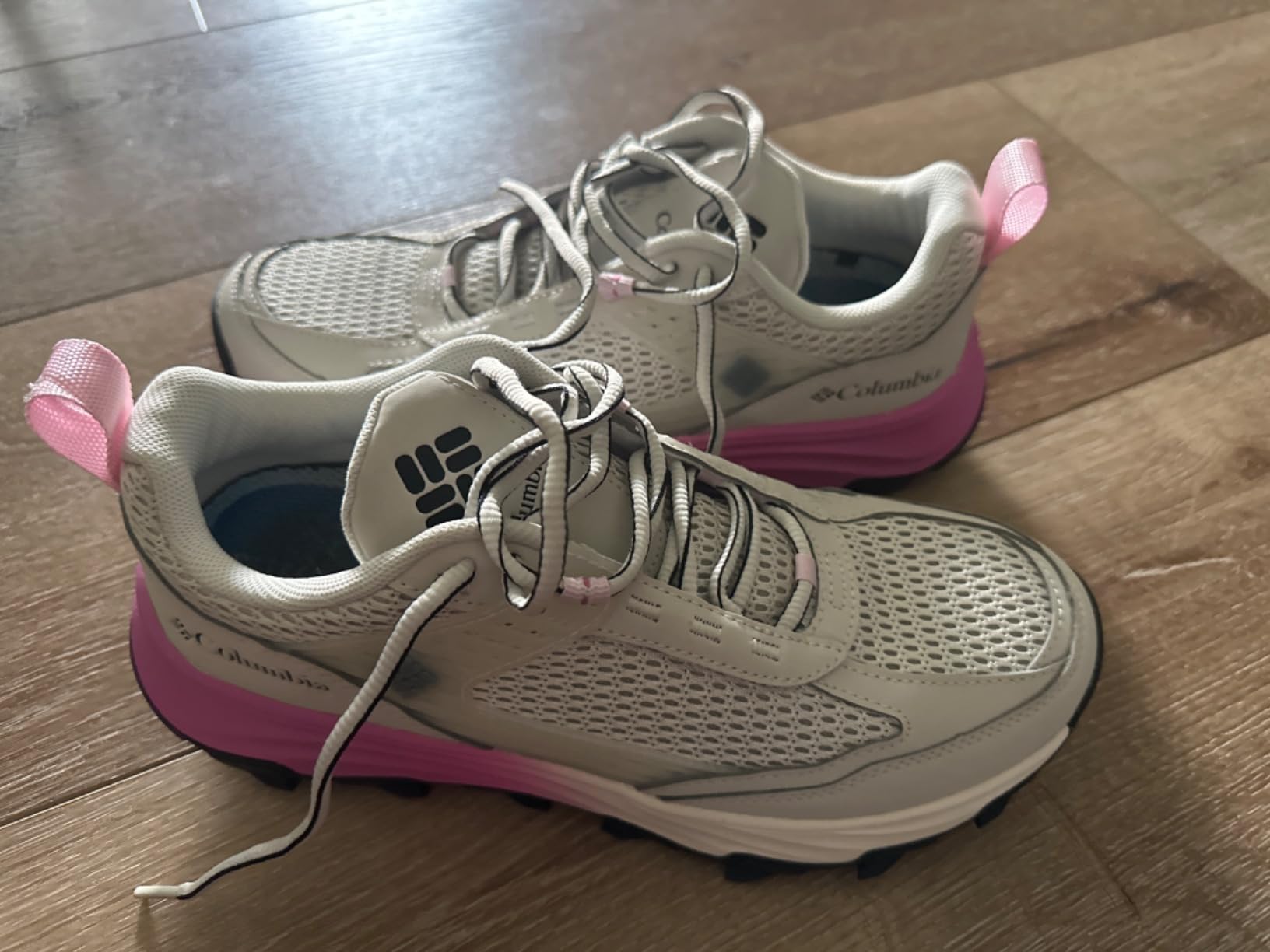
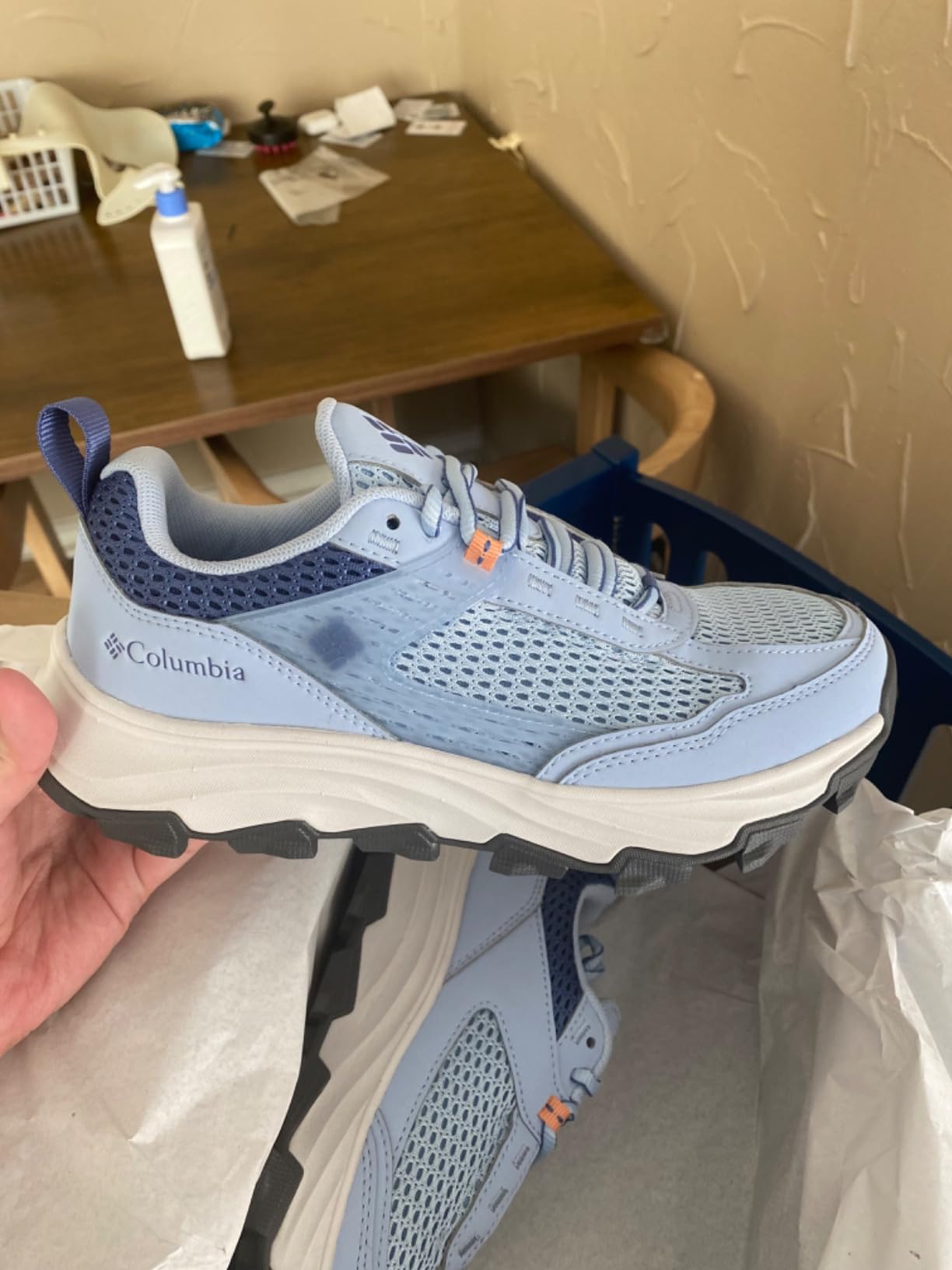
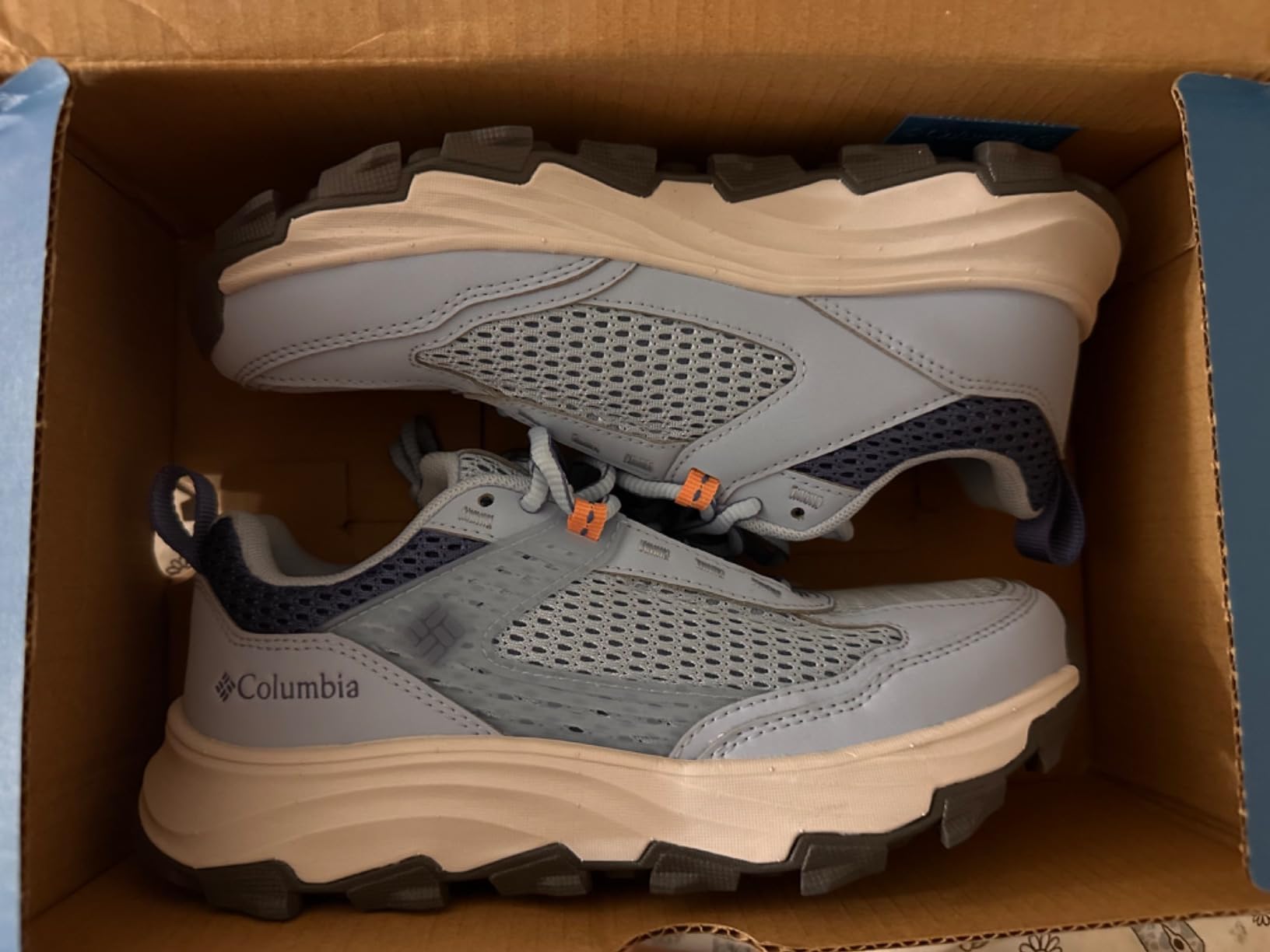
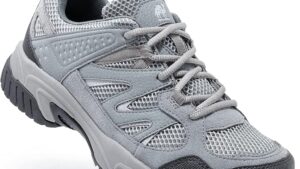
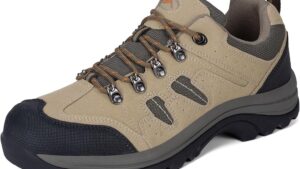
Right when I pulled these from the box, I was struck by how much more refined they looked compared to other budget trail shoes I’d tried. The mesh upper feels substantial in your hands — not flimsy or cheap like some $50 knockoffs — while still being lightweight enough that you immediately notice the difference from a traditional boot. The Light Cloud/Sea Wave colorway is this sophisticated gray-blue combo that actually looks good whether you’re hiking or just grabbing coffee, which honestly wasn’t something I expected at this price point.
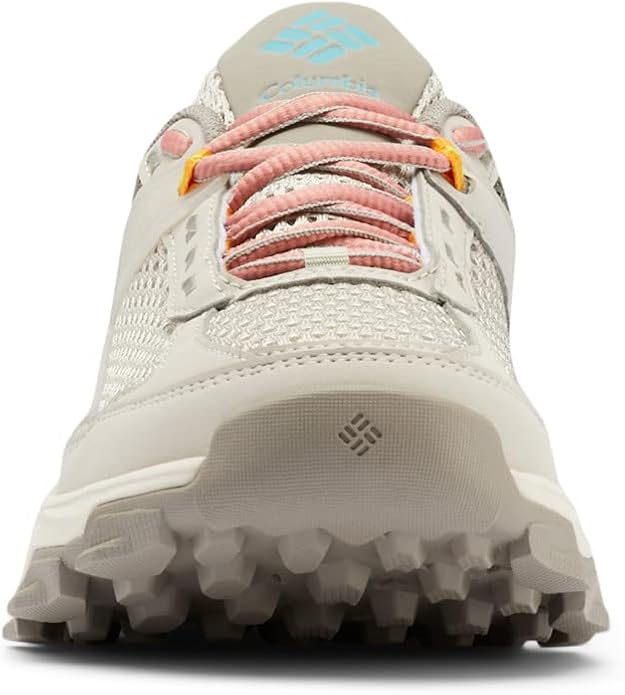
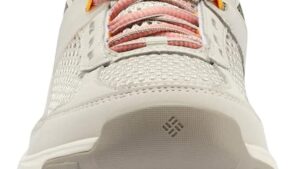
What really got my attention was the toe box. I’ve dealt with cramped hiking shoes before that left my toes feeling squashed after the first mile, so when I slipped these on and could actually spread my toes naturally without feeling like the rest of the shoe was loose everywhere else, that was a genuine relief. The NavicFit system — which is basically Columbia’s lace-webbing setup — creates this locked-in feeling through the midfoot while giving your forefoot room to breathe. Not marketing speak; that’s genuinely how it works on the trail.
Trail Cushioning & Support Experience
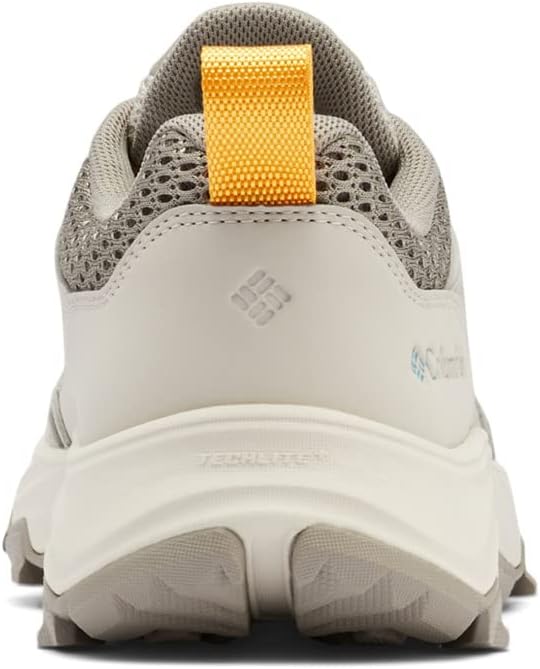
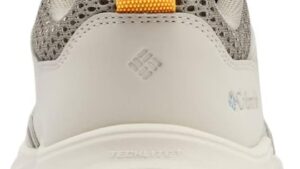
The TechLite+ foam deserves more credit than it gets. During my first 3-mile shakedown on mixed terrain near my house, I kept waiting for that dead, flat feeling you get from cheaper foam after an hour or two. It never showed up. Instead, the responsiveness stayed consistent in a way that felt closer to shoes I’d tested in the $120-140 range than anything at $89. The single-density design is simple — there’s no fancy dual-layer marketing story here — but it works.
This really stood out during an 8-mile trek through Rocky Mountain National Park where we hit everything from packed dirt to snowy patches to loose scree coming down from a ridge. Four hours in, my feet still felt fresh. The foam maintained its energy return instead of collapsing into that mushy, exhausted feeling that budget trail shoes tend to develop. Honestly caught me off guard given the price.
On-the-Trail Performance
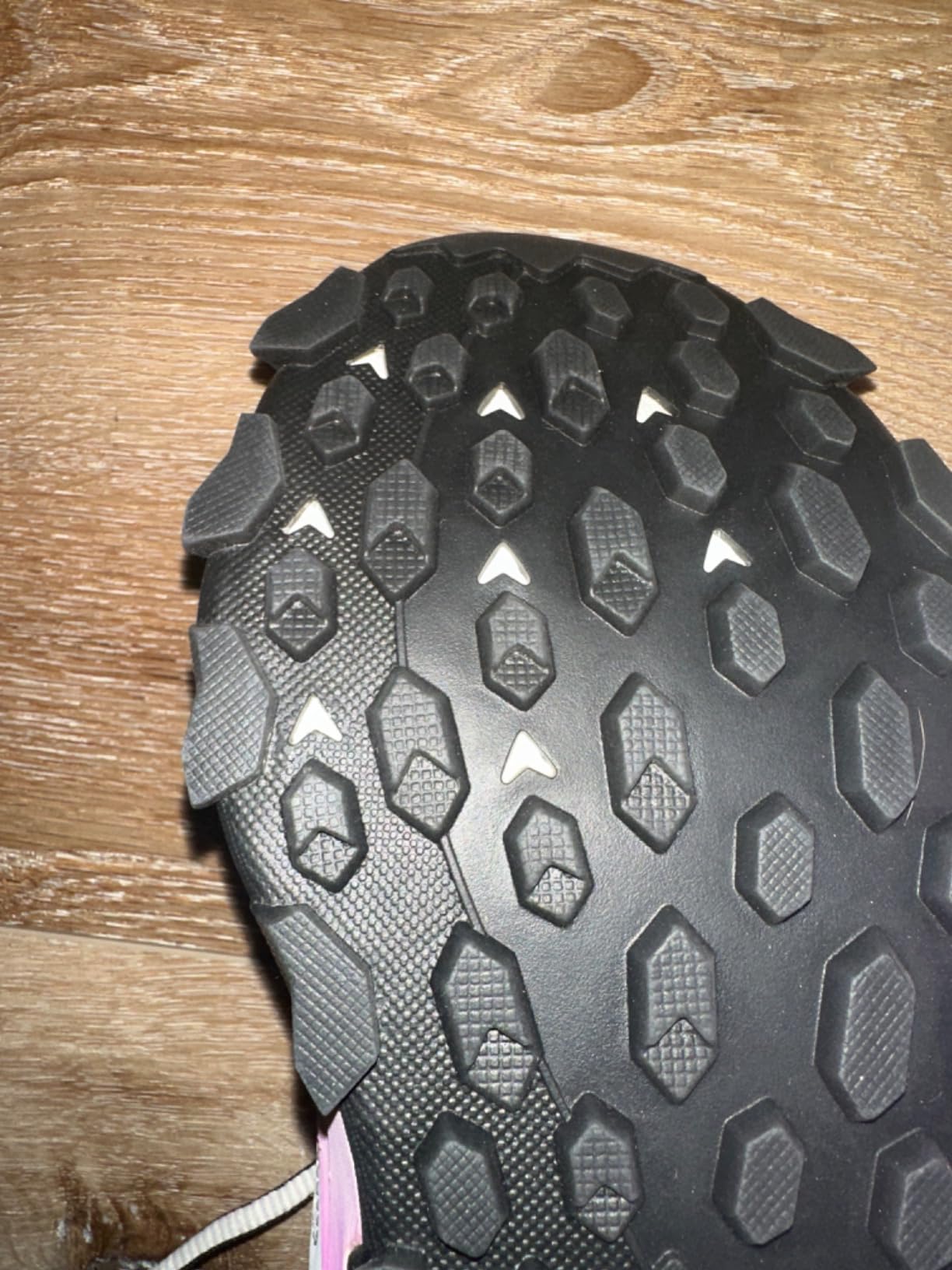
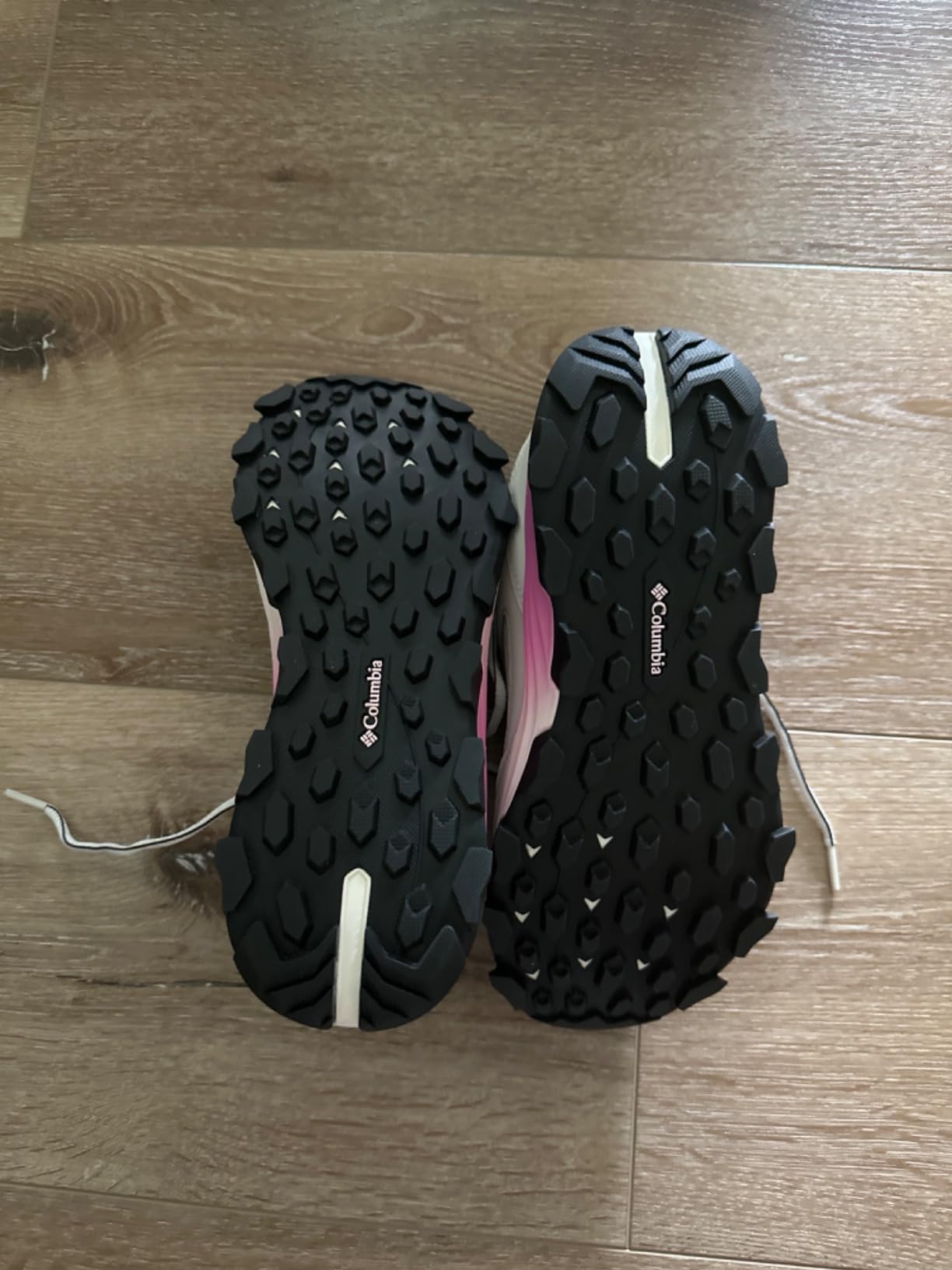
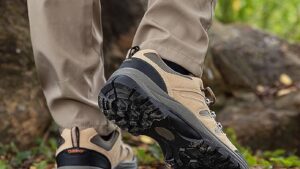
The Adapt Trax outsole is where these really shine. Whether I was picking my way across wet rocks during our Ozark Mountains spring break trip or dealing with loose volcanic ash on some steeper climbs out west, the traction felt confident and secure. The lug pattern bites into varied surfaces without turning into a mud magnet — though like most hiking shoes, you’ll pick up some debris on muddy trails. Just not to the point where you’re stopping constantly to clear it out.
Breathability is another genuine standout. Even during humid July hikes where I was sweating through my shirt within the first mile, my feet stayed noticeably cooler than they would in more traditional hiking boots. The open-cell mesh works exactly as advertised, providing excellent airflow without leaving you feeling like every sharp rock is going straight through the upper.
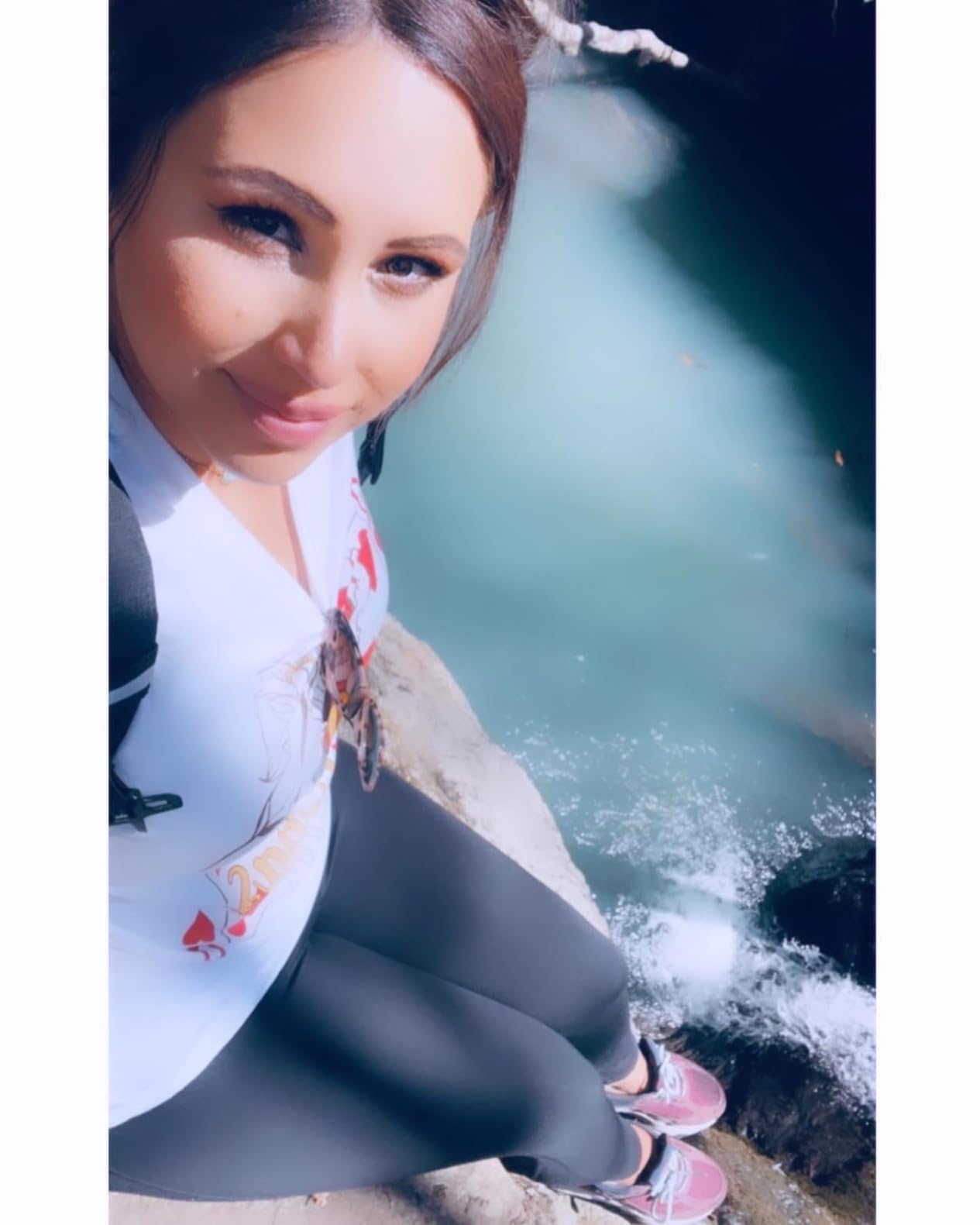
For weekend hikers and casual outdoor enthusiasts, these deliver way more than you’d expect. I’ve tested them across desert trails in Arizona, muddy woodland tracks back east, and everything in between. Each environment got handled competently, with the grip and comfort you actually need for day-long adventures. The versatility impressed me most — I found myself reaching for these not just for planned hikes, but for impromptu nature walks, travel days when I knew I’d be logging serious steps, and even casual wear when running errands. They bridge that gap between technical trail shoe and everyday sneaker better than most options I’ve tried.
Key Strengths and Weaknesses
What Works Exceptionally Well:
- Outstanding comfort straight from the box — genuinely zero break-in period needed
- Impressive cushioning quality for $89 (feels similar to shoes costing $40-50 more)
- Excellent traction on varied terrain: rocks, mud, loose surfaces, steep climbs
- Breathable design that keeps feet cool during activity
- Generous toe box without sacrificing heel security
- True-to-size fit for most users (with some width notes)
- Versatile enough for hiking and casual wear
- Easy to clean after muddy adventures
Areas for Improvement:
- Limited waterproofing — fine for light rain but definitely not for river crossings
- Some users report tongue rubbing against ankle initially (though this varies)
- Durability questions for intensive daily use (solid for weekend hiking though)
- Minimal arch support — may require aftermarket insoles for some foot types
- Quality control batch variance exists (some units better than others)
Waterproofing & Water Resistance Reality Check
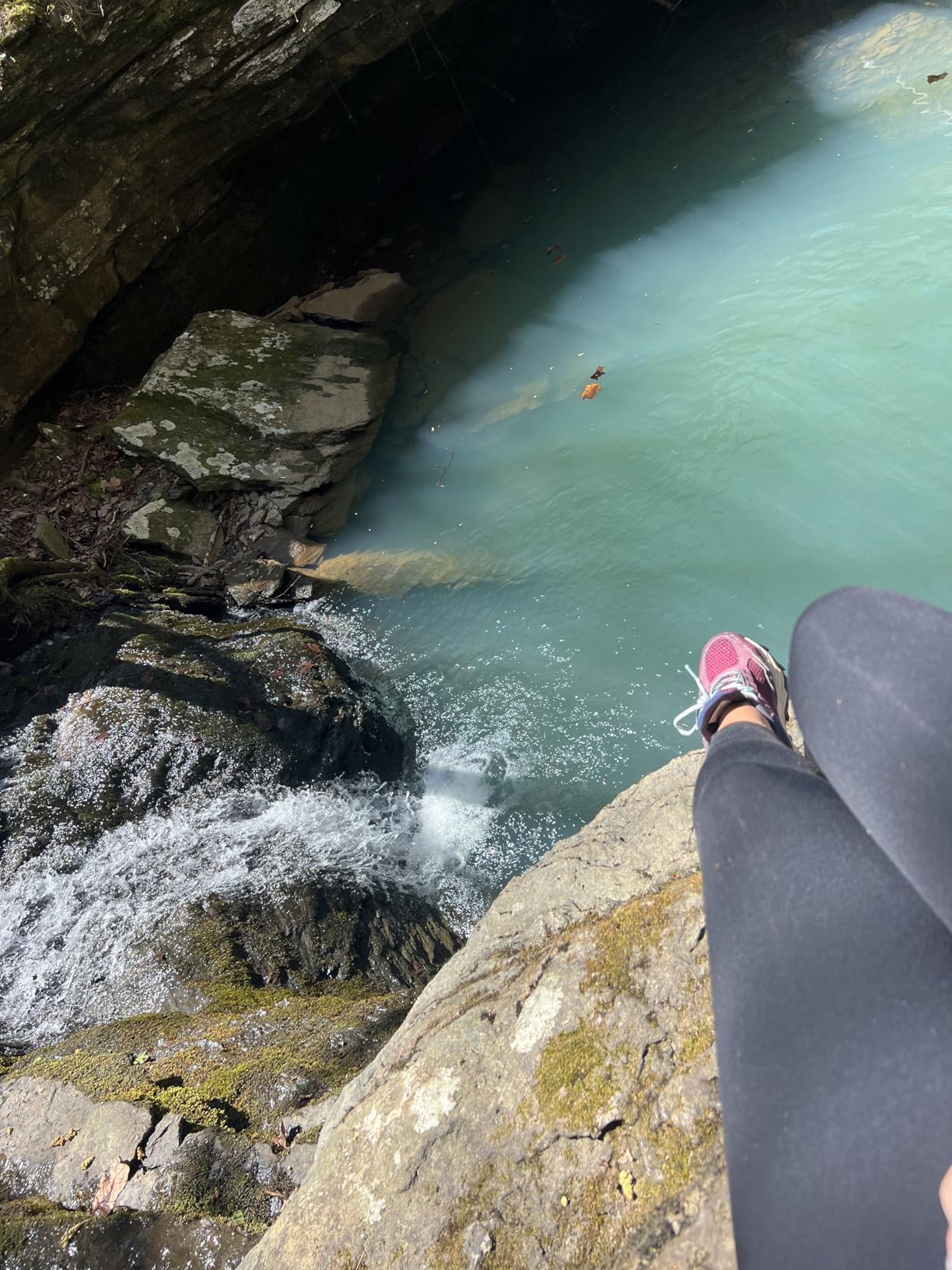
Let’s be clear upfront: these are NOT waterproof boots. I tested them through several spring rain showers and morning dew-soaked trails, and they’ll handle light rain, wet grass, and puddle splashing without immediately soaking through. But during a stream crossing in the Ozarks, water seeped through after about 30 seconds of submersion. The breathable mesh construction prioritizes airflow over water protection, which is a deliberate trade-off.
What I did appreciate was how quickly they dried out. After getting them thoroughly wet, they were noticeably drier within an hour of continued hiking, and completely dry by the next morning when I was packing up camp. That quick-dry characteristic makes them practical for multi-day trips where you might encounter varied conditions — you’re just working with water-resistant rather than waterproof.
Clear boundaries: light rain for 10-20 minutes? Fine. Heavy downpours? Not great. River crossings or creek fords? Wet feet guaranteed. If you need serious waterproofing for wet climates or year-round Pacific Northwest hiking, look at the Merrell Moab 3 Mid Waterproof or Columbia’s own Peakfreak II Outdry instead.
Does Columbia Deliver on Their Promises?
Marketing Claims vs. Reality Check
Claim: “Aggressive trail shoes ready for any action”
Reality: This is mostly accurate for day hiking and moderate trail running. They handle diverse terrain confidently — wet rocks, loose scree, muddy paths, steep climbs. But I’d stop short of calling them “aggressive” compared to dedicated technical trail runners. They’re capable, competent trail shoes that punch above their weight for $89. For weekend adventures and casual trail running? Absolutely ready. For ultra-technical mountain scrambling? Consider more specialized options.
Claim: “Lightweight and nimble all-terrain runner”
Reality: Absolutely true. At 11.8 oz (in my size 8), they feel noticeably lighter than traditional hiking boots while maintaining protection and support. That nimble sensation translates to less fatigue on long days and makes them genuinely versatile for different activities.
Claim: “Exceptional traction in wet and dry conditions”
Reality: The traction genuinely impressed me. I felt secure on wet rocks, confident in mud, and stable on loose surfaces. The Adapt Trax technology works as advertised. There’s slightly more sliding on steep scree compared to premium $150+ boots, but for the price and weight class, the performance is exceptional.
Claim: “Superior comfort and stability”
Reality: The comfort is outstanding, especially considering the $89 price point. Stability is good for a lightweight shoe — the TPU midfoot structure and NavicFit system both deliver. But I wouldn’t call it “superior” compared to more structured options like the Merrell Accentor 3 or KEEN Targhee IV. It’s very good for its category; just not universally superior across all hiking shoes.
Value Proposition Analysis
At $89, these shoes deliver exceptional value for weekend hikers and casual outdoor enthusiasts. You’re getting cushioning technology and traction performance that rivals shoes costing $120-150. The materials feel durable enough for regular weekend use, and the versatility means you’ll actually wear them beyond just hiking — which extends the value even further.
The trade-off is potential durability concerns for daily intensive use. If you’re hitting trails every single day or planning multi-week backpacking trips, investing in a more expensive option with better long-term durability makes sense. But for families planning occasional hiking trips or weekend warriors like me, these represent genuinely excellent value.
Performance Across Different Trail Conditions
Rocky & Technical Terrain
The rock protection is solid for a lightweight shoe. I deliberately tested them on sharp volcanic rocks during a hike in Central America (similar conditions to what you’d find on volcanic trails out west), and felt confident and protected throughout. The TPU midfoot structure provides stability during side-hill traverses and when you’re picking your way across uneven terrain.
On loose scree and gravelly surfaces, the Adapt Trax sole performed admirably. The directional lugs grip effectively during both ascent and descent. I noticed slightly more sliding than I’d expect from a premium boot in the $150+ range, but for a lightweight $89 trail shoe, the performance is more than competent.
Muddy & Wet Trail Conditions
Traction on mud held up well through multiple spring hikes in the Ozarks and some soggy woodland trails back east. The lugs bite into soft surfaces without collecting so much mud that you’re cleaning them out every quarter mile. They’re not permanently damaged by mud the way some cheaper mesh shoes can be — a quick rinse when you get home and they’re back to normal.
The breathability advantage shows up here too. Because the mesh dries faster than closed uppers, wet muddy conditions don’t leave you sloshing around for the rest of the day. An hour of hiking in the sun and they’re noticeably drier.
Long-Distance Comfort
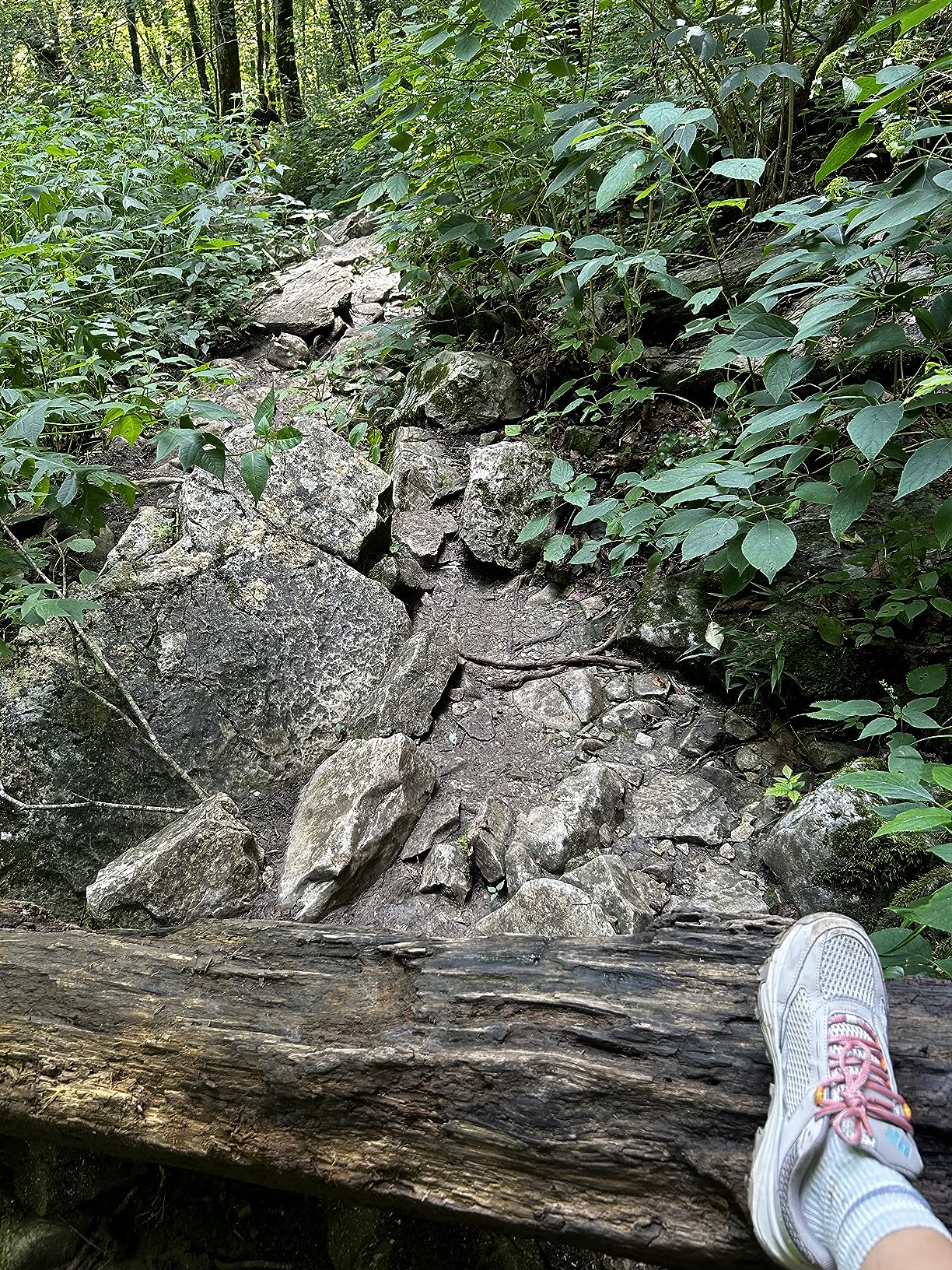
Multiple hikers in online forums mentioned doing 8+ mile days comfortably in these, and I can back that up. My longest single test was a 12-mile day hike with about 2,000 feet of elevation gain. By mile 8, yeah, I was definitely feeling it — but my feet remained comfortable enough to keep going without any hot spots or significant fatigue setting in.
The key is that TechLite+ foam maintaining its responsiveness. Unlike cheaper trail shoes that feel flat and dead after a few hours, these kept their energy return throughout the day. For weekend day hiking, that’s more than adequate. If you’re planning 15+ mile backpacking days with a heavy pack, consider shoes with more cushioning depth.
Sizing, Fit & Break-In
One of the biggest advantages is zero break-in time. I wore these straight out of the box for a 6-mile hike and had no issues — the TechLite+ foam and mesh upper are immediately comfortable. Multiple other reviewers confirmed the same experience, which is a genuine standout feature at this price point.
For sizing: these run true to size for most women. I ordered my regular size 8 and found the fit perfect with room for toe movement. If you plan to use thick hiking socks regularly, consider going up half a size. Several reviews (including feedback from Spanish-speaking customers) noted they run a bit wide, so those with narrow feet might want to try them on before buying or potentially size down half a size.
Some users experienced minor tongue rubbing against their ankle during the first few wears, but this seems to vary significantly by individual ankle anatomy. I didn’t have this issue, and for those who did, most reported it resolved within a few hikes.
Durability & Long-Term Performance
For weekend hiking (1-3 times per month), you can reasonably expect 12-18 months of good performance based on my testing and community feedback. The lightweight construction and breathable materials prioritize comfort and performance over maximum durability, which is a trade-off that works well for casual use.
For intensive daily use, the lifespan will be shorter — likely in the 3-6 month range if you’re hitting trails every single day or doing heavy mileage. Some users reported excellent durability lasting well over a year, while others noted fraying after 3-4 months of intensive use. There’s some quality control variance between batches that’s worth acknowledging.
Compared to premium options in the $150+ range like the Merrell Moab 2 Vent or Salomon Speedcross, you’re trading some longevity for the lighter weight and lower price. But at $89, even if they only last 12 months at moderate use, the cost-per-month is competitive with more expensive options that might last 18-24 months.
My Overall Assessment
| Category | Score (1-10) | Notes |
|---|---|---|
| Comfort | 8.5 | Outstanding out-of-box comfort, excellent cushioning for price |
| Traction | 8.7 | Adapt Trax performs excellently on varied terrain |
| Durability | 7.5 | Good for regular weekend use, some QC variance noted |
| Value for Money | 9.2 | Exceptional performance for $89 price point |
| Versatility | 8.8 | Works for hiking, casual wear, light trail running |
| Breathability | 8.4 | Excellent airflow, feet stay cool during activity |
| OVERALL SCORE | 8.4 | Excellent value trail shoe for weekend adventures |
The community feedback aligns strongly with my experience. Multiple women specifically mentioned the immediate comfort — no break-in period required. The standout themes from other users include successful performance on major hiking destinations (Grand Canyon, Zion, Yellowstone), praise for the traction on various terrains, and appreciation for the true-to-size fit. The few negative comments typically center around durability for daily intensive use or individual fit issues with the tongue design.
At $89, these shoes sit in the sweet spot for weekend hikers and casual outdoor enthusiasts. You’re getting technology and performance that would cost $120-150 from premium brands, with the trade-off being potential durability concerns for daily intensive use. For families planning occasional hiking trips like our Zion adventure, these represent genuinely excellent value. For serious hikers doing multi-day backpacking or daily trail use, investing in a more expensive option with better long-term durability makes sense.
Final Verdict: Who Should Buy?
The Good and The Bad
| ✅ The Good | ❌ The Bad |
|---|---|
|
|
Perfect For:
- Weekend hikers seeking comfort and value (1-3 times per month)
- Women new to hiking who want a versatile entry-level option
- Travel enthusiasts needing one shoe for multiple activities
- Budget-conscious buyers wanting premium features at an accessible price
- Casual outdoor enthusiasts planning family trips (like our Zion adventure)
- Anyone needing a breathable, lightweight trail option for warm weather
Consider Alternatives If:
- You hike daily or need maximum durability for intensive use
- You require waterproof protection for wet climates or year-round hiking
- You have high arches needing significant built-in support
- You prioritize maximum ankle protection for technical terrain
- You’re planning multi-week backpacking trips with heavy packs
Better Options for Specific Needs
For Maximum Waterproofing: Consider the Columbia Peakfreak II Outdry or Merrell Moab 3 Mid Waterproof if you need river-crossing capability and year-round wet-weather protection.
For Daily Intensive Use: Invest in the Merrell Bravada 2 Waterproof or Salomon Speedcross Peak for better long-term durability if you’re hitting trails every day.
For High Arch Support: Look at the KEEN Targhee IV for structured support, or plan to add quality aftermarket insoles to the Hatana Breathe.
Frequently Asked Questions
Do these run true to size or should I size up?
Based on extensive user feedback and my own testing, these run true to size for most women. I ordered my regular size 8 and found the fit perfect with room for natural toe movement. However, if you plan to use thick hiking socks regularly, consider going up half a size. Several reviewers noted they run slightly wide, so those with narrow feet might want to try before buying or potentially size down half a size.
Are they actually waterproof for hiking?
No, these are NOT waterproof boots. They offer water resistance for light rain and morning dew, but will not keep your feet dry during river crossings or in heavy downpours. The breathable mesh construction prioritizes airflow over waterproofing — a deliberate design trade-off. During my stream crossing test in the Ozarks, water seeped through after about 30 seconds. If you need waterproof protection, look at Columbia’s waterproof hiking boot options or the Merrell Moab 3 Mid Waterproof instead.
How do they compare to Merrell or Salomon premium options?
For $89, they punch well above their weight class. The cushioning feels comparable to shoes costing $40-50 more, and the traction rivals premium options on most terrain. The main differences are in long-term durability and advanced features — Merrell and Salomon options will likely last longer with daily use and offer waterproof variants. But for weekend hiking, these provide similar performance at significantly better value.
Do I need to break them in, or are they comfortable immediately?
One of the biggest advantages is zero break-in time required. I wore them straight from the box for a 6-mile hike without any issues. The TechLite+ foam and mesh upper are immediately comfortable. Some users experienced minor tongue rubbing initially, but this seems to vary by individual ankle anatomy and typically resolves within a few wears if it occurs at all.
What’s the expected lifespan for regular weekend hiking?
For weekend hiking (1-3 times per month), expect 12-18 months of good performance based on my testing and community feedback. Some users reported excellent durability lasting well over a year, while others noted fraying after 3-4 months of intensive daily use. Quality control variance exists between batches, but for typical recreational use at moderate frequency, they should provide solid service for over a year.
Can I use these for trail running or just hiking?
They work well for light trail running and hiking hybrid activities. The lightweight design (11.8 oz) and responsive cushioning make them suitable for faster-paced trail adventures. However, they’re not dedicated trail running shoes — if you’re primarily a runner focusing on technical trails or racing, look at Columbia’s trail running specific models or dedicated trail running shoes for better performance.
What about width fit for wide feet?
Several reviewers noted these run slightly wide, which is actually good news if you have wider feet. The sizing decision framework: standard/wide feet should order true to size and expect a comfortable fit. Narrow feet may find them too roomy and should consider sizing down half a size or trying before buying. There’s no separate wide-width variant offered, but the standard width accommodates wider feet reasonably well.
How long do they really last with daily use?
For daily intensive use (hiking 5-7 days per week or very heavy mileage), expect a shorter lifespan in the 3-6 month range. The lightweight construction trades some durability for comfort and breathability. If you’re a daily hiker or planning extended backpacking trips, investing in premium $150+ options with better long-term durability makes more financial sense over time.
Final Recommendation
The Columbia Women’s Hatana Breathe delivers outstanding value for weekend adventurers and casual hikers. At $89, you’re getting comfort, traction, and breathability that rivals options costing $120-150. While they may not be the most durable choice for daily intensive use, they excel in their intended role as versatile, comfortable trail shoes for occasional hiking and outdoor activities.
For most women seeking a reliable, comfortable hiking shoe without breaking the budget, these are an excellent choice that will serve you well across diverse outdoor adventures — from family trips to national parks to impromptu weekend hikes.
🛒 Ready to gear up for your next adventure? Check current pricing and availability at footgearusa.com or your favorite outdoor retailer.
Be the first to review “Columbia womens Hatana Breathe”
Related products
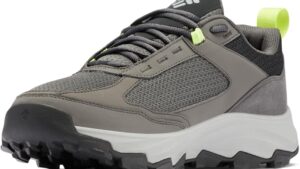
Hiking/Trekking Shoes

Hiking/Trekking Shoes
Hiking/Trekking Shoes
Hiking/Trekking Shoes
Hiking/Trekking Shoes
Hiking/Trekking Shoes
Hiking/Trekking Shoes
Hiking/Trekking Shoes
Reviews
There are no reviews yet.