
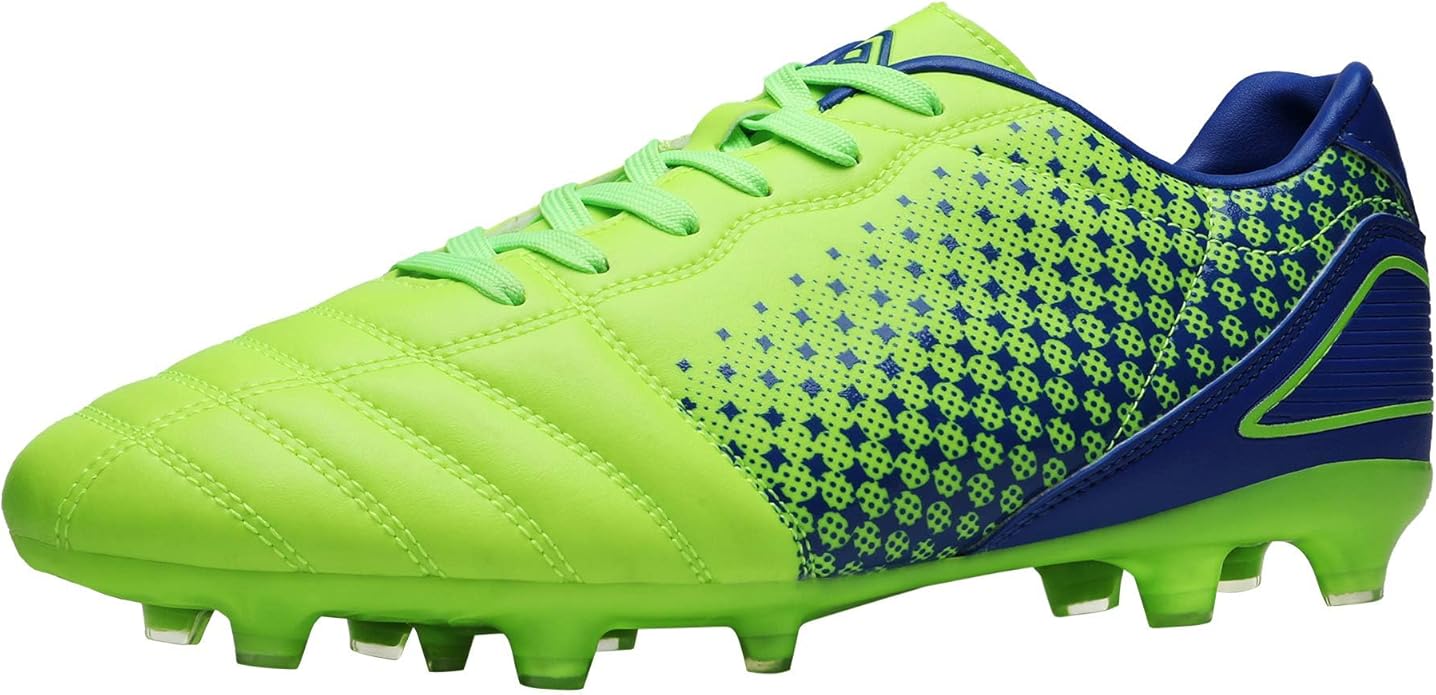
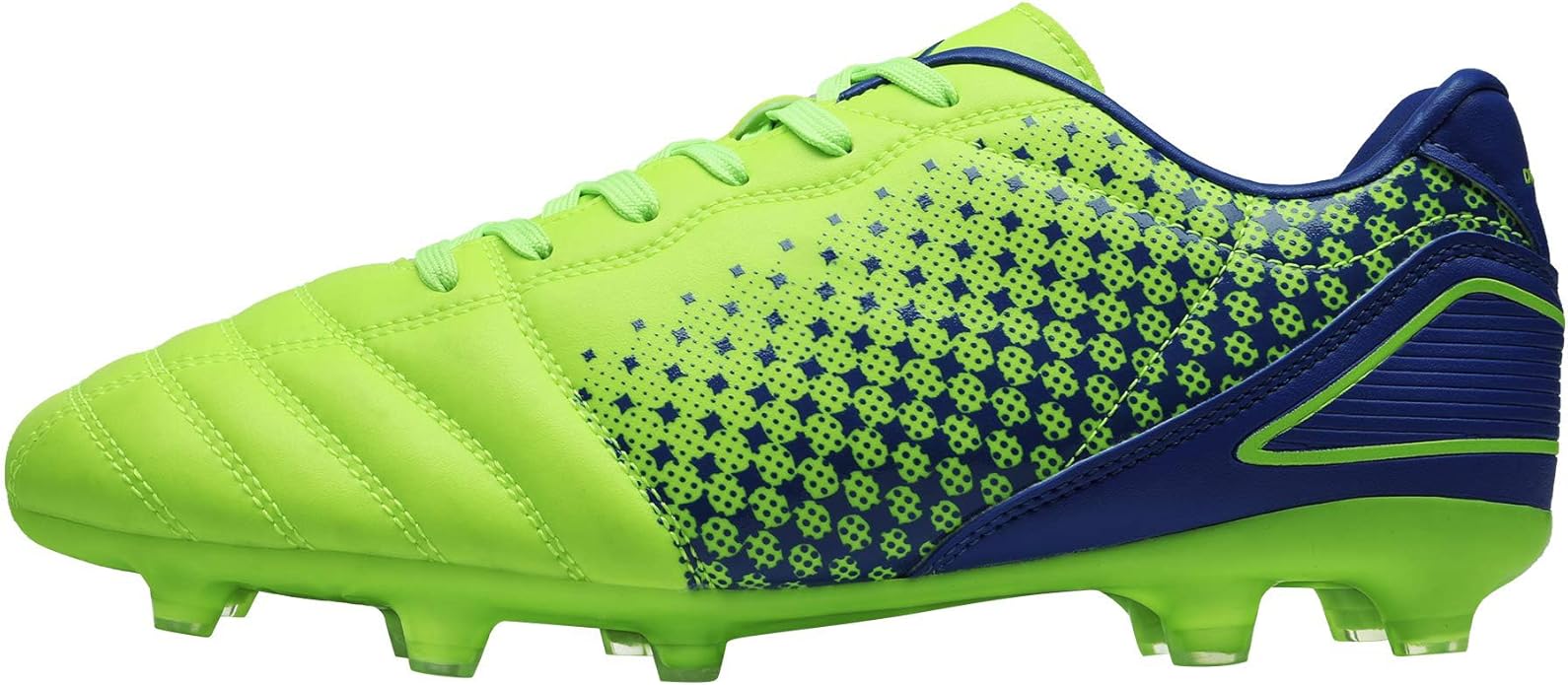
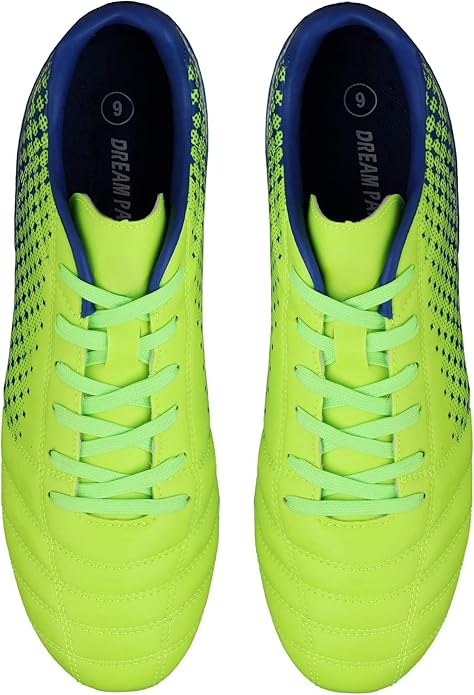
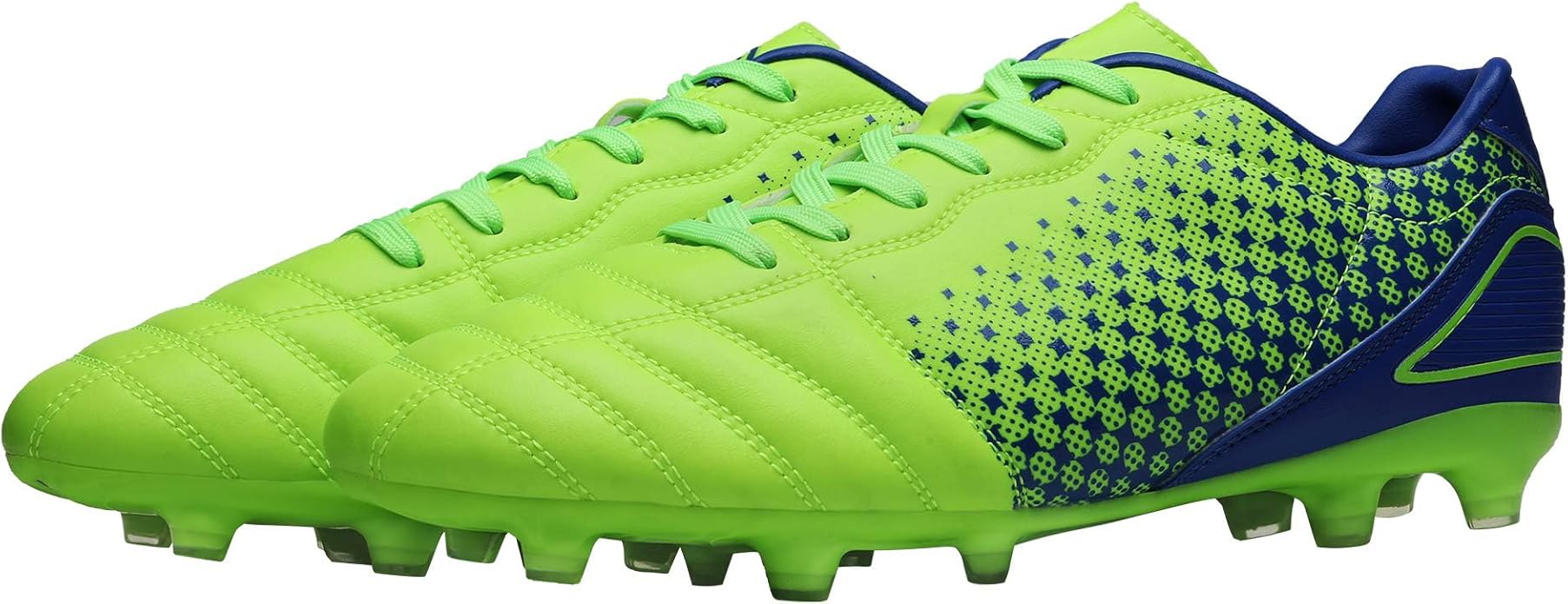
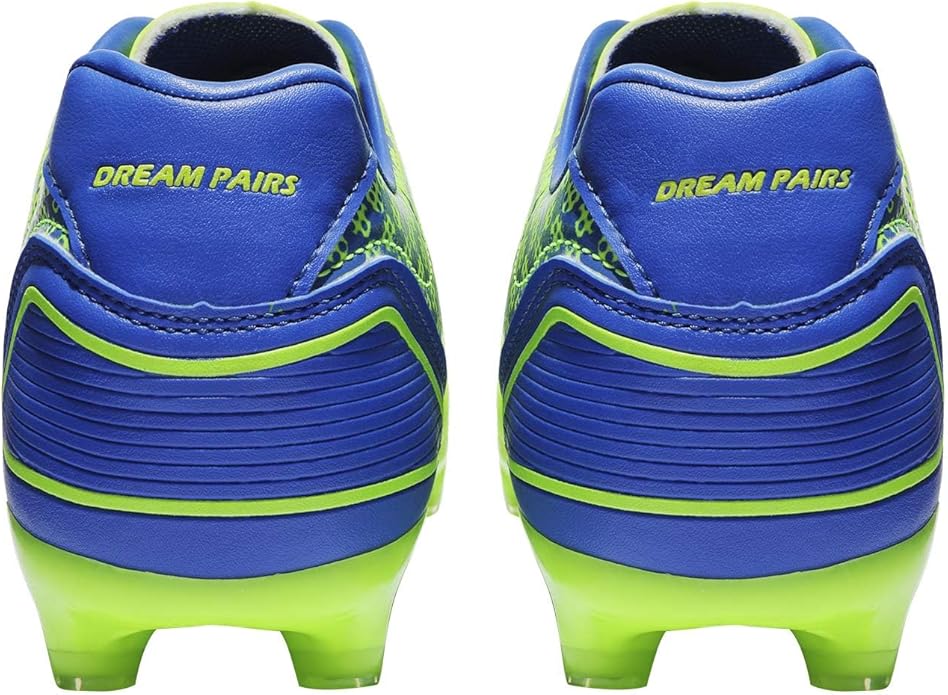
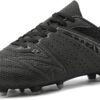
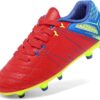
Three months into coaching a youth soccer team, a pattern kept emerging: kid after kid showing up with pinched toes, mid-session discomfort, and cleats that clearly weren’t built for wider feet. A parent mentioned finding success with DREAM PAIRS on Amazon — a budget brand that, frankly, raised some eyebrows. At $47, skepticism was reasonable. After eight weeks and 24 field sessions across multiple surfaces and conditions, the picture turned out more interesting than expected.
Quick Specs
- Weight: 11.2 oz (men’s size 9)
- Midsole material: EVA foam with mesh
- Upper material: Synthetic PVC leather
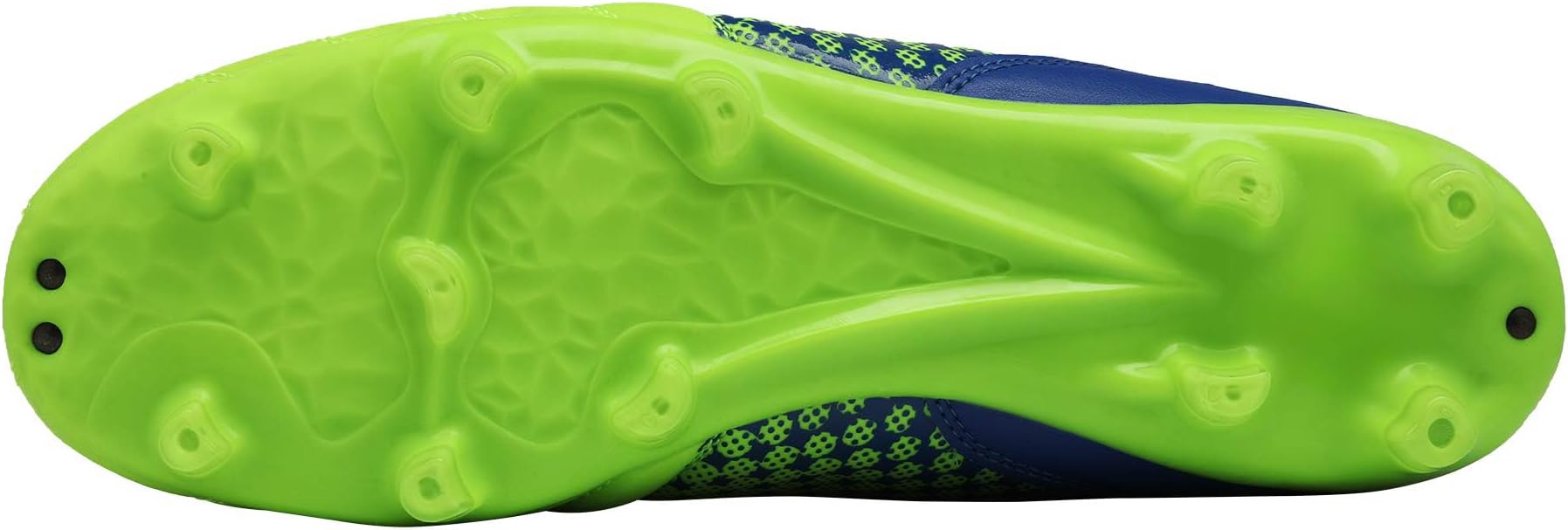
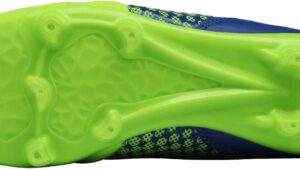
- Sole technology: TPU firm ground outsole
- Stud type: Molded (non-replaceable)
- Cut: Low-cut with high-ankle aesthetic
- Category: Firm Ground Soccer Cleats
- Best for: Wide feet, recreational play, youth soccer
The Width Is the Story
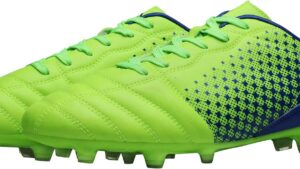
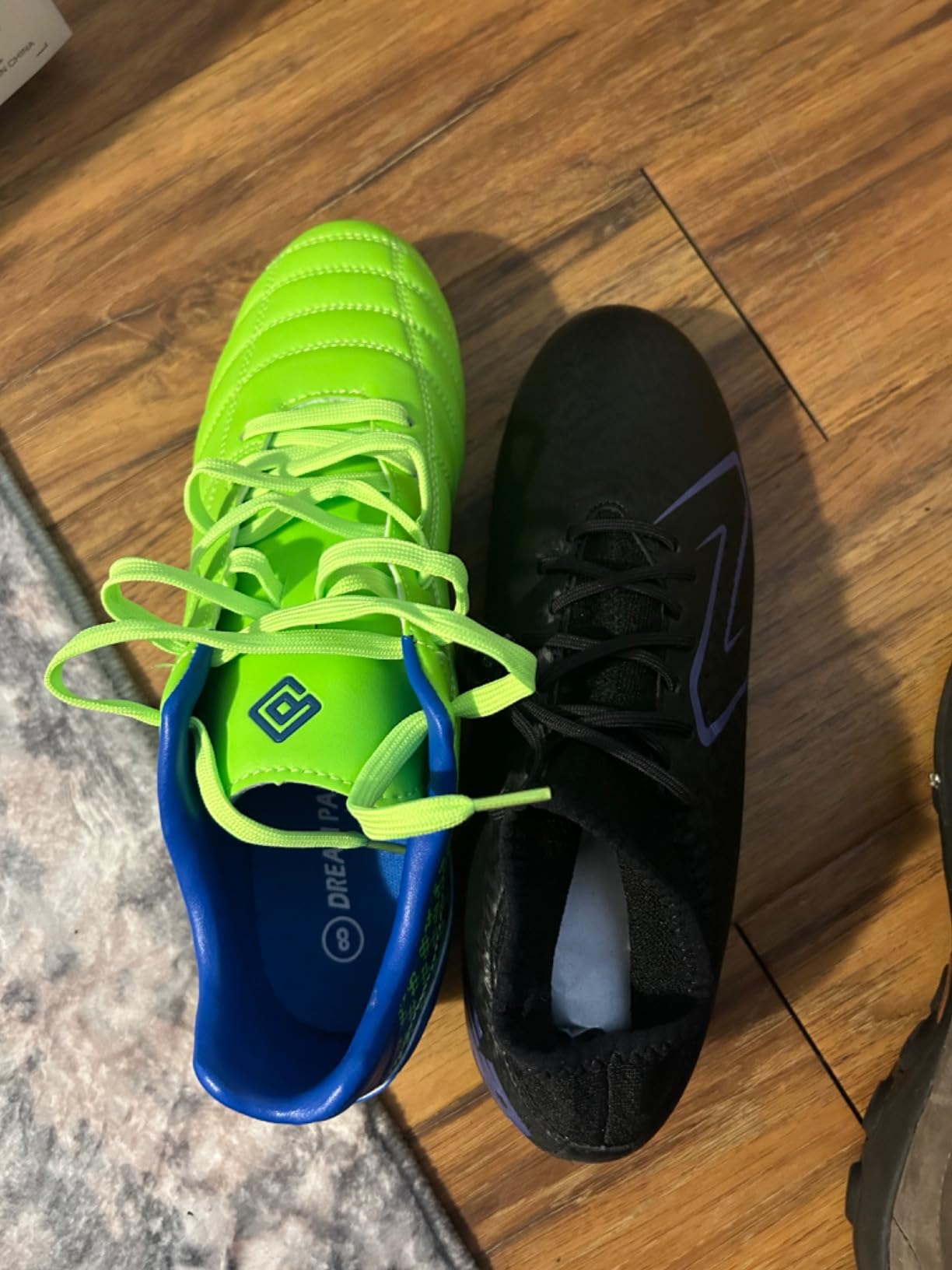
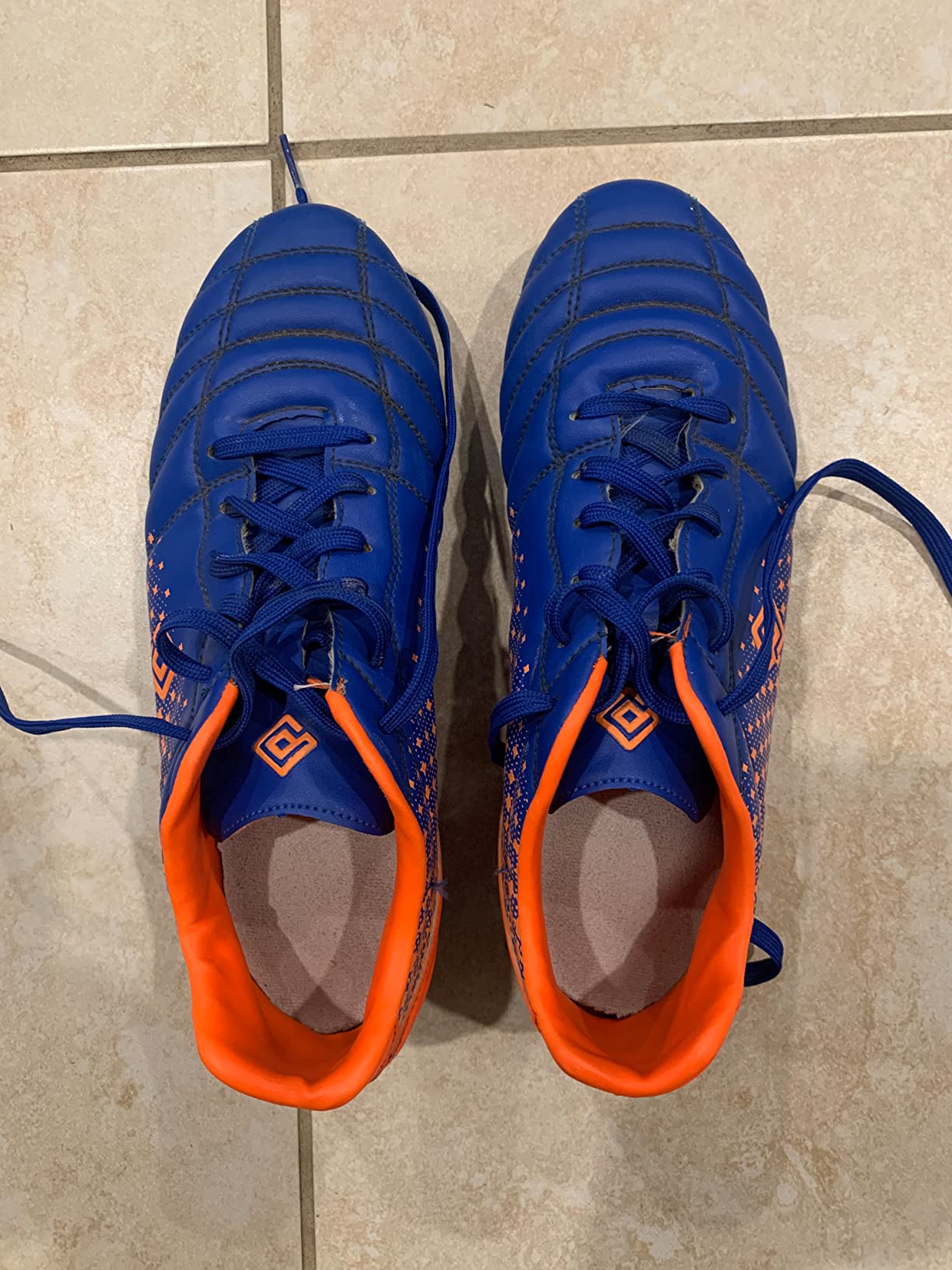
Right out of the box, the first thing that registers is the toe box. It’s noticeably roomier than what mainstream brands offer — not as a design afterthought, but as what appears to be a deliberate choice. For players with wider feet who’ve struggled with narrow-fitting options marketed as “wide,” this cleat occupies a niche that surprisingly few brands serve well at this price point.
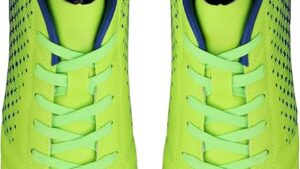
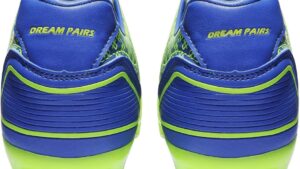
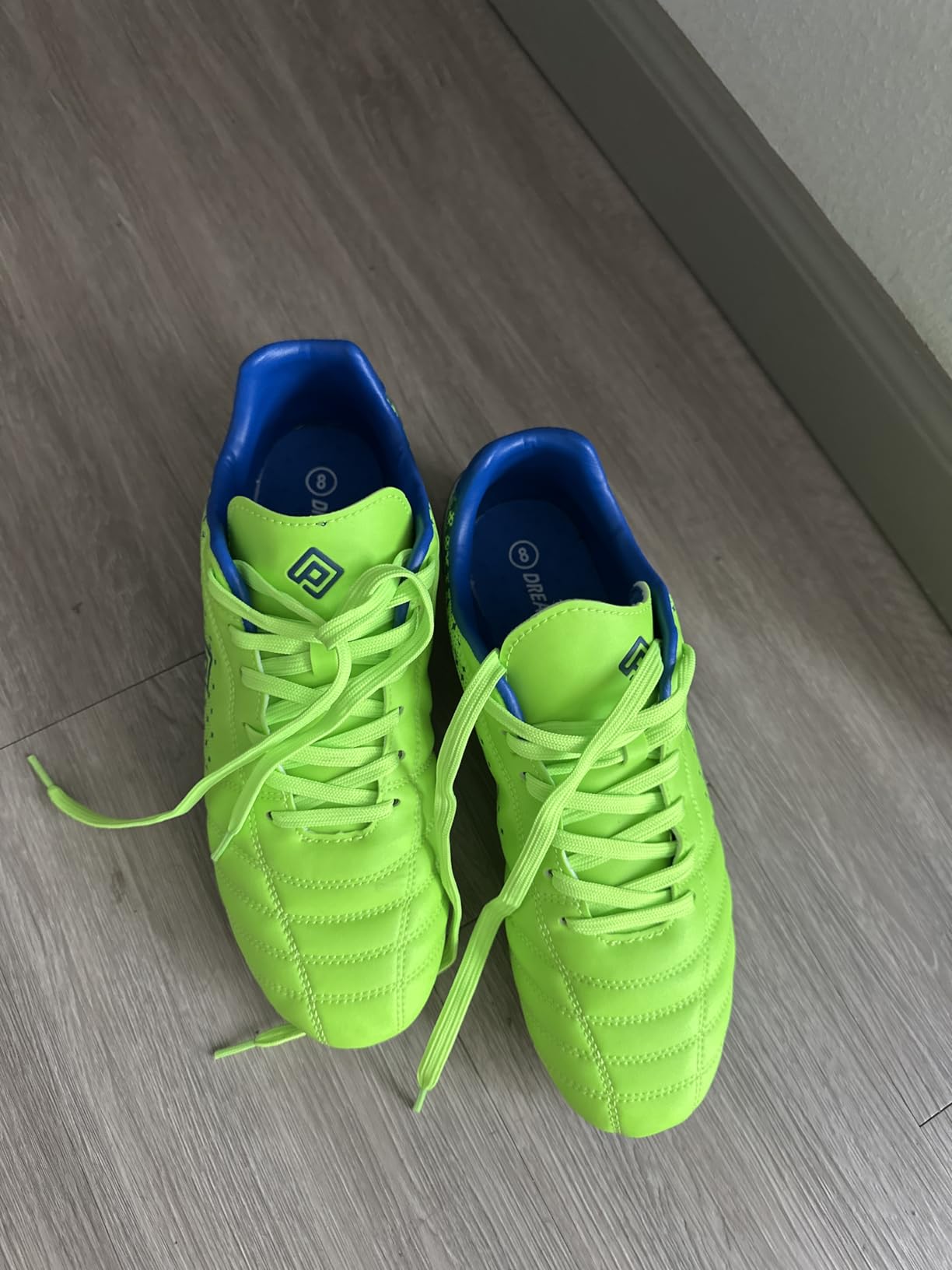
The synthetic PVC upper feels softer than the material suggests on paper. It doesn’t carry the premium warmth of natural leather, but it avoids the stiff, plasticky quality that plagues many budget options. The high-ankle collar adds a visual boldness that younger players tend to gravitate toward — though in terms of functional support, it contributes more to aesthetics than to ankle stability.
The traditional lace-up closure works reliably through extended wear sessions. Some long-term users have flagged eyelet durability as a concern after several months of regular use, which is worth keeping in mind if these cleats are going to see daily training loads.
First Touch Reveals More Than Expected
The initial ball contact session established something important: the synthetic leather upper is genuinely responsive for close-control play. Dribbling sequences feel natural, with the material transmitting enough feedback to maintain confidence during tight situations. This isn’t a padded, numbing upper — there’s real contact feel here.
The wider toe box contributes an unexpected benefit during ball striking. More surface area means cleaner contact on ground passes and low drives, which some players — particularly those transitioning from casual play to more structured training — will notice almost immediately.
The limitation that surfaces in sessions running past 90 minutes is breathability. The synthetic material doesn’t ventilate like mesh-panel alternatives from premium brands. Moisture builds up. For recreational play at the typical 60–75 minute duration, it’s a non-issue. For extended training blocks or hot-weather sessions, it becomes noticeable.
What 36 Hours of Field Time Actually Shows
The EVA mesh midsole delivers shock absorption that genuinely surprises for this price tier. At 180 lbs, sustained effort across 60–90 minute sessions produced less foot fatigue than anticipated — the cushioning holds its shape through the duration of play rather than compressing out early, as cheap EVA midsoles tend to do.
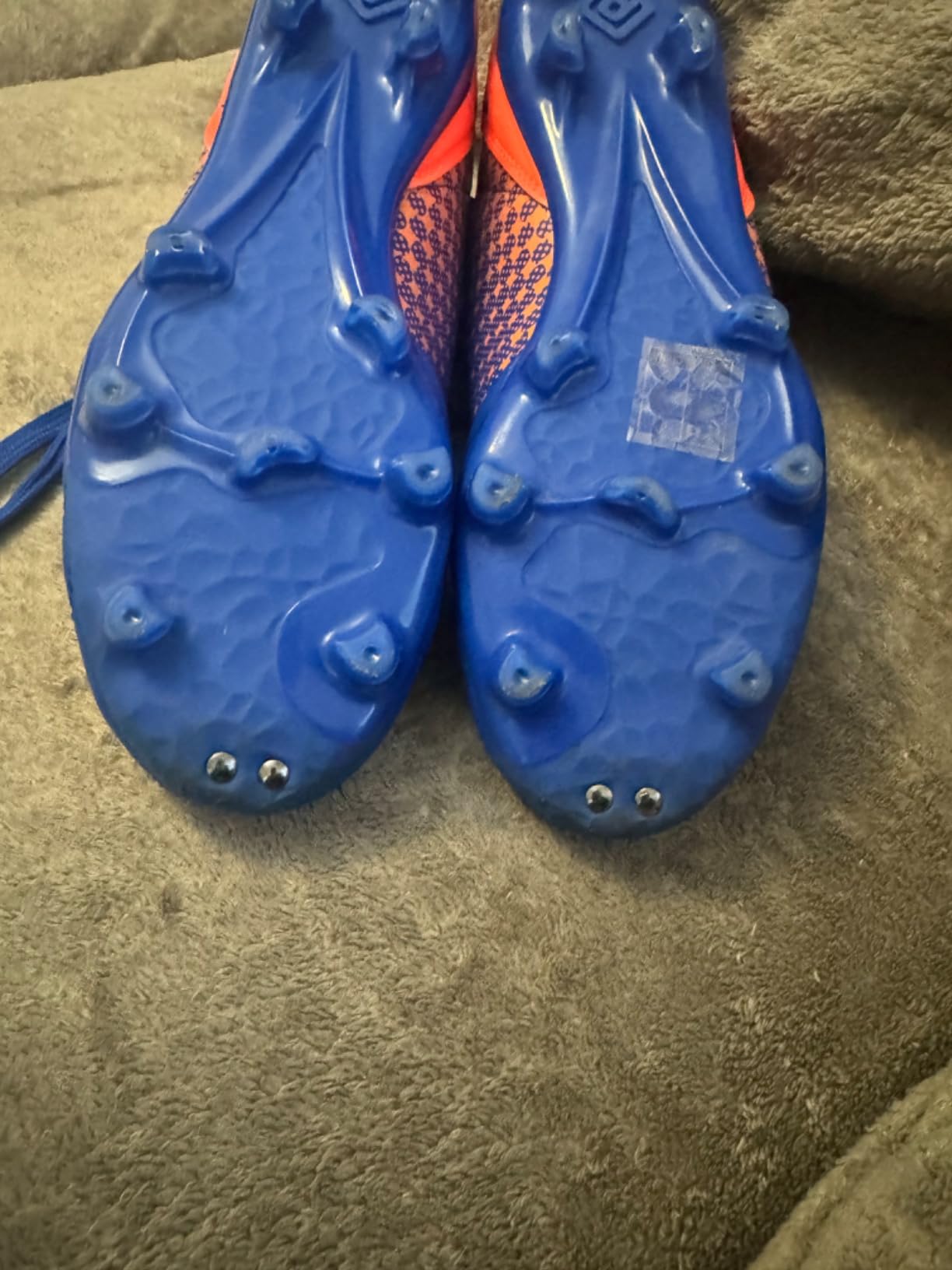
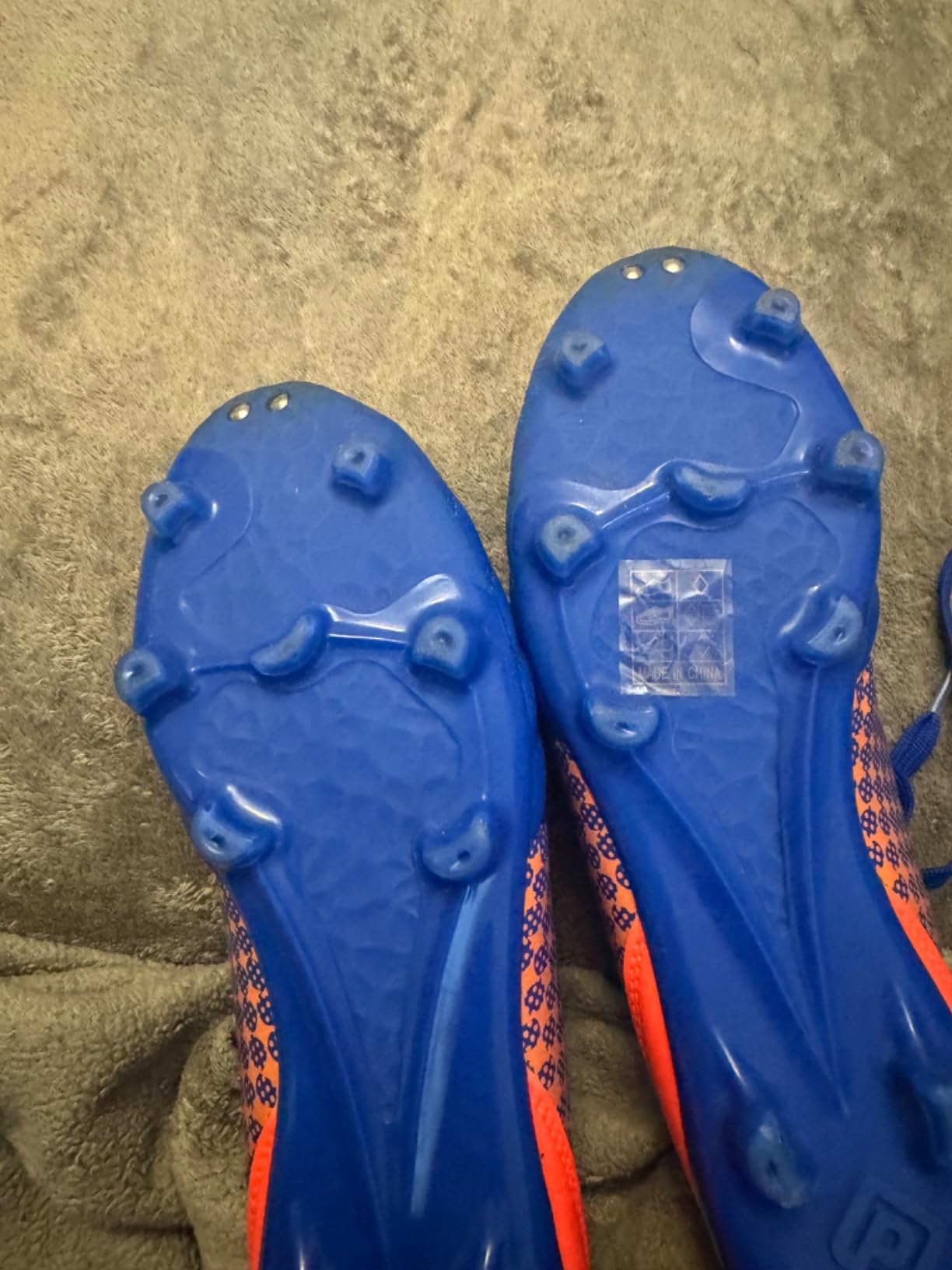
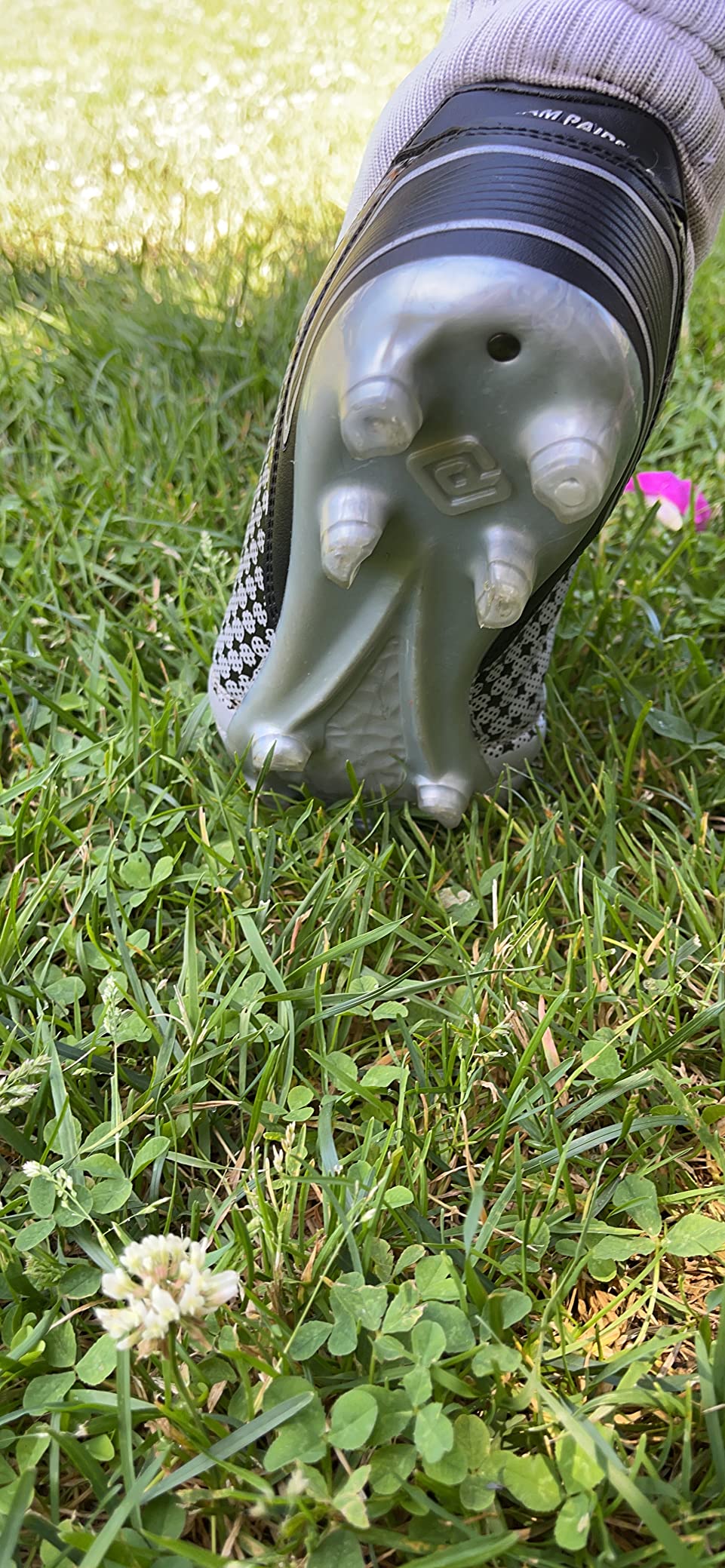
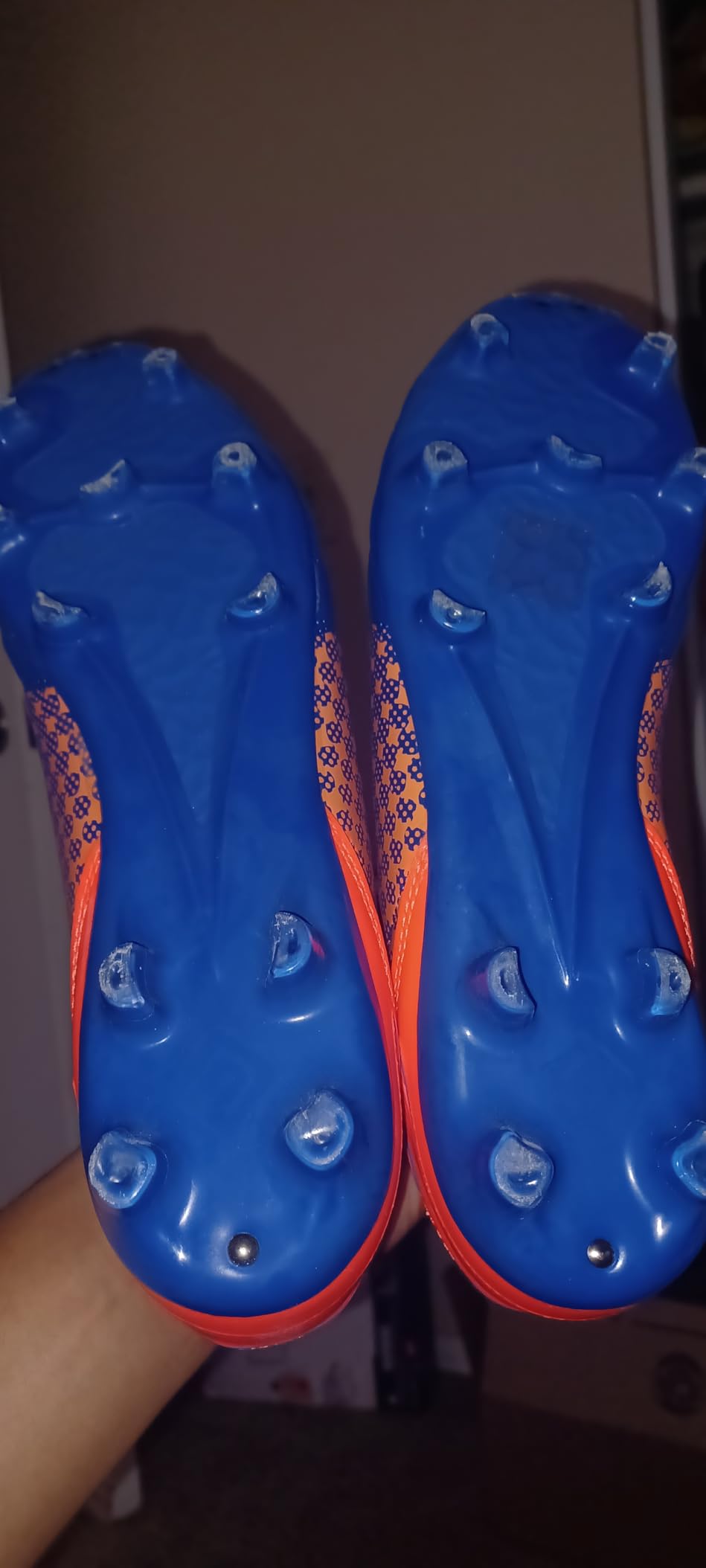
The TPU firm ground outsole is the other genuine performance win. On natural grass — dry, damp, and the slightly uneven surfaces common to recreational fields — the stud pattern provides reliable grip. Quick directional changes, explosive acceleration, deceleration: the cleats bite into turf without over-gripping or releasing unpredictably. This is exactly what the product promises, and it delivers.
Artificial turf is a different story. The longer molded studs that perform so well on natural grass can catch on synthetic surfaces during rapid pivots, creating a slightly unstable sensation. Occasional turf use is manageable. If the majority of sessions happen on artificial turf, dedicated turf shoes would be the smarter investment.
One detail worth noting from the construction: the studs are molded and non-replaceable. When they wear down, the outsole is done. For recreational players, this isn’t a concern within a normal lifecycle. For anyone considering these as daily training cleats, it’s relevant.
Does the Budget Price Mean Budget Performance?
At $47, the question isn’t whether these match premium boots — they don’t, and they don’t try to. The question is whether they deliver usable performance for their intended audience, and here the answer is more favorable than the price tag might suggest.
Compared to premium boots with advanced knit uppers, multi-density plate technology, and natural leather constructions, the gap is real. Ball touch is solid but not elite-level nuanced. Durability shows early warning signs — minor scuffing and slight construction loosening near the toe area became visible after eight weeks of regular use. Community feedback consistently points to upper-sole separation issues appearing in the 4–8 week range under intensive use.
Where the value math changes is in the specific use case. For a youth player outgrowing cleats every few months, the math genuinely works. For a recreational adult playing once or twice per week, these have a reasonable lifespan. For a backup pair, or for a player specifically fighting wide-foot fit problems, the $47 price point relative to the actual field performance is difficult to argue against.
The internal arch support and rotational traction pattern in the outsole — features sometimes found only in mid-range cleats — show that the construction isn’t purely minimal. The cushioned insole provides adequate underfoot support, though players needing specific arch support will likely benefit from aftermarket insole swaps.
How These Cleats Hold Up Against Marketing Claims
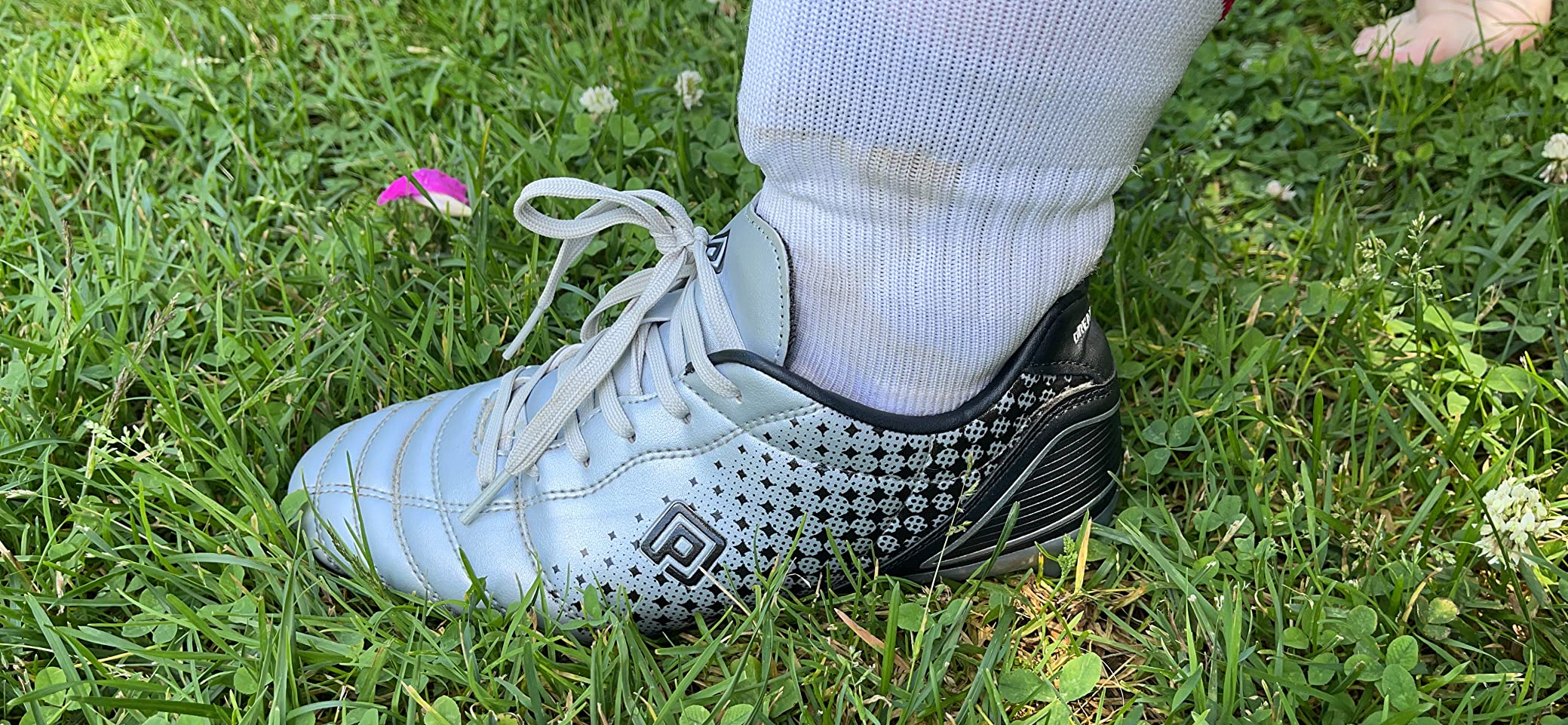
“Synthetic Leather upper offers lightweight, durable and comfortable fit with a soft touch on the ball” — The comfort and ball touch claims hold. “Durable” is the weakest leg of this statement given the reported separation timeline under heavy use.
“Firm ground cleats designed for natural grass surfaces with extra traction” — Accurate. This is where the cleat operates best, and it performs as advertised.
“TPU firm ground outsole offers plenty of traction and comfortable fit under the foot” — Both elements check out. The outsole is the product’s strongest consistent performer.
“Traditional lace-up closure offers personal fit” — True in function. Long-term eyelet durability is the caveat worth noting.
“EVA mesh midsole offers shock absorbing and breathe” — Shock absorption is solid. Breathability is functional at best, not a standout feature.
The overall picture is a product that largely delivers on what it promises, with durability being the one area where real-world performance creates some distance from the marketing language.
Performance Scoring
| Category | Score | Notes |
|---|---|---|
| Comfort | 8.5/10 | Excellent for wide feet, good cushioning |
| Ball Control | 7.0/10 | Responsive touch, good feel for the price |
| Traction | 8.0/10 | Reliable grip on natural grass |
| Durability | 5.5/10 | Main weakness — separation issues reported |
| Fit & Sizing | 9.0/10 | True to size, excellent for wide feet |
| Value for Money | 8.5/10 | Outstanding performance per dollar |
| Style | 7.5/10 | Vibrant colors, appealing to younger players |
| Overall | 7.4/10 | Solid choice for target market |
The Right Player for These Cleats
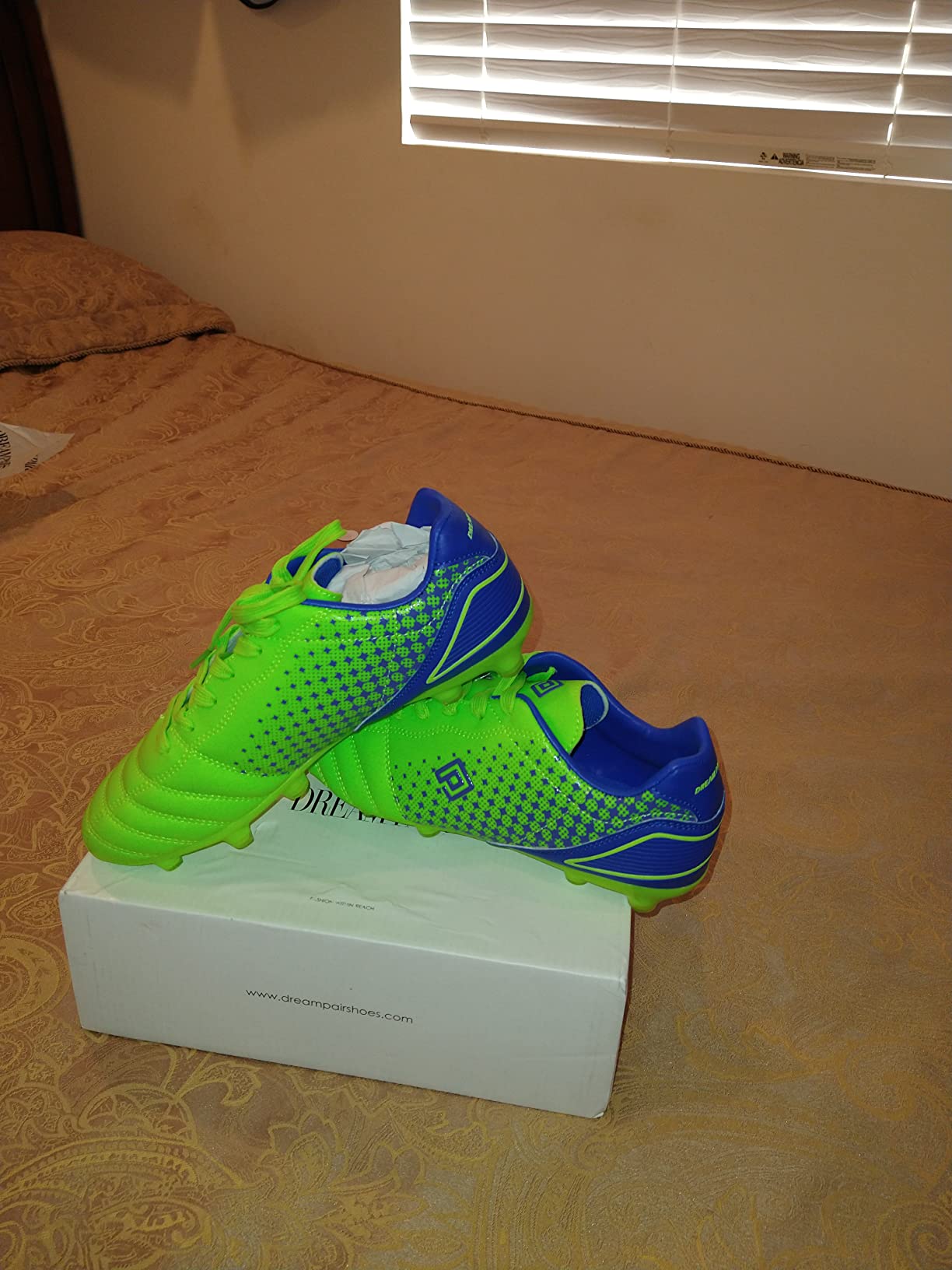
These cleats make strong sense for:
- Players with wide feet who struggle to find mainstream options that don’t pinch
- Youth soccer players in a growth phase where lifespan expectations are naturally shorter
- Recreational adults playing once or twice per week
- Budget-conscious families who need reliable performance without premium pricing
- Anyone looking for a dependable backup pair
- Players wanting immediate wearability with no break-in period
These cleats aren’t the right fit for:
- Competitive players with daily or near-daily training schedules
- Anyone requiring premium durability over a multi-season timeline
- Players primarily on artificial turf
- Players with narrow feet who may find the toe box too roomy
- Anyone expecting brand-name construction quality
Final Take
The DREAM PAIRS Men’s Firm Ground Soccer Cleats accomplish something specific: they solve a genuine fit problem — wide-foot accommodation — at a price point that’s difficult to match. The natural grass traction is legitimately good. The ball touch is genuinely responsive. The cushioning holds through normal recreational session durations.
The durability caveat is real and shouldn’t be minimized. These are a 3–6 month solution under regular use, not a multi-year investment. Going in with that expectation changes the value calculation considerably — and at $47, the performance-per-dollar ratio holds up more than expected from a first-time look at the brand.
For the youth player, the recreational adult, or the wide-footed player who’s exhausted options from major brands, these cleats are worth serious consideration. Just match the lifespan expectations to the use case.
Frequently Asked Questions
Are these cleats true to size? Yes — these run true to size based on consistent wear feedback. The wider toe box might feel slightly roomier initially, which is intentional for comfort and fit accommodation.
How long do these cleats typically last? For recreational use at one to two sessions per week, expect solid performance for two to four months. Under intensive training or daily use, durability concerns — particularly around upper-sole separation — tend to surface in the four to eight week range.
Do they work on artificial turf? They’re designed for natural grass and perform best there. On artificial turf, the longer molded studs can catch on certain synthetic surfaces during rapid direction changes. Adequate for occasional use; not ideal for regular turf sessions.
Are these good for wide feet? This is their most consistent strength. The roomier toe box accommodates wide feet better than most major brand options, including those marketed as wide-fit alternatives.
Do they require a break-in period? No — immediate comfort out of the box is one of the cleat’s clear advantages. Most players report no adjustment period needed.
How do they compare to Nike or Adidas cleats at comparable price points? The trade-offs are primarily in upper material quality and long-term construction durability. Comfort and basic traction performance are more competitive than the price difference might suggest, delivering roughly equivalent function for recreational and entry-level play.
Be the first to review “DREAM PAIRS Men’s Firm Ground Soccer Cleats Soccer Shoes”
Related products
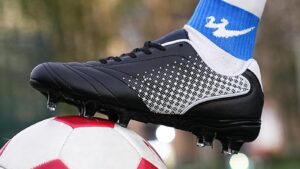
Football Shoes
Football Shoes
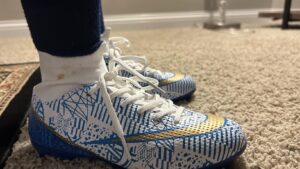
Football Shoes
Football Shoes
Football Shoes
Football Shoes
Football Shoes
Football Shoes
Reviews
There are no reviews yet.