
A neighbor’s kid needed cleats for his first game that same afternoon. Sunday morning, 8:47 AM. The DREAM PAIRS soccer cleats sitting in the cart at $35 looked like a gamble — but one worth taking. Eight weeks later, across artificial turf, muddy grass, and everything in between, a clearer picture emerged of exactly what this cleat delivers and where it falls short.
Quick Specs
- Weight: 11.2 oz (men’s size 9)
- Midsole material: TPU (Thermoplastic Polyurethane)
- Upper material: Faux leather synthetic
- Closure: Traditional lace-up system
- Surface type: Firm Ground (FG) — natural grass
- Best for: Recreational soccer, youth sports, budget-conscious players
What the Box Actually Reveals About Build Quality
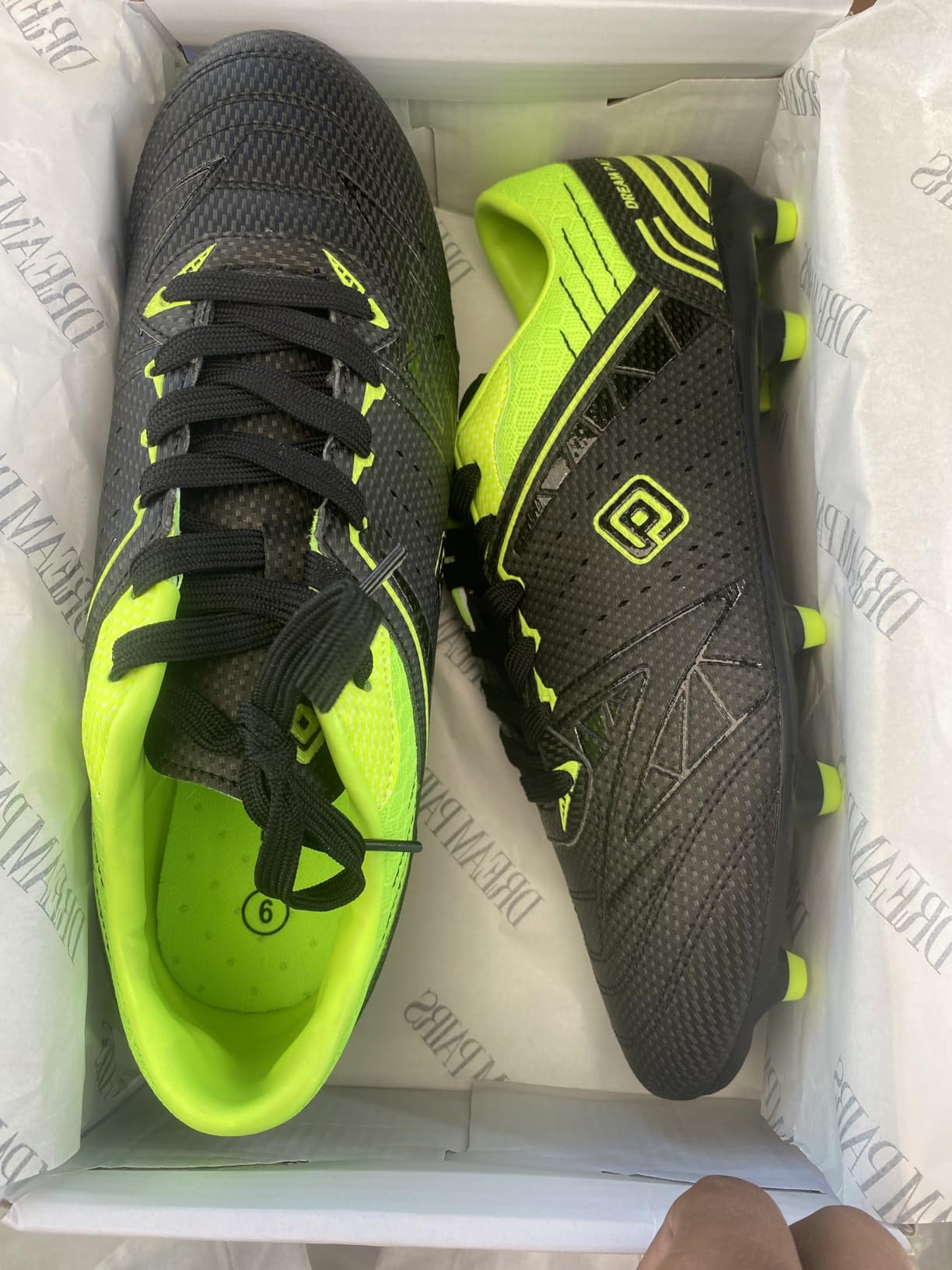
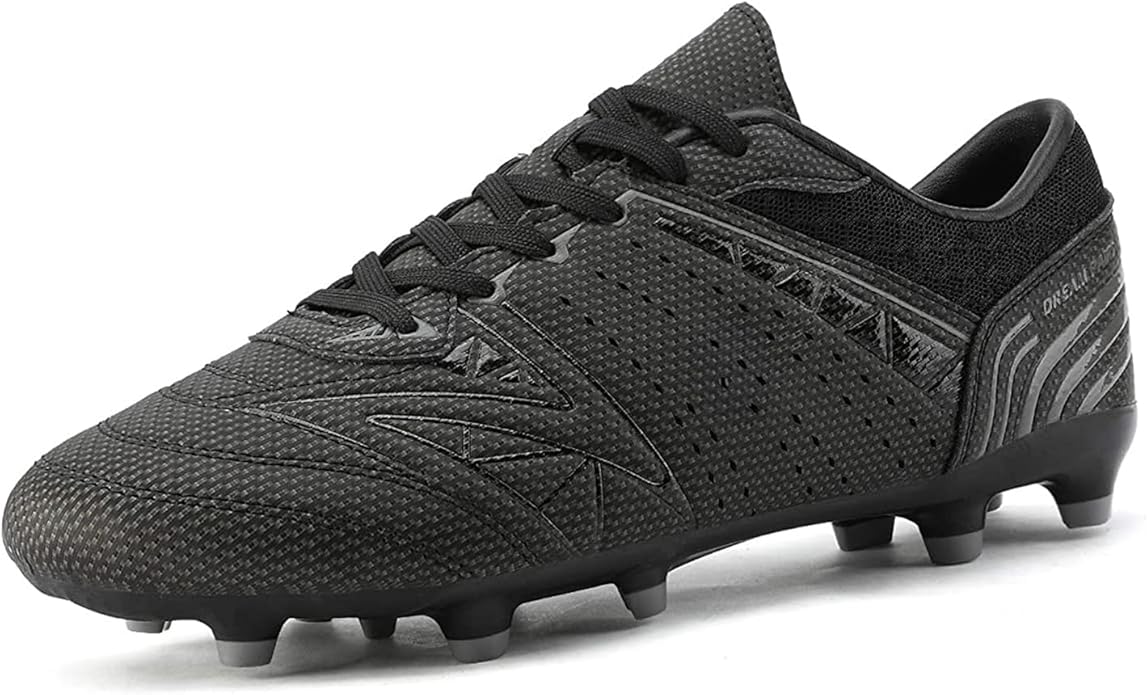
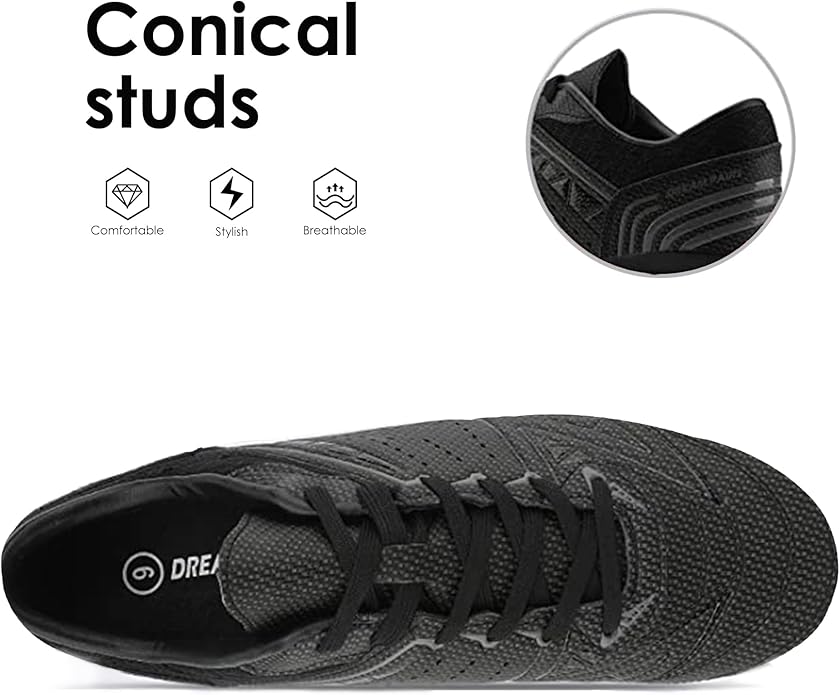
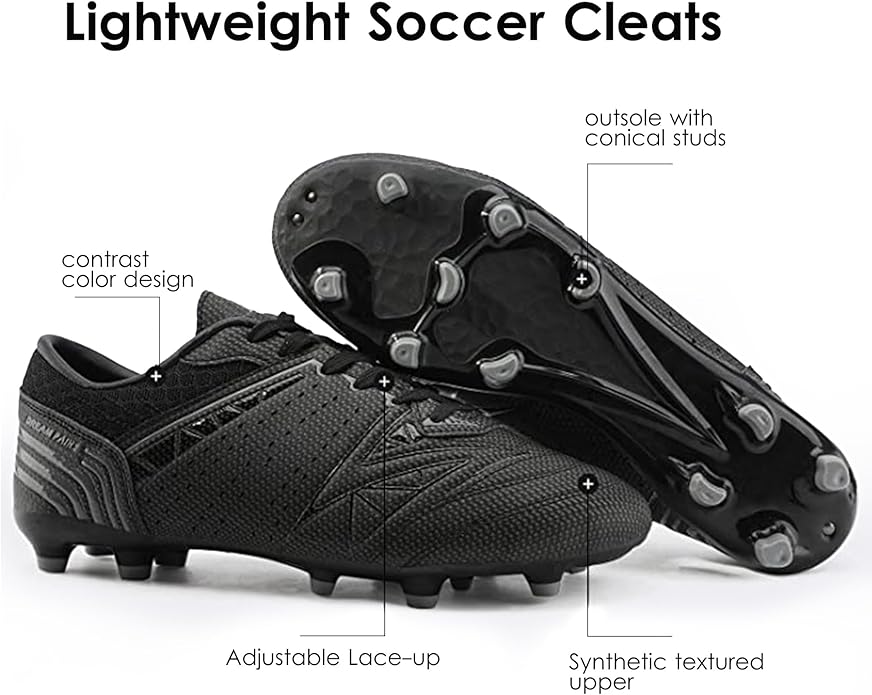
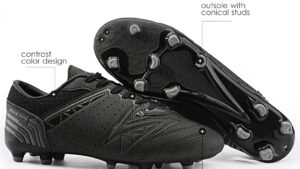
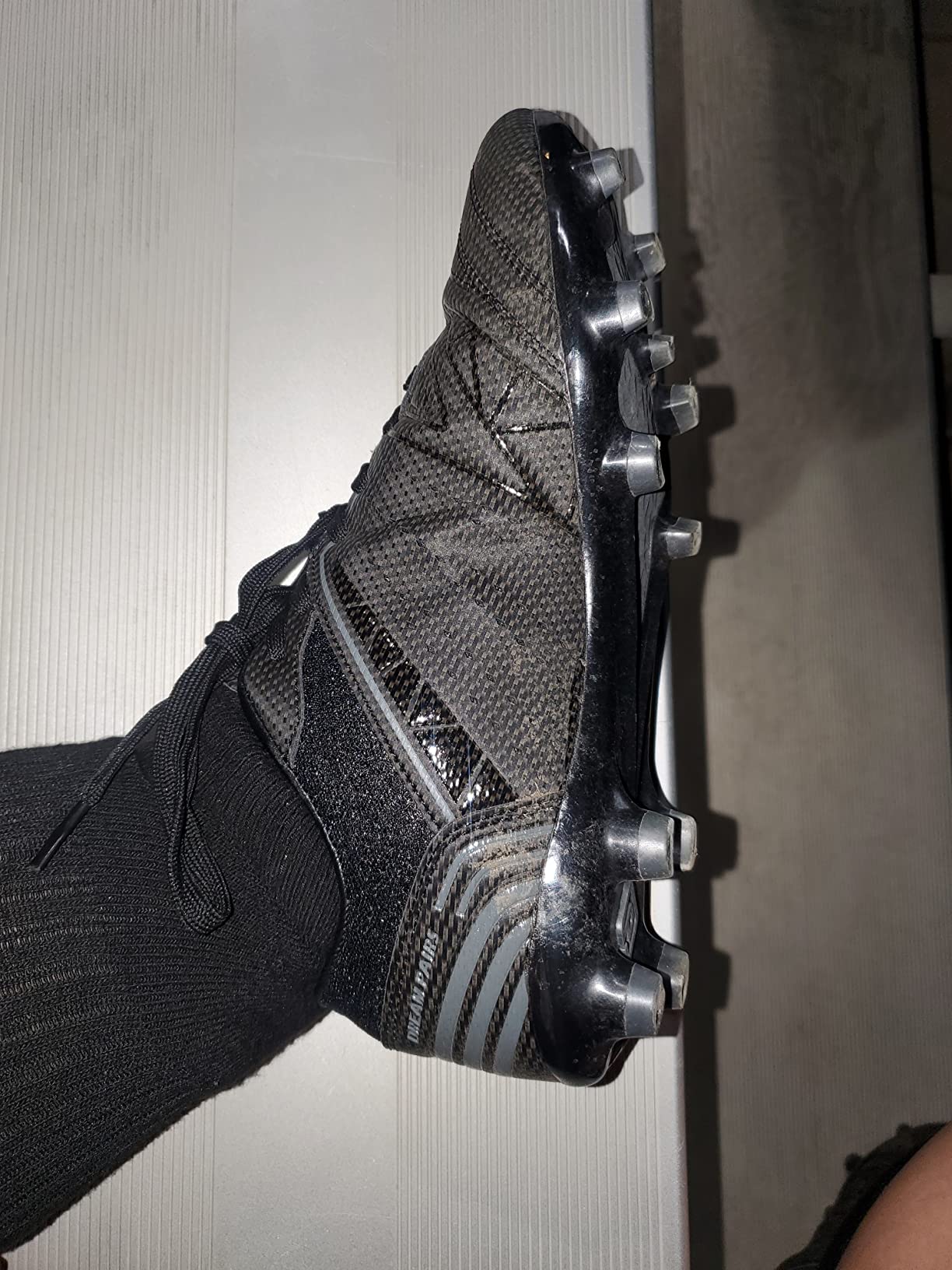
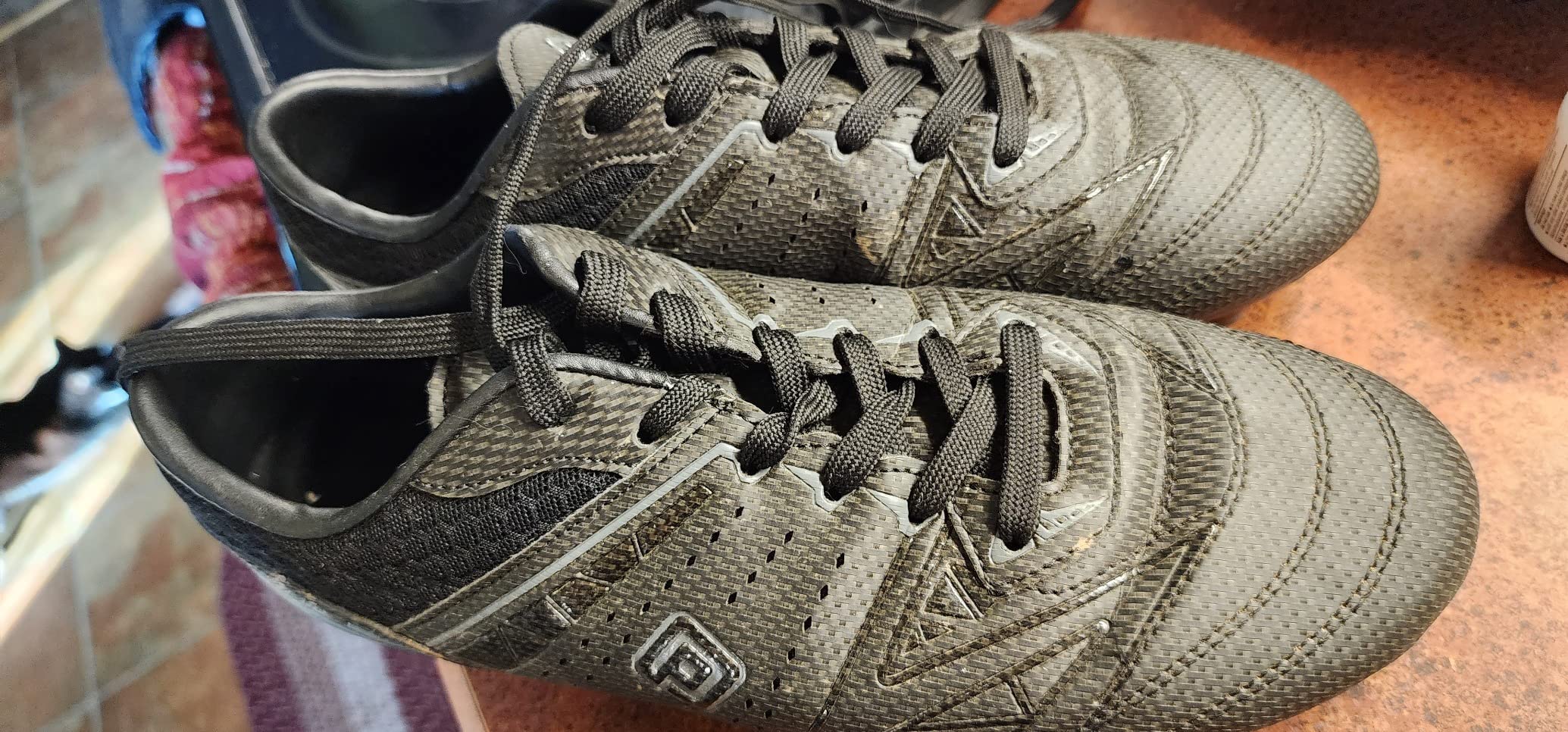
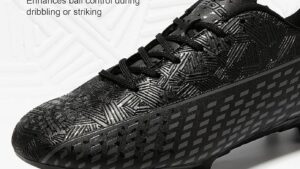
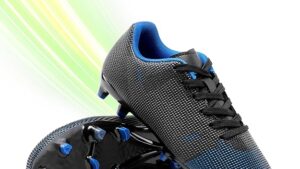
The faux leather upper lands in a more flexible range than expected at this price point. It’s not stiff, it doesn’t creak, and the black/dark grey colorway comes across as clean without being flashy. The construction holds up under an initial inspection — stitching around the toe box appears solid, heel counter shows no obvious gaps. Standard eyelets run the lace-up system without any added hardware.
Where the budget reality hits is the insole. The included foam layer is essentially paper-thin, offering almost nothing in terms of cushioning or arch contour. Within the first week of field use, a basic $10 aftermarket insole replaced it entirely — and the difference was immediate. This should be factored into the total cost from the start, not treated as optional.
The low-cut design is a deliberate trade-off. It prioritizes speed and natural ankle range of motion over lateral protection, which works well for players who rely on quick cuts. Heavier players — those around 180 lbs or more — will feel impact transferring through the thin midsole during the first few sessions. The TPU construction absorbs basic shock, but don’t expect the cushioning response of mid-tier options.
The Toe Box Situation: A Genuine Surprise for Wide Feet
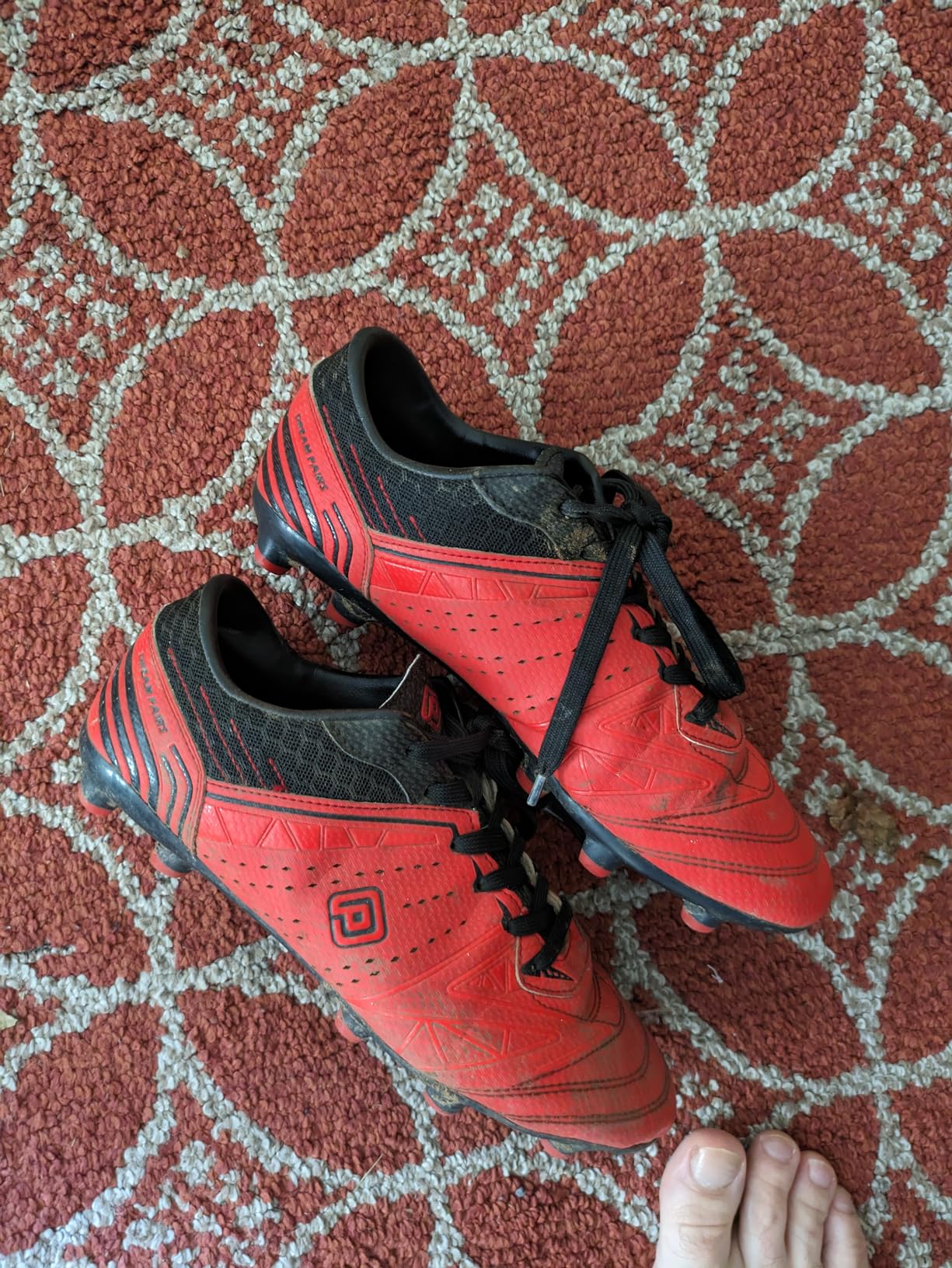
The toe box runs noticeably wider than the European-cut cleats dominating most of the market. For players who’ve spent years cramming into narrow-fitting boots — or who’ve accepted blisters as part of the game — the DREAM PAIRS soccer cleats actually represent a more comfortable fit out of the box. No break-in cramping, no toe compression during the first hour of play.
The faux leather upper has a decent give without collapsing underfoot. It conforms reasonably well after a few sessions. The PVC outer material does take longer to fully mold to the foot compared to genuine leather options — most players notice the shoe finally “settles in” somewhere around the second week. After that point, the fit becomes more predictable and secure.
Sizing tends to run true, though the wider last can make it feel slightly roomier than expected for narrow-footed players, who may want to consider sizing down by half.
Eight Weeks on Grass: What the Cleat Pattern Actually Does
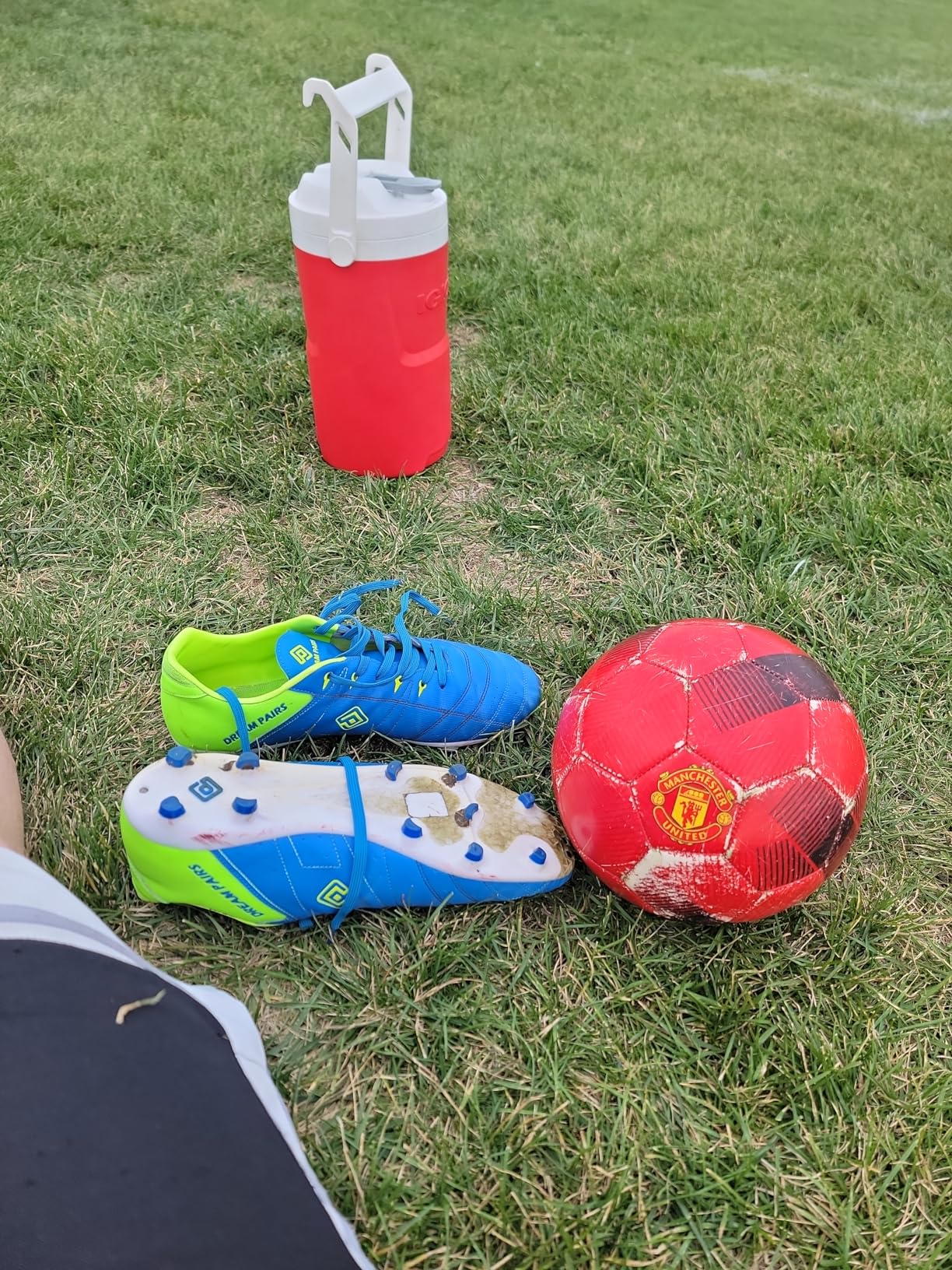
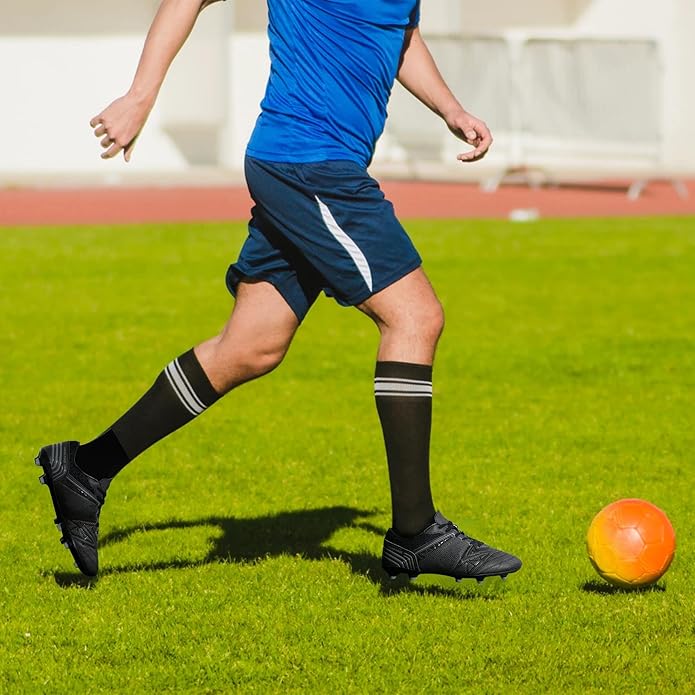
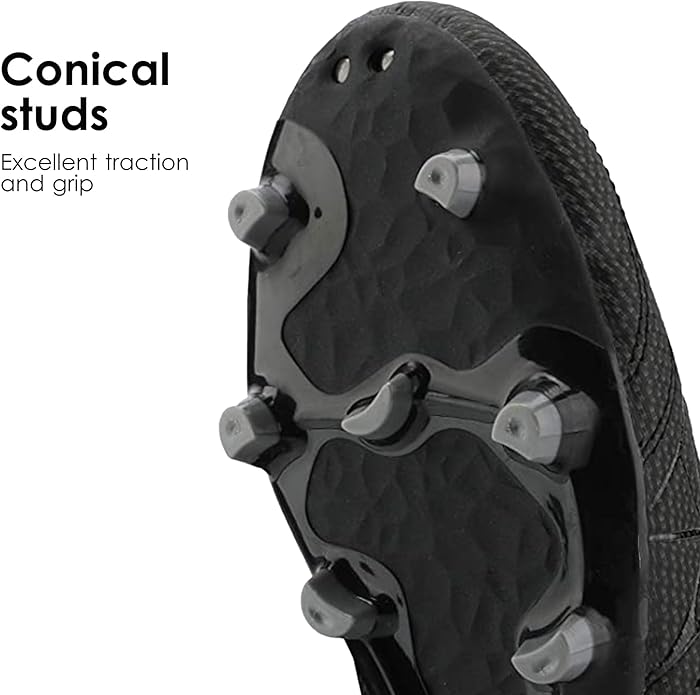
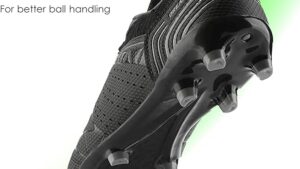
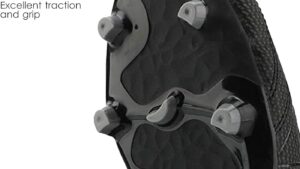
The molded Rotational Traction configuration turns out to be the most honest part of this cleat’s marketing. On firm natural grass — both dry and after light rain — the grip holds up convincingly. Sharp cuts, lateral directional changes, pivot movements: no dangerous slipping occurred across 24 sessions over the eight-week period.
The cleat pattern also resists significant mud and grass buildup, which keeps traction consistent during longer matches. Compared to budget alternatives that tend to cake up in wet conditions, the geometry here manages surface debris better than expected.
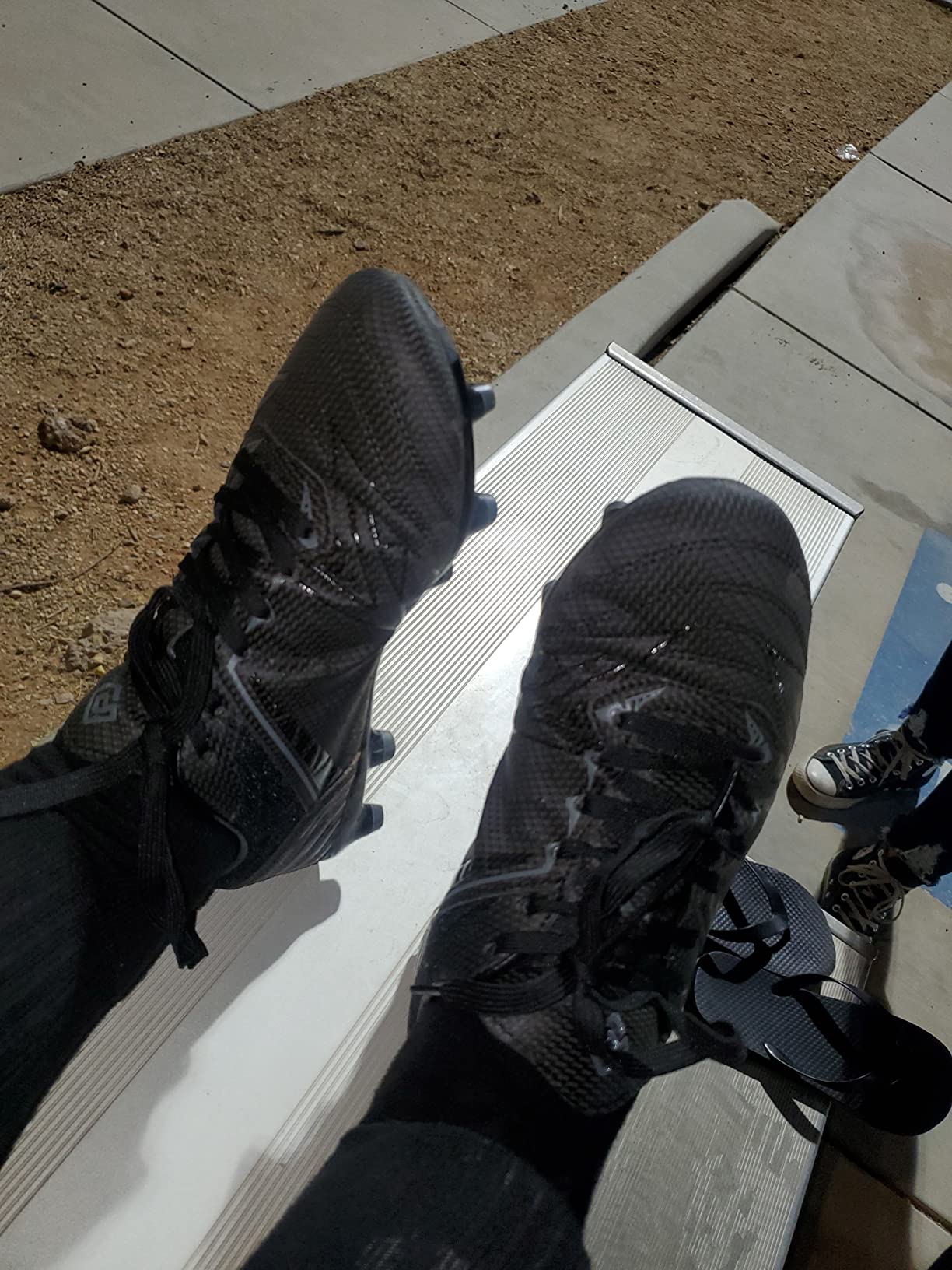
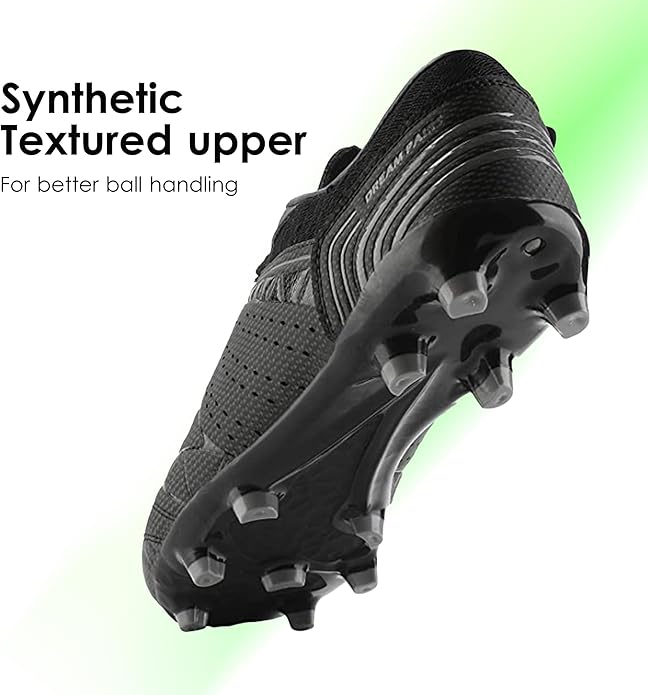
Ball control with the synthetic upper provides workable feedback for recreational play. It doesn’t replicate the tactile sensitivity of premium leather — quick one-touch passes and fine dribble control reveal the gap — but for weekend soccer, the touch is adequate. The 11.2 oz weight keeps feet light enough that footwear fatigue doesn’t compound physical fatigue over a 90-minute session.
Artificial turf use is a mixed story. The shorter molded studs perform adequately on turf surfaces for occasional use, but the cleat tips show accelerated wear when turf becomes the primary surface. These are fundamentally firm ground cleats, and the material reflects that design intent.
How the DREAM PAIRS Soccer Cleats Hold Up Against Wet Weather
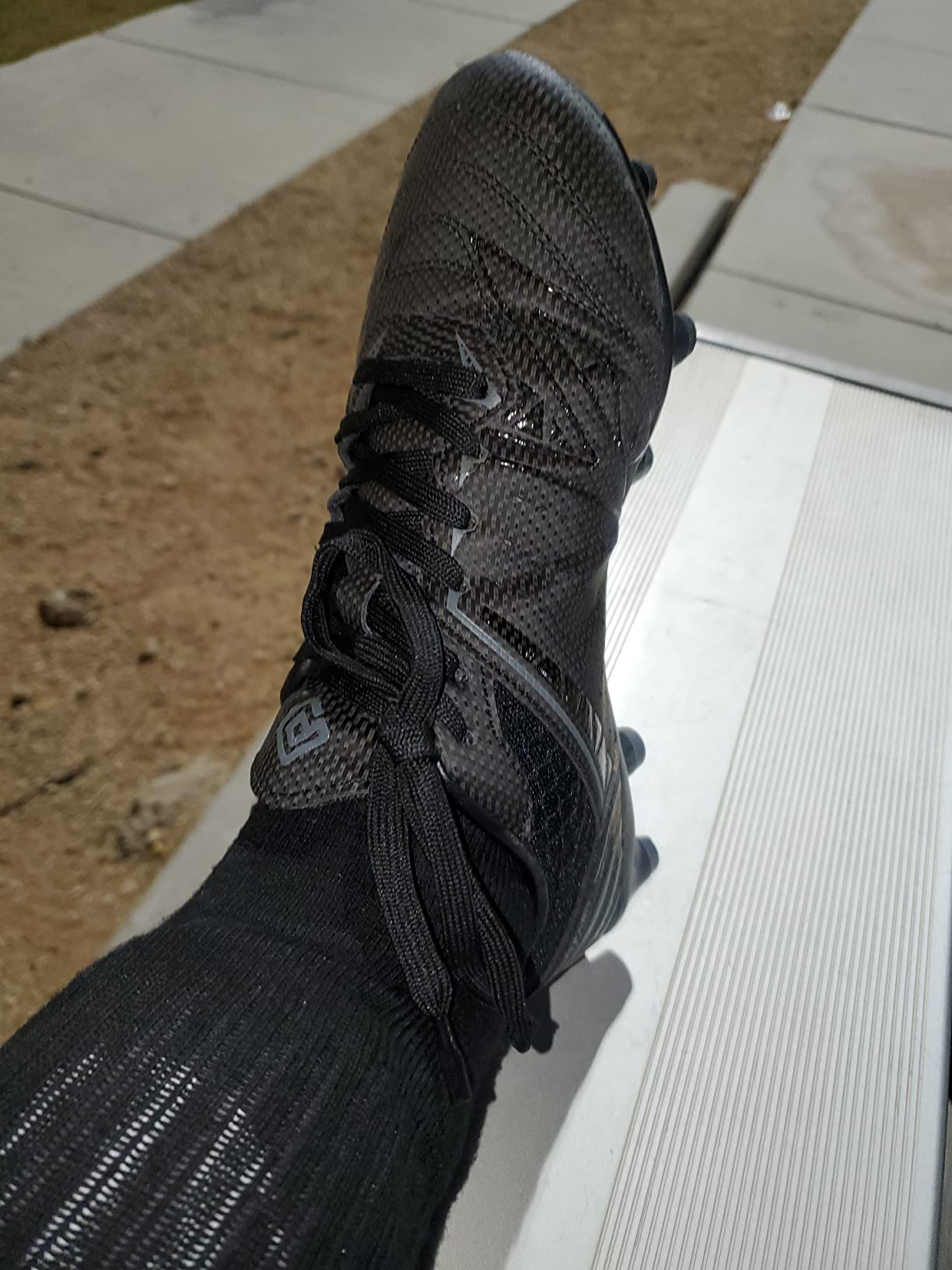
The synthetic upper handles light rain better than natural leather in one specific way: it doesn’t absorb water and become waterlogged. Feet stay drier during the first half of a wet-weather game. The trade-off surfaces on the ball — the smooth synthetic face becomes slightly slicker when wet, reducing the confidence during technical touch moments.
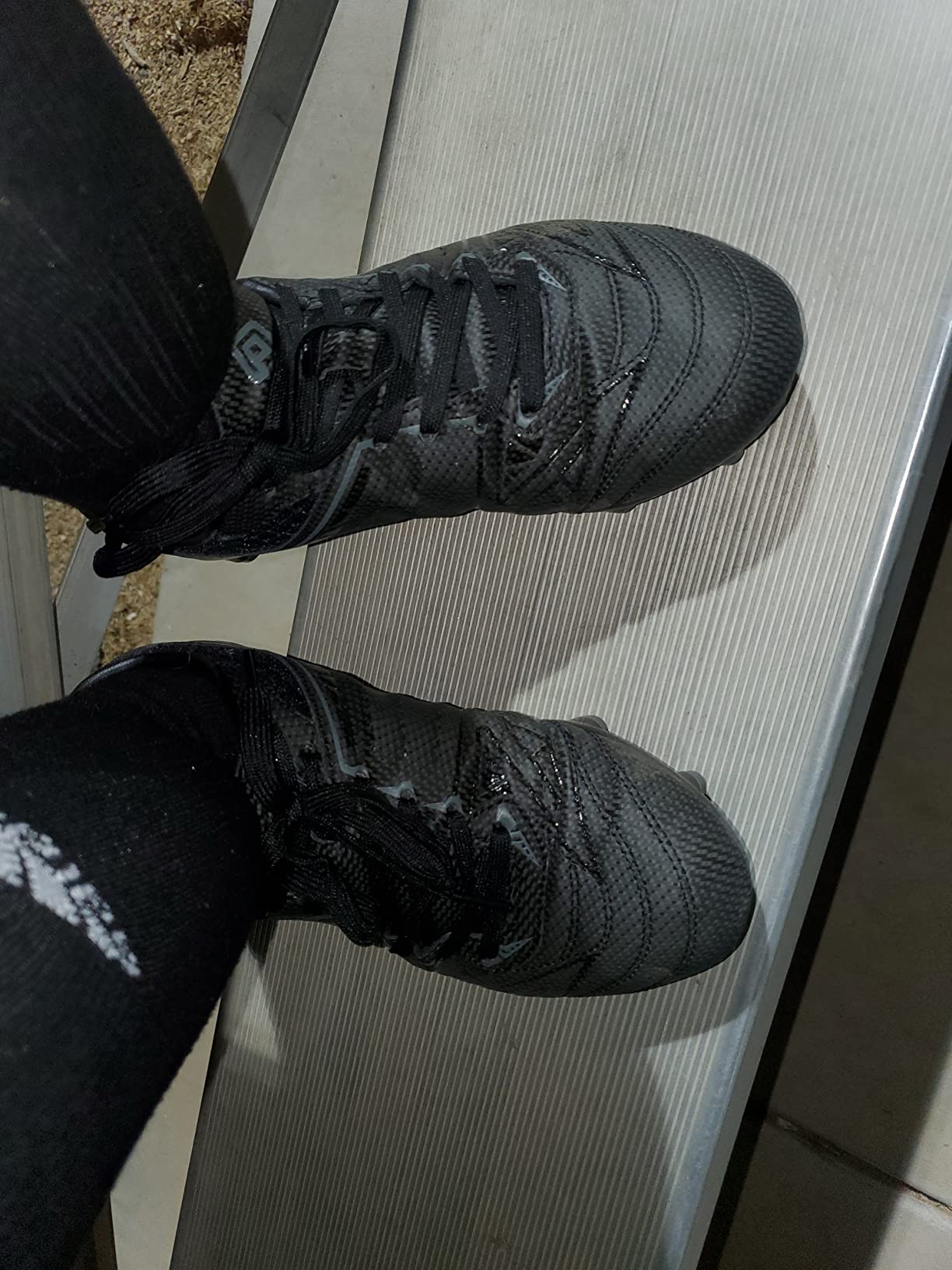
Cleat grip on wet grass remains reasonable. The Rotational Traction configuration that works on dry surfaces carries through to damp conditions, though there’s a noticeable reduction in the sharpness of hard stops. For casual recreational play in occasional rain, the performance is adequate. Players who regularly deal with wet or muddy fields at a competitive level would benefit from a more specialized boot.
Does the Marketing Hold Up Against Reality?
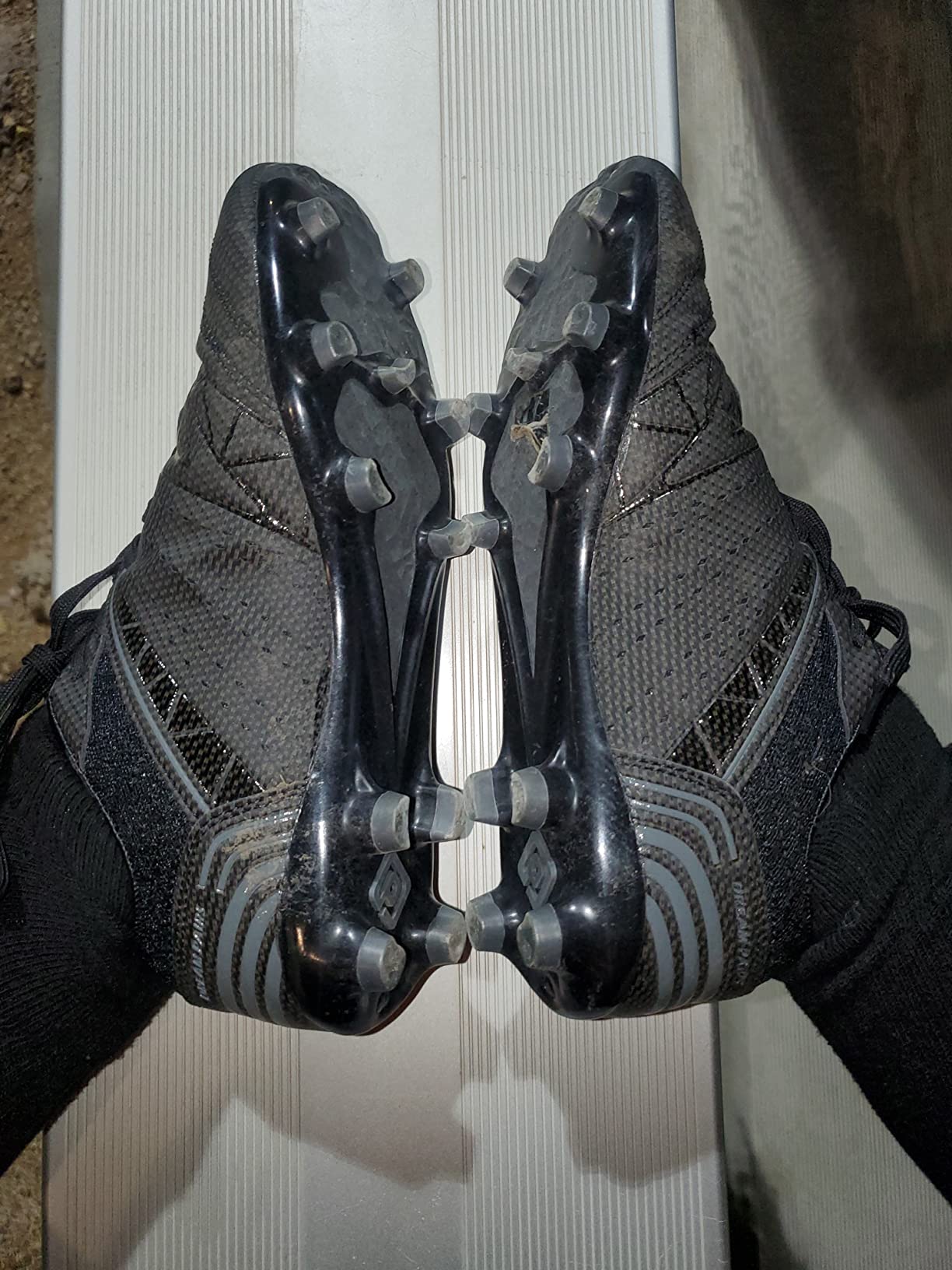
The “lightweight, soft and comfortable design” claim holds on the weight front — 11.2 oz is genuinely light — but comfort requires the insole caveat. That upgrade is non-negotiable for anything beyond a short pickup game.
“Cushioned insole for added comfort” is the most misleading claim in the lineup. The stock insole provides minimal functional cushioning. Calling it cushioned is a stretch that anyone will recognize the moment the shoe is laced up.
“Premium DP combination upper offers comfort and maximum durability” is overstated. The upper performs adequately for the price; calling it premium overshoots what the material actually delivers. The durability claim is where real inconsistency enters the picture — some units reach multiple seasons of use at light intensity, while others show sole separation or material failure within weeks. This quality control variance is the biggest unresolved issue with the product line.
“Rubber molded cleats with Rotational Traction configuration” is the most accurate claim in the set. The traction system delivers.
Scoring Breakdown
| Category | Score (1–10) | Notes |
|---|---|---|
| Comfort | 6.5 | Adequate with insole replacement, wide-foot friendly |
| Durability | 5.0 | Highly variable, quality control issues evident |
| Performance | 7.0 | Good traction and ball feel for recreational use |
| Value for Money | 7.5 | Hard to beat at $35 for appropriate use cases |
| Build Quality | 6.0 | Basic construction, inconsistent quality control |
| Style/Appearance | 7.0 | Clean, understated design works for most situations |
| Versatility | 6.5 | Works for firm ground, limited to recreational intensity |
Overall Score: 6.4/10
Is $35 Actually Worth It — Or Is the Budget Category a Trap?
At $35, the math works under specific circumstances. For growing kids who outgrow cleats before wearing them out, a single season of use at this price is hard to argue against — the cost-per-game stays under $2 for a 20-game season. For casual adults who play once or twice a month, the value proposition holds at similar math.
The calculation breaks down for frequent players. Multiple sessions per week put stress on a construction that wasn’t built for that load, and the shortened lifespan pushes the actual cost-per-use into territory where spending $60–80 on entry-level options from Adidas or Puma becomes more economical over a full season. The Adidas Goletto line, for example, offers more durable construction at that step up in price — as does the Puma Attacanto Firm Ground for players wanting dual-surface capability.
The molded studs also bear noting: they’re not replaceable. Once worn down, the only option is a new pair. For a $35 shoe at light recreational use, that’s an expected trade-off. For heavier use, it accelerates the cost cycle.
Who the DREAM PAIRS Soccer Cleats Are Actually Built For
The right fit:
- Parents with growing kids who outgrow cleats before wearing them out
- Casual recreational players (one to two games per month)
- Wide-footed players who struggle with narrow European cleat lasts
- Budget-conscious beginners trying the sport for the first time
- Anyone needing a reliable backup pair for emergency use
Where to look elsewhere:
- Competitive players training multiple times per week
- Players needing ankle support and lateral protection
- Anyone expecting two-plus seasons of intensive use
- Primary artificial turf or indoor surface users
For youth recreational leagues where fun matters more than performance margins, these DREAM PAIRS soccer cleats cover the basics well. For kids just getting started, Brooman kids soccer cleats represent a comparable budget option worth comparing side-by-side before committing.
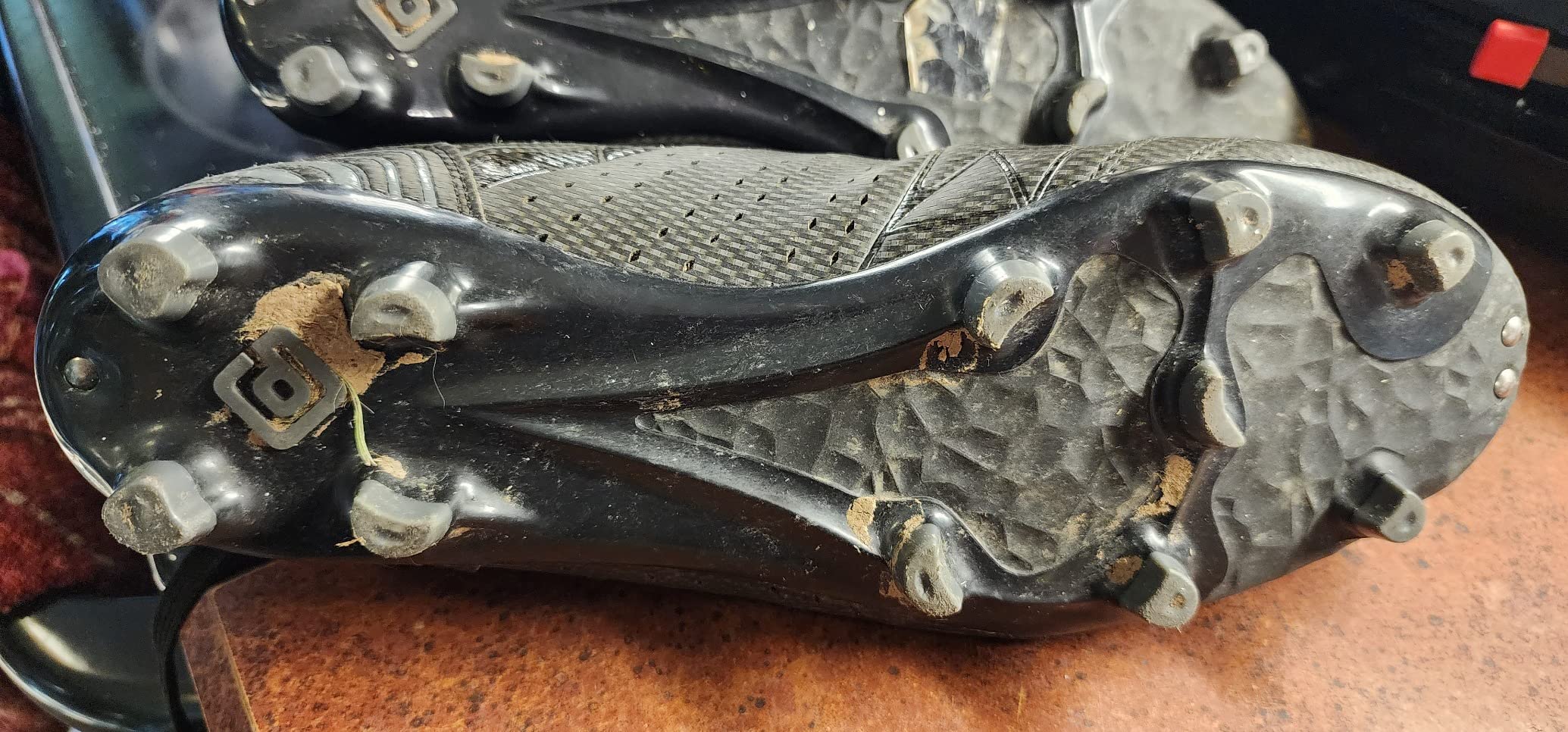
The pattern in field performance feedback tells a consistent story: light recreational use produces satisfied experiences, intensive training use produces failure reports. Quality control creates a lottery element where some units hit the durability floor hard while others coast through multiple seasons. Responsive customer service helps when defective units arrive — replacement and refund turnaround appears to be one of the stronger aspects of the brand’s after-sale experience.
Final rating: 6.4/10 — A conditional recommendation for the right use case, with realistic expectations baked in.
Frequently Asked Questions
Do the DREAM PAIRS soccer cleats run true to size?
Generally true to size, though the wider toe box gives a roomier feel than most soccer cleats. Narrow-footed players may want to size down by half. The generous width is a feature for wide-footed players, not a flaw.
How long do these cleats typically last?
Light recreational use (one to two games per month) can reasonably expect six to twelve months. Frequent training sessions significantly shorten that window. Growing kids often outgrow them before the shoe fails, which makes the value proposition strong for that use case.
Can these be used on artificial turf?
Designed for firm ground natural grass, the DREAM PAIRS soccer cleats function adequately on turf for occasional use. The cleat tips wear faster on artificial surfaces, and the traction pattern doesn’t replicate what purpose-built turf shoes provide. Occasional turf use is fine; making it the primary surface will accelerate wear noticeably.
Should the insole be replaced immediately?
Yes. The stock insole is extremely thin and provides minimal cushioning. A basic $10–15 replacement insole dramatically improves comfort and should be considered part of the total purchase cost.
What happens with a defective pair?
Customer service response has been consistent based on field reports — quick refunds or replacements for quality issues. Reaching out directly when a defective unit arrives appears to produce results.
Are these good for beginner players?
For beginners learning the game without committing to significant equipment investment, these work well. The performance is adequate for skill development, and the cost keeps the entry point low. The insole upgrade remains essential for extended practice sessions.
How do these compare to name-brand budget options?
Entry-level Adidas, Nike, and Puma options typically run $60–80. The gap in build quality and durability is real. For players who can stretch the budget to that range, name-brand entry options generally offer better long-term value. At $35, the DREAM PAIRS cleats make sense for the specific use cases outlined above — not as a replacement for a $65 cleat at equivalent use intensity.
Be the first to review “DREAM PAIRS Mens Sport Flexible Athletic Lace Up Light”
Related products
Football Shoes
Football Shoes
Football Shoes
Football Shoes
Football Shoes
Football Shoes
Reviews
There are no reviews yet.