
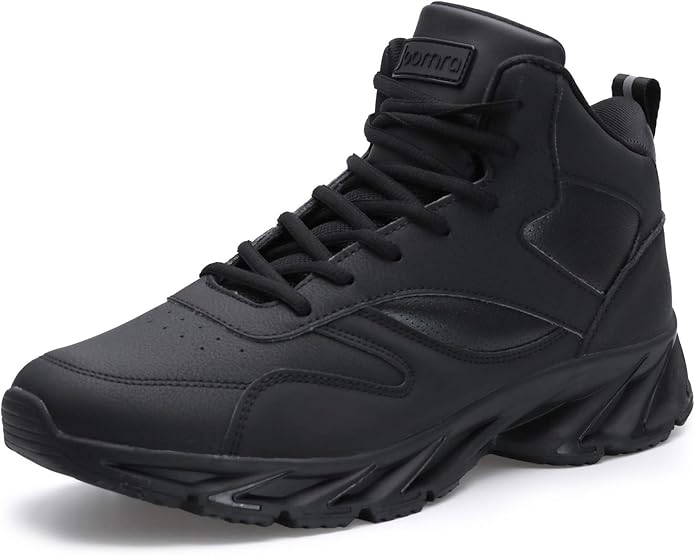
My garage floor has seen a lot of failed shoes over the years. Cheap canvas that splits at the toe after two months. Budget runners with midsoles that go flat faster than a punctured tire. So when I pulled out a pair of $35 Joomra high-tops last fall, my expectations were somewhere between low and non-existent. Eight weeks later, I’ve got a more nuanced answer — and a few findings that every buyer considering these should know before clicking add-to-cart. Mike here with the full breakdown.
What You’re Actually Getting at $35
The Joomra Men’s High Top sits in a genuinely difficult market segment. Too cheap to compete with Nike or Adidas on reputation, too expensive to be a throwaway shoe. At $35, Joomra is betting you’ll prioritize the look and the ankle coverage without scrutinizing the construction too closely. After eight weeks of daily errands, yard work, a full standing-work week, and more grocery runs than I care to count, here’s the honest picture.
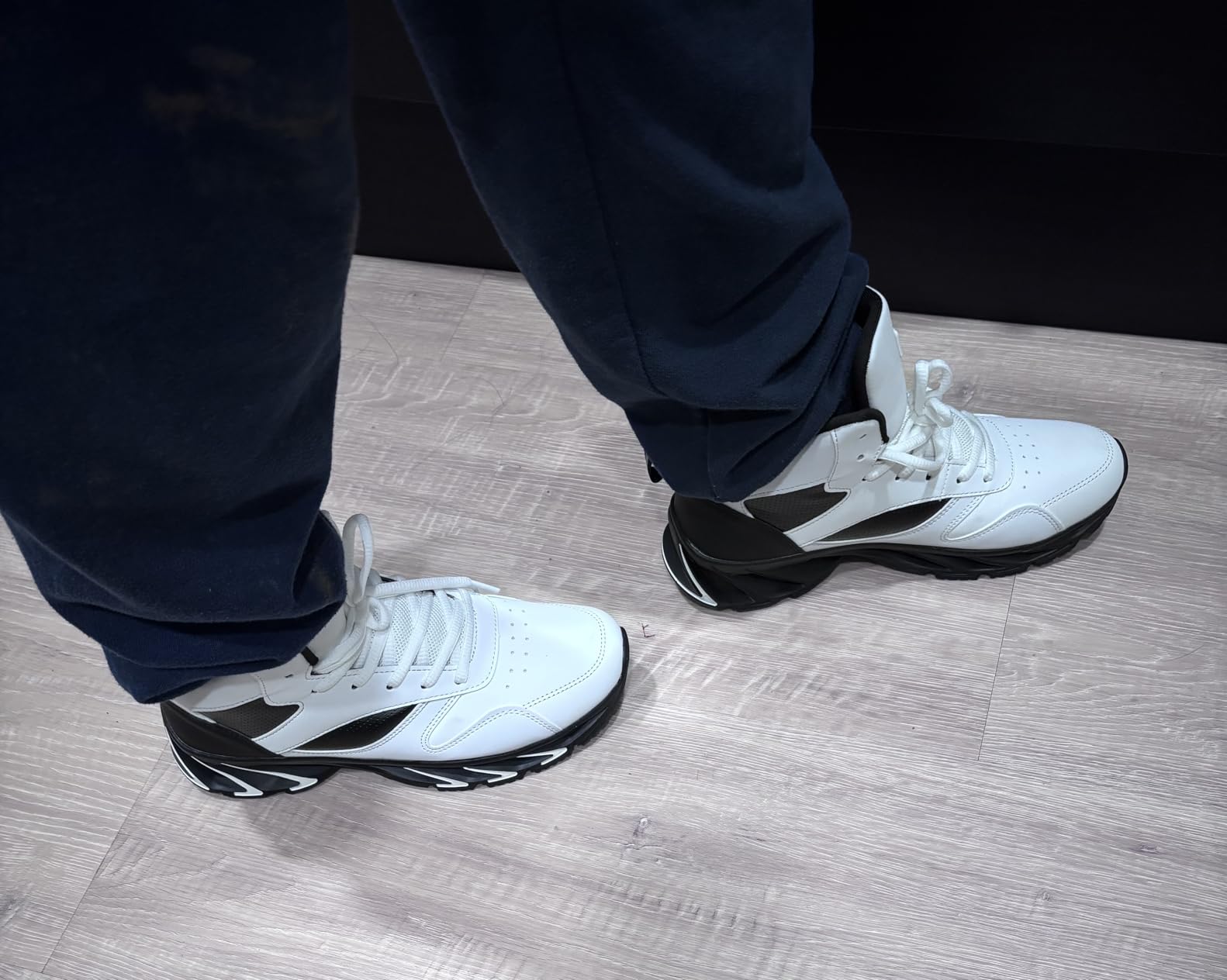
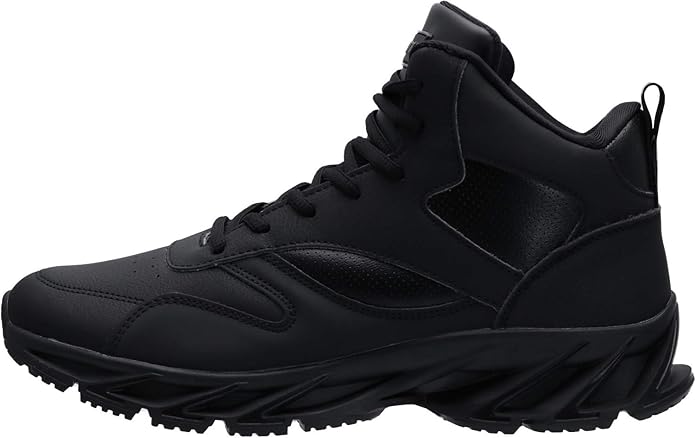
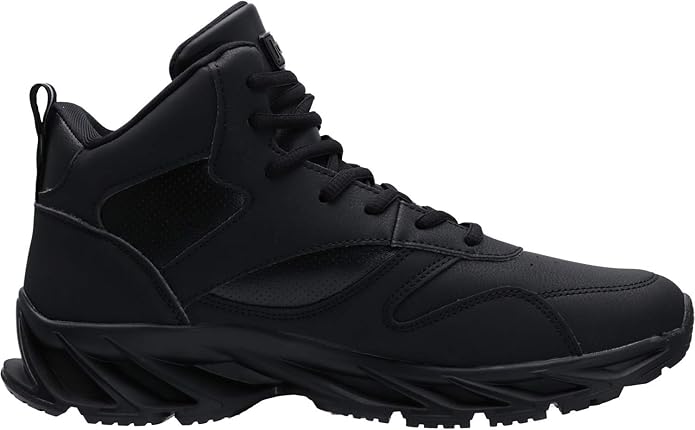
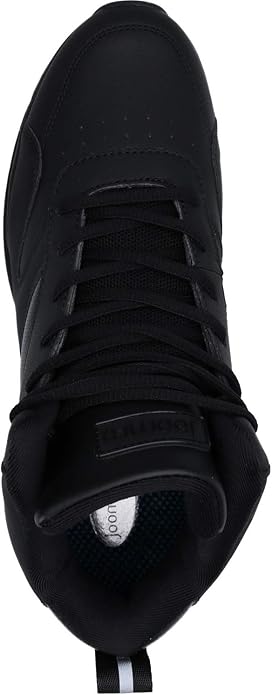
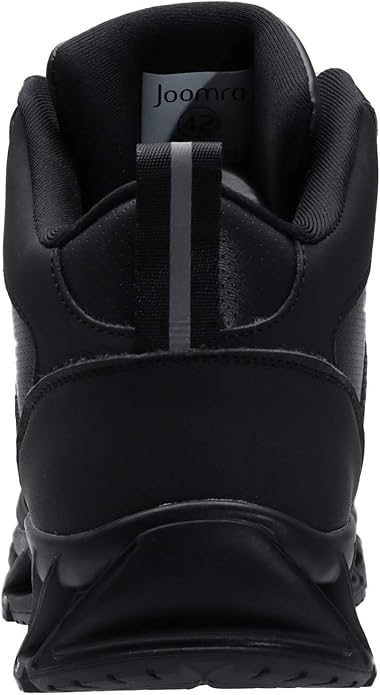
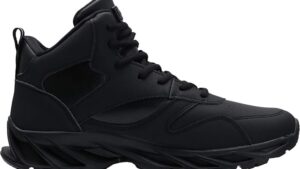
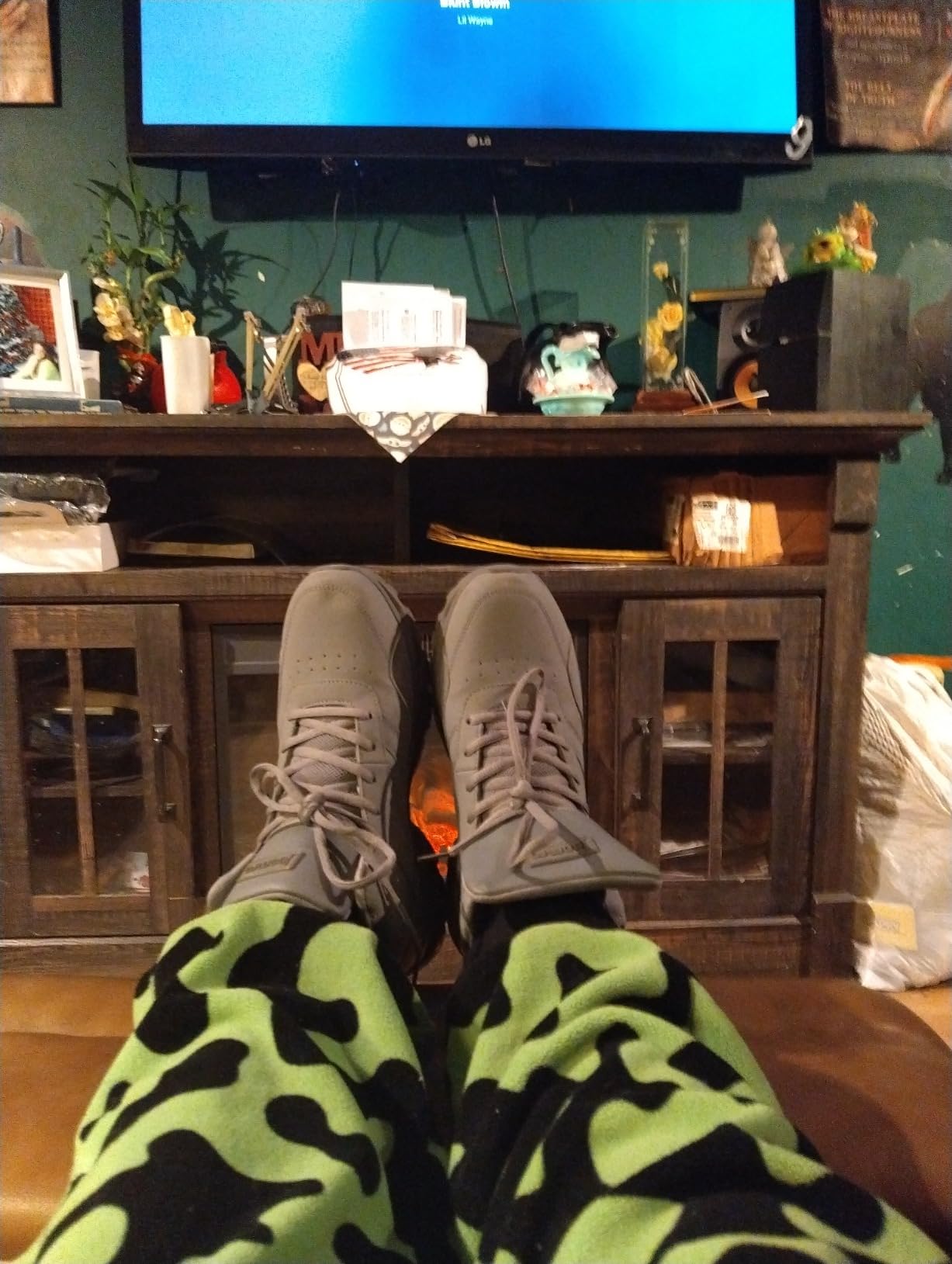
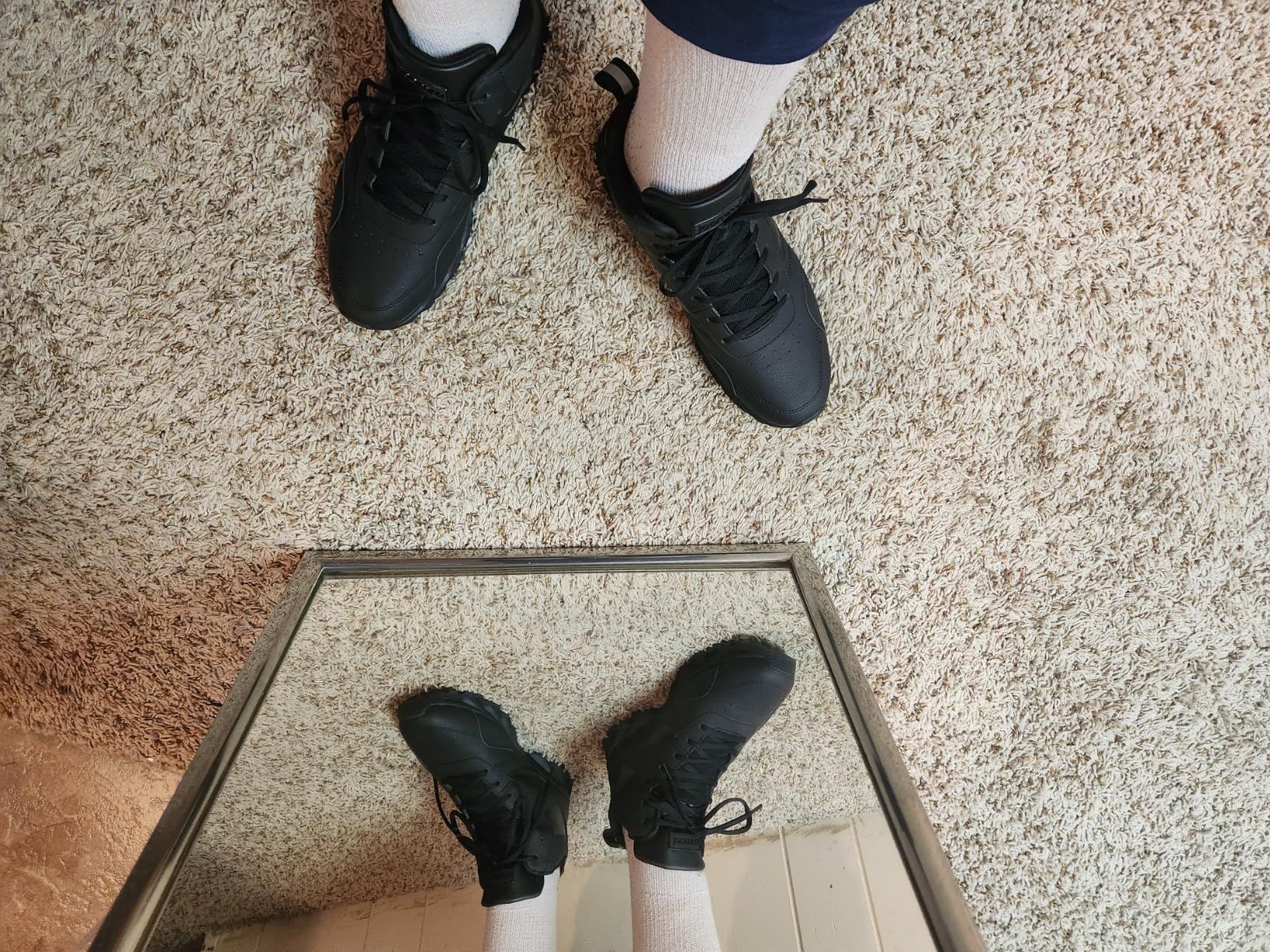
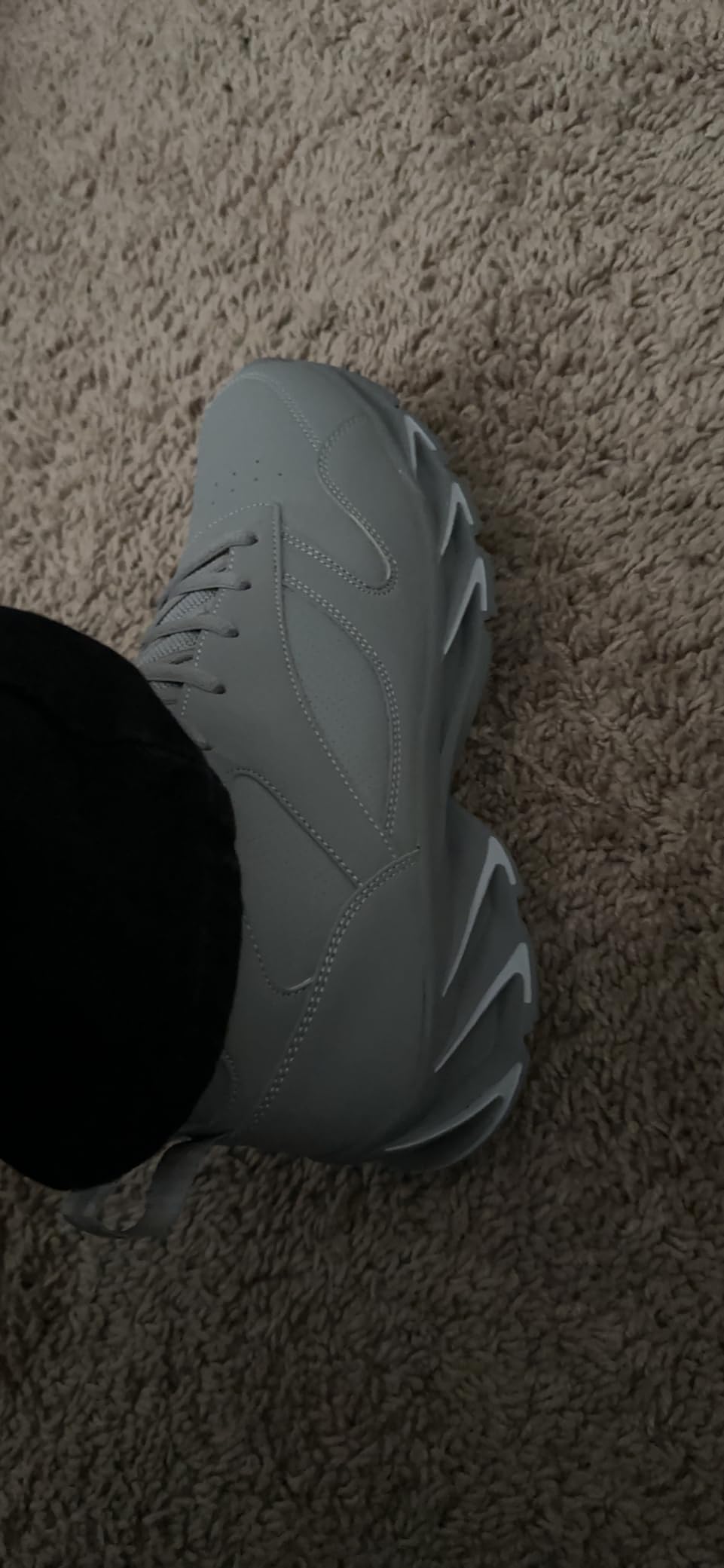
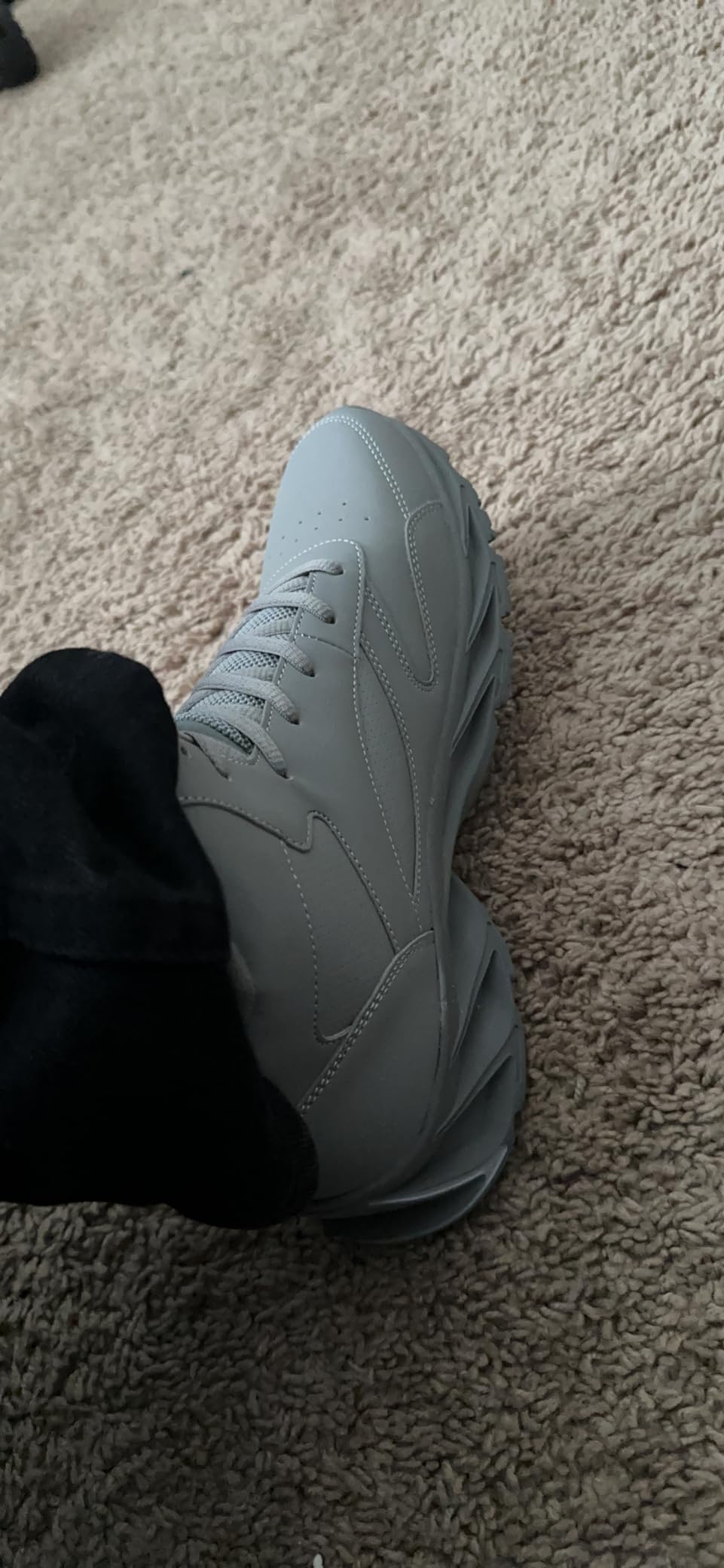
The all-black colorway is genuinely clean. There’s something about a sleek high-top that works across a lot of outfits — jeans, work pants, casual shorts — without looking like a gym shoe that wandered out of the locker room. The synthetic leather upper has real structure to it, noticeably better than the plastic-feeling material on $20 knockoffs. At arm’s length, these pass for something that costs significantly more.
Then you start actually wearing them.
Unboxing and Week 1 — Where the Surprises Start
Right out of the box, comfort was decent. No pressure points, no hot spots at the toe box or ankle collar, no break-in drama. The high collar has enough padding that it doesn’t dig in even at first wear. That part of the marketing claim about “zero break-in” holds up.
Then I noticed the eyelets.
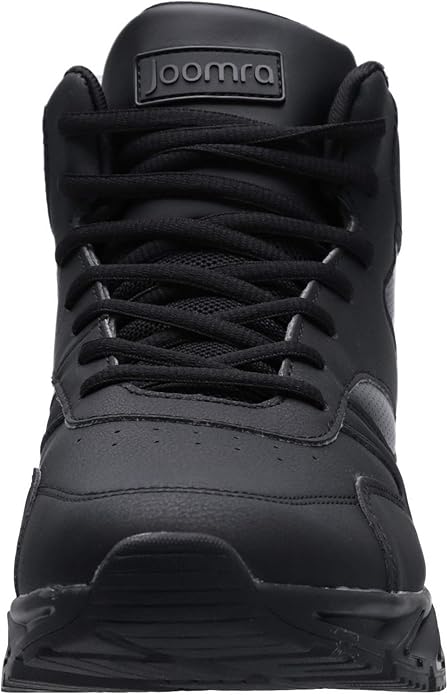
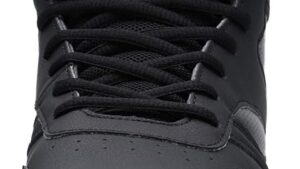
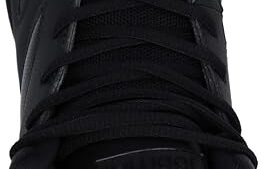
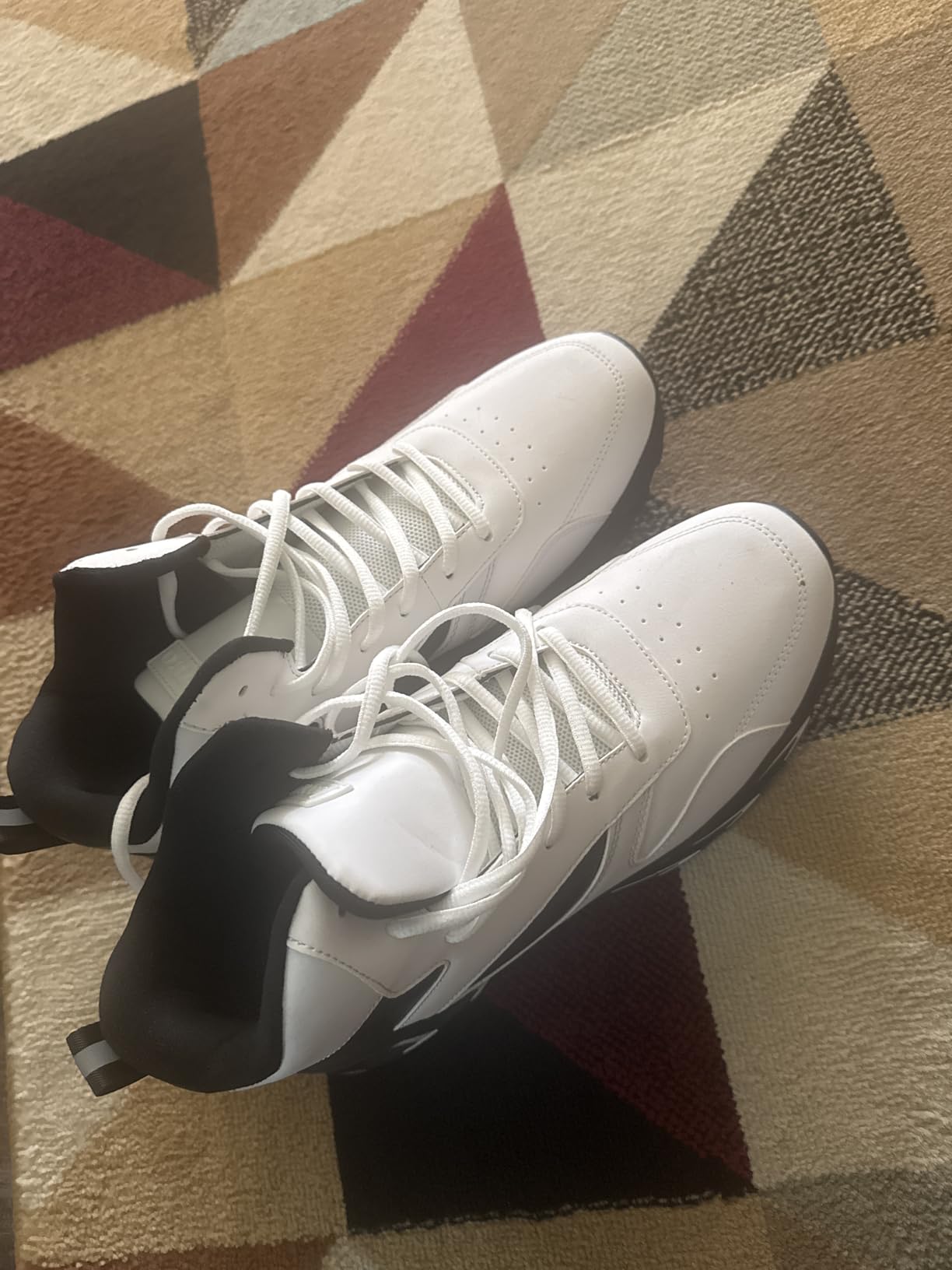
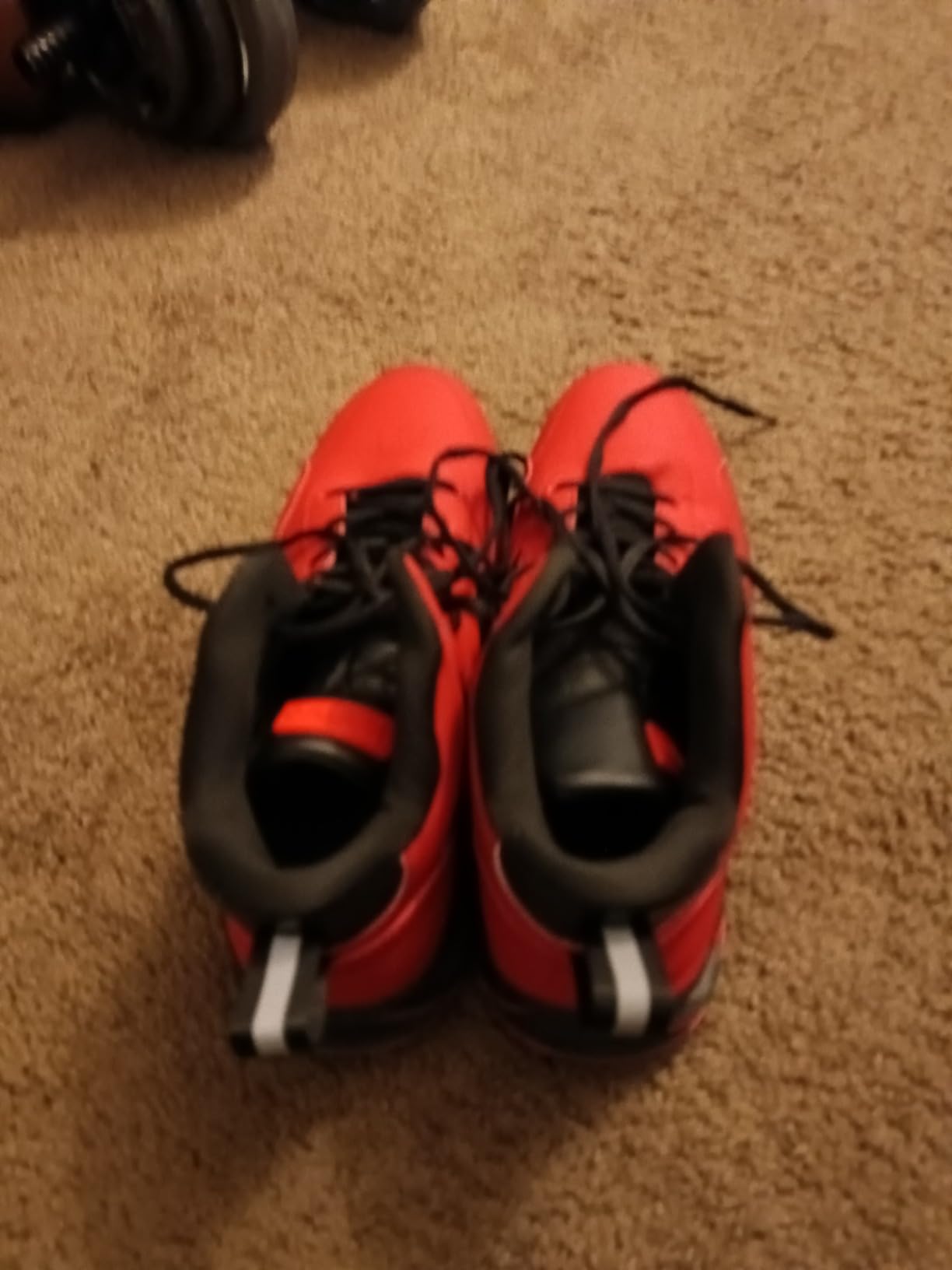
The lacing system runs punched holes through the synthetic leather — no metal grommets, no reinforced rings. This isn’t a cosmetic choice. It means every time you tighten or loosen the laces, they’re dragging against raw material. Week one, it felt like a minor detail. By week four, it was a genuine annoyance. Getting these on and off properly requires loosening significantly each session because the high-top design gives the laces nowhere to slide easily. If you’re the type who slips shoes on and off several times a day, prepare to factor this into your daily patience budget.
One easy workaround: swap the laces for VSUDO Flat Shoe Laces. Flat laces generate less friction in punched holes than round laces do, and they’re a $6 fix that noticeably smooths out the daily routine.
The stock insole is the other immediate disappointment. Thin, minimal arch support, no real cushioning depth. Within the first week, I swapped in aftermarket insoles — Sof Sole Athlete Insoles work well here, as does anything with decent arch support like the Valsole Orthotic Insoles for anyone who needs firmer support. The shoe structure itself is solid; the insole is simply where Joomra cut costs to hit the $35 price.
Testing Protocol: 8 Weeks, Not a Lab
Before I get into the timeline breakdown, a note on methodology. I’m a single tester, not a running biomechanics lab. What I tracked: comfort consistency over time, visible wear patterns, structural integrity, and the specific failure points (if any) that showed up. Activities across the 8 weeks included casual errands, grocery shopping, a full week of standing and light manual work, yard work, and regular outdoor use. About 45 distinct wear events at varying intensities.
What I wasn’t testing for: running performance, trail use, or anything athletic beyond casual gym sessions. This is a lifestyle sneaker built for everyday wear, and that’s the context in which I assessed it.
Weeks 2–4: When Skepticism Starts to Soften
The first significant finding from weeks 2 through 4 was the ankle support question. Joomra markets the high-top design as providing “ankle support” — and technically, that’s true, but the framing matters. High-top ankle coverage is not the same as ankle stability.
What the collar does well: it provides proprioceptive feedback during casual movement. Walking on uneven yard terrain, shifting weight during light projects, standing on concrete for extended periods — the ankle collar reduces fatigue. After years of dealing with ankle issues from basketball, I actually noticed a difference between these and low-cut sneakers during long standing sessions.
What the collar doesn’t do: provide lateral stability for cutting movements. There’s no TPU heel counter, no support plate, no structural reinforcement that would make these appropriate for basketball or any sport involving quick direction changes. The multiple Amazon customers who’ve used these for pickup basketball games are taking a real risk — padded ankle coverage and ankle stability are different things entirely.
The upper construction held up cleanly through week 4. No creasing at the flex points, no scuffing that couldn’t be wiped off, no sole-to-upper separation at the heel where these types of shoes typically fail first. More impressive than I expected from a budget shoe.
Cushioning through week 4 felt consistent — the midsole foam hadn’t noticeably compressed, and with aftermarket insoles in place, comfort through 6-8 hour sessions was solid. Still heavier than typical lifestyle sneakers at 12.5 oz, but not the kind of heavy that makes your feet drag.
Weeks 5–8: The Durability Reckoning
This is where the honest picture changes.
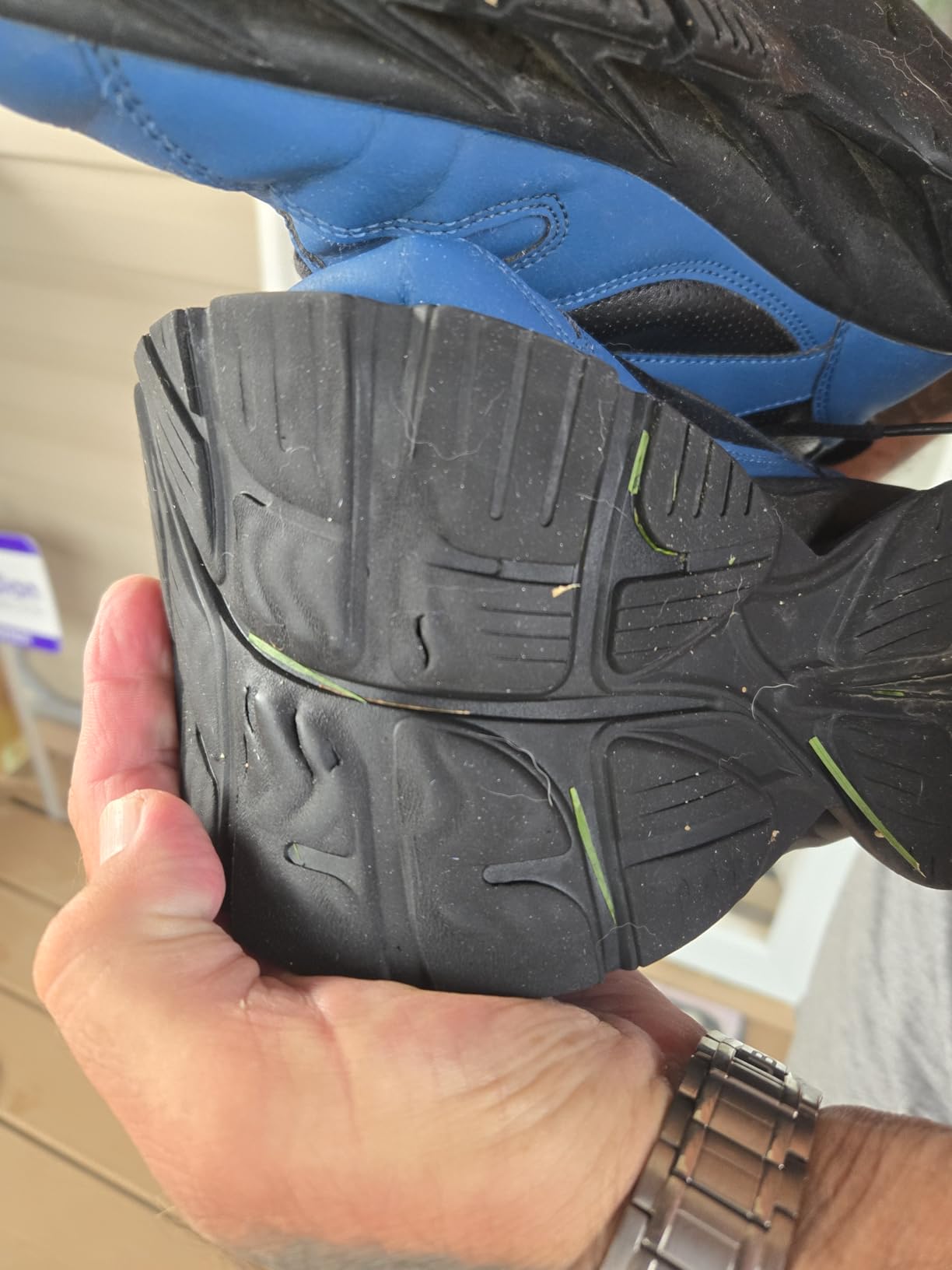
At week 6, I started noticing something around the outsole edge — slight compression and the early signs of micro-cracking in the blade rubber. Not catastrophic, not yet affecting function. But combined with customer review patterns I’d seen across multiple Amazon ASINs (we’ll get to the multiple-variant problem shortly), the trajectory was clear.
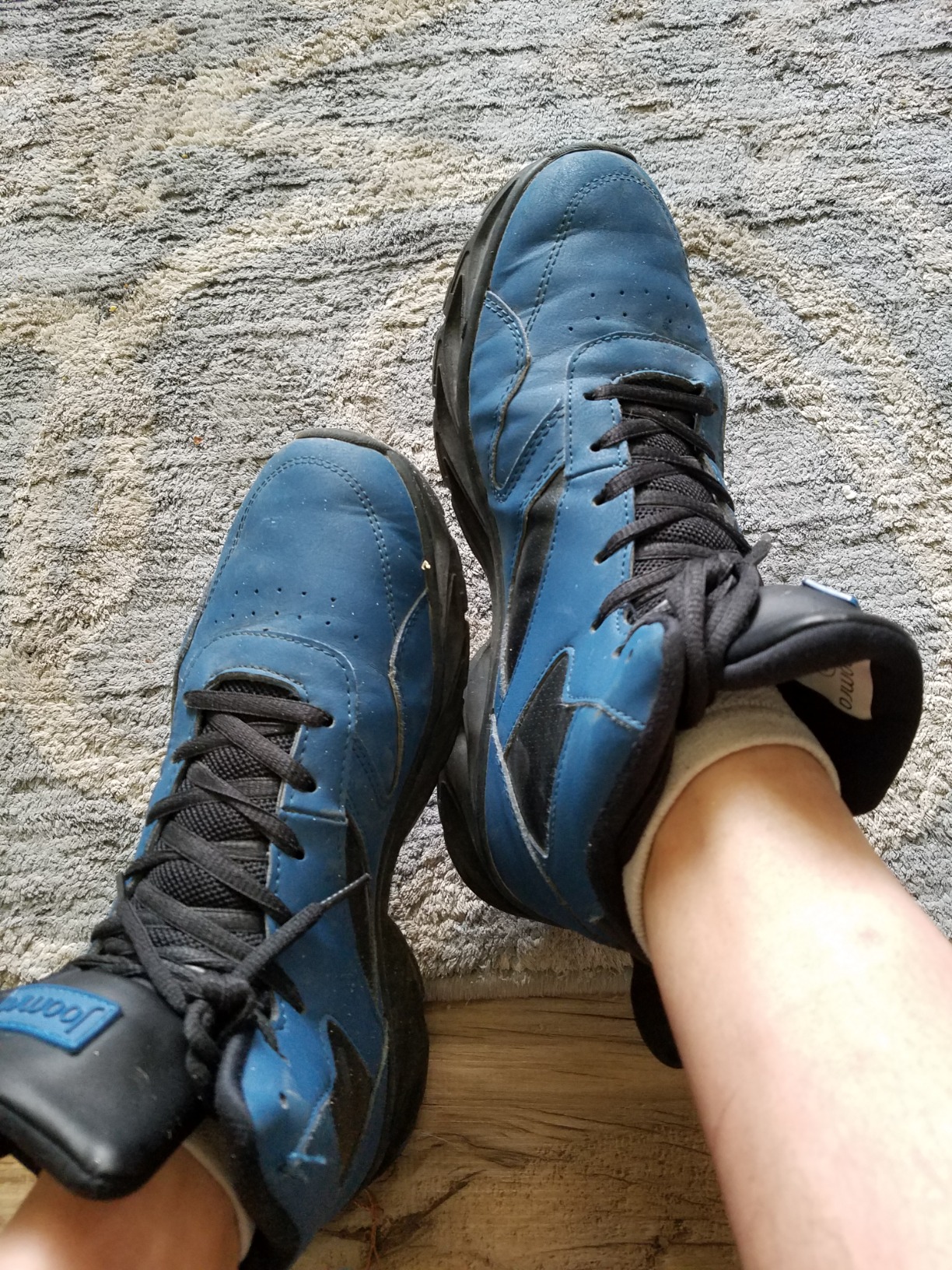
The outsole is the fundamental issue with these shoes. It appears thick and durable — and initially, it is. But Joomra uses a blade rubber construction with hollow sections that compress under regular use. Across hundreds of customer reviews spanning multiple Joomra high-top models, the pattern is consistent: sole cracking and separation appears between 2 and 4 months of regular use. Some customers reported near-identical failure modes on multiple purchased pairs, which suggests this is a design characteristic, not a quality control lottery.
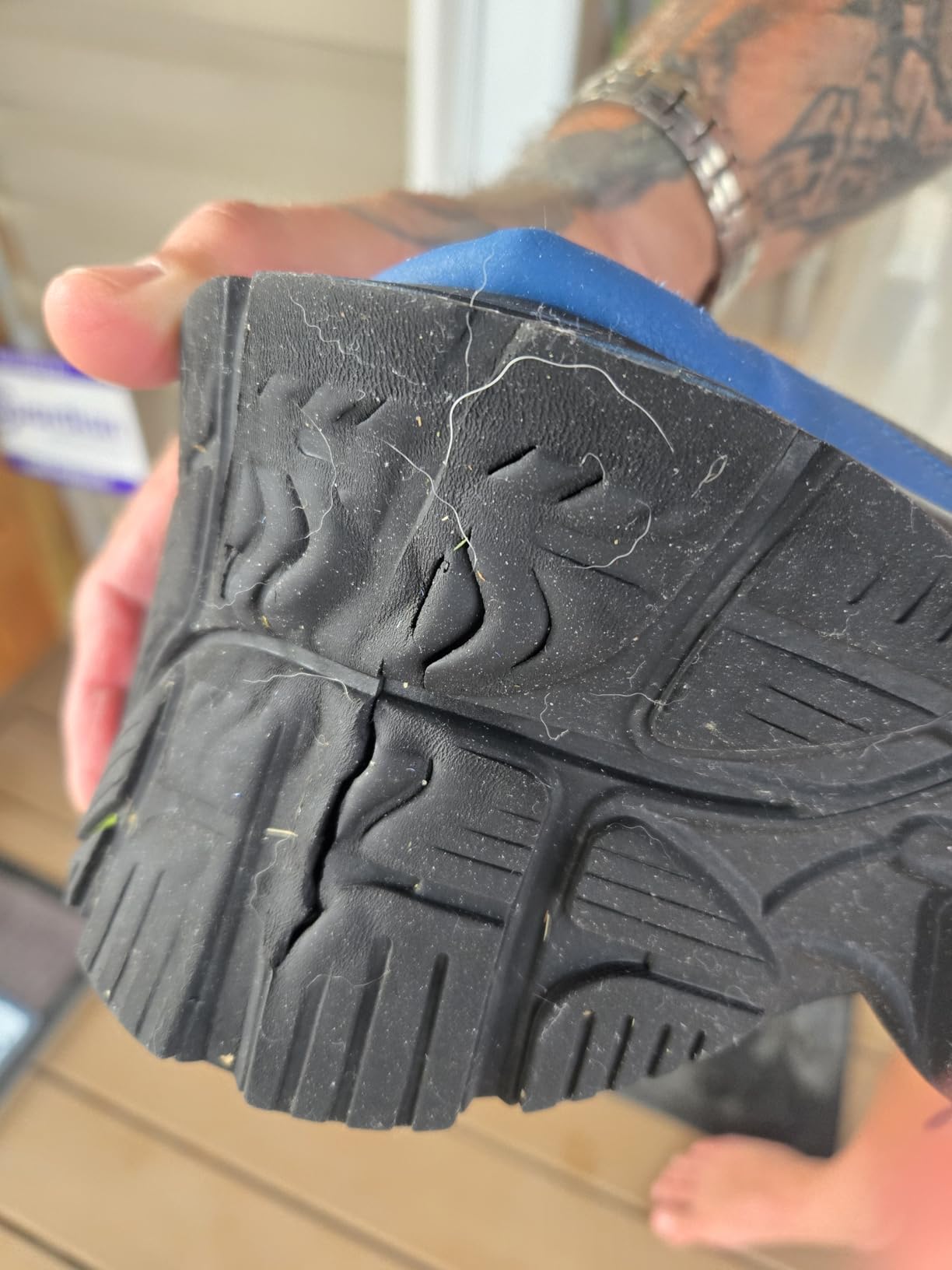
The upper and ankle collar, by contrast, remained in solid condition at 8 weeks. The synthetic leather resisted scuffing better than expected, the overlays at toe and heel showed no peeling, and the collar padding hadn’t flattened. If Joomra had matched the upper quality with better outsole construction, the durability story would be significantly different.
Insole adhesive held through 45+ sessions. The EVA insole is genuinely removable and orthotic-compatible — though with the stock unit being so thin, that’s more of a practical necessity than a bonus feature.
Cost-per-wear math at three realistic scenarios:
| Wear Pattern | Estimated Lifespan | Monthly Cost |
|—|—|—|
| Weekend casual (1–2x/week) | 9–12 months | ~$3–4/month |
| Regular use (3–4x/week) | 5–6 months | ~$6/month |
| Daily driver (5–6x/week) | 3–4 months | ~$9–12/month |
At $6/month for regular use, you’re in reasonable budget shoe territory. Push these into daily heavy use and you’re looking at $9–12/month — at which point investing $60–70 in better-built shoes starts making clear financial sense.
Sizing, Fit, and the Missing Size 8
Mike tested a size 10, and the length landed right — about a thumb-width of space at the toe box, consistent with standard US sizing. Joomra’s “true to size” claim holds for most buyers in the length dimension.
Width is another matter. These run narrow. The high-top construction doesn’t leave much lateral room, and the lacing system doesn’t compensate with enough stretch. If you have wider feet or typically shop in wide sizes, sizing up by a half size is the right call.
One finding I didn’t see documented anywhere else: Joomra’s official size chart for the high-top line jumps from US 7.5 (EU 41) directly to US 8.5 (EU 42). There is no US men’s size 8 in the standard range. If you wear an 8, you’re choosing between a half-size small or a half-size large — no middle ground. For narrow feet, the 7.5 might work fine. For average or wide feet, the 8.5 with a thicker sock is the more comfortable option.
Also worth flagging: there are multiple Joomra high-top ASINs on Amazon (at least 3–5 distinct models) with different spec details. The “Water Resistant” claim appears in only one variant. If you’re buying for wet conditions, check the specific listing’s spec table rather than assuming all Joomra high-tops share that feature.
Real-World Performance: Where It Works and Where It Doesn’t
Eight weeks of casual use defined the use cases fairly clearly.
Where these genuinely delivered: Grocery runs, weekend errands, light yard work, and a full work week of standing and light manual tasks. The ankle collar reduced fatigue noticeably during extended standing sessions. The synthetic leather handled minor outdoor contact — light scuffs, brief contact with wet grass — better than canvas alternatives would. Dry-surface traction was solid throughout.
Where they struggled: Wet pavement is noticeably less confident — adequate but not secure. Anything involving heat above 85°F makes the synthetic upper feel stuffy; the tradeoff for scuff-resistance and durability is lower breathability. Extended sessions beyond 6 hours with stock insoles caused progressive foot fatigue, though aftermarket insoles extended that window meaningfully.
Not suitable for: Running, trail use, basketball, or any cutting sport. Also not suitable as a primary daily driver for anyone walking 3+ miles regularly — the outsole durability simply isn’t built for that kind of sustained load.
My Overall Assessment
Scores (Out of 10)
- Style & Appearance: 8.0 — Clean high-top silhouette, versatile colorways
- Initial Comfort (stock insole): 6.0 — Adequate but unimpressive
- Comfort with Upgrade: 7.5 — Aftermarket insole transforms the experience
- Ankle Coverage: 8.5 — Genuine fatigue reduction in casual wear
- Build Quality (upper): 7.5 — Better than price suggests
- Durability (outsole): 4.5 — Major weakness; hollow blade rubber compresses by week 6
- Value (occasional use): 7.5 — Smart rotation shoe for weekend/casual
- Value (daily use): 4.5 — Cost math doesn’t hold up at daily pace
- Ease of Entry: 5.5 — Grommet-free eyelets create daily friction
Overall: 6.5/10 — A capable occasional-wear shoe that punishes daily use habits
✅ What Works
- Clean, versatile high-top aesthetic at an accessible price
- Ankle collar reduces fatigue in casual standing and walking
- Synthetic leather upper holds up better than canvas or cheap mesh at this price
- True to size in length for most buyers
- EVA insole is removable and orthotic-compatible (necessitating the swap)
- Zero break-in required — comfortable from first wear
❌ What Doesn’t
- Outsole durability is the core problem — hollow blade rubber, micro-cracking by week 6
- No metal grommets in eyelets — daily lacing friction accumulates
- Stock insole is inadequate; aftermarket upgrade is almost mandatory
- Runs narrow — wide-foot buyers need to size up
- US size 8 not available in standard range (chart jumps 7.5 → 8.5)
- Heavy at 12.5 oz — noticeable after extended walking vs. mesh runners
- Multiple Amazon variants with different specs — water resistance isn’t universal
Who Should Buy These — And Who Shouldn’t
Good fit for:
- Weekend errand shoes, casual outings, events that don’t involve serious walking distance
- Anyone wanting ankle coverage without spending $60–80 on a proper athletic high-top
- Budget shoppers who rotate multiple pairs and don’t rely on a single shoe daily
- People willing to invest $15–20 in aftermarket insoles to maximize comfort
Skip these if you:
- Need a shoe that lasts 12+ months under regular (4–5x/week) use
- Walk 3+ miles regularly or spend 8+ hours on your feet most days
- Wear men’s size 8 (it’s genuinely not available in most colorways)
- Need wide-width sizing without going up a full size
- Want actual ankle stability for court sports or cutting movements
Better Options for Specific Needs
For a budget lifestyle high-top with better lightweight construction, the Welrung High Top Fly Weaving is worth comparing — fly-weave construction trades scuff-resistance for significantly lower weight.
For durability-first budget sneakers with a more premium sole build, Jousen Fashion Sneakers and Jousen Leather Casual Sneakers occupy a similar price tier with better-reviewed outsole longevity.
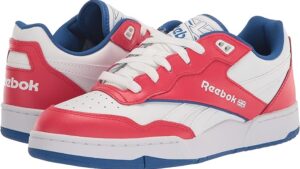
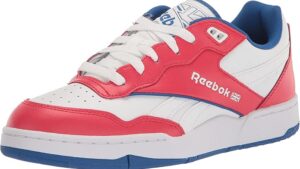
If you’re specifically after a budget high-top that can survive court use, the Reebok Royal BB4500 Hi2 costs more but delivers legitimate lateral support and a more robust outsole build.
For daily-use training shoes where you need durability over style, look elsewhere entirely. The Joomra high-top isn’t built for that workload.
If you keep the Joomra, pair them with the Sof Sole Athlete Insoles immediately. The stock unit isn’t doing the shoe any favors and the difference is noticeable within a single session.
Joomra also makes the Joomra Whitin Men’s Running Shoes if you want something from the same brand with better cushioning for actual movement — the running-specific design takes that side of the lineup more seriously.
Final Verdict
The Joomra Men’s High Top Sneakers are a lesson in understanding what a price point actually buys. At $35, you’re getting a genuinely well-styled shoe with a functional ankle collar and better upper construction than the price suggests — and an outsole that simply isn’t built for heavy or sustained use.
The no-grommet eyelets are annoying. The stock insole is thin and should be swapped immediately. The outsole durability caps out at 3–6 months depending on how often you wear them. Those are real limitations.
But for someone who wants a sharp-looking high-top for weekend errands, light projects, and casual social occasions — and who’ll treat this as a rotation shoe rather than a daily workhorse — the value math works at $6/month of useful life. Go in with accurate expectations, upgrade the insoles on day one, and these’ll do what they’re supposed to do for the window they’re designed for.
| Category | Score | Notes |
|---|---|---|
| Style & Appearance | 8.0 | Clean high-top, versatile all-black |
| Comfort (stock insole) | 6.0 | Thin insole — swap it |
| Ankle Coverage | 8.5 | Fatigue reduction for casual wear |
| Durability | 4.5 | Outsole = primary failure mode, 3–6 months |
| Value (casual rotation) | 7.5 | ~$6/month at regular use |
| Overall | 6.5/10 | Solid occasional shoe, not a daily driver |
Frequently Asked Questions
Do these run true to size?
Length is generally true to standard US men’s sizing. Width runs narrow — if you have wider feet or typically need wide sizes, size up half a size. Also note: US men’s size 8 is absent from most Joomra high-top size charts, which jump from 7.5 directly to 8.5. Size 8 buyers need to pick a side.
How long will they actually last?
Based on 8-week testing and extensive Amazon review patterns across multiple ASINs: 3–4 months for daily use (5–6x/week), 5–6 months for regular use (3–4x/week), 9–12 months for casual rotation (1–2x/week). The outsole is consistently the first failure point — micro-cracking in the blade rubber that progresses to separation.
Do they provide real ankle support?
They provide ankle coverage and reduce ankle fatigue during casual standing and walking — that’s genuine and worth something. They do not provide lateral ankle stability for sports, court activities, or cutting movements. “High-top” and “ankle support” are not synonymous here.
Are they comfortable for all-day wear?
With the stock insole: comfortable for about 4–6 hours before foot fatigue increases. With a quality aftermarket insole (budget ~$15–20 upgrade): comfortable through 8-hour sessions. The stock EVA insole is genuinely inadequate for extended wear.
Is there water resistance?
Only one specific Joomra high-top variant carries a “Water Resistant” designation (Amazon ASIN B0DC5XZ1YX). Other colorways and model variants do not. The synthetic leather upper handles brief moisture contact better than canvas, but these are not waterproof and will saturate in sustained rain.
Can I use these for basketball?
Not recommended. The high collar provides ankle coverage, not ankle stability. Without a structural heel counter or support plate, the shoe lacks the lateral reinforcement needed for court movements. The outsole durability also isn’t suited for the demands of court use.
What’s the deal with multiple Joomra high-top models on Amazon?
There are at least 3–5 distinct Joomra high-top ASINs with different specs, colorways, and in some cases different features (water resistance, material variations). The original article tested ASIN B07YY5BRVX — if you’re buying a different colorway or model number, check that specific listing’s spec table before assuming identical features.
Should I buy aftermarket insoles?
Yes, immediately. The stock EVA insole is the single most impactful change you can make to this shoe’s comfort. A decent insole upgrade costs $15–20 and genuinely transforms the all-day wearability. The Sof Sole Athlete Insoles fit well and add meaningful cushioning depth. For stronger arch support, the Valsole Orthotic Insoles are worth the slightly higher investment.
Be the first to review “Joomra Men’s Stylish Sneakers High Top Athletic-Inspired Shoes”
Related products
Basketball Shoes
Basketball Shoes
Basketball Shoes
Basketball Shoes
Basketball Shoes
Basketball Shoes
Basketball Shoes
Basketball Shoes
Reviews
There are no reviews yet.