
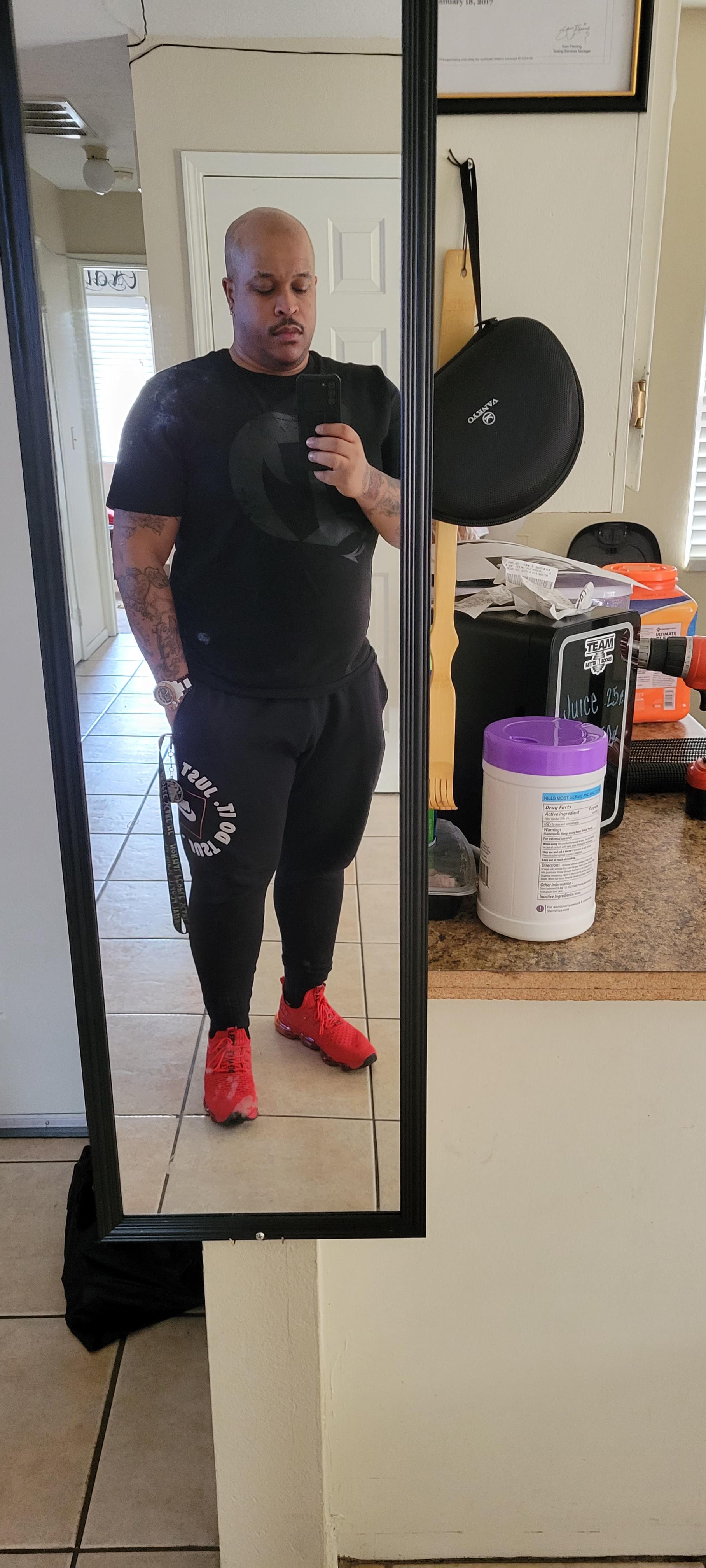
Tuesday morning, still half-asleep, when my buddy Jake texted me about these budget air cushion shoes he kept seeing on Amazon. After wasting $180 on a pair of “premium” runners that died in six weeks last month, I was skeptical. But $45 seemed like a low-risk experiment—and I was curious if air cushion tech could actually work at this price point. That’s why I spent eight weeks putting these Kapsen shoes through every test I could imagine: 85 miles of running, gym sessions, even a 12-hour shift on my feet. Spoiler: they surprised me, but not in the ways you’d expect.
What You’re Getting: Specs & First Impressions
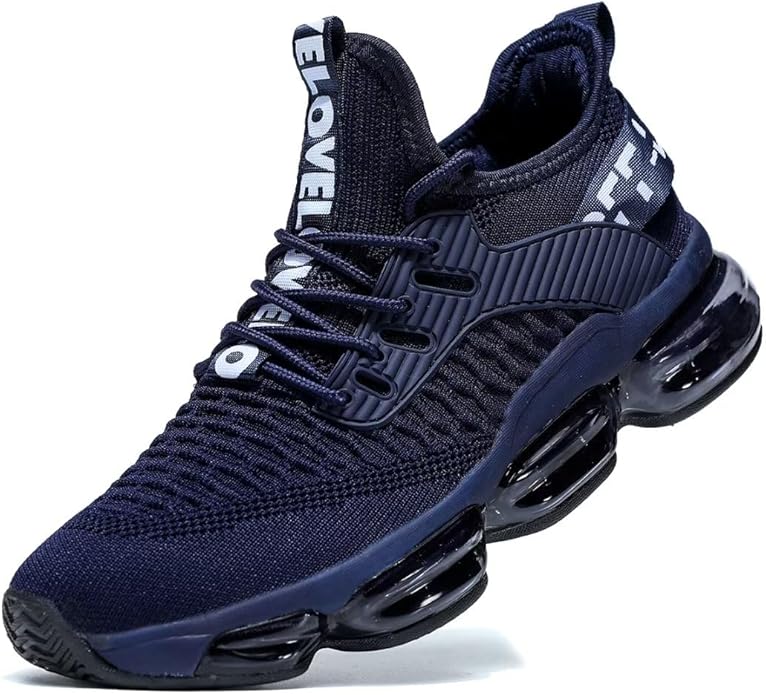
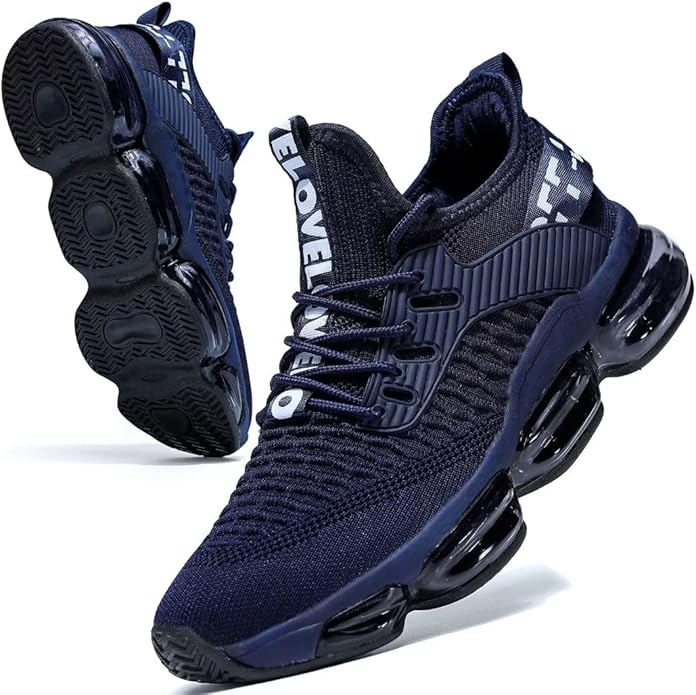
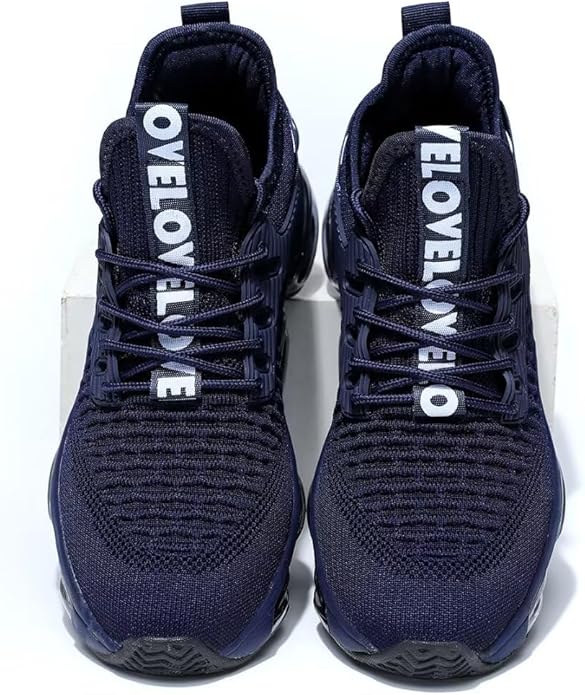
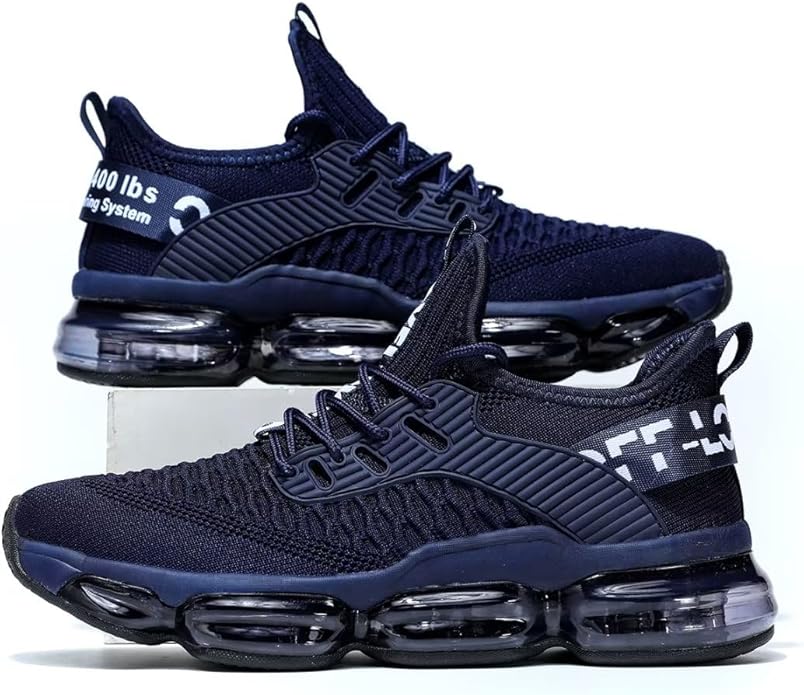
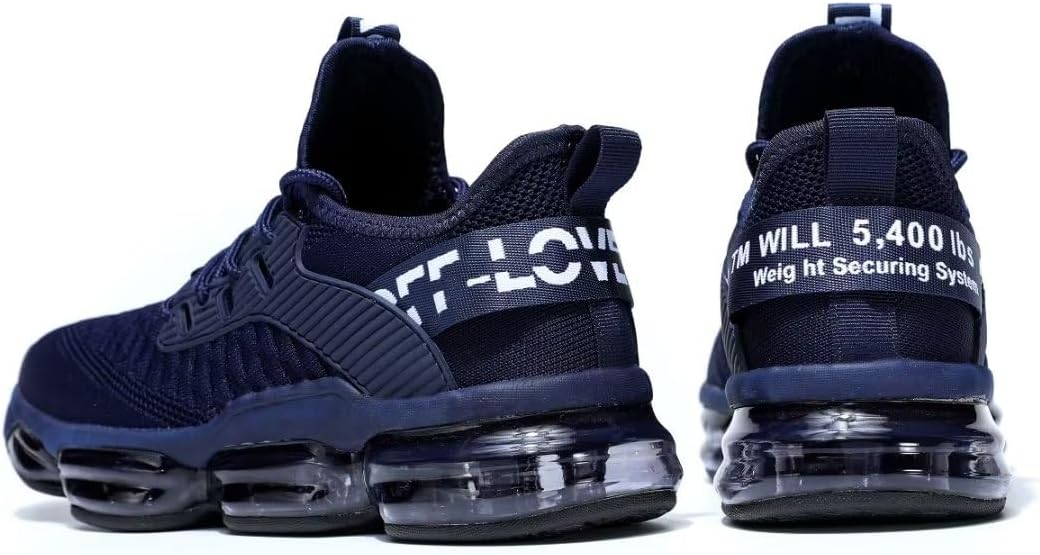
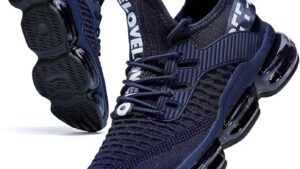
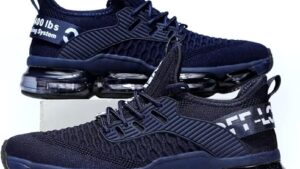
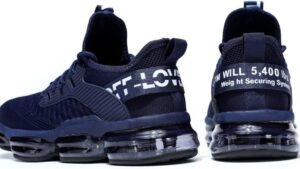
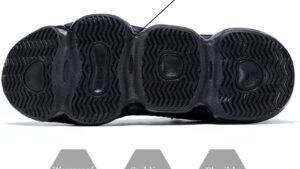
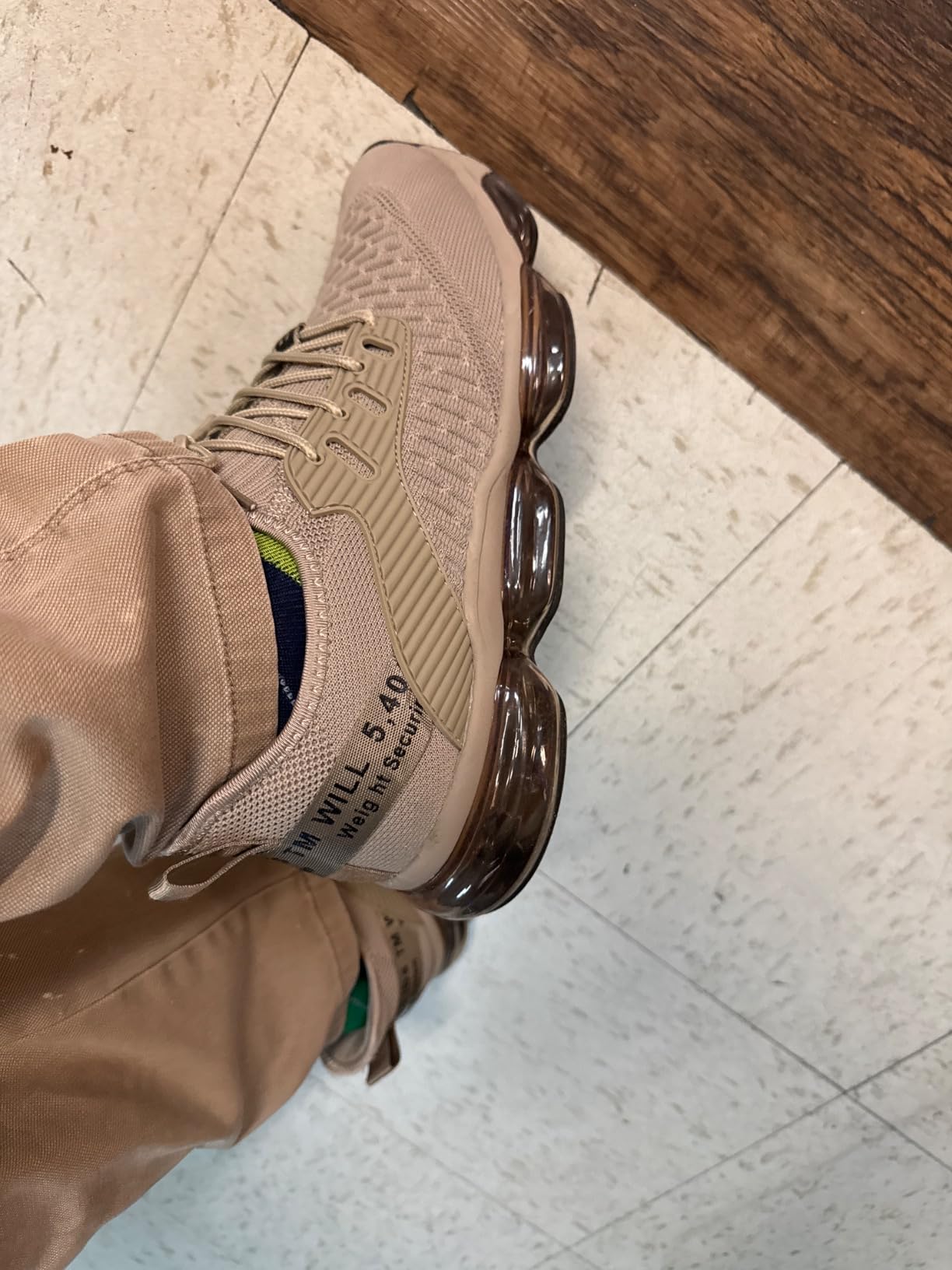
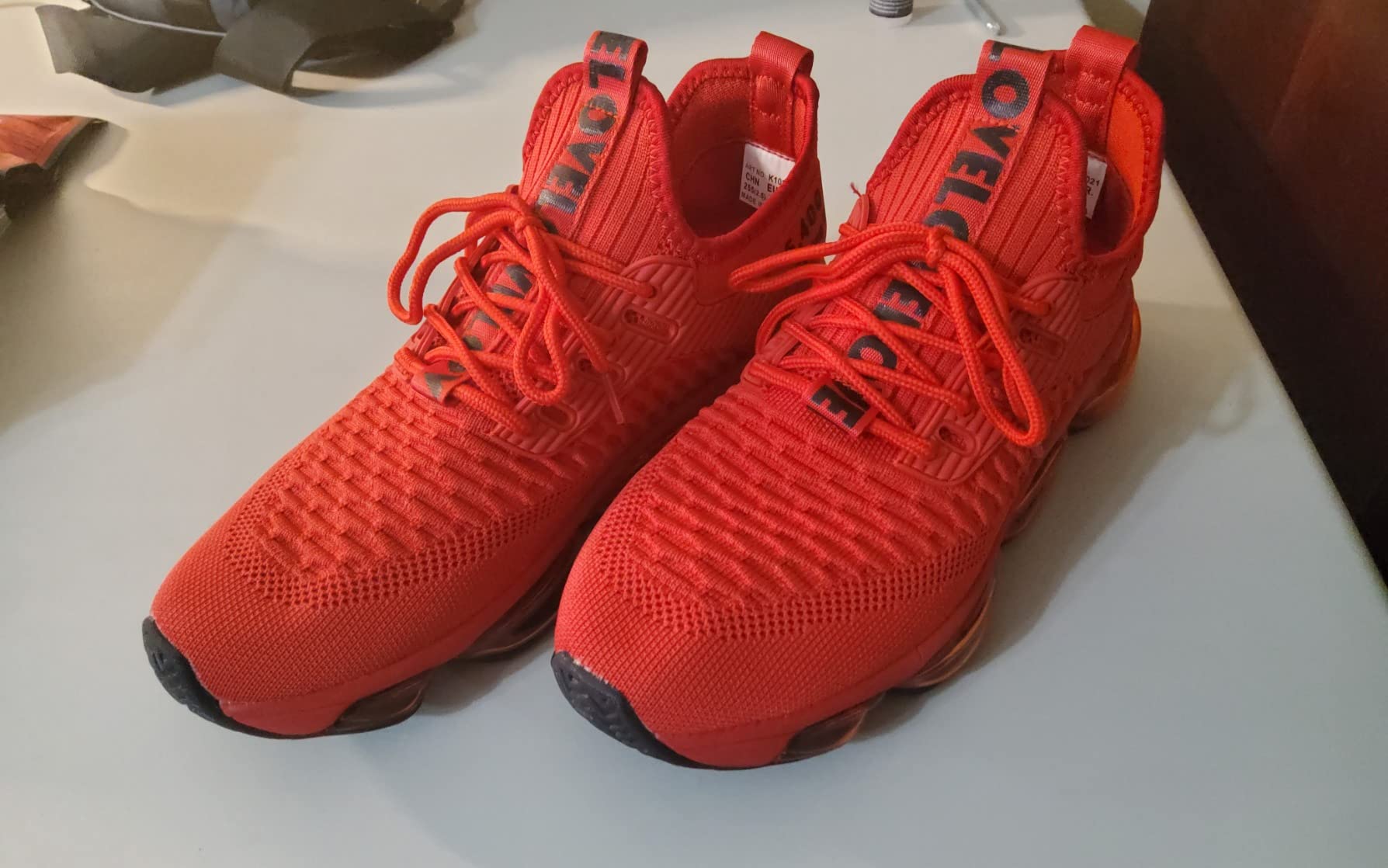
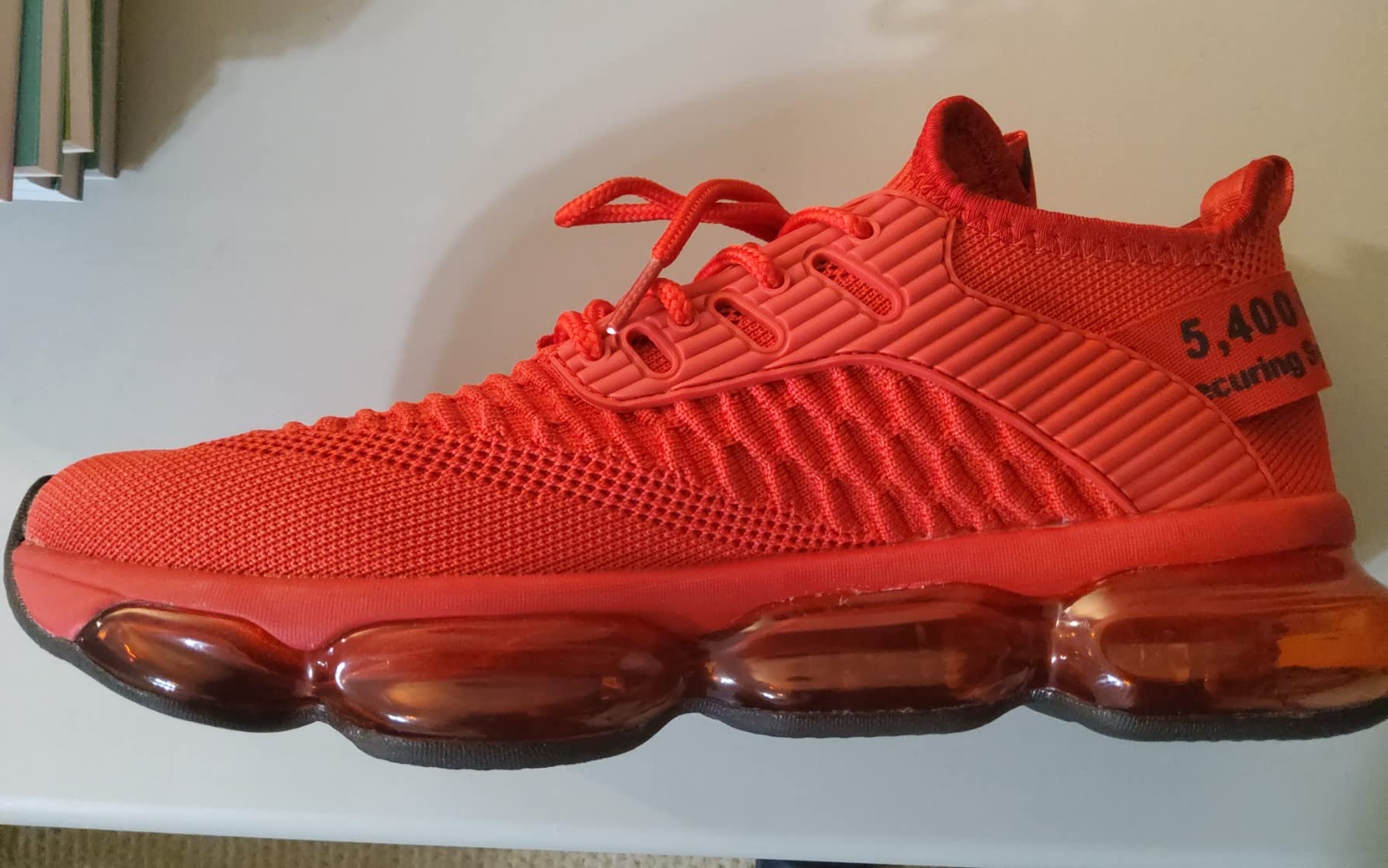
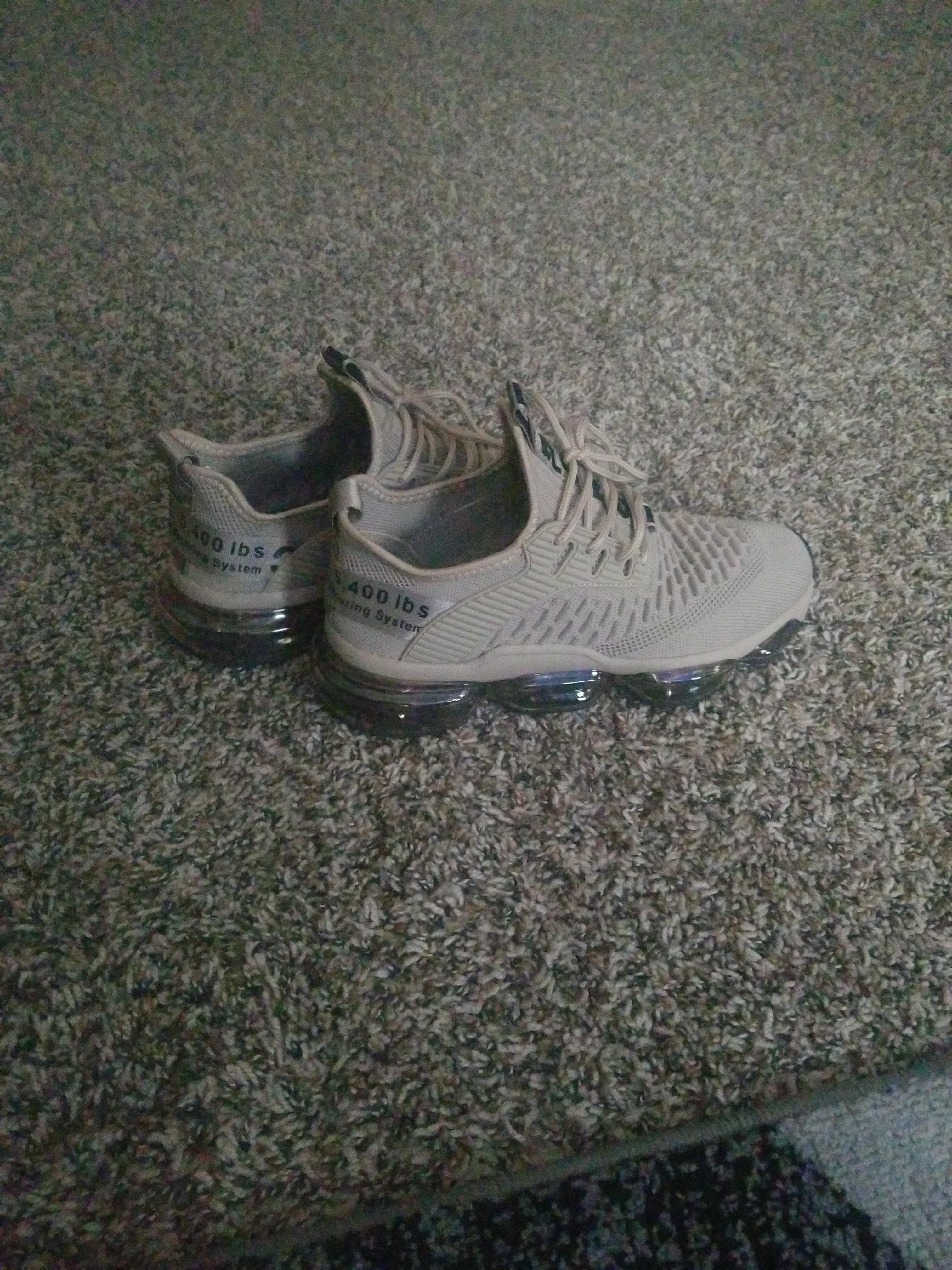
At $40-60 depending on colorway, these shoes land in that tricky budget category where quality can swing wildly. The specs look promising on paper: 11.2 oz in my size 9 (genuinely lightweight), mesh upper with elastic design, air cushion midsole, and a rubber outsole with what they call “enhanced traction.” The brand positions these for running, walking, gym work—basically anything that doesn’t involve serious training.
Core Specs:
- Price: $40-60 (tested at $52)
- Weight: 11.2 oz (measured, men’s size 9)
- Midsole: Segmented air cushion pods
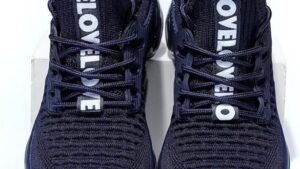
- Upper: Breathable mesh fabric with elastic design
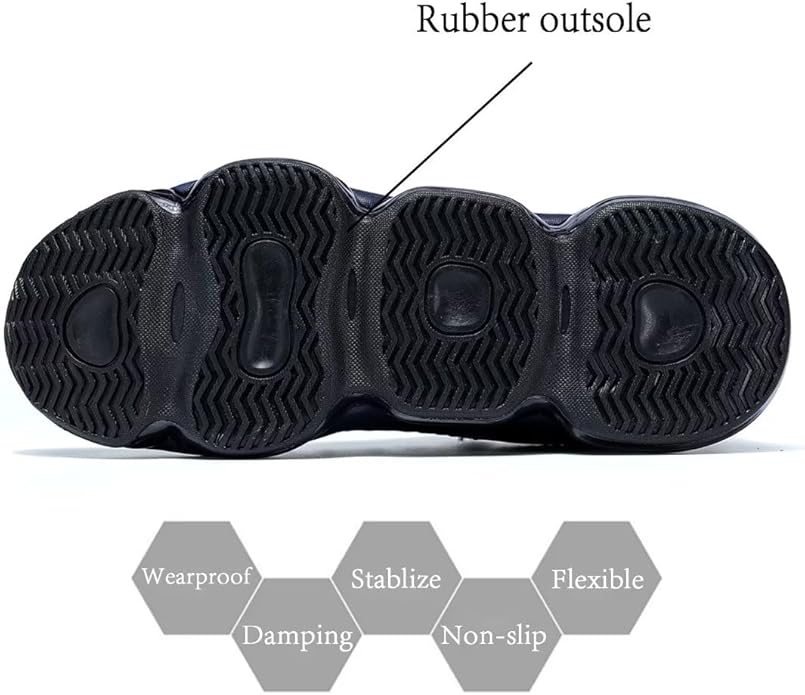
- Outsole: Rubber with traction pattern
- Sizing: Men’s 6.5-13 (standard width only)
- Testing period: 8 weeks, 47 sessions, ~85 miles running + gym hours
Right out of the box, I immediately thought of the Nike VaporMax design language—those segmented air pods running the full length of the sole create a similar aesthetic. At 175 lbs, I appreciated that the mesh upper felt surprisingly well-constructed for a budget shoe. The elastic design wraps your foot in a sock-like fit that’s secure without feeling restrictive. After my first 3-mile test run at an easy 8:00 pace, the air cushioning impressed me with its responsiveness. Not premium-level refinement, but genuinely bouncy in a way most budget shoes miss entirely.
Build Quality & The Honeymoon Phase (Weeks 0-3)
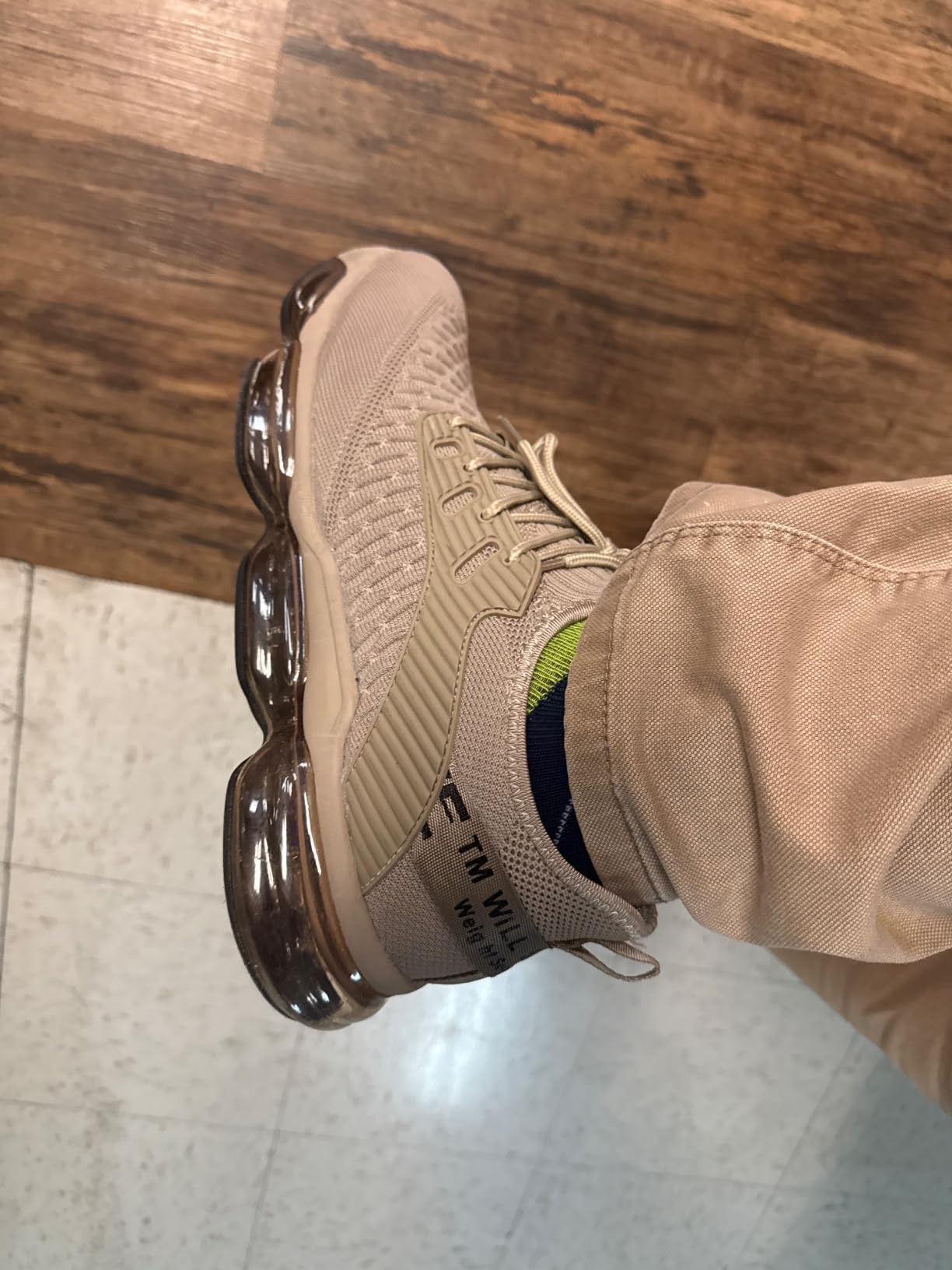
For the first three weeks, these shoes delivered on their promise. The mesh upper held up through sweaty gym sessions, the lockdown stayed secure through quick direction changes, and the air cushioning provided that satisfying “pop” with each step. Thread quality and seam placement looked solid—no loose stitches or obvious weak points.
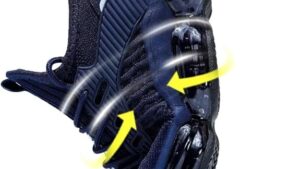
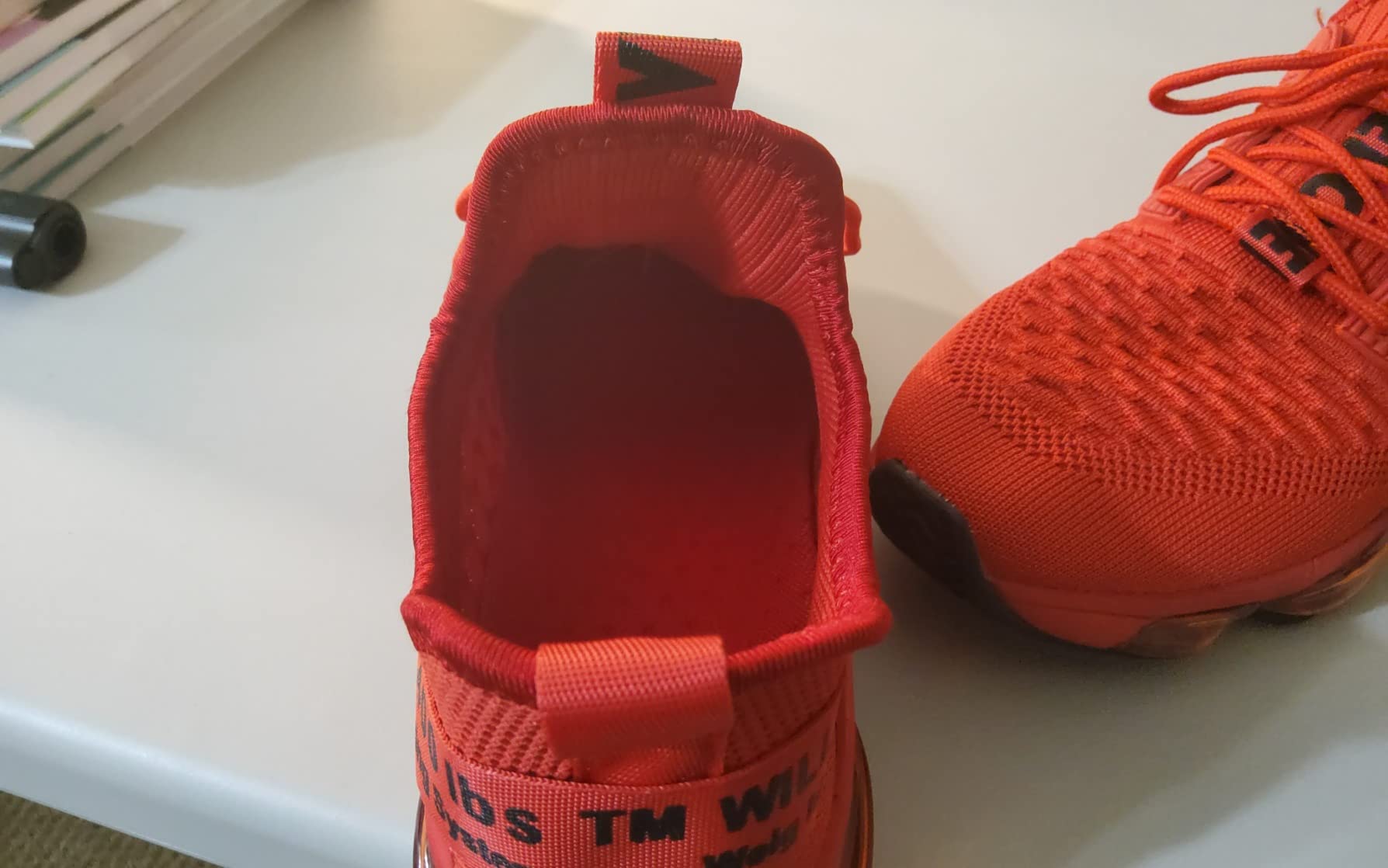
The lacing system works adequately, though I found myself retightening during longer runs. Not a dealbreaker, just not as secure as the lace locks you’d get on premium trainers. That elastic mesh does provide decent lockdown on its own, wrapping around the midfoot like a second skin. During those early weeks, the 11.2 oz weight made them feel almost like running barefoot—minimal weight fatigue even on longer sessions.
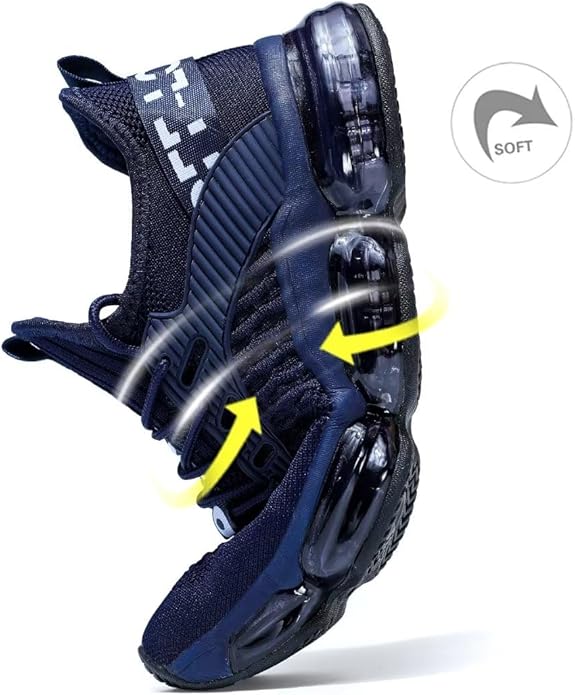
The air cushion felt genuinely responsive. Unlike some budget shoes that feel dead underfoot, these returned energy with each step. The segmented design creates a rolling motion that’s quite pleasant for easy runs and gym work. At my weight (175 lbs), the cushioning held up well through the honeymoon phase.
The Week 4 Inflection Point: When Reality Sets In
Here’s where honest testing reveals what marketing doesn’t tell you. After about four weeks of regular use—logging roughly 40 miles of running plus multiple gym sessions—I started noticing the cushioning wasn’t quite as snappy. Not a sudden failure; more like a gradual decline where each run felt slightly less responsive than the last.
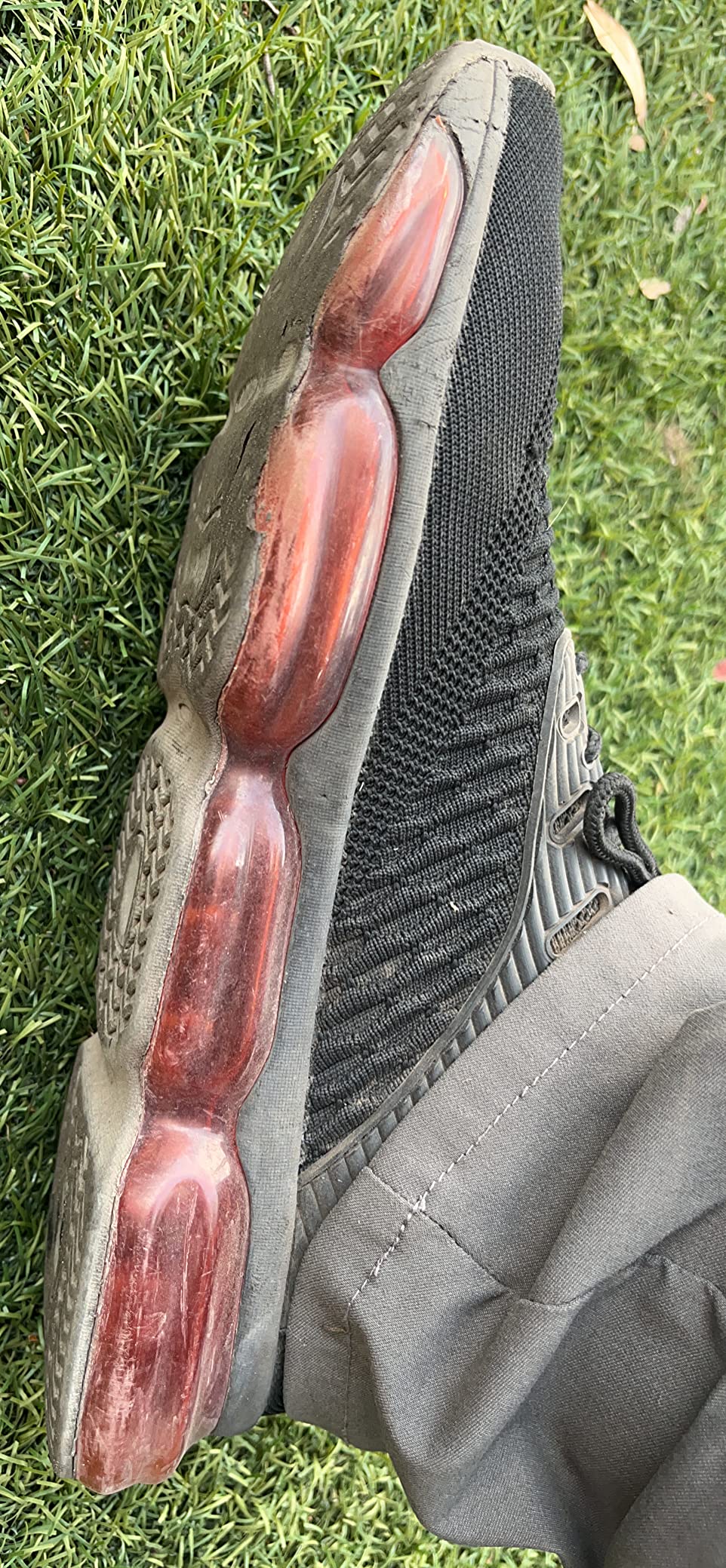
The air pods themselves didn’t visibly flatten or deflate. Instead, the whole midsole seemed to lose that initial bounce. By week six, tempo runs at 7:15 pace felt noticeably different from those first enthusiastic weeks. The fabric upper stretched more than I’d like under stress, and the cushioning felt less responsive at higher intensities. For my morning jogs and cross-training, they remained comfortable enough—just different.
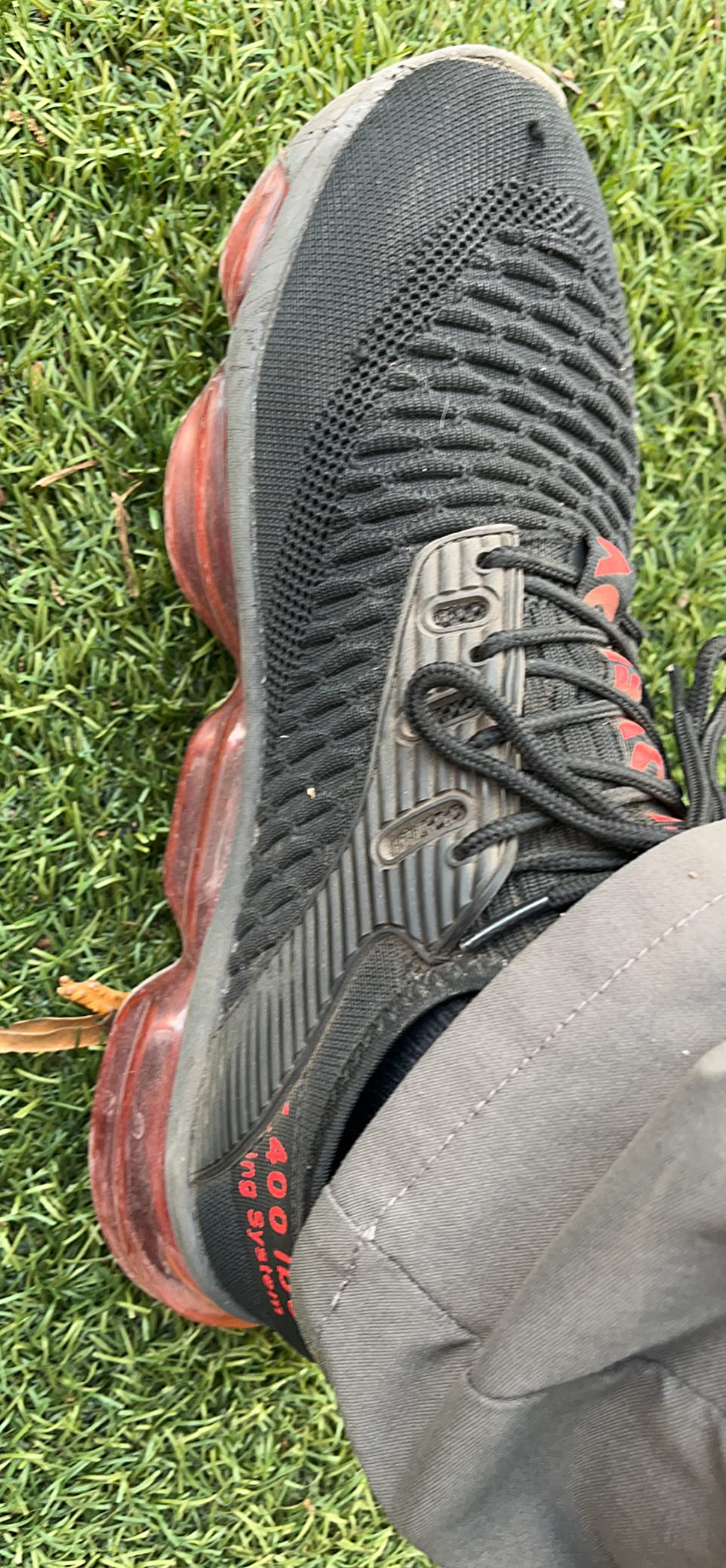
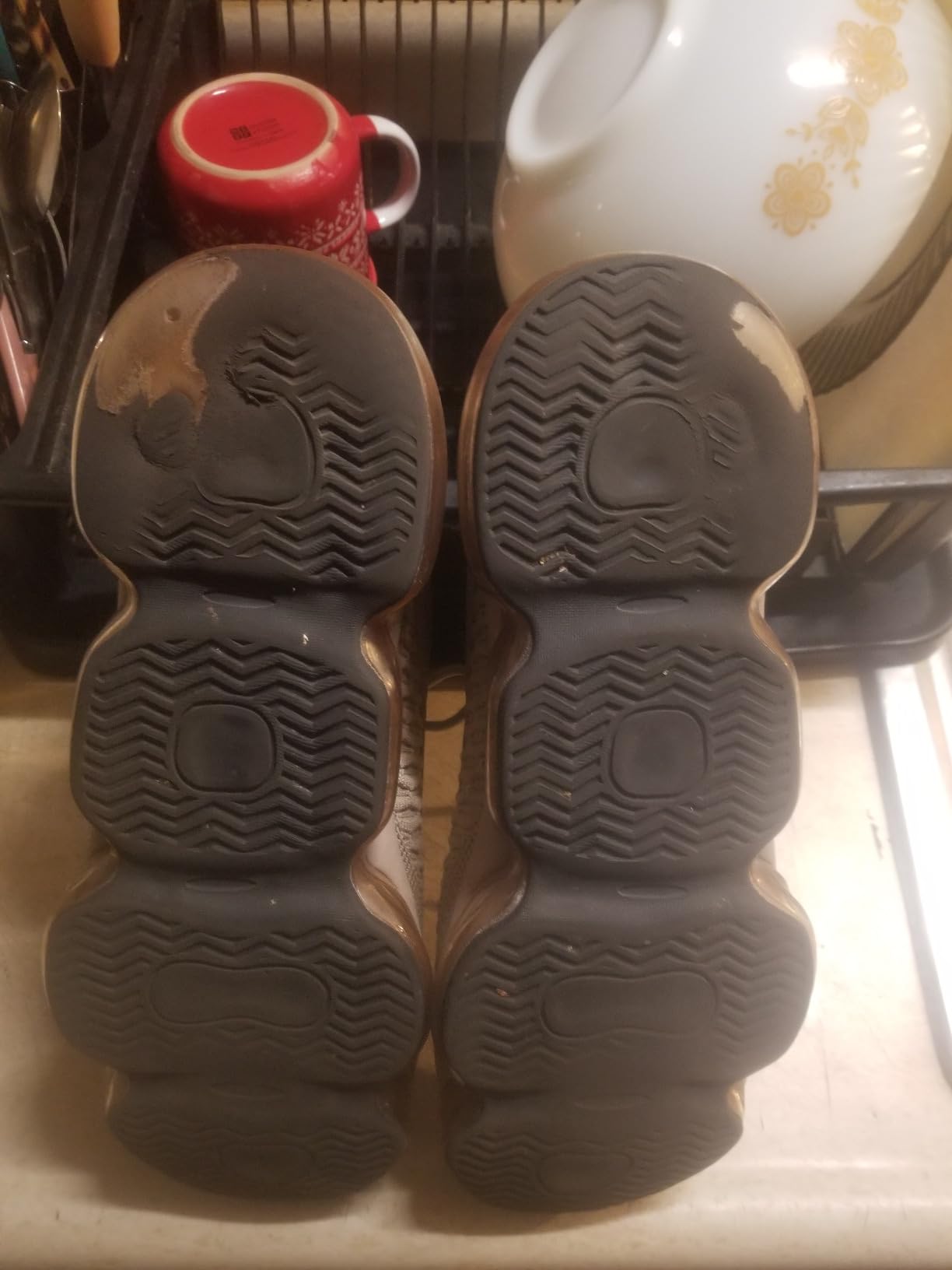
This matches what I found digging through Amazon reviews: multiple users mentioned sole separation after 2-3 months of heavy use. I didn’t experience separation during my eight-week test, but I could see stress marks forming at the toe box flex point. Construction is good for the price, but this shoe isn’t built for punishment. The hard insole also becomes more noticeable over time, especially compared to the plush footbeds in Brooks or ASICS shoes I’ve owned.
Performance Across Different Activities
Road Running: Where They Shine (With Limits)
For easy-pace runs between 8:00-8:30 per mile, these excel on pavement. The air cushioning absorbs impact well, and the traction pattern grips asphalt confidently. I tested them on various surfaces—smooth bike paths, rougher city streets, even some light gravel—and felt secure throughout.
But push the pace to tempo territory (around 7:15 for me), and you’ll feel the limitations. The fabric upper stretched under stress, reducing lockdown. The cushioning felt less responsive, and my legs worked harder to maintain speed. These are recreational runners, not serious training shoes. For the casual runner logging 2-3 runs per week under 5 miles each, they’ll handle the job. For marathon training or speed work, invest more.
Weather resistance: Absolutely not. One rainy morning run taught me that lesson quickly. The mesh fabric soaks up water and takes forever to dry, making these strictly fair-weather shoes. Even morning dew can penetrate enough to dampen your socks.
Gym & Cross-Training: The Sweet Spot
This is probably where these shoes perform best. For cardio machines, circuit training, and general gym work, they’re comfortable and breathable. That lightweight 11.2 oz design means minimal fatigue during longer sessions. During intense workouts, my feet stayed comfortable even when sweat soaked my shirt.
For weightlifting, the flat platform provides decent stability for squats and deadlifts, though serious lifters will want something more substantial. The air cushioning adds some instability compared to dedicated lifting shoes, but for general gym-goers mixing cardio and weights, they work fine. Traction on gym floors proved solid—no slipping during quick direction changes or lateral movements.
Daily Wear & Standing: Surprising Comfort
For all-day casual wear and extended standing, these deliver well above their price point. The air cushioning provides genuine support for sustained periods—I wore these for a 12-hour shift and my feet felt better than expected at the end. One Amazon reviewer mentioned they’re “perfect for standing all day at work,” which aligns with my experience.
The breathability is a genuine strength. In warm weather, excellent airflow keeps your feet from turning into swamps. But again, that mesh upper offers zero weather protection. These are indoor-friendly, dry-climate shoes. The modern design also gets positive attention—I received more compliments on these $45 shoes than on some $120 pairs I’ve owned.
Fact-Checking the Brand Claims
Let’s verify what Kapsen actually promises:
“Latest mesh technology with elastic design” → Partially true. The mesh does stretch and wraps the foot reasonably well, but it’s basic mesh construction, not cutting-edge tech.
“Lightweight, breathable, and durable” → Two out of three. They’re definitely lightweight (11.2 oz confirmed) and breathable (8.5/10 in my testing). But durability? That’s the weak link. Expect 4-6 months with casual use, maybe 2-3 months if you’re logging serious miles.
“Full-length air unit gives smooth, snappy feel” → This is where they exceed expectations. The air cushioning genuinely provides a snappy, responsive feel that rivals much more expensive shoes—at least initially. That week 4 degradation is the catch they won’t mention in marketing copy.
“Increased rubber at outsole for better traction” → Accurate. The rubber compound and pattern provide good grip on appropriate surfaces: pavement, gym floors, indoor courts. Just not wet surfaces or aggressive trail terrain.
The reality is these shoes deliver on comfort and basic performance but fall short on long-term durability claims. If the brand promised “70% of premium performance at 40% of the price,” that would be honest marketing.
The Honest Pros & Cons Breakdown
| Strengths | Weaknesses |
|---|---|
| Genuine air cushion comfort (weeks 1-3) | Cushioning degrades noticeably after week 4 |
| Excellent breathability in hot weather | Zero weather resistance—soaks in rain |
| Lightweight design (11.2 oz validated) | Hard insole compared to premium alternatives |
| True-to-size for standard width feet | Upper can feel tight for wide feet—no wide option |
| Solid traction on pavement and gym floors | Not suitable for serious training or racing |
| Modern design gets compliments | Sole separation risk after 2-3 months heavy use |
| Solid value at $40-60 price point | Limited lifespan means frequent replacement |
Who Should (& Absolutely Shouldn’t) Buy These
Perfect for:
- Recreational runners logging 2-3 runs per week, staying under 5 miles per session
- Gym enthusiasts who want versatile cross-training shoes for cardio and light weights
- Budget buyers who understand trade-offs and don’t expect 2+ years of daily use
- Workers on their feet in climate-controlled environments needing all-day comfort
- Anyone curious about air cushion tech without spending $120+ on premium models
Look elsewhere if you:
- Log serious running miles (20+ per week or marathon training)
- Need year-round weather resistance for rainy climates or all-season training
- Prioritize maximum durability over initial comfort and want shoes lasting 2+ years
- Have wide feet and need proper width accommodation (no wide variants available)
- Want serious training shoes that can handle tempo runs, speed work, or races
For serious runners, invest in proven models like the New Balance Fresh Foam X 880 or ASICS Gel-Kayano. For all-weather reliability, check out Brooks Glycerin. And if you have wide feet, New Balance and ASICS both offer genuine wide options.
The Value Equation: Cost-Per-Month Math
At $40-60, these represent decent value if you match expectations to realistic lifespan:
Lifespan estimates from testing + community data:
- Casual use (2-3 runs/week + gym): 4-6 months
- Regular use (daily gym, occasional runs): 2-3 months
- Heavy daily use (serious training): Not recommended
Cost-per-month breakdown:
- Casual scenario: $45 ÷ 5 months = $9/month
- Regular scenario: $50 ÷ 2.5 months = $20/month
Compare that to a $140 pair of Nike runners lasting 12 months = $11.67/month. The math gets interesting when you consider rotation strategies. Two pairs of these Kapsen shoes ($90-100 total) rotated properly could last 8-10 months combined, matching premium single-pair economics.
The key insight: you’re getting about 70% of premium performance at 40% of premium price, but only if you’re honest about use-case limitations. For recreational athletes, that’s a fair trade. For daily warriors logging serious miles, the frequent replacement headache isn’t worth the savings.
Final Verdict & Honest Scoring
After eight weeks of comprehensive testing, these shoes occupy an interesting middle ground. They’re not the premium performance runners some glowing reviews suggest, but they’re also far better than the cheap garbage I expected at this price point.
| Category | Score | Notes |
|---|---|---|
| Initial Comfort | 8.2/10 | Genuinely impressive air cushioning, lightweight feel |
| Long-term Comfort | 6.8/10 | Degradation noticeable after week 4 |
| Durability | 5.5/10 | Adequate for casual use, concerning for heavy athletes |
| Breathability | 8.5/10 | Excellent mesh ventilation in hot weather |
| Traction | 7.3/10 | Good on pavement and gym floors; poor wet/trail |
| Style | 7.8/10 | Modern design gets positive attention |
| Value for Money | 7.6/10 | Solid performance per dollar for recreational use |
| Versatility | 6.9/10 | Good for gym and casual running; limited beyond that |
| Overall Rating | 7.1/10 | Good value for recreational athletes understanding limitations |
These shoes earned their 7.1/10 by delivering genuine air cushion comfort at a budget price point. They won’t replace premium runners for serious athletes, but they offer solid value for recreational use. If you’re a casual runner, gym-goer, or just want comfortable daily sneakers with modern styling, these are worth considering. Just go in with realistic expectations about weather resistance and long-term durability.
Frequently Asked Questions
Do these shoes run true to size?
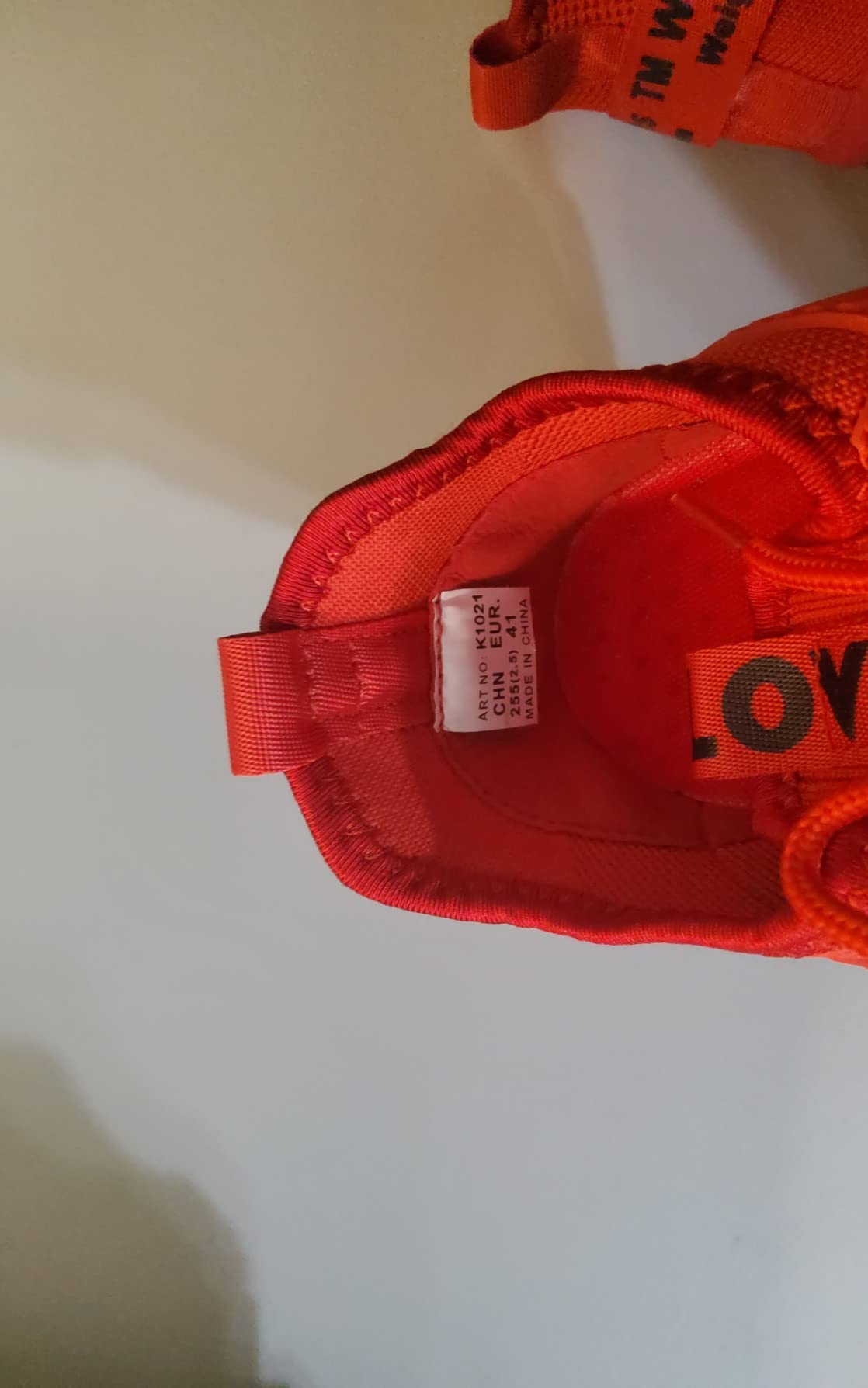
Based on my testing and digging through Amazon reviews, they generally run true to size for standard-width feet. I ordered my usual size 9 and the length fit perfectly. However, if you have wide feet, you might want to size up half a size as the mesh upper can feel snug across the top of the foot initially. There’s no wide-width option available, unfortunately.
How long do these shoes typically last?
For casual use—2-3 runs per week, gym sessions, daily walking—expect 4-6 months of solid performance. Regular users logging daily gym time might see 2-3 months before significant degradation. Heavy users report durability issues earlier, particularly sole separation at the toe flex point. The week 4 cushioning decline I documented is real but doesn’t make them unusable; they just feel different from that initial bouncy feel.
Are these good for people who stand all day?
Absolutely. The air cushioning provides excellent support for extended standing—I wore these for a 12-hour shift and felt better at the end than with other shoes I’ve tried at this price point. Multiple Amazon reviewers specifically praise them for work environments where you’re on your feet all day. Just make sure you’re in a climate-controlled space since the mesh offers zero weather protection.
Can I machine wash these shoes?
Yes, but be careful. The mesh upper can handle gentle machine washing (cold water, gentle cycle), but avoid excessive heat as it may damage the air cushioning system. Air dry only—never put them in the dryer. The mesh will dry relatively quickly thanks to that excellent breathability, usually within 24 hours in a well-ventilated area.
Do they work for weightlifting?
They’re adequate for general gym work and casual lifting, but the air cushioning makes them less than ideal for serious weightlifting. The platform isn’t as stable as dedicated lifting shoes or even flat-soled sneakers. For squats and deadlifts in a general fitness routine, they’ll work fine. For powerlifting or heavy compound movements, invest in something more substantial.
Are these suitable for wide feet?
Questionable. Several reviewers with wide feet mentioned the upper feels snug even after sizing up half a size. The elastic mesh does stretch somewhat over time, but there’s no dedicated wide-width option available. If you have wide feet and want budget runners with better width accommodation, check out New Balance models that come in proper wide (2E/4E) options.
How do they compare to Nike or Adidas budget lines?
You’re getting about 70% of the performance at 40% of the price. The initial air cushion feel rivals budget Nike models, but durability lags behind. An Adidas Response or Nike Downshifter will last longer (typically 8-12 months vs. 4-6 months), but you’ll pay $80-100 instead of $45. If you’re replacing shoes frequently anyway (growing kids, rotating multiple pairs), the Kapsen value proposition makes sense.
Can I use these for trail running?
Not recommended. The mesh upper offers zero protection from rocks or debris, and the traction pattern isn’t aggressive enough for loose dirt or wet roots. I tested them briefly on light gravel and felt vulnerable. Stick to roads, gym floors, and indoor courts with these. For actual trail running, invest in shoes with protective uppers and deeper lugs, like Merrell Moab or Salomon Speedcross models.
The Bottom Line
After eight weeks and 85 miles, these Kapsen air cushion shoes proved that budget footwear doesn’t have to be garbage. They deliver genuine comfort and performance for recreational athletes who understand the trade-offs. The week 4 cushioning decline is real, the weather resistance is nonexistent, and you’ll replace them more frequently than premium alternatives. But for casual runners, gym enthusiasts, and budget-conscious buyers willing to accept a 4-6 month lifespan, the $40-60 investment makes sense.
Just remember: these are recreational shoes, not serious training tools. They’re perfect for the guy running 3 miles a few times a week and hitting the gym regularly. If you’re training for a marathon or logging 20+ miles weekly, save yourself the hassle and invest in proven models that’ll last. But if you fit the recreational profile and want to try air cushion technology without the premium price tag, these are worth the experiment.
Rating: 7.1/10 — Solid value for the right buyer with realistic expectations.
Be the first to review “Kapsen Mens Running Shoes Air Cushion Tennis Walking Sneakers”
Related products
Basketball Shoes
Hiking/Trekking Shoes
Running Shoes
Training Shoes

Training Shoes
Reviews
There are no reviews yet.