
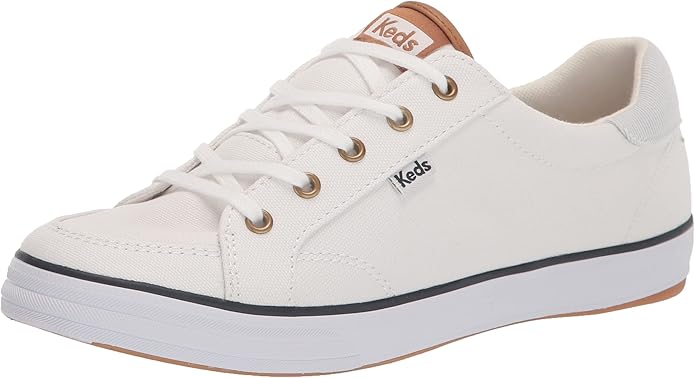
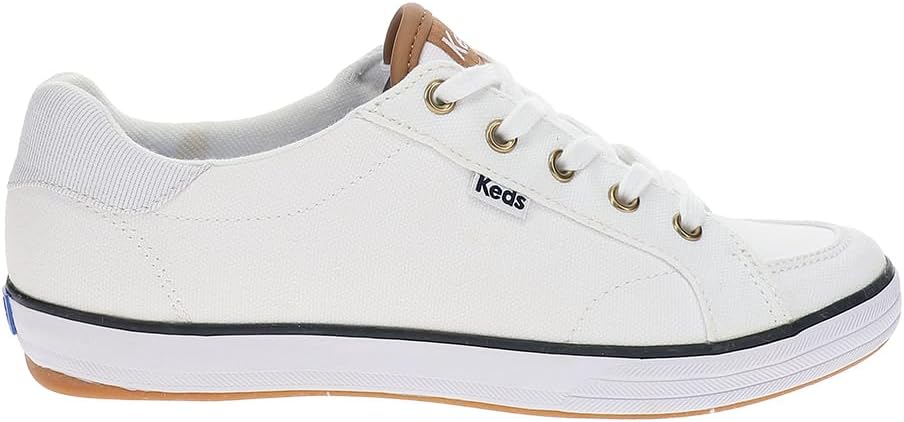
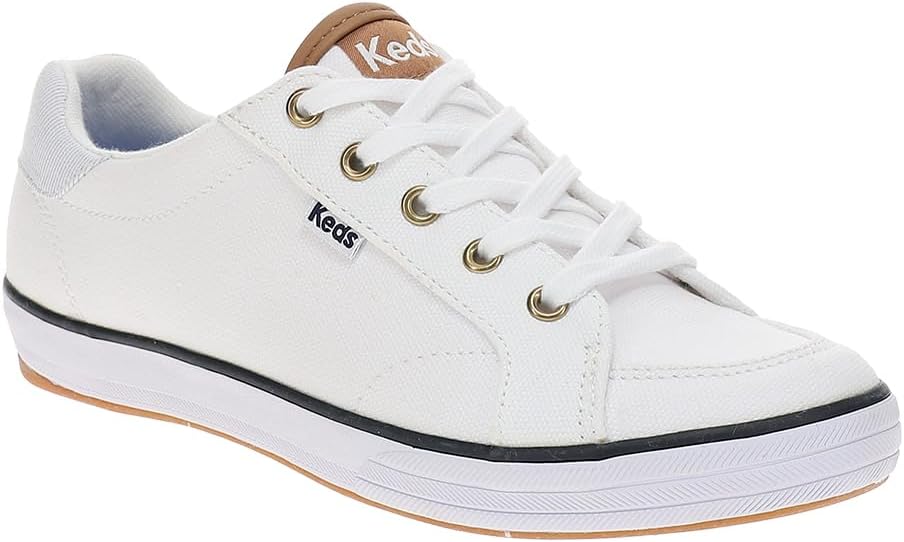
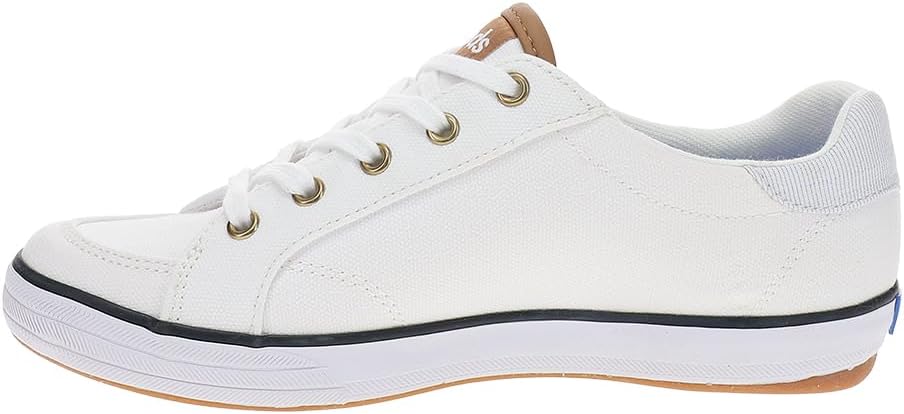
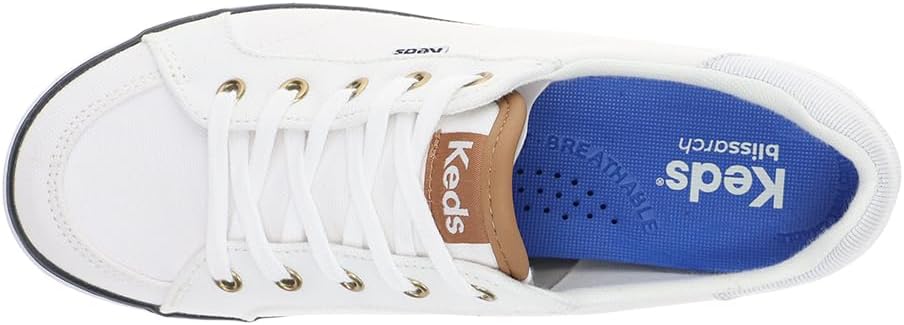

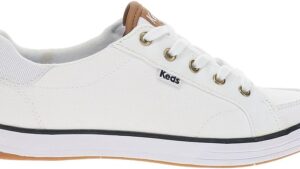
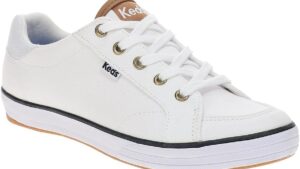
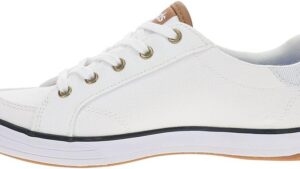
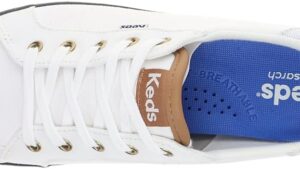
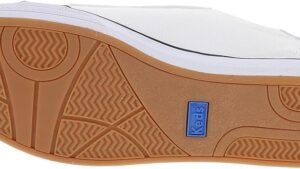
Packing for a four-day work trip last fall, I stood in front of my closet trying to solve the eternal travel puzzle: one pair of shoes that could survive a morning of back-to-back meetings, a lunch walk across cobblestones, an afternoon of city sightseeing, and a casual dinner. That’s a lot to ask from a $60 sneaker. I’m Sarah, and after six weeks and 40-plus wears, I can tell you exactly where the Keds Women’s Center III Canvas Lace Up Sneakers succeed — and where they quietly fall short.
Quick verdict: 7.3/10. Exceptional for style versatility and zero-hassle comfort up to about 7 hours. Limited structural arch support, a narrow toe box that doesn’t suit wider feet, and documented sole separation concerns at the 3–6 month mark keep this from being a near-perfect everyday sneaker. But for the right buyer, $60 rarely works harder.
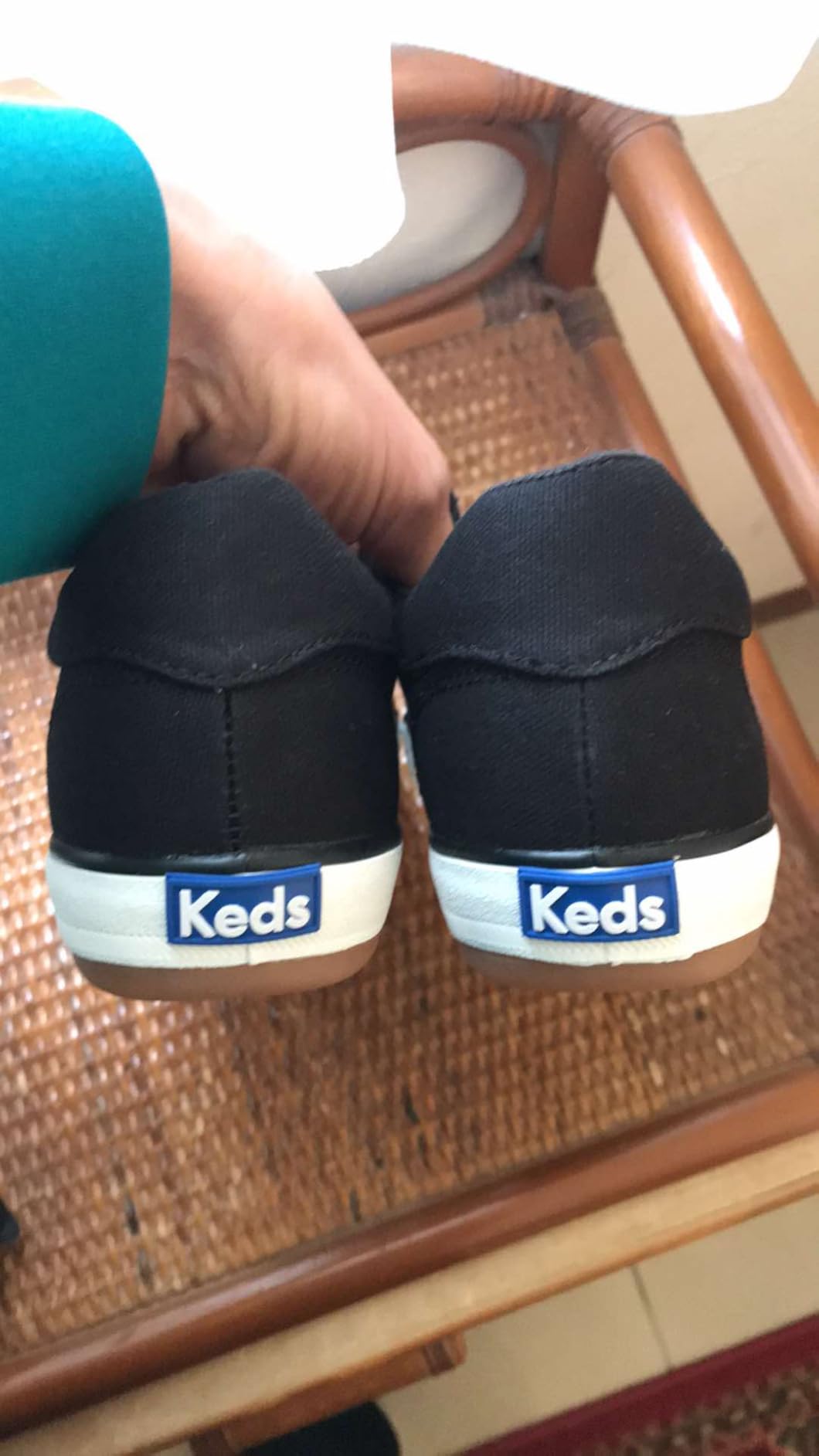
Six Weeks of Real Testing: What We Actually Evaluated
Specs on paper only tell you so much. Here’s what the Center III actually went through before I wrote a single word of this review.
| Category | Details |
|---|---|
| Price | $60 MSRP (common sale price: $34–$50) |
| Weight | 8.2 oz per shoe (women’s size 8) |
| Upper | Canvas chambray with mesh lining |
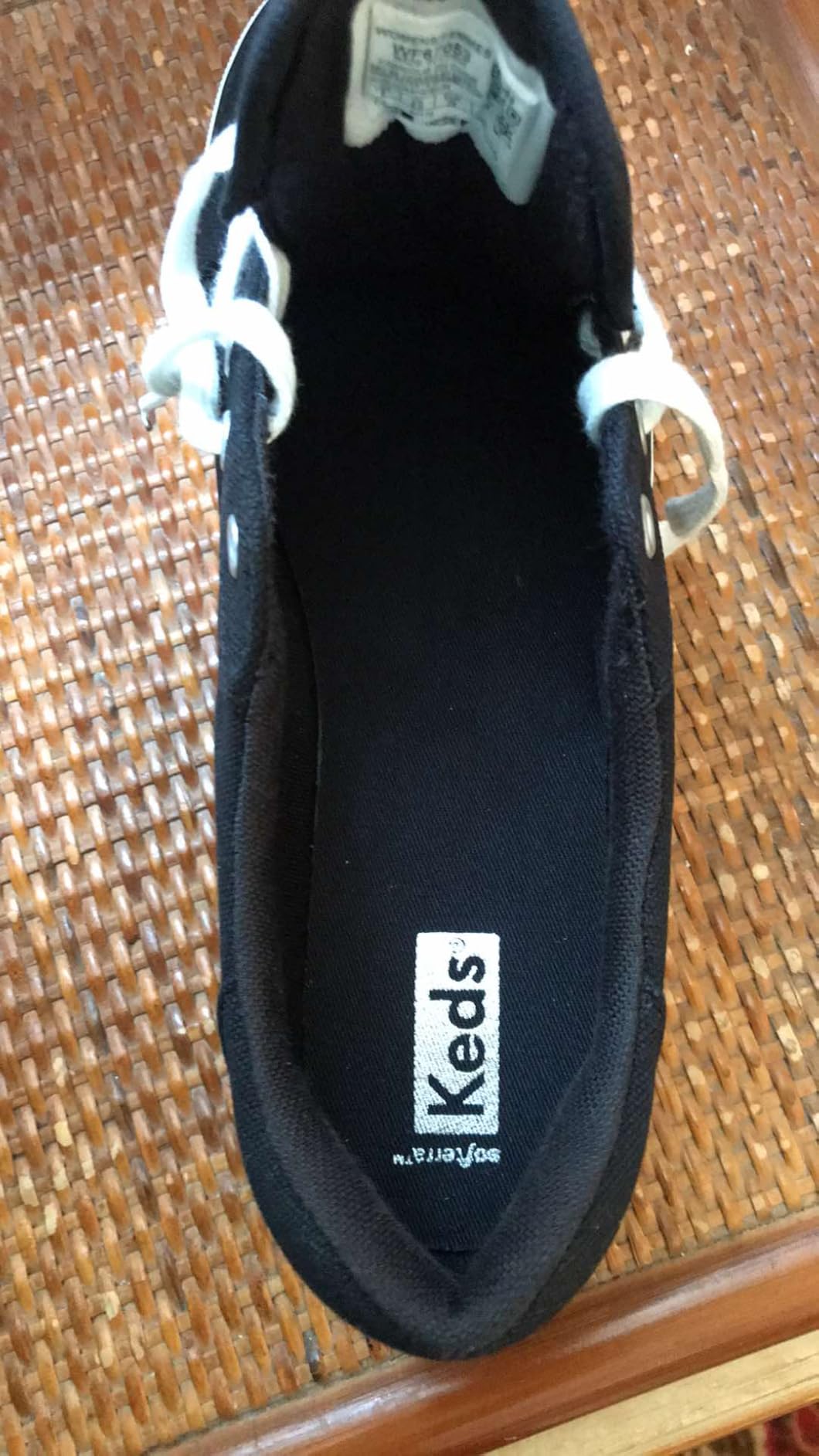
| Footbed | PU Foam Softerra™ + padded heel |
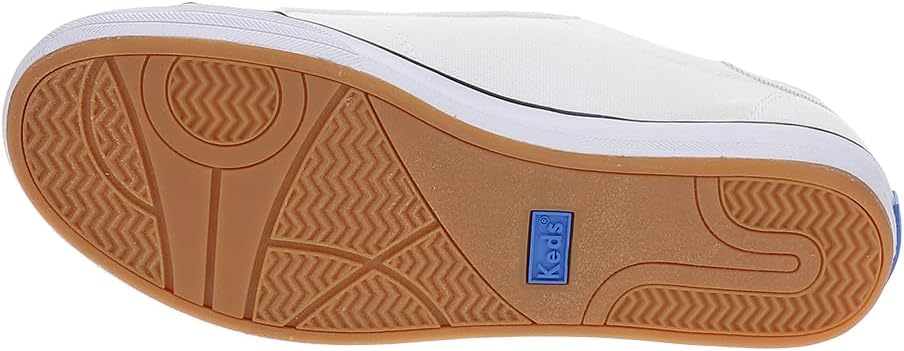
| Outsole | Rubber |
| Testing period | 6 weeks, 40+ sessions |
| Scenarios covered | Office days, 6-hr shopping runs, 8-hr conference, city trip, school pickups, zoo visit |
Out-of-the-Box: No Prep, No Pain
Most canvas sneakers need at least a few wears to stop feeling stiff. I’ve broken in enough pairs to know the warning signs — that first-day tightness at the toe box, the heel counter pressing against your Achilles. The Center III skipped all of that.
Pulled them on the morning of my first 12-hour day — grocery run, two back-to-back Zoom calls, school pickup, then a neighbor’s backyard get-together — and honestly forgot I was wearing new shoes for most of it. The mesh lining is genuinely soft against bare skin, and the Softerra™ foam footbed has just enough give to feel cushioned without feeling squishy.
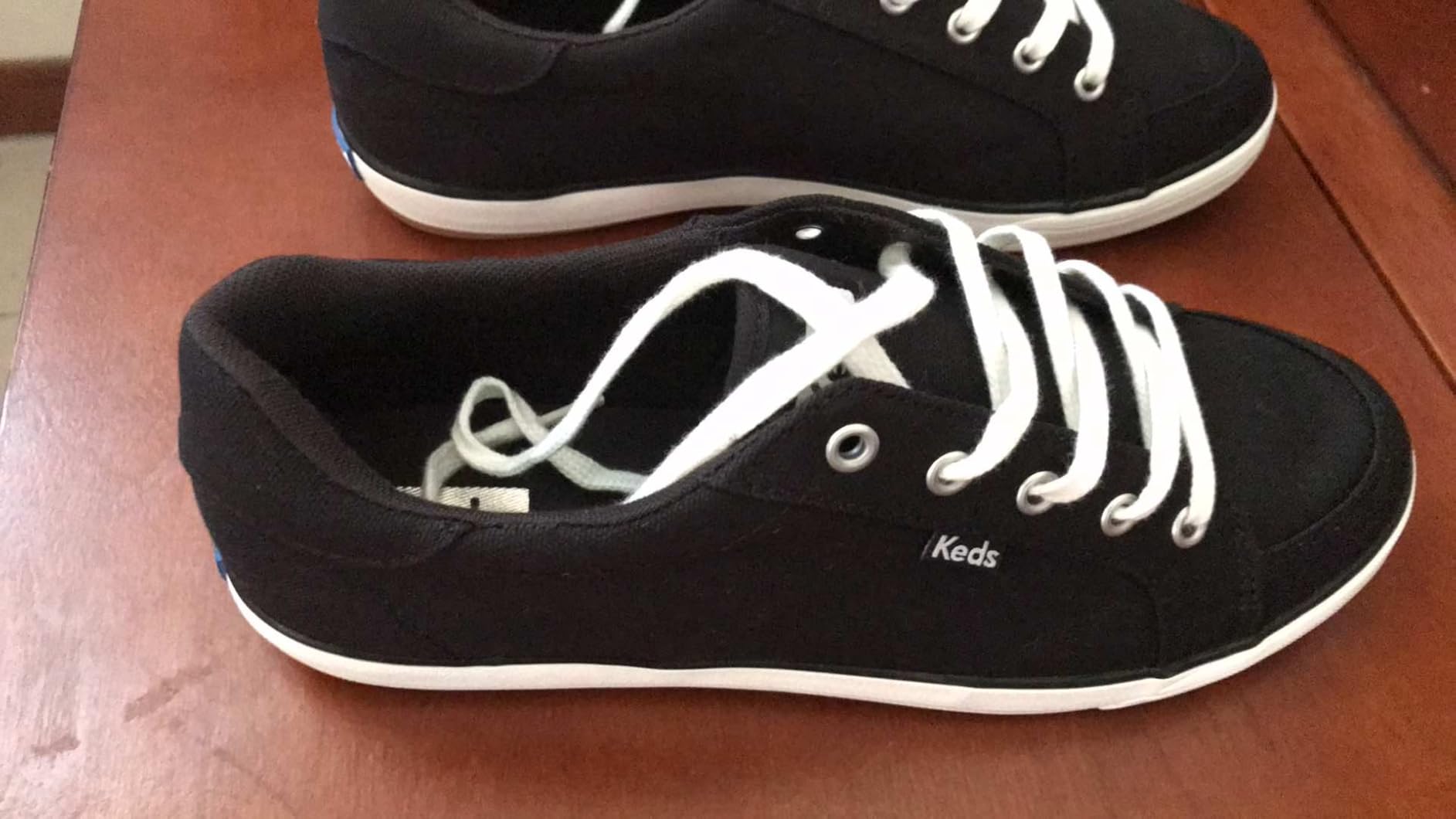
The extended lacing system — Center III has more eyelets running further down the foot than the classic Keds Champion — makes a quiet but real difference. It gives you actual control over fit tension along the instep, which matters for women who fall between a true narrow and medium width.
How They Actually Handle Your Week
Office Days: The First Six Hours Are Easy
On desk-heavy days where I’m mostly seated but walking between meetings and a lunch place two blocks away, the Center III holds up well through the entire workday. Zero complaints through hours one to six. The lightweight build means no foot fatigue from the shoes themselves — just whatever walking I do.
Hour seven and beyond is where context starts to matter. If you’re standing through a standing meeting or walking to a parking lot at day’s end, the flat Softerra™ footbed starts to feel like exactly what it is: cushioned, not supported. I noticed arch fatigue specifically, not heel or ball-of-foot pain. If you stand for entire workdays rather than sit-walk-sit, plan to add aftermarket orthotic insoles — that’s a $20–$30 add to account for when budgeting.
Shopping and Errand Runs: Solid, With Caveats
A six-hour Saturday shopping day was where the white canvas got its first real test. Indoor mall to outdoor parking structure to grocery store — the kind of mixed surfaces that are murder on light-colored shoes. By hour three, there were faint scuff marks on the toe cap from catching a display rack edge. By hour five, my arches were starting to send mild complaints.
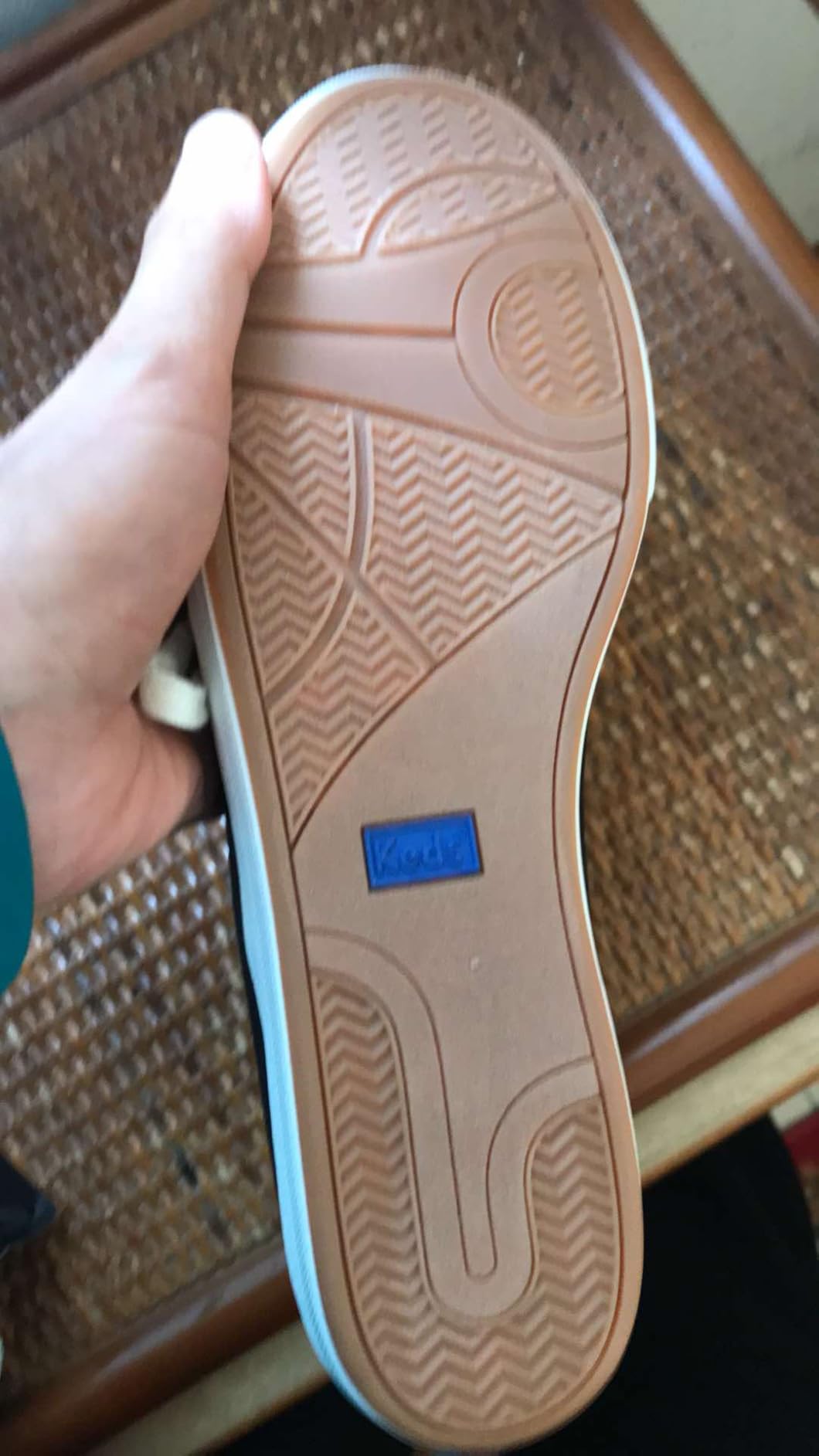
The rubber outsole handled wet pavement and smooth mall floors equally well — no slipping, no confidence issues. Traction is adequate for urban use, nothing more. I wouldn’t wear these in heavy rain; light drizzle leaves the canvas damp for 30-45 minutes before it dries out. Not a dealbreaker for most errands, but worth knowing.
Travel: Where These Actually Shine
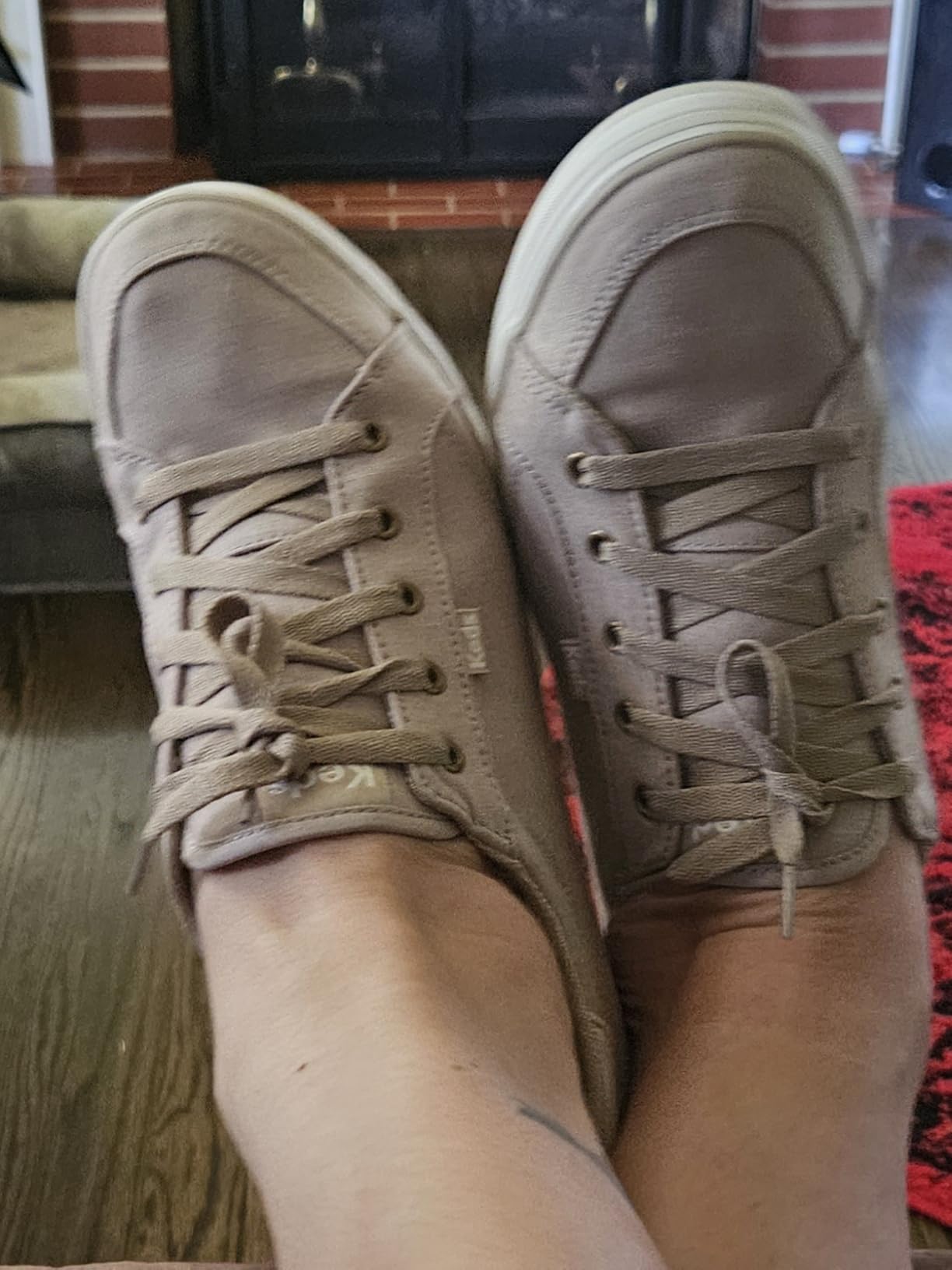
Back to that work trip. Eight hours of city walking — cobblestone streets, the kind of museum hall that’s basically a concrete slab, dinner on your feet for two hours. The 8.2 oz weight becomes genuinely noticeable over a full travel day. You don’t feel the shoes in your carry-on, and your legs don’t accumulate the low-grade drag that heavier shoes create.
Style transition from morning meetings to evening dinner required zero shoe swap. That’s the Center III’s real superpower: outfit-neutral in a way that very few shoes manage across that many context shifts.
Comfort held through hour seven on the walking-heavy day. Hour eight I noticed it. Not pain — just the awareness that my feet would prefer to be somewhere else. For a weekend trip, totally workable.
Comfort Deep Dive: Softness vs. Structure
The Footbed: Real Comfort, Limited Support
Let’s be precise about what “soft and supportive” actually means here, because the marketing combines two different things.
Soft: accurate. The Softerra™ PU foam with mesh lining genuinely creates a comfortable environment for your foot, especially in the first few hours of wear. The foam molds slightly over the first two to three weeks, which gives the shoe a subtle custom feel.
Supportive: overstated. The footbed is flat. Not dangerously flat, not unusably flat — but it provides cushioning against impact without addressing arch mechanics. Normal to low arches? You’ll be fine for 6–8 hours. High arches? Hour five is when the fatigue typically starts, based on my testing and feedback from users with similar profiles.
The good news: the insole is removable. You can swap in a custom footbed without modifying the shoe. If you already own orthotics, bring them to the store and test fit before buying.
Sizing: Mostly True, Narrow Toe Box Is Real
I ordered my usual size 8 and it fit correctly in length. But the toe box is on the narrow side — not painfully narrow for standard-width feet, but noticeable. Wide-footed customers have mixed experiences even with the wide width version; the seam along the upper creates pressure on the fourth and fifth toes for some buyers.
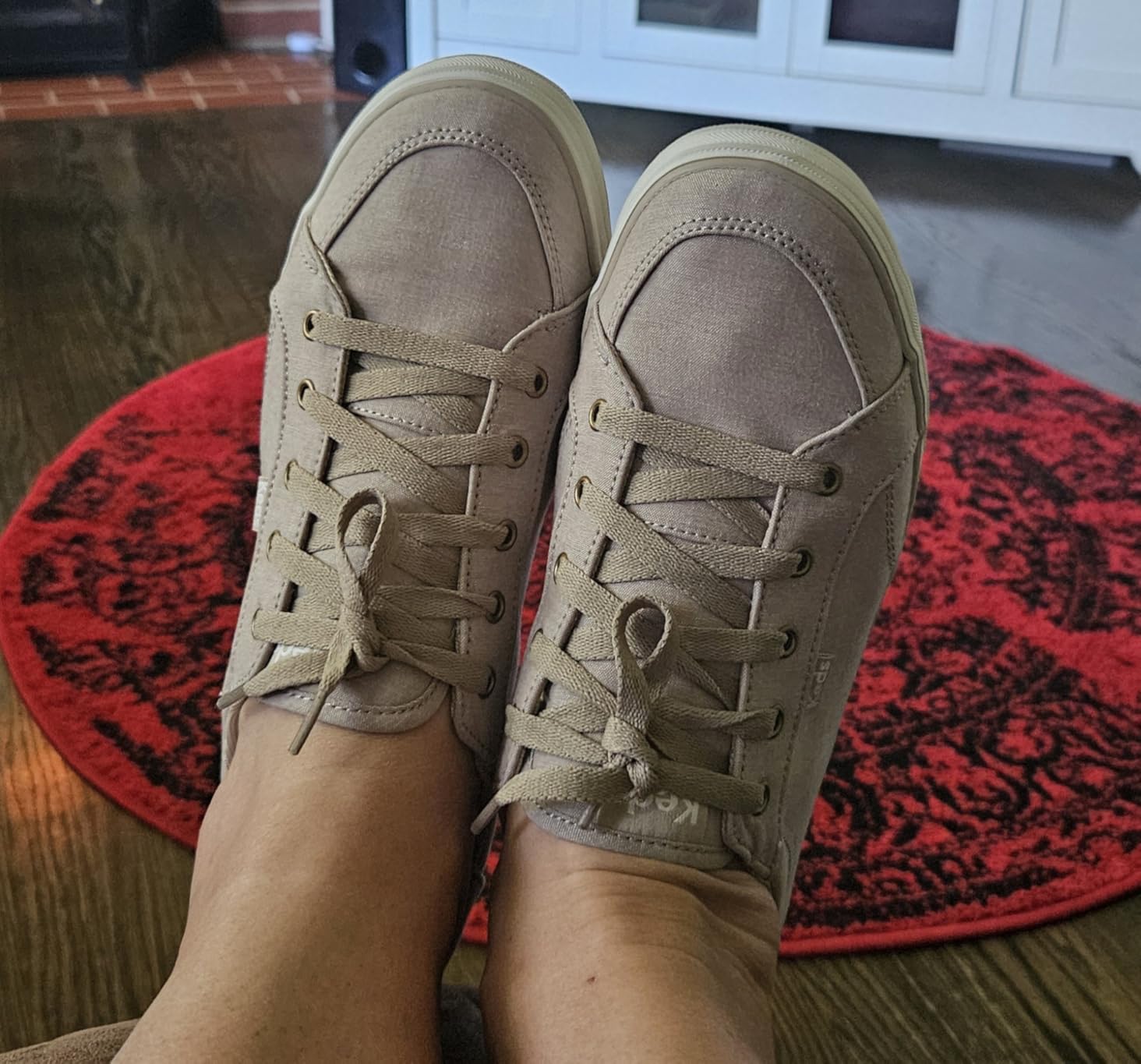
If you’re between sizes, go up 0.5. The canvas upper has minimal stretch, so there’s no “breaking in” the width the way leather stretches. What you try is what you get.
The Center III is roomier than the Center II (predecessor model), which is worth noting if you tried the II and found it fitted.
Canvas, Chambray, and the White Shoe Reality
Texture Doesn’t Hide Dirt
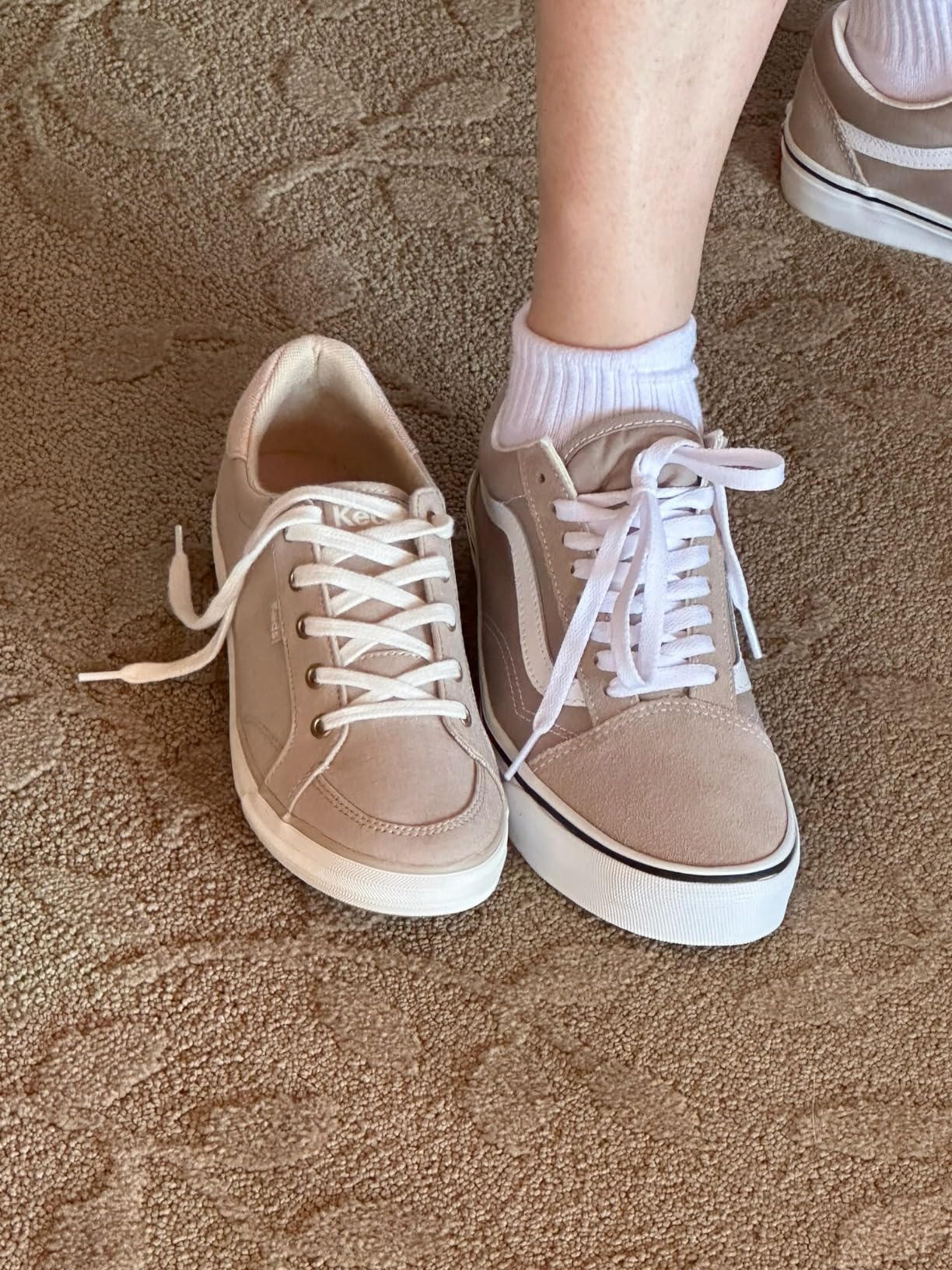
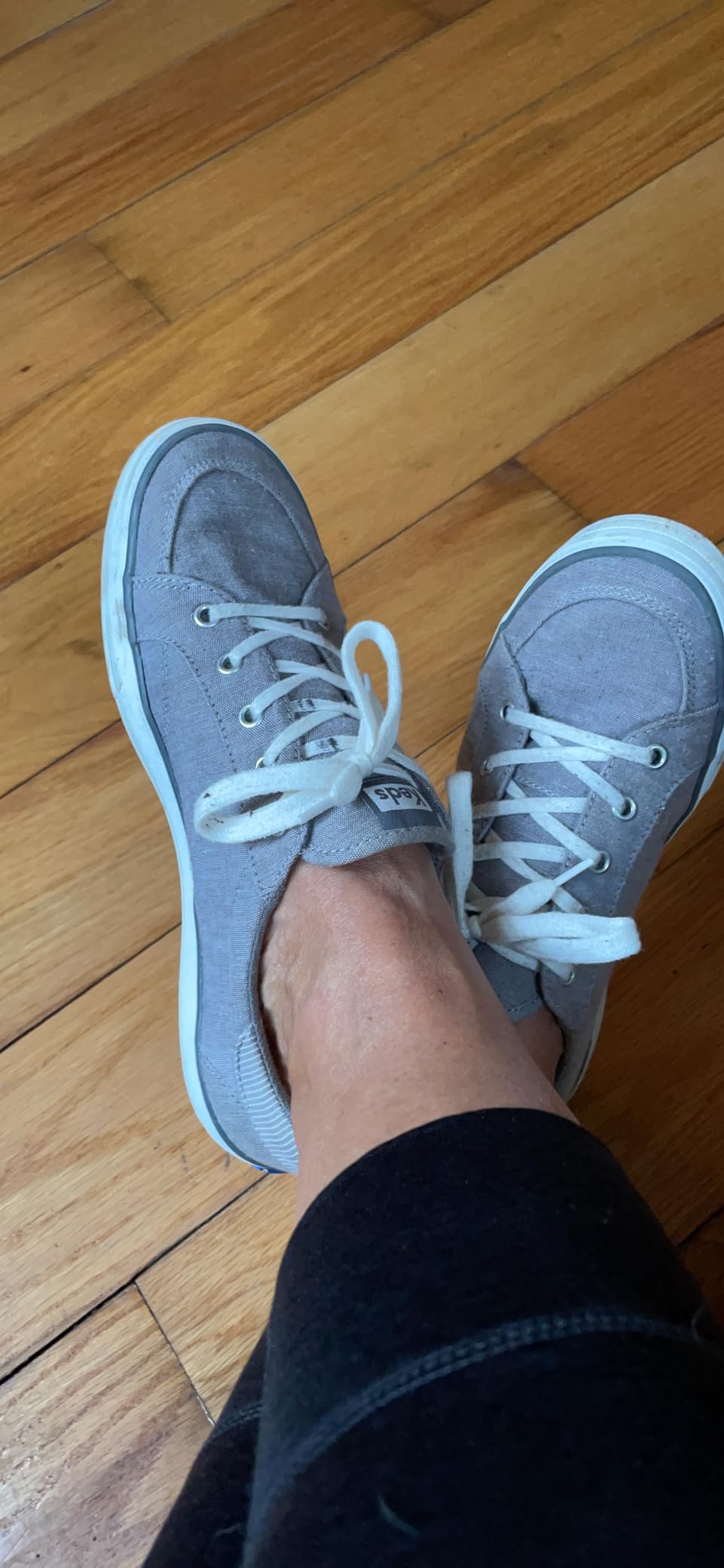
The chambray weave gives the Center III a more refined visual texture than flat canvas — it catches light slightly differently and photographs beautifully. In practical use, white canvas still attracts scuff marks, dust, and the occasional mystery smear from shopping cart handles. The texture doesn’t help or hurt.
What helps: the surface is easy to spot clean. A damp cloth handles most marks within 30 seconds. For deeper cleaning on white, sneaker whitener applied weekly keeps the upper looking close to fresh without machine washing (machine washing risks separating the adhesive bond between canvas and sole — not worth the risk).
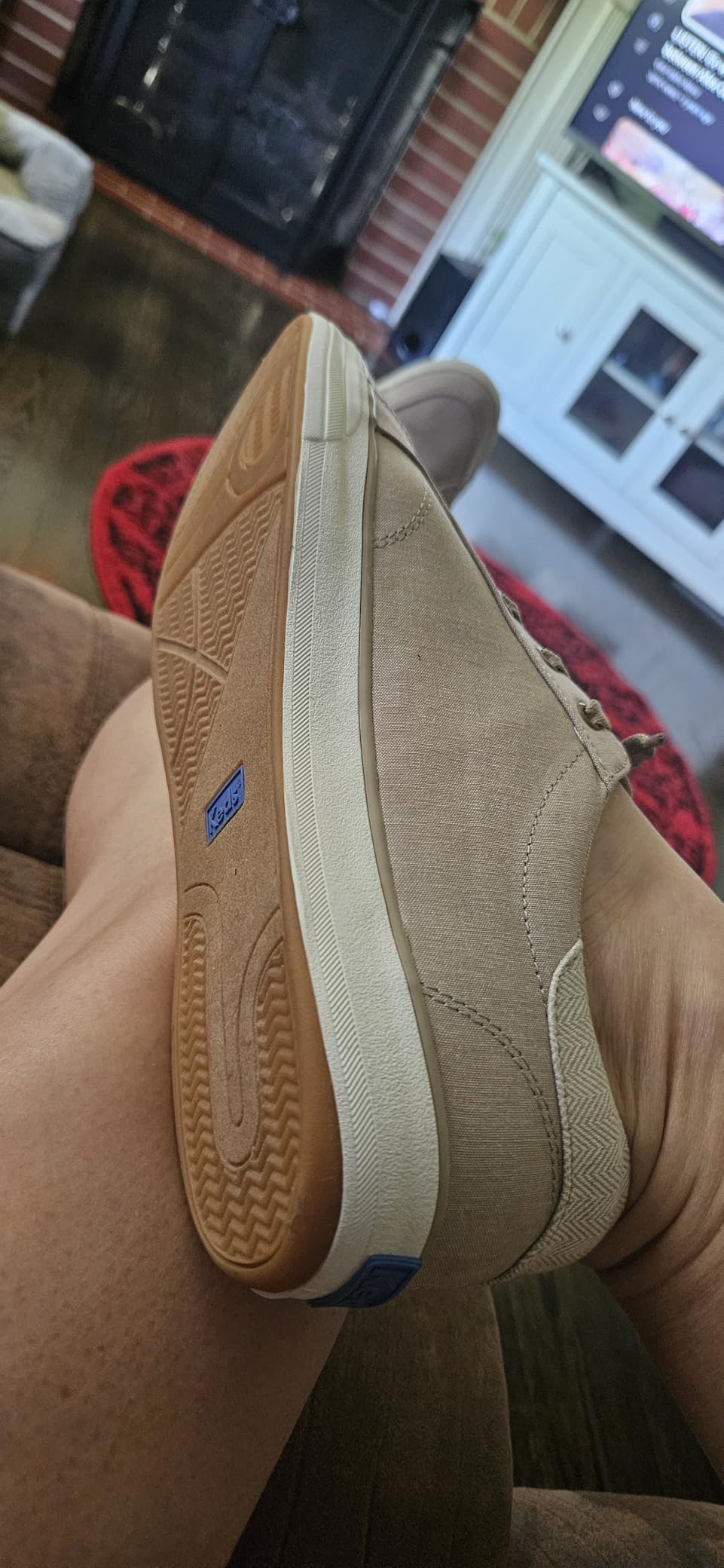
Breathability: Reasonable, Not Technical
The mesh lining is breathable enough for four-season casual wear in most climates. Above 85°F on a humid day, feet get warm — that’s canvas behavior, not a flaw unique to Keds. Below 65°F, the thin canvas and mesh provide minimal insulation.
One thing I noticed around week two: wearing the Center III sockless is comfortable in the short term but leads to noticeable odor buildup by the second consecutive sockless session. The mesh traps moisture and bacteria efficiently. For extended sockless wear, a shoe freshener inserted overnight keeps things manageable. No-show socks are the simpler solution.
Durability: Where These Shoes Actually Fail
The Wear Timeline
In six weeks of testing, I didn’t experience any structural failures. The canvas showed normal scuffing by week 3, and the sole edges showed faint darkening from ground contact. Nothing alarming.
Beyond six weeks, the picture is less clean. User data across Amazon and Zappos reviews shows a consistent pattern:
– Weeks 1–4: No issues, comfortable
– Weeks 5–8: Light canvas wear, toe cap scuffing
– Months 2–3: Cushioning compression begins
– Months 3–6: Primary risk window for sole separation — the #1 failure mode across documented reviews
– Months 6–12: For shoes that survive the separation window, normal canvas fatigue
Sole Separation: The Honest Part
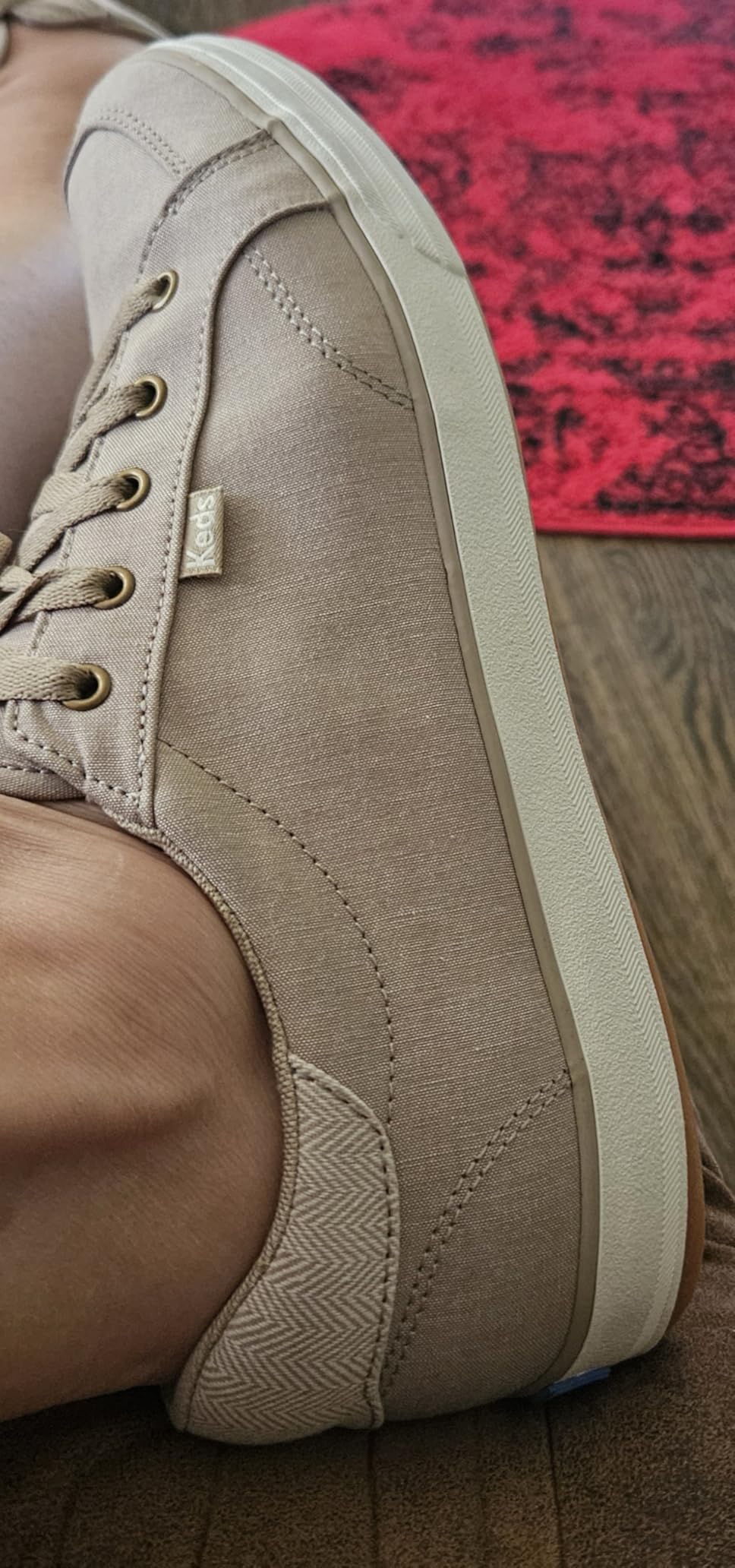
Multiple reviewers document the rubber sole separating from the canvas upper at the toe flex point, typically between months 3 and 6 with regular wear. Some report it as early as a few weeks in — those appear to be quality control outliers rather than structural norm. The vulcanized construction is generally more durable than pure adhesive bonding, but this shoe’s thin profile and canvas-rubber interface is a known weak point.
Practical advice: inspect the sole-to-upper bond at the toe box monthly. Early separation (a millimeter of gap) can be re-bonded with shoe glue before it progresses. Catching it at 2mm is easier than replacing at 20mm.
Lifespan by Use Frequency
| Use Pattern | Expected Lifespan | Cost/Month |
|---|---|---|
| Light (1–2× per week) | 12–16 months | $3.75–$5 |
| Moderate (3–4× per week) | 6–9 months | $6.67–$10 |
| Heavy (daily) | 3–5 months | $12–$20 |
If you’re rotating the Center III with two or three other pairs, you’re in the light-to-moderate band — the math is quite good. If this is your one daily shoe, the monthly cost starts to look less attractive compared to more durable alternatives at $80–$90.
Style: The One Thing Everyone Gets Right
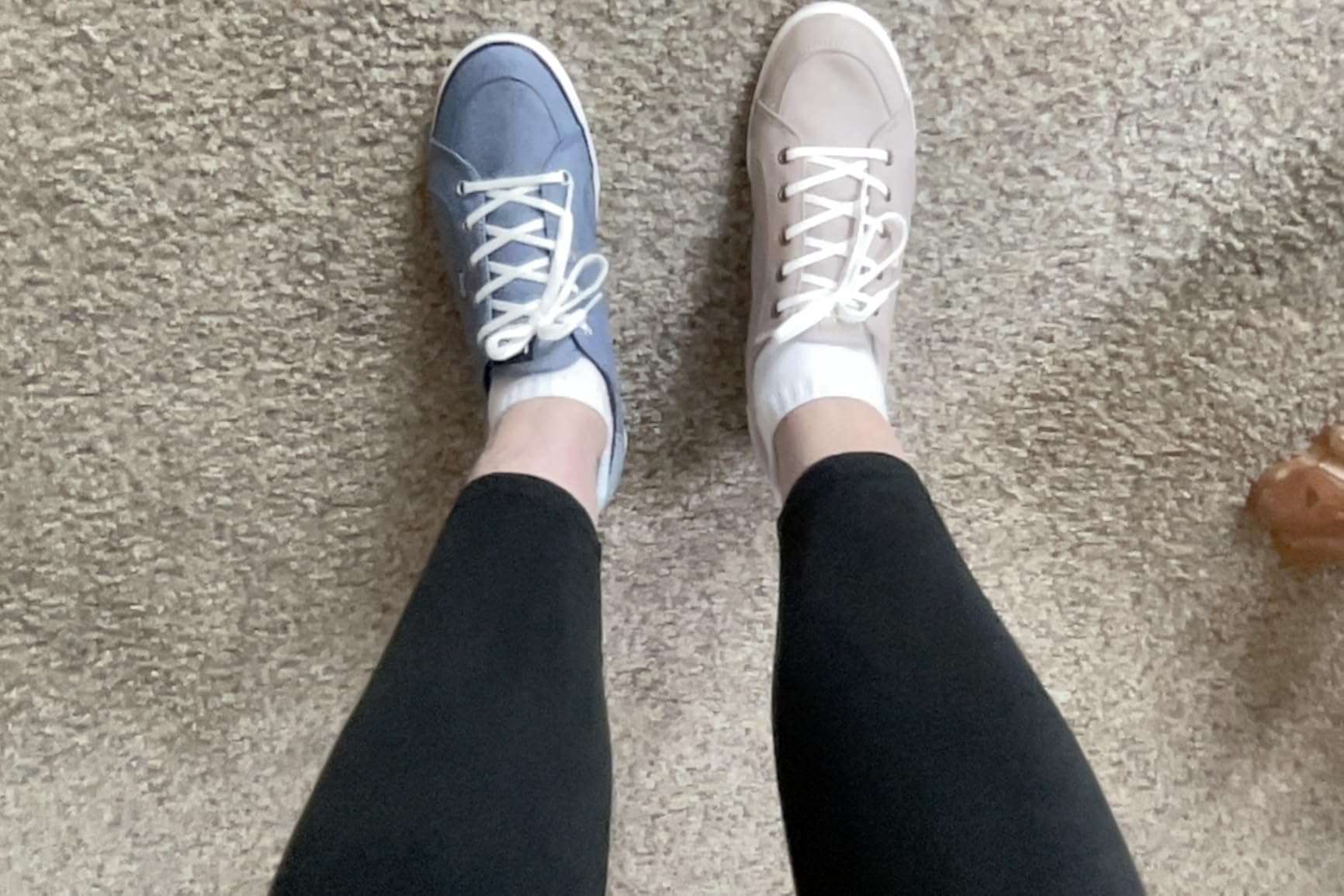
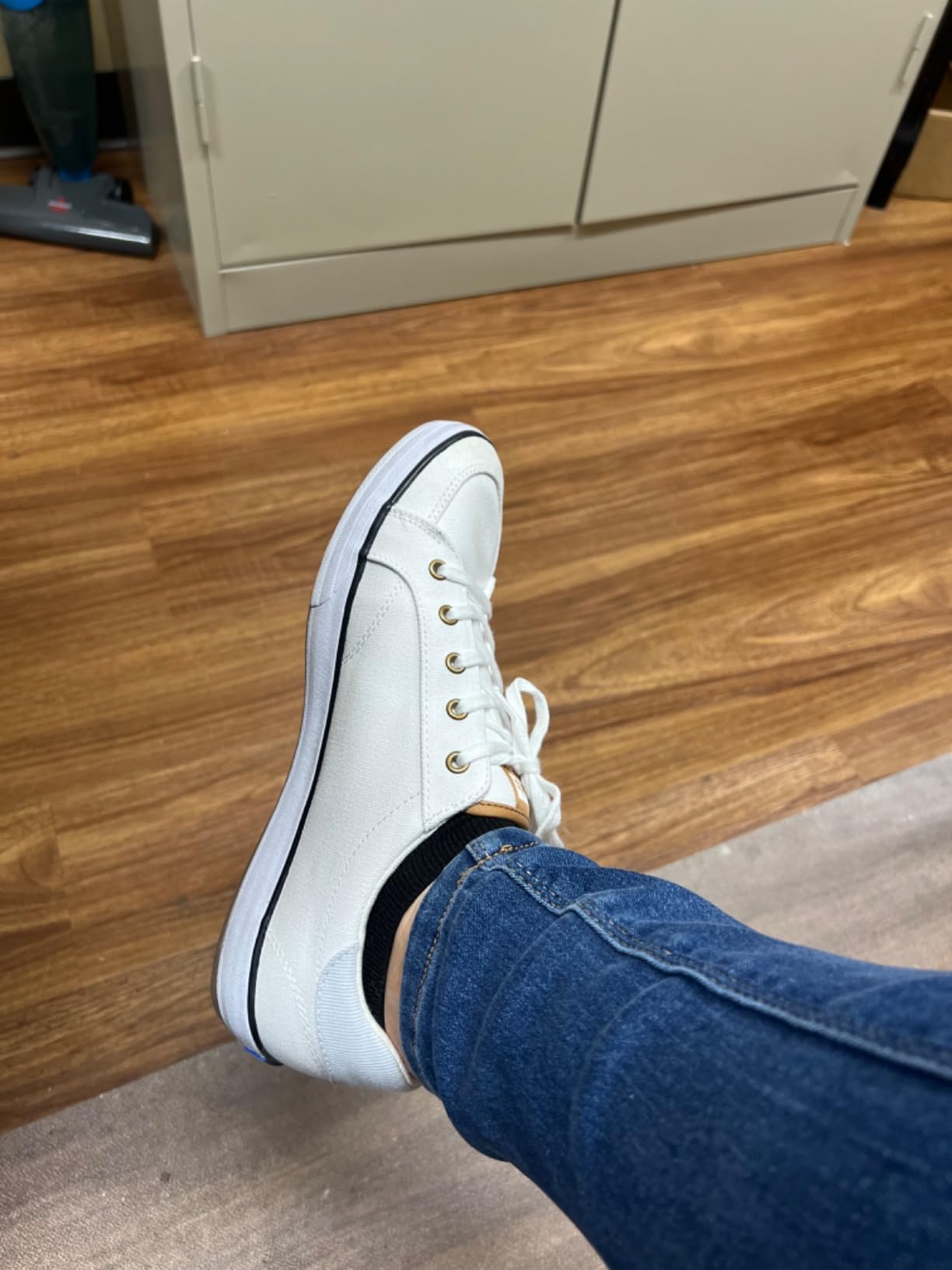
The white/navy colorway is close to universally wearable. In six weeks I paired these with dark wash jeans, khaki chinos, a floral sundress, a grey blazer, and weekend athleisure without once thinking “these don’t work.” That’s rare. Most shoes have an outfit range — these seem wider than most at this price.
Four real outfit scenarios tested:
– Office casual: Dark jeans + white blazer + Center III — looked polished enough for client-facing meetings in a creative workplace
– Weekend errands: Jogger pants + striped top — effortless, no thought required
– Summer dress: Floral midi dress — the navy accent in the shoe picked up the floral’s blues, felt intentional rather than random
– Travel: Black pants + light jacket — neutral enough to work across three cities on one trip
The clean toe silhouette and classic proportions are why style versatility works here. Heavy platform or chunky shoes would demand coordination. This doesn’t.
Do Keds’ Claims Hold Up?
| Claim | Verdict | Reality |
|---|---|---|
| “Comfort meets style” | ✅ Delivers | Genuine comfort for 6–8 hrs; style versatility is exceptional |
| “Already broken-in feel” | ✅ Accurate | Day one wearable with zero prep or rubbing |
| “Soft and supportive” | ⚠️ Half credit | Soft = yes. Structural support = no. Normal arches OK; high arches need insoles |
| “Ankle-cradling cushioning” | ❌ Overstated | Padded collar prevents rubbing. No actual lateral ankle support. |
The Value Math
At $60 MSRP, you’re in the same bracket as Converse Chuck Taylor All Stars and basic Vans slip-ons. The Keds positions differently: more structure than Converse, more refined silhouette than Vans, and the Softerra footbed represents a genuine comfort upgrade over the flat board-last construction those competitors use.
At the common sale price of $40–$50 (which happens regularly on Amazon and at Macy’s), the value proposition improves further. A moderate user at $45 and 8 months of life pays about $5.60/month. That’s reasonable for a versatile daily sneaker.
Where the math gets less favorable: for daily wearers who hit the sole separation window at months 3–5, you’re paying $12–$20 per month. In that scenario, consider shoes built for heavier use — like the Dr. Scholl’s Time Off Sneaker, which shares the casual-comfort positioning but with a thicker midsole construction.
Who Should (and Shouldn’t) Buy the Center III
This is the right shoe if:
- You rotate your footwear — wearing these 2–4 times per week puts you in the 6–12 month lifespan range where the value works
- Style versatility matters: one pair that works across jeans, dresses, and business casual
- You have normal to low arches and don’t need significant structural support
- You travel light and want one shoe that pulls multi-context duty
- You’re shopping at the $45–$60 mid-tier and want a recognized brand at that price
Look at alternatives if:
- Wide feet: The toe box is genuinely snug. The New Balance Women’s 237 V1 has a more generous forefoot at a comparable price point.
- High arches or foot conditions: The flat Softerra footbed won’t give you structural support. The Skechers Summits offers more cushion depth, or you can pair any neutral shoe with dedicated orthotics.
- Daily driver: If these are your one shoe every single day, the durability math is harsh. Consider building a two-pair rotation. The Keds Pursuit Lace-Up is a natural companion shoe in a similar style at slightly different pricing.
- Budget alternatives: If you want canvas sneaker aesthetics at less spend, Hello Basics Canvas Sneakers or Lucky Step Retro Fashion Sneakers exist at lower price points.
- More distinctive style: If you want retro-inspired silhouette with more personality, the Gola Coaster High offers a bolder vintage look at a similar price.
Frequently Asked Questions
Do they run true to size?
Yes, for most foot types. Order your standard US size. Exception: if you’re between sizes or have a wider forefoot, size up 0.5. The toe box won’t stretch.
Can I use custom orthotics with these?
Yes. The Softerra™ insole is removable, and the shoe’s interior has enough volume to accommodate a standard aftermarket insole or orthotic. Measure your current insole against potential replacements before buying.
How do I clean white canvas?
Spot clean with a damp cloth for routine maintenance — works on most marks. For deeper brightening, use a dedicated shoe whitener on the canvas upper and sneaker wipes on the rubber sole. Avoid machine washing — it risks accelerating sole separation.
How long do replacement laces last, and can I swap them?
The original flat laces hold up well for the shoe’s lifespan. If you prefer different length or style, standard flat athletic shoelaces in 45″ length fit the Center III’s eyelet count.
Are these waterproof?
No. Canvas absorbs moisture. Light drizzle leaves the upper damp but dries within 30–45 minutes. Puddles and heavy rain will soak through. These are not rain shoes.
Center III or Center II?
Center III. It’s the current model, roomier fit, and improved heel padding and Softerra footbed over the II. The II is a fine shoe but effectively discontinued as Keds pushes the III as the successor.
Final Verdict
| Category | Score | Key Factor |
|---|---|---|
| Daily Comfort | 7.5/10 | Zero break-in; comfort ceiling at hour 7–8 |
| Style Versatility | 9.0/10 | Works across nearly every casual and business-casual context |
| Build Quality | 7.0/10 | Solid construction; sole separation risk at 3–6 months |
| Value for Money | 8.0/10 | Strong at sale price; diminishes for daily drivers |
| Fit and Sizing | 6.5/10 | TTS standard width; narrow toe box excludes wide feet |
| Durability | 6.0/10 | Canvas wear expected; sole separation at 3–6 months is documented risk |
| OVERALL | 7.3/10 | Excellent versatility and immediate wearability at a fair price |
The Center III is a good shoe that knows exactly what it is. It doesn’t try to be an athletic performer or a leather heirloom — it’s a refined, comfortable, deeply versatile canvas sneaker that earns its price for buyers who rotate their footwear and prioritize outfit flexibility. Buy it at $45–$50 when it’s on sale, add insoles if your arches need them, and inspect that sole bond periodically. On those terms, it delivers reliably.
Be the first to review “Keds Women’s Center III Lace Up Sneakers”
Related products
Sneaker
Sneaker

Sneaker
Sneaker
Running Shoes
Reviews
There are no reviews yet.