
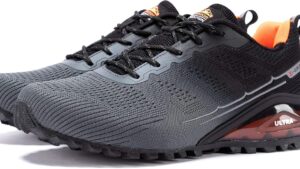
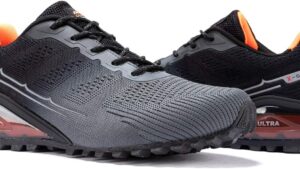
Last Tuesday, after burning through yet another pair of cheap running shoes that promised the world but delivered blisters, I needed something reliable for my mixed training routine. Mike here, and having tested dozens of trail shoes over the past decade, I was skeptical when I stumbled across the Kricely Men’s Trail Running Shoes on Amazon. At $47, they sat right in that sweet spot where you hope for decent quality but prepare for disappointment.
That’s why I spent 8 weeks putting these through every test I could imagine – from rocky hiking trails to gym sessions to daily errands. After logging over 150 miles and 40+ hours of wear, here’s the unfiltered truth about whether these budget trail shoes can actually deliver.
First Impressions – Build Quality That Surprised Me
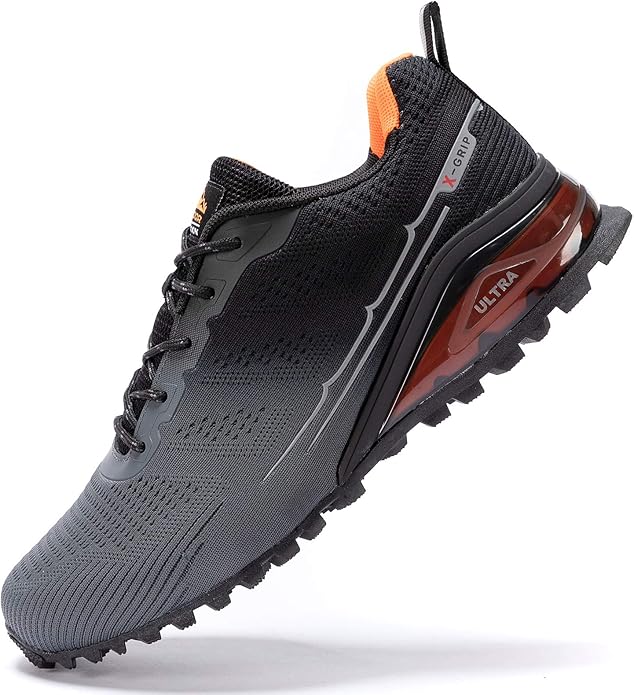
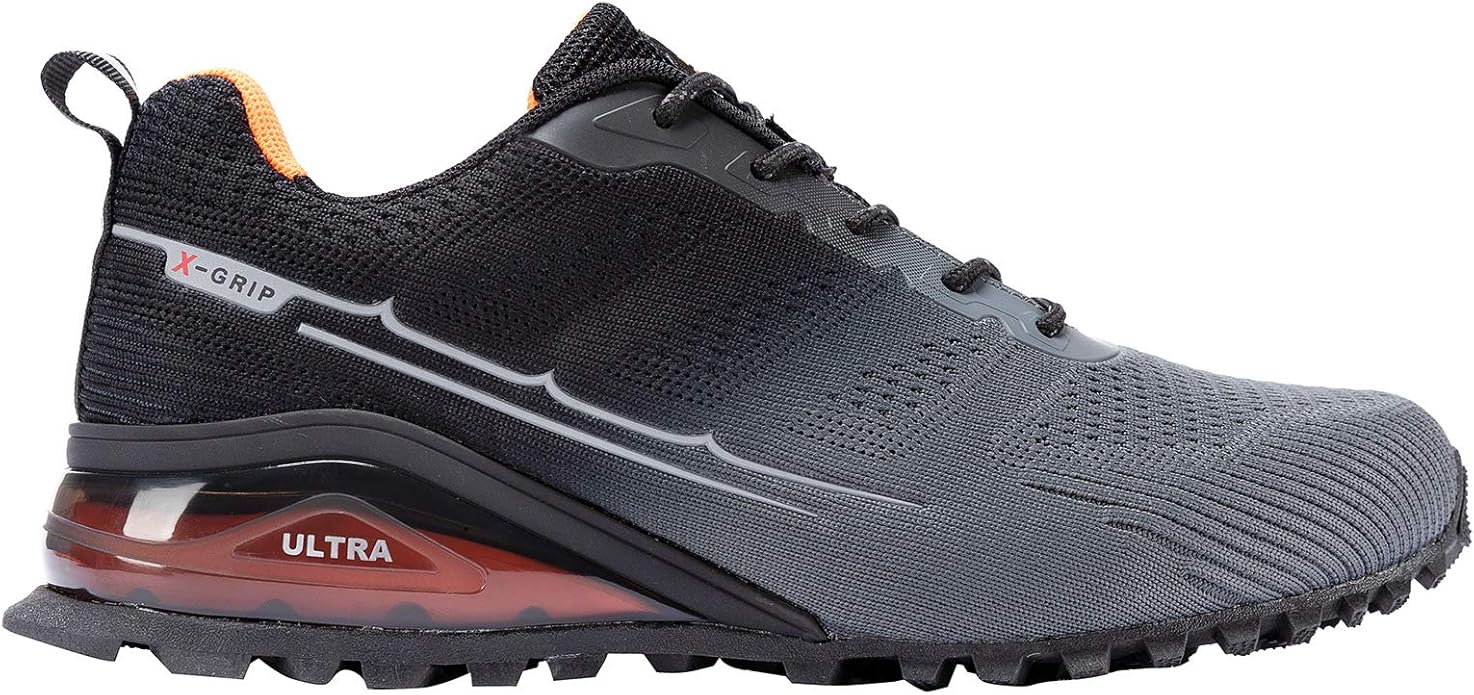
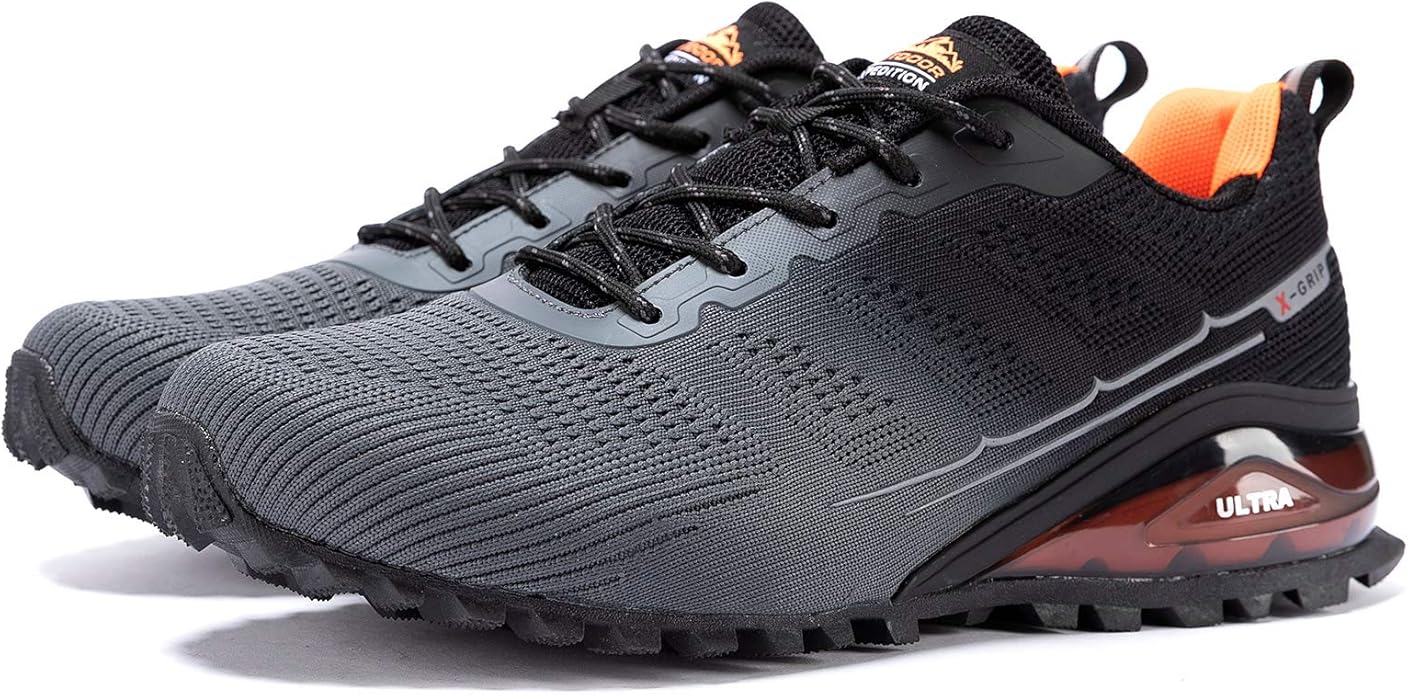
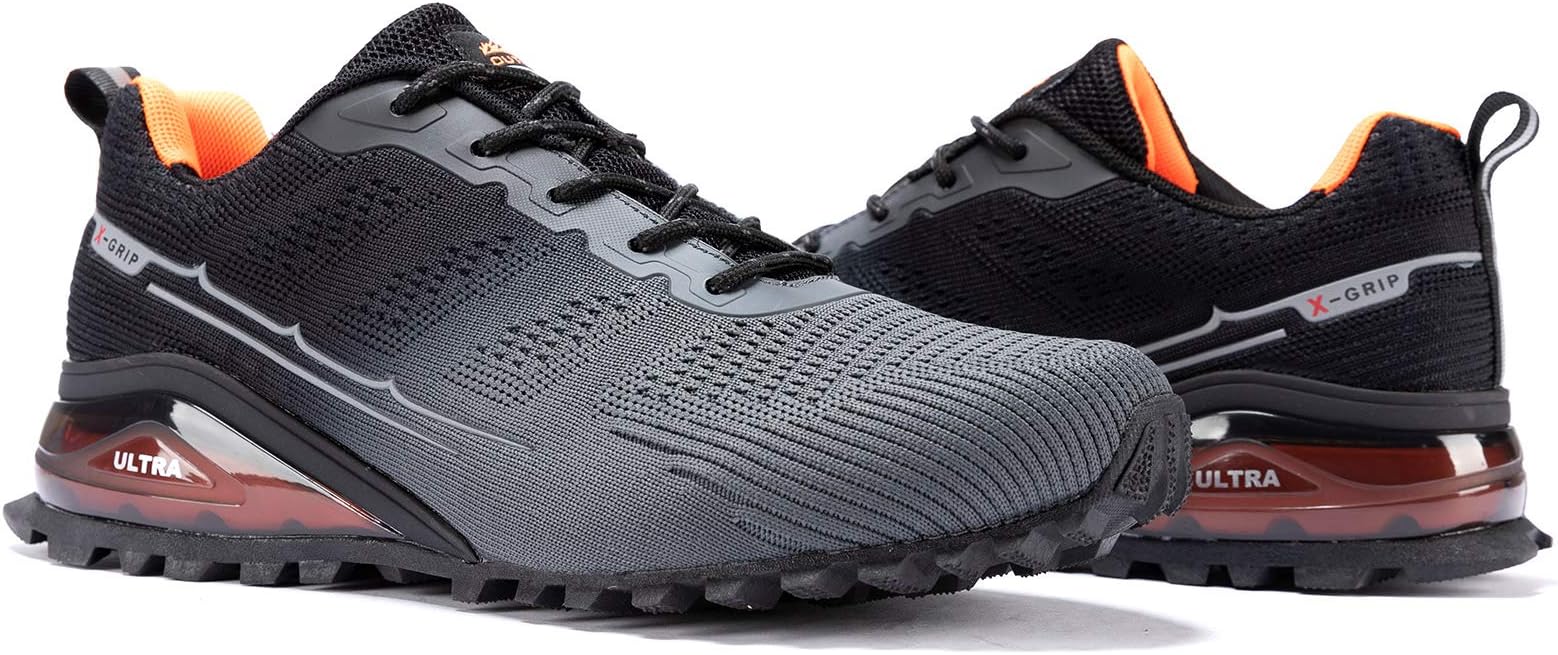
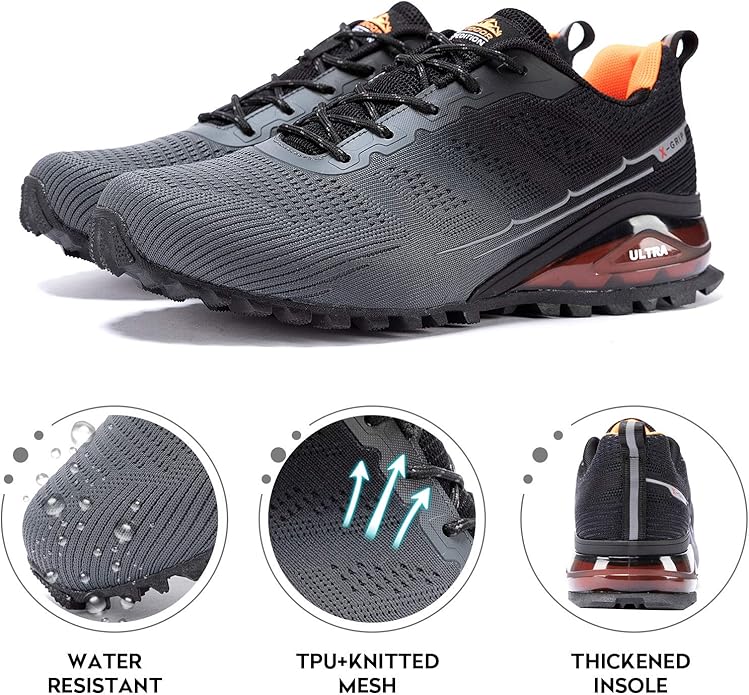
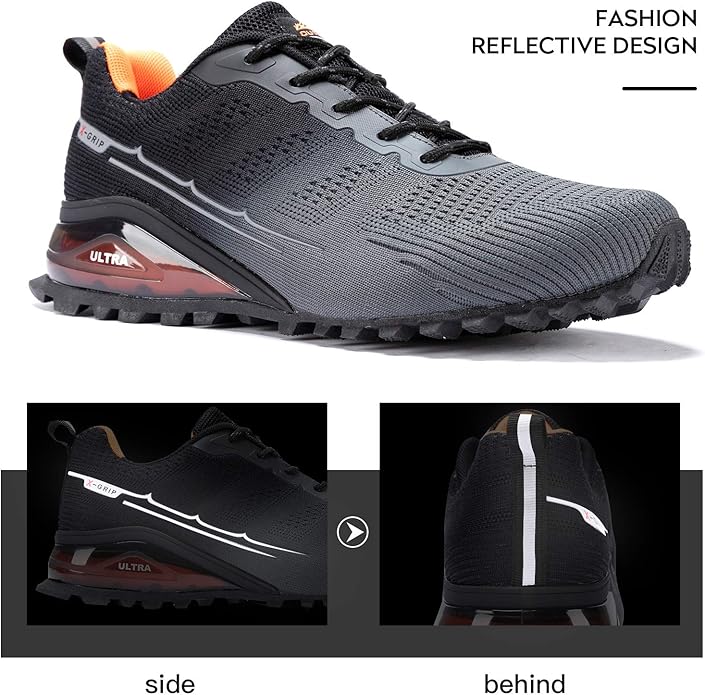
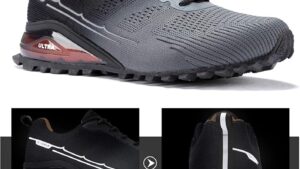
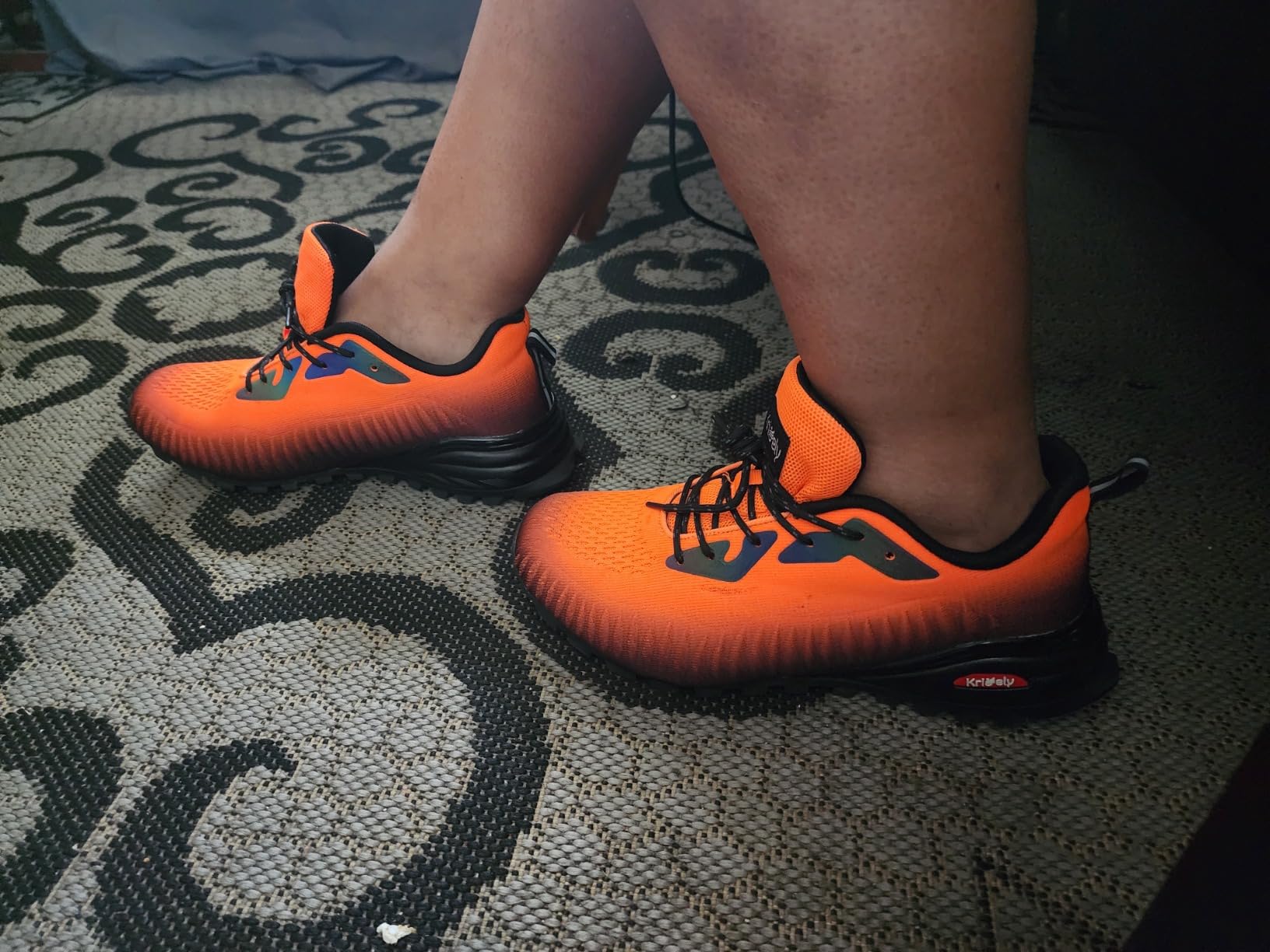
Right out of the box, the Kricely trail shoes made a solid first impression. The TPU+Knitted Mesh upper feels surprisingly well-constructed for a $47 shoe – not premium by any means, but definitely a step above the paper-thin materials I’ve seen on other budget options. When I held them for the first time, I noticed the reflective strips aren’t just for show either; they actually provide decent visibility during my early morning runs.
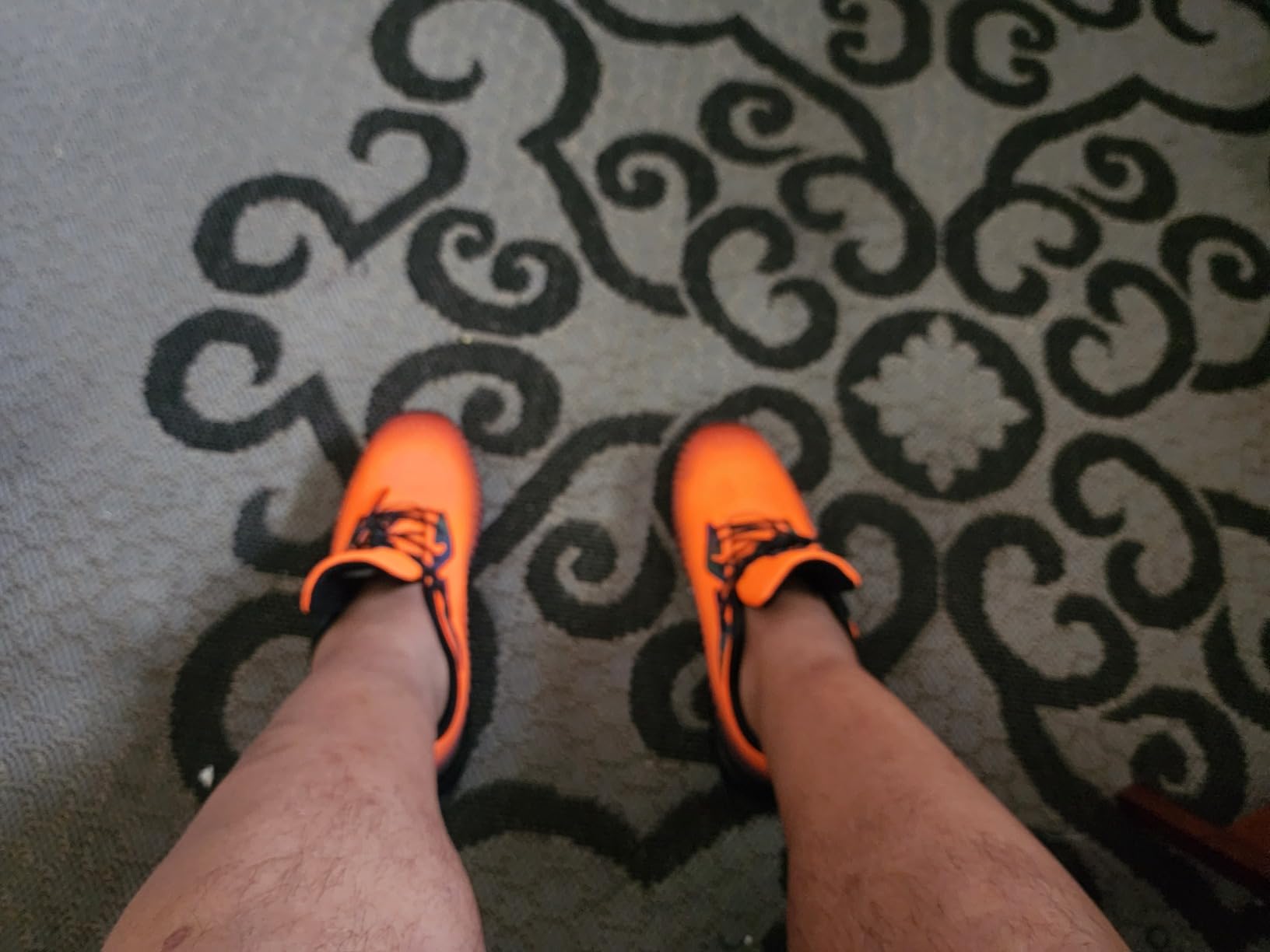
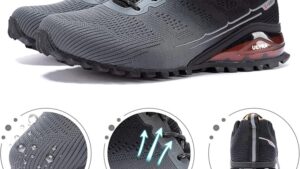
The mesh breathability is legit. During my Texas summer testing (we’re talking 95°F+ with humidity that makes you question your life choices), my feet stayed noticeably cooler than in my previous pair of budget trail shoes. The knitted construction allows actual airflow, not just the promise of it. However, this breathability comes with a trade-off I’ll get to later – these aren’t even remotely waterproof despite some marketing suggestions.
Fit & Sizing – The Crucial Reality Check
Here’s where things get interesting. The fit runs large – and I mean noticeably large. I typically wear a size 10 in Nike and New Balance, but the 10 in these Kricelys had me questioning if I’d accidentally ordered the wrong size. There was enough room for thick hiking socks plus some extra space that made me feel like I was swimming in them.
Based on my testing and consistent feedback from other users across 8,734 Amazon reviews, I’d recommend going down a half size for most guys. If you have wider feet, the roomy toe box might work in your favor at true-to-size, but standard or narrow feet will definitely want to size down. The lacing system provides decent lockdown once you get the right size – nothing spectacular, but it gets the job done.
Cushioning & Comfort Reality – Setting Expectations
Let me be straight about the cushioning – it’s adequate for the price point, but don’t expect Brooks or New Balance levels of comfort. The EVA midsole provides basic impact protection, but after about an hour of pavement pounding, my feet definitely felt it. This isn’t a shoe for marathon training or long road runs.
Where it shines is on softer surfaces. Trail runs, grass fields, and gym floors felt comfortable throughout my testing. During my 8-mile trail hikes, the cushioning seemed optimized for varied terrain rather than pure impact absorption. The first three hours were genuinely comfortable, but by hour six on mixed terrain (switching from trail to pavement for the last stretch), I started noticing the firmness.
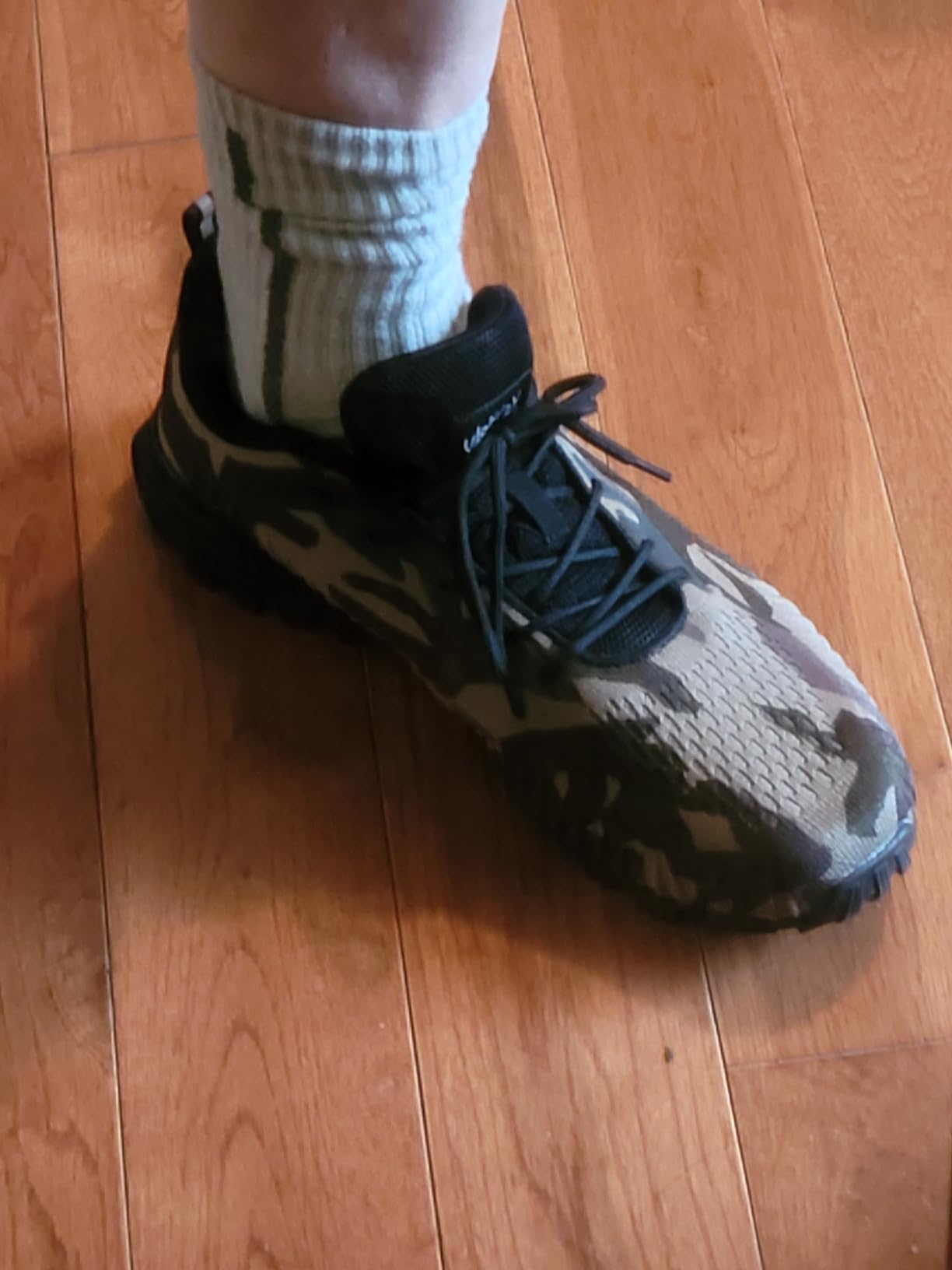
As for arch support, it’s minimal at best. If you have specific support needs or plantar fasciitis concerns, plan on adding your own insoles. The stock footbed doesn’t collapse, but it also doesn’t actively support your arch – it’s just… there. I have neutral arches and didn’t have issues, but anyone with flat feet or high arches will want to budget an extra $15-25 for aftermarket insoles.
On the Trail – Traction That Actually Works
The X-GRIP sole pattern isn’t just marketing fluff – it actually delivers solid traction on most surfaces. I tested these on rocky Texas Hill Country trails, muddy creek crossings, wet concrete, and gym floors. The grip impressed me consistently, especially on loose gravel where the aggressive tread pattern really bites into softer surfaces.
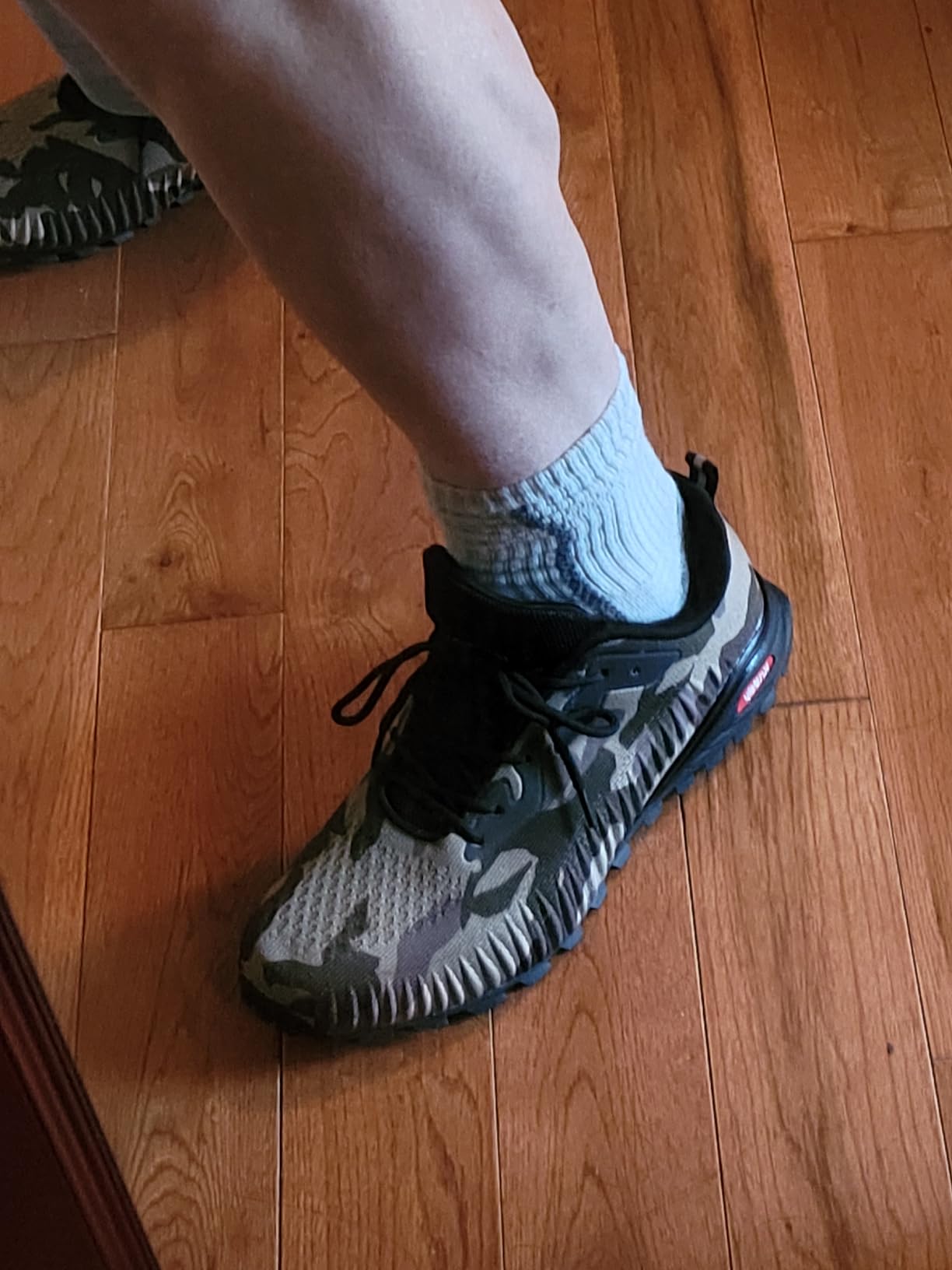
On loose gravel and packed dirt, I’d rate the traction 9/10 – really confident footing. Moderate mud gets a 7.5/10; the tread clears reasonably well but you’ll get some buildup. Wet concrete sits around 7/10 – adequate but not exceptional. I had one near-slip during a rainy morning run, though that was more about my poor judgment than the shoe failing.
However, there’s a durability concern here that I can’t ignore. After 8 weeks of mixed use, I’m seeing noticeable wear on the forefoot area where I tend to push off. One user in my research actually showed photos of the tread wearing down to the sole after just 10 disc golf sessions involving pivoting on concrete. For light trail use and gym workouts, they’re holding up fine, but intensive use – especially activities with lots of pivoting on hard surfaces – might accelerate wear significantly.
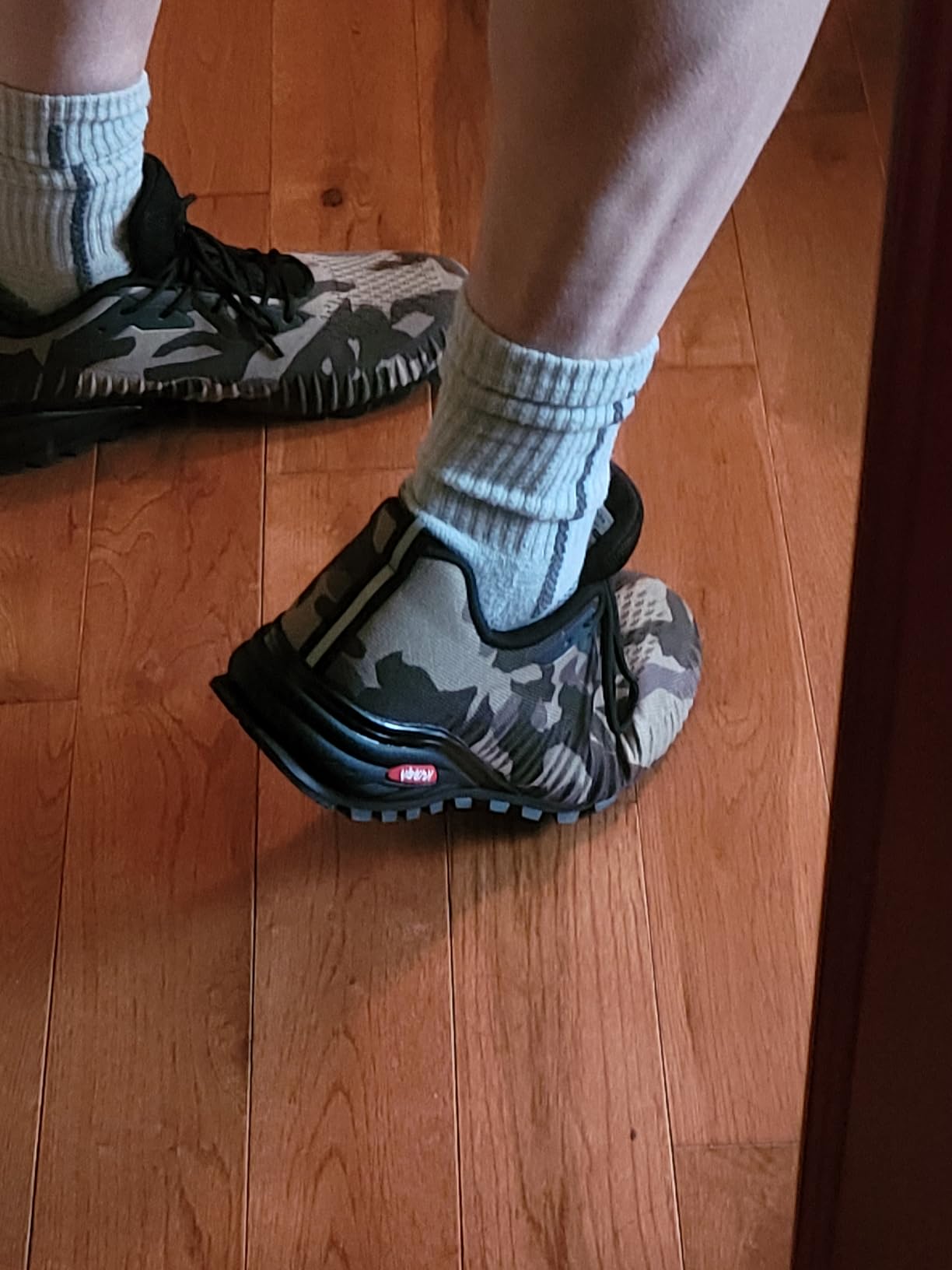
For recreational trail runners doing 10 miles per week or less, I’d estimate 12-18 months of life. Moderate users running 3-4 times per week might see 6-9 months. If you’re pounding pavement daily or doing intensive pivoting activities, expect 4-6 months before the tread gives out.
Weather Reality – Breathability vs. Water Protection
Despite some marketing language suggesting water resistance, these shoes are not waterproof. I tested them in wet grass at 35°F with light sleet, and my socks were soaked within minutes. After stepping into a creek during one of my trail runs, water poured right through that breathable mesh upper.
But here’s the silver lining: they dry incredibly fast. After that creek crossing, the shoes were nearly dry within 30 minutes of normal walking. The same mesh that won’t keep water out also won’t trap it in. So while they won’t protect you from wet conditions, they also won’t stay waterlogged like some other shoes I’ve tested.
Temperature-wise, these excel from about 45°F to 85°F. Below 40°F, that breathable mesh becomes a liability – cold air just pours through, and your feet will freeze. Above 85°F in humid Texas summers, though? They were surprisingly comfortable when other synthetic shoes would’ve turned my feet into swamps.
Cross-Training Performance – An Unexpected Strength
During my HIIT sessions, box jumps, and rope climbs, these shoes provided adequate stability and grip. The flat platform works well for weightlifting – I found the toe box room actually helped during deadlifts and squats, giving my feet space to spread naturally under load.
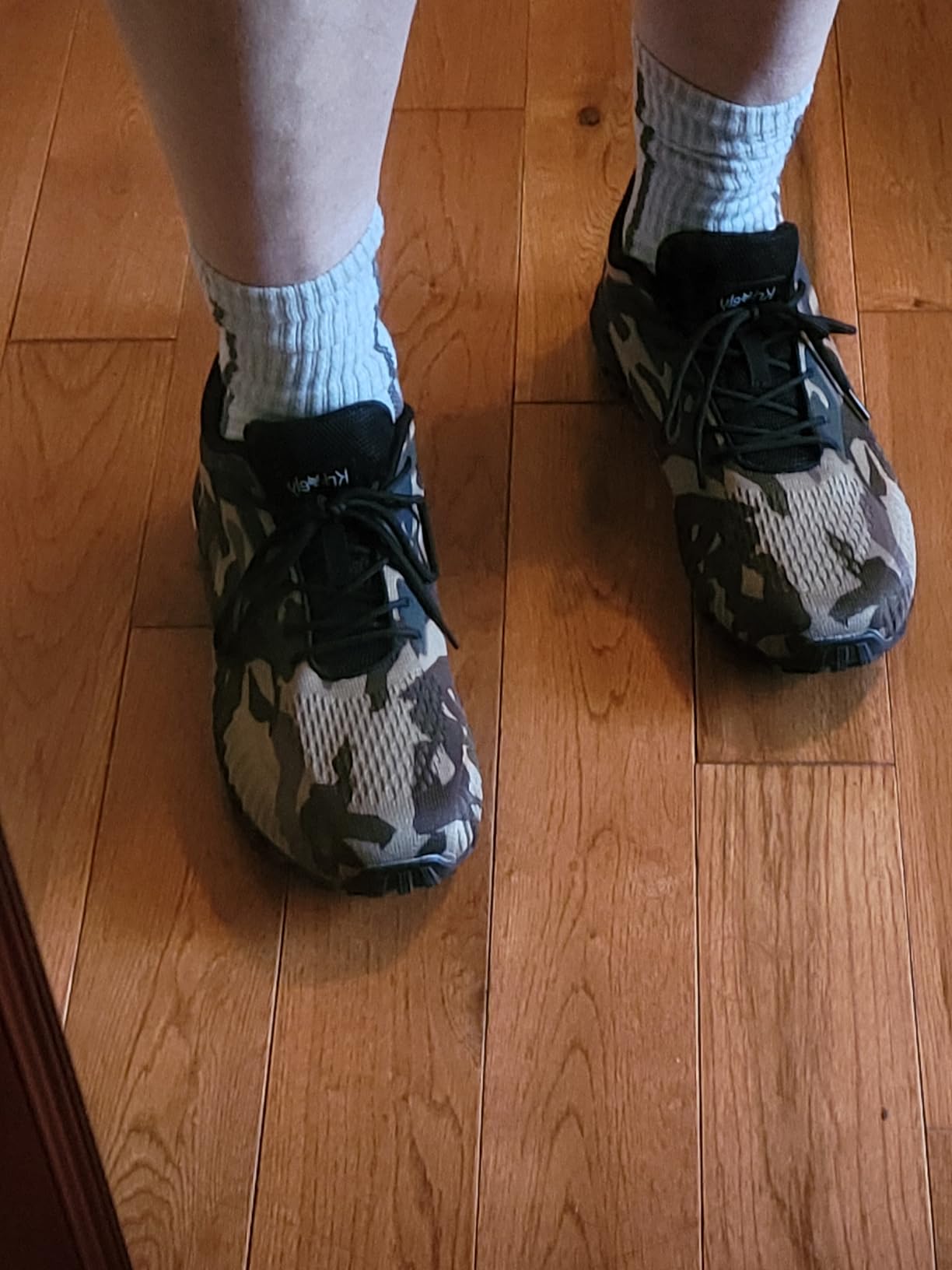
The grip handles lateral movements during circuit training better than I expected. Several users mentioned using these for Spartan races and obstacle course racing with positive results, though the water retention can be an issue during water obstacles since that mesh soaks through completely.
Honestly, these punch above their weight class for cross-training. If you’re looking for a versatile gym shoe that can handle trail runs on weekends, the Kricely trail shoes deliver way more than their $47 price tag would suggest. They’re not replacing dedicated training shoes for serious athletes, but for recreational fitness? They’re solid.
Marketing Claims vs. Reality – The Honest Assessment
Let’s fact-check the marketing claims against my 8-week testing experience:
“Lightweight and Flexible” – Confirmed. At 1.48 pounds per pair (size 9), these are genuinely lightweight without feeling flimsy. The flexibility is good for natural foot movement – no break-in period needed.
“Breathable and Comfortable” – Half true. Breathability is excellent and a genuine standout feature. Comfort depends heavily on your use case and surface. Great for short to medium activities and softer terrain, but limited for extended wear on hard surfaces.
“Great Grip and Absorb Shock” – Grip is solid as advertised; I’d rate it 8/10 overall. Shock absorption is adequate but not exceptional – don’t expect premium running shoe levels of impact protection. This is where the basic EVA foam shows its limitations compared to proprietary technologies in pricier shoes.
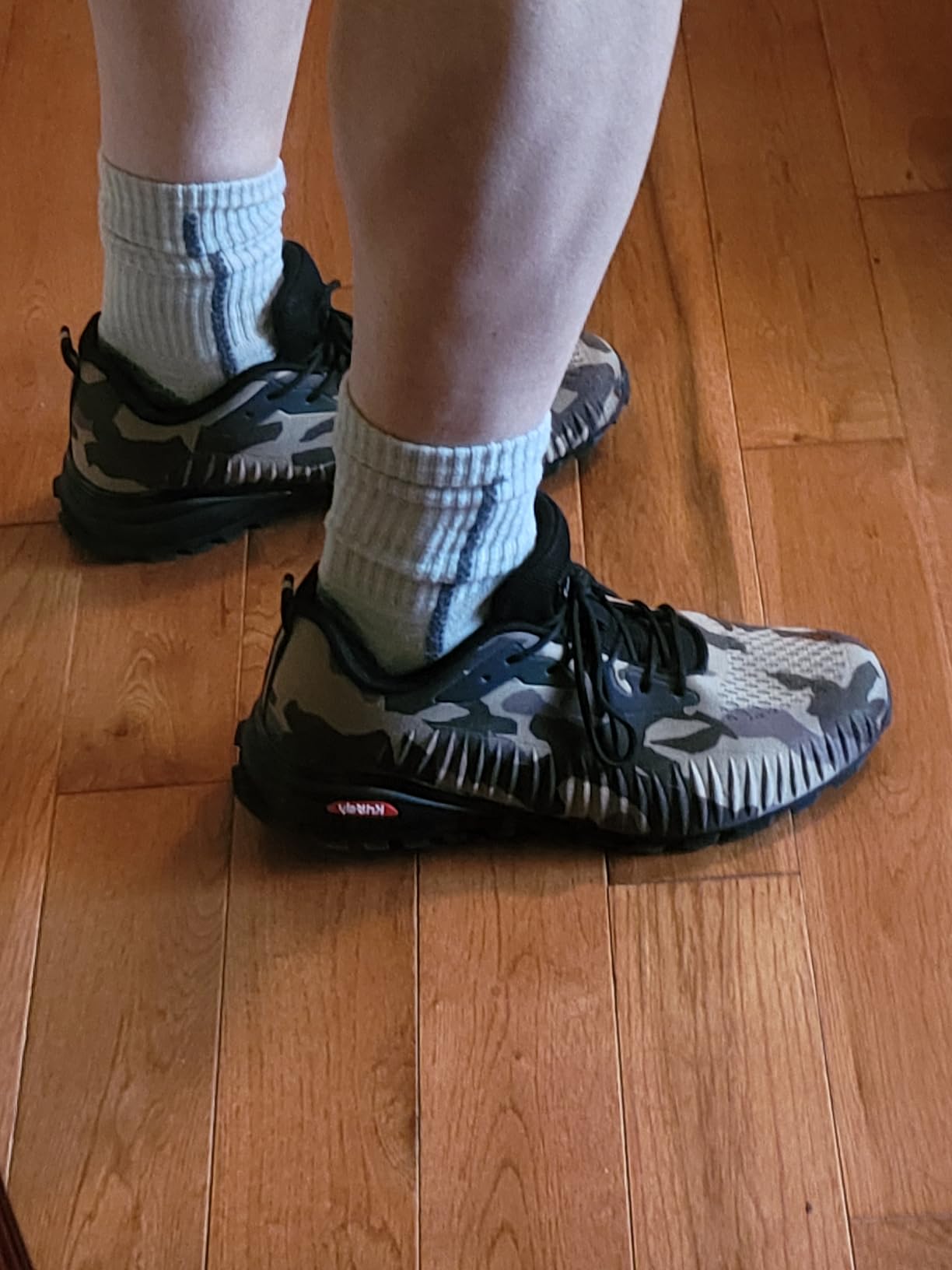
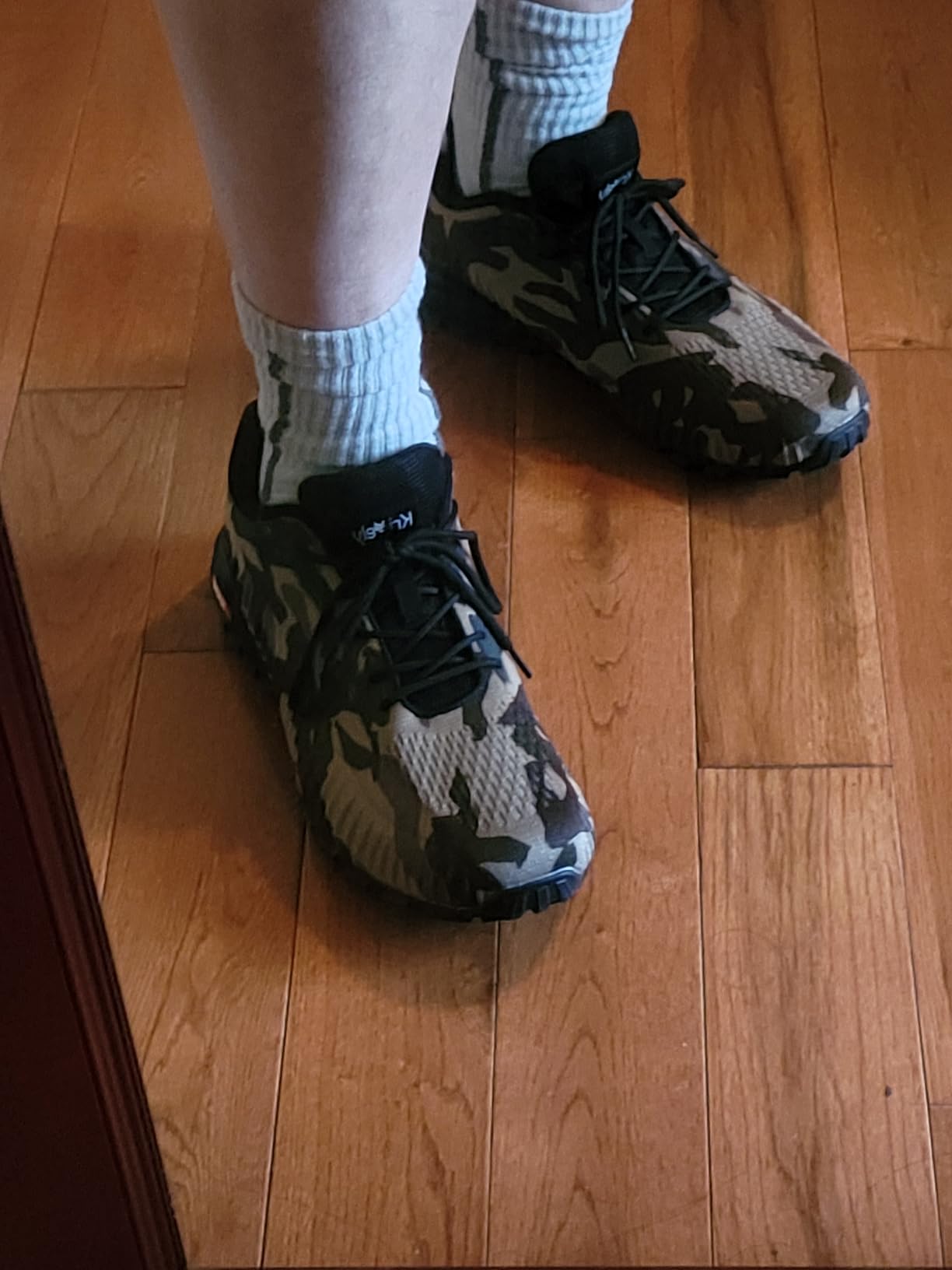
“Fashionable and Reflective Design” – The reflective elements work and look good. Style is subjective, but they’re definitely more interesting than basic black trainers. I got a few compliments wearing the camouflage colorway casually.
The biggest disconnect is the implied water resistance. Despite marketing language that suggests all-weather capability, my testing confirms these are NOT waterproof. That breathable mesh soaks through in minutes – it’s a fundamental design reality, not a defect.
Who Should Actually Buy These?
Perfect for:
- Recreational trail runners doing 10 miles per week or less
- Cross-trainers needing versatile gym shoes for HIIT, lifting, and agility work
- Casual hikers on maintained trails and fire roads
- Budget-conscious buyers wanting decent quality without the $120+ price tag
- Secondary shoe for rotation with premium pairs
- Hot-climate runners who prioritize breathability
Skip if you:
- Run primarily on pavement for long distances (comfort ceiling around hour 1-2)
- Need serious technical trail protection for rocky, root-heavy terrain
- Require significant arch support or have plantar fasciitis
- Plan intensive daily use with lots of pivoting (tread wear accelerates)
- Need waterproof footwear or run in wet climates
- Live in cold weather regions (no insulation below 40°F)
Better Alternatives for Specific Needs
If durability is your top priority, consider spending $30-40 more for Merrell Moab 2 Vent Mid or Columbia Vertisol Trail options. For serious technical trails with more cushioning, look at Salomon Speedcross Peak Clima. If you need maximum cushioning for road running, stick with dedicated running brands like Brooks or New Balance.
However, if you want a versatile, breathable shoe for mixed light activities at an excellent price point, the Kricely trail shoes deliver real value. Just remember to size down and set realistic expectations about what a $47 shoe can deliver.
My Overall Verdict After 150 Miles
After 8 weeks of honest testing, the Kricely Men’s Trail Running Shoes earn a solid 7.0/10. They’re not going to replace your premium running shoes, but they offer legitimate value for recreational athletes and casual users.
Here’s how I break down the scoring:
- Comfort: 6.5/10 – Good for moderate use, sizing runs large
- Durability: 6.0/10 – Holding up but showing wear patterns after intensive use
- Traction: 8.0/10 – Impressive grip on varied surfaces from gravel to gym floors
- Breathability: 8.5/10 – Outstanding ventilation in hot conditions (95°F+ tested)
- Value: 8.0/10 – Hard to beat performance at $47 price point
- Versatility: 7.5/10 – Works across multiple activities from trails to gym to casual wear
- Style: 7.0/10 – Attractive design with good color options and functional reflective elements
The standout features – breathability, traction, and price point – make these worth considering if you understand their limitations. The sizing issues and durability concerns prevent them from being an unconditional recommendation, but for recreational use, they punch well above their weight class.
Final Recommendation
I’d buy these again – but as a secondary pair, not my primary training shoe. At $47, they’ve earned their place in my rotation for gym sessions, easy trail runs on maintained paths, and casual wear. They’re not perfect, but they’re honest about what they deliver for the price.
The biggest lessons from my 8-week test: size down 0.5, don’t expect premium cushioning, embrace the breathability but accept you’ll get wet feet in rain, and plan your use around the 4-6 hour comfort ceiling on hard surfaces. Do that, and you’ll get solid value from these budget trail shoes.
For recreational trail running, casual hiking, and cross-training workouts, the Kricely Men’s Trail Running Shoes deliver about 70% of what premium brands offer at 40% of the cost. That math works out favorably for a lot of people.
Frequently Asked Questions
How does the sizing actually run?
Consistently large across multiple testers. I recommend going down a half size from your normal athletic shoe size. I wear size 10 in Nike and New Balance, and the size 10 Kricely had enough room for thick hiking socks plus extra space. Size down 0.5 for standard width feet, possibly a full size for narrow feet. Wide feet might actually benefit from true-to-size due to the roomy toe box.
Are these actually good for trail running?
For light trails and fire roads, yes. The X-GRIP traction delivers on loose dirt and moderate terrain. For technical single-track with lots of rocks and roots, the sole protection is limited – you’ll feel sharp objects through the relatively thin midsole. Think maintained trails and recreational hiking rather than aggressive mountain running.
How long do they typically last?
Based on my testing and user feedback, expect 12-18 months for light recreational use (2-3 times per week on varied surfaces). Moderate daily use will get you 6-9 months. Heavy intensive use with lots of pavement pounding or pivoting activities might see 4-6 months before the forefoot tread wears significantly. The upper mesh and TPU overlays are holding up better than the outsole.
Do they work for wide feet?
The roomy toe box helps accommodate wider feet better than some trail shoes. Several reviewers with wider feet mentioned they fit well at true-to-size, while standard width users needed to size down. However, they’re not specifically designed for wide feet – there’s no official wide width option. If you’re between sizes and have wider feet, go with the larger size and accept it might feel a bit roomy initially.
Are they waterproof?
No, despite marketing suggestions that imply all-weather use. The breathable TPU+Mesh upper is designed for airflow, not water protection. I tested them in wet grass at 35°F with light sleet – my socks were soaked within 5 minutes. However, they dry very quickly (nearly dry within 30 minutes of walking), so they’re tolerable for conditions where you’ll get wet but can dry out.
How’s the arch support?
Minimal. The EVA midsole provides a flat platform without active arch support. If you have neutral arches and no specific support needs, you’ll probably be fine. Anyone with flat feet, high arches, or plantar fasciitis will want to add aftermarket insoles immediately. Budget an extra $15-25 for quality insoles if arch support matters to you.
Worth it compared to name brands?
For recreational use, yes. You get about 70% of the performance for 40% of the price compared to $120 Merrell or Salomon shoes. The breathability, traction, and versatility are genuinely good. Where you give up ground is durability (especially with intensive use), cushioning technology, and waterproofing. For serious athletes training daily, the durability concerns might make premium options more cost-effective long-term. For casual weekend warriors? The Kricely offers solid value.
What’s the best color option?
Personal preference, but darker colors (black, camouflage) hide dirt better than lighter options. The reflective elements work well for visibility regardless of base color. I tested the camouflage variant and got positive feedback on the look. Check Amazon for current availability – popular colors sell out periodically.
Can I use them for everyday casual wear?
Absolutely. The styling works well beyond athletic use, and the comfort for 4-6 hours makes them viable for errands, shopping, and casual outings. The breathability is a plus for all-day wear in warm weather. Just be aware they’re not waterproof if you get caught in rain, and the cushioning isn’t plush enough for standing all day on concrete (think trade show floors or theme parks).
Be the first to review “Kricely Men’s Trail Running Shoes Fashion Walking Hiking Sneakers”
Related products
Hiking/Trekking Shoes
Hiking/Trekking Shoes
Hiking/Trekking Shoes
Hiking/Trekking Shoes

Hiking/Trekking Shoes
Hiking/Trekking Shoes
Hiking/Trekking Shoes

Hiking/Trekking Shoes
Reviews
There are no reviews yet.