
kufeiti Women’s Canvas Slip On Shoes Sneakers
$17.99
- ⚖️ Weight: 8.2 oz (women’s size 8)
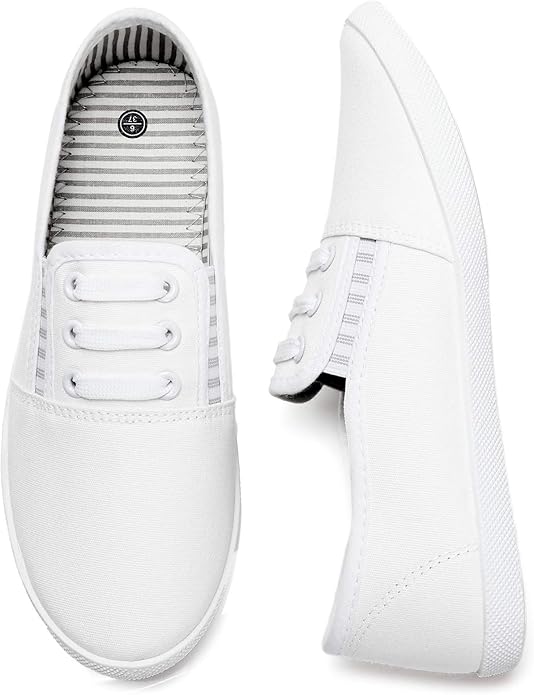
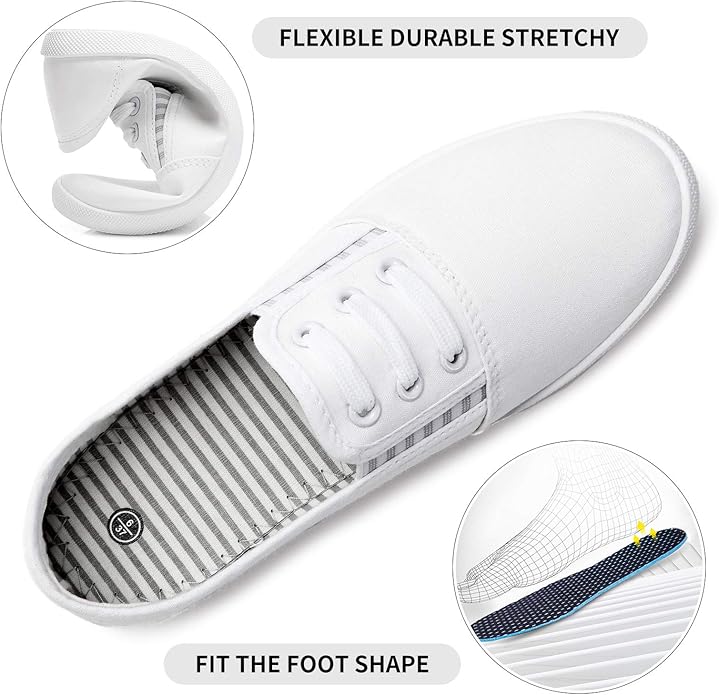
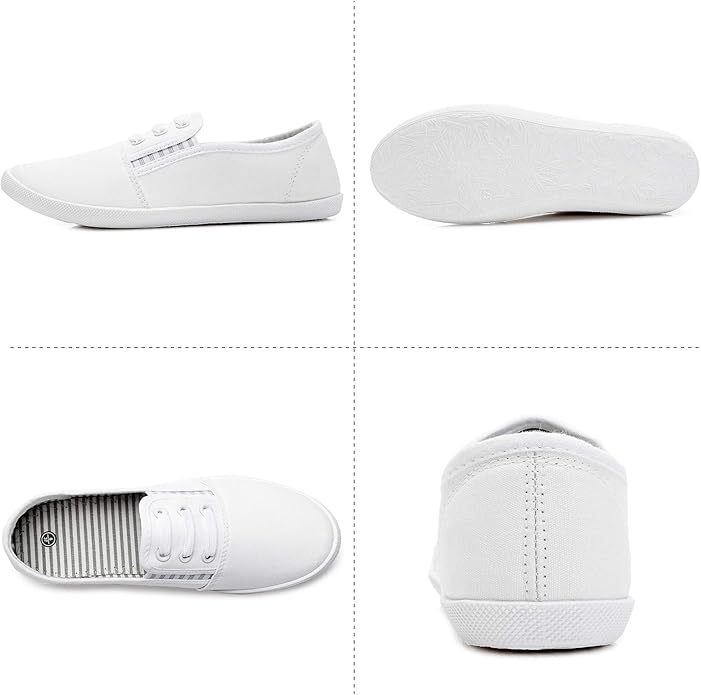
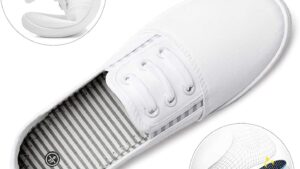
- 👟 Upper material: Canvas
- 🏃♀️ Sole material: Rubber outsole
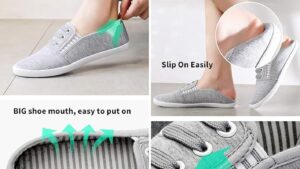
- 🎯 Closure: Elastic pull-on with heel tab
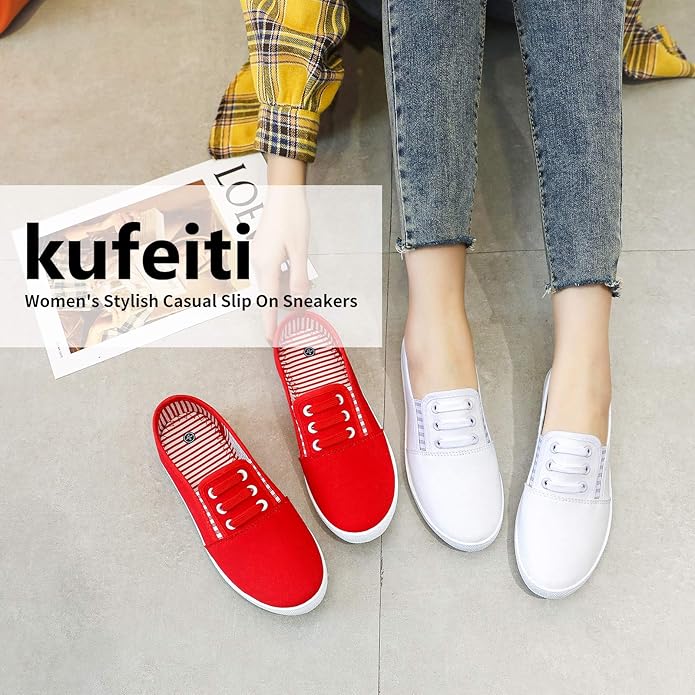
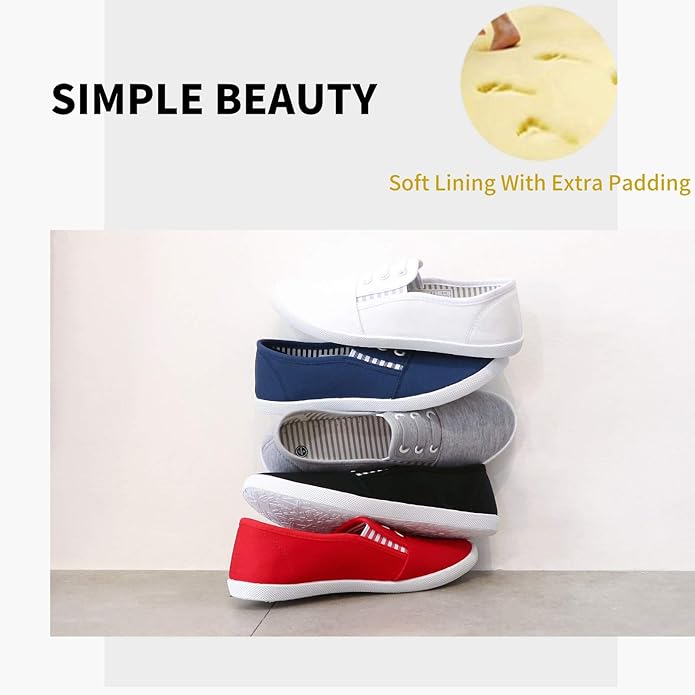
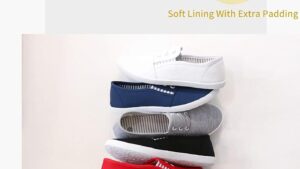
- 🎨 Colors available: White, Black, Grey, Red, Navy
- 📏 Size range: 5–11 whole sizes only (no half sizes)
- 🎯 Best for: Casual rotation wear, short errands, school pickups
There’s a specific moment every busy mom knows: you’re halfway out the door, coffee in one hand, school bag in the other, and somehow still need to get shoes on your feet in under three seconds. That’s what pulled me toward the Kufeiti Women’s Canvas Slip On Shoes at $19. Sarah here, and after three weeks of real-world testing across school pickups, grocery runs, and a particularly ambitious family Saturday, I’ve got a detailed picture of what these actually deliver — and where the promise quietly unravels. Score: 6.1/10. Here’s the full breakdown.
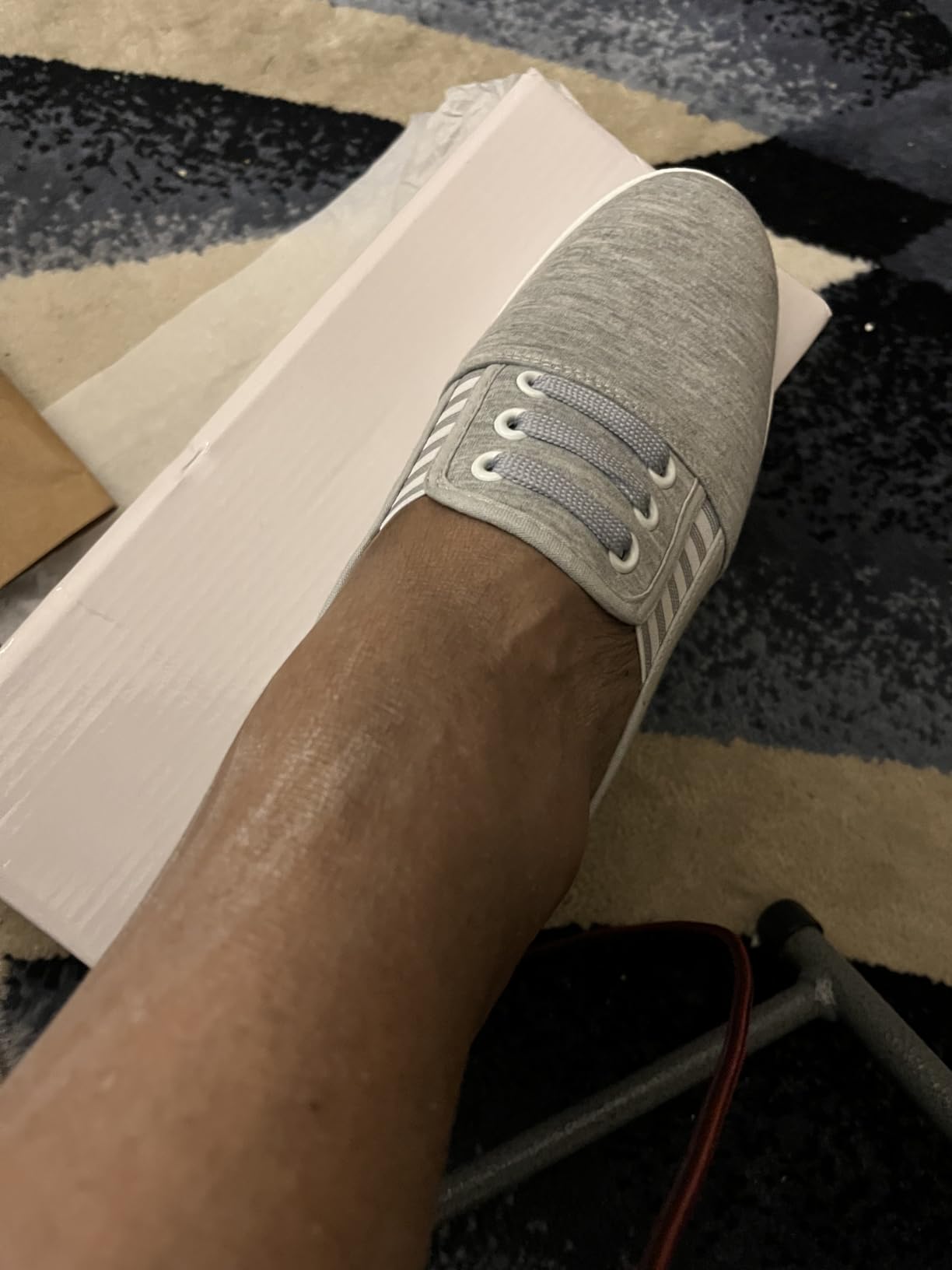
Unboxing Reality: What $19 Gets You Out of the Bag
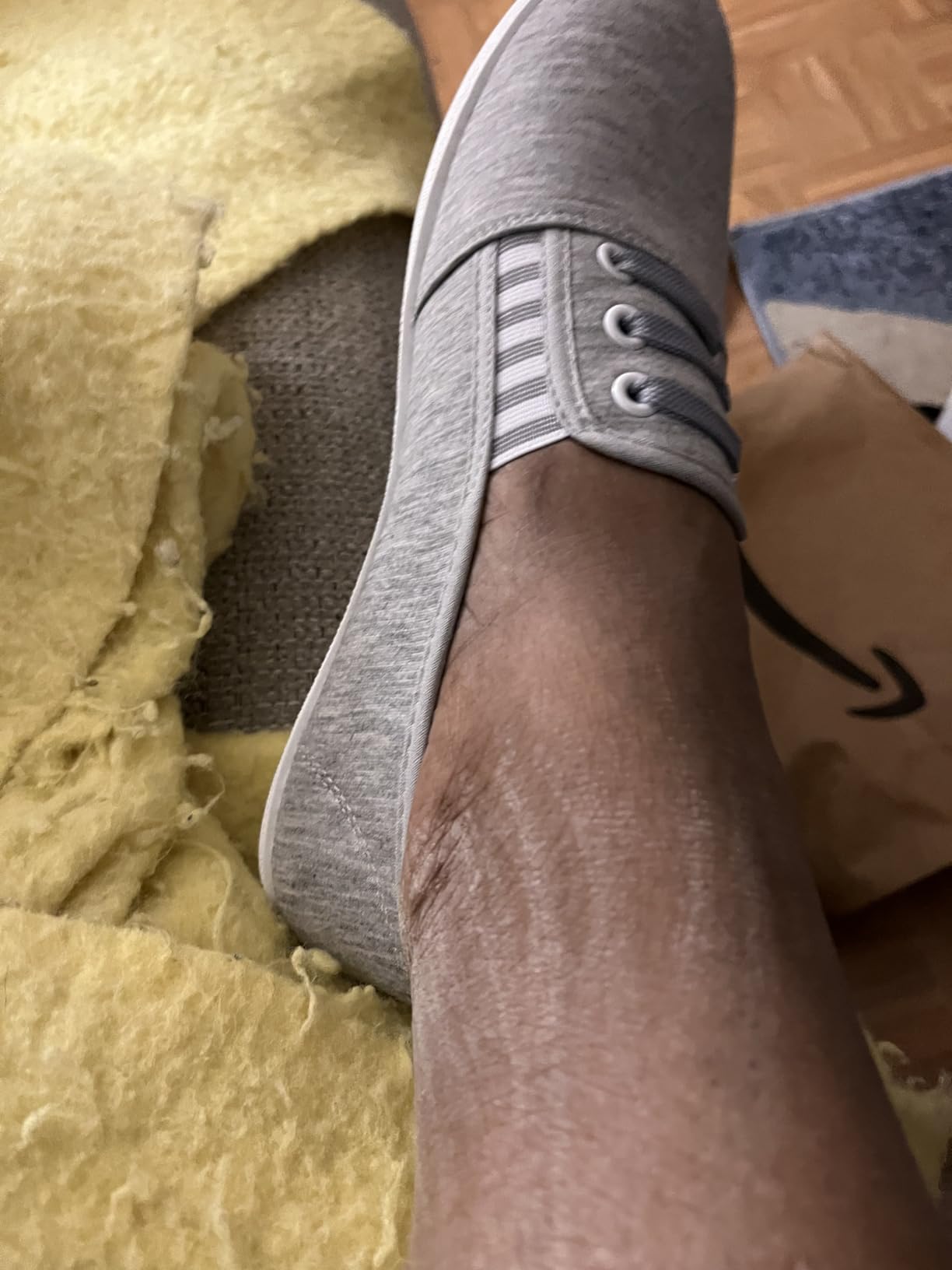
One detail nobody mentions in the product listing: these shoes arrive in a plastic bag, not a box. That’s not a complaint — it’s information. If you’re buying them as a gift, add a shoe box yourself. If you’re buying them for your own rotation, it tells you exactly where the cost savings live.
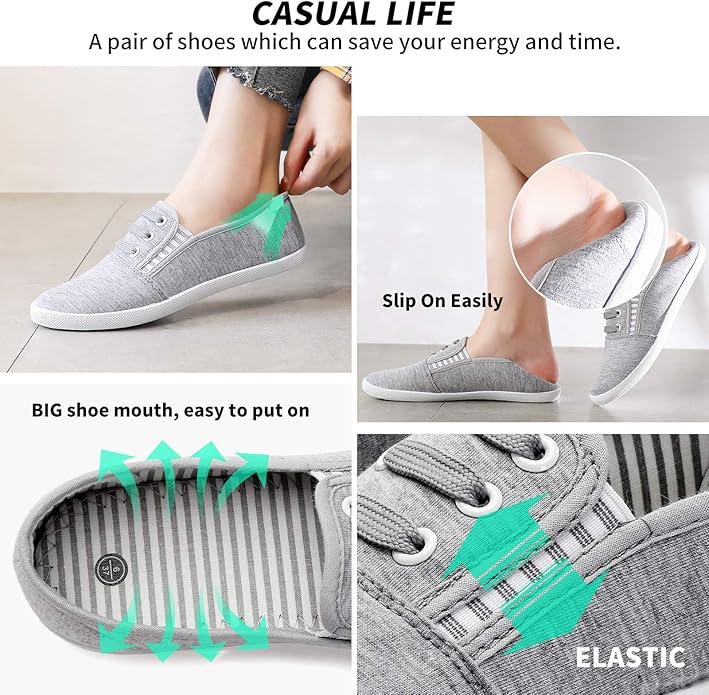
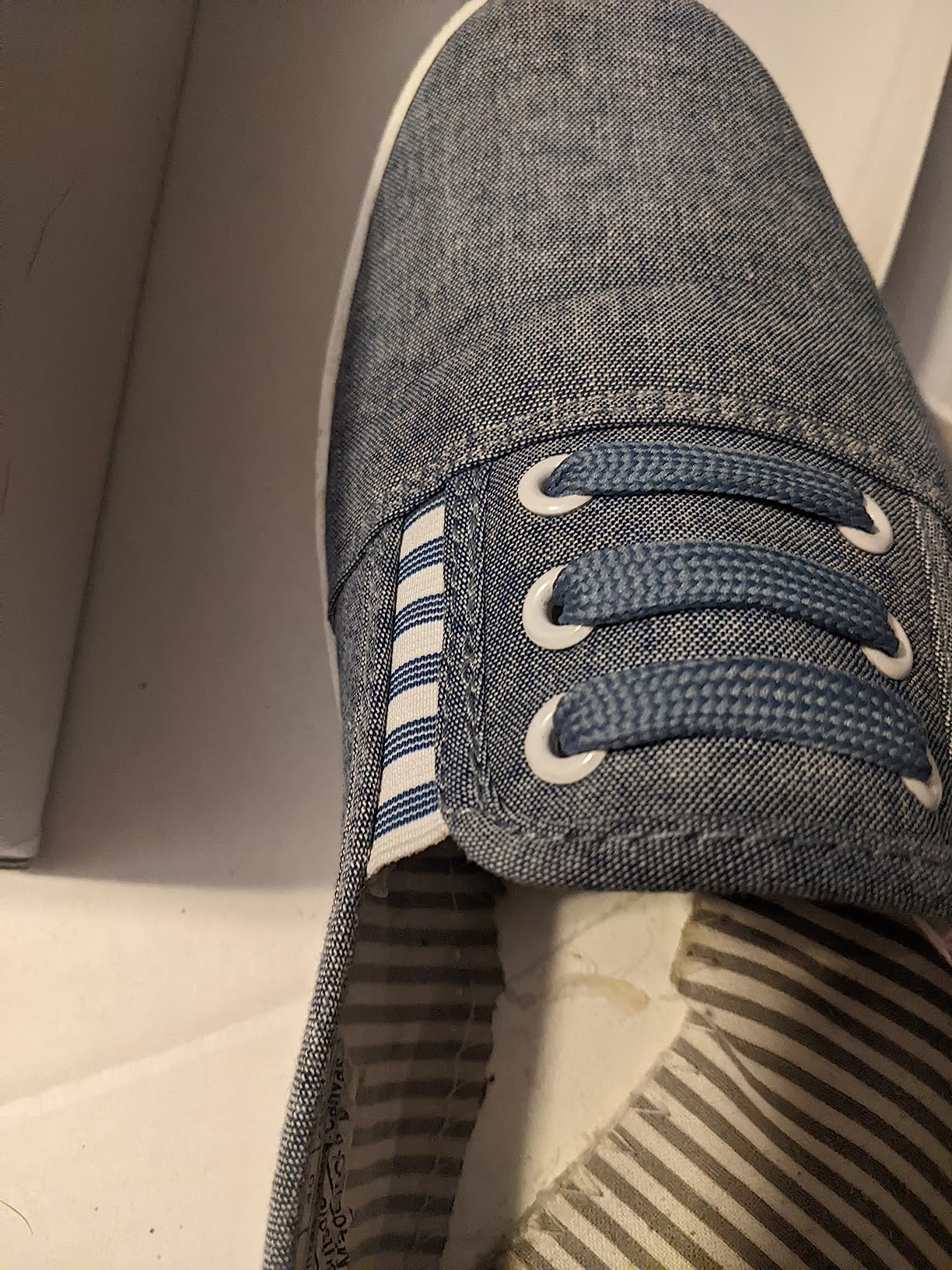
Out of the bag, the first thing you notice is how light they feel. At 8.2 oz per shoe, they’re genuinely lightweight — lift them and you’ll wonder if there’s any structure inside at all. The canvas upper feels like a well-worn tote bag: soft, flexible, nothing that screams “I’m going to last forever.” The elastic bands run across the top instead of laces, and the back heel tab is a small loop of fabric that does real work. Pull it up and the shoe follows. Two seconds, no fumbling. For a school pickup morning, this is actually worth money.
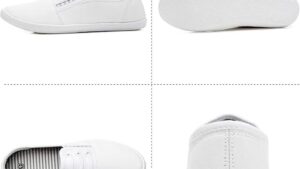
The white colorway I tested photographs beautifully and pairs with nearly everything. The trade-off is visible: within two weeks, scuff marks appeared at the toe area from normal pavement contact. Black or grey would age more gracefully. The color itself is accurate to the product photos — no surprise there.
At this price, you’re not getting premium build materials, and Kufeiti isn’t pretending you are. What you’re getting is a practical casual slip-on sneaker that does a specific job. Whether it does that job well enough depends entirely on what you’re asking of it.
The Sizing Problem Nobody Talks About
Here’s something the listing quietly omits: Kufeiti only makes whole sizes. That means 5, 6, 7, 8, 9, 10, 11 — and nothing in between. If you normally wear an 8.5, you’re not just choosing a size. You’re choosing between length-correct and width-correct, and hoping the elastic compensates for the gap.
I normally wear an 8.5. I ordered a 9, medium width. The result: perfect fit in length with just enough room through the midfoot that the elastic kept everything secure without feeling sloppy. My feet are neither wide nor narrow, which made the rounding-up decision straightforward.
For other foot types, here’s what the data and community feedback suggests:
| Your Normal Size | Foot Width | Recommended Order | Why |
|---|---|---|---|
| 7 (whole) | Standard/medium | Size 7 (TTS) | True to length; elastic manages midfoot snugly |
| 7.5 (half) | Standard | Size 8 (up 0.5) | No half sizes; 8 fits with minor toe room |
| 8 (whole) | Wide | Size 8 (TTS) | Elastic gives; width accommodated well |
| 8.5 (half) | Standard/medium | Size 9 (up 0.5) | Tested by Sarah; fits well with elastic security |
| 9 (whole) | Narrow | Size 9 (TTS) | Canvas flexible; monitor for heel slip |
| 9.5 (half) | Standard | Size 10 (up 0.5) | Rounds up; elastic prevents excess looseness |
The elastic design actually helps half-size wearers more than a rigid lace-up would, because it distributes the fit across the whole top of the foot rather than specific lace pressure points. Wide feet benefit most here — the elastic forgives what rigid canvas wouldn’t. Narrow feet should watch for heel slip, especially as the shoe breaks in further over weeks of wear.
If half sizes are a dealbreaker for you, UBFEN Minimalist Sneakers have the same whole-size-only constraint. Lucky Step Women’s Retro Sneakers offer more size options if precision fit matters more than price.
Comfort Experience: The First Six Hours vs. What Comes After
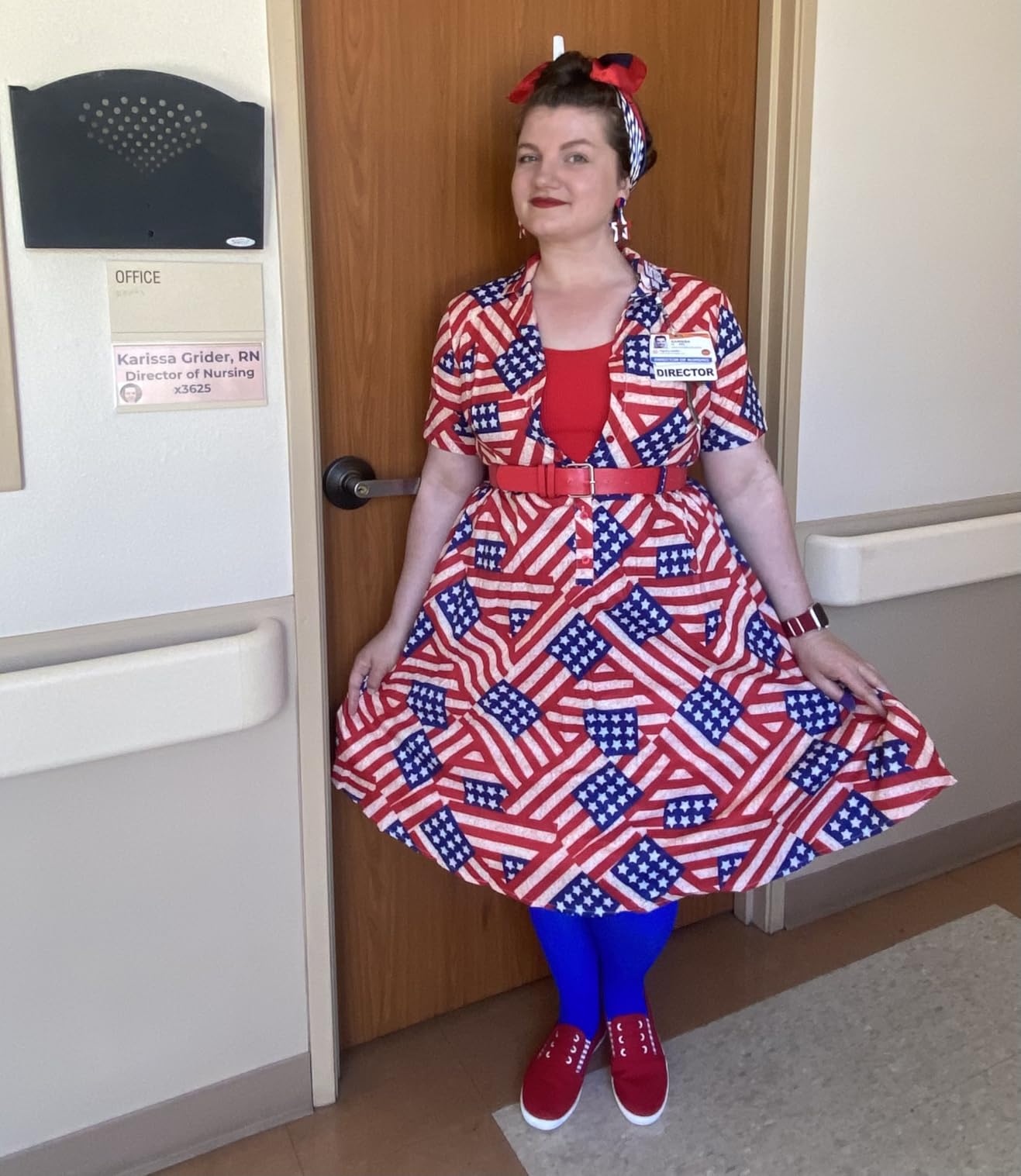
The first wear was genuinely pleasant. No break-in period, no rubbing, no stiff heel counter to fight through. The canvas molds softly around your foot shape immediately, and at 8.2 oz, there’s almost no weight to register. School pickup (15 minutes): excellent. Grocery run (45 minutes): still comfortable. Coffee meetup lasting an hour: zero complaints.
The comfort ceiling shows up around hour five or six. It’s not a sudden wall — more like a slow realization that your feet are tired in a way that has nothing to do with how far you walked. The sole is flat and thin. There’s no arch support to speak of, no cushioning to absorb repeated impact, no EVA layer to soften the pavement feedback. Your foot is essentially resting on a thin layer of canvas over rubber, and by hour six, every hard surface you’ve walked on has made itself known.
During a full family outing that stretched past four hours, I felt foot fatigue I hadn’t experienced at hour two. Not pain, not injury — just tiredness from the lack of structural support. That’s the honest comfort report: great for anything under four hours, adequate to five or six, and noticeably taxing beyond that.
If you need slip-on comfort for longer wear periods, the flat sole here isn’t going to cut it without aftermarket insoles. Adding a pair of Sof Sole Athlete Insoles genuinely transforms the experience — the base shoe accommodates them without issue.
The Insole Issue: A Design Flaw, Not a Defect
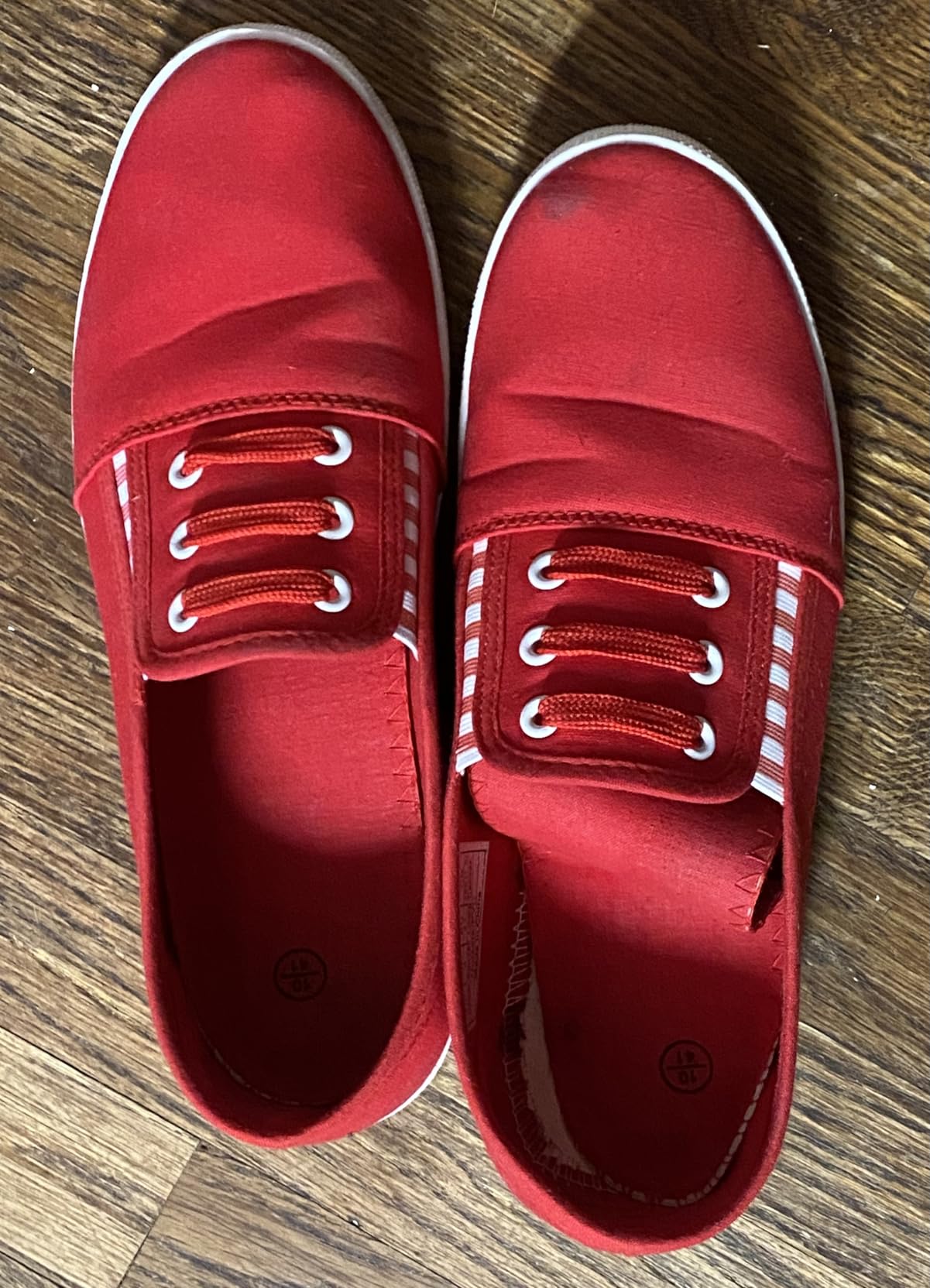
This is the part of the review that earns its word count. The insole issue isn’t a maybe — it’s a when.
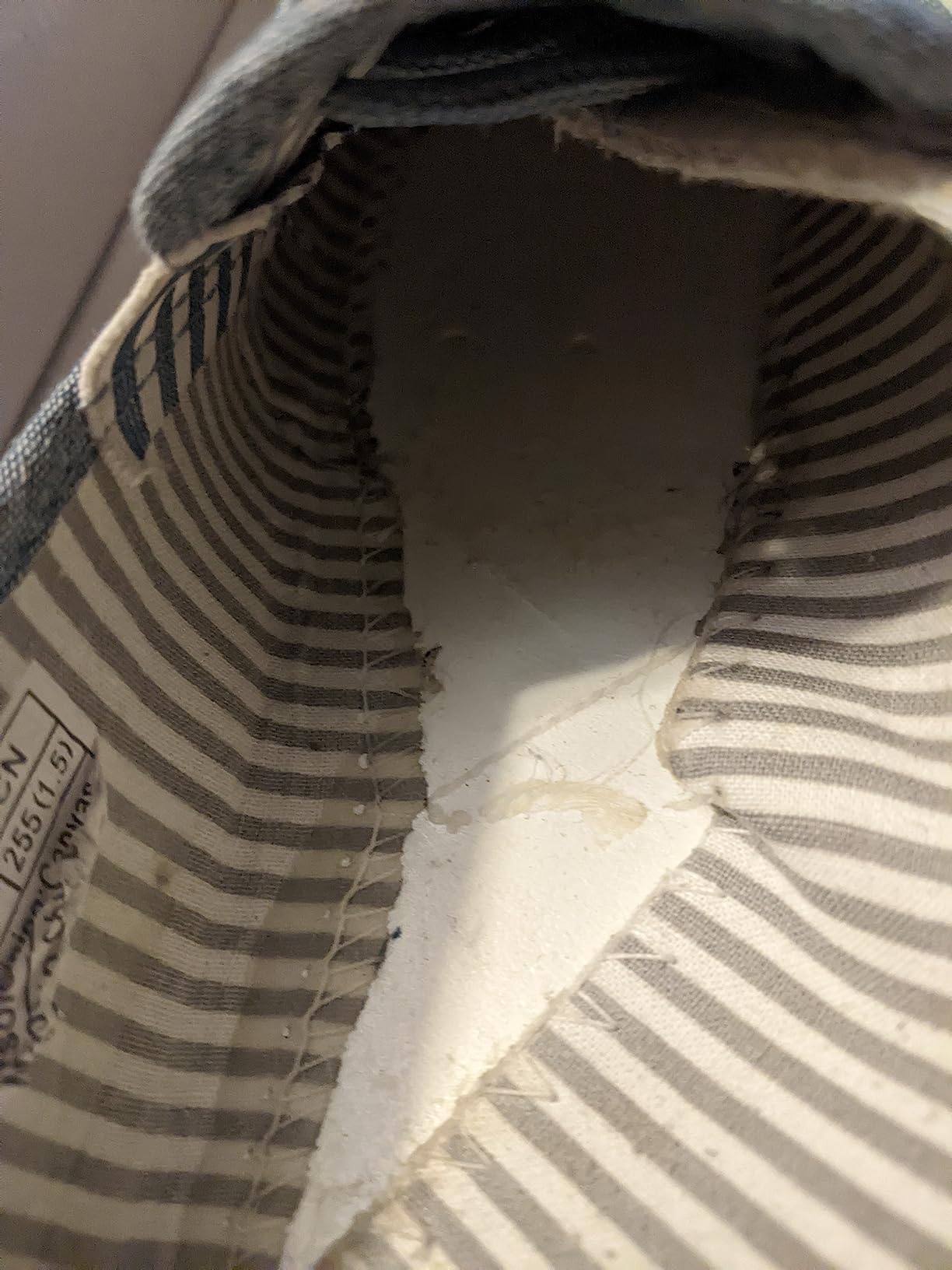
Week two of testing, around the twelfth hour of cumulative wear, I slipped the shoes on and felt something wrong under my right foot. A slight ridge where there hadn’t been one. By the end of that day, the insole had shifted noticeably enough that I could feel the adhesive surface underneath through the thin canvas. Not completely detached. Just… loose. Moving.
Here’s the progression I documented:
| Timeline | Observation | Impact on Comfort |
|---|---|---|
| Week 1 (hours 1–10) | No issues; insole flat and secure | Full comfort baseline |
| Week 2 (hour 12) | Heel-side separation begins; slight ridge feeling | Mild, noticeable |
| Week 2–3 (hours 15–20) | Arch and ball-of-foot areas also separating | Moderate annoyance |
| Week 3+ | Insole loose at three contact points; shifts during wear | Manageable but present |
Why does it happen? The insole is held down with a contact adhesive that isn’t designed for repeated flex cycles. Every step causes the canvas upper to flex; the insole anchor points stay relatively rigid by comparison. Over hundreds of flex cycles in two weeks of normal use, the adhesive micro-tears. The result is an insole that’s no longer bonded — it just sits there, shifting when you walk.
I tried super-glue to reattach it. The fix lasted about three days before the flex cycle defeated it again. The seller doesn’t cover this under warranty — it’s classified as normal wear, not a manufacturing defect. Some users have removed the insole entirely and worn the shoes barefoot-style, which actually works reasonably well given the canvas interior. Others add a replacement insole on top, which the shoe accommodates.
The insole failure doesn’t end the shoe. The upper keeps its shape, the elastic holds, the rubber sole maintains traction. But it permanently changes the comfort experience, exacerbating the already-limited cushioning situation. If you have sensitive feet, this is a dealbreaker from week two onward. If you’re pragmatic about budget shoe realities, you adapt.
Real-World Durability: What Three Weeks of Testing Shows
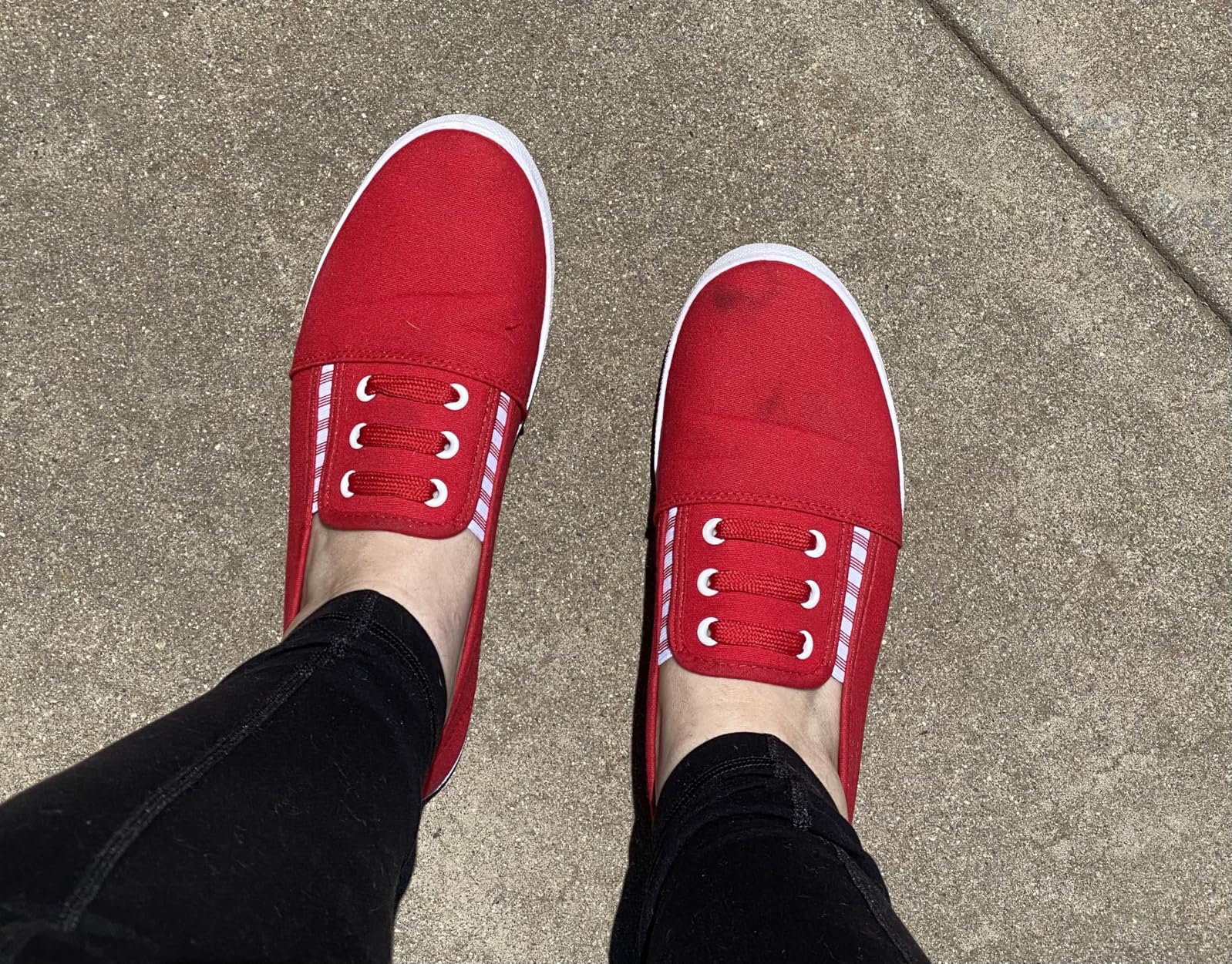
Beyond the insole, the rest of the shoe held up better than the reviews worried me it would. The canvas upper showed normal creasing at the toe box by week two — this is just how canvas behaves when flexed repeatedly. No seam splitting. No eyelet damage. The heel tab stitching remained intact throughout.
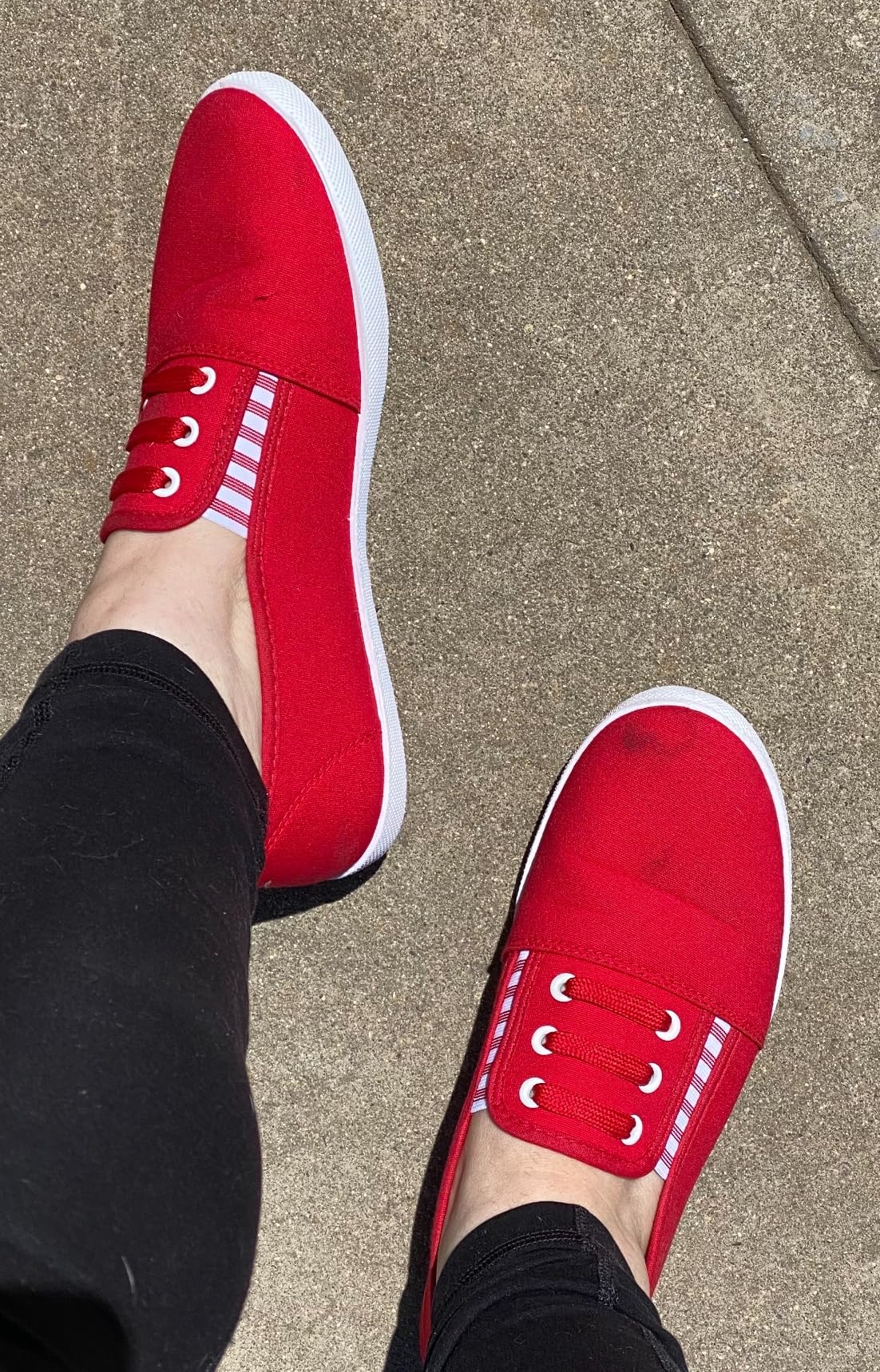
The rubber sole showed visible tread wear at pressure points (ball of foot, heel strike area) by week three. For a flat rubber sole with no deep lug pattern, this was expected. The tread is already shallow, so week-three wear is meaningful — by month two of regular use, I’d anticipate noticeably reduced traction on smooth indoor surfaces.
The honest lifespan math, broken down by how you wear them:
| Use Pattern | Frequency | Realistic Lifespan | Cost Per Wear |
|---|---|---|---|
| School year rotation | 1–2x per week | 9–12 months | $0.27–0.53/wear |
| Weekend casual | 2–3x per week | 6–9 months | $0.18–0.29/wear |
| Daily errand shoe | 5–7x per week | 3–4 months | $0.24–0.29/wear |
For school year rotation — a second or third shoe in your regular cycle — the value math is genuinely good. For daily-driver use, you’d go through three or four pairs per year ($57–$76 annually), which compares unfavorably to a mid-tier $60 sneaker lasting twelve months or more.
Does the Marketing Hold Up? A Claim-by-Claim Check
“Comfortable and Lightweight” — Half true. Lightweight: absolutely, and it makes a real difference. Comfortable: yes, for sessions under four hours. Beyond that, the flat sole means you feel every surface. “Comfortable” needs the qualifier “comfortable for casual short wear.”
“Elastic Band brings casual life” — Genuinely accurate. The elastic design is the shoe’s best feature. It delivers real convenience, not just marketing language. If you’ve struggled with slip-ons that require a horn or leave your heel exposed, the tab-plus-elastic combination here actually works.
“Soft lining with skin-friendly material” — Overstated. The canvas interior is basic. There are seams visible inside that can rub against bare skin during longer sessions. No-show socks or foot liners are recommended — not optional if you’re prone to blisters.
“Thick steady outsole for walking safety” — “Thick” is a stretch. It’s a flat rubber sole adequate for casual dry-surface walking. Not thick by any meaningful comparison to structured footwear. Wet surfaces weren’t extensively tested, but I’d approach wet pavement with caution.
“Can be paired with any kind of socks” — True. The elastic top accommodates varying sock thicknesses without creating pressure points.
How It Compares: The $19–35 Budget Slip-On Tier
If you’re shopping this category, three names come up repeatedly. Here’s how they stack:
| Feature | Kufeiti ($19) | JENN ARDOR (~$35–45) | UBFEN (~$25–30) |
|---|---|---|---|
| Half sizes? | ❌ No | ✅ Yes | ❌ No |
| 0–6 hr comfort | 8/10 | 9/10 | 7/10 |
| 6+ hr comfort | 4/10 | 7/10 | 5/10 |
| Insole stability | Fails wk 2–3 | Stable | Variable |
| Arch support | None | Minimal | Zero-drop |
| Lifespan (regular) | 3–4 months | 6–9 months | 4–6 months |
| Delivery | Plastic bag | Box | Box |
| Best use case | Budget rotation | Comfort priority | Barefoot transition |
JENN ARDOR wins on comfort and durability, costs roughly twice as much, and importantly offers half sizes — which matters more than most shoppers realize before they’ve tried to size into a whole-size-only shoe. If comfort is the priority and the extra $15–25 is available, it’s the better investment.
UBFEN occupies the middle ground for shoppers transitioning to zero-drop or barefoot-style footwear. It’s not a casual shoe the way Kufeiti is — different philosophy, different feel. If you want something more supportive for longer wear without going all the way to a running shoe, Hash Bubbie Slip-On Canvas or Hello Basics Canvas Sneakers are worth considering in the same canvas casual space.
For Kufeiti: the $19 makes sense for rotation use, not as your primary shoe. That’s the honest positioning.
My Overall Assessment
✅ What Works
- Genuine slip-on convenience — 2-second on/off, heel tab does real work
- Lightweight at 8.2 oz — no foot fatigue in first few hours
- Comfortable for 0–4 hours of casual wear with no break-in required
- Elastic design accommodates wide feet better than rigid shoes
- Versatile casual styling — works with jeans, athleisure, casual dresses
- Canvas breathes well; no sweat accumulation in warm weather
- Affordable rotation shoe — school year value math works out well
- Colors accurate to product photos
❌ The Real Limitations
- Insole adhesive fails week 2–3 — consistent design weakness, not random defect
- No half sizes — forces sizing compromise for 7.5, 8.5, 9.5, 10.5 wearers
- Comfort ceiling at 5–6 hours — flat sole insufficient for extended wear
- Tread wear visible by week 3 of regular use
- No arch support — not suitable for plantar fasciitis or standing work
- Arrives in plastic bag — not gift-appropriate without added packaging
- Interior seams can irritate without socks
- White colorway shows dirt quickly; requires regular cleaning
Detailed Scoring
| Category | Score | Notes |
|---|---|---|
| Comfort (0–4 hours) | 8/10 | Lightweight, no friction, canvas molds to foot — genuinely comfortable for short sessions |
| Comfort (4+ hours) | 4/10 | Flat sole and insole issue combine; not suitable for extended wear |
| Durability & Construction | 4/10 | Insole adhesion fails week 2–3; tread wear visible week 3; seams hold better than expected |
| Style & Aesthetics | 7.5/10 | Clean versatile design; white photographs beautifully but shows wear; colorway range adequate |
| Convenience | 9/10 | Best feature: elastic + heel tab = fastest daily slip-on tested |
| Value for Money | 6.5/10 | Good if used as rotation shoe; poor if expected to function as primary daily driver |
| Sizing & Fit | 5.5/10 | Whole sizes only limits half-size wearers; elastic partially compensates |
Final Score: 6.1/10
A budget rotation shoe that excels at convenience and short-session casual wear — but honest about what $19 doesn’t buy you
Final Verdict
Who These Are For vs. Who Should Keep Scrolling
| Buy These If You… | Skip These If You… |
|---|---|
| Need a third or fourth rotation pair on a budget | Wear one pair as your daily driver 5+ days a week |
| Use shoes for errands and pickups under 4 hours | Need shoes for 6+ hour shifts, work, or events |
| Have wide feet and struggle with rigid sizing | Wear a half size (7.5, 8.5, 9.5, 10.5) |
| Prioritize slip-on convenience above durability | Have sensitive feet or need reliable insole cushioning |
| Want school-year rotation value ($0.27/wear) | Want to buy a gift that arrives looking presentable |
| Accept 3–6 month lifespan as appropriate for price | Expect shoes at $19 to last a year with daily wear |
Better Options If These Don’t Fit Your Needs
For all-day comfort at budget price: Skechers Bobs B Cute offers memory foam cushioning with similar casual aesthetics, and Adokoo Fashion Sneakers provide more structured support at a comparable price point.
For canvas slip-on with better build quality: Hash Bubbie Slip-On Canvas or Hello Basics Canvas Sneakers are worth checking as alternatives in the same casual category.
For insole support upgrade: If you buy these and want to solve the comfort ceiling, Valsole Orthotic Insoles fit inside without sizing issues and dramatically extend the comfort window.
For elevated casual style: Dream Pairs Platform Sneakers or Project Cloud Platform Sneakers give more visual impact if style is the priority over minimalism.
If you’re exploring beyond casual sneakers, our full sneaker category has options across all price points, and sandals are worth a look for warm-weather alternatives to canvas slip-ons. For anything requiring real foot support, our running shoes or training shoes categories offer structured options.
My Final Take
The Kufeiti slip-ons earn their 6.1/10 honestly. They’re genuinely useful for what they are — budget casual rotation shoes that nail the convenience factor and do their job for the first few hours of any given day. The insole failure is real and predictable; go in knowing it’s coming and you can plan around it. The no-half-sizes constraint genuinely affects a large portion of buyers; understand your sizing situation before ordering.
At $19, you’re not buying a shoe designed to solve all your footwear needs. You’re buying a specific tool for a specific situation. If that situation is “quick and comfortable for the morning chaos” — these deliver. If it’s anything more demanding than that, invest in something built for it.
Frequently Asked Questions
Do Kufeiti slip-ons run true to size?
Mostly yes, with an important caveat: there are no half sizes. If you normally wear a whole size (7, 8, 9, etc.) and have standard or medium-width feet, order your normal size. If you wear a half size (7.5, 8.5, etc.), round up. The elastic design partially compensates for sizing imprecision, but you’ll still feel the fit gap more with narrow feet than wide.
What’s the insole issue I keep reading about?
The insole is held down with a contact adhesive that isn’t compatible with the canvas shoe’s flex cycles. Around week two of regular wear (approximately 12 cumulative hours), the adhesive begins releasing at the heel and arch area. The insole doesn’t fall out — it just shifts noticeably while you’re walking. It’s not a defect that varies by unit; it’s a consistent design weakness. Super-glue fixes don’t hold long-term. The shoe remains wearable, but comfort is compromised from that point.
How long do these actually last?
With regular daily use (5+ times per week), expect 3–4 months before the sole shows significant wear. With rotation use (2–3 times per week), 6–9 months is realistic. As a school-year rotation shoe worn 1–2 times per week, they can last a full academic year. The insole issue develops within the first month regardless of use frequency.
Can I add insoles to improve comfort?
Yes, and it helps significantly. The shoe accommodates aftermarket insoles without sizing issues. Adding an insole also delays the impact of the original insole failure by giving you a replacement layer. Sof Sole Athlete Insoles and Valsole Orthotic Insoles are worth considering as add-ons.
Are these suitable for wide feet?
Yes — this is one of the shoe’s genuine strengths. The elastic accommodates width variation better than rigid lace-up shoes. Wide-foot wearers who’ve struggled with canvas sneakers often find these more comfortable. Order TTS or size up 0.5 depending on your length preference.
Can I machine wash them?
Not recommended. Several customers report that machine washing causes interior padding to deteriorate and canvas to lose shape. Hand-clean with a damp cloth and mild soap. The white colorway cleans up reasonably well this way for surface scuffs; deep stains may be permanent.
Are they suitable for work environments?
Only for low-impact casual office settings. The flat sole provides no slip resistance certification, and the comfort ceiling at 5–6 hours rules out shift work. For healthcare or food service environments, look at purpose-built work footwear with non-slip ratings.
What do I do if the insole separates?
Options in order of effectiveness: (1) Add a replacement insole on top of the loose original — this works well and the shoe accommodates the extra layer. (2) Remove the original insole entirely and wear barefoot-style on the canvas base. (3) Super-glue — provides a temporary fix (2–3 days) before flex cycles release it again. (4) Return the shoes within the retailer’s return window if the issue is severe and arrives early.
Review Scoring Summary
| Performance Category | Score (1–10) | Weight | Weighted Score |
|---|---|---|---|
| Comfort & Fit (blended short/long term) | 5.5 | 25% | 1.38 |
| Durability & Construction | 4.0 | 20% | 0.80 |
| Style & Appearance | 7.5 | 15% | 1.13 |
| Performance & Functionality | 6.0 | 15% | 0.90 |
| Value for Money | 6.5 | 15% | 0.98 |
| Convenience & Usability | 9.0 | 10% | 0.90 |
| Overall Score | 6.1 | 100% | 6.09 |
Be the first to review “kufeiti Women’s Canvas Slip On Shoes Sneakers”
Related products

Sneaker
Sneaker

Running Shoes
Running Shoes
Sneaker
Reviews
There are no reviews yet.