
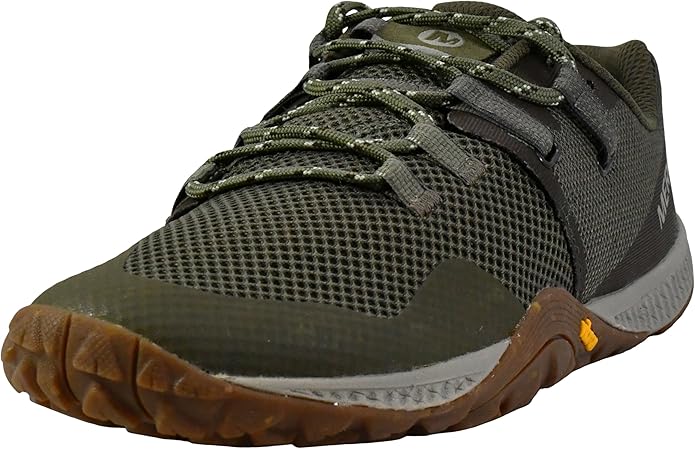
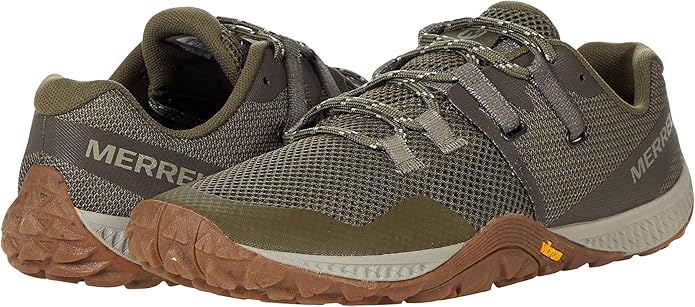
Merrell Men’s Trail Glove 6 Sneaker
$87.95
- ⚖️ Weight: 8.2 oz (men’s size 9)
- 📏 Drop: 0mm (true zero-drop)
- 📐 Stack height: 11.5mm heel and forefoot
- 🧪 Midsole: BLOOM® performance foam (EVA + algae biomass) with TPU rock plate
- 👟 Upper: 65% recycled mesh + leather overlays
- 🔩 Lug depth: 3mm Vibram® rubber outsole
- 🏃 Category: Minimalist trail/casual hybrid
Eight weeks and 120+ miles later: the Merrell Trail Glove 6 has real strengths — and one structural problem that changes the whole value calculation.
My Trail Glove 4s finally died somewhere around mile 420. Lasted over a year on New England trails and never gave me a reason to doubt them. When I started shopping for a replacement, the Trail Glove 6 was the obvious first look — same lineage, updated materials, and Merrell’s promise of “improved fit and increased abrasion-resistance.” Eight weeks in, I have thoughts. Not all of them good.
What Merrell Got Right — And Where It Gets Complicated
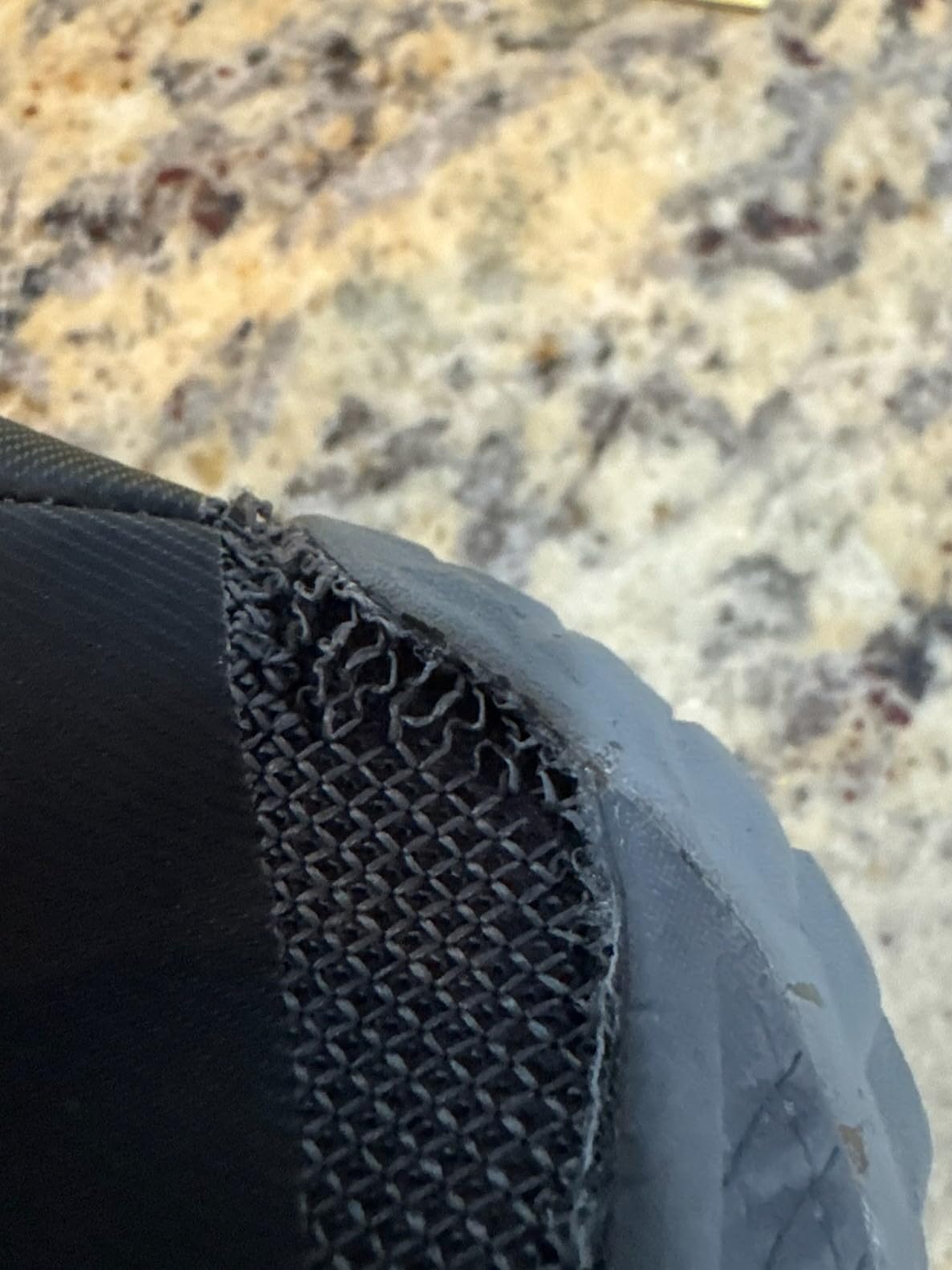
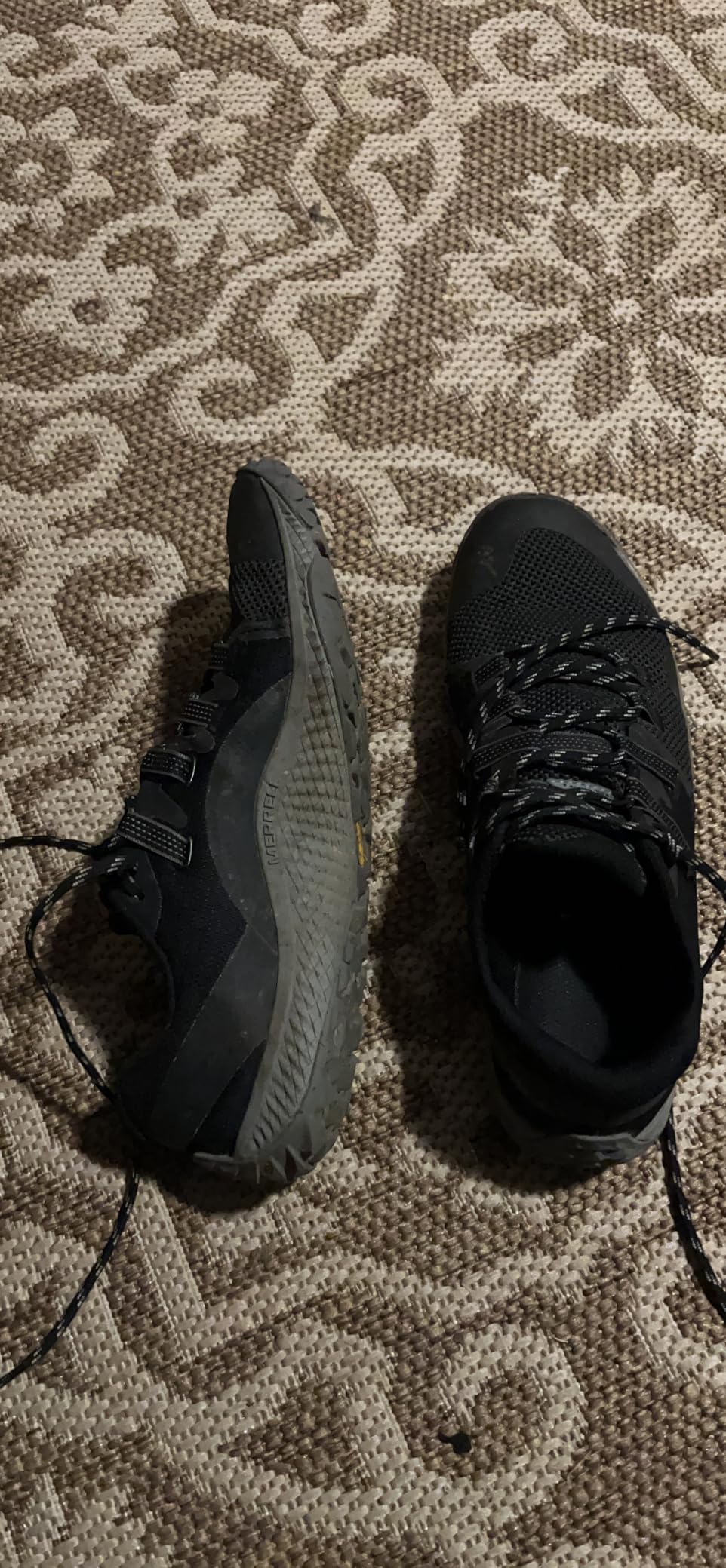
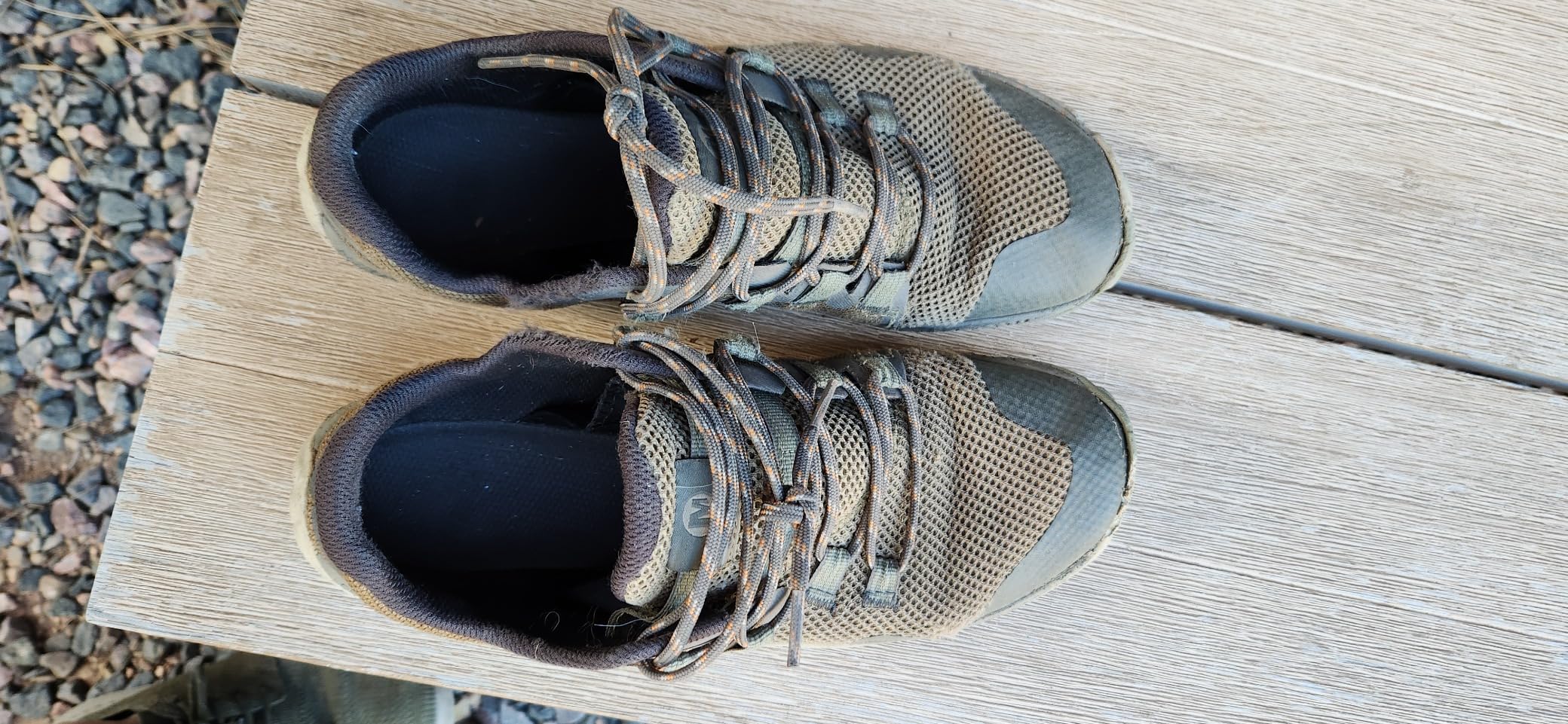
Pick up a pair of Trail Glove 6s and the first thing you notice is the upper feels genuinely robust. The 65% recycled mesh doesn’t have that papery thinness of some ultra-minimal shoes — it has weight and texture, with leather reinforcement panels at the usual stress points around the midfoot and toe. After 120 miles split between trail and casual use, those overlays are holding fine. No peeling, no mesh fraying, no structural degradation worth noting.
That part Merrell got right.
But here’s the thing: the upper isn’t where the Trail Glove 6’s story gets difficult. The first hints of trouble showed up within the first run. Something about the fit was immediately different from what I’d expected based on years in previous Trail Glove versions — and that difference turned out to be the beginning of a longer conversation about what this shoe actually is versus what it’s marketed as.
Fit & Sizing: Read This Before You Order
The Toe Box Is Narrower — And That’s Not a Minor Difference
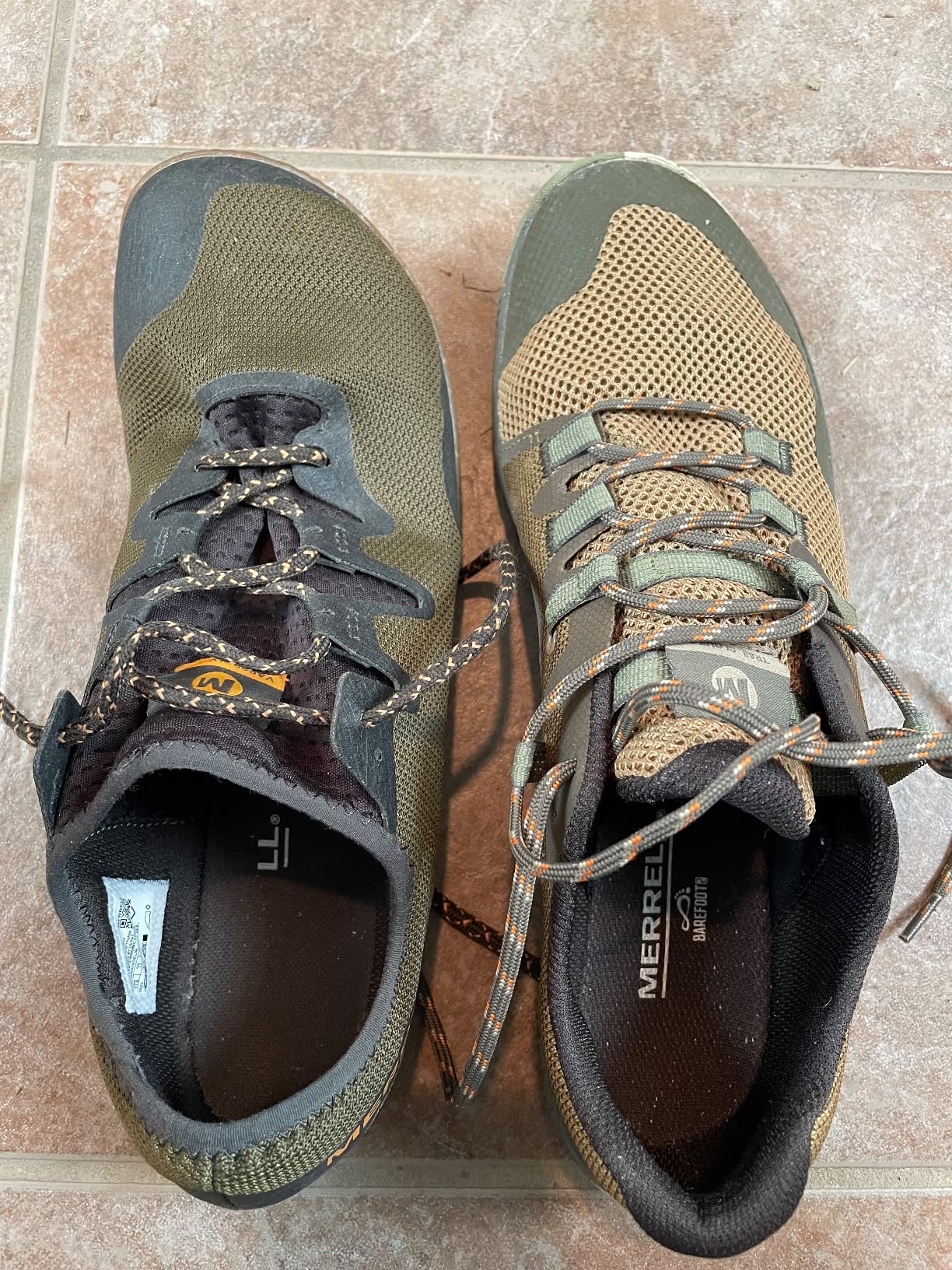
At size 11, which I’ve worn consistently for years across trail and hiking shoes, my forefoot felt compressed laterally within the first few hundred meters. Not painful — just wrong. The kind of fit that signals your toes aren’t splaying the way they should be.
Length was fine. The heel-to-toe fit was comfortable, no slippage. The issue was exclusively about width.
Testing size 11.5 resolved it. That extra half-step gave my toes room to spread naturally without creating any slop in the heel or midfoot. If you’re ordering Trail Glove 6s with standard or wide feet, budget for that size-up — the width runs noticeably narrower than the Trail Glove 4 and 5.
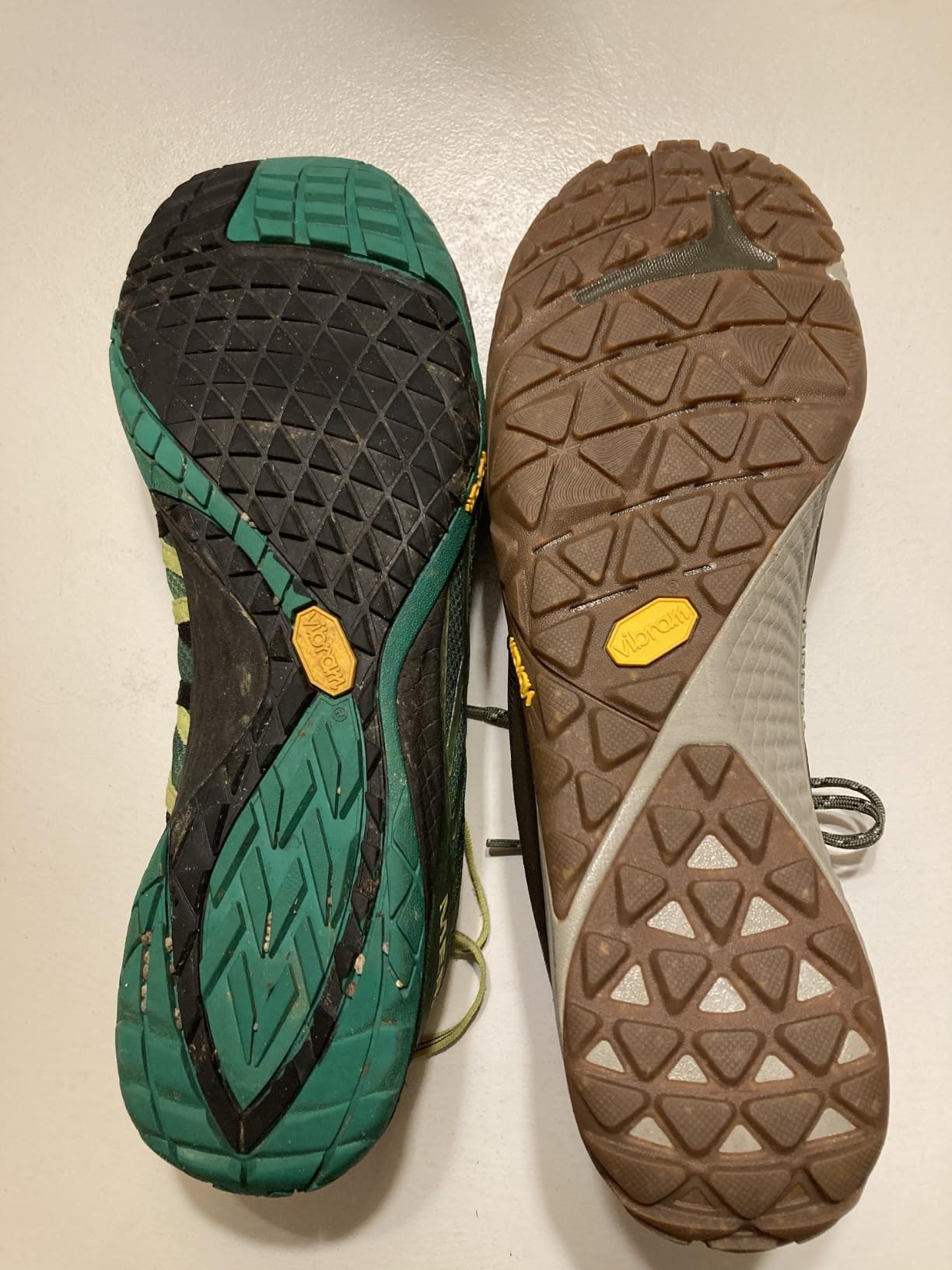
Sizing Decision Tree
If you have narrow feet: TTS may work fine. The snugger forefoot wrap is actually what some narrow-foot runners have always wanted from trail shoes — a glove-like security without excess interior space.
Standard width: Size up half a step. The length will still be TTS, but you’ll thank yourself in the forefoot after mile 5.
Wide feet: This is a harder conversation. A full size up may help, but the width is structural — you’re working against the last shape itself. Worth trying in-person before ordering if you can.
The lacing system adds one more friction point: there’s no heel pull tab. Getting these shoes on requires fully loosening the laces before your foot will slide in cleanly. Once they’re on, the hold is genuinely good — sock-like around the entire foot — but that entry process gets old faster than it should.
The Arch Support: The Feature Nobody Mentioned to Me
First Impression — Then Adaptation
Merrell’s marketing materials for the Trail Glove 6 talk about “improved fit” and upgraded materials. What they don’t mention, clearly enough, is the arch support ridge built into the footbed.
Put the shoe on for the first time and you’ll feel it immediately: a pronounced rise along the medial arch that’s more hotel spa shoe than zero-drop barefoot shoe. For someone coming from true minimalist platforms, it’s jarring. My first reaction was that I’d received the wrong product.
It took two weeks of regular wear before that sensation stopped feeling like intrusion. By week three, I’d adapted to it. By week five, I found the support genuinely useful on longer, rockier trail sessions — particularly with my 180-pound frame compressing the foam more aggressively than a lighter runner would.
So: is the arch support a problem? That depends entirely on who’s wearing these.
Who It Works For — Who It Doesn’t
If you’ve dealt with arch fatigue on long trail days and kept wondering why minimalist trail running shoes never address that — the TG6’s footbed might actually be the answer you didn’t know you were looking for.
If you’re a barefoot purist who wants every rock, every root, and every gradient translating through the sole without interference — you’re going to be frustrated here. The TG6 is closer to a “supportive minimal” shoe than a “true barefoot” shoe. That’s a meaningful distinction.
Ground Feel and Trail Performance: The Bright Spot
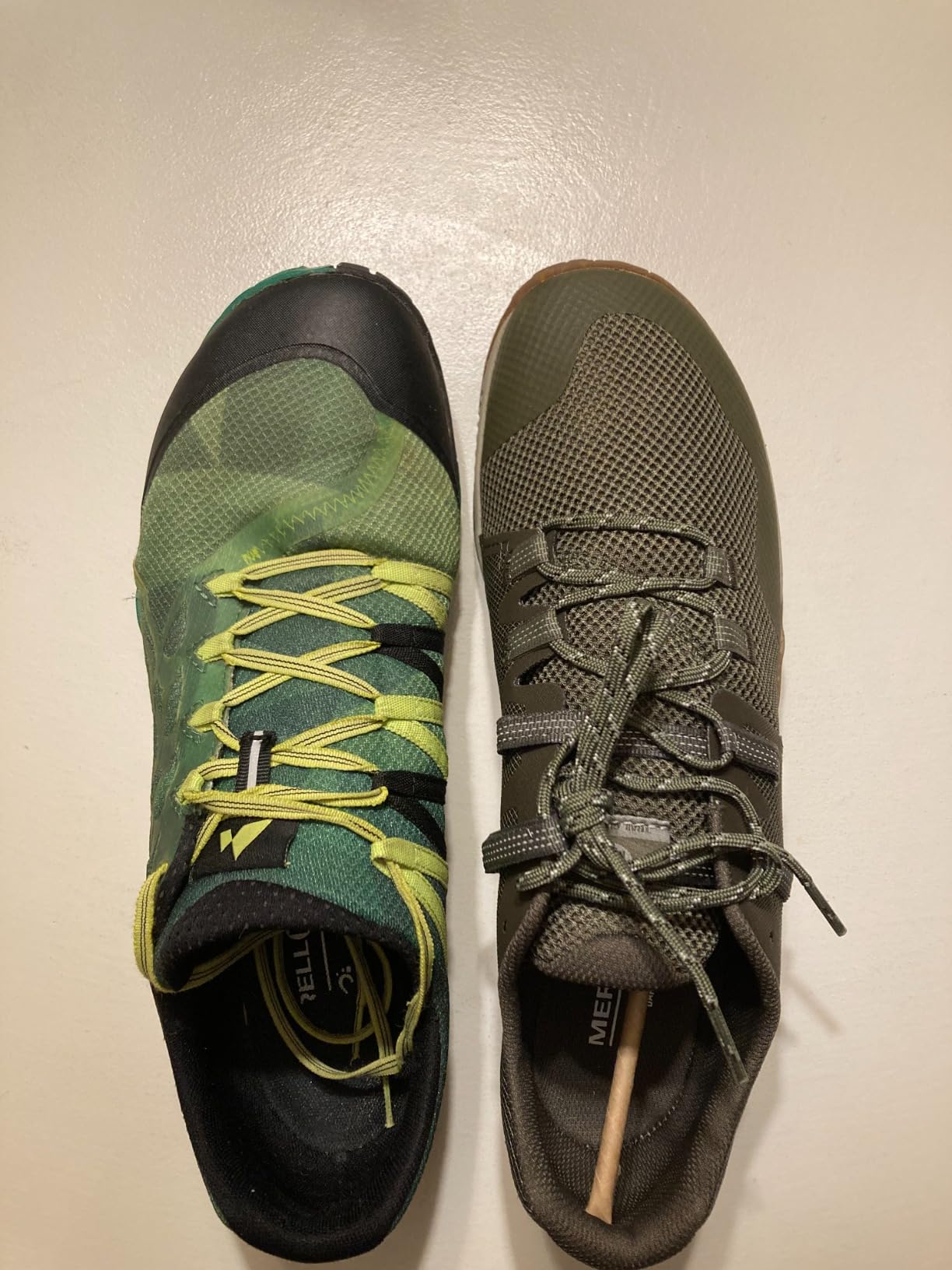
Dry Conditions
On dry trail, the Trail Glove 6 does exactly what the category should deliver. The 11.5mm stack with the TPU rock plate reads terrain well — you’re getting genuine proprioceptive feedback without getting punished by every sharp edge. On smooth single-track, you feel the ground. On rocky descents, the rock plate keeps things honest without going full buffer.
The Vibram rubber held up to everything I threw at it on dry surfaces: packed dirt, loose gravel, exposed granite slabs, root tangles. Zero slipping incidents across 120 miles of dry conditions. That’s not nothing.
Wet Rock
Adequate, but not a strength. On wet granite and slick roots, the Vibram compound provides grip if you’re choosing your lines carefully and keeping your pace in check. But confident? No. This is a dry-conditions-priority shoe. If your trails regularly run wet, factor that into the decision.
The mesh upper dries quickly after stream crossings — that’s genuine. But traction and drying speed are separate conversations.
Gym and Lifting Use
This caught me off guard in a good way. The Trail Glove 6 turned out to be one of the better shoes I’ve used for heavy compound lifting. The zero-drop platform keeps the heel properly positioned for squats and deadlifts, and the arch support that feels excessive on trail turns into genuine stability in the weight room. Training shoes live and die by their ability to keep you stable under load — the TG6 does this well.
I’ve been rotating these into gym days specifically now, keeping them off trail to manage the durability concern. More on that in a moment.
Long Distance
Past six miles, the narrow toe box becomes the limiting factor. The arch support helps manage general fatigue, but the lateral compression in the forefoot builds steadily. Mile eight on a rocky trail, I was thinking about my toes when I shouldn’t have been. For shorter outings — day hikes, quick trail loops, gym sessions — the comfort ceiling is high. For half-marathon-plus trail distances, you’ll want more forefoot real estate.
The Durability Crisis: Sole Separation
⚠️ Critical Issue: Outsole Delamination Pattern
This is the defining problem of the Trail Glove 6. It’s documented across multiple independent reviewers and user reports — not an isolated manufacturing defect.
What I Found at Week Six
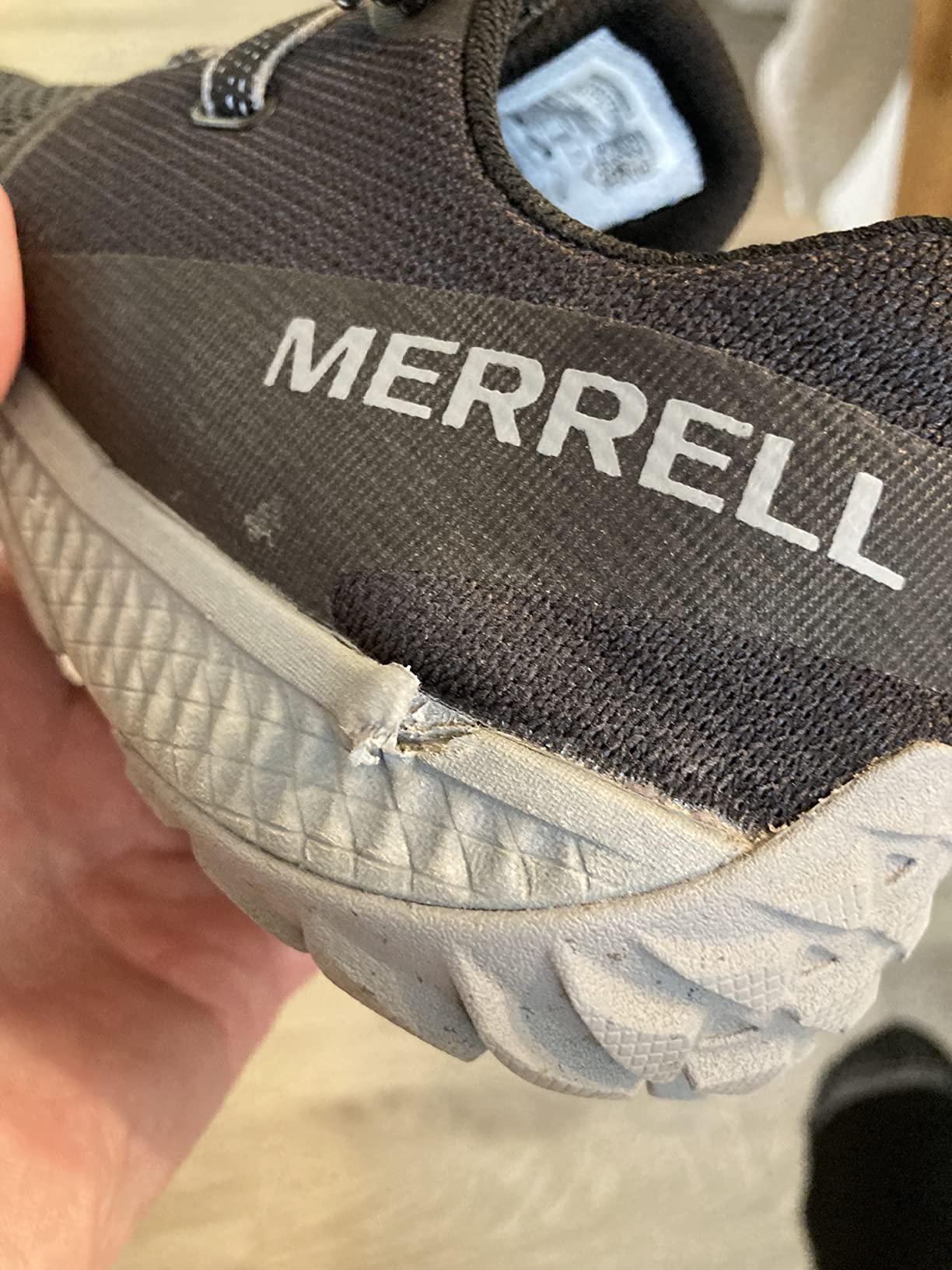
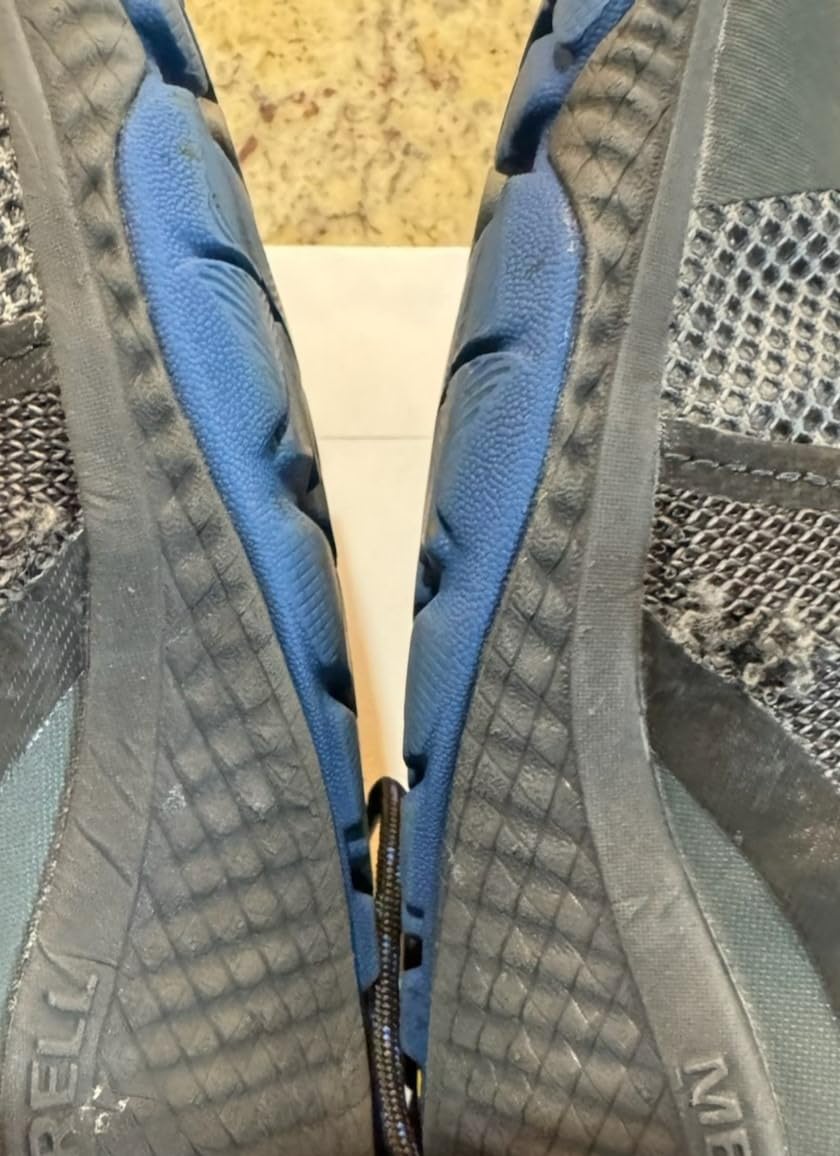
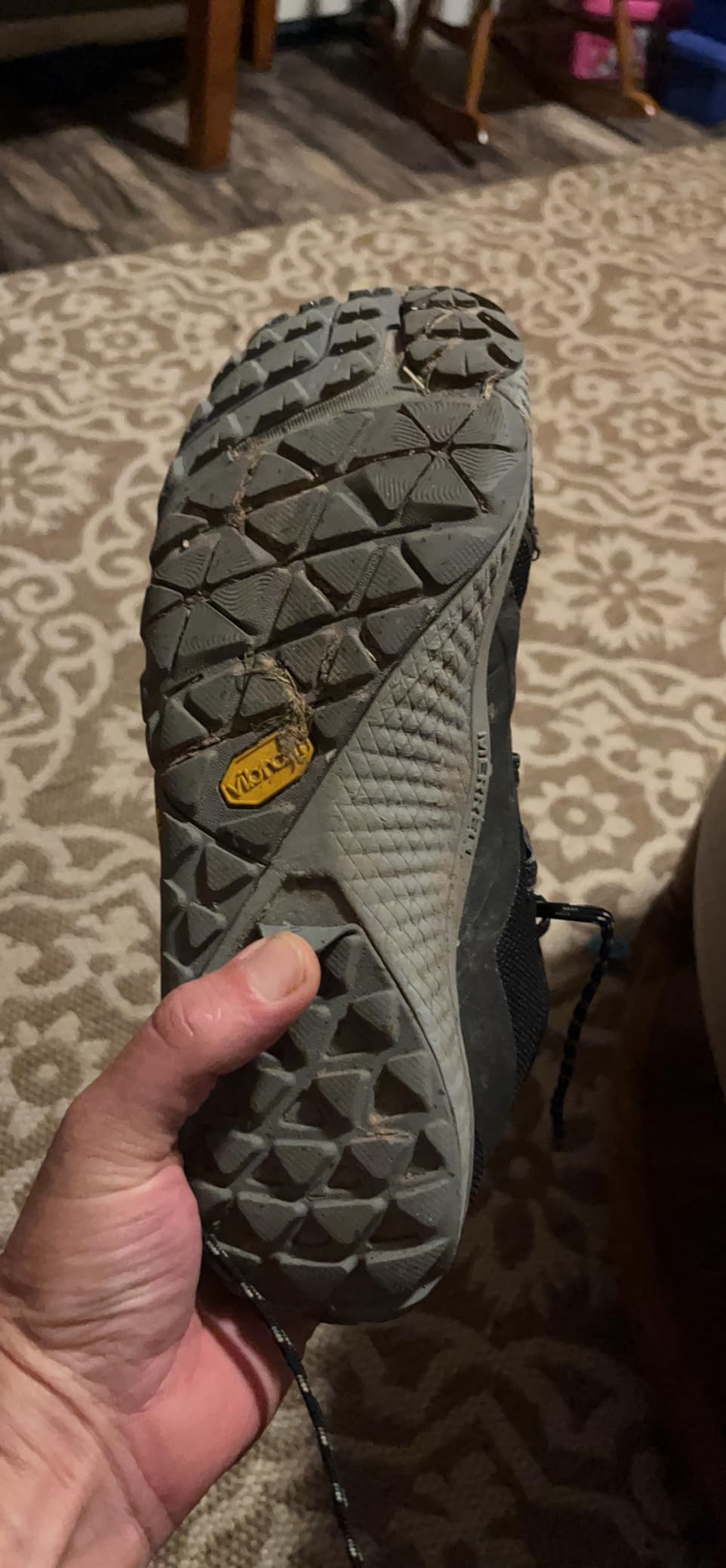
Around the 80-mile mark, I noticed a thin gap starting to form on the lateral heel — the place where the Vibram outsole meets the midsole. A millimeter or so of lifting, barely visible, but clearly there when I looked for it.
It hasn’t progressed dramatically since then. But the fact that it appeared when it did aligns closely with what other users report: separation starting somewhere between months one and four, at the heel specifically, spreading from there if use continues at the same intensity.
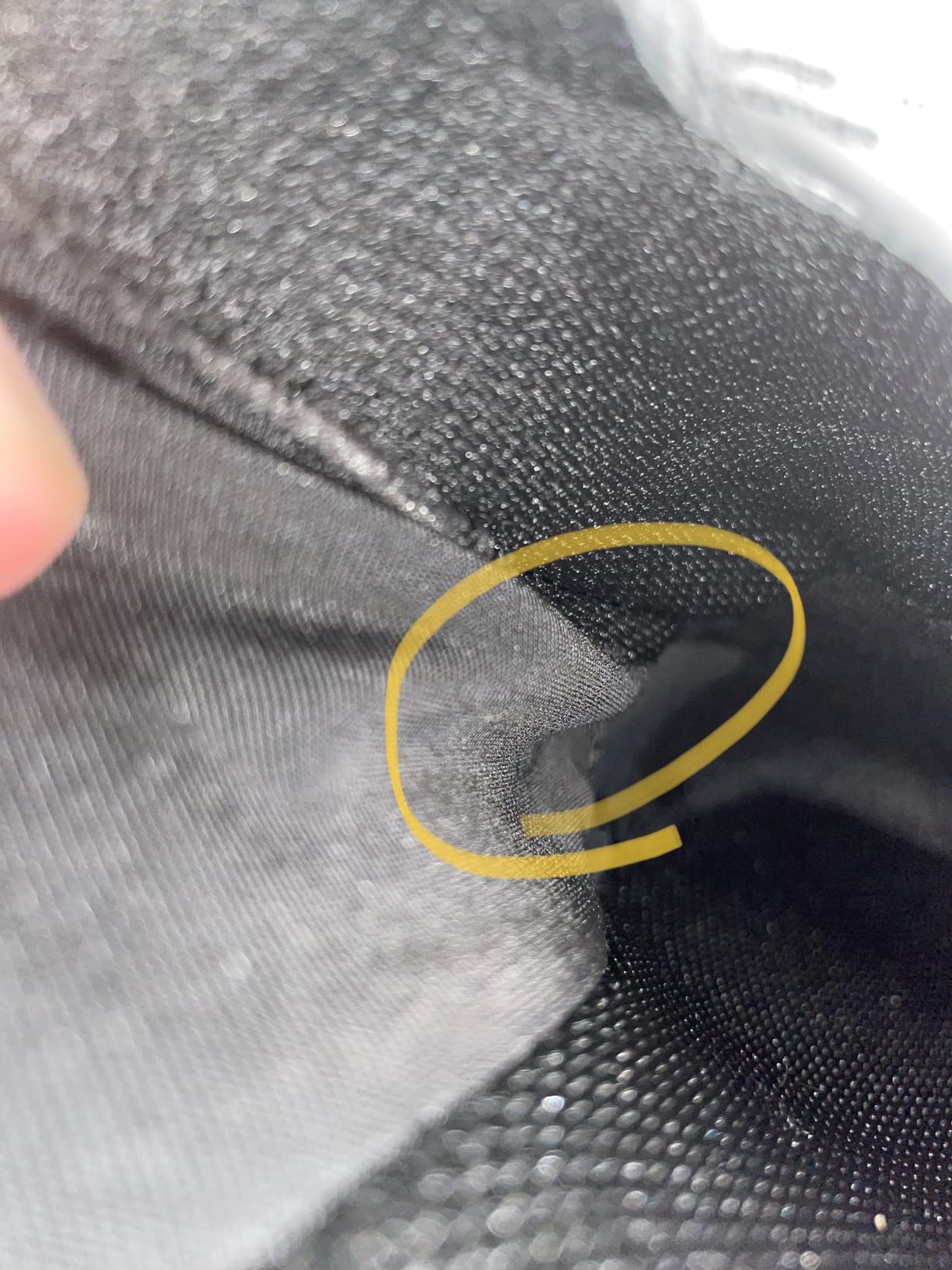
TerraDrift’s analysis points to the multi-zone tread design as a likely mechanism: the segmented Vibram tread pieces create exposed seams around the perimeter, each of which is a potential delamination initiation point. Every stride puts flexion stress at those edges. Over time, the glue bond can’t hold.
Why This Matters for Value
The Trail Glove 4 lasted me 14+ months. At $79.95, that works out to well under $0.20 per mile. If the Trail Glove 6 delivers 3-6 months of reliable use for a meaningful portion of buyers — which the pattern suggests — you’re looking at $0.40-0.80 per mile or worse. That math makes no sense for a shoe in this category.
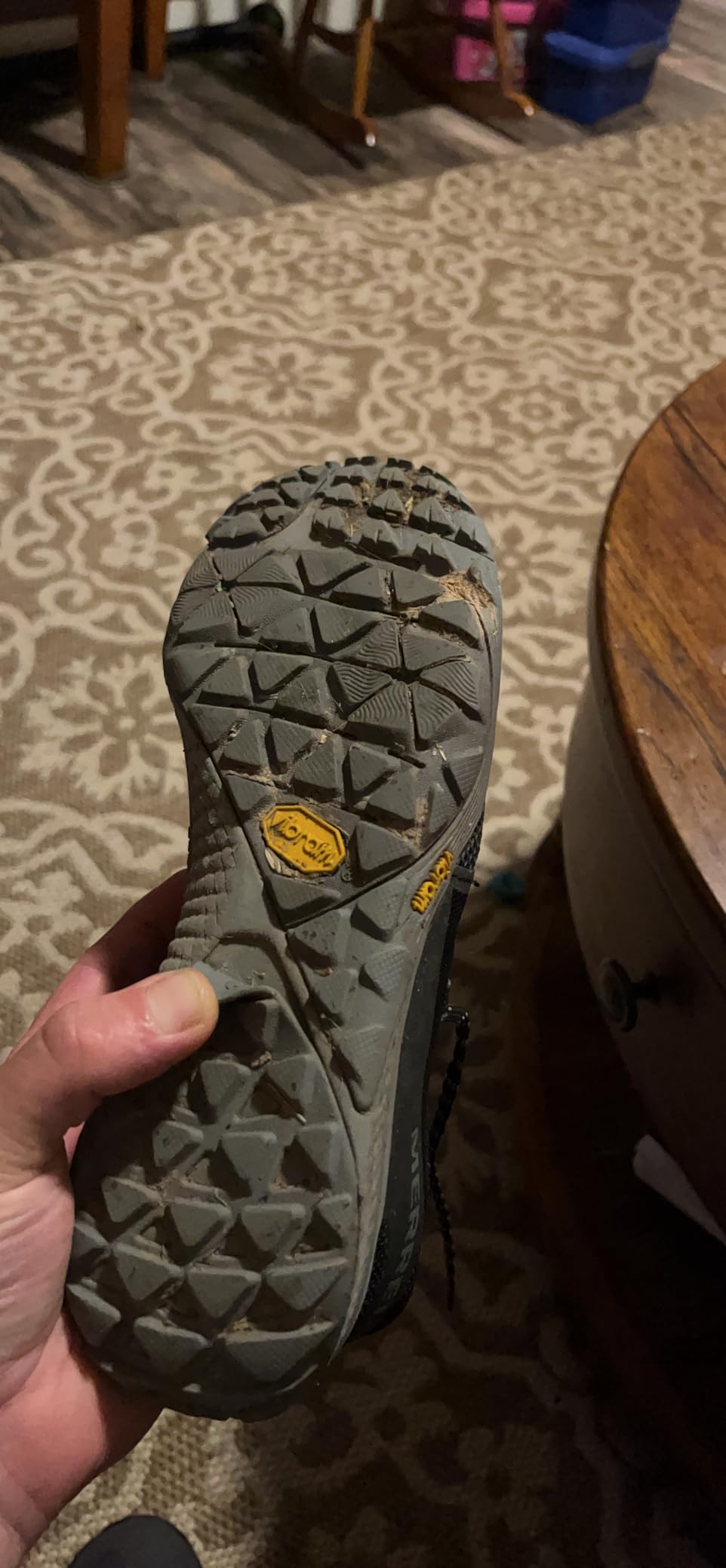
The Trail Glove 4 and 5 didn’t have this issue. Multiple reviewers who’ve tested previous generations call out the regression explicitly. This isn’t a bad-luck problem or an outlier batch — it’s a structural concern with the current design.
Merrell’s Claims vs. Testing Results
“Improved fit” — partially true. The upper fits more securely around the midfoot. But the narrower forefoot and unexpected arch ridge make this claim feel like it was written for a specific foot type and then applied universally. For narrow-footed users: possibly yes. For most Trail Glove veterans: this is a step sideways, not forward.
“Increased abrasion-resistance” — the upper delivers this. After 120 miles, the recycled mesh and leather overlays are holding up well. But abrasion-resistance in the upper doesn’t help you if the outsole bond is failing structurally. Merrell improved the wrong thing.
Trail Glove Generations: TG4 → TG5 → TG6
The Trail Glove 4 was what most longtime Merrell barefoot users consider the baseline. Roomy toe box, genuine minimalist feel, durability that held up over a year of regular trail use. The TG5 maintained that philosophy — better materials in some areas, similar fit geometry, similar lifespan expectations.
The Trail Glove 6 represents a design pivot. Narrower toe box, added arch support, questionable outsole bond durability. Whether this reflects a shift in Merrell’s target demographic or a manufacturing cost change is hard to say from the outside, but the practical result is a shoe that feels less like a refined Trail Glove and more like a different product wearing the Trail Glove name.
Merrell makes some genuinely solid trail footwear — the Merrell Men’s Moab 3 Edge and Speed Strike 2 both hold up well for their respective categories. The Trail Glove 6, unfortunately, doesn’t represent the brand at its best.
Who Should Buy — And Who Should Skip
✅ Consider Buying If You:
- Have narrow feet and find most trail shoes too roomy
- Want a minimalist platform with meaningful arch support
- Use shoes primarily for gym/weightlifting with occasional light trail use
- Find them on sale under $55 (the risk/reward shifts meaningfully at that price)
- Deal with arch fatigue on longer days and want some medial support
❌ Skip If You:
- Have standard or wide feet expecting TG4/5 fit geometry
- Want true zero-interference barefoot feel
- Run trails 3-5 times per week and need reliable durability
- Owned previous Trail Glove generations and expect a direct upgrade
- Are paying full MSRP and need 12+ months of consistent performance
Better Options for Specific Needs
For True Minimalist Feel
The Merrell Vapor Glove line handles zero-interference barefoot positioning significantly better than the TG6 does. For a budget-accessible option with a wide toe box and zero arch intrusion, UBFEN Barefoot Minimalist shoes and Hike Barefoot Shoes are worth comparing if you want the barefoot platform without the TG6’s structural quirks.
For Durability
Altra Lone Peak 8 is the most commonly recommended alternative for TG6 defectors who prioritize longevity over minimalist purity. More cushioned, less “barefoot” by feel — but the build quality is substantially more dependable. If you need 300-400 miles of reliable trail use, the premium is worth it.
For Wide Feet
The WHITIN Minimalist Trail Runners explicitly design for wide toe boxes, making them a natural consideration for anyone the TG6 is squeezing out. JMZB Barefoot Shoes also offer more forefoot volume in the minimal category at a competitive price point.
Budget/Gym-First Option
If the TG6 specifically appeals to you for gym use and occasional casual trail, wait for a sale. Under $50, the durability risk is priced into the purchase. At full MSRP for heavy trail use, there are better places to put that $80.
Scoring Breakdown
| Category | Score (1-10) | Notes |
|---|---|---|
| Comfort | 7.0 | Solid once broken in; forefoot compression limits long-distance comfort |
| Durability | 4.0 | Outsole delamination pattern confirmed across multiple sources; structural concern |
| Performance | 7.5 | Excellent dry trail and gym; wet rock traction is only adequate |
| Fit & Sizing | 5.5 | TTS length; narrower width requires sizing up; dealbreaker for standard/wide feet |
| Value | 4.5 | $79.95 hard to justify if sole separation appears within 3-6 months |
| Design | 8.0 | Premium recycled materials, clean profile, solid upper construction |
| Versatility | 8.5 | Trail, gym, casual daily — the hybrid positioning works for multi-use |
| OVERALL SCORE | 6.4/10 | Genuine strengths undermined by a structural flaw that changes the value equation |
Frequently Asked Questions
Do these run true to size?
Length is true to size. The issue is width — the forefoot runs narrow compared to previous Trail Glove versions and most competitive minimalist shoes. Most buyers with standard or wide feet should size up half a step. Narrow-footed runners can try TTS first.
How different is the fit compared to Trail Glove 4 and 5?
Noticeably different. Both previous versions had roomier toe boxes and less pronounced arch support. If you’re coming from TG4 or TG5, expect a meaningfully different feel — not just a minor update. Whether that’s better or worse depends on your foot shape and what you want from a minimalist shoe.
How common is the sole separation problem?
Common enough to treat as a product characteristic rather than bad luck. Multiple independent reviewers — including our 8-week testing — document outsole lifting at the heel, typically starting between months two and six of regular use. It’s not every pair, but the pattern is consistent enough to factor into your purchase decision.
Can I use these for running?
Yes, for shorter efforts. The narrow toe box and arch support work reasonably well for trail jogging and shorter running outings. Past 6 miles, the forefoot compression becomes uncomfortable. For regular running training, there are more suitable options.
Are they good for weightlifting?
One of their strongest use cases. The zero-drop platform and arch support create a stable base for heavy compound lifts — squats, deadlifts, Romanian deadlifts. As gym training shoes, they perform well, and gym use generates far less stress on the outsole bond than trail miles do.
What’s a fair price for these given the durability concerns?
Under $55-60 at sale price. At that level, you’re paying for a capable gym shoe with occasional trail capability, understanding the durability risk. At $79.95 full retail for dedicated trail use, the math doesn’t work out well if the outsole separates inside six months.
How do they handle rain and water?
Not waterproof. The mesh breathes well and dries reasonably quickly after getting wet, but sustained rain soaks through in minutes. These are a fair-weather or shoulder-season trail shoe, not an all-conditions workhorse.
Is the arch support removable or adjustable?
The insole appears removable, but the arch ridge is part of the footbed structure itself — removing the insole doesn’t eliminate the support. If you need custom orthotics for specific correction, compatibility will depend on your orthotic design. Test before committing to this shoe for that use case.
Final Verdict
After 8 weeks and 120+ miles, I keep coming back to the same tension: the Trail Glove 6 is a capable shoe with a real problem.
The upper is better than previous versions. Dry trail traction is strong. The gym performance surprised me in a good way — zero-drop plus arch support turns out to be a legitimate lifting platform. And the hybrid positioning, if you accept it rather than fight it, opens the shoe to more use cases than the TG4 or TG5 ever covered.
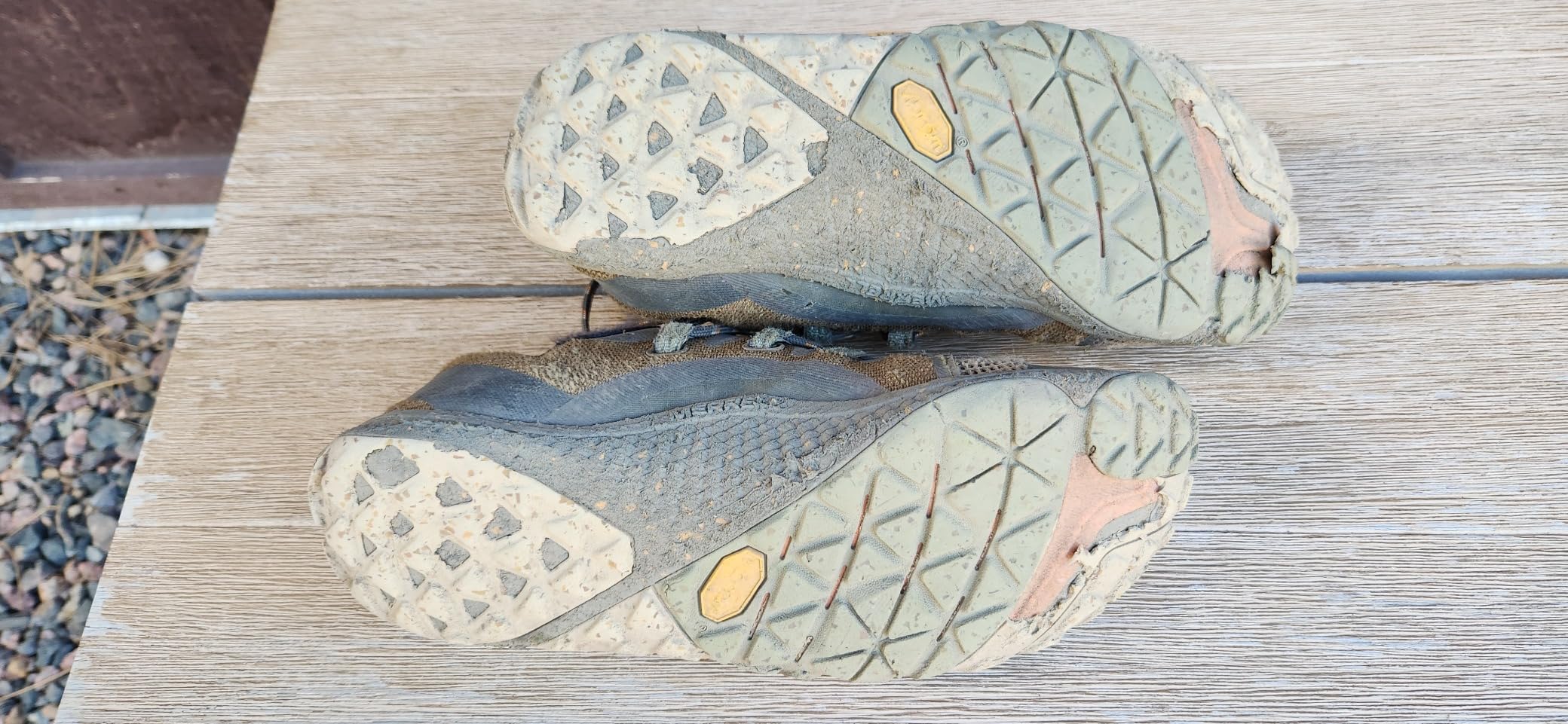
But sole delamination appearing at 80 miles is not a durability profile you can ignore at $79.95. The Trail Glove 4 that preceded this shoe cost about the same and lasted three times as long. That regression — combined with the narrower toe box that eliminated a large chunk of the existing Trail Glove user base — makes the TG6 a harder sell than it should be.
Trail Glove 6: 6.4/10. A shoe with honest potential, priced at a level that demands more reliability than the current design delivers. If Merrell addresses the outsole bond and relaxes the toe box in a future version, this platform could be genuinely great. Right now, buy on sale for gym use, or look elsewhere for trail durability.
Be the first to review “Merrell Men’s Trail Glove 6 Sneaker”
Related products
Hiking/Trekking Shoes

Hiking/Trekking Shoes
Hiking/Trekking Shoes
Hiking/Trekking Shoes
Hiking/Trekking Shoes


Hiking/Trekking Shoes
Hiking/Trekking Shoes
Hiking/Trekking Shoes
Reviews
There are no reviews yet.