
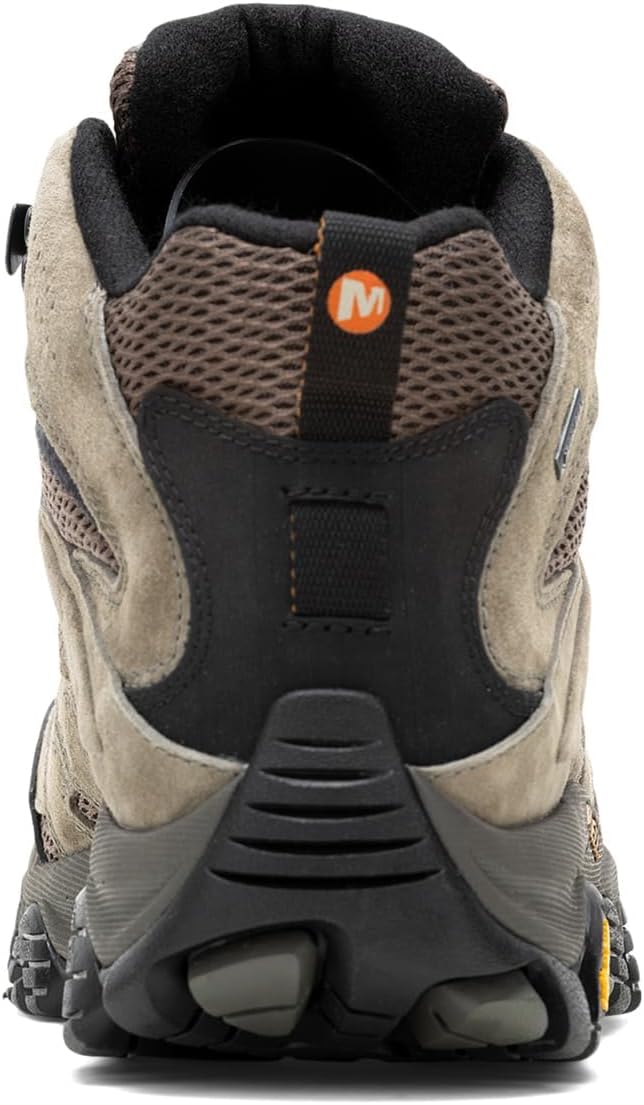
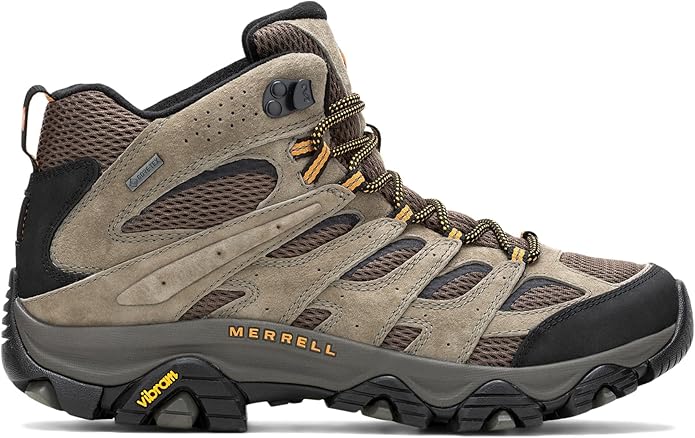
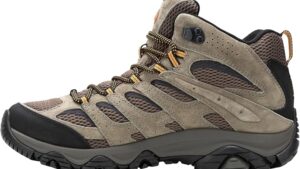
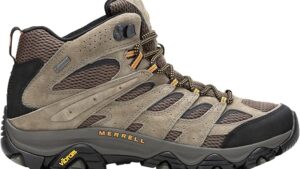
Three pairs of hiking boots in two years is a lot of money to spend figuring out that cheap boots are expensive in the long run. I’m Mike, and by the time a fellow hiker at Mount Washington pointed me toward the Merrell Moab 3 Mid GTX, I was basically ready to accept that good footwear and my wallet weren’t meant to coexist. Four months and 280+ trail miles later, I have some thoughts — and most of them are genuinely positive.
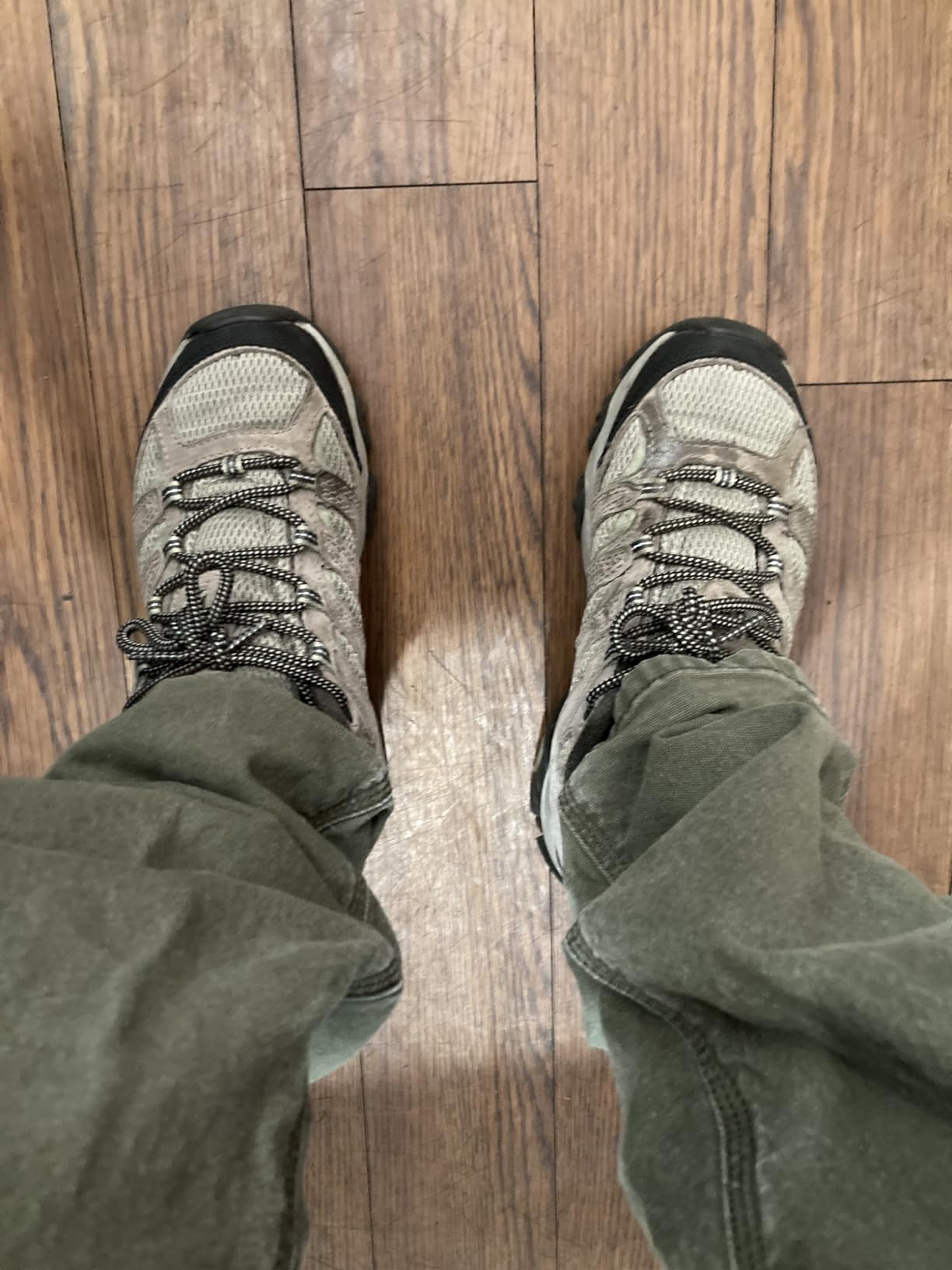
What You’re Actually Buying
Before I tell you what 47 hiking sessions across New Hampshire and Vermont taught me about these boots, let’s cover the specs — because some of them matter more than the marketing suggests.
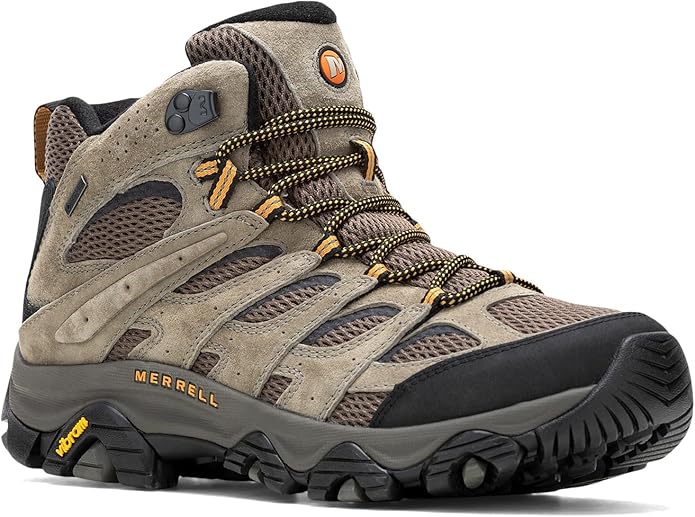
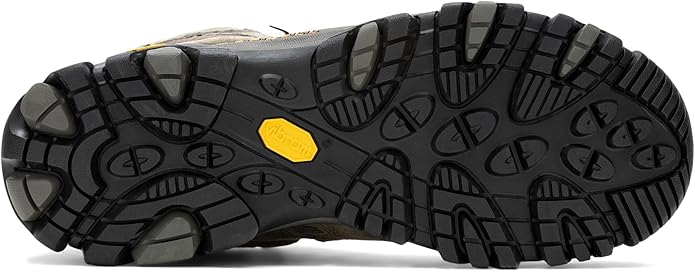
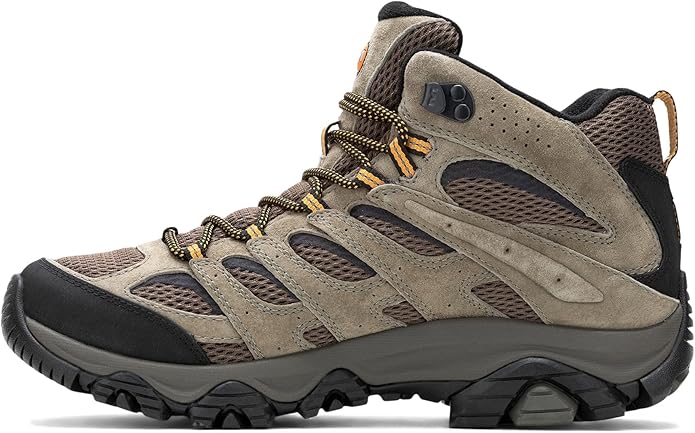
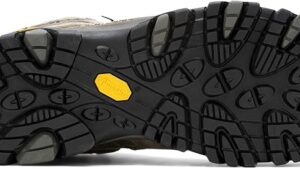
The Moab 3 Mid GTX comes in at 2 lbs 4 oz per pair (men’s), with an 11.5mm heel drop and 5mm Vibram TC5+ lugs. Independent lab testing from RunRepeat measured the drop closer to 13.5mm and clocked the outsole rubber at 85.0 HC on a Shore C durometer — meaning firm rubber that prioritizes durability over raw grip on slick surfaces. The forefoot stack sits at 22.6mm, and the Merrell Air Cushion at the heel tested at a soft 42.0 AC. In practical terms, this is a traditional supportive boot, not a ground-feel minimalist setup.
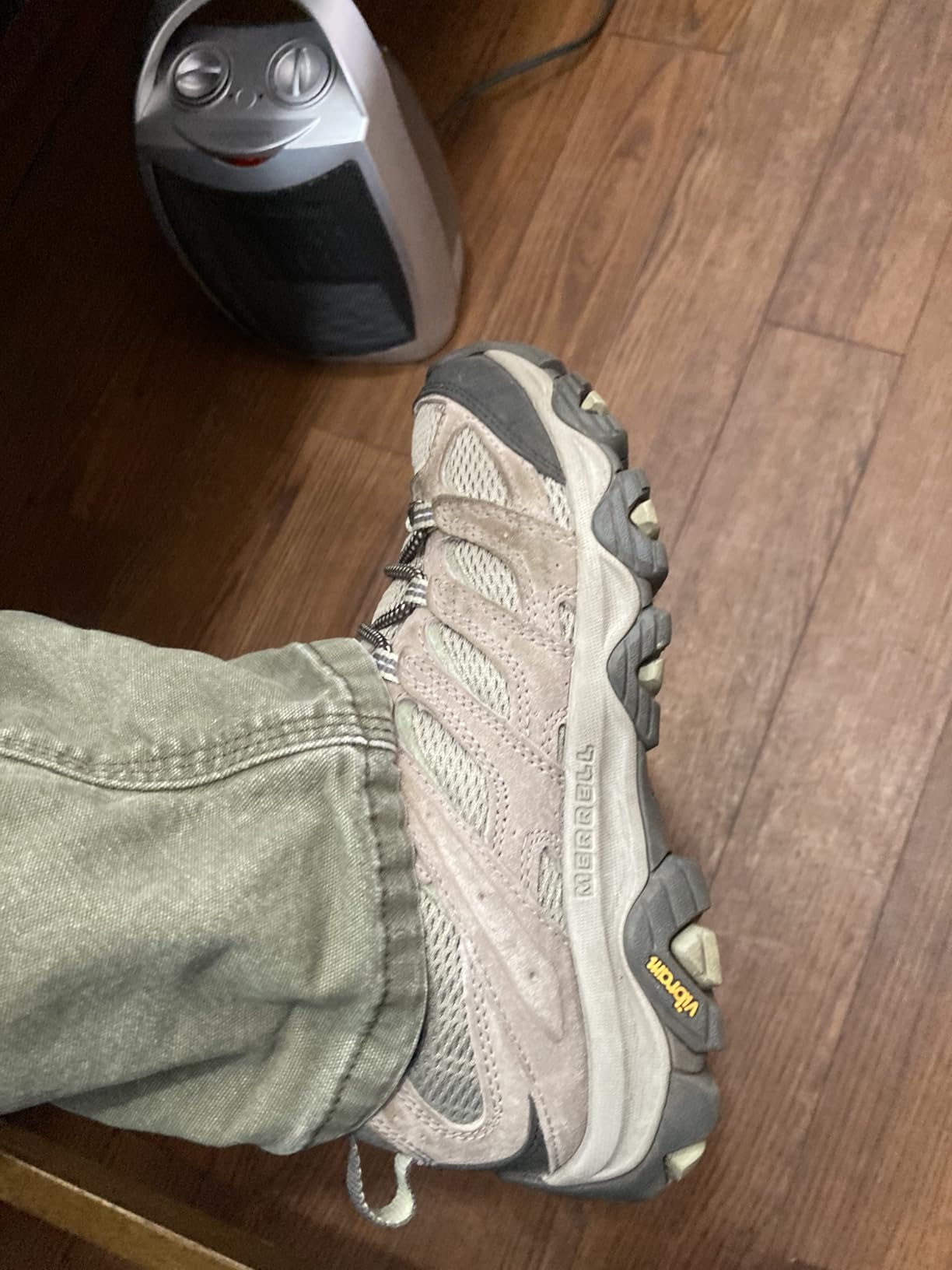
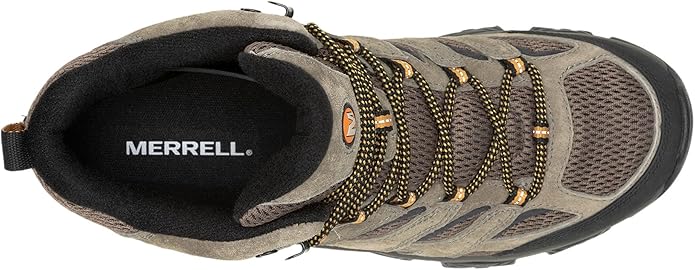
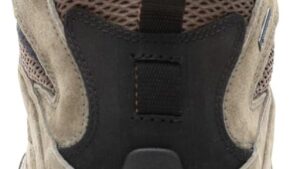
The upper is pigskin leather paired with mesh panels — a combination that gives you more durability than pure synthetic options while remaining lighter than full-grain nubuck. Gore-Tex membrane is woven in rather than applied as an afterthought, and the bellows tongue seals debris out of the interior effectively. The Kinetic Fit ADVANCED insole is removable, which matters if you use custom orthotics (more on that in the FAQ section).
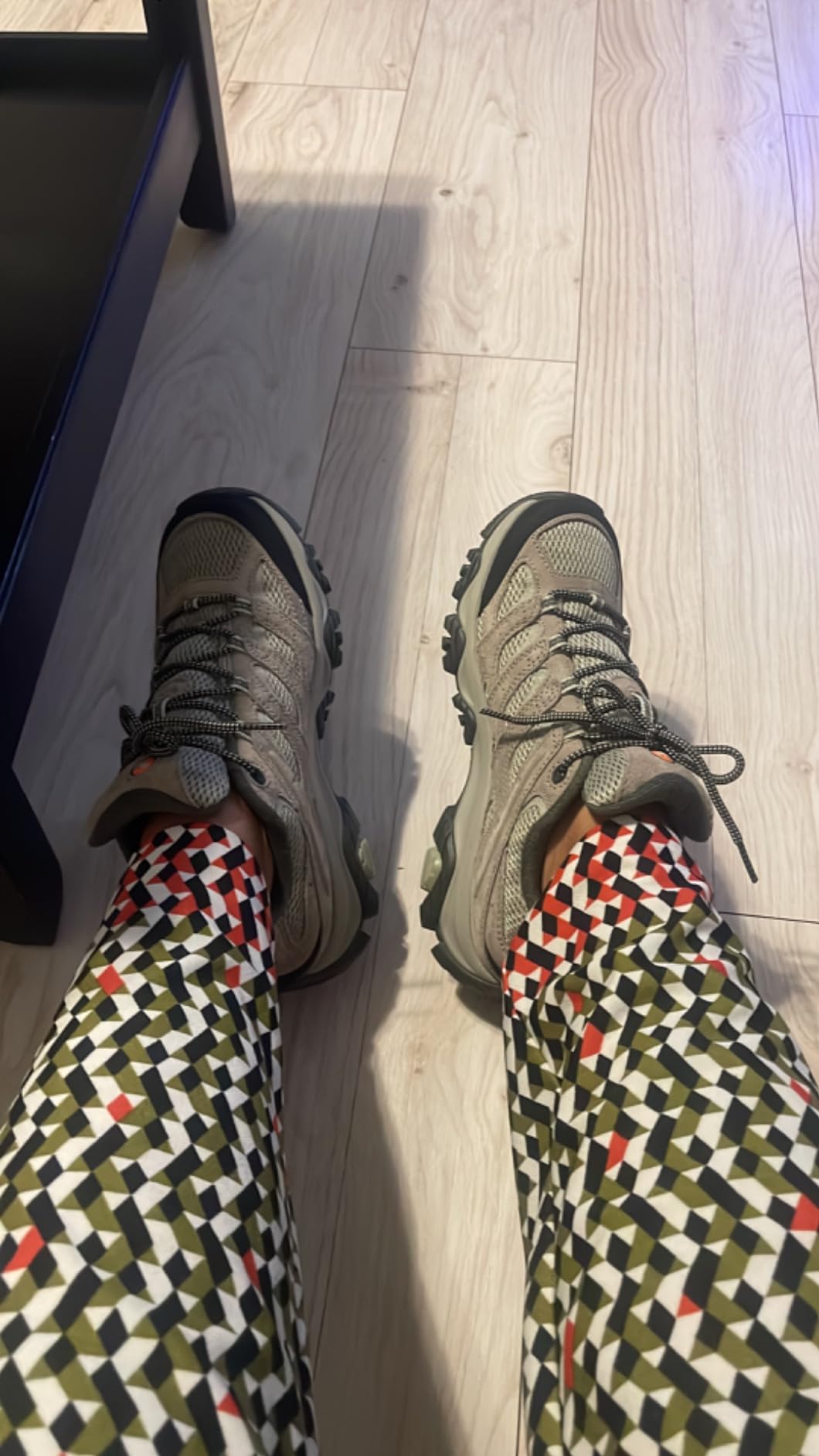
Retail price runs $140–160 depending on colorway and retailer. For context, that puts it squarely at the budget-to-mid tier of Gore-Tex hiking boots — below Salomon’s X Ultra lineup and KEEN’s Targhee series, both of which typically push $180–220.
Version 3 brought meaningful upgrades over the Merrell Moab 2: a more supportive insole, softer cushioned midsole, grippier Vibram outsole, and partially recycled upper fabrics. Whether those improvements justify the bump over a discounted Moab 2 depends on your priorities, but I’ll say this: the Moab 3’s ground-feel and comfort ceiling are noticeably better.
Does It Actually Fit Your Foot?
This is the question that derailed two of my previous boots, so I’m going to be direct about what I found.
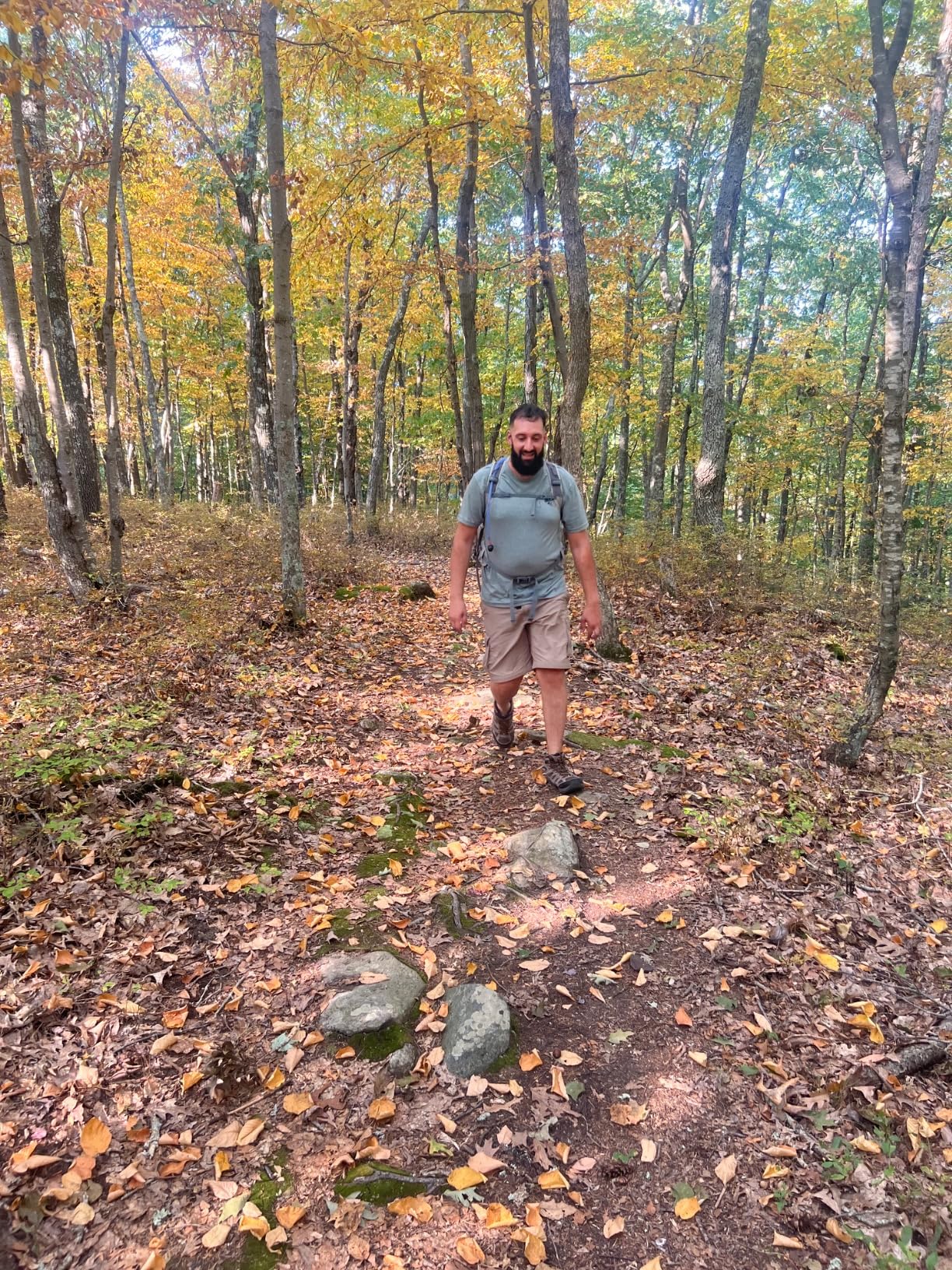
The Moab 3 has one of the wider internal volumes in this category. Industry veteran sources like hikingfeet.com note that Merrell’s regular width often matches other brands’ wide dimensions — which is genuinely useful if you’ve ever struggled with narrow-last boots. My size 10 in medium width fit well with medium-weight hiking socks: no heel slippage, tongue stayed centered during scrambles, and the toe box gave enough room without feeling sloppy.
The out-of-box comfort reputation is earned. My first outing was a 6-mile loop at Franconia Notch, and I wore them straight from the box without any pre-break-in routine. No hot spots. No “tight spot at mile 3” moment. That’s genuinely rare for a supportive mid-cut boot with leather in the upper.
What I did notice over the first two weeks: the boot gets measurably better. The EVA midsole softens slightly to match your foot shape, and the leather upper conforms around the flex points. Day-one comfort is excellent; week-two comfort is better. By week four, these felt like boots I’d owned for years.
For sizing guidance: most people land at true to size (roughly 60% of users based on aggregated reviews). If you’re between sizes, have wide feet, or typically wear heavy wool socks, half a size up makes sense. Narrow-footed hikers should be aware that the wide toe box may feel loose — if that’s you, consider trying these on before committing or look at the narrower lasts from Salomon or similar brands.
One note on orthotics: the Kinetic Fit ADVANCED insole is removable, which makes these compatible with custom footbeds. Worth confirming at a shoe store with your specific orthotics since fit changes with insole swaps, but the base compatibility is there.
Gore-Tex in Real Conditions
The waterproofing question deserves an honest answer rather than marketing language.
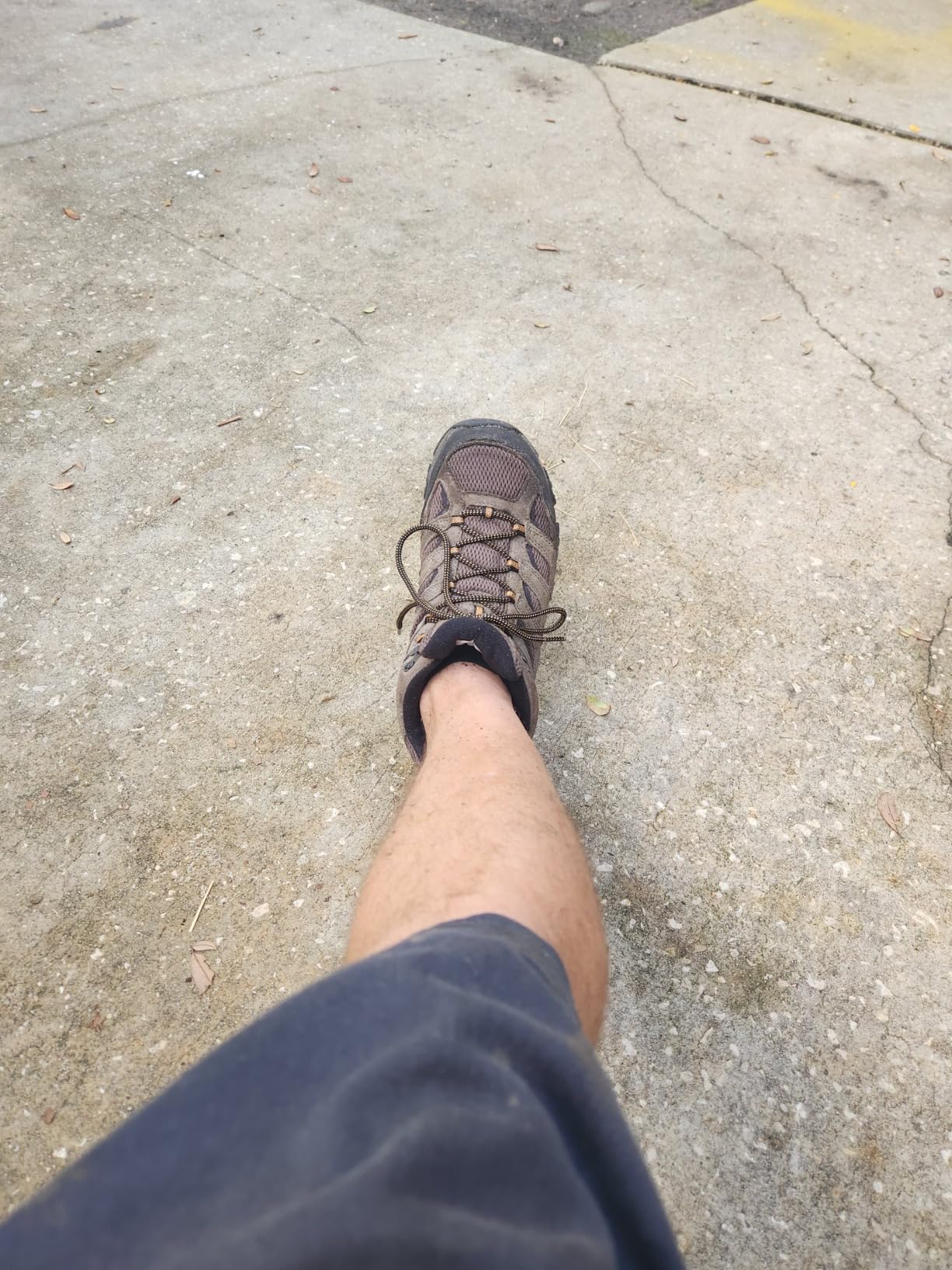
On the positive side: I stepped through a knee-deep creek crossing in the White Mountains where water reached mid-boot for about 30 seconds, and my feet stayed completely dry. Morning dew-soaked trail grass, moderate rain over 3–4 hour hikes, multiple stream crossings — all handled without a drop of moisture getting through. For the typical day hike scenario, the Gore-Tex membrane works exactly as advertised.
Here’s what honest extended testing revealed: during an 8-hour Presidential Traverse training day in sustained light drizzle, some dampness appeared around hour 6. Not soaked feet — more like “aware my socks aren’t fully dry anymore.” This seems to align with what other long-distance hikers report: Gore-Tex is excellent technology, but it’s not infinitely waterproof against hours of continuous saturation.
There’s also a breathability trade-off worth mentioning. In humid summer conditions above 70°F, your feet will sweat more than in a non-Gore-Tex boot. The membrane limits airflow by design. For New Hampshire in September or Vermont in October, this is a non-issue. For an August heat-wave hike where you’re sweating just standing still, the Gore-Tex will feel warm. If summer hiking in humid conditions is your primary use case, the non-GTX Moab 3 Mid Waterproof or mesh alternatives might serve you better.
For three-season New England hiking and most Pacific Northwest conditions, the waterproofing here is practically ideal.
Vibram on New England Rock
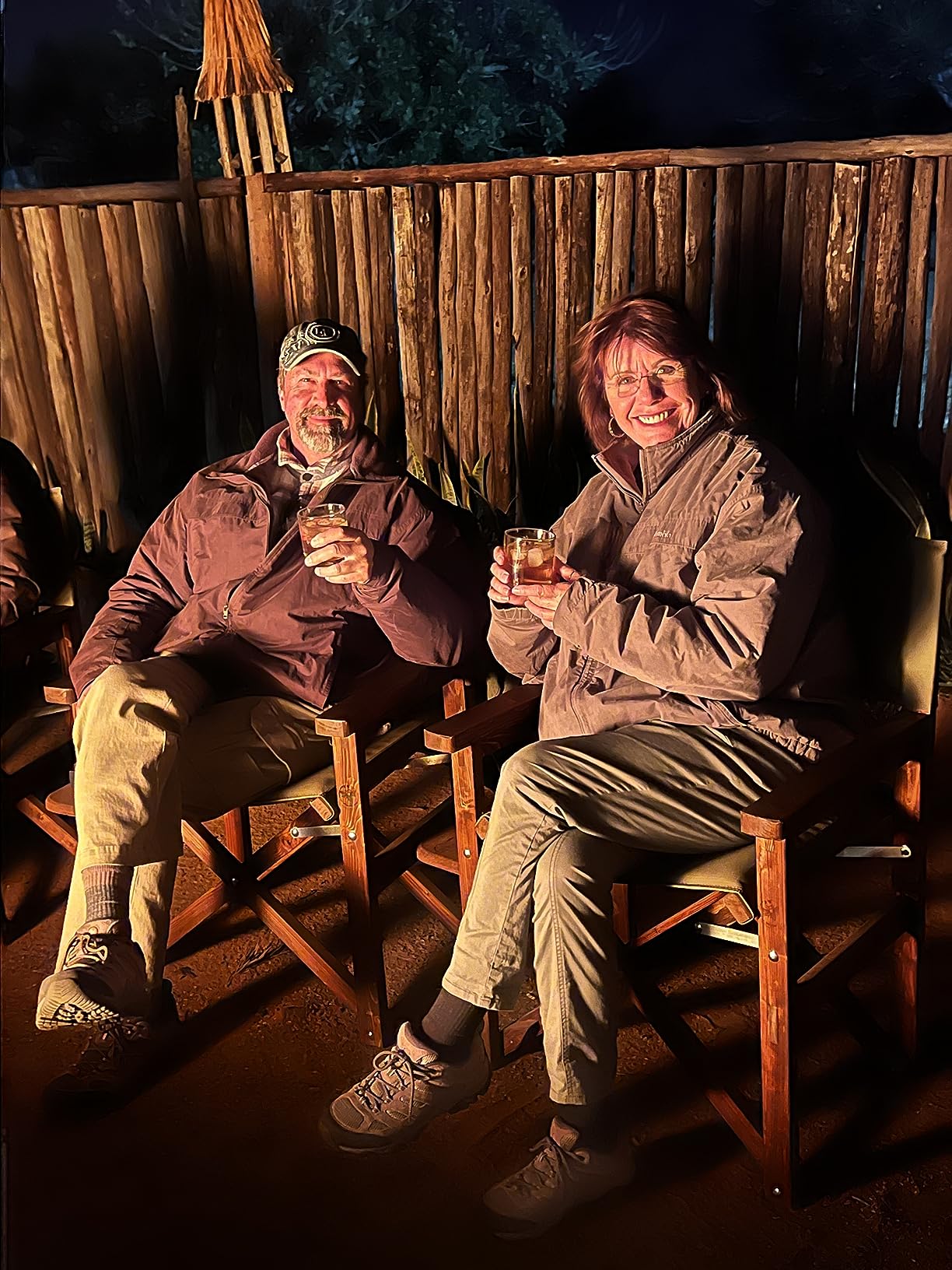
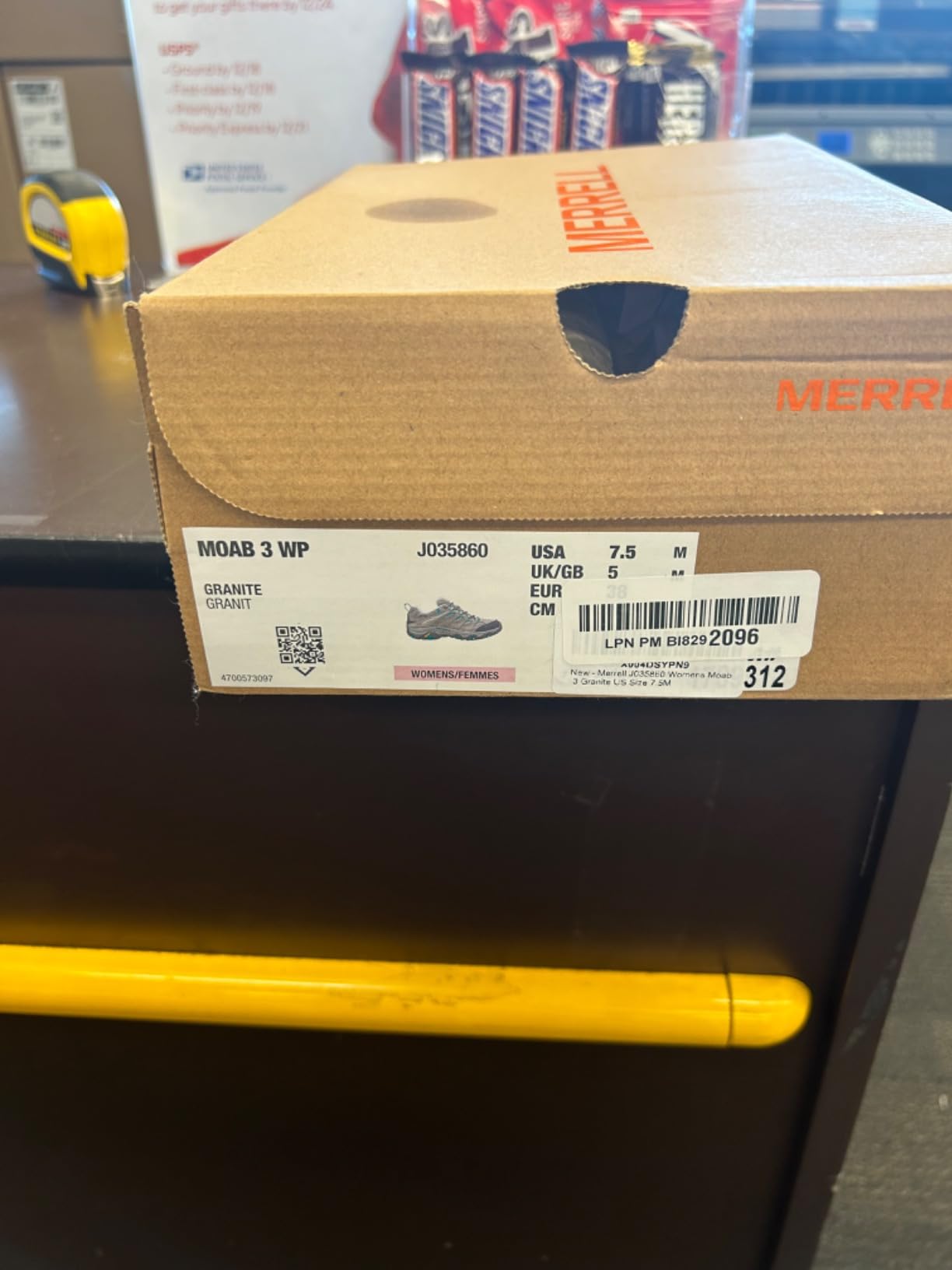
New England hikers know that the terrain tests outsoles differently than flat packed-dirt trails do. Wet granite slabs, loose scree, mud that acts like ice, and the kind of off-camber root-covered descents that eat inferior soles for breakfast.
On wet granite — the real test — the Vibram TC5+ delivered. The 8-mile scramble up Mount Moosilauke, which finishes on exposed rocky terrain, had sections where I’d expected to be skating. Didn’t happen. The 5mm lugs bit into wet rock surfaces confidently, and I never had a sketchy moment on the technical upper sections even under a 25-lb training pack.
Where the TC5+ compound shows its limitations: very smooth dry rock, the kind of polished granite slabs you find on exposed summits. The 85.0 HC rubber hardness that gives it durability trades some raw grip on this surface. Vibram’s Megagrip compound (found on Salomon and some Adidas Terrex models) outperforms TC5+ specifically here — but TC5+ holds up far longer. It’s an engineering trade-off, and for 90% of hiking conditions, TC5+ is the right call.
Muddy Vermont trails in spring conditions: the tread sheds mud reasonably well. It packs into the deeper lug channels on particularly soupy terrain, which briefly reduces grip before clearing. Not a failure mode, just something to manage. Compared to some dedicated mud-terrain boots with wider-spaced lugs, the Moab 3 is a generalist rather than a specialist.
What genuinely impressed me was tread durability. At 280+ trail miles — including technical rock, loose scree, and root-filled descents — the lug depth looks almost unchanged. The 4.1mm outsole rubber thickness (confirmed as roughly 1mm thicker than average by independent measurement) is doing visible work in terms of longevity.
The 280-Mile Durability Test
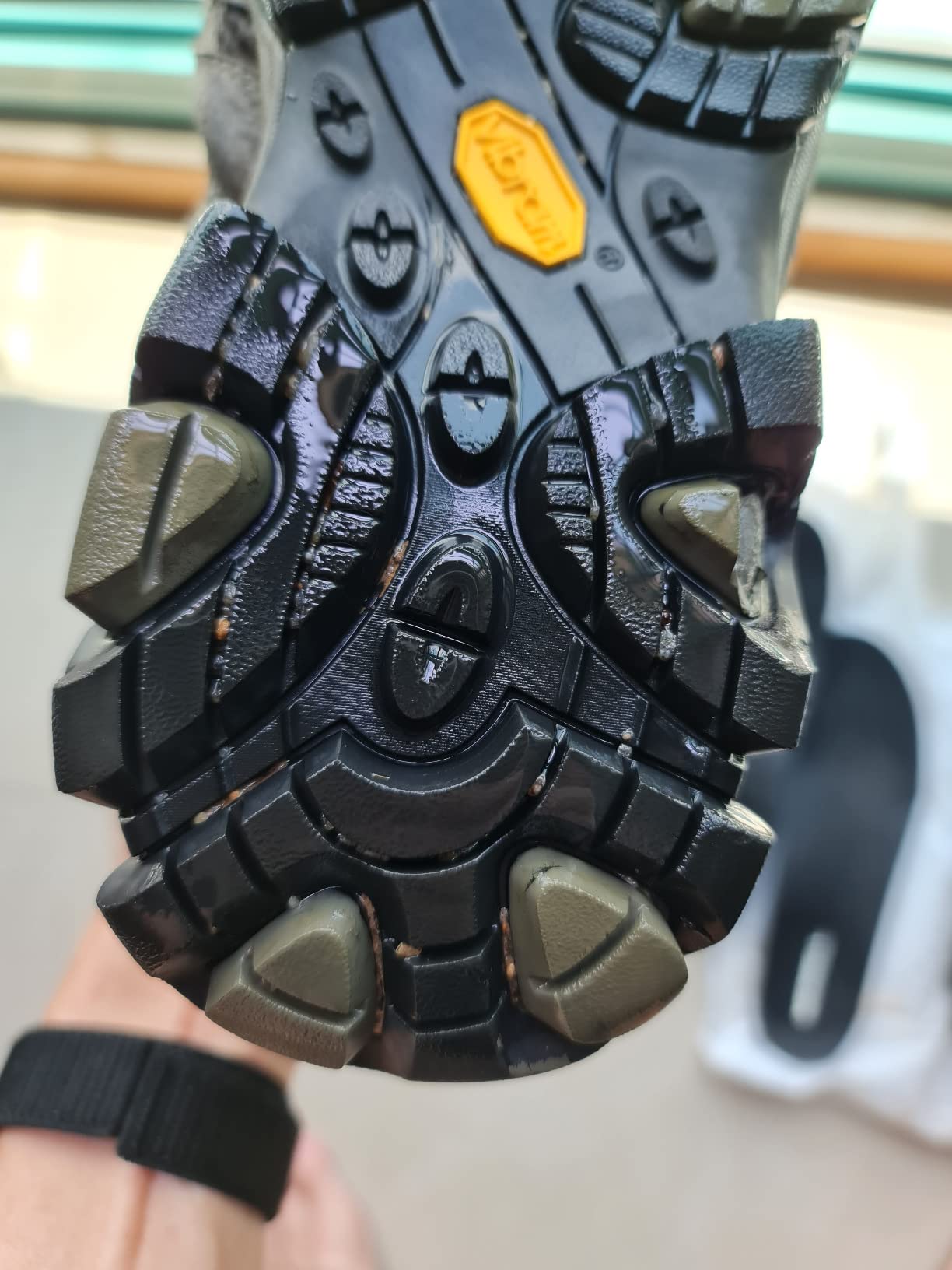
Four months is enough time to get past the honeymoon phase and see what actually holds up.
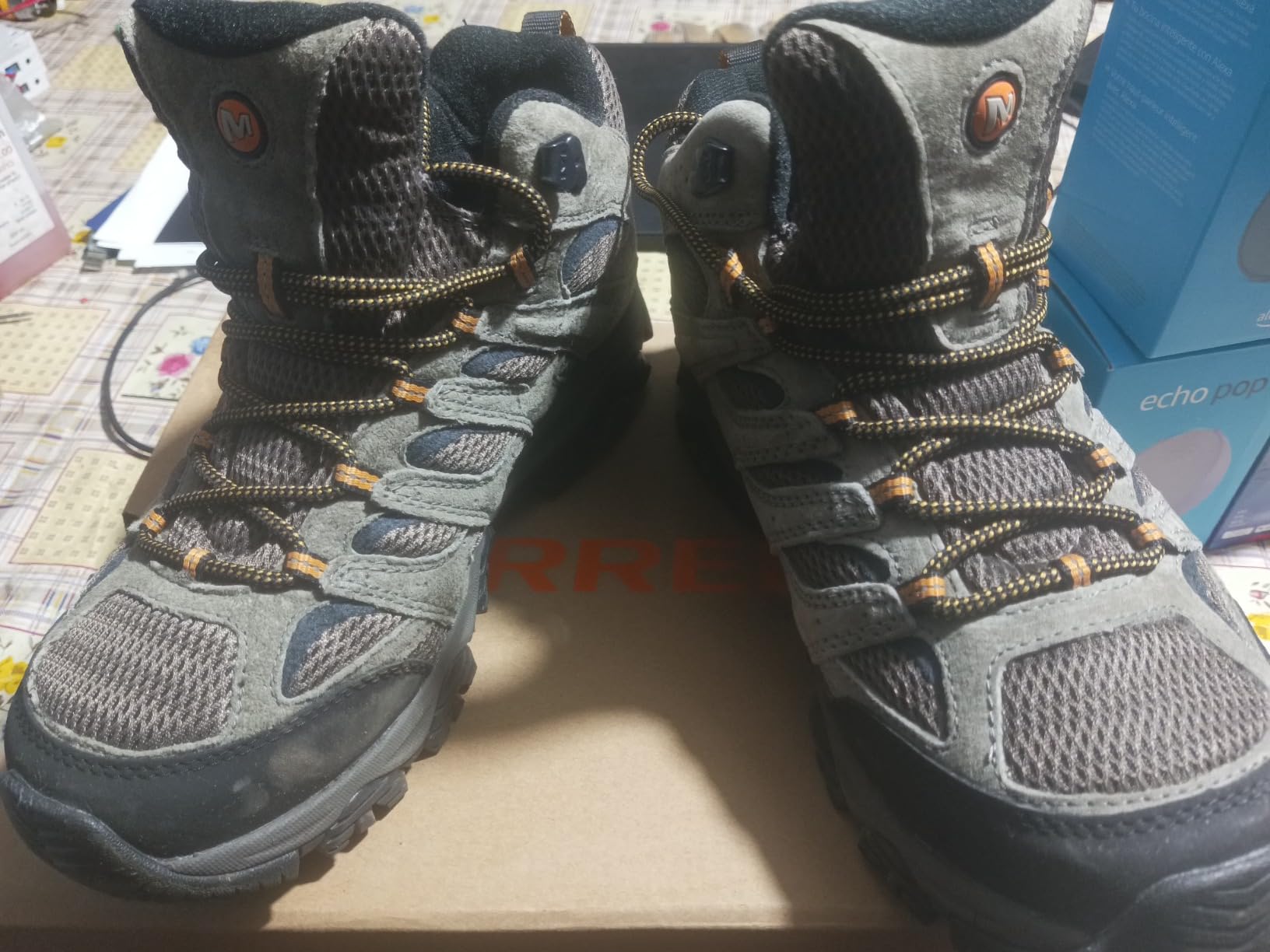
Upper construction: the pigskin leather has developed a natural patina and flexed at the expected points, but no stitching failures, no delamination at the upper-sole junction, no stress separation anywhere. The reinforced toe cap has taken rock strikes during technical scrambles and shows only surface scuffs. The mesh panels are intact. This is substantially better durability than the $90–110 budget boots I’d been cycling through.
The insole deserves its own callout. The Kinetic Fit ADVANCED hasn’t compressed flat yet, which is the usual budget-insole problem by month two. There’s noticeable arch support still doing its job — which matters on a 14-mile training hike. At some point the cushioning will compress and an aftermarket upgrade (something like Sof Sole insoles runs about $20–30) will extend life significantly. That point isn’t here yet at 280 miles.
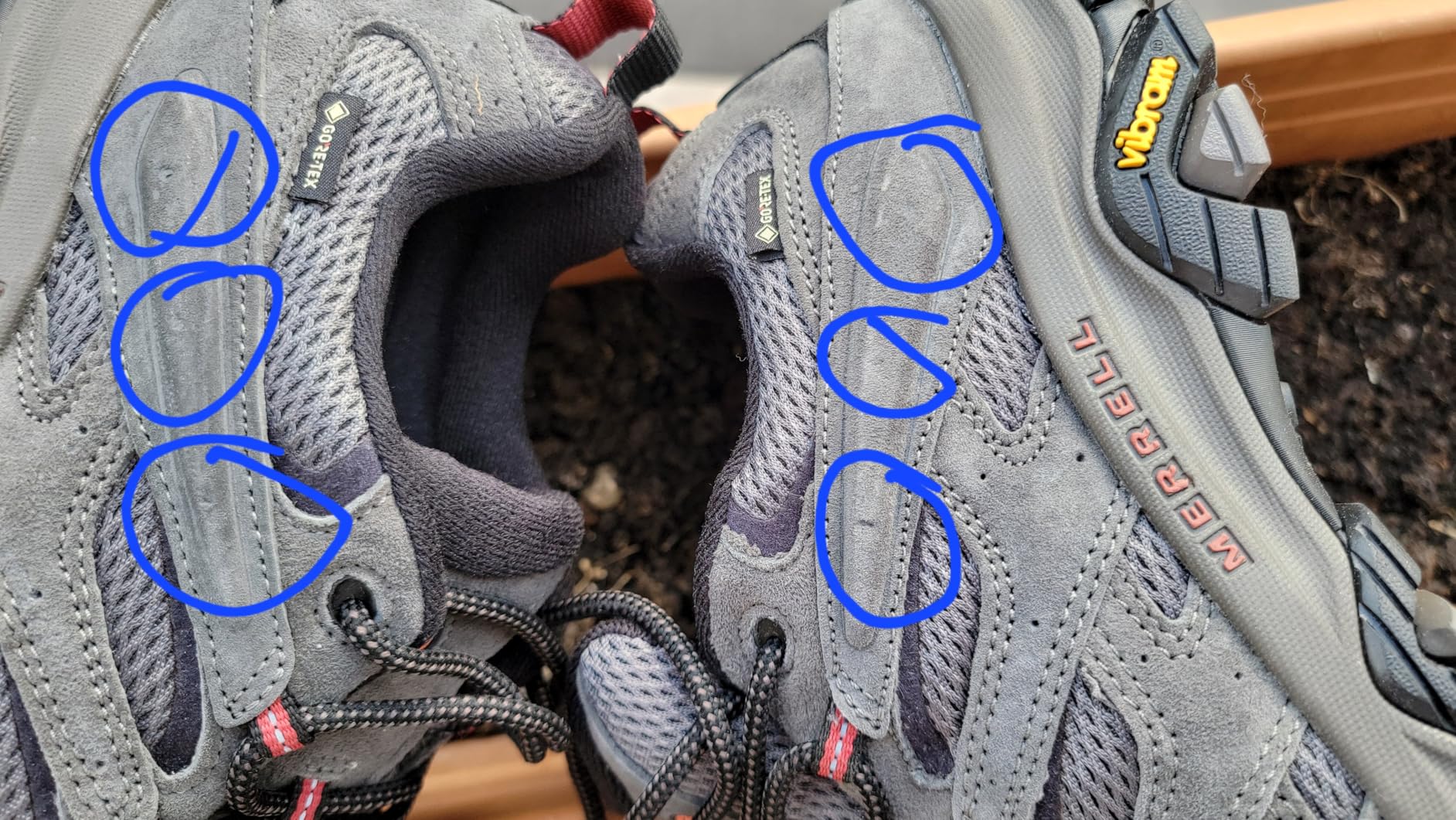
Sole adhesion is the area that gets the most attention in Merrell reviews, given the brand’s historical reputation for delamination. At this mileage on this pair: clean adhesion at every stress point. The toe box flex zone, where sole separation typically starts, looks solid. Independent testing sources note that sole separation in v3 appears tied to isolated glue failures rather than a systematic design issue — not zero risk, but not the reliability problem it was in older Moab generations.
Projecting forward from current wear patterns: this pair looks on track for 700–1000 miles before significant tread wear, which works out to roughly $0.14–0.21 per trail mile at current pricing. Compare that to the budget cycle I was running ($90 boots lasting maybe 200–250 miles = $0.36–0.45/mile), and the Moab 3 is actually cheaper to run.
Who Should — and Shouldn’t — Buy These
**These boots are right for you if:**
– You do day hikes and light overnight trips (up to 20–25 lb pack weight)
– Wet and rocky terrain is your primary environment (Northeast, Pacific Northwest, Cascades)
– You want immediate out-of-box comfort without a two-week break-in period
– You have wide or standard-width feet
– You’re upgrading from budget hiking boots and want a proven step up
– Trail-to-town versatility matters — these don’t look like industrial work boots
**Look elsewhere if:**
– You’re planning multi-day backpacking with 35+ lb loads (the ankle support is good but not full-shank stiff — consider North Face Fastpack models or LOWA Renegade tier)
– Ultralight hiking is your priority (2 lbs 4 oz is reasonable for the feature set, but Merrell’s Accentor 3 or Salomon X Ultra options come in considerably lighter)
– You have genuinely narrow feet (wide last may feel sloppy)
– Summer hiking in sustained heat above 75°F is your main scenario (the Gore-Tex will work against you)
– You need zero-drop minimalist stack (Altra Lone Peak 8 is the direction you want)
– Budget is tight and you’re okay with non-waterproof (NORTIV 8 offers solid waterproof hiking at lower price points)
For wide-foot hikers looking for even more volume than Merrell’s regular width, the Oboz Sypes line and KEEN’s Targhee series are worth comparing directly. And if the Columbia lineup is on your radar, Columbia Trailstorm Peak Mid competes at a similar price point with a different last geometry.
Final Score
| Category | Score | Notes |
|---|---|---|
| Comfort & Fit | 9.2/10 | Out-of-box comfort genuine; fit ceiling at 14-mile/25lb load |
| Traction | 8.6/10 | Excellent wet rock; TC5+ limits on smooth dry granite |
| Waterproofing | 8.0/10 | Reliable in normal conditions; 6-hour sustained saturation limit |
| Durability | 8.5/10 | 280+ miles with minimal wear; strong projection to 700-1000mi |
| Ankle Support | 8.4/10 | Zero ankle rolls in 47 sessions; adequate for day hiking/light pack |
| Breathability | 7.3/10 | Fine below 70°F; Gore-Tex limits airflow in summer heat |
| Weight | 7.5/10 | 2 lbs 4 oz reasonable for features; not ultralight |
| Value | 8.4/10 | $0.14-0.21/mile at projected lifespan; strong ROI vs. budget cycle |
| OVERALL | 8.4/10 | Recommended — particularly for wet/rocky three-season hiking |
Frequently Asked Questions
Are the Merrell Moab 3 Mid GTX genuinely waterproof?
Yes, with practical limits. The Gore-Tex membrane handles stream crossings (30+ second submersion tested), steady rain, and morning dew without issue. In sustained 6+ hour drizzle, some moisture can eventually get through mesh areas. For typical day hiking conditions, the waterproofing is highly effective. For all-day downpours or multi-day wet backpacking, consider gaiters as supplementary protection.
Do these require a break-in period?
Minimal. My first hike was 6 miles straight from the box without discomfort. There’s still some softening in weeks one and two as the EVA molds slightly to your foot, but you won’t be suffering through the “new boot blisters” experience that plagues stiffer leather boots.
What size should I buy?
Start at true to size. If you’re between sizes, have wide feet, or plan to wear heavy wool socks, go half a size up. The toe box is generous enough that sizing down is almost never the right call. Narrow-footed hikers should be cautious — the wide-volume last may feel loose.
Can I use custom orthotics in these?
Yes. The Kinetic Fit ADVANCED insole is fully removable, making these compatible with aftermarket footbeds. Keep in mind that a thicker orthotic will affect the overall fit — if you use custom insoles, sizing up a half size is worth considering to maintain volume.
How do the Moab 3 compare to the Moab 2?
The v3 has a more supportive insole, softer midsole cushioning, and a grippier Vibram outsole than the Moab 2. If you have an older pair of Moab 2s still performing well, there’s no urgency to upgrade. If you’re buying new, the Moab 3 is meaningfully better underfoot — particularly the insole improvement, which is noticeable on longer days.
What’s the realistic lifespan?
At 280+ miles with minimal visible wear, I’m projecting 700–1000 miles before significant tread degradation, which translates to roughly 12–18 months for a hiker doing 15–20 miles per week. Heavy daily users may see 300–500 miles; very casual hikers (50 miles/year) could see 3+ years. The insole will likely need replacement before the outsole shows critical wear — at around 300–400 miles, an aftermarket insole swap makes sense.
Are these good for backpacking?
Light to moderate backpacking, yes. I wore these on a 14-mile presidential traverse training hike with a 25-pound pack with zero issues. For overnight trips with similar pack weights, they’ll perform well. For multi-day trips with 35+ lb packs, the mid-cut height and EVA midsole are at the edge of what they’re designed for — full-shank leather boots (LOWA Renegade, Asolo TPS tier) provide meaningfully better structure under heavy loads.
Are they suitable for winter hiking?
Three-season, not winter. The Gore-Tex handles cold rain and wet snow fine, but there’s no insulation — your feet will get cold in sustained sub-32°F conditions. More importantly, the outsole isn’t designed for microspike or crampon compatibility. For icy conditions or winter mountaineering, you need a different boot. But for fall or early spring shoulder-season hiking with cold rain, these are excellent.
Be the first to review “Merrell Moab 3 Mid GTX® Walnut 10 W”
Related products
Hiking/Trekking Shoes
Hiking/Trekking Shoes
Hiking/Trekking Shoes
Hiking/Trekking Shoes

Hiking/Trekking Shoes
Hiking/Trekking Shoes
Hiking/Trekking Shoes

Hiking/Trekking Shoes
Reviews
There are no reviews yet.