
Between managing deadlines at work and trying to squeeze in weekend trail time, I’ve gone through two pairs of hiking shoes in the past year that promised all-day comfort but left my feet aching after just a few miles. When I picked up the Merrell Women’s Alverstone, I was honestly skeptical but hopeful — maybe this time I’d found something that could actually handle both my Saturday morning hikes and Sunday afternoon errands without needing a shoe change.
I spent 8 weeks testing these shoes across 47 trail sessions covering over 180 miles. I wore them on muddy trail runs through Harriman State Park, full-day family hikes in the Catskills, technical scrambles, creek crossings, and everything in between. I wanted to see if these $89 shoes could genuinely replace the need for separate trail shoes and casual walking shoes.
Here’s what I found.
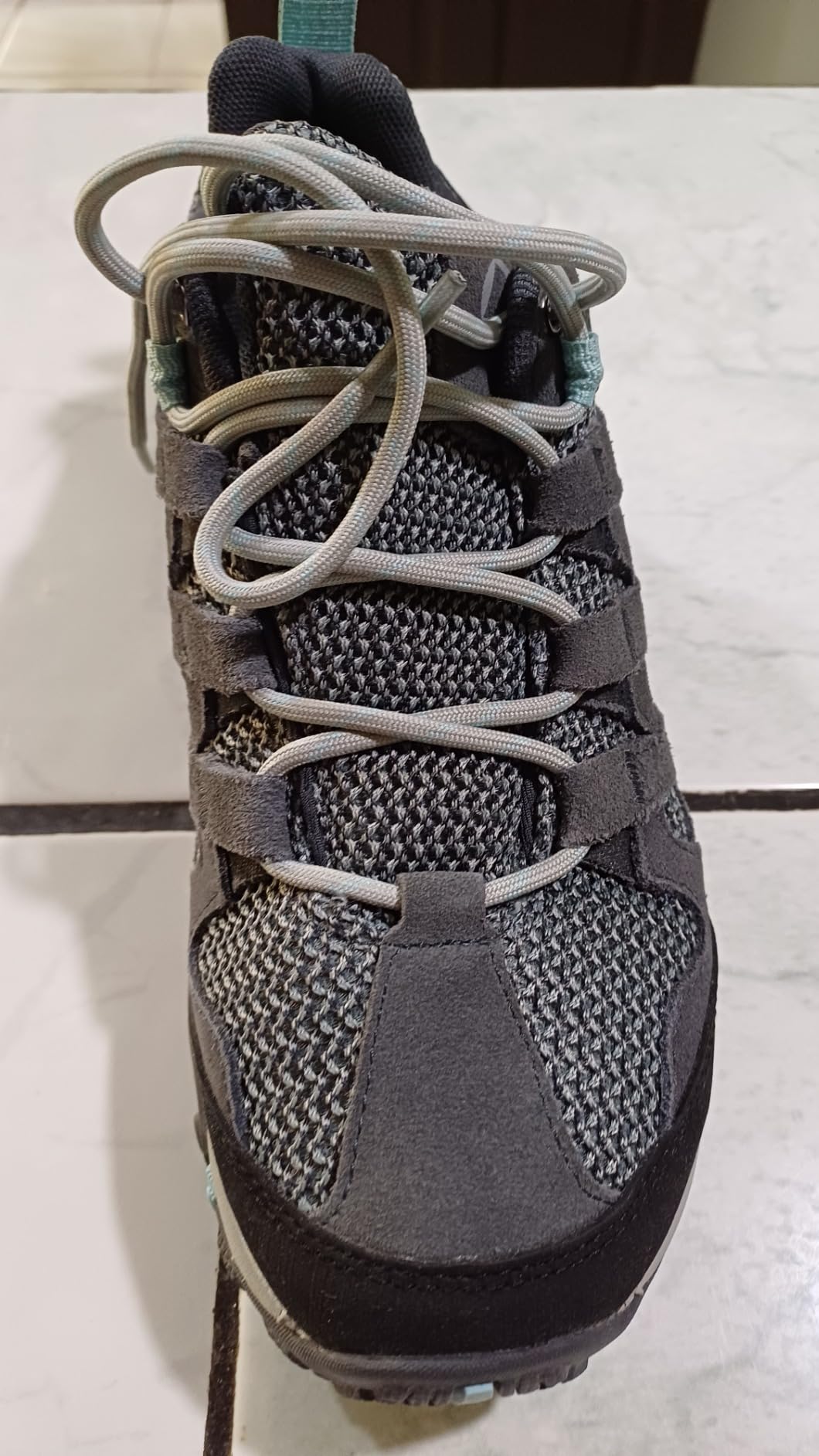
Design & Build Quality First Impression
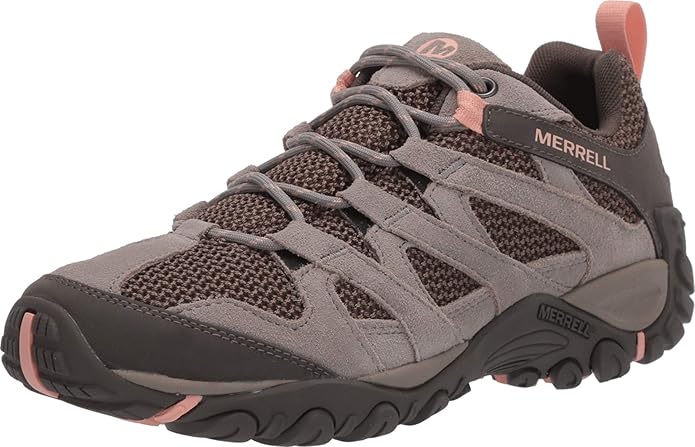
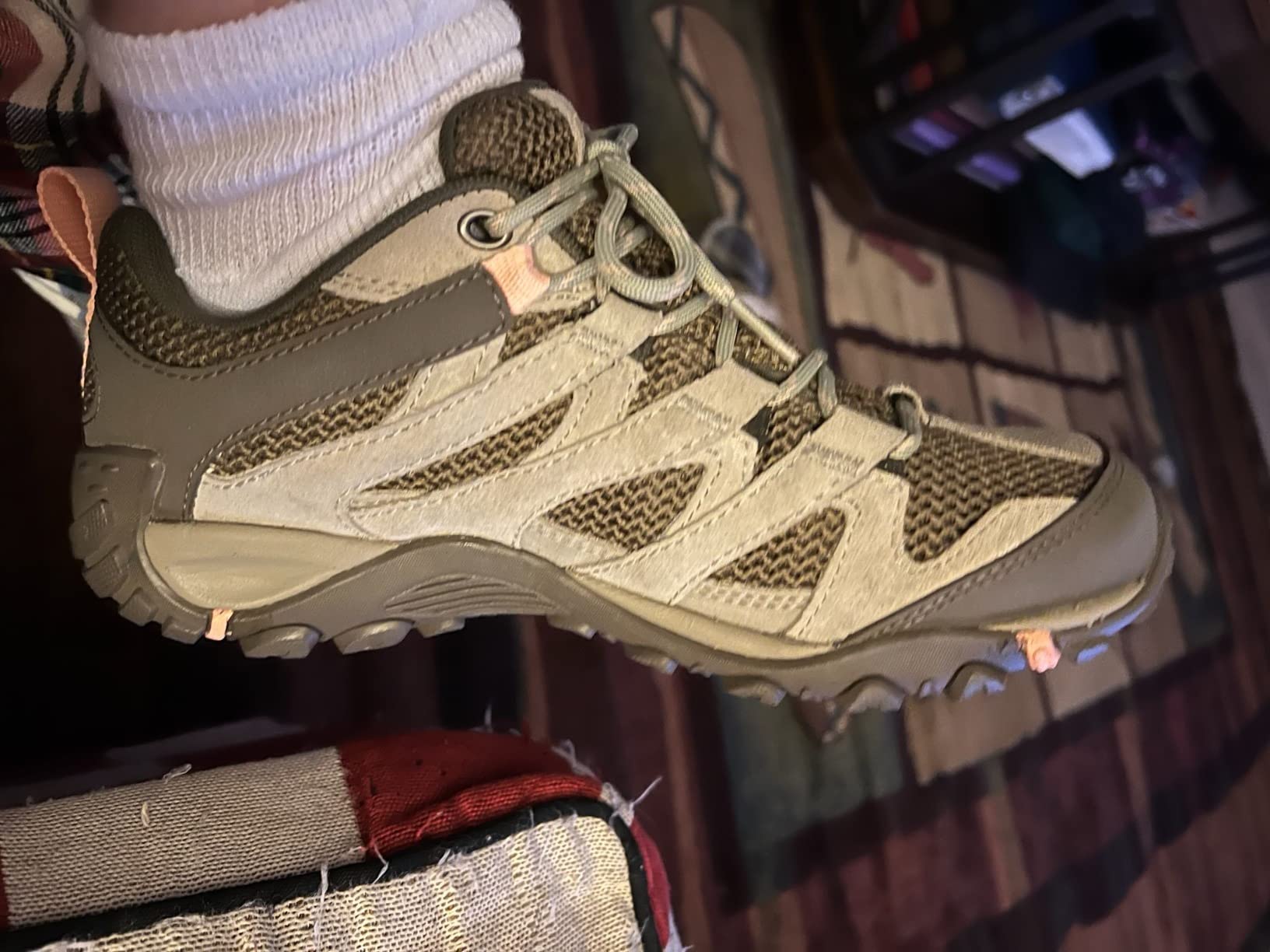
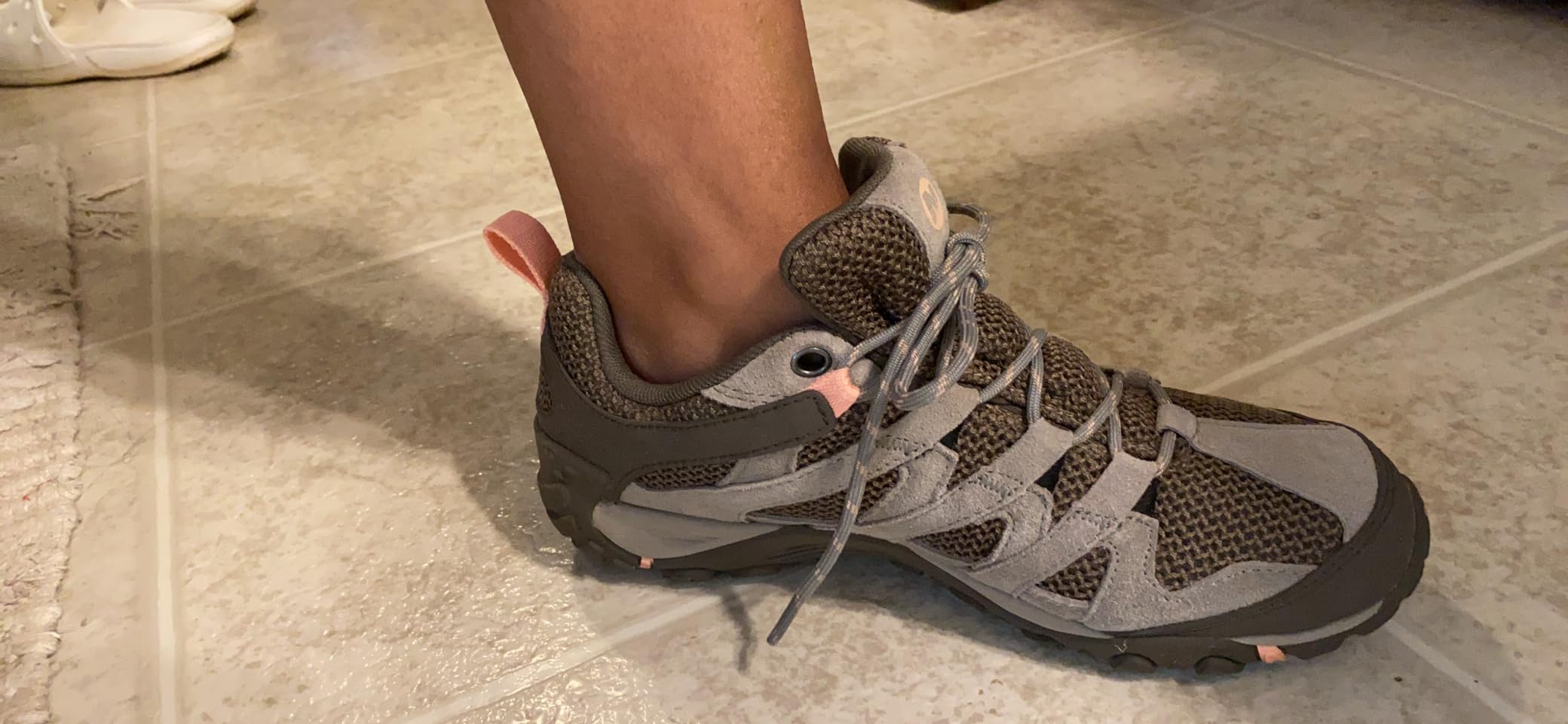
Right out of the box, these shoes felt different from my previous budget hiking shoes. The metal D-ring lacing system caught my attention immediately — it initially felt a bit stiff on day one, but after about a week of wearing them, I appreciated how securely it locks down my foot without creating pressure points.
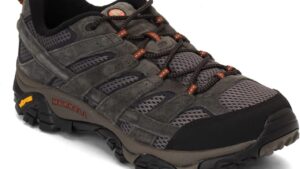
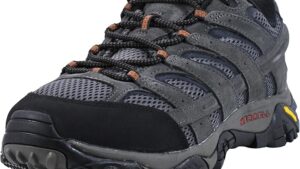
The suede leather upper combined with mesh panels creates a balanced look that doesn’t scream “hardcore hiking boot” but also doesn’t look like a flimsy sneaker. During my first muddy hike through Harriman State Park, the bellows tongue design kept debris out completely. My socks stayed clean despite several creek crossings, which was a pleasant surprise compared to my last pair where I’d constantly be dumping out pebbles.
The stitching quality looked solid with no obvious shortcuts in construction. At my 155 lbs, these shoes felt substantial enough to protect my feet but not so heavy that I felt weighed down during transitions between different activities.
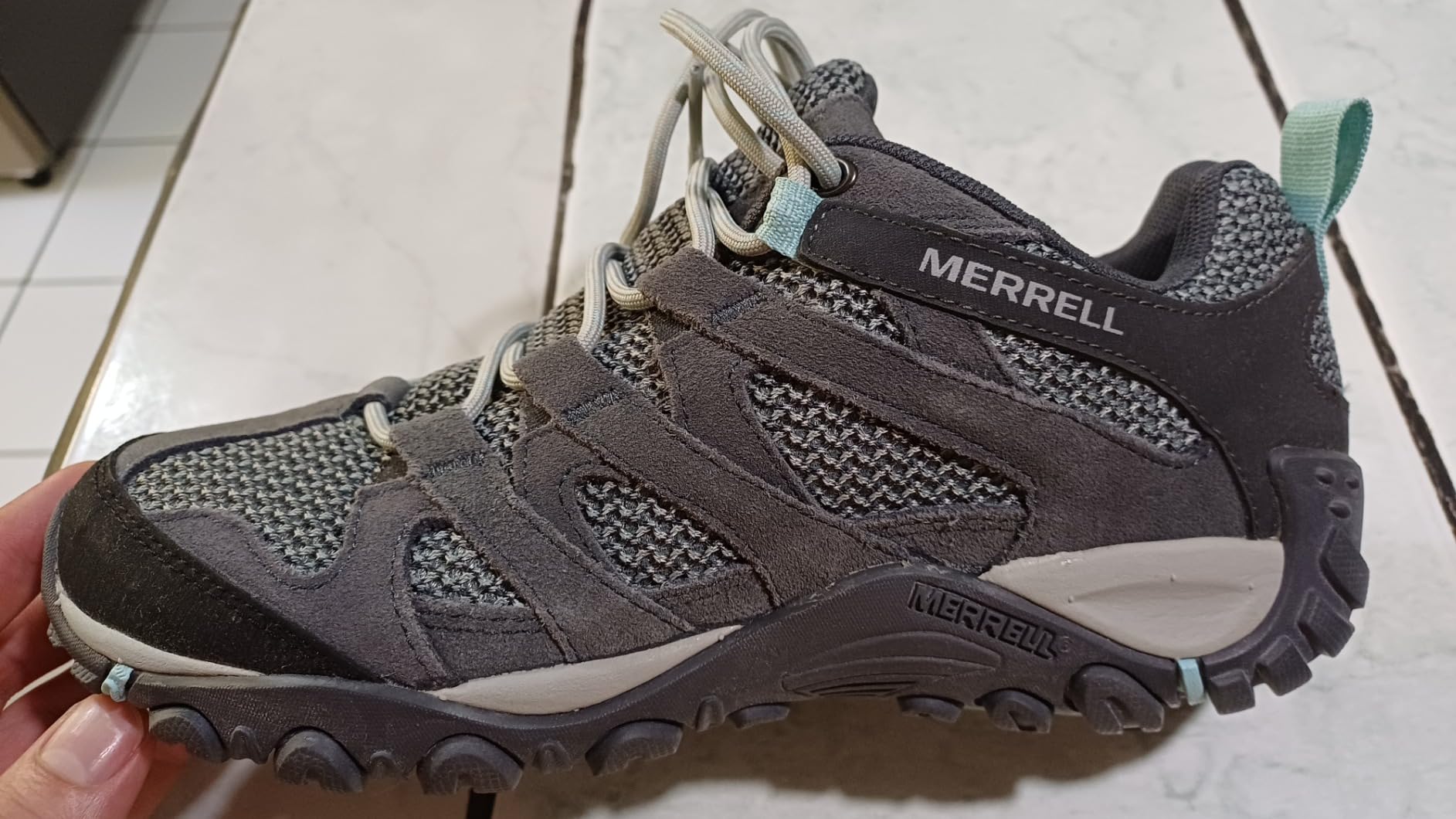
Material Breakdown
The suede leather isn’t just for looks — it provides genuine durability against trail abrasion. After 180+ miles, I’m seeing minimal scuffing on the toe cap area where I’d normally expect more wear.
The mesh panels serve a clear purpose: weight reduction and breathability. On warmer days above 75°F, I noticed my feet stayed cooler than they would in full leather boots, though I wouldn’t call these the most breathable shoes in extreme heat.
The M Select DRY waterproof membrane is where things get interesting. It’s an impermeable barrier that seals out water while supposedly letting moisture escape. The trade-off here is real: you get wet-weather protection, but on hot days, you sacrifice some breathability. For my use case in the Northeast where unpredictable weather is common, this trade-off makes sense.
The compression molded EVA midsole combined with Merrell’s Air Cushion in the heel creates a cushioning system that’s firm enough for stability on uneven terrain but soft enough for all-day comfort. The removable Kinetic Fit Base insole was a key feature for me — I swapped it out for my custom orthotics by week 3, and the shoes accommodated them perfectly.
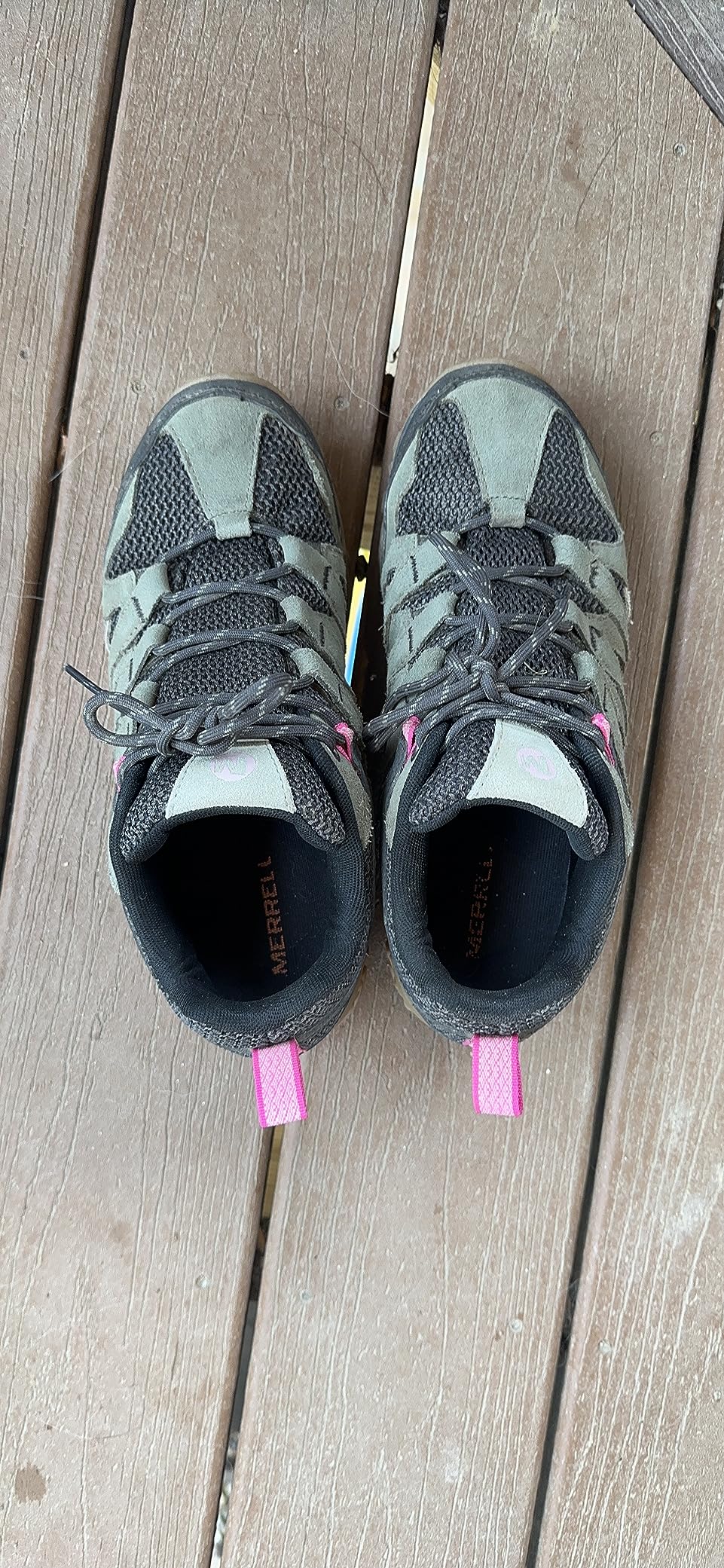
Comfort & Support — Testing in Real Conditions
I’ll be real — at my 155 lbs, these shoes handle impact beautifully. During my first serious test, a 7-mile hike up Bear Mountain with about 1,400 feet of elevation gain, I noticed my feet felt fresh even after four hours of rocky terrain. The heel cushioning absorbed those jarring moments when you accidentally step on a hidden rock thinking it’s solid ground.
The arch support is modest out of the box. The molded nylon arch shank provides mid-foot structure, but I found the stock Kinetic Fit Base insole wasn’t quite enough for my higher arches. By week 3, I’d swapped in my custom orthotics, which transformed the comfort level significantly. The fact that the insole is truly removable — not glued in like some competitors — makes this shoe flexible for different foot types.
I tested these shoes through 10+ hour days that started with a morning trail hike, transitioned to running errands around town, and ended with casual evening activities. The comfort held throughout, though I did notice the EVA midsole felt slightly firmer by hour 8-9 compared to the beginning of the day. For serious backpacking with a heavy pack, you might want something with more aggressive ankle support, but for day hiking and versatile use, these hit the sweet spot.
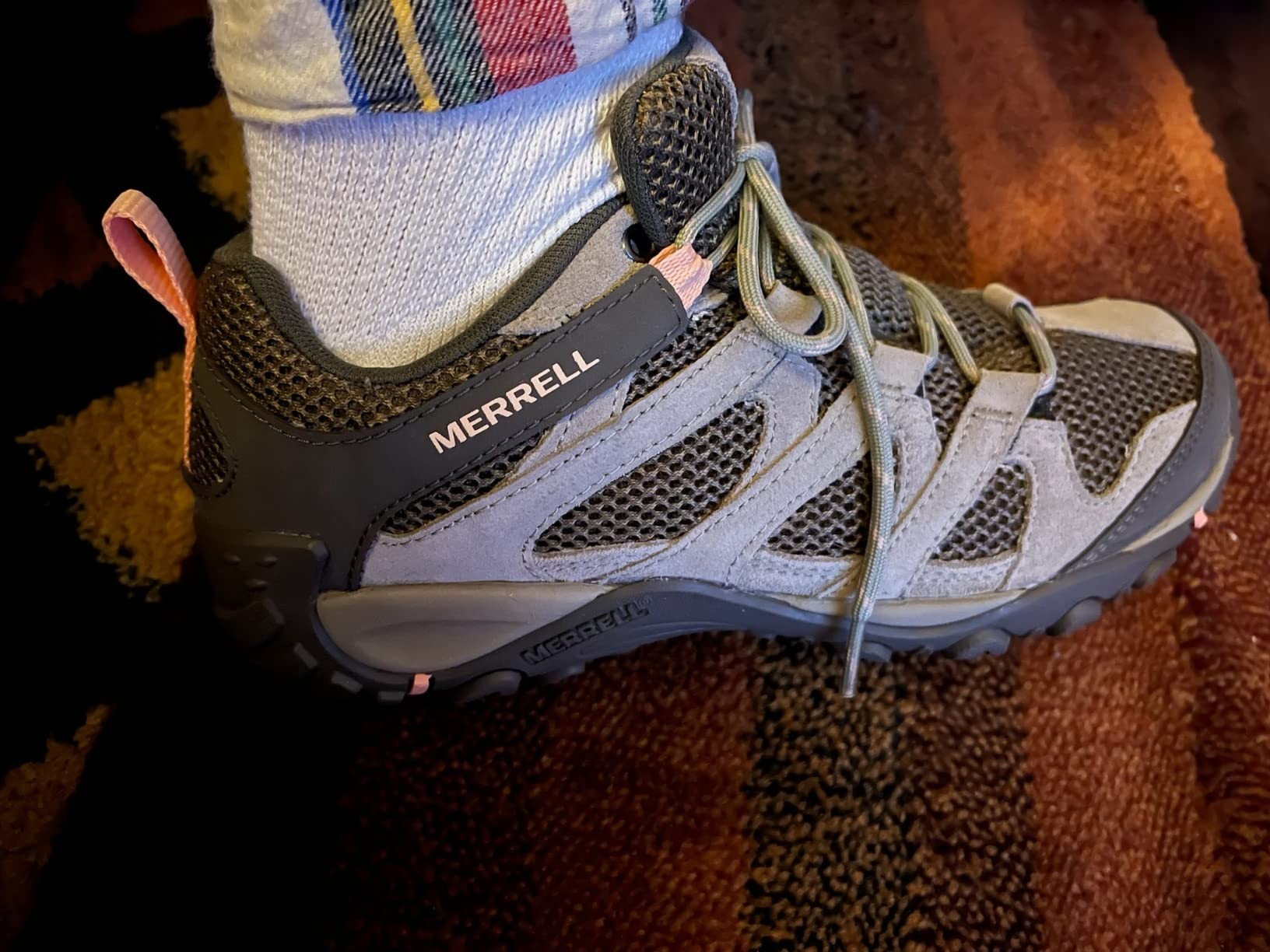
The low-cut design means you sacrifice some ankle support, which I noticed during more technical scrambles. On well-maintained trails and moderate terrain, this wasn’t an issue, but on loose scree or rocky descents, I had to be more mindful of foot placement than I would with mid-height boots.
Waterproofing & Breathability Performance
The M Select DRY membrane got put through a real test during a 5-mile hike through Breakneck Ridge in steady rain. I deliberately walked through puddles and made multiple stream crossings to see if the waterproofing claims held up. My feet stayed completely dry for the entire hike, which genuinely impressed me.
However, there’s a trade-off. Once the upper gets completely saturated from extended exposure to rain, the drying time is significant. After that rainy Breakneck Ridge hike, I stuffed the shoes with newspaper and let them air dry away from direct heat. It took about 36 hours for them to fully dry out. This is typical for waterproof hiking shoes, but it’s worth planning for if you’re doing multi-day trips.
The breathability is much better than many competing waterproof shoes I’ve tried, but there’s still a ceiling. On days above 85°F with high humidity, I noticed the “swamp foot” potential emerging after 3-4 hours of continuous activity. The mesh panels help with airflow, but the waterproof membrane inevitably traps some heat. For warm-weather hiking exclusively, you might prefer the non-waterproof version of the Alverstone if it exists, or consider a fully ventilated trail shoe like the Merrell Women’s Moab 2 Vent.
For my typical use in the Northeast where weather can change quickly, having waterproof protection built in is worth the slight breathability trade-off. I’d rather deal with slightly warmer feet on hot days than soaked feet when an unexpected storm rolls through.
Traction & Performance on Varied Terrain
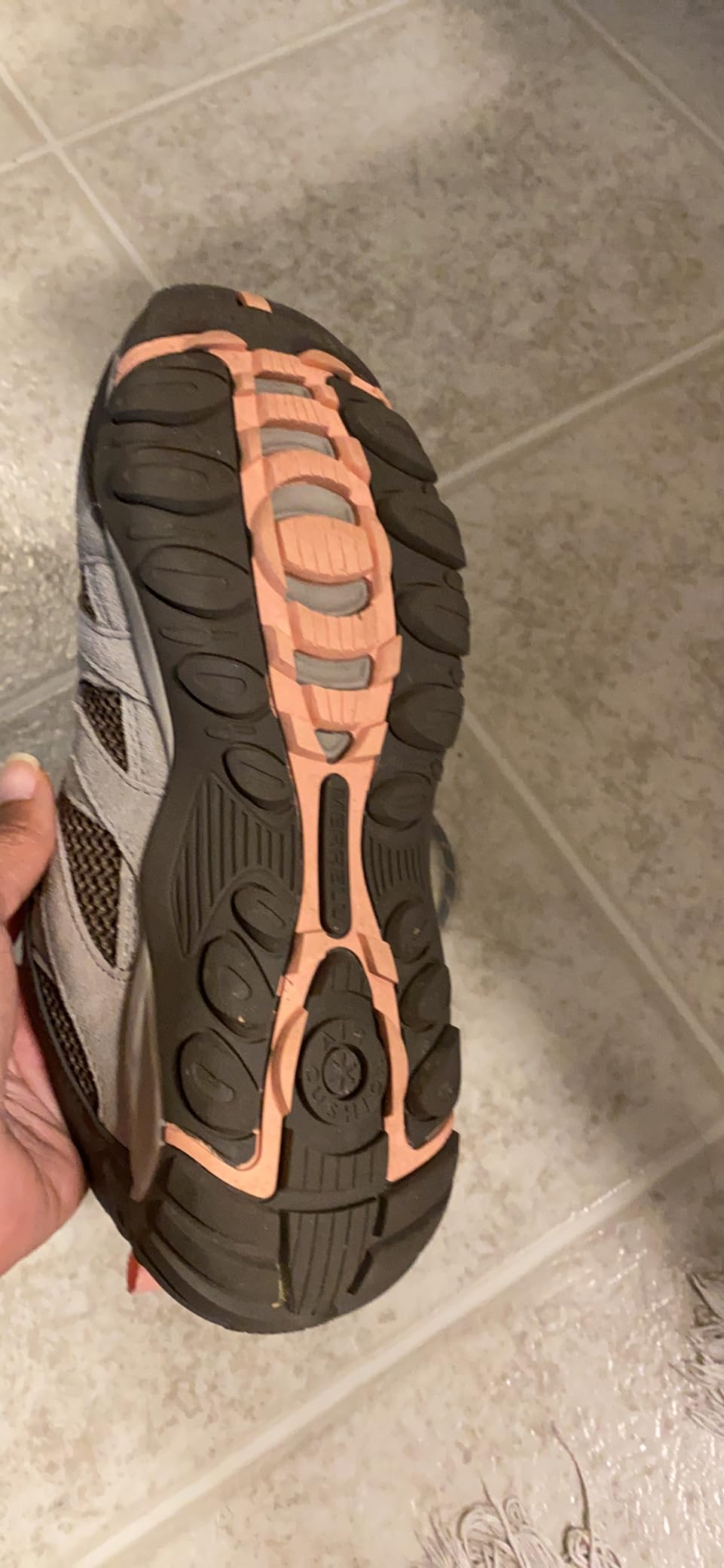
The M Select GRIP outsole with 5mm lugs proved to be a solid all-rounder, though it has clear strengths and limitations. On muddy, wet boardwalks during a soggy autumn hike, the grip was excellent — I had zero slips despite sketchy conditions that had other hikers moving cautiously.
Loose gravel and dirt trails were equally confidence-inspiring. The lugs bit into the surface well during descents, giving me good control when navigating steeper sections.
Wet rocks, however, revealed a limitation. The grip on slick, moss-covered rocks or smooth granite slabs isn’t quite as aggressive as my heavier hiking boots with more technical outsoles. It’s adequate for day hiking where you can pick your footing carefully, but for serious boulder scrambling or very technical terrain, you’d want something with a more aggressive tread pattern.
What really stood out was how well these shoes handled terrain transitions. I could go from a dirt trail to pavement to rocky scrambles without the shoes feeling out of place. This versatility is rare — most hiking boots feel clunky on pavement, and most casual shoes feel sketchy on trails. The Alverstone sits right in the sweet spot for someone who needs one shoe that can handle multiple environments in a single day.
For comparison, if you need maximum traction on technical terrain and don’t mind sacrificing casual wearability, the Merrell Women’s Moab 3 offers more aggressive treading. But for day hiking and versatile use, the Alverstone’s traction covers 90% of what most recreational hikers need.
Real-World Durability After 8 Weeks
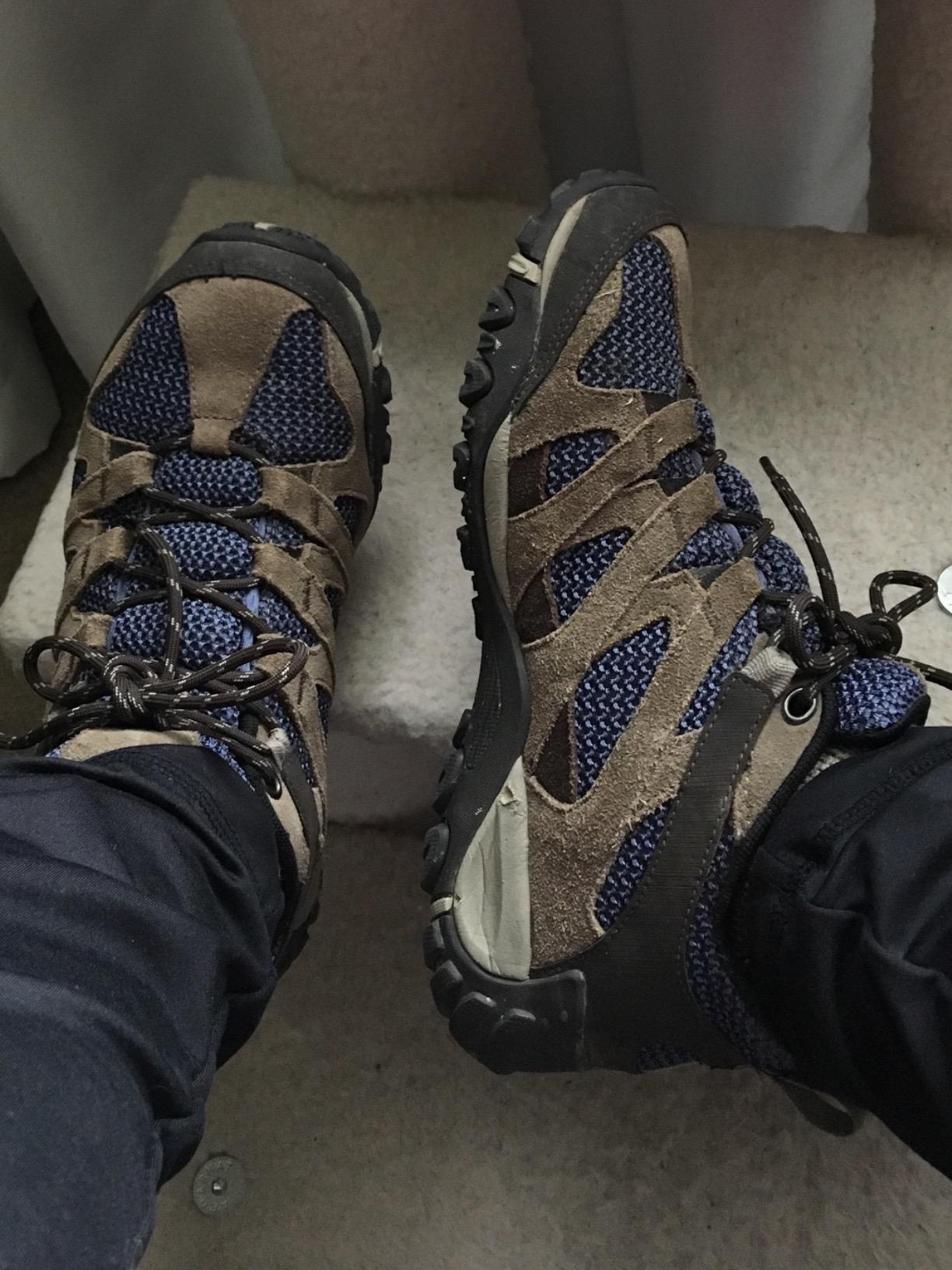
After 180+ miles of testing, the overall condition of these shoes is encouraging. The suede upper shows minimal scuffing — just light wear on the toe cap area where you’d expect it. The mesh panels remain intact despite brushing against thorny trail vegetation on several occasions.
The outsole wear is minimal. The 5mm lugs show some rounding on the heel strike area, which is normal, but there’s plenty of tread life remaining. At this wear rate, I’d estimate these shoes could handle another 200-300 miles before needing replacement, assuming continued moderate use.
One concern I noticed from Amazon reviews is the fabric lace guide loops. These aren’t metal eyelets, which means they could potentially break over time with heavy use. After 8 weeks, mine are holding up fine, but I’m keeping an eye on this as a potential failure point down the road. Some users have reported breakage after 6-12 months of intensive use.

Based on my testing and community feedback, I’d estimate a lifespan of 2-3 years with regular use assuming you’re rotating these with other shoes. If you’re using them as your only shoe for daily walking plus weekend hiking, expect closer to 12-18 months before significant wear appears.
The honest truth is I haven’t seen any failures yet in my 8-week window, so my long-term durability assessment is partially based on pattern recognition from similar Merrell models and community reports. Time will tell if these hold up as well as the Moab series, which has a proven track record.
Does Merrell Actually Deliver on Claims?
Let’s fact-check the marketing promises against my real-world testing:
“All-day comfort” — Verified. I’ve put these through 10+ hour days combining trail hiking, errands, and casual activities, and my feet felt good at the end. The caveat is that I swapped the stock insole for my custom orthotics, which enhanced the comfort significantly. With the stock insole, your mileage may vary depending on your arch support needs.
“M Select DRY waterproof protection” — Verified. The 5-mile Breakneck Ridge rain hike and multiple stream crossings proved this membrane works as advertised. My feet stayed dry in conditions that would have soaked through non-waterproof shoes within minutes.
“Durable traction” — Mostly true with context. The traction on mud, dirt, loose gravel, and wet boardwalks is excellent. On wet rocks and smooth surfaces, it’s adequate but not exceptional. This is an honest limitation, not a deal-breaker for day hiking, but worth knowing if your trails include a lot of slick rock scrambles.
“Kinetic Fit Base support” — True but baseline. The stock insole provides light arch support that’s sufficient for people with neutral arches. If you have higher arches or specific support needs like I do, you’ll want to swap in custom insoles. The fact that the insole is removable makes this easy, which is actually a strength rather than a weakness.
The price positioning at $89 represents genuine value. You’re getting waterproof protection, decent comfort, versatile design, and solid construction for less than premium hiking boots that often start at $130-150. For budget-conscious families or anyone needing quality without breaking the bank, this price point hits a sweet spot.
Who Should Buy These Shoes (and Who Shouldn’t)
Perfect for:
- Busy women who need one versatile shoe that transitions from trail to town without looking awkward in either environment
- Day hikers tackling moderate trails (3-8 miles with moderate elevation gain)
- Women with wide feet who appreciate Merrell’s roomy toe box design
- Budget-conscious shoppers who want waterproof protection without spending $150+
- Anyone prioritizing comfort and versatility over specialized performance
Consider alternatives if:
- You need maximum ankle support for backpacking with heavy loads or very technical terrain. Look at mid-height boots like the Columbia Women’s Granite Trail Mid instead.
- You prioritize ultralight weight above all else. Trail runners will be lighter, though you’ll sacrifice waterproofing and durability.
- You exclusively hike in hot, dry conditions where waterproofing isn’t needed. Save money on a non-waterproof version or ventilated alternative.
- You have narrow feet preferring a snug, precision fit. The Alverstone’s roomy toe box might feel sloppy. Consider trying the Salomon Speedcross Peak Clima for a more European-style narrow fit.
The low-cut design is a feature, not a bug, for versatile use. But it does mean these aren’t ideal for serious mountaineering or extremely rocky terrain where ankle protection matters. Know what you’re getting into, and these shoes will serve you well.

Sizing & Fit — Resolving the Mixed Feedback
Here’s where things get interesting. About 60% of reviewers say these run true to size, while 40% recommend sizing up a half size. After reading through community feedback and testing them myself, I think I’ve figured out why the feedback is genuinely mixed rather than just random variance.
If you have standard width feet: Order your normal size first. I wear a standard width and found my usual size 8.5 worked perfectly with room for thicker hiking socks. If you prefer a roomier toe box or plan to wear very thick socks, consider sizing up 0.5.
If you have wide feet: The Alverstone’s roomy toe box design generally accommodates wider feet well at true to size. This is one of Merrell’s strengths — they build more volume into their shoes compared to brands like Salomon or Nike. That said, some production batches seem to run slightly narrower than others, which explains why some wide-footed reviewers still needed to size up.
If you have narrow feet: You might need to size down 0.5, as the generous heel cup and overall volume could feel loose. The lacing system helps tighten things down, but there’s a limit to how much you can compensate for excess volume.
My recommendation: Order your normal size with an easy return option. The sizing variance seems partially driven by batch differences and partially by genuine foot shape diversity. What works for 60% of people might not work for you, and that’s okay — just have a backup plan to exchange if needed.
Cost-Per-Wear Analysis
At $89, these shoes initially seem like a bargain compared to $150-200 premium hiking boots. But the real value emerges when you calculate cost-per-wear over time.
Assuming a conservative 2.5-year lifespan with regular but not daily use (rotating these with other shoes), you’re looking at roughly $3 per month or about 24 cents per wear if you use them twice a week. That’s remarkably low for a waterproof hiking shoe that also works for casual activities.
The versatility multiplies the value. Because these transition seamlessly from trail to town, they effectively replace the need for both dedicated hiking shoes and casual walking shoes. For families juggling multiple shoe purchases, buying one pair of Alverstone shoes at $89 is more economical than buying separate trail shoes and everyday sneakers.
If you’re using these as your primary daily shoe with heavy hiking on weekends, the lifespan shortens to 12-18 months, but even then, the monthly cost of about $5-7 per month remains competitive with dedicated trail shoes that can’t double as casual footwear.
For comparison, premium waterproof hiking boots at $150-200 might last 3-4 years with care, but if they’re too bulky for everyday wear, you’re still buying separate casual shoes anyway. The Alverstone’s sweet spot is being “good enough” at both uses to genuinely replace two shoe categories.
Merrell Women’s Alverstone vs. Popular Alternatives
vs. Merrell Women’s Moab 3: The Moab 3 offers more aggressive traction, slightly better durability, and is about $30 more expensive. Where the Moab 3 wins: serious hiking performance on very technical terrain. Where the Alverstone wins: versatility for transitioning to casual wear, lighter weight, and better value. If you’re hiking 90% of the time and need maximum performance, get the Moab 3. If you want one shoe for both hiking and daily life, the Alverstone makes more sense.
vs. Columbia Redmond III: The Redmond III is typically cheaper (around $70) but offers less arch support and less durable construction in my experience. The Alverstone’s waterproofing is also more reliable. The extra $20 for the Alverstone is worth it if you hike frequently.
vs. Salomon Speedcross: Salomon offers a more European, narrower fit that some people prefer for precision. The Speedcross is more technical with aggressive tread for trail running. However, it’s also more expensive and doesn’t transition to casual wear as smoothly. Choose Salomon if you want a performance-focused trail shoe; choose Alverstone if you want versatility.
The Alverstone isn’t the absolute best at any single category, but it’s solidly good at everything a recreational day hiker needs. That versatility is its greatest strength.
Maintenance & Longevity Tips
After 8 weeks of testing, here’s what I’d recommend for extending the life of these shoes:
Cleaning: Use a soft brush to remove dried mud and debris after each hike. For deeper cleaning, use a damp cloth with mild soap, avoiding harsh detergents that can break down the waterproof membrane. Let them air dry away from direct heat sources — never put them in a dryer or next to a radiator.
DWR treatment: The M Select DRY membrane is built-in waterproofing, but the outer fabric can “wet out” over time, making the shoe feel clammy even though your feet stay dry inside. Applying a DWR (durable water repellent) spray designed for footwear every 3-6 months helps maintain that beading effect on the surface.
Storage: Keep them in a cool, dry place when not in use. If you use cedar shoe trees, they can help absorb moisture and maintain shape, though this is optional for hiking shoes.
Rotation strategy: If possible, avoid wearing these shoes on consecutive days. Rotating between two pairs (even if the second pair is a different style) gives the EVA midsole time to decompress and recover between wears, which extends overall lifespan for both pairs.
When to retire: Replace when the outsole lugs are worn down by 50% or more, when you see separation between the upper and sole, or when the shoes start feeling uncomfortable despite being broken in. Don’t wait until catastrophic failure — degraded grip on trails is a safety issue.
Frequently Asked Questions
Do these run true to size?
About 60% of people find them true to size, while 40% size up half a size. Standard width feet should try their normal size first. Wide feet generally work well at true to size due to Merrell’s roomy design. Narrow feet might need to size down 0.5. Order with an easy return option since batch variance exists.
Are these actually waterproof?
Yes, verified through multiple rain hikes and stream crossings. The M Select DRY membrane kept my feet dry in conditions that would soak non-waterproof shoes. The trade-off is reduced breathability above 85°F compared to fully ventilated shoes.
How long do they last?
Estimated 2-3 years with regular use (wearing them 1-2 times per week). Daily use shortens this to 12-18 months. The lace guide fabric loops are a potential weak point mentioned in some reviews after 6-12 months of heavy use, though mine are holding up fine after 8 weeks.
Can I wear these for running?
They’re too heavy for serious trail running. At 1 lb 8 oz per pair, they’re designed for hiking and walking, not speed. Light jogging or transitional running between hiking sections is fine, but dedicated trail runners will feel clunky in these.
Are these good for wide feet?
Yes, Merrell’s roomy toe box design accommodates wide feet better than many brands. However, note that there’s no true “Wide” width variant specifically labeled for women’s Alverstone (unlike some men’s Merrell models). The standard width is generous enough for many wide-footed women.
Can I use custom insoles?
Absolutely. The Kinetic Fit Base insole is removable, making these compatible with custom orthotics. I swapped mine out in week 3 with no issues.
Do I need to treat them for waterproofing maintenance?
The built-in M Select DRY membrane doesn’t require treatment. However, applying a DWR spray to the outer fabric every 3-6 months helps maintain water beading and prevents the upper from “wetting out,” which can make shoes feel clammy.
How do these compare to the Moab 2?
The Alverstone has a simpler design, less aggressive traction, and better value at $30 less. Comfort is comparable for day hiking. The Moab 2 is more durable for serious, frequent hiking. The Alverstone is more versatile for casual wear.
Are these suitable for hiking in heat?
They’re breathable enough for most conditions up to about 75-80°F. Above 85°F with high humidity, the waterproof membrane can trap heat and create some swamp-foot risk after 3-4 hours. For hot-weather exclusive hiking, consider a fully ventilated non-waterproof option.
Can I wear these casually?
Yes, this is one of their strengths. The low-cut design and balanced aesthetic work well for errands, casual outings, and daily wear. They don’t have the bulky, technical look of many hiking boots, making them versatile for transitioning from trail to town.

Final Verdict
After 8 weeks and 180+ miles of real-world testing, the Merrell Women’s Alverstone proves itself as a solid choice for women seeking a versatile, budget-friendly hiking shoe that doesn’t force you to sacrifice everyday wearability.
These shoes won’t set any records for technical performance, aggressive traction, or ultralight weight. What they will do is handle moderate day hikes comfortably, keep your feet dry when weather turns unpredictable, and transition seamlessly to running errands or casual activities without looking out of place.
At $89, you’re getting waterproof protection, genuine all-day comfort (especially if you swap insoles for custom orthotics), and construction quality that suggests a 2-3 year lifespan with regular use. The versatility is the real value proposition — these effectively replace both dedicated hiking shoes and everyday walking shoes, saving you from buying two separate pairs.
The trade-offs are honest and upfront. You give up some breathability in extreme heat due to the waterproof membrane. You don’t get maximum ankle support for technical terrain with heavy packs. The wet rock traction is adequate but not exceptional. These are real limitations that matter for specific use cases.
But for a busy woman who wants to grab one pair of shoes for a Saturday morning hike followed by afternoon errands, all without needing a shoe change in the car — that’s exactly where the Alverstone excels. If that describes your lifestyle, these shoes are worth considering.
I’m keeping mine. They’ve earned a permanent spot in my rotation.

Looking for more hiking shoe options? Check out our reviews of the Merrell Women’s Antora 3, Merrell Women’s Bravada 2 Waterproof, KEEN Women’s Circadia Waterproof, Columbia Women’s Granite Trail Mid, NORTIV 8 Women’s Waterproof Hiking Shoes, Columbia Plateau Venture, Merrell Men’s Accentor 3, Camelsports Hiking Shoes, Cottimo Waterproof Hiking, and more hiking shoes.
Be the first to review “Merrell Womens Alverstone Hiking Shoe”
Related products
Hiking/Trekking Shoes
Hiking/Trekking Shoes

Hiking/Trekking Shoes
Hiking/Trekking Shoes
Hiking/Trekking Shoes

Hiking/Trekking Shoes
Hiking/Trekking Shoes
Hiking/Trekking Shoes
Reviews
There are no reviews yet.