
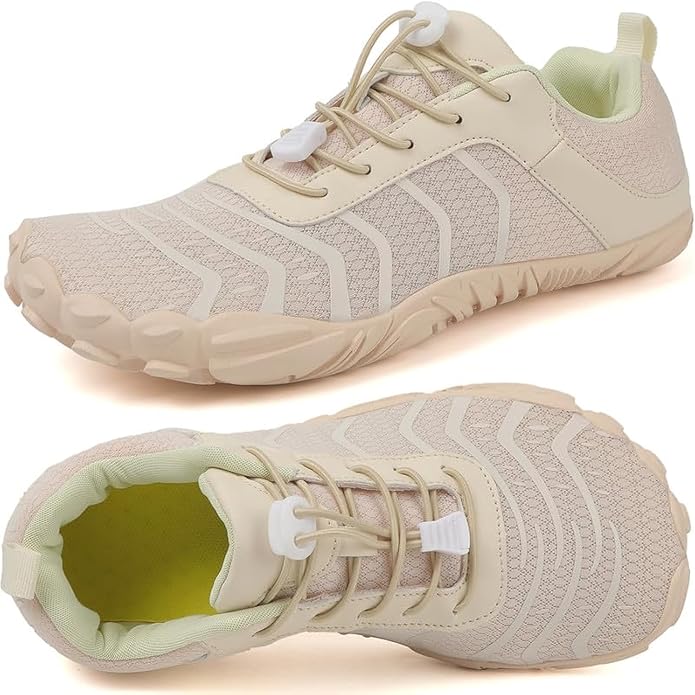
MIFAWA Barefoot Shoes Minimalist Shoes Zero Drop Men Women
$29.59
- ⚖️ Weight: 8.2 oz (men’s size 10)
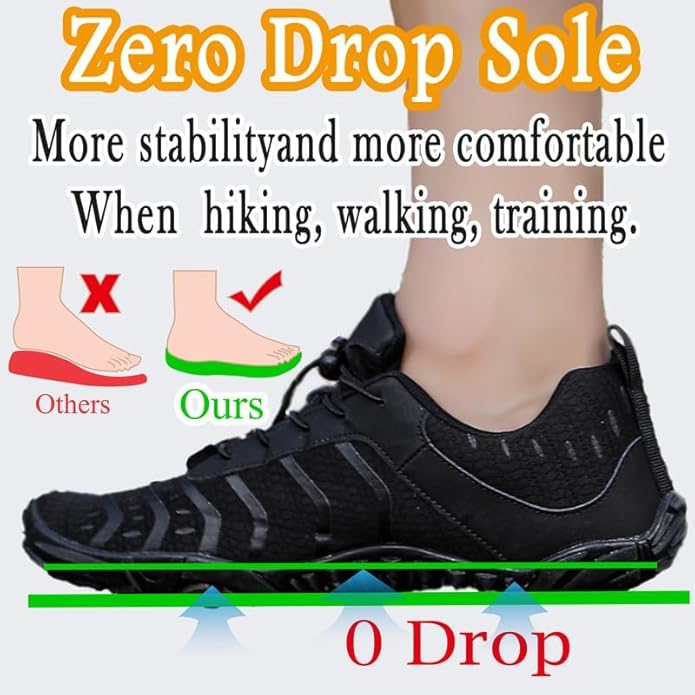
- 📏 Heel-to-toe drop: 0mm (true zero drop)
- 📐 Stack height: 12mm heel / 12mm forefoot
- 🧪 Midsole: Minimal foam padding (removable cushioned insole)
- 👟 Upper: Synthetic mesh with leather-look accents
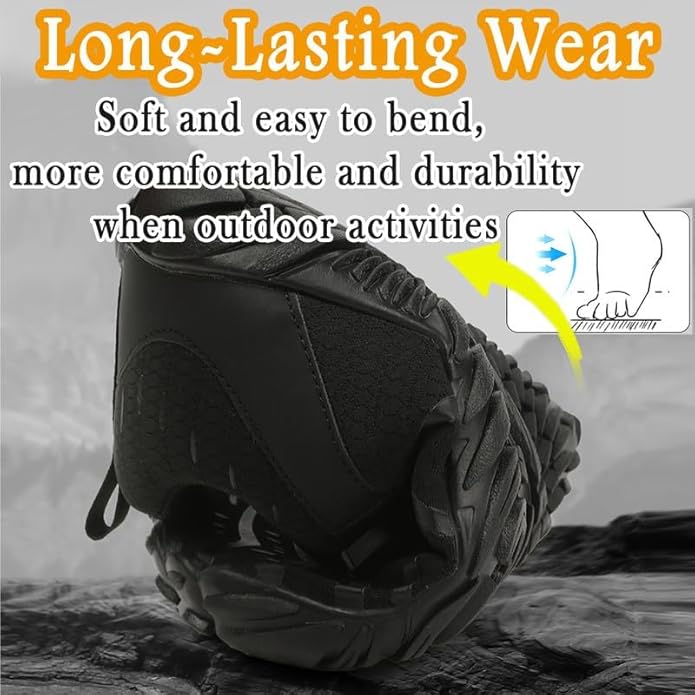
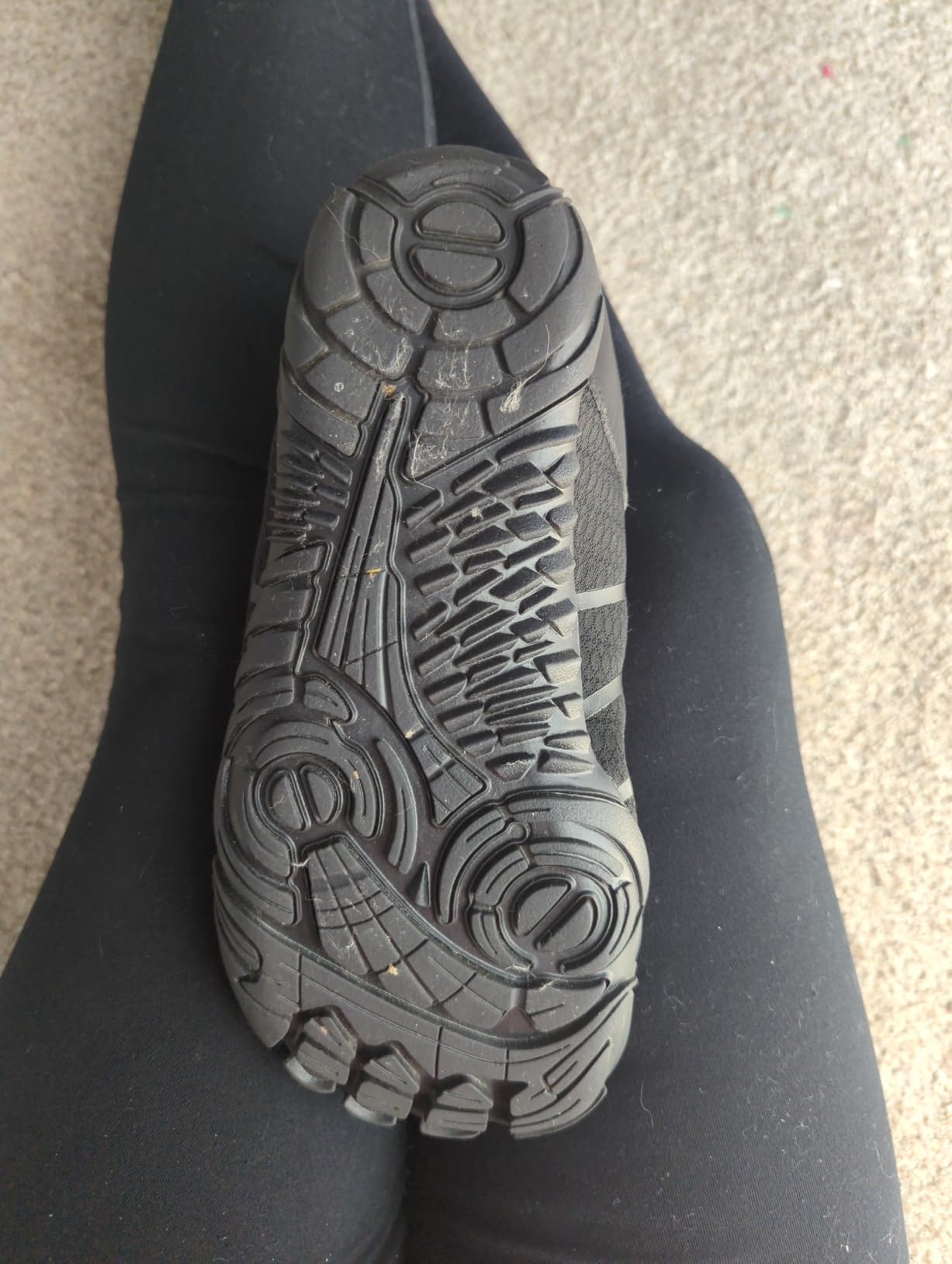
- 🦶 Outsole: Flexible rubber (non-slip, wear-resistant)
- 🔒 Closure: Elastic lace system with metal buckle cinch
- 📦 Inner lining: Cotton
- 🏃♂️ Category: Barefoot/Minimalist Cross-Training
- 🎯 Best for: Gym, weightlifting, casual hiking, multi-activity training
The MIFAWA Barefoot Shoes had been sitting in my Amazon cart for three weeks before I finally pulled the trigger. At $35, the zero-drop minimalist design either sounded like a smart budget find — or a painful mistake. Mike here, and with a decade of testing everything from competition powerlifting shoes to trail boots, I figured a six-week commitment would settle the question. What I found surprised me in a few directions. Here’s the straight account, without the marketing spin.
Design, Build Quality & First Impressions
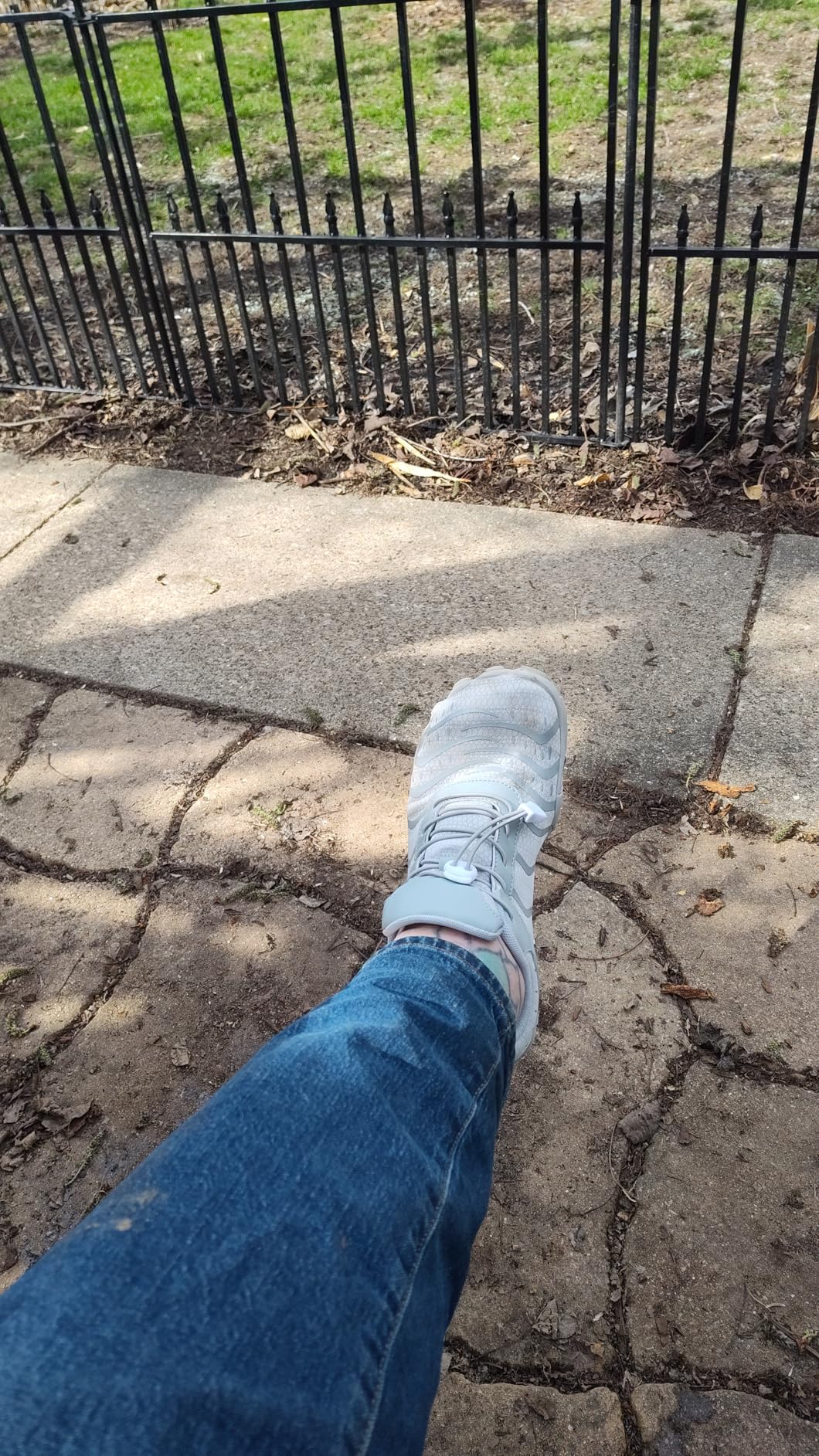
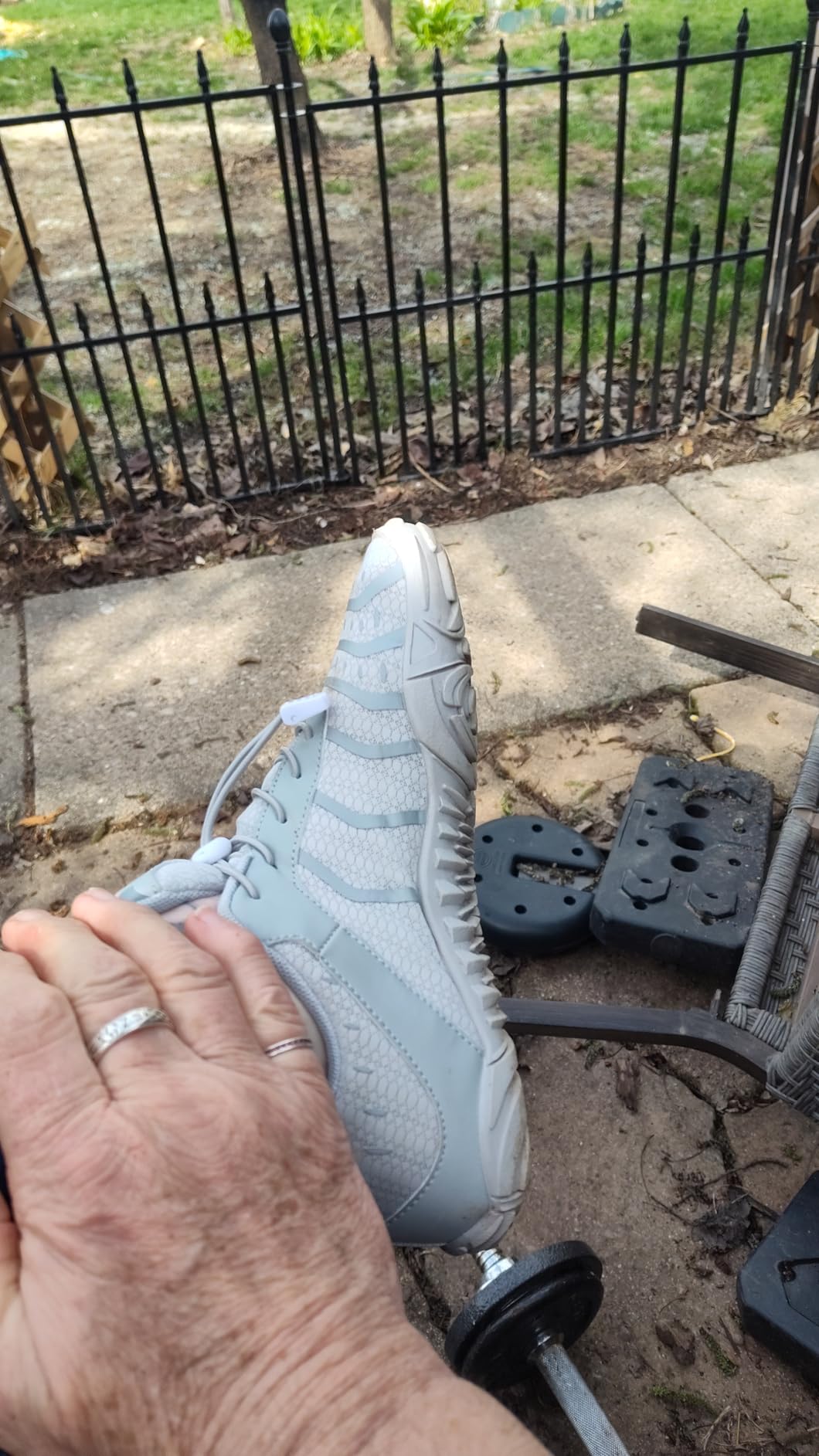
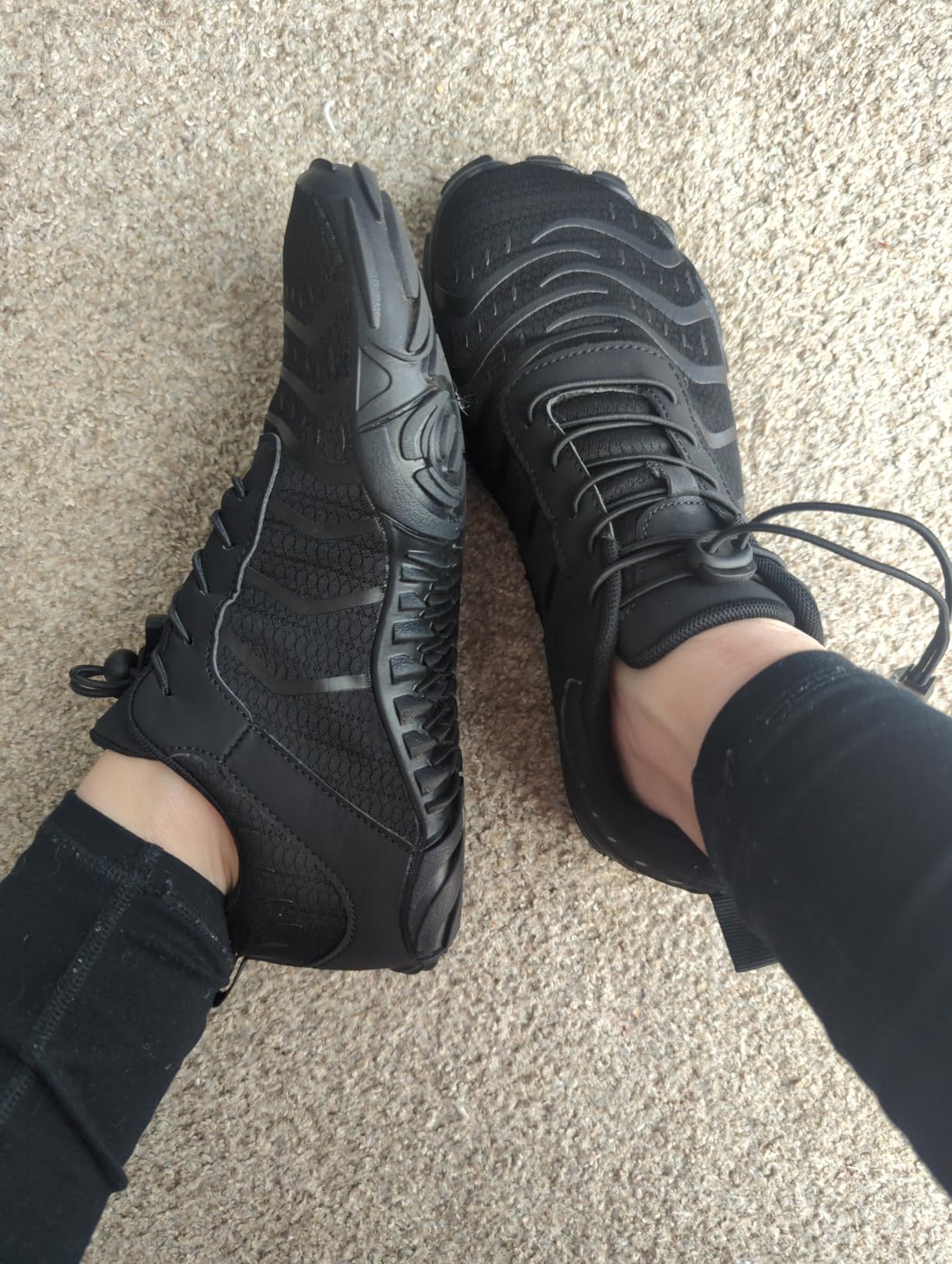
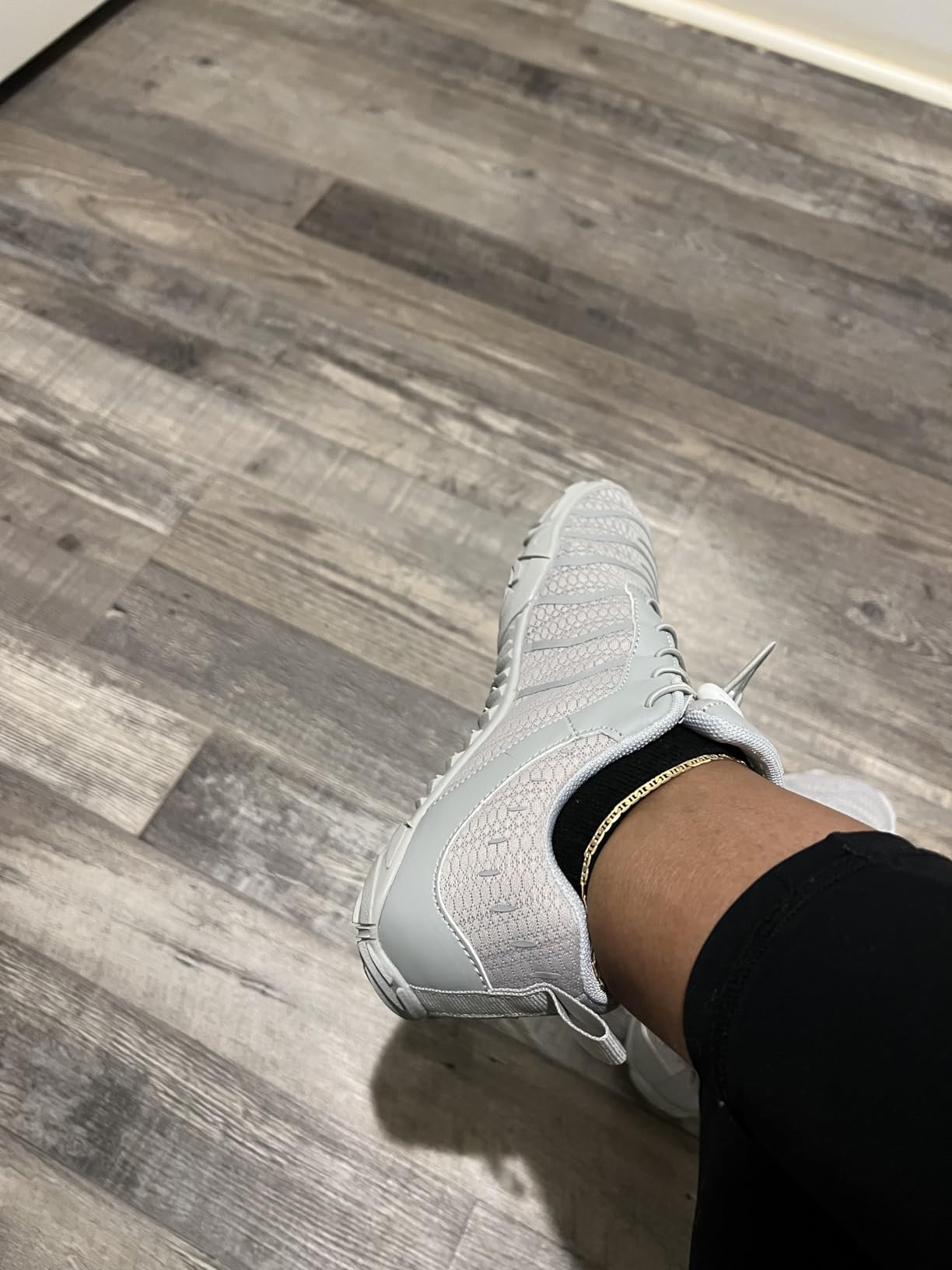
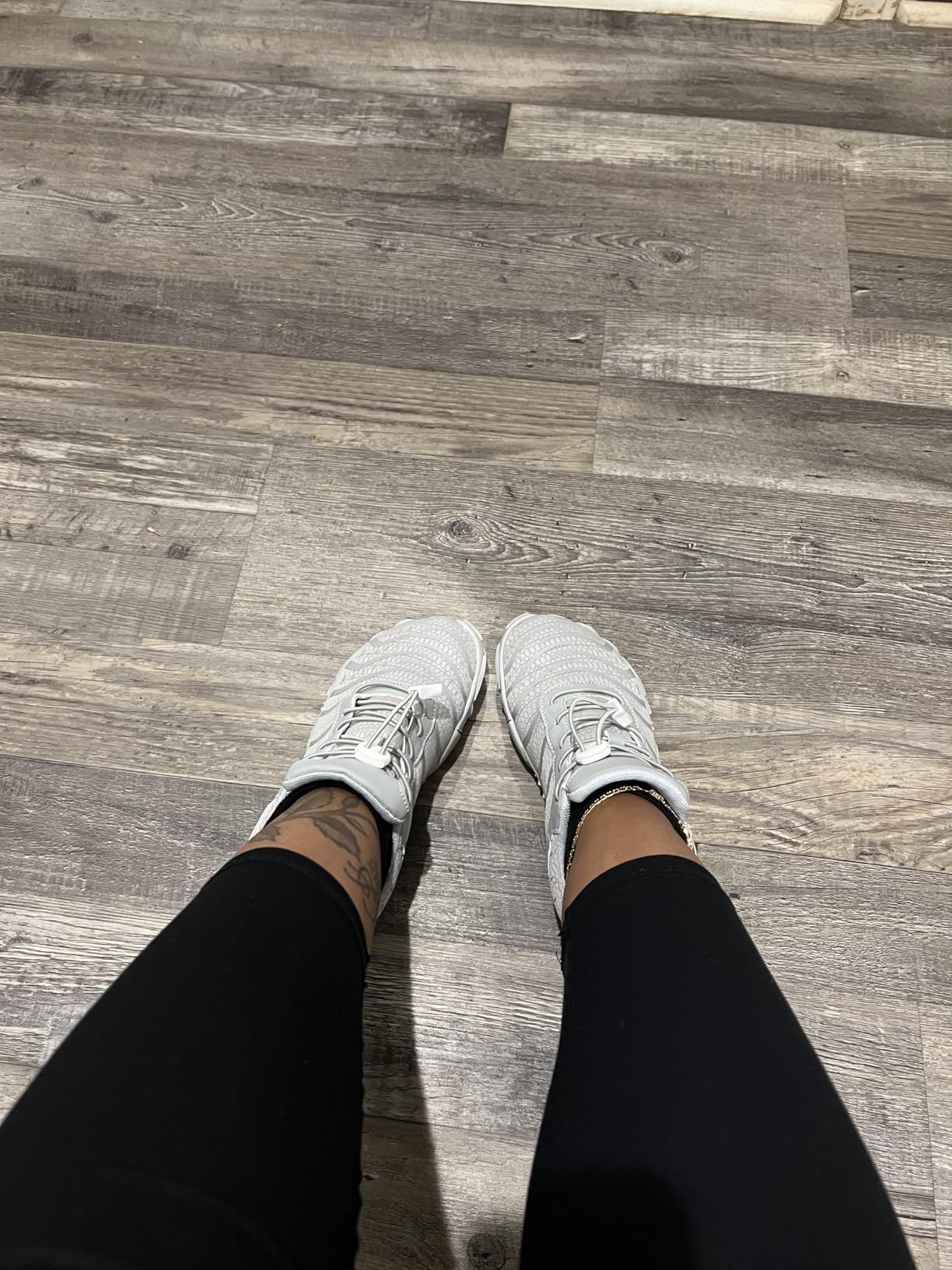
Opening the box, the first thought was: these look more like functional water shoes than the sleek barefoot shoes I’d seen at premium price points. The beige colorway runs a shade more yellow than the product photos suggest — a cosmetic note, nothing more. The synthetic mesh upper doesn’t pretend to be premium leather, but it feels denser than I expected. Stitching lines look even, the sole bonding shows no visible gaps, and nothing about the initial construction screams “disposable budget shoe.”
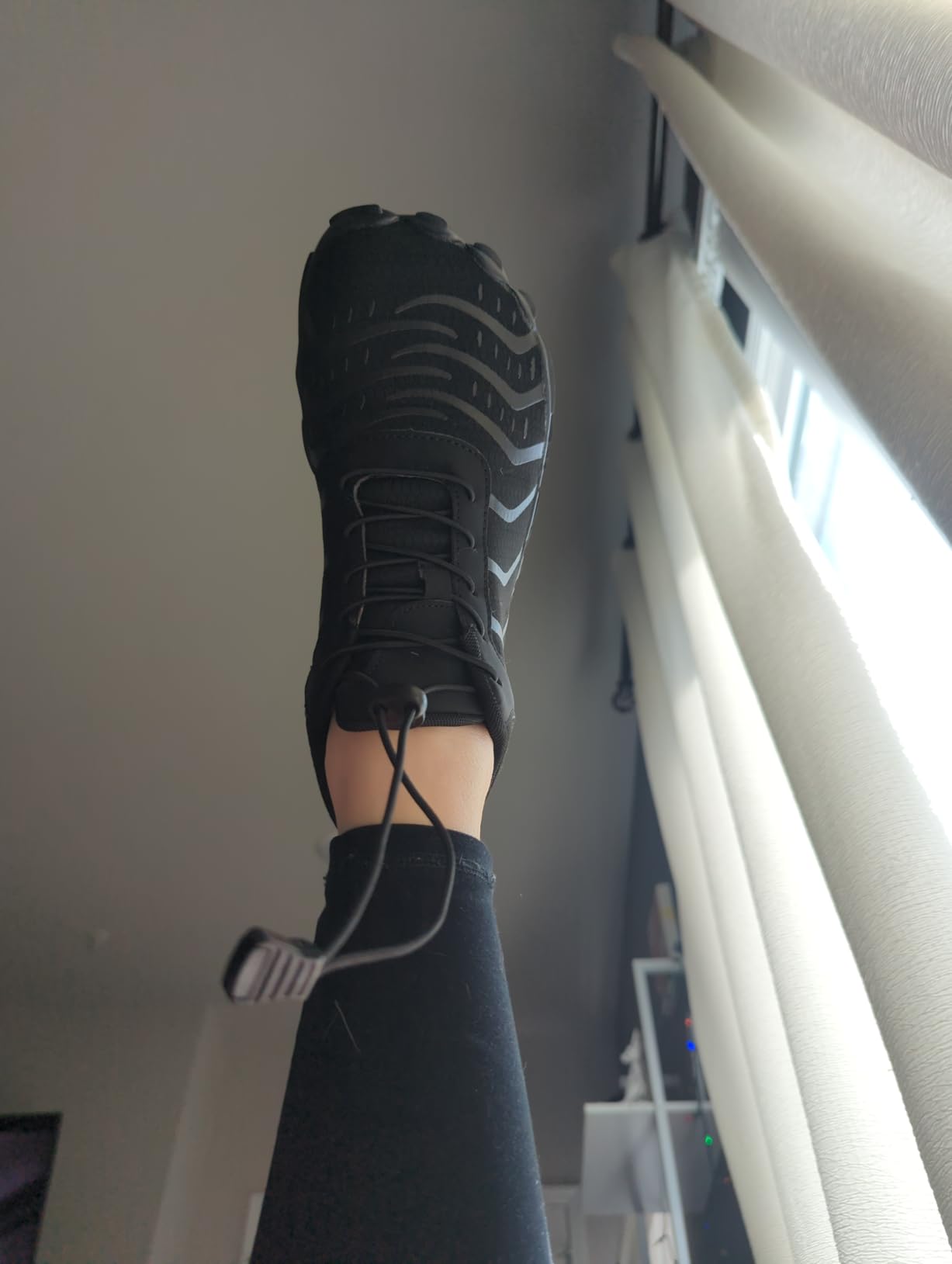
One detail worth flagging upfront: the metal buckle on the elastic closure system. It functions, but after sustained use I noticed it tends to rotate on its axis when you’re cinching the strap tight. Not a deal-breaker during normal wear, but if you’re lacing these aggressively before heavy lifting sessions, expect occasional repositioning. No competitor review I came across mentions this quirk — you read it here first.
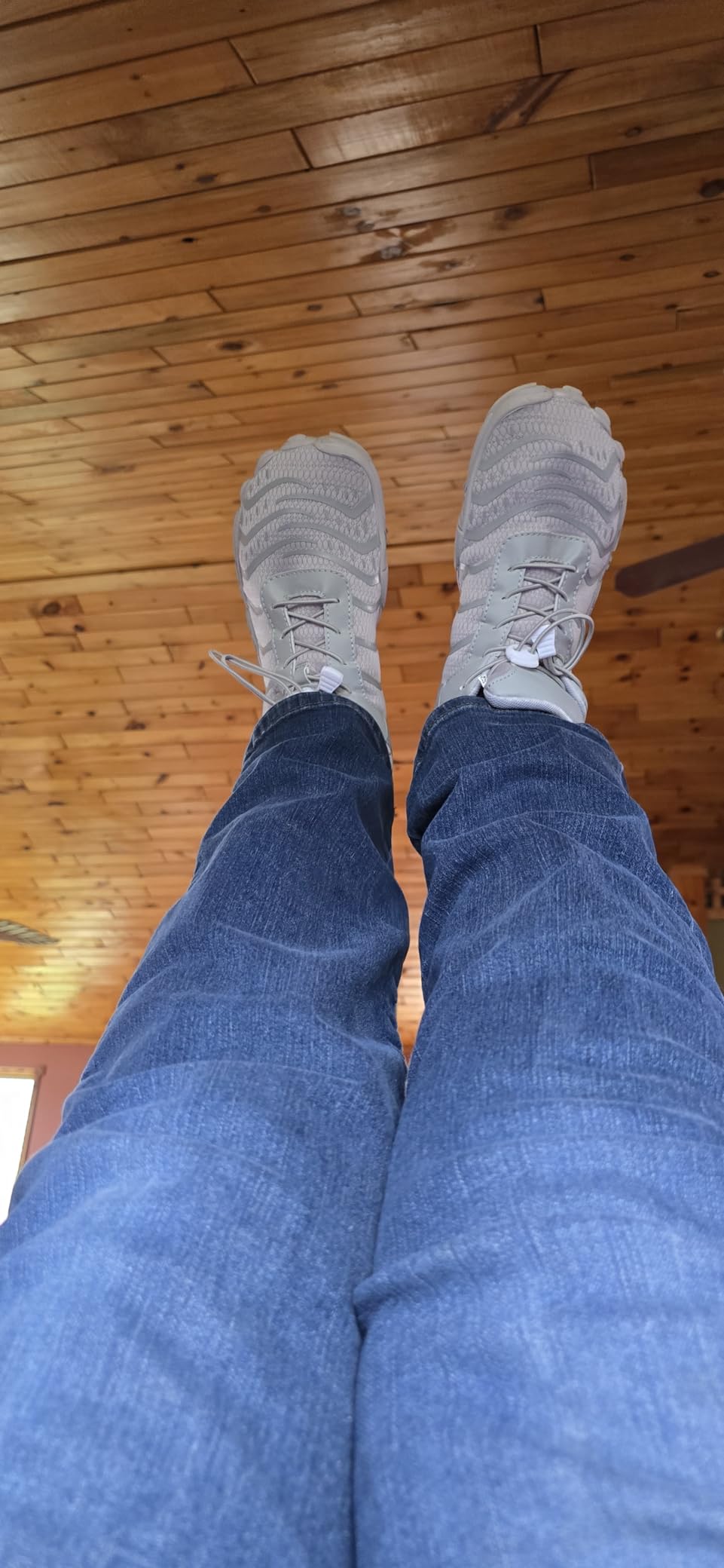
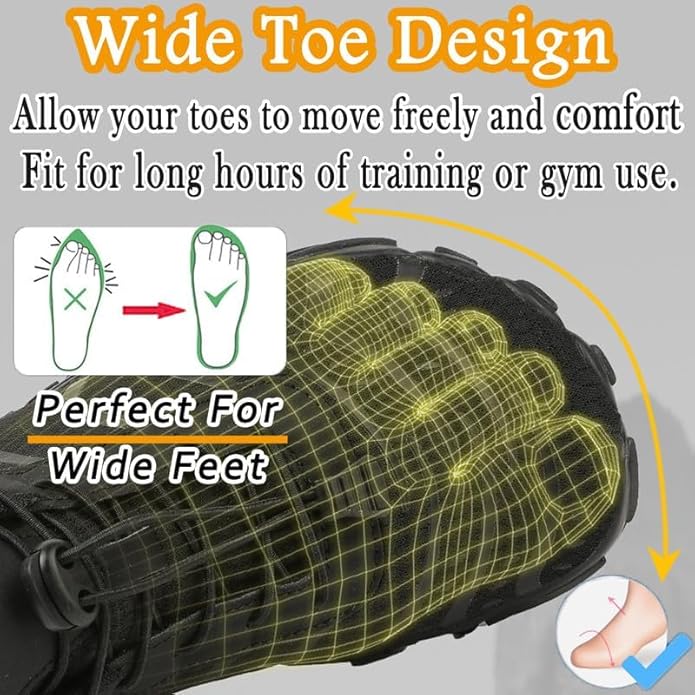
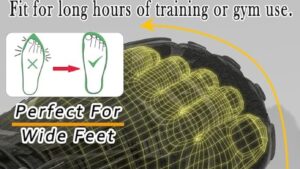
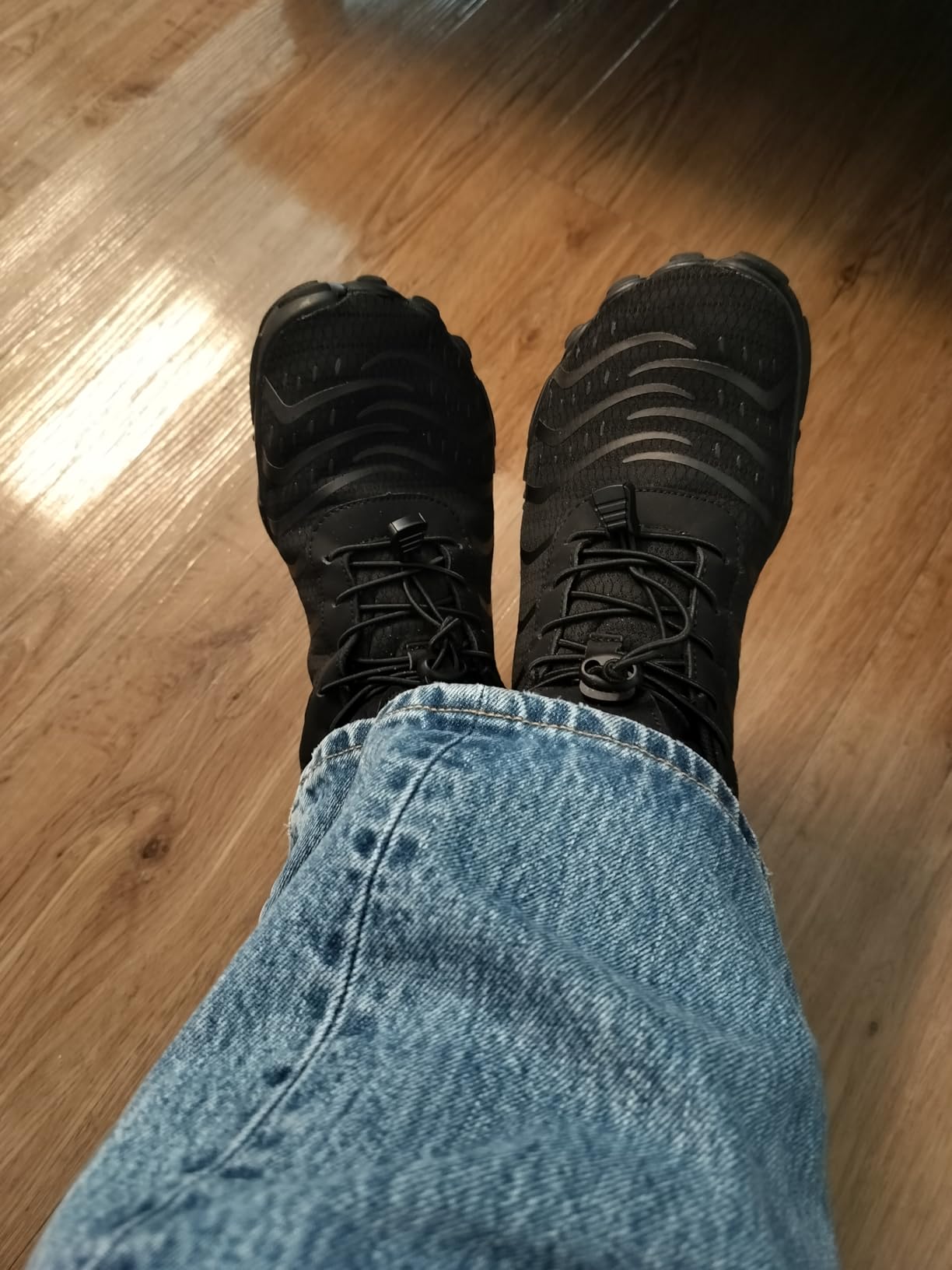
Sizing requires attention. I wear a true size 10 in Nike and Adidas — these run about half a size short. Going with 10.5 put my toes right at the toe cap edge, which is the intended fit for a wide toe box shoe like this. My feet run wider than average, and the forefoot volume accommodated that without slop around the heel. Narrow-footed wearers may find these slightly looser than ideal.
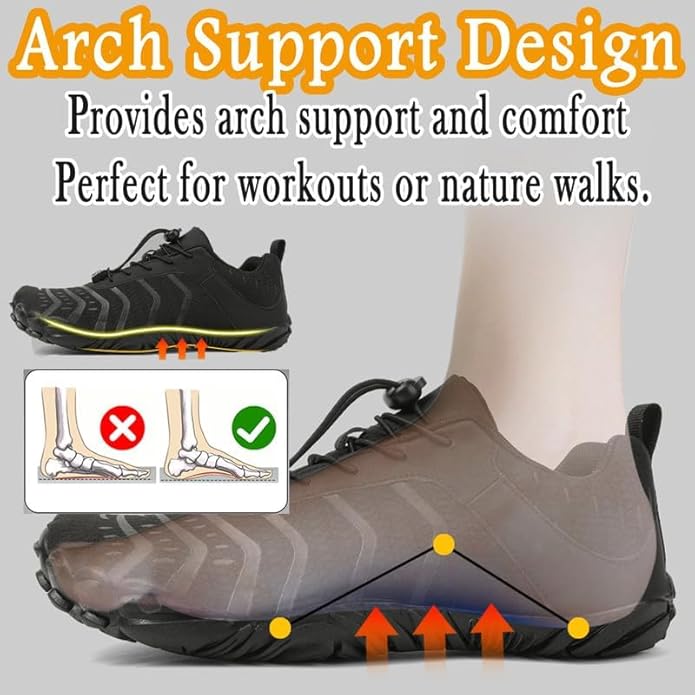
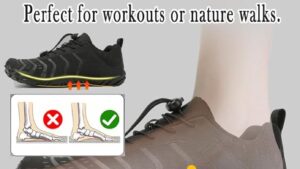
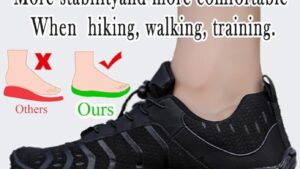
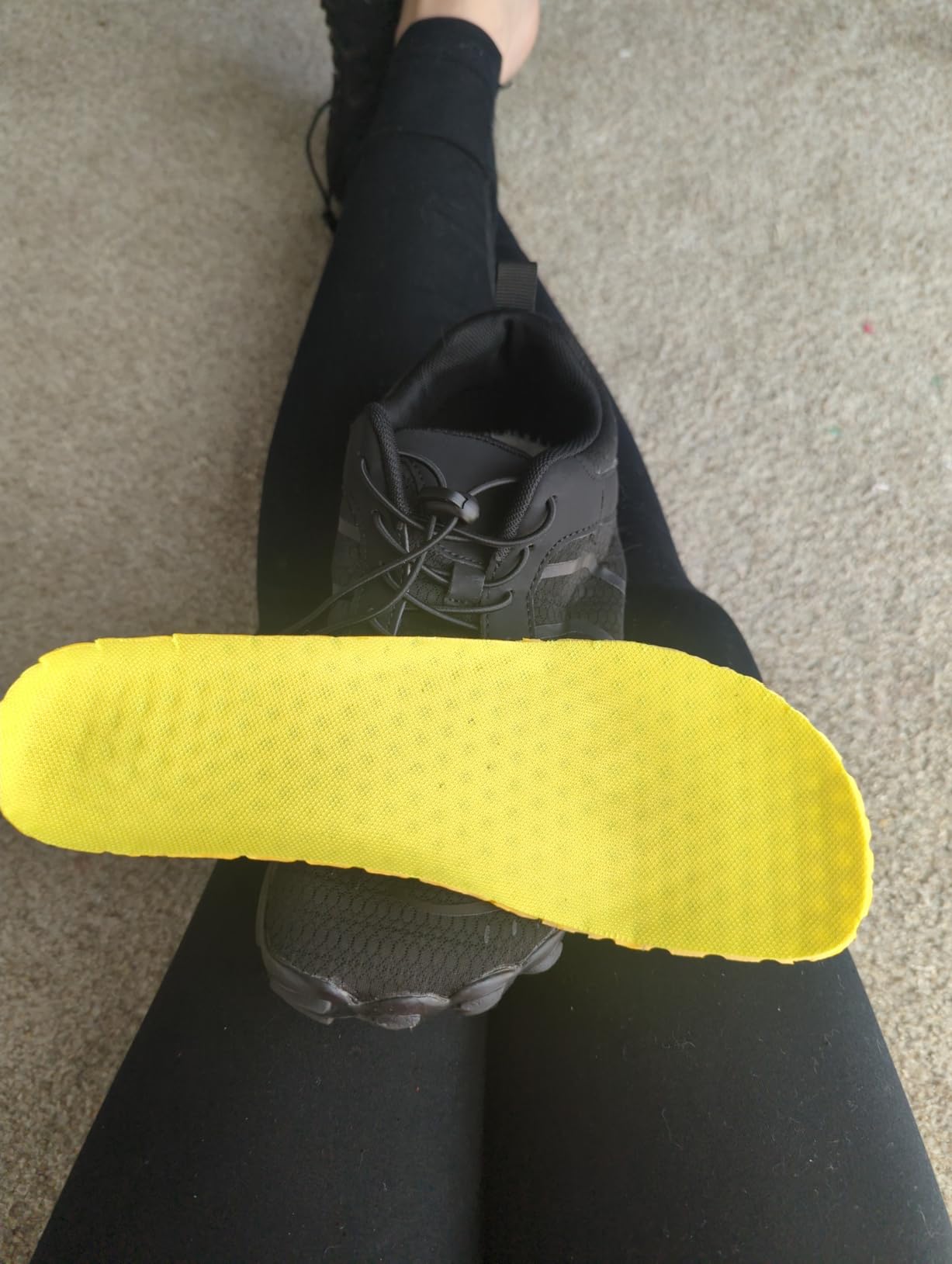
The removable insole is a detail that Amazon’s official product listing mentions but practically no reviewer discusses. Pull it out and you get a more ground-connected feel; leave it in for extra cushion and arch engagement. If you’re coming with custom orthotics, the insole swap is straightforward — no adhesive locks it in place.
The Elastic Lacing System
On-off speed is the main advantage here. About two seconds from foot in to snugged up, which I appreciated when cycling between the gym floor, the squat rack, and cardio equipment. The system doesn’t replace traditional lacing for precision fit, but for casual multi-activity sessions it earns its place. Just watch that metal buckle orientation.
The First Week: What Your Feet Actually Go Through
Day one told me everything about what I’d been missing — and everything my calves had been avoiding. After a standard leg session, the calf and Achilles tension was unmistakable. Not painful, but the kind of muscular reminder that you’ve been relying on heel elevation for longer than you realized. Traditional shoes with 8-12mm drop have been doing work your posterior chain forgot it needed to do.
Days two and three, the heightened awareness of every step became almost meditative. I noticed the transition from rubber mat to concrete gym floor. I felt the slight softness of packed trail dirt versus the firmness of a wooden platform. Proprioception — your body’s spatial awareness — was suddenly loud again.
By the end of week one, something shifted. The ground feel that had been overwhelming became preferred. The sensation of being connected to the surface rather than floating above it started to feel less like adjustment and more like information. At 6’0″ and 180 lbs, I found my stride shortening and my footfall centering under my hips rather than reaching forward.
Weeks two through six, I stopped consciously thinking about the shoe and started just wearing it. That transition from “tool I’m testing” to “default grab” is, honestly, the most useful data point in a review like this.
Gym and Weightlifting: The Strongest Use Case
This is where the MIFAWA earns its money. Pulling 350+ lbs off the floor in shoes with zero heel elevation is a different experience than in cushioned trainers — in a good way. The platform feedback is immediate: you know exactly where your weight is distributed, and micro-adjustments happen instinctively rather than through conscious effort. I felt more planted at the start of my deadlift setup than in the Nike cross-trainers I’d been using.
Squats benefited for a different reason. The wide toe box let my feet spread naturally as I descended under load, improving my base stability without any deliberate thought about foot positioning. During single-leg work — Bulgarian split squats, step-ups — the balance improvement was noticeable within the first session. The thin sole creates immediate feedback from the platform that helped me catch and correct minor imbalances I hadn’t known I had.
High-impact movements are where expectations need calibrating. Box jumps and burpees feel noticeably different without cushioning to absorb landing shock. It’s not painful with proper landing mechanics — midfoot or forefoot contact with soft knee bend — but if you’re landing heel-first out of habit, you’ll feel it. The adjustment period for impact work ran about two weeks for me, which is reasonable given how fundamentally different the landing feedback is.
The rubber outsole held up on every gym surface I encountered: rubber mat, concrete, hardwood. Traction was consistent without being sticky or catching. At 8.2 oz, fatigue from the shoe itself was essentially zero across hour-long sessions.
One gym-specific note: for anyone with plantar fasciitis or transition concerns, the removable insole gives you a dial. Keep it in during your first weeks for more support, pull it out as your foot strength improves over months.
Trail and Hiking: Beyond the Gym Floor
Five hikes over six weeks, ranging from 2 miles on packed dirt to 7 miles on mixed rocky terrain. The question I was testing: could a $35 minimalist shoe handle real trail conditions, or was this a gym shoe pretending to be versatile?
The traction impressed me on most surfaces. Loose dirt, compacted trail, dry rock — the rubber sole gripped consistently. On wet rocks, I’d rate it adequate-with-attention rather than confident. It’s not a slip hazard, but you move more mindfully on polished wet stone than you would in dedicated hiking shoes with deep lugs.
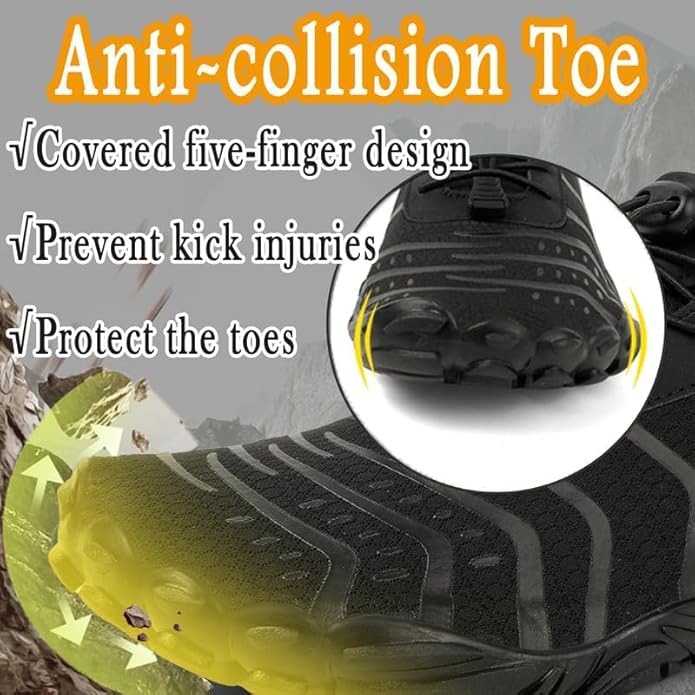
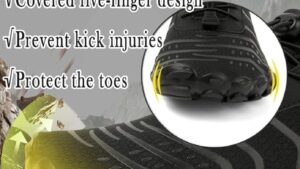
The protection picture is honest rather than flattering. With 12mm of total stack, sharp rocks register as sensation rather than hazard — a prod rather than a stab. It resets your trail awareness: you route-find more carefully, you step around rather than through rocky patches. Whether that’s a limitation or a feature depends on your perspective. For moderate day hikes on established trails, these handled 6+ mile days without my feet feeling compressed or overheated. For technical scrambles with sustained boulder fields, I’d want something built specifically for that.
Foot fatigue on longer hikes was genuinely lower than I expected. The natural foot position seems to distribute load differently than traditional boots, and after mile 4 on a 7-mile loop, my feet felt fresher than the same distance in my usual hiking footwear. That’s not a placebo — the lack of heel compression and toe box pressure makes a tangible difference across distance.
For wet-weather trail use: these handled light rain fine during testing. But based on testing and the Amazon customer data, full waterlogging extends drying time significantly — the cotton lining and padding edges hold moisture. Plan for 12+ hours of air drying after any serious soaking. Not a water shoe; not a problem for typical trail conditions.
Running and Cardio: Where the Limits Show
I’m a strength-training guy who runs when I need to, not for pleasure. That context matters: I tested these during weekly 3-mile runs and sprint intervals, not during marathon prep.
The zero-drop design naturally encourages midfoot and forefoot striking. This isn’t forced — the shoe doesn’t physically prevent heel striking — but landing heel-first in a flat shoe feels immediately wrong, and your gait adapts. For shorter distances under 3 miles, the transition is smooth and the shoe handles it well once your calves have adjusted.
The honest limit: mile 4 and beyond, for runners coming from cushioned running shoes. The calf and Achilles demand of true zero-drop compounds over distance in a way it doesn’t in the gym. If you’ve been running in standard trainers, crossing 4+ miles in these before adequate adaptation is a reliable path to posterior chain fatigue or minor strain.
For sprint intervals and HIIT cardio, the breathability is a genuine asset. My feet stayed cool and relatively dry even during high-intensity work — the mesh upper ventilates well in both gym and outdoor conditions.
If running is your primary use case and you want minimal footwear built for it, something like the Joomra Trail Running Barefoot or the Flux Adapt Runners would be more purpose-built. The MIFAWA is a cross-trainer that runs well, not a running shoe that cross-trains.
Did MIFAWA Deliver on Their Claims?
| Claim | Verdict | Reality |
|---|---|---|
| Wide Toe Box | ✅ DELIVERED | Natural splay confirmed across multiple activities. Wider-footed users fit comfortably at TTS-up-0.5. |
| Zero Drop | ✅ DELIVERED | Confirmed 0mm heel-toe difference. Posture and gait adaptation real within 1-2 weeks. |
| Breathability | ✅ MOSTLY DELIVERED | Mesh upper ventilates well. Feet stayed cool in gym and on trail. Not exceptional in 85°F+ heat but adequate. |
| Non-Slip Rubber Sole | ⚠️ DELIVERED WITH CAVEATS | Solid on gym floors, dirt trails, dry rock. Wet polished surfaces require caution. Not a Vibram TC5+. |
| Multi-Activity Versatility | ✅ DELIVERED | Gym/weightlifting is the standout. Hiking is solid. Running has a mileage ceiling. Beach and casual use work well. |
| Durability | ❓ JURY’S STILL OUT | 6 weeks showed minor sole wear, no structural failure. At $35, expect 8-12 months at regular use, 12-18 months casual. |
My Overall Assessment
| Category | Score (1-10) | Notes |
|---|---|---|
| Comfort | 8.5 | Post-adaptation comfort is high; wide toe box is genuine relief for wider feet |
| Build Quality | 7.5 | Better than price suggests; metal buckle quirk is a known limitation |
| Performance | 8.0 | Excellent for lifting/gym; capable for moderate hiking; limited above 3-mile runs |
| Value for Money | 9.0 | $35 ÷ 12 months = $2.92/month. Hard to argue with that math. |
| Versatility | 8.0 | Gym + trail + casual covers most use cases well; not a specialist for any single activity |
| Sizing/Fit | 7.0 | Runs half size small consistently; go up 0.5 — this is not negotiable |
| OVERALL RATING | 7.8 | Strong budget barefoot option — especially for gym athletes |
The Good and The Bad
| THE GOOD | |
|---|---|
| ✅ Outstanding value at $35 | ✅ Genuine wide toe box — toes spread naturally |
| ✅ True zero drop — posture and gait improvement | ✅ Excellent gym/lifting stability |
| ✅ Removable insole for orthotic compatibility | ✅ 2-second elastic lacing system |
| THE BAD | |
| ❌ Runs half size small (size up 0.5) | ❌ Metal buckle tends to rotate under tension |
| ❌ Slow drying time after soaking (cotton lining) | ❌ Running ceiling ~3 miles without barefoot adaptation |
| ❌ Minimal protection for technical terrain | ❌ Long-term durability unproven beyond 6 weeks |
Who Should Buy These
Good fit for:
- Gym athletes wanting better ground connection for lifting
- People with wide feet or chronic toe cramping in traditional shoes
- Anyone curious about zero-drop barefoot shoes but not ready to spend $100-$150
- Multi-activity users who want one shoe for gym + casual trail
- Fitness enthusiasts dealing with foot fatigue in cushioned shoes
Consider alternatives if you:
- Need more trail protection → Altra Lone Peak 8 or Hike Footwear HF Signature
- Want a step up in materials → HF LazuliPro Barefoot
- Primarily a distance runner → dedicated running shoes with zero-drop design
- Need dedicated waterproofing → L-RUN Barefoot Water Shoes
- Can’t handle a 2-week adaptation period
Frequently Asked Questions
Do I really need to size up half a size?
Yes, without exception in my testing. I wear a standard size 10 in Nike and Adidas — these ran short enough that going with 10.5 was the right call. Multiple other reviewers confirm the same experience. When in doubt, go up. The toe-to-cap spacing in a barefoot shoe is designed to be close, not tight.
How long is the break-in period?
Expect 7-10 days before the adaptation feels complete. Day one through three will likely bring noticeable calf and Achilles awareness. By day seven most people find the ground feel has shifted from overwhelming to preferred. Start with shorter sessions — 30-40 minutes — and build up over the first week.
Can I use these for running?
Yes, within limits. Under 3 miles, these perform well once your calves have adapted to zero drop. Beyond 3-4 miles, the posterior chain demand compounds in a way that casual gym-goers won’t have conditioned for. If running is your primary activity, these work as a supplement rather than a daily trainer. The Joomra Barefoot Trail would be better suited for dedicated run volume.
Are these water shoes?
Not exactly. They handle light rain and damp conditions well — tested in rain and moderate wet terrain without comfort issues. But the cotton lining retains moisture, meaning full soaking results in a long dry time (12+ hours in open air). If water activities are a primary use, look at purpose-built barefoot water shoes with faster drainage.
What about the metal buckle issue?
The elastic closure works well for general wear. The metal buckle component tends to rotate under firm tension — I noticed this most when cinching tightly before heavy lifts. Repositioning takes about two seconds and doesn’t affect security, but it’s a quirk worth knowing. No other reviewer I found mentions this, but it’s a consistent behavior, not a fluke.
Can I remove the insoles for custom orthotics?
Yes. The insole pulls out cleanly and the shoe accepts standard aftermarket insoles at the same size. If you’re transitioning from arch-supported shoes, keeping the stock insole for the first 4-6 weeks before going barefoot-style removal is a reasonable approach.
How does durability hold up?
Six weeks of real use showed minor outsole wear on high-contact zones, no upper separation, no structural compromise. Based on those early wear patterns and community feedback, I’d forecast 8-12 months at regular use (3-5x/week gym + hiking) or 12-18 months for casual rotation. At $35 per pair, the math works even at the pessimistic end.
How does it compare to premium barefoot shoes?
About 75-80% of the functional experience at 25% of the cost. The zero drop, wide toe box, and ground feedback are genuine — not compromised versions of those features. Where premium brands win: upper material durability, outsole compound quality, more refined fit systems. For someone testing the barefoot concept, the MIFAWA is a low-risk entry. For someone fully committed to barefoot training as a lifestyle, the HF LazuliPro Barefoot or similar step-up makes sense after you’ve confirmed the format works for you.
Final Verdict
After six weeks across deadlifts, day hikes, short runs, and general daily wear, the MIFAWA Barefoot Shoes do what they claim to do — at a price that removes most of the risk from trying them.
The gym performance genuinely impressed me. The hiking held up better than I expected. The running has a real ceiling. The metal buckle has a quirk competitors haven’t documented. And the value math — $35 for 8-12 months of regular use — is difficult to argue with regardless of your usual footwear budget.
If you’ve been curious about minimalist training shoes and wondering whether the barefoot concept works for your feet and your training, these are a sensible way to find out. The worst-case scenario at $35 is a two-week experiment you didn’t love. The best case is a shoe that quietly changes how your feet feel and function across everything you do.
Size up half a size. Give yourself a week to adapt. And check that buckle.
Be the first to review “MIFAWA Barefoot Shoes Minimalist Shoes Zero Drop Men Women”
Related products

Running Shoes
Sneaker
Sneaker
Reviews
There are no reviews yet.