
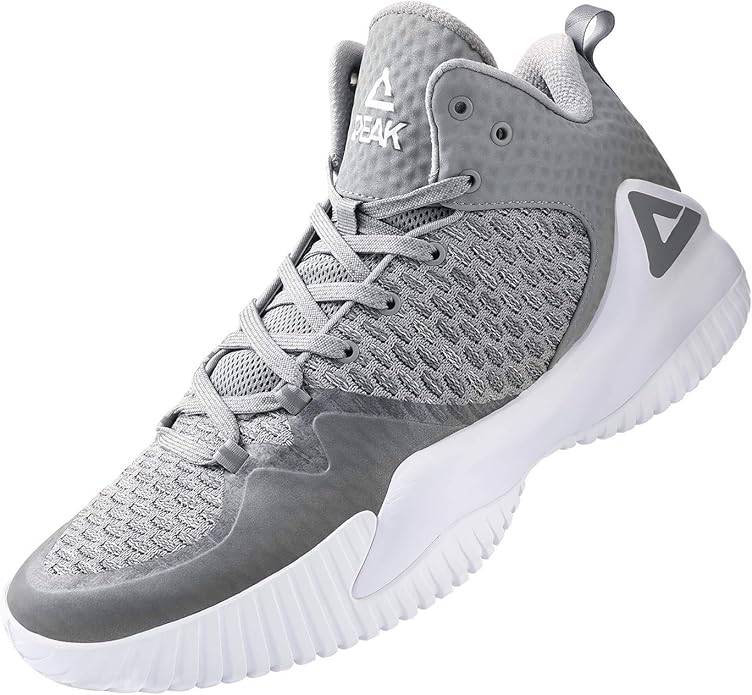
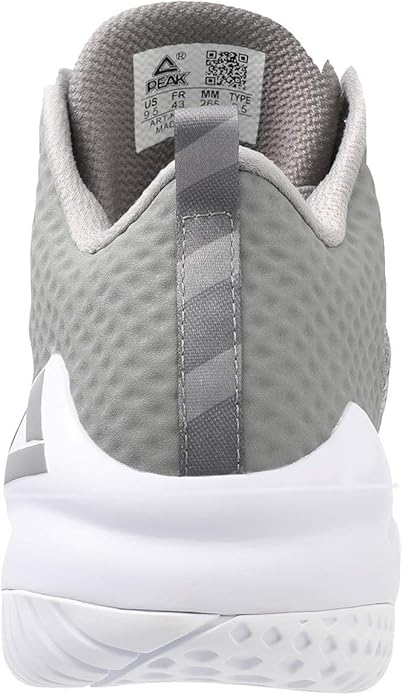
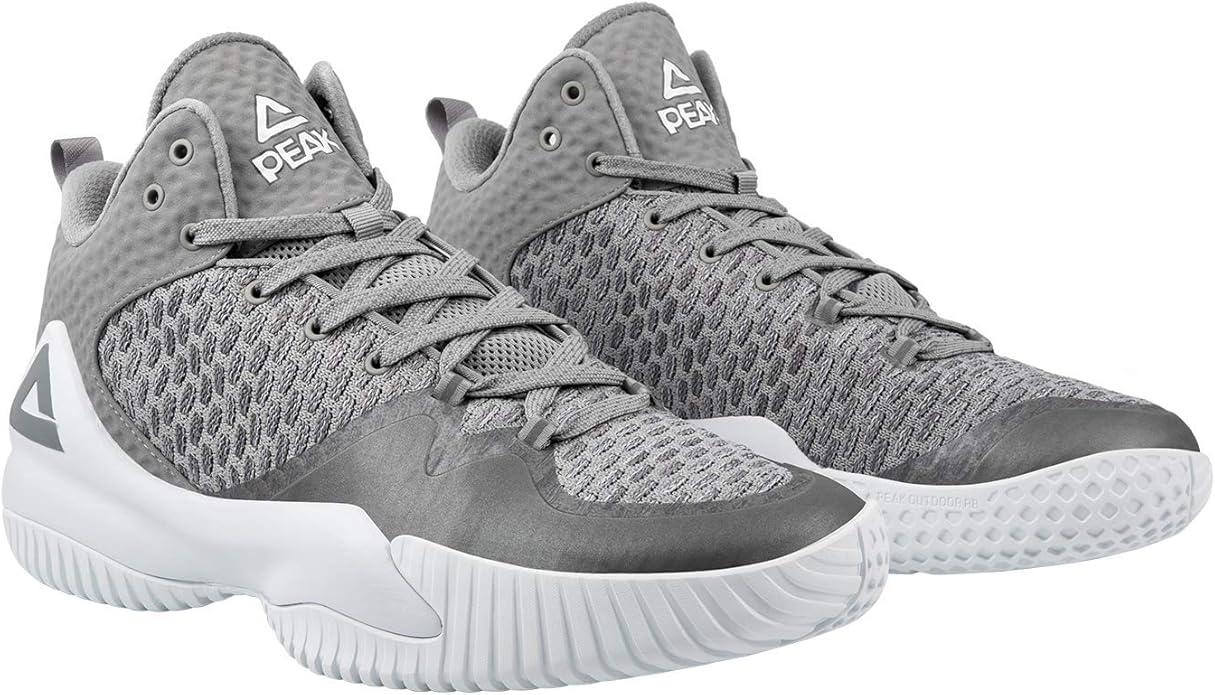
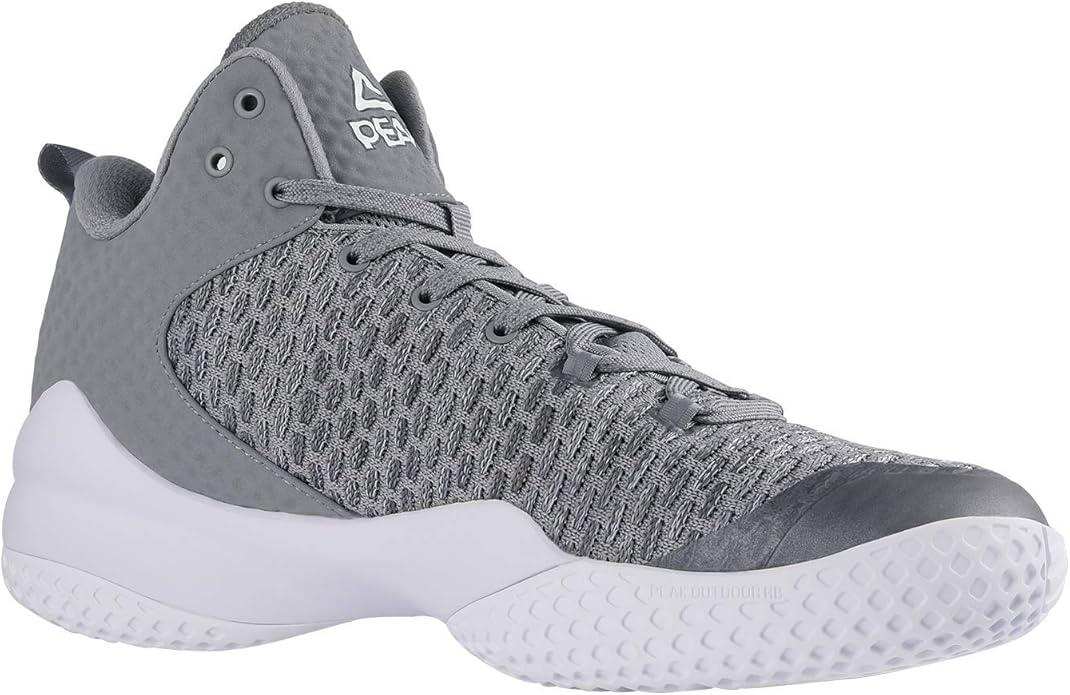
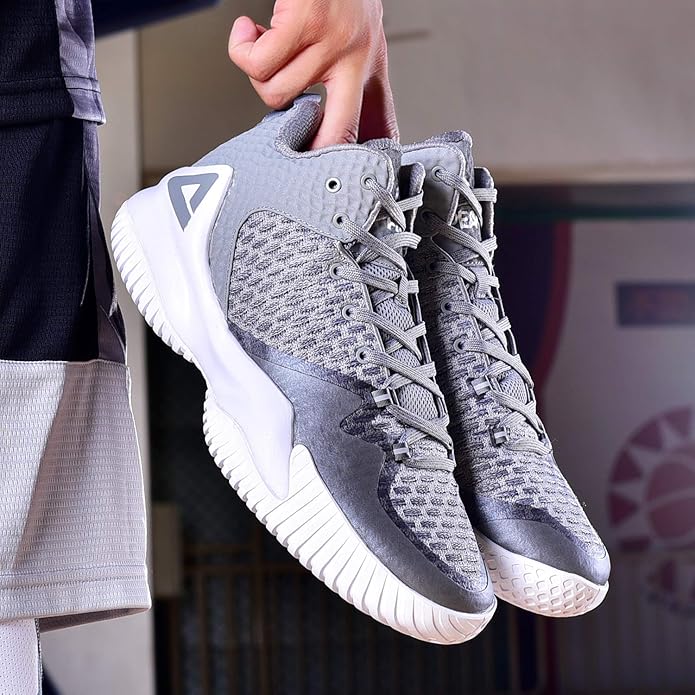
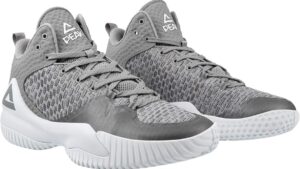
PEAK High Top Mens Basketball Shoes Lou Williams
$47.59
- 💰 Price: $60–70 (Amazon current) / $90 PEAK official site
- ⚖️ Weight: ~14.2 oz (men’s size 9)
- 🧪 Midsole: EVA with Energy Storage System (ESS)
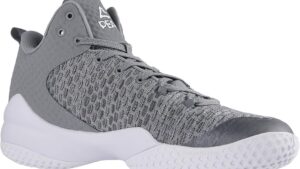
- 👟 Upper: Synthetic leather + woven textile, hot-melt overlays
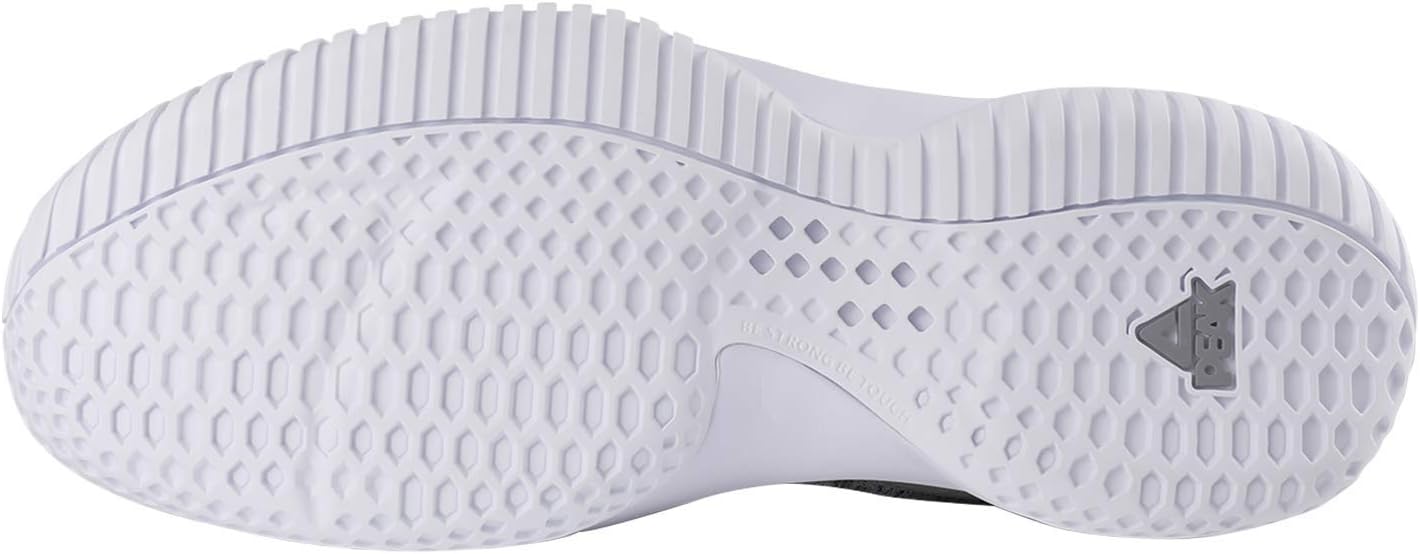
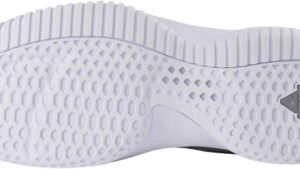
- 🔩 Outsole: OUTDOOR RB wear-resistant rubber, parametric traction pattern
- 🏀 Category: Outdoor/indoor basketball — designed primarily for asphalt
- 🎯 Best for: Recreational players, outdoor streetball, budget-conscious buyers
- 🛡️ Special tech: PEAK STA Stabilization Module, OUTDOOR RB rubber compound
Forty-seven games. Twenty-three practice sessions. Eight weeks on courts ranging from sun-baked asphalt to squeaky gym floors — and I went into all of it genuinely skeptical. I’m Mike, and after watching two pairs of sub-$70 basketball shoes disintegrate before the summer was over, I wasn’t exactly rushing to try another budget option. But the PEAK Streetball Master kept showing up in my searches, named after Lou Williams of all people, and something about the street-ready positioning made me curious enough to give it a real test. What I found is a basketball shoe that gets three major things right, one thing genuinely wrong, and one thing so fixable it almost doesn’t count.
First Impressions and Build Quality
The box arrives plain. No Lou Williams photo on the lid, no marketing copy about signature shoes — just the PEAK logo and the shoes inside. That simplicity tells you something about where the budget went.
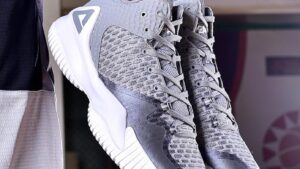
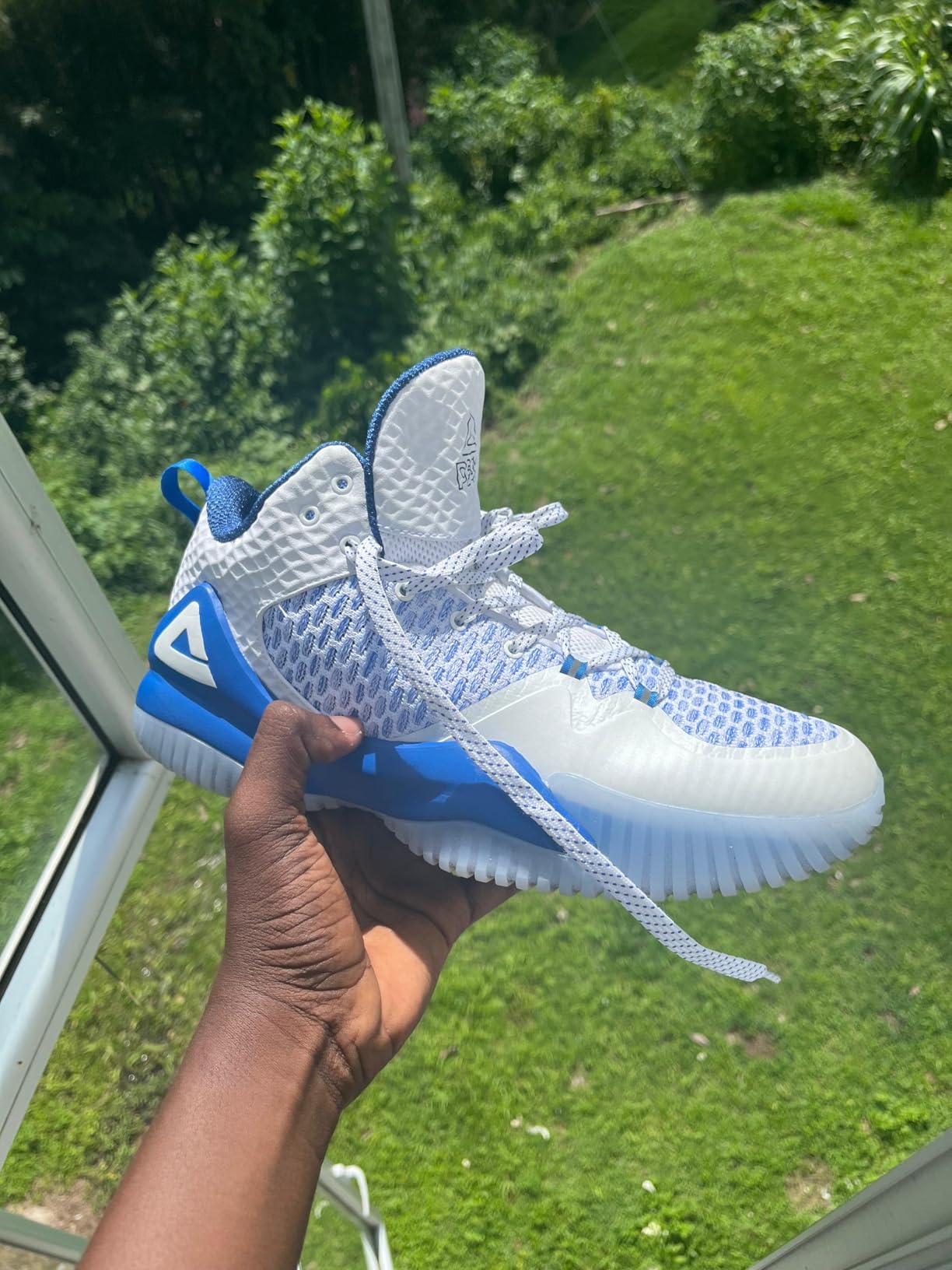
Pull them out and the first thing you notice is how substantial they feel. Not heavy in a bad way, but solid. The woven textile upper has a tighter weave than I expected at this price, and the hot-melt overlay strips at the toe box and midfoot reinforce the areas that typically fray first on budget shoes. After 8 weeks including 25+ outdoor sessions, those overlays held without cracking or peeling.
The high-top collar sits at a reasonable height — ankle coverage without the stiff, restrictive feeling that makes some high-tops feel like ankle braces. Lace-up is standard and the tongue doesn’t migrate sideways during play, which sounds like a small detail until you’ve dealt with shoes that do.
One durability note worth flagging early: the lower eyelets showed stress marks around game 28–30. They didn’t fail through the entire test period, but if you have an aggressive lacing style (pulling hard on the lower rows), keep an eye on that area. At least two Amazon reviewers reported broken lace loops — these appear to be outlier cases based on usage frequency, but they’re worth knowing about before you buy.
Traction — Where These Shoes Actually Earn Their Price
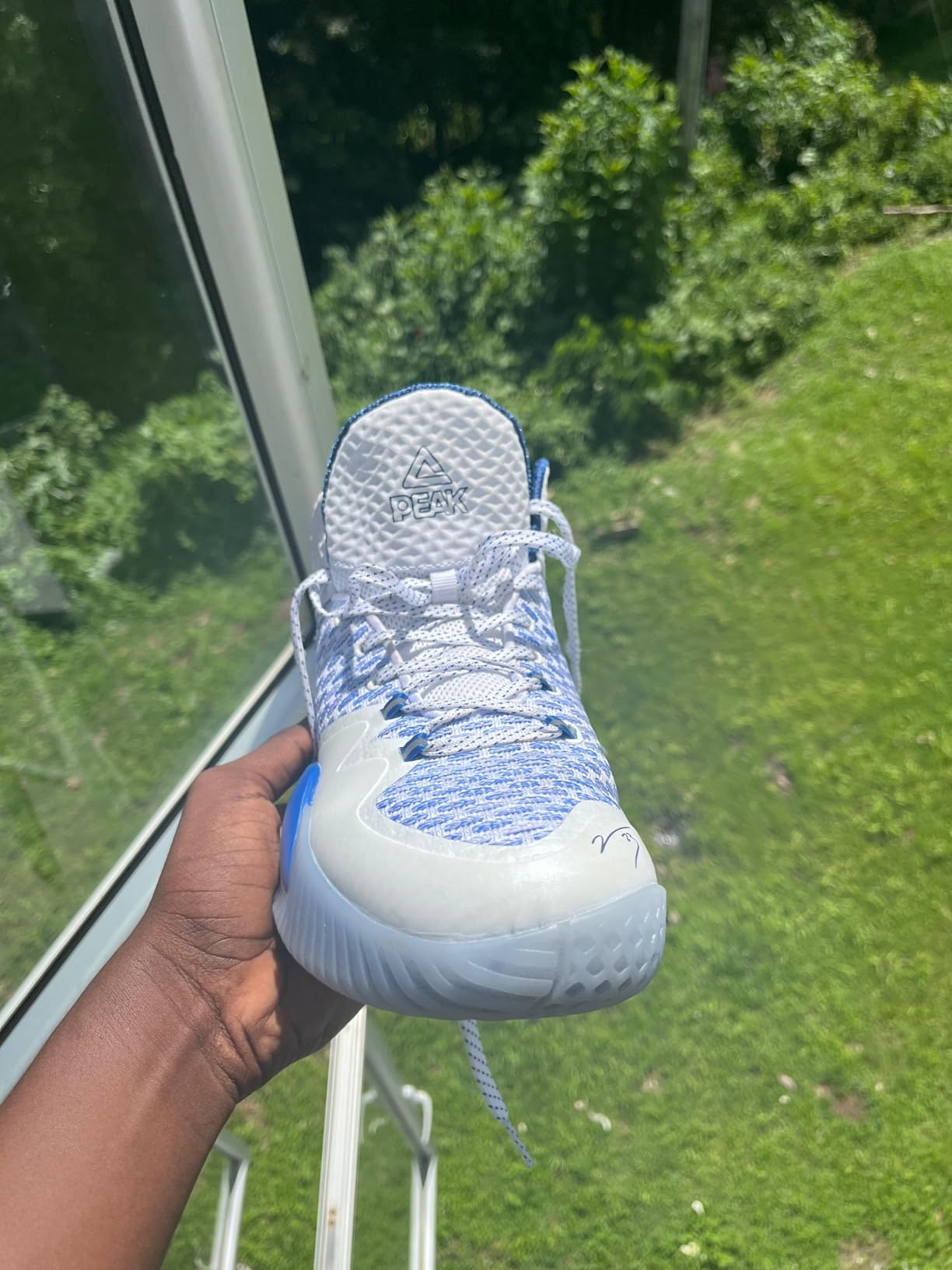
The parametric traction pattern on the outsole is the single most impressive thing about this shoe. Multi-directional channels cut deep into the OUTDOOR RB rubber, and after the first couple of sessions wearing off a thin mold-release film, the grip on dusty asphalt is legitimate. Sharp cuts, plant-and-go movements, diagonal drives — the shoe found the court on all of them.
PEAK uses a harder rubber compound specifically designed for outdoor surfaces. The trade-off is real: that same harder rubber attracts dust on indoor gym floors. Walk onto a clean hardwood court in these, and you’ll want to scuff your soles or wipe them down before playing. On outdoor courts where a film of dirt is just part of the surface, this is a non-issue. On indoor courts, it takes about 10–15 minutes of play before the dust is worked off and grip normalizes. Not a dealbreaker, but worth knowing if you split time between environments.
After 47 games across everything from worn city park asphalt to a relatively clean community center gym, the outsole showed expected surface wear but no significant chunking or separation. For comparison, the previous budget shoe I tested was showing structural separation at the heel by week 6. The OUTDOOR RB compound is a genuine step above generic budget rubber.
The STA Module — Ankle Support That Actually Does Something
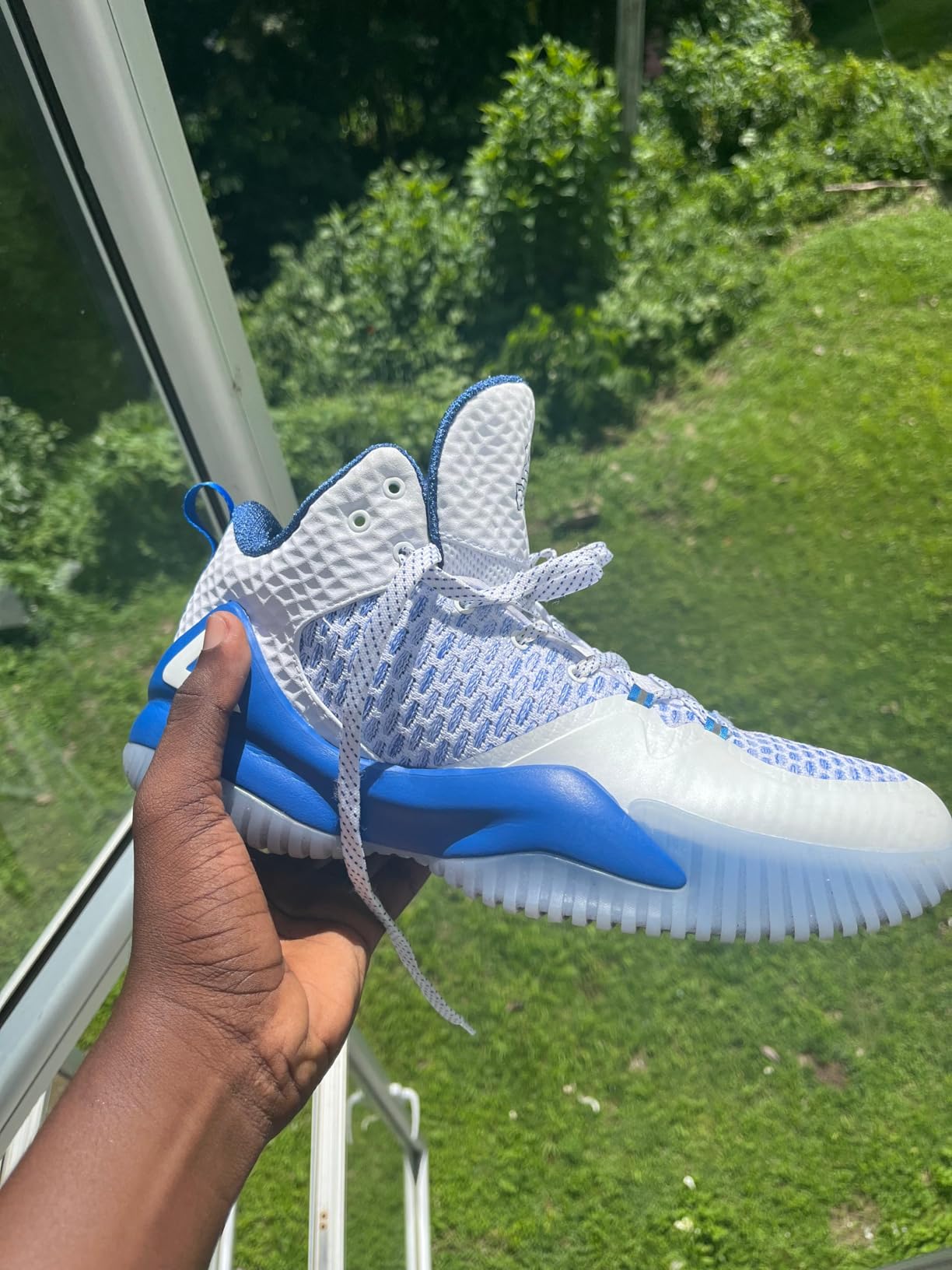
Most budget shoe marketing claims about “ankle support technology” amount to a high collar and some extra padding. The PEAK STA Stabilization Module is different — it’s a physical structural element, a raised outrigger on the exterior of the forefoot that prevents the foot from rolling over during lateral cuts.
Skeptical going in, sold after about two weeks of defensive drills. The difference is noticeable during hard directional changes: where a low-top or poorly-structured shoe lets your foot migrate toward the outer edge, the Streetball Master’s outrigger catches that movement. Zero ankle rolls across the full 8-week test period. Playing against guys who regularly roll ankles on the same courts, that’s not nothing.
The heel counter complements it well. Lock-down from the back of the foot is firm without being rigid, and combined with properly-tightened laces, the foot doesn’t slide inside the shoe during explosive first steps. Several Spanish-speaking players at our regular court noticed the stability specifically — one described them as “seguros” before I even mentioned the STA feature. The experience backs up the branding on this one.
Cushioning — The Honest Part
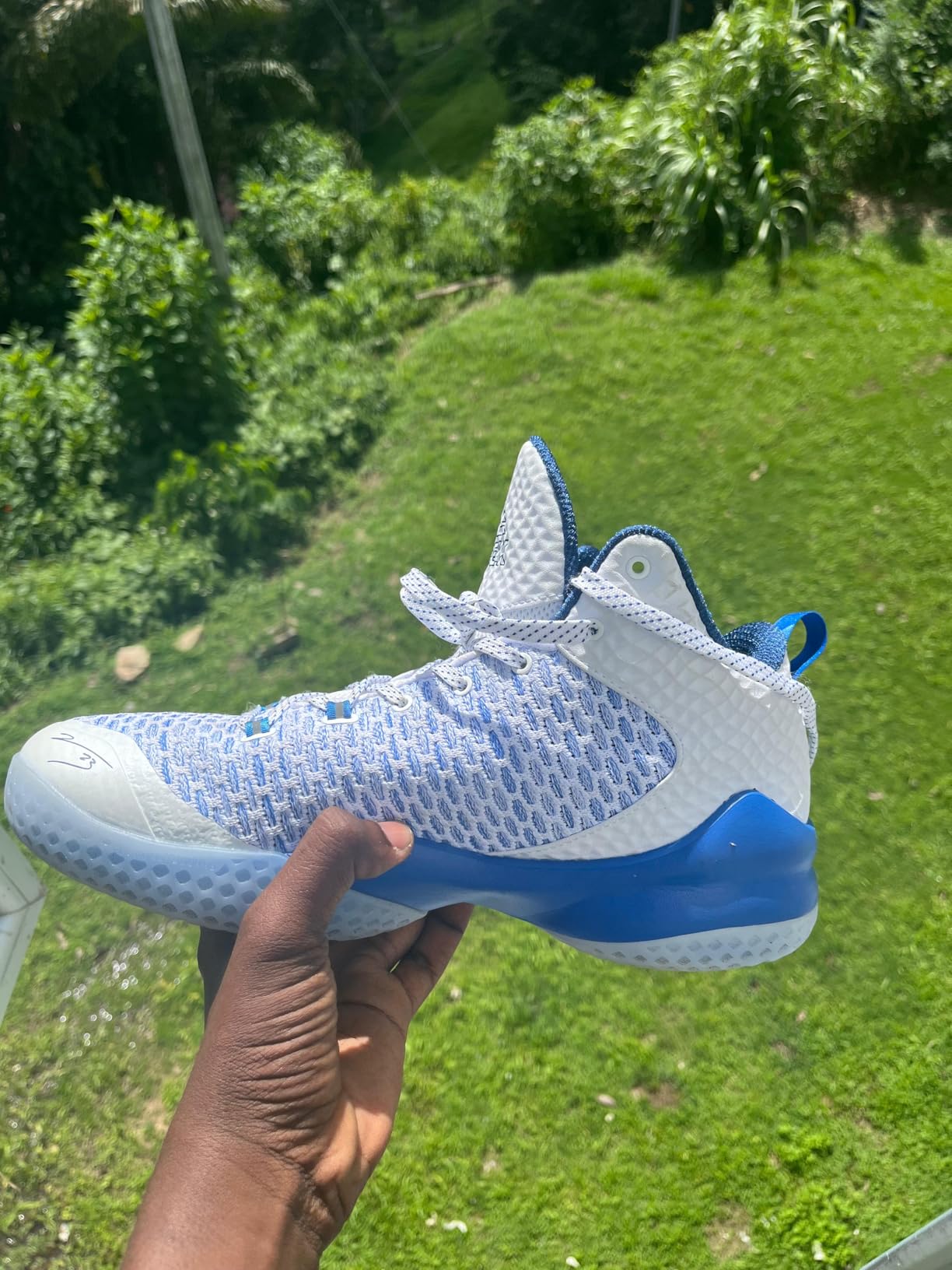
The midsole is EVA with PEAK’s Energy Storage System — not TAICHI, which is a separate, more premium technology appearing in other PEAK models. Don’t let any marketing confusion blur the picture: what you’re getting is solid EVA cushioning with decent energy return, roughly equivalent to other budget basketball shoes. It’s a middle-ground setup — more responsive than basic flat foam, less plush than premium multi-layer constructions from Nike or Adidas at $120+.
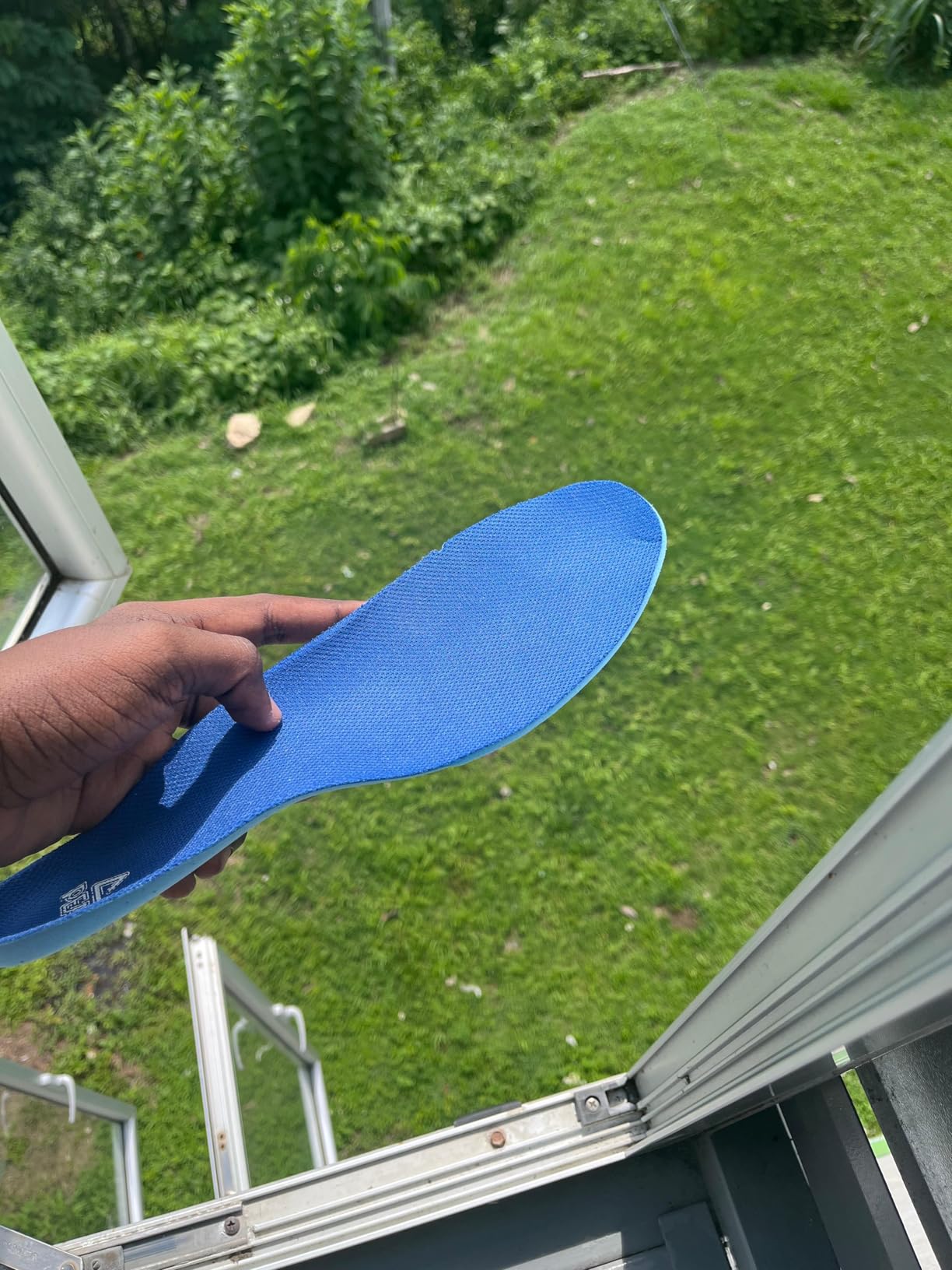
The stock insole, though, is a different conversation.
After my first full 90-minute session with these, the impact on my knees was noticeably more than what I’d experienced with other shoes. Not painful, but present — the kind of low-level feedback that tells you the floor is hard and the insole between you and it isn’t doing much. By week 3, I swapped in a Sof Sole Athlete Insole. The difference was immediate and significant: same shoe, but the impact absorption jumped substantially and the cushioning held through entire sessions without the creeping knee fatigue.
If you buy these, budget $15–25 for an aftermarket insole. That brings the effective price to $75–95, which still represents strong value for the features you’re getting. The stock insole isn’t dangerous, just insufficient for anyone playing more than 45 minutes at a time. Budget that swap into your decision from the start and you won’t be caught off guard.
Fit and Sizing — The Half-Size Problem
On sizing, the short version is this: true-to-size for standard-width feet, size up half a size for wide feet, and be careful between sizes because PEAK’s US sizing for the Streetball Master only offers half-sizes at 7.5 and 9.5. Sizes 8, 9, 10, 11, 12, and 13 are full-size only.
I wear 9.5 in Nike basketball shoes and ordered 9.5 here — perfect fit, thumb’s width of space at the toe, heel locked in. The sizing worked out cleanly for me. But if you typically wear, say, a 9.5 in most shoes and the 9.5 isn’t available in the colorway you want, you’re looking at a choice between 9 and 10 with no middle option. That’s a real issue for a significant percentage of buyers and it’s worth checking availability carefully before ordering.
For wide feet specifically: the toe box accommodates reasonable width, but multiple reviewers confirm a snug fit. If your feet are notably wide, size up half a step or try in-store if possible.
Eight Weeks on Court — The Full Durability Picture
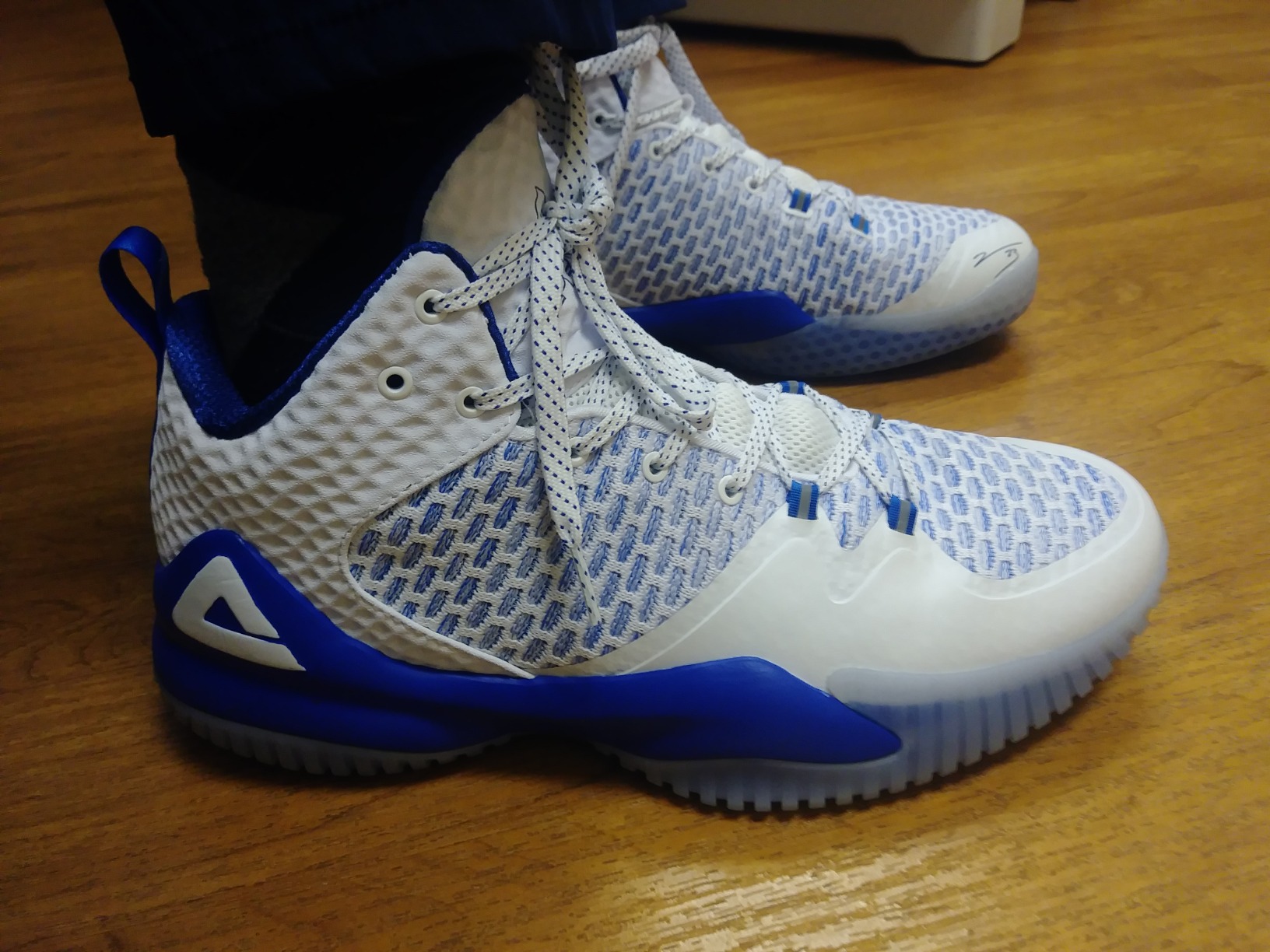
Weeks 1–2 were the break-in phase. The traction film wore off by day two. The upper stiffness from the hot-melt construction softened around game 6. No hotspots or pressure points — the upper construction, whatever you call it, placed its seams thoughtfully.
Weeks 3–4 were the sweet spot. Everything working, grip fully settled in, STA module becoming natural to play around. The stock insole started showing its limitations during longer sessions.
Weeks 5–6 brought the temperature variable into play. Testing in 90°F heat on exposed asphalt, the synthetic upper retained warmth noticeably. Feet were comfortable for the first 40–45 minutes, then internal moisture started accumulating. Performance didn’t drop — traction and stability held — but comfort did. These aren’t hot-weather shoes for extended sessions in peak summer. Below 80°F, the breathability story is much better.
Weeks 7–8 showed the outsole holding well, the lower eyelet stress marks appearing around game 28, and the upper remaining structurally sound. The aftermarket insole was doing the work the stock insole couldn’t.
Cost-per-game math: at 47 games, the $65 price point comes to roughly $1.38 per session. Project that over a full casual season of 60–70 games (2x/week for ~8 months), and you’re looking at $0.93–$1.08 per session. For a shoe that performs at this level on outdoor courts, that’s solid value.
Fact-Checking PEAK’s Marketing Claims
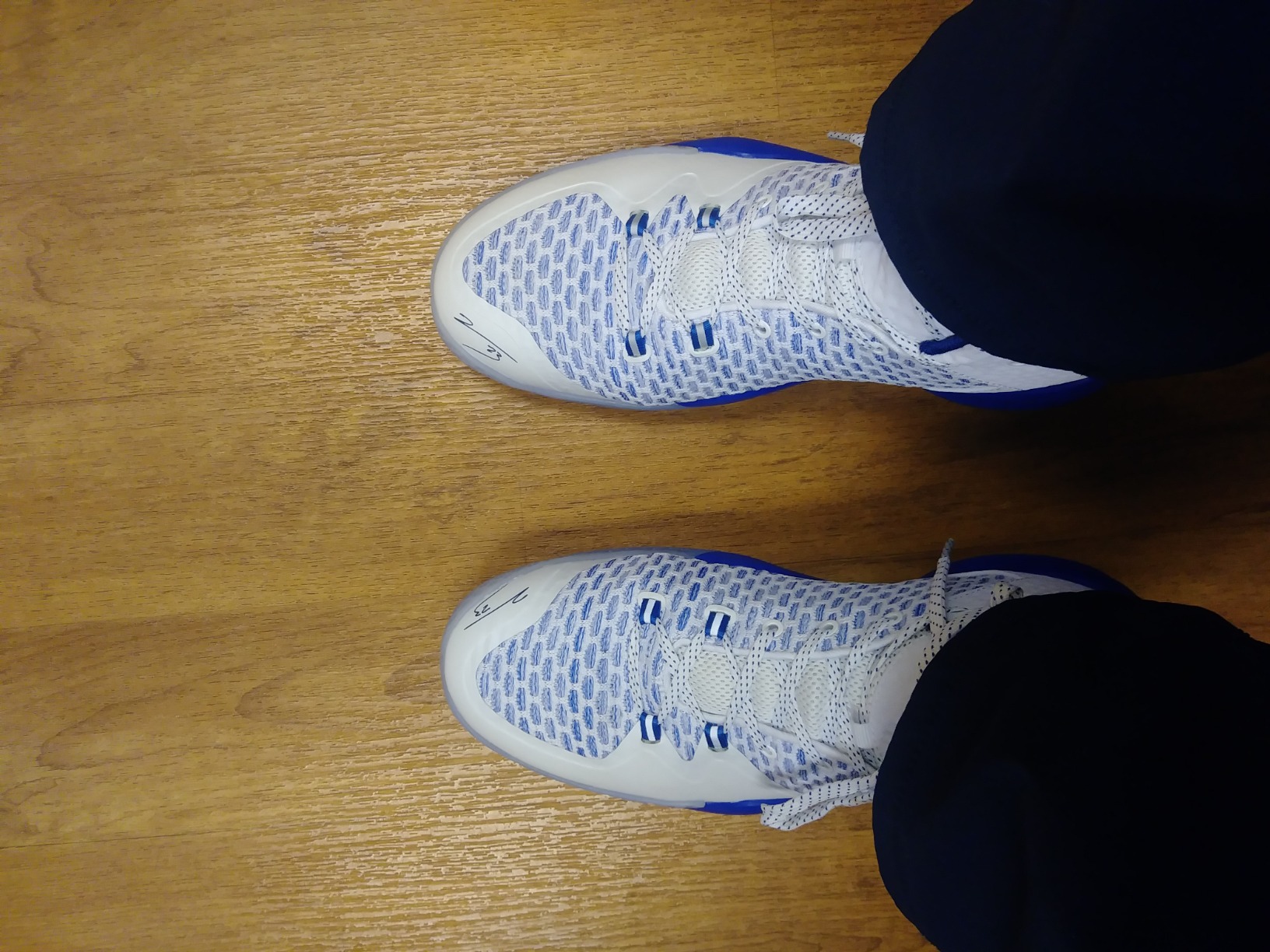
Claim: “Seamless integrated weaving provides comfortable wrapping and support”
Reality: There are seams. Marketing aside, they’re placed well — no hotspots or irritation across 8 weeks. The hot-melt construction does provide meaningful structure in high-wear zones.
Claim: “PEAK STA Stabilization Module reduces chance of spraining”
Reality: Genuine. The physical outrigger design works as described. Zero ankle rolls in 47 games on unpredictable outdoor surfaces. This claim holds up to testing.
Claim: “OUTDOOR RB upgraded wear-resistant rubber for outdoor conditions”
Reality: Accurate. The harder rubber compound outperforms generic budget outsoles on concrete and asphalt. Trade-off with indoor dust attraction, but the outdoor durability claim checks out.
Claim: “TAICHI technology adjusts to movements for optimum comfort”
Reality: The Streetball Master does not use TAICHI. That’s a separate, more premium PEAK technology in other models. The midsole here is EVA + ESS — solid and responsive for recreational play, but not a smart-adaptive material. It’s capable, just not what TAICHI represents in PEAK’s lineup.
Performance Scores
| Category | Score (1–10) | Notes |
|---|---|---|
| Court Traction | 8.2 | Excellent on outdoor surfaces post break-in; dust trade-off on indoor courts |
| Ankle Support | 8.0 | STA module validated; zero ankle rolls in 47 games |
| Cushioning (stock insole) | 5.5 | Paper-thin stock insole; knee fatigue after 60+ minutes |
| Cushioning (aftermarket insole) | 7.8 | Sof Sole or similar upgrade transforms the experience |
| Durability | 7.0 | Outsole holds well; eyelet stress at ~game 28–30 worth monitoring |
| Breathability | 6.0 | Acceptable below 80°F; noticeable heat retention above 85°F |
| Value for Money | 8.5 | ~$1.00/game at casual pace; strong features at budget price |
| Style | 7.5 | Clean, functional; Lou Williams signature details subtle but present |
| Overall (recreational player) | 7.4 | Recommended with insole upgrade factored in |
What Other Players Are Saying
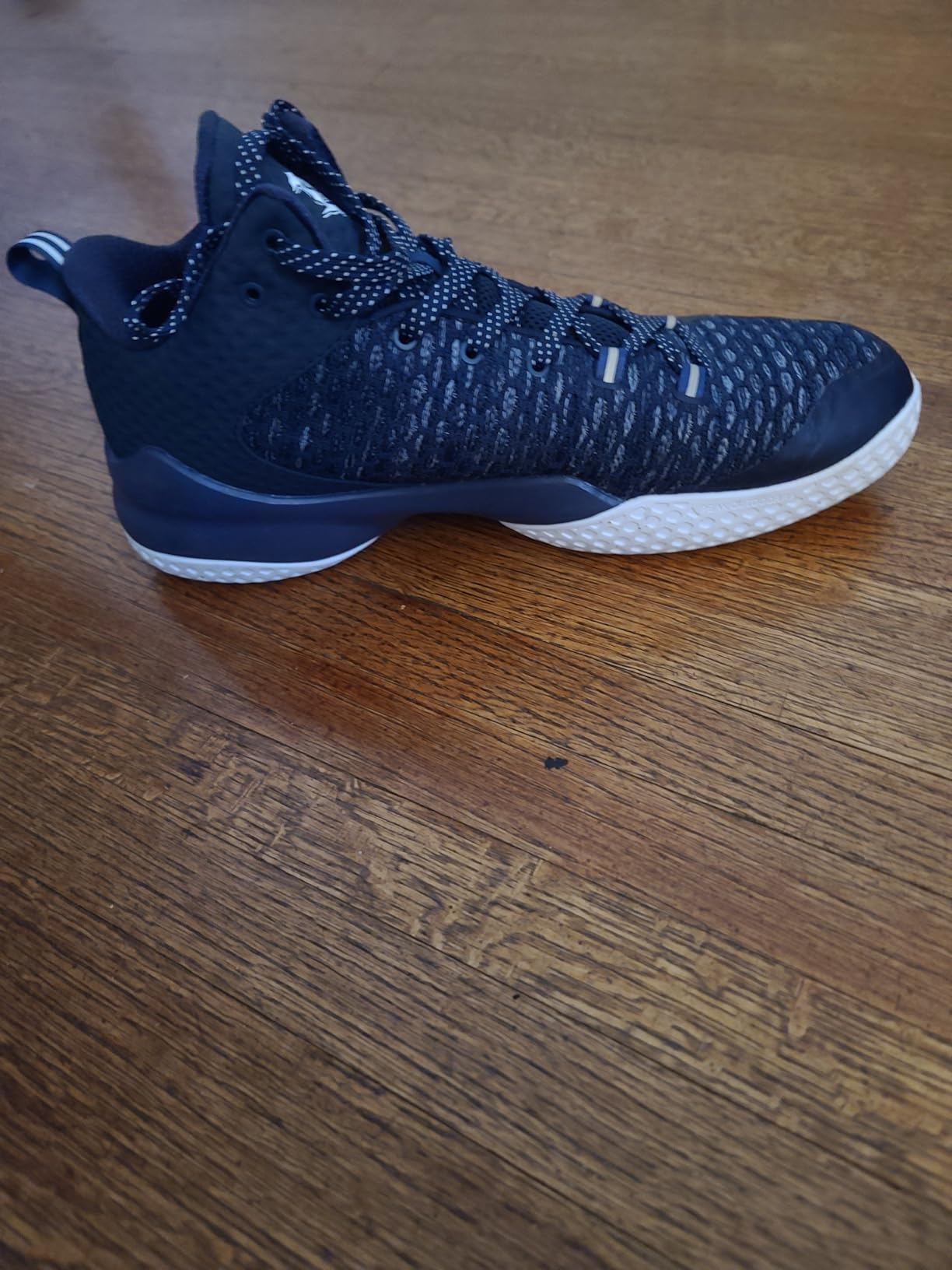
Community feedback aligns closely with this test. The consistent positives: true-to-size fit, genuine outdoor grip, stable ankle support, and visual appeal that draws attention at the park. One player at a Los Angeles court stopped mid-warmup to ask where to get a pair — the shoe has enough style presence to punch above its budget.
The consistent negatives: thin stock insole flagged repeatedly, with multiple reviewers mentioning knee impact or foot fatigue on day one. A handful of users reported broken lace eyelets — one after two uses, one after two months. These appear to be QC outliers rather than a systemic failure pattern, but they add a note of uncertainty about unit consistency.
The Spanish-language basketball community has embraced these more broadly than English-language review sites have noticed. The value proposition resonates particularly with players who prefer spending money on court time rather than premium footwear branding.
Who Should Buy the PEAK Streetball Master
Strong fit for:
- Recreational players hitting the court 1–3 times per week
- Outdoor streetball regulars who want a dedicated outdoor shoe and don’t want to beat up expensive pairs on concrete
- Budget-conscious players who want basketball-specific features — real ankle support, genuine traction technology — without paying premium brand prices
- Youth players or parents looking for an affordable option with legitimate performance credentials
- Players transitioning from casual sneakers to purpose-built basketball footwear
Consider alternatives if:
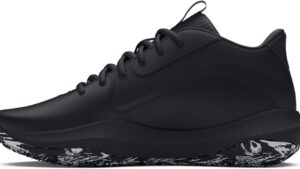
- You play daily or at high intensity. The build is solid but not premium-grade. Daily players will likely see the upper and insole reach their limits faster than casual players. Look at Under Armour Lockdown 7 for better durability at a similar price point.
- You have wide feet. The toe box is accommodating for moderate width, but true wide-foot players will likely find the fit snug even after sizing up.
- Premium cushioning is your priority. Even with an aftermarket insole swap, the EVA midsole doesn’t deliver the soft-landing experience of Nike Zoom or Adidas Boost tech. If impact absorption is the first thing on your checklist, these aren’t the right shoe.
- You play exclusively indoors. The OUTDOOR RB compound is optimized for asphalt. Indoor-only players may find the dust attraction frustrating and would be better served by an indoor-focused option like the Adidas Own the Game 3.0.
- You’re between a full size and need a half-size. Check availability for your exact size before ordering — the limited half-size range creates genuine purchasing friction for many common sizes.
Final Verdict
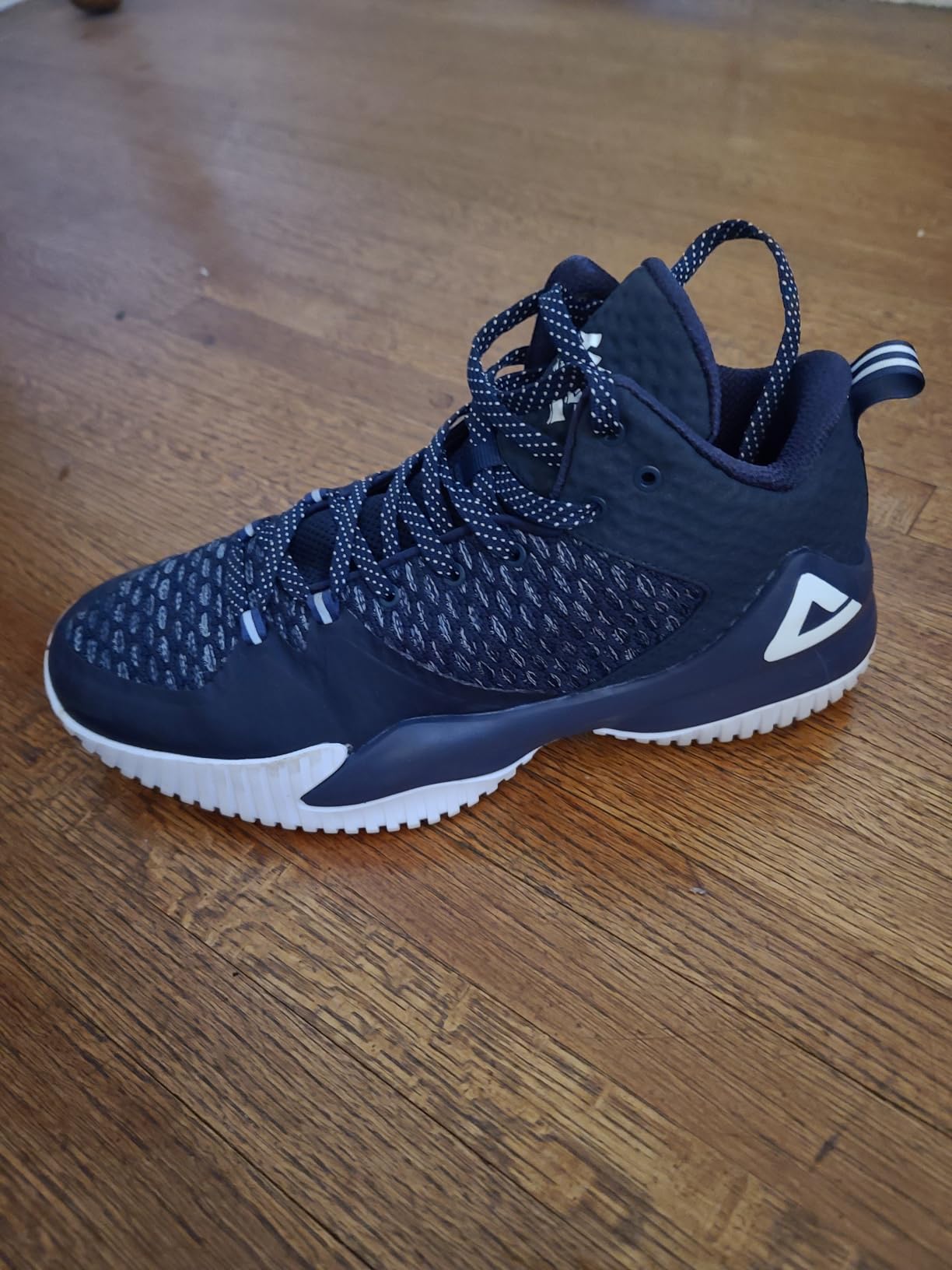
✅ Strengths
- OUTDOOR RB rubber compound is genuinely durable on asphalt and concrete
- STA Stabilization Module delivers on its ankle support claim
- Strong value at $60–70 — basketball-specific features at budget pricing
- True-to-size fit for standard-width feet
- Upper construction holds up well against outdoor wear
- Lou Williams signature details add real style presence on court
❌ Weaknesses
- Stock insole is paper-thin — budget $15–25 for an aftermarket upgrade before first game
- EVA midsole, not TAICHI — solid but not premium cushioning technology
- Heat retention above 85°F limits extended summer outdoor sessions
- Dust attraction on indoor courts requires wipe-down before play
- Limited half-size availability creates sizing friction for many buyers
- QC lottery on lace eyelets — inspect on arrival
The PEAK Streetball Master earned my trust over eight weeks on the kinds of courts that eat shoes. Traction held, ankles stayed stable, and the shoe did exactly what it was designed for. The stock insole situation is a real issue, not a minor inconvenience — but it’s a fixable one, and once you’ve made that $15–25 swap, you have a genuinely capable outdoor basketball shoe for well under $100.
This is what budget basketball footwear should look like: real technology (the STA module works), purpose-built construction (the rubber compound handles concrete), and honest trade-offs rather than vague marketing. I’d buy these again specifically for outdoor play. Just don’t skip the insole upgrade.
Frequently Asked Questions
Do the PEAK Streetball Master shoes run true to size?
Yes, for standard-width feet. I wear 9.5 in Nike basketball shoes and 9.5 here fit perfectly. Wide-foot players should consider going up half a size. One important caveat: PEAK only offers half-sizes at 7.5 and 9.5 for this model — sizes 8, 9, 10, 11, 12, and 13 are full-size only, so if you’re between sizes you’ll need to make a call between sizing up or down.
Is the insole really that bad?
It’s genuinely thin. Not dangerous for light use, but for full 60–90 minute sessions you’ll feel the impact, especially in your knees. The fix is straightforward: a quality aftermarket sports insole ($15–25) transforms the cushioning experience. Factor that cost into your buying decision from the start and it’s a non-issue.
How do these compare to Nike or Adidas basketball shoes?
For outdoor performance specifically, the OUTDOOR RB compound on the Streetball Master outperforms many Nike and Adidas models designed primarily for indoor courts. Traction on concrete and asphalt is excellent. Where Nike and Adidas pull ahead is cushioning technology and upper breathability — at the $120–150 price point you’re getting better foam, better mesh, and better QC consistency. At $65, the PEAK gives you roughly 80% of the on-court performance at 45% of the cost.
How long will they last with regular basketball play?
For recreational players at 1–3 games per week: expect 8–12 months of solid performance before the outsole wears through or the upper shows fatigue. Daily players or aggressive play styles will likely see 4–6 months. The outsole rubber is the strongest part — the upper and insole will reach their limits first at higher usage intensity.
Are they good for both indoor and outdoor courts?
Primarily outdoor. The OUTDOOR RB rubber handles asphalt and concrete well, but the same harder compound attracts dust on indoor gym floors. You’ll want to wipe or scuff your soles before playing on clean hardwood. Performance normalizes after the first 10–15 minutes indoors, but dedicated indoor players would be better served by a shoe optimized for that surface. Check out options in our training shoes category for indoor-first alternatives.
What is the PEAK STA Stabilization Module?
It’s a raised outrigger structure on the exterior of the forefoot that prevents the foot from rolling over during lateral cuts. Unlike purely aesthetic “support” features, this is a physical structural element — the outsole material actually extends upward on the outer forefoot edge and bulges outward, creating a catch for lateral foot movement. In 47 games of testing including aggressive defensive slides and hard directional changes, it held up. Zero ankle roll incidents across the full test period.
Does this shoe use TAICHI technology?
No. The Streetball Master uses EVA foam with PEAK’s Energy Storage System (ESS). TAICHI is a separate, more premium PEAK cushioning technology appearing in other models like the PEAK Flash Underground or PEAK TAICHI 2.0 Lou Williams (a different, higher-end shoe). The Streetball Master’s EVA+ESS midsole is responsive and adequate for recreational play, but it’s not TAICHI.
Should I buy these for my kids?
Yes, with size caveats. These are an excellent option for youth players needing affordable basketball shoes with real performance features. Check the size chart carefully — available half-sizes are limited — and factor in an insole upgrade for older kids playing extended sessions. The durable outsole handles the abuse that youth players put outdoor courts through.
What’s the break-in period?
Short. The upper stiffness from the hot-melt construction softened meaningfully by game 5–6. For traction, there’s a thin mold-release film on the outsole that wears off in the first one or two sessions — after that, grip is fully operational. No blistering or hotspot issues during break-in.
Are there better options in the same price range?
Depends what you’re optimizing for. The Under Armour Lockdown 7 offers better stock cushioning and slightly better durability at a similar price point, though it lacks the outdoor-specific rubber compound. The AND1 Pulse 3.0 comes in under $60 but has documented sole separation issues at the toe box around week 5. For outdoor-primary play specifically, the Streetball Master’s OUTDOOR RB compound is hard to beat at this price. Also worth browsing the full basketball shoes collection at FootGearUSA for current options.
Be the first to review “PEAK High Top Mens Basketball Shoes Lou Williams”
Related products
Basketball Shoes
Basketball Shoes
Socviis Men’s Air Running Shoes Breathable Tennis Basketball
Basketball Shoes
Basketball Shoes
Basketball Shoes
Basketball Shoes
Basketball Shoes
Basketball Shoes
Adidas Unisex-Child Donovan Mitchell Issue 4 Basketball Shoes
Reviews
There are no reviews yet.