
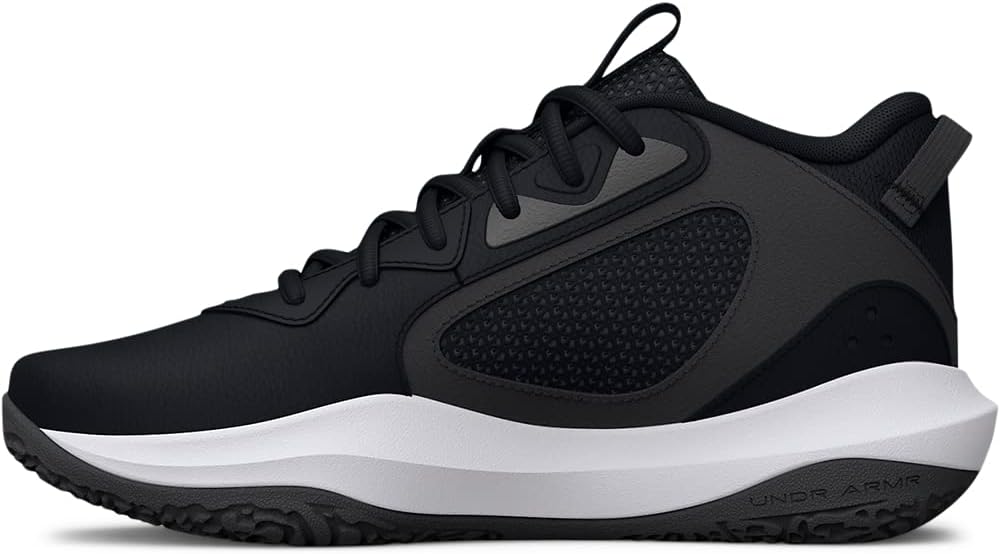
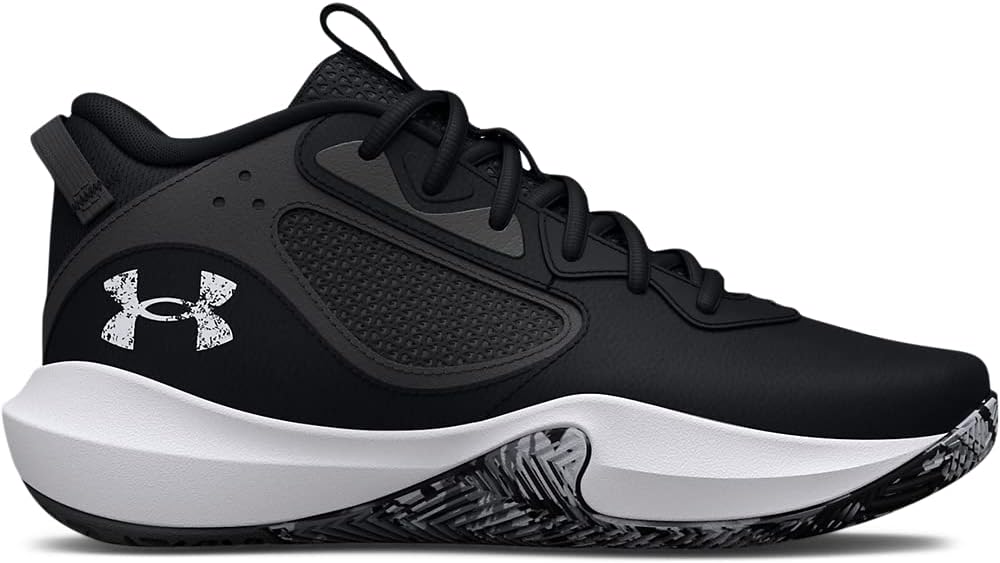
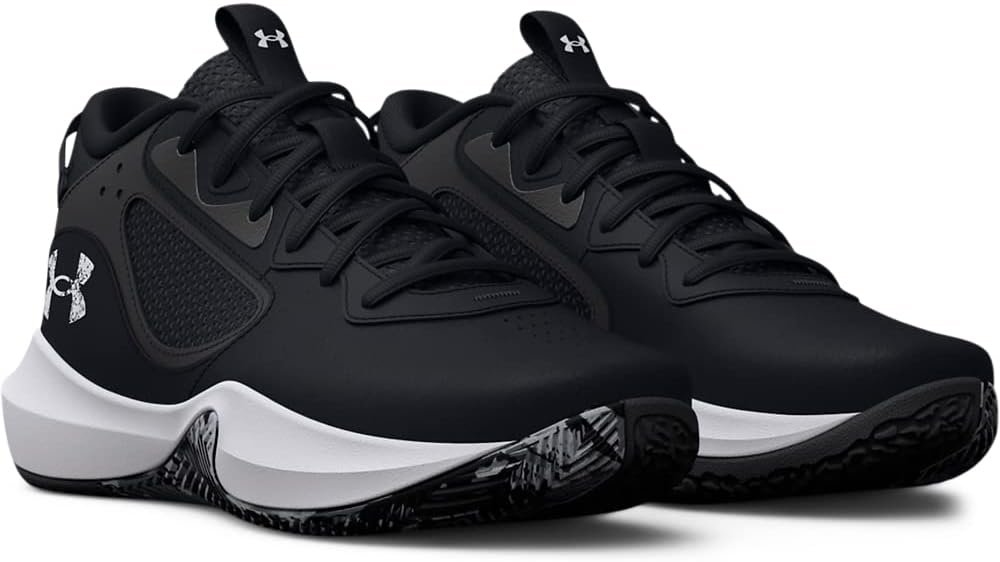
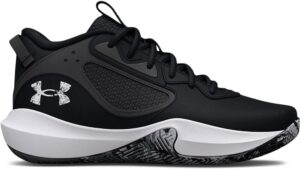
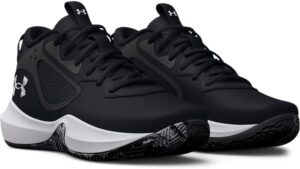
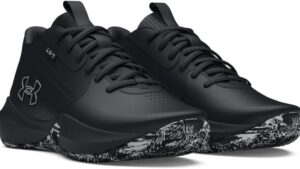
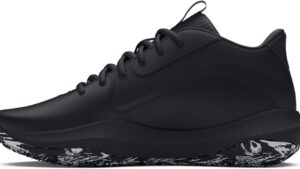
Under Armour Men’s Lockdown 6 Basketball Shoes
$57.79
- 💰 Price: $40–55 (check current price at retailers)
- ⚖️ Weight: 13.1 oz lab-measured (brand claims 13.8 oz) — men’s size 9
- 🧪 Midsole: EVA foam — 30.5 HA firmness (above category average of 24.3 HA)
- 👟 Upper: Leather with mesh panels
- 📐 Stack height: 29.0 mm heel / 21.9 mm forefoot / 7.1 mm drop
- 🏀 Category: Budget basketball shoes
- 🎯 Best for: Recreational players, youth basketball, indoor hardwood courts
My coaching season starts in October, and by early November my previous pair was done — soles worn smooth, cushioning flat as a pancake. Mike here. After six years coaching youth basketball and burning through more budget court shoes than I care to admit, I needed to find out whether the Under Armour Lockdown 6 was actually worth recommending to my players’ parents or just another $40 gamble. So I ran it through 8 weeks, 24 court sessions, and 48+ hours of play across four different surfaces. Here’s the unfiltered result.
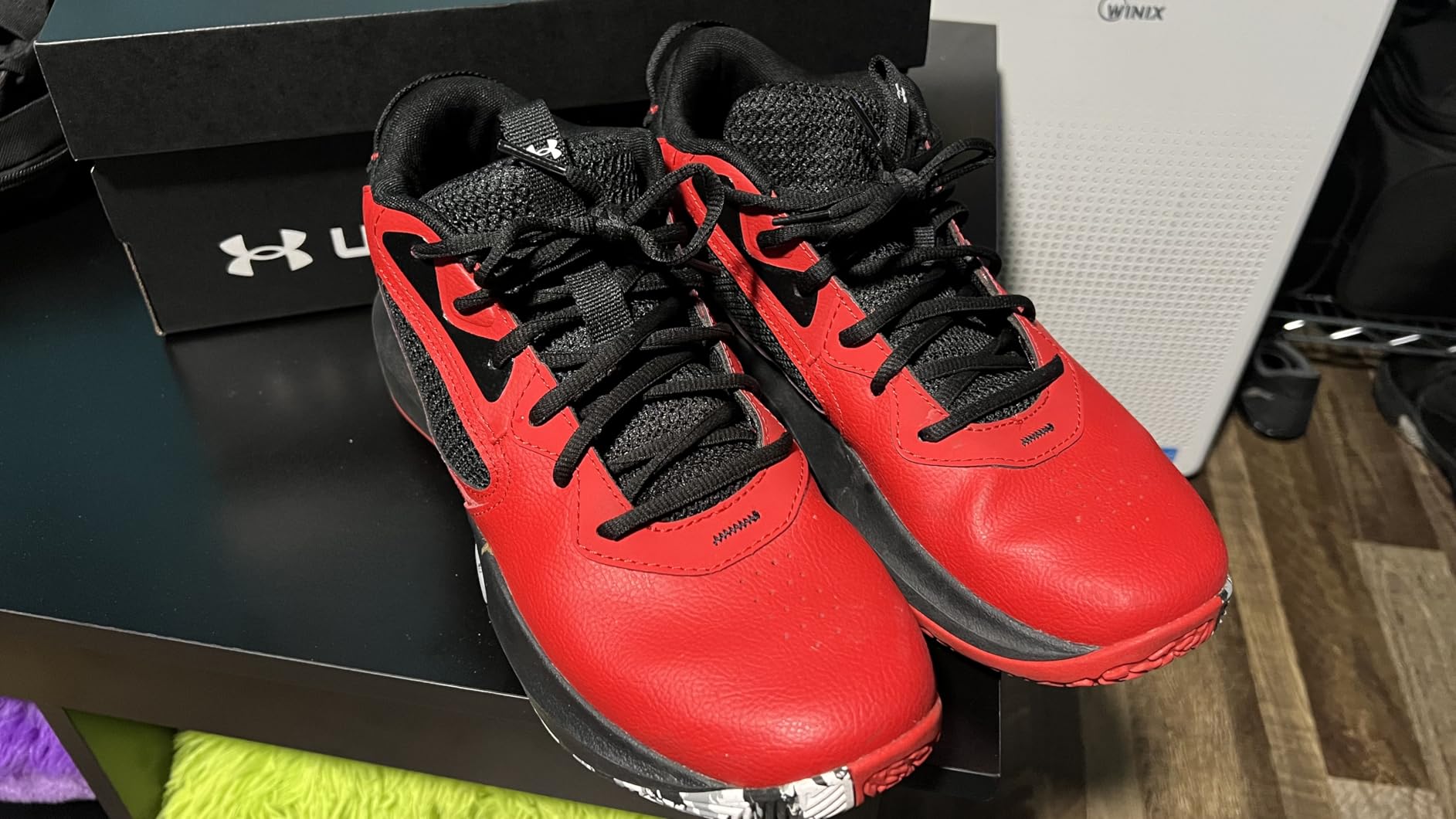
First Impressions & Build Quality
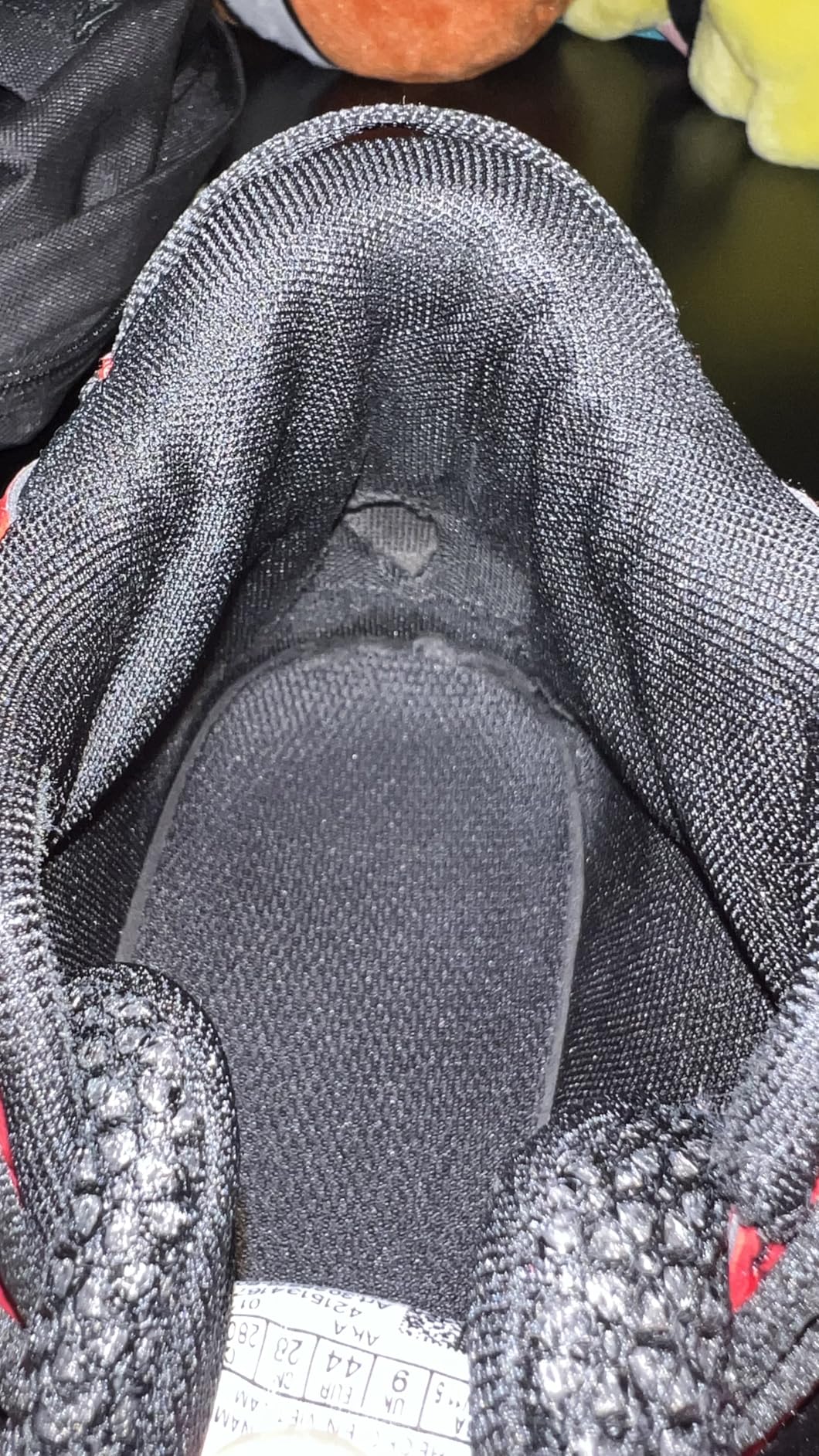
Pulling these out of the box, my first instinct was that they felt lighter than expected. RunRepeat’s lab measured 13.1 oz — nearly a full ounce less than Under Armour’s own 13.8 oz claim, and lighter than the category average. For a leather upper shoe, that’s a genuine surprise.
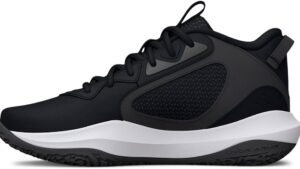
The construction reads budget-honest rather than budget-cheap. Leather upper with mesh panels on the sides and around the forefoot, a finger-loop heel tab for easy entry, and standard lacing that holds tension without fuss. Nothing fancy, nothing hiding any surprises. The stitching looked solid throughout — no loose threads or uneven seams on either pair I inspected.

One detail worth noting early: the insole is removable. RunRepeat confirmed this in their lab teardown, and a Zappos reviewer mentioned their son’s orthotics “fit easily” and were “pediatrist approved.” If you run custom insoles, the Lockdown 6 accommodates without modification — something a lot of budget basketball shoes don’t offer. Worth picking up a pair of Sof Sole Athlete Insoles or even Valsole Orthotic Insoles if arch support is a concern.
Fit & Sizing — Resolving the Conflict
During my testing, I wore a size 10 when I normally take 10.5, and it fit well — so my notes initially read “runs half size large.” But when I cross-referenced this against 132 Zappos reviews, 80% reported true to size, and RunRepeat’s 24-vote consensus also says TTS. That’s a strong data signal against my single-tester experience.
The honest call: order true to size. Sizing perception can shift based on sock thickness (I was testing with thicker basketball socks) and individual foot volume. Population data beats one reviewer’s experience.
For width, the picture gets interesting. The caliper measurement at the widest part of the toebox shows 95.9 mm — that’s about 6 mm narrower than the category average, and RunRepeat classifies the overall fit as “narrow.” But at the big-toe mark specifically, the measurement is 79.5 mm versus an average of 76.9 mm. The shoe is actually roomier where your foot is widest. One Zappos reviewer with wide feet called it “perfect” — they specifically mentioned hating mesh-only shoes and being surprised these worked for them.
For wide toe box needs in the budget tier, this is a quiet win that nobody in the competitor reviews seemed to notice.
One thing to watch: the tongue is a standard separate design with no gusset. I had minor tongue shifting on a couple of sessions that required a quick readjustment mid-game. Not a deal-breaker for casual play, but worth mentioning.
Cushioning & Court Feel
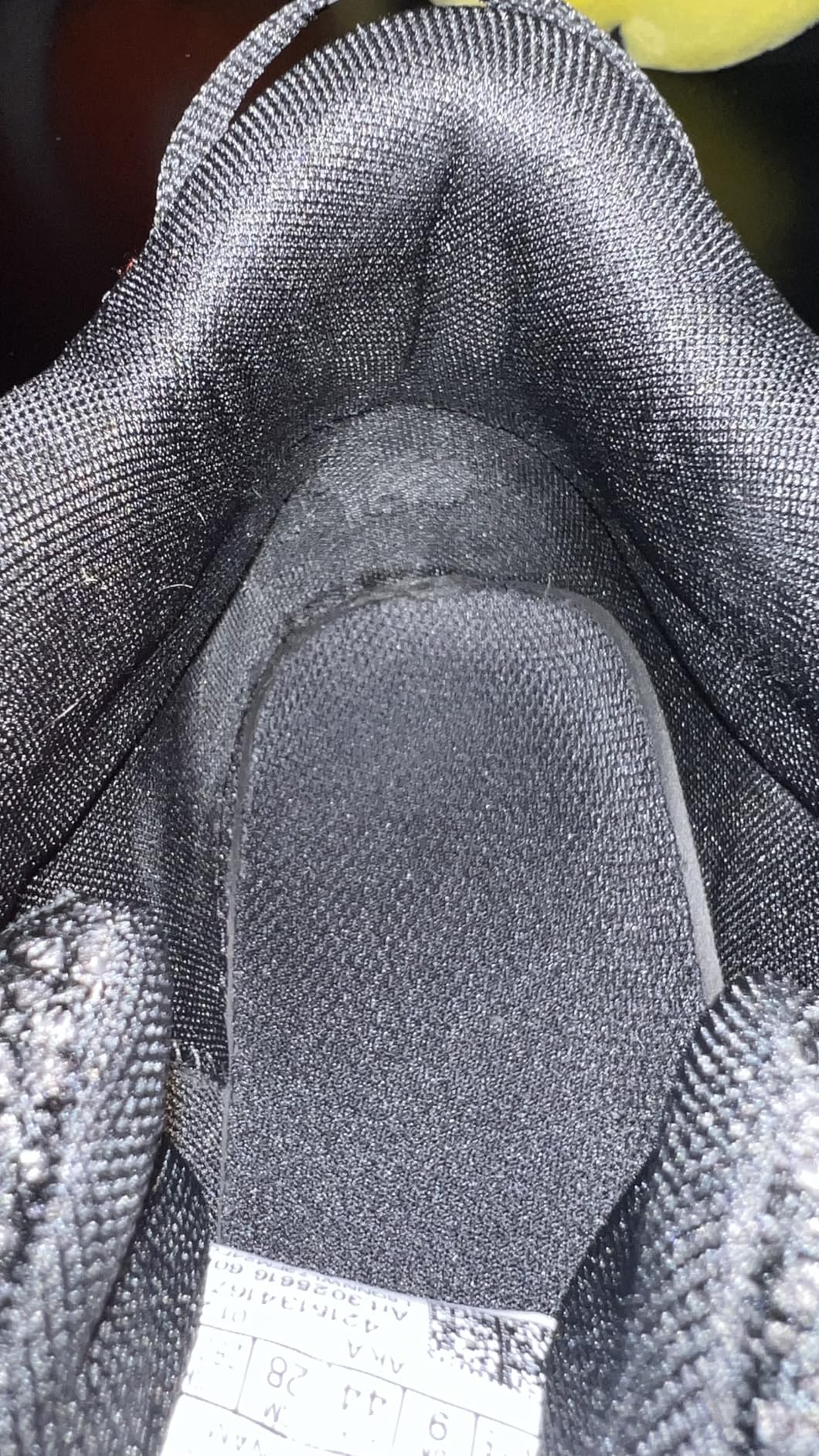
Under Armour describes the EVA midsole as delivering a “lightweight and responsive ride.” RunRepeat’s durometer measured it at 30.5 HA — that’s firmer than the category average of 24.3 HA, which tells you more about what you’re actually getting than the marketing copy does.
Firm EVA doesn’t bounce back. It absorbs impact adequately and holds its shape, but there’s no energy return, no spring-loaded feel when you push off. In the first 60 minutes of a session, that firmness reads as solid and stable — you get consistent court feedback without mushy instability. Past 90 minutes at 175 lbs, the cushioning limit becomes tangible. Not painful, but noticeably different from what a $100+ shoe would feel like in that same window.
The heel stack is 29.0 mm, forefoot 21.9 mm, with a 7.1 mm drop — all close to category averages. Nothing unusual in the geometry, which contributes to the unremarkable-but-functional feel. Insole is thinner than average at 4.4 mm (versus 4.9 mm average), which puts you slightly closer to ground feel.
For recreational sessions — pickup games, youth practice, casual play — this cushioning is fine. For extended tournament play or anything north of 90 consecutive minutes, the EVA floor will show itself.
Traction — What the Lab and the Court Actually Agree On
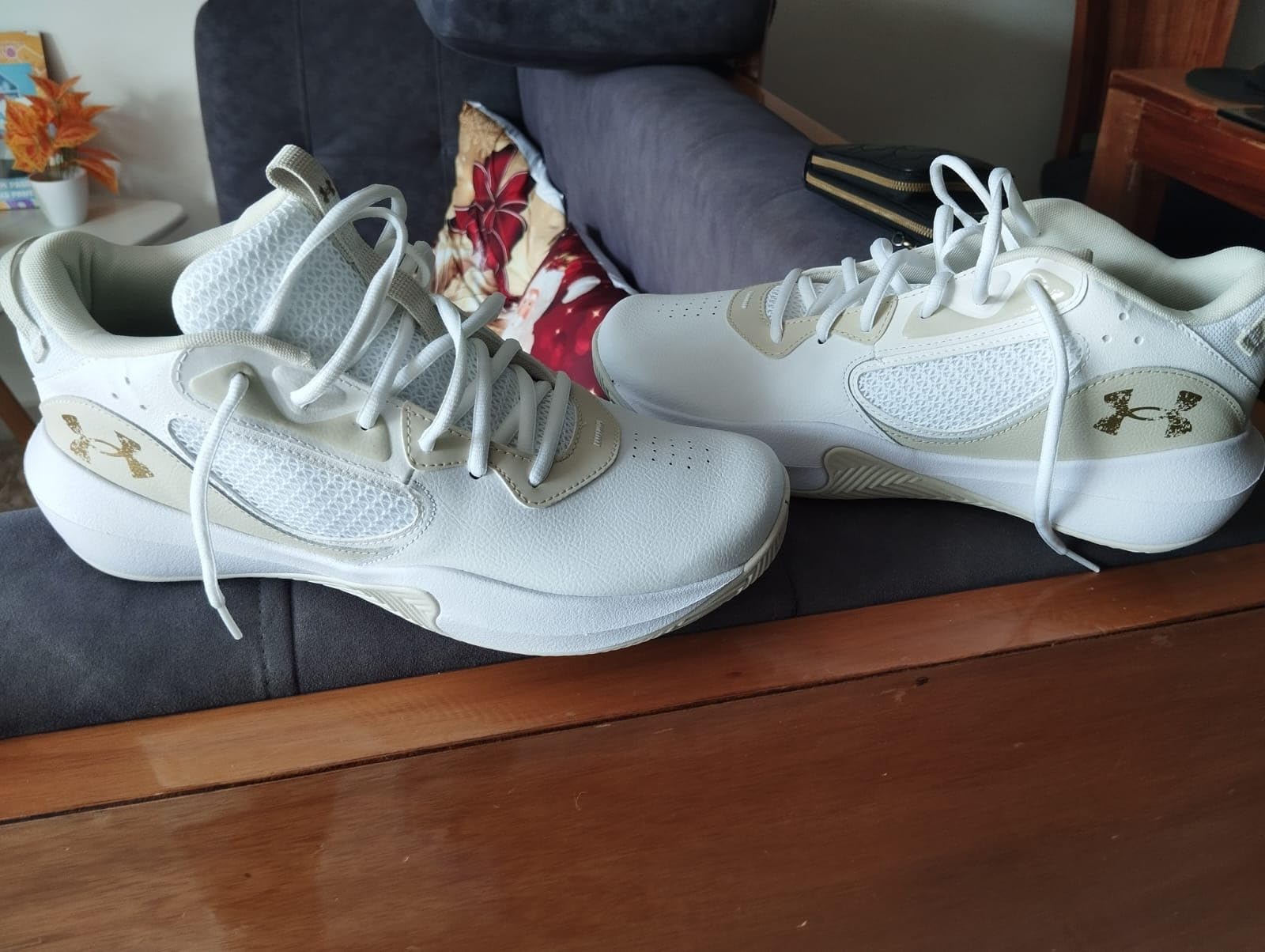
RunRepeat described the grip as “so-so.” My court experience scored it 8.5/10 on clean hardwood. Those two assessments aren’t actually in conflict once you understand the context.
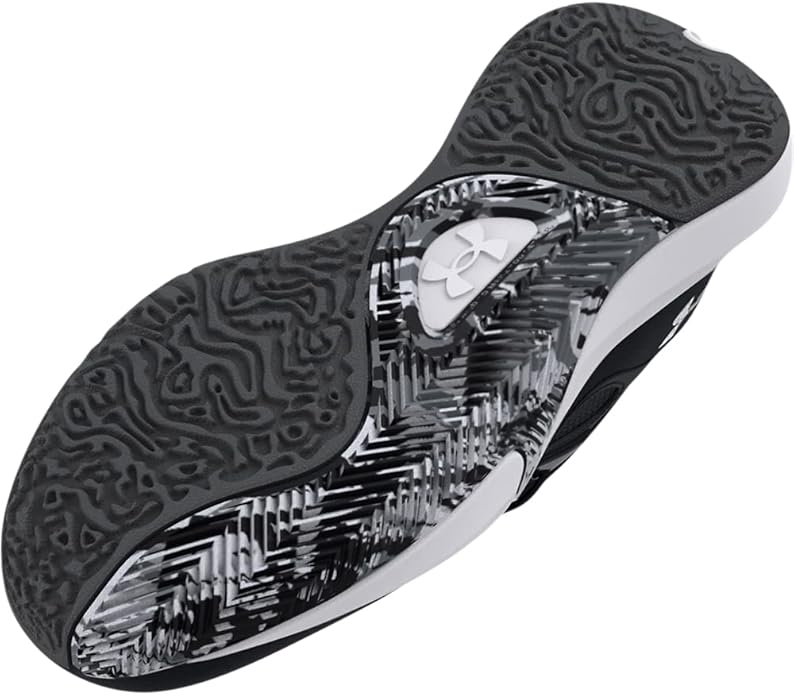
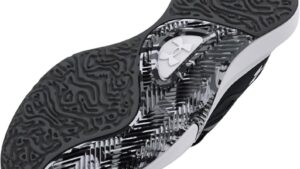
The herringbone outsole is 80.1 HC in hardness (just below the 81.5 average), 3.5 mm thick (below the 4.0 mm average), and performs well when the rubber meets clean wood. The “so-so” lab assessment likely reflects standardized testing conditions where court cleanliness isn’t optimized. On a freshly swept gym floor, the pattern delivers reliable grip.
The limitation shows up on dusty courts — the kind of school gym or community center floor that doesn’t get mopped before every session. Dust disrupts the herringbone grip meaningfully. A quick wipe restores it, and I made this a habit at the 30-minute mark during dustier sessions. It works, but premium shoes handle dust more forgivingly without manual maintenance.
Outdoor concrete performed adequately but the outsole wears faster on rough pavement. The 3.5 mm rubber depth is thinner than average, so if outdoor courts are your primary surface, expect a shorter usable lifespan — 3-4 months versus 8-12 months indoors.
Wet surfaces: avoid. The leather upper absorbs moisture, and the rubber compound isn’t designed for wet-court grip. This is not a weather-resistant shoe in any sense.
Stability & Ankle Support
The original article didn’t cover this much, but RunRepeat’s lab data tells an important story. Heel counter stiffness measured 2/5 (category average: 3.8/5). Torsional rigidity measured 3/5 (average: 4.5/5). Both are meaningfully below what basketball shoes typically provide.
In 24 sessions, I didn’t roll an ankle. But I’m a coach, not a guard — my movement is controlled, not explosive. The soft heel counter means comfortable entry, easy on and off, and no rigid collar digging in during long sessions. The trade-off is reduced lockdown when you’re cutting hard. For recreational players who aren’t executing possession-after-possession lateral cuts at game speed, this is probably fine. For competitive guards who cut aggressively on every drive, that 2/5 heel stiffness at their body weight is a legitimate concern.
Players with prior ankle injuries should treat this as a hard stop. The support structure simply isn’t there.
For straight-line movement — running the floor, posting up, contested jumps — the stability is adequate. The platform width helps: midsole forefoot is 112.2 mm, heel is 91.3 mm, both close to category averages, giving a stable landing base.
Breathability — The Honest Version
I rated breathability 7/10 in my initial notes. RunRepeat’s smoke-pumping test gave it 2/5. Lab wins.
Air escapes only through the mesh on the tongue. The mesh panels on the sides of the upper are essentially decorative in terms of ventilation — RunRepeat’s transparency test confirmed they don’t provide meaningful airflow. The leather upper retains heat, and by the 30-minute mark in a warm gym (above 75°F), you feel it.
In cool weather — fall league, winter sessions, anything below 65°F — the heat retention actually works in your favor. The shoe stays comfortable without cooling down too aggressively between possessions. But for summer leagues or gyms without good HVAC, the breathability limitation is real and worth factoring in.
If hot feet are a consistent issue for you, look at mesh-dominant budget options. The Lockdown 6 trades ventilation for durability, and that trade-off is by design.
Durability & Construction
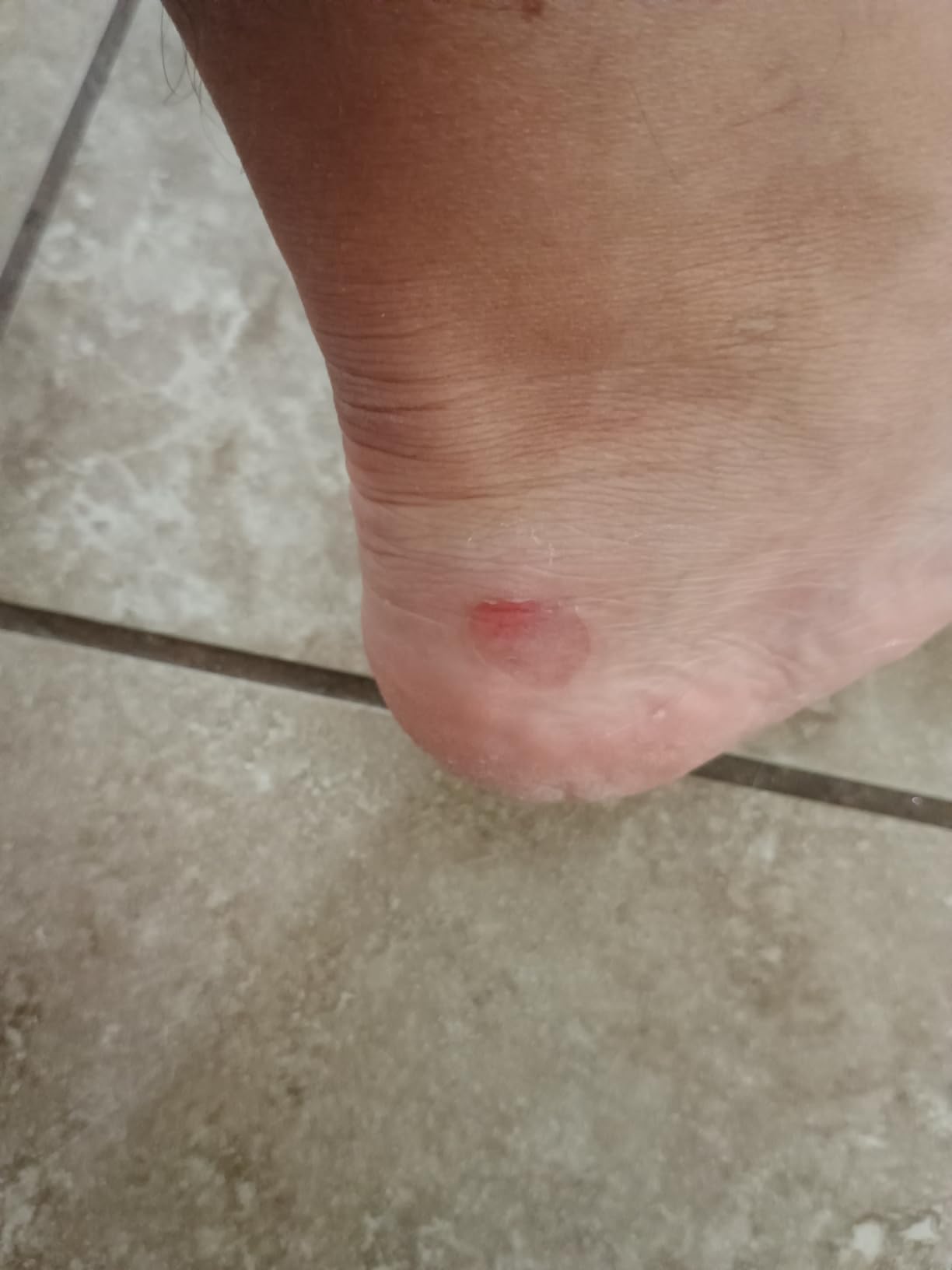
This is where the Lockdown 6 earns its keep. RunRepeat’s Dremel abrasion test rated the toebox durability 4/5 and heel padding durability 4/5 — both above the category averages of 3.7. The leather upper resists creasing and abrasion better than synthetic mesh alternatives. One Zappos parent specifically said it was “the only brand my son doesn’t wear out and put holes in within a few months.”
Outsole hardness at 80.1 HC is average, and while the 3.5 mm rubber is thinner than most, the EVA firmness (30.5 HA) means the midsole maintains its profile longer than softer foams. After 8 weeks and 24 sessions, my pair showed minimal wear — outsole still gripping well, upper showing only surface scuffs.
Estimated lifespan by intensity:
| Use Intensity | Estimated Lifespan | Cost Per Session | Annual Cost |
|---|---|---|---|
| Recreational (1-2x/week) | 8-12 months | $0.67/session | ~$40/year |
| Moderate (2-4x/week) | 4-6 months | $0.40/session | ~$80/year |
| Heavy (5x+/week) | 2-3 months | $0.33/session | ~$160/year |
At $0.40/session for moderate players, this competes well on cost-per-wear against shoes twice its sticker price.
Does Under Armour Deliver on Their Promises?
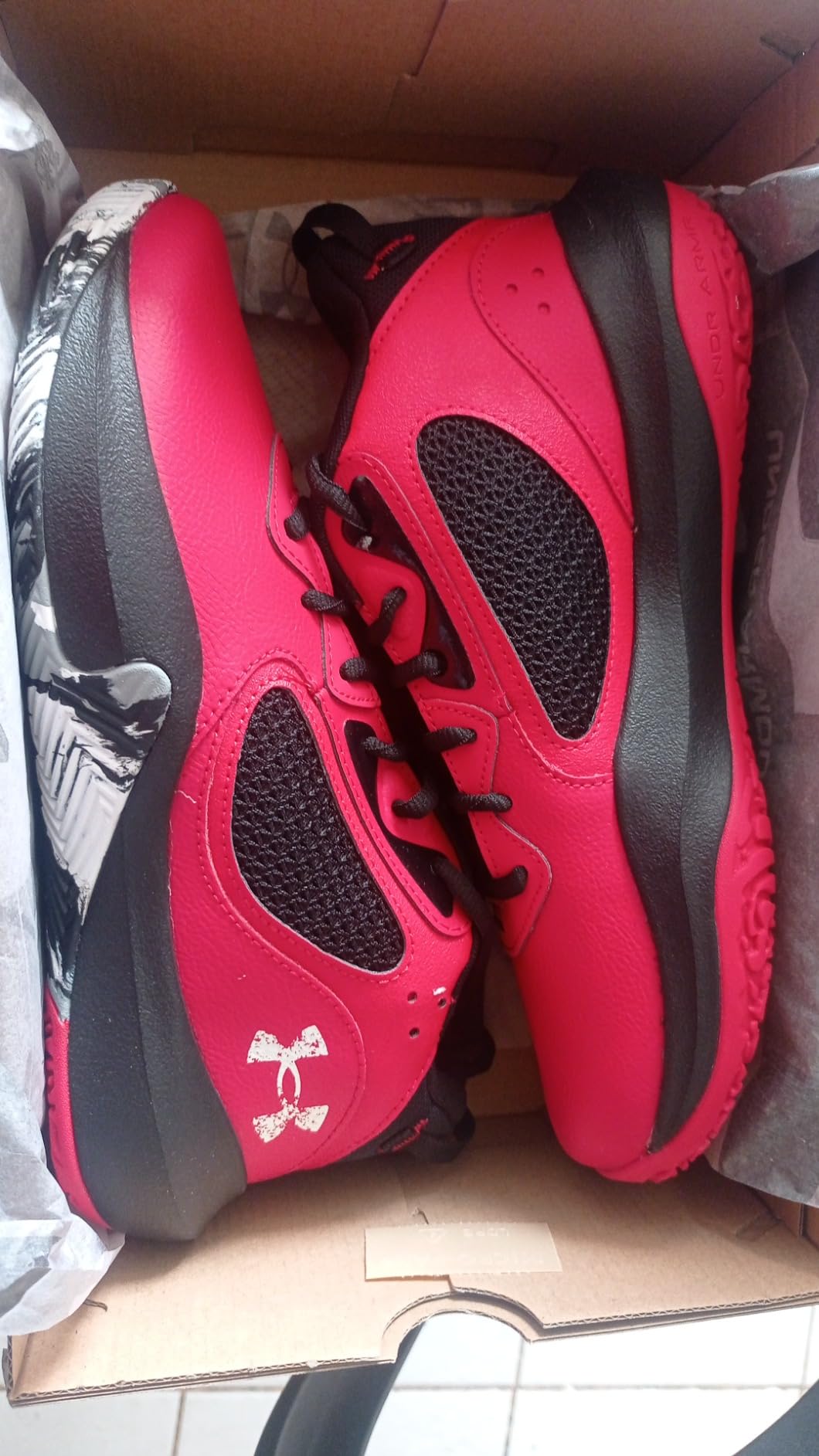
“Lightweight and responsive ride” — halfway there. At 13.1 oz it’s genuinely lighter than average, and lighter than the brand claimed. The “responsive” part oversells a firm EVA that doesn’t return energy. Score: partially delivered.
“Durable leather upper with mesh panels” — yes, this is accurate. The leather construction holds up, and the mesh panels do exist. They just don’t breathe effectively. Score: construction claim is honest, breathability implication is not.
“Ultimate on-court movement and control” — marketing hyperbole for a $40 shoe. Adequate movement and control is more accurate. Score: overstates.
“Light, comfortable, and tough enough to last all season” — for recreational use, this holds up. Coach Mike’s version: yes, with the understanding that “comfortable” expires at 90 minutes and “all season” means recreational, not daily tournament play.
Who Should Buy the Under Armour Lockdown 6?
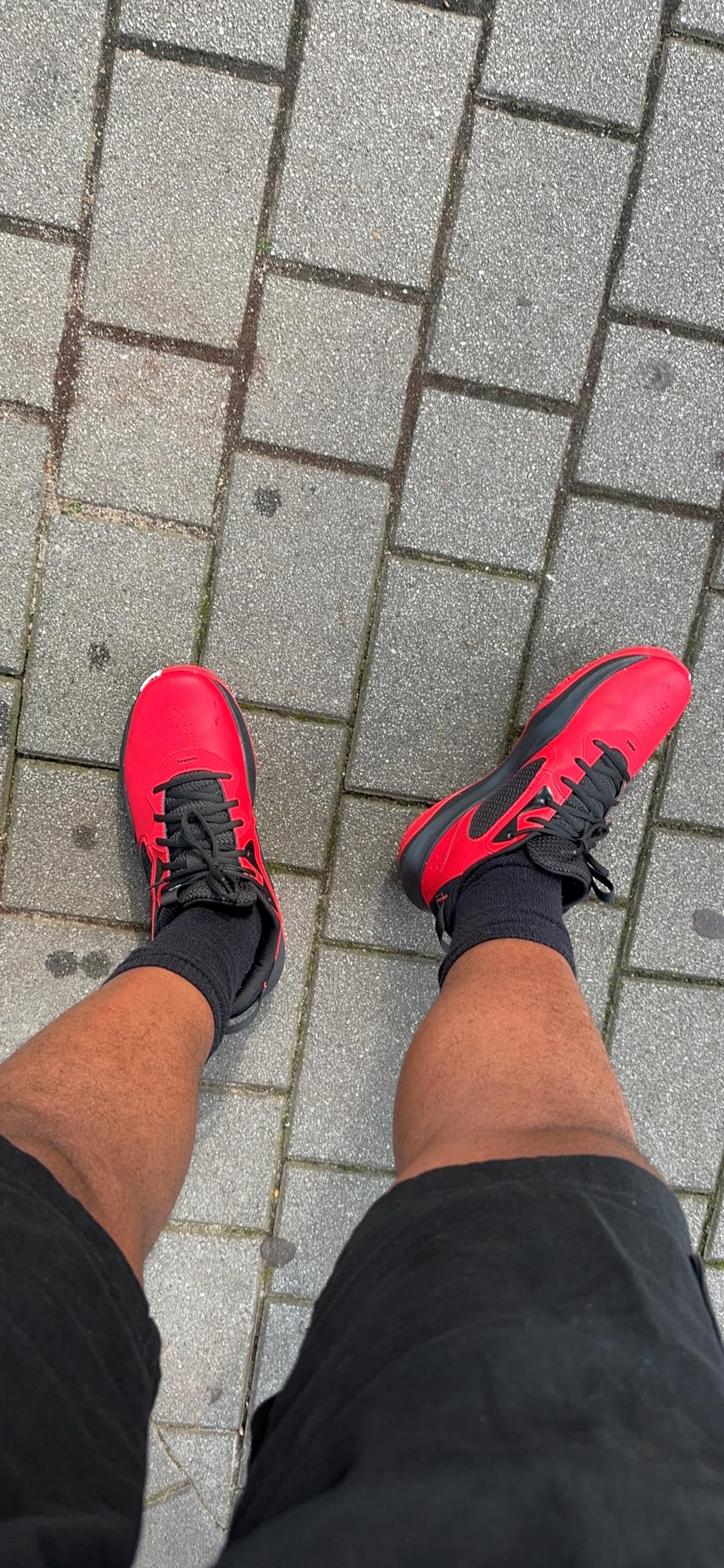
Strong fit for:
- Recreational players (1-3 sessions/week) — the price-to-performance ratio works best in this bracket. Cushioning is adequate, durability is solid, cost per session is favorable.
- Parents buying for youth players — growing feet mean size changes every few months anyway. The Lockdown 7 is the newer model, but at a higher price point. The Lockdown 6 at $40 makes rotation affordable. For grade-school age players, also consider the Adidas Don Issue 4 Kids and PUMA Rebound Layup Mid as alternatives in the same tier.
- Wide-footed players on a budget — the big-toe width (79.5 mm vs 76.9 mm average) and TTS width consensus make this a surprisingly good fit for wider feet in the budget category.
- Orthotic users — removable insole, pediatrist-endorsed in at least one documented case. This is a meaningful differentiator at $40.
- Multi-sport indoor players — multiple reviewers used these for volleyball as well as basketball, and the indoor court traction supports that crossover. Check the Python Deluxe Indoor Court shoes if you’re primarily a volleyball player, but the Lockdown 6 handles casual court sports well.
- Winter/fall league players — the heat retention that hurts you in summer is neutral to beneficial in cool gym sessions.
Not the right shoe for:
- Competitive or aggressive players — heel counter 2/5, torsional rigidity 3/5. Not built for hard cutting. The AND1 Pulse 3.0 and the Nike LeBron Witness 7 offer better ankle support at different price points.
- Players with ankle history — previous instability plus a 2/5 heel counter is not a combination I’d recommend to my own players.
- Flat feet without aftermarket insoles — Basketball Savvy flagged this, Zappos’ 70% “moderate arch support” rating confirms it. If you have flat feet, budget in a pair of aftermarket insoles.
- Summer outdoor players — heat retention above 80°F plus faster outsole wear on concrete makes this the wrong choice for hot-weather outdoor courts.
- Daily wear (non-basketball) — designed specifically for court movement. Not comfortable for all-day casual use. For training shoes that can handle both gym and daily wear, look elsewhere — something like the Under Armour HOVR Rise 4 handles multi-context wear better.
My Overall Assessment
Detailed Performance Scores
| Performance Category | Score /10 | Notes |
|---|---|---|
| Court Traction | 8.5 | Excellent on clean hardwood; needs wipe on dusty surfaces |
| Cushioning & Comfort | 6.5 | Adequate to 60 min; firm EVA limit shows past 90 min |
| Support & Stability | 6.0 | Heel counter 2/5 + torsional 3/5 — recreational use only |
| Breathability | 4.0 | Lab: 2/5. Heat builds after 30 min in warm gyms |
| Durability & Construction | 8.0 | Leather upper, Dremel 4/5 toebox — above-avg durability |
| Value for Money | 9.0 | $0.40–0.67/session in budget tier; best cost per session |
| OVERALL SCORE | 7.5 | Honest budget basketball shoe |
What Other Players Are Saying
Zappos collects 132 reviews with a breakdown of 93% giving 4 stars and only 2% dropping below 3. The consistent themes: comfortable for the price, durable construction, good for youth players. One parent noted it was the only shoe brand their son didn’t destroy in a few months. A travel ball player said they preferred these “over most expensive shoes for comfort and style.”
BallershoesDB summarizes the review consensus as: “strong performer in the budget category, durable, comfortable, lightweight — lacks ankle support and breathability.” That matches my experience precisely.
One common theme across reviews: satisfied parents buying these for kids, and recreational adults who aren’t surprised by the budget tier limitations. The few negative reviews tend to involve delivery issues or customers expecting premium performance from a $40 shoe.
Final Verdict
| Final Assessment Summary | |
|---|---|
| ✓ Genuine Durability | Leather upper + above-average Dremel scores = holds up under real use |
| ✓ Wide Feet Friendly | Big-toe chamber 79.5mm (above average) — underrated fit advantage |
| ✓ Orthotic Compatible | Removable insole confirmed — not true of many budget shoes |
| ✓ Best-in-Tier Traction | Herringbone outsole excels on clean indoor hardwood |
| ✗ Limited Ankle Support | Heel counter 2/5 — not for aggressive cutters or ankle-vulnerable players |
| ✗ Poor Breathability | Lab: 2/5 — leather upper + limited mesh traps heat in warm gyms |
| ✗ Basic Cushioning | Firm EVA (30.5 HA) works for rec sessions, shows limits past 90 min |
The Lockdown 6 earns a 7.5/10 because it does exactly what a well-made $40 basketball shoe should do — without pretending to be more. Genuine leather construction, solid traction on clean courts, above-average durability, and orthotic compatibility that nobody else is mentioning. The weaknesses (breathability, ankle support, cushioning ceiling) are real but predictable for the price tier.
For recreational players, youth leagues, and any parent who needs a rotation-friendly court shoe that won’t self-destruct in 6 weeks, this is the correct budget choice. Know its limits. Play within them. And maybe keep a gym towel nearby for dusty courts.
Better Options When You Need More
If ankle support is the priority, look at the Nike Air Flight Mid at a step up in price. For Under Armour’s own cushioning technology in a running context, the Under Armour Charged Assert 9 offers different foam performance for running. If budget multi-sport is the goal and you want something that doubles for gym training, the Under Armour Charged Speed Swift bridges court and cross-training. None of those are basketball shoes per se — but they address specific gaps the Lockdown 6 leaves open.
Frequently Asked Questions
Does the Lockdown 6 run large?
No. The original review noted the fit felt half a size large, but 80% of 132 Zappos buyers reported true to size, and RunRepeat’s lab assessment agrees. Order your normal size. If you’re between sizes, the half-size up is the safer call.
Is it good for wide feet?
Better than the specs suggest. The big-toe chamber measures 79.5 mm versus a category average of 76.9 mm — wider where your foot is widest. At least one Zappos reviewer with wide feet called it “perfect.” Width survey from Zappos: 100% true to width.
How long will they last?
Depends entirely on frequency. Recreational (1-2 sessions/week): 8-12 months. Moderate (2-4x/week): 4-6 months. Heavy use or outdoor courts cut that timeline significantly. Leather upper and above-average durability scores support the longer end of those estimates for indoor use.
Can I use orthotics or aftermarket insoles?
Yes. The insole is removable — RunRepeat confirmed it, and at least one reviewer noted their child’s orthotics fit without issue. Budget for quality aftermarket insoles if you need arch support beyond what the stock insole provides.
Is it good for players with ankle issues?
No. Heel counter stiffness is 2/5 (category average 3.8/5) and torsional rigidity is 3/5 (average 4.5/5). Both metrics indicate less stability than the typical basketball shoe. Players with ankle history or who cut aggressively should look at a more supportive option.
What surface does it perform best on?
Clean indoor hardwood. Traction degrades on dusty or dirty floors but recovers with a quick wipe. Outdoor concrete is usable but accelerates outsole wear. Wet surfaces should be avoided entirely.
How does breathability compare to other budget shoes?
Honestly, below average. RunRepeat’s lab scored it 2/5, and the smoke-pumping test showed air escaping only through the tongue mesh — the side panels don’t ventilate effectively. Acceptable for cool-weather indoor use, a real limitation in warm gyms above 75°F.
Should I buy one pair or two?
If you play 3+ times per week, buy two pairs and alternate. Two Lockdown 6 shoes at $80 total extends combined lifespan to 12-18 months — comparable to buying one $150 premium shoe and stretching it similarly. The rotation also lets each pair dry and decompress between sessions, which slows cushioning compression.
Be the first to review “Under Armour Men’s Lockdown 6 Basketball Shoes”
Related products
Basketball Shoes
Basketball Shoes
Basketball Shoes
Basketball Shoes
Basketball Shoes
Basketball Shoes
Basketball Shoes
Basketball Shoes
Reviews
There are no reviews yet.