
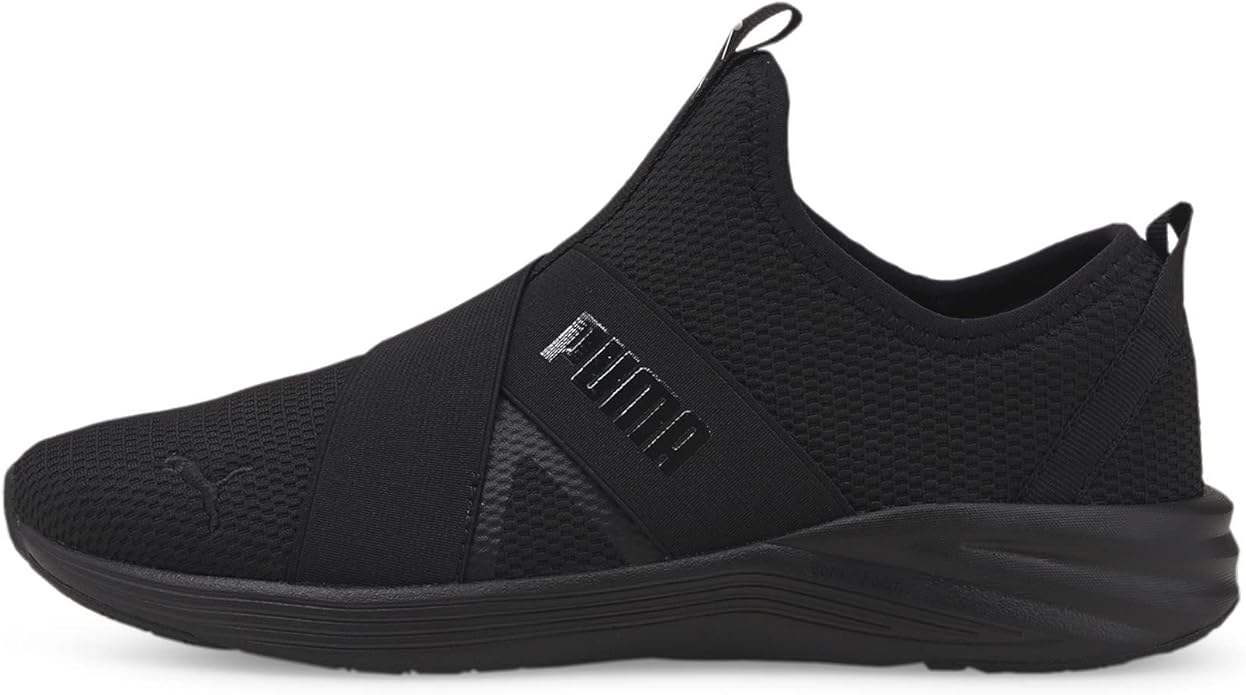
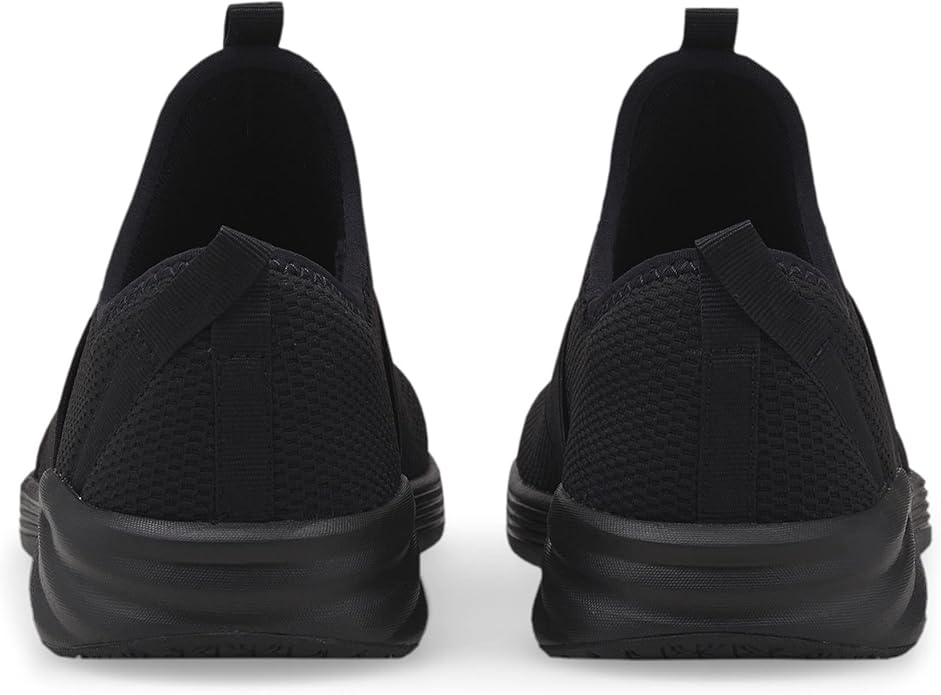
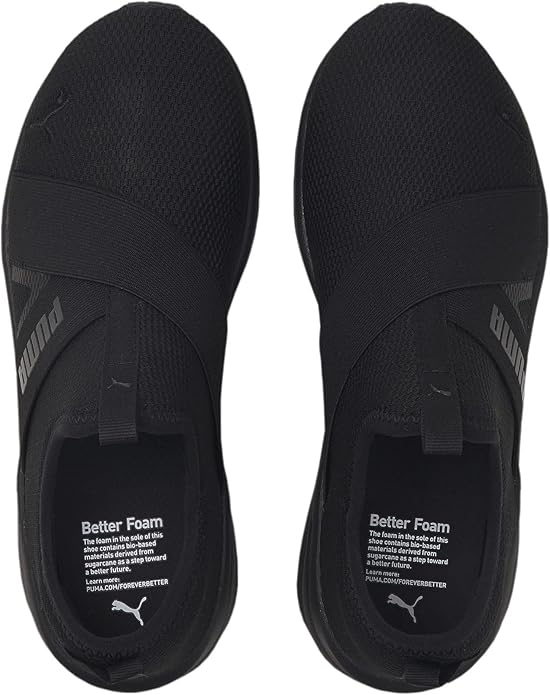
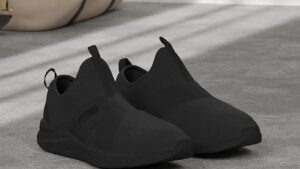
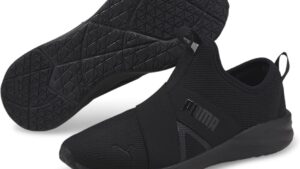
My friend texted me a photo of her nursing clogs mid-shift: “These are dead. Any ideas?” That’s how I ended up testing the PUMA Better Foam Prowl Slip-On. I’m Sarah — working mom, perpetual schedule-juggler, and someone whose feet have strong opinions about shoes by noon. I wore these for eight weeks across workdays, errands, and a few marathon Saturdays. The comfort reputation is real. But there’s a version-change story and a wet-weather reality that nobody’s talking about.
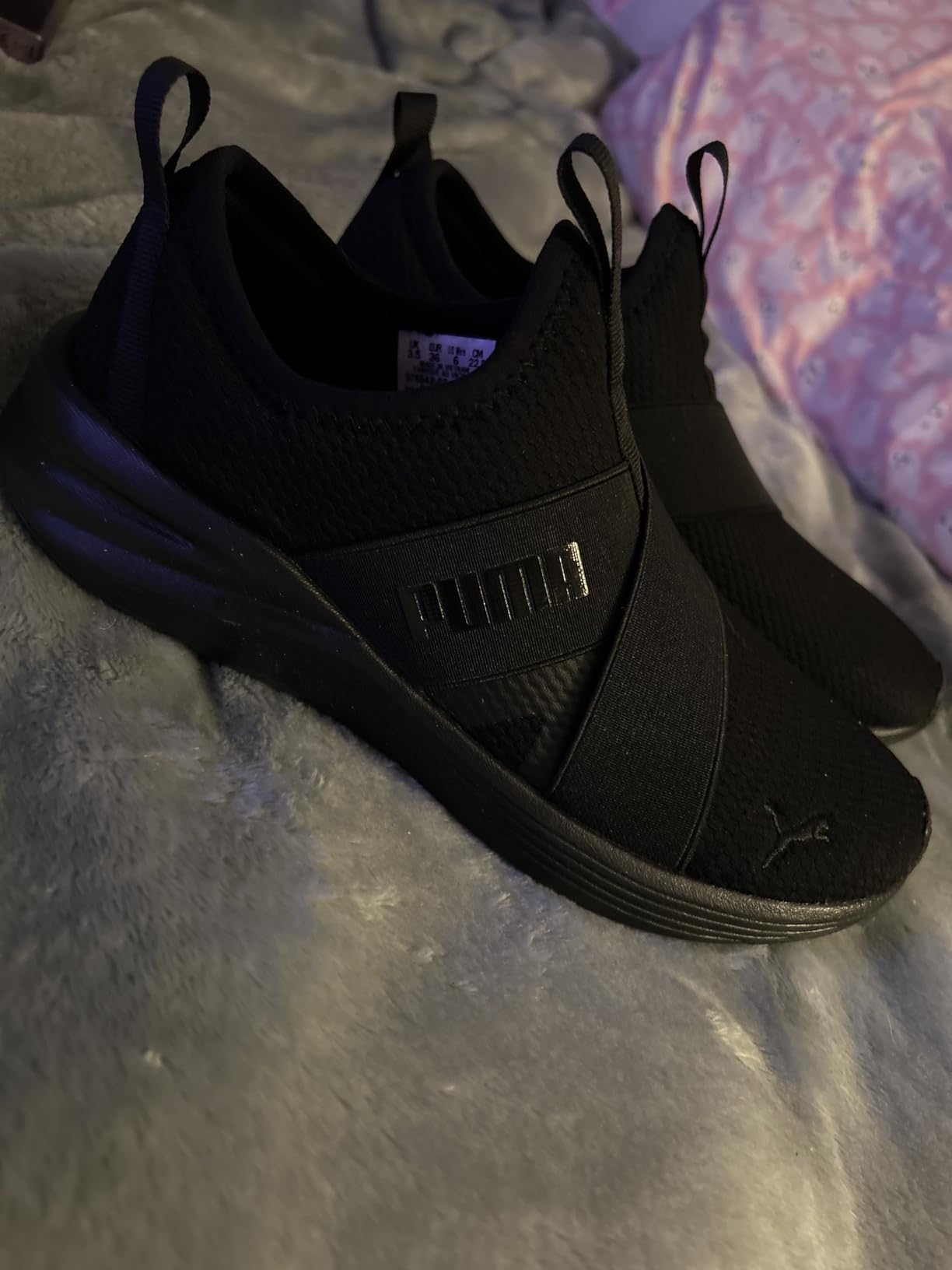
- ⚖️ Weight: 8.2 oz (women’s size 8)
- 🧪 Midsole: Better Foam
- 🪶 Sockliner: SoftFoam+ (SOFTFOAM+)
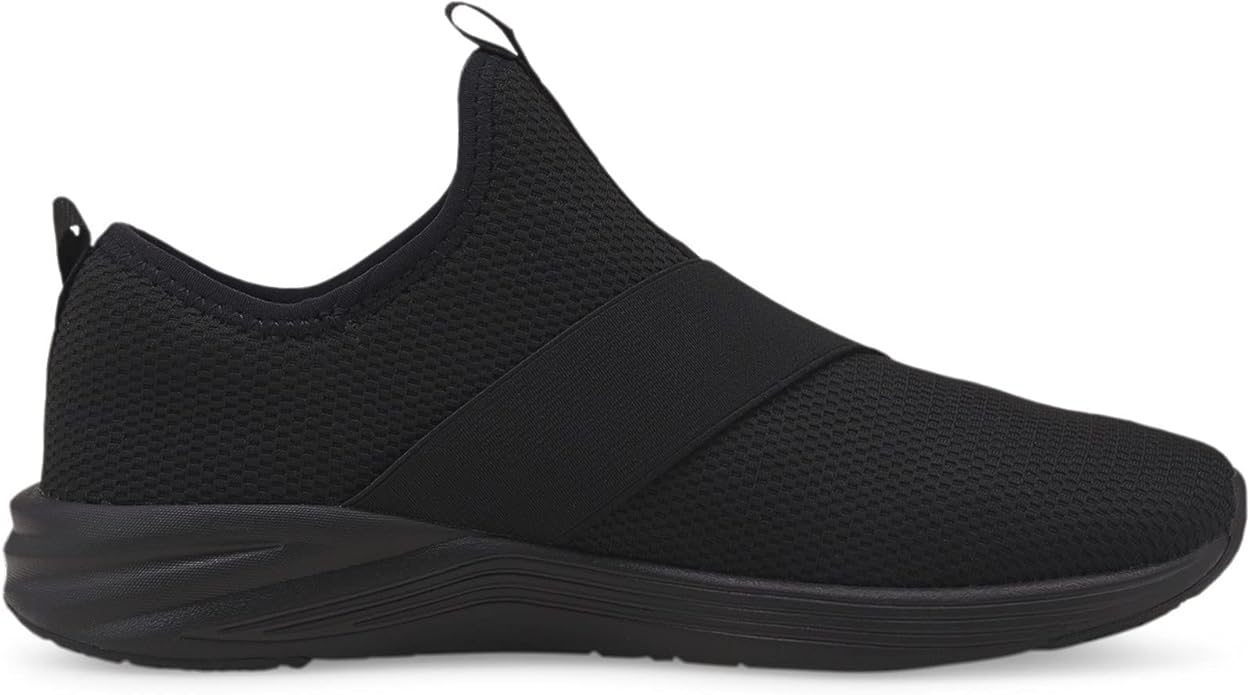
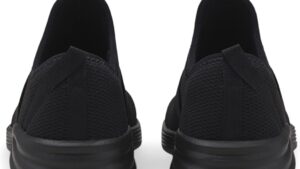
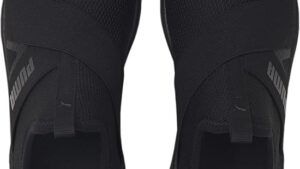
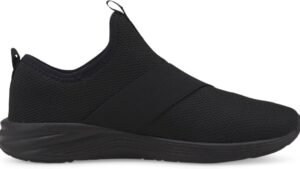
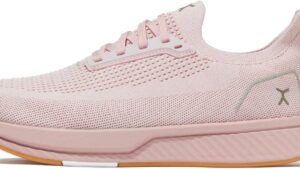
- 👟 Upper: Mesh with sock-like construction and elastic overlays
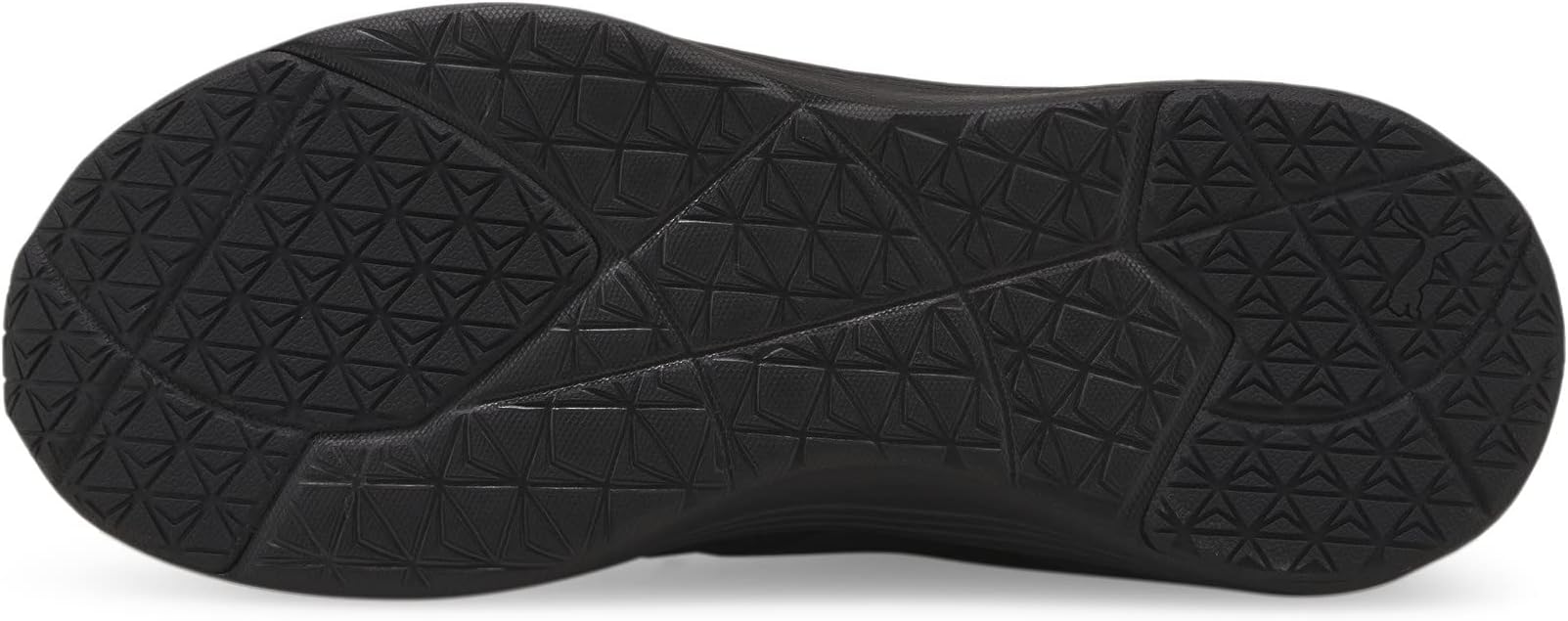
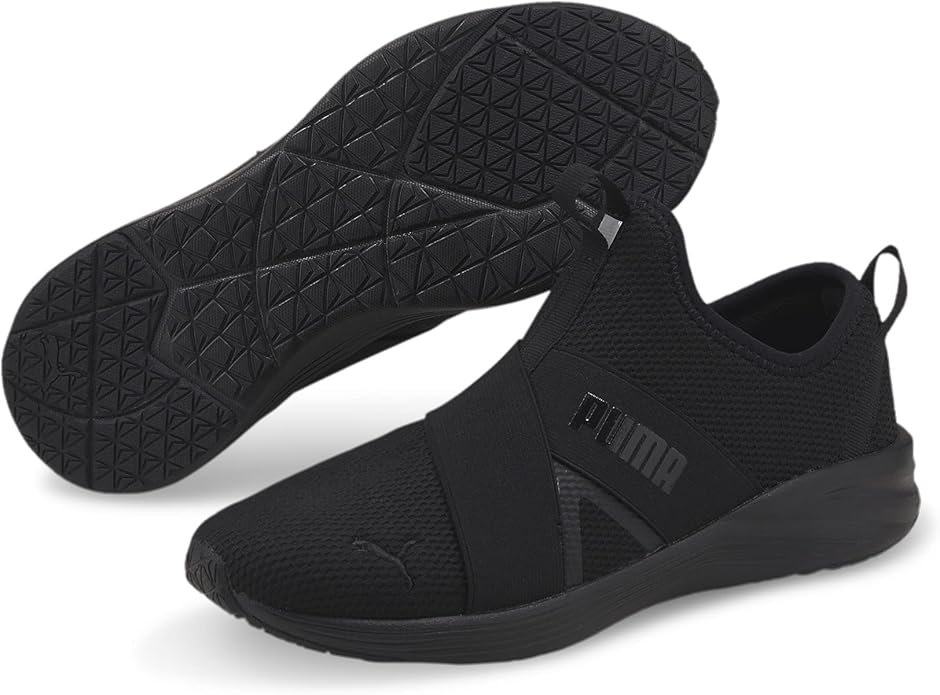
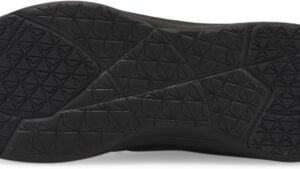
- 👟 Outsole: Rubber
- 📐 Inner lining: Nylon
- 🏃♀️ Category: Lifestyle sneaker / daily comfort
- 📏 Sizing: Women’s 5.5–12, standard width + W (wide) available
First, A Confession About “Slip-On”
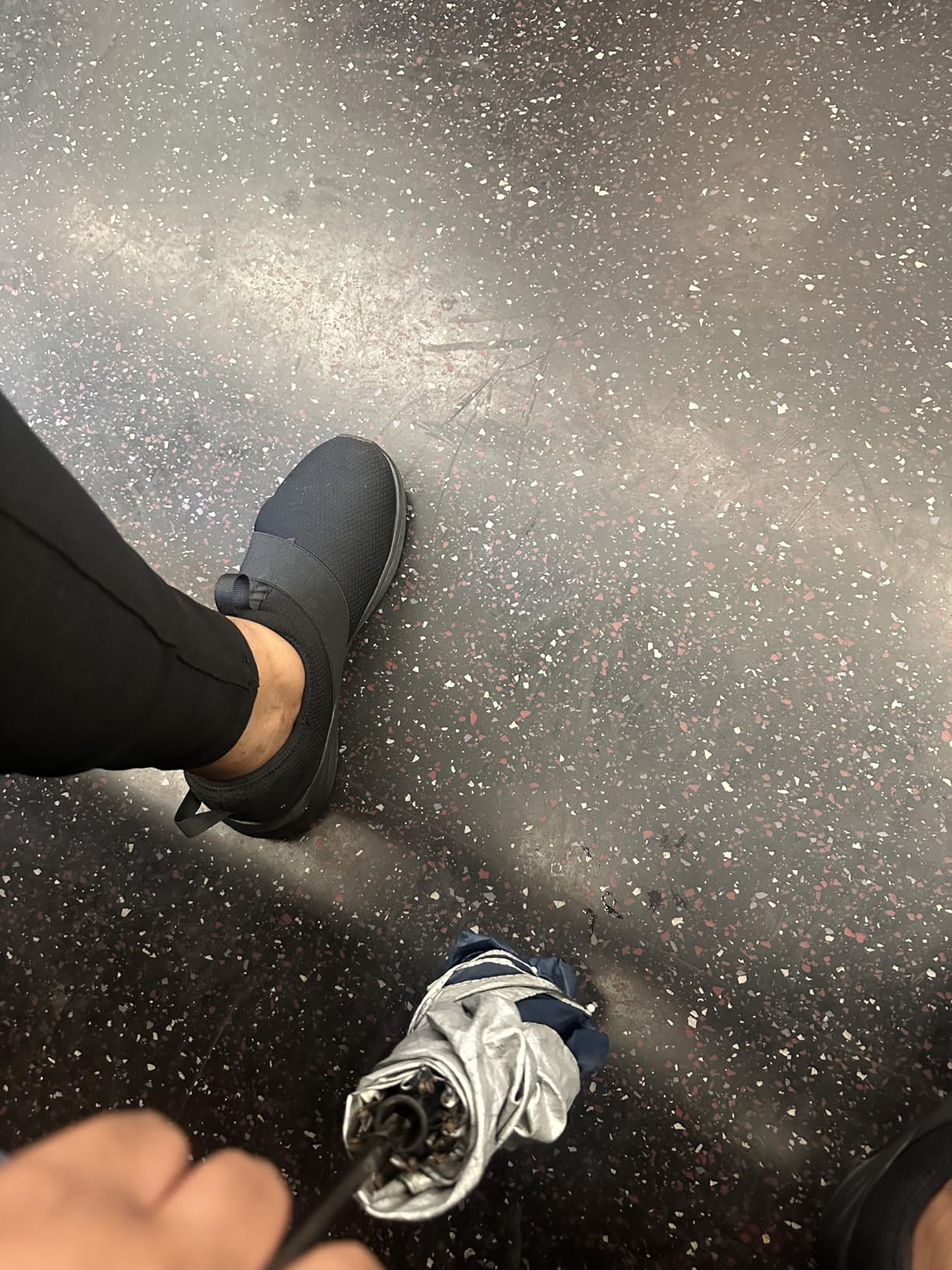
Before we get into comfort scores, there’s something worth clearing up: these shoes require your hands to put on. PUMA calls them a “true slip-on construction,” but the sock-like fit is snug enough that you’ll need to pull the heel tab and work your foot in. Several Zappos reviewers returned these surprised by exactly this.
I want to be fair to PUMA here — the snug entry is actually part of why they feel so secure once you’re in. There’s no heel slippage, no mid-walk adjustment, no foot sliding forward. That’s a real benefit. But if you’re imagining stepping into these one-handed while holding your coffee, that’s not what happens.
Then there’s the version issue. Two separate Zappos reviewers — appears to be the same person — returned newer pairs after loving an old pair. The specific complaint: “the tongue is not as long” on the older version they loved. The newer version has a longer tongue that rubs the ankle for some wearers. This means repeat buyers may find the current version different from what they remember.
I tested the current version, so my entire experience is with the longer-tongue design. A few times I noticed the tongue shifting and requiring a quick readjustment on first wear. After a week, muscle memory took over and it stopped being an issue — but if you’re upgrading from an older pair, you’ll notice the difference.
The Comfort Case: Why 9 Out of 10 Is Actually Defensible
Let’s talk about what these shoes genuinely do well, because the comfort rating is the one place I have zero reservations.
PUMA runs two layers of cushioning here: SoftFoam+ is the sockliner — the layer your foot actually rests on — and Better Foam is the structural midsole beneath it. The SoftFoam+ gives you that immediate “oh, that’s nice” sensation when you first step in. The Better Foam provides ongoing cushioning throughout the day without turning mushy.
The 10-Hour Work Test
My most reliable test: standing meetings, office-to-office walks, and occasional staircase sessions that add up to a 10-to-11-hour day. Most shoes in this category start showing fatigue around hour seven for me — a dull ache building in the ball of the foot or heel.
With the Better Foam Prowl, that inflection point moved. Hour eight felt about the same as hour three. By hour ten, there was tiredness — but the normal kind from a long day, not the “I need to take these off immediately” kind. That’s legitimately better than most shoes I’ve tested at this price point.
I wore them through a week of back-to-back long days and didn’t reach for my backup pair once. That’s the real test.
Mixed Activity Saturday
One Saturday I wore these from 9am to 4pm across a grocery run, school event, hardware store, and a two-mile neighborhood walk. Six-plus hours, different surfaces, different standing situations. The comfort held across all of it — no moment where I thought “I should have worn something else.”
The lightweight design contributes here. At 8.2 oz, your feet aren’t hauling extra weight during longer sessions. Compared to chunkier training shoes that can clock in at 11-13 oz, the difference registers over hours.
The Swelling Factor (Something Nobody Mentions)
Here’s a real-world detail that never makes it into shoe reviews: foot volume changes throughout the day, and for some women more dramatically than others. My feet swell noticeably during certain weeks of the month — maybe half a size difference.
On normal days, the Prowl’s snug fit is perfect. On high-swelling days, the fit becomes noticeably tighter in the arch and midfoot. It didn’t cause pain, but it wasn’t comfortable either. If you have edema, circulation issues, or significant daily swelling, this snug construction may work against you. If your foot volume stays consistent, this won’t be a factor.
Fit and Sizing: The Decision Tree
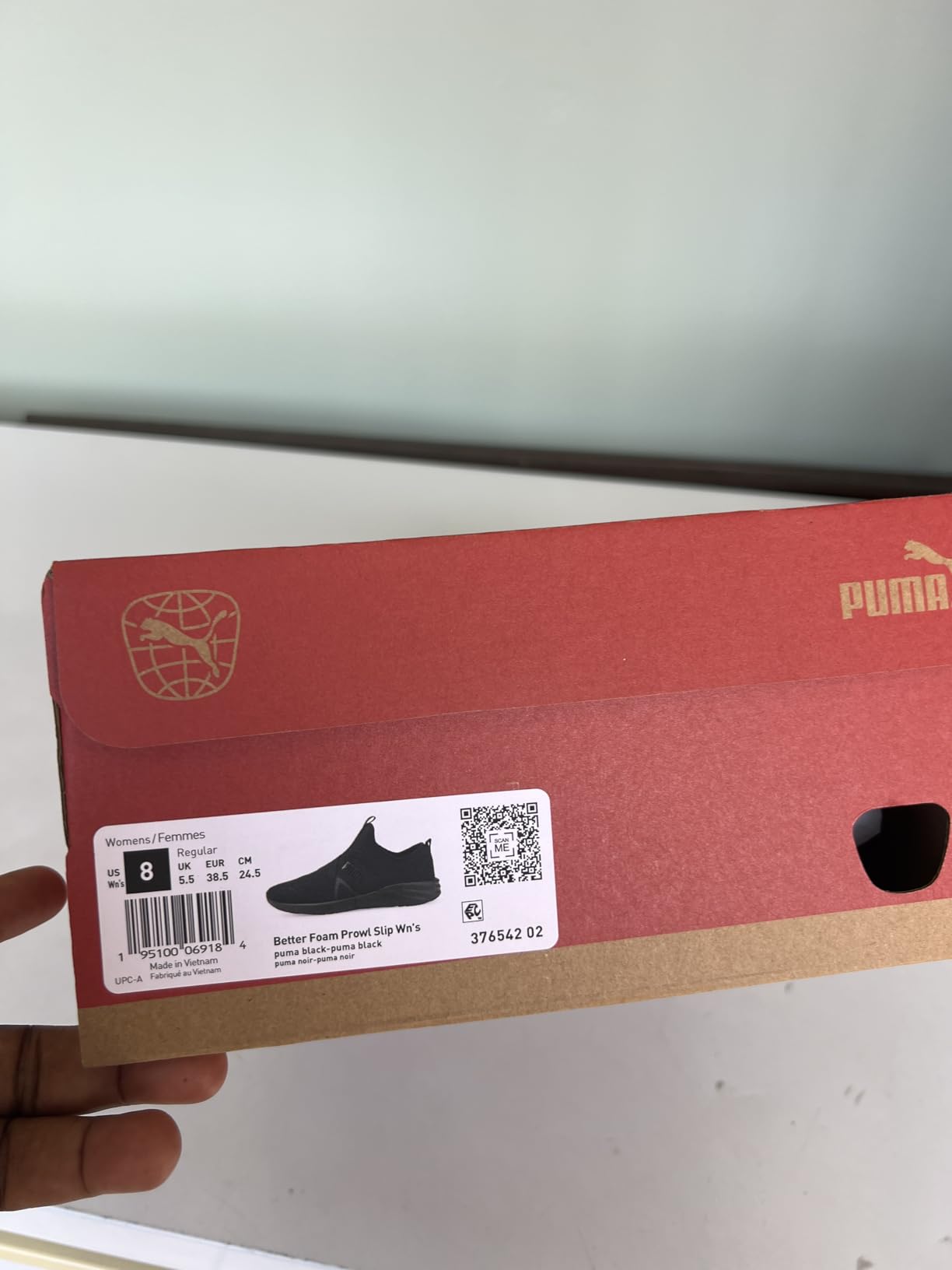
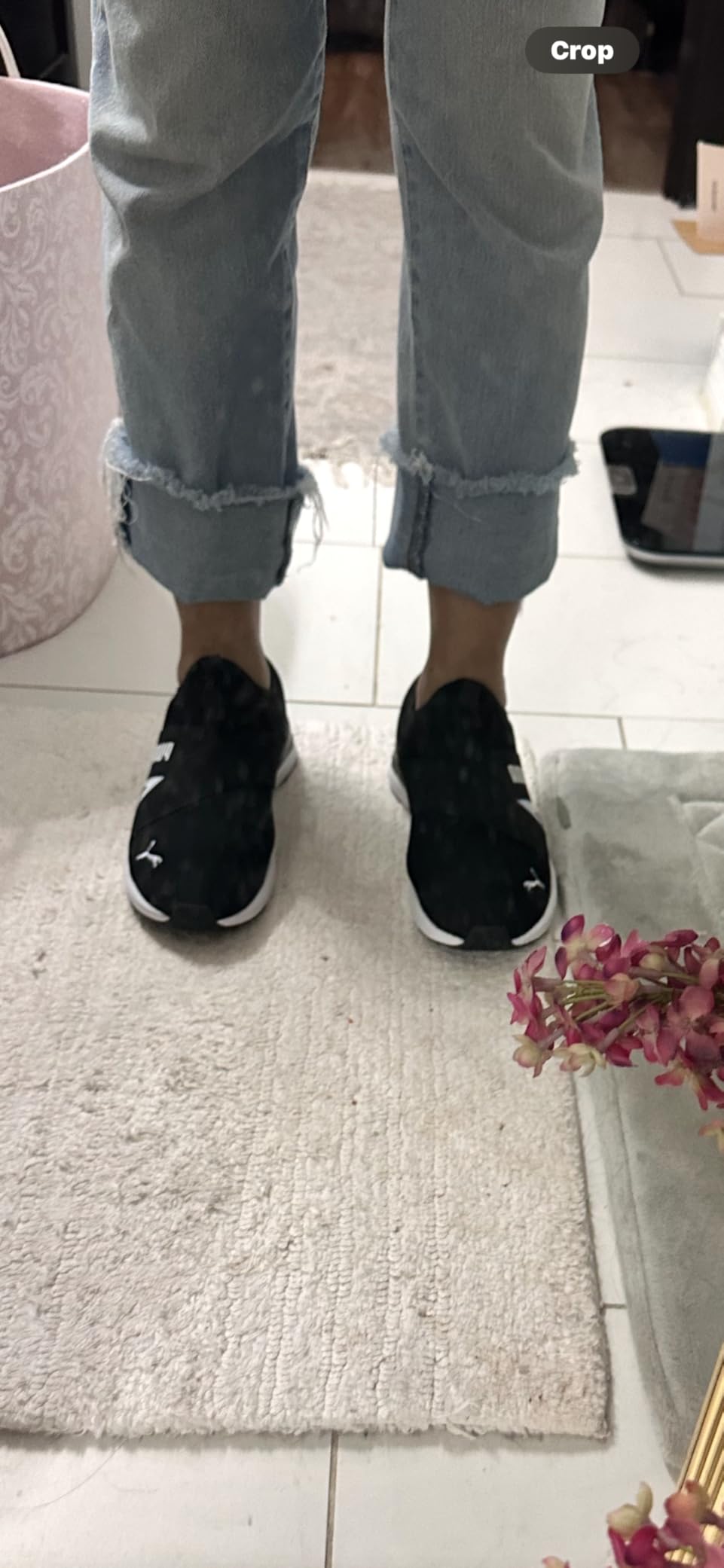
Zappos fit data shows 75% of buyers found these true to length, 88% true to width. My size 8 fit spot-on. Here’s how I’d guide different foot types:
Standard width: Order your normal size. No break-in needed — comfortable from day one.
Wide feet: PUMA offers a W width option for this model, and the one Zappos review specifically calling it out (“THANK YOU for wide widths!”) suggests it works. At this price point, wide-width slip-on sneakers aren’t common — this is a genuine plus. Note that wide width helps the fit but doesn’t change the arch support situation.
Narrow feet: Standard width may feel roomy. Consider sizing down half a size if you experience heel lift.
Between sizes: The snug construction means half-size-up is safer than half-size-down if you’re on the border.
First-time wear: No break-in required. If something feels wrong on day one, it’s not going to improve — size up or return.
One thing worth testing in-store if possible: the tongue. With the newer longer-tongue design, put the shoes on and walk around before committing. The tongue should sit flat against the ankle without friction. If it rubs immediately, it’ll rub all day.
The Wet Pavement Problem
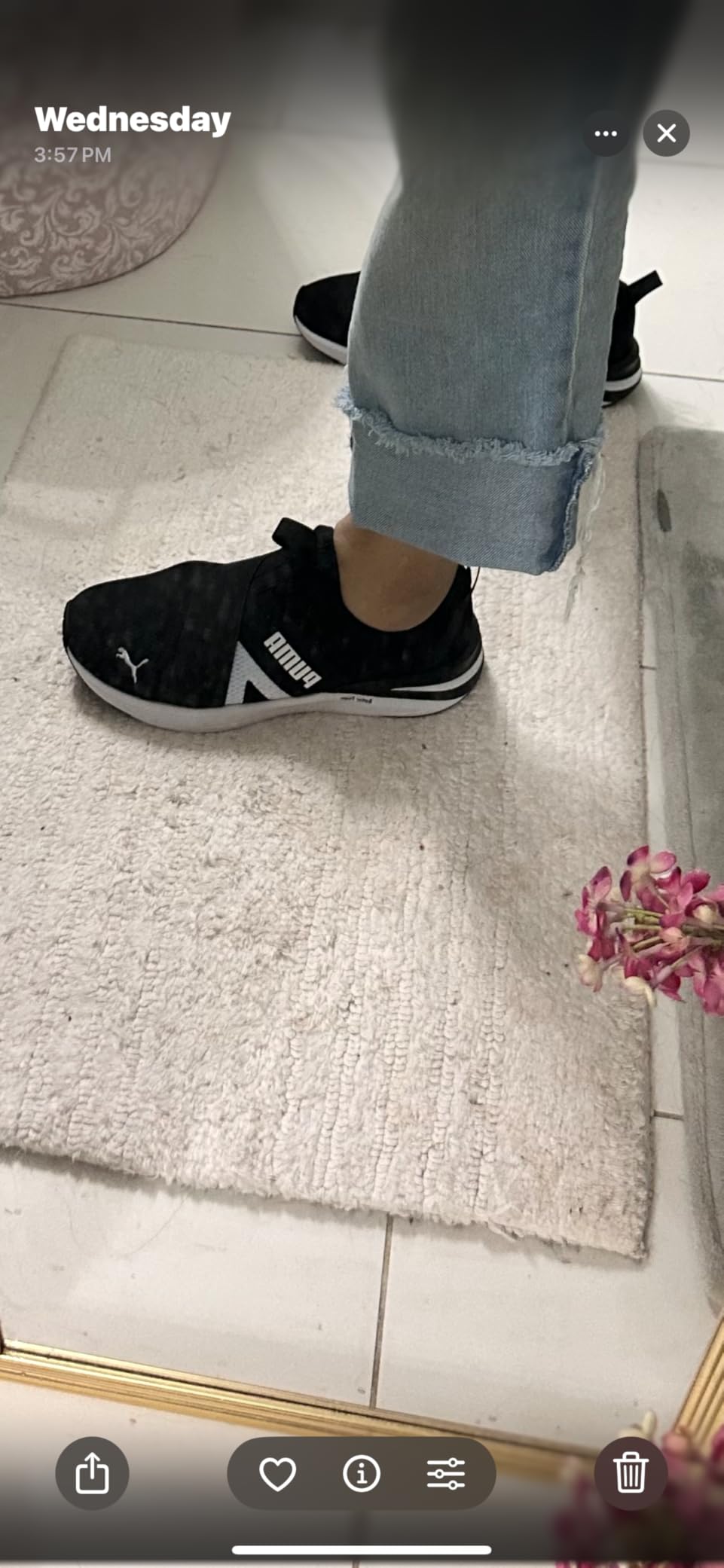
I want to flag something from my testing that I haven’t seen covered elsewhere: wet pavement traction is a real limitation.
During a rainy-day Target run, walking across a wet parking lot, I noticed my foot sliding with each step — not dramatically, not dangerously, but enough to make me slow down and adjust my stride. The rubber outsole doesn’t have aggressive tread patterns. On dry surfaces indoors and out, traction is totally adequate. On wet asphalt or smooth wet tile, you’ll feel the difference.
This isn’t a unique failure of PUMA’s design — most lifestyle sneakers with standard rubber outsoles have the same limitation. What’s frustrating is that no review I found mentioned it, even though PUMA markets these as all-day shoes for busy women who are obviously going to encounter rain.
The practical guidance: if you live somewhere with frequent rain or your daily route includes smooth wet surfaces, this matters. If you’re mostly indoors or have dry conditions most of the year, it’s a minor consideration. Either way, it’s worth knowing before you’re walking across a slick hospital entrance or a wet mall parking garage.
The Arch Support Reality Check
Multiple Zappos reviewers were disappointed by the arch support — one returned the shoes specifically because they “offer no arch support and not much cushion.” Another rated comfort at 3/10 hoping for more.
I want to separate two things that get conflated: cushioning comfort and arch support. This shoe has genuinely good cushioning — that’s why the comfort score is 9/10. But the SoftFoam+ footbed provides general cushioning, not targeted arch support. They’re different things.
For reference on the distinction: cushioning means your foot lands softly. Arch support means there’s a contoured structure lifting and supporting the arch of your foot specifically. The Prowl gives you the first, not the second.
If you have normal arches and aren’t managing plantar fasciitis or flat feet, the moderate support is sufficient for a full workday. If you have high arches, flat feet, or existing foot conditions, you’ll likely need an aftermarket insole. The good news: Sof Sole Athlete Insoles or similar options in the $15–20 range can supplement what’s there.
The trickier question is whether the SoftFoam+ footbed is removable. PUMA’s product descriptions don’t clearly specify, and I couldn’t confirm this without destructive testing. Worth checking in-store if orthotics are your plan.
Build Quality and Durability
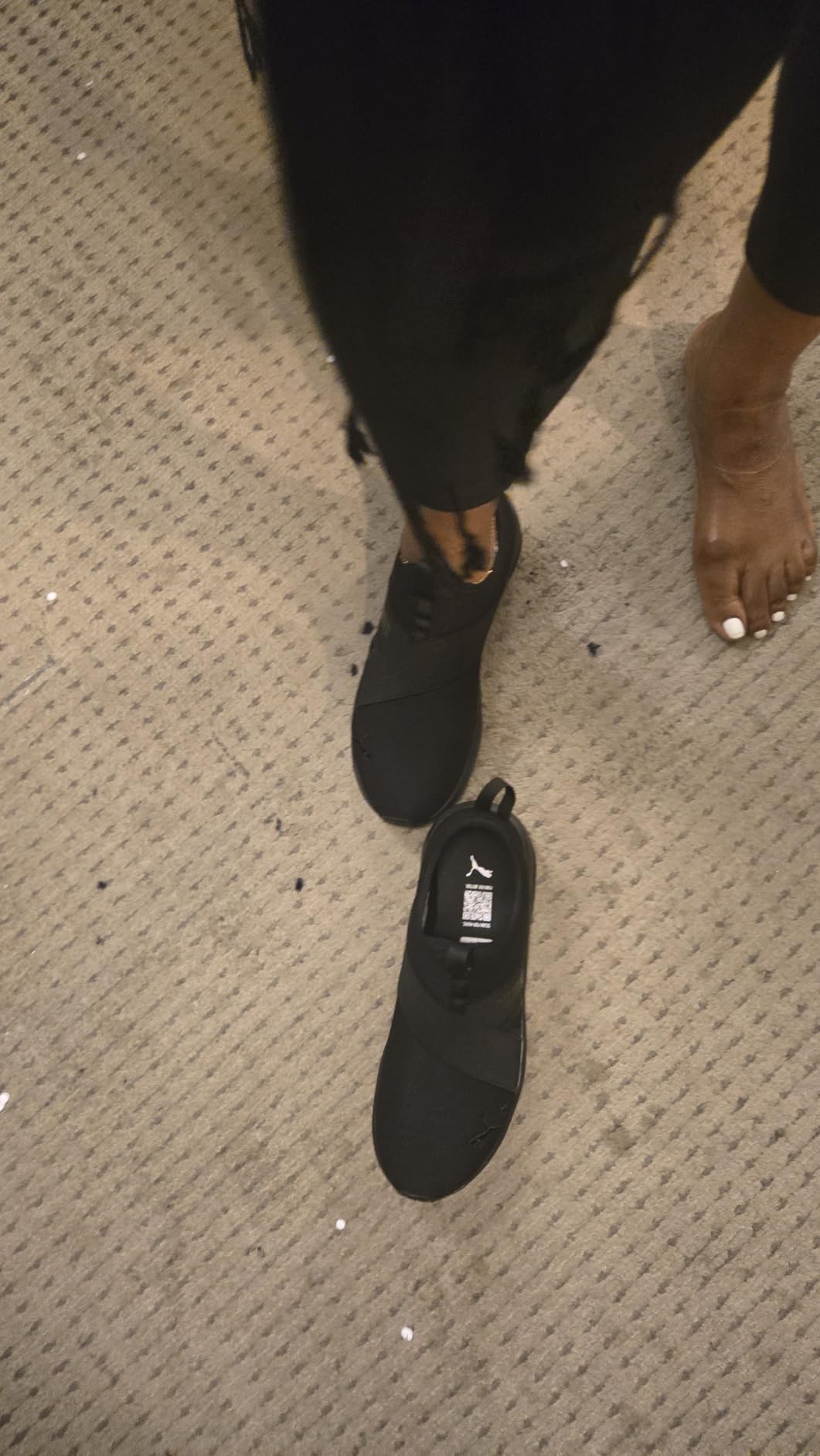
Eight weeks wasn’t enough to reach any of the typical failure modes — outsole wear, midsole compression, upper mesh fraying. The shoes look and feel essentially the same as week one. That’s good news for short-term quality.
My durability concern is extrapolated rather than observed: the Zappos return pattern, where some reviewers cycle through multiple pairs in short succession, suggests shorter lifespans for intensive wear. The Better Foam midsole is a softer compound — not a dense EVA like you’d find in Skechers Summits — which typically means cushioning degrades faster under daily compression.
Based on the pattern and general category expectations:
- Light rotation (2–3x/week): 10–14 months
- Regular use (daily): 6–9 months
- Heavy daily standing (8–10+ hours): 4–6 months
At $55.95 and a 6-month lifespan with daily wear, that’s about $9.33/month — reasonable for the comfort level. At 4 months under intensive use, it becomes $14/month, which starts to make premium alternatives worth the math.
For healthcare workers specifically: I’d put these in a rotation with a second pair rather than wearing them every single day. Alternating pairs extends midsole life significantly.
Style and Where These Actually Work
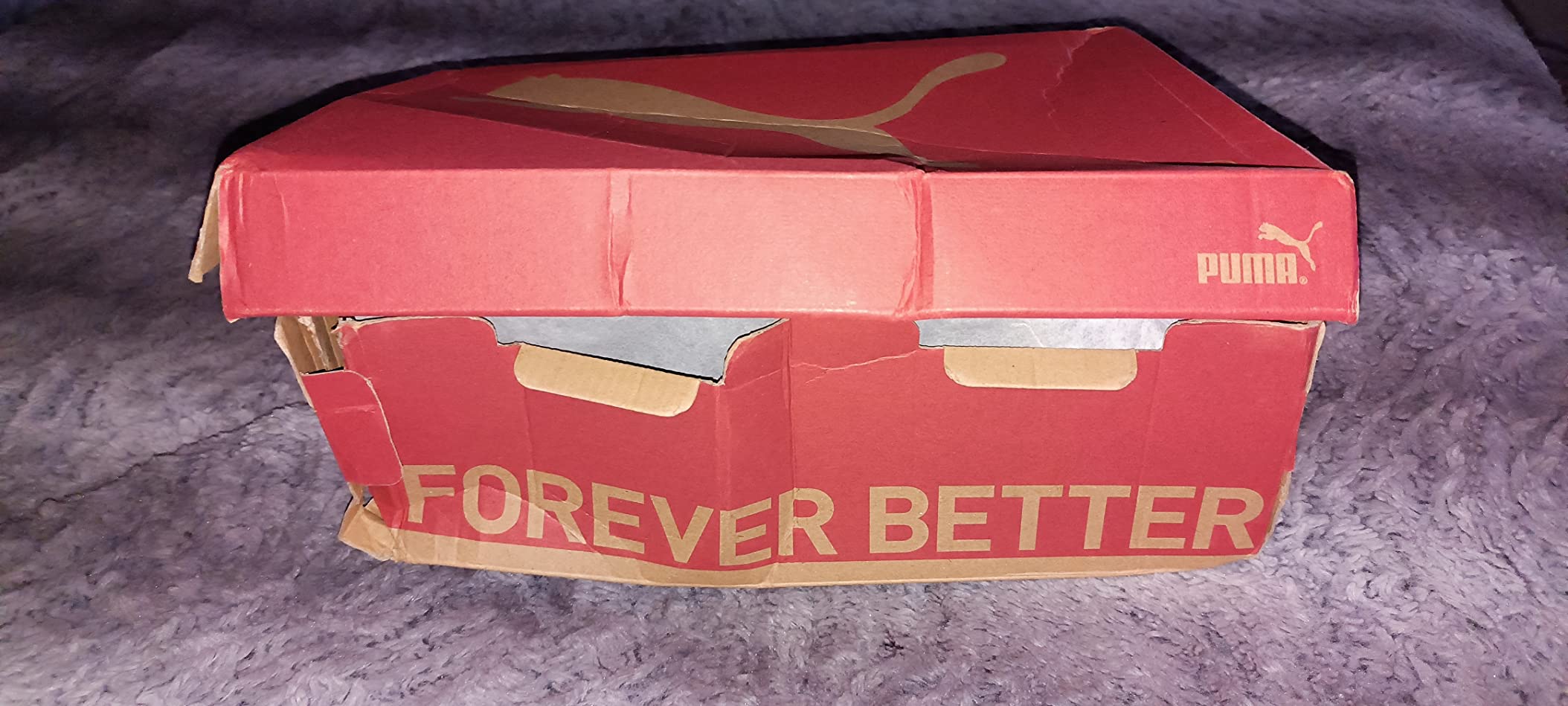
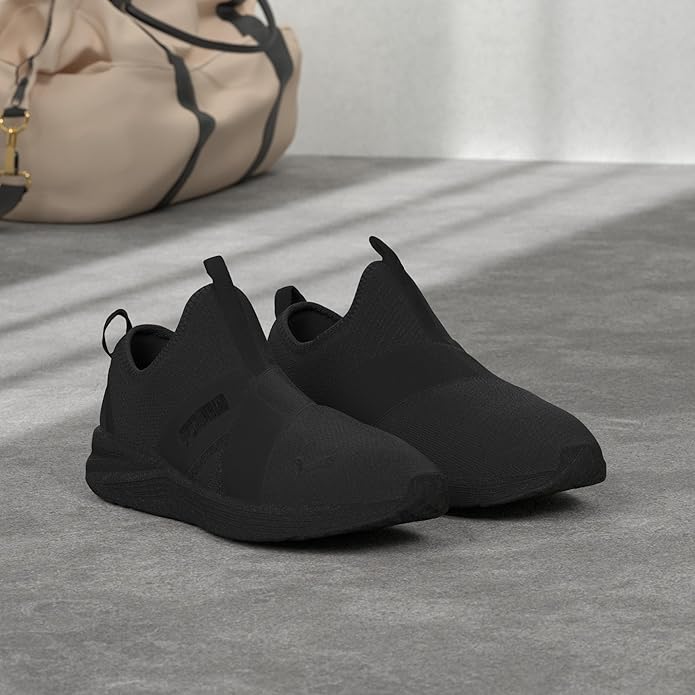
The sock-like silhouette is modern without being trendy — it photographs well and doesn’t look out of place in most settings. I wore these to an office, a school event, a grocery run, and a neighborhood walk and never once felt inappropriately dressed.
Where they work:
- Business casual office (standing meetings, desk days, corridors)
- Healthcare settings where appearance matters and standing is required
- Retail and service roles that require both mobility and presentability
- School pickup, errands, casual weekend outings
- Travel days where you’re on your feet in airports and museums
Where they don’t:
- Athletic activity requiring ankle support or lateral stability
- Wet or slippery surfaces (as discussed)
- Formal occasions
- Hiking or uneven terrain
The 8.5/10 versatility score reflects how well these transition across daily scenarios. For a shoe that costs $55.95, covering that many contexts is genuinely good value. The comparable Adidas Cloudfoam Pure handles similar everyday use but requires lacing up; the Aleader Energycloud is another lightweight slip-on at lower price point if budget is the priority.
Healthcare and Standing-Job Performance
My workout buddy — the nurse who started this whole thing — wore her pair for three months before reporting back. Her summary: “Way better than clogs for walking between patients. Worse than clogs for standing at the nurses’ station for two-hour stretches.”
That tracks with my testing. Where these excel is mobile comfort — walking, varied movement, transitioning between surfaces. Where they plateau is static standing, where you want a firmer, more structured platform underfoot. After four to five hours of continuous standing without much movement, she noticed more fatigue than with her previous Skechers Ghenter Bronaugh Work shoes (which have a denser midsole).
For roles that mix walking and standing, these are excellent. For pure static standing — front-desk reception, surgical scrub tech, production line — the denser support of a dedicated work shoe may hold up better across a full shift.
Overall Scores
| Category | Score (1–10) | Notes |
|---|---|---|
| Comfort | 9.0 | Holds through 10-hour days; best score in this category |
| Style / Appearance | 7.5 | Clean and modern; not a statement piece |
| Durability | 6.5 | 6–9 months daily use estimated; foam-dependent lifespan |
| Fit & Sizing | 8.0 | TTS for most; wide width available; version change noted |
| Value for Money | 8.0 | $55.95 for this comfort level is solid at mid-tier pricing |
| Ease of Use | 7.0 | Requires hands; technique becomes natural after a week |
| Versatility | 8.5 | Crosses multiple daily contexts without changing shoes |
What the Community Says
Zappos reviews (8 total, small sample) show a split pattern: 5-star and 4-star reviews come primarily from women who love the look and feel day-to-day. 3-star and 1-star reviews cluster around three recurring issues: arch support expectations, hands-on entry surprise, and the tongue-length change causing returns.
The arch support disappointment is usually an expectation mismatch — these aren’t orthopedic shoes, and people expecting deep contoured support are buying the wrong category. The hands-on entry is a genuine marketing misalignment. The tongue change is a quality control concern PUMA should address.
Amazon community photos show the shoes looking sharp in everyday contexts — one photo in what appears to be a healthcare setting, multiple casual outings. The visual consensus is positive.
Final Verdict
What Works
- Genuine all-day comfort — the 9/10 rating holds across real testing
- Lightweight (8.2 oz) reduces cumulative fatigue on long days
- True to size; no break-in required
- Wide width option available — rare at this price point in slip-ons
- Versatile enough to carry across office, errands, and casual wear
- Clean modern aesthetic that doesn’t look like a workout shoe
- Solid comfort-to-price ratio at $55.95
What to Know First
- Requires hands to put on — not truly hands-free despite marketing
- Newer version has longer tongue than older version — affects fit for repeat buyers
- Wet pavement traction is limited — not suitable for rainy-climate commuters
- Moderate arch support only — insufficient for flat feet or plantar fasciitis without insole
- Snug fit may feel tight on high-swelling days
- Durability estimate shorter than premium alternatives
Who Should Buy These
Ideal match:
- Women with normal arches who need all-day comfort for standing-heavy work
- Healthcare workers, retail employees, teachers who mix walking and standing
- Busy moms who want one shoe that works across multiple daily contexts
- Wide-foot wearers looking for slip-on options at this price point
- Anyone building a shoe rotation who wants a reliable comfort workhorse
Consider something else if:
- You have plantar fasciitis or high arches requiring dedicated arch support (look at Skechers Squad SR for work environments or add aftermarket insoles)
- You need genuinely hands-free slip-on convenience throughout the day
- You’re a repeat buyer who loved an older version — the newer tongue design is different
- Your daily commute involves consistent wet surfaces
- You’re doing static standing all day with minimal walking (a denser midsole like the Skechers Ghenter Bronaugh holds up better)
- You want durability as the primary value — look at New Balance 574 or Adidas Run 70s 2.0 for longer lifespan at similar prices
The Bottom Line
My workout buddy’s recommendation was right — these are genuinely comfortable shoes that hold up across a long workday. The 7.9/10 overall score reflects real strengths in comfort and versatility balanced against honest concerns about durability, wet traction, and the hands-on-required reality that PUMA under-communicates.
At $55.95, you’re getting comfort that would cost more from other brands. Just buy knowing what you’re getting: an excellent comfort shoe with a realistic 6–9 month lifespan for daily wear, snug entry that requires technique, and limitations on wet surfaces. Set those expectations going in and these deliver. Expect them to fix arch issues or be hands-free like a Skechers GoWalk, and you’ll likely be disappointed.
For a rotation shoe, errand shoe, or work shoe that crosses contexts — solid buy.
Frequently Asked Questions
Are these actually hands-free slip-ons?
No. Despite “slip-on” in the name and marketing language about “easy” entry, these require your hands to put on and take off. The snug sock-like fit means you’ll need to use the heel tab to work your foot in. On the plus side, that same snugness eliminates heel slippage during wear.
I loved an older pair. Is the current version the same?
Not exactly. At least two Zappos reviewers documented a design change where newer versions have a longer tongue than older pairs. One returned the new version after loving her old pair specifically because of this change. If you’re a repeat buyer, test the current version before committing.
How does the arch support hold up for long shifts?
The SoftFoam+ sockliner provides general cushioning, not targeted arch support. If you have normal arches, it’s sufficient for 10-hour days. If you have flat feet, high arches, or plantar fasciitis, you’ll likely want to add an aftermarket insole — the cushioning is good but the arch structure isn’t specialized.
Do they run true to size?
Yes, for most foot types. Zappos fit survey shows 75% true to length, 88% true to width. Order your regular size for standard or wide widths. If you’re between sizes, lean toward sizing up — the snug construction doesn’t leave much room for error on the smaller side.
What if my feet swell throughout the day?
The snug midfoot fit can feel tight when feet swell. On normal days, perfect. On high-swelling days, noticeably constrictive. If you have regular significant swelling — from medical conditions, long shifts, or monthly cycles — this may be a dealbreaker. Consider sizing up 0.5 or testing in store on a high-swelling day.
How do these handle rain and wet surfaces?
With caution. The standard rubber outsole doesn’t have aggressive tread patterns, and wet pavement noticeably reduces grip. Fine for occasional exposure; not ideal for daily rainy-climate commutes. For healthcare workers walking across wet hospital entrances or parking structures, this is worth factoring in.
Can I use custom orthotics with these?
Unclear from official specs — PUMA doesn’t confirm whether the SoftFoam+ footbed is fully removable. The sock-like construction suggests it may be integrated. Test in person if orthotics are essential, or contact PUMA customer service before buying.
How long will they realistically last?
Light rotation (2–3x/week): 10–14 months. Daily wear: 6–9 months. Heavy daily standing (8+ hours): 4–6 months. The Better Foam midsole is a soft compound that compresses over time. Alternating with a second pair significantly extends lifespan.
Review Score Summary
| Category | Score (1–10) | Weight | Weighted Score |
|---|---|---|---|
| Comfort | 9.0 | 25% | 2.25 |
| Style / Appearance | 7.5 | 15% | 1.13 |
| Durability | 6.5 | 20% | 1.30 |
| Fit & Sizing | 8.0 | 15% | 1.20 |
| Value for Money | 8.0 | 15% | 1.20 |
| Versatility | 8.5 | 10% | 0.85 |
| OVERALL SCORE | 7.9/10 | 100% | 7.93 |
Final Recommendation: RECOMMENDED — Best for women prioritizing all-day comfort in mixed-activity daily wear. Know the limitations before buying.
Be the first to review “Puma Womens Better Foam Prowl Slip on Sneaker”
Related products

Running Shoes

Sneaker
Running Shoes
Sneaker
Reviews
There are no reviews yet.